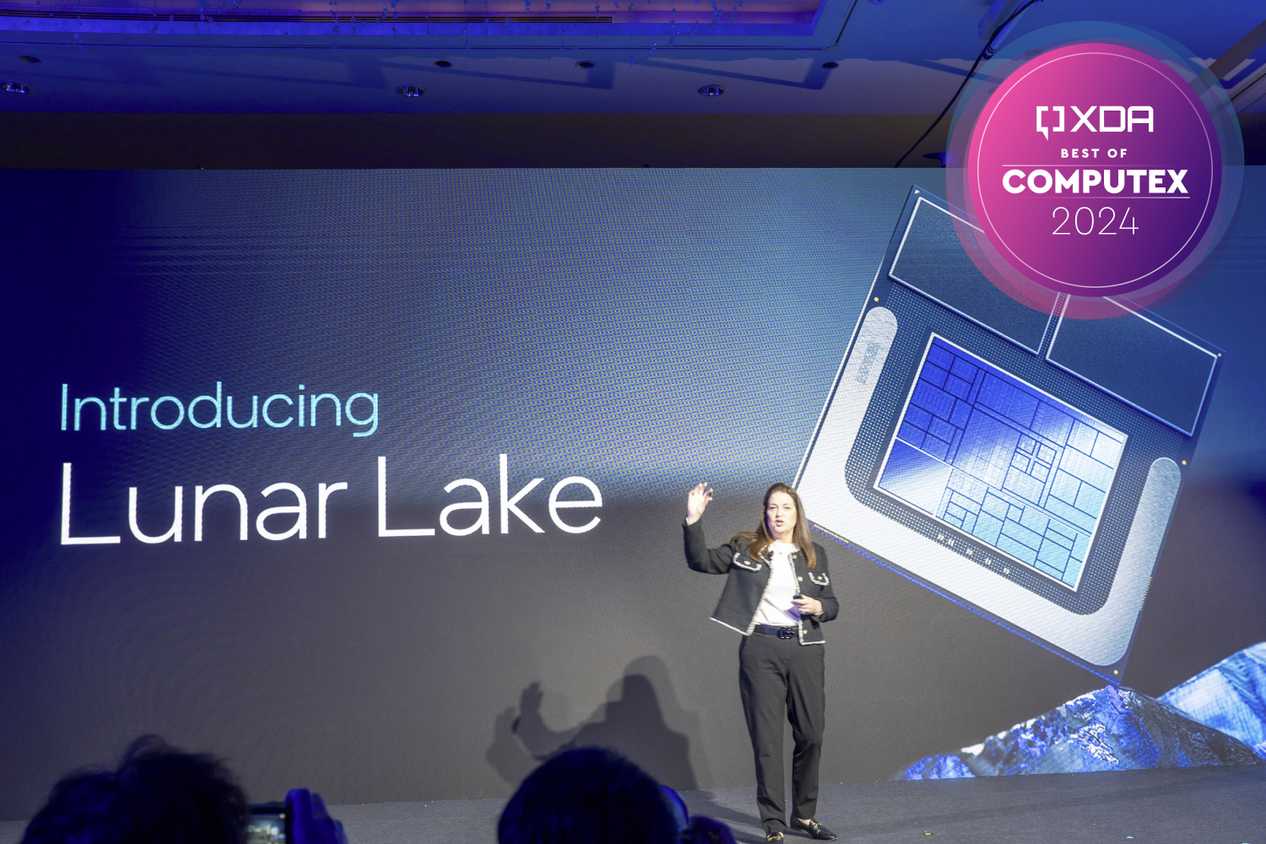
Every company has a misstep sometimes, but somehow Intel has managed to step on a series of cartoon rakes in the grass over the last few years. Lunar Lake might be the product that helps them avoid the crash landing that seems to be in the cards, and it can't come a minute too soon.
Intel's current crash course
You've likely heard that Intel's 13th and 14th generation CPUs have major issues, but this is likely just a symptom of more complex issues. Intel is losing money, and its stock prices have taken a huge knock. In August of 2024, we learned that Intel would lay off 15,000 employees. With dropping market share, products on the shelves having issues, while bleeding skills and profits, it's hard not to think that the company may be entering a death spiral.
Of course, we've seen strategically important companies receive massive bailouts and, given the CHIPS act which puts a priority on domestic semiconductor production in the USA, that may be the eventual outcome. However, it would be better for everyone if Intel could avert disaster on its own steam, by simply making good, functional products that people want to buy. Lunar Lake might be the product to turn things around.
Lunar Lake in a nutshell
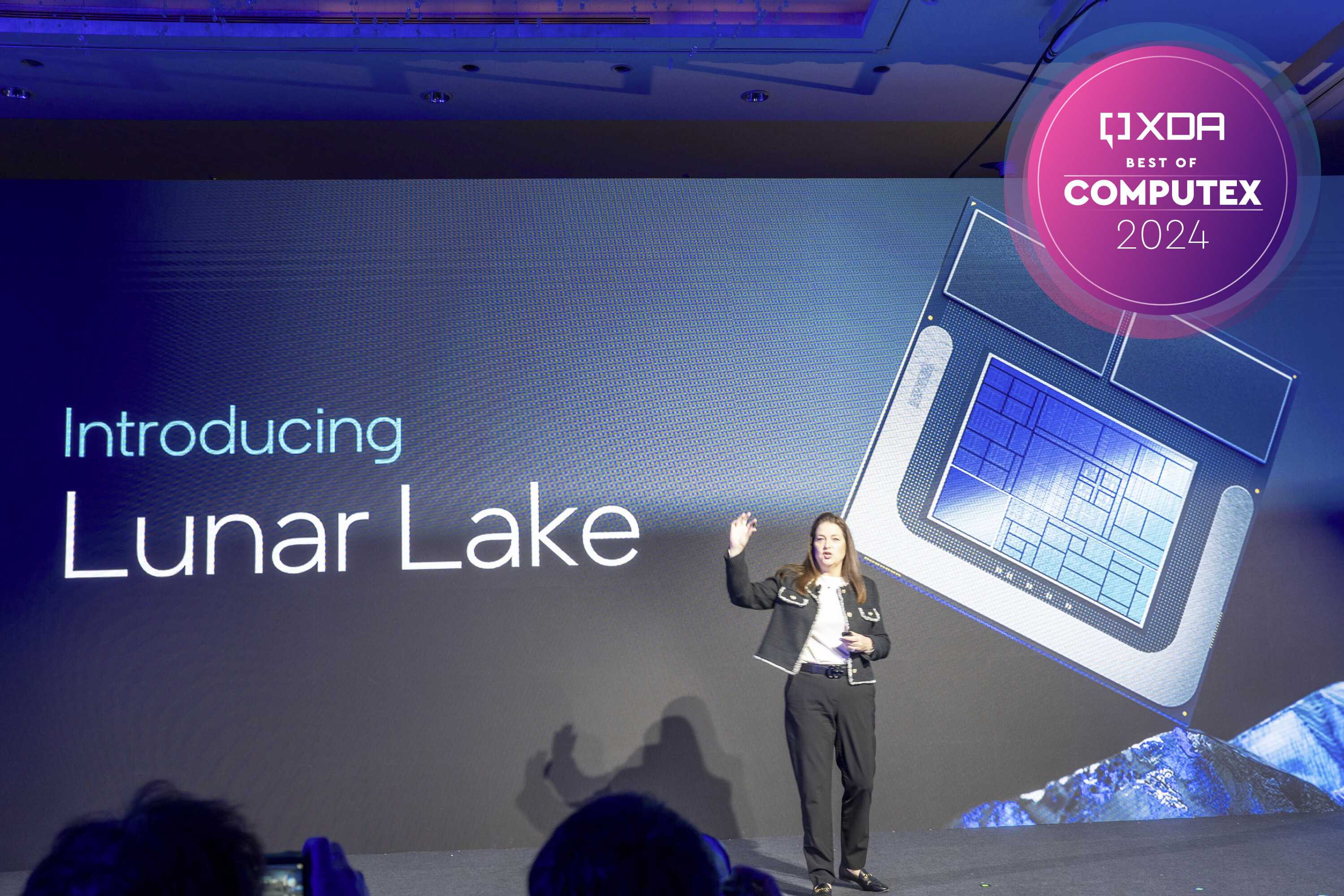
"Lunar Lake" is the code name for Intel's Series 2 Core Ultra mobile CPUs, slated for a release in Q3 of 2024, and pre-orders opened on September 3, 2024. It's the follow-up to Meteor Lake, where Intel took the bold step of moving away from a monolithic processor, and followed in AMD's footsteps with a multi-chip design all sewn up in a single package.

Lunar Lake is aimed at the ultra low-power mobile segment. So the main competition here is from Apple Silicon and the latest Arm-powered Windows laptops, mostly sporting silicon from Qualcomm in the form of Snapdragon Elite. According to Intel, they're going to "bust the myth" that Arm is more efficient than x86 with Lunar Lake. So that is what this new Intel product is all about.
Intel has stumbled before
It's no exaggeration to say that Apple Silicon caught Intel off-guard. With a robust translation layer in the form of Rosetta 2, and staggering battery life figures without compromising performance, it made Intel-based laptops look a generation or more behind at the time.
This isn't the first time Intel has fumbled things this way either. Intel tried to compete for power efficiency with its Atom CPUs years ago, during the height of the netbook revolution. However, Qualcomm's Arm CPUs were the market favorite in ultra mobile devices and Intel effectively (but not officially) left that market segment after this became clear.
Going back even further, the Pentium 4's NetBurst architecture was another historical power-related misstep, with Pentium 4s being too hot and power hungry, causing an effective dead end. This is why Intel pivoted to the Core architecture we know today, with a focus on better performance-per-watt and multicore designs, rather than pushing single-core performance up against a wall.
Intel's repeated failure to move past the 10nm process size is perhaps the most talked about issue in recent years, other than its failure (so far) to compete in the ultraportable arena. While Intel is now making CPUs with node features smaller than 10nm, and is gearing up to produce 18A (angstroms as opposed to nanometers) products, both Lunar Lake and Arrow Lake are being outsourced to non-Intel fabs. This may indicate further issues internally with Intel's technological capacity, but perhaps they are focusing on improving Intel 3 and Intel 4 yields, while getting 18A right is an overriding priority in the interim.
Intel needs Lunar Lake to succeed
Lunar Lake needs to offer competitive performance and power consumption when compared to Apple Silicon and the best Qualcomm has to offer, in order to make inroads into the massive ultraportable laptop market. Intel's biggest advantage is native compatibility with x86 software on Windows, given that Microsoft's answer to Rosetta 2, Prism, still isn't great at running x86 software on Arm systems.
If Intel can match the performance and power consumption of its Arm competitors, then it could render Windows Arm laptops pointless overnight. Of course, it's not only in the CPU area where Lunar Lake needs to shine. Apple Silicon GPUs are respectable for almost any use, including mainstream gaming, and the Snapdragon Elite GPUs are serviceable, if not earth-shattering.

Intel has made major strides with its Arc GPU technology, but still has software compatibility and driver optimization issues. This doesn't just matter for ultraportable laptops, it's also crucial to breaking into the growing handheld gaming PC market. So far, the poster child for Intel GPU technology in a handheld, the MSI Claw, has major issues with performance and compatibility.
Intel's moonshot
There's no such thing as a company that's too big to fail, and if Lunar Lake doesn't stick the landing on this one, Intel could once again miss getting in on at least two important and growing market segments.
It faces strong competition from AMD in data centers, and similar headwinds in the desktop PC space. When it comes to AI and GPUs, Nvidia's dominance is almost total. Lunar Lake looks to be a turning point for Intel's fortunes, but which direction that turn will take is still anyone's guess.
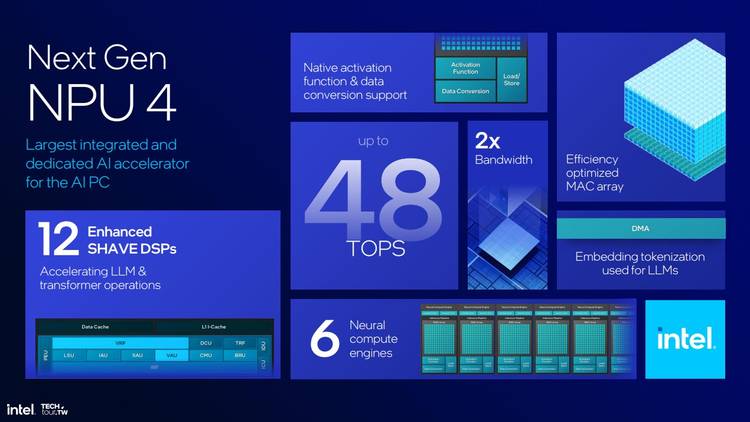
Source: Intel 
Source: Intel 
Source: Intel


Source: Intel 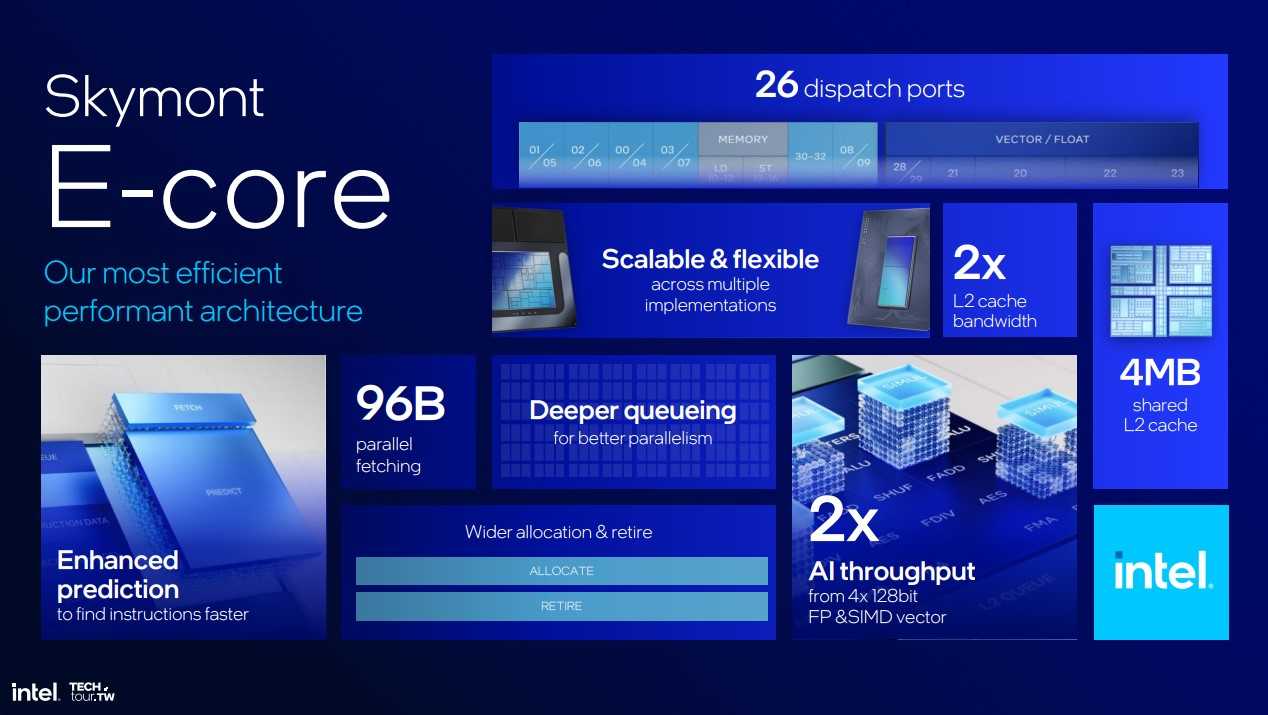
Source: Intel 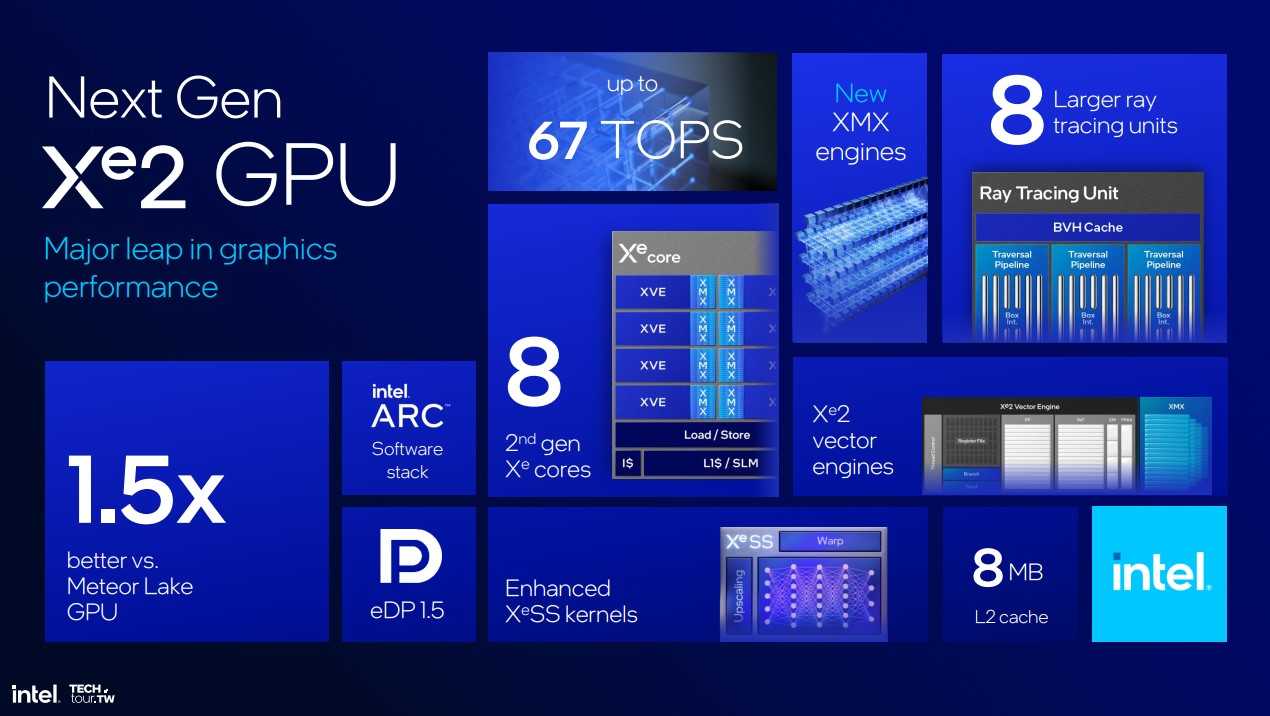
Source: Intel