


Back in 2020, I bought the LG 27GN950 Nano IPS monitor for $800, which I thought was a steal at the time. It checked every box I cared about: a fast IPS panel with minimal backlight bleeding, 160Hz refresh rate, and 4K resolution. I assumed I was going to use it as my primary gaming monitor for the next 5-6 years, but then OLED monitors started coming out. In 2024, I bought the Alienware AW2725DF, a 1440p 360Hz OLED gaming monitor, for $850. I basically paid more for a resolution downgrade, but do I regret it? Absolutely not.
Fast-forward to 2026, and I now use the Alienware one as my main monitor, whereas the LG one sits next to it as my second monitor to check Discord and monitoring tools. That alone should tell you a lot about which upgrade actually mattered more to me in daily use. The LG still looks great, but when it's time to play games, I don't want to give up my faster OLED monitor, even if that means compromising on resolution.
Higher refresh rate and OLED matter more to me
The motion clarity and responsiveness of this monitor make it worth the price


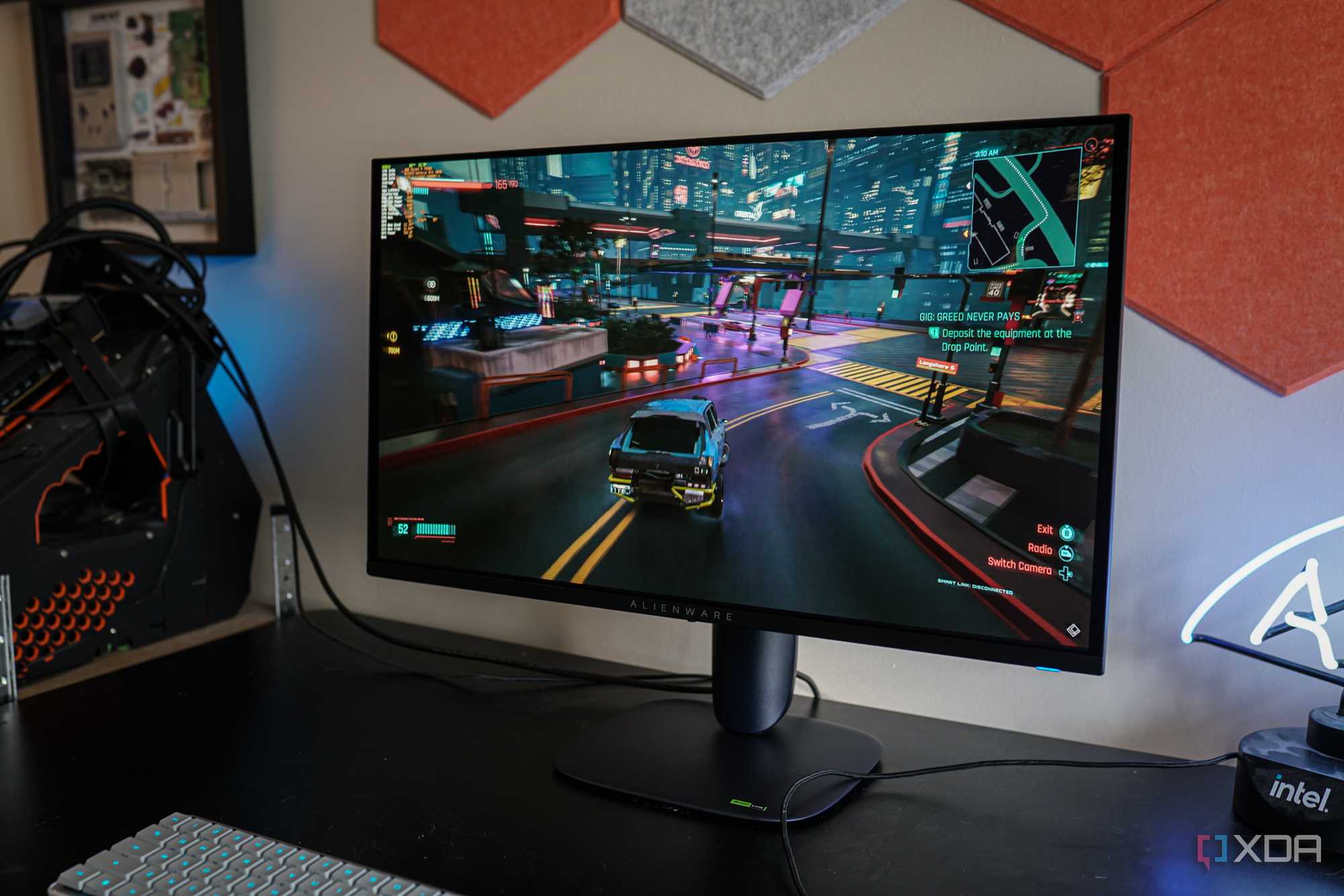
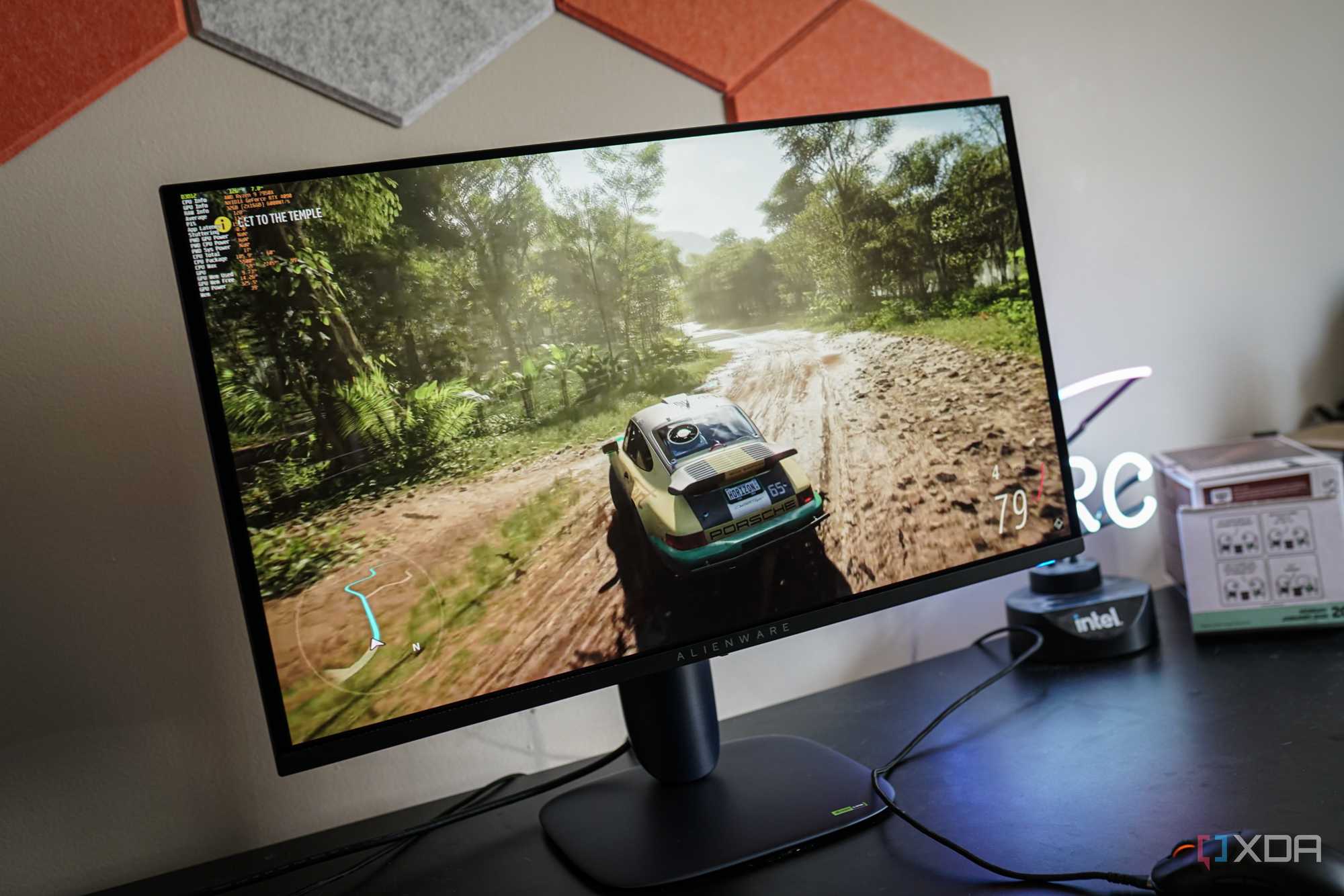
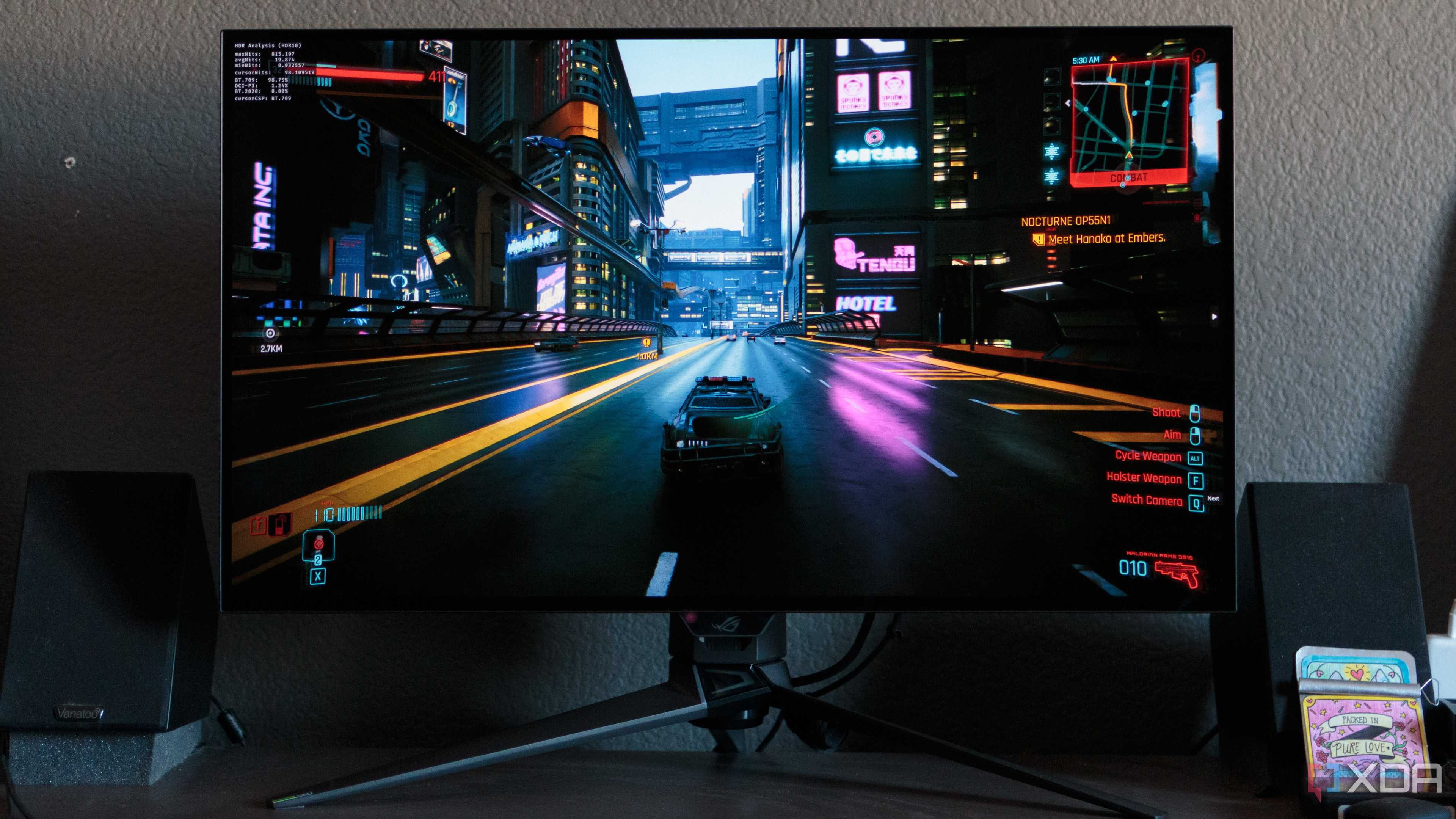
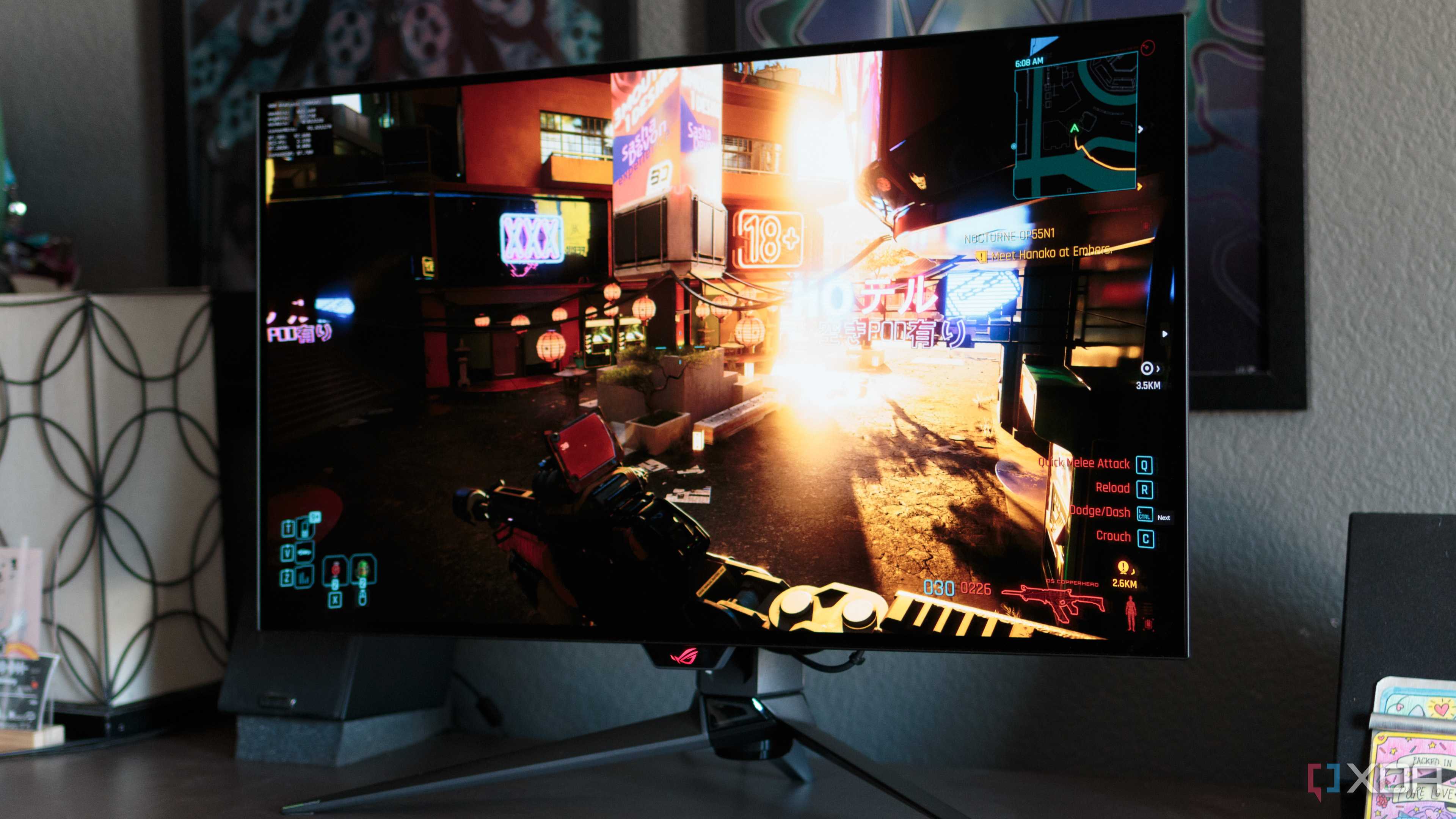
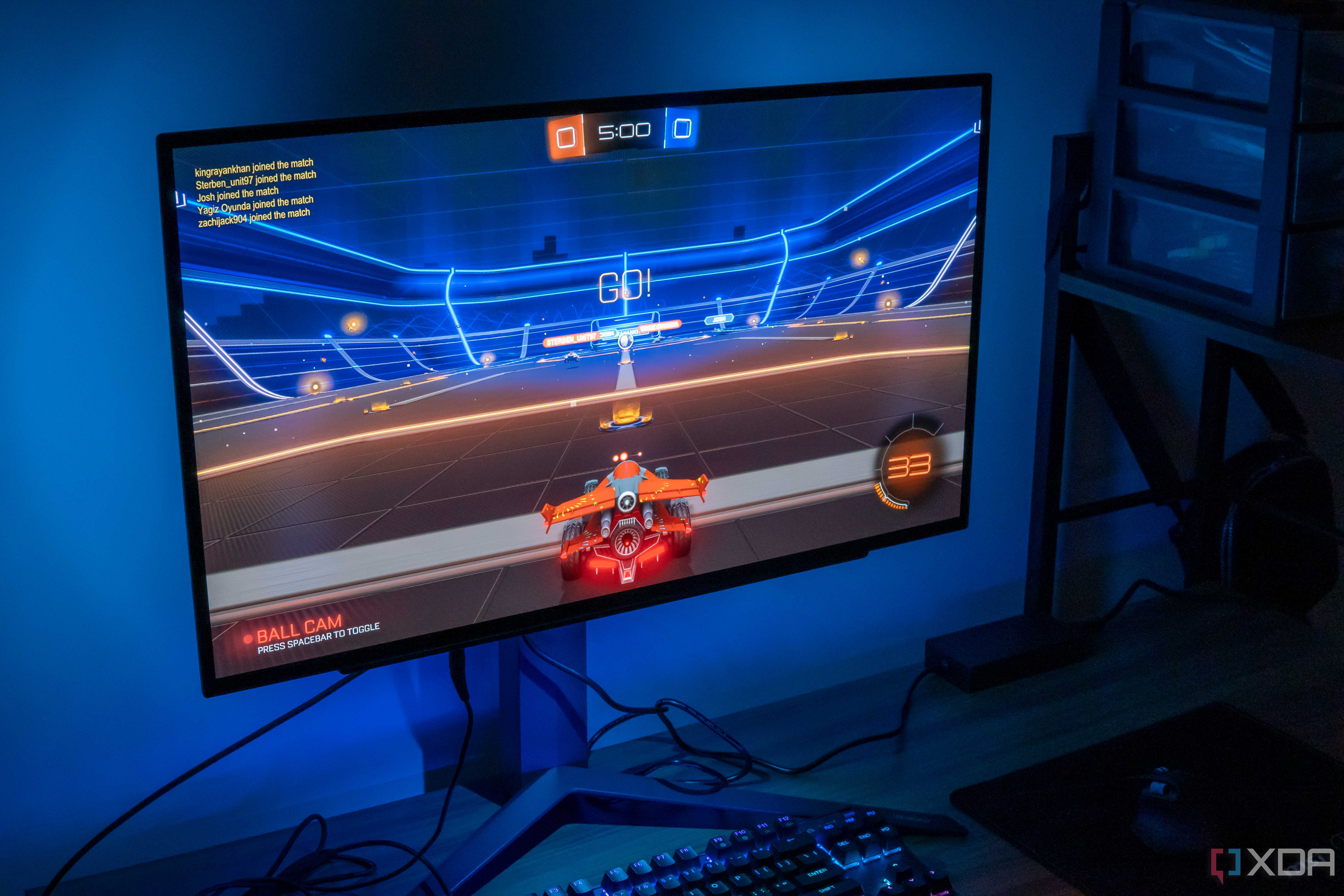
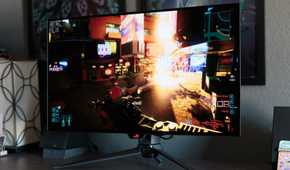

I didn't get the AW2725DF to replace my 4K monitor completely. I thought I'd use the faster OLED for competitive shooters like Valorant and Apex Legends and switch to the IPS one when it's time to sit back and enjoy AAA single-player titles. But the OLED screen is just so beautiful to look at, and that's despite the resolution downgrade. I even tried switching between the two monitors while playing various games to see which I liked better. The OLED's rich colors and deep blacks consistently pulled me in more.
Looks aside, I was just as impressed by how the monitor felt, and that's not just because of its 360Hz refresh rate. OLED monitors have near-instant pixel response times, which dramatically improve motion clarity and eliminate smearing and blur that's still common on IPS LCD panels. As a competitive gamer, that's exactly the kind of motion performance I want because tracking enemies feels a lot easier. And once you get used to that level of responsiveness, it's really hard to go back to an LCD panel.
1440p gives my GPU more room to breathe
From a performance standpoint, 1440p is the sweet spot even for my RTX 4090

When I bought the LG 4K monitor, I was using an RTX 3090. 4K at 160Hz was a bit too much for it, even though it was the fastest GPU available at the time. I assumed I'd be able to make the most of the monitor once I upgraded later. But even with an RTX 4090, I'm not consistently hitting triple-digit frame rates in the latest AAA titles without relying on DLSS upscaling and frame generation. As someone who prefers to play at native resolution without fake frames, I find that a little disappointing.
At 1440p, though, my RTX 4090 has a lot more breathing room. I can comfortably hit 100+ FPS without leaning on upscaling or frame generation, and I don't feel like I have to dial down the settings too much for a smooth experience. More importantly, performance feels stable. Frame pacing is more consistent, and demanding scenes rarely push the GPU to its limits. All in all, that extra headroom just makes every game feel better to play, even if the visuals aren't quite as crisp.
Of course, the 4K monitor is sharper
But sharpness alone doesn't make a monitor better for gaming

I'm not trying to act like my 1440p monitor is just as crisp as my older 4K panel because it's not. Besides games, text and static UI elements look undeniably sharper on my LG 27GN950. In fact, text clarity is one of the biggest weaknesses of my OLED monitor. If my primary use case were productivity or web browsing, I'd be using my 4K monitor a lot more just for its sharpness. It's the one thing I still notice the moment I switch back from my OLED.
However, when it comes to gaming, at least the way I play, that extra sharpness quickly fades into the background. I'm no longer in awe of a sharper screen as I used to, because once you start moving around, smoothness, motion clarity, and color presence matter more than sheer pixel density. I'd argue that when you have an OLED panel, those strengths become far more noticeable during gameplay than the added sharpness of 4K. Even today, I'm still genuinely impressed by the visuals every time I boot up a new game on my AW2725DF.
I'd take a better panel over higher resolution any day
A few years ago, I would've laughed at this take. Resolution always felt like the ultimate upgrade for gamers, but now that I've experienced an ultra-high refresh rate OLED panel, my priorities have changed. When you spend time gaming on a beautiful display with exceptional motion clarity, raw pixel count stops feeling like the defining factor. Of course, a 4K OLED monitor would still be an upgrade from here, but we don't have that yet, nor do we have a GPU that can push those frame rates. So, I'll happily stick with what I have for the time being.
