


Summary
- Nvidia's CEO downplays impact of tariffs on China despite significant manufacturing presence.
- U.S. government is imposing tariffs on electronic goods, affecting Nvidia GPUs.
- Retailers blame price hikes on Nvidia GPUs on tariffs; companies eye shifting manufacturing to U.S. to avoid tariffs.
Nvidia's CEO Jensen Huang can sometimes talk out both sides of his mouth, but a comment the executive made following his GTC keynote is turning heads. In an interview with CNBC (via Wccftech), Huang seemed unphased by the spasmodic tariffs on China, where a significant portion of Nvidia's products are ultimately manufactured.
Unconcerned or posturing?
I have my guess


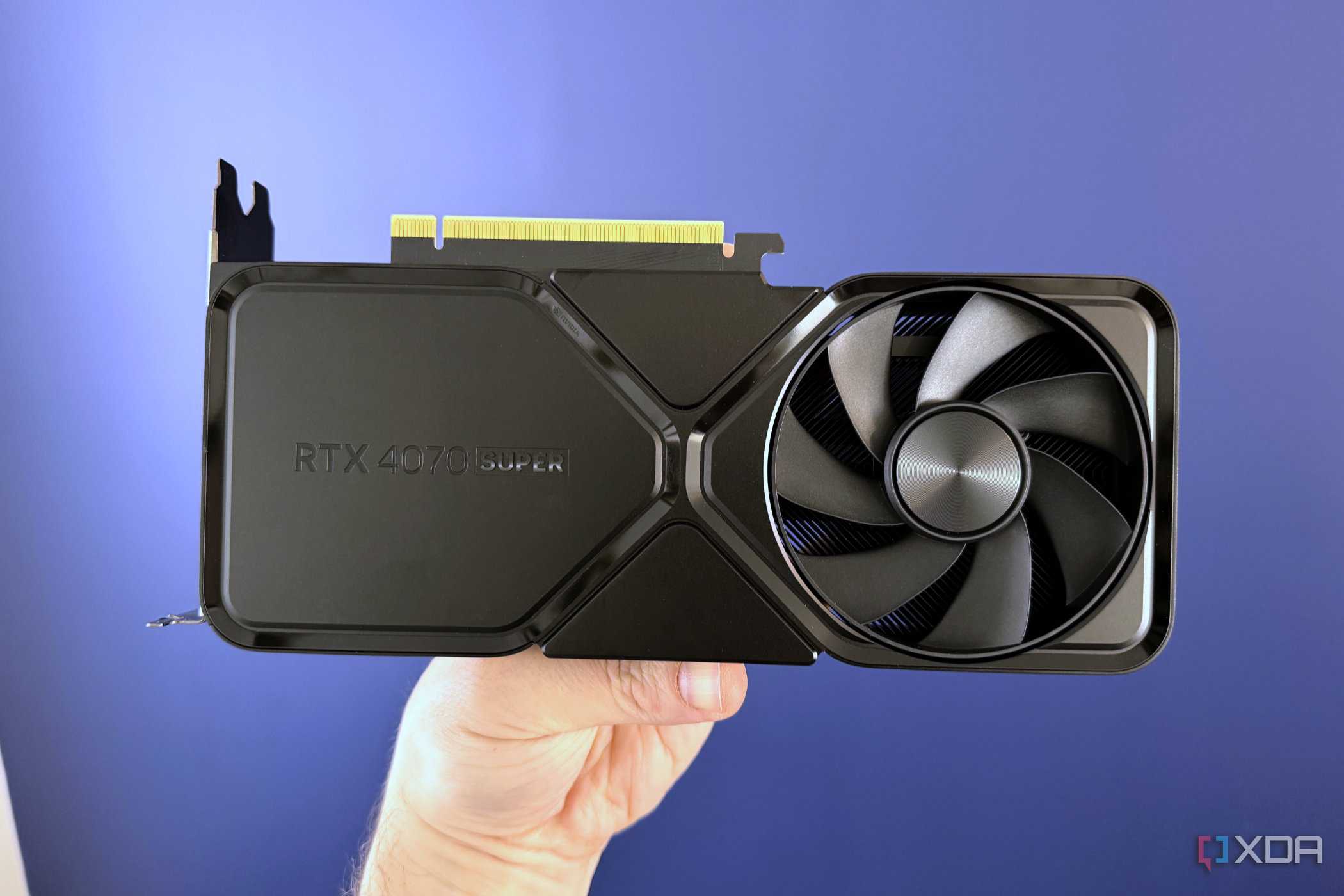
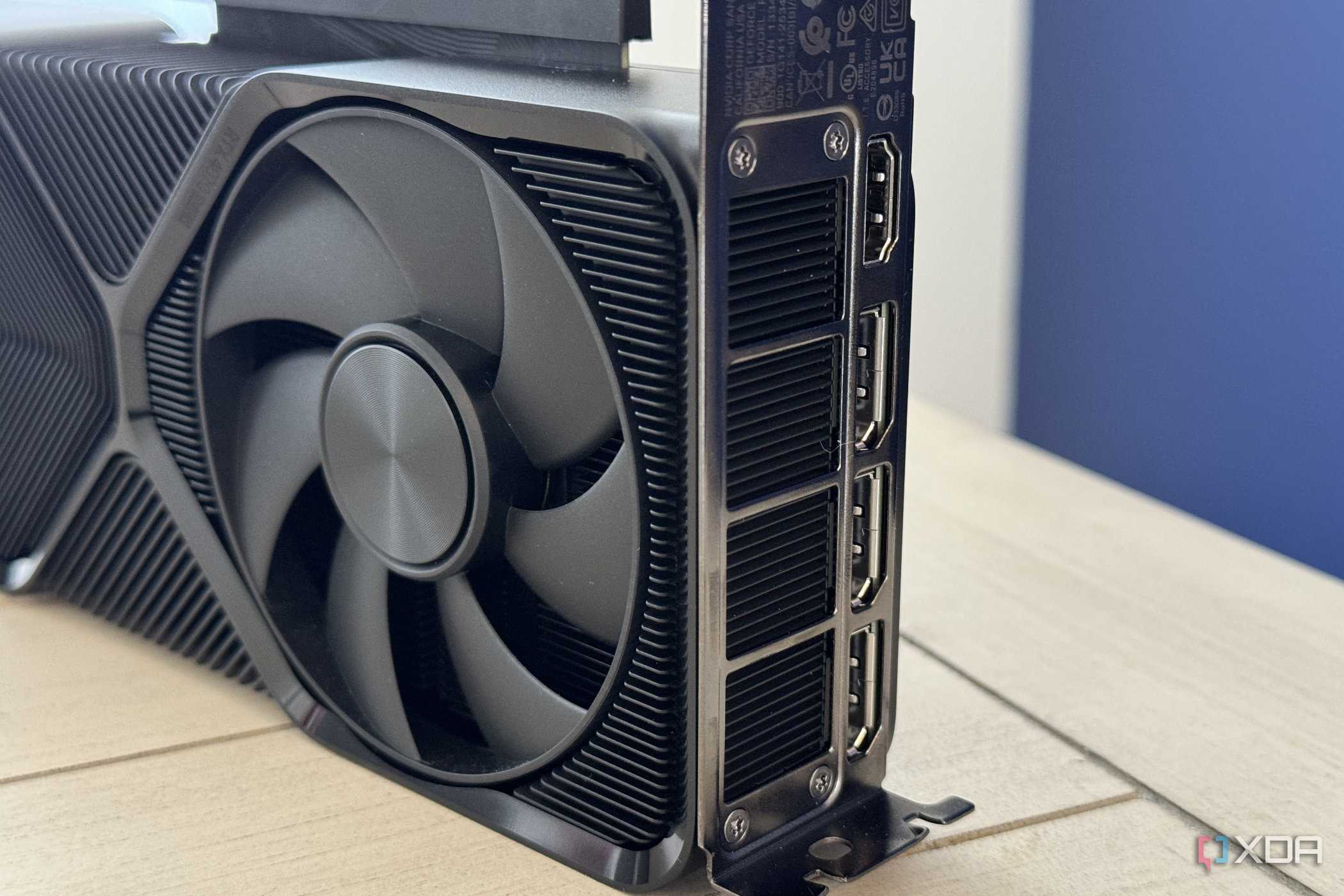
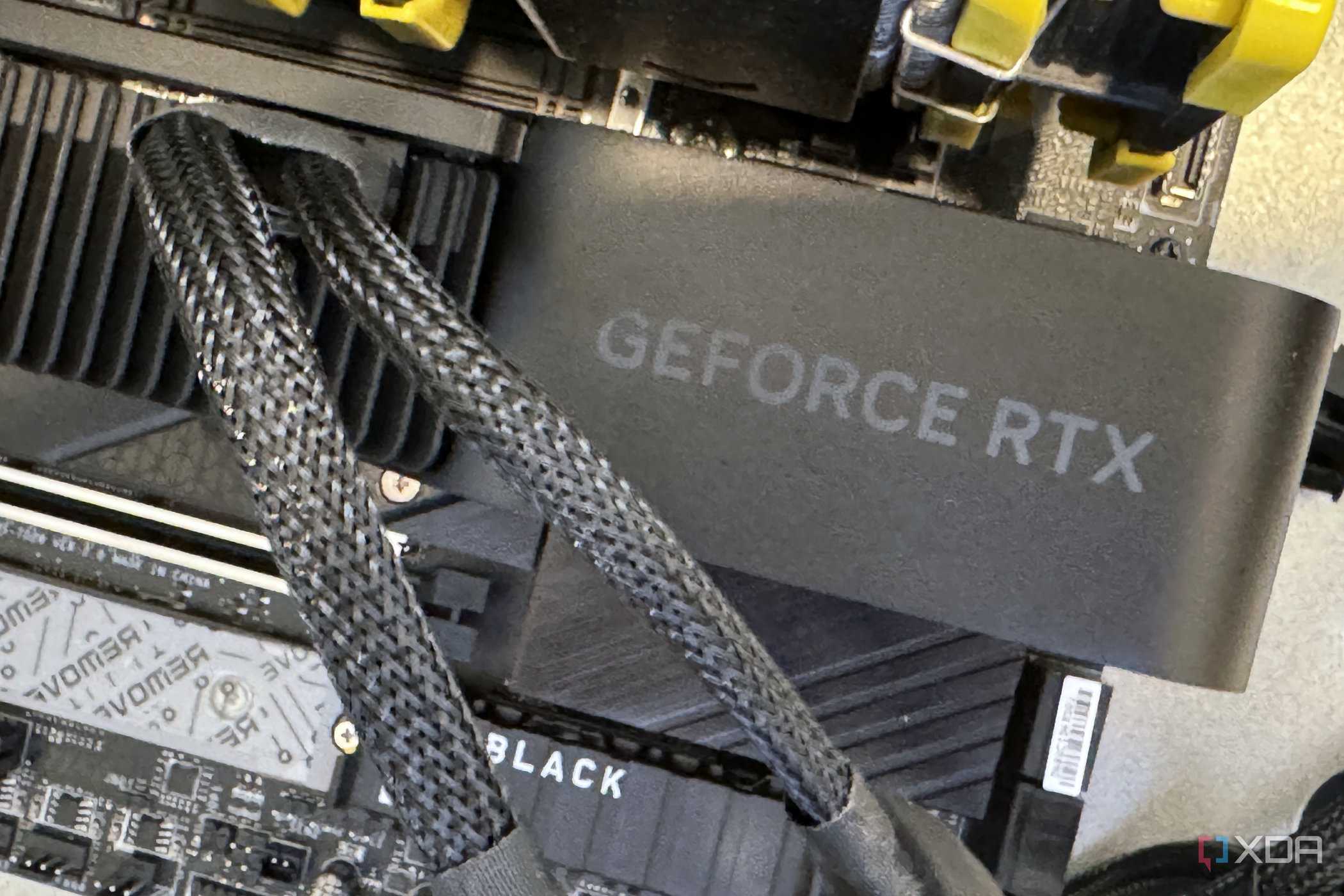



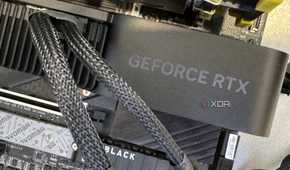
Sitting down with Jim Cramer of Mad Money fame, Huang said, "I'd say in the near time, the impact of tariffs will not be meaningful." As is expected of an interview with Cramer, this conversation was in the context of Nvidia's stock price and its ability to do business around the world, namely in China. The U.S. government has been playing a game of cat and mouse with Nvidia's GPUs for the past several years. Despite imposing a ban on certain Nvidia chips going into China, they still find their way into the country, and Nvidia has released multiple China-exclusive GPU models, such as the RTX 5090D.
Both Nvidia's AI and consumer products are largely made in China. Board partners like Asus have publicly shared that they're looking for alternative locations for manufacturing in order to avoid tariffs, and in a (now deleted) tweet, retailer Newegg blamed price hikes on Nvidia's RTX 50-series GPUs on tariffs.
In February, shortly after Donald Trump took office, the White House announced a 10% tariff on all goods imported from China. Exactly a month later, the tariffs rose to 20%, specifically on electronic devices like phones, laptops, and yes, graphics cards. Despite warnings of rising electronics prices from retailers like Newegg and Best Buy, Huang is betting on big manufacturers like TSMC and Foxconn moving manufacturing onto U.S. soil to dodge the tariffs.
"We're [as] enthusiastic about building in America as anybody," said Huang. "We've been working with TSMC to get them ready for manufacturing chips in the United States... so, long term, manufacturing on-shore is going to be something very possible to do, and we'll do it at incredible scale."
Despite rose-tinted glasses about the future, the price of graphics cards isn't set to change any time soon. In addition to a general economic downturn forecast by the Federal Reserve, anyone with an internet connection and two eyes to see can tell you that graphics card prices are out of control. On top of scalpers and seemingly short supply for Nvidia's recent GPUs, tariffs represent an additional price increase. And even if brands like Asus want to move manufacturing to dodge the tariffs, that could take months or, more likely, years.
