


PC gaming has long been at the forefront of pushing the boundaries when it comes to performance, choice, and innovations. We've seen all the vintage packaging that graphics cards and other PC parts used to be shipped within, but the actual hardware was also fairly experimental for its time. Building a new system or upgrading a specific part, such as the aforementioned GPU, never used to cost an arm and a leg, but times have most certainly changed since the days of ATI and Nvidia. We're now experiencing platform lock-in, rising costs, and creep control. Nvidia has the upper hand when it comes to software and flagship hardware, but AMD has made ground and continues to try and undercut the competition.
The issue with the current state of affairs is that there's a severe lack of competition. Want the best GPUs for AI development? Nvidia. Want the flagship GPU to push 4K and 8K gaming? Nvidia. Want to save a few bucks yet still enjoy butter-smooth gaming? AMD. Intel is at the bottom of the spectrum with its more affordable Arc series GPUs, and while these were praised (by yours truly as well), they're not coming close to shaking up this stagnant market that so desperately requires actual competition. Nvidia, through its product launches, pricing, and business practices, is making PC gaming worse, but AMD isn't here to save the day. It's not all doom and gloom, however, and I've got some ideas on how we can create a healthier landscape.
It's all about numbers
Economics 101


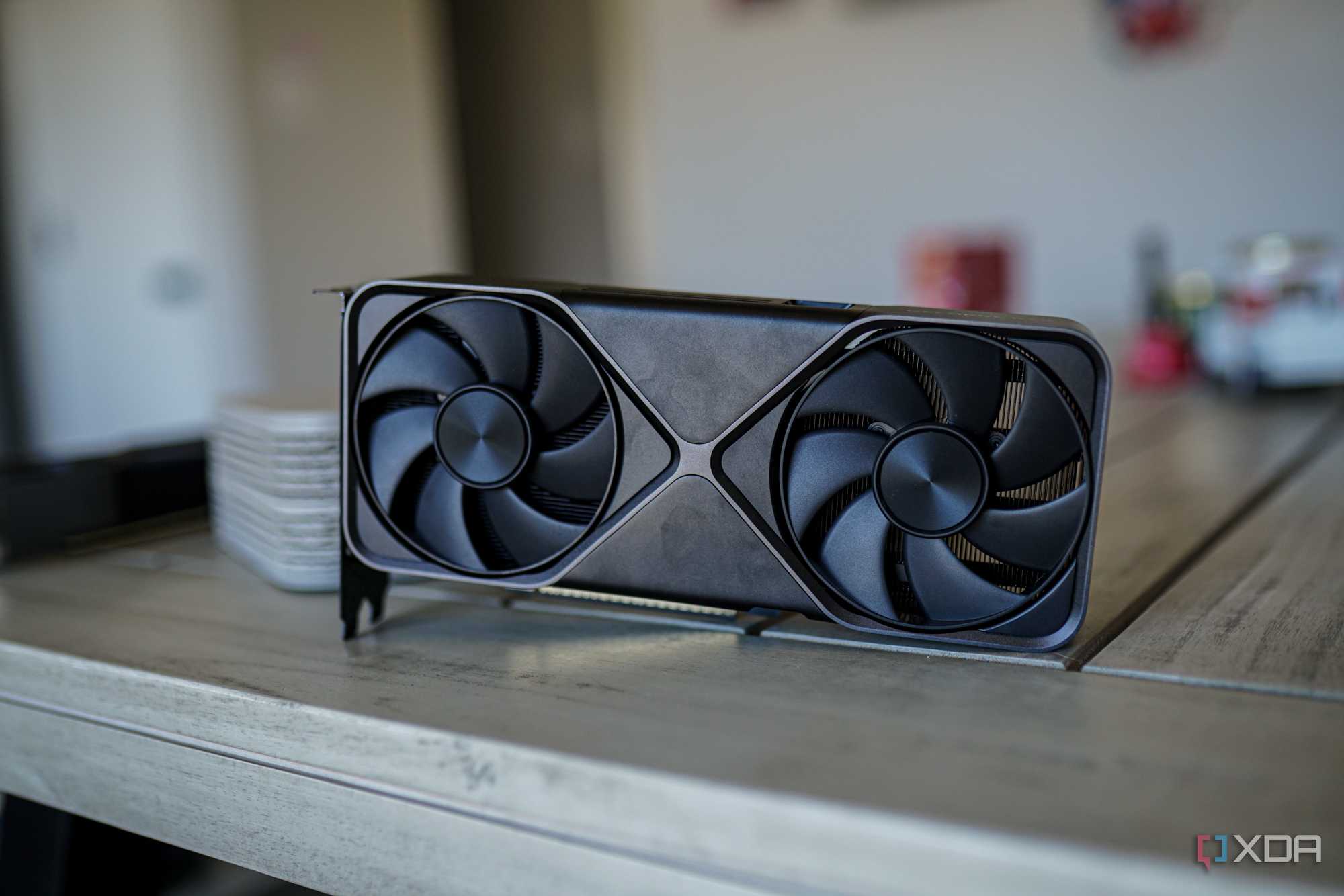

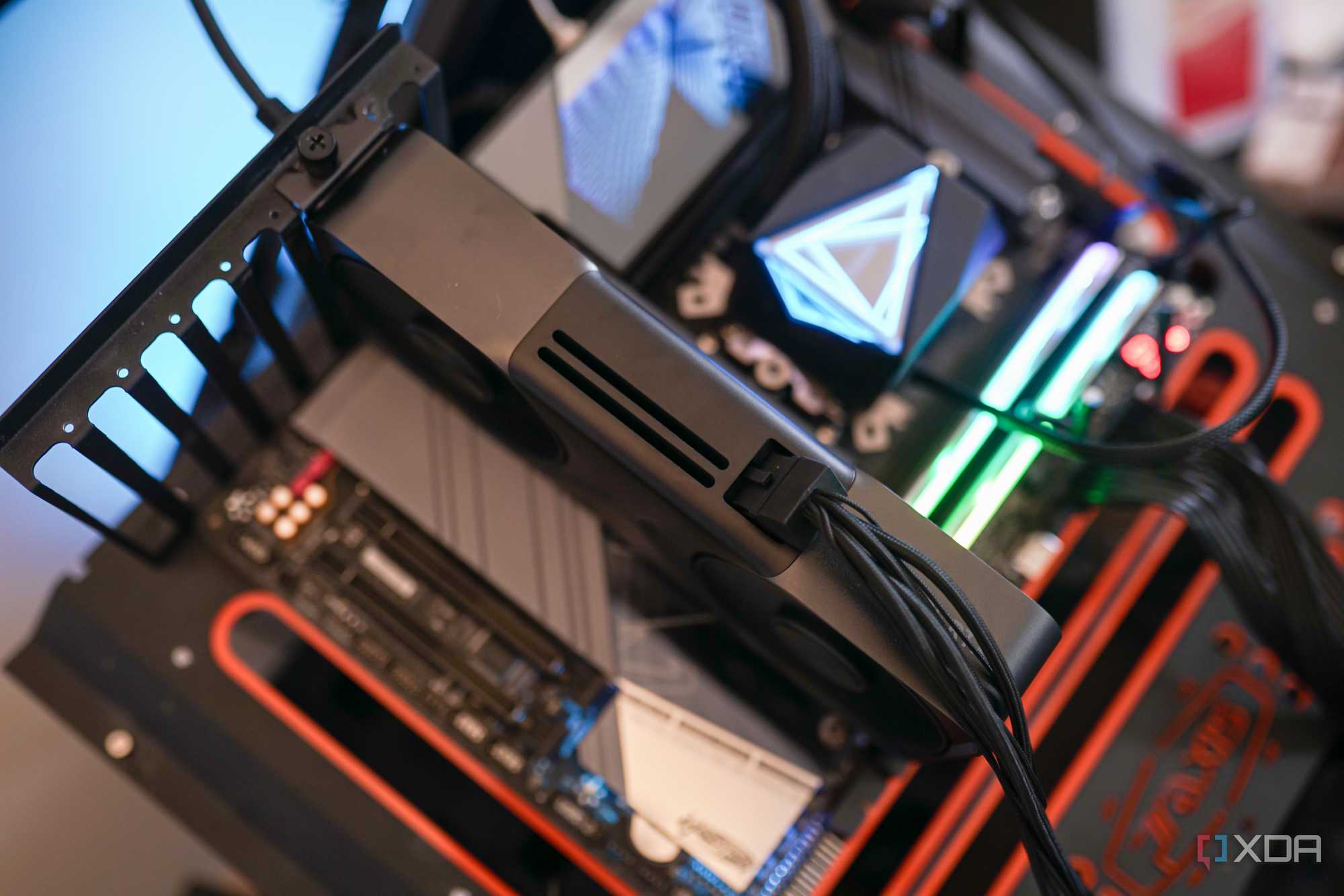
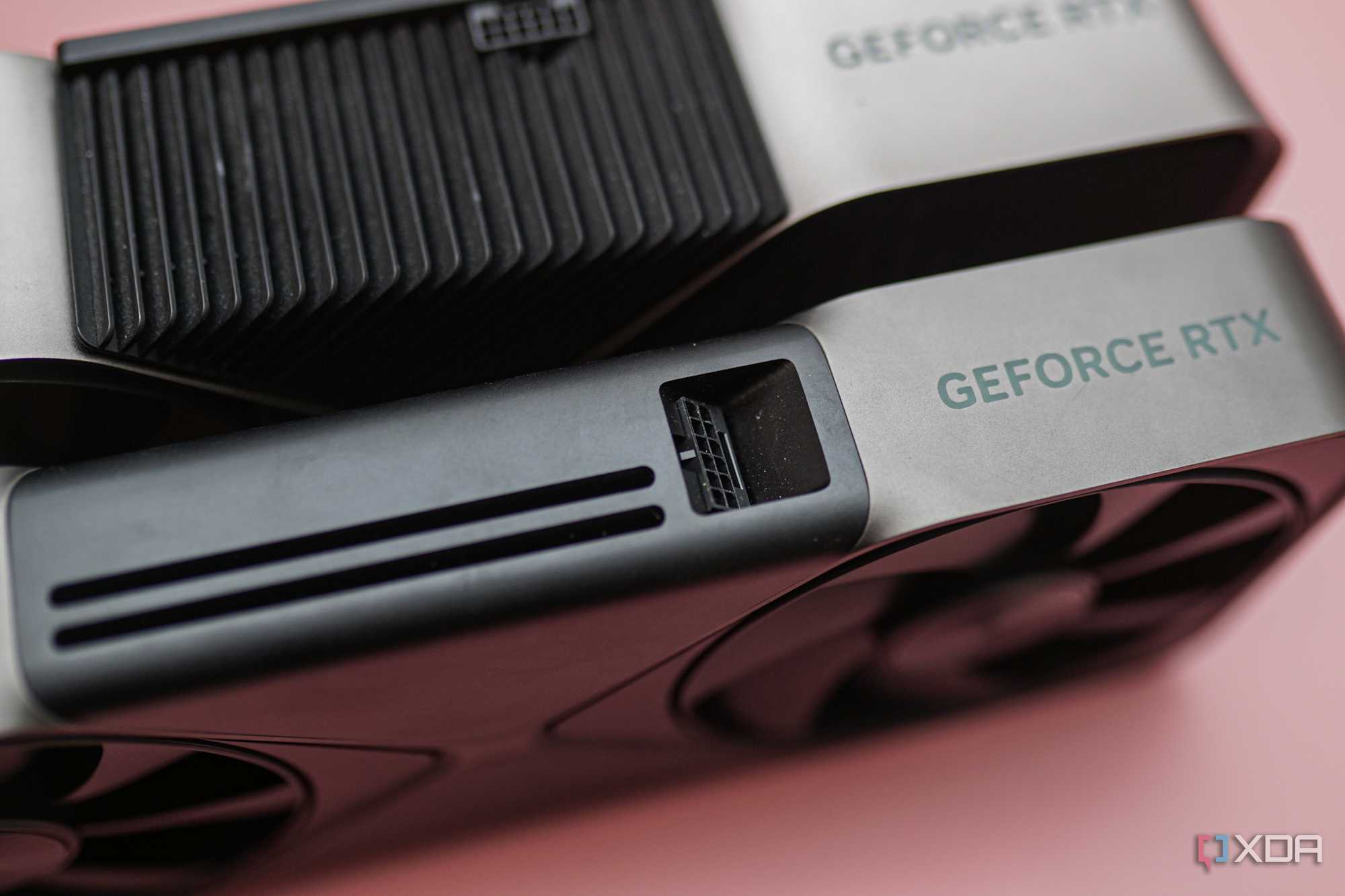
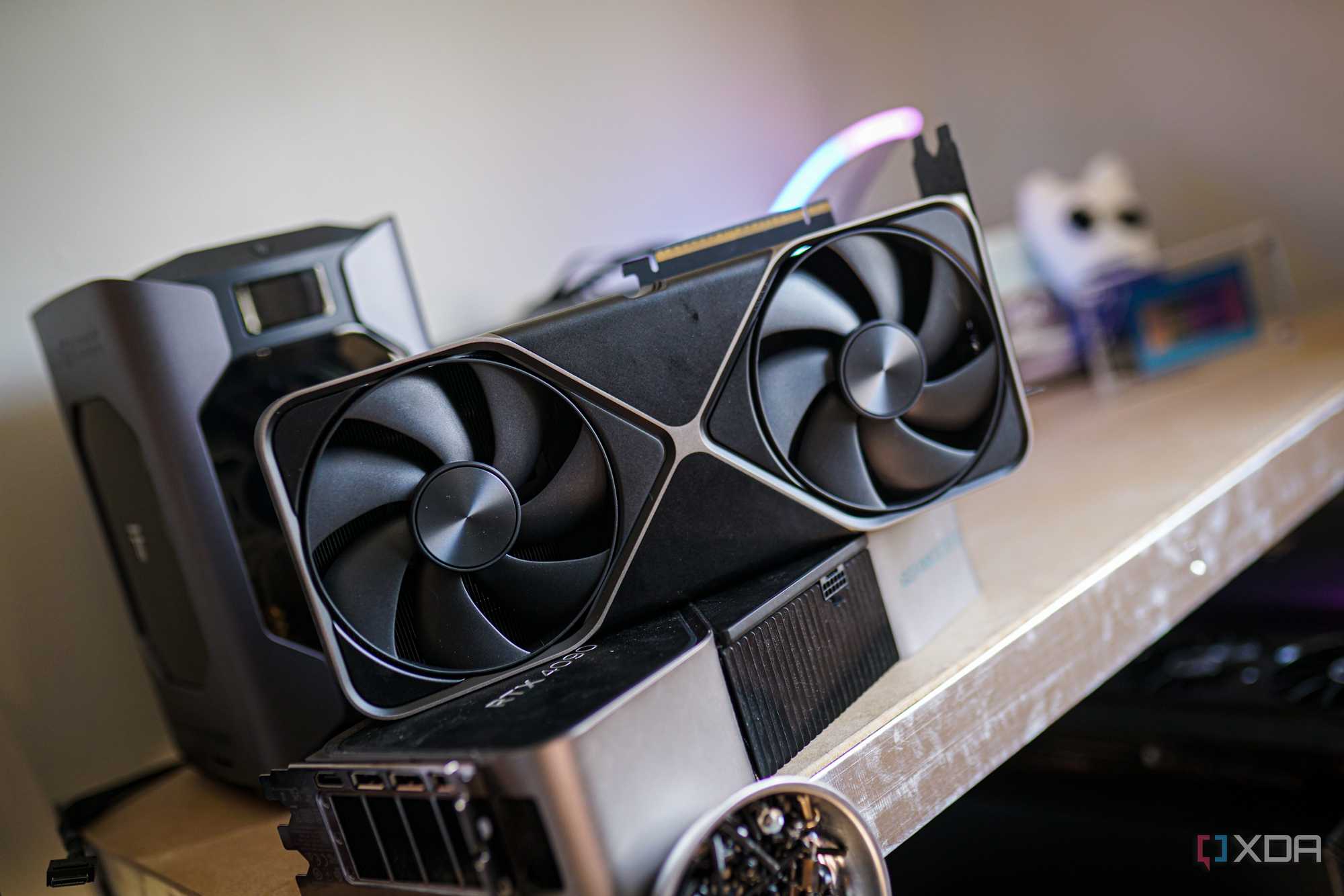
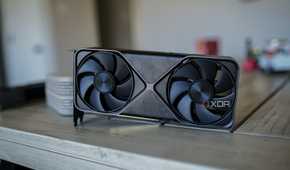


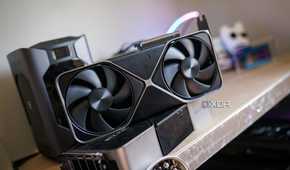
High-end Nvidia GPUs have been priced out of reach for gamers for generations now. But that's not the root cause of the issue, where many gamers simply cannot afford a new GPU. No one is expected to buy an Nvidia GeForce RTX 5090 ... in fact, I would go as far as to recommend against you buying one. You don't need the performance. An AMD Radeon RX 9070 XT or Nvidia GeForce RTX 5070 will run games at 4K just fine. But this hasn't stopped Nvidia inflated graphics card prices across the board. It has been covered ad nauseam already. Dominating the top spot allows Nvidia to set stupid-high MSRPs, and retailers can add all the markups they wish. Then there's scalping ... it's easy to see how we had such a colossal GPU supply issue.
It destroyed PC gaming — no one could buy a new GPU unless they opted to pick up a rebuilt system.
More practical choices for gamers include waiting and holding out for either sales, prices to drop, or next-generation hardware to launch. There's even a call to effectively downgrade, but move to a newer architecture. For instance, swapping out your RTX 3080 for an RTX 4070. It's an upgrade, sure, but you don't feel like you're getting more for your money as you're effectively sliding down the SKU chart. It also makes our job as reviewers slightly more precarious as we attempt to highlight products you should buy without outright damning GPUs because they're too expensive. I'm a huge fan of the RX 9070 XT, and while they were priced aggressively against Nvidia's MSRPs, it's not a high bar to beat.
The crypto-mining era took a huge toll on the gaming market. The primary issue was that AMD and Nvidia treated gaming GPUs as fungible with mining demand, often indirectly encouraging speculative and industrial hoarding that harmed availability. Distributors and the GPU makers kept making money, even if not all GPUs were landing in the hands of gamers. When miners consumed the bulk of the supply, prices skyrocketed. We even had to cease covering GPUs at one point, particularly around sales, since no discount was an actual deal worth considering. It destroyed PC gaming — no one could buy a new GPU unless they opted to pick up a rebuilt system and attempt to flog the rest of the parts.
But crypto miners aren't the only party to bear some of the blame for the current situation. We're here largely because of the major players, AMD and Nvidia. Notably, Nvidia doesn't just make graphics cards anymore. Outside of recently buying a chunk of Intel and attempting a monopolistic takeover of the entire sector, the company has gradually seized control of various elements of the broader compute stack, developer relations, and even middleware. It was only yesterday that the company attempted to buy Arm. These preferential partnerships and strategic realignment ensure Nvidia is in a strong position across the board, and even allow the brand to forego PC standards altogether.
Why play ball when you could simply purchase the field?
Gatekeepers of freedom
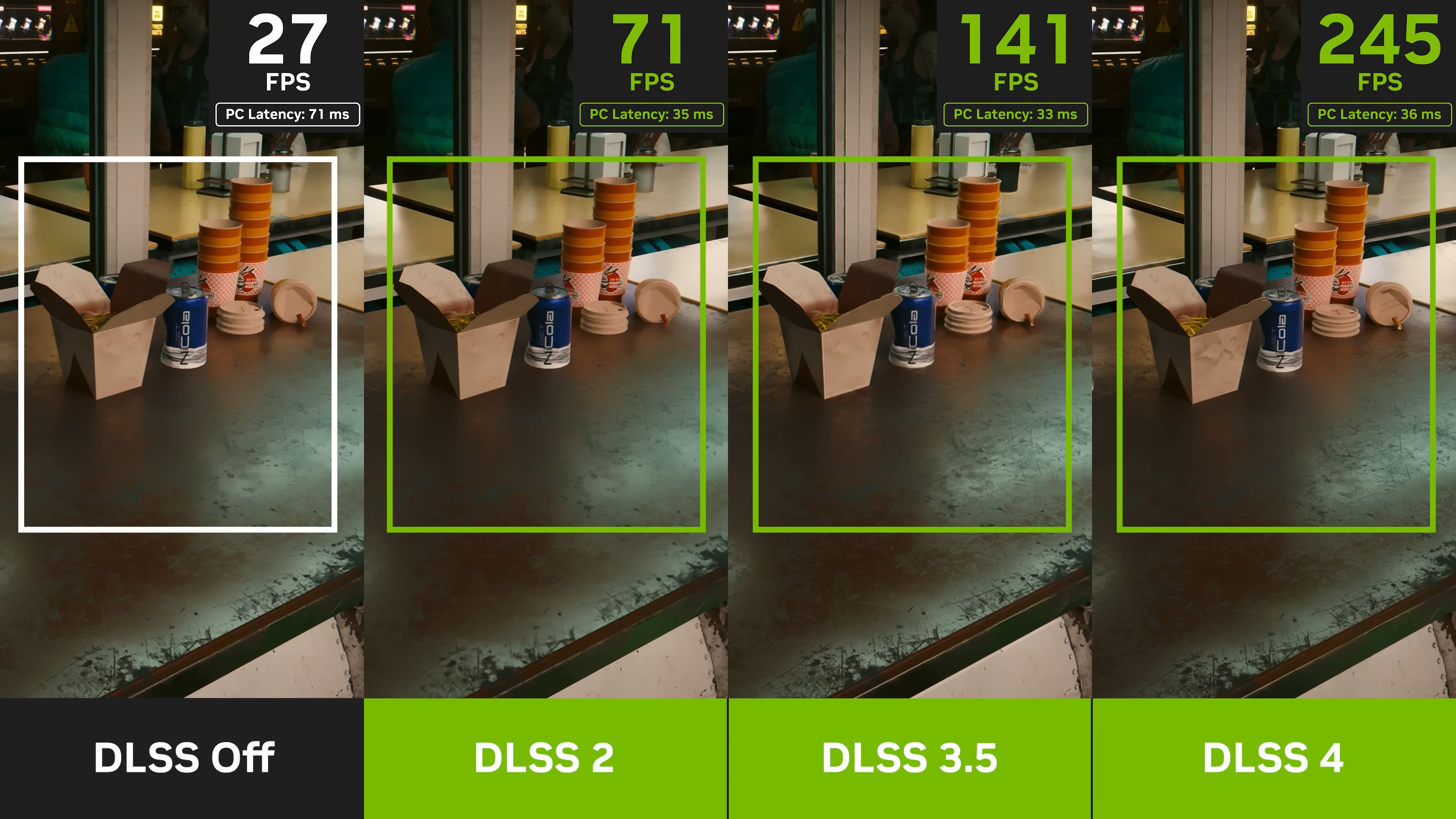
They can take our upscaling


 Credit: Nvidia
 Credit: Source: YouTube
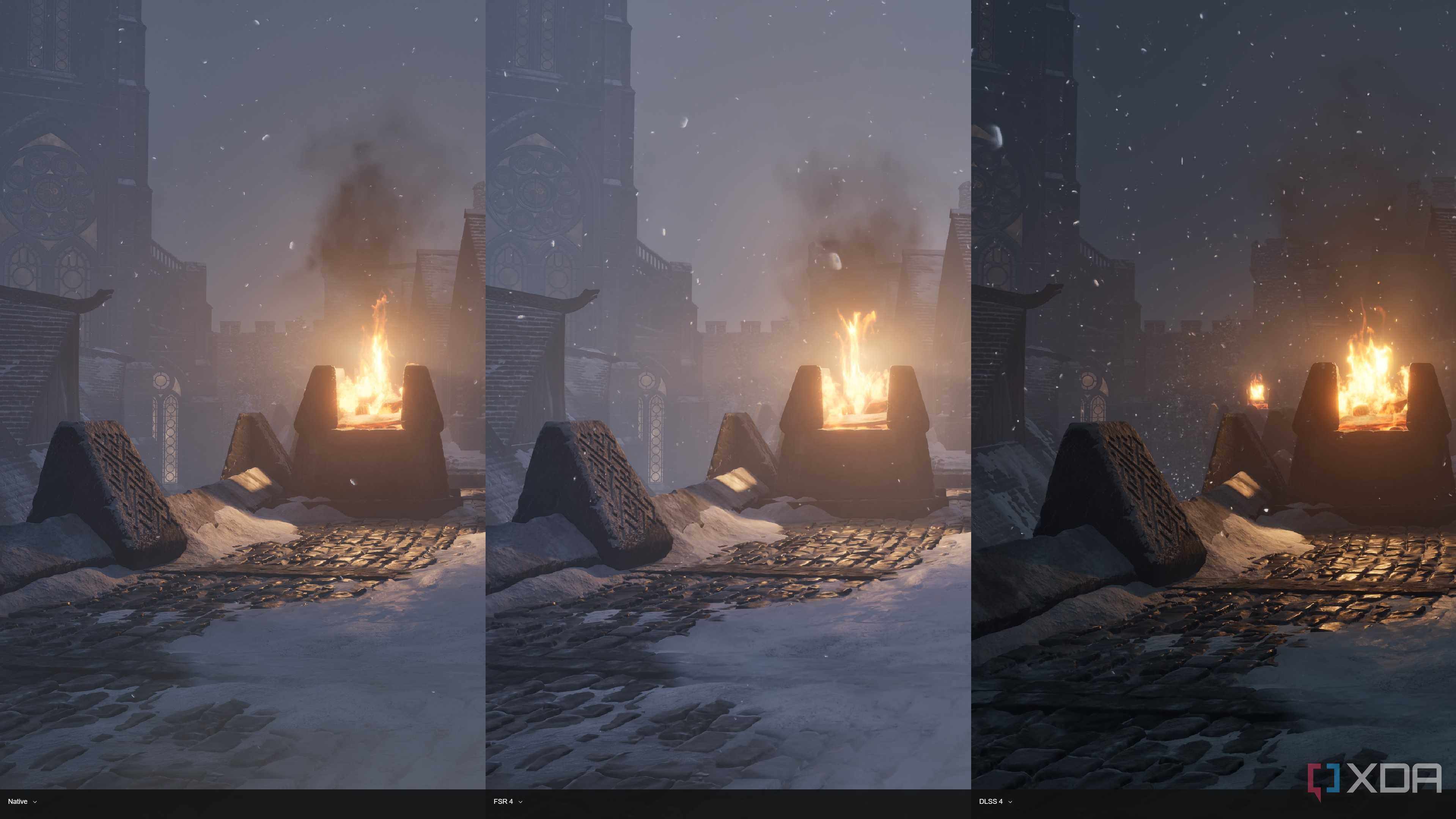
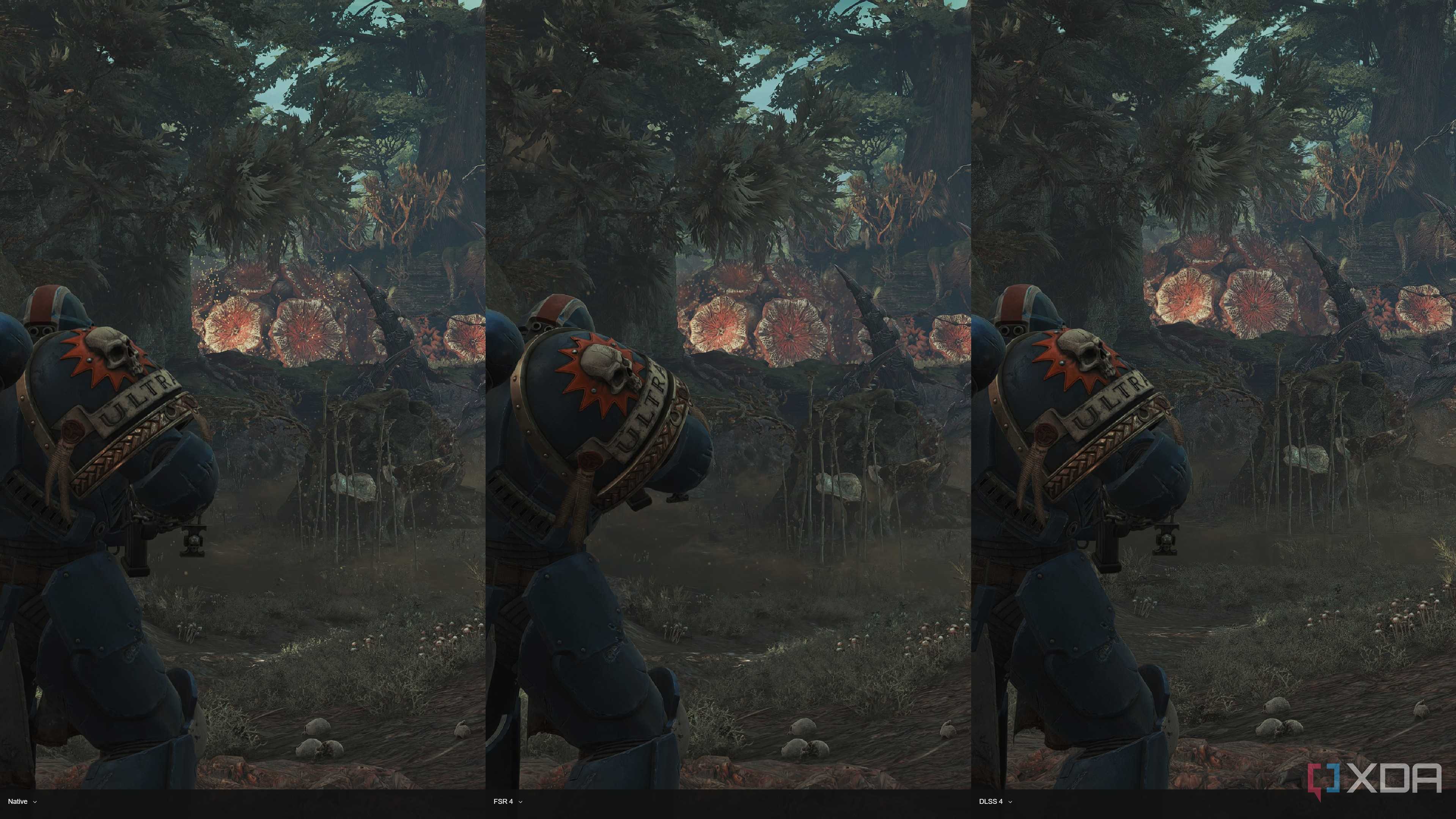
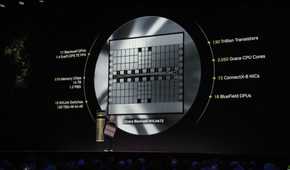

We've already looked at how the new partnership between Intel and Nvidia could be a cause for concern when it comes to proprietary technologies and lack of standardization, but it has been slowly creeping through for years. Intel will now be collaborating with Nvidia on NVLink, Nvidia's proprietary high-bandwidth interconnect. What's interesting is how this is a stark contrast to Ultra Accelerator Link (UA Link), an open alternative to NVLink. Now, Intel could work on both, for sure, but if time goes on and Intel gets comfortable working with Nvidia's tech, what's to say Intel wouldn't pool fewer resources for UA Link? UA Link is a standard supported by 75 other companies, including arch-rival AMD.
This open standard does almost everything Nvidia's NVLink does and was spearheaded by AMD atop its Infinity Fabric technology, similarly to how AMD picked up Adaptive-Sync to create FreeSync as a direct (and open) competitor to Nvidia's G-Sync. Nvidia has this control over the market that enables the company to do pretty much what it wants. Sure, there are times when consumers come out on top with the inclusion of both G-Sync and FreeSync, as well as G-Sync support retroactively added for specific FreeSync-only monitors, but these are few and far between. If vendor-agnostic technologies like UA Link, which enables CPUs, GPUs, and other accelerators to communicate with one another, become locked in, what's next?
Nvidia's entire suite of features includes RTX-specific developer tooling, RTX IO, Reflex, NVENC, and Decoder. Everything is proprietary and encourages developer lock-in.
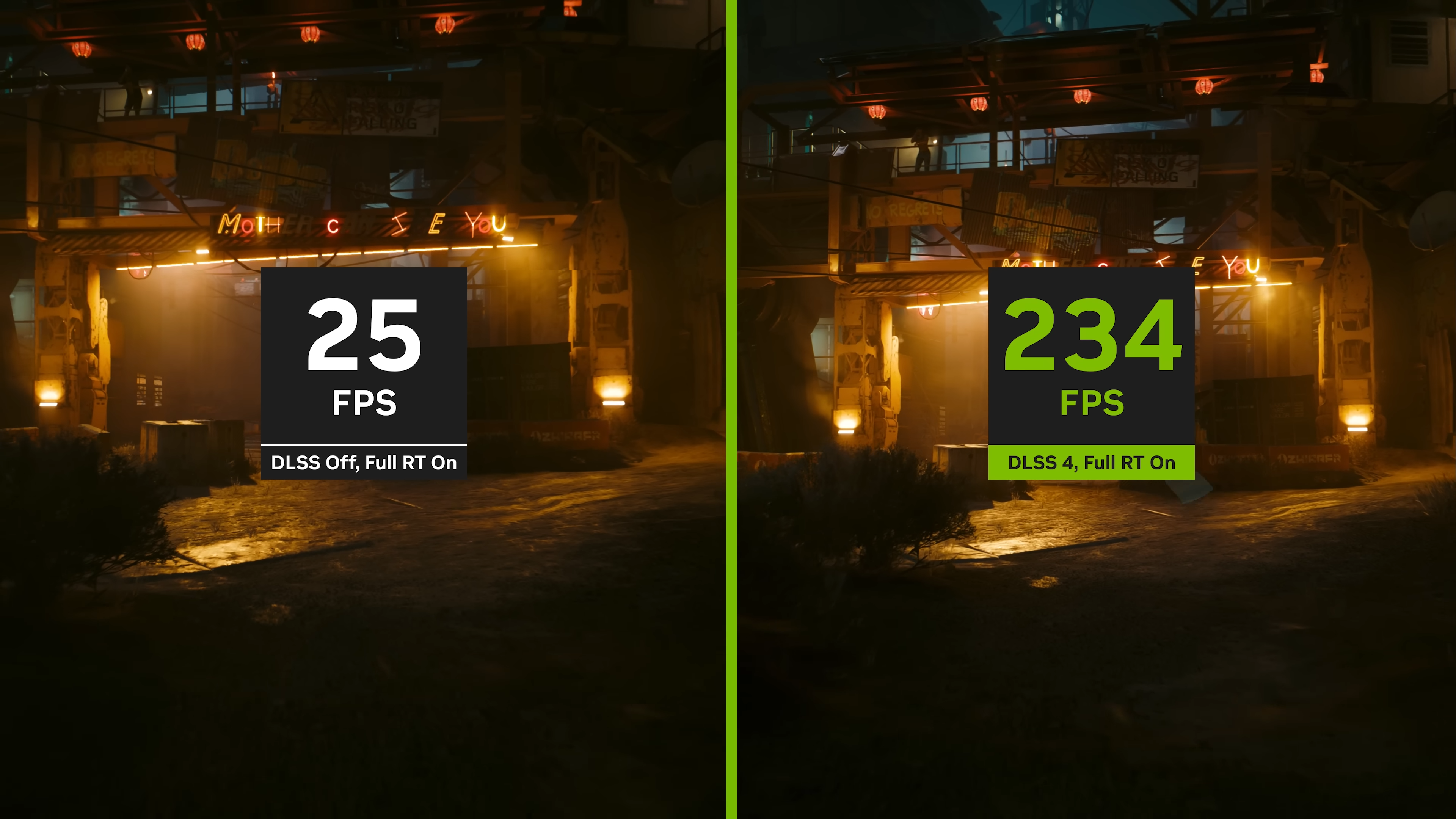
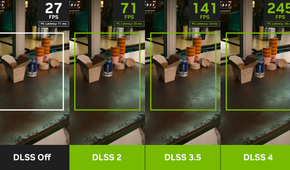
If you want to play your favorite game, which just so happens to be Cyberpunk 2077, with all the bells and whistles enabled and ray tracing cranked up to the max, you'll need to deploy some sort of super-sampling and machine learning, be it FidelityFX Super Resolution (FSR) with AMD or Deep Learning Super Sampling (DLSS) on GeForce RTX cards. We've seen first-hand just how powerful these technologies are, but the way they're implemented can leave much room for improvement, especially when it could lead to developers not optimizing their games in favor of meeting stricter deadlines or cramming as much content in as possible. DLSS is amazing at allowing less-capable GPUs to punch above their weight, but this can incentivize studios to support it first, leaving FSR for later.
This then forces gamers to make a choice. Do they stick with AMD and hold out for driver updates and patches for FSR support, or hop ship to Nvidia and enjoy the latest and greatest performance from day one? It's a tough call and one I don't see getting any easier in the coming years. But it's not just upscaling. Nvidia's entire suite of features includes RTX-specific developer tooling, RTX IO, Reflex, NVENC, and Decoder. Everything is proprietary and encourages developer and gamer lock-in. It's even the little things, like requiring you to register an Nvidia account and log in to update the drivers from within its software suite. It's a bad taste all around.
AMD doesn't help itself
It's an uphill struggle


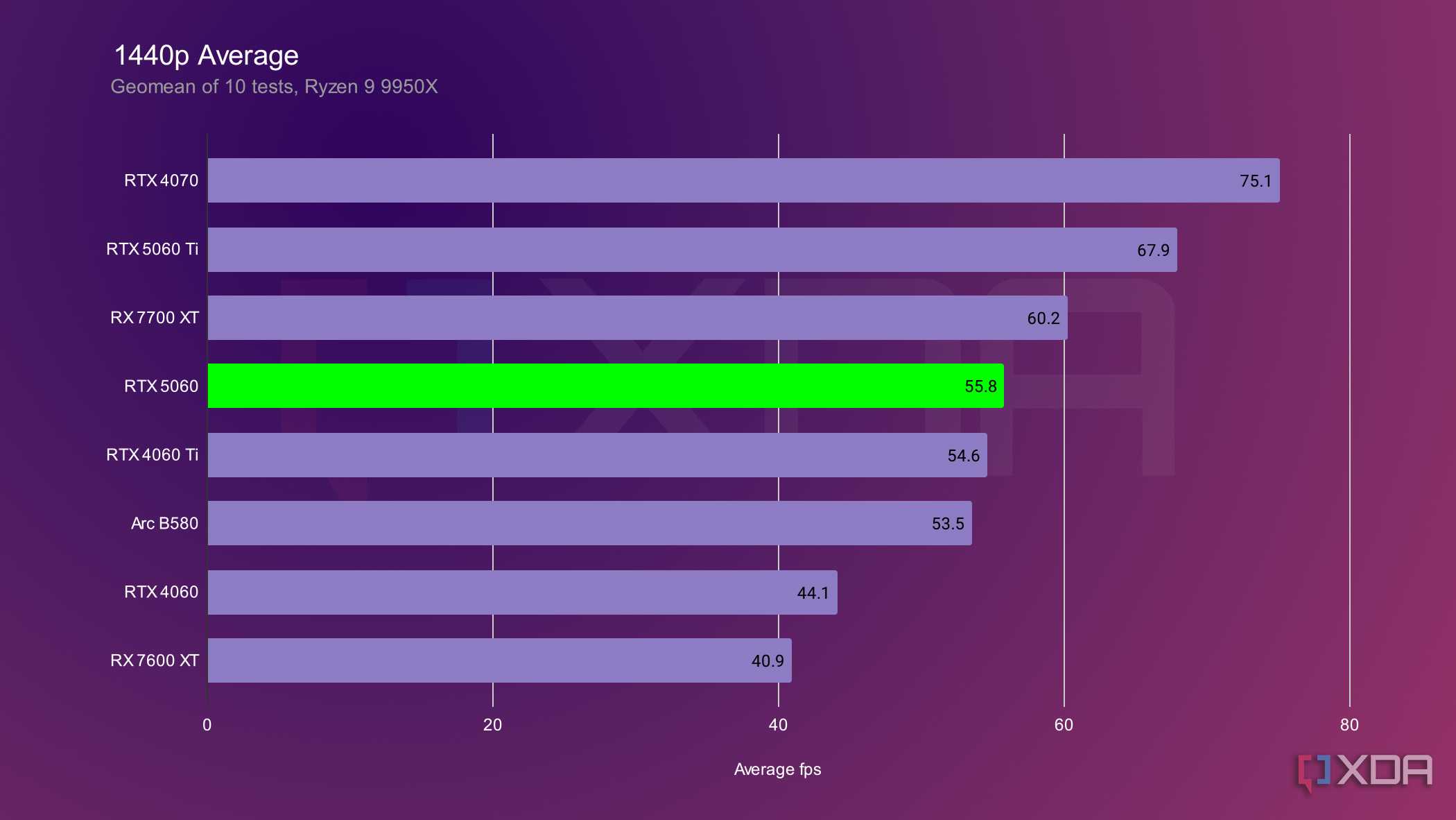
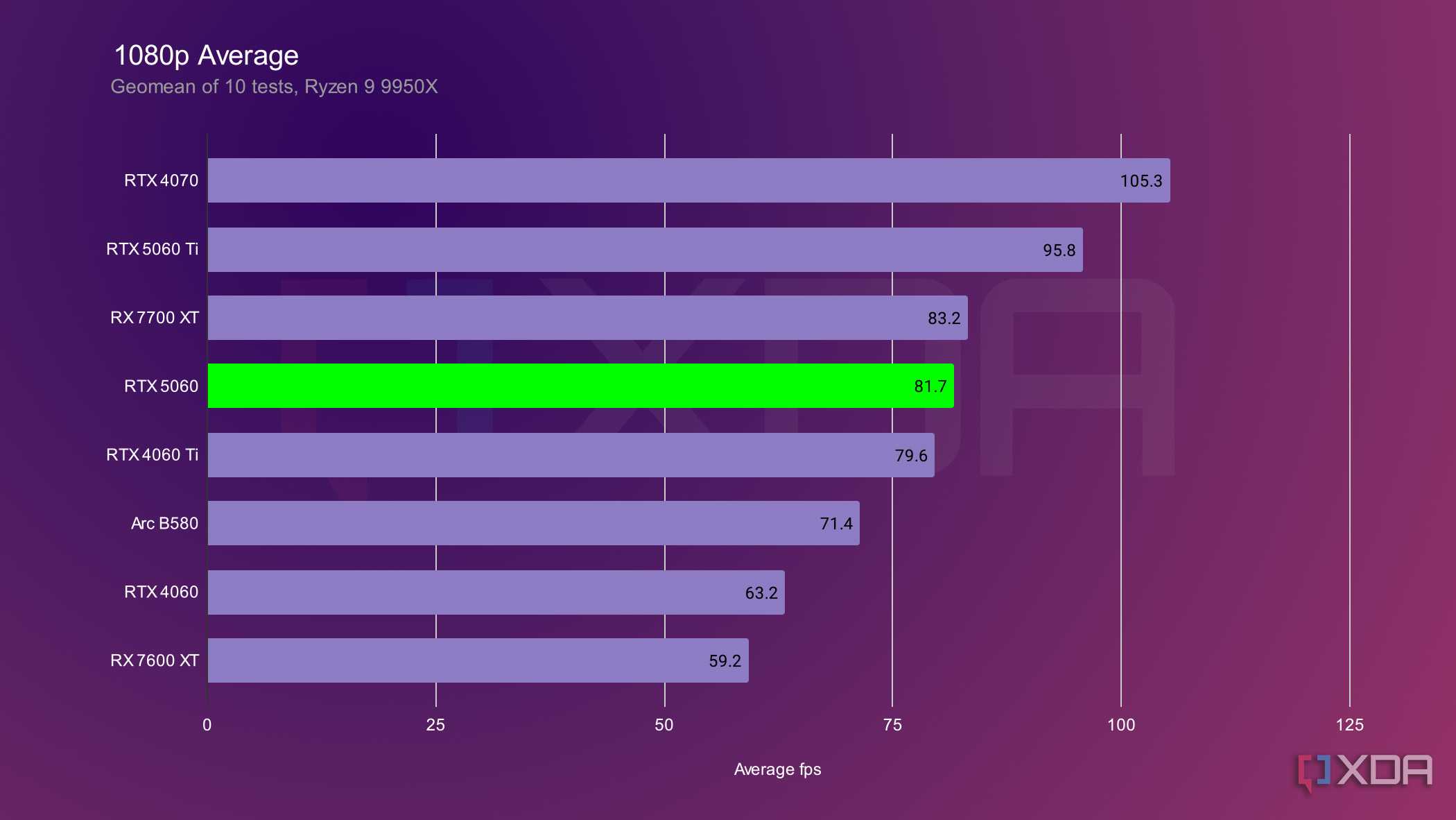
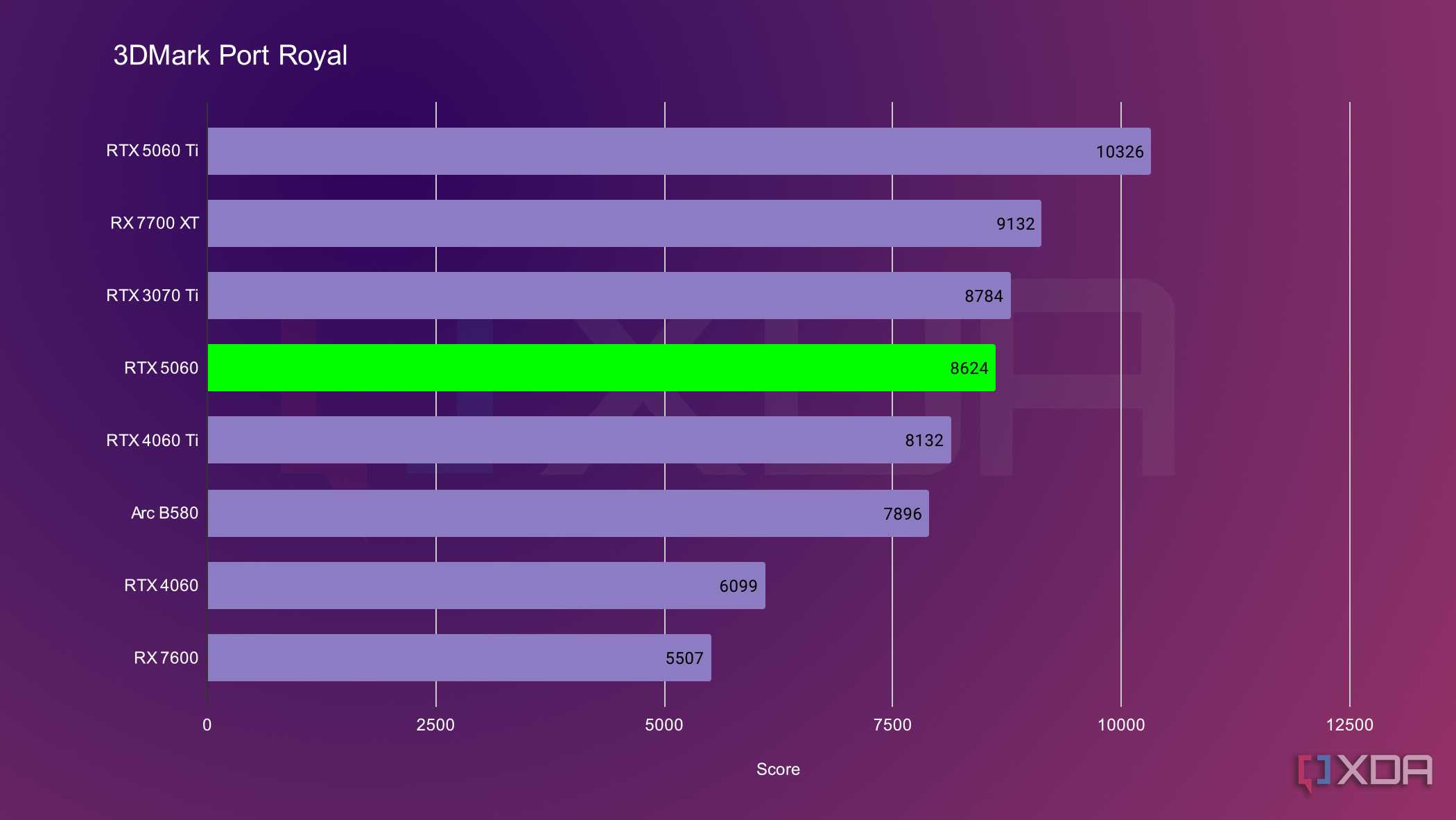
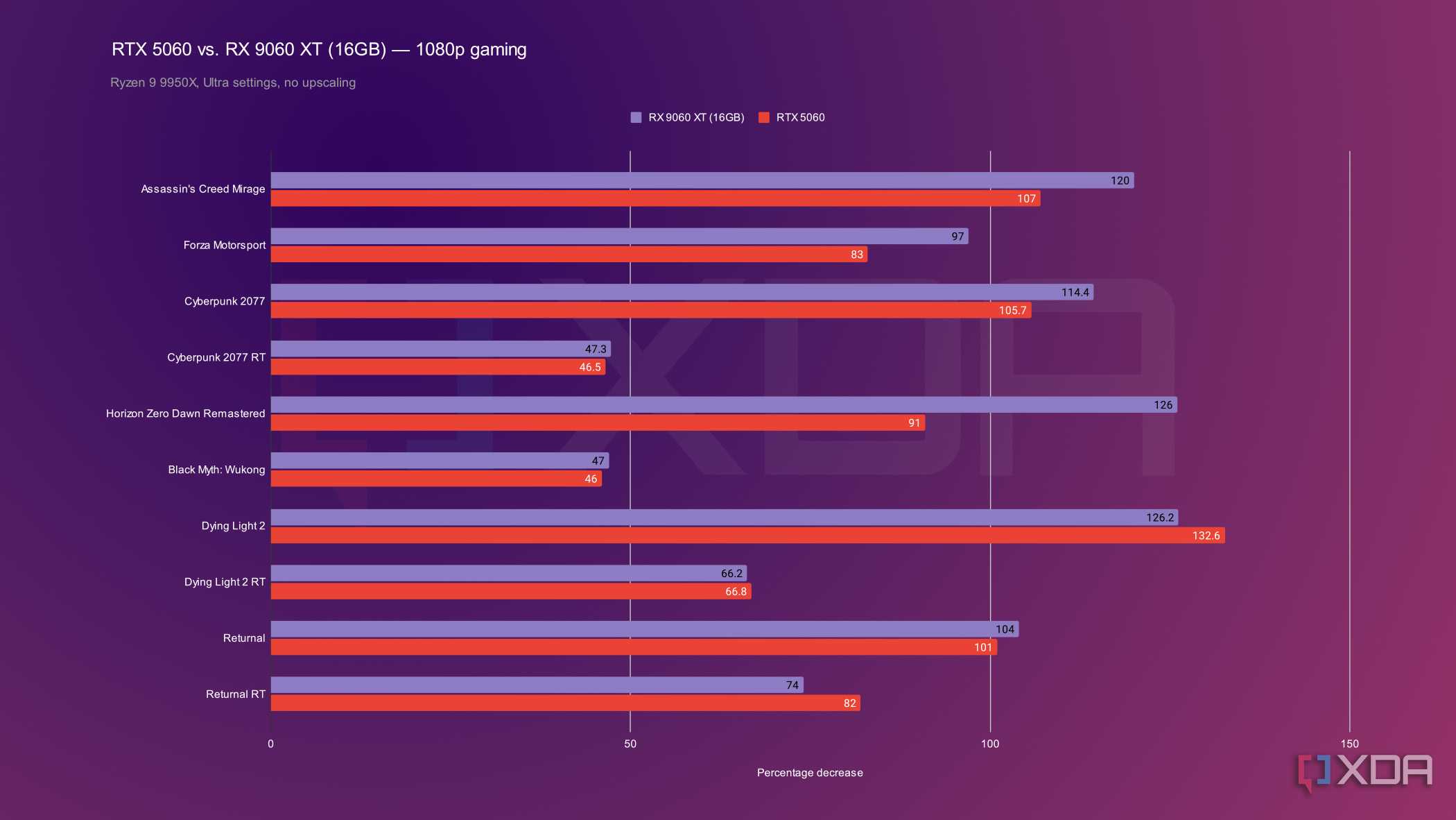
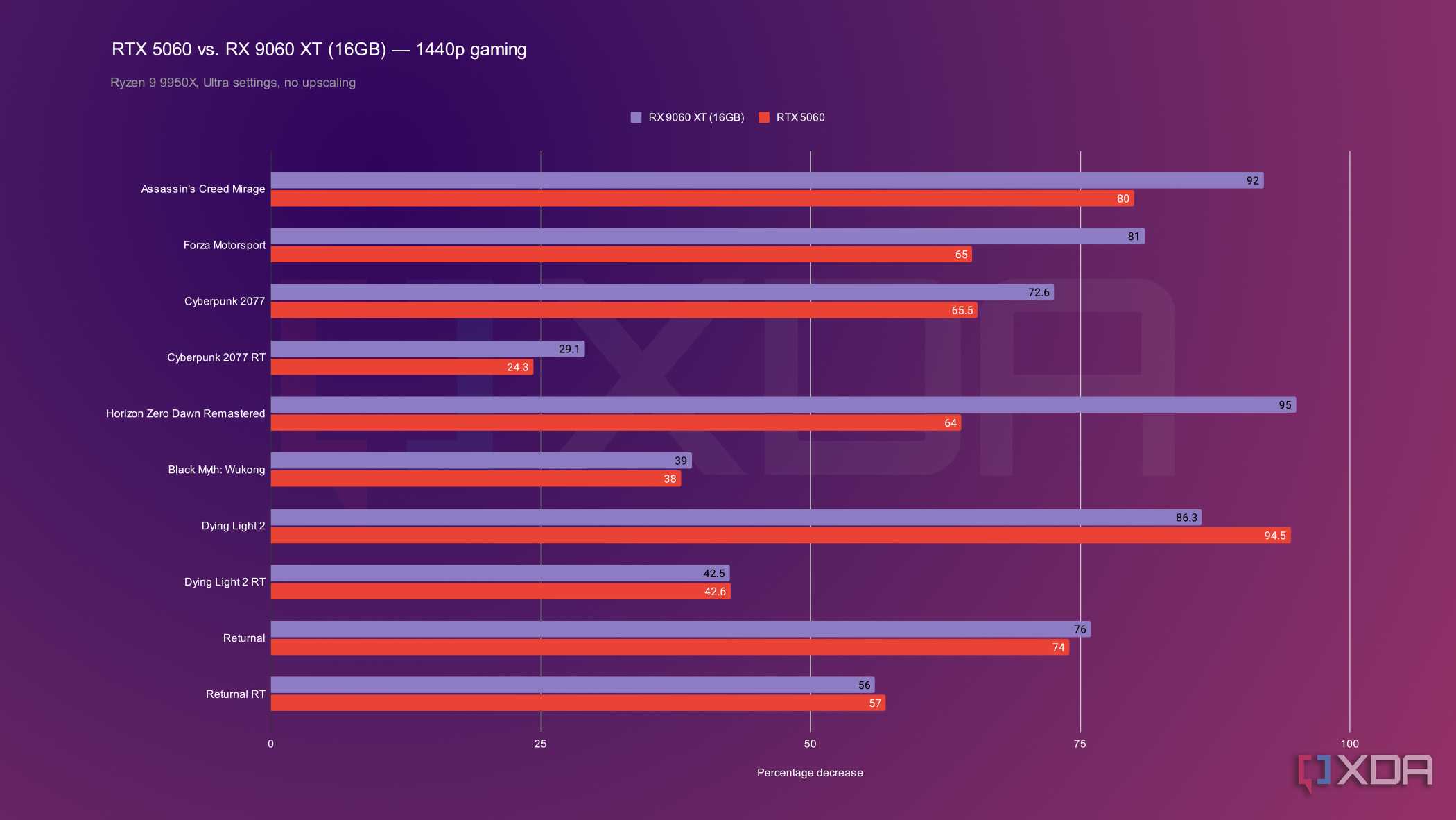
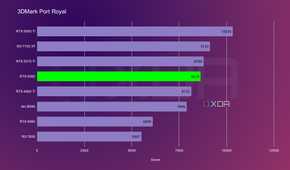


AMD has made substantial gains with its CPU division. Previously behind Intel, Ryzen completely transformed AMD's processors for the desktop, enthusiasts, and servers. Today, you'll often find recommendations for AMD Ryzen X3D chips for gaming, Ryzen X chips for general usage, Threadripper for serious workloads and home labs, and EPYC for enterprise. Intel is holding out in places, but it's clear AMD is ahead across the board. Even gaming handhelds. Name one Intel-powered portable gaming device off the top of your head. Go on, I'll wait. AMD is everywhere, but got GPUs, it's still struggling to make a dent in Nvidia's armor. The recent RX 90 series GPUs were a great first step, but AMD needs to do much more.
Undercutting Nvidia slightly is a bold move that paid off to draw attention and even some wallets, but AMD hasn't done enough on the ecosystem front, and at times, the company has actively handicapped itself in this round of golf. FSR 4 is vastly superior to prior generations of the supersampling technologies, now that AMD has finally transitioned to machine learning, but its wider software and developer toolchain lacks polish and reach, at least compared to Nvidia. Studios on the hunt for robust ray tracing technologies, mature upscaling algorithms, and stable encoder pipelines often go with Nvidia — not through choice, but because it's the best set of tools available on the market. Again, FSR has improved, but it continues to operate within a space Nvidia helped define.
AMD hasn't done enough on the ecosystem front, and at times, the company has actively handicapped itself in this round of golf.
And make no mistake, AMD is not as innovative and forceful as one may assume from all the goodwill the company has (rightfully) garnered over the years. The company has benefited massively from console contracts and continues to make bank through high margins from high-demand product cycles, namely GPUs. AMD is clearly a competitor to Nvidia, but it should be the ring leader for gamer activists who simply wish for fairer pricing and a more open industry. AMD should be undercutting Nvidia massively whenever possible, aggressively pushing cross-platform middleware, promoting open standards at every corner (it admittedly does this rather well already), and building stronger relations with developers, showcasing an alternative to Nvidia's stronghold.
It all boils down to market share. AMD doesn't have enough, and it's quite comfortable reaping profits from a bustling GPU market with high markups. Until AMD becomes either the default optimisation target or at least has a seat at the table alongside Nvidia, AMD GPU owners will continue to lag behind family and friends who continue buying Nvidia. We're at a crossroads as PC gamers, and neither company appears to wish for us to stray from the comfortable route we're still looking to keep to.
A positive outlook for a brighter future
To save PC gaming from this slow decline, the industry needs a few things. First, we need pricing pressure and transparency. Intel did wonders with its pricing for the B series, but these aren't heavy-hitters that make bold headlines. They're also not being snapped up by gamers in enough numbers to make a real difference. That leaves AMD to reconsider just how to position its GPUs against future Nvidia product stacks. Using better silicon and refining the RDNA architecture is all well and good, but we need to see tangible results through more aggressive pricing. Then there are high-quality open alternatives to proprietary technologies, which AMD and Intel could work together on.

Even with Nvidia now having its finger in the Intel pie, there's still the potential for Intel and AMD to come together on the GPU front. XeSS and FSR are both equally brilliant at what they achieve, but they still fall short of DLSS. Combining efforts with an adopted open standard could produce better results with upscaling, ray tracing, and I/O libraries. Throw in better documentation, reference implementations, and predictable roadmaps, and you've got a recipe that developers wouldn't mind following. Offering SDKs from across the board to developers who can then easily implement support for all graphics cards through development is a sure way to unlock better day-one support for gamers.
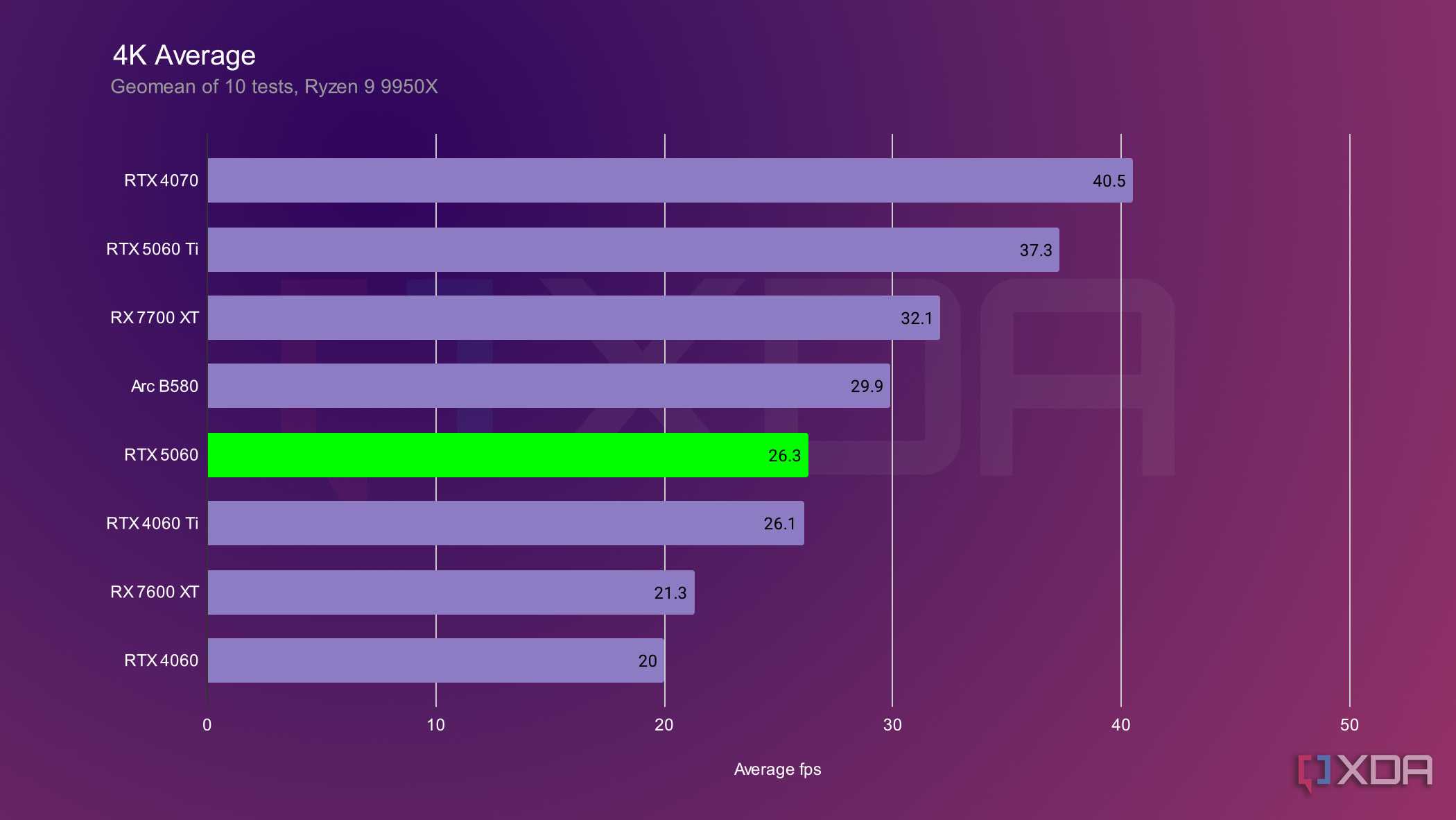
Graphics cards have never been more powerful than they are today. Even an RTX 5060 with all its flaws is an incredible piece of technology compared to similarly-positioned SKUs of old. It's amazing what super sampling and upscaling enable us to do with our gaming PCs, but we need the industry to do more (and better) to save us from losing one of PC gaming's best strengths: plurality. I'm not comfortable with the current weather forecast, and we'll be keeping tabs on how this new Nvidia and Intel partnership plays out, but something needs to change, and for the better.
