


For the first time in several generations, AMD has a true mainstream contender in the form of the RX 9060 XT. It's not a perfect GPU, and it doesn't reach the heights of the faster, more expensive RX 9070 XT. But it's the first time in a long time that AMD has what feels like a truly better option against the Nvidia competition.
A big part of that was the disappointing reception of the RTX 5060, not only due to its limited frame buffer, but also its underwhelming generational leap. I put both GPUs on the test bench to put them head-to-head, and one clearly came out ahead.
-
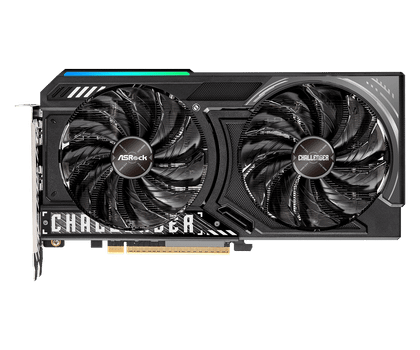
ASRock AMD Radeon RX 9060 XT Challenger 16GB OC
- Memory Clock Speed
- 2518MHz
- Architecture
- RDNA 4
- Process
- TSMC N4P
- Shader Units
- 2048
- Ray Accelerators/Cores
- 32
- AI Accelerators/Cores
- 128
AMD’s Radeon RX 9060 XT is a mid-range 16GB RDNA 4 GPU built for high-refresh 1440p gaming with strong raster performance and solid power efficiency.
Pros & Cons- Available with up to 16GB of VRAM
- FSR 4 looks excellent
- Enough performance for 1080p
- Prices are likely to rise
- FSR support isn't as broad as DLSS
-

Asus GeForce RTX 5060 8GB
- Memory Clock Speed
- 1750MHz
- Architecture
- Blackwell
- Process
- TSMC 4N
- Shader Units
- 3840
- Ray Accelerators/Cores
- 30
- AI Accelerators/Cores
- 120
Pros & Cons- MFG enables visuals that otherwise wouldn't be possible
- Widely available at or around MSRP
- Only requires a single 8-pin cable
- Runs into serious issues above 1080p
- MFG can't overcome VRAM limitations
- Stiff competiton around the same price from AMD and Intel
RTX 5060 vs RX 9060 XT: Specs make all the difference
AMD offers a cheaper entry for more frame buffer
-
Nvidia GeForce RTX 5060
- Shader Units
- 3840
- Ray Accelerators/Cores
- 30
- AI Accelerators/Cores
- 120
- Base Clock Speed
- 2280MHz
- Boost Clock Speed
- 2497MHz
- Memory Clock Speed
- 1750MHz
- Memory Capacity
- 8GB GDDR7
- Memory Bus
- 128-bit
- Memory Bandwidth
- 448GB/s
- Power Draw
- 145W
- Architecture
- Blackwell
- Process
- TSMC 4N
-
AMD Radeon RX 9060 XT
- Shader Units
- 2048
- Ray Accelerators/Cores
- 32
- AI Accelerators/Cores
- 128
- Base Clock Speed
- 2220MHz
- Boost Clock Speed
- 3130MHz
- Memory Clock Speed
- 2518MHz
- Memory Capacity
- 16GB GDDR6
- Memory Bus
- 128-bit
- Memory Bandwidth
- 322.3GB/s
- Power Draw
- 160W
- Architecture
- RDNA 4
- Process
- TSMC N4P
AMD’s Radeon RX 9060 XT is a mid-range 16GB RDNA 4 GPU built for high-refresh 1440p gaming with strong raster performance and solid power efficiency.
There are two specs that are important for the RTX 5060 and RX 9060 XT — VRAM capacity and power draw. Power draw is the easier of the two. Nvidia took a massive lead in efficiency with its Ada Lovelace GPUs in the previous generation, but the latest Blackwell cards stall out on the efficiency gains. The RX 9060 XT and RTX 5060 are in lockstep when it comes to power draw, which is surprising given their dynamic over the past few years. It's even more surprising considering the RX 9060 XT, despite its issues, is clearly faster than the RTX 5060.
The spec most people care about, however, is VRAM capacity. The RTX 5060 is locked to 8GB of VRAM. The RX 9060 XT, on the other hand, is available in both 8GB and 16GB varieties. Nvidia has its RTX 5060 Ti, which is also available in 8GB and 16GB varieties, but it's significantly more expensive — you'll spend over $500 on the 16GB RTX 5060 Ti. I'm not a fan of AMD splitting up VRAM like this with the same silicon, but it's undeniable that AMD offers a cheaper entry point to 16GB of VRAM than Nvidia does.
That extra capacity is important, too. Although 8GB is enough capacity in the majority of games at 1080p, my testing reveals that it becomes a limiting factor even at 1440p, and in games that aren't specifically known for stressing VRAM. The RX 9060 XT may be available in two capacities, but for most people, the 16GB version is the only option.
Nvidia has lower pricing and better availability
AMD's RX 9060 XT is caught in the middle


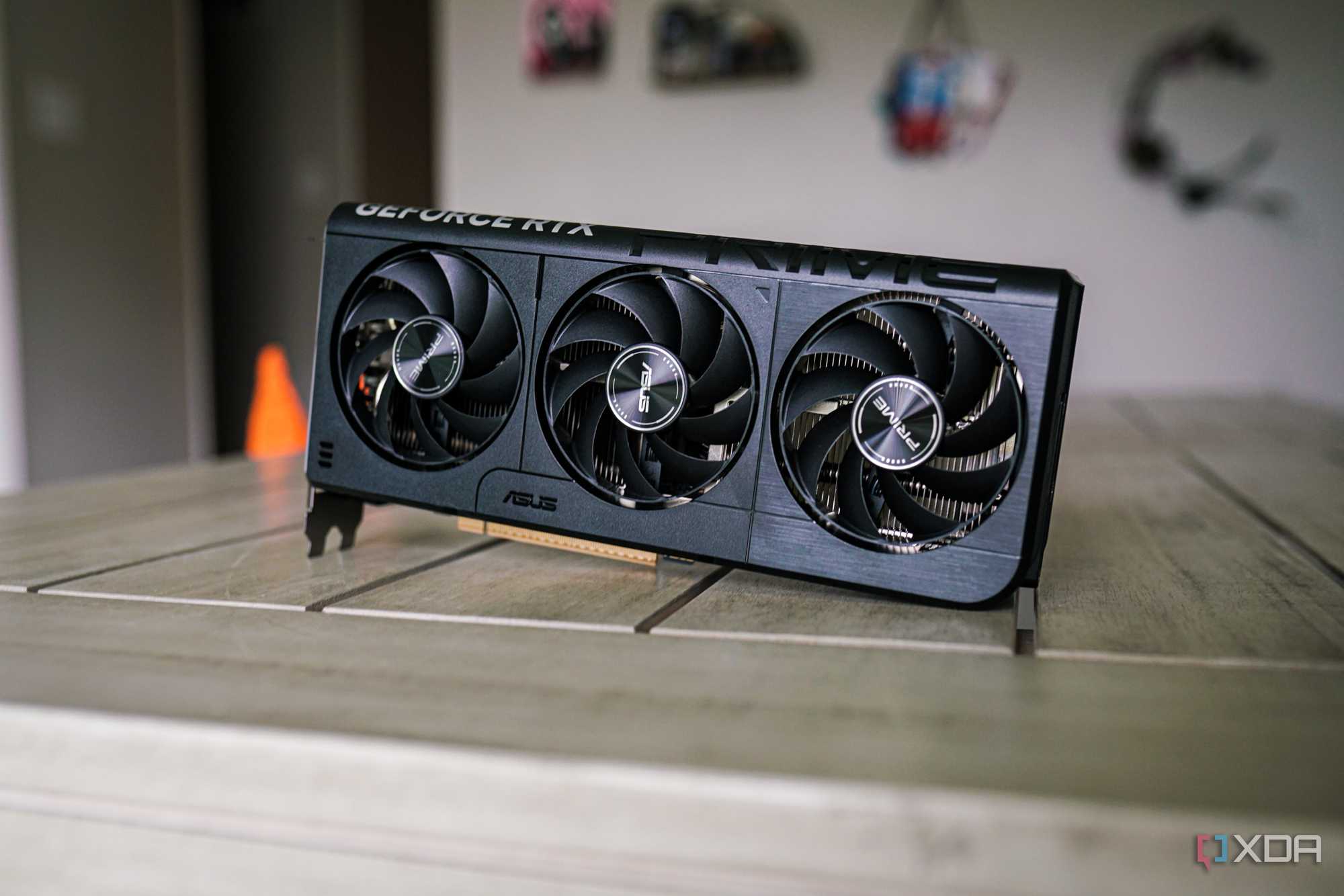
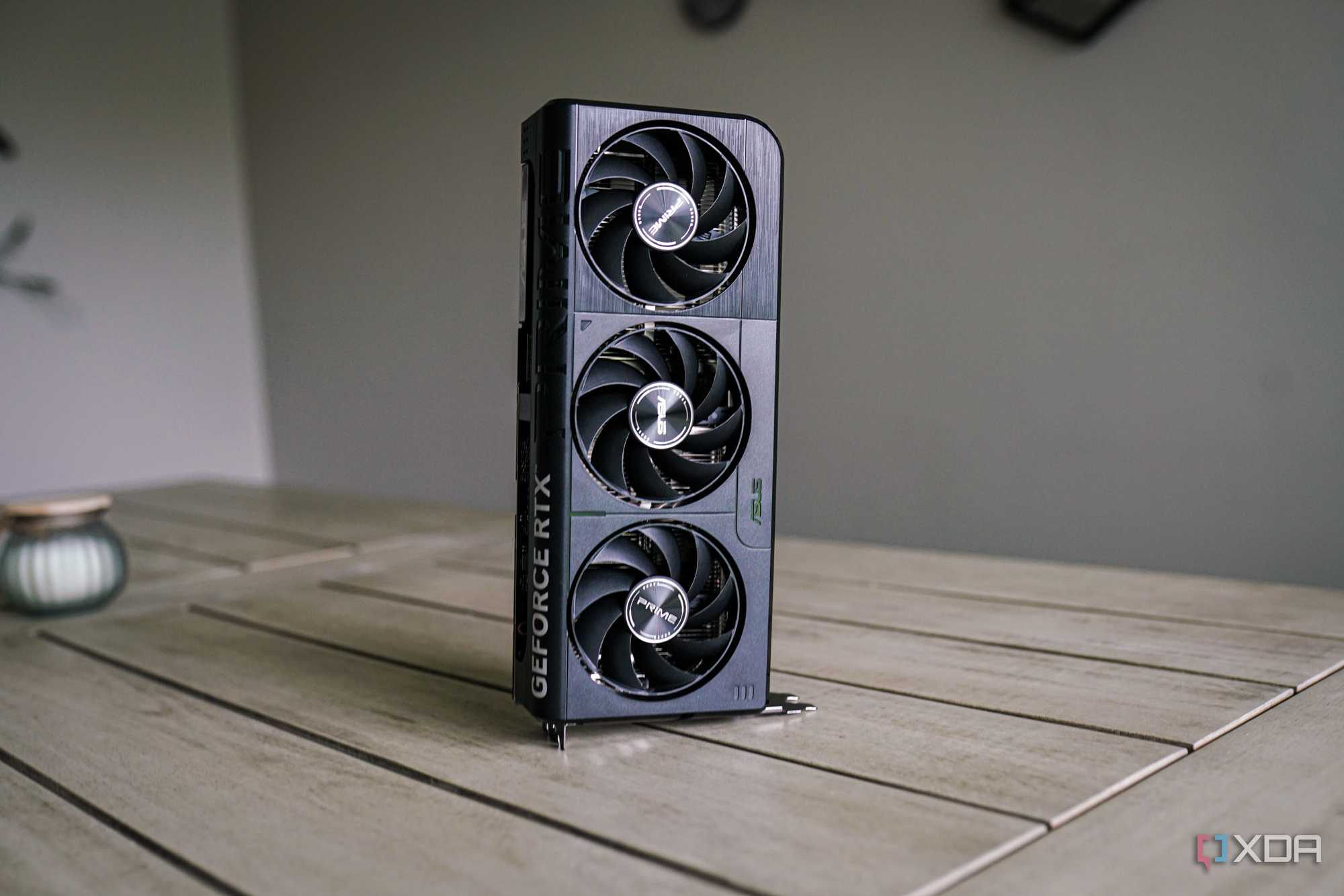
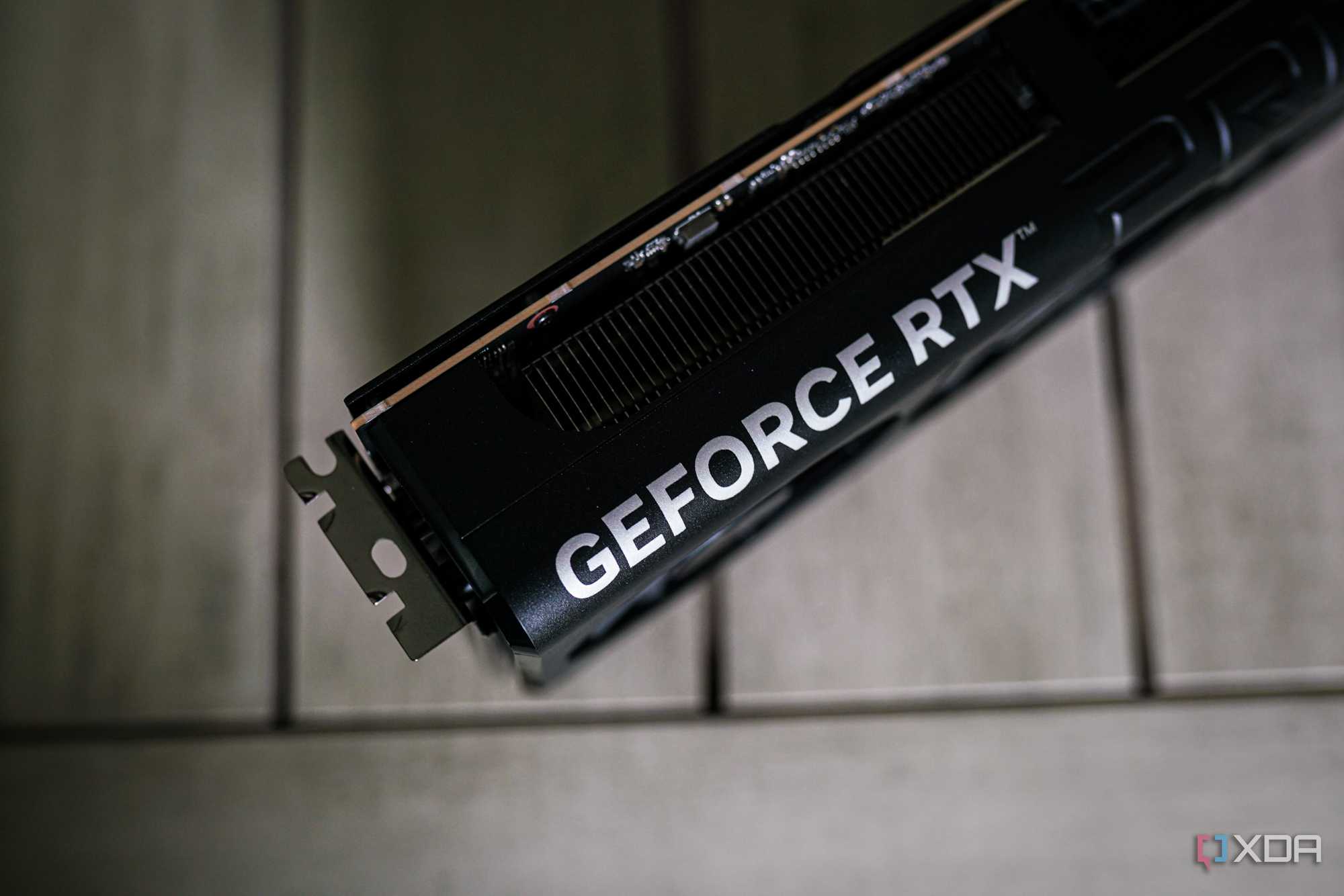
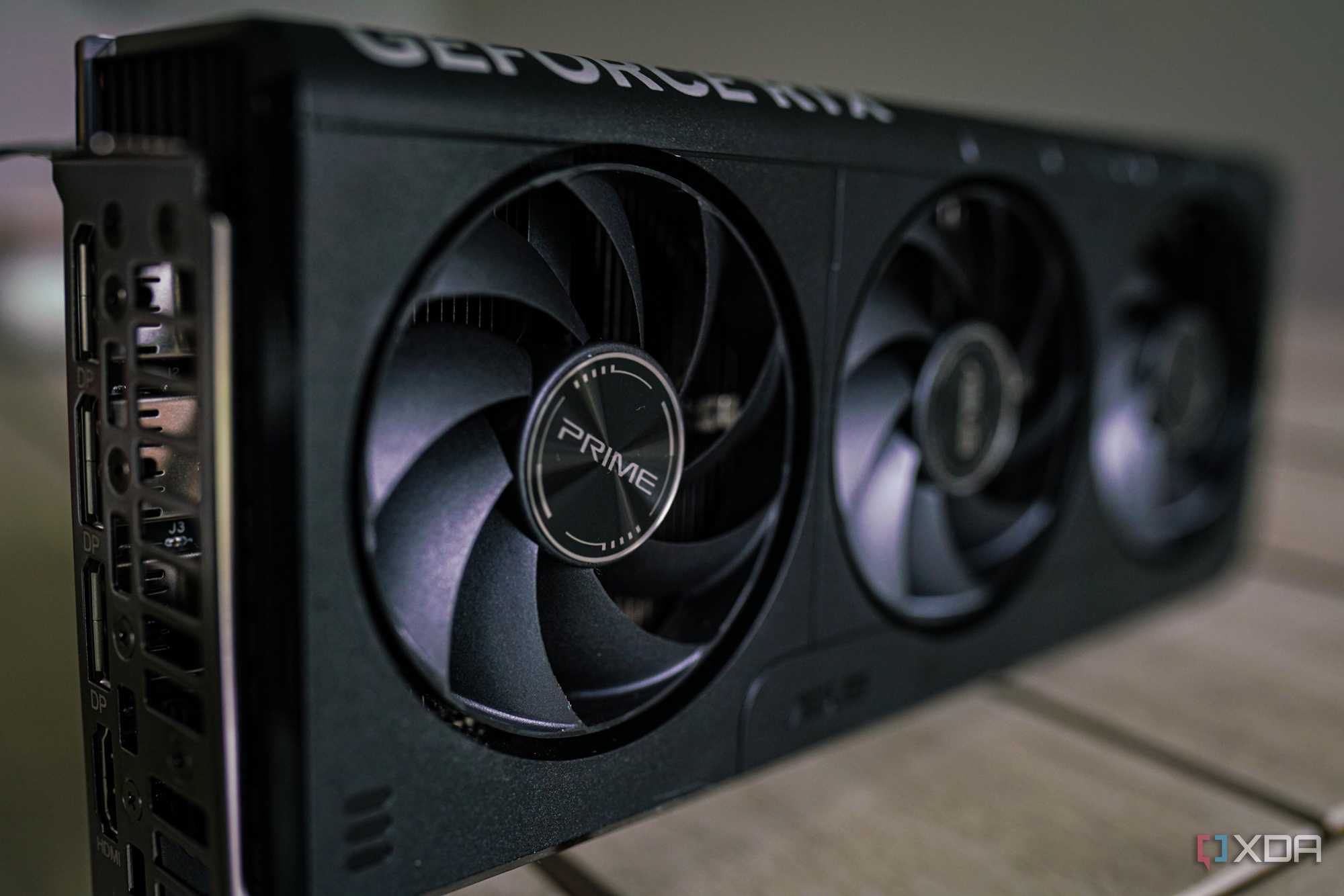
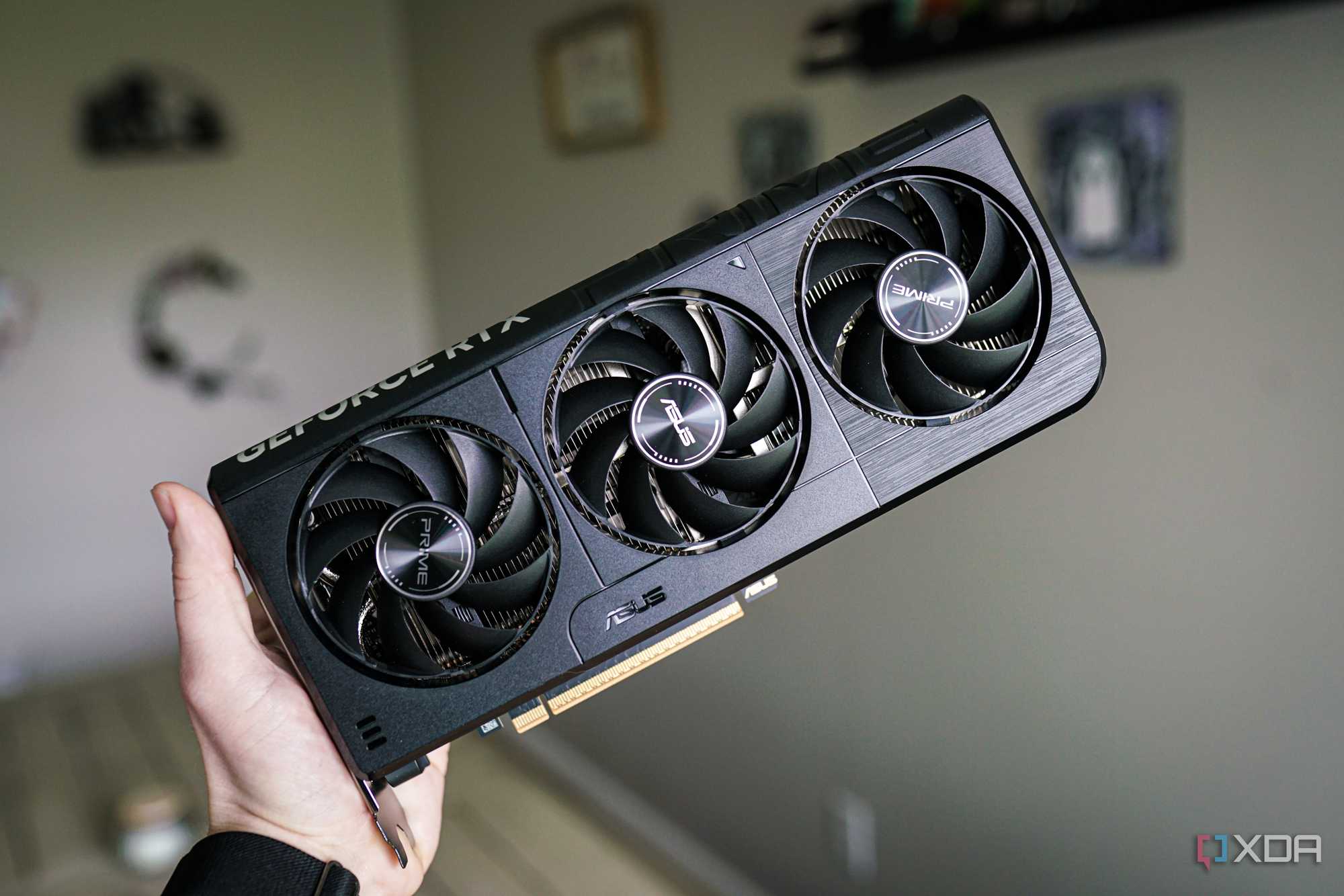
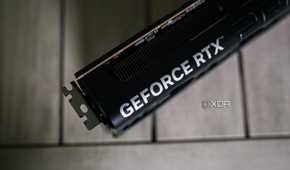
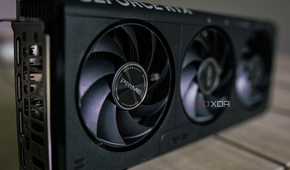
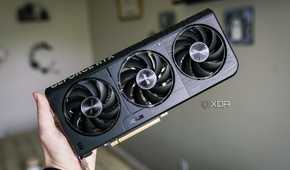
Both the RTX 5060 and RX 9060 XT target mainstream gamers who play at 1080p, and they both arrive at an MSRP of $300. There's a little more to the story than the list price, though. Thankfully, both AMD and Nvidia have cards in stock for list price. At the time of writing, I was able to find the RX 9060 XT and RTX 5060, both for $300 — no tariffs or scalper taxes to contend with. That's great news, but AMD has a more complicated lineup for the RX 9060 XT. As mentioned, AMD is offering this card with either 8GB or 16GB of VRAM, and although the 8GB model is available at list price, the 16GB version isn't.
The cheapest I've found the 16GB version is $390, while it should cost $350. It's easy to justify an extra $50 for the RX 9060 XT over the RTX 5060, given AMD's better performance and larger frame buffer. At $390, however, we're talking about somewhere around a 30% increase in price for around a 10% boost in performance, plus extra VRAM for higher resolutions. The 16GB RX 9060 XT is undoubtedly the better buy over the 8GB model, but it's lost in limbo. It's clearly more expensive than the RTX 5060, but it's not as expensive as even the cheapest 8GB models of the RTX 5060 Ti.
If you have a strict budget of $300, you'll have better luck with the RTX 5060. Although AMD has models available at list price, the fact that the inventory is split between 16GB and 8GB versions means that the cheapest models at MSRP will sell out first. The RTX 5060 has been out for a few weeks at the time of writing, and prices are still holding at MSRP. Hopefully the RX 9060 XT will hold at MSRP for the 8GB model, but I don't suspect the 16GB model will.
AMD is a clear performance leader
And that 16GB of VRAM will come in handy

The RX 9060 XT is faster than the RTX 5060, and it better be, considering that it's more expensive. Looking strictly at 1080p, the RX 9060 XT comes out ahead with a 6% lead. That includes all the games you can see above, including titles with ray tracing. AMD vastly improved ray tracing with its RDNA 4 architecture, but the RX 9060 XT can still only match the RTX 5060. That weighs down its average performance. If you take ray tracing out of the equation — hard to do with always-on ray tracing titles like Doom: The Dark Ages now available — AMD shows a more commanding lead.
At 1080p, the extra frame buffer from the RX 9060 XT 16GB isn't much of a factor. There are rare exceptions in games like Indiana Jones and the Great Circle where an 8GB frame buffer struggles, even at 1080p. However, the performance you see above shouldn't be vastly different on the 8GB version of the RX 9060 XT. At $300, AMD wins out with somewhere around a 5% to 10% lead over the RTX 5060, depending on the game.

You can see proof of that when looking at 1440p performance. Suddenly, the RX 9060 XT jumps to a 10% average lead, and in games like Horizon Zero Dawn Remastered and Forza Motorsport, the gap between the RTX 5060 and RX 9060 XT widens. It's one of the clearest examples you can see of how 8GB graphics cards can't hold up to a resolution above 1080p. The RTX 5060 doesn't run into the extreme VRAM bottlenecks you see with 8GB graphics cards at 4K, but the averages don't lie; the RTX 5060 is giving up some performance at higher resolutions simply because it doesn't have enough VRAM.
The performance advantages of the RX 9060 XT aren't enough to justify spending extra over the RTX 5060 alone, even if AMD wins out when both GPUs arrive at $300. The main reason to spring for the 16GB model of the RX 9060 XT is that Nvidia doesn't have a 16GB version of the RTX 5060. You'll need to upgrade to the RTX 5060 Ti, with the 16GB version of that GPU going for around $500. Spending an extra $50 to $90 on the 16GB RX 9060 XT over the RTX 5060 may be steep, but it's really your best option right now.
Even if you aren't constrained by VRAM at 1080p, the RX 9060 XT is better equipped to handle the demands of modern games with a 16GB frame buffer. That extra capacity allows it to scale up to 1440p, and it makes it easier to enable features like frame generation. The RTX 5060 may have an edge with DLSS 4 and its Multi-Frame Generation (MFG) capabilities, but MFG comes at the cost of more VRAM, which is difficult to allocate when 8GB cards are already starved for capacity.
Which one should you buy?


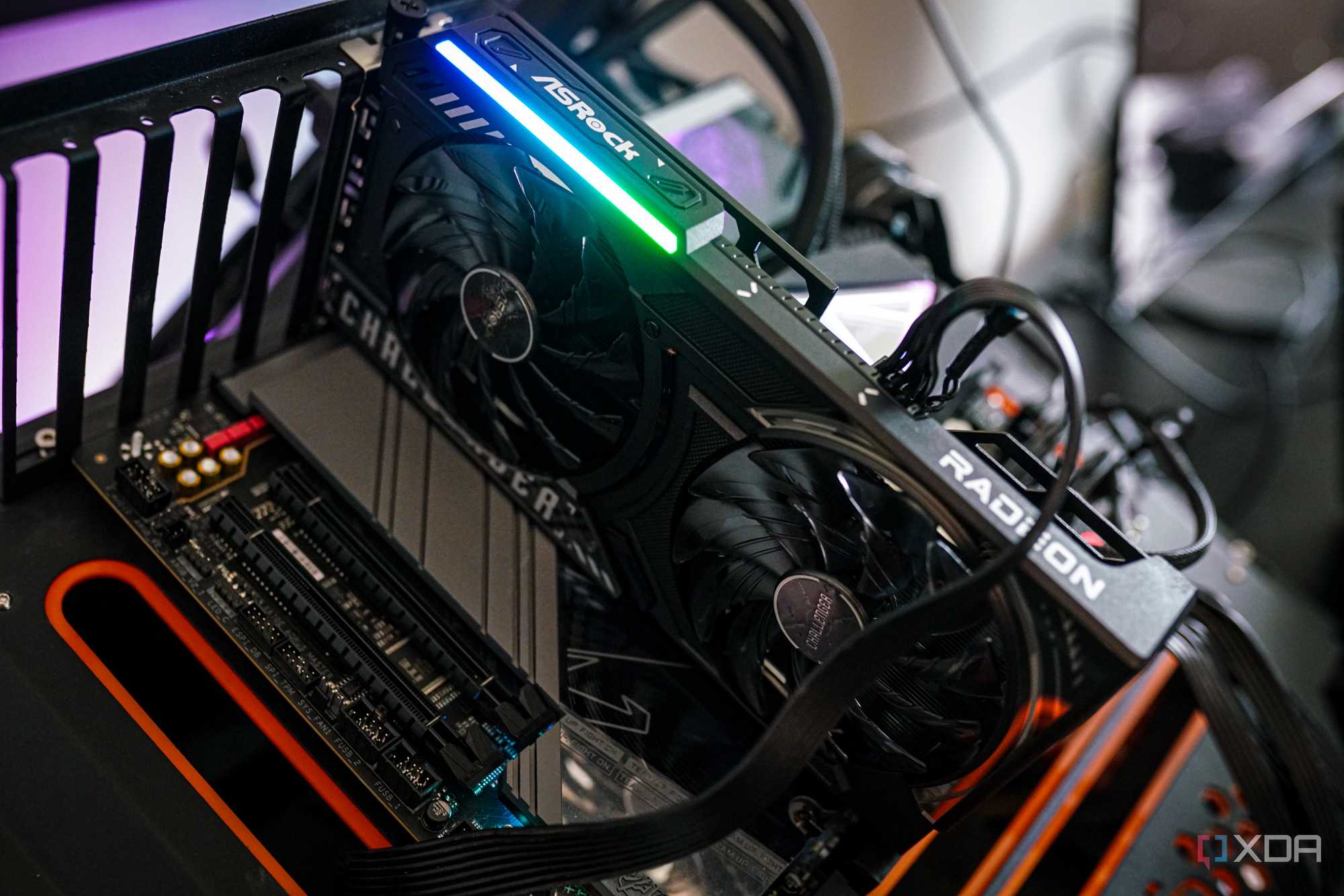

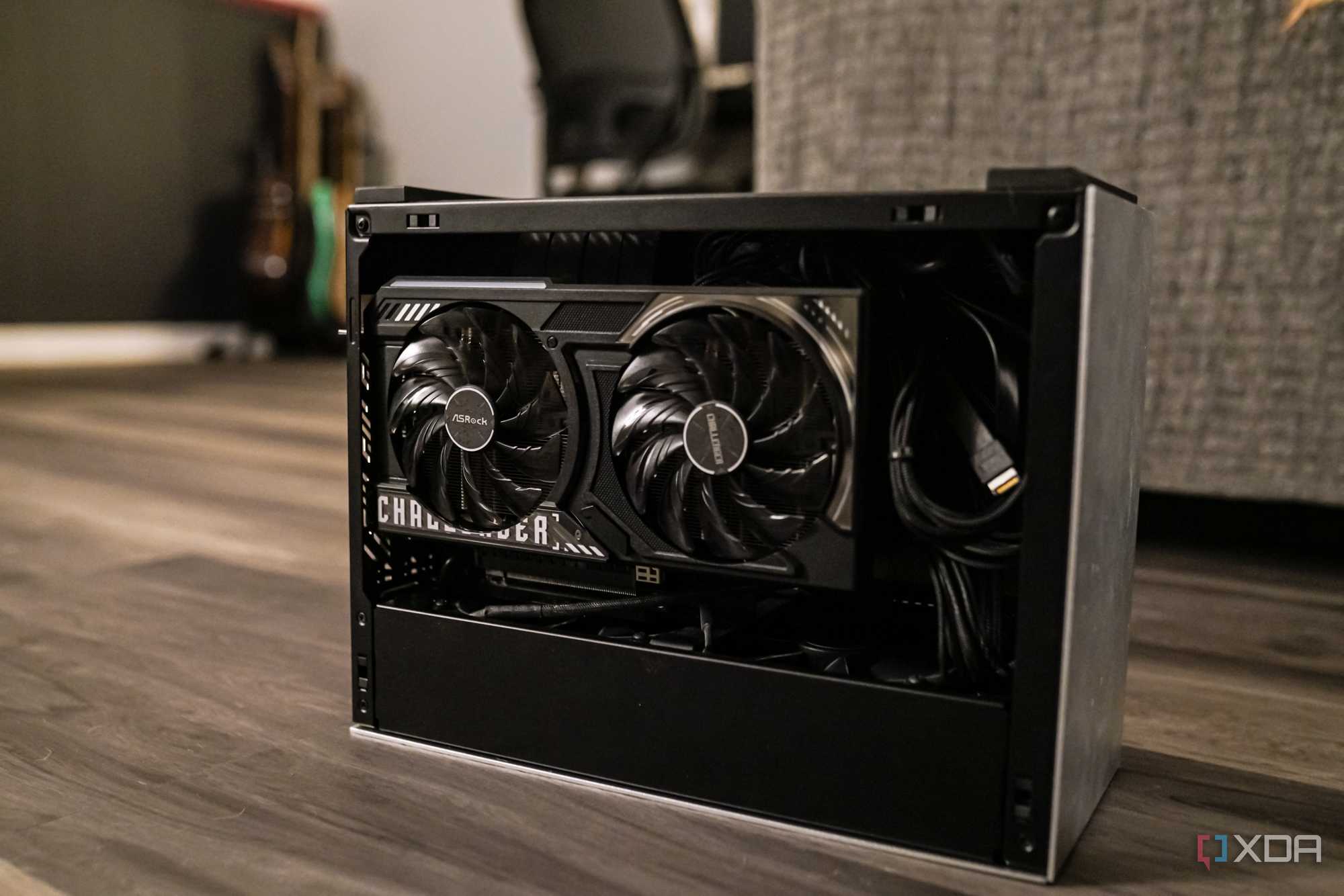



It's hard to justify the RTX 5060 over the RX 9060 XT. That's true when looking at both the 8GB and 16GB models. For the 8GB models, both the RTX 5060 and RX 9060 XT come in at the same MSRP of $300, they're both available for that price, and the RX 9060 XT is faster. Pure and simple. Sure, the RTX 5060 has access to MFG, but that's a much less useful feature on an 8GB graphics card that already struggles to scale up to higher resolutions and graphics settings.

ASRock AMD Radeon RX 9060 XT Challenger 16GB OC

- Shader Units
- 2048
- Ray Accelerators/Cores
- 32
- AI Accelerators/Cores
- 128
- Base Clock Speed
- 2220MHz
- Boost Clock Speed
- 3130MHz
- Memory Clock Speed
- 2518MHz
For the 16GB model, it's a bit more tricky. The RX 9060 XT with 16GB is faster, and it comes with more VRAM runway to scale up to higher resolutions and fully leverage frame generation. But it's also around 30% more expensive. If you can find the RX 9060 XT at $350, you should buy it. Once that prices pass $400, though, it's time to start looking at alternatives.

Asus GeForce RTX 5060 8GB
- Shader Units
- 3840
- Ray Accelerators/Cores
- 30
- AI Accelerators/Cores
- 120
- Base Clock Speed
- 2280MHz
- Boost Clock Speed
- 2497MHz
- Memory Clock Speed
- 1750MHz
