


If you've been keeping tabs on GPU news lately, you've likely noticed that things have been eeriely quiet on Nvidia's end, and that's not by accident. The GeForce RTX 50 Super series, which had been widely expected to arrive at CES 2026 with a significant VRAM bump across the lineup, has been delayed indefinitely, with Nvidia quietly notifying its board partners rather than making any kind of public announcement. The current RTX 50 series will reportedly remain Nvidia's only consumer gaming offering until the next-generation RTX 60 series arrives, which isn't expected until the second half of 2027 at the earliest.
For enthusiasts who had been holding out for those refreshed cards, this stings. The Super lineup was supposed to be the mid-generation course correction that the RTX 50 series badly needed: more VRAM for similar prices would've made a lot of these cards make a lot more sense. I prefer to take a "glass half full" perspective on the situation, as a year without any new Nvidia hardware might be exactly what the PC space needs.
The DRAM situation has put the brakes on any new GPUs
Nvidia's "Super" refresh of the 50-series should've arrived already

Nvidia's Super series delay has a very clear cause: The GDDR7 memory used on these cards is in critically short supply, with the AI industry absorbing an enormous share of available DRAM production. The wafers used in the production of HBM memory for AI are made from the same silicon that would otherwise be used for GDDR7, DDR5, and so on.
The planned Super lineup was built around increasing VRAM capacity by around 50%, which would have meant cards like the RTX 5070 Super were rumored to be shipping with 18GB, and both the RTX 5070 Ti Super and RTX 5080 Super carrying 24GB. These specs are actually exciting on paper, but they're also why it's just not possible to ship these cards.
There's also a very distinct lack of competition from AMD and Intel for these cards—that's not to say that the RX 9000 series or B580 weren't competitive, but cards that have upwards of 18GB of VRAM just aren't in the same ballpark as anything the Red or Blue team are currently offering in consumer GPUs, and this lack of direct competition means there's no fire under Nvidia to try and find a creative way to get these cards out of the door.
Most users aren't actually due for an upgrade
Longer driver support for existing cards is always a good thing

While a GPU upgrade certainly wouldn't hurt you, chances are, you're probably not due for one anyway. The vast majority of users will be perfectly content running their RTX 30 or RX 7000 series GPUs for another generation, and if you're on something newer, the reasons to upgrade continue to become less compelling as you move up the generation ladder.
An RTX 3080 or RX 7800 XT still handles the majority of games at 1440p without breaking a sweat, and that's before you factor in the software side of things. DLSS and FSR have arguably done more for playable performance in the last two years than raw silicon improvements, making last-gen cards way more capable over a longer span of time than they otherwise would've been. A pause in new hardware releases is an opportunity to reassess whether you actually need to upgrade, or whether you've just been conditioned to feel like you do.
When new cards do release, they'll need to be compelling buys to pull the enthusiast crowd in
By the time there's an opportunity to sell a new GPU, hopefully the generational gap is larger


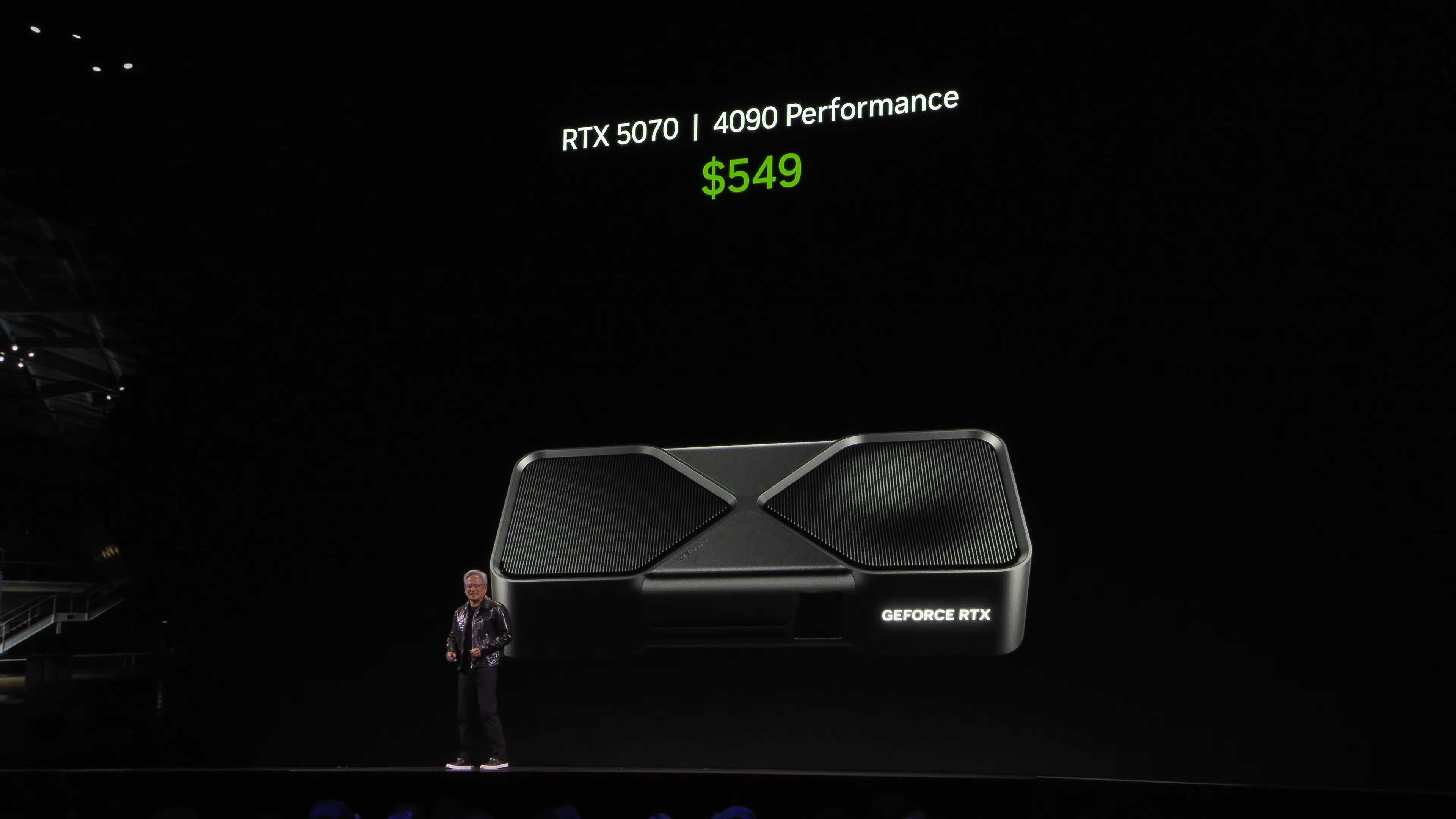

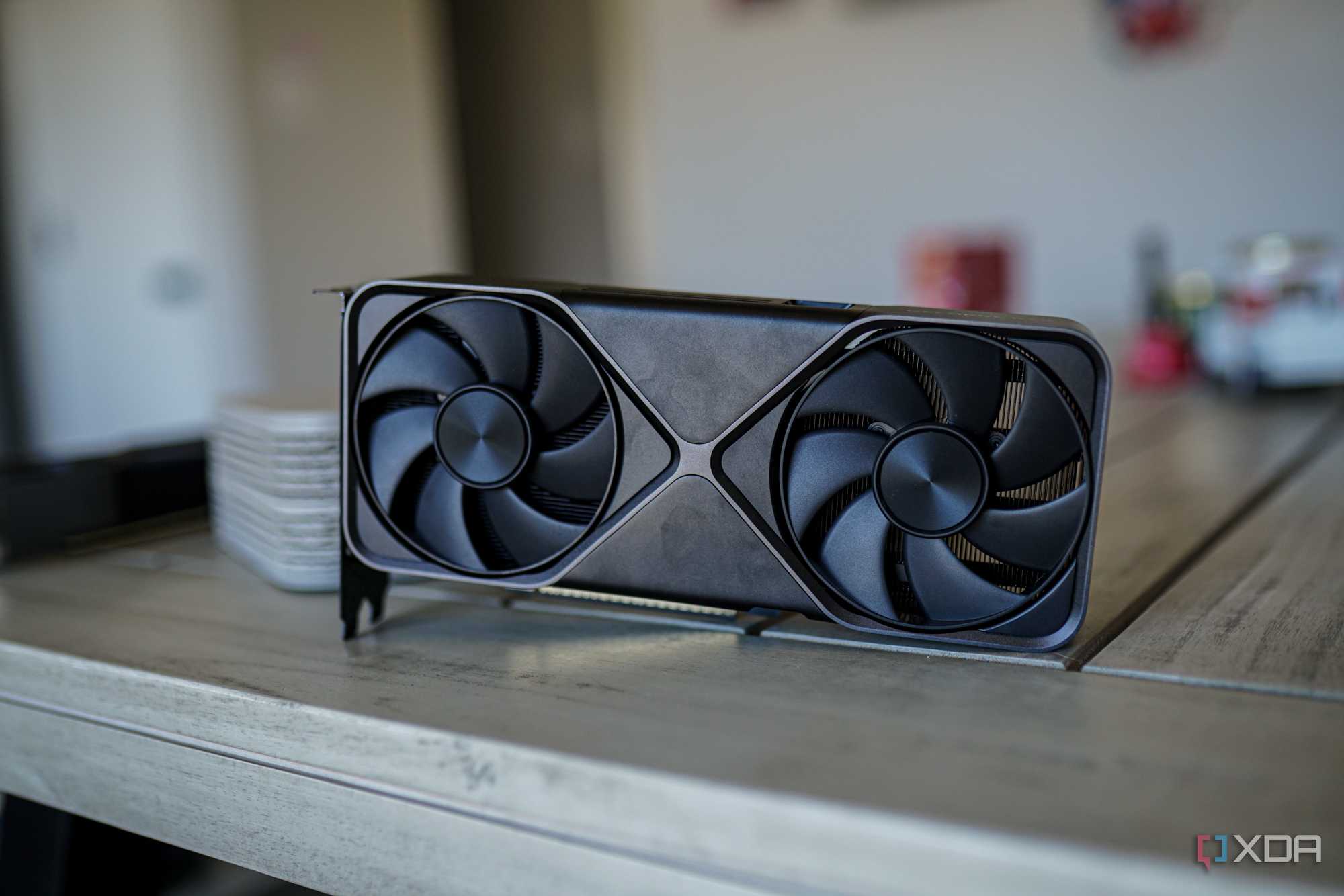
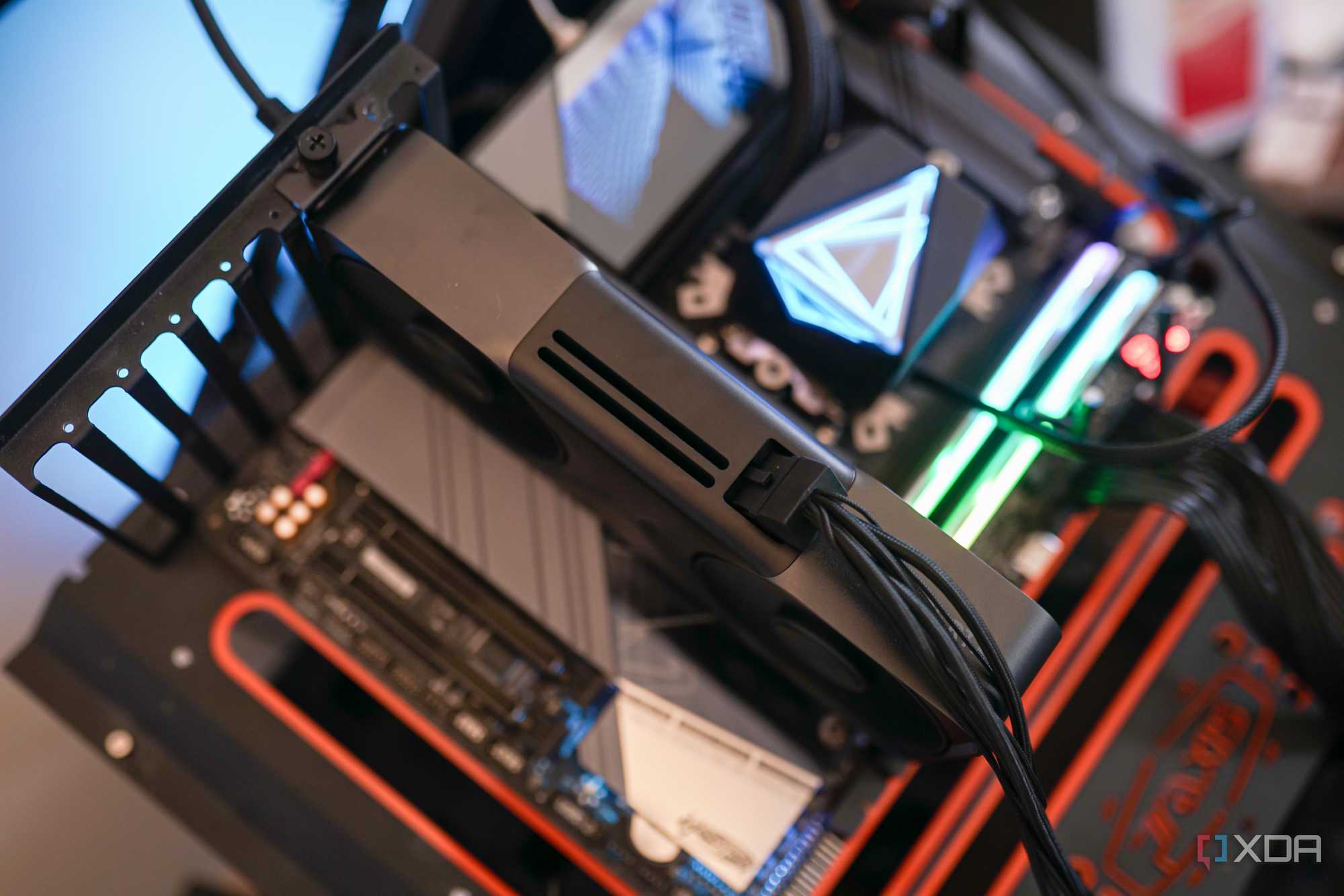
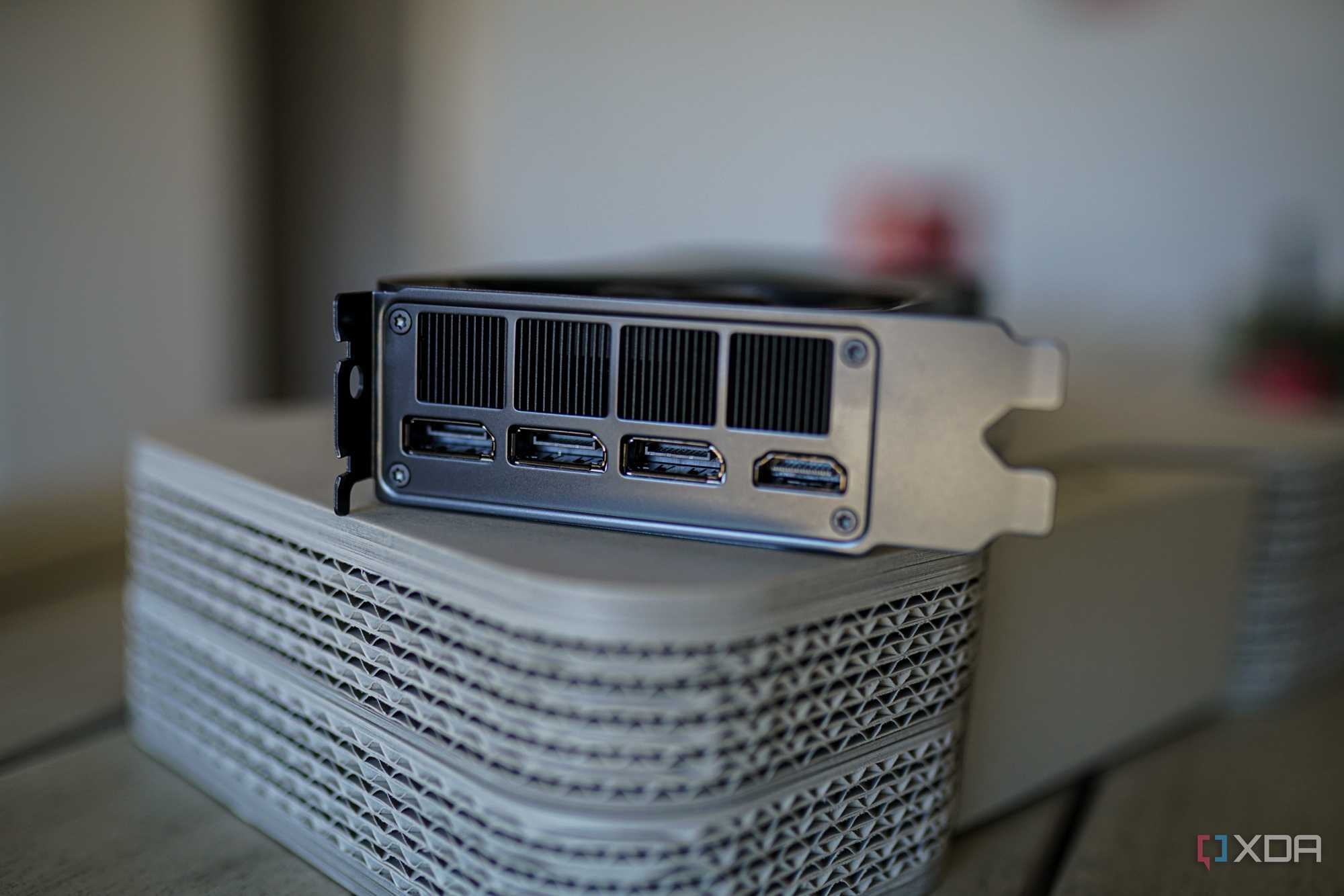
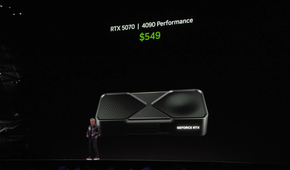

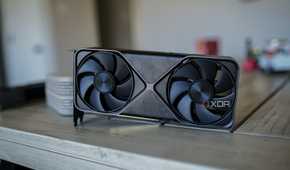
The RTX 50 series launch wasn't exactly a confidence-inspiring moment for Nvidia, either. Stock was constrained for months, prices ran well above MSRP at retail, and the VRAM situation on several mid-range models made these cards feel like more of the same rather than something actually exciting.
This sets up an interesting dynamic for whenever new cards do eventually arrive. Potential buyers that have gone without for an extra year are becoming much more used to stretching their GPUs further with upscaling tech and slightly lower settings, and with all the headaches of this previous launch, the bar for something worth buying has raised significantly. A future RTX 60 series card that shows up with more VRAM than expected, at a price that doesn't require a second mortgage, would genuinely move people, and it's not like Nvidia is incapable of delivering such a card. They've done it before with the GTX 1080 Ti, and again with the RTX 3080. Maybe the RTX 6080 is where the value proposition is undeniable once more.
Stock issues could continue to play a role
None of this matters if buyers can't find what they want for reasonable prices

Even setting aside the Super series delay, the stock picture for current-generation Nvidia cards is not healthy. Reports from supply chain sources suggest Nvidia plans to cut production of its current GPU lineup by up to 30 to 40 percent in the coming year, with AIB partners already receiving word that certain models will be affected first.
If the stock issues continue to play a role into future GPU launches, a great card with a good MSRP still won't be enough to move the needle, and we've seen that with the RX 9070 XT. At its MSRP price, it's a knockout, but it has been next to impossible to get one at that price, so the "true cost" of a card like that makes it a much less compelling value.
A pause nobody asked for might be the best thing
It would be easy to frame Nvidia's quiet 2026 purely as bad news, and for enthusiasts looking specifically for a 50-series refresh, it's definitely grim. Zooming out gives you a much more positive picture of the current gaming GPU situation, though. Consumers get time to actually use the hardware they have, evaluate what they really need from an upgrade, and let the supply chain work through its current chaos. Nvidia, for its part, gets a moment of reckoning: the enthusiast market isn't infinitely patient, and the next time a new GPU generation arrives, hopefully they'll throw them a bone in some fashion.
