


While some people choose to self-host everything they can, I continue to pay for services I could set up myself.
A lot of this comes down to my deal-breakers when it comes to self-hosting, such as whether downtime will affect me very negatively. Other times, it's due to my own preferences when it comes to how I consume media.
As a result, while I've tried out plenty of different self-hosted services, these are the tools that I still pay for...
Website management and hosting
WordPress has me in a chokehold

My freelance website uses WordPress as its content management system (CMS), and its public-facing domain is registered and hosted with a local internet provider. This was because, at the time, it was cheaper to host the domain with the local company and simply link the domain to the WordPress platform.
However, I have also been frustrated by the limitations of my WordPress plan, since plugin support would nearly triple the cost of my subscription. This means I want to eventually look at using a WordPress.org installation, but right now, for my site's purposes, plugins aren't essential.
When it comes to hosting the domain, however, that's something that I never plan to do on my own hardware. The main reason is that I want my content to always be available, especially if people want to contact me for freelance work. That means I don't want to be responsible for downtime and troubleshooting, which is a common problem you'll encounter when self-hosting.
Email hosting
Another headache I'd rather avoid

Even when I talk to people who self-host nearly everything, email is often the big exception. Like with websites, downtime can affect you negatively — it's not a simple case of your note-taking app being unavailable temporarily.
Besides issues like troubleshooting, there's also security and spam. I just generally don't want to be responsible for managing that. My personal email addresses are free Gmail accounts, but for my freelancing email, I pay for an email server.
The main reason for this is that I wanted an email address that was linked to my website that I could use for work. You can link a domain to Gmail, but this requires a Workspace account. So I ended up using Zoho Workplace instead, as it was cheaper.
I am going to need to manage my storage a bit better, however, as I don't want to endlessly upgrade to higher tiers. But right now, it's a yearly cost that remains affordable enough for me.
Google One
A subscription I hope to part with one day
Credit:


Credit:
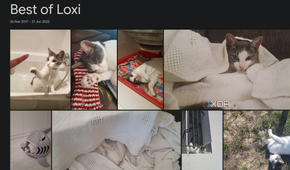
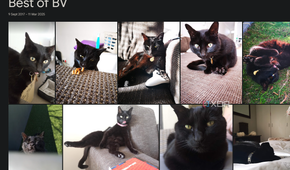
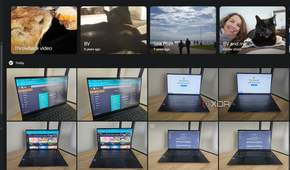
While most of the subscriptions I still keep are ones I plan to maintain for the next few years, Google One is a subscription I hope to move away from, eventually.
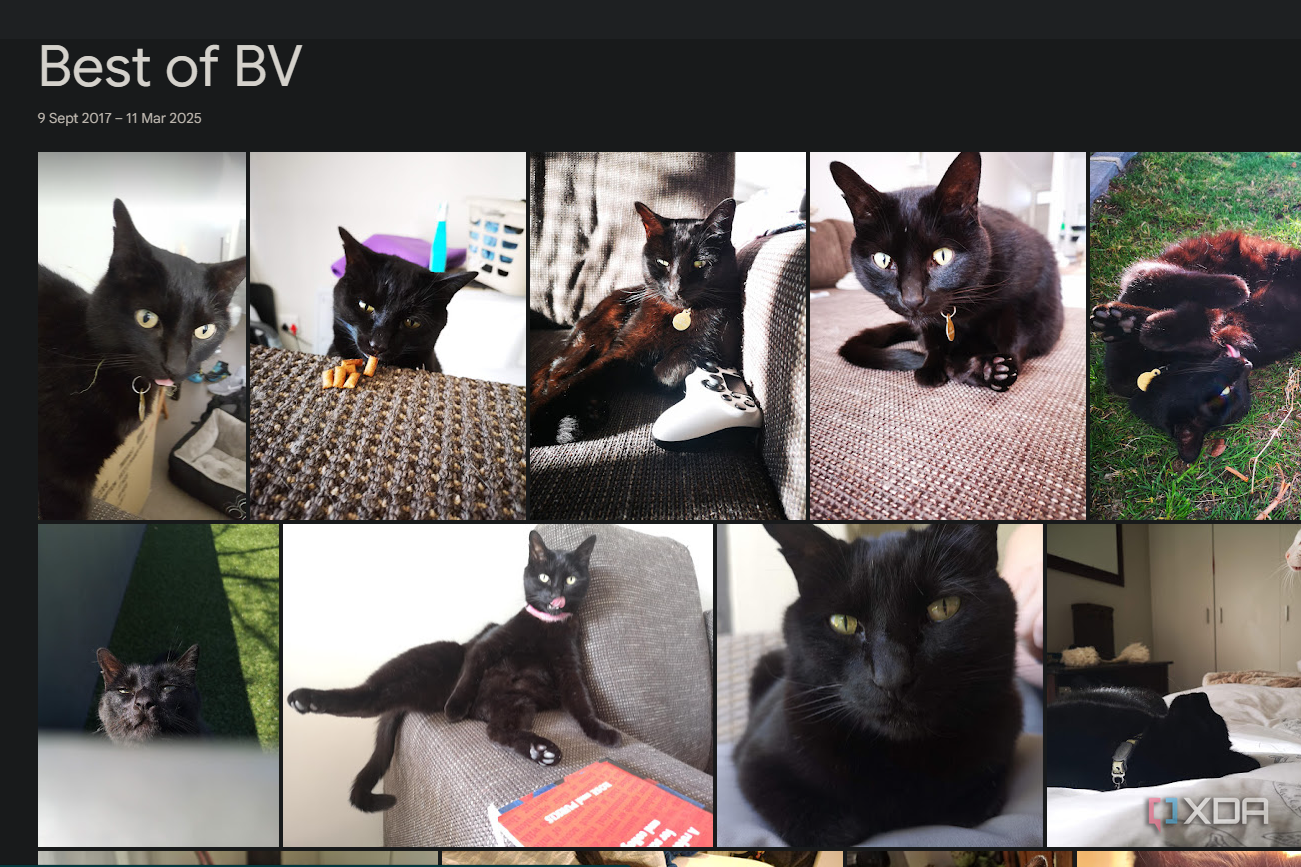
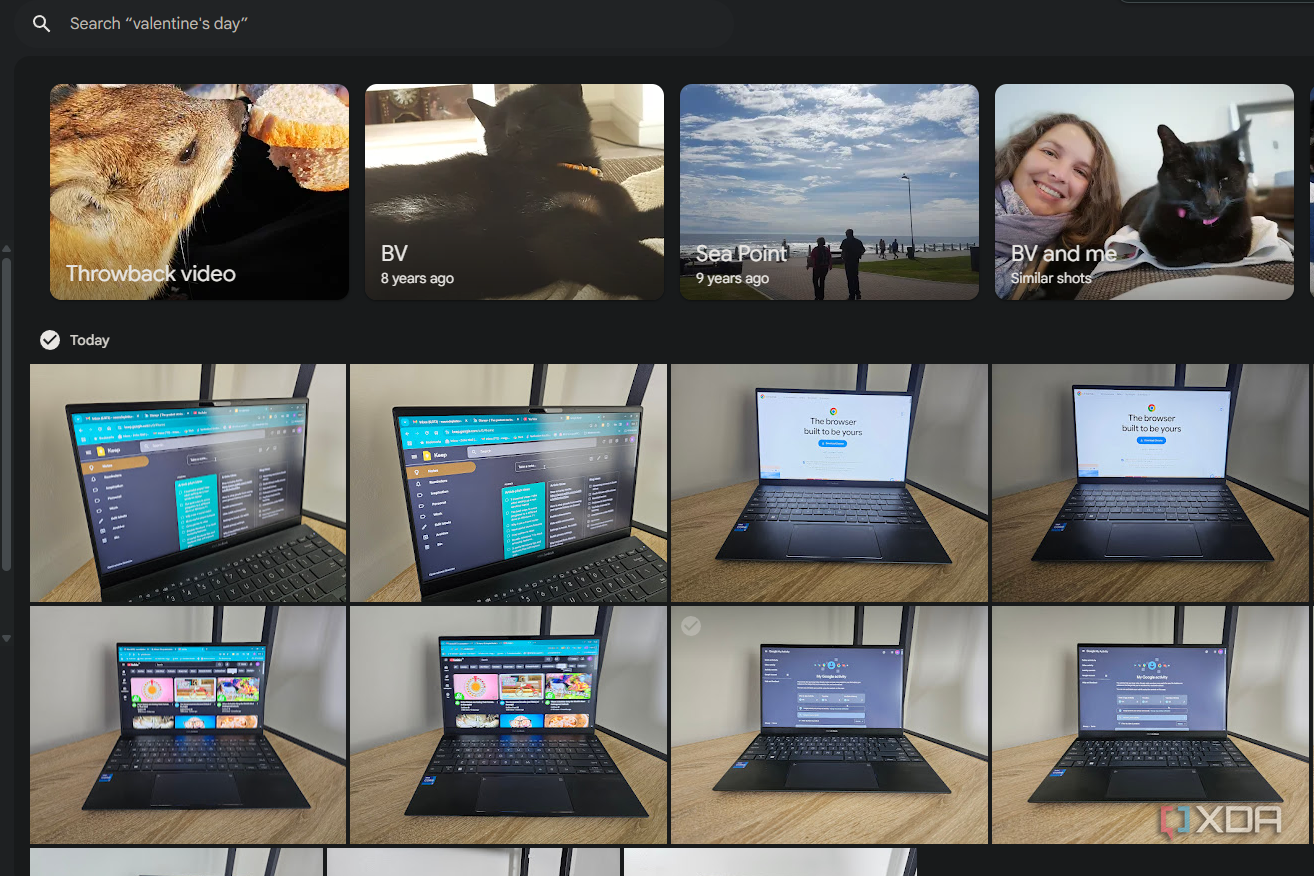
Currently, Google One acts as a convenient cloud solution. When you self-host backup services, you need to ensure that you have enough redundancy to keep your data safe. When it comes to the 3-2-1 backup rule, one of your backups should be off-premises. The easiest way for the average person to do this is to use a cloud provider.
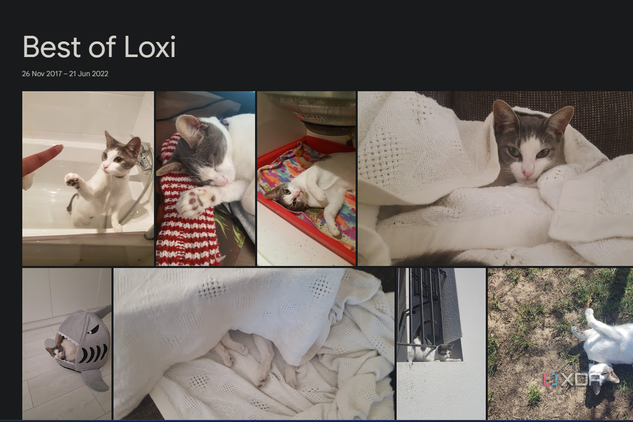
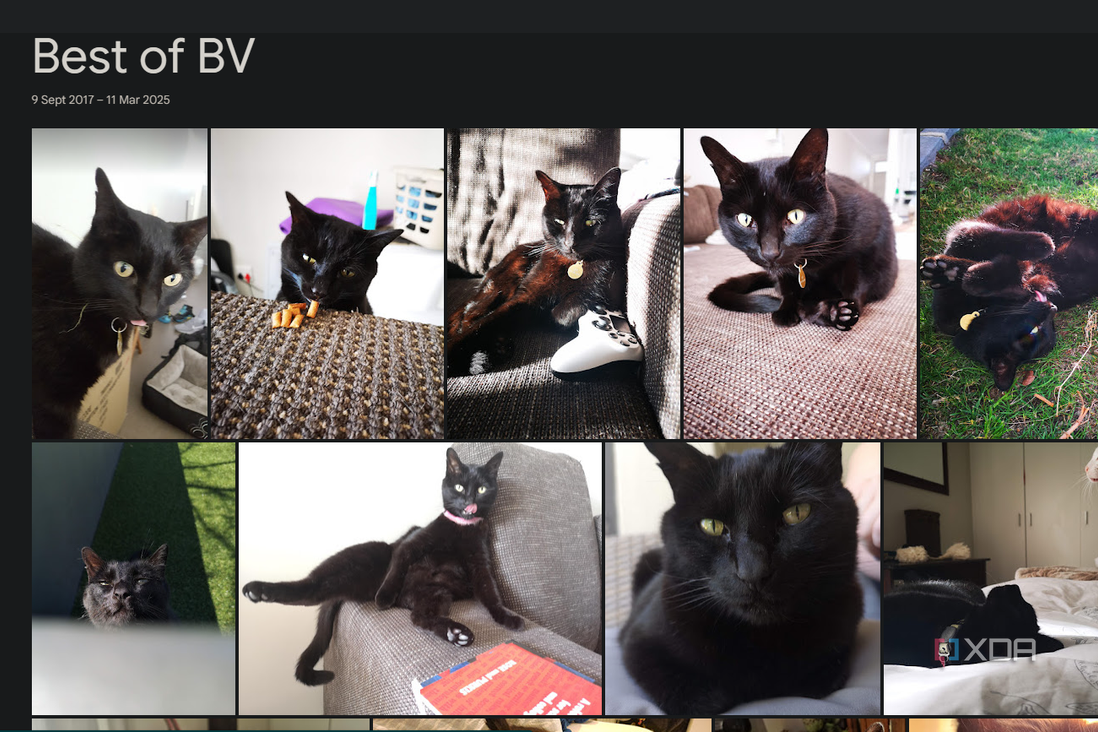
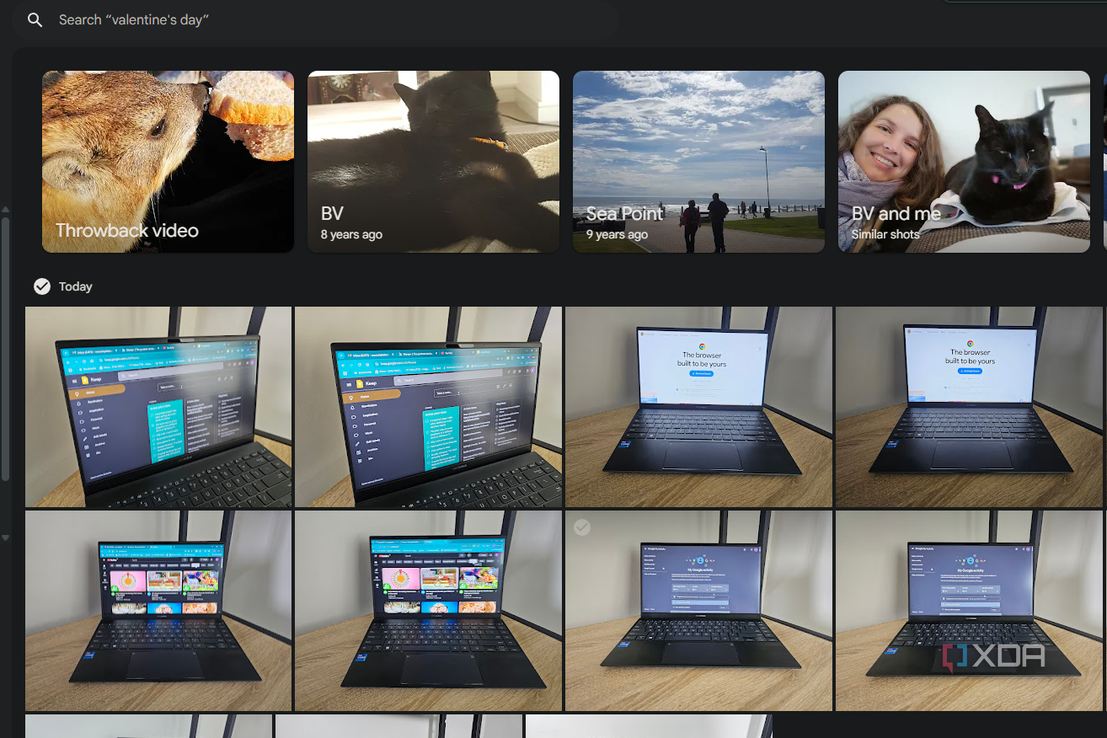
Since I don't have an off-premises backup for my Immich server and various documents, I still use Google Photos and Google Drive to access certain files. I eventually hope to move away from the subscription entirely and replace it with a more privacy-focused alternative, like Proton Drive.
Music streaming
A subscription that isn't a grudge purchase

In the age of media streaming, I definitely understand why people choose to self-host content instead of relying on streaming services. However, while I've explored the possibility of self-hosting my music, it would require me to invest in music files that I don't currently have.
Buying albums from my favorite artists is possible, but it would have a higher upfront cost. The main reason I subscribe to Spotify is so that I can support my favorite bands while still staying on a budget. Thanks to regional pricing, I only pay around $4 per month for my subscription. However, when I looked at buying digital albums, most were around $10.
There's also the problem of availability. Not all of the albums I want are available on digital storefronts, with physical copies nowhere to be found. Regional licensing also affects what I can buy.
I also honestly appreciate the convenience of a music streaming subscription, as it allows me to discover new artists constantly — especially the indie ones that I wouldn't have found without recommendation algorithms.
My Cloudflare tunnel domain
A small price for convenience

In order to access some of my self-hosted services from outside my home network, I use a Cloudflare tunnel. While it's possible to use a tunnel on a self-hosted domain for free, setting up a domain with Cloudflare was a quick and easy solution for me.
The domain has an annual cost of $6, so it's a price I'm willing to pay for the convenience it offers. There are definitely other ways to access your self-hosted services over the internet, but they require varying levels of skill and configuration. For me, a Cloudflare Tunnel was a noob-friendly option that also matched my budget.
Some subscriptions are a must-have
While self-hosting is often touted as a way to free yourself from subscriptions, the reality is that most of us will have some sort of essential subscriptions. Even when it comes to self-hosting, some people choose to host their services on a subscription VPS.
While I'm always looking for ways to streamline my budget, these subscriptions will stick around for a while. And when I do make changes, it will likely be a switch from one provider to another, rather than choosing to self-host something like email or a website by myself.
