


It's easy to get wrapped up in the doom and gloom of the current DRAM crisis. DRAM is in everything, and it's not just PCs that will take the hit, but consumer electronics, consoles, and even cars are all affected, too. With that said, I don't buy into the fears that the industry will seize the moment to push consumers towards cloud gaming software as a service (SaaS) platforms. I'm still worried about the state of the technology industry in general, but gaming is only a small part of it.
Don't believe me? PC gaming is a pretty small market, and as cloud gaming providers come and go, it's clear that the appetite wasn't there last year, the year before, or the year before that. A significant part of this is likely down to the internet options that would-be users have, be it that they're not fast enough, or the latency would be too high to actually enjoy the game being played. The DRAM shortage doesn't remedy that core problem, and with a growing cohort of consumers opting for "true" ownership of the products they purchase, it's unlikely that the DRAM shortage will move the needle when it comes to cloud gaming.
DRAM's problems are short-term
In the grand scheme of things, anyway


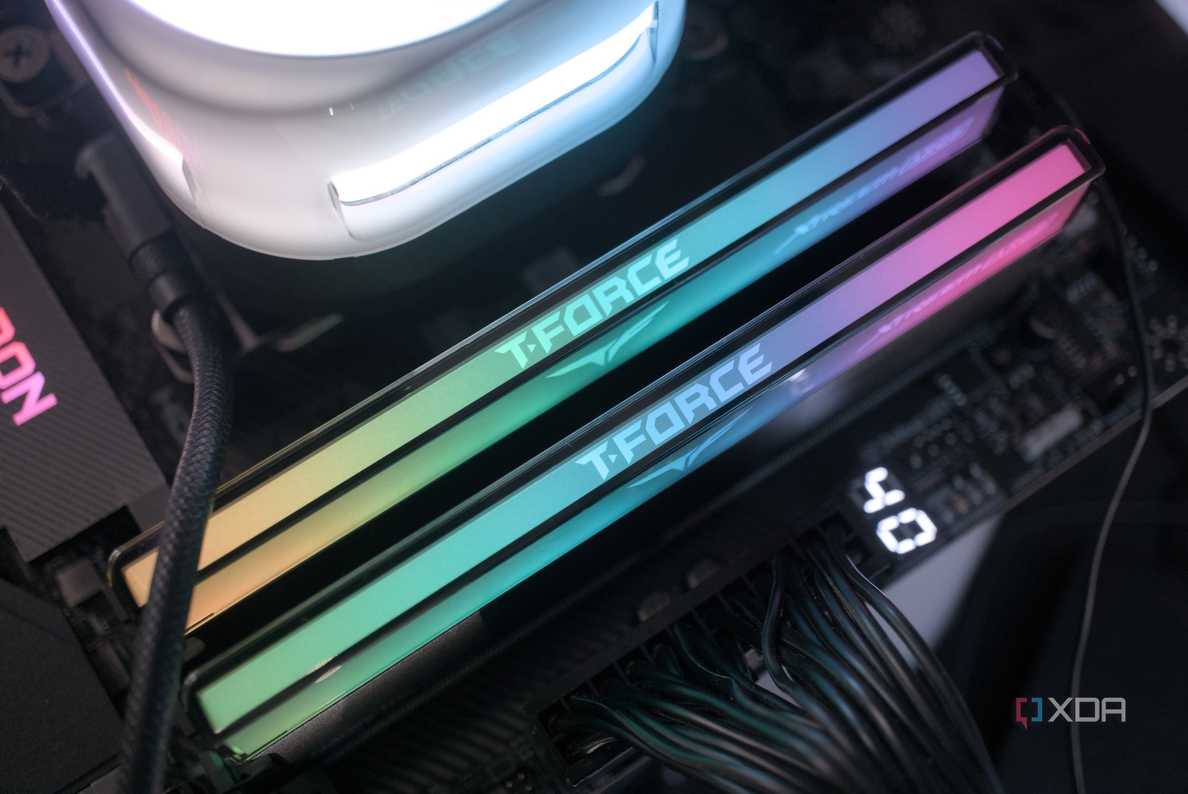


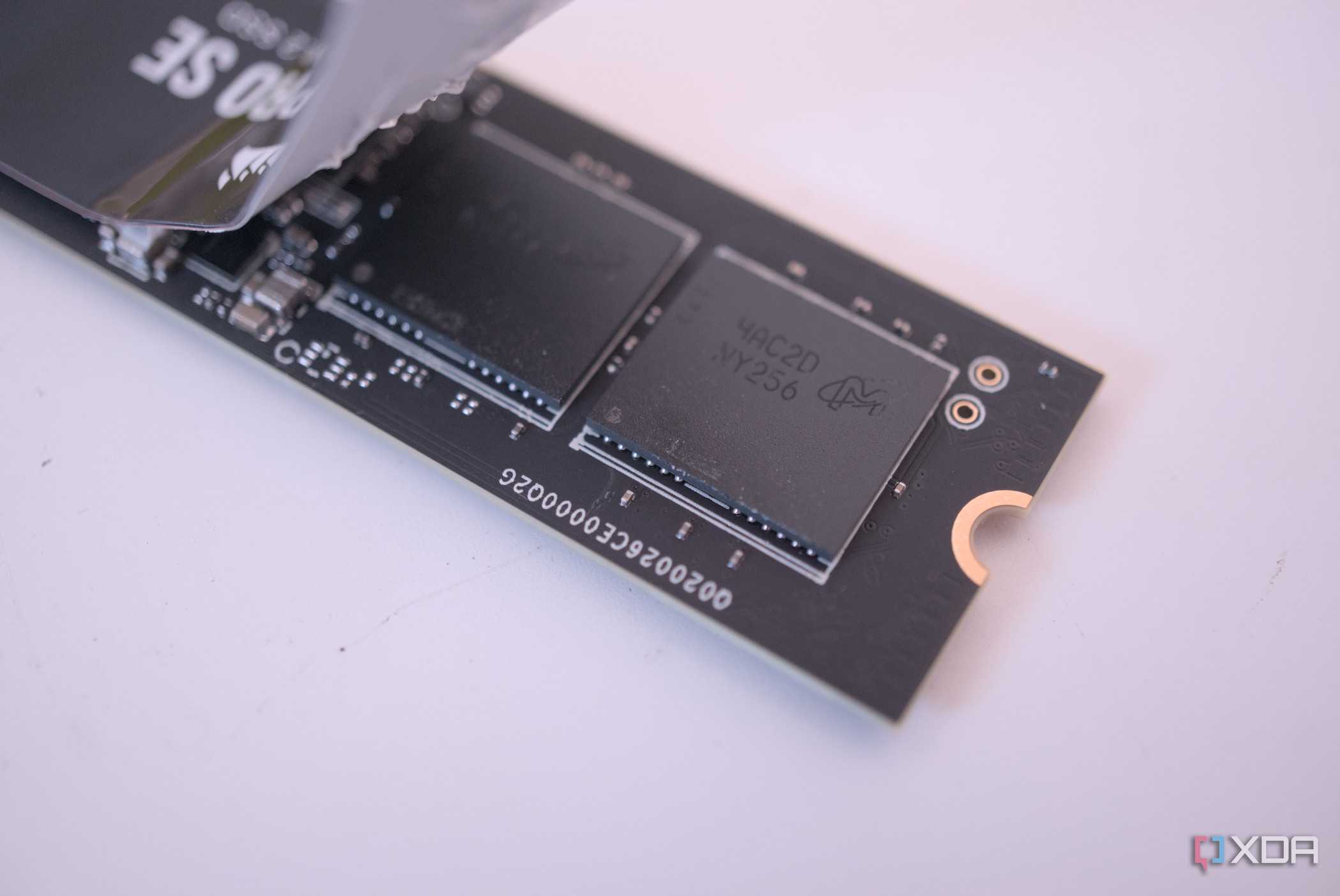
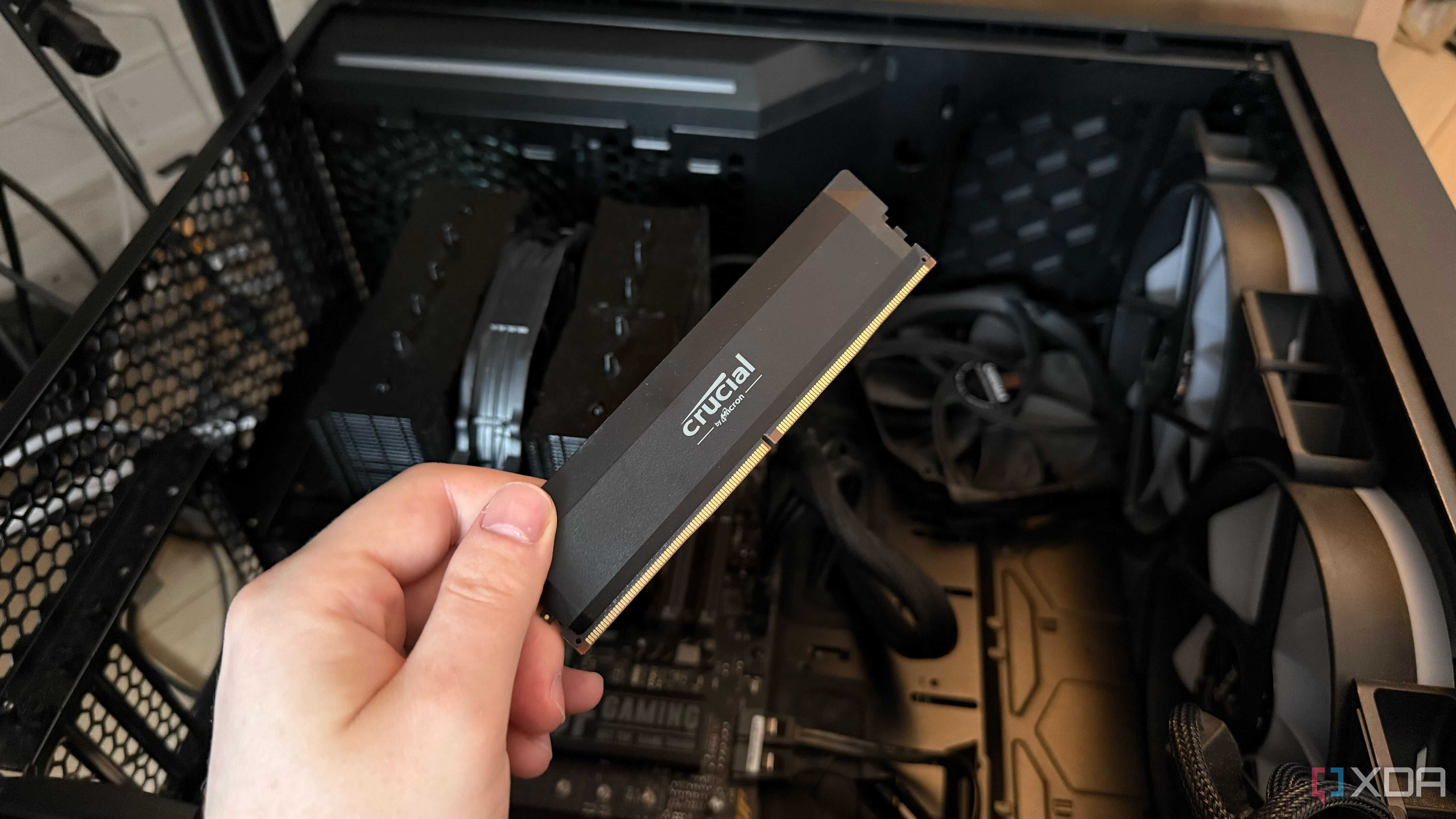

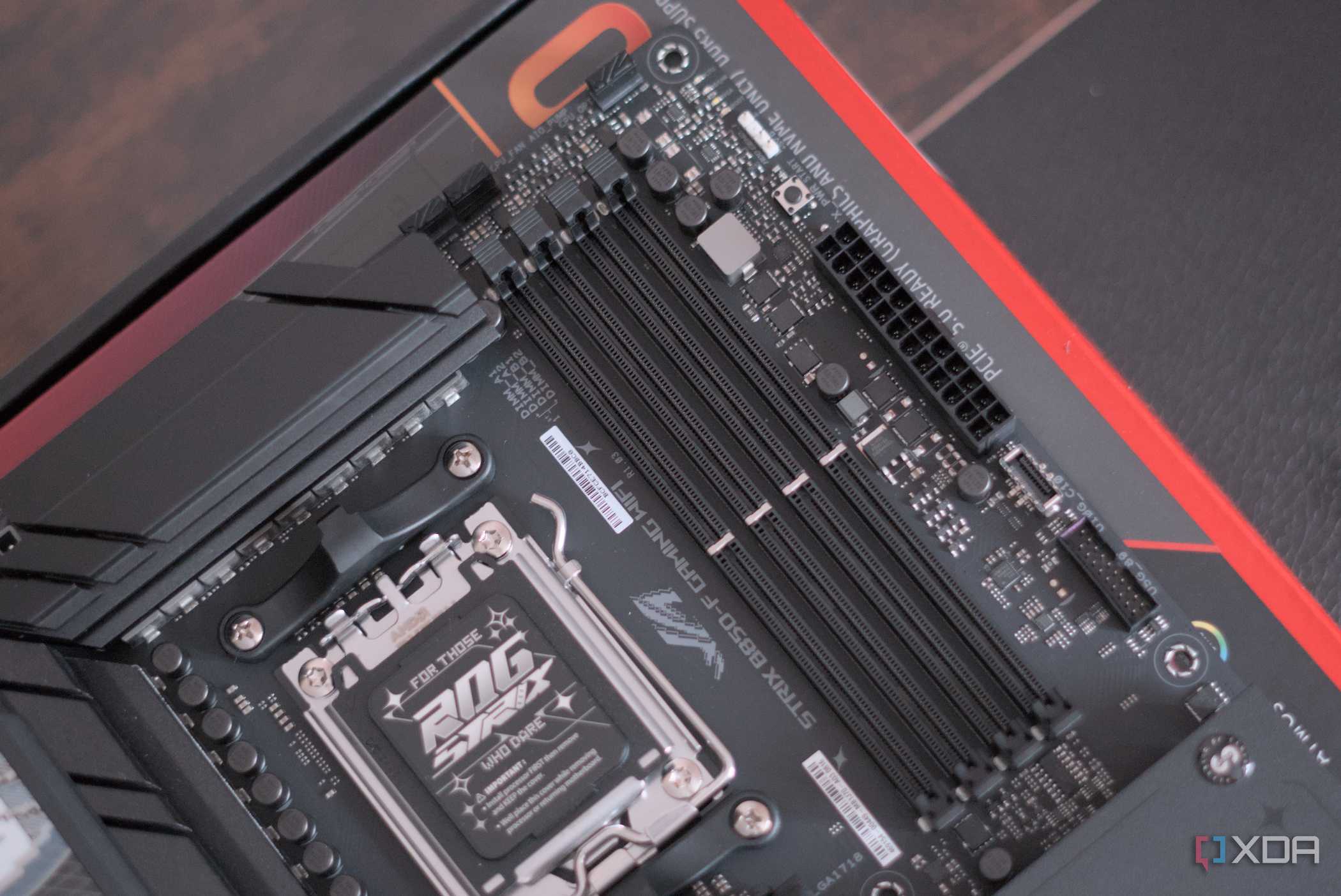
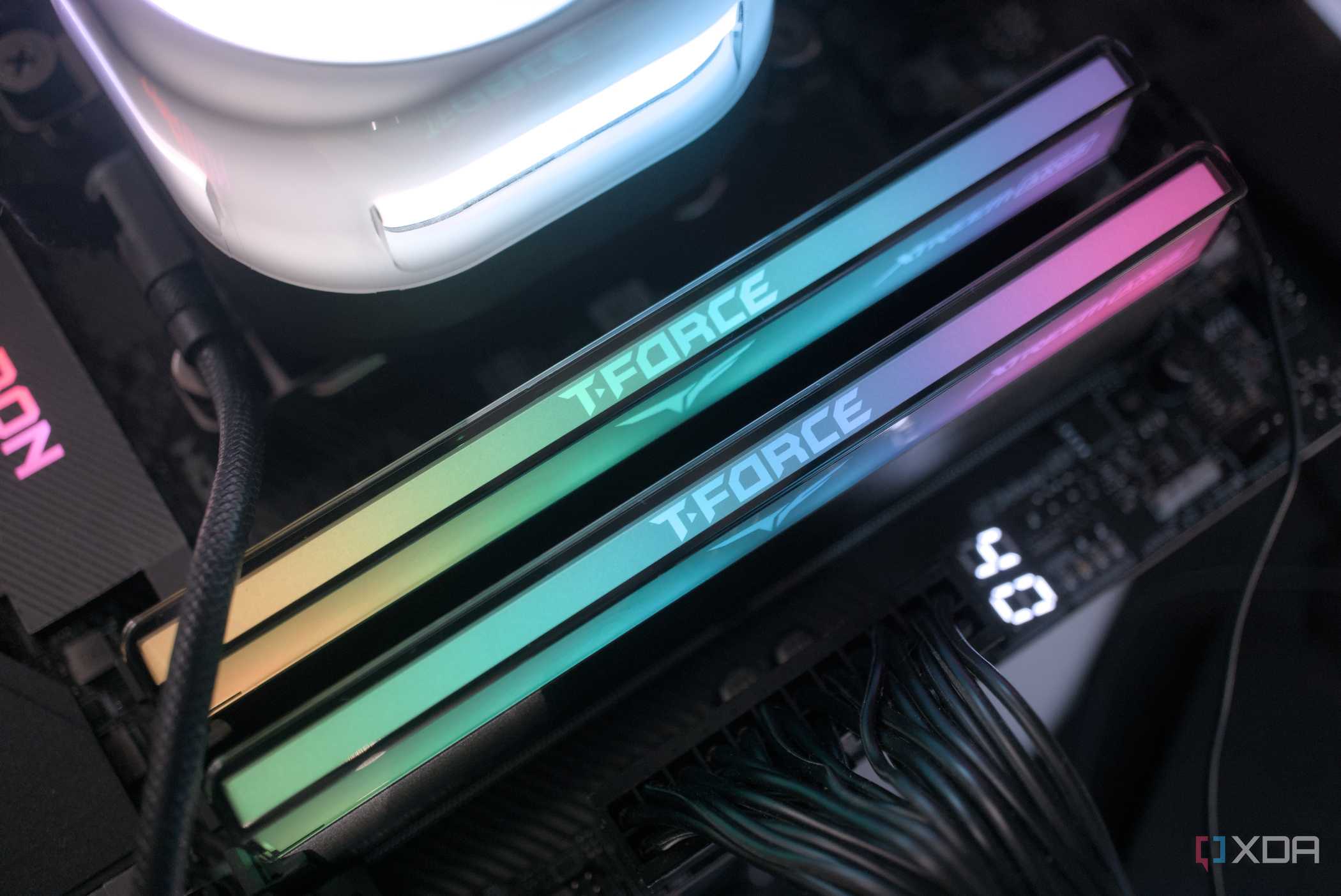



DRAM scarcity gives companies short-term leverage, not long-term control. Rising memory prices affect bill-of-materials costs, compress profit margins, and force uncomfortable decisions across the industry when it comes to SKUs and configurations. But they don't suddenly make local hardware disappear. PCs are still shipping. Consoles are still being sold. GPUs, laptops, and prebuilt systems may get more expensive or harder to justify at the high end, but the ecosystem itself doesn't vanish simply because memory costs more than it did a year ago.
For a shortage like this to meaningfully push gamers toward cloud platforms, two things would need to be true at the same time. First, local hardware would need to become genuinely inaccessible, not just pricier or less appealing to upgrade. Second, cloud gaming would need to be a clear functional replacement for local play. Neither of those conditions are being met. History teaches us a lot, here: during the worst of the GPU shortage, players delayed upgrades, bought used hardware, lowered settings, or simply stuck with what they had. What they didn't do, at scale, was abandon PC gaming in favor of streaming.
That's partly because cloud gaming still struggles with the same structural limitations it always has. Latency, bandwidth reliability, regional infrastructure gaps, and the lack of true ownership all remain unresolved problems, and a DRAM shortage doesn't magically fix any of them. If anything, it highlights how dependent cloud gaming is on expensive infrastructure of its own. There's also a persistent assumption baked into the "SaaS endgame" narrative that publishers and platform holders would benefit from forcing players into the cloud. In practice, cloud gaming is economically hostile at scale. Running games remotely means paying for persistent CPU, GPU, and memory time, absorbing bandwidth and data center costs, and designing around peak demand that can spike unpredictably around launches or updates. The world's biggest AI companies are already struggling with data centers; gaming companies aren't making that leap, too, espcially when local gaming offloads all of that expense onto the consumer's hardware.
Even the companies most invested in cloud gaming experiments still rely heavily on traditional hardware sales and local licenses. Cloud access is treated as an add-on, or a bundled perk, or a secondary option, but it's never a replacement, sans a couple of Nintendo Switch games where it was the only option for those titles to be playable on the underpowered console. The reason is simple: usage scales costs linearly. The more people play, the more infrastructure you need to pay for, and margins are squeezed ever-tighter once cloud sessions become the primary way games are consumed.
The DRAM crisis isn't a convenient excuse to force a SaaS future, and it is genuinely a painful, industry-wide supply shock. It's currently creating friction, raising prices, and slowing upgrades, all things that companies driven by direct-to-consumer hardware sales don't want. It doesn't give anyone the ability to rewire how people play games overnight, and these companies know that. Cloud gaming isn't an escape hatch from rising hardware costs, and the economics make it very hard to imagine that changing simply because memory is expensive right now.
Memory makers don't care about cloud gaming
But gaming providers might try to normalize it

Memory makers don't care about cloud gaming dominance. DRAM vendors make their money wherever memory ships in volume, and that spans PCs, consoles, GPUs, smartphones, embedded systems, and servers alike. From their perspective, gaming is just one consumer of capacity among many, and cloud gaming doesn't reduce memory demand in any meaningful way. If anything, it would likely concentrate it. A single cloud gaming session likely consumes more memory per player than a local PC does once virtualization, redundancy, and overhead are factored in, and cloud gaming providers would need access to data centers with powerful hardware across the globe. The entire argument that the current DRAM crisis manufactures cloud gaming demand contradicts the reason for the crisis in the first place.
What manufacturers are responding to right now isn't some coordinated push toward a SaaS future for games, but a much simpler incentive structure. AI workloads and high-bandwidth memory offer higher margins, predictable contracts, and effectively guaranteed demand. Every wafer allocated to HBM or data center-grade DRAM yields more profit than commodity consumer memory, so that's where investment and capacity naturally flow. The current shortage is about compute density and profit per wafer, not about steering players away from local hardware.
That doesn't mean gamers are completely insulated from downstream effects, though, and this is where my concern lies. PC gaming won't be forcibly replaced by cloud platforms, but it could be gradually reshaped around them. As memory and hardware costs rise, access becomes narrower at the margins. Minimum system requirements creep upward faster than affordability. Publishers start designing games with "acceptable" cloud fallbacks in mind, not as a primary experience, but as a safety net. At the same time, ownership continues to erode through launchers, subscriptions, and increasingly aggressive DRM, and that "fallback" becomes a necessary way for consumers to play new games.
In that scenario, cloud gaming doesn't need to win outright to erode the software ownership model that has stuck around for over a decade. It doesn't replace PCs so much as it fills the gaps when local hardware feels just out of reach. It becomes the default option for players who can't or won't upgrade, not because it's better, but because it's available. That's a much more believable trajectory, in my eyes, than a forced migration. In other words, it might result in a slow degradation of what "normal" looks like, though it would require industry-wide buy-in to be achieved. With that said, Larian Studios has said that RAM pricing has forced it to further optimize the upcoming Divinity game, something that actually benefits gamers. While it's too early to tell, I wouldn't be so sure that we're heading down a path that will see companies push consumers towards cloud gaming storefronts, and instead, we'll likely see current giants focus on optimization, too.
The path forward isn't clear
It depends what gamers do

The DRAM crisis won't be the catalyst that forces PC gaming into the cloud, but it does serve as a reminder of how fragile the equilibrium is across the enitre ecosystem. Local hardware remains the preferred model because it works for players, for developers, and even for the companies selling it. Cloud gaming, for all its convenience in theory, has yet to prove it can operate at scale without burning through capital or compromising the experience. And given that gaming is all about the experience, that's kind of a big deal.
That doesn't mean we should be complacent. The real risk isn't a sudden shift, but a slow and steady normalization of cloud gaming. Nvidia is one of the few who could put effort into its growth, thanks to GeForce Now, and with recent price hikes and the company reportedly aiming to slow production in 2026 of gaming GPUs, it would probably be the right time to make a move. If a transition to cloud gaming happens without resistance, we won't wake up one day to find PC gaming gone, and it'll happen slowly over time. That's what I'm worried about.
The good news is that players still have agency here. Buy physical copies when you can. Push back against digital "ownership" which only serves to erode true ownership. Support developers who optimize rather than offload. The DRAM shortage will pass, but the choices the industry makes during it, along with the precedents players allow, will shape what gaming looks like long after memory prices stabilize.
