


For the past few years, Sony seemed fully committed to bringing its biggest PlayStation games to PC. This slow experiment quickly turned into a full-blown strategy for the brand, and slowly but surely, their once-untouchable exclusives began making their way to Steam and Epic. For PC players, it felt like the walls were finally coming down, and for the past half-decade, they certainly were.
Now, however, things seem to be changing once again. Recent reports suggest that Sony's experiment may be coming to an abrupt end. Starting with Ghost of Yotei and potentially extending to several other upcoming titles, Sony may once again be moving towards a stricter console-exclusive approach. Truth be told, after everything I've seen from the PC port era, I'm not even surprised or mad about this decision.
Sony may be winding down its PC port experiment
PlayStation's strategy may be shifting again



 Credit: Sony
 Credit: Sony
 Credit: Sony
 Credit: Sony
 Credit: Sony





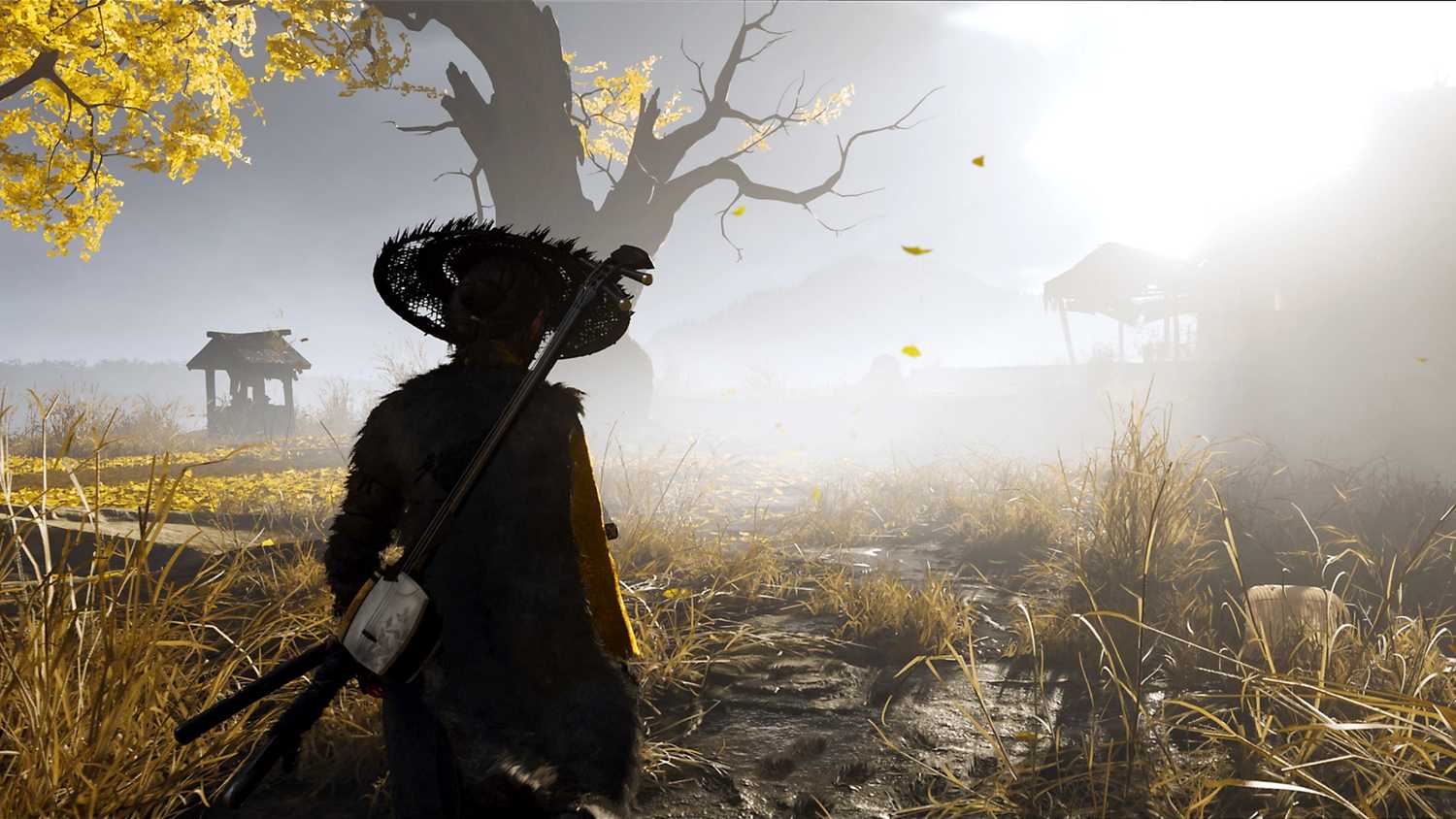
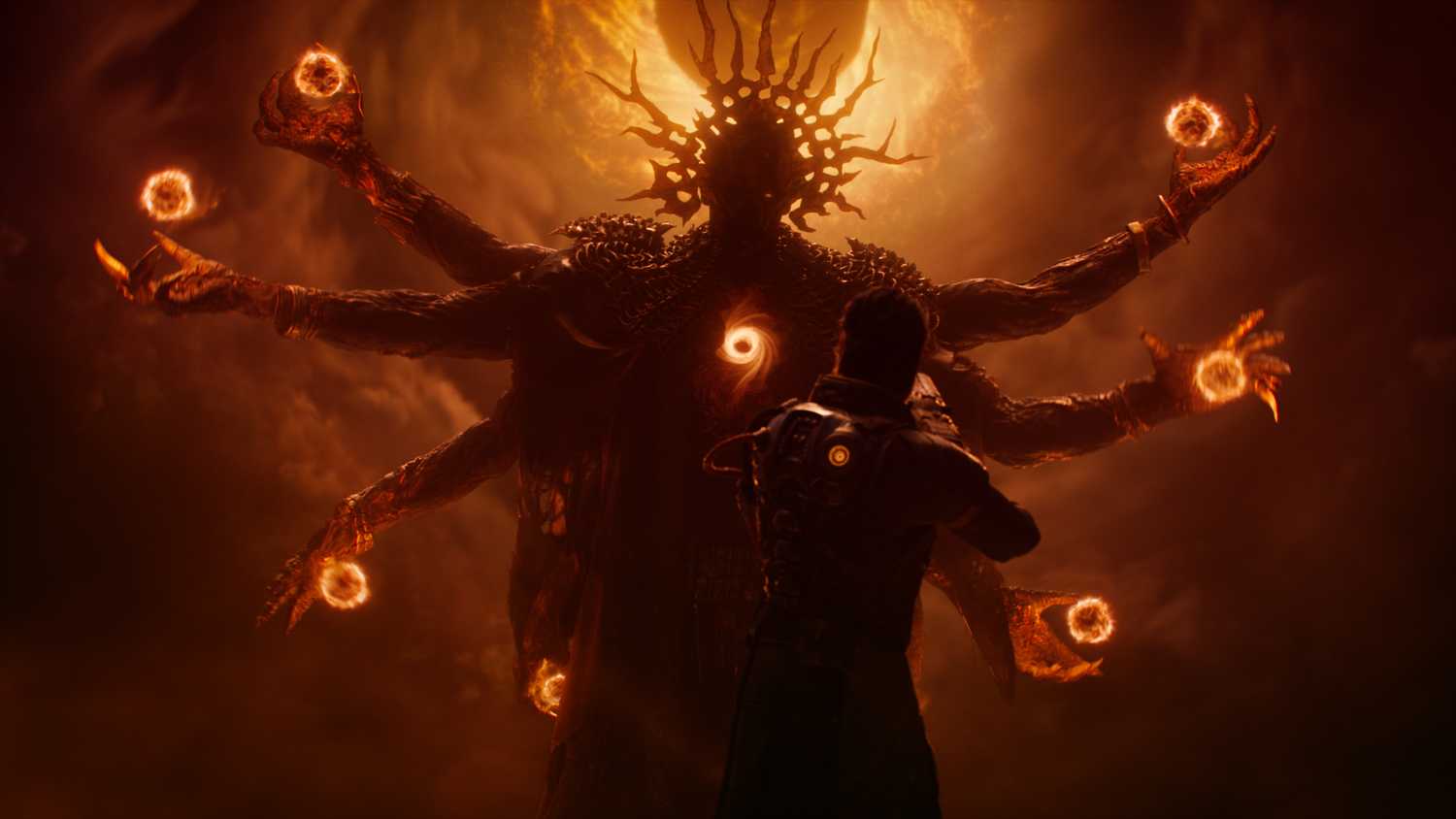
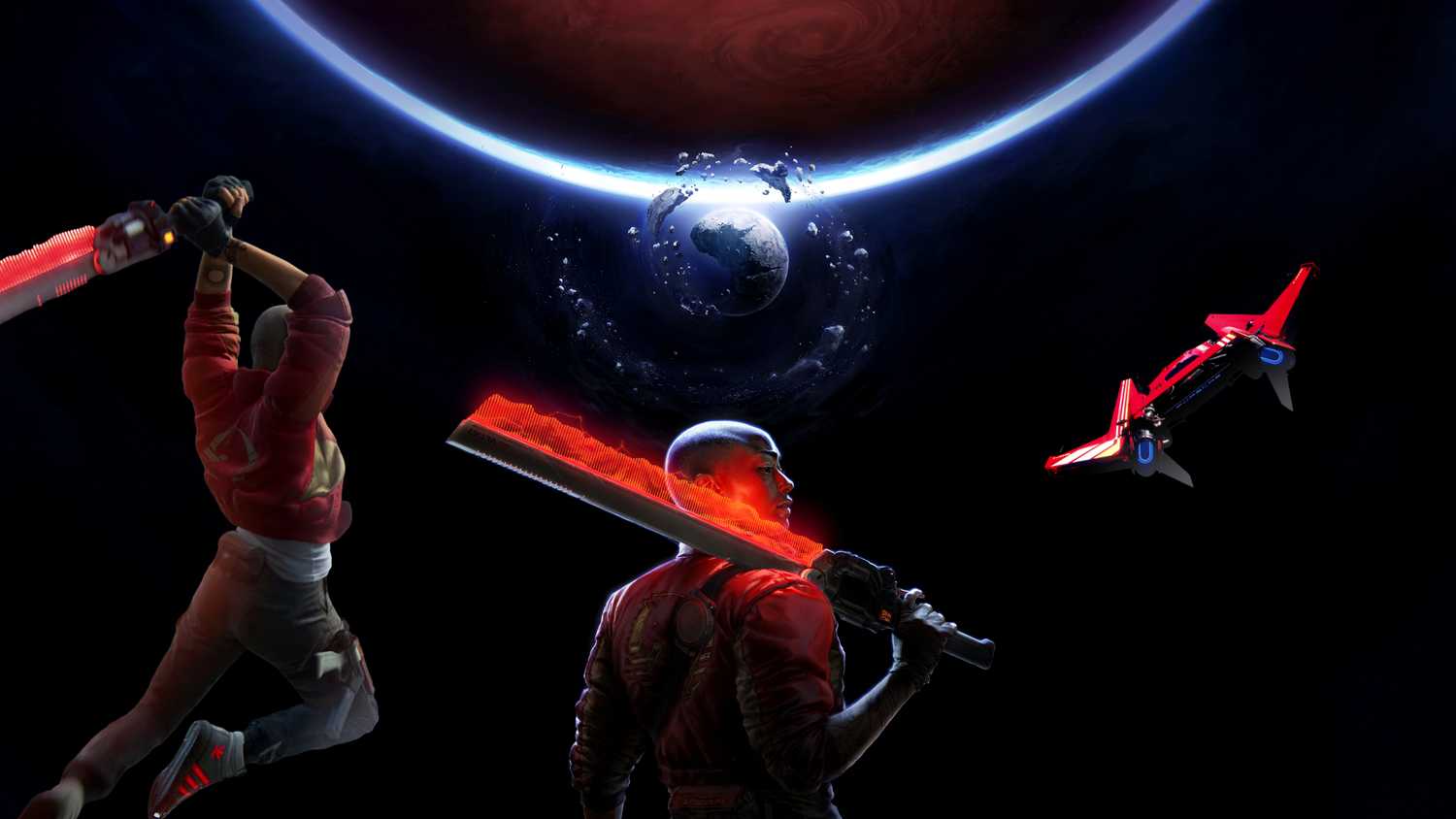
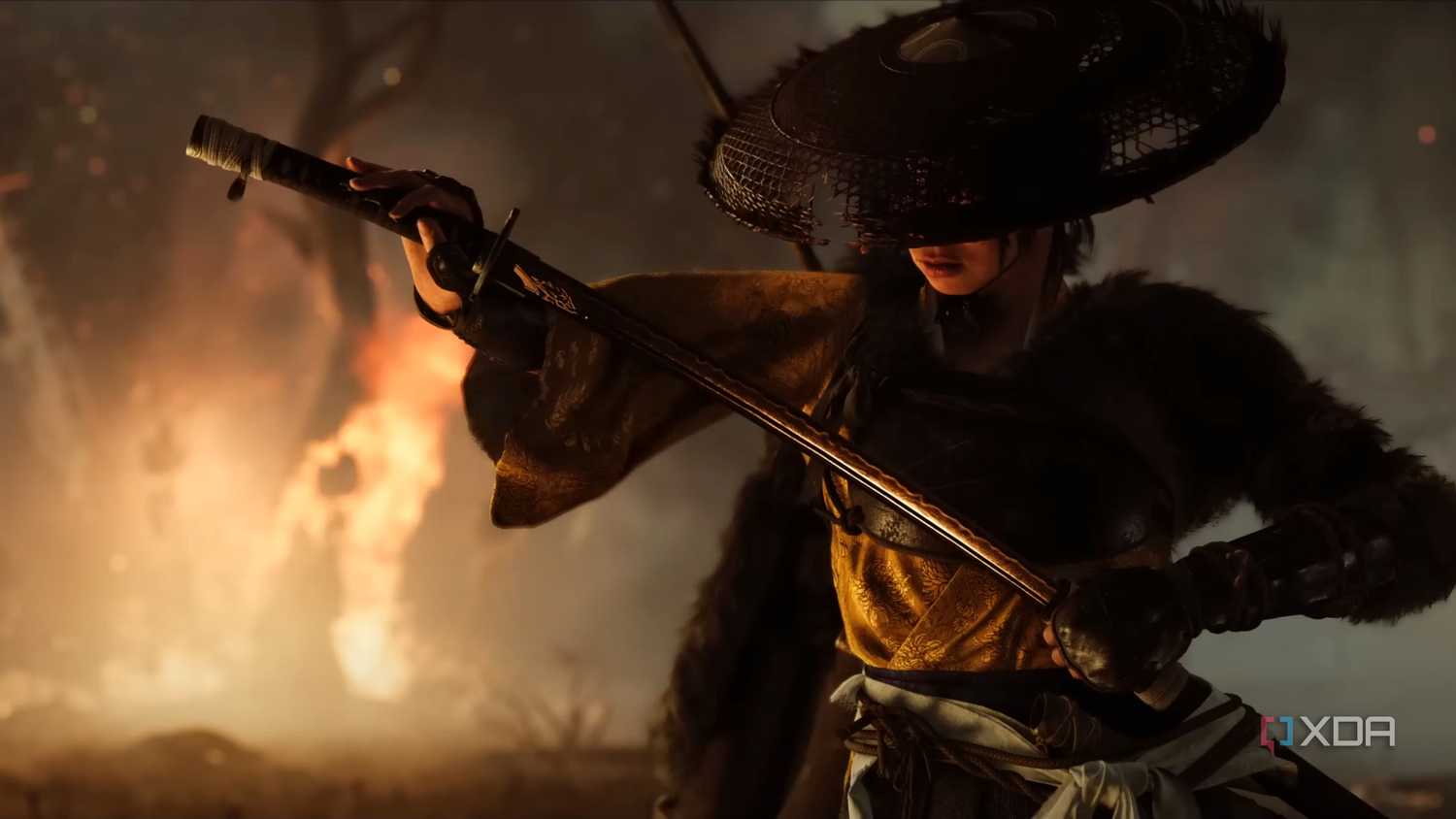
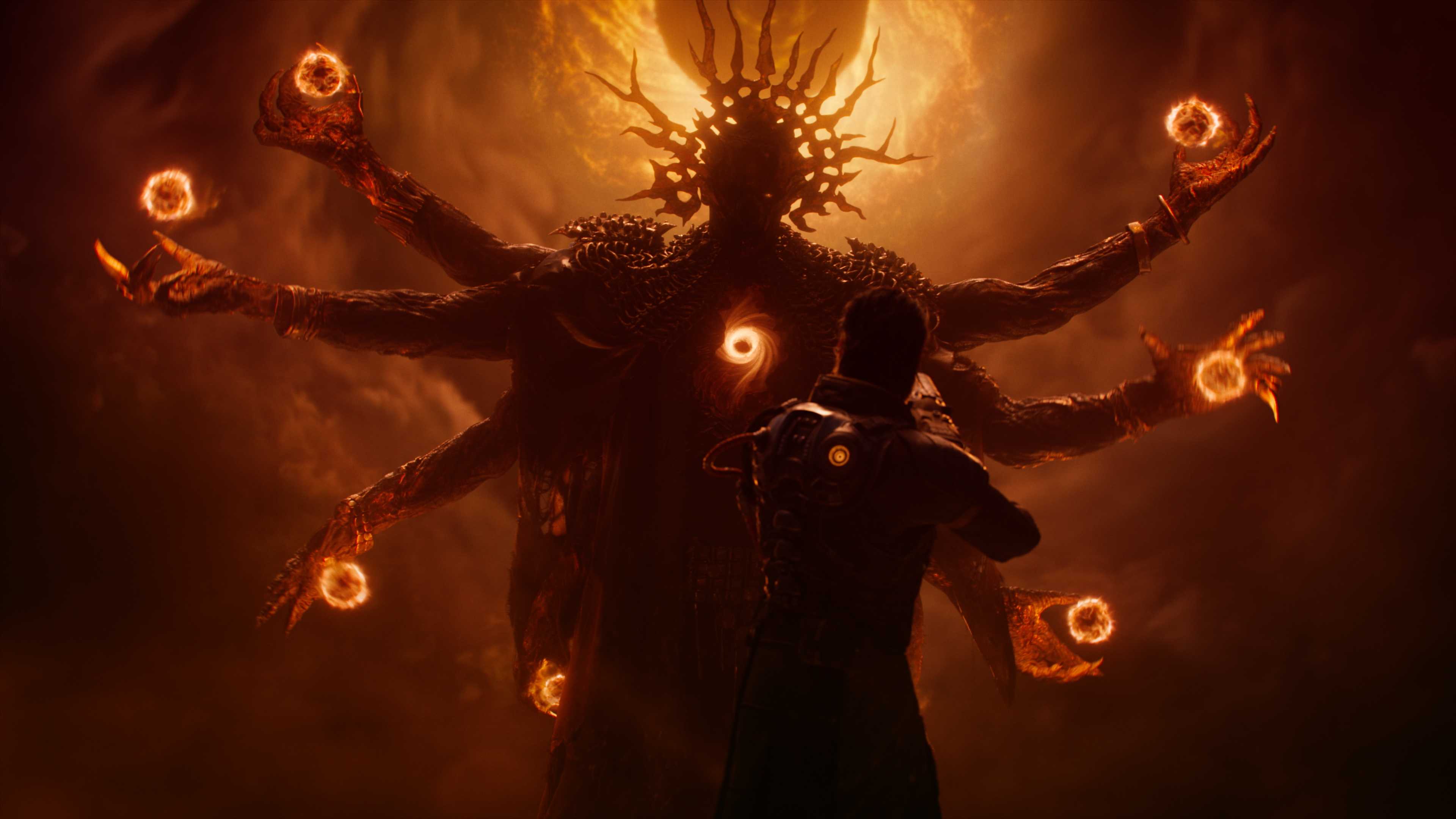
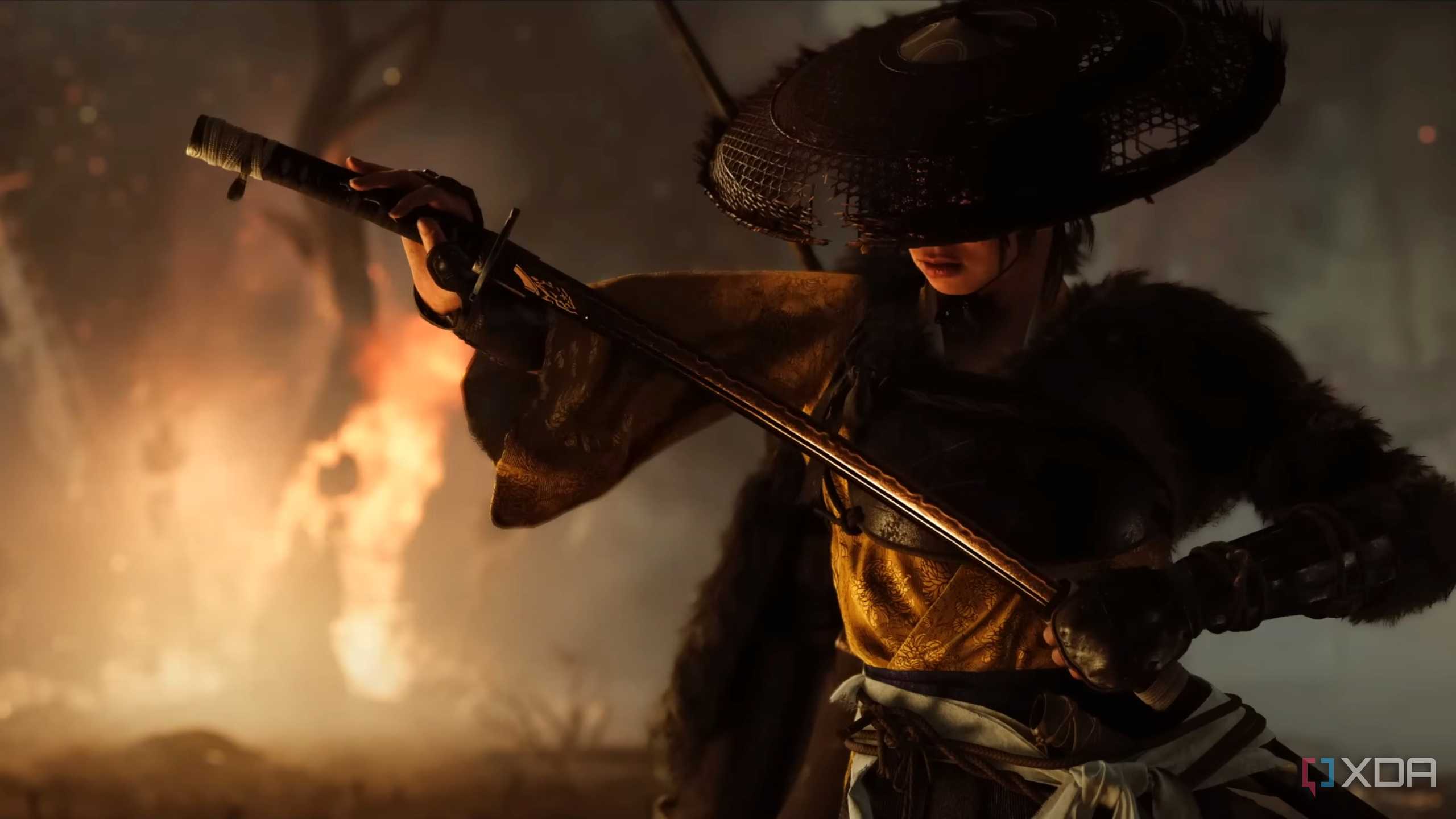
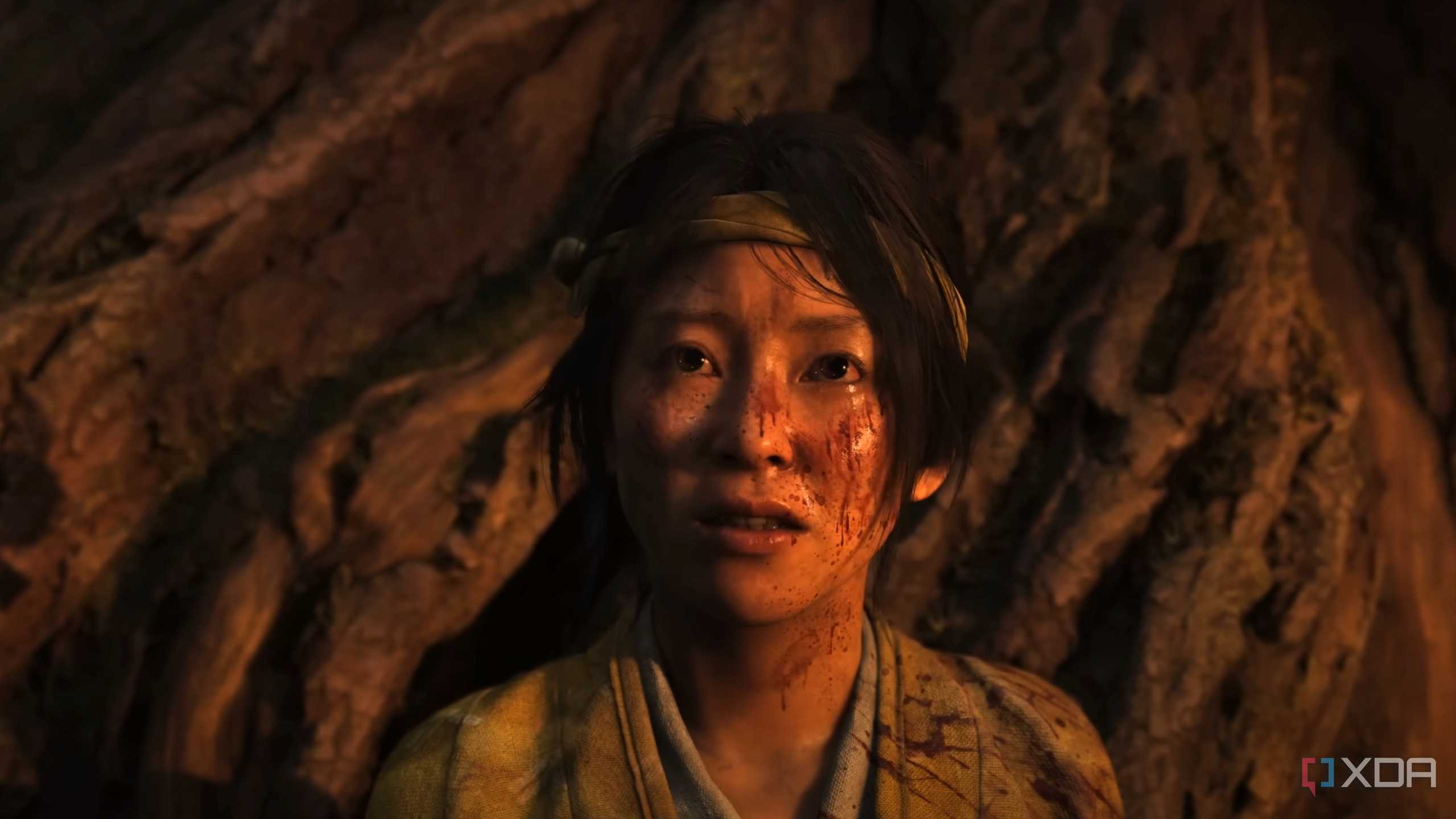
Recent news suggests that Sony is now reconsidering their entire PC port strategy, starting with Ghost of Yotei. The PS5-exclusive game came out in October 2025, and while everyone awaited the PC release date, Sony might have different plans. Reports indicate that upcoming titles like Wolverine, Intergalactic: The Heretic Prophet, Yotei, and possibly Saros — the four single-player exclusive first-party games on the horizon for the PS5 — might remain fully console-exclusive. If true, that would make Death Stranding 2's March 19 PC release the last PlayStation title from this current wave to arrive on PC.
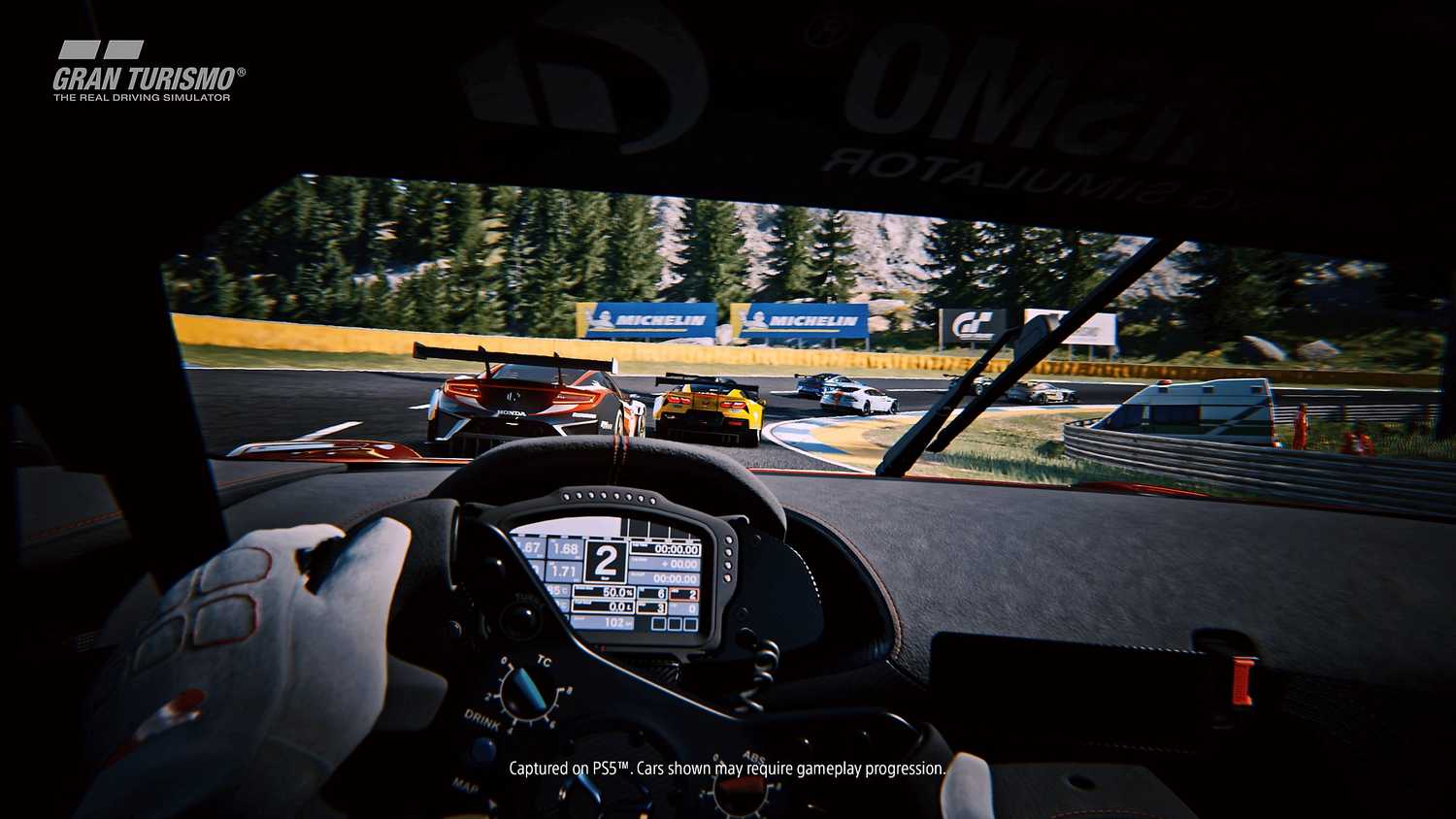
It's a striking shift when you consider where this experiment began. Sony first dipped its toes into the PC market with Horizon Zero Dawn in 2020, and then they gradually expanded the initiative with titles like God of War, Marvel's Spider-Man Remastered, and The Last of Us Part I. Dedicated studios like Nixxes Software and Iron Galaxy were brought in to handle ports, signaling that Sony was legitimately serious about making PC a long-term pillar of its ecosystem.
But the results have been nothing short of mixed. Some releases have performed well, like Ghost of Tsushima and even Death Stranding, which was always going to be a timed-exclusive, but many other ports have run into performance issues, technical hiccups, or just straight-up underwhelming sales. For a company investing heavily in porting pipelines, support teams, and long-term patching, the return on investment may simply not have justified the scale of the effort.

-
 OpenCritic Reviews
- Top Critic Avg: 87/100 Critics Rec: 94%
- Released
- October 2, 2025
- ESRB
- Mature 17+ / Blood and Gore, Drug Reference, Intense Violence, Language, Partial Nudity, Use of Alcohol
- Developer(s)
- Sucker Punch
- Publisher(s)
- Sony Interactive Entertainment






WHERE TO PLAY


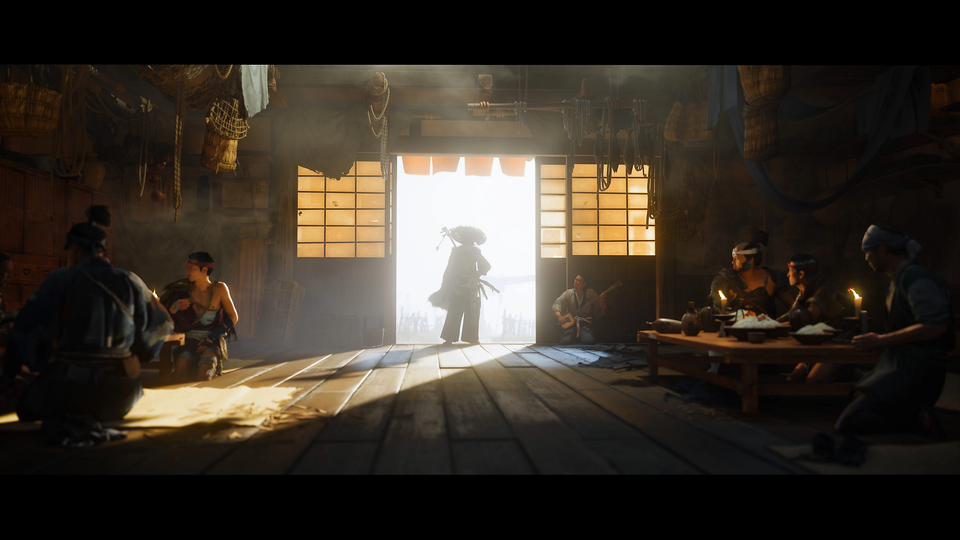
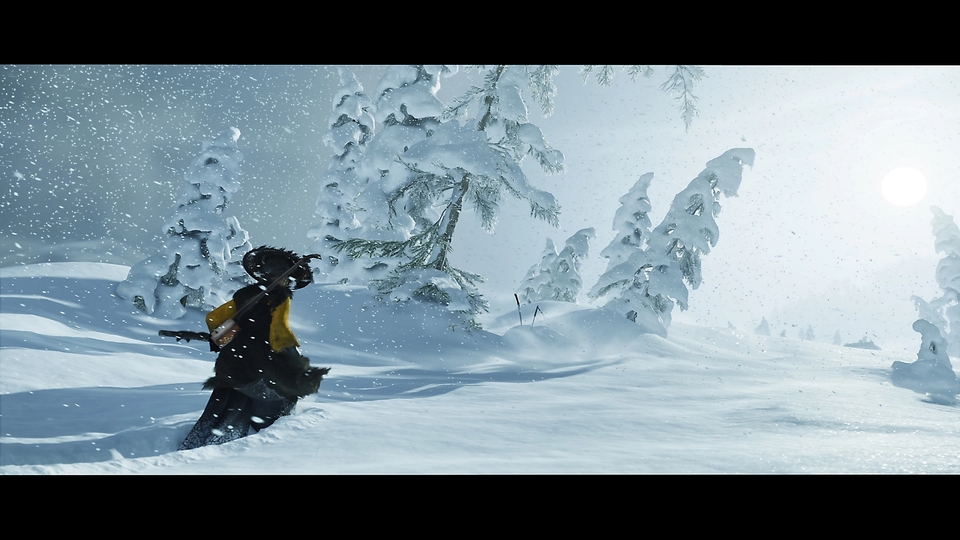
The sequel to Ghost of Tsushima, Sucker Punch's Ghost of Yōtei is a PS5 exclusive scheduled to drop at some point in 2025. Taking place in 1603, the story will feature a new protagonist and a new Japanese region that is far removed from Tsushima's setting.
- Genre(s)
- Action, Adventure, Open-World

The changing Xbox strategy may also be influencing Sony
The next Xbox could be the reason Sony wants its exclusives back

Another factor potentially influencing Sony's thinking is the increasingly strange future of Xbox. All signs currently point to Microsoft's next console, Project Helix, leaning more toward a living room PC than a traditional console platform. If that happens, it could effectively turn the system into something resembling the Steam Machine, with multiple storefronts and launchers running directly on the hardware.
If that vision materializes, it would mean that every PlayStation game that eventually arrives on PC could theoretically become playable on Xbox as well. It won't be through an official cross-platform release, either, but simply through storefront access. Suddenly, a PlayStation exclusive ported to PC might quietly become playable on a competing console without the usual negotiations or announcements.
At that point, Sony would essentially be funding the development of games that could end up running on its rival's hardware anyway. Considering the money poured into hiring studios to port games and maintain them through patches, performance fixes, and technical support, the economics start to look far less appealing.
Honestly, I'm not even mad about it
Exclusivity still has its place in the console ecosystem
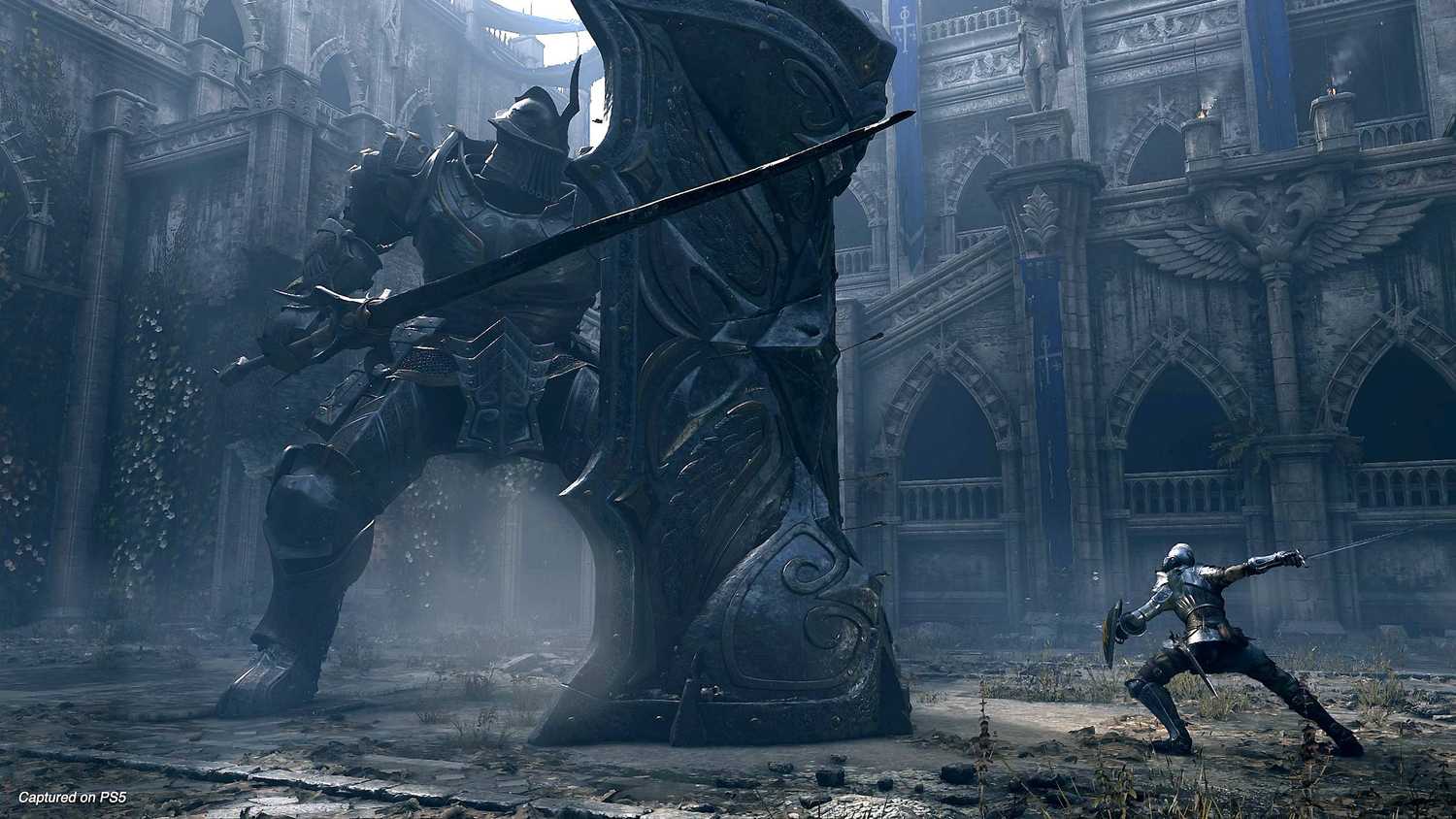
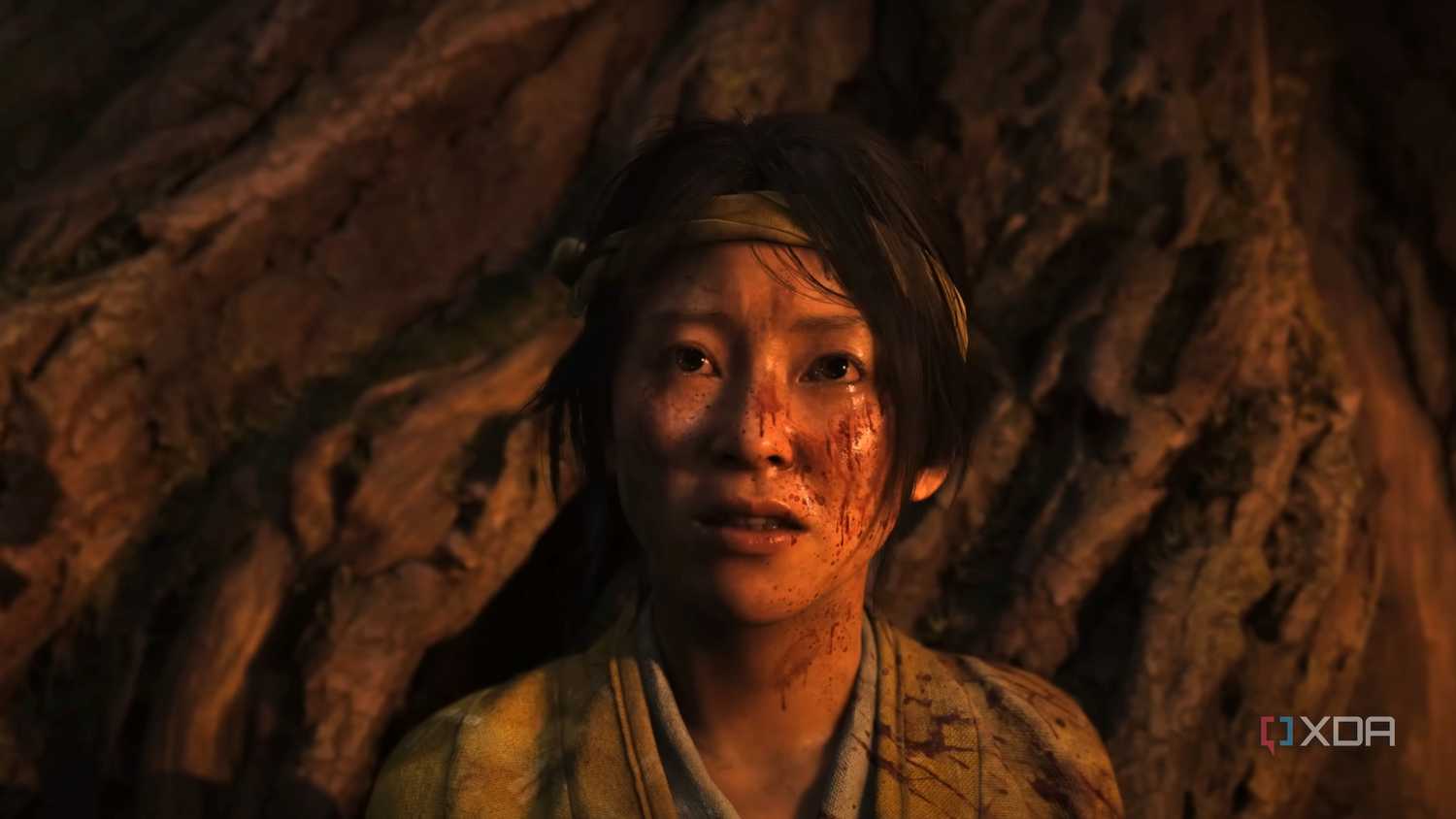
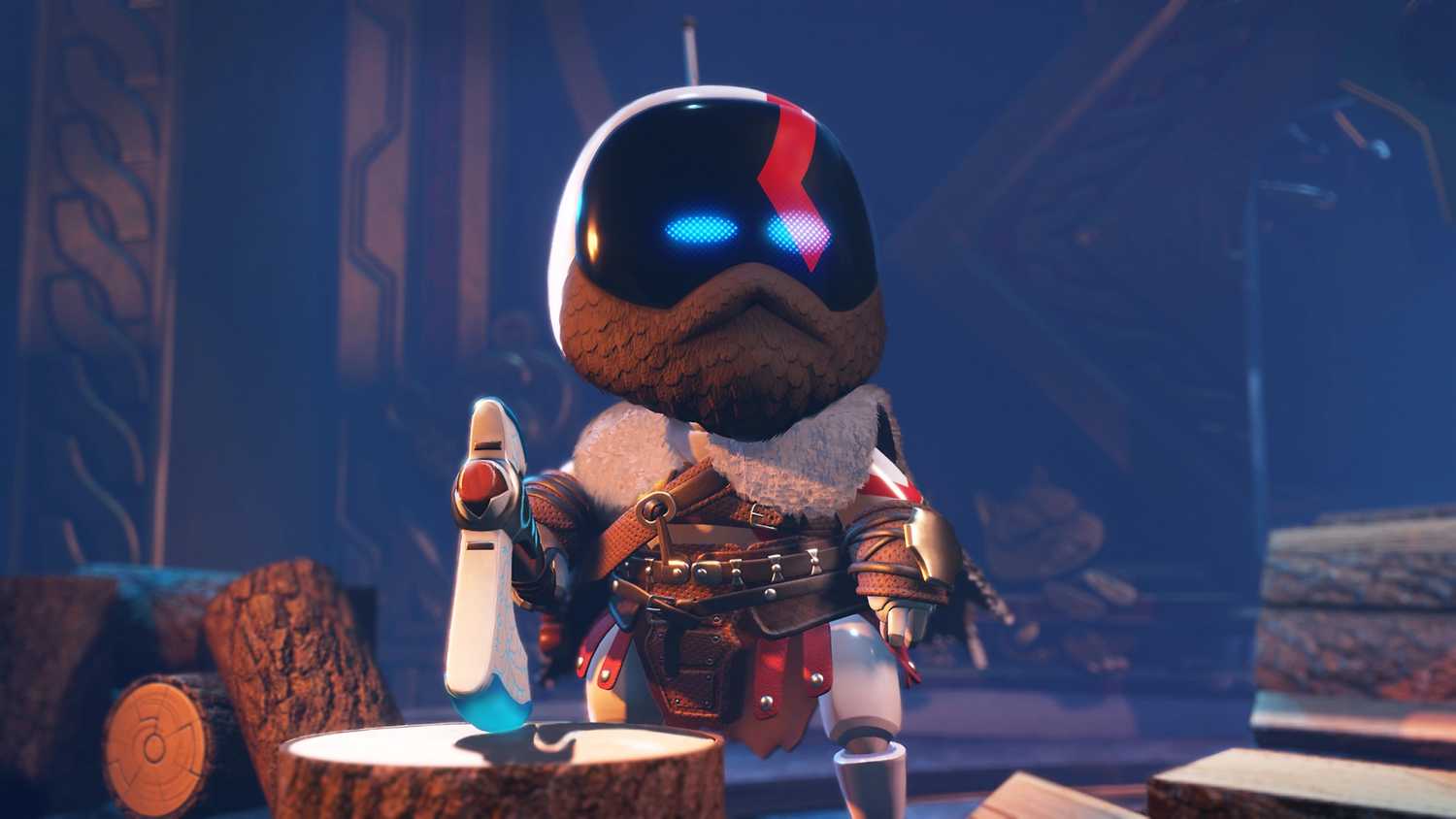
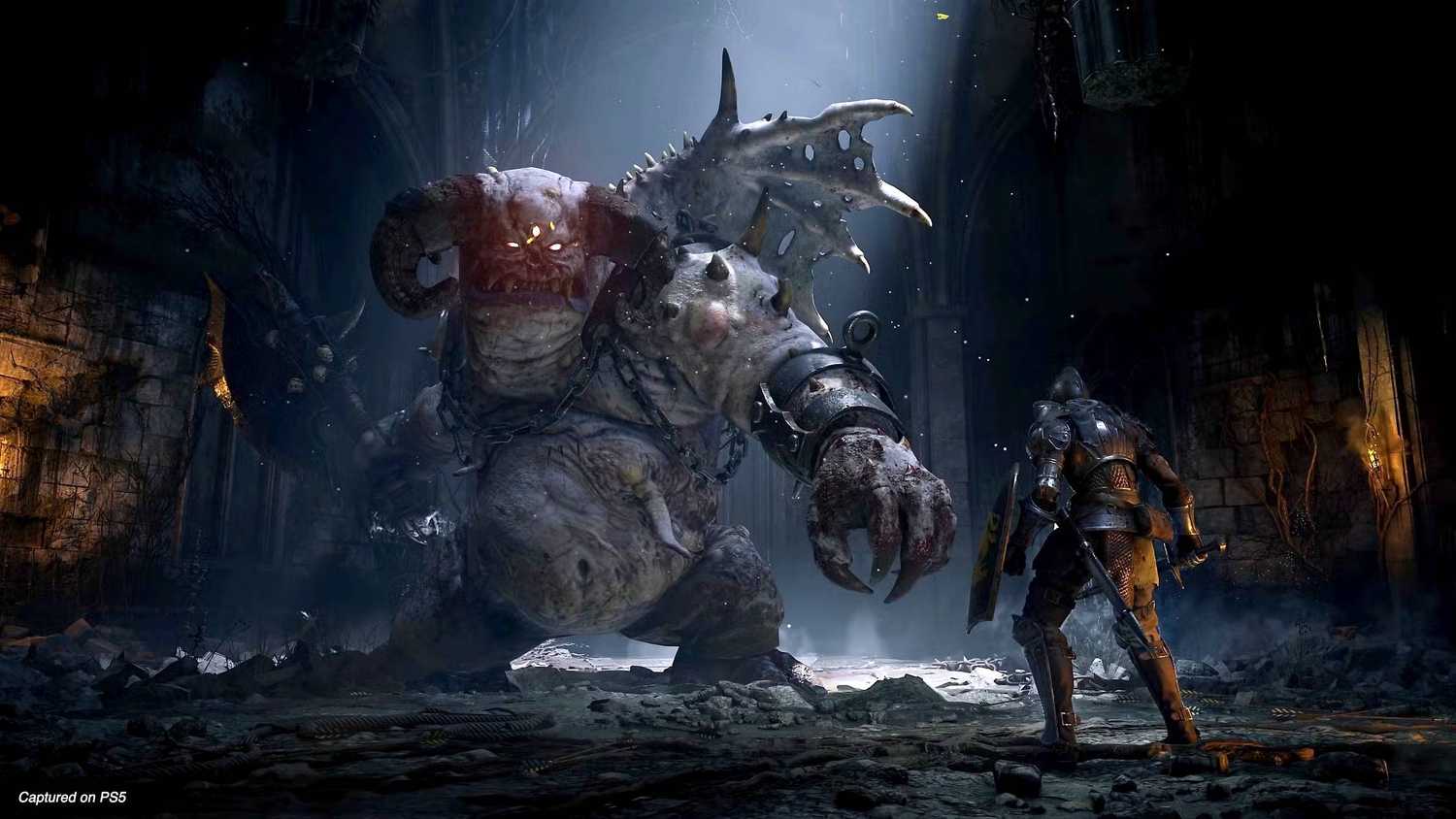


 Credit: Sony
 Credit: Sony
 Credit: Sony
 Credit: Sony
 Credit: Sony




Personally, this news doesn’t really bother me. I’ve always been a PC-plus-PlayStation gamer anyway, so I’ve never felt like I was missing out. Even before that, PlayStation games arriving on PC felt more like a nice bonus for my Steam library than the end-all be-all.
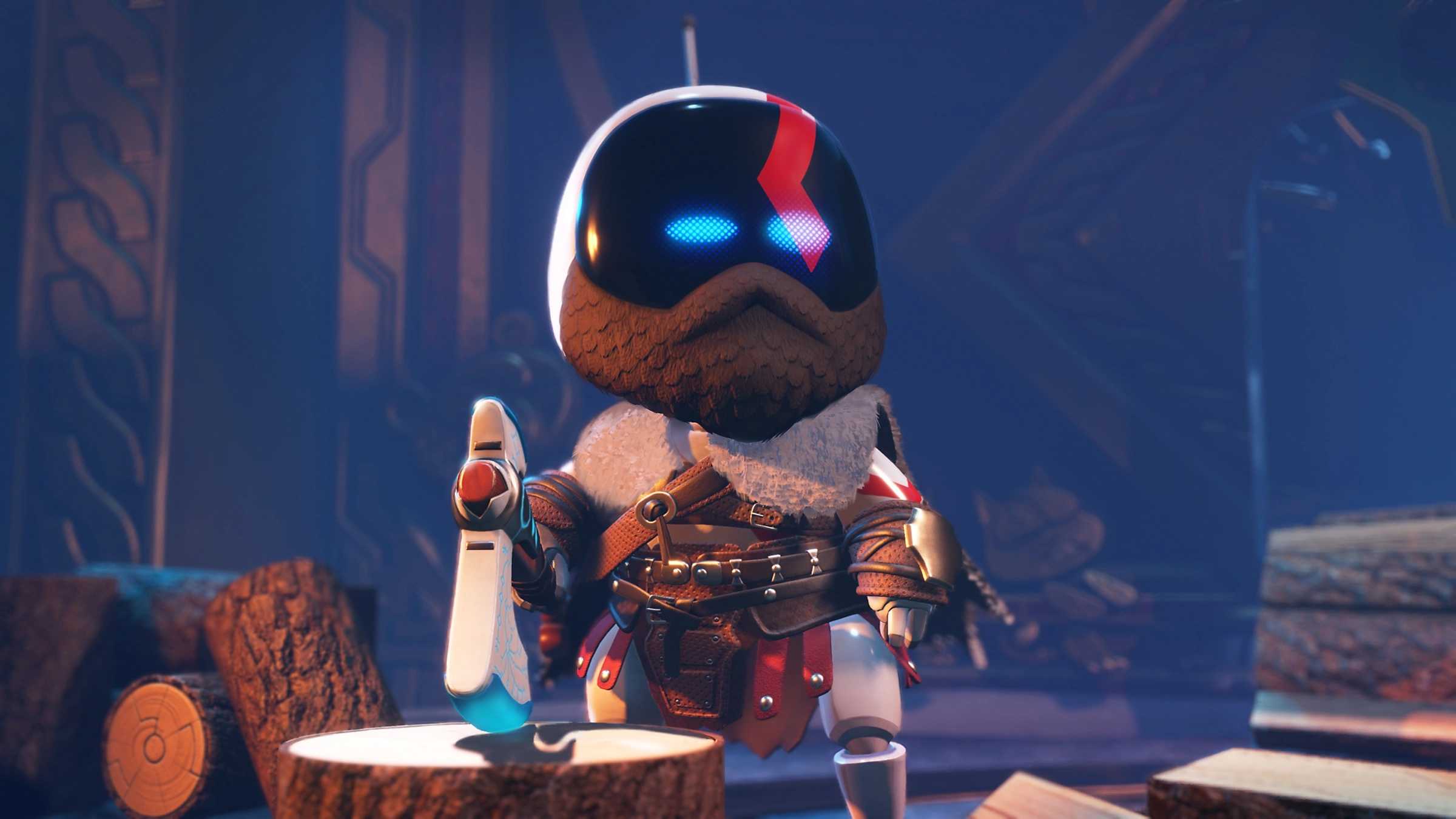
At the same time, I believe that exclusivity serves an important purpose in the console ecosystem. The whole idea behind owning a console is that it gives you access to experiences you simply can't get anywhere else.
These games are tailor-made for a console, using every single resource the hardware can provide, to deliver some of the finest, meticulously hand-crafted gaming experiences for users. That's why PlayStation exclusives have almost always been in the running for the Game of the Year award year in and year out. If every PlayStation game eventually arrives on PC anyway, that identity slowly starts to blur.
Sony may also have simply underestimated how complicated the PC ecosystem really is. Supporting a platform with endless hardware combinations, driver stacks, and performance variables is an entirely different beast compared to optimizing for a single console. If stepping away from PC ports means Sony can redirect that money into developing more of the incredible exclusives the brand is known for, that sounds like a fair trade to me.
PC ports haven't been smooth sailing for Sony
PlayStation's games haven't tasted guaranteed success across the pond
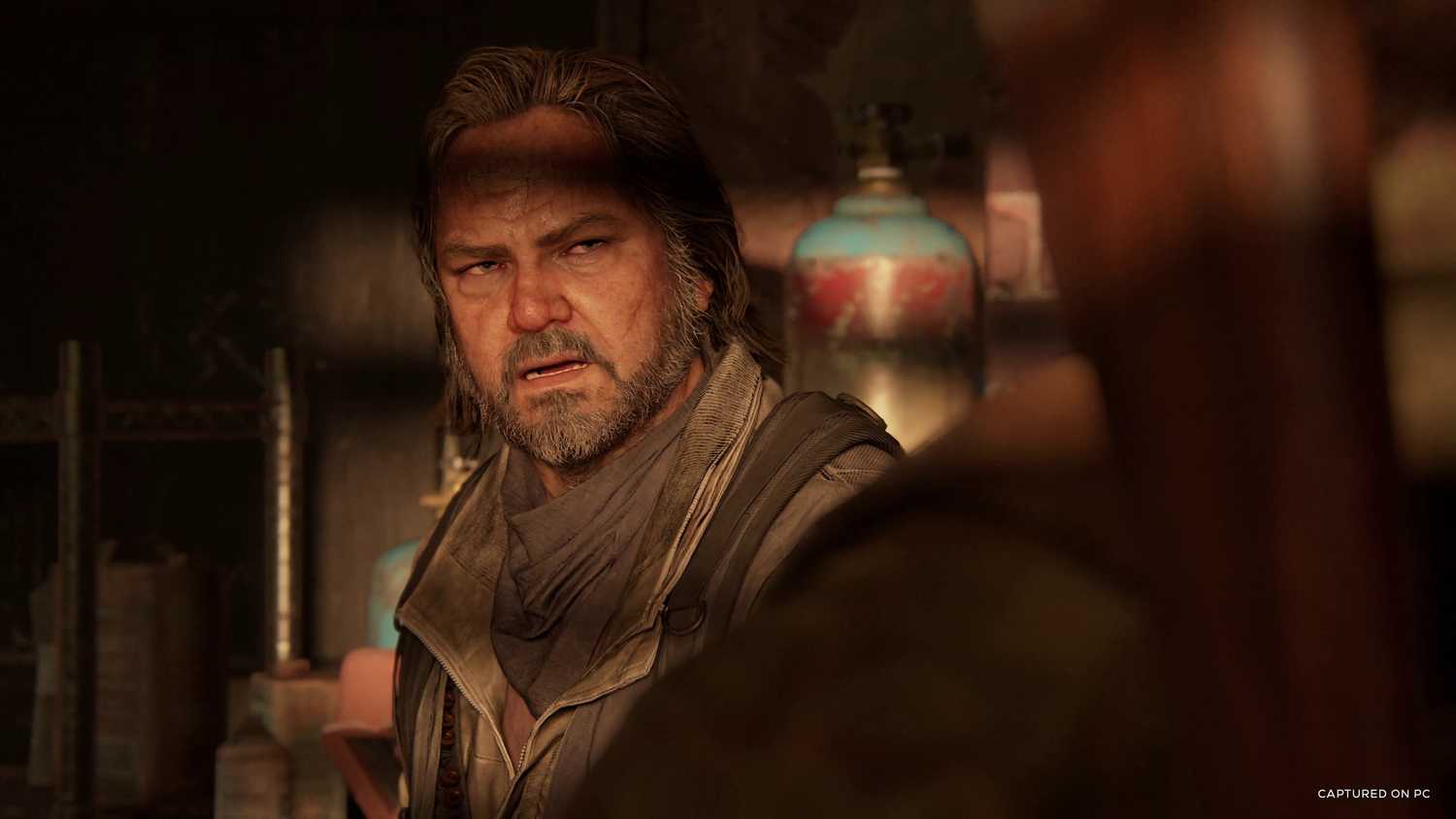

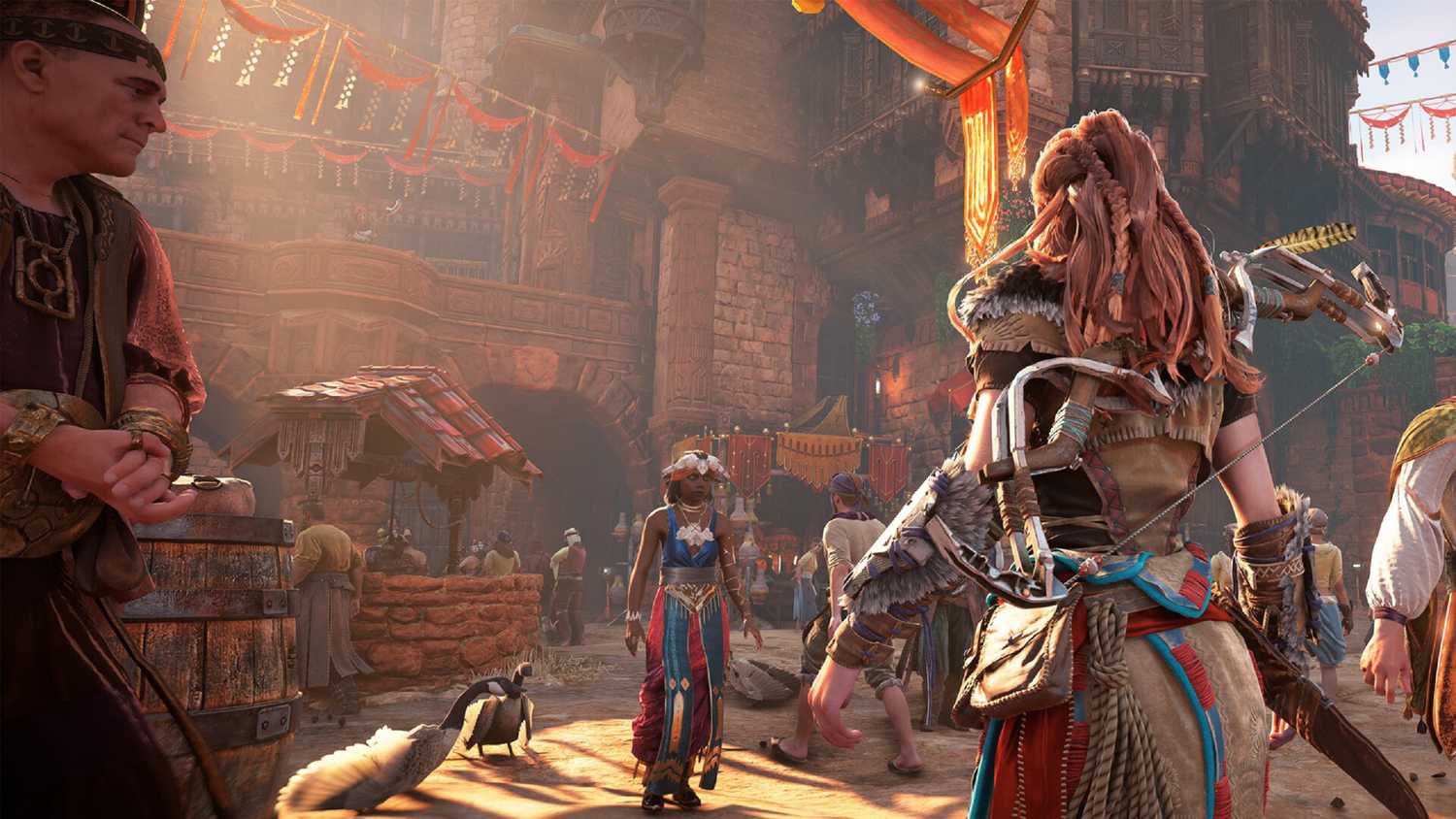
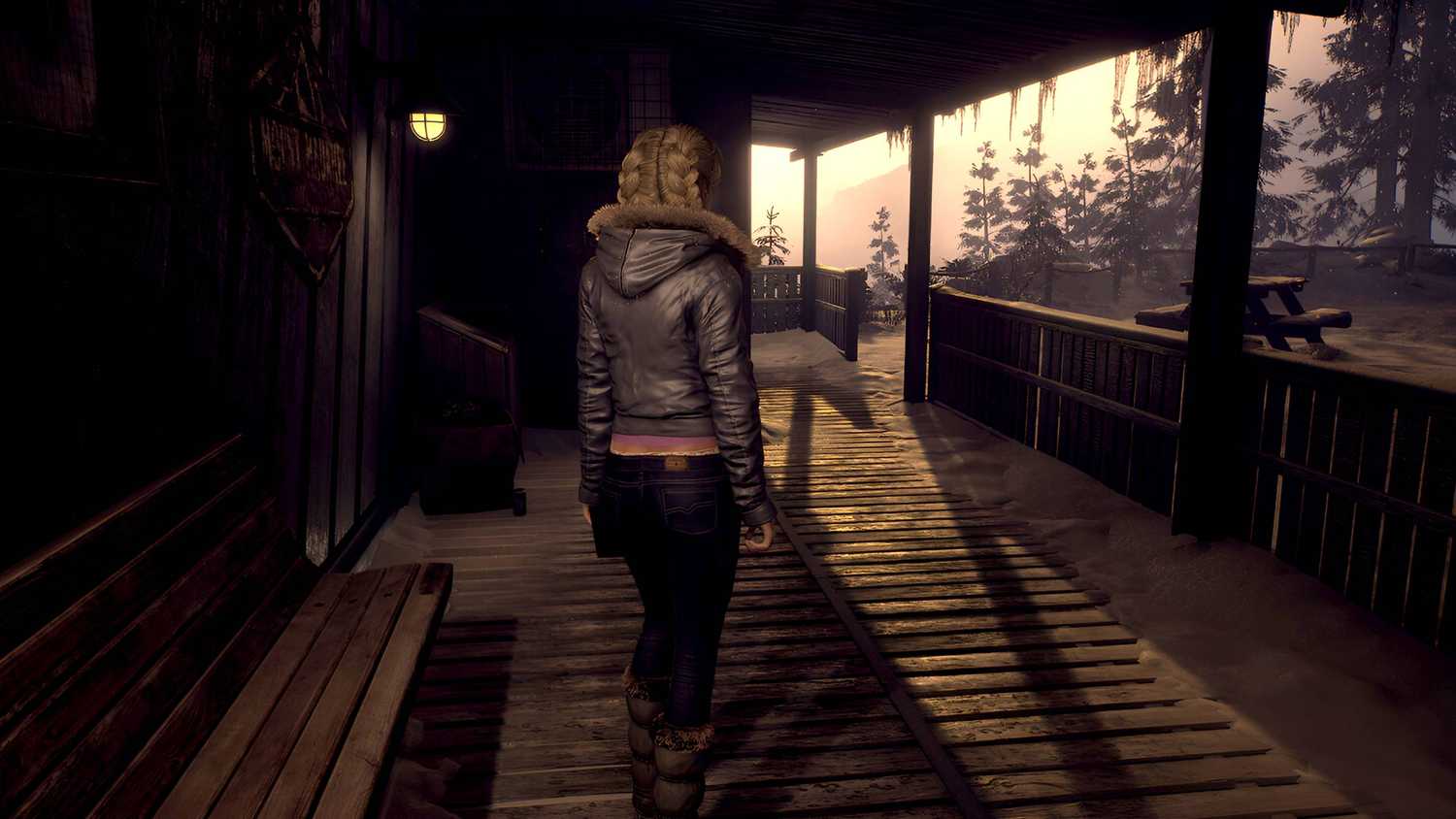
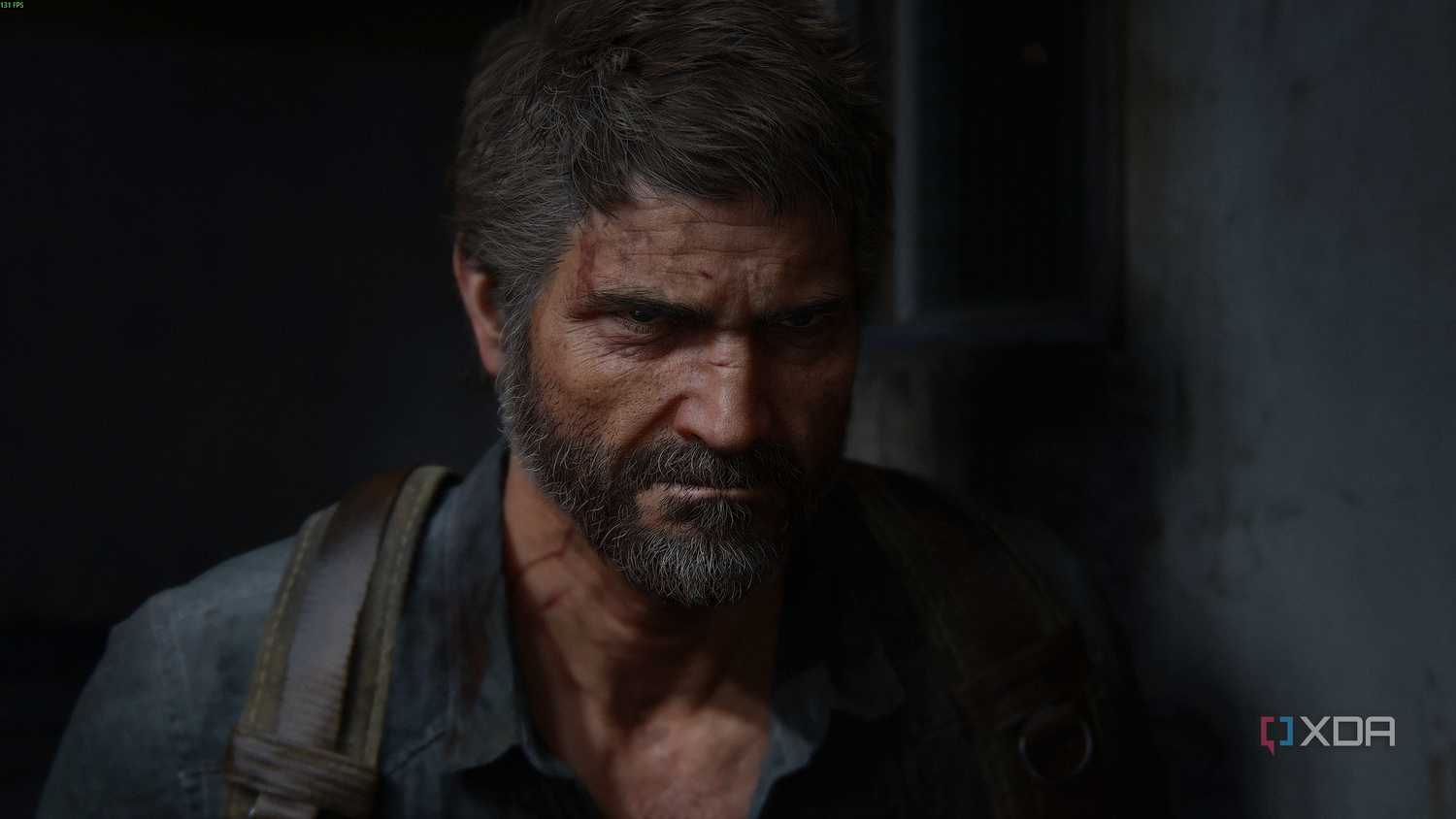


 Credit: Steam
 Credit: Steam
 Credit: Sony
 Credit: Sony
 Credit: Sony




There's also the reality of the PC ecosystem itself to consider here. Porting console games to PC isn't as simple as flipping a switch. Every release has to deal with a vast range of hardware configurations, driver inconsistencies, and performance quirks that simply don't exist in a fixed console environment.
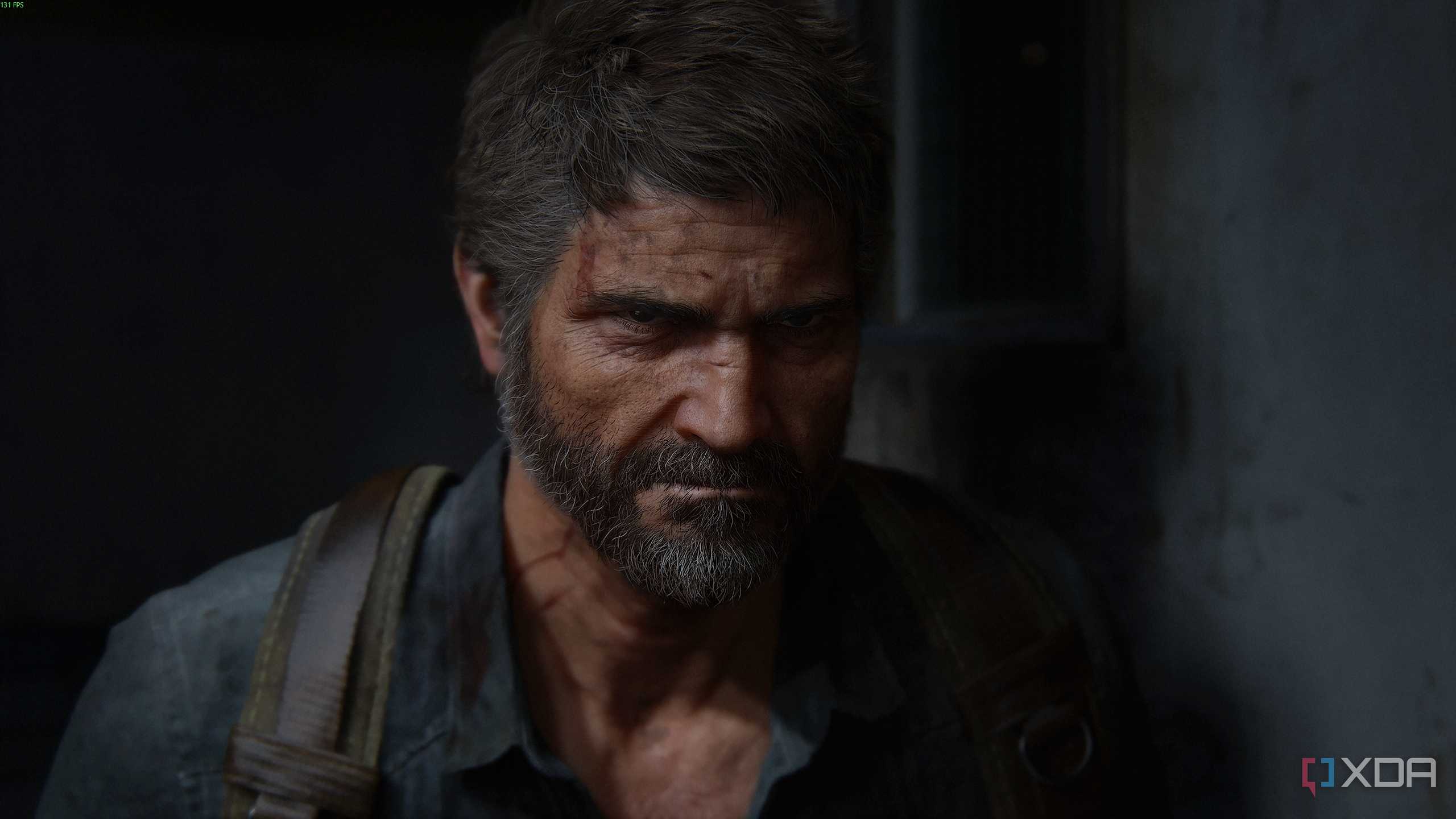
We've already seen several high-profile examples of this. The Last of Us Part I launched with the infamous shader compilation problems that quickly turned it into a meme across the PC gaming community. Marvel's Spider-Man 2 was cracked and circulated widely before its official PC release window, with hundreds of thousands of players reportedly running unofficial builds.
Meanwhile, some releases struggled to attract any meaningful attention at all. Horizon Zero Dawn Remastered, for example, barely made a ripple on Steam despite the brand's strong reputation. Add PC piracy into the mix (which isn't going away anytime soon), and it's easy to see why Sony might question whether the additional revenue truly outweighs the risks and costs attached, especially including the dilution of the PlayStation brand by letting its games come to PC.
Sony is choosing the path of least resistance
Ultimately, Sony's flirtation with PC was always going to be a fascinating experiment. It opened the door for millions of new players to experience PlayStation's catalog while simultaneously testing how far the traditional console model could stretch in a rapidly changing industry.
Now, the pendulum seems to be swinging back the other way. Whether this shift ends up being permanent or temporary remains to be seen. Until then, the one thing that's clear is that the balance between platform reach and platform identity is still something every console maker is trying to figure out to this day. Sony, it seems, may simply be choosing the path it understands best.
