


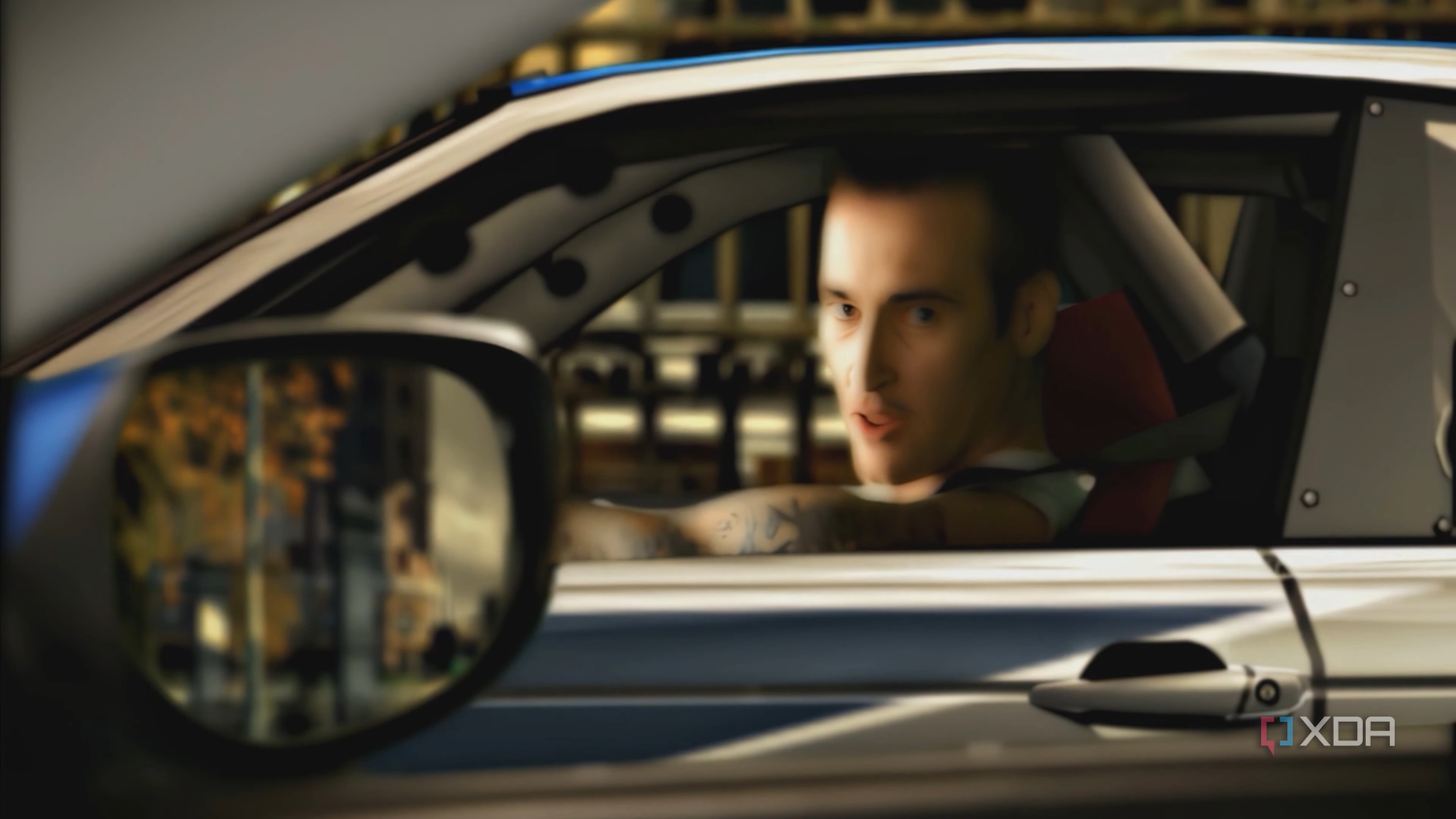
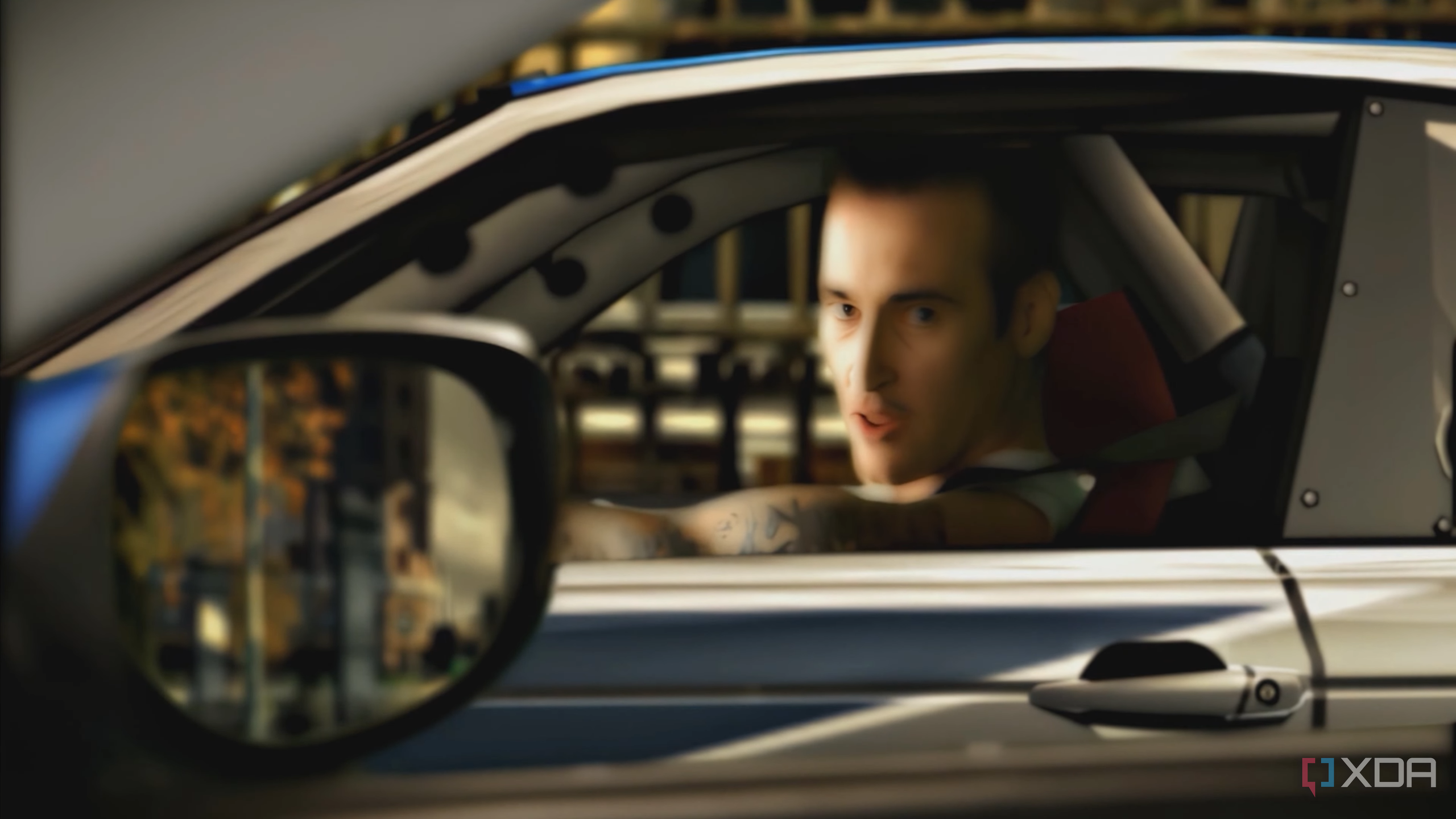
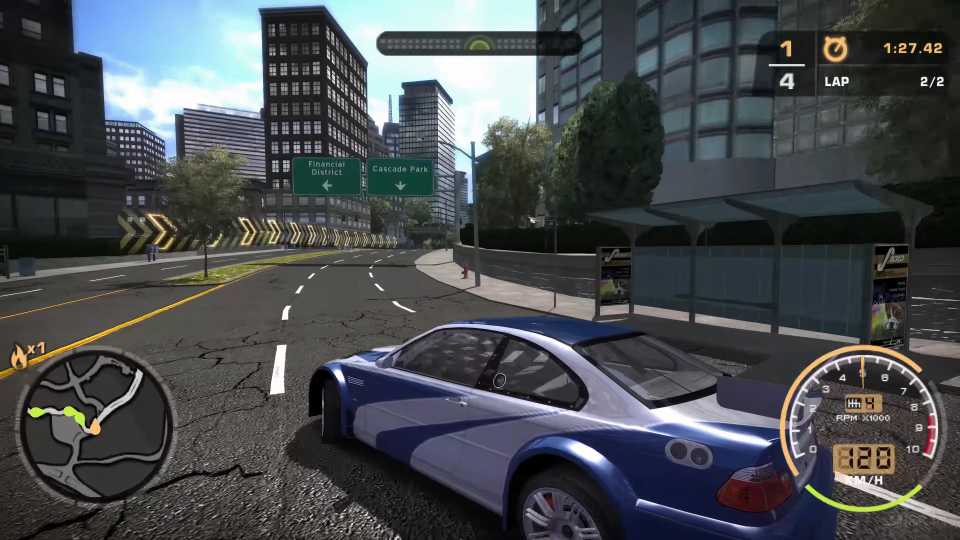
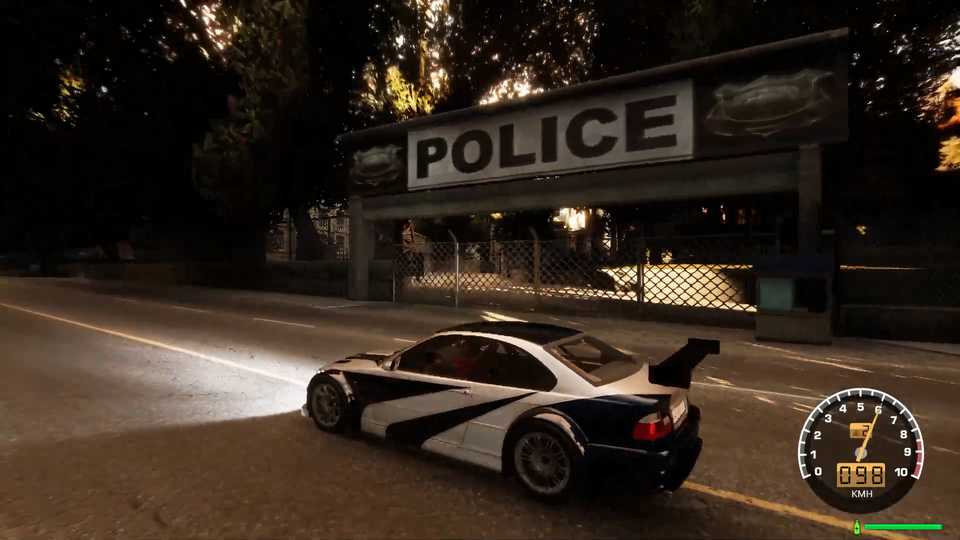
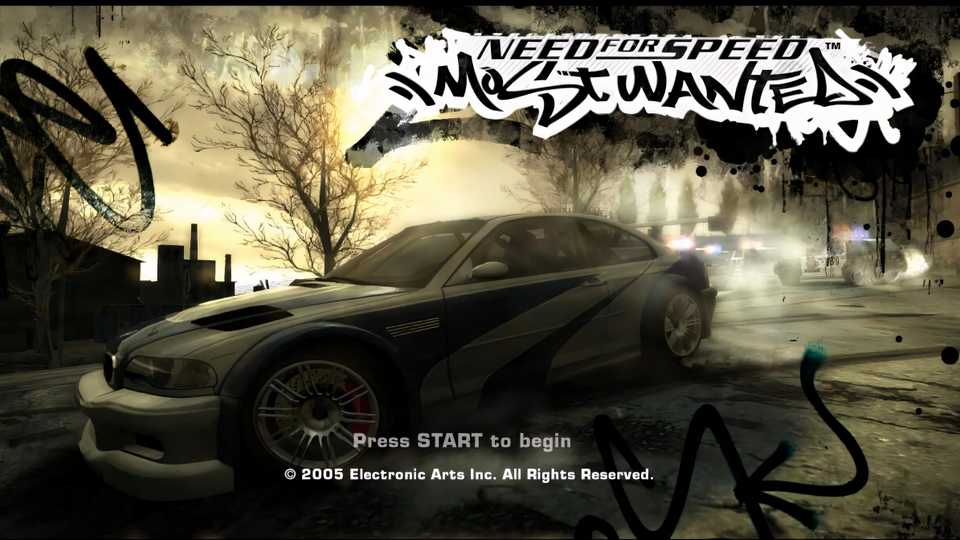
If I were to merely mention the blue-and-silver BMW M3 GTR E46 in a crowd of gamers, I'd undoubtedly hear at least half of them go 'ooh' and 'aah' excitedly, the exclamations dripping with nostalgia. Do that today for gamers born after 2010, and the reaction would be drastically different. That's because we haven't had a truly iconic hero car in racing games for far too long now, and that absence is starting to feel heavy. Movies still understand this. Brian O'Conner's orange Toyota Supra and green Mitsubishi Eclipse, Han's VeilSide Mazda RX-7, or John Wick's Mustang — these cars are extensions of character, memory, and myth.
So too was the BMW M3 GTR, and yet, on the gaming side of things, I genuinely struggle to name a single hero car that's left a similar imprint after 2005's NFS Most Wanted... which was two decades ago. The next generation of players won't have a car to revere, sketch in notebooks, or replay final races just to hear the engine one more time, and that's because racing games themselves have become deeply impersonal. Where have all the hero cars gone? And where are all the (hot)rods?
Stories made hero cars iconic, and both are disappearing
With no narratives, players' emotional investment is non-existent
Source: Steam


Source: Steam
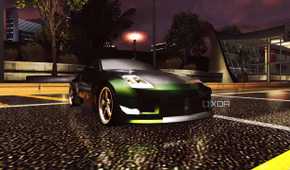
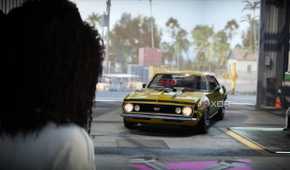
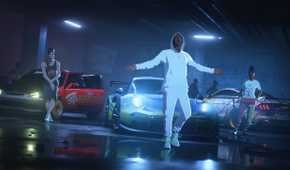
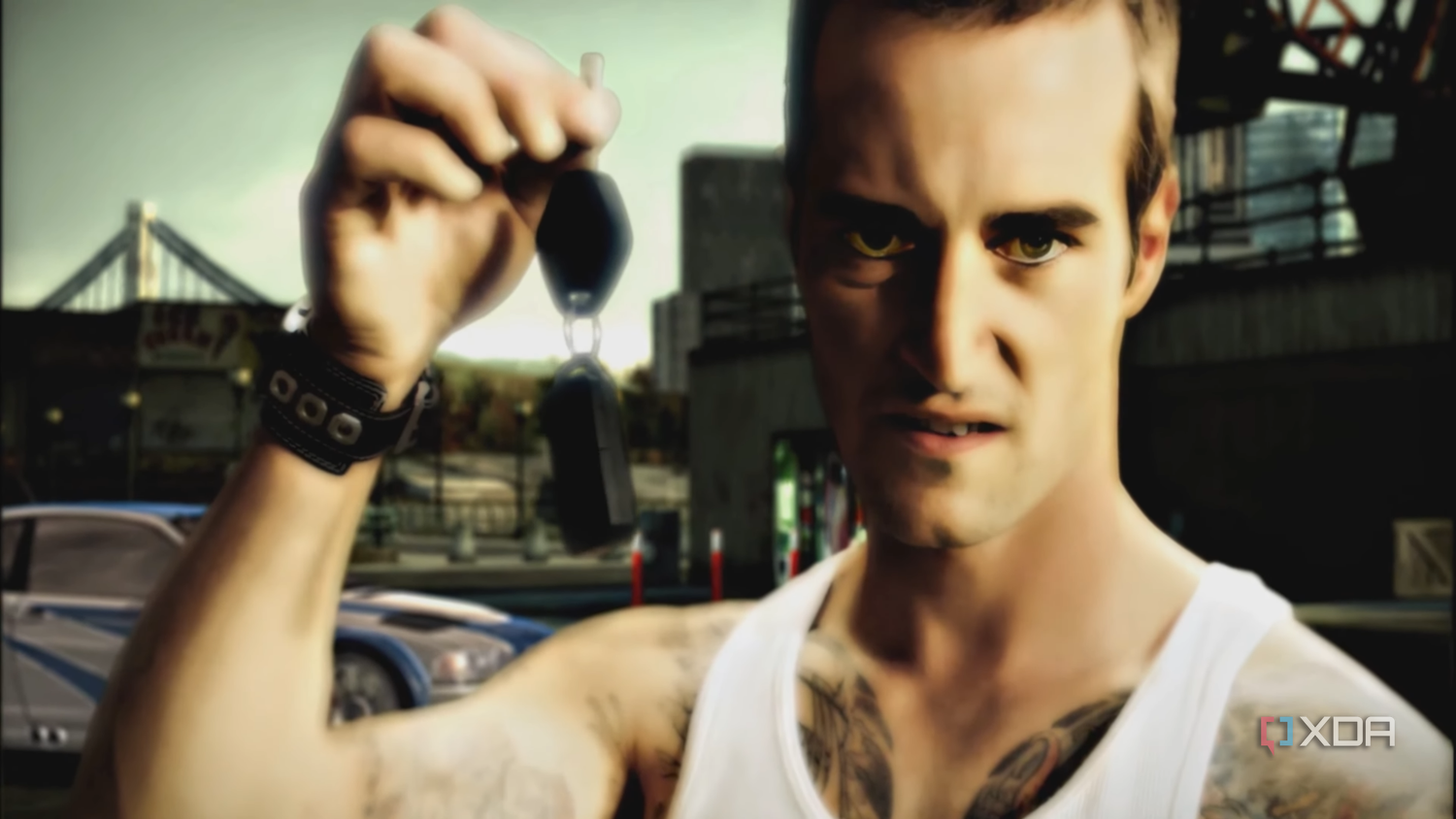
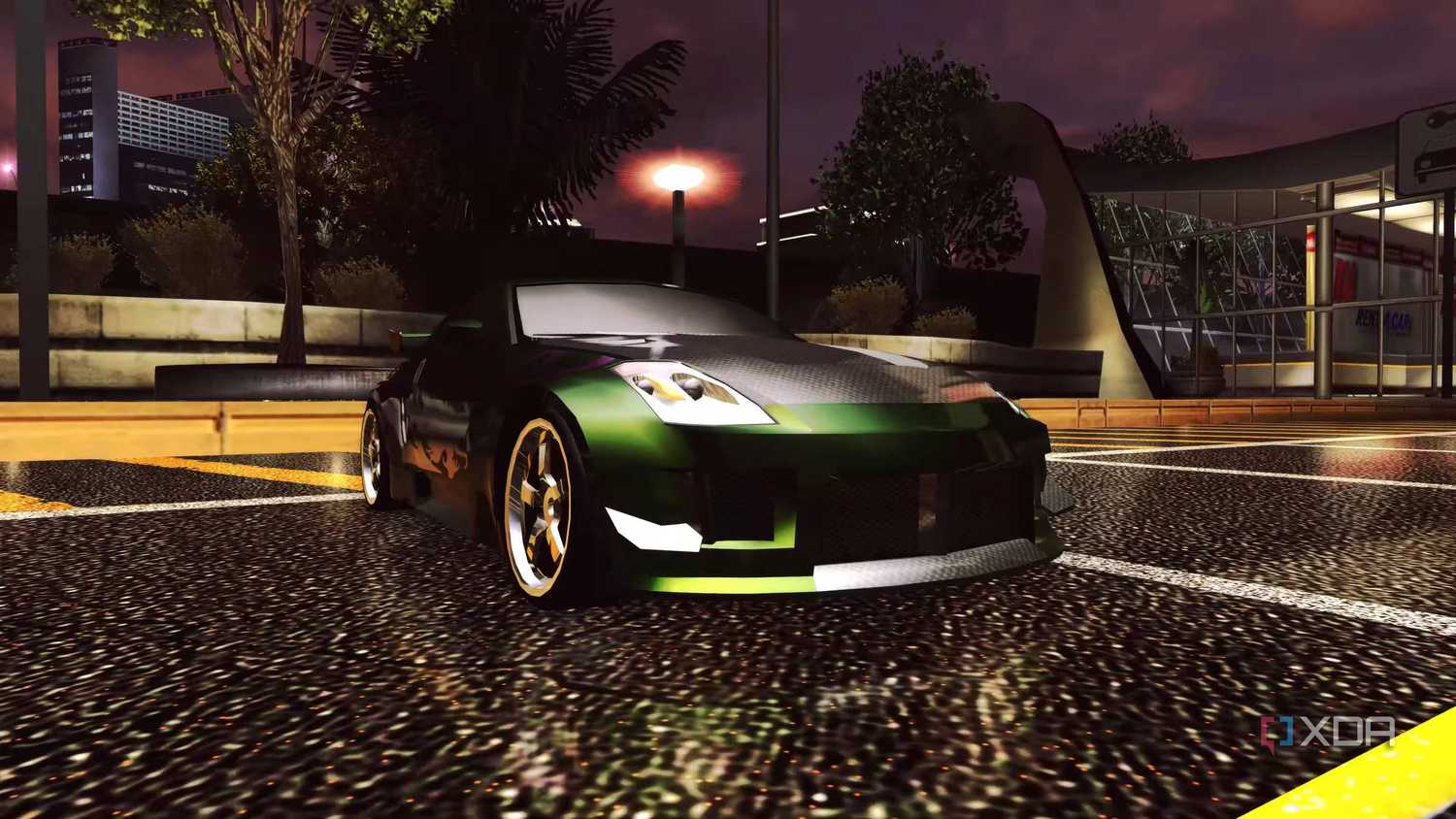
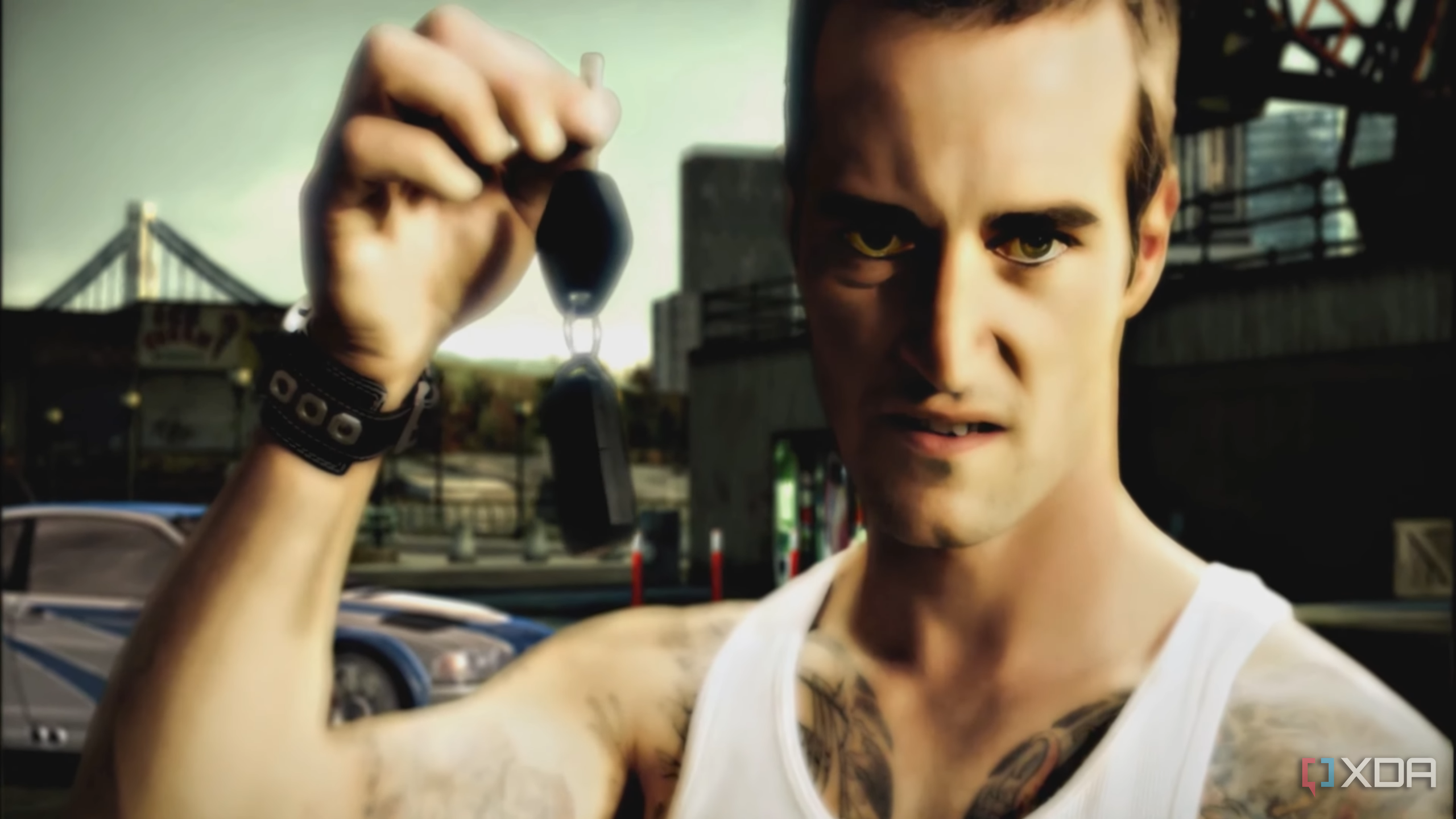
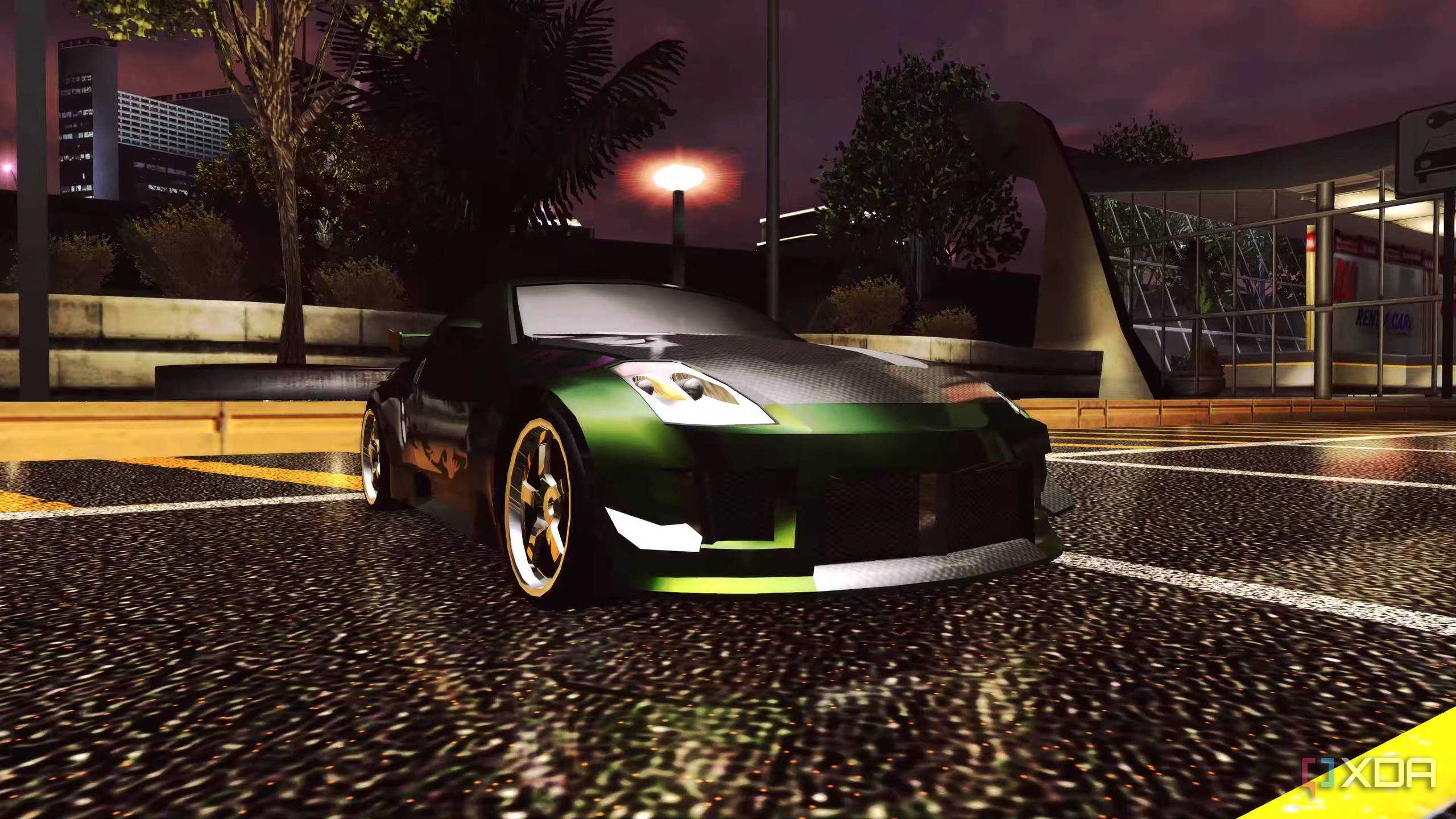
Stories are what made the hero car stand out in the first place, and those are quietly being phased out. In their place, we've gotten festivals. They are bright, hollow justifications for seasons, playlists, and live-service events meant to keep players logging in instead of actually caring. The BMW M3 GTR wasn't iconic just because it looked and sounded amazing. It mattered because it was stolen from us, and the entire game was about clawing our way back to it. Rachel's 350Z from Underground 2 wasn't even ours to begin with, but it helped us make a name for ourselves, and that history stuck.
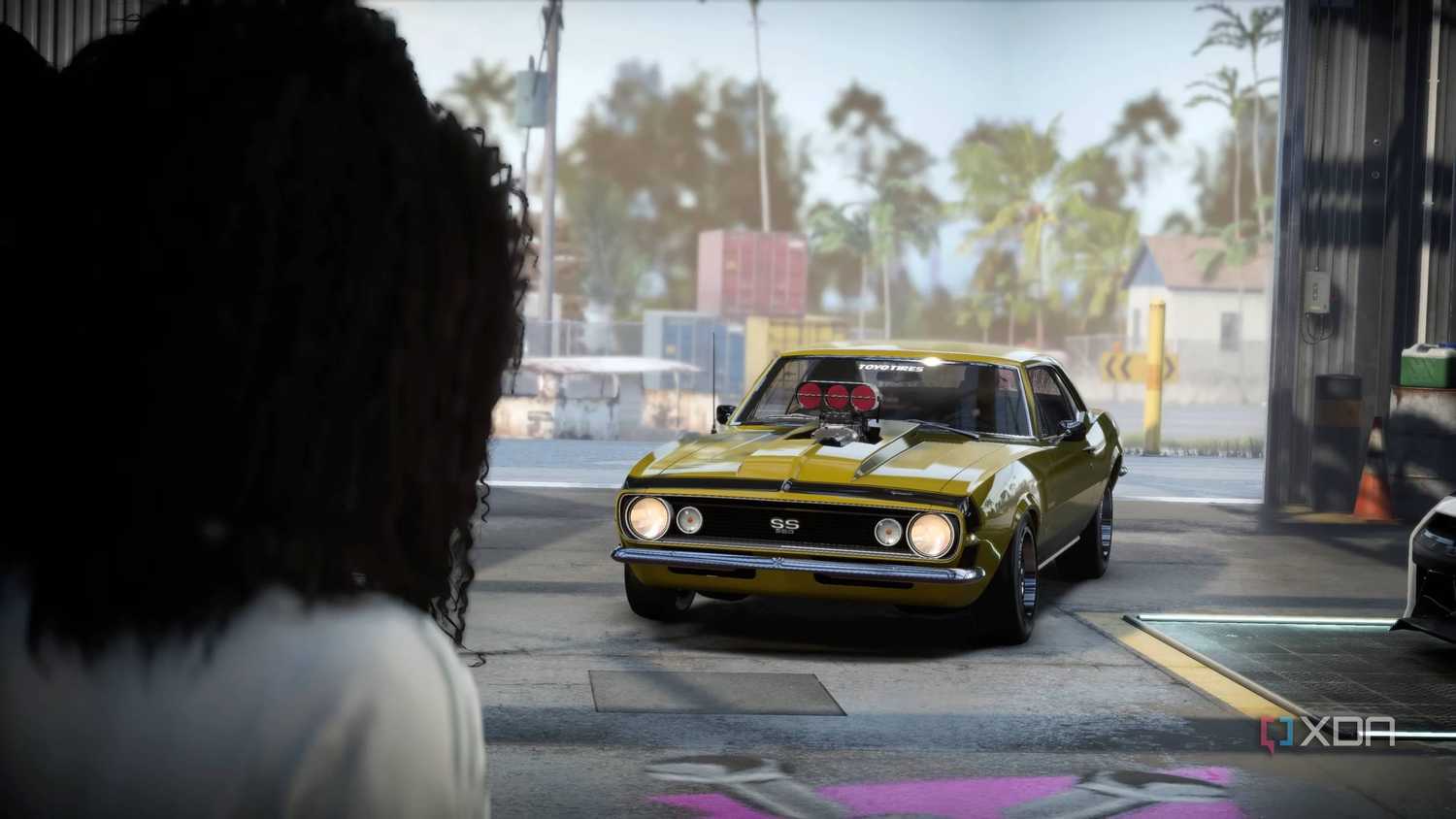
Now, single-player narratives in racing games are either gone entirely or reduced to surface-level excuses. It isn't like NFS Heat and Unbound didn't try, but neither committed hard enough to the right elements. Great racing stories are already pretty rare, and now, they're becoming borderline extinct. The next genuinely exciting narrative-based racing game could be the elusive Most Wanted remake, and we're not even sure if it truly exists. Even if it did, it'd be just a spark reigniting old embers instead of being something new, and yet, I'd take that over one more faceless festival any day in The Crew or the next Forza Horizon game.

- Released
- November 15, 2005
- ESRB
- e
- Developer(s)
- EA
- Publisher(s)
- EA
- Engine
- eAGL
- Multiplayer
- Local Multiplayer
- Franchise
- Need for Speed

- Genre(s)
- Racing, Action

Live service design actively discourages commitment to one car
It's all about moving to the next DLC
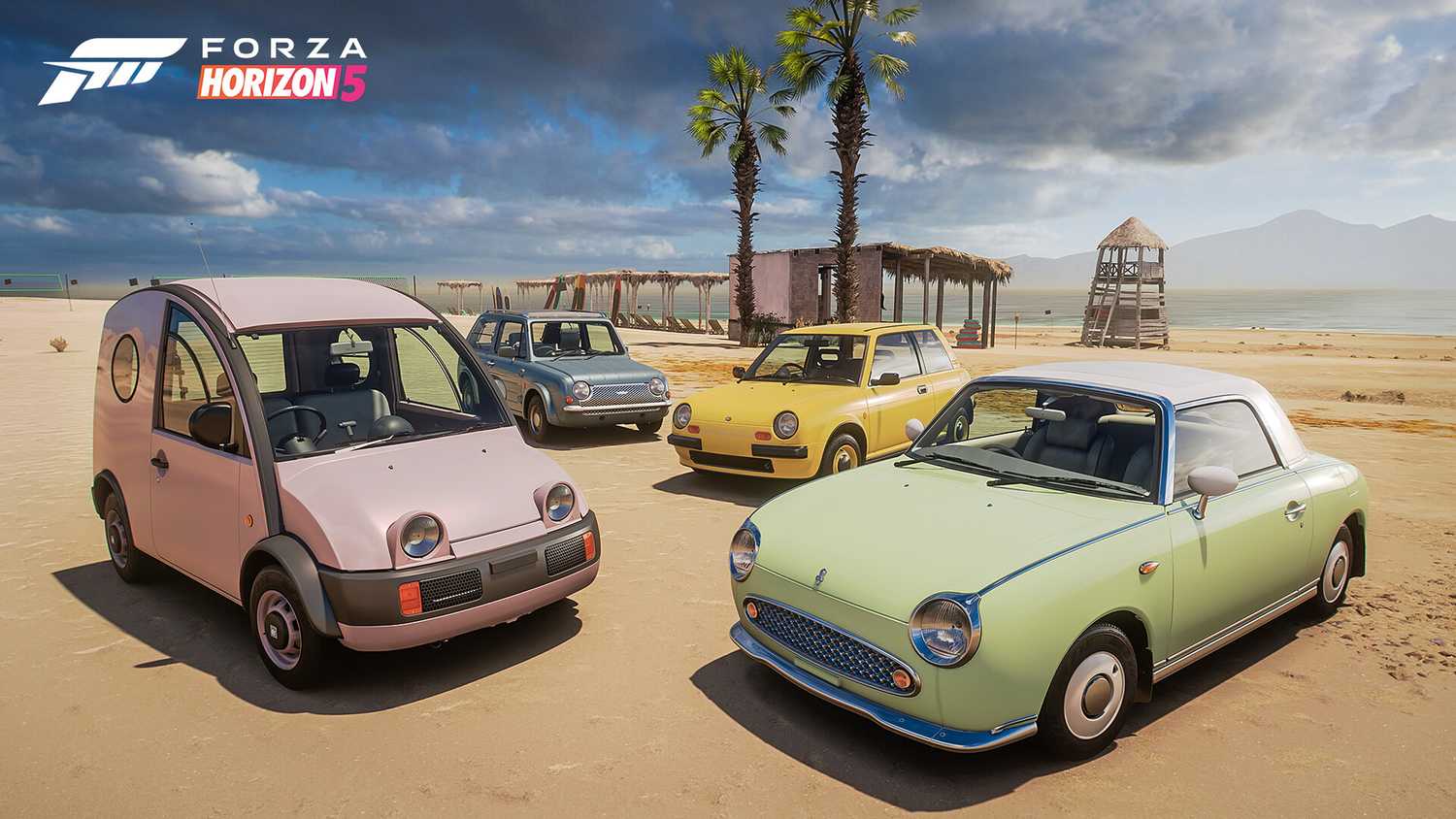
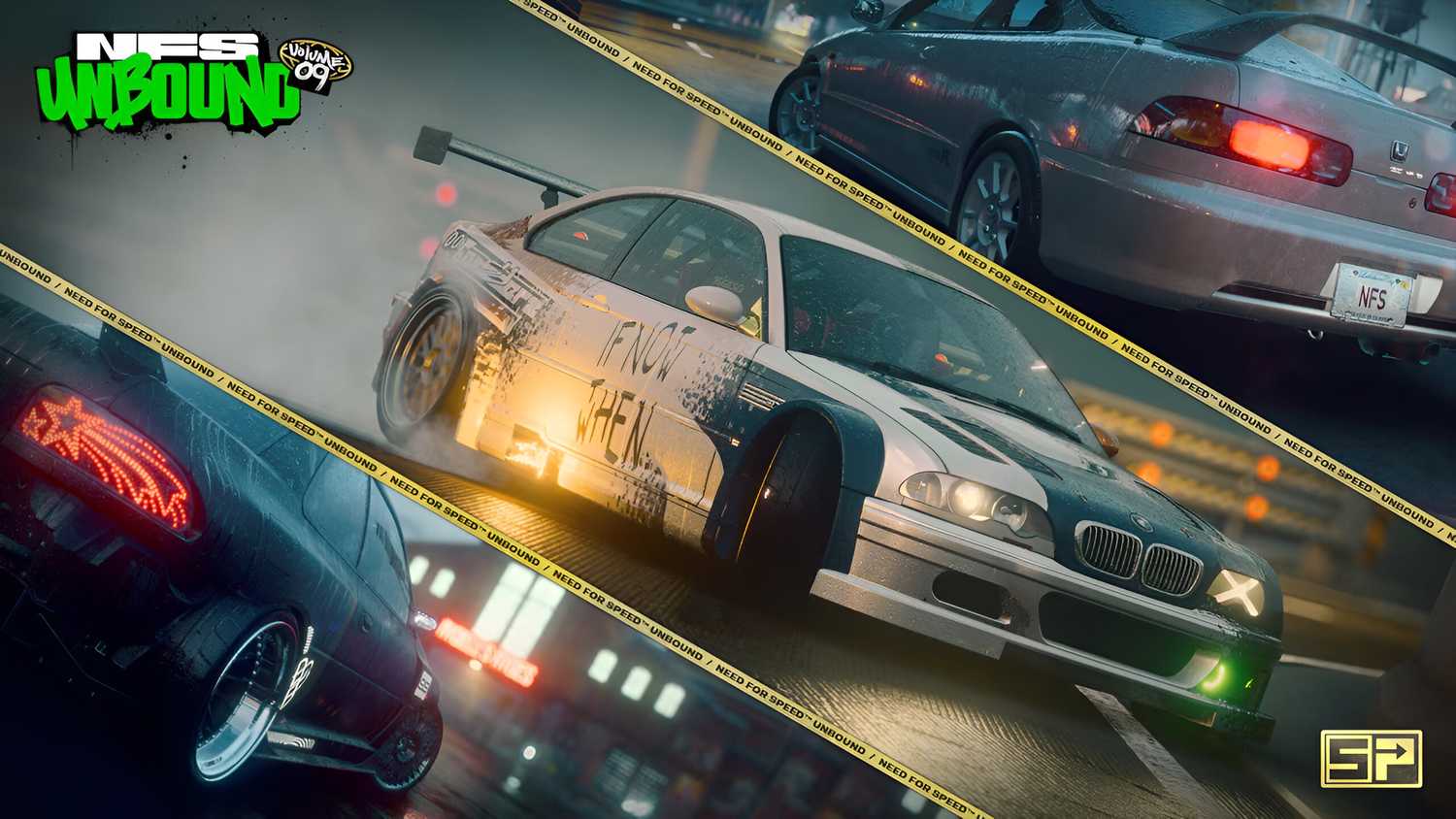
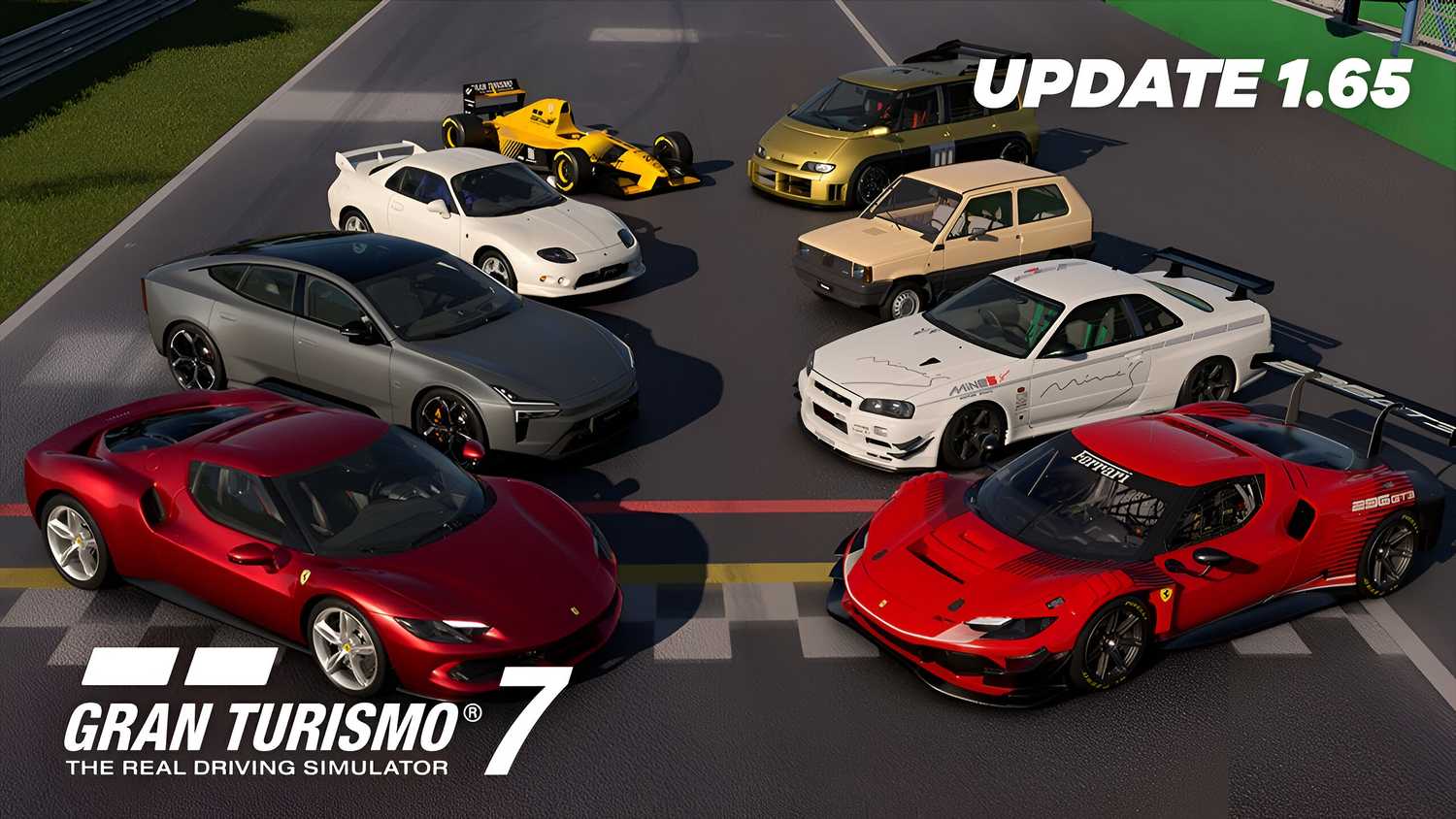


 Credit: Source: Steam
 Credit: Source: Steam
 Credit: Source: Steam
 Credit: Source: EA.com
 Credit: Source: Polyphony Digital

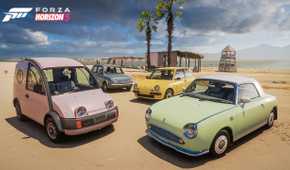
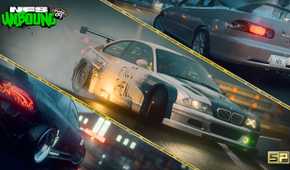
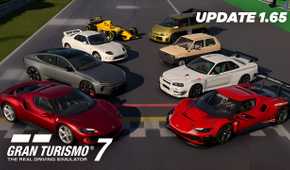
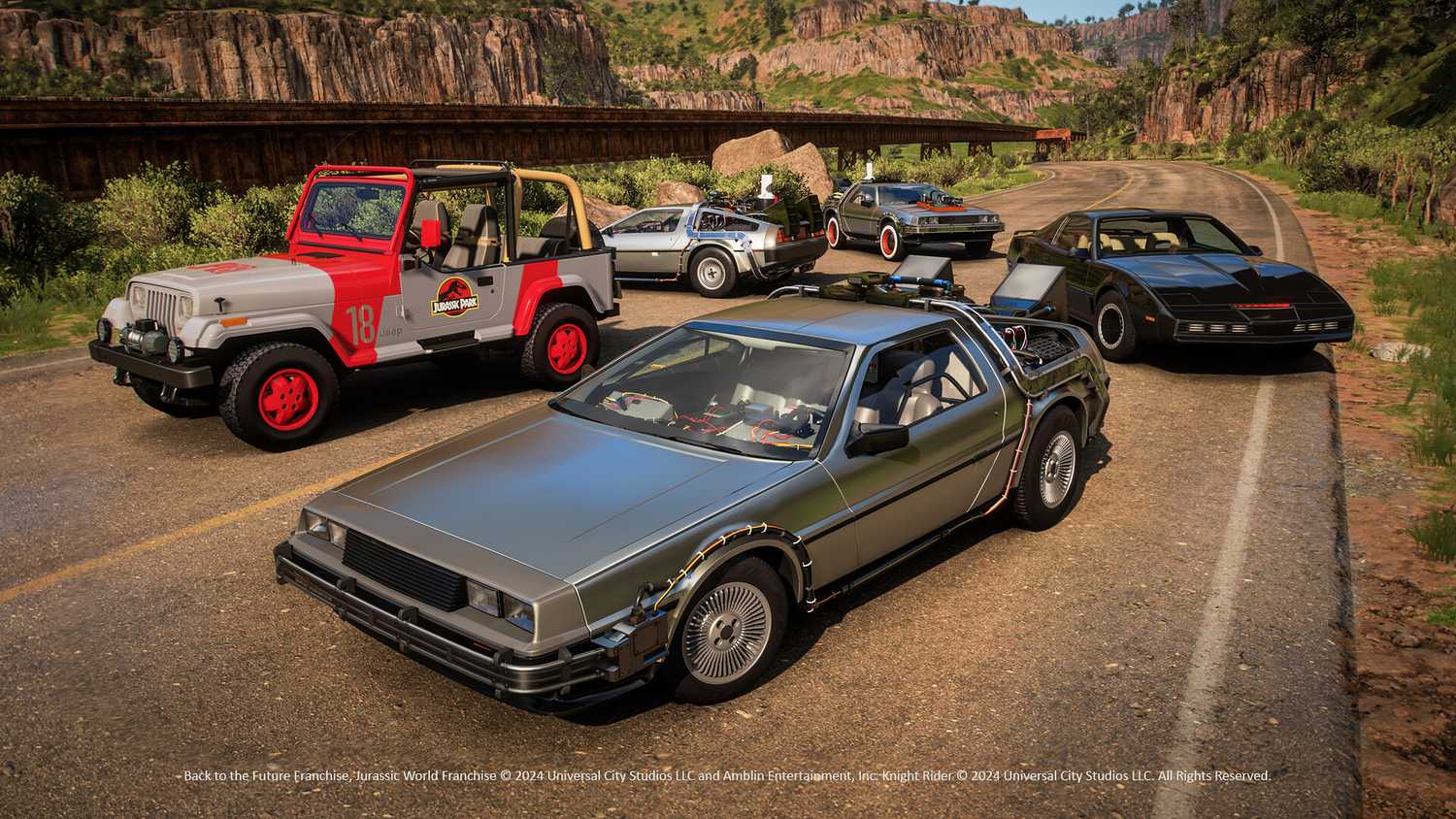
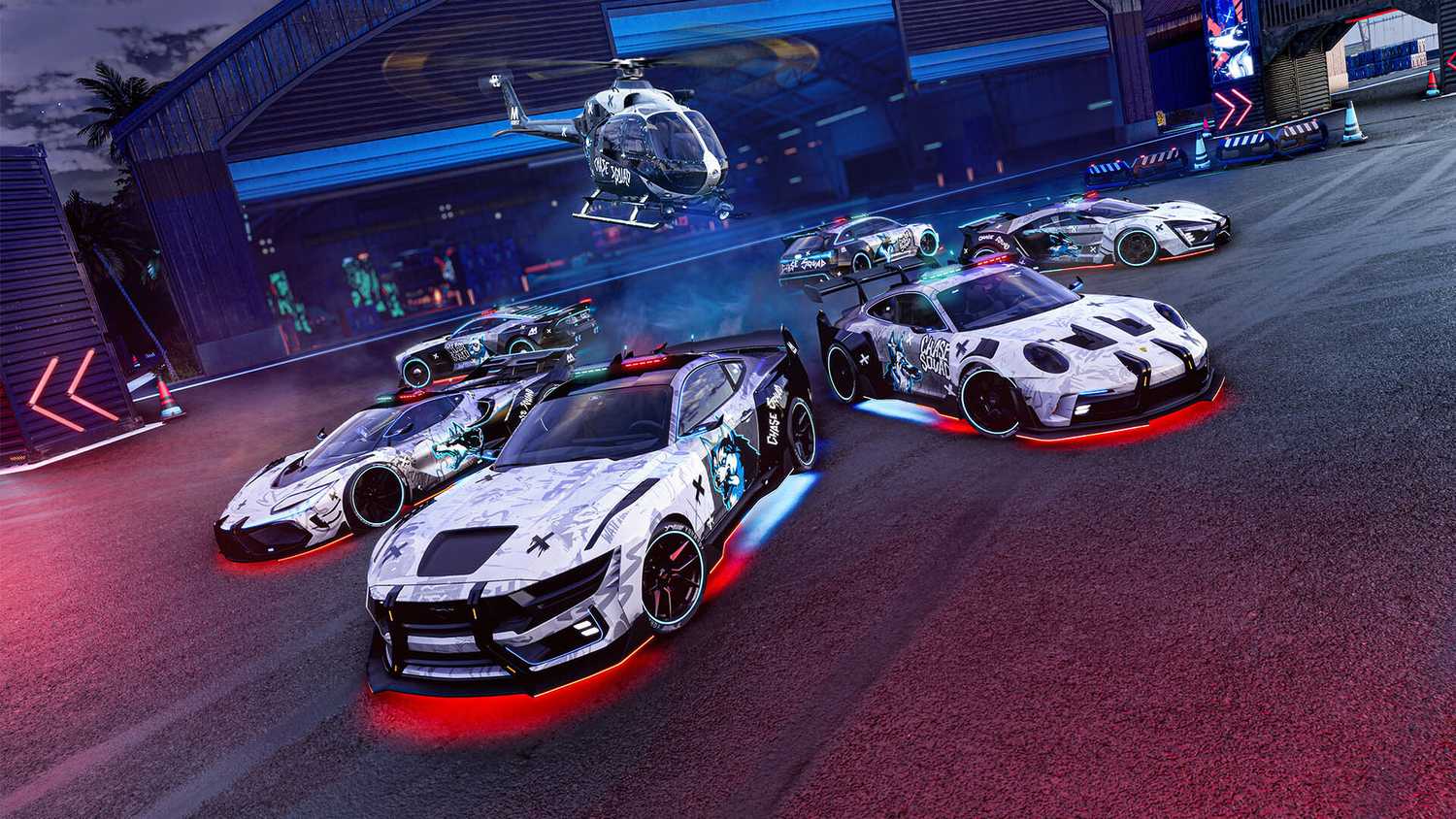
Modern racing games are built around constant rotation. We've got seasonal challenges, weekly playlists, and limited-time rewards, all hogging the limelight. The design actively wants you to switch cars every single session. A hero car, by contrast, demands the very opposite. It needs long-term commitment, upgrades, scars, and history. You're supposed to grow with it, struggle with it, and eventually master it.
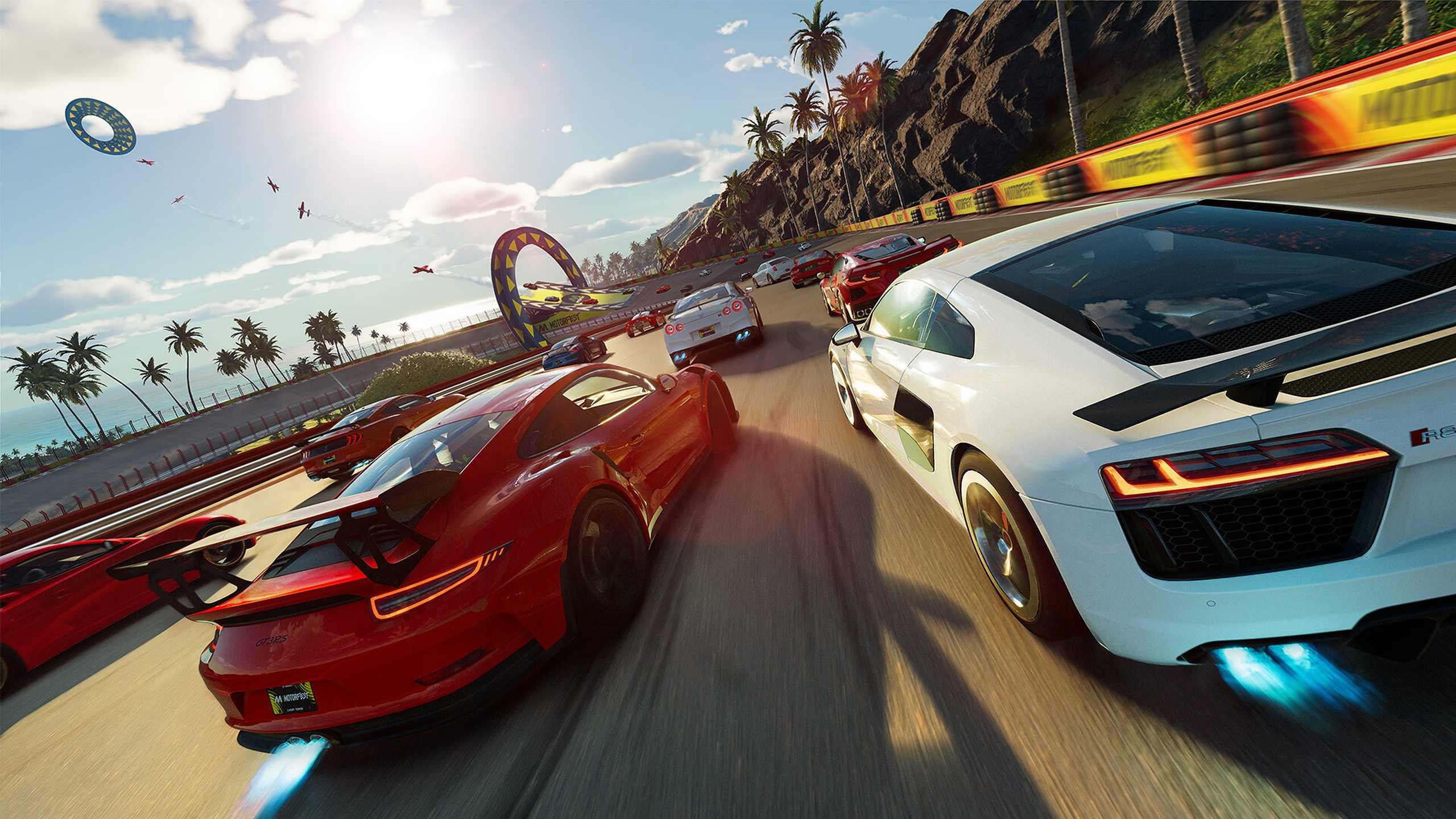
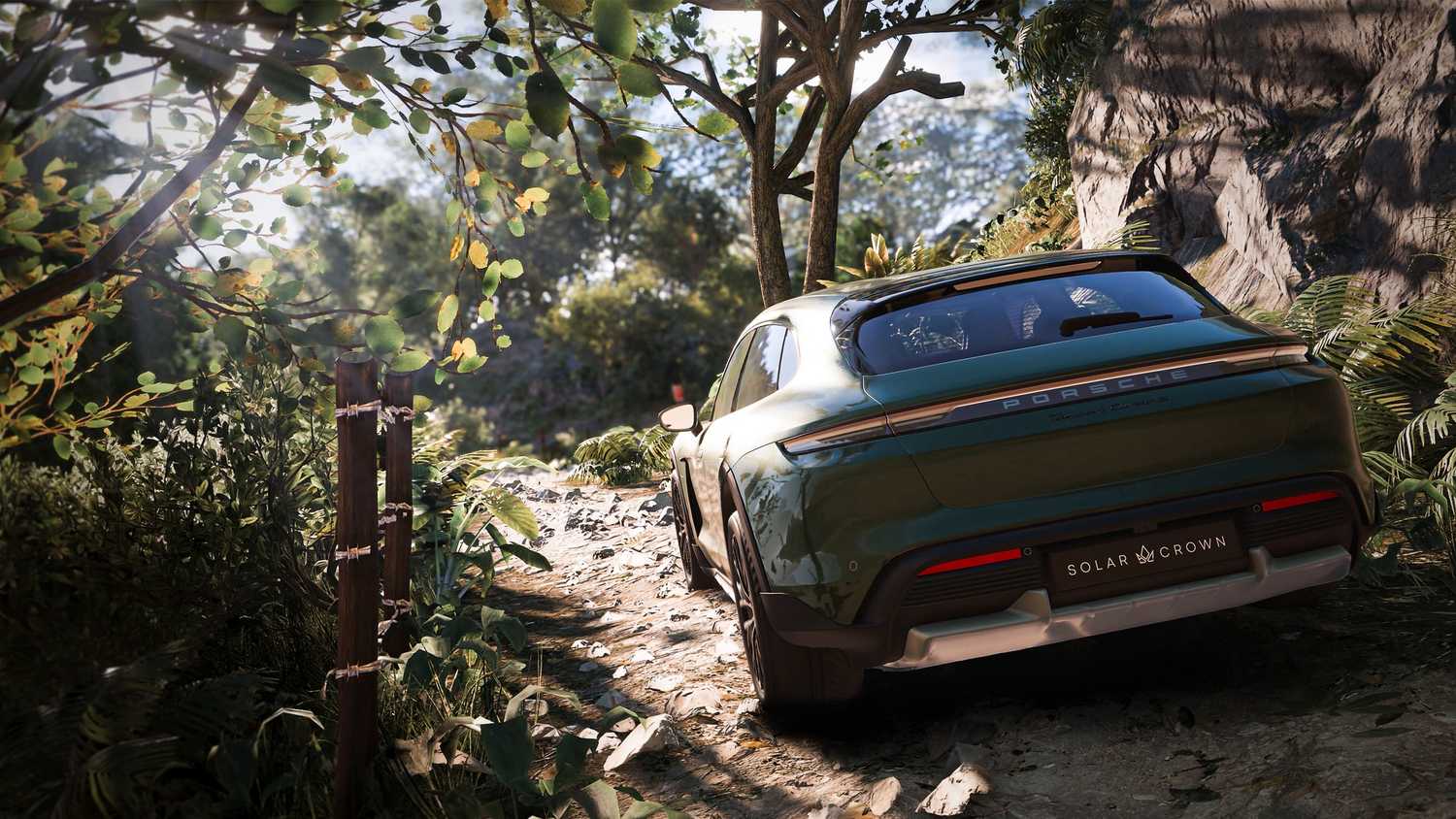
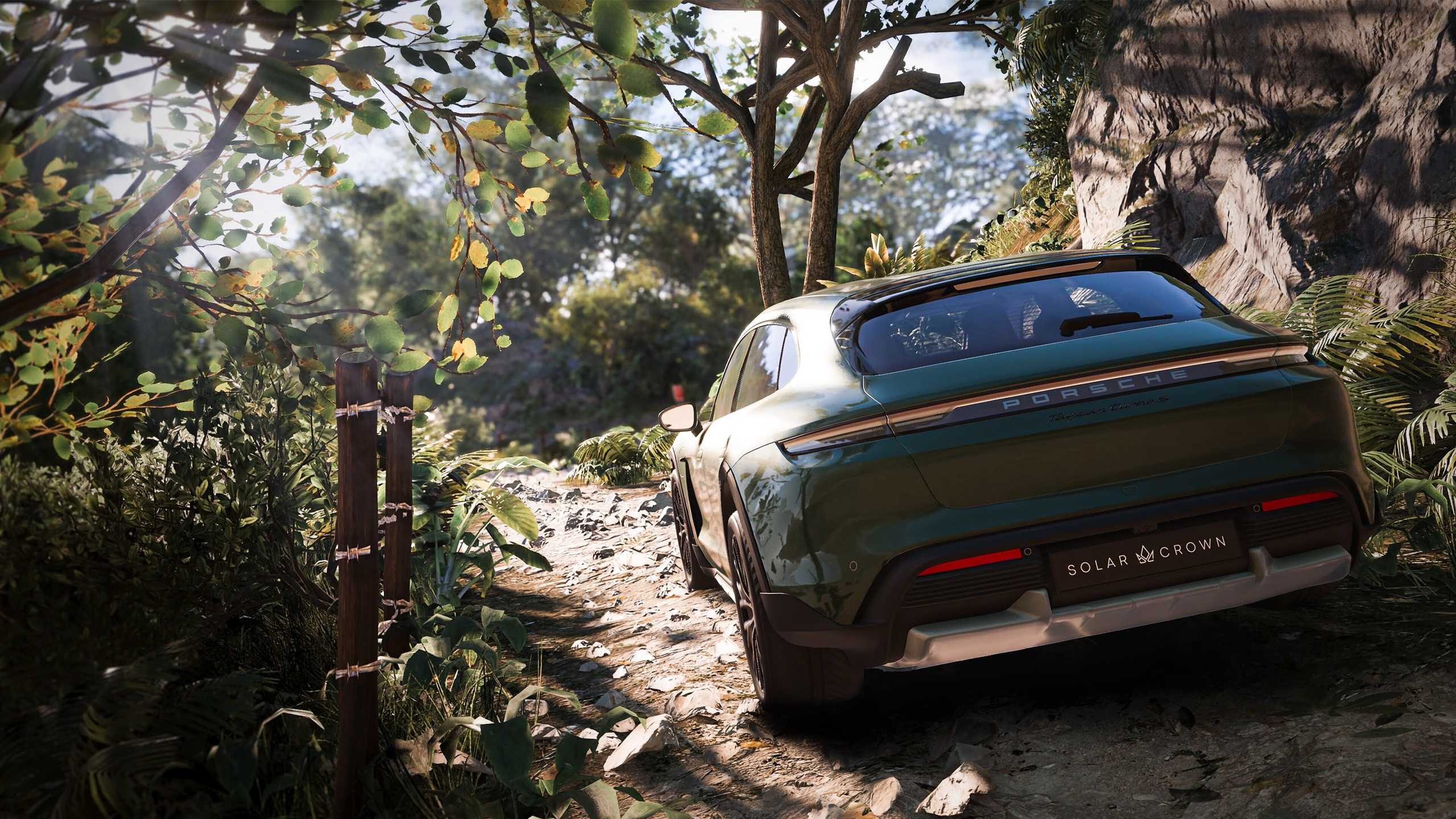
Even the editions of some games tell on themselves. Take The Crew: Motorfest, for example. The base game features a Lamborghini Temerario, while the Ultimate Edition has a Ferrari on its poster instead. Where's the reverence for the one car you're supposed to be doing everything for? It's almost as if these games are terrified of you getting attached to one vehicle for too long. Why bond with a car when the next update will shove five more into your garage? Hero cars require restraint and intention, and those are two things that live-service design simply does not allow to exist.
Plenty of games tried, but they've fallen short
Very few games attempt it, and nobody's succeeded in a decade or two
Source: Steam 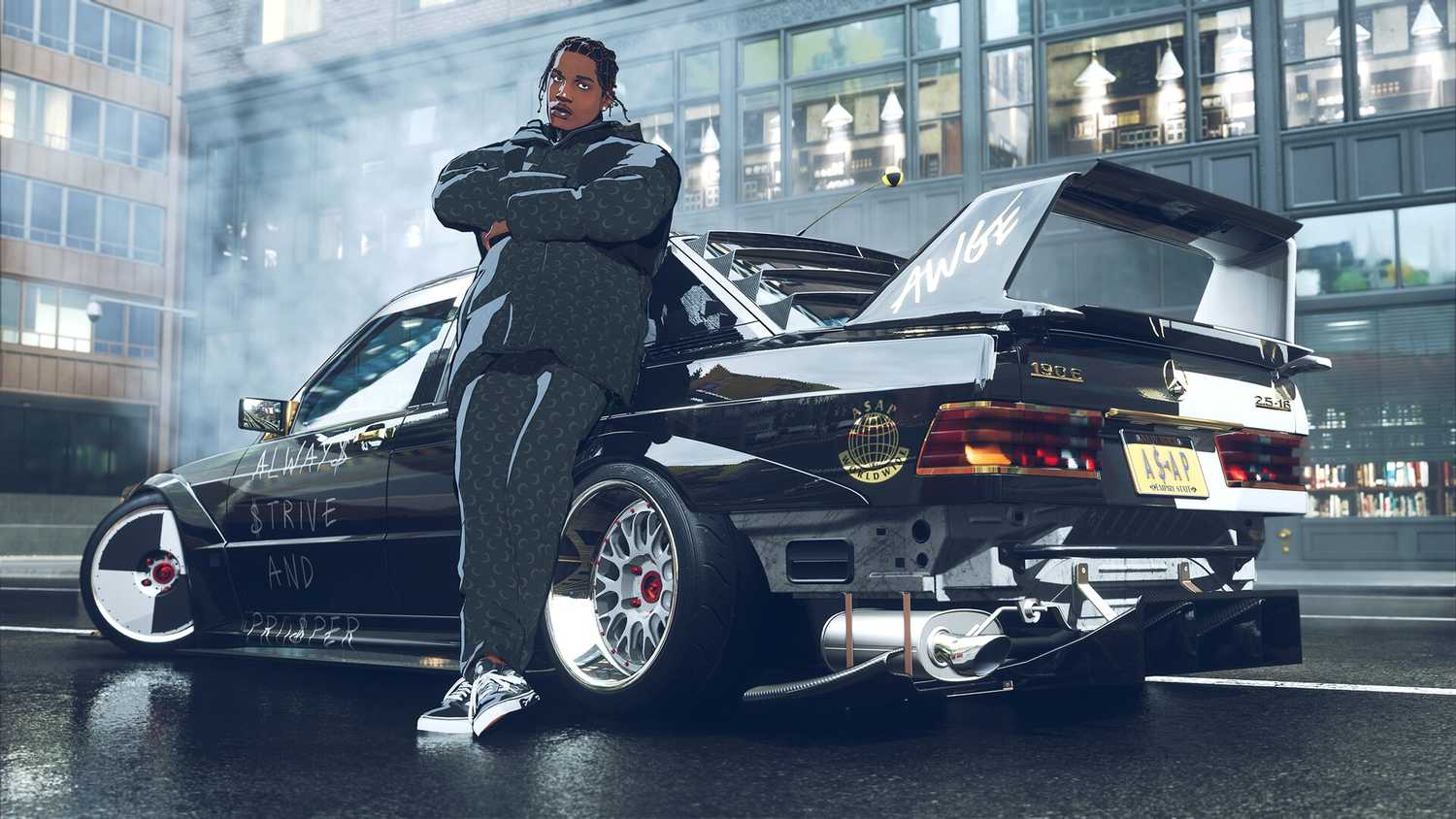
Source: Steam 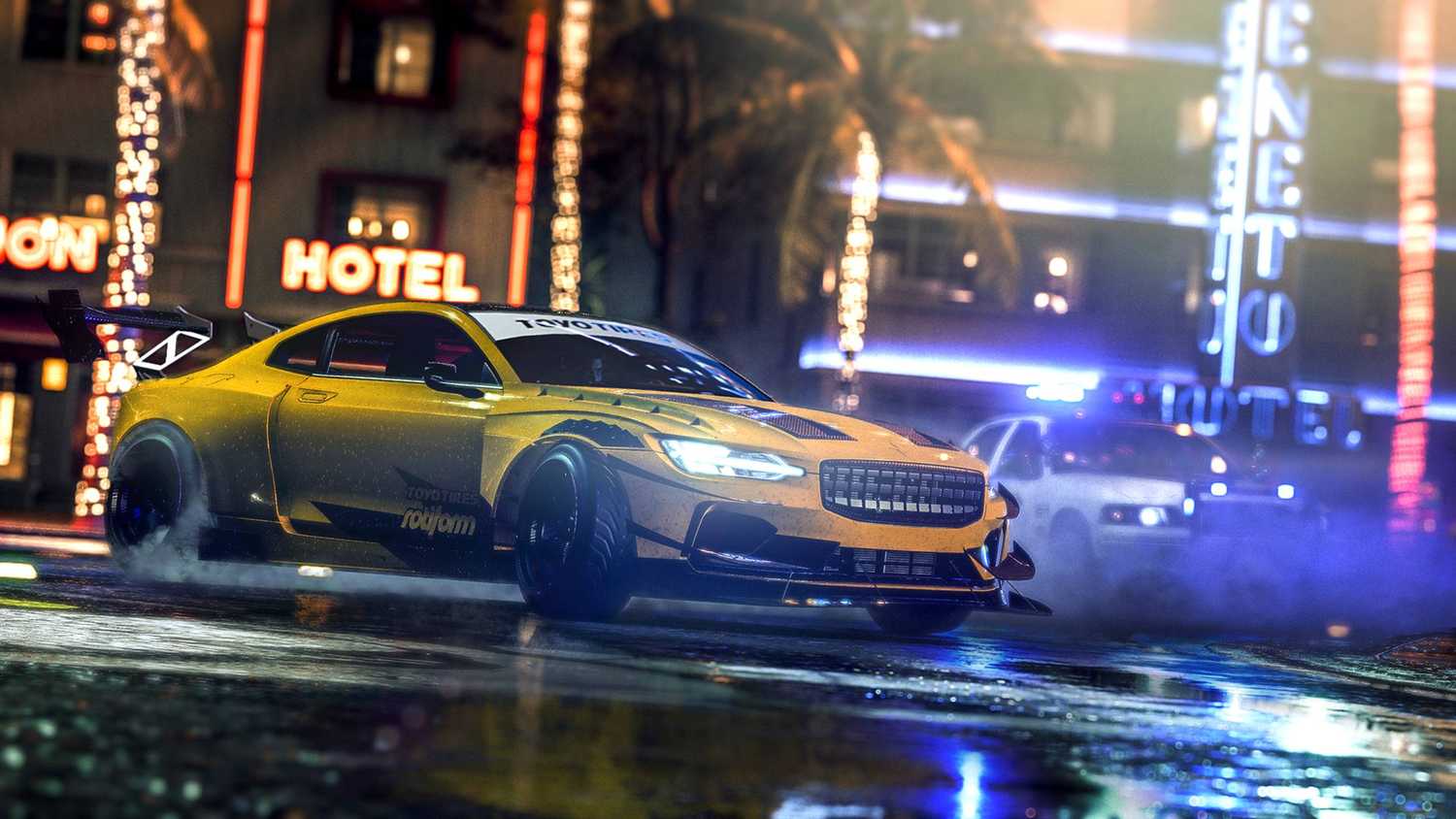


Source: Steam 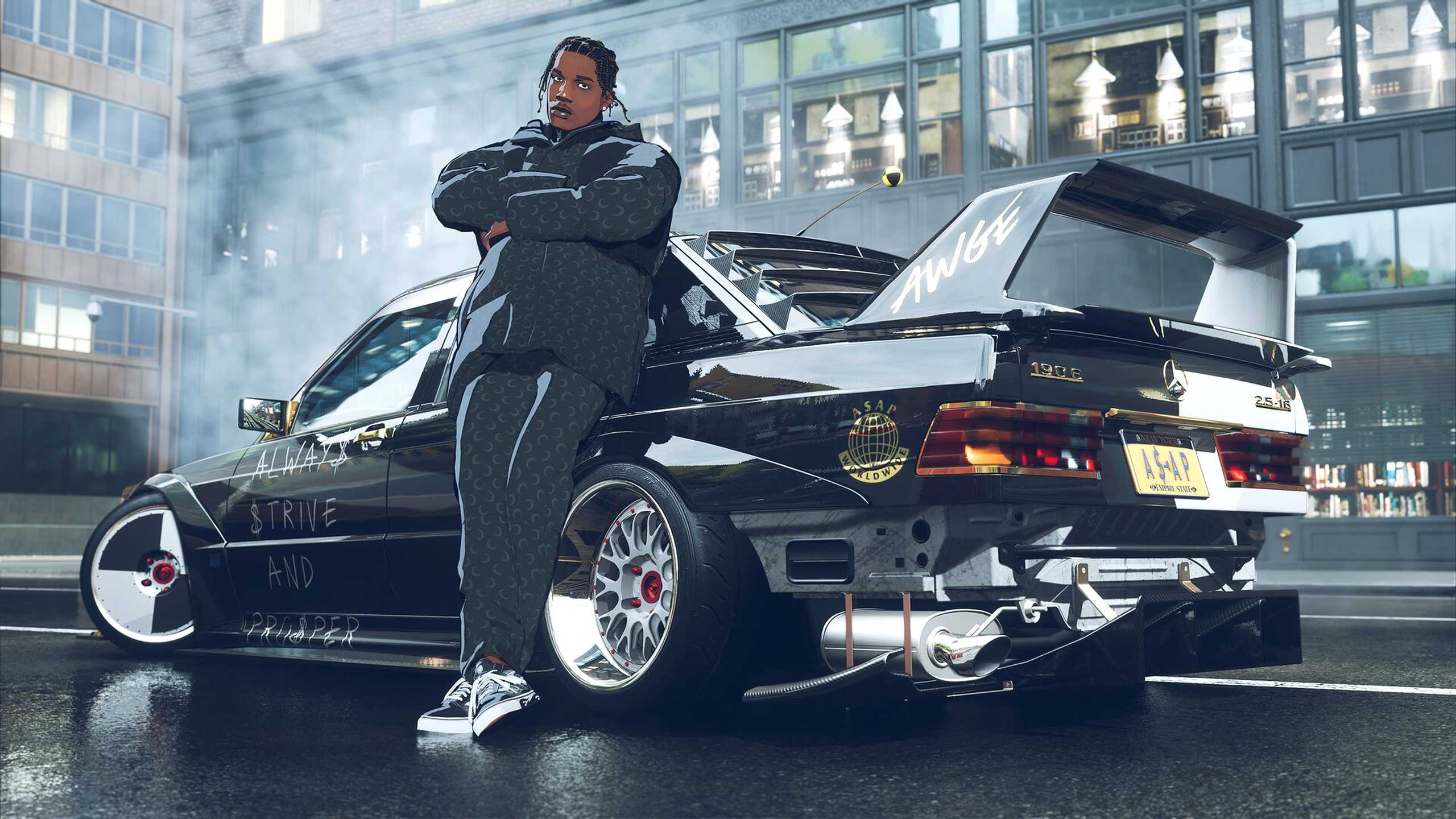
Source: Steam  Credit: Source: Steam
 Credit: Source: EA.com
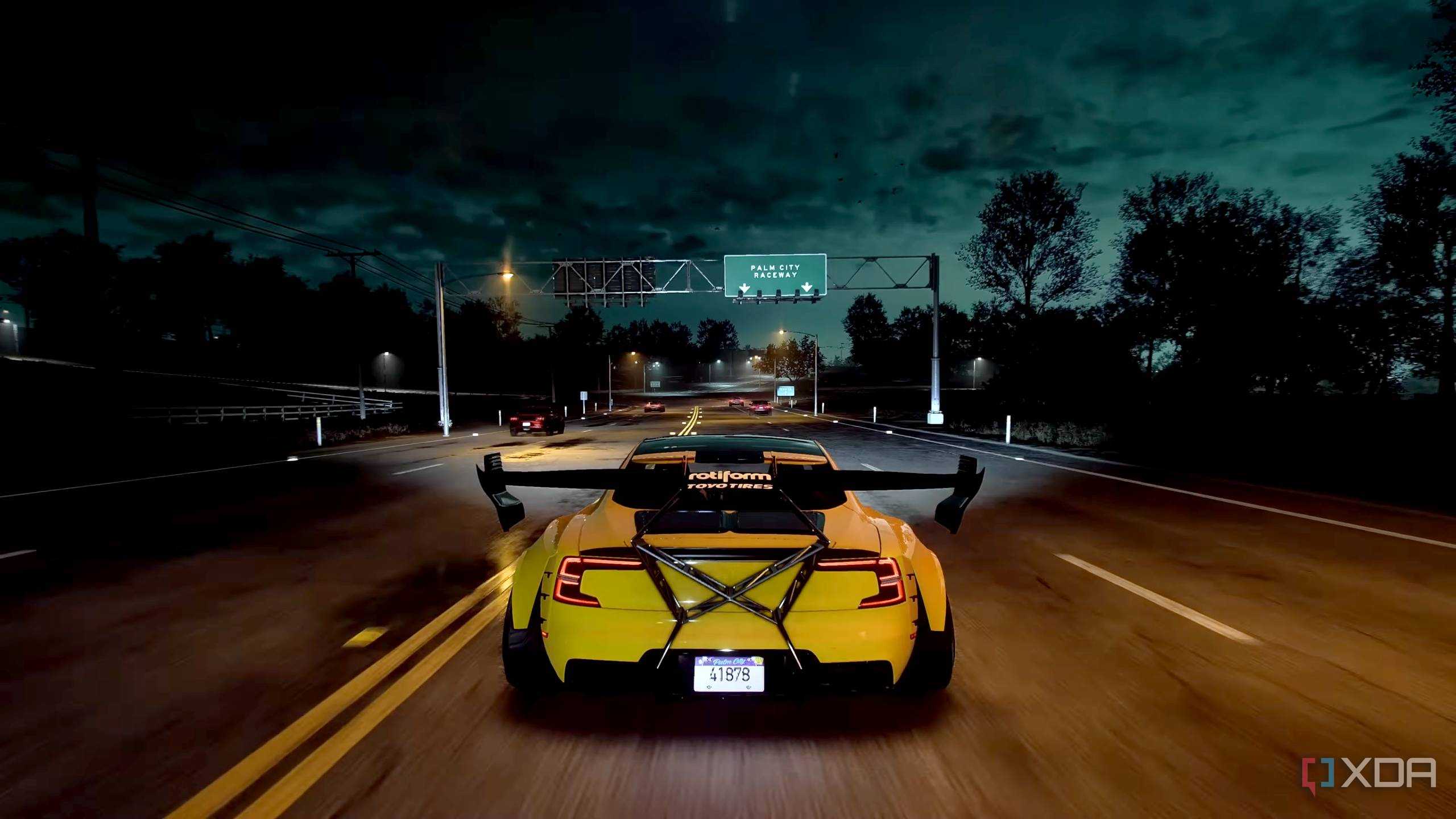

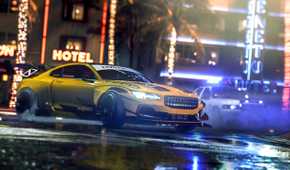
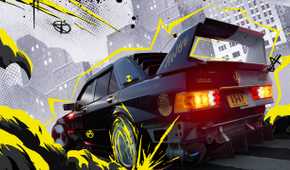
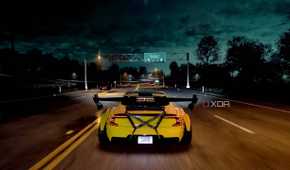
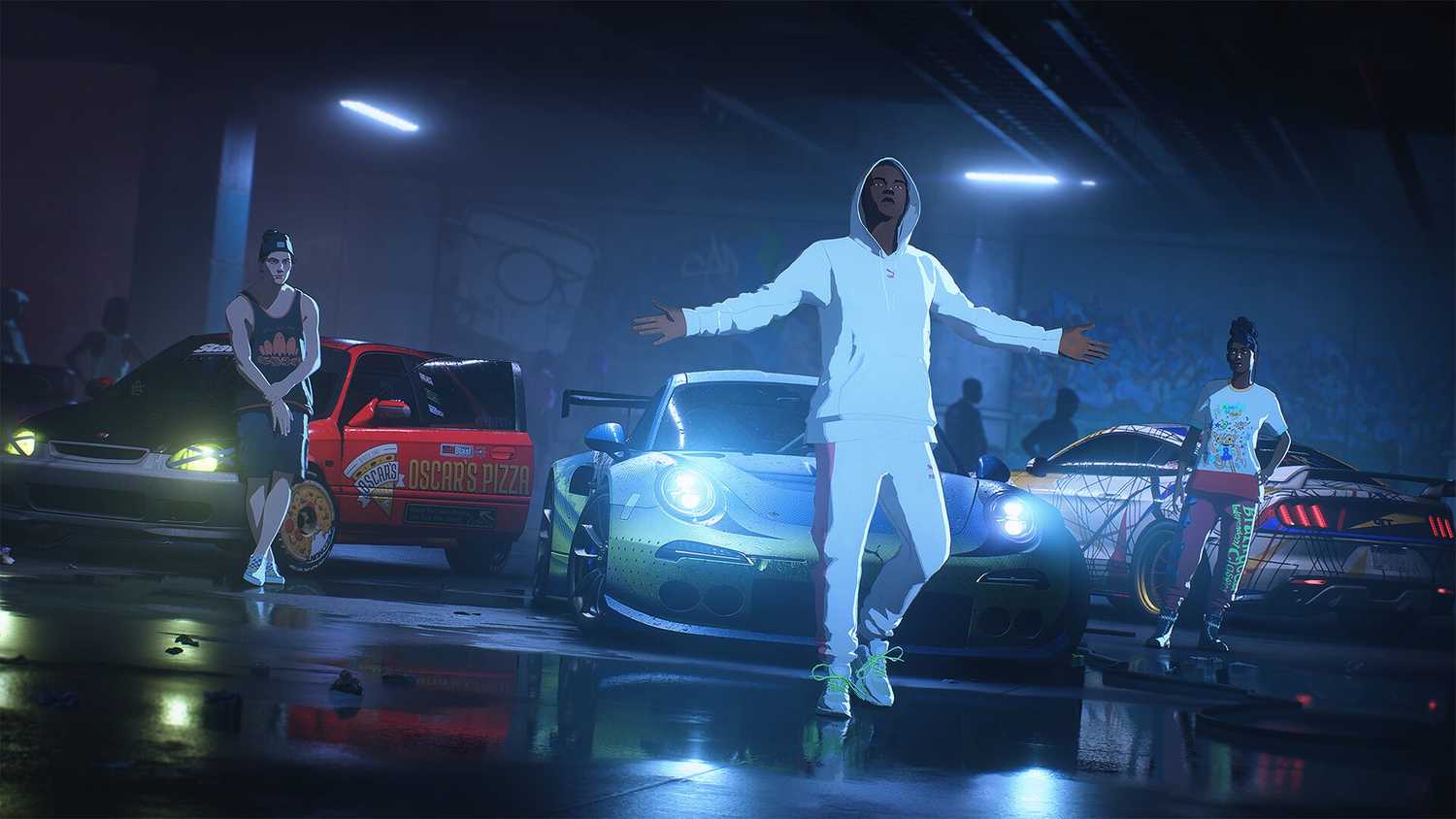
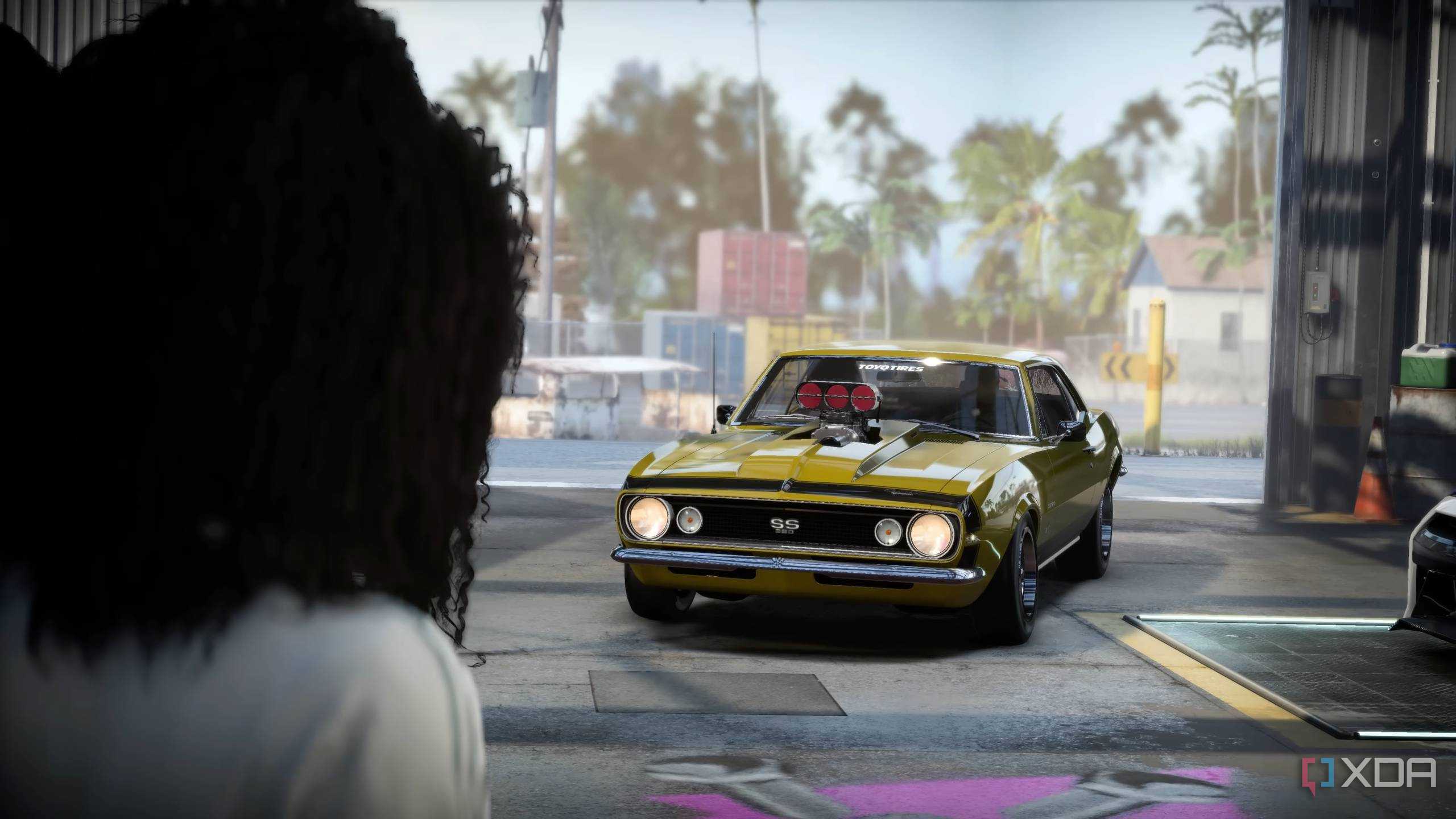
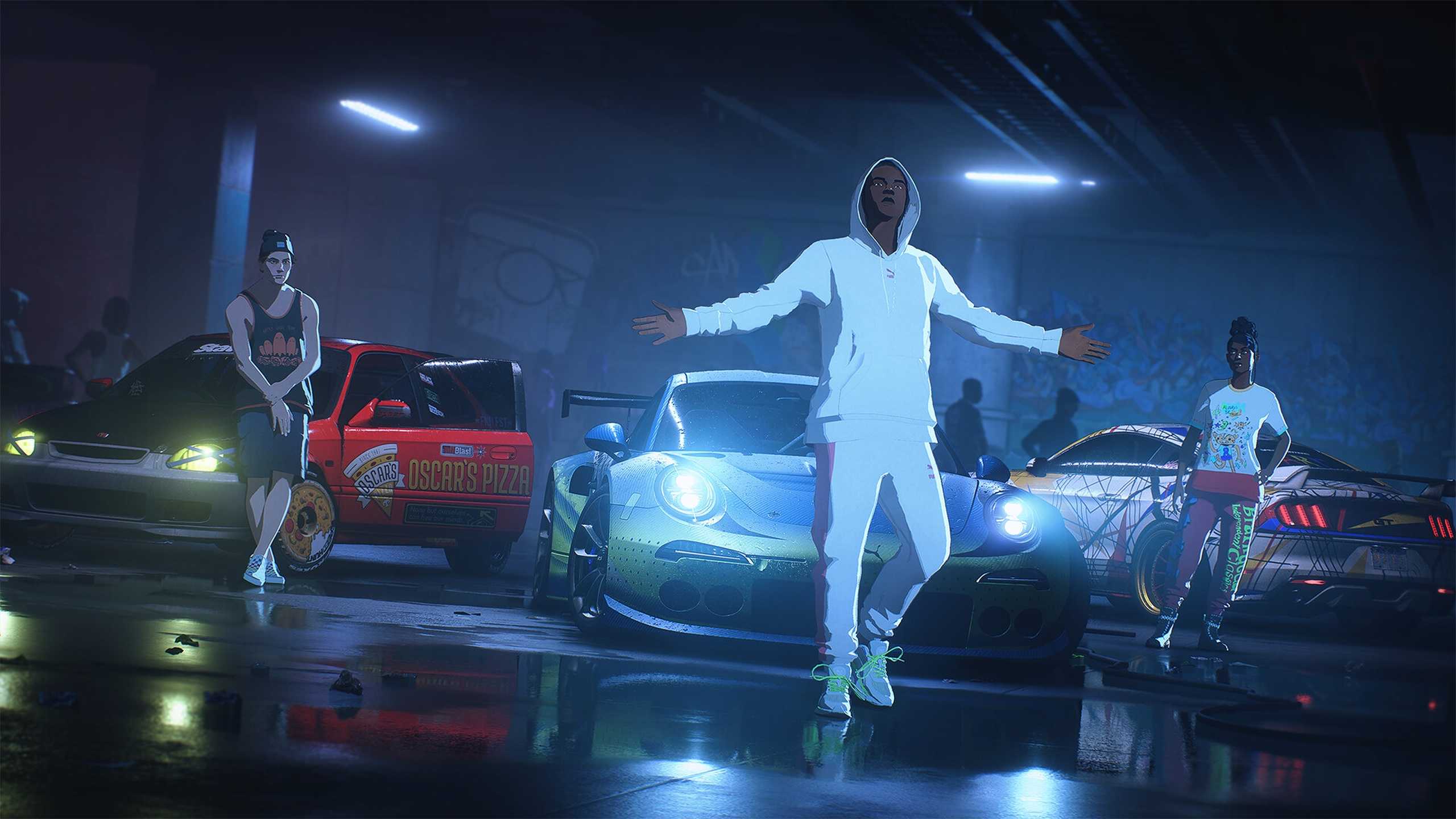
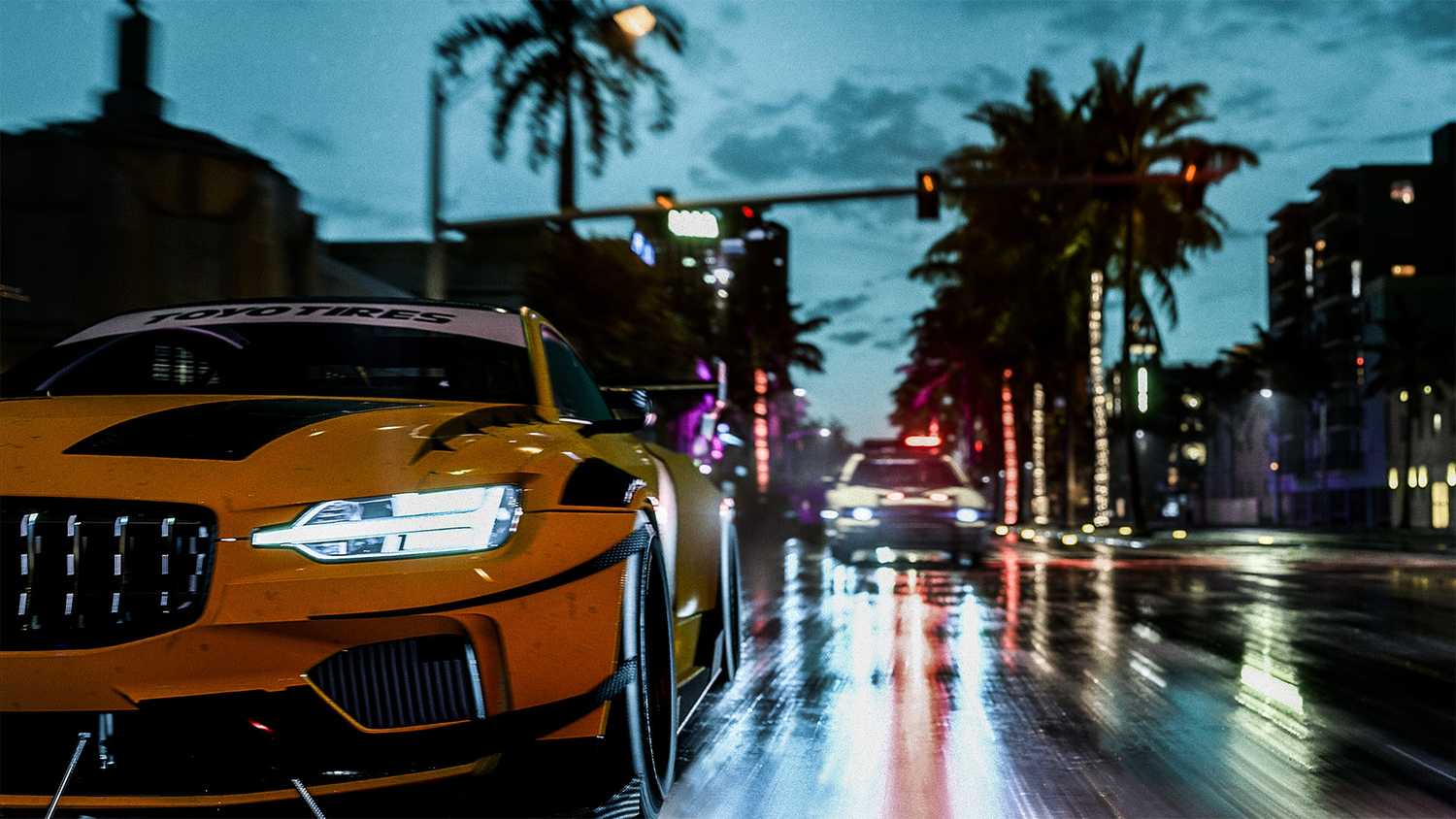
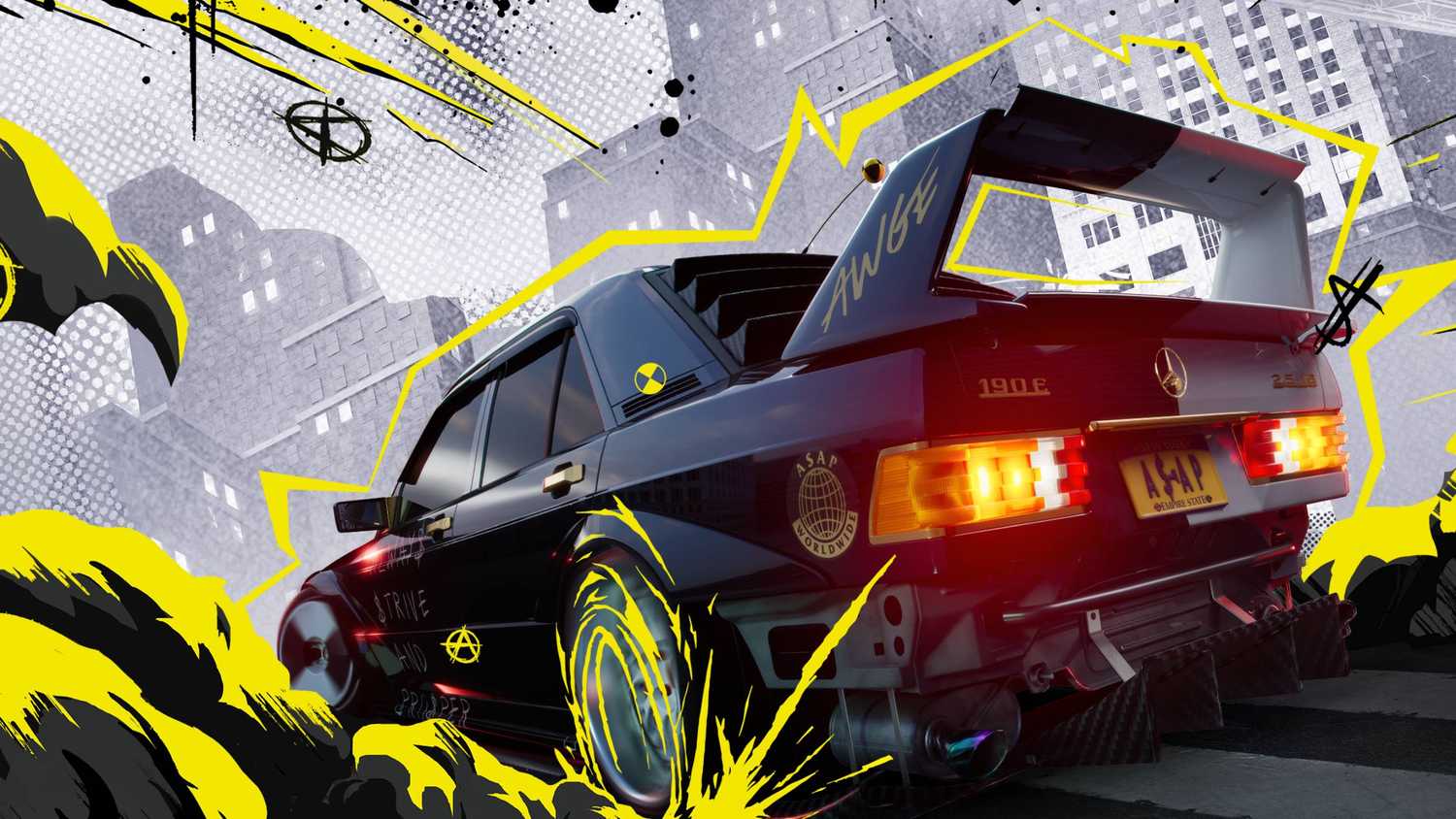
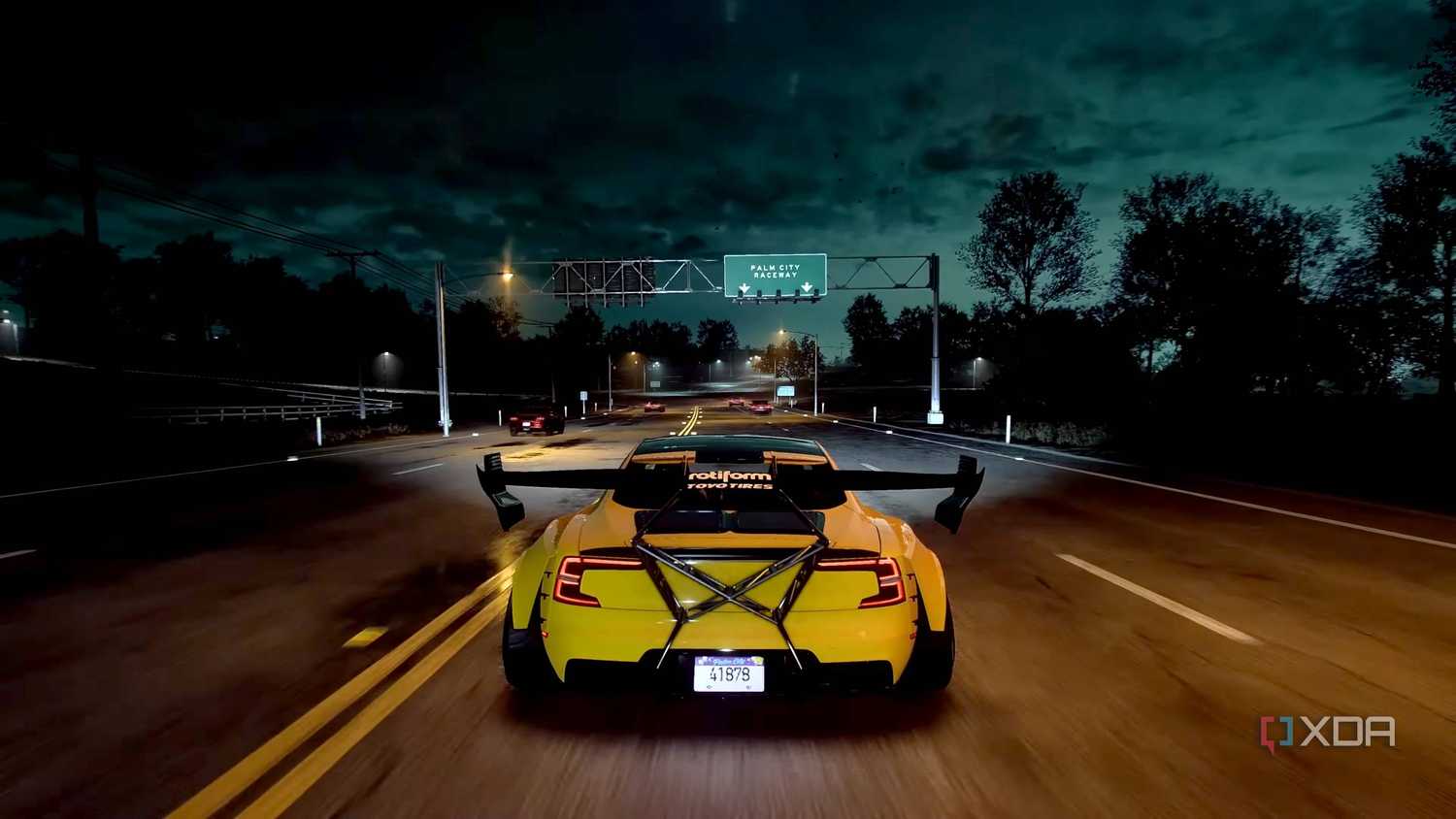
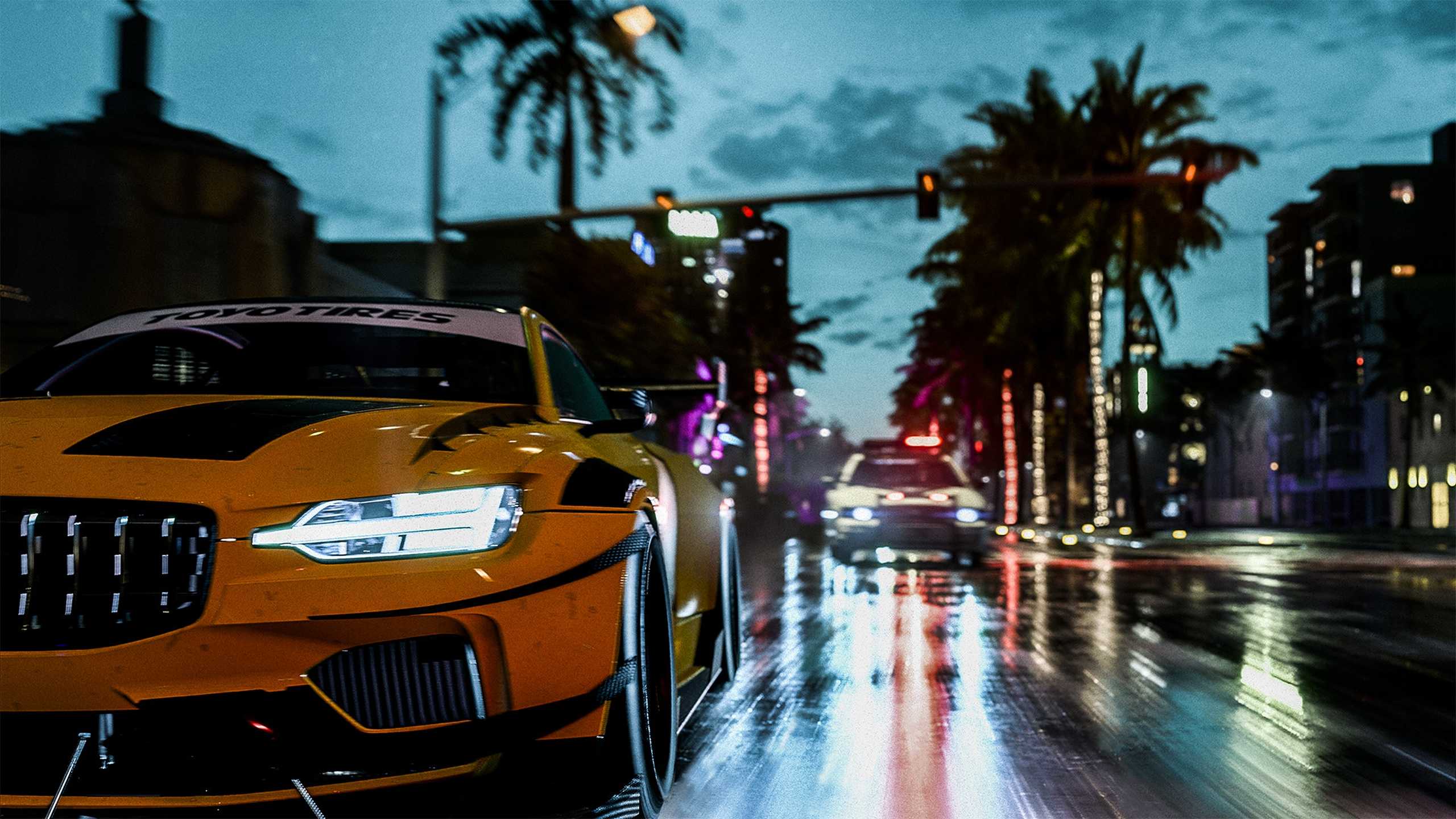
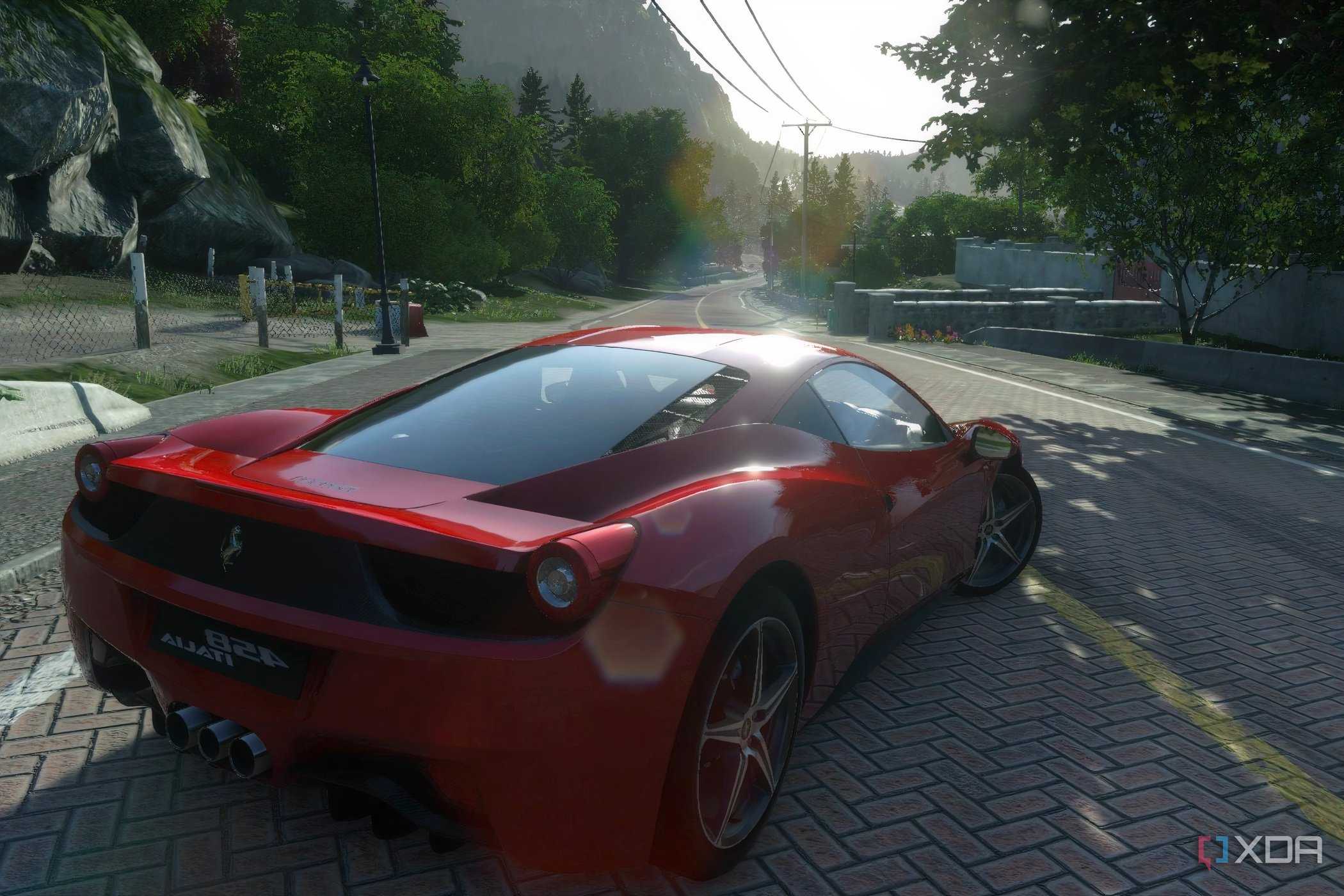
It's not as if some games didn't try. The closest we've gotten to a true hero car in the racing game segment is Need for Speed Heat's yellow Polestar One with its striking paint job and gigantic wing. Even NFS Unbound tried its very best with A$AP Rocky's 190E, which they built custom for the rapper and for the game. There was love, care, and soul put into that car, and yet, it just wasn't your car, was it? It was a celebrity's, since Rocky played himself in the game. There was no attachment to the car for the protagonist, and therefore, none for the player.
I'd say the Polestar from 2019's Heat came a lot closer than the Mercedes-Benz 190E from Need for Speed Unbound, and yet, when the time came to truly let it take the throne in the franchise and the genre as the new It Car, EA senselessly shoehorned the M3 GTR into NFS Heat's finale for nostalgia points. They even had a real-world counterpart to the Polestar One built, but yet another M3 GTR cameo overshadowed it. That constant reuse has even diminished the sheen of BMW's M3 GTR. What's the point of a legend if it keeps showing up as a gimmick? We get so close, and yet, no dice.
Players no longer "finish" racing games
That's what truly diminishes legacy

Source: Steam 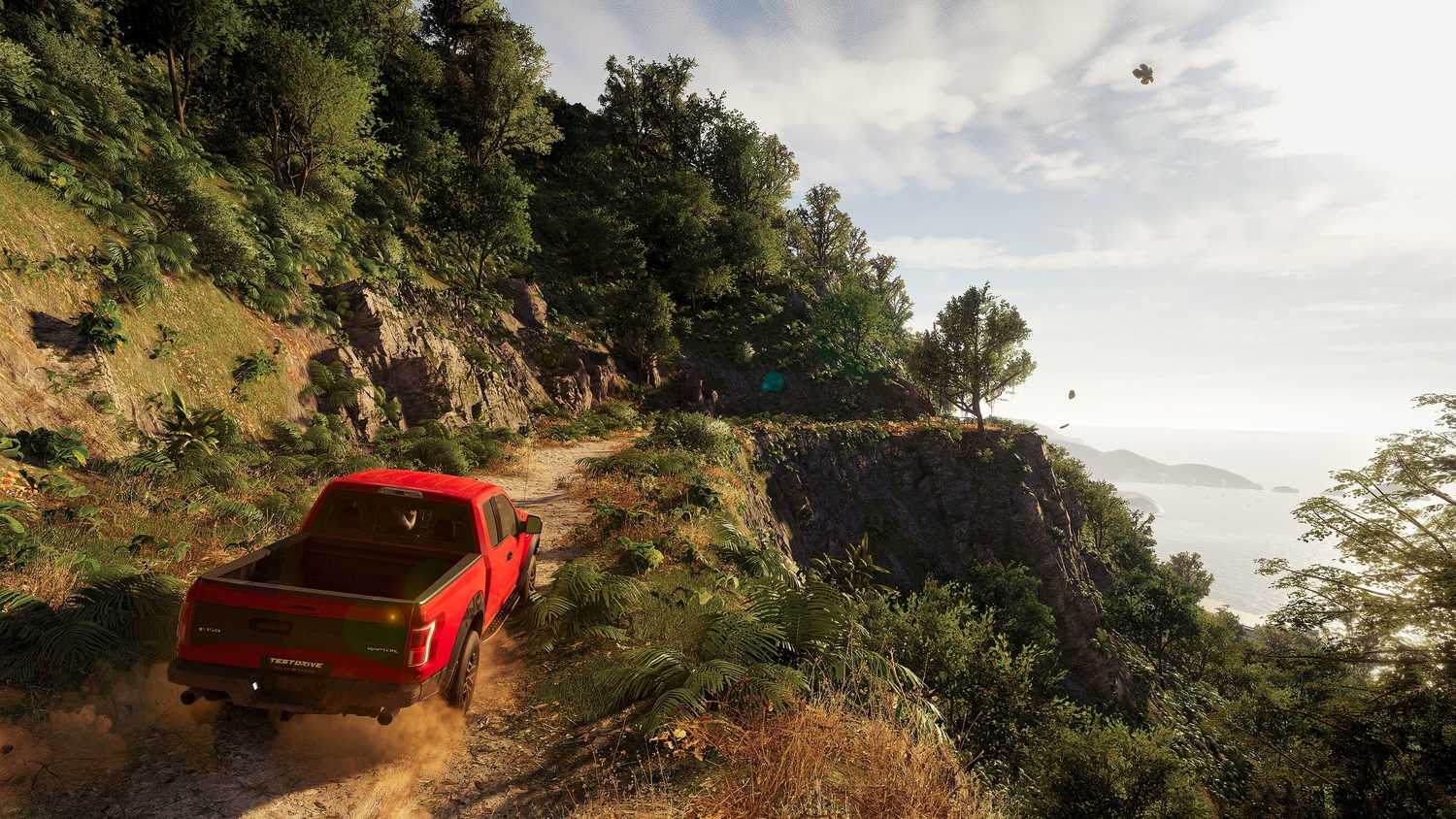
Source: Steam 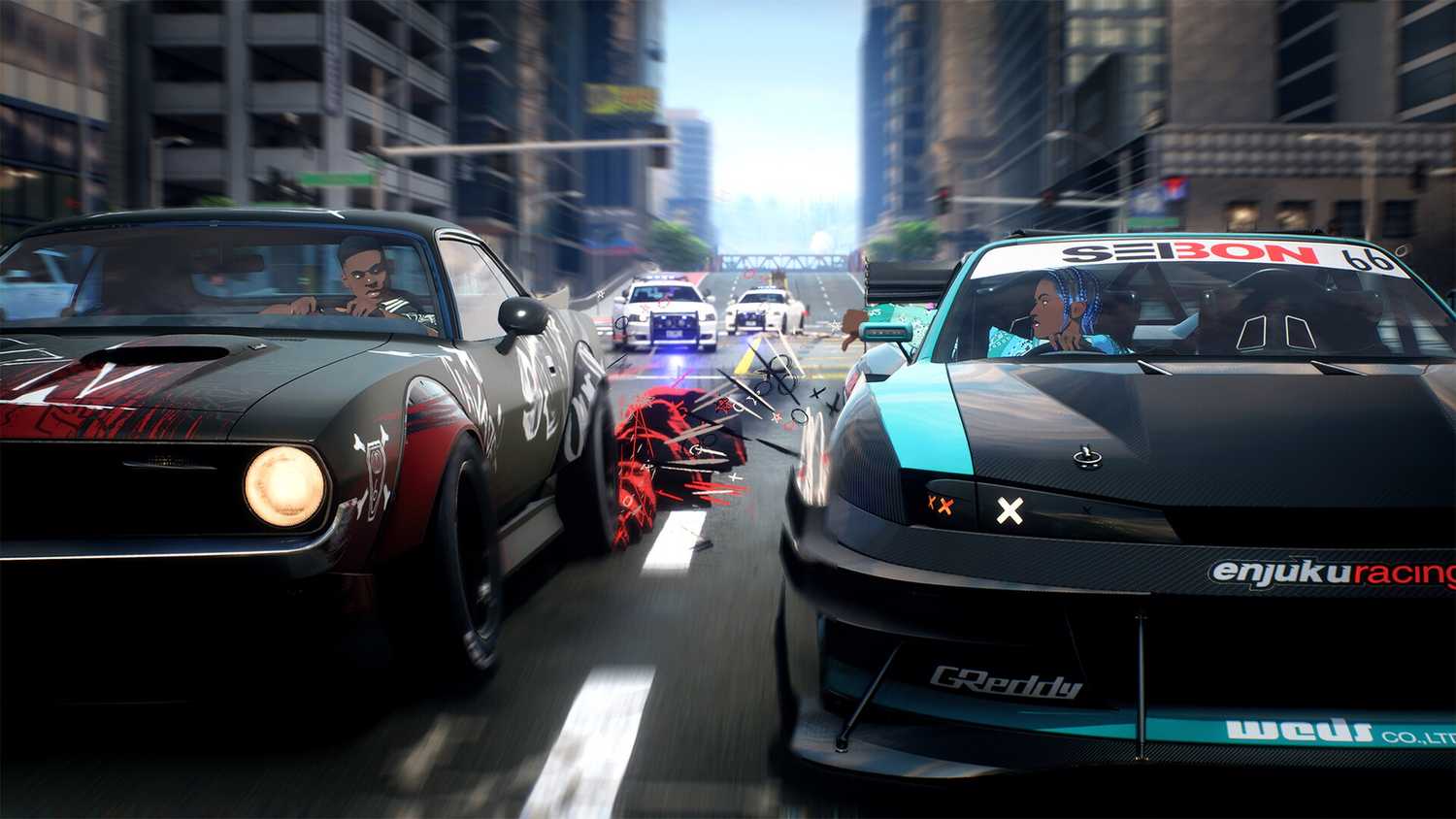
Source: Steam 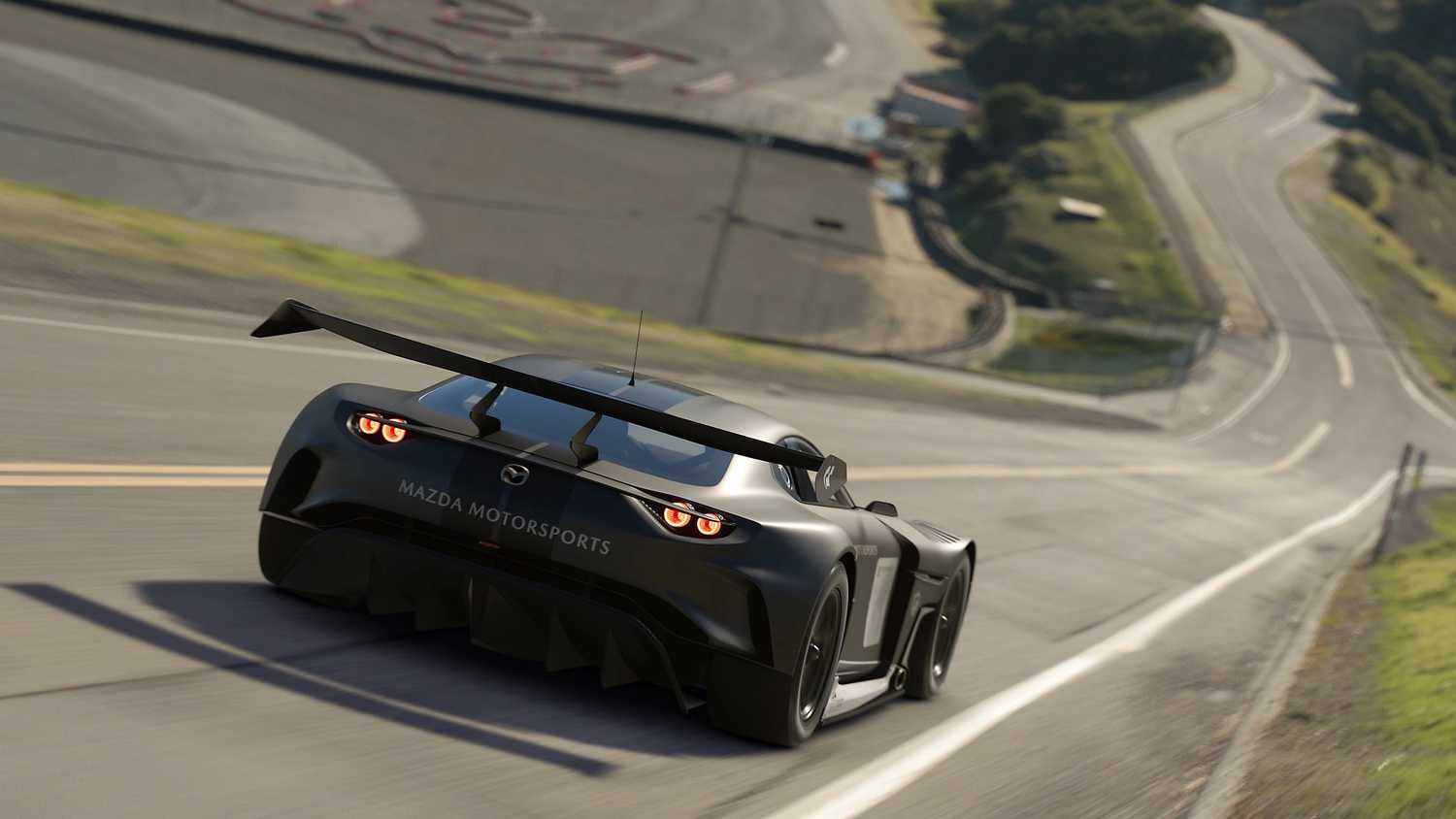


 Credit: Source: Steam
Source: Steam 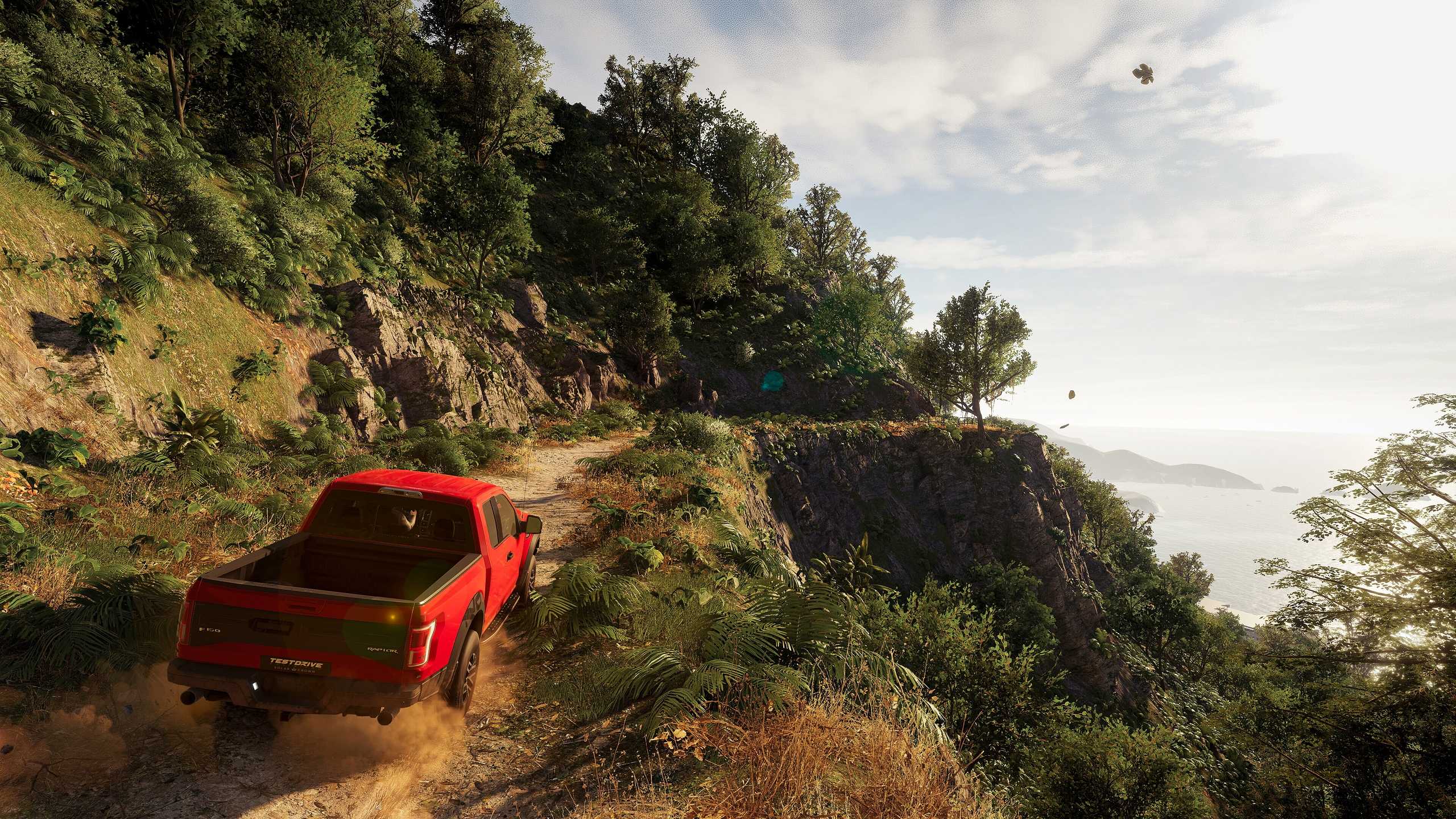
Source: Steam 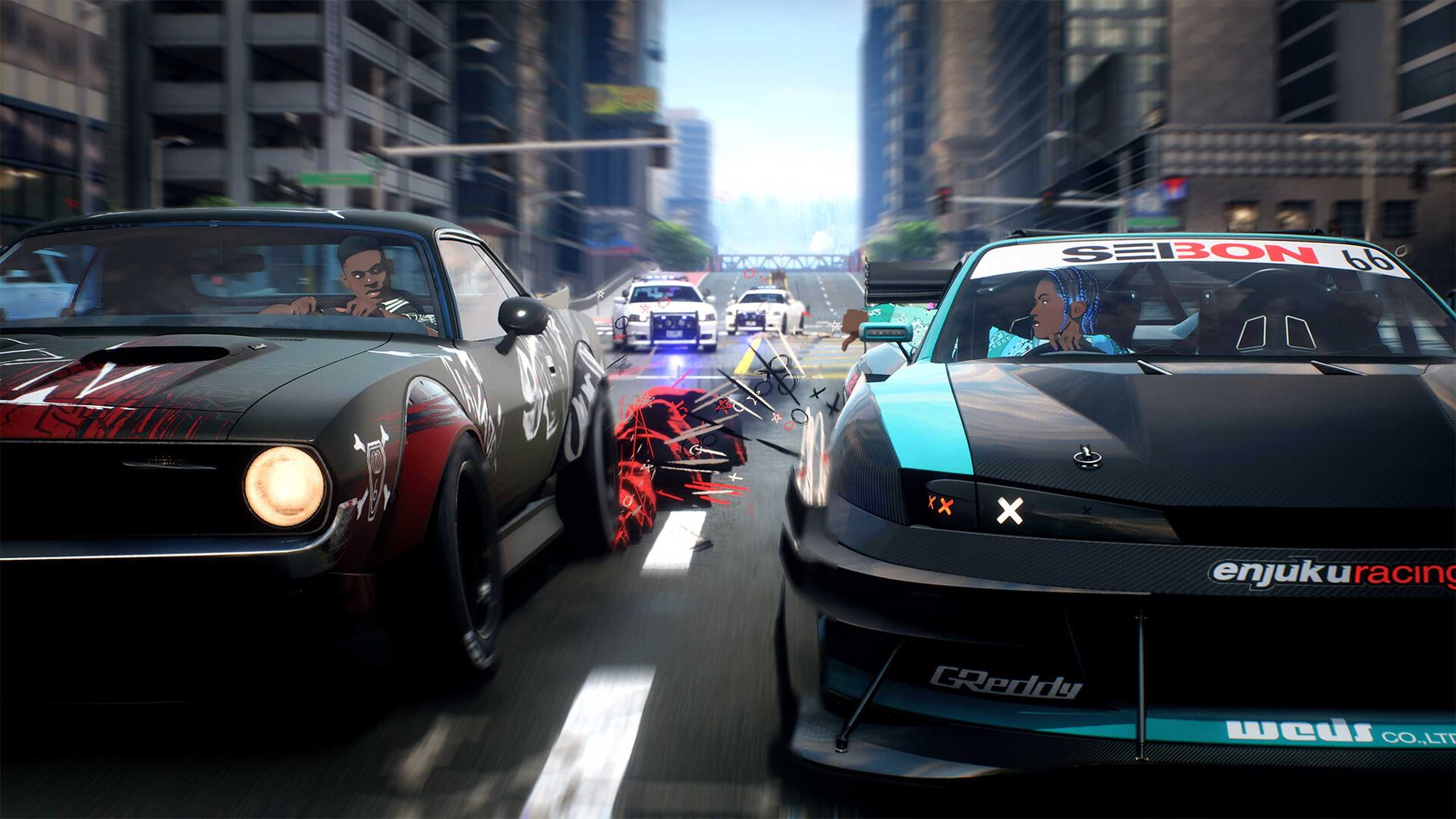
Source: Steam  Credit: PlayStation
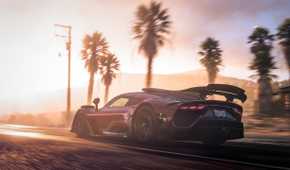
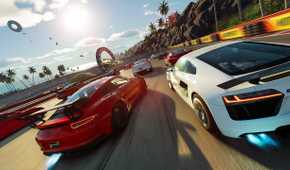

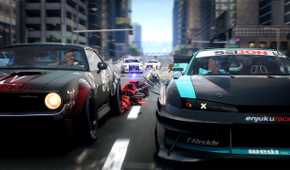

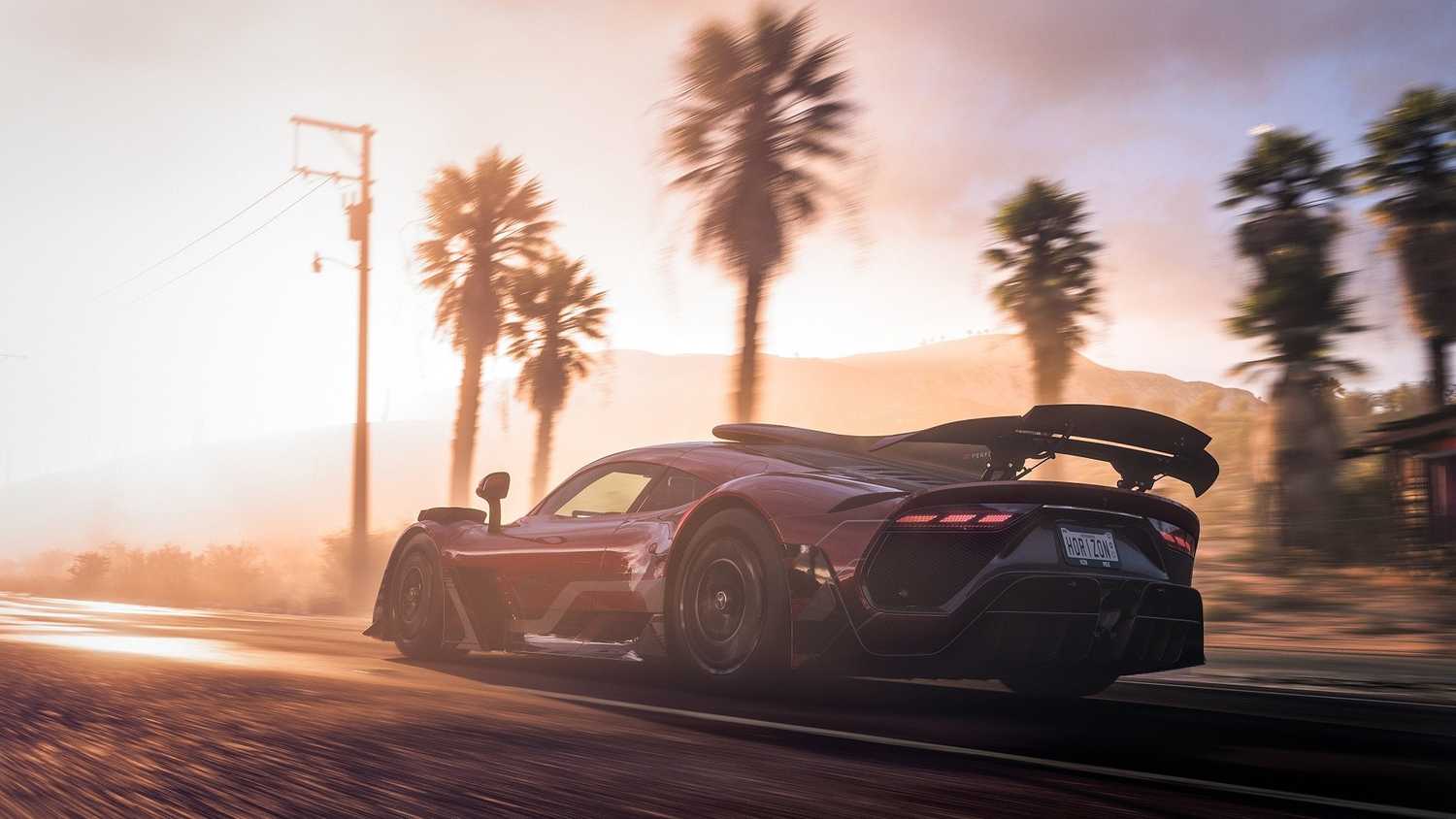
Here's the blunt truth: players don't finish racing games anymore, at least not in the traditional sense. I can't remember when I last decided to "stop playing" Forza Horizon 5 or The Crew: Motorfest. I just knew that once the achievement hunting was over, and a couple of my friends got over the games, I stopped playing, too. Now, games don't end so much as they just... fade.
And when there's no ending, there's no legacy, either. Hero cars need finales. Final chases, last races, and the credits rolling as the engine cools and the story settles. Endless games can't provide closure, and without closure, nothing becomes iconic. A car doesn't become a legend because you unlocked it. It becomes one when you say goodbye to it.
There's no longer "one cool thing" we all experienced together
The internet is now too vast for all players to care about one thing
Source: Steam 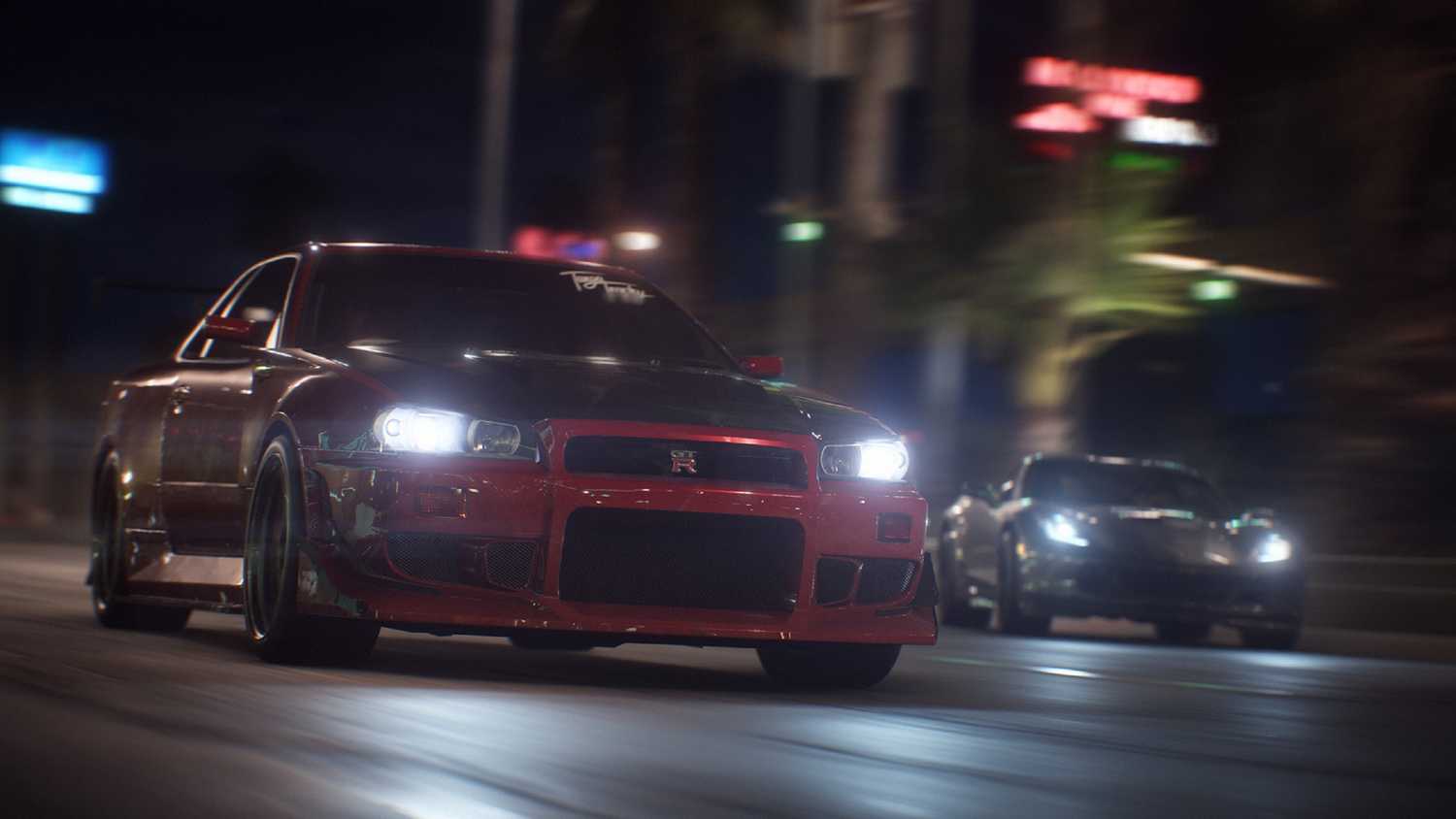
Source: Xbox Source: Steam 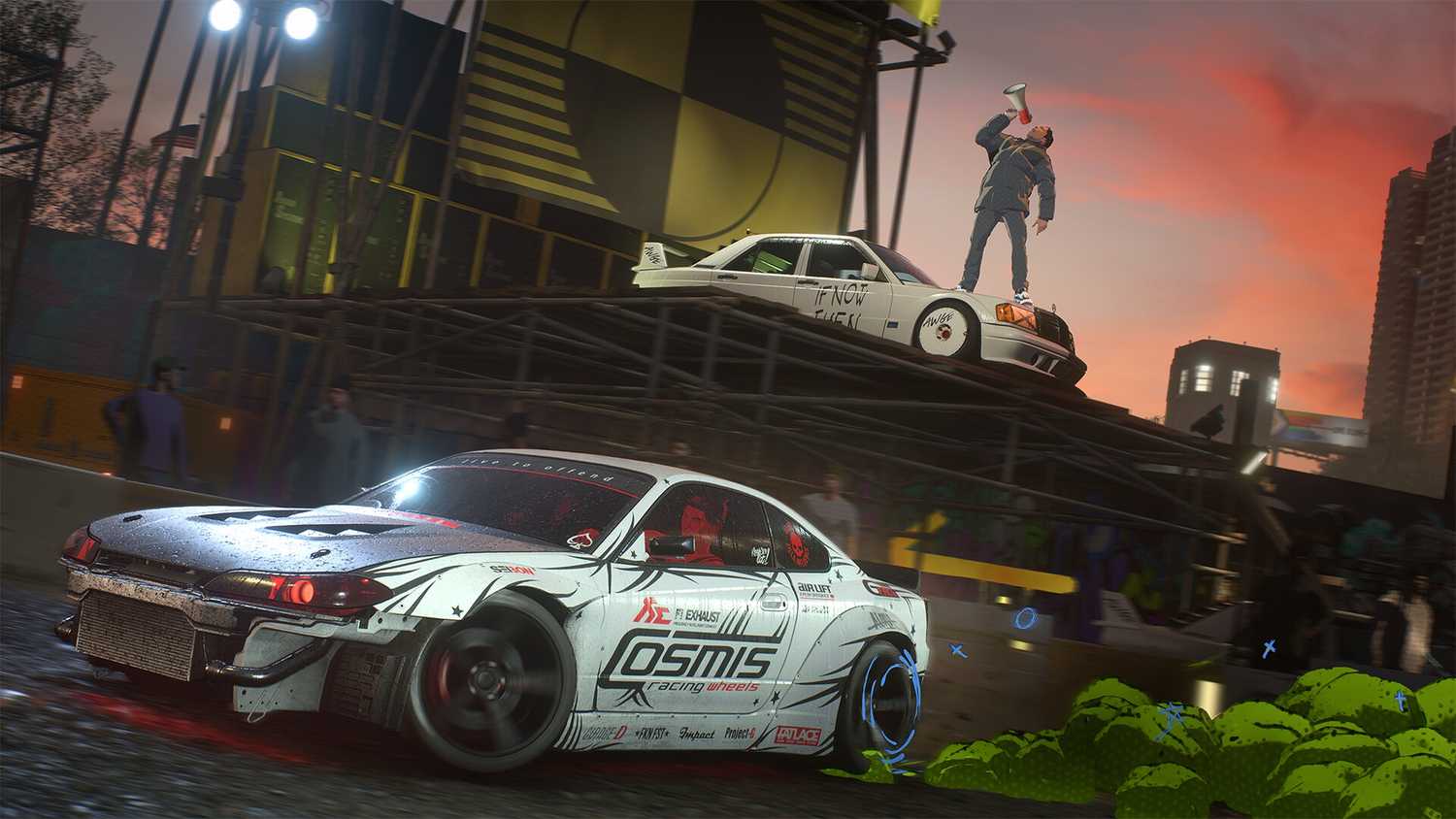
Source: Steam


Source: Steam  Credit: Source: Steam
Source: Xbox Source: Steam 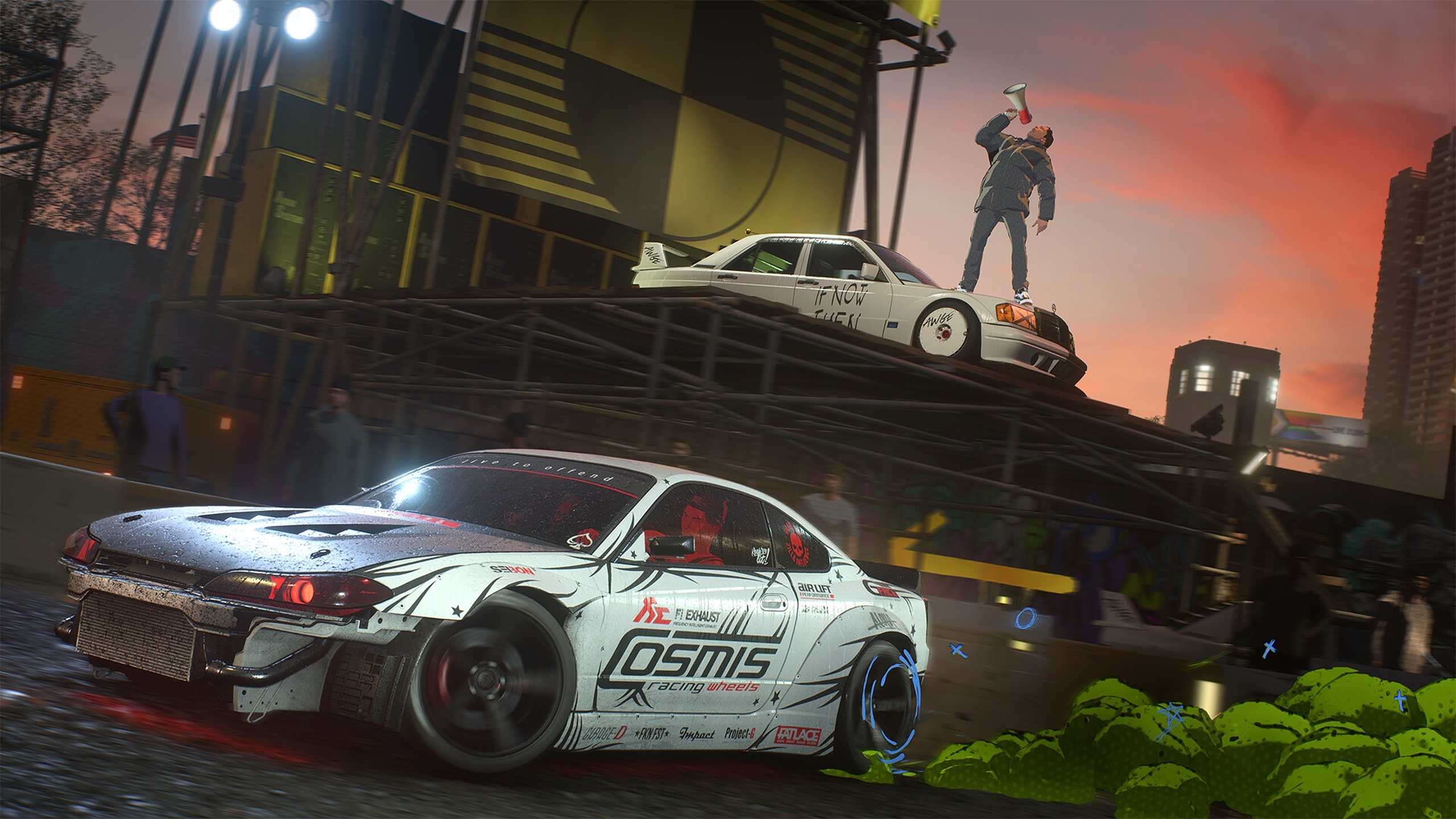
Source: Steam

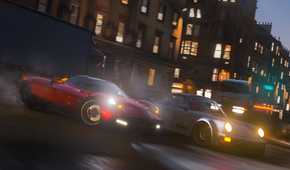
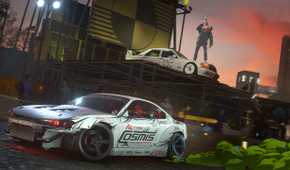
Everyone consumes media differently now, and the algorithm ensures it stays that way. We all have different feeds showing us different clips and moments going viral. There's no longer the thing you had to see, the one shared experience everyone talked about at school or online the next morning. There's no longer just a handful of gaming-centric forums or places to go to once you finish a game or started playing it, and that's only natural. After all, two decades' worth of internet growth has made the online world a far, far bigger universe than it once was in the early 2000s.
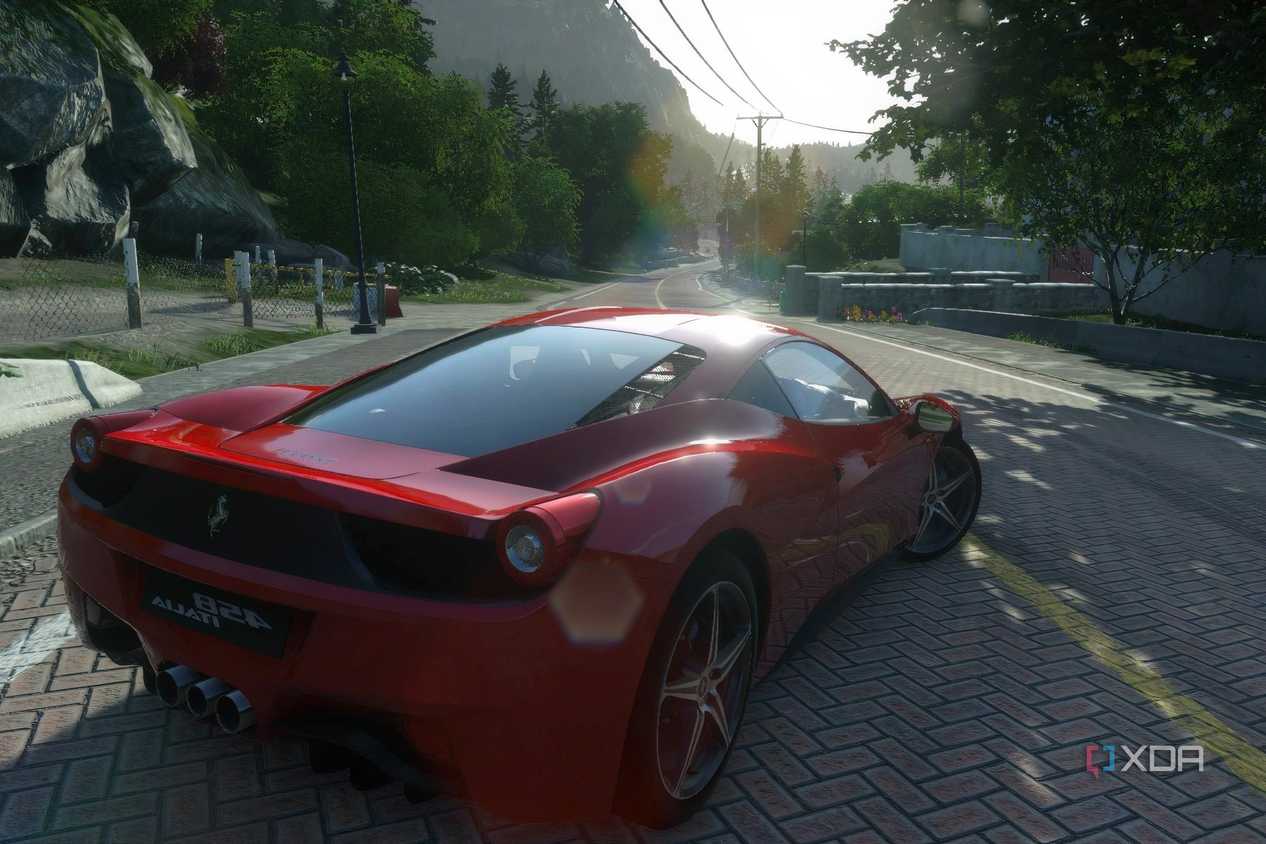
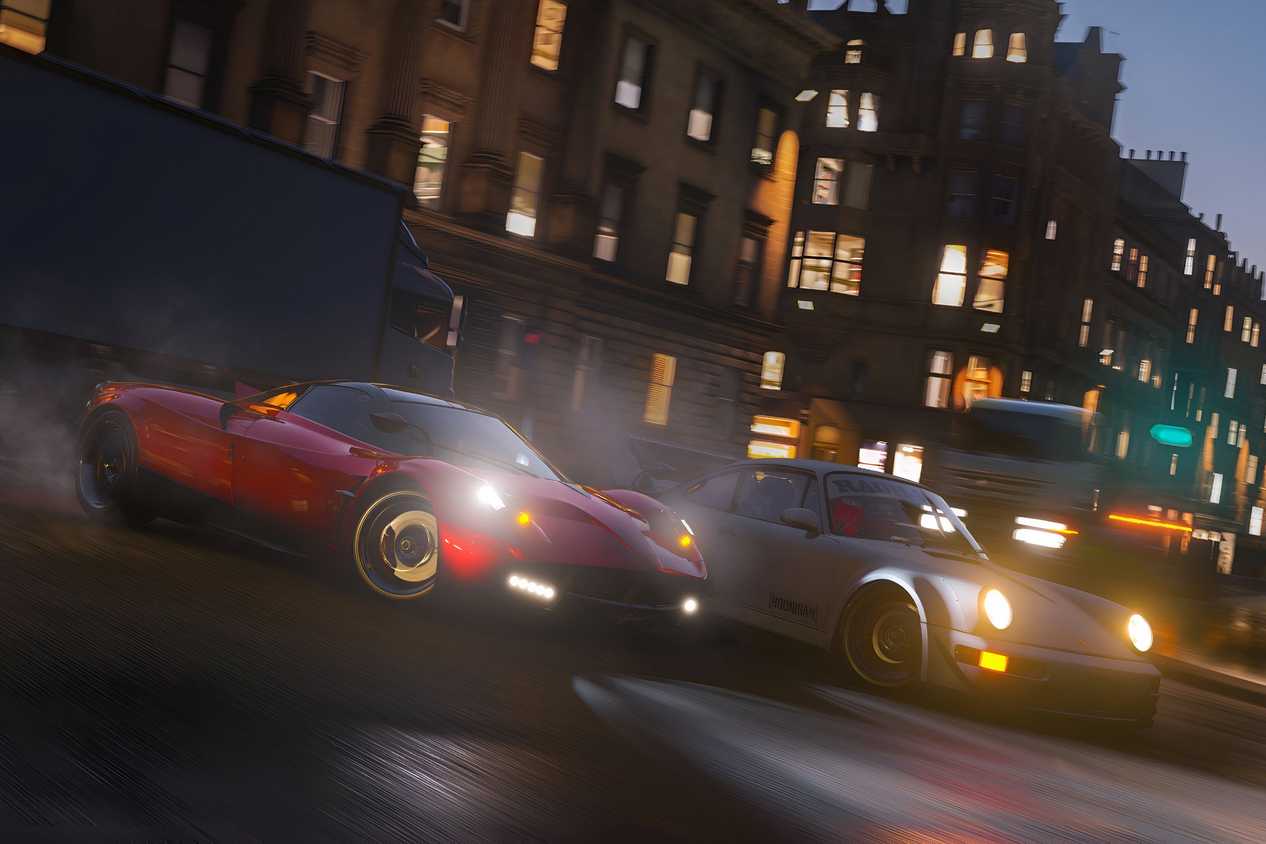
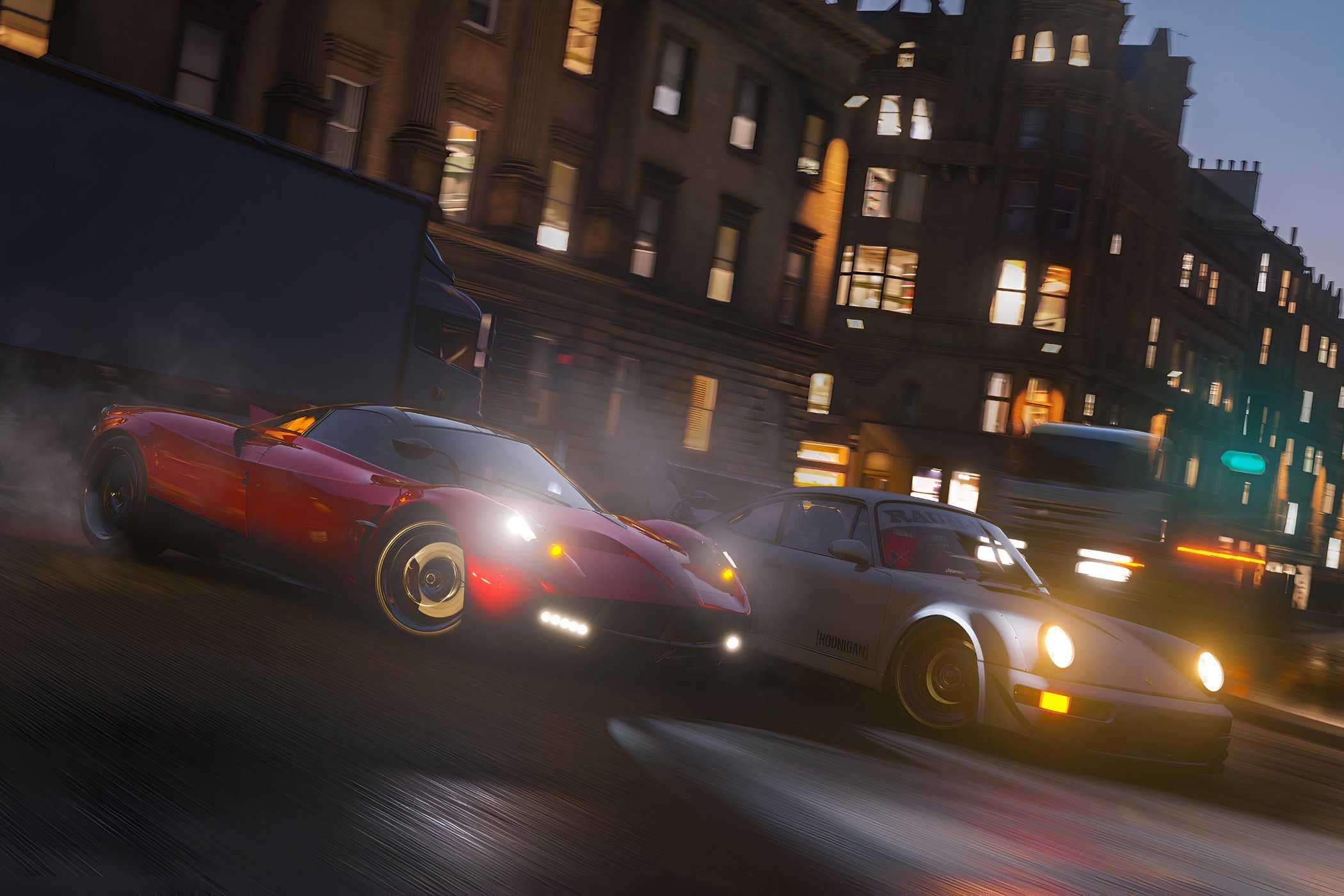
Hero cars, however, thrived in that very monoculture that isn't coming back. Everyone knew the M3 GTR from 2005's Most Wanted. Everyone remembered Brian's Supra. Today, racing games exist in fragmented bubbles, and nothing is allowed to loom large enough to become iconic. PlayStation's Gran Turismo series actively collaborates with car brands to build their future vision concepts, and none of those ever remain memorable enough to be mentioned in a hero car discussion. When everything is tailored, nothing becomes universal. Without that shared cultural weight, even the coolest cars fade the moment the next playlist rotates in.
Hero cars disappeared because racing games no longer allow attachment
Somewhere along the way, racing games forgot how to make us care.
The hero car didn't disappear because we, the players, stopped caring. Instead, it vanished because modern racing games stopped allowing attachment. Live-service systems, endless progression, and celebrity tie-ins have stripped racing of its soul. We've lost that car to dream of, that machine to aspire to, because we'll see hundreds of those the moment we open Instagram or YouTube.
Racing games look more incredible than ever, and they drive beautifully, but somewhere along the way, they sort of forgot how to make us care. And without that, no amount of horsepower would ever create another legend.
