


Display technology has changed a lot in the last few years. Many of the growing pains felt by both LCD and OLED displays have come and gone, and these technical strides have resulted in more good options for the average consumer. It's an excellent time to be in the market for a new display, but there's one type of display that really hasn't aged all that well.
TN (twisted nematic) panels are an older type of LCD technology well known for great response times and high refresh rates. While other types of displays have largely improved on their weaknesses, the downsides of TN panels have remained. Refresh rates might be ballooning, but unless you're trying to break reaction time records, there's little reason why you should be buying a TN LCD in 2025, and here are four reasons why.
4 Other types of displays are catching up with the refresh rate
It once was a strength, but now it's the norm

Once upon a time, TN panels were the only display technology that could push refresh rates over 100hz. If you want to be competitive in online PC shooters, having a screen with a high refresh rate is mandatory. Now, basically all display tech can deliver a high refresh rate with decent motion clarity. It's no longer a feat exclusive to TN panels, as IPS and even OLED screens can push rates well above 400Hz and look amazing.
3 Its advantage in motion clarity is starting to draw thin
Response times have only become better on other displays

TNs have begun to give up ground on another one of its core strengths: motion clarity. Refresh rates are important, but response times are also at the core of what makes a fast display that also has great clarity. Even though they're still quite strong for motion clarity, TN panels require strobed backlights to keep their lead in the motion clarity department. Strobed backlighting is excellent for delivering the best clarity and low response times, but it does restrict you from using things like HDR or any adaptive sync.
IPS displays have a pretty wide range of response times, but in the last few years they've managed to bring them in line with non-strobed TN panels. However, if we're talking response times, OLEDs simply blow everything else out of the water. This results in exceptional motion clarity while also being capable of HDR and adaptive sync. TNs just can't keep up.
2 Premium cost of OLED and IPS displays continue to fall
It no longer costs a fortune to own better display tech


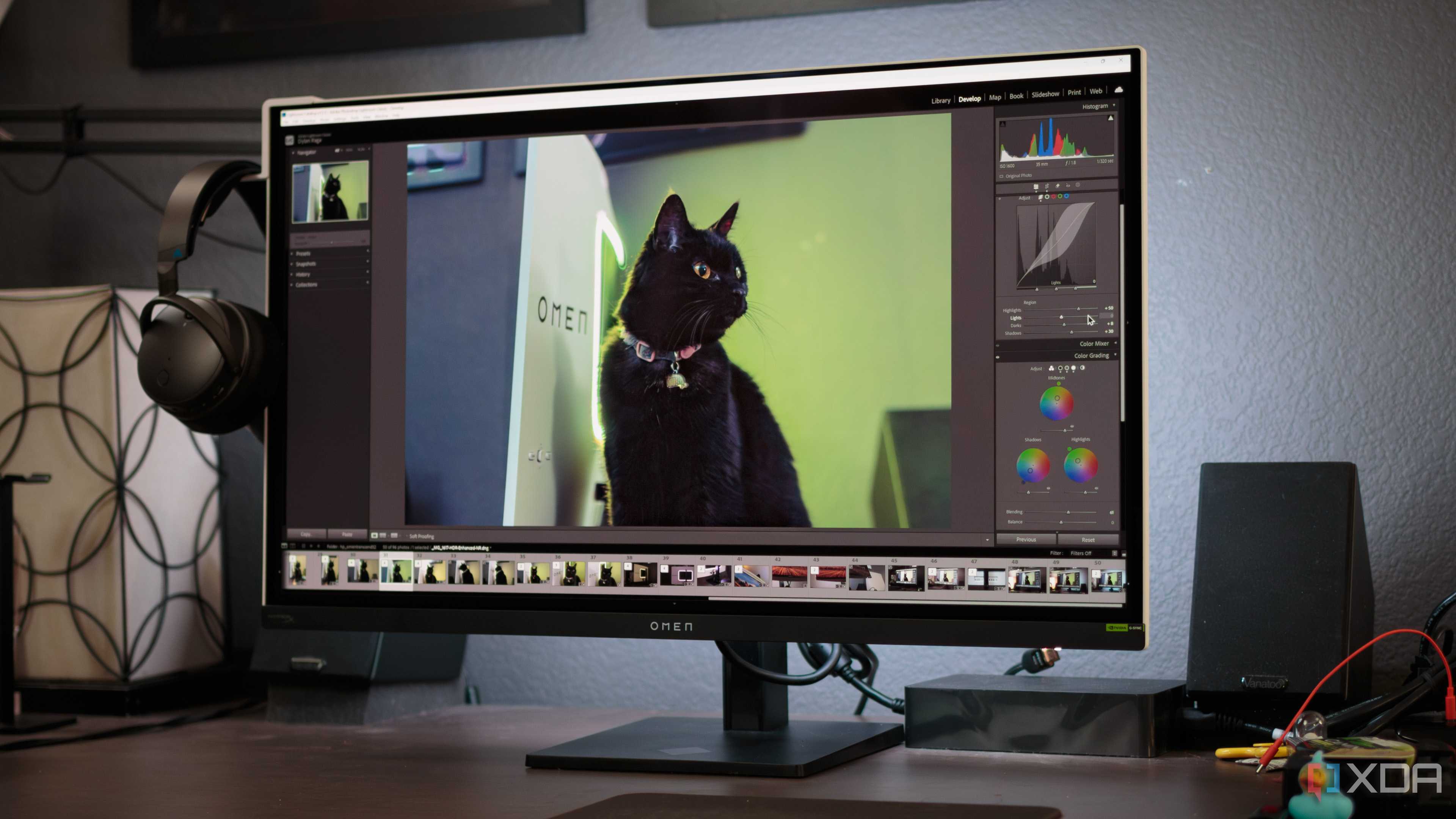
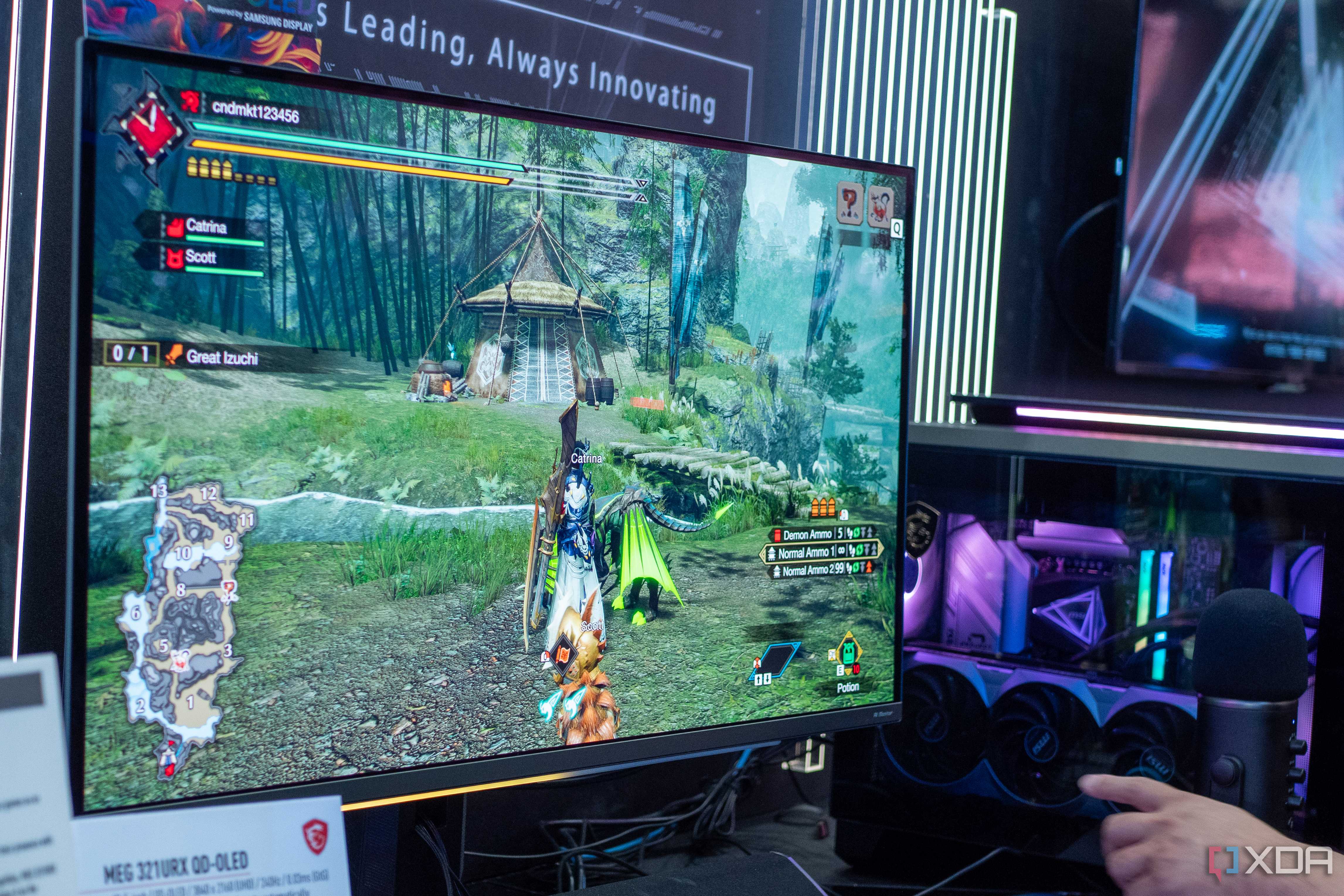
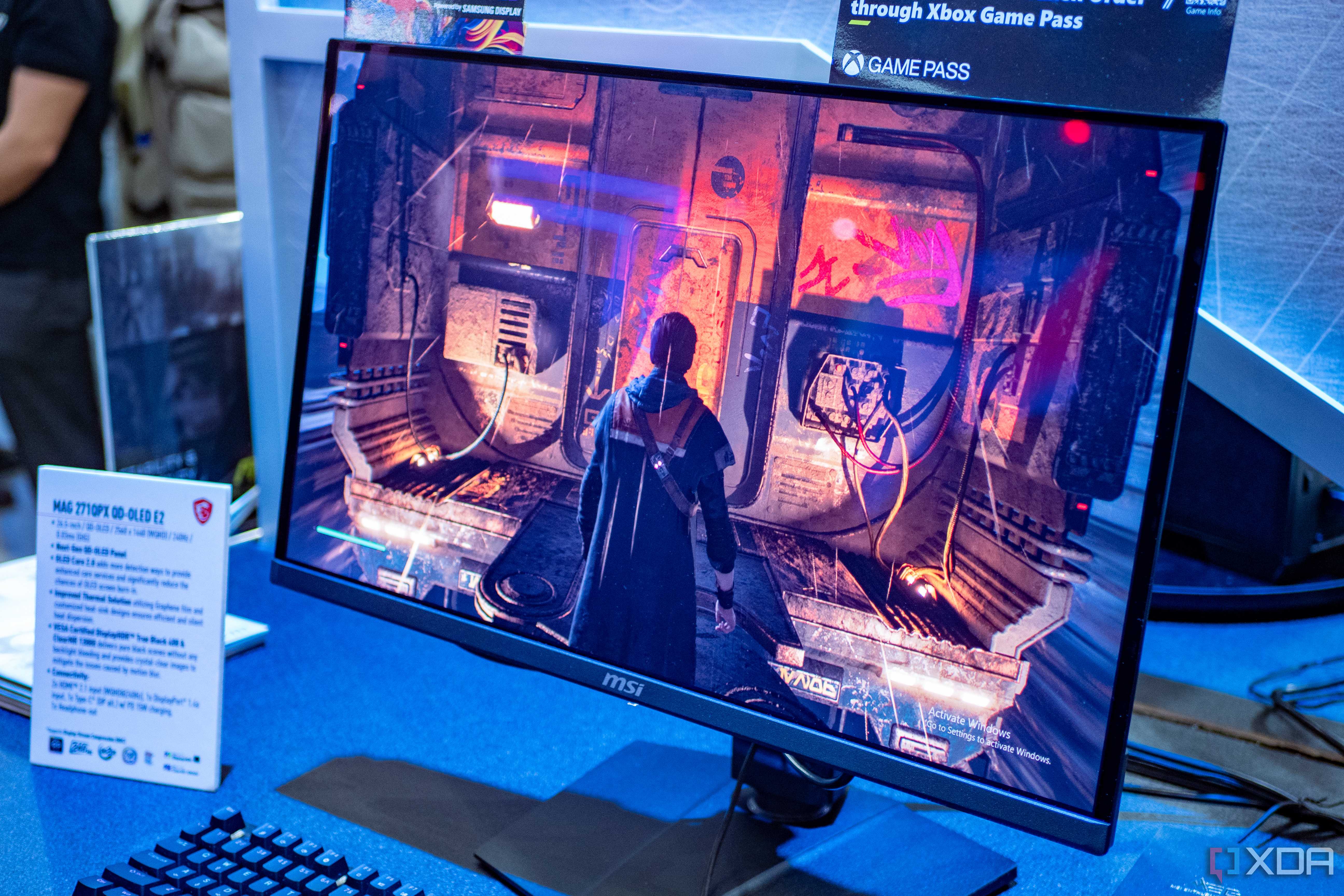
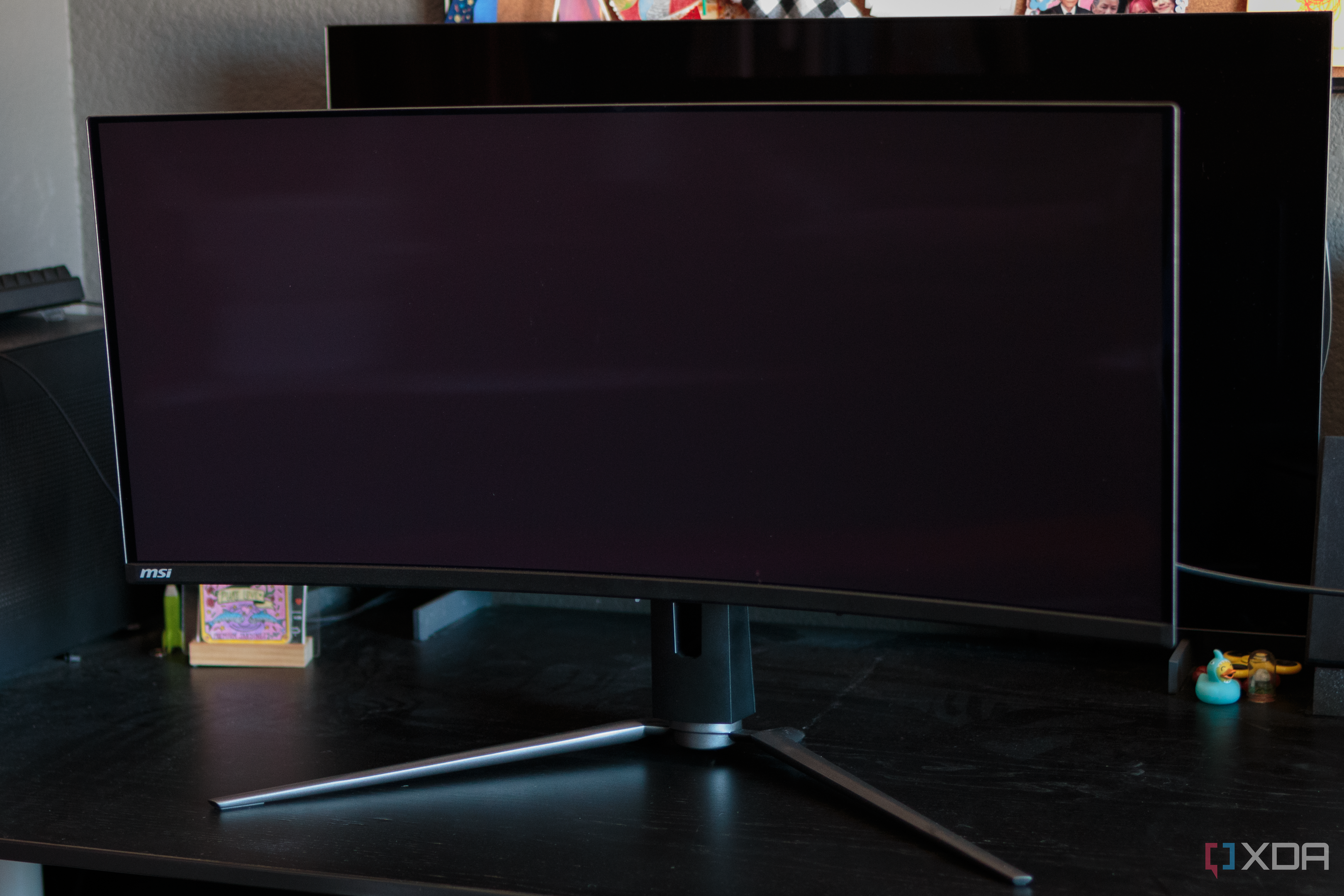



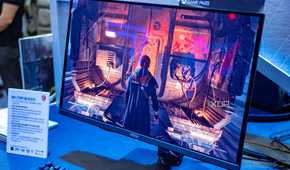
When they first launched, not only did OLED and IPS displays cost a pretty penny, but they weren't capable of as much. Now, IPS displays are ubiquitous, and OLEDs continue to drop in price as the technology progresses. Don't get me wrong, an ultrawide, high refresh rate, 4K display is still going to cost you, but it's not nearly as unreasonable as it once was.
The cost of ultra-high refresh rate TN panels is just not worth it for what they offer. Sure, you can have your 540hz display, but the price is still rather steep for a display that is most certainly reserved exclusively for esports pros. The drawbacks for any other kind of use are just too plentiful to justify the price of a TN.
1 Weaknesses of TN panels haven't been improved upon
The same contrast and viewing angle issues exist all these years later

Refresh rates have been cranked through the roof, but TN panels still suffer from horrible viewing angles and poor contrast ratios. These two factors are dealbreakers for anyone doing any kind of content creation. If you're doing any kind of color-sensitive work or are planning on using it as a secondary monitor, you're putting a TN outside its ideal operating zone. Some panels are better than others, but while OLED, IPS, and even VAs have improved, TNs are just a bit behind by modern standards.
TN panels no longer have any significant advantages over their counterparts
Aside from the budding esports professional, there's no reason to buy a TN panel as we're heading into 2025. OLED and IPS displays have improved enough to deliver a premium experience across nearly all dimensions, often at a less than premium price. Now is the perfect opportunity to explore new displays, especially with upcoming technology such as QDEL.
