


With the arrival of the PlayStation 4 and Xbox One, the console world moved over to (or in Xbox's case returned to) the x86 CPU architecture. The current generation of these consoles has stayed the course and it's largely been a success.
However, as Arm CPUs begin to make an impact in the world of laptops, are there any compelling reasons why future home consoles might make the switch to Arm? While I think it's not likely, there may be a few reasons the console giants could be swayed to another architecture.
4 Consoles have historically played around with architectures

While things on the PC side have been pretty stable since the IBM-compatible clones steamrolled the diversity of microcomputers, consoles have (until recently) gone their own way when it comes to architecture. Of course, things might have gone too far at some point, with the PlayStation 3 and its weird Cell Broadband processors. Which is probably why Sony decided to go to the tried-and-tested x86 platform. Interestingly, before the advent of x86 consoles in the last two generations, consoles have often used RISC CPUs such as the MIPS chip in the original PlayStation or the PowerPC processors in the Xbox 360. So, while Arm specifically hasn't featured in traditional consoles (Switch notwithstanding), the RISC architecture has been common.
Still, it would not be that surprising if a next generation console powered by Arm CPUs was announced, in the context of console history as a whole.
3 Consoles might be at their thermal limits

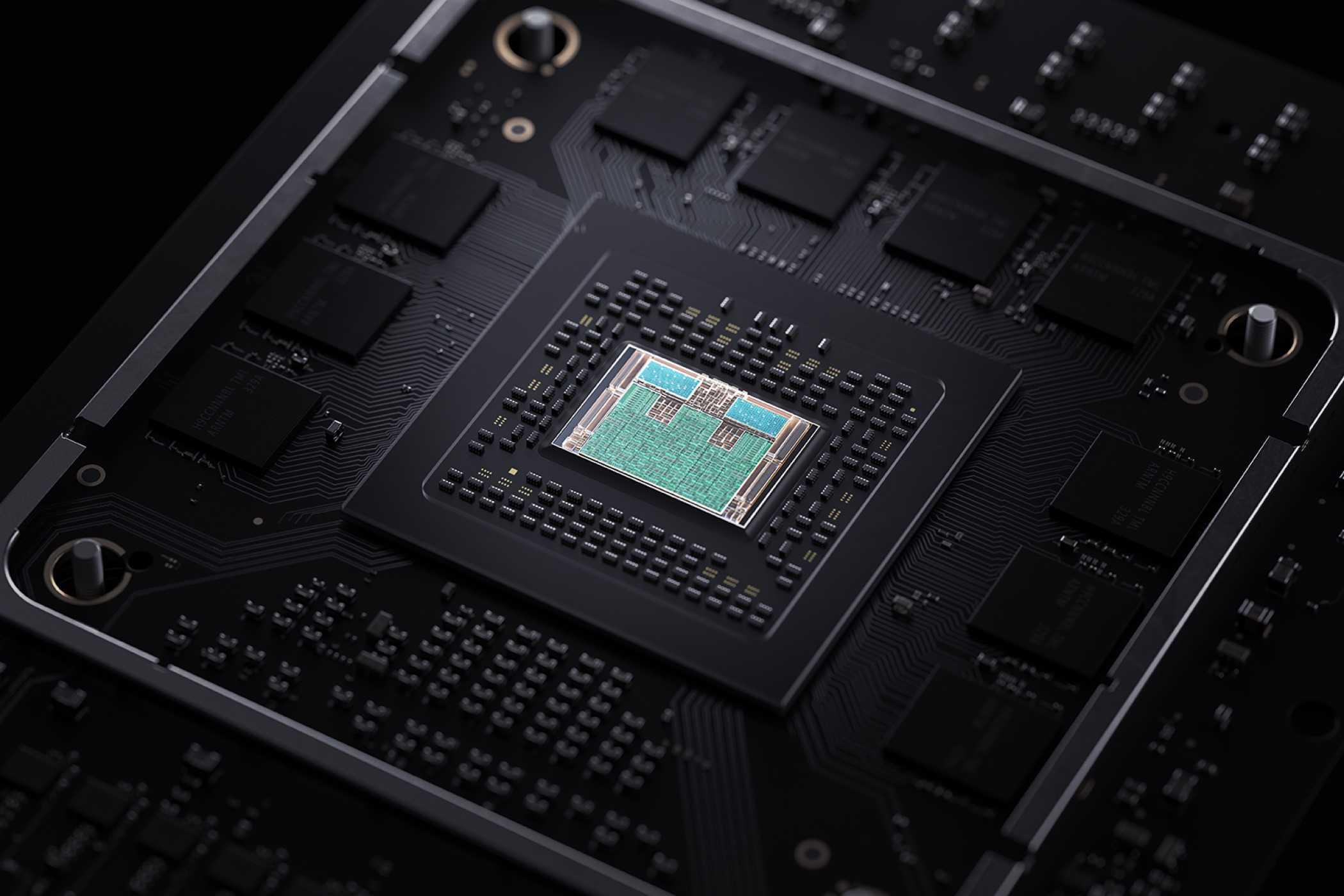
The PlayStation 5 and Xbox Series X both use around 200 to 220 watts under load, which seems to be the limit for their form-factor and cooling systems. Both of these consoles need sophisticated cooling solutions to keep things quiet and under control, and it's not clear how the next-generation of consoles will get a worthwhile performance increase while still having similar power and cooling constraints.
Now, there have been challenges to the claim that Arm is inherently more power efficient, but ultimately the proof is in the pudding. There are countless examples of Arm computers with much lower power consumption compared to x86 systems of similar performance. While x86 could be made much more efficient, it would require significant investment.
2 Arm CPUs have more than enough performance now

Arm CPUs have been powering our mobile phones for decades, and for most of that time they haven't been very performant. That was OK, because we didn't need them to do much, as long as our batteries lasted long enough to get through a day. However, over time, and especially with the advent of smartphones, the phones kept getting more powerful without the massive increase in power consumption.
Today, even mid-range phones have way more processing power than the average person needs, and higher-end devices can compete with desktop CPU performance under some conditions. Plug an Arm CPU into the wall, and it can easily meet the needs of console video games. After all, Apple Silicon processors are no slouches, and the latest Snapdragon Elite laptop CPUs are right up there for pure CPU performance.
1 Compatibility layers can work well (in a walled garden)
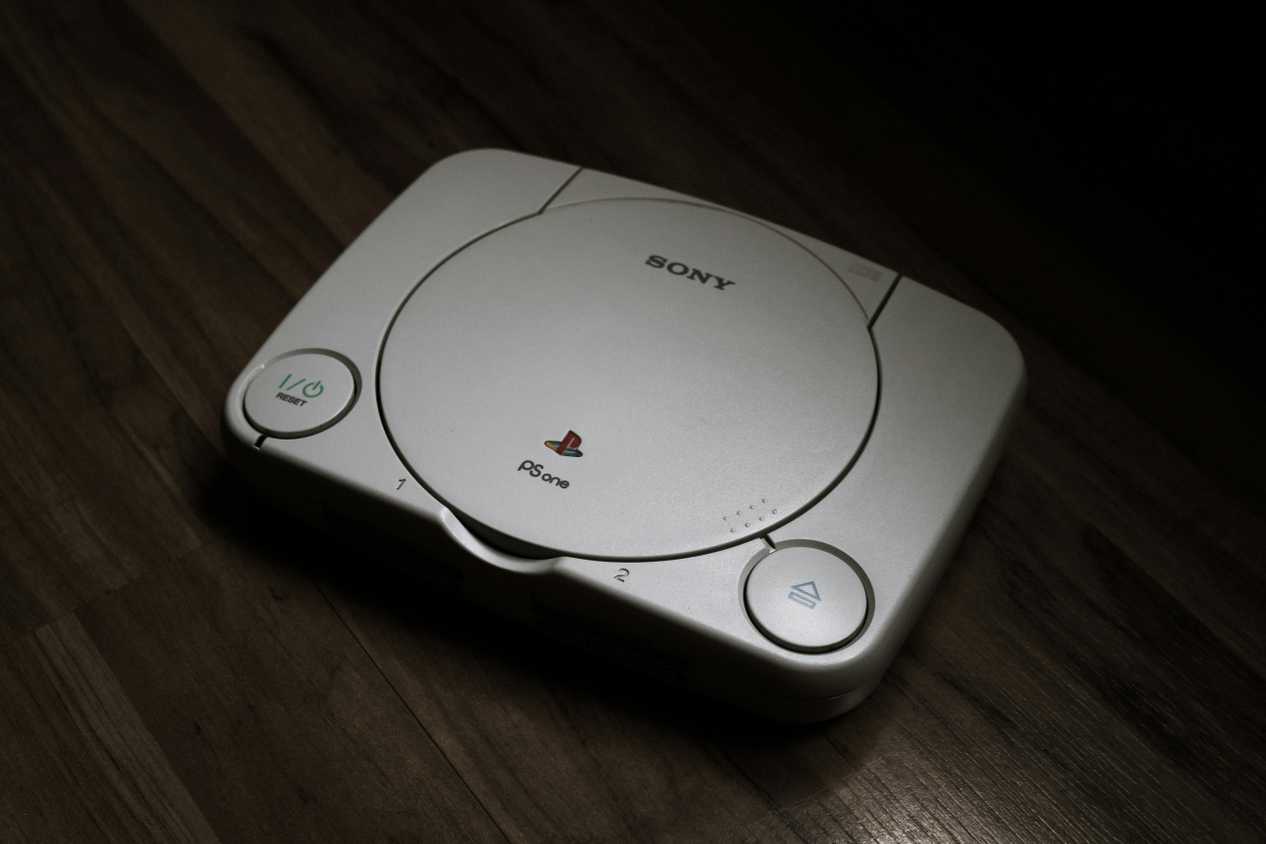
Photo by Cláudio Luiz Castro on Unsplash 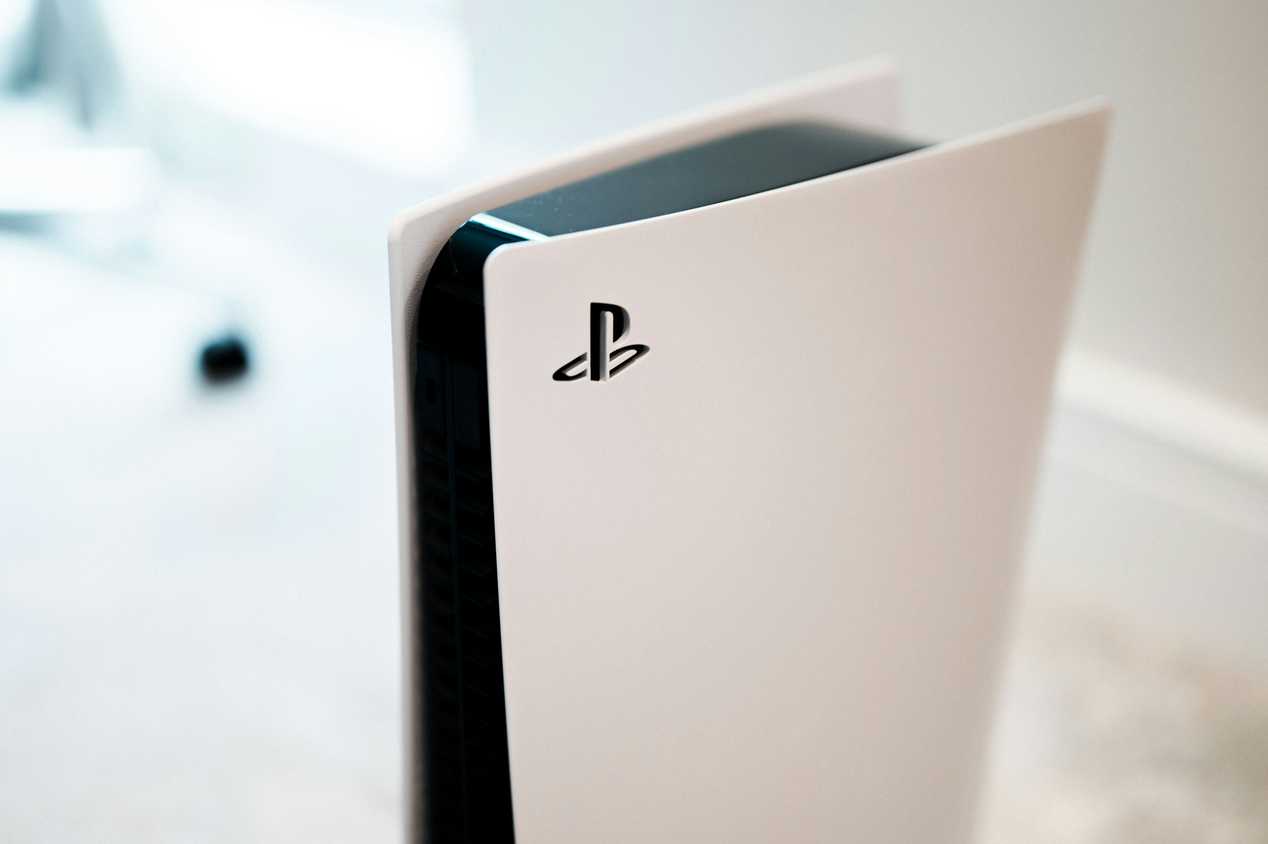
Source: Unsplash 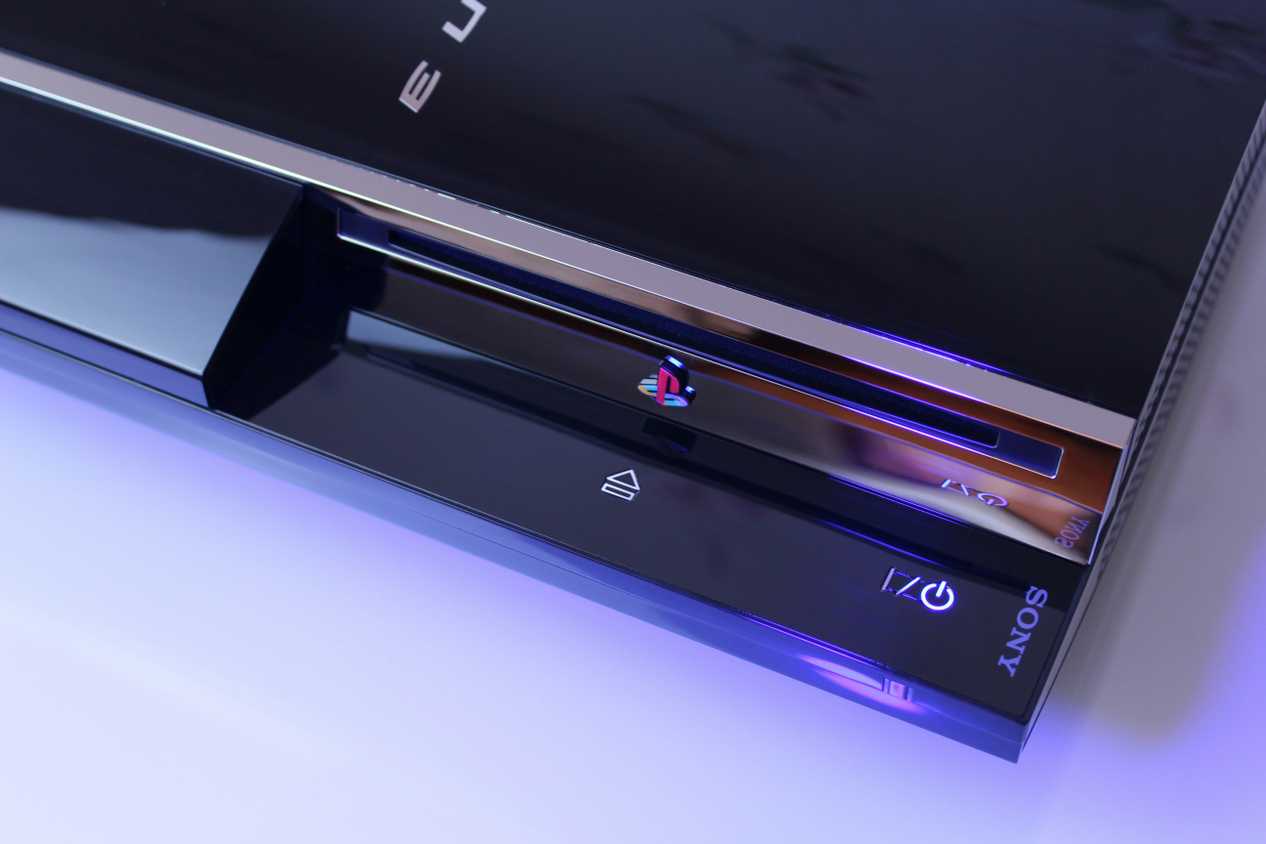
Photo by Nikita Kostrykin on Unsplash 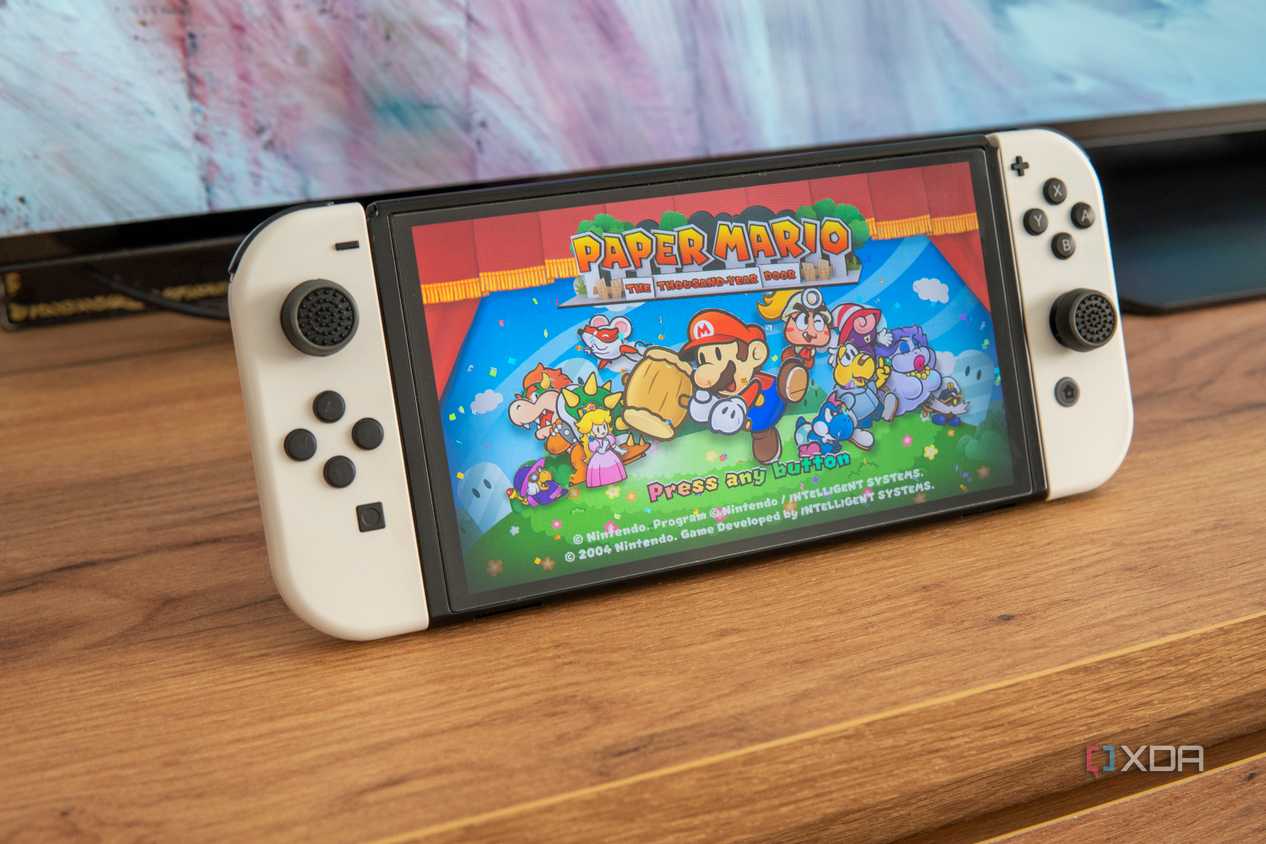
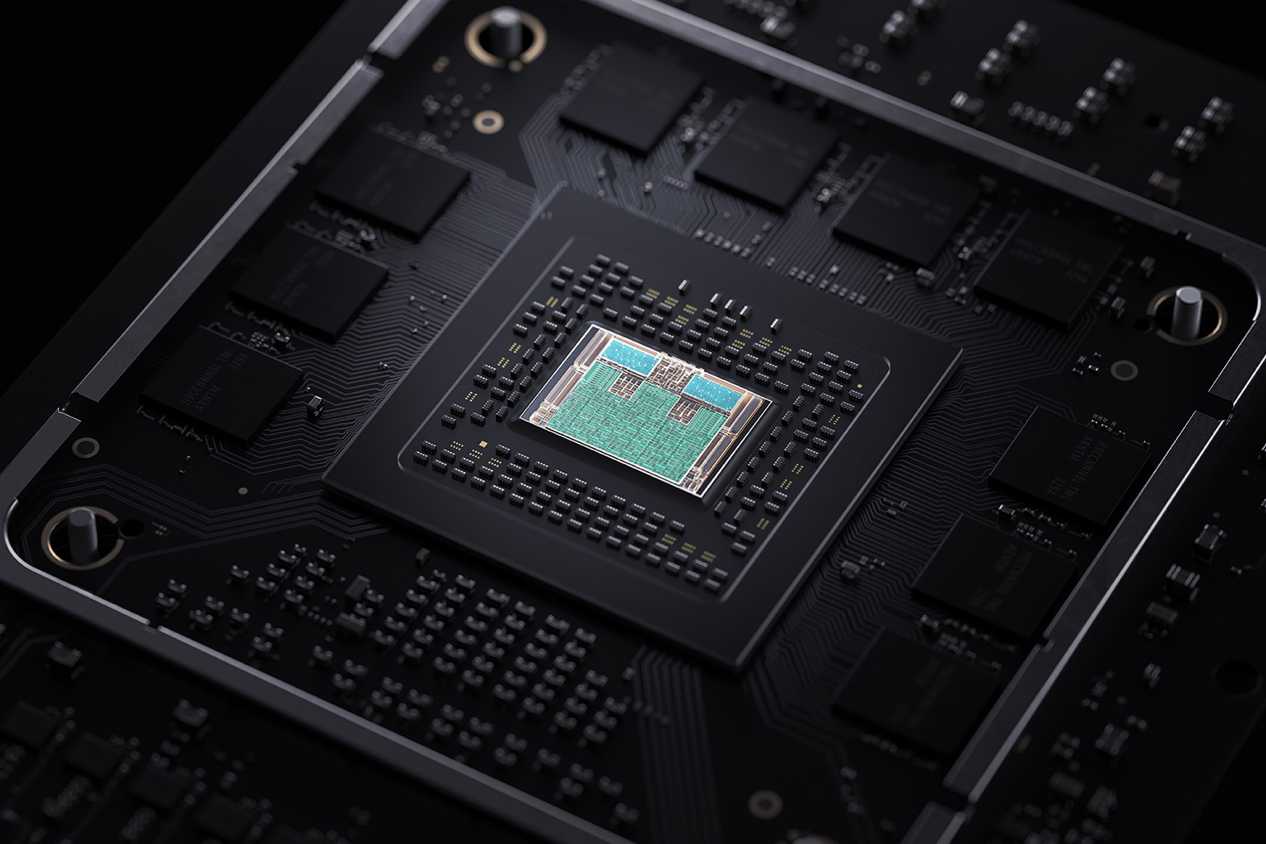
Source: Xbox


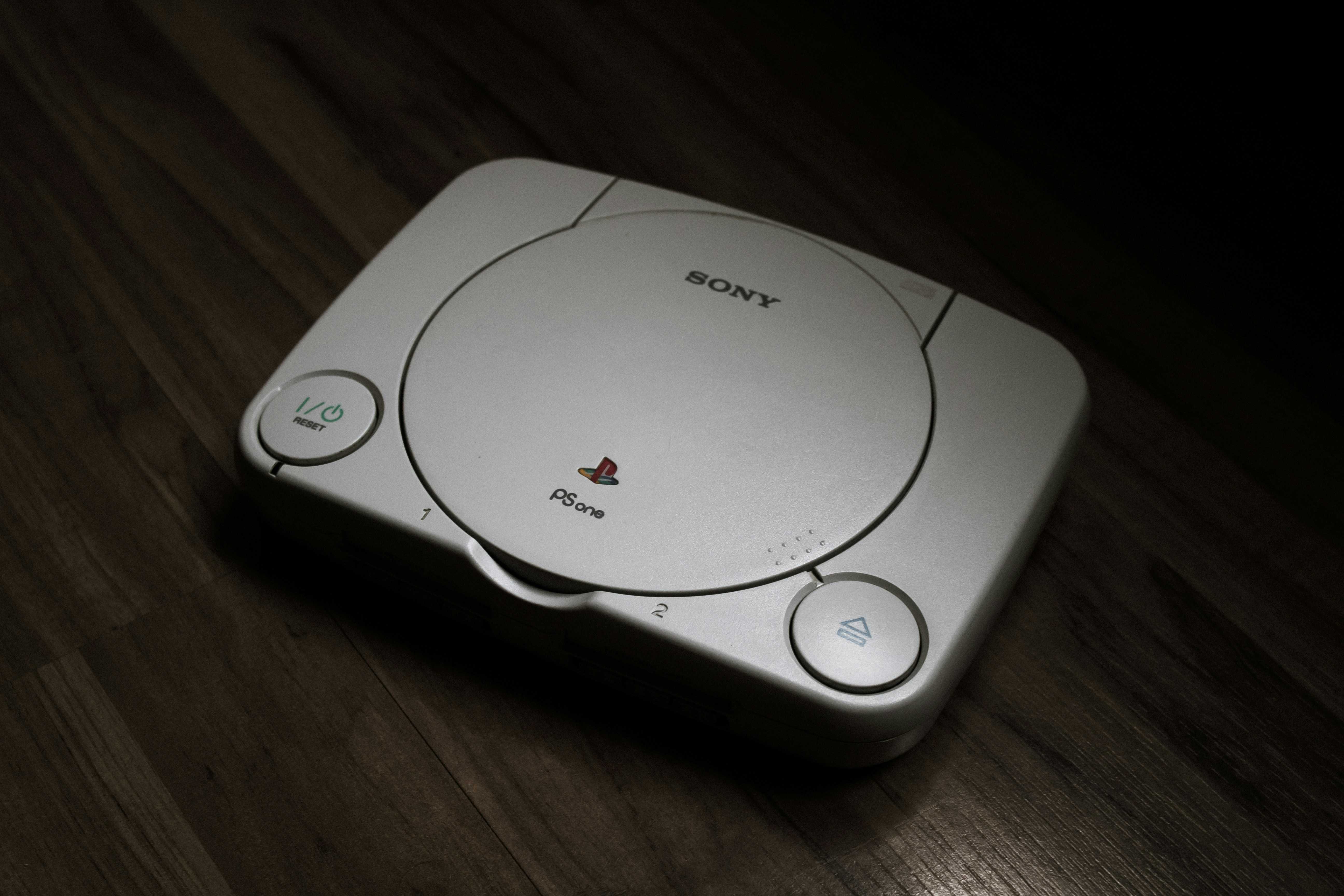
Photo by Cláudio Luiz Castro on Unsplash 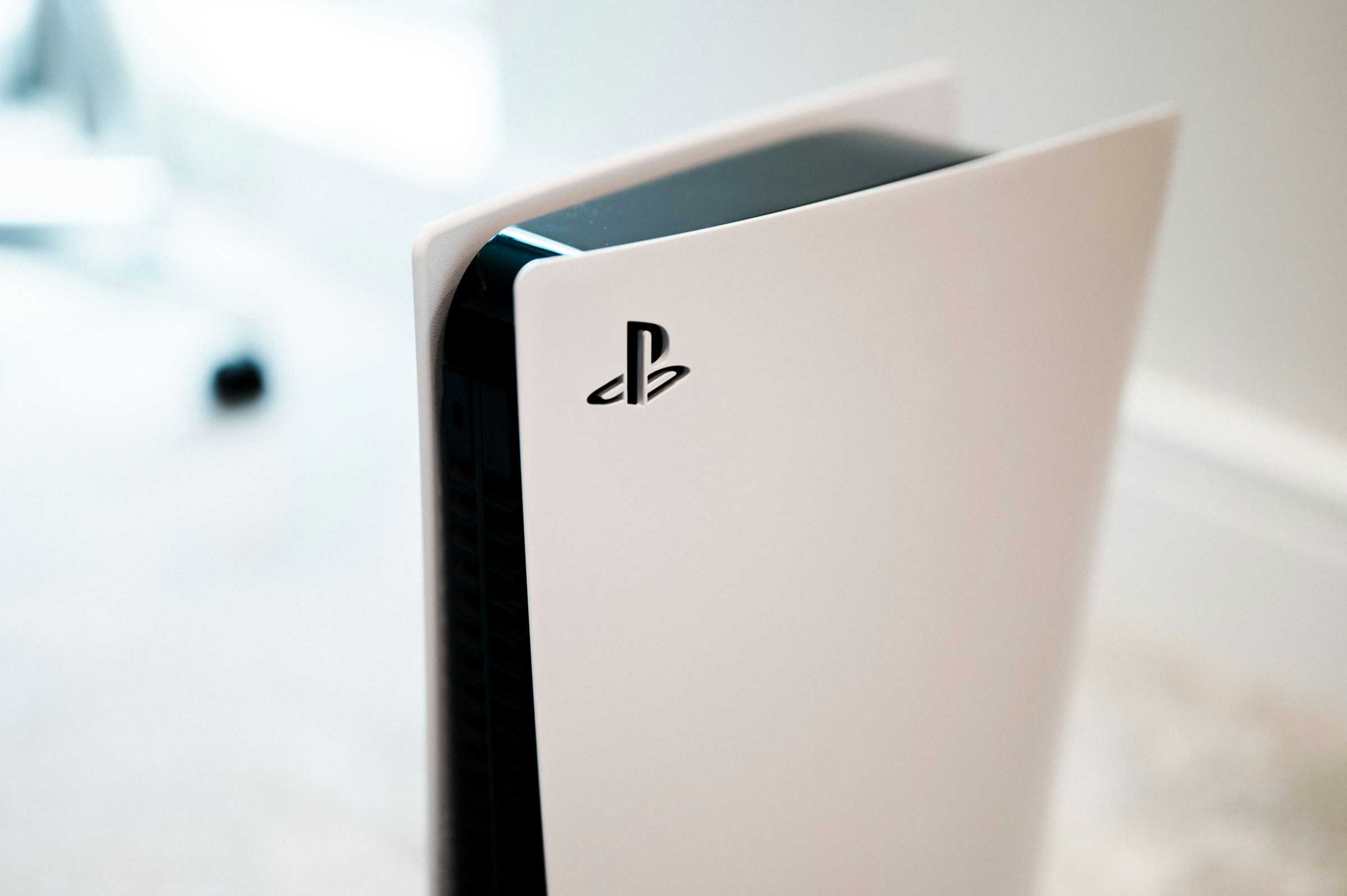
Source: Unsplash 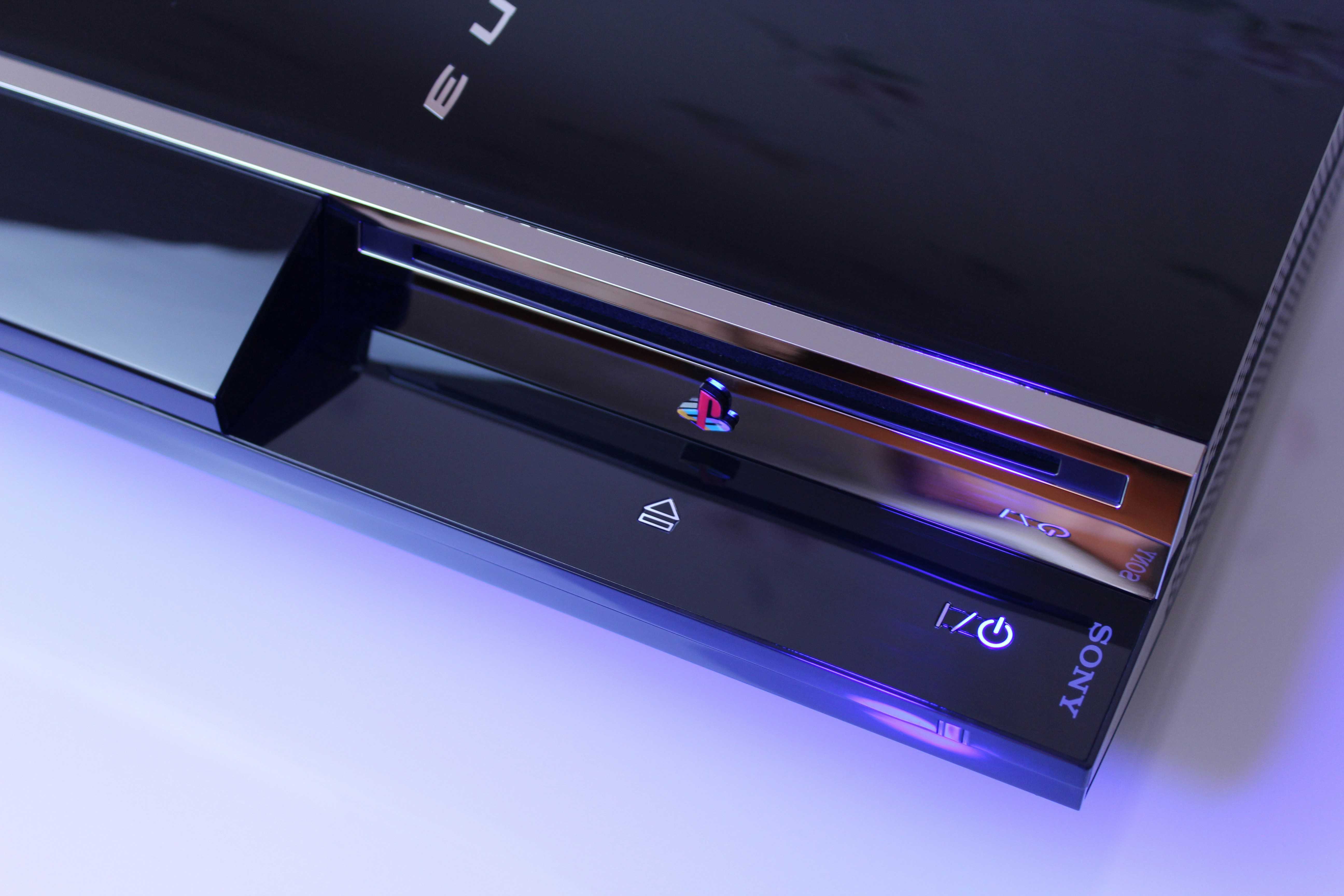
Photo by Nikita Kostrykin on Unsplash 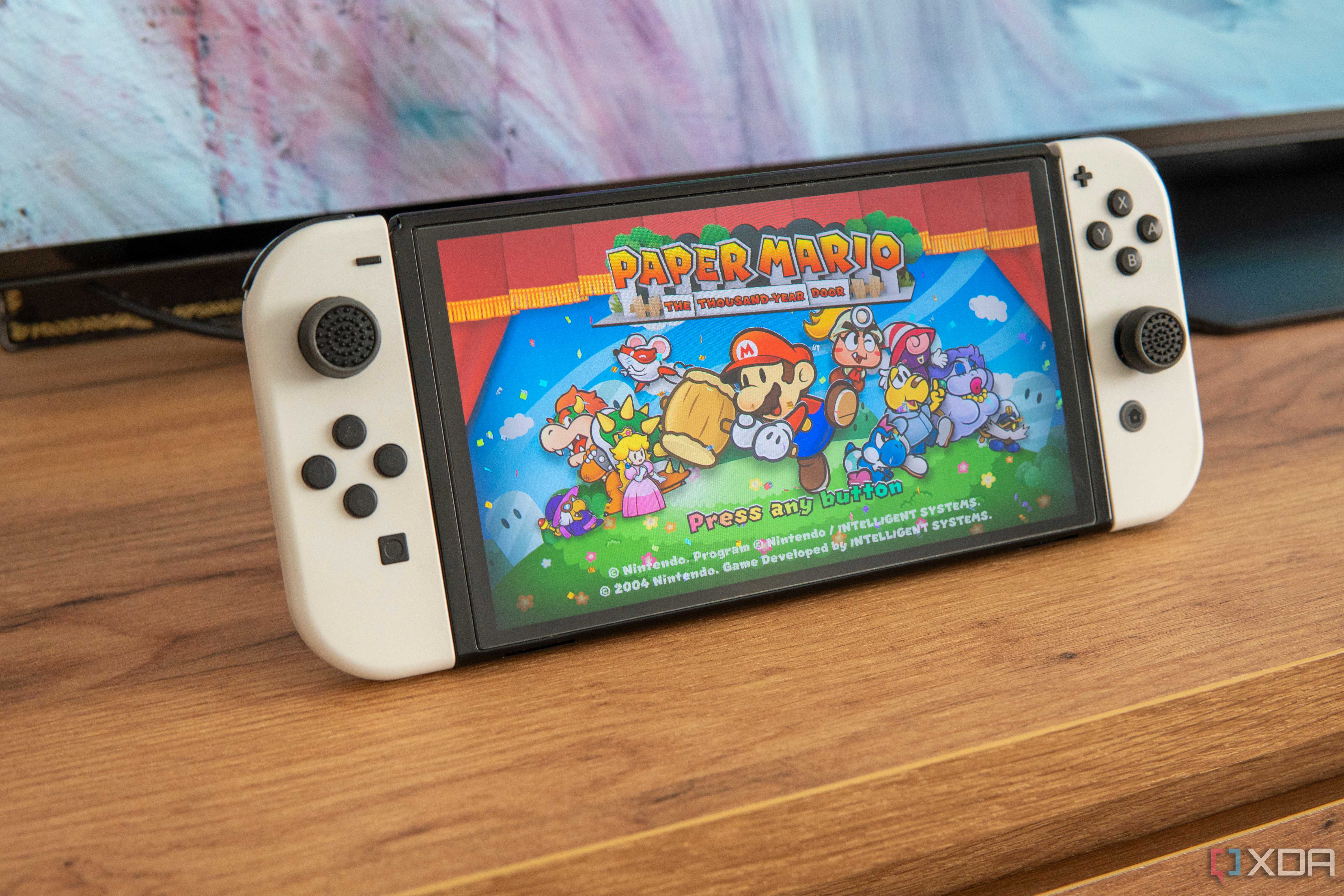
Source: Xbox




Backward compatibility is always a hot topic when it comes to gaming consoles. Players want to have the freedom to sell their previous console, but not lose access to the game collection they've built. This feature has been hit-and-miss over the years. The PlayStation 5 has virtually perfect compatibility with PlayStation 4 games, and the same goes for the Series X and Xbox One games. The PlayStation 4 and 5 can't play or even emulate PlayStation 3 games, because of those major architectural differences.
So if future consoles switch to Arm, what happens to the concept of backward compatibility? Well, there are different examples of varying quality. Apple leads the way here with its Rosetta 2 compatibility layer, which manages to run most x86 macOS apps, including AAA games, with minimal performance overhead. Of course, if we look over at Windows for Arm, and its Prism solution, things don't look as rosy. However, Apple has the same advantage that console makers have —complete control over the hardware and operating system. So it's feasible, in principle, that Arm consoles could run the x86 software from the previous generation of systems.
It probably won't happen
While anything is possible, and there's no denying the impact that Arm is having on the personal computing space, it's still not likely that the major console makers will move to Arm. Only Nintendo, with the upcoming Switch successor, will stick with Arm since its console has moved to a hybrid mobile design. After all, the 3DS and DS already used Arm CPUs. So did Sony's PlayStation Vita for that matter. As for home consoles, the ill-fated Ouya counts (for better or worse), as does the Nvidia Shield, but that's pretty much a screenless Switch with higher clocks.
However, the Switch does bring up an interesting point in regard to developer support for Arm consoles. By and large, it seems that developers have been perfectly happy to develop or port Arm versions of their games for the Switch, and as such, I don't think there would be any major pushback from game developers if Sony or Microsoft were to, er, switch over. In which case, we could have slimmer, quieter, and less power-hungry consoles nestled under our TVs one day.
