


Smart homes rarely stay simple for long. A couple of smart plugs and bulbs can quickly turn into dozens of devices spread across different apps and ecosystems. At that stage, managing everything becomes fragmented and unreliable. Home Assistant is built for this exact point, when a smart home needs structure, flexibility, and a system that can scale without getting in the way.
Total local control over everything
Your smart home runs on your terms


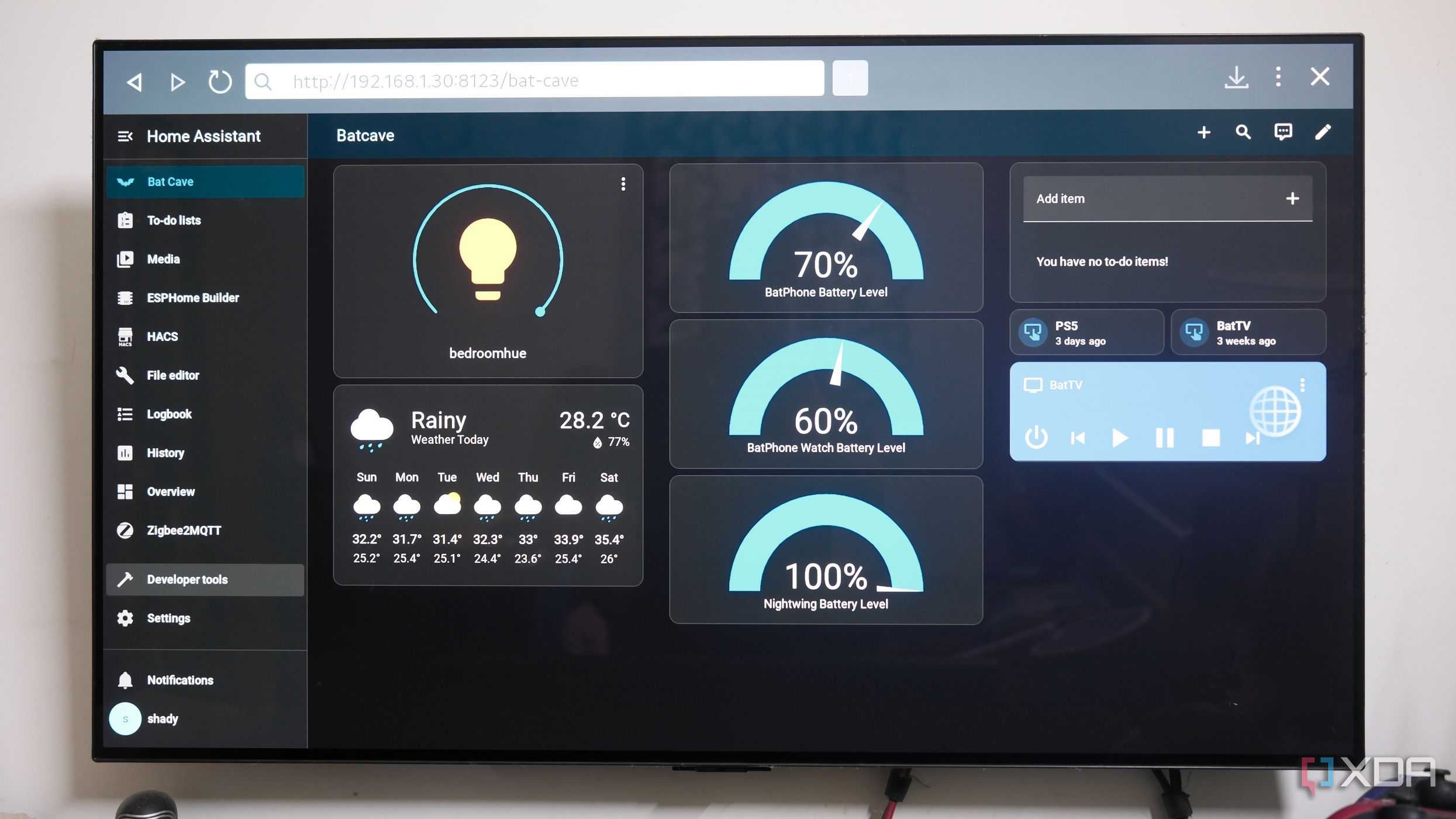








Home Assistant gives you genuine local control over your smart home. Automations continue to run even if your internet connection goes down or a cloud service experiences issues. Lights, sensors, and switches respond because the logic resides within your network. That reliability becomes increasingly essential as your smart home takes on more daily responsibilities.
Local control also improves responsiveness across the entire system. Motion sensors trigger lights almost instantly, rather than waiting for remote servers. Switches feel immediate and dependable every time you press them. Those small gains add up and noticeably improve day-to-day usability.
Privacy is another significant benefit of keeping things local. Home Assistant minimizes the amount of data that leaves your home. Schedules, routines, and sensor readings remain under your control rather than being shared by default. For many users, that sense of ownership alone justifies the switch.
One platform for every device
Stop juggling apps and ecosystems

Most smart homes end up scattered across multiple apps and brands. Each new device adds another login and another interface to remember. Home Assistant brings everything together into a single dashboard that actually feels coherent. Managing your smart home becomes simpler once everything lives in one place.
The platform supports an enormous range of devices. Popular consumer brands, niche hardware, and DIY projects can all work side by side. You are no longer locked into a single ecosystem simply because of an early purchase. That flexibility makes future upgrades far less stressful.
This unified approach also protects your setup over time. If a manufacturer discontinues a service or product, your smart home does not immediately stop working. Home Assistant acts as a stable foundation that outlives individual vendors. That long-term stability is hard to find elsewhere.
Automations that actually feel smart
Logic that adapts to real life


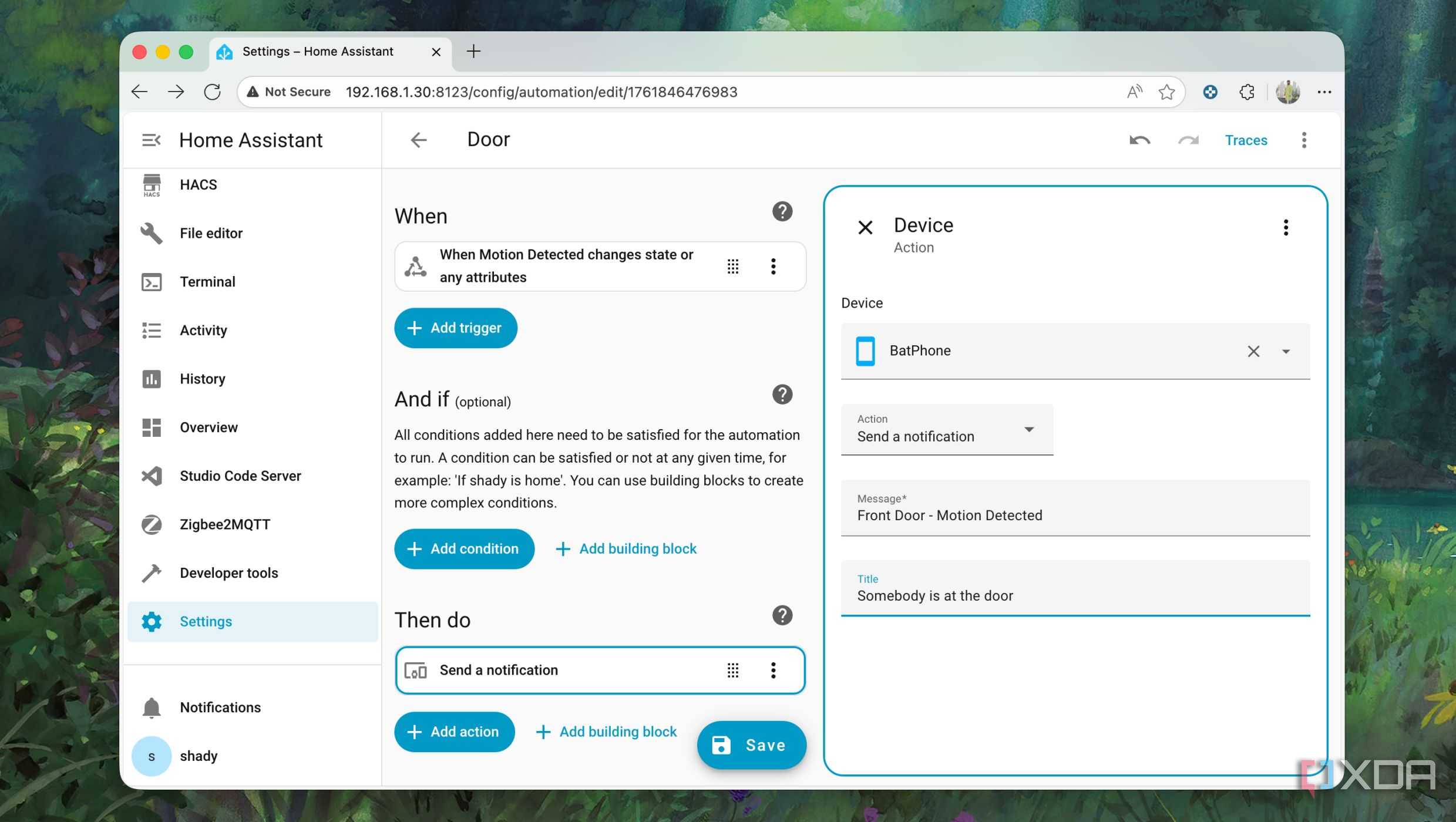





Home Assistant automations go far beyond simple on and off rules. You can combine time, presence, sensor data, and conditions into logic that mirrors real life. Lights can behave differently depending on the time of day or who is home. Heating and cooling can respond dynamically instead of following rigid schedules.
These smarter automations reduce the need for manual interaction. You stop opening apps just to make small changes. Instead, your home quietly responds on its own. That shift is what turns a smart home from a novelty into something genuinely helpful.
The platform also encourages gradual improvement. You can start with simple automations and refine them over time. Nothing forces complexity before you are ready for it. That flexibility makes experimentation feel safe and rewarding.
Deep customization without vendor limits
Build dashboards and controls your way

Home Assistant lets you customize dashboards to match how you think. You decide what information matters and how it is displayed. Frequently used controls can stay front and center, while less critical devices remain tucked away. The interface adapts to your habits instead of forcing you to adapt to it.
Customization goes beyond visuals as well. You can create virtual switches, device groups, and helper entities to simplify complex setups. These tools hide complexity behind clean and logical controls. Over time, your smart home becomes easier to understand rather than more confusing.
Most of this customization does not require coding. Visual editors handle most day-to-day needs. Advanced options are there if you want them, but they never block basic usage. That balance keeps the platform powerful without being intimidating.
Works with inexpensive hardware
Powerful automation without expensive hubs


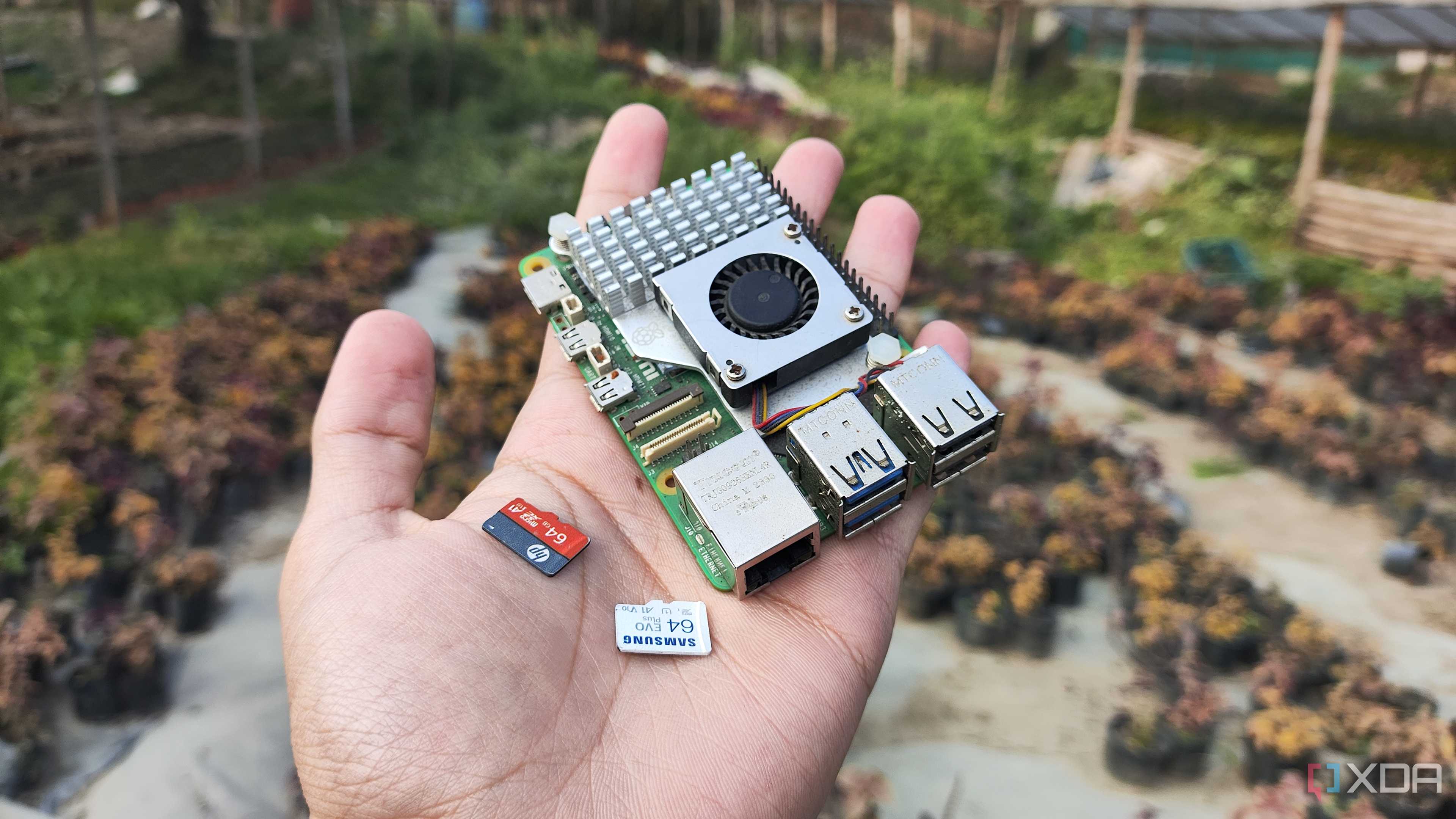
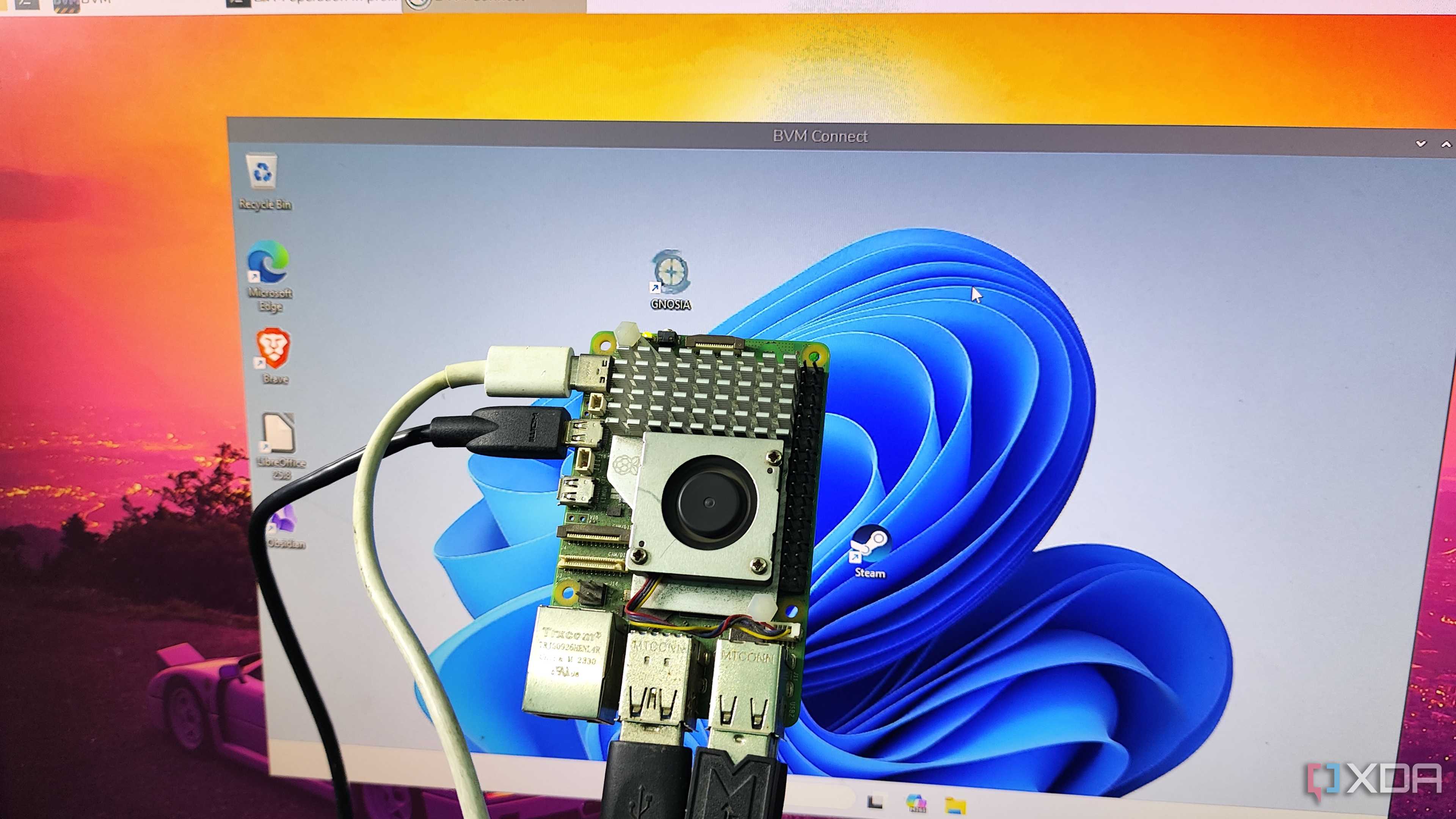
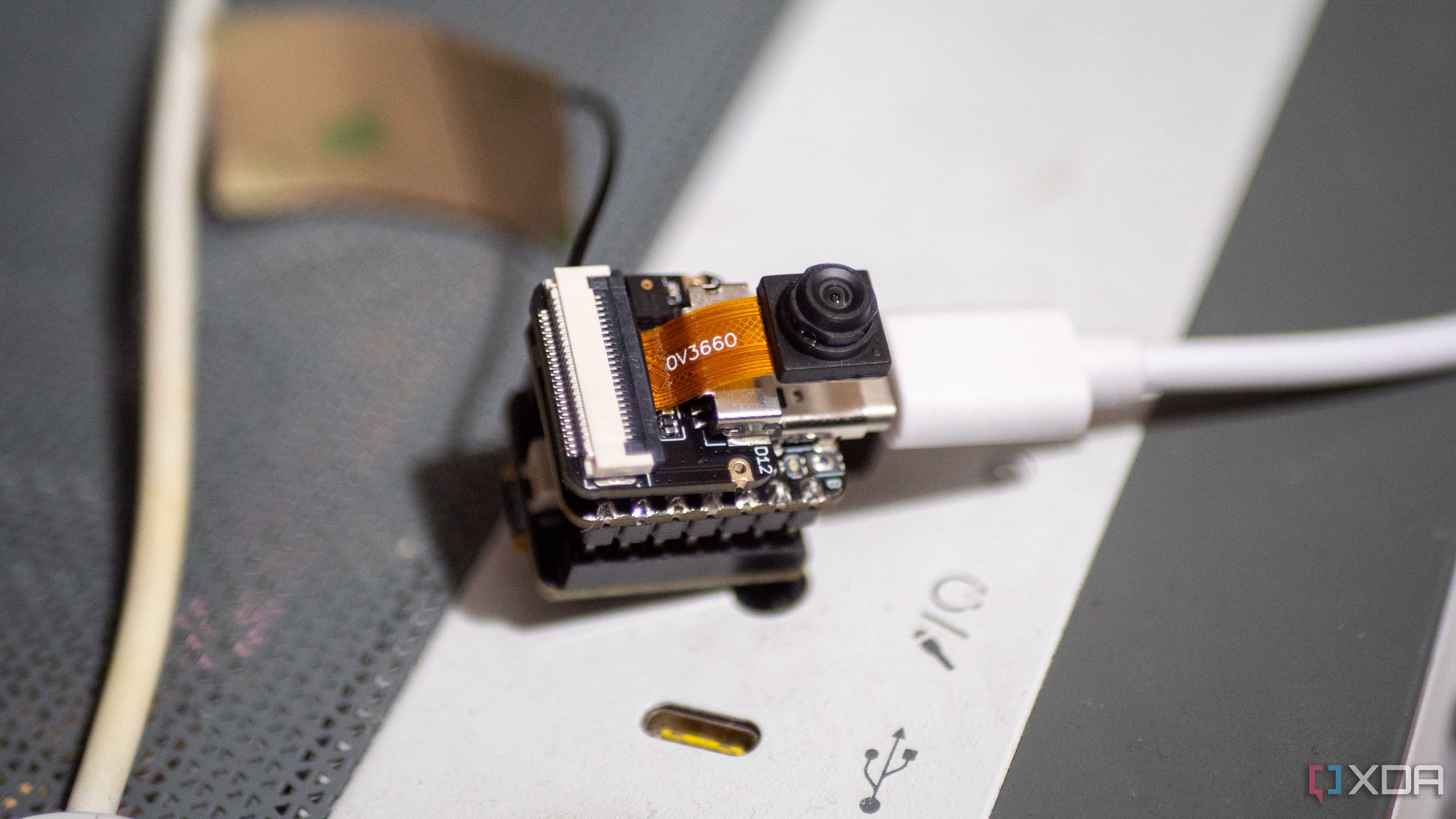







Home Assistant does not require expensive proprietary hardware. It can run on affordable devices such as a Raspberry Pi, a small mini PC, or a virtual machine. This lowers the barrier to entry and makes experimentation easier. You can start small and upgrade hardware later without rebuilding your setup.
Running on your own hardware also gives you control over performance. As your smart home grows, you can add storage, memory, or faster processors if needed. You are not limited by the specs of a fixed hub. That flexibility helps the system grow alongside your needs.
This hardware freedom also reduces long-term costs. There are no mandatory subscriptions or paid feature tiers. Once it is running, Home Assistant continues to operate at no additional cost. Over time, that can save a surprising amount of money.
A community that keeps improving it
Constant growth driven by real users

An active and passionate community shapes Home Assistant. New integrations, fixes, and features arrive regularly, often driven by real-world use cases. The platform evolves based on how people actually use it. That practical focus shows in everyday reliability.
When issues arise, community support quickly fills the gaps. Documentation, forums, and guides cover nearly every scenario. Chances are someone else has already solved the same problem. That shared knowledge makes trying new ideas far less intimidating.
This community-driven development also keeps the platform open and flexible. Progress does not depend on a single company roadmap. Instead, it grows through collaboration and shared effort. That momentum is difficult for closed ecosystems to match.
Why Home Assistant becomes the center of a smart home
A smart home should simplify life rather than create friction. Home Assistant succeeds because it scales naturally as your setup grows. It unifies devices, keeps control local, and enables automation that feels natural.
Home Assistant is built for the moment when a smart home needs structure, flexibility, and room to grow.
Once you have Home Assistant as the backbone of your smart home, everything else finally starts working together.

Home Assistant
- OS
- Windows, macOS, Linux, Android, iOS, web
- iOS compatible
- Yes
- Android compatible
- Yes
Home Assistant is the best way to connect your smart home systems together.
