


Yes, I know — I'm doing this the wrong way. Most people have the story: they used Plex for years, got tired of subscriptions and sign-ins and random changes, and then they finally jumped to Jellyfin, the open-source, free alternative that lets you host your media library without paying a dime. I get it, I respect it, and over a year of using Jellyfin, I certainly found it impressive for what it is.
Having moved cities now, I've done the opposite. I've moved back from Jellyfin to Plex, and I don't regret it. Jellyfin is definitely capable, powerful, and flexible, but after using it for a fairly decent amount of time, I've realized one thing: I didn't want my media server to feel like a project. I want it to feel like an appliance.
Remote access feels simpler on Plex
It's especially the case for my partner

Let me start with what matters most: watching your stuff when you're not at home, a few rooms away. In theory, remote access is simple, but in practice, this is where self-hosting goes from fun to fragile. Yes, Jellyfin absolutely supports remote streaming, and that's never in question. But what I personally found is that remote streaming can quickly become something you actively maintain, depending on how your setup is configured.
With Plex, remote access feels like a core part of its identity instead of an optional feature that works best if you already know what you're doing. I'm not saying Jellyfin "can't do it." It's just that Plex feels like it's been built around the very assumption that you will do it, and it smooths the process into something that feels incredibly close to a consumer streaming service experience, and that matters to me now. When I'm away from home, I don't want to be in my own head doing the mental math of whether the hotel TV will connect instantly, or if the stream will start quickly and stay stable. I just want to watch a movie.
Remote access was the first area where Plex felt like I was going back to a finished product instead of just a hobby in Jellyfin, and once you get used to that, it's hard to go back.
More consistent app support across devices
As the in-house tech support for the extended family, this matters

I mentioned moving cities, which means that I now have two houses where the devices and their media need to be maintained by yours truly. That said, while I was happy to use Jellyfin and fix any issues that it threw my way in a single house where all three TVs were a room away, that's not the case anymore. What my folks need now is a no-nonsense app to click on, and that's what Plex does. I realize everyone has their favorite ecosystem, but my reason here is simple and practical: Plex works on an absurd number of devices, and the experience is generally consistent.
During my year with Jellyfin, I've seen movies playing on my phone but not on my dad's TV. I've even seen subtitles working on my telly and not his. Sometimes, the server was reachable, and yet, the playback failed. I've only been two months back into Plex, sharing my lifetime pass, and yet, that hasn't happened once so far.
I could get away with almost anything when my media server was only for a screen or two, but now that I've spread viewing for the whole family across multiple devices and cities, that's where a media server gets tested. Features are no longer the problem with a multi-device setup. It's reliability, and that's where a paid subscription app will always often beat out an open-source alternative.
Jellyfin may have its client apps, and they're good ones, too. But Plex's ecosystem, in my experience, has a level of polish that makes it easier to treat my library like something that's always ready, without the need for tweaks.
Plex's presentation is considerably more premium by default
There's considerable upside to paying for a service

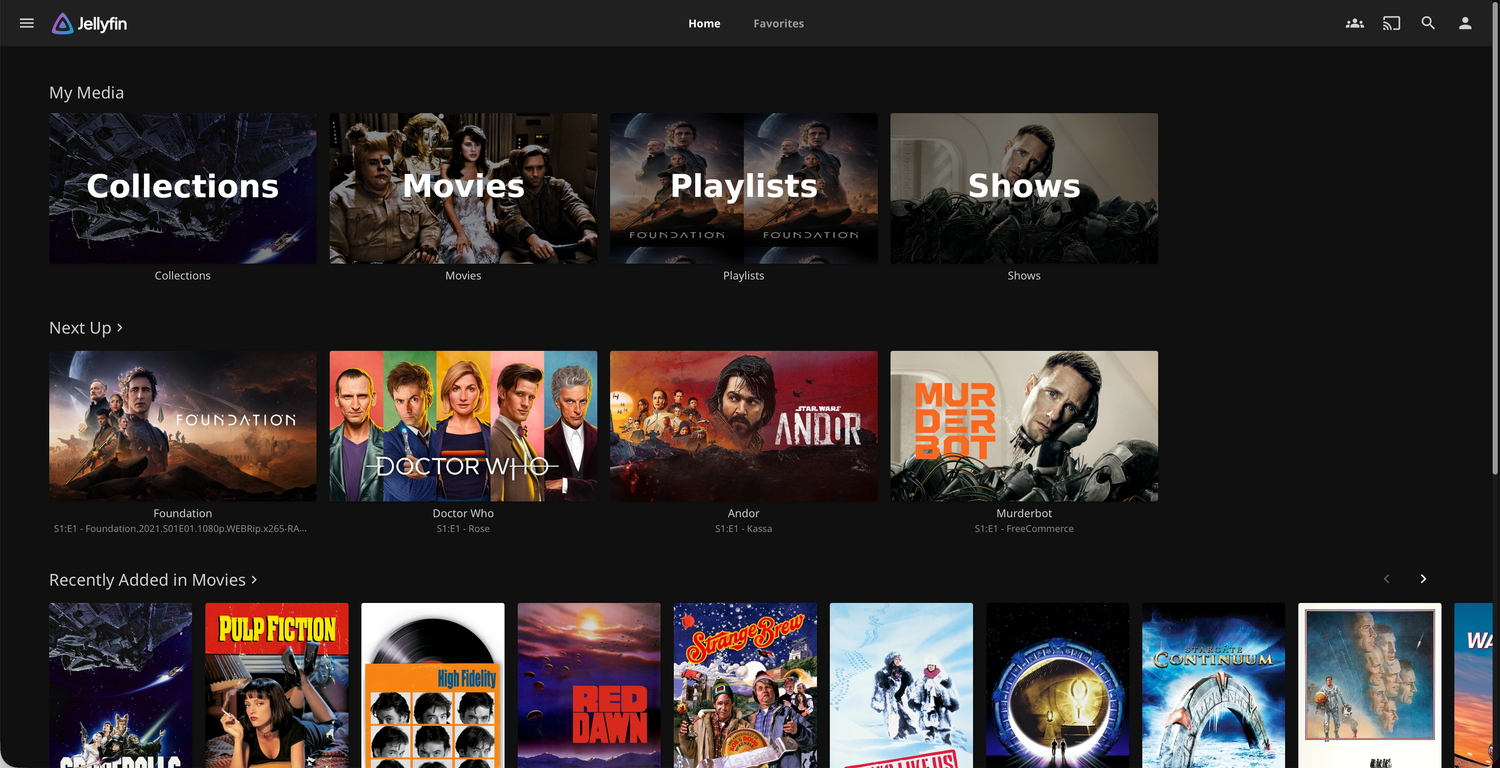
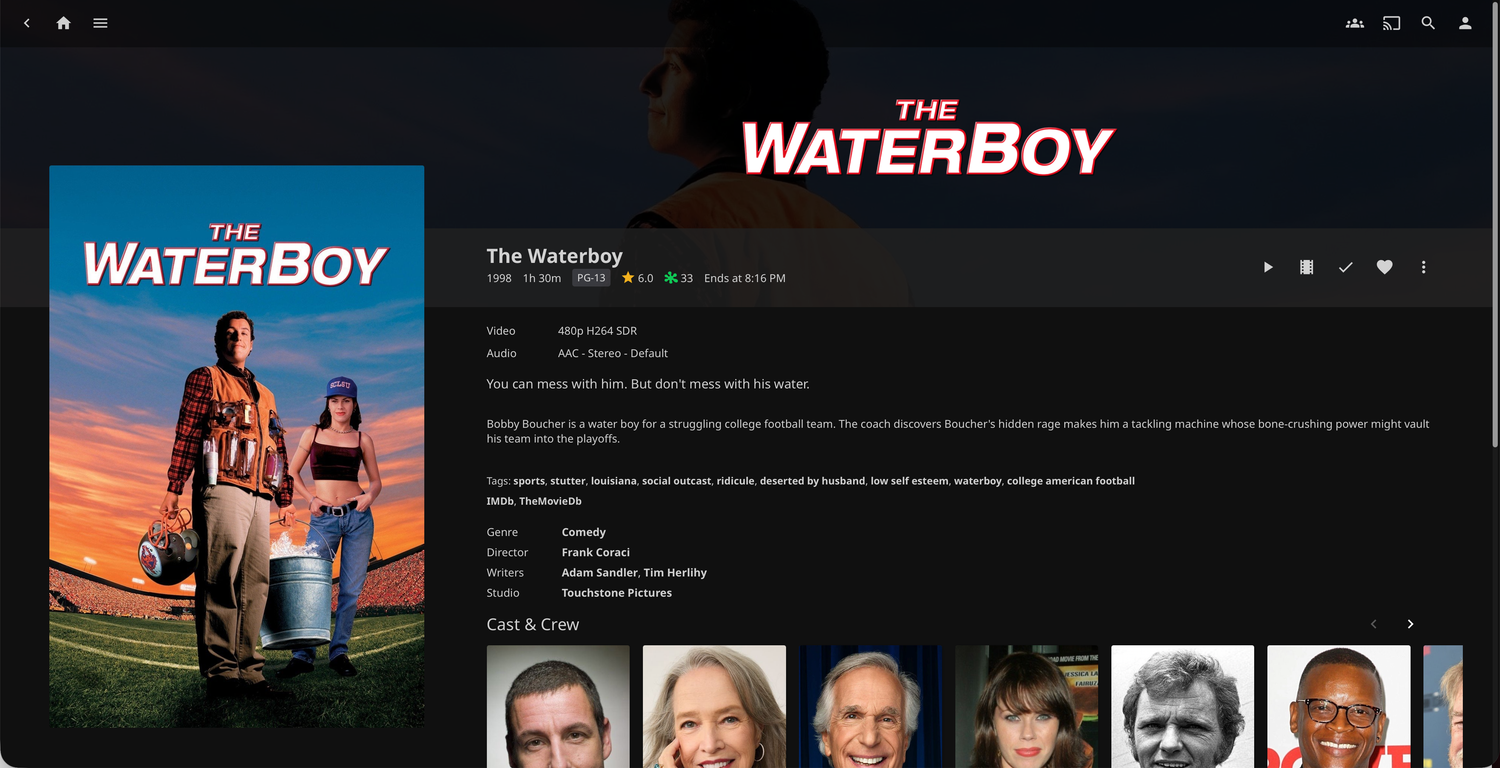
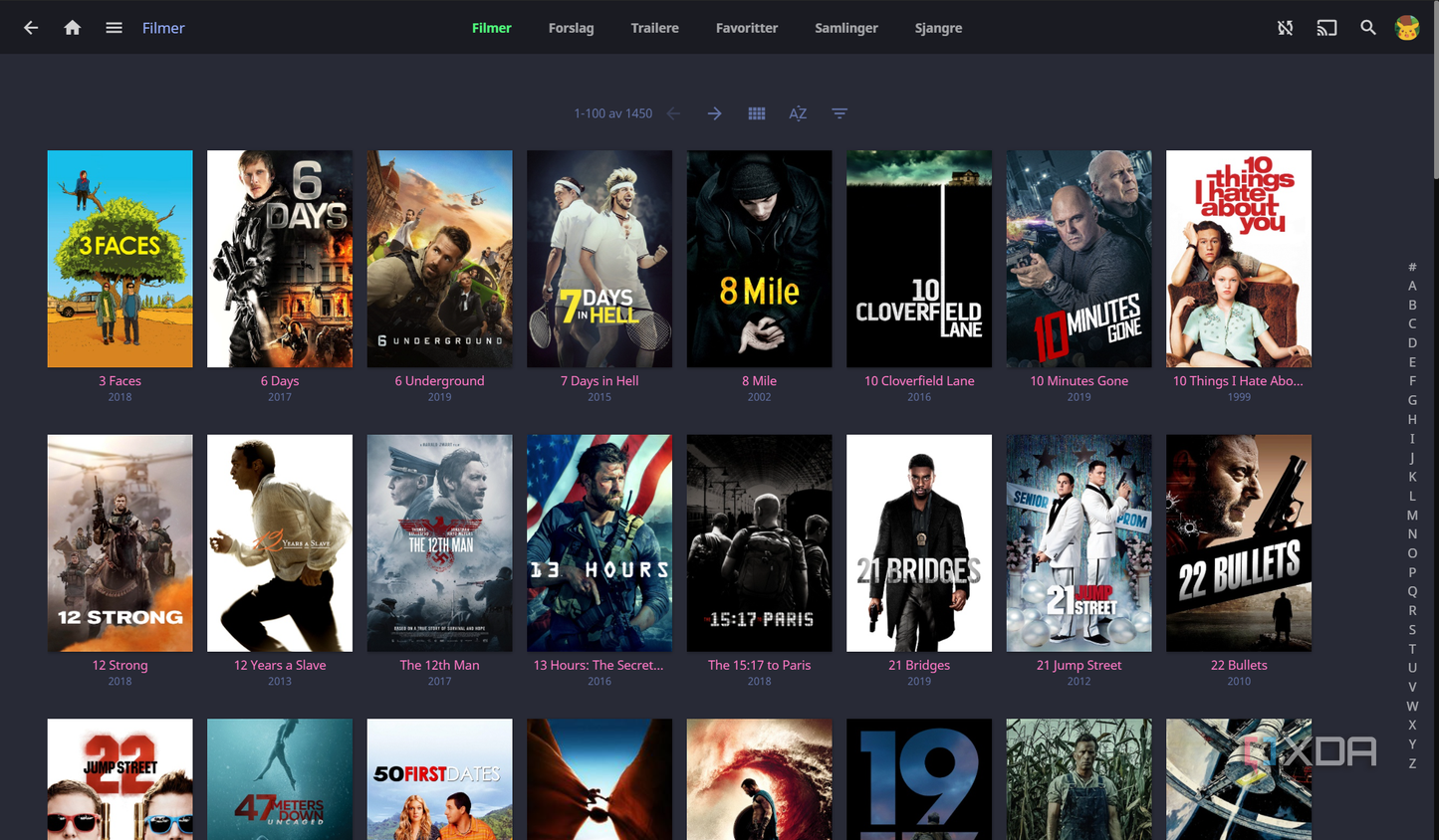
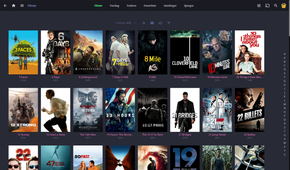
At the risk of sounding shallow, I'm going to admit that I do care about how my library looks. It's not for "flexing" purposes, but more because it's a part of my daily life, and I'm going to be looking at it almost every day after work. When you open your media server and it looks clean, organized, and curated, you're more likely to actually use it. Plex nails that vibe to a T.
It feels like it wants your collection to look like a real digital library, instead of just a list of files with poster art attached. Of course Jellyfin can look great, too. I've used plenty of gorgeous Jellyfin themes, but what Plex does well is deliver a slick experience without you having to fight for it or tweak around in the settings of each device it's installed on.
After having spent at least a combined five hours last year fixing mismatched posters, renaming titles, double-checking episode groupings, and manually cleaning up my library twice over, I've decided I value comfort and convenience way more. I can't pretend Plex isn't already taking my data somehow, so why can't I, at the very least, benefit from it by way of convenience? Sure, I can make it work, and I can even guide my technically-challenged parents over a video call about what to do to fix things over on their end, but at some point, that's no longer the point. The question now is, "How much time am I spending making this feel normal?"
That's where Plex's strength lies: its default state feeling like what you want in the first place — polished, premium, reliable, and consistent.
Plex makes my media server feel like entertainment again
No more friction, and no more bracing for it

This is perhaps the most important point, and it's not about one killer feature that Plex does better than Jellyfin. It's about the overall experience. Jellyfin has felt empowering, since I've felt in control. It's open, it's community-driven, and it respects the idea that you should own your setup. With that freedom, however, comes a reality that's hard to describe unless you've lived it: sometimes you go to watch a movie, and you end up managing a system.
The number of times I've mentally braced for friction while sitting down to relax over the course of a year of using Jellyfin is too many for comfort. Initially, this friction used to be part of the fun. Now, however, being the go-to guy for my partner and her two computers and phone, while also being tech support for the two TVs at my folks' house, I've realized we'd all rather just press play on something I already own, and enjoy it.
Then, Plex also proves to be easier to share with friends. As long as they have a Plex account (which takes a minute at best), all I've ever needed to do is add them to my friends list and share the folder with whatever new series I want them to start watching. Did I also share my Jellyfin server with friends once in a while? Absolutely, but I also got paid in some of the choicest curse words when the legwork took anything longer than a minute or two.
This is where the "free vs paid" conversation becomes more nuanced than most would like to admit. Yes, Plex costs money depending on what features you want, and sure, Jellyfin is free. But anything that doesn't cost money will take more time, effort, troubleshooting, and elbow grease, all of which I now have less. It's a different kind of payment, and one I'm willing to match in legal tender instead. Now nearly 30, I'm definitely happy to pay for less responsibility, and that's what Plex offers.
Jellyfin remains incredible
I definitely miss it sometimes
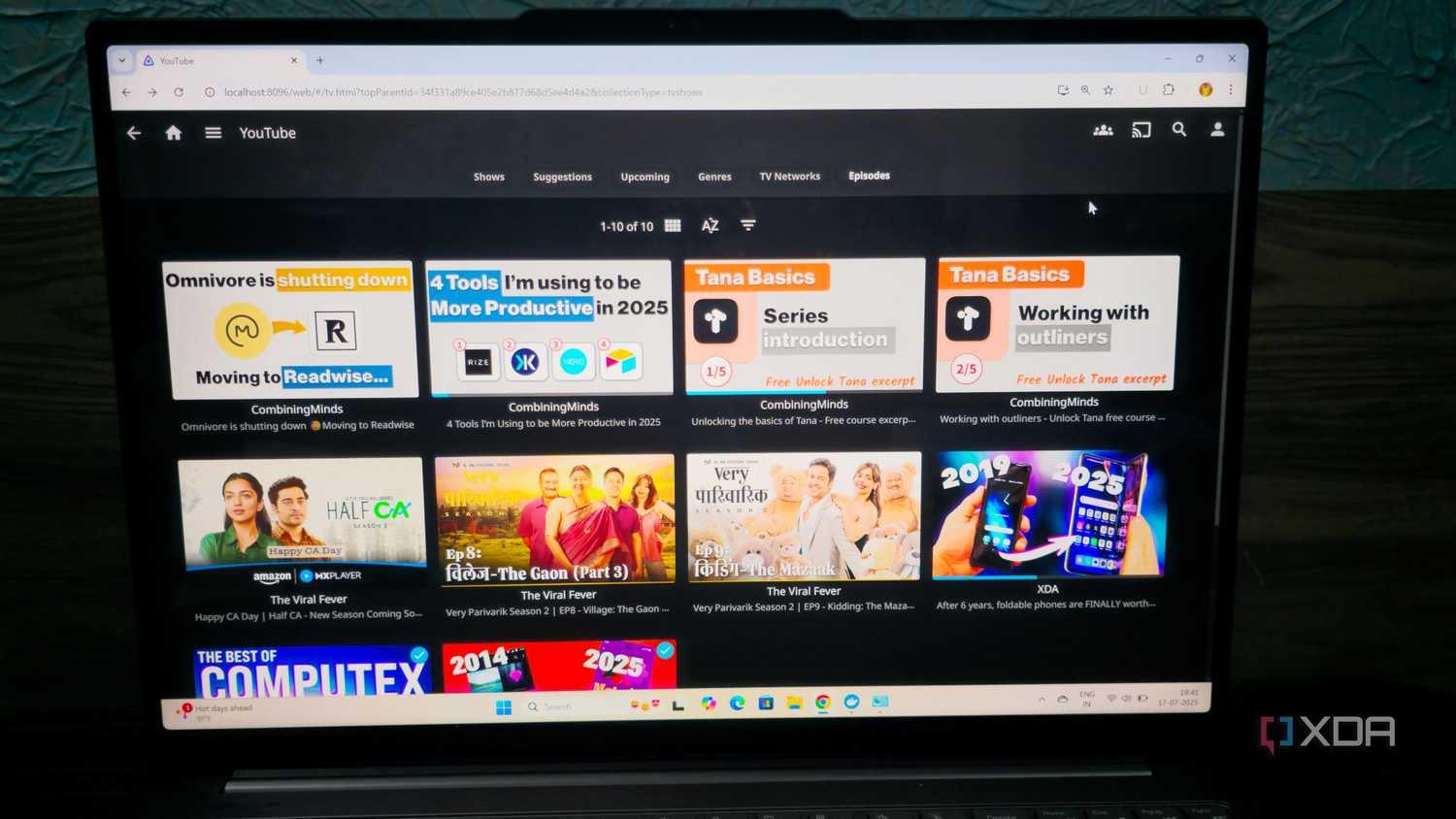
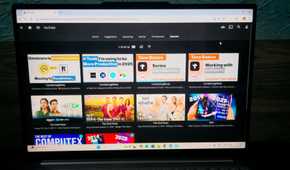
TubeArchivist and JellyFin makes for a self-hosted YouTube archive.


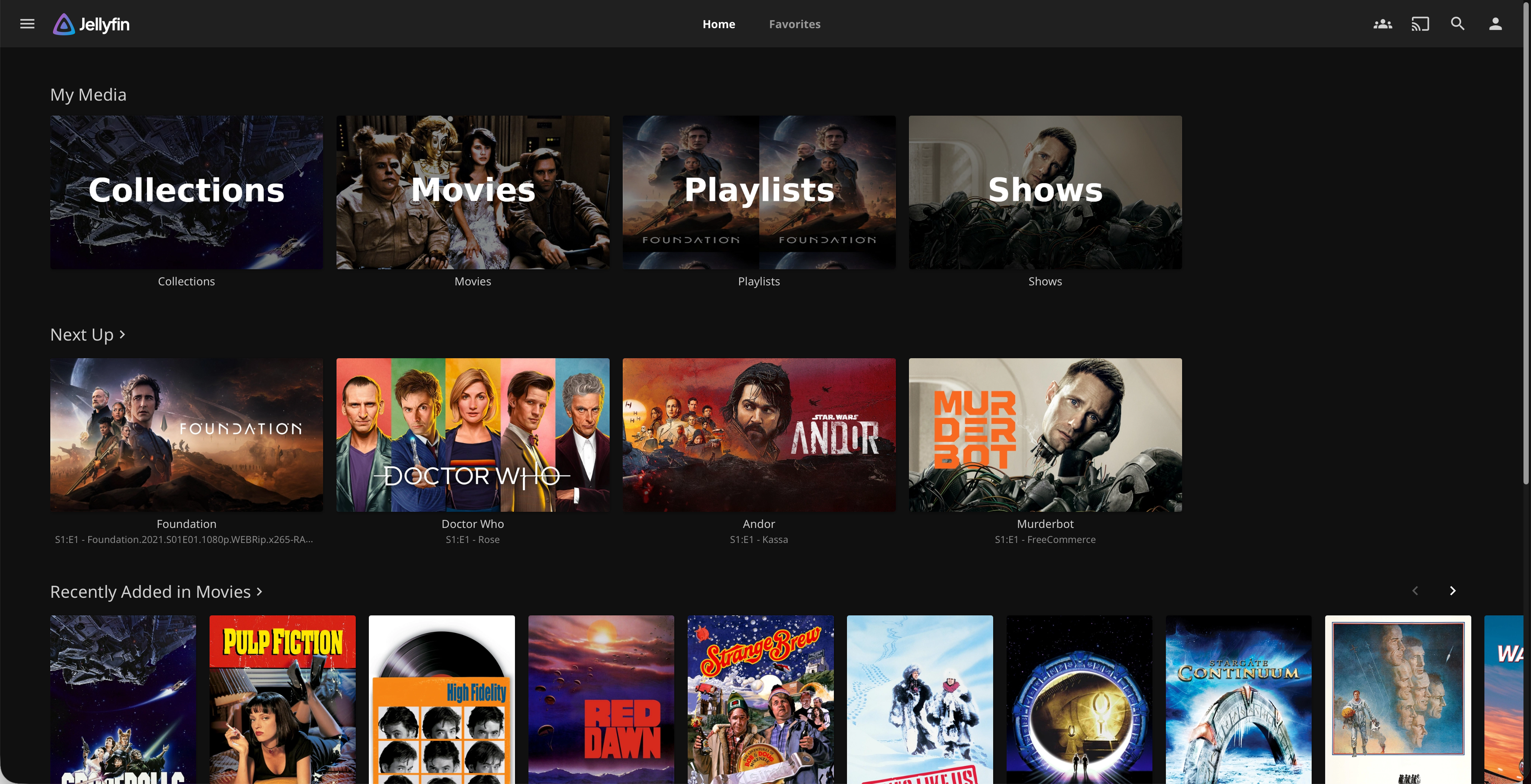
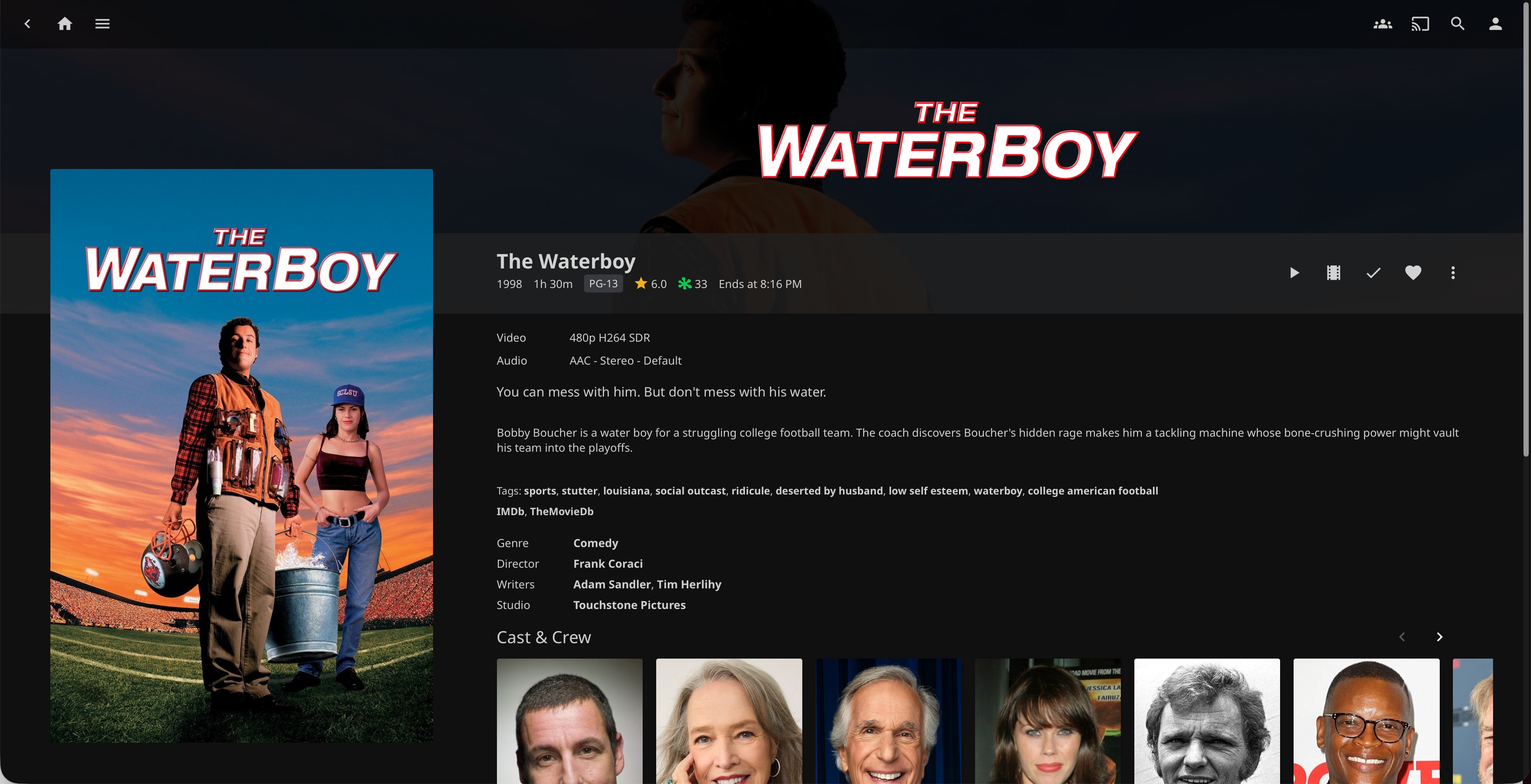
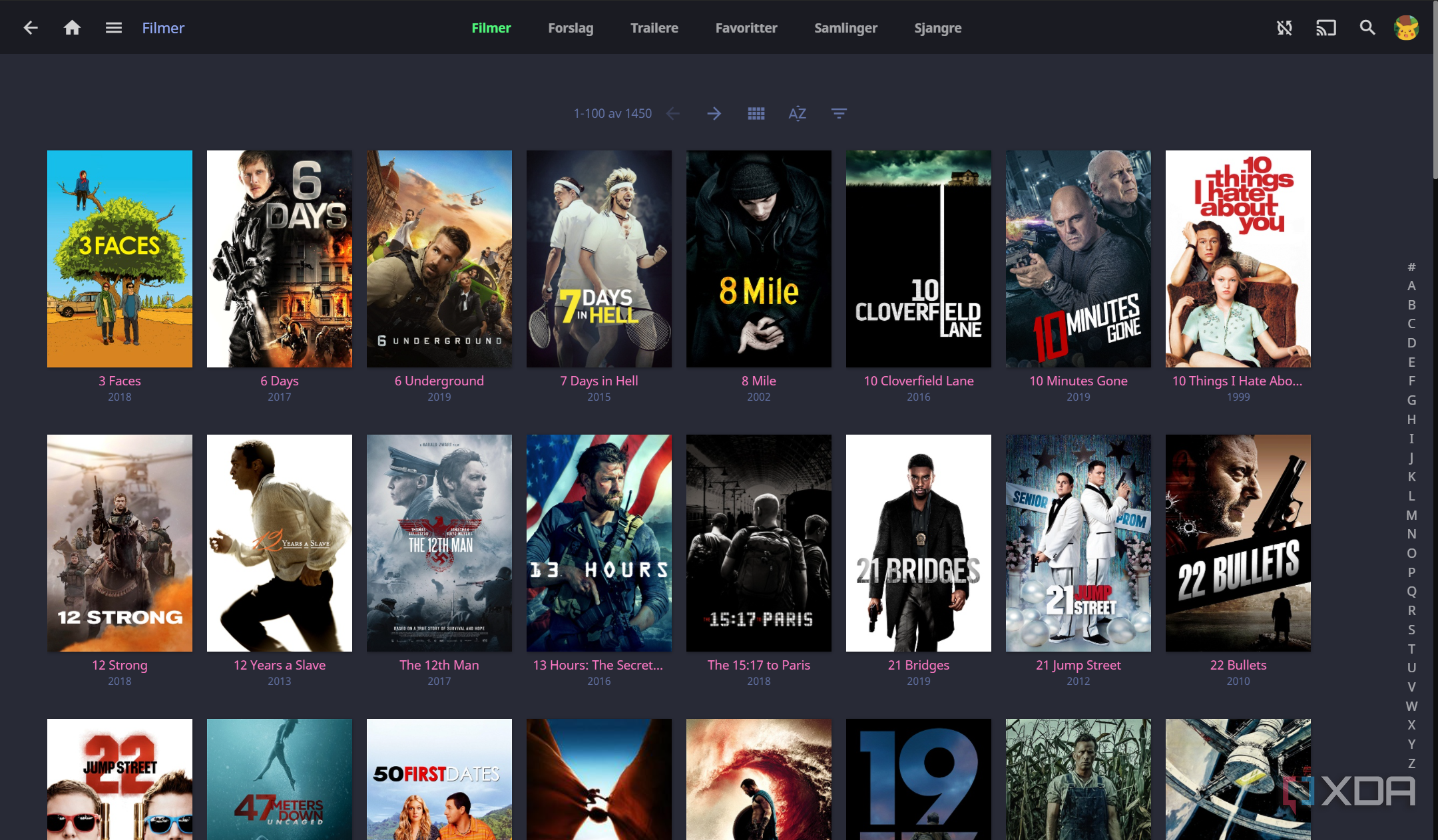
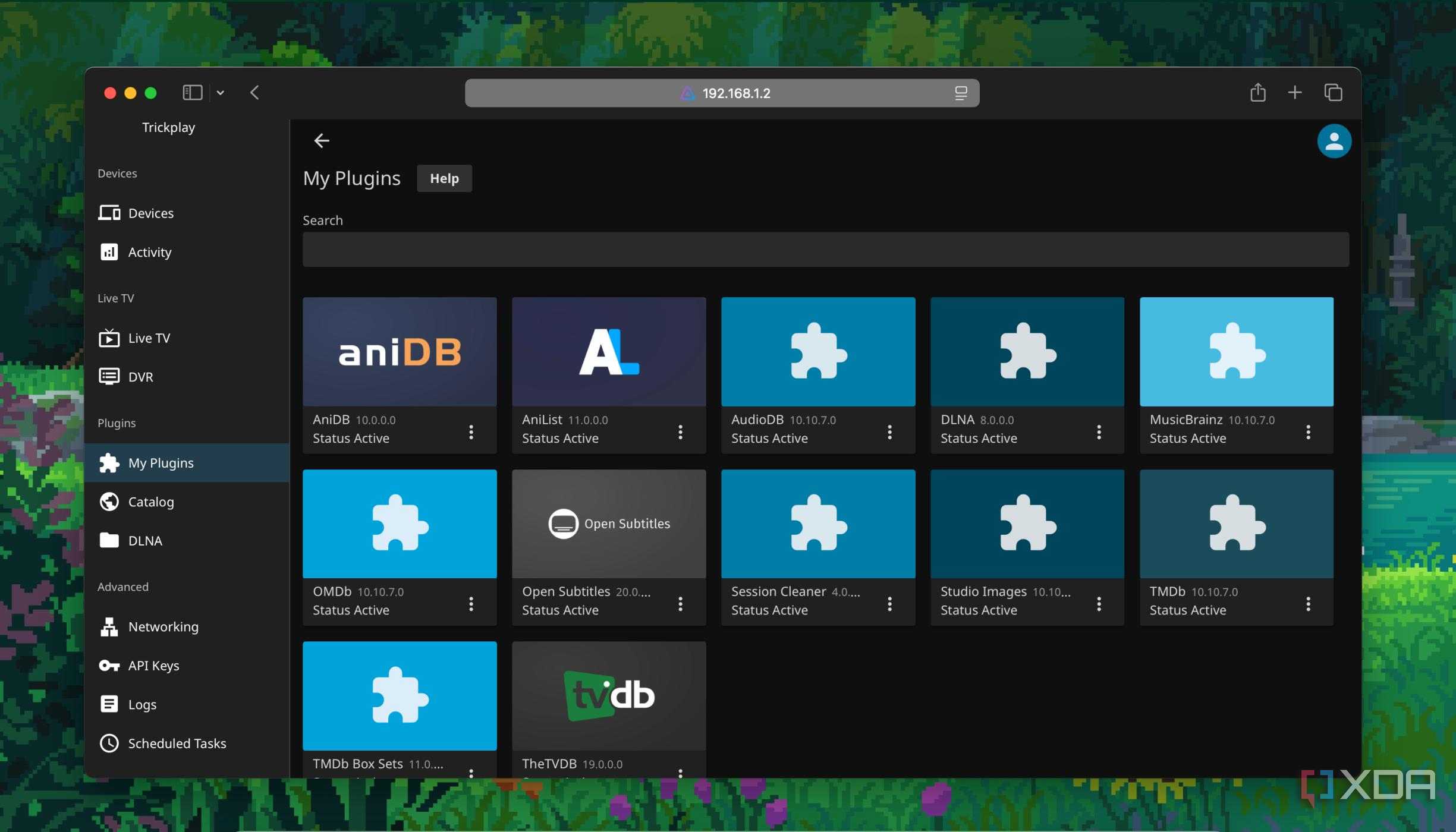
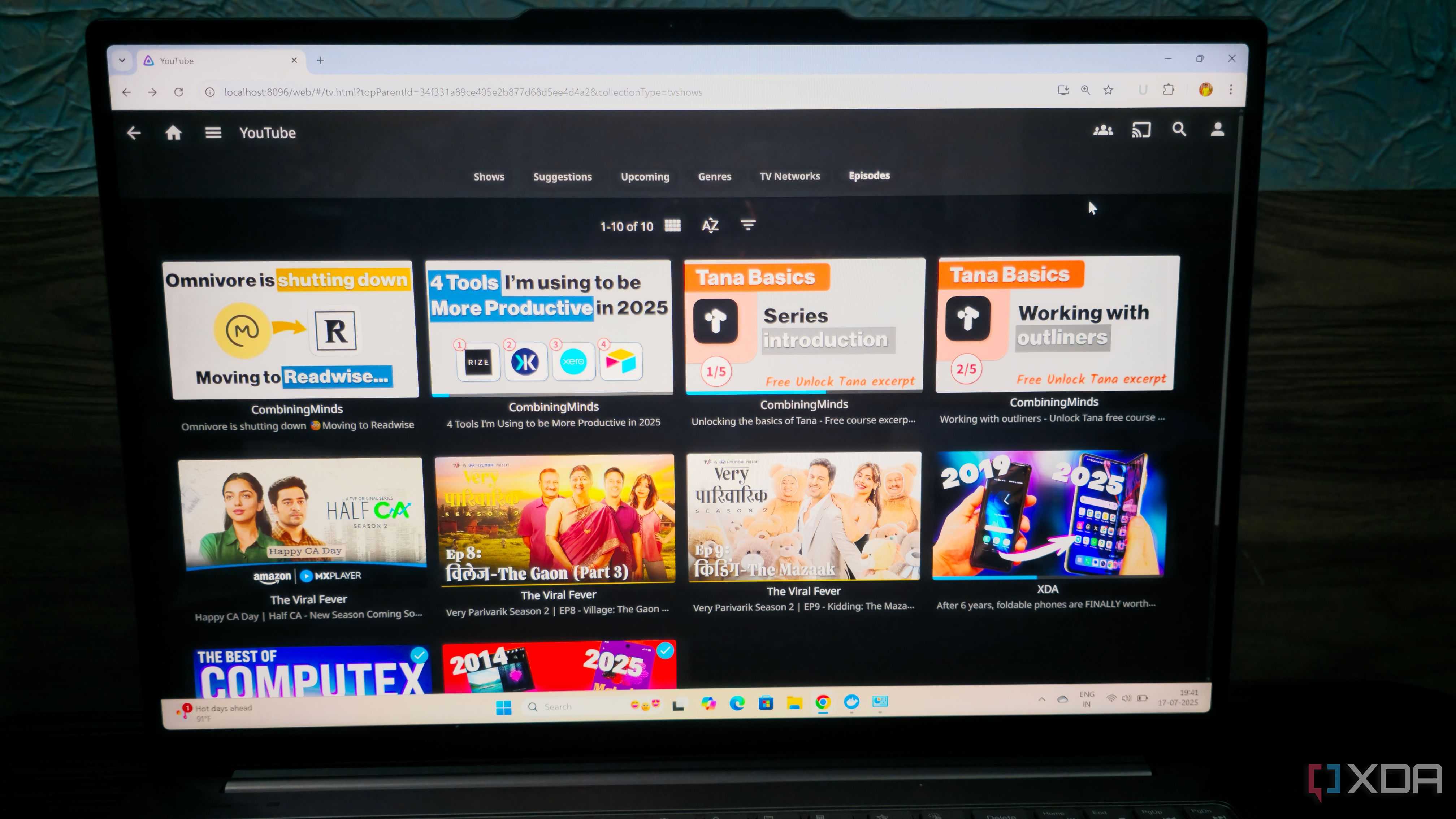
TubeArchivist and JellyFin makes for a self-hosted YouTube archive.
I'm not here to convert you if you're using Jellyfin and love it. In fact, I even guided a friend on how to set up their server using Jellyfin — my way of giving back and balancing the guilt of moving back to paid Plex. Jellyfin genuinely represents the kind of internet we don't see enough anymore.
It's been built by users who didn't want to squeeze an ecosystem for profit, and just wanted to build something useful.
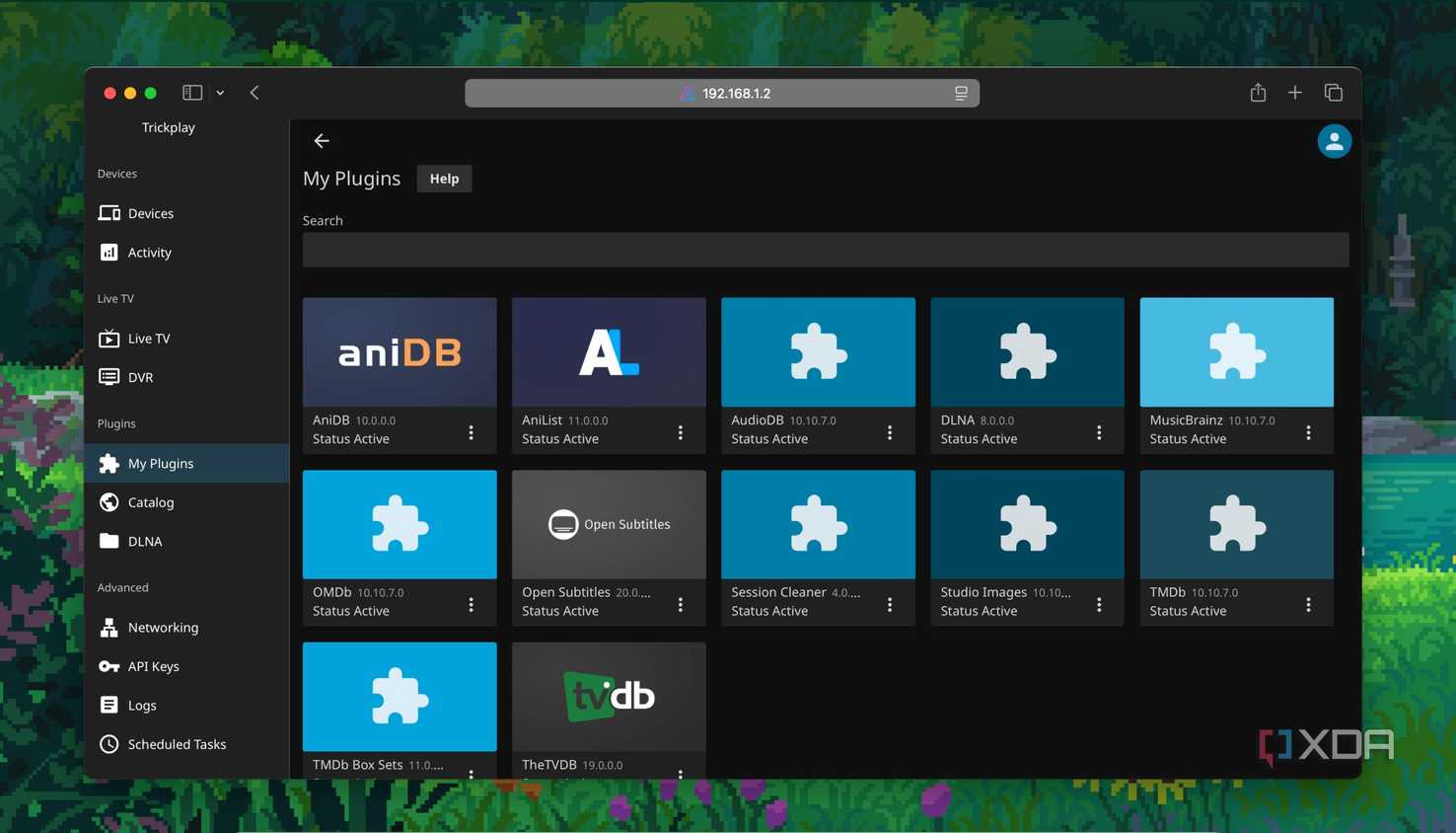
It's impressive, flexible, and definitely capable, and it lets you control your entire setup while keeping everything free and open-source.
As much as Jellyfin deserves the praise it gets, I didn't leave because I thought it was a failure. I've left because I realized what I personally wanted from my media server, and it wasn't endless customization. It was consistency, convenience, and accountability.
The point of a media server isn't proving you can run one.
Jellyfin hasn't failed me, but it did remind me that free doesn't mean effortless, and open doesn't mean frictionless. There's a certain pride in building your own setup, learning the ropes, and having full control, but there's also a point where that control starts asking for maintenance more often than you're willing to give it.
Switching to Plex (and staying here now) isn't me giving up or selling out. I'm just choosing the option that lets the software disappear into the background, because the whole point of a media server isn't proving you can run one, but rather, to enjoy what you already own.

