


I love my pfSense firewall and couldn't see myself returning to a router supplied by an internet service provider (ISP), but it's not for everyone. While I would recommend building a custom firewall and router to those who'd be able to set it up and manage their LAN, I can understand why some may find it daunting or not worth the effort. Here are some reasons you may not need to build one for your home.
1 Your ISP router is generally good enough
It's not as good as pfSense or OPNsense but it'll do


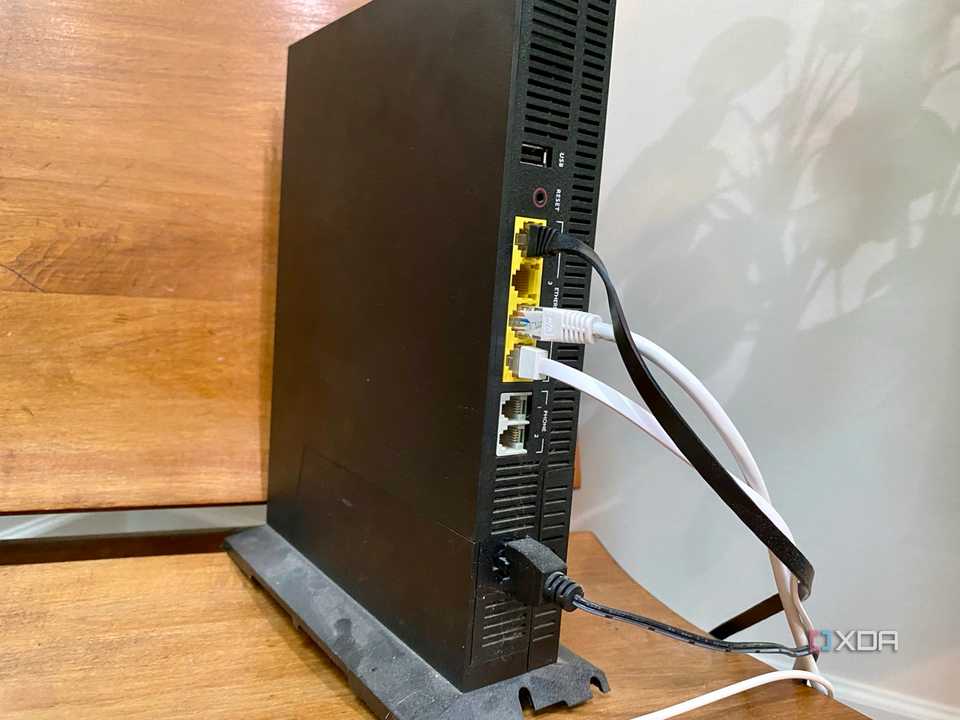
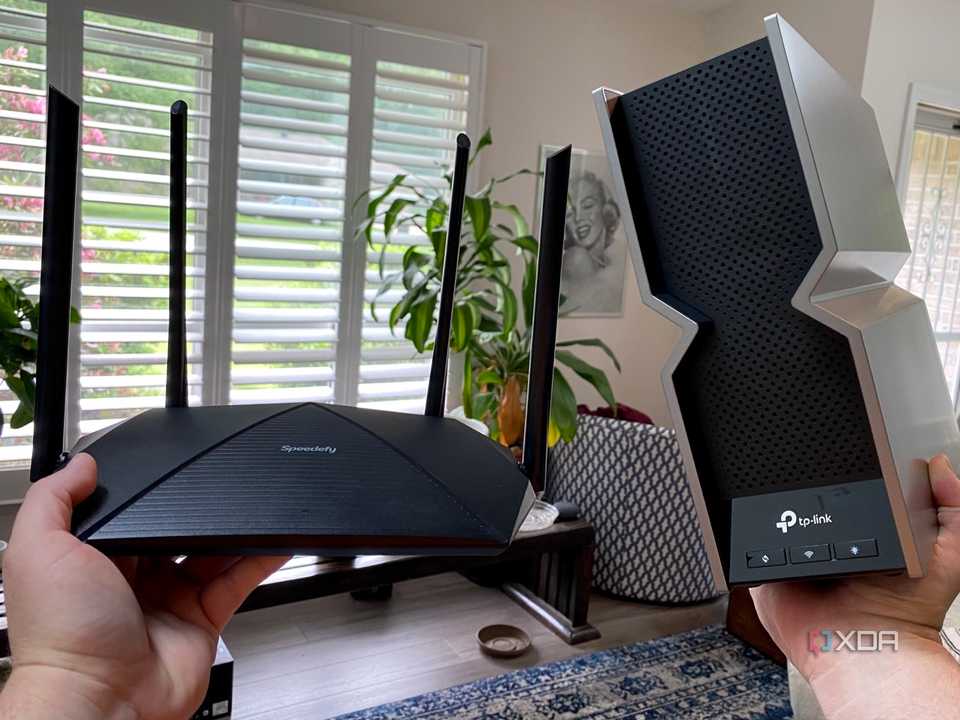


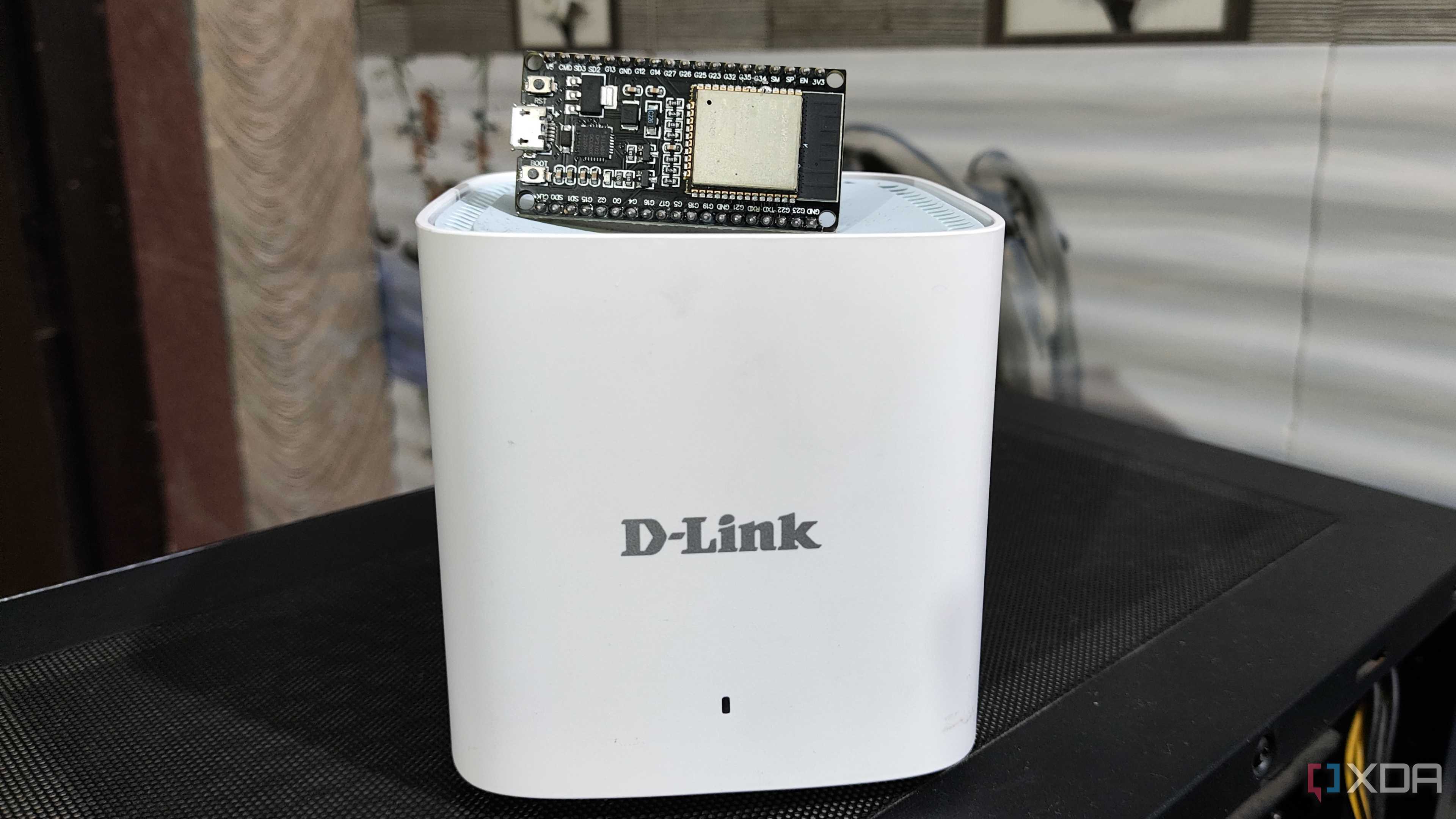
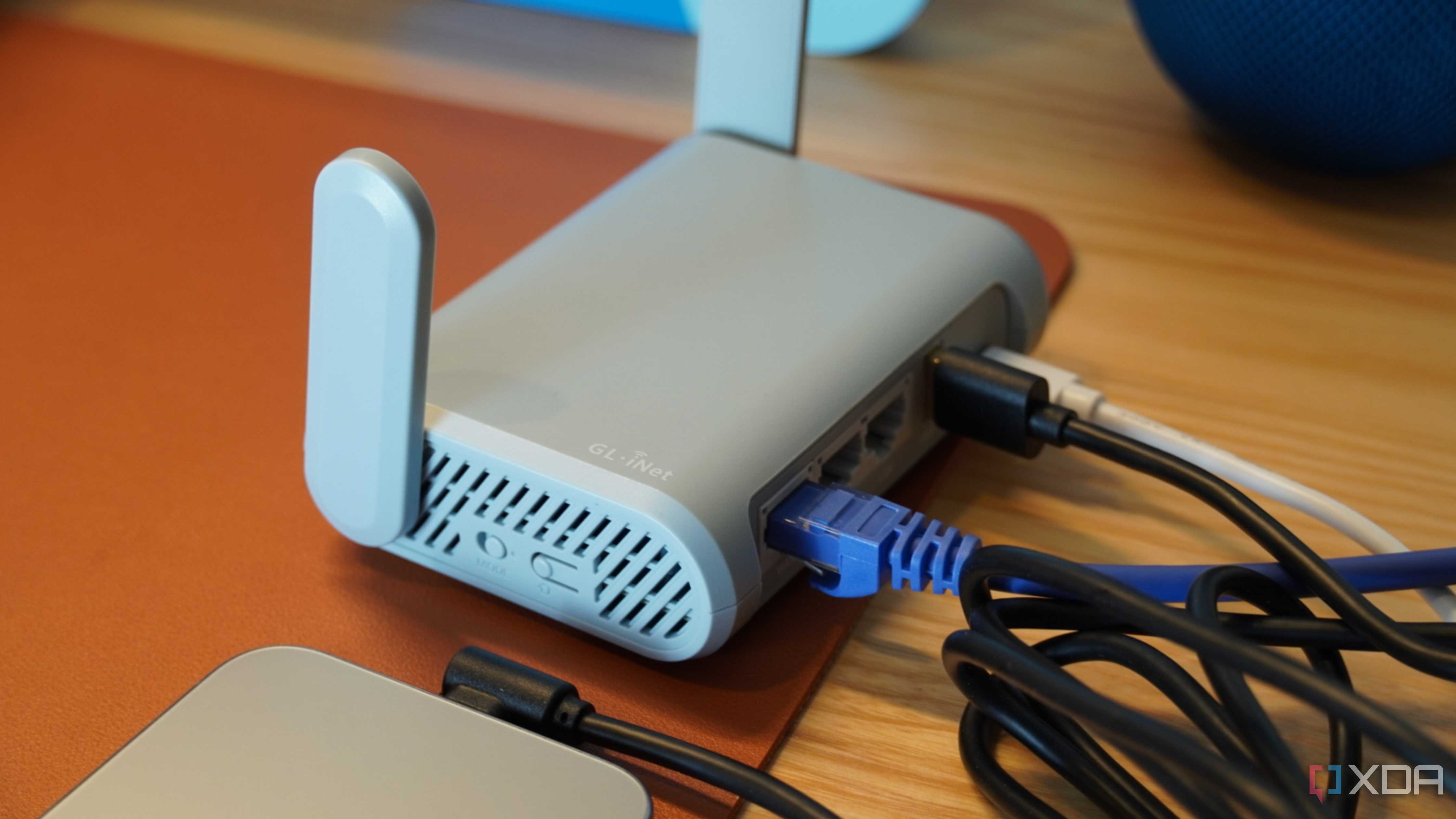
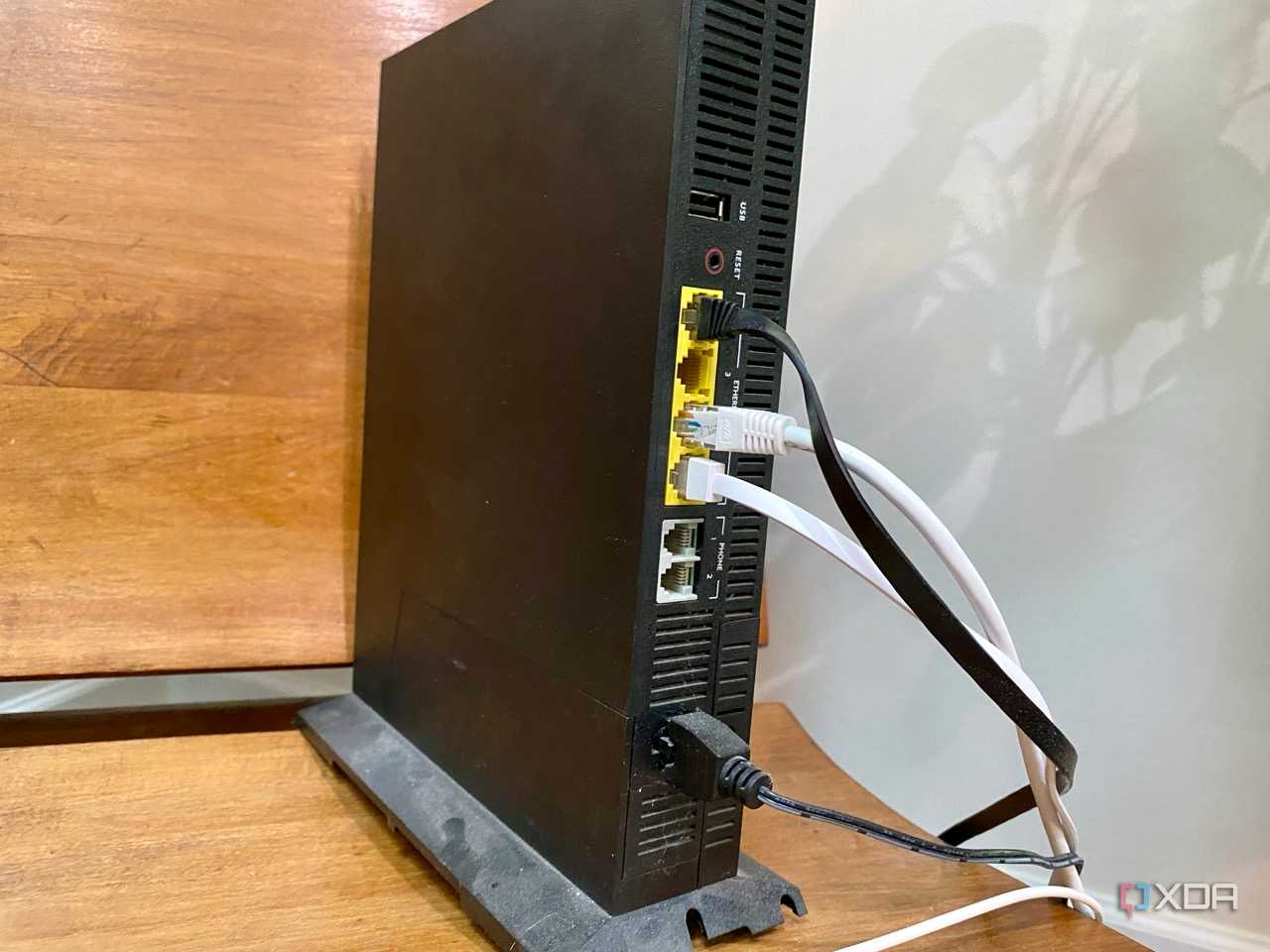
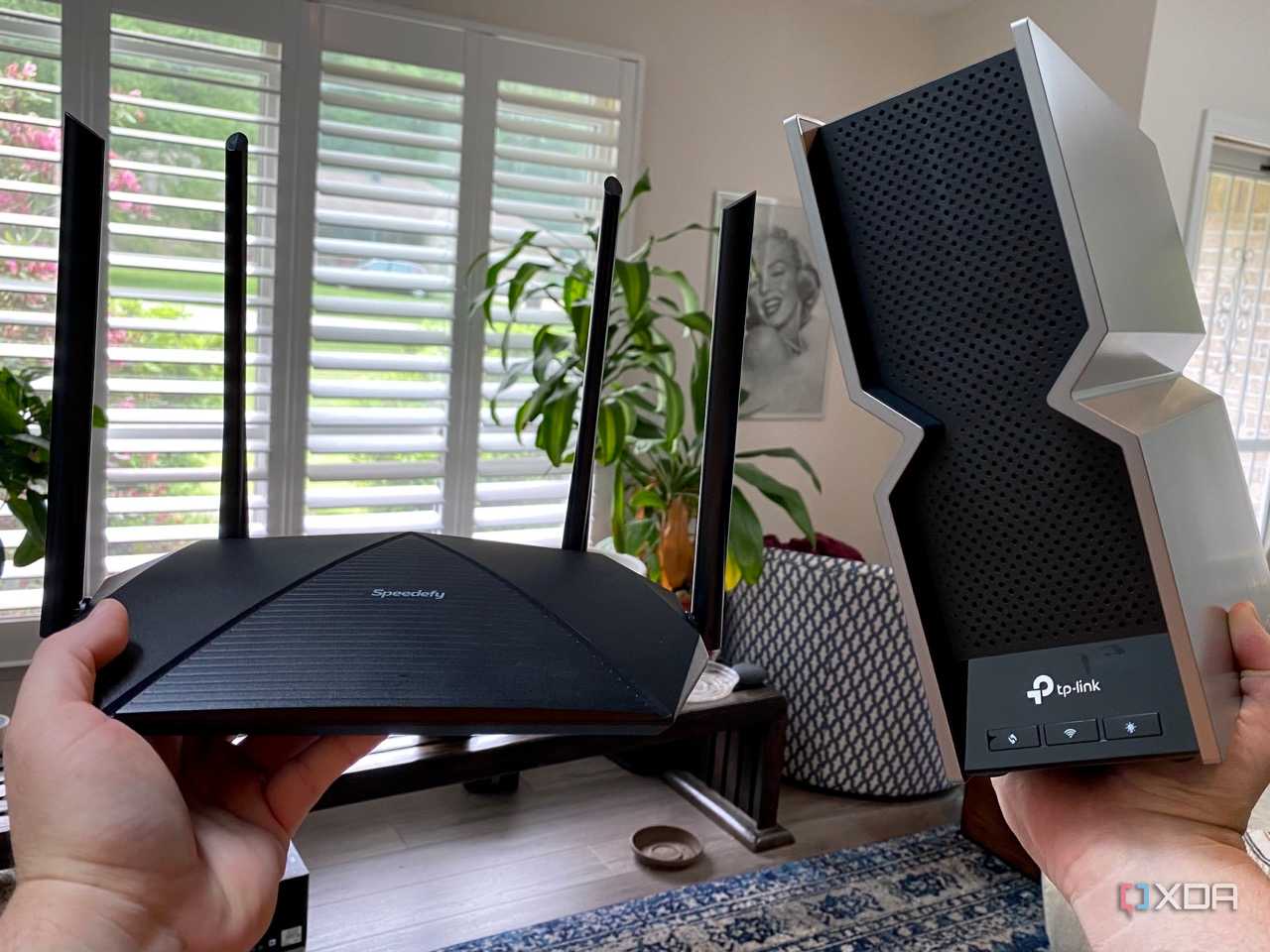
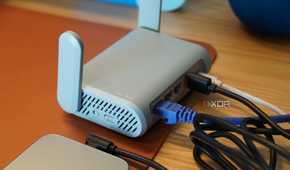
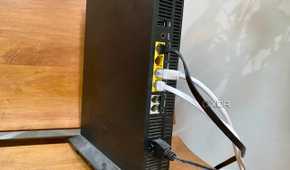
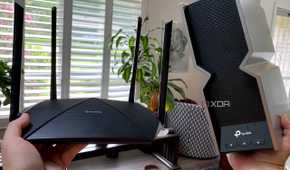

Routers provided by your ISP aren't terrible, but they're not particularly great either. Modern devices are considerably better than ones sent by ISPs in the early 2000s, but they still fall short of what's available through a custom solution. An average internet user with no idea about port forwarding, NAT, QoS, and reverse proxies, likely won't take advantage of all the features offered by pfSense or OPNsense.
2 You don't need to buy new hardware
Save costs by using what's included with your subscription


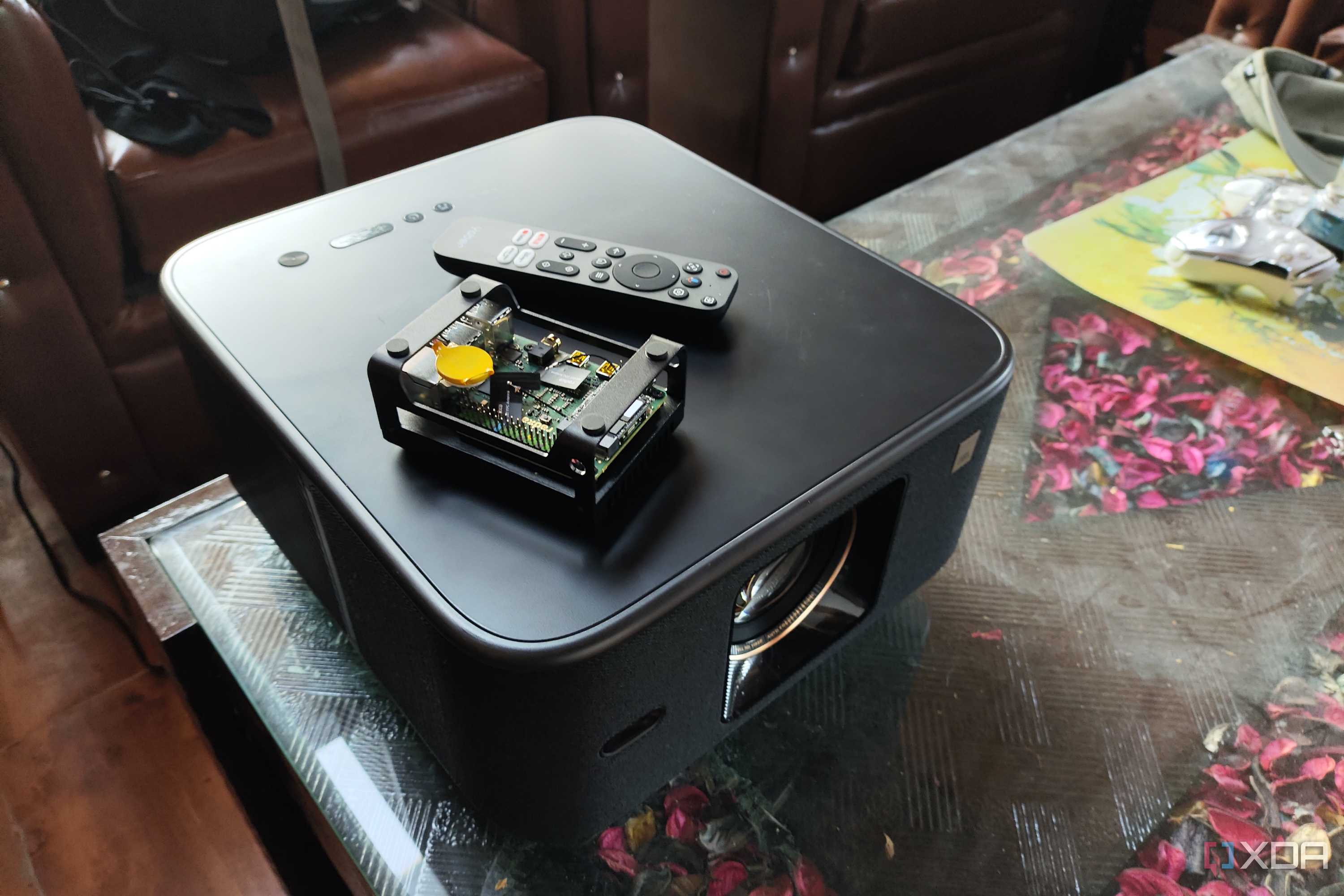
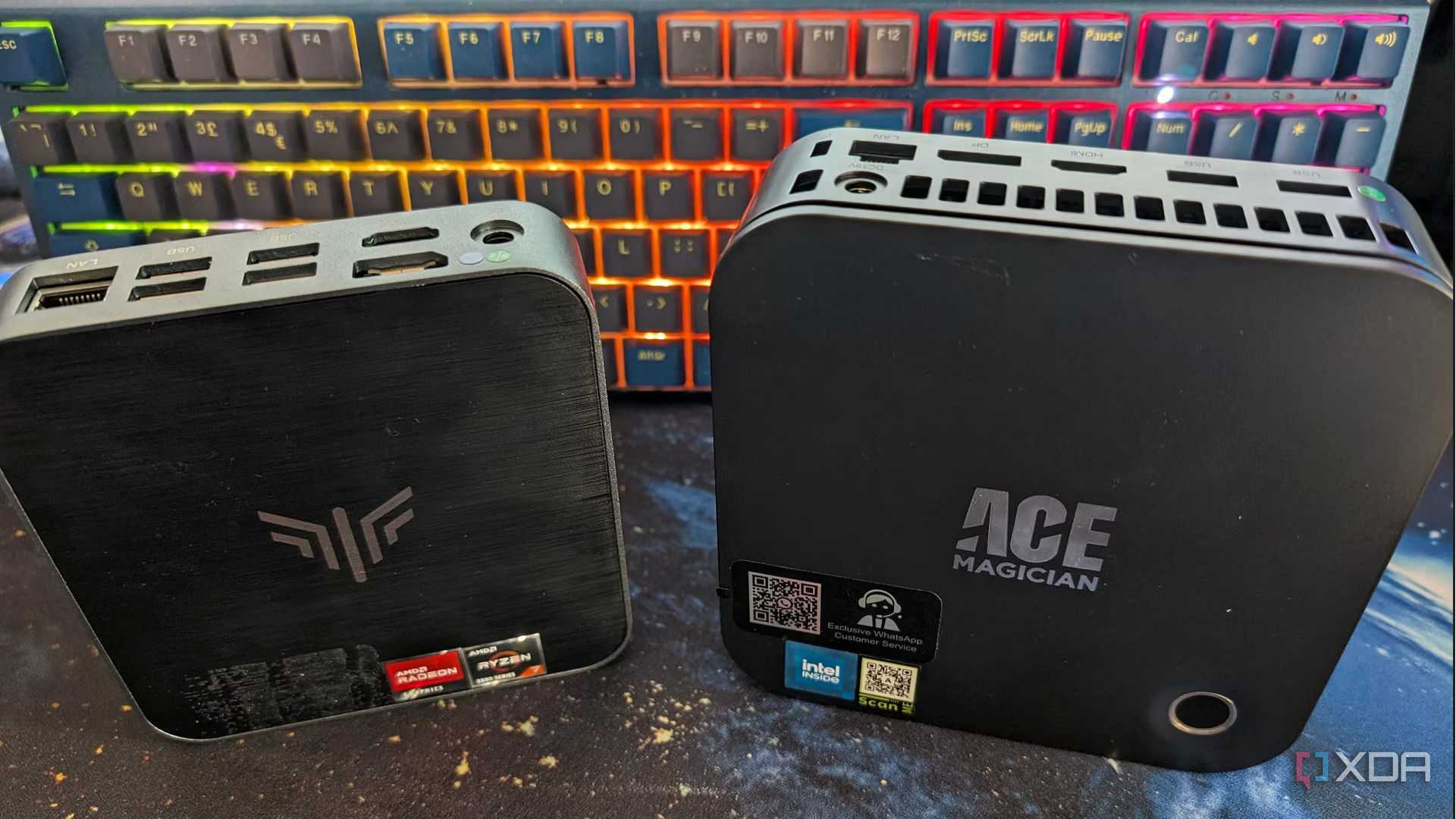
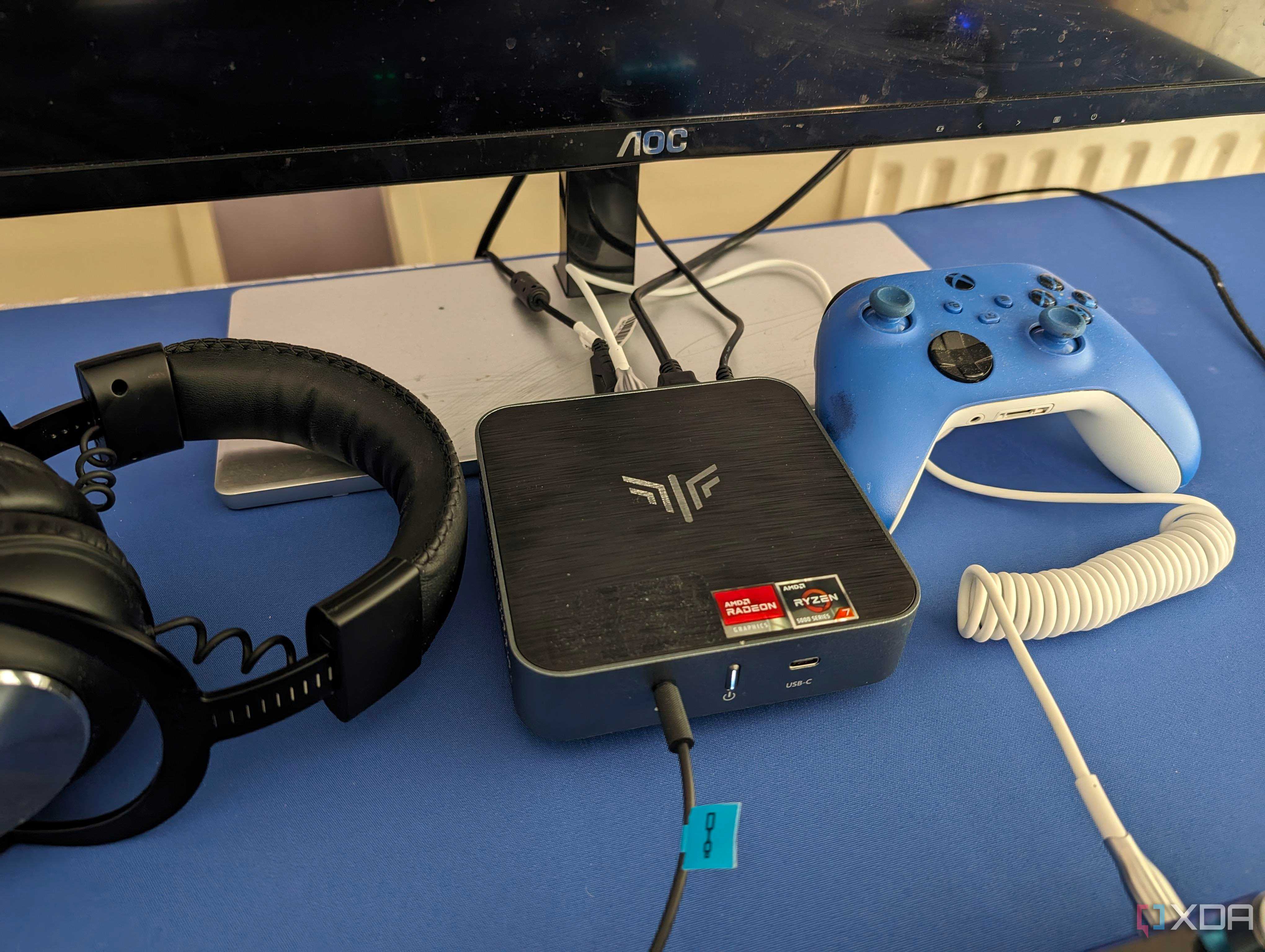
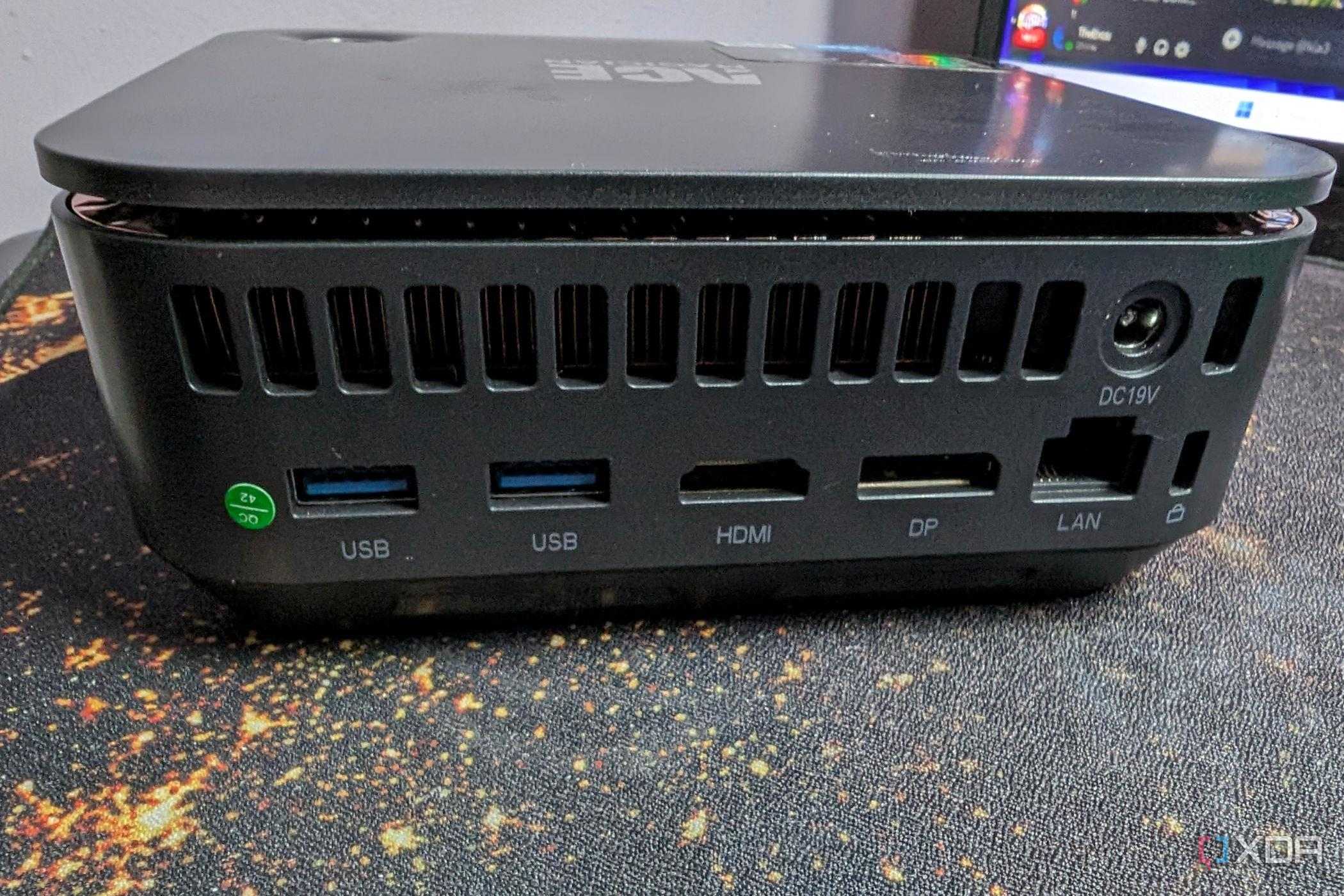
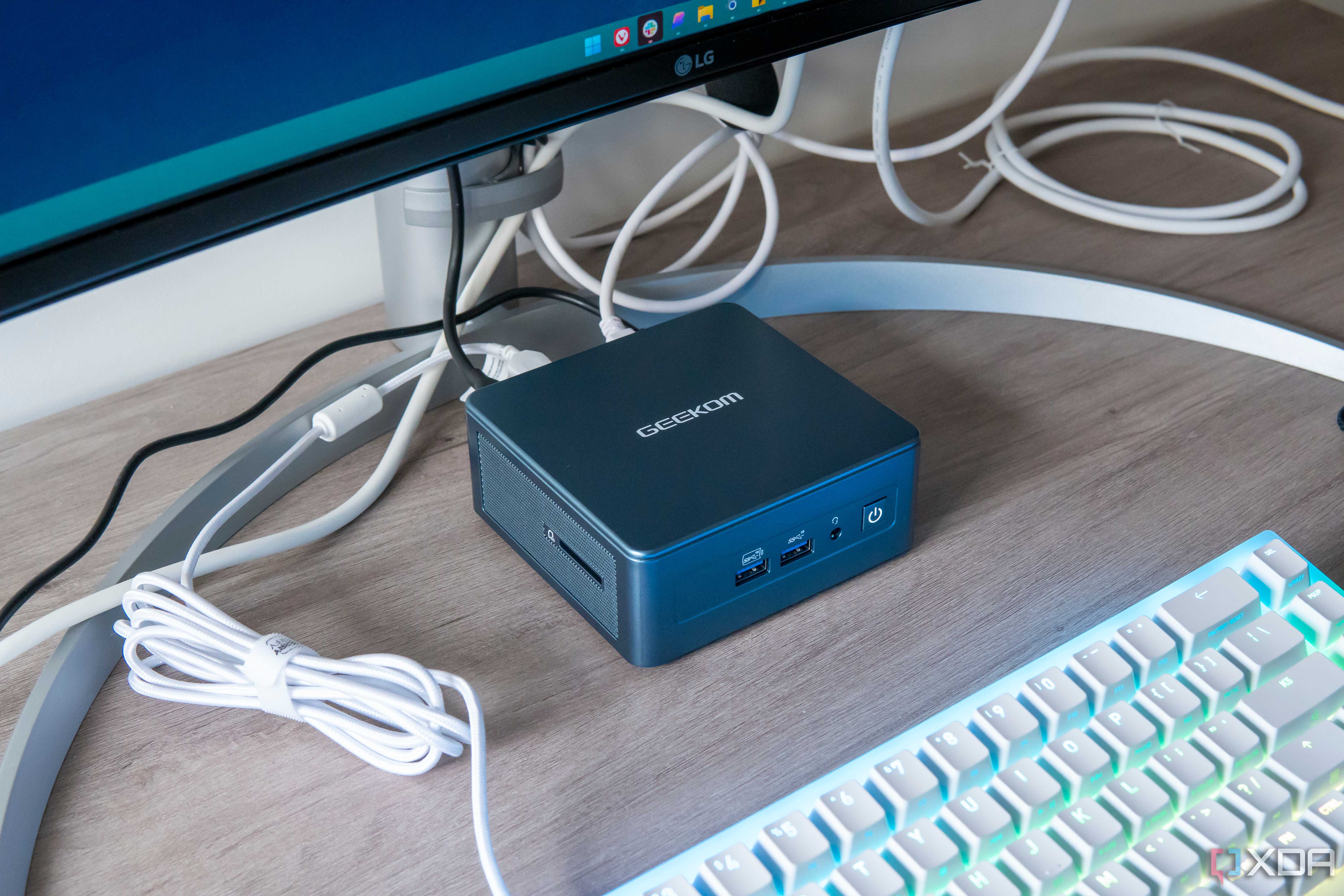
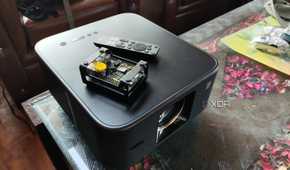
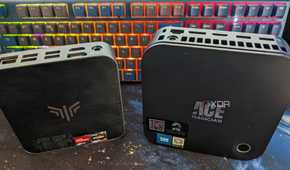
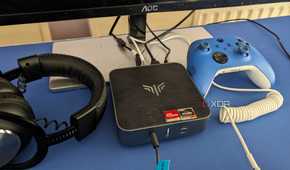
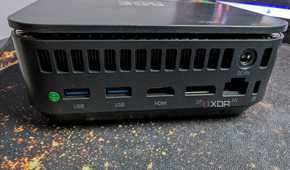
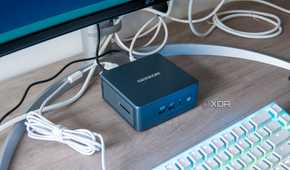
You're technically paying for the hardware your ISP ships when you sign up for their service. It's what gets you online and can even allow them to either monitor your usage or provide additional content. Then there's the case of support. You won't get much help from your ISP for a custom-built firewall. Their support staff will likely only be able to assist their kit, which is where using the hardware from your ISP can pay dividends.
There's also the case for saving money. A custom firewall running pfSense or OPNsense requires hardware, which you'll need to buy. If it ain't broke then don't fix it.
3 Your home network is too basic
No need for a special solution

Do you have two PCs, a smart TV, and three phones connected to your home network? You likely don't need anything special like a custom firewall or router. So long as you keep yourself safe when online, you shouldn't encounter any problems. pfSense and OPNsense won't magically protect you from all attacks, but they are more secure and better suited to busier networks with switches, APs, and more complicated setups.
Maybe you only require a VPN for a few devices and are more than happy running local clients. You may not need to use reverse proxies, DDNS, or other advanced features that make your ISP router a better solution.
Give it a go if you want to learn
I recommend trying something new to expand your horizons and creating a custom firewall and router is a great way to learn your network. Start with your ISP router. Log in and play around in the backend, reading up on how everything works. Then it's time to migrate to a custom solution once you're ready to take things to the next stage. You can set up a custom router for any network, but only do so if you'll make the most of it.
