


Mesh networking is amazing. It allows you to use multiple nodes to create a wide-reaching wireless network for all devices to get online. Compared to just one router with wireless capabilities, a mesh network can improve your Wi-Fi signal strength tenfold, depending on the location and building. I know wired networking is king in the home local area network (LAN) world, but I wasn't expecting it to be that much better than an existing mesh setup.
We had a mesh network up and running for our old rented accommodation simply because my spouse didn't want Ethernet cabling hanging from every fixture, and we didn't have permission to hard-wire the property, nor was this something I wished to do for someone else's house. Since we moved into our own home, I decided to go all-out with Ethernet and fiber, utilizing SFP links and powerful 2.5Gb ports to connect everything.
I always knew Ethernet was the best option for getting online, but it was shocking just how much more capable everything became with the right backend.
Mesh networking is brilliant
When you need rock-solid Wi-Fi


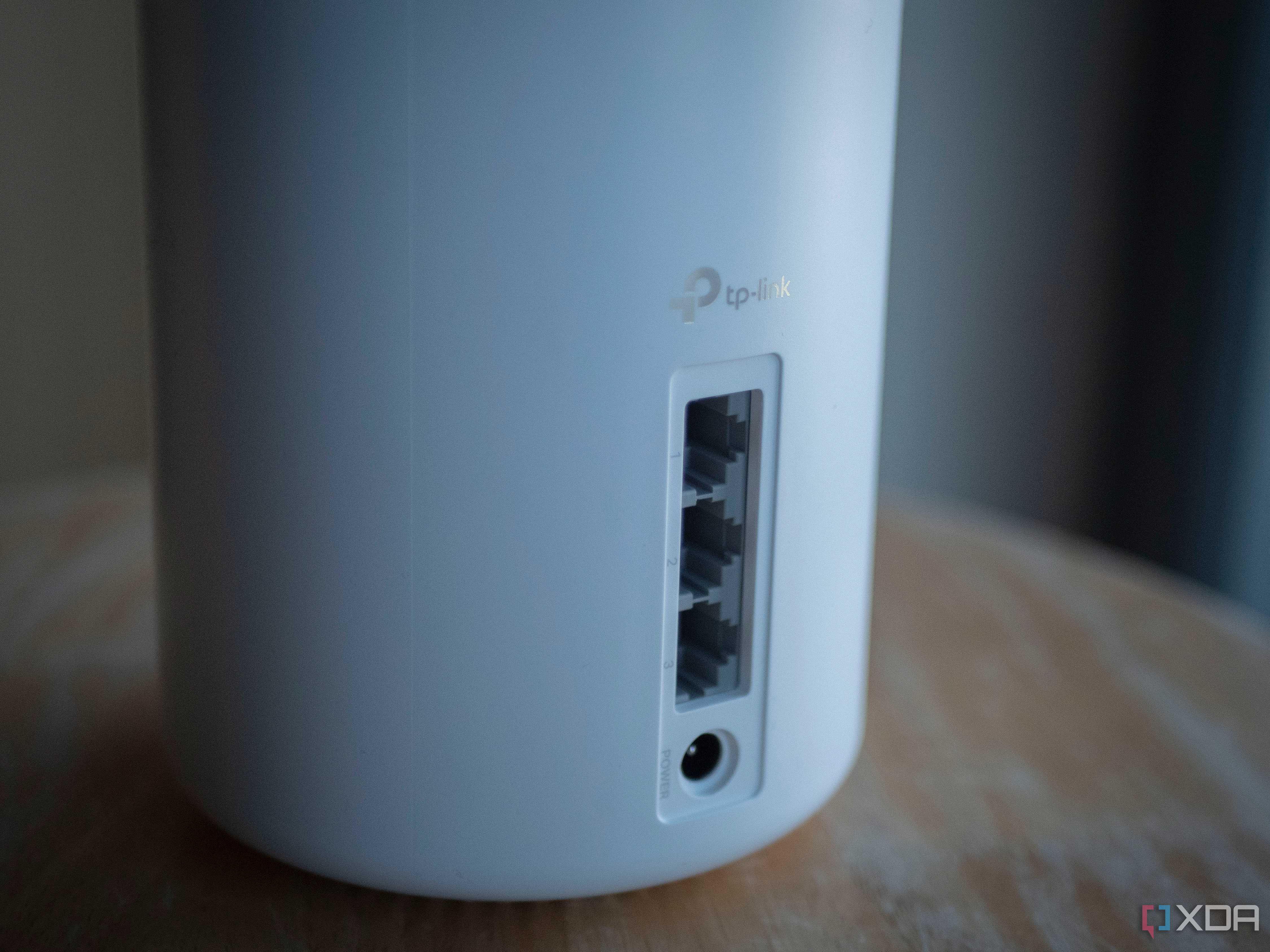
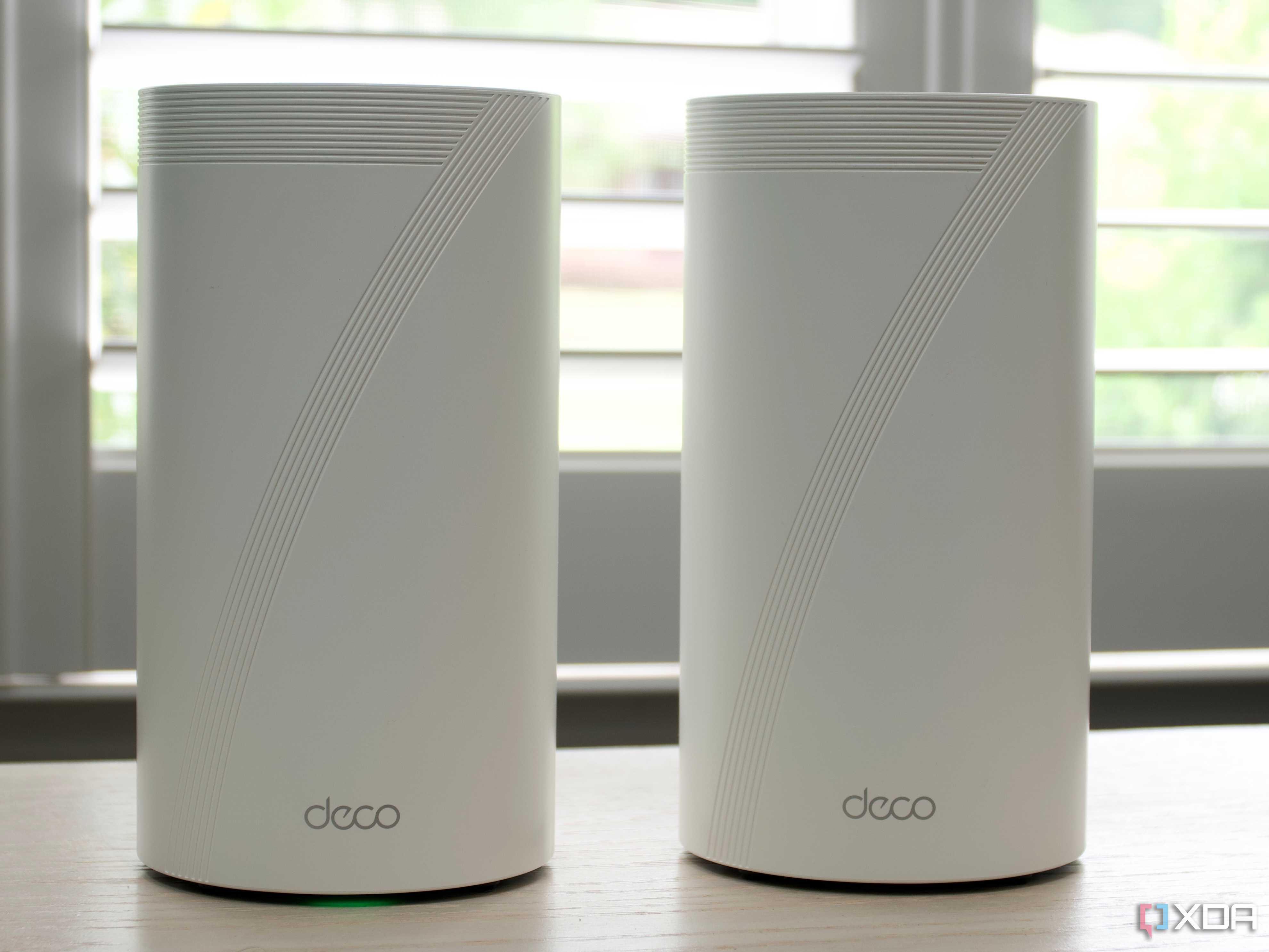

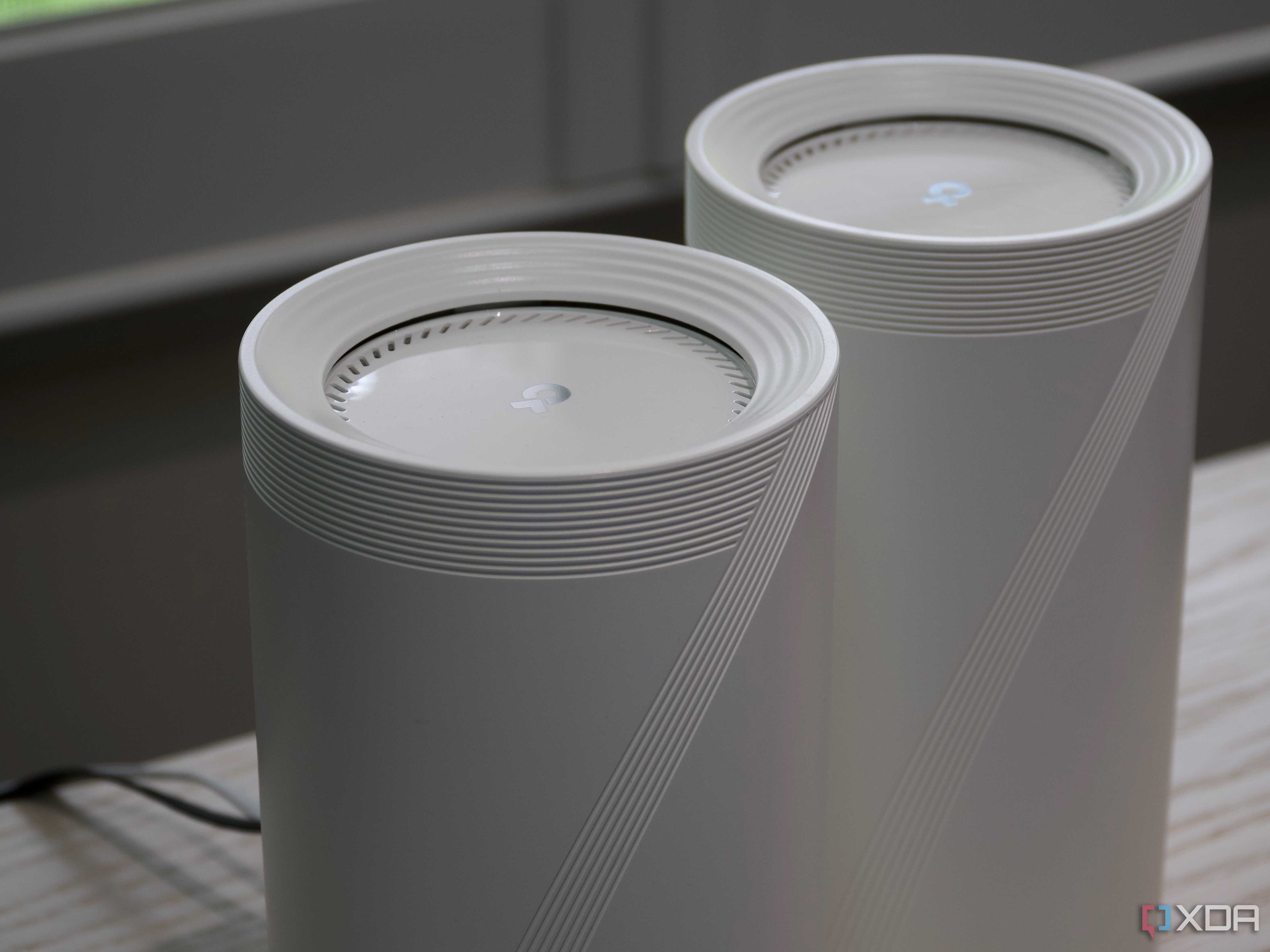
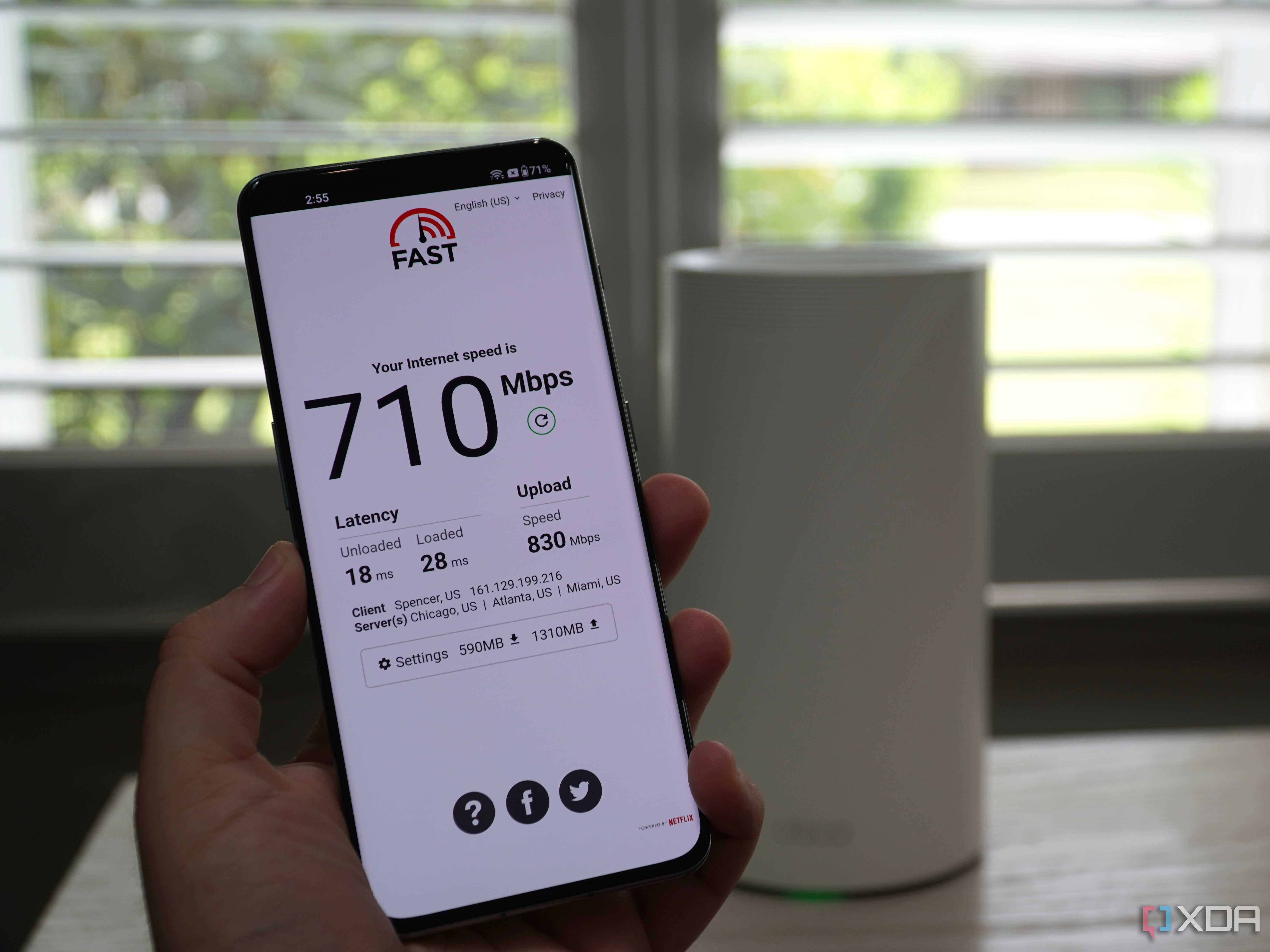
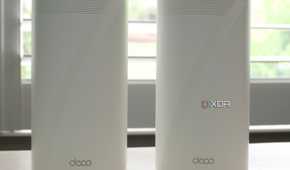



I embraced mesh fairly late but appreciated precisely what it was able to achieve with a few nodes and some terrible materials used in constructing our previous rented accommodation. Without needing to run cables, mesh networking allowed us to eliminate dead zones and provide ample signal strength to pretty much all our wireless devices, something our poor ISP router simply couldn't do. It's great how mesh works, too.
You simply move between nodes, and your devices automatically migrate to the nearest mesh node with the best signal strength. There's plenty of choice too, meaning you don't have to spend hundreds to enjoy better home Wi-Fi. Brands such as Eero, Netgear, and TP-Link all have more affordable options available, depending on whether you need Wi-Fi 7 or something slightly less cutting-edge.
But while mesh networking is great and works incredibly well with the right environment, you're effectively enjoying near-flawless wireless connectivity with lower speeds and throughput. These devices are optimized for ease-of-use and coverage, maximizing wireless signal, but this comes at a cost for those seeking to fully max out their fiber connection without using cabling.
When the mesh became slow

Don't get me wrong, mesh networking isn't slow by any means. You can easily find some high-speed solutions available for around $100, but it's not quite as good as being located next to a standard router in some cases, and compared to Ethernet, there's no competition. Before our house move, our entire network was built around mesh Wi-Fi with nodes strategically placed throughout the home.
That all said, we weren't hitting super-fast speeds. Even when located next to one of the nodes, I could never achieve as good a speed as aftermarket wireless routers. This is largely due to how mesh systems work. Each node communicates with the others using the same radio spectrum for data transfers between devices. That means you're sharing your wireless network with routed traffic between nodes.
Unlike a router, where connections are made to and from the wireless device, a mesh node may need to route traffic to another node, congesting the wireless channel. This results in a notable drop in bandwidth, depending on how many *hops* you'd need to take. For the new home, this wasn't acceptable, not since we could work on using a far superior option: Ethernet.
Ethernet is the way to go
You can't beat wiring if it's possible


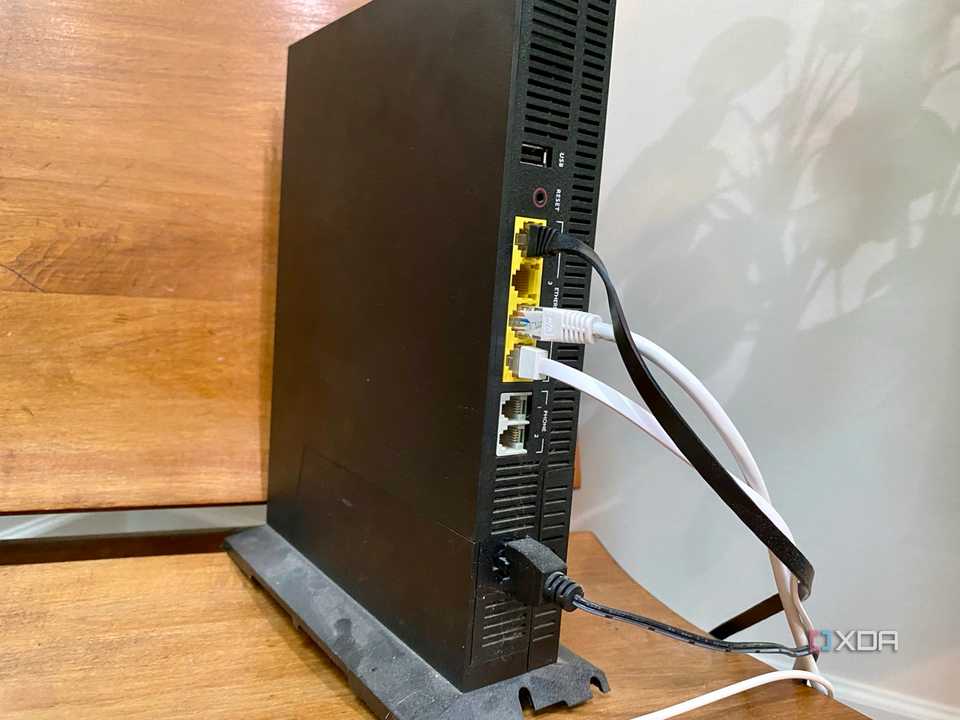
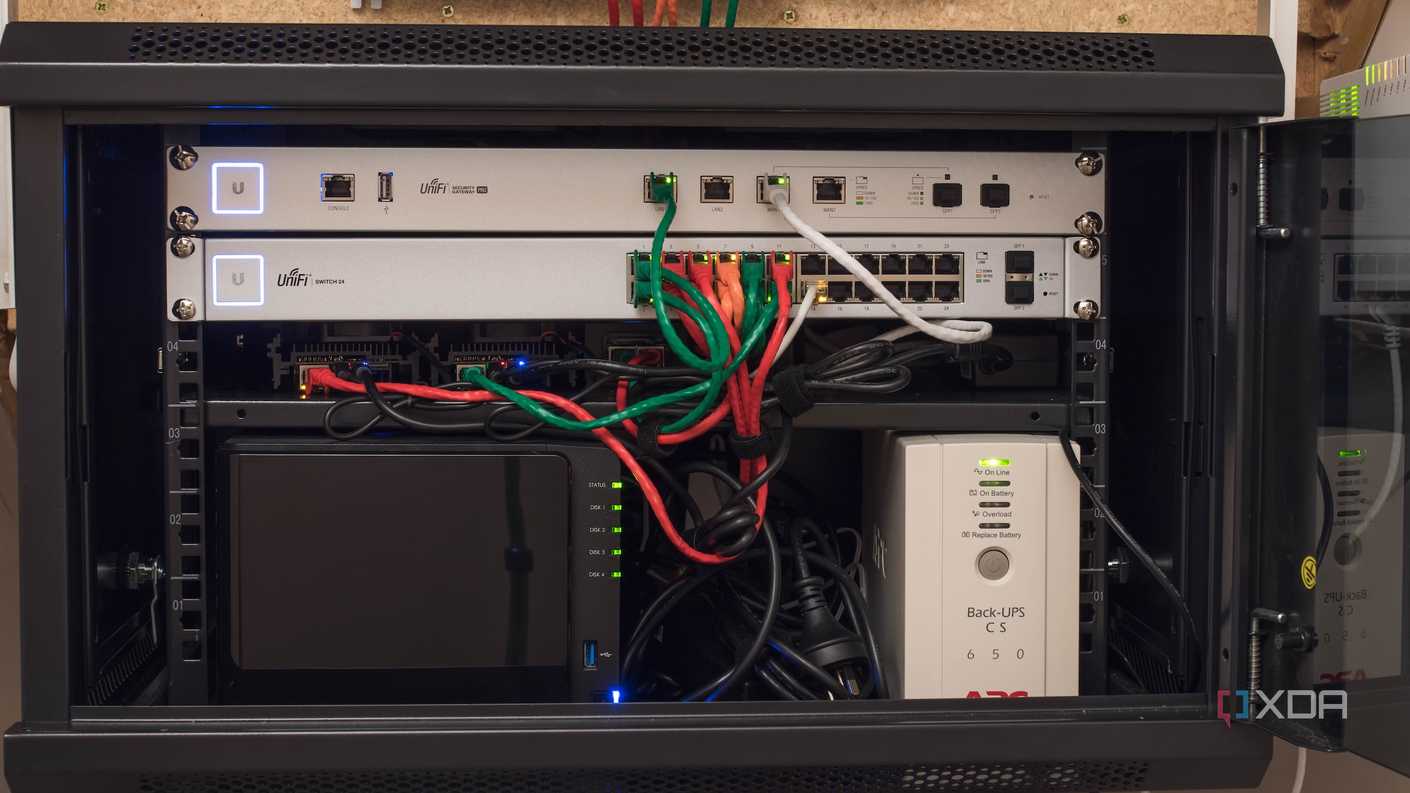


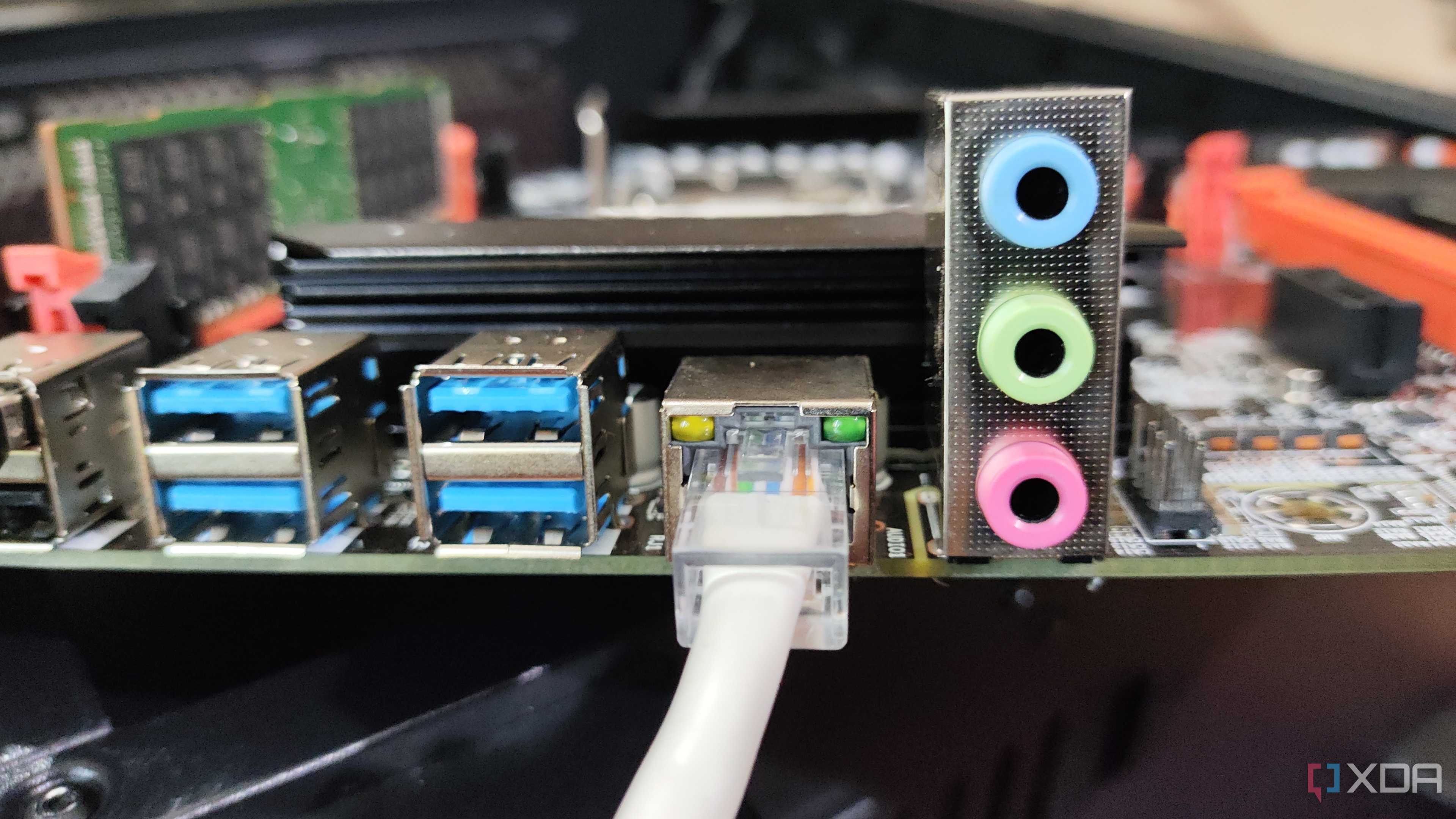
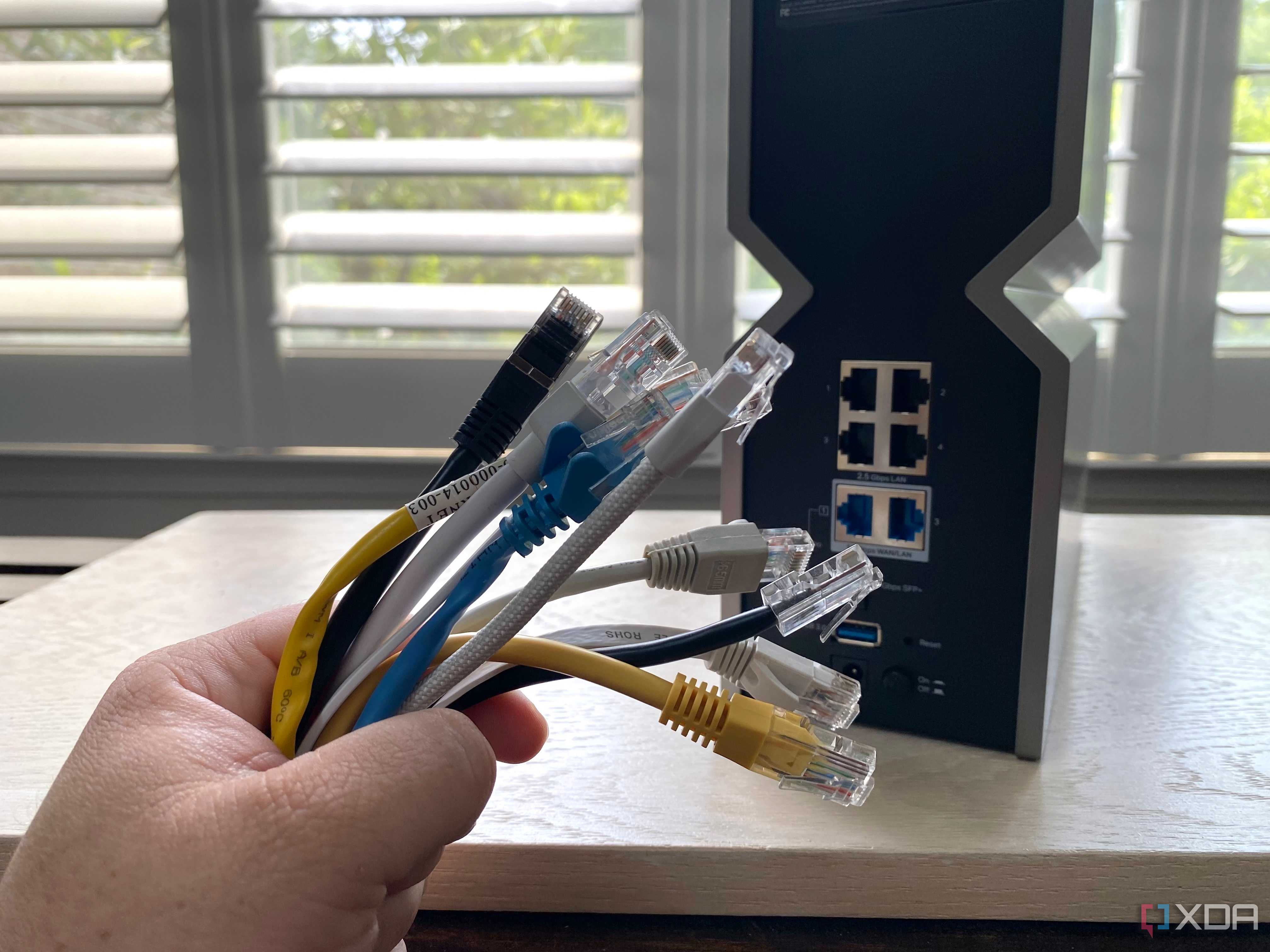
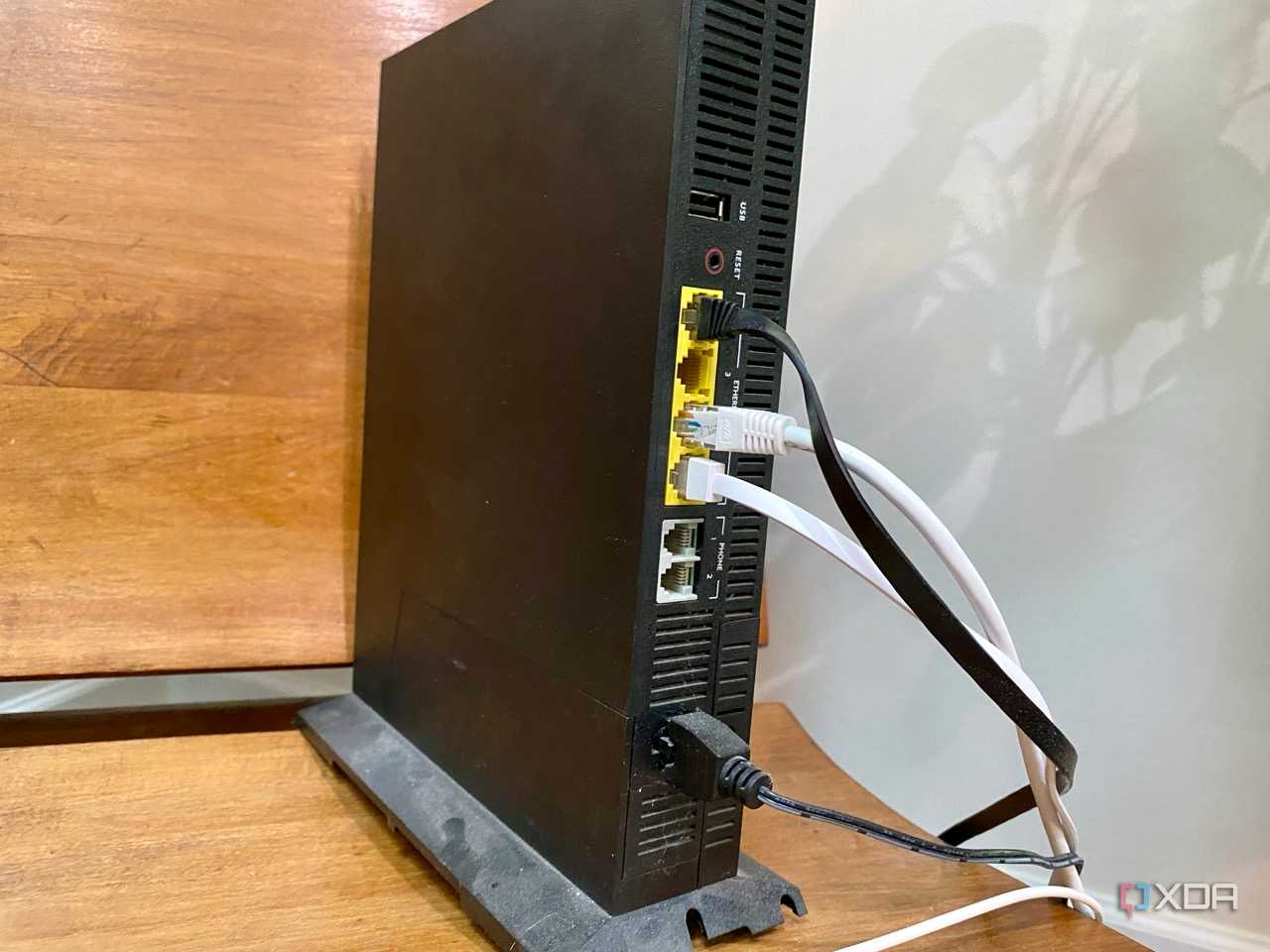
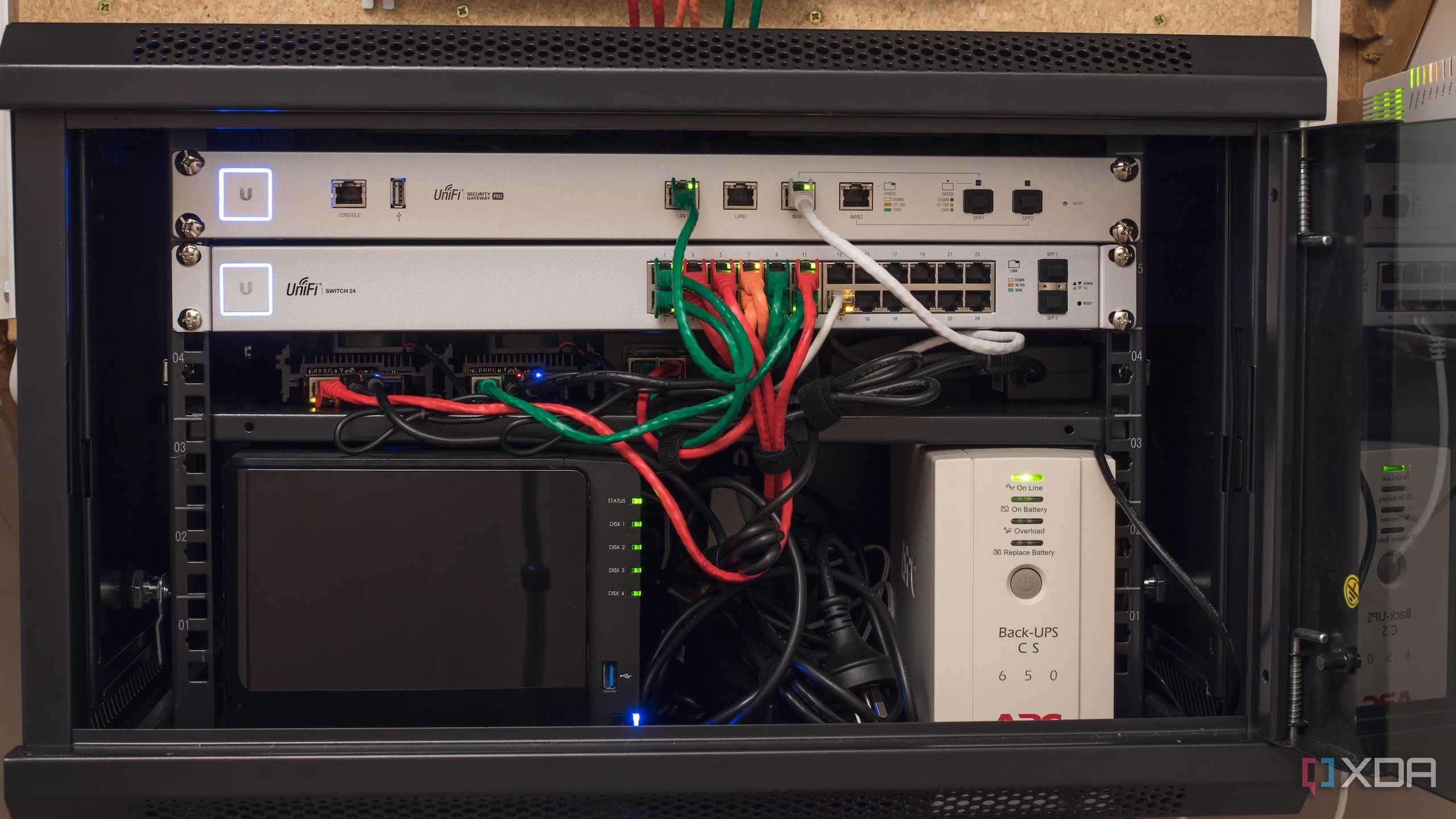
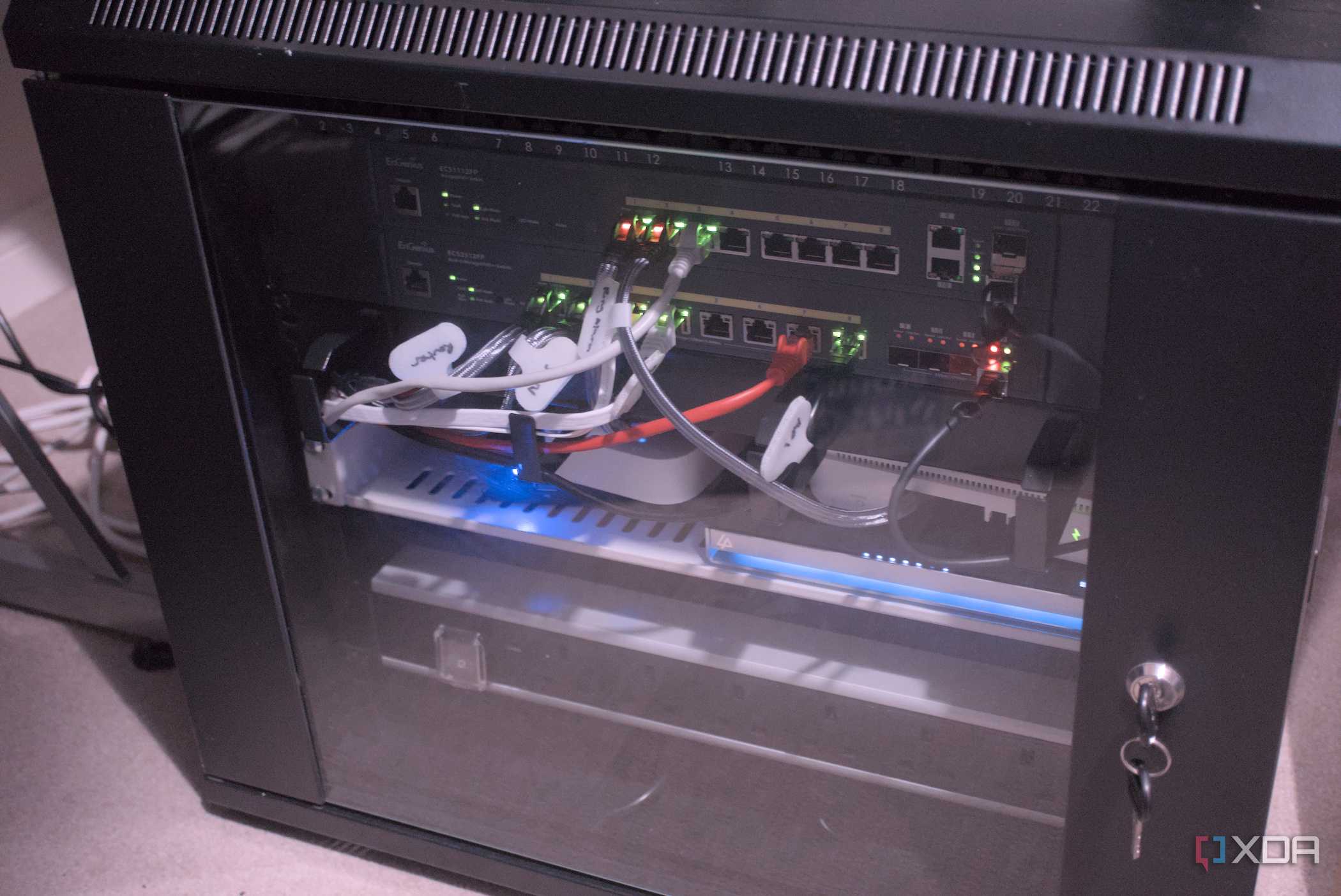
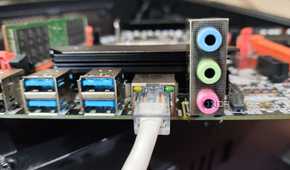
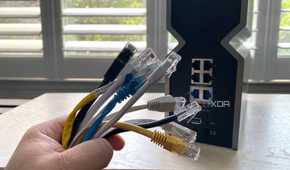
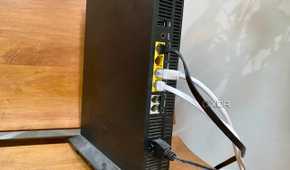
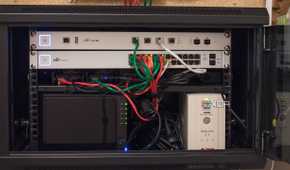
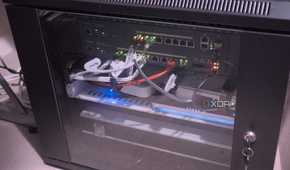
The undisputed benchmark for performance on a LAN is Ethernet cabling. There's no beating it, not with the best wireless router, most expensive mesh setup, or powerline adapters. So long as the right cable is used for the job, you can enjoy speeds surpassing 90 MB/s with all the bandwidth you'd likely ever require. Each device has its own data path between the router or switch.
Unlike our rather busy and congested mesh network, Ethernet cabling allows one to throw up a few switches to act as local hubs. With Power over Ethernet (PoE), a few access points can be strategically positioned to provide a reliable wireless backend. We're seeing more and more products released with ports supporting faster than 1Gbps speeds, too. Acquire a compatible switch, and you can enjoy some eye-catching performance.
I've obviously witnessed the performance of cabled versus wireless, and this isn't some secret, but to move beyond the standard 1Gbps bracket, it's incredible how more than 200 MB/s can transform your home network, especially when matched by lower latency and stable connectivity. Streaming, online video calls, downloading, and backups can all run simultaneously without the network slowing.
I was lucky enough to pick up 2.5Gb switches with 10Gb SFP links at a reasonable price. They offer high bandwidth for the network, facilitating the transfer of big data before bottlenecks occur. With everything configured and OPNsense acting as the brains of the operation, the network was fully predictable and stable. Internal transfers were ridiculously fast, and our external fiber connection suddenly felt grounded.
What I wasn't prepared for was just how much better a fully wired network would be at home. Not just in raw numbers, but in everyday experiences.
Mesh networks are still incredible
For homes where running cables everywhere just isn't possible, mesh networking can prove invaluable. The same goes for powerlink adapters, which have the ability to use your home's wiring circuits to transfer data between two outlets. These are all options that can be used together or interchangeably, depending on LAN requirements.
