


Summary
- You can't just buy a sleeper PC case off the shelf.
- Retro PC cases are terrible for airflow.
- Sleeper build projects require extensive modding.
If you're a beginner PC builder, you might not know about a particularly niche PC trend that turns the PC on its head — well, in a sense. Instead of pushing for an aggressive or minimalist look, the sleeper PC build aims to appear as unremarkable as possible. Housed in a vintage PC case from the 90s, it tricks you into thinking that you're in the presence of a dinosaur. In reality, however, its internals could put your high-end gaming rig to shame.
A section of the PC building community has been gravitating toward these sleeper PC builds for years now, taking on these projects as challenges to be conquered. And mind you, these are tricky challenges. This is why I want to warn you before you harbor dreams of crafting a sleeper PC of your own because it isn't for the faint of heart. I gave up on my own sleeper PC dream and here's why.
3 There are no sleeper cases
No one makes them anymore

Source: eBay 
Source: eBay 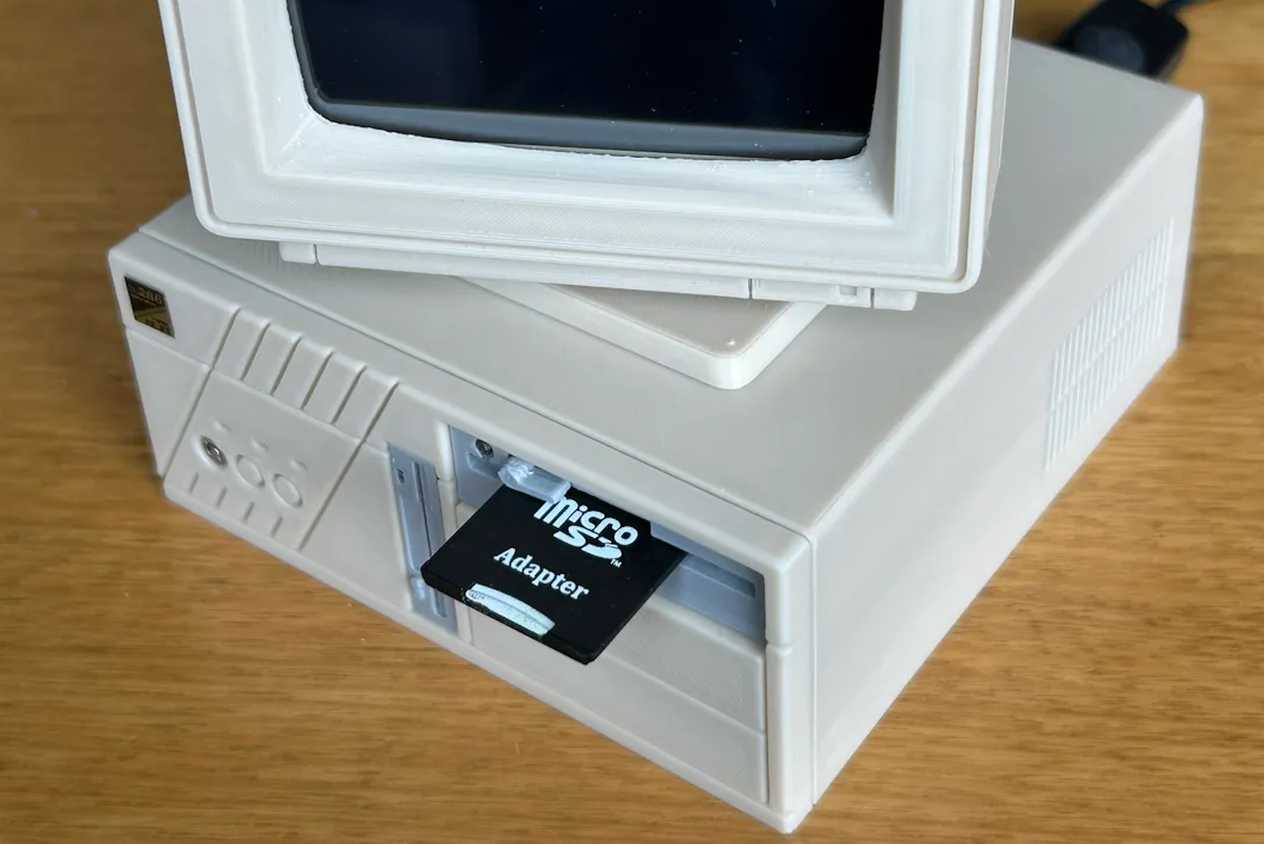
Image Credit: fantasticmrdavid 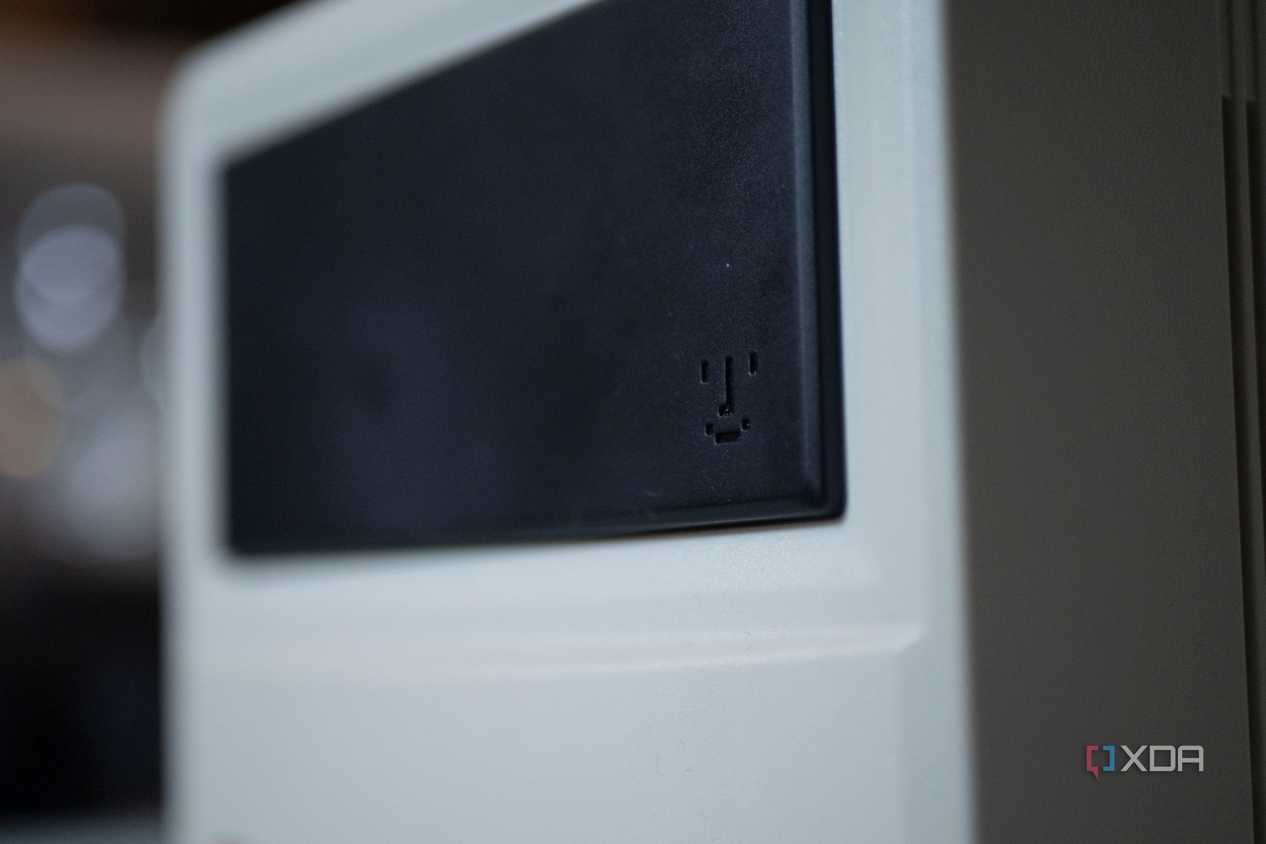
Source: Ruben de Rijcke - http://dendmedia.com/vintage/


Source: eBay 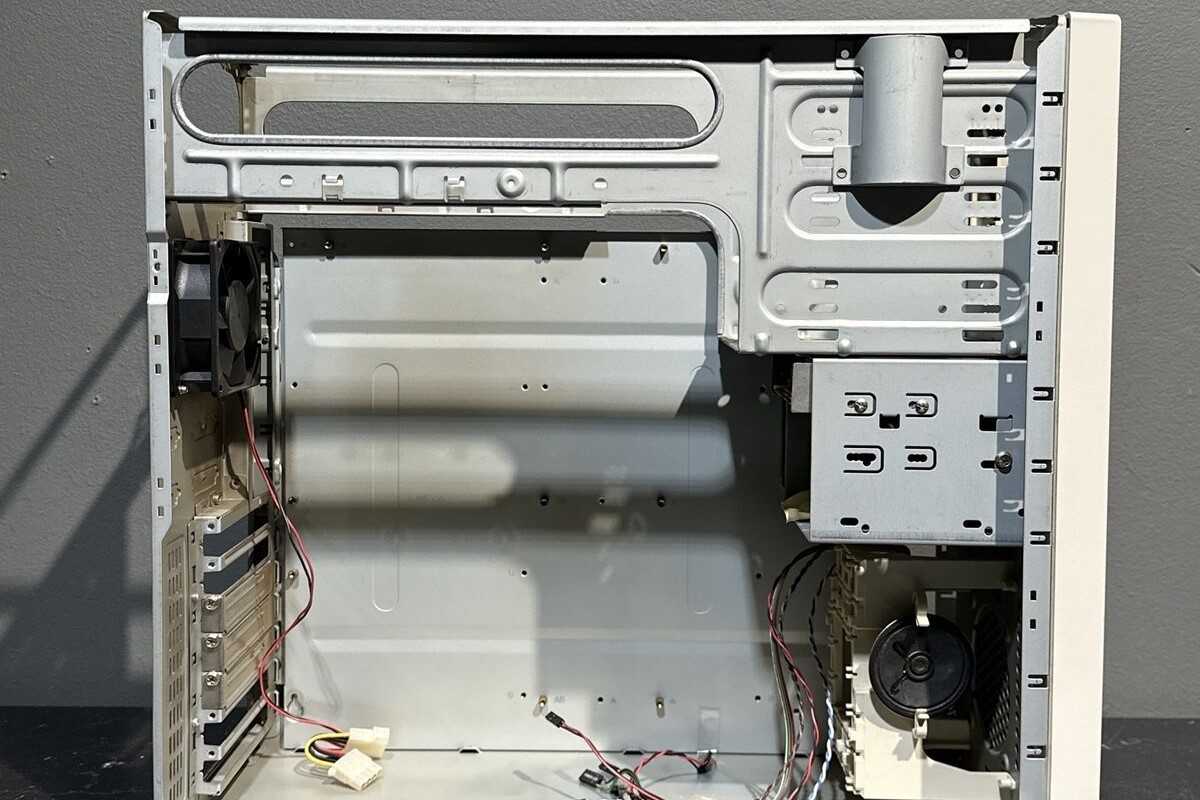
Source: eBay 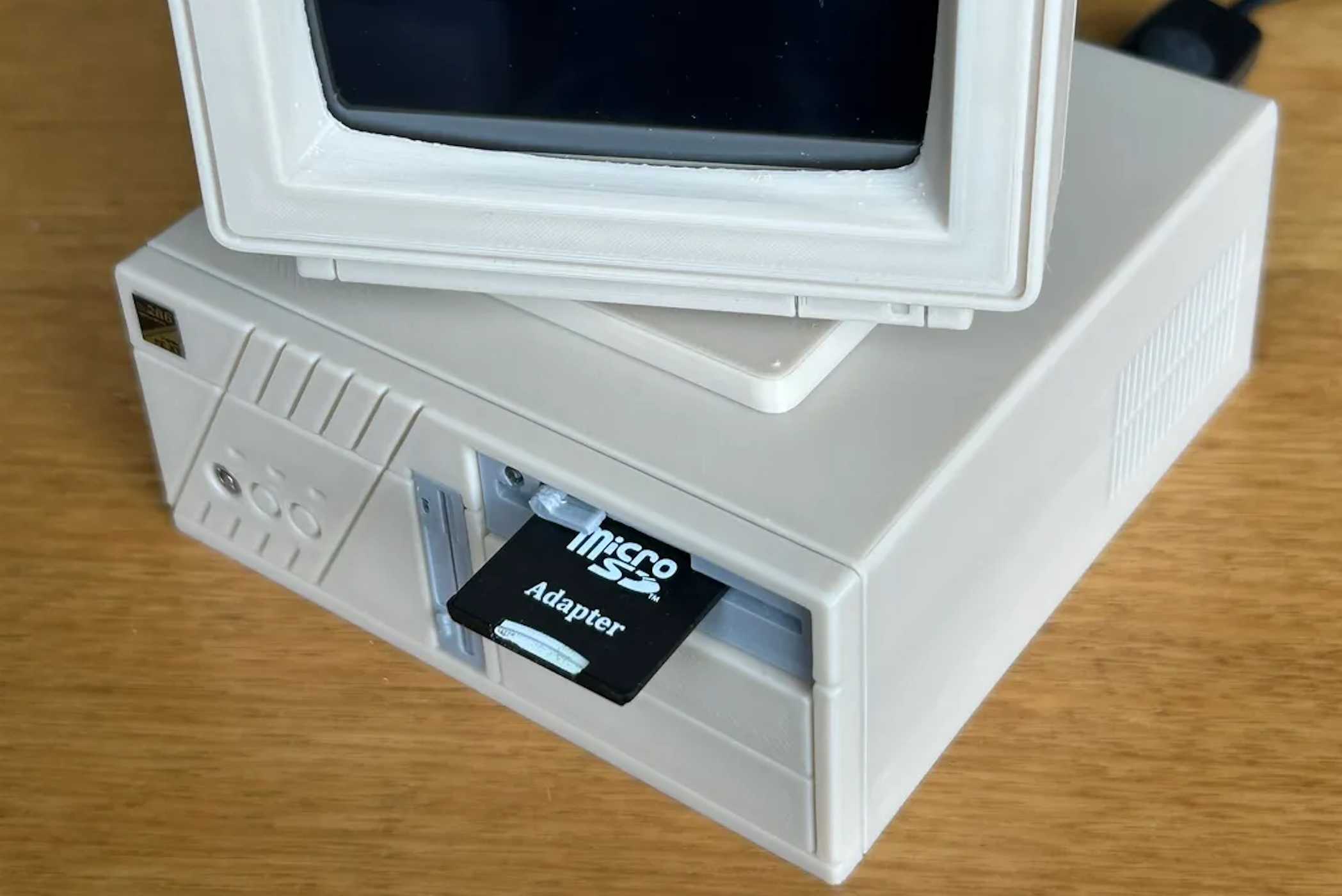
Image Credit: fantasticmrdavid 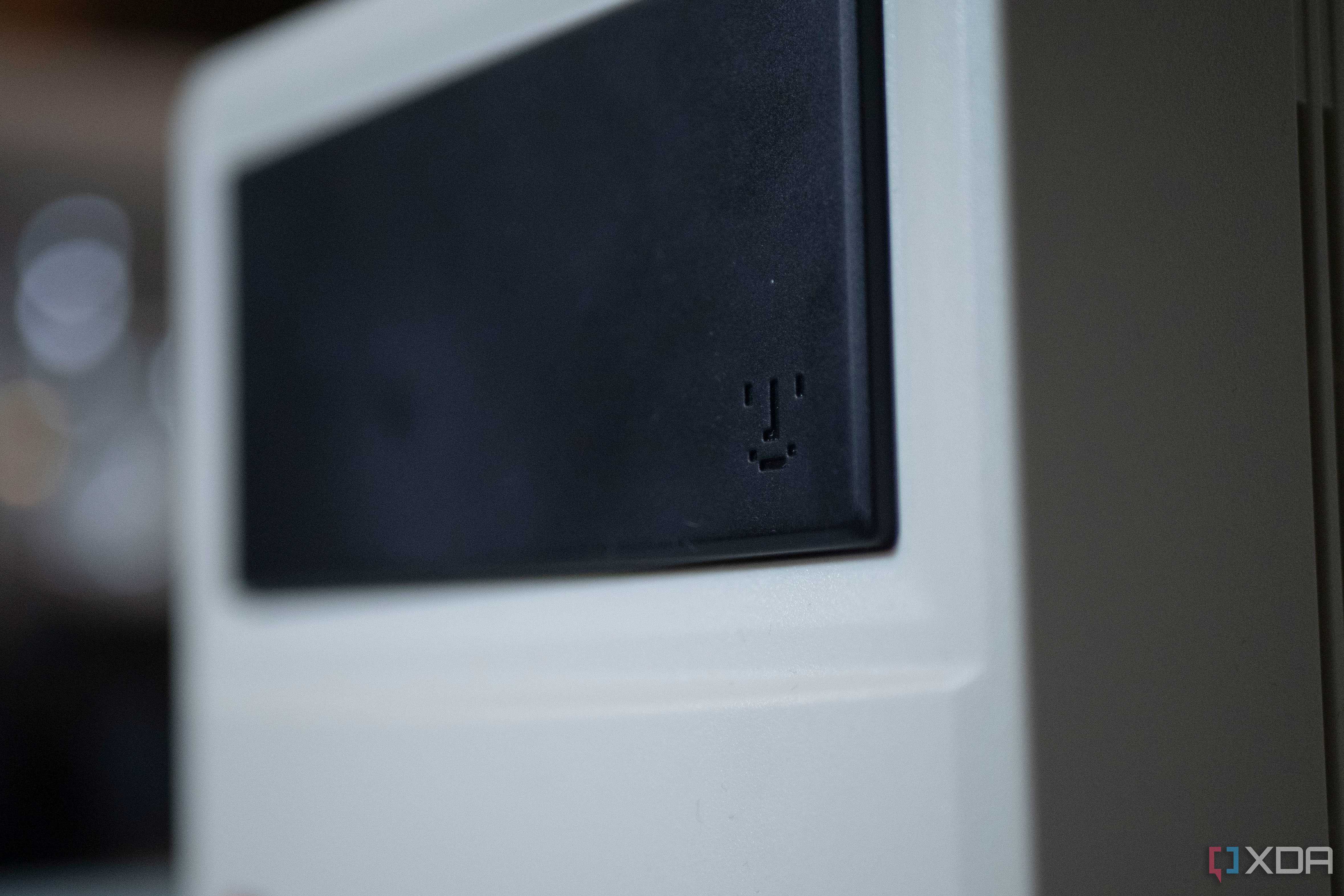

Source: Ruben de Rijcke - http://dendmedia.com/vintage/

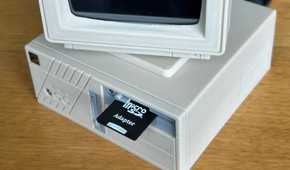


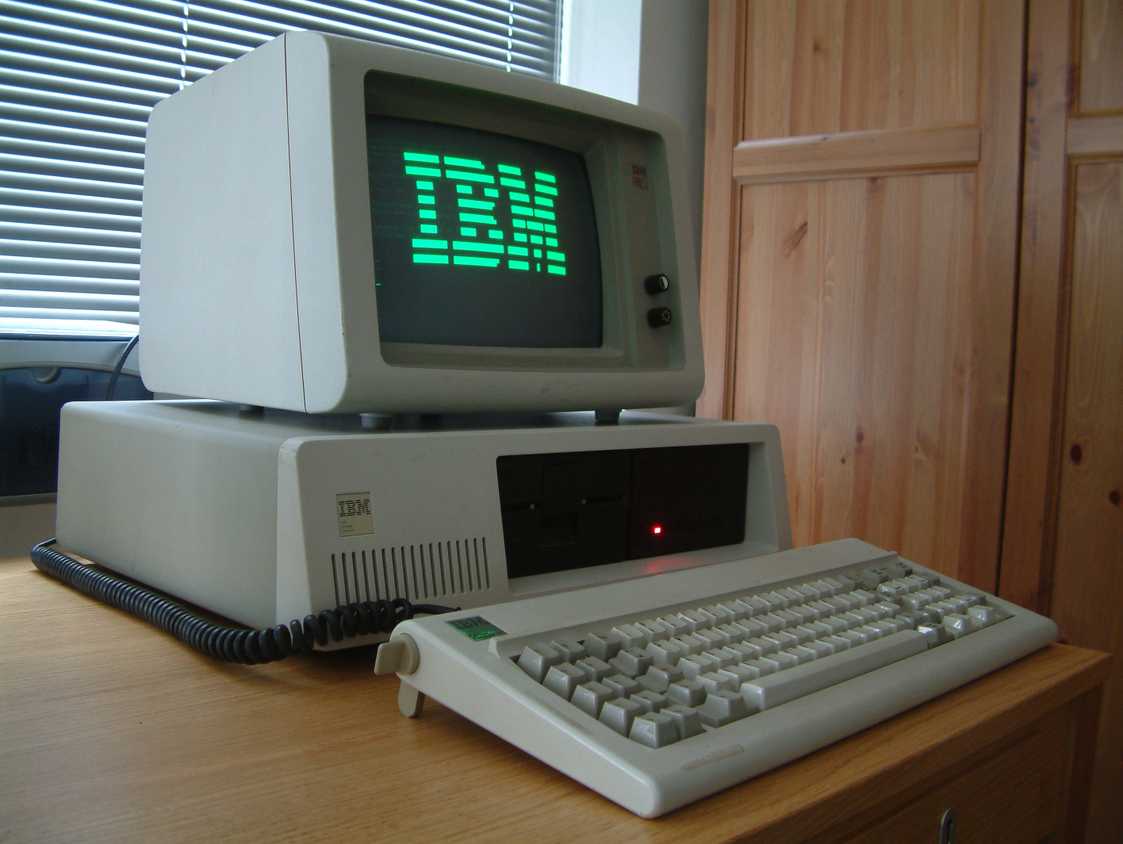
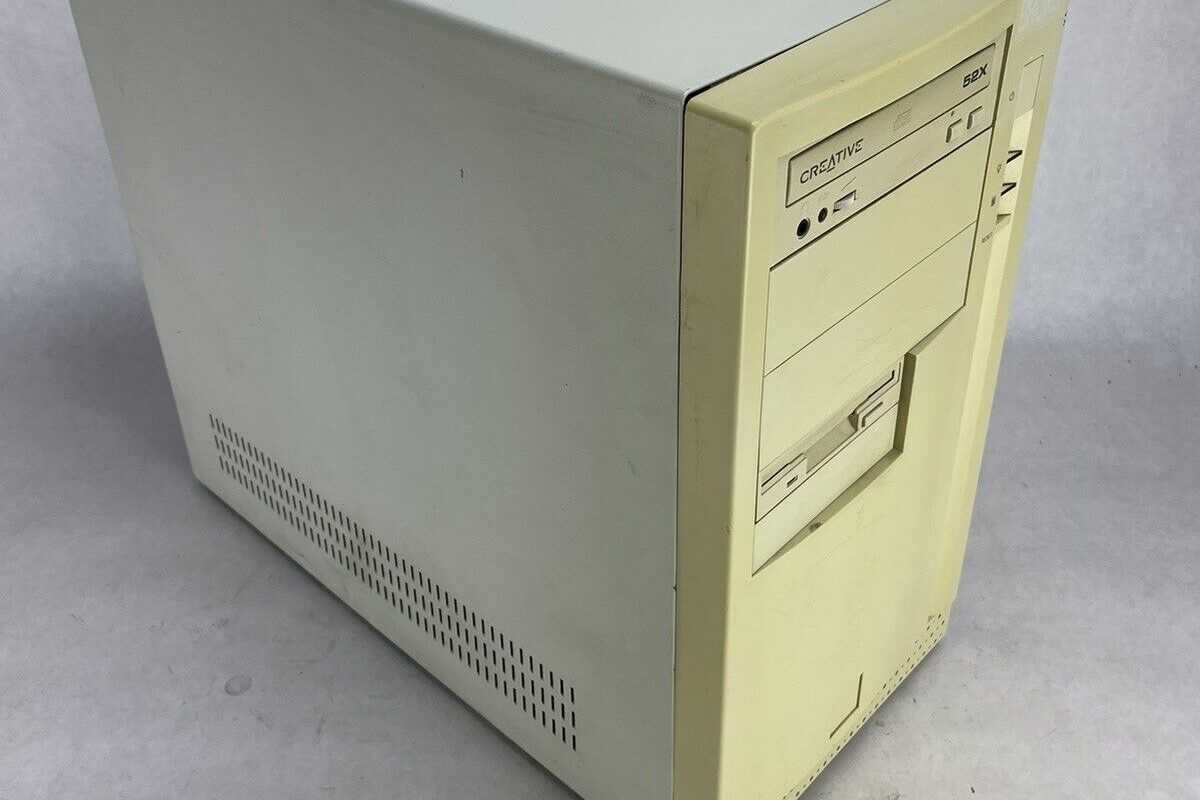
The thing is, no one is making PC cases targeted at sleeper builds. You can't just go on Amazon or the Micro Center near you to get a sleeper-PC-ready case. The only way you can get your hands on a vintage or "retro" case is by buying it from someone. You can also find eBay listings for old PCs which you can buy and then strip off their ancient parts to make them ready for your modern, high-end components.
You might not be able to fit your triple-slot graphics card or beefy CPU cooler in it.
But the story doesn't end there. Despite the ATX standard existing since 1995, there are still non-standard older PCs in the wild, especially from system integrators like HP and Dell. Even if you manage to find an ATX case, you might not be able to fit your triple-slot graphics card or beefy CPU cooler in it. Plus, your power supply will likely have to be stuffed in at the top or rest on the bottom of the case like someone lost in the jungle (of cables).
All of this makes sleeper builds far from the plug-and-play building experience that most of us are used to.
2 Airflow is a huge concern
PCs of old didn't need as much airflow

It's true — PCs in the 90s could survive without any discernible airflow happening inside the case. Fancy intake vents or side mesh panels seen in the best airflow PC cases to accommodate today's power-hungry CPUs, GPUs, and even SSDs did not exist at that time. This is why you need to be aware that even if you manage to put your build together in a vintage case, you'll be starved for airflow, which can have devastating consequences for your components.
If you really want to create the space for air intake and set up your fans for optimum airflow, you'll have to get ready for some modding, which is what brings me to the next big concern.
1 You need to be ready for modding
Beginners can check out now
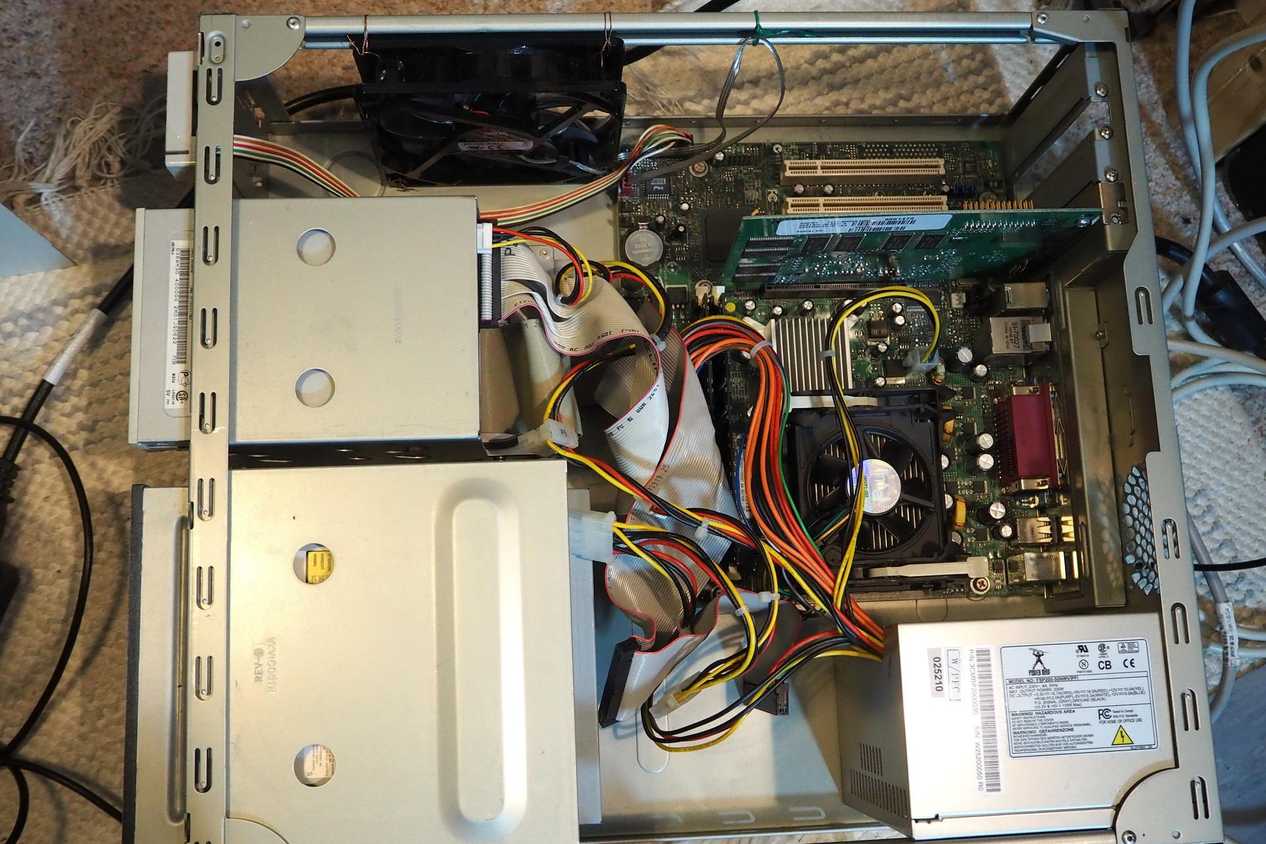
Source: DeviantArt 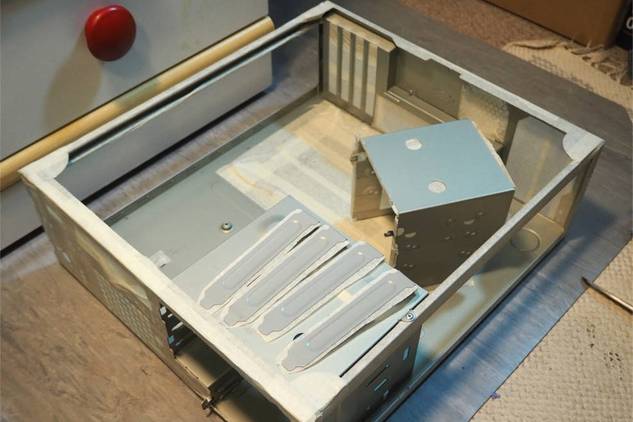
Source: DeviantArt 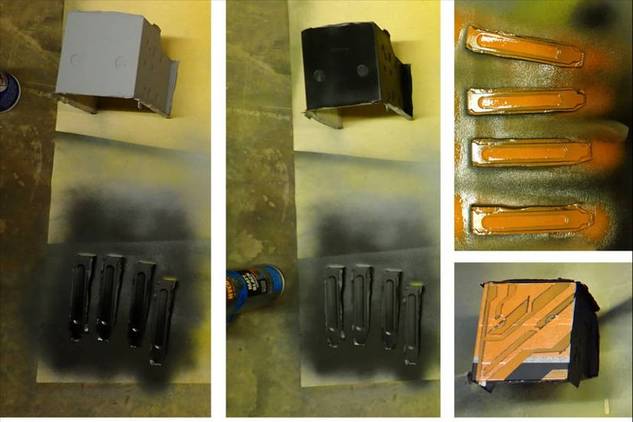
Source: DeviantArt 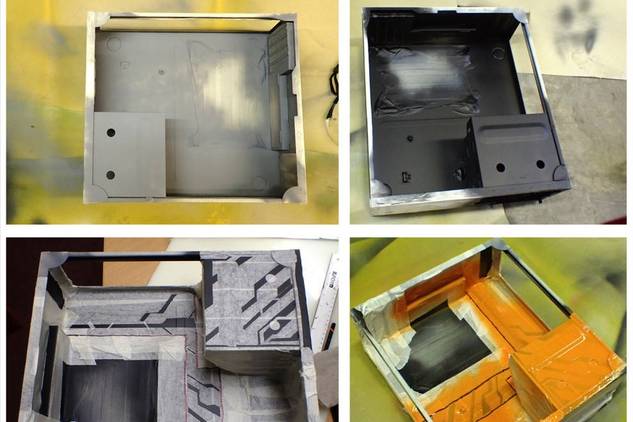
Source: DeviantArt 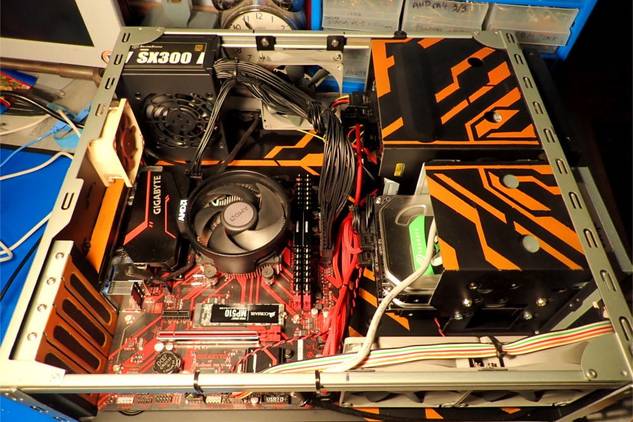
Source: DeviantArt


Source: DeviantArt 
Source: DeviantArt 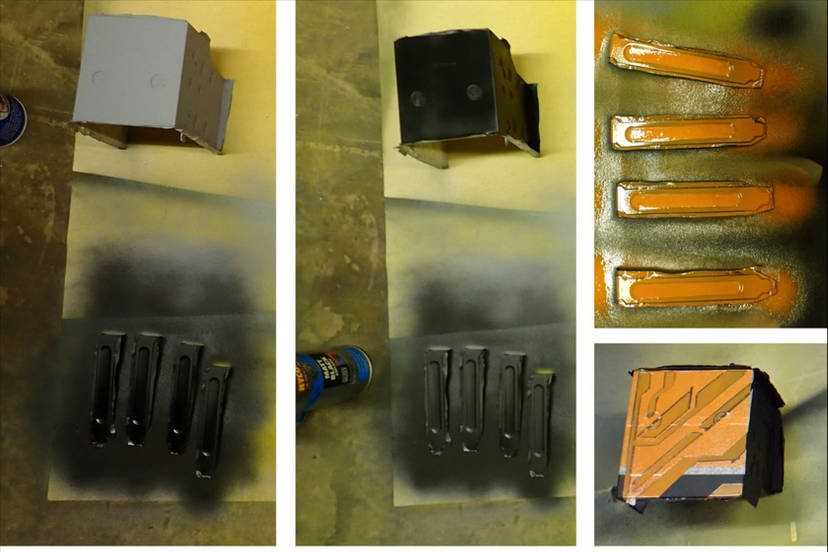
Source: DeviantArt 
Source: DeviantArt 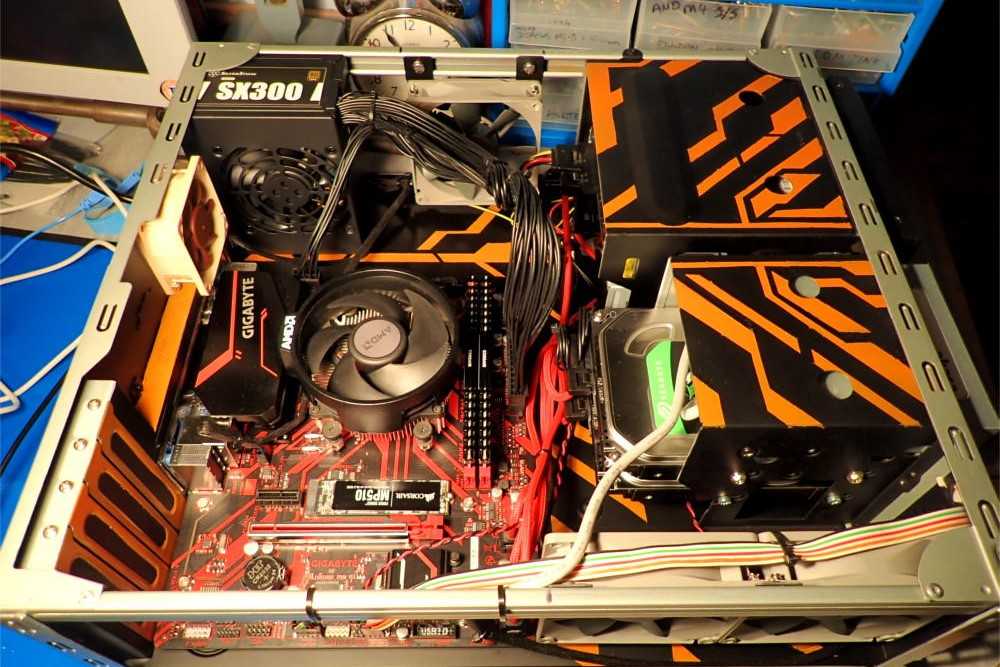
Source: DeviantArt
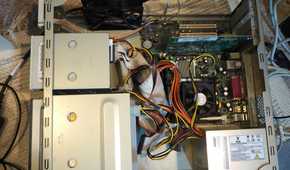
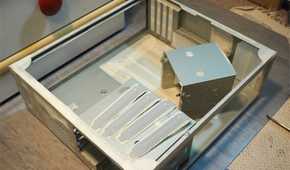
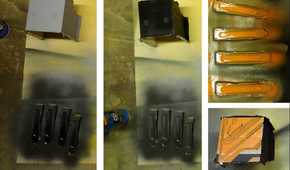
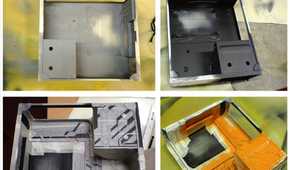
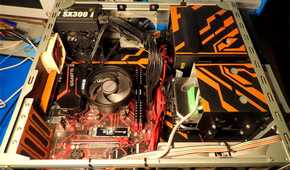
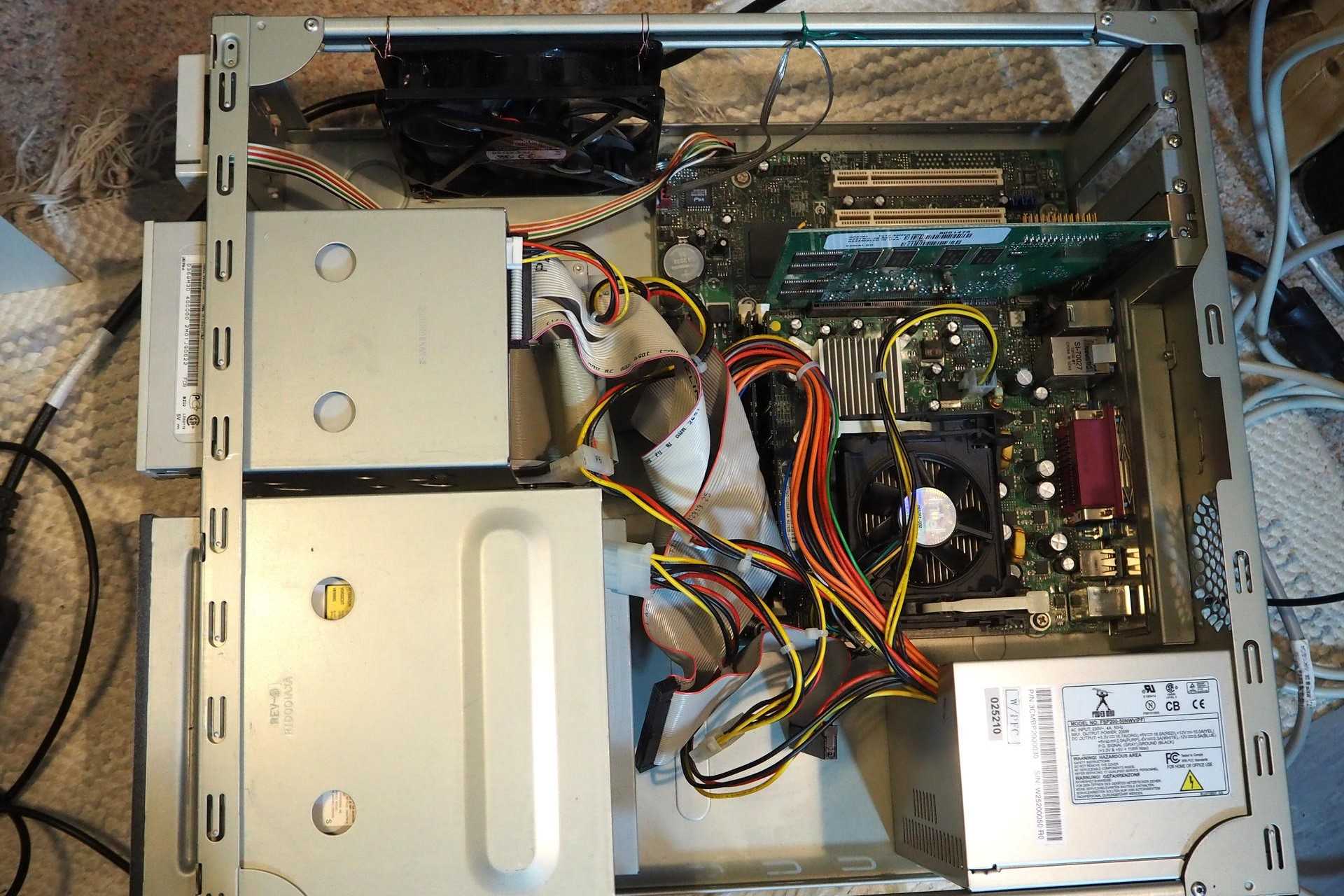
All the structural and performance-related challenges of sleeper cases are not the end of the road. After all, builders are showing off sleeper PC builds all the time. But, if you want to do the same, you'll need to get your power tools ready for some serious drilling and cutting. You'll need to remove all the sections and enclosures you don't need to free up as much space as possible.
Now, even if you've built multiple PCs, this kind of modding is probably not for you if you haven't dabbled in it before. For those hoping to indulge in this as a hobby, the work required to make it happen is probably more trouble than it's worth.
Sleeper PC builds: Not worth the trouble for most of us
Despite it being a cool and satisfying idea, a sleeper PC build is a time-intensive idea, if not too heavy on the wallet. You need to source a compatible vintage case, modify it to suit your components, and probably do a paint job as well if you want to give it a personal touch. Instead of a sleeper build, you can pick one of the most unique PC cases to make your build stand out.
