


Setting up a smart home with big-brand, app-dependent devices is a lot like buying a licensed LEGO tied to a movie or game. While the packaging looks great, you realize half the pieces are custom-molded and don’t work with standard LEGO bricks. That’s how many smart home vendors operate: design devices to work only with their app and with a specific, tightly controlled ecosystem.
What felt like convenience to get on board, that app-first approach, is what derailed my smart home plans. The appeal of onboarding, with claims of “plug and play” and quick setups, made everything feel magical. Like many, I was tempted until I realized that the convenience came with several strings attached. It felt less like building a smart home and more like slowly sinking in quicksand.
Hazards of the internet-bound infrastructure
Counting on someone else’s server

The entire appeal was setting up and running devices in a matter of minutes. But gradually, one of the problems of using apps became obvious: my home was a hostage to smart home device manufacturers’ servers and ISPs’ uptime. And I had no control over any internet hiccups, ISP downtime, or manufacturer server outages. Even when everything was working, a noticeable, persistent lag of a couple of seconds when turning on a smart light was hard to miss.
That delay is caused by the cloud processing stage, which adds hundreds of milliseconds to the time between the app and the smart home devices. Right when a sensor triggers inside my home, reports are sent to the cloud, where logic runs remotely, and the final command to action travels back over the internet to my home. For something basic such as a motion-triggered light, the experience felt sluggish and unreliable. Despite the “works with” badges, the ecosystem felt broken and unreliable due to high reliance on the internet.
Too many apps that don't talk to each other
Lack of cross-platform integration


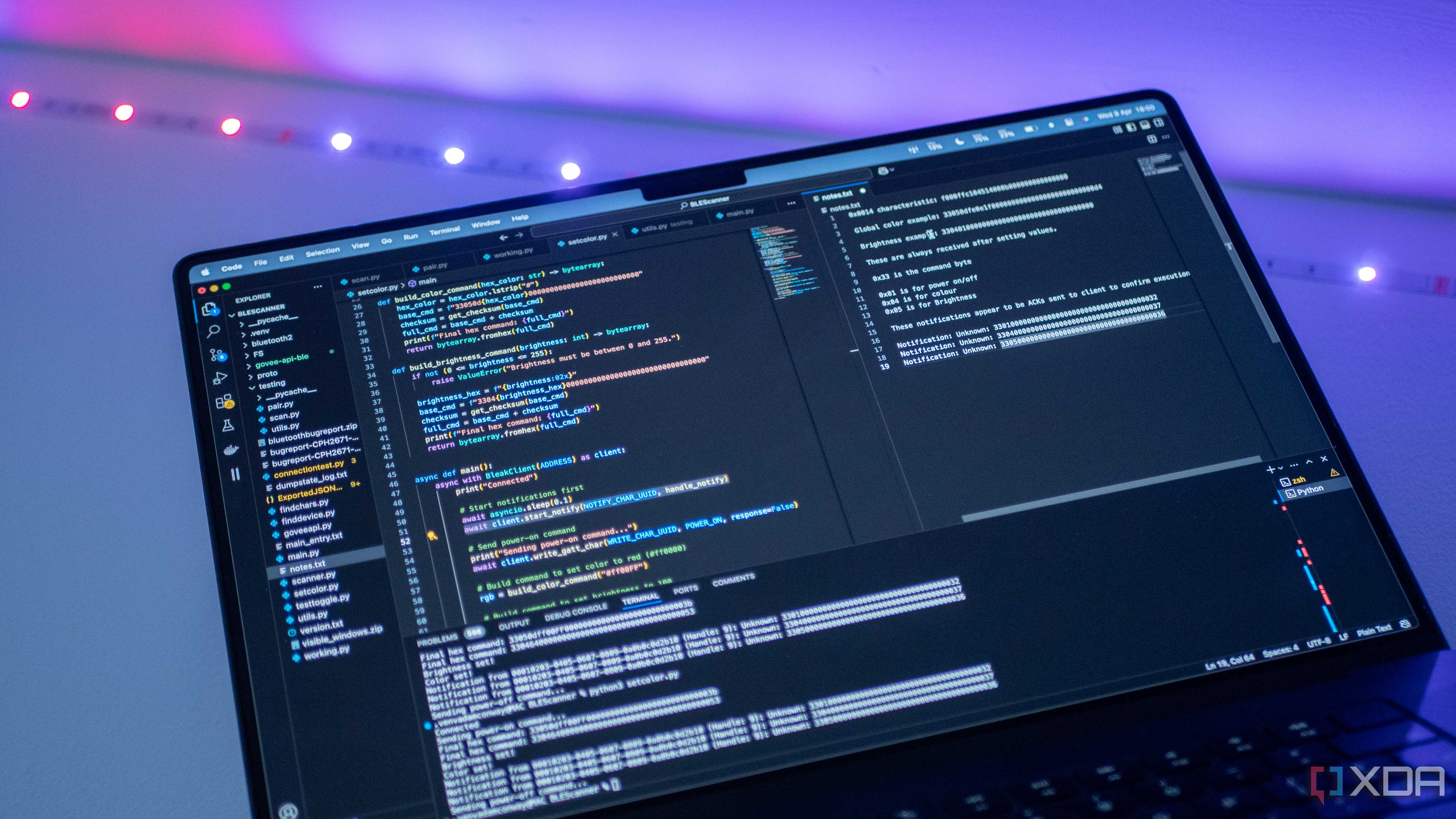

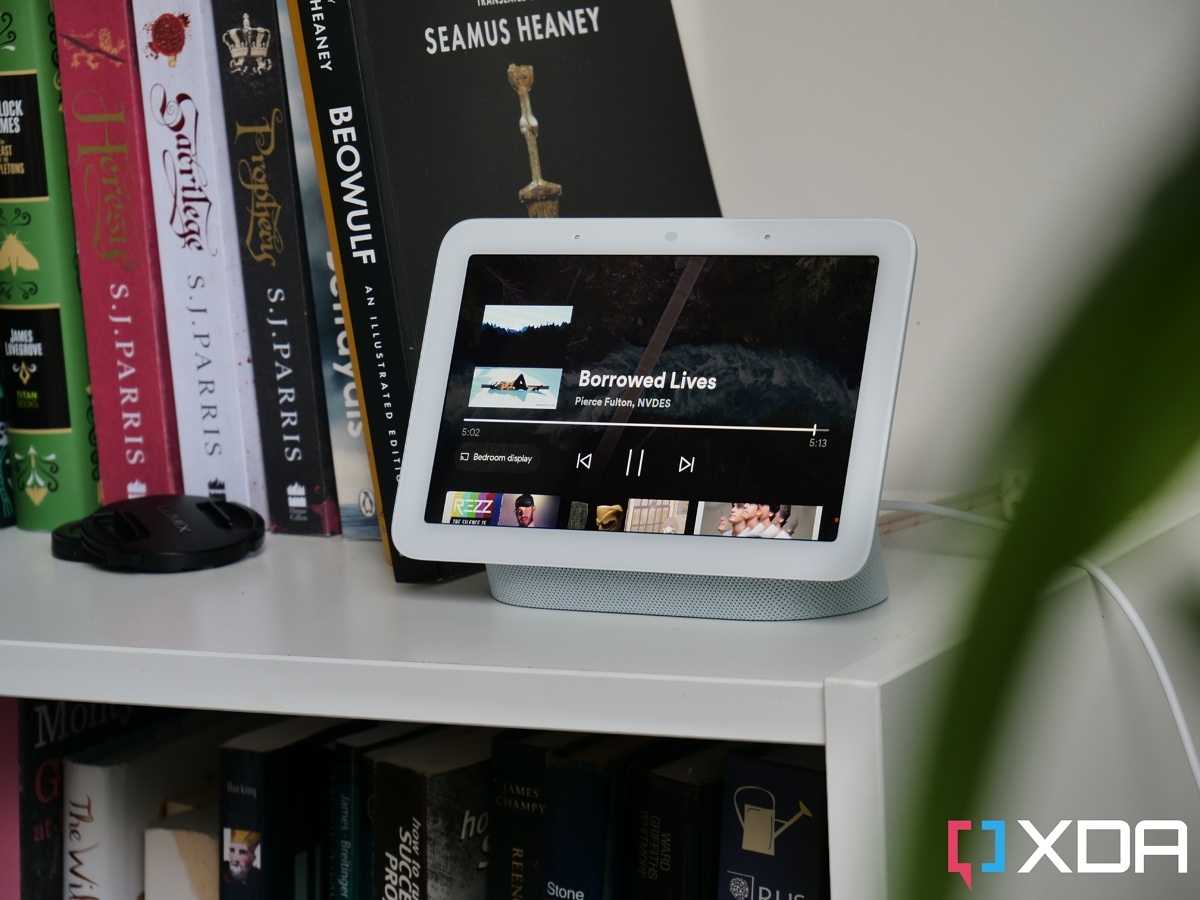
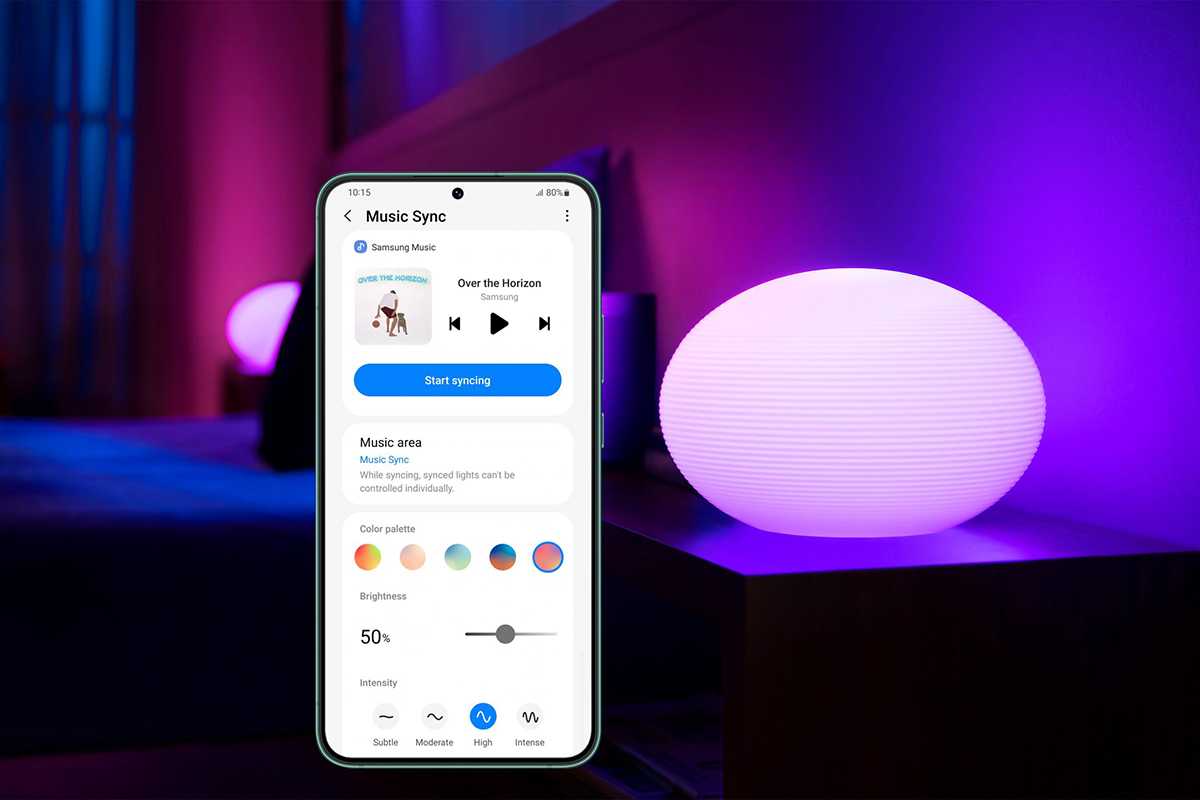





The apps often acted as the gatekeepers, offering basic controls for free, but advanced automations and integrations were blocked by subscription tiers. To get anything done, a proprietary hub/controller is necessary while juggling a handful of apps that don’t talk to each other. And since most ecosystems refuse to interoperate locally, I paid extra for cross-platform functionality via third-party services.
While IFTTT became my go-to option, I went through hoops to get Spotify integrations working with HomePod. For RGB smart lights from Govee or Philips, it forces me to use the manufacturer’s app because Apple HomeKit or Google Home doesn't support triggering “Rainbow Wave” or “Dynamic Scenes” natively. In the end, my phone hosts a folder of different apps to run smart home devices.
Support for older hardware drops often
Loyalty rarely pays off

My first generation of smart home devices didn’t fail me; they were abandoned. Vendors rolled out new models with updated protocol support. Quietly, they left the older hardware behind without firmware support, security patches, or updates to ensure app compatibility. The worst was when app updates broke functionality on older smart home devices, making them unusable.
Philips Hue’s first-gen bulbs that require a Hue hub stopped working with the official app, which won’t even let me factory reset them. Staying loyal to those Hue bulbs felt like a punishment, and my loyalty apparently shortened their lifespan.
Those devices were practically e-waste until I revived them with Home Assistant — all thanks to the community, not the manufacturers.
Behind the illusion of data privacy
Veil for data harvesting







When pairing and setting up smart devices via the apps, I foolishly skipped the privacy policy or Terms of Service. That ease was a bait to turn my personal data and usage patterns into a data-mining operation. Manufacturers leaped at data-harvesting opportunities to pass on data that may be claimed as not personally identifiable to create new models and retarget ads.
Those claims of “end-to-end encryption” were thinly veiled and unclearly worded. In retrospect, the proprietary hub and apps monitor correlatable data that can easily tell how often I stay up late, room temperature preferences, and even when I leave for work. Apart from bombing my network with innumerable DNS queries, I found no way to detect who might be watching my home through security cameras and doorbells.
Trading convenience for an opaque, unreliable architecture
Smart home devices that need an app make onboarding fast, but at the cost of durability, trust, and freedom to use other ecosystems. What looks like a convenience can quickly turn a smart home into an opaque system I can’t control, integrate into, or repair. When the core functions depend on the apps, the smart home feels like a rented experience, leaving me to hoard e-waste.
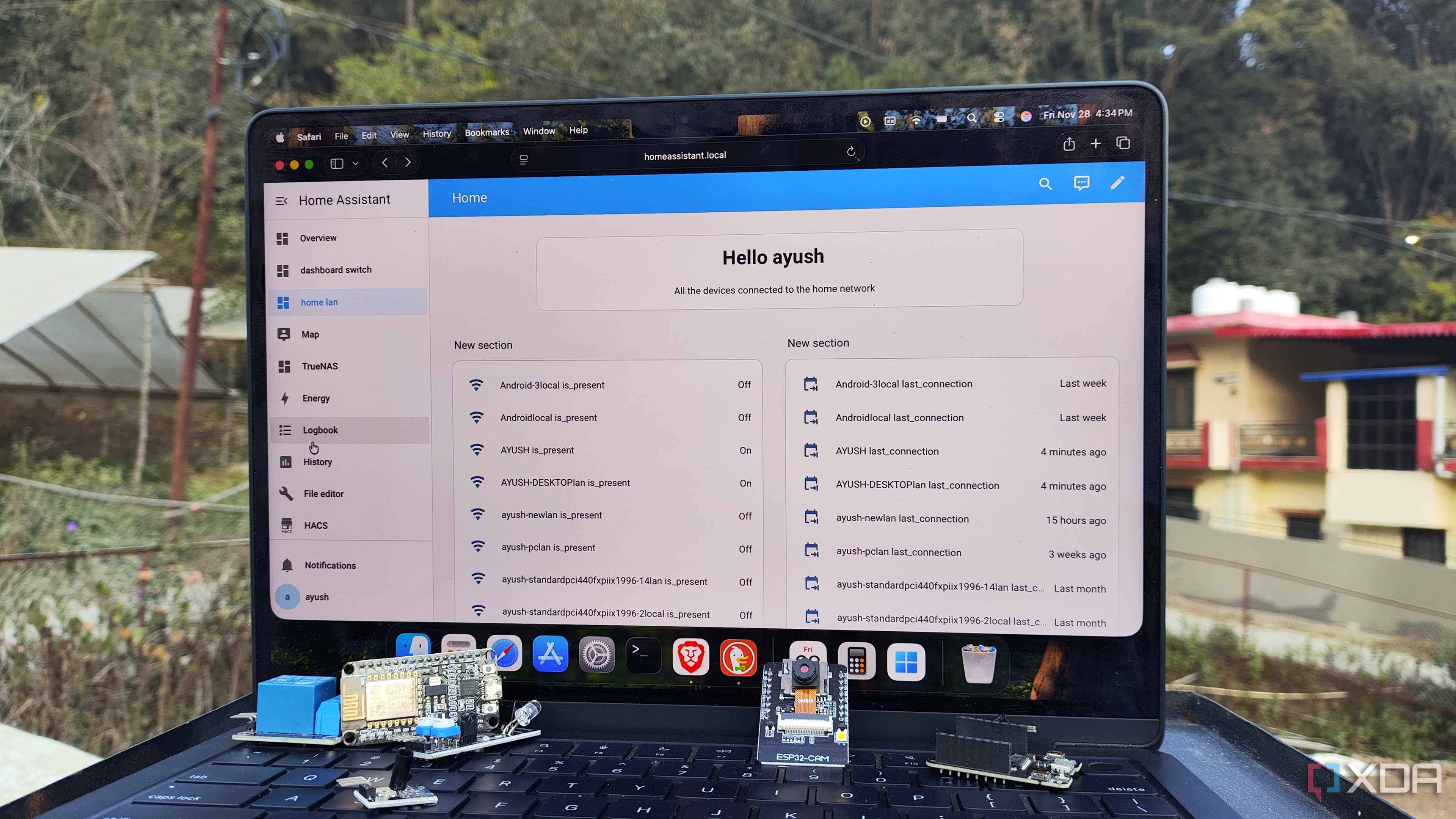
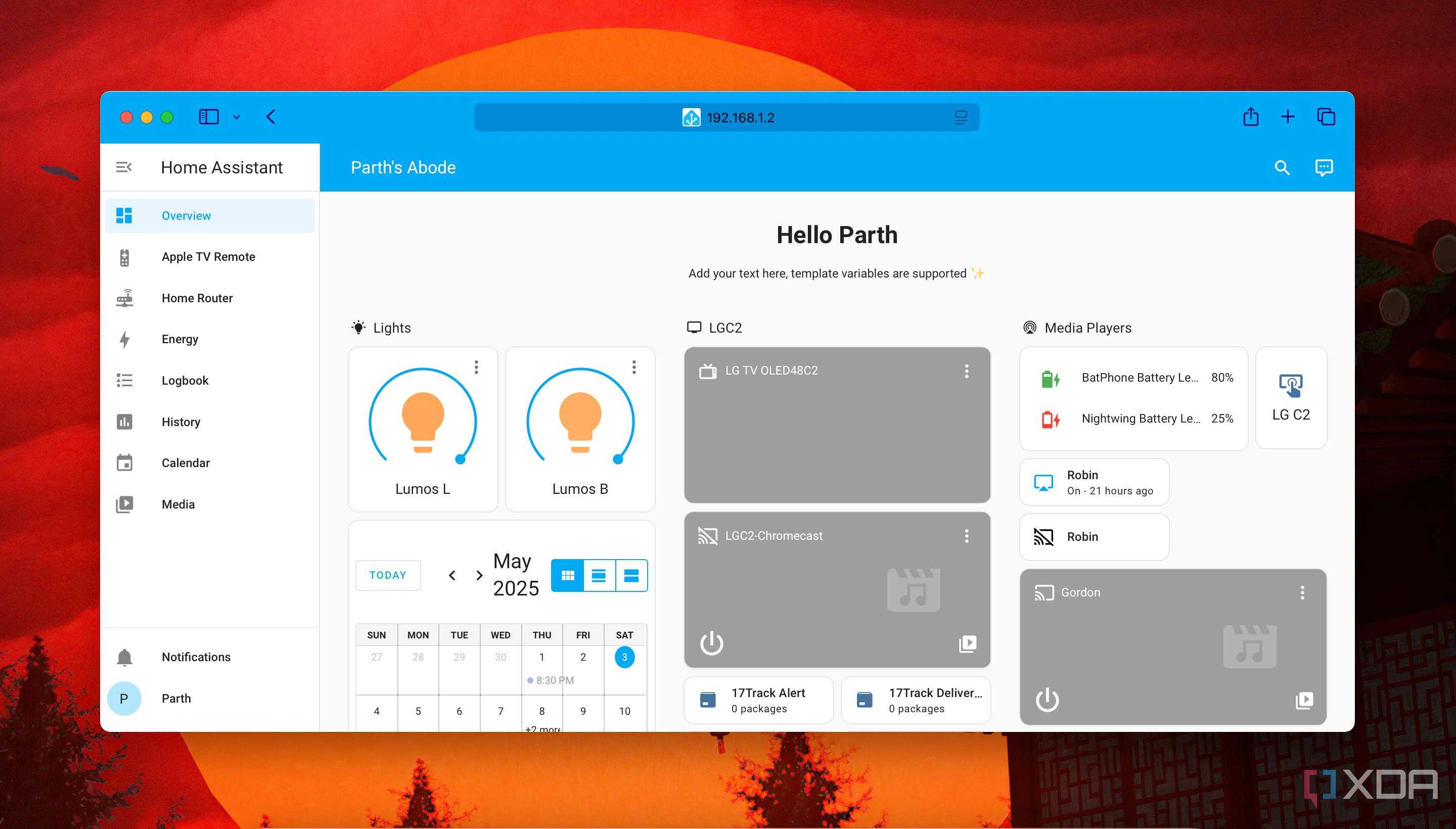
Thankfully, cloud-agnostic devices with open protocols make it possible to build a smart home you own — it works without an internet connection, with no cloud dependency, and data never leaves your home network. Instead of costly off-the-shelf smart devices, you can build smart devices with ESP32, pair them with ESPHome, and orchestrate them with Home Assistant. After making several mistakes, I am now setting up my smart home that works on my terms instead of adapting to a bunch of apps.
