


If you use Zigbee at home long enough, there's a decent chance that, at some point, your coordinator might start to feel like the weak link. You can get devices that act as repeaters to strengthen the signal in your network, but for even medium-sized homes, you might end up needing those a lot sooner than you'd otherwise think. As someone that's been using a Sonoff Zigbee Dongle in a small enough home, I was surprised how quickly that time came. That's why the $49 Home Assistant Connect ZBT-2 is a game-changer.
I've been using Zigbee2MQTT for just over half a year now, running in a Proxmox LXC and feeding data to an MQTT server which in turn is read by Home Assistant. It works quite well, but the signal strength problems required clever solutions and repeaters to circumvent. The Home Assistant ZBT-2 promises to fix that though, with its superior range, an upgraded MG24 chipset, and native Home Assistant support out of the box. It resembles the Z-Wave-based as well, as if it were shrunk down slightly. It's a simple, clean design, with powerful signal strength, and it looks like the recently-announced Zigbee 4.0 could be enabled via a firmware update in the future. What's not to love?


Home Assistant Connect ZBT-2
The Home Assistant Connect ZBT-2 is a follow-up to the original Zigbee coordinator from Nabu Casa. With its superior signal strength and direct Home Assistant integration, it's the perfect way to get started with or improve Zigbee in your smart home.
- Great range
- Unique design
- Designed to be open
- Hard time migrating
- Bigger than alternatives
About this article: Nabu Casa sent us the Home Assistant Connect ZBT-2 for the purposes of this article. The company had no input into its contents.
It's quite big, but that's good for Zigbee
Signal strength is the priority


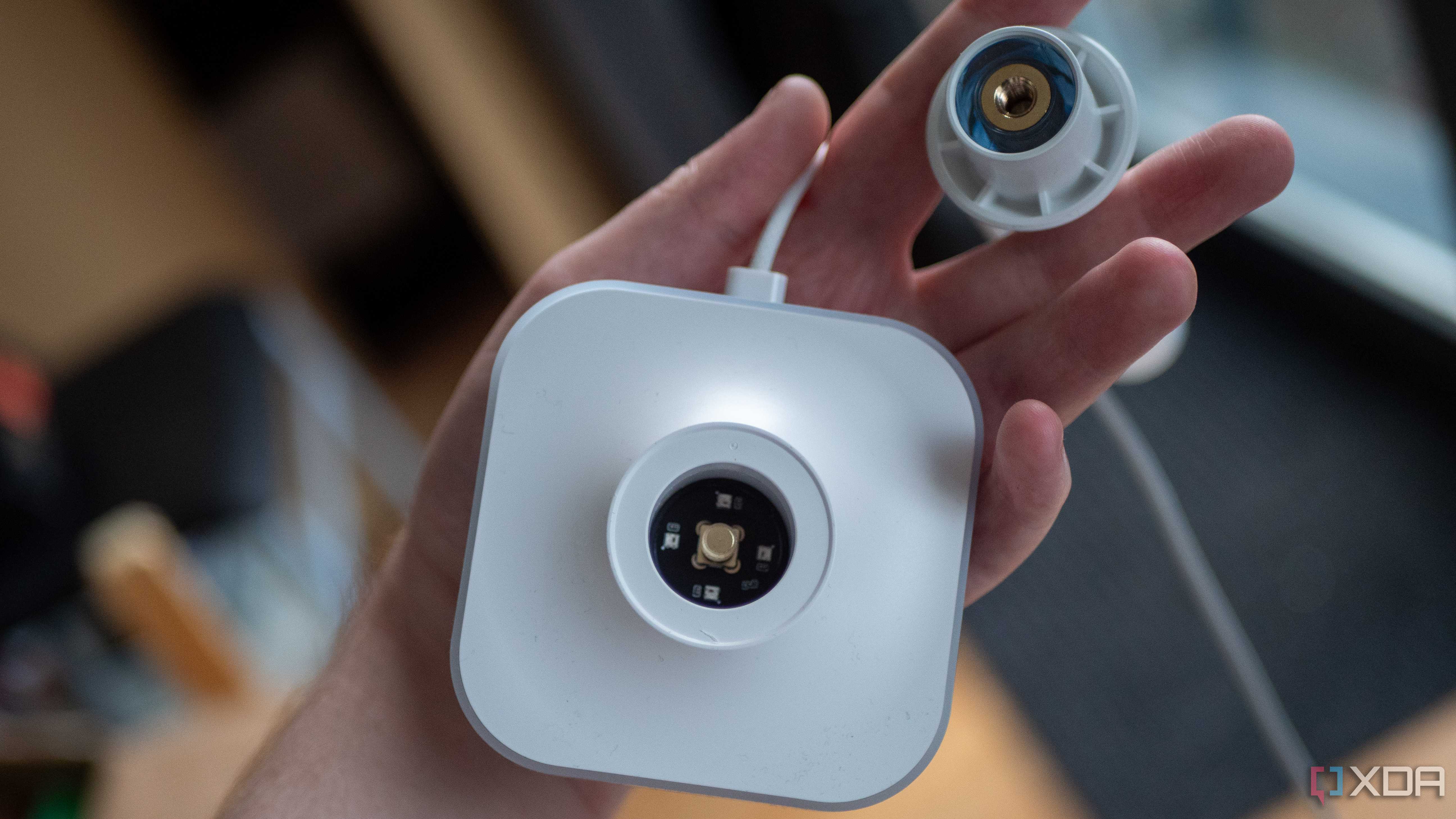
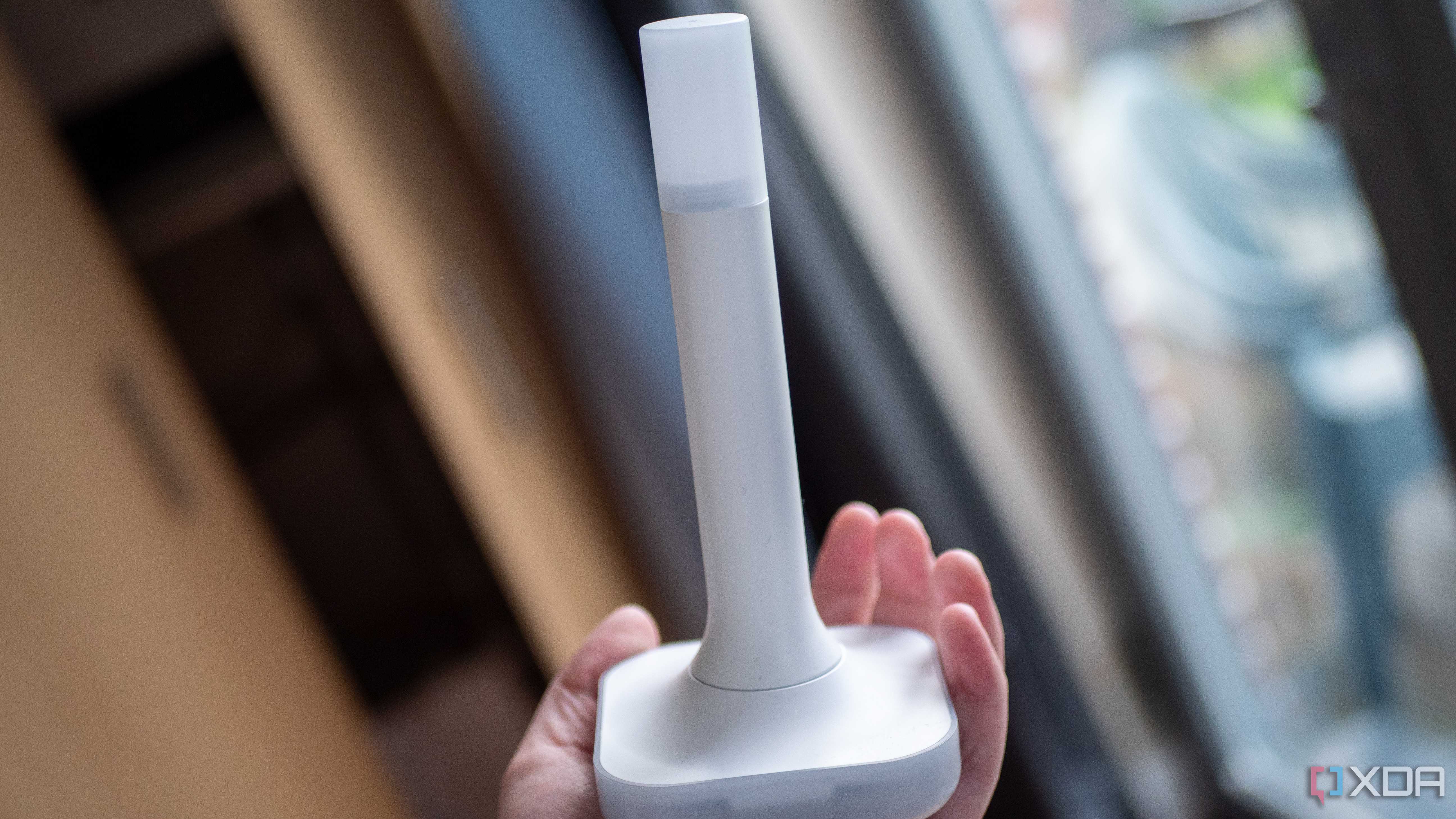
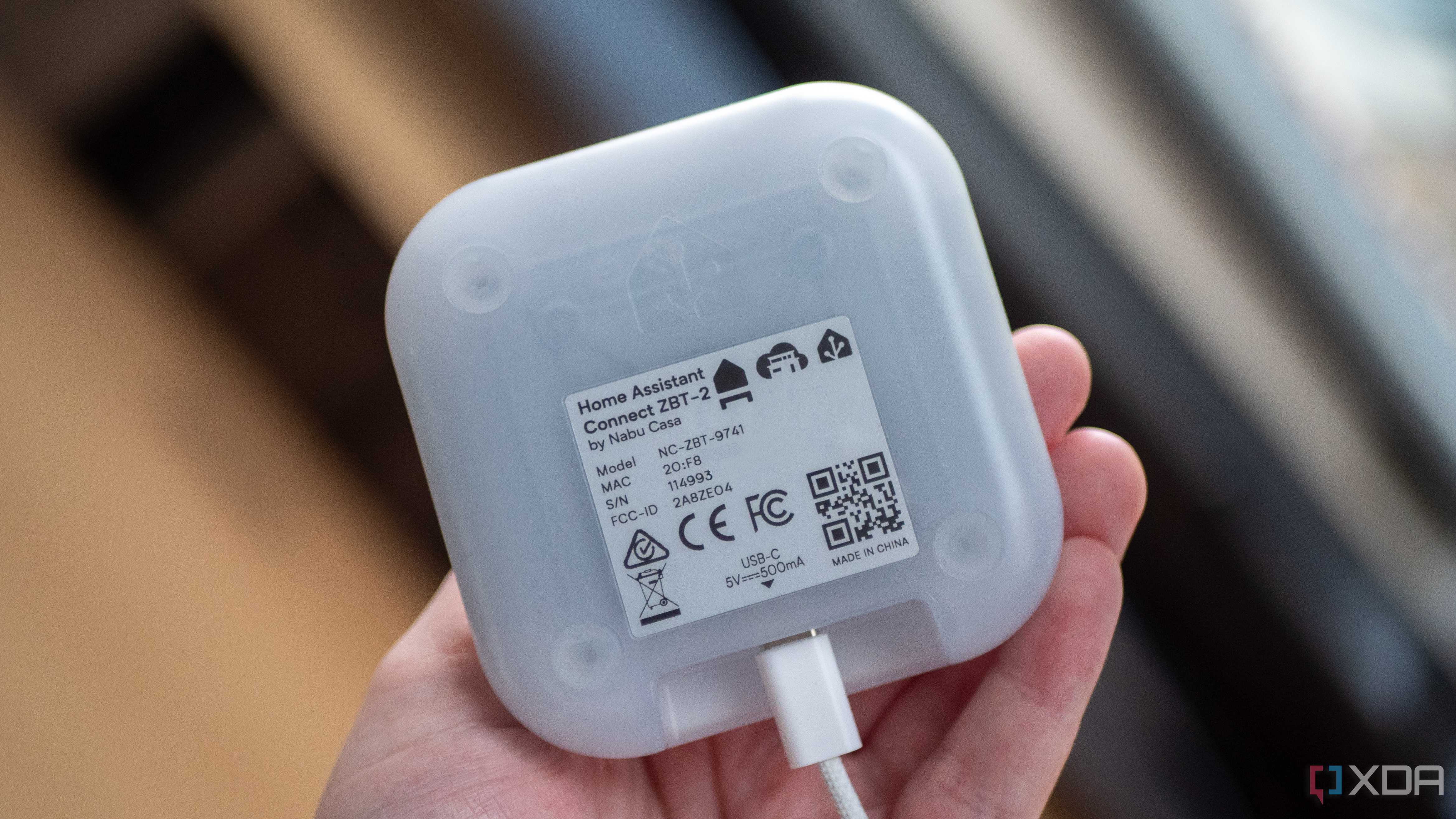
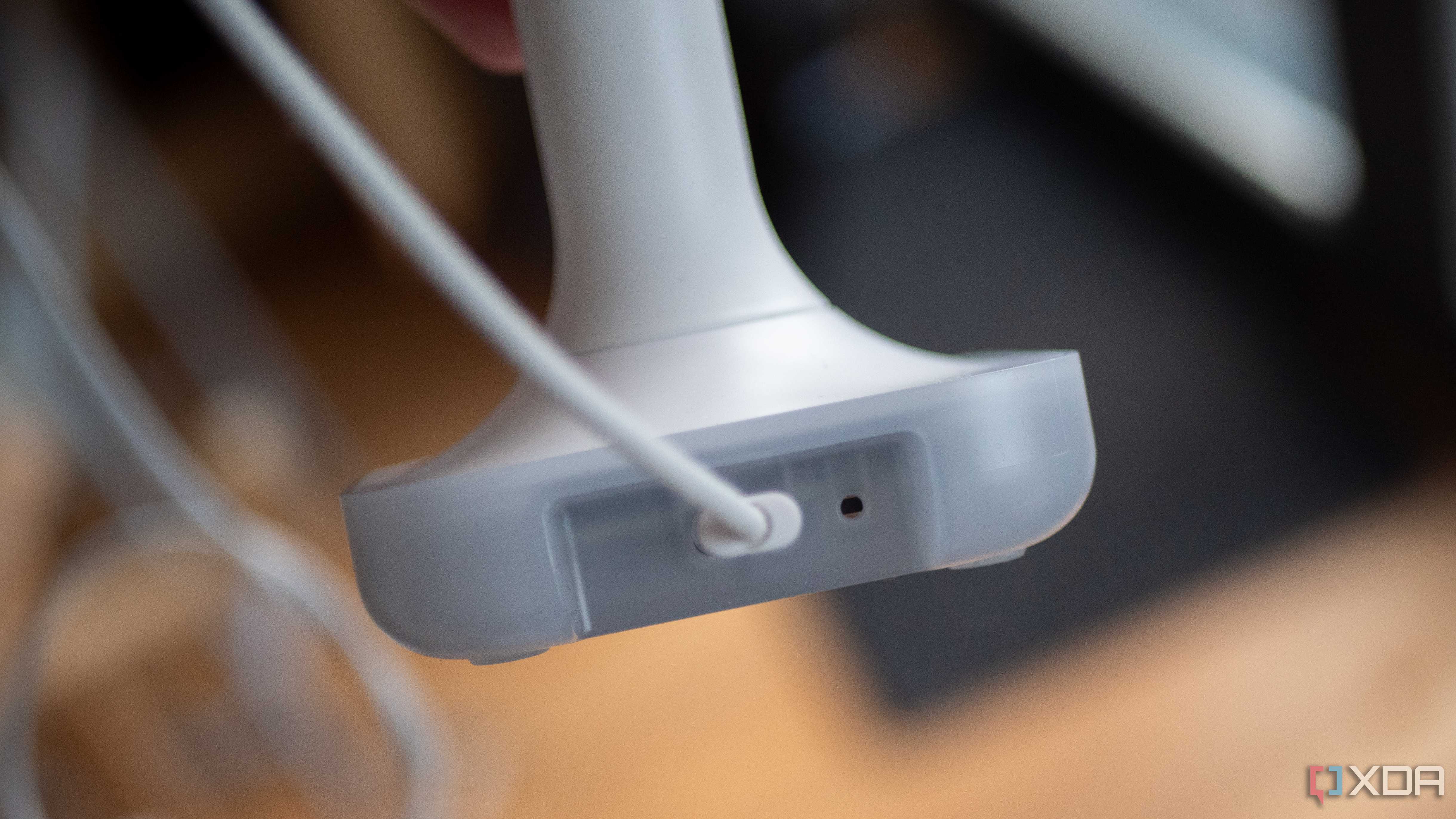
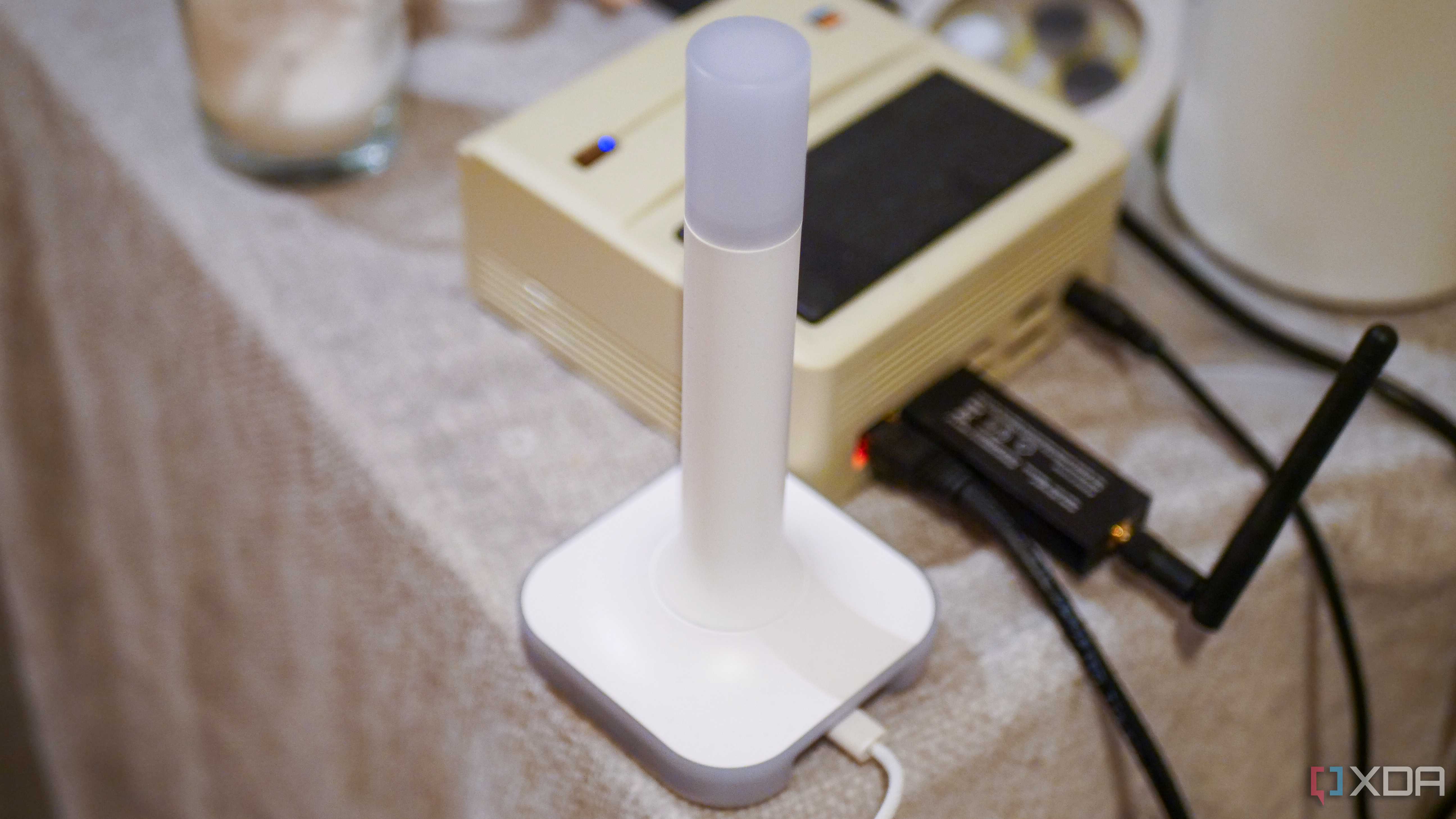


Nabu Casa, the commercial partner of the Open Home Foundation, was founded by the creators of Home Assistant and provides paid-for services such as Home Assistant Cloud. That same company also makes hardware like the ZWA-2 and the ZBT-2, and the design language is consistent throughout. By all accounts, this is a big dongle for Zigbee, but given the sometimes-flaky nature of Zigbee with smaller dongles, that's honestly a plus. It doesn't feel like a mere spec bump over the ZBT-1, as the increased range with a peak gain of 4.16dBi and the MG24 chipset inside offer tangible, real-world improvements that you'll actually notice. My devices are reporting much healthier link quality readings, and response times are much improved when it comes to pressing buttons and waiting for something to happen. If you have a comparable dongle, such as the Sonoff Dongle Max, it's unlikely you'll see much improvement.
A lot of this improvement comes from the physical design. The included USB-C cable is long enough that you can finally place the coordinator away from server racks, routers, and other noisy RF environments. And while this sounds trivial, it's one of the biggest real-world upgrades you can make to a Zigbee network. With the ZBT-2, it feels like the hardware is actually designed with that in mind instead of being an afterthought. Many dongles require you to bring your own USB extender if you want to move it away, which is exactly what I had to do for a long time until I moved my coordinator to a mini PC that seemed to have better shielding against interference.
There's also the added bonus that you can use the ZBT-2 as either a Zigbee coordinator or a Thread border router. Unfortunately, you can't run both simultaneously on the same unit, which sort of makes sense from a hardware perspective, but the flexibility is still excellent. Here's Nabu Casa's reasoning for that:
Connect ZBT-2 cannot do both Zigbee and Thread simultaneously. This technology is often called “multiprotocol” or “MultiPAN”. Though it is theoretically possible with the hardware within Connect ZBT-2, in our experience, this functionality doesn’t work well, and we don’t plan to implement it. We previously thoroughly tested multiprotocol with our Connect ZBT-1 adapter and found its operation to be inconsistent, often causing device stability issues. We do not believe multiprotocol is suitable for operation in the home, and strongly recommend dedicating a device to each protocol.
At the very least, this means that if you eventually move more into Thread and Matter devices, the ZBT-2 is already ready for that transition.
Migrating wasn't so easy
Though it could be a skill issue on my part

My goal when I first received this product was simple: drop the new ZBT-2 into place and use my existing Zigbee2MQTT coordinator backup to migrate everything seamlessly. Zigbee2MQTT supports migration, and according to other testers, in theory, my exact scenario should have worked. A migration from zStack to Emberz should only have taken a few minutes. In practice, though, it... didn't. I first tried to use Zigpy to backup my old coordinator and restore to my new one, and it just didn't work. My devices were wiped from Zigbee2MQTT, and nothing I could do would bring it back. I had snapshotted the LXC in Proxmox, so I just restored it with my old coordinator, and everything came back online.
I tried a few different methods and recovery steps, retrying the same steps with no luck to speak of. The network just didn't want to migrate over, no matter what I tried, and I was at a complete loss. I even tried manually modifying the coordinator_backup.json file that Zigbee2MQTT creates, but it wouldn't restore it to the ZBT-2. To be clear, I saw other testers that did have success with this exact migration, though I'm unsure of what exactly I did wrong. Regardless, I have a pretty small Zigbee network, so I decided to cut my losses and pair everything again manually. It was faster and simpler than trying to figure out the broken backup, and pairing Zigbee devices one by one isn't exactly the worst experience when you have good signal to all of them and few devices to reconnect.
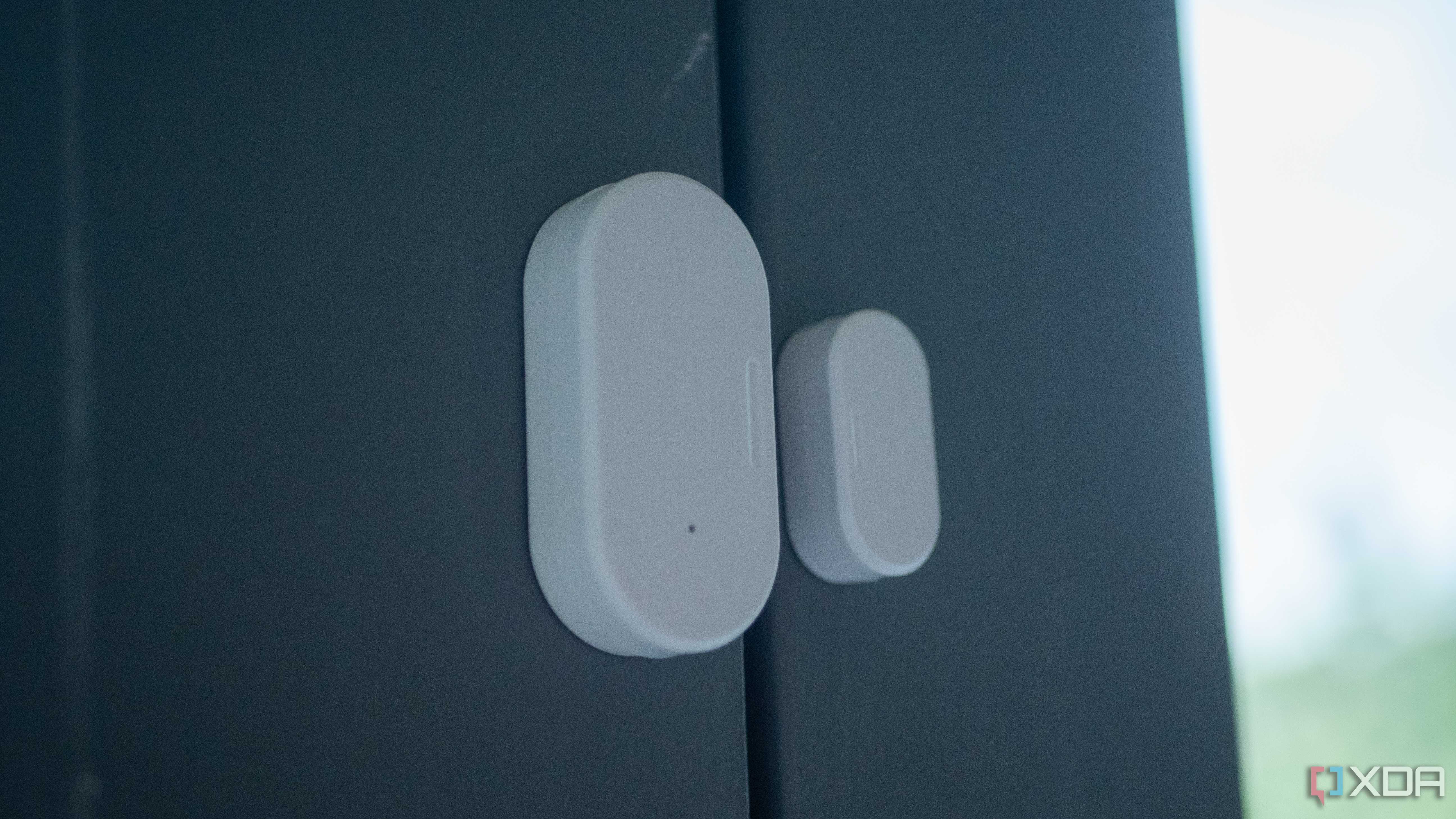
Despite the rocky start, I'll be honest: the moment everything was re-paired, the improvement was undeniable. Devices that used to struggle with range, like my door sensor on my balcony, instantly improved. Routing improved dramatically, with far fewer hops required to reach devices that I could only previously reach with repeaters. And, as I've already mentioned, the overall responsiveness has been consistently better ever since.
Setup wasn't flawless, but everything else nearly is
This is how Zigbee should be


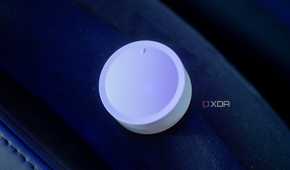
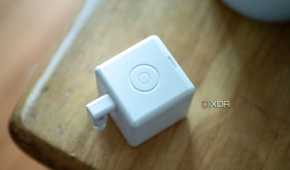
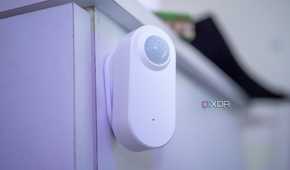
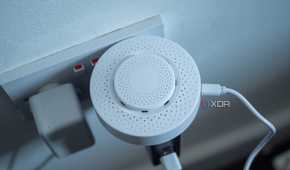
For me, the migration experience wasn't seamless, though it's entirely possible that's a me issue rather than one everyone will experience. I know that migrating within Zigbee Home Automation is pretty easy, and other testers managed the Zigbee2MQTT migration just fine. In my case, I outright failed, but even then, switching to the Home Assistant Connect ZBT-2 has been a massive improvement to my smart home, and one of the biggest I've made for connectivity. No matter what, it's the improvement in signal strength that alone made it worth the migration, and knowing the hardware is future-ready only makes it feel like an even smarter pick-up.
For someone who may be running an older coordinator which means your Zigbee network is starting to show its age, the ZBT-2 is absolutely worth the jump. If you have a larger network, the migration tools may work better for you than they did for me, but even if you end up re-pairing devices manually, the end result is still a significantly better Zigbee experience. It's worth it for that, and while it costs a bit more than a typical Zigbee coordinator, it's not so much more that you should skip it entirely.
