


While many of the headlines throughout the 2020s have been dominated by GPUs and their ongoing tribulations with stock, a new pricing catastrophe is currently hitting the PC hardware space, and it's the pricing of DRAM. DRAM is the ultra-fast dynamic memory that you find on things like system memory and VRAM in consumer PCs, but it's also used in higher-bandwidth configurations for data center applications. With the memory demands of AI ever-increasing, and the yield of high-speed DRAM being questionable, consumers like me are left questioning the upgrades and standalone builds we had planned for the future.
Why this price hike is different
You can't skip memory


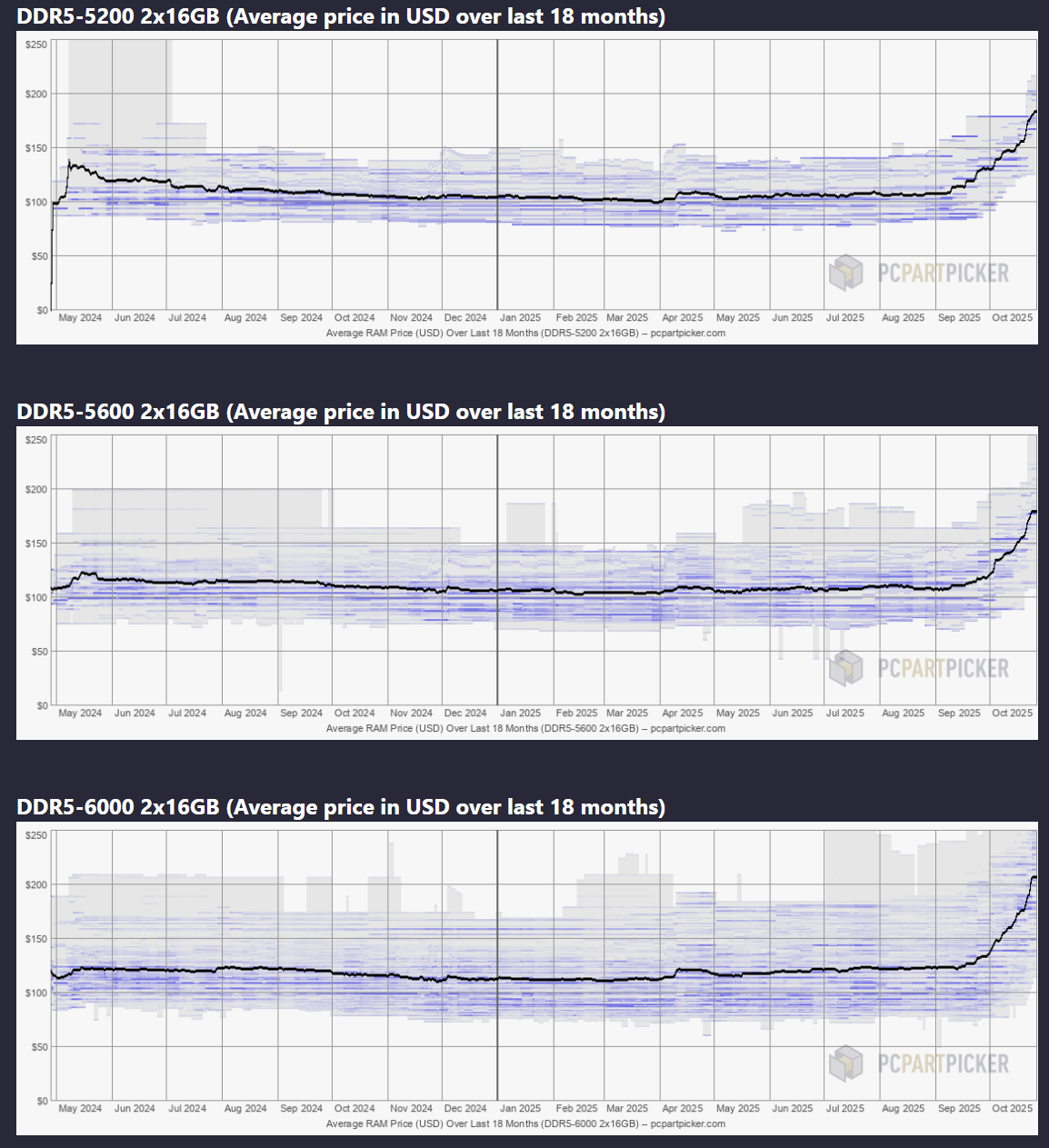




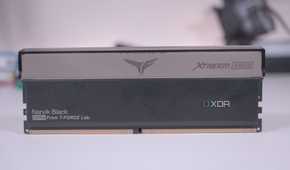
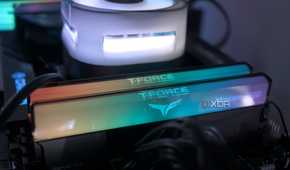
Historically, we've seen DRAM price changes due to somewhat predictable patterns. There can be an overcorrection due to under or over supply, fab incidents, and cyclical demand, which is often the most common contributor. This time is fundamentally different, though.
We've never seen demand like we currently have for DRAM primarily due to AI. High-bandwidth memory (HBM) systems like those used in AI workloads require an insane amount of DRAM, and unfortunately for consumers, this DRAM is cut from the same wafers as the consumer memory you and I use for our PCs builds.
It's not a shortage in the sense that we're used to, but rather a complete reallocation of resources, focusing efforts on products with higher margins. Companies like SK Hynix, Samsung, and Micron all benefit more from selling HBM memory in bulk to AI companies than they do making DDR5 and GDDR for GPUs.
DDR5's yield and the sunsetting of DDR4 play a role
One is too new, one is too old

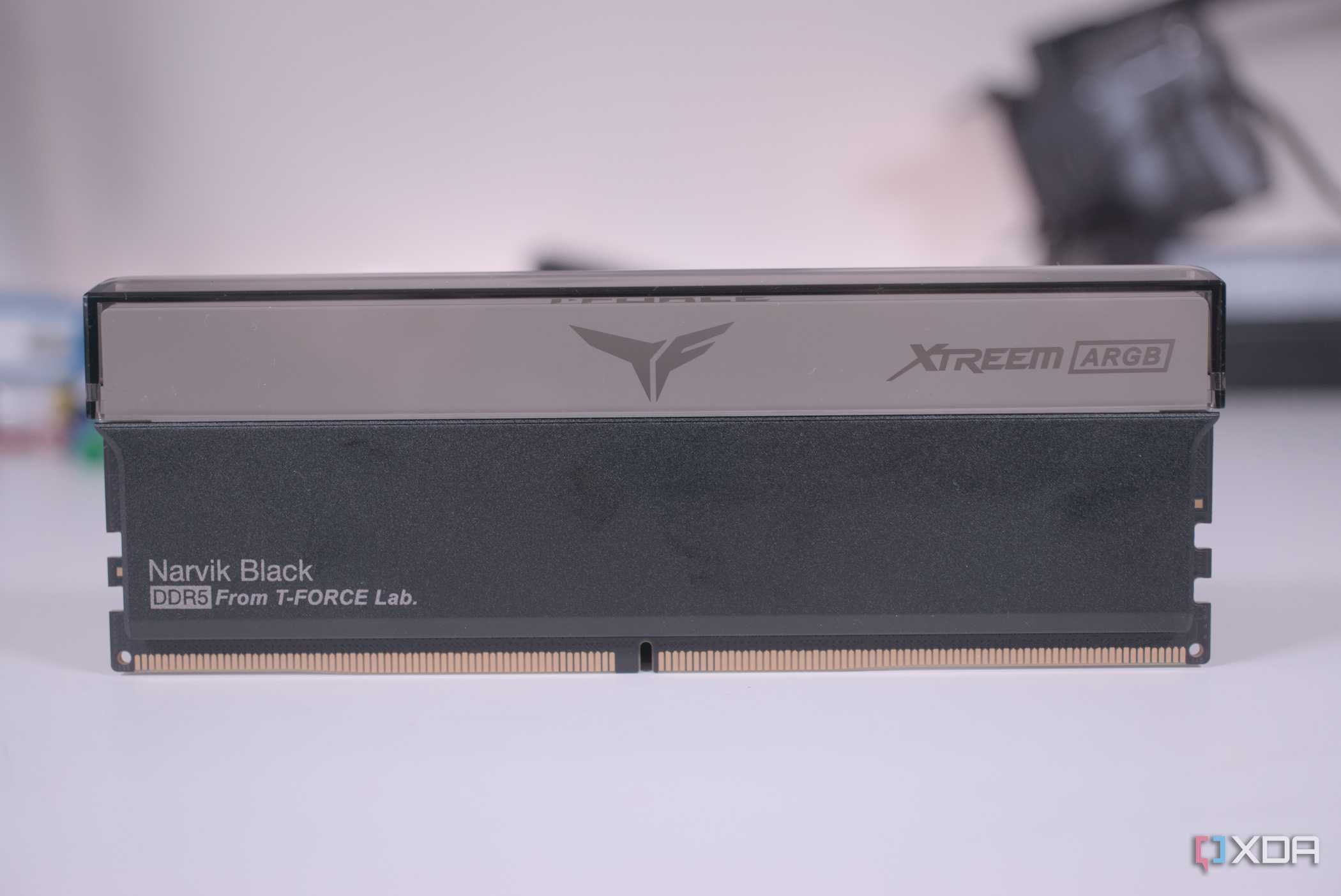
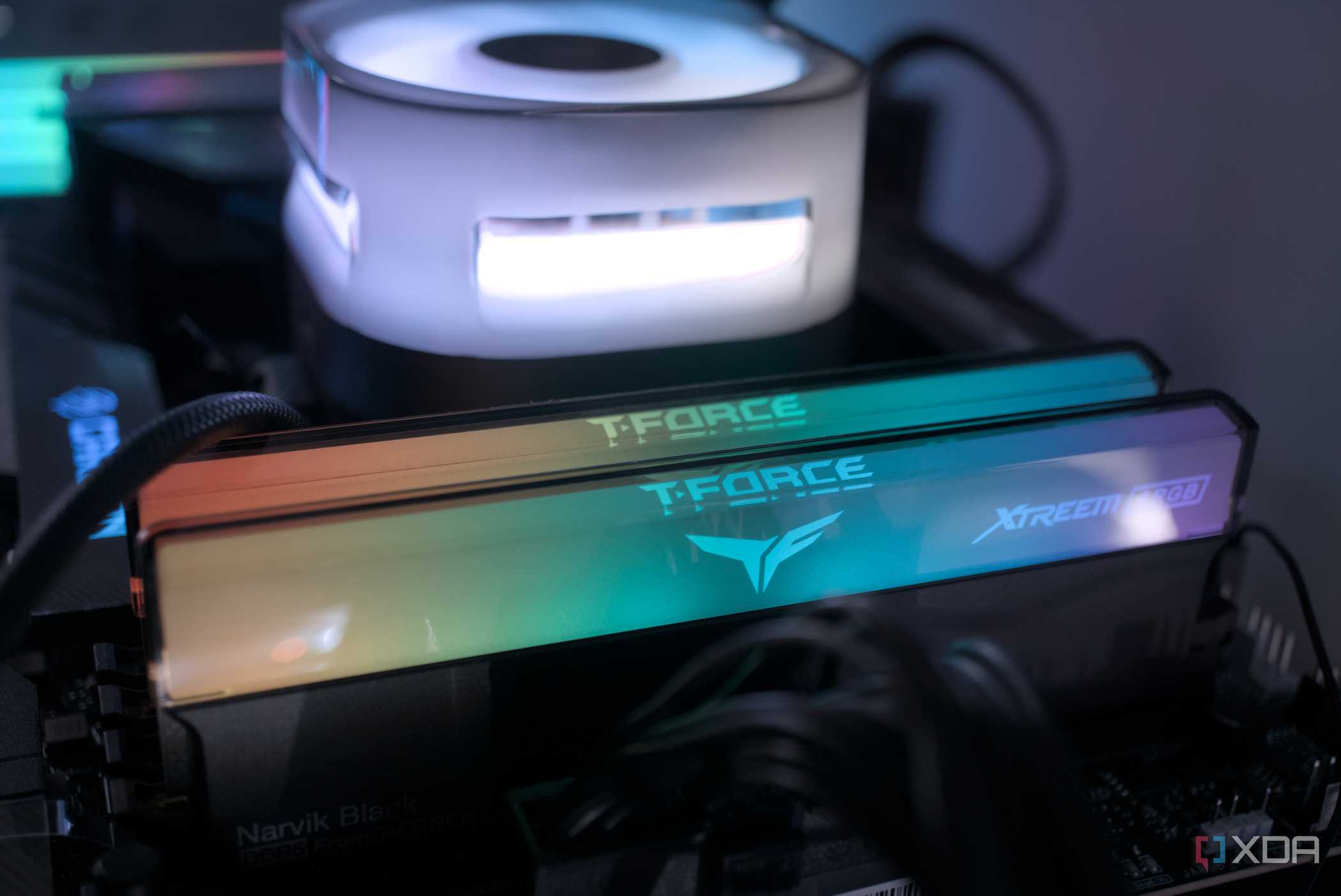
In terms of system memory for PCs, there's a bit of a double-whammy going on. On the DDR5 front, the yield for high-speed DIMMs wasn't fully realized yet, and as a result, prices were still higher than they otherwise could've been. For DDR4, it's getting a bit long in the tooth, but with how long AMD's AM4 platform has been kept alive and well for, there are still plenty of willing buyers of new DDR4 out there, but production has been slowly decreasing in favor of faster memory.
When you factor in the fact that DRAM production in general was being cut in 2024 due to excess inventory, you get a recipe for a shortage, and that's exactly what we're seeing now.
These prices aren't coming down anytime soon
You're not going to wait this spike out

I hate to be the bearer of bad news, but unfortunately, it doesn't look like DRAM prices are going to come down anytime soon. That's not to say this isn't the new normal forever; HBM demand will only get more intense as AI becomes more demanding, but the prices of consumer memory are simply unsustainable.
A baseline price increase is to be expected, but historically, we've seen demand for DRAM fall with the post-holiday period, and the DRAM giants have been slowly bringing more fabs online. We've seen this with previous (albeit, much more mild) cases of supply issues with DRAM. As fabs start to correct for lack of supply, they tend to overshoot a bit, causing prices to fall below baseline again. There are so many factors at play here, but one thing is for sure: this isn't something that's going to sort itself out in a few months, but rather in a 1–2-year period, so strap in.
What can PC builders do now?
I'm opting for used parts

It's clear that PC enthusiasts planning new builds or upgrades are not going to be able to dodge this price increase. The used market will react accordingly in time, but if you're still keen on putting together a new build now, it might be the only way to do so at a reasonable price. Things like motherboards, CPUs, power supplys, and cases will still all be at normal new prices, barring any kind of other non-DRAM related supply issues.
GPUs and RAM can be bought on the used market for below the current new pricing, but it's unknown how long that will last. In regard to flash storage, I'd generally recommend against buying used due to the very defined lifespan of SSDs. At the time of writing, flash storage hasn't gone up as much as RAM, so right now may be the best time to buy.
PC builders have been through a lot in the last few years
Between the ongoing tariff changes in the US and GPU supply issues, PC builders have been put through the wringer. Buying used will always be a good way to save a buck, but these price increases are so dramatic and far-reaching that they'll spill over to the pre-owned market eventually. I have faith that eventually we'll see sane prices again, but it probably won't be for another year at least.
