


Ubisoft can't seem to catch a break lately, especially after news of an Assassin's Creed game being canceled was met with a negative reaction from gamers. In July 2024, developer Ubisoft had scrapped plans to make a new entry in the Assassin's Creed series set during the post-Civil War era, when the United States was undergoing reconstruction following the devastating effects of the war. The concern was that growing unrest and a volatile political climate in the United States wasn't the best time to explore such an era of the country's history, given how sensitive some topics related to the Civil War can be. However, this doesn't mean that the Assassin's Creed series should shy away from the 1860s completely, because the time period may be perfect for it.
For a long time now, the Assassin's Creed games have been trying a variety of new things with their gameplay and timeframes for where they take place. This has allowed the series to explore new locations and highlight a variety of cultures and people, giving a very diversified ensemble of games that people have mostly enjoyed. And with aspects of Assassin's Creed exploring different eras where political tension was at its highest, having a game take place after the events of the Civil War will allow for an interesting exploration of deep conflict, drama, and historical context that the series has never shied away from. Here's why a Post-Civil War Assassin's Creed game should still happen, even if we don't get to see it right now.
An era of shifting turmoil
Different part of American history





 Credit: Steam
 Credit: Steam

 Credit: Steam





Although hindsight from history buffs may paint a bit of a glossy picture now, the Civil War was a pretty grim part of American history. It was an internal conflict for the country, where people at the time were not fully prepared for, but made due the best they could. And while things got very bloody over the course of a few years, the real hardship came afterward, when everyone was picking up the pieces that were scattered by the conflict. This is where Assassin's Creed could have a new story take place, in the beginning years of the reconstruction of the United States, as the southern states were being brought back into the union of the country.
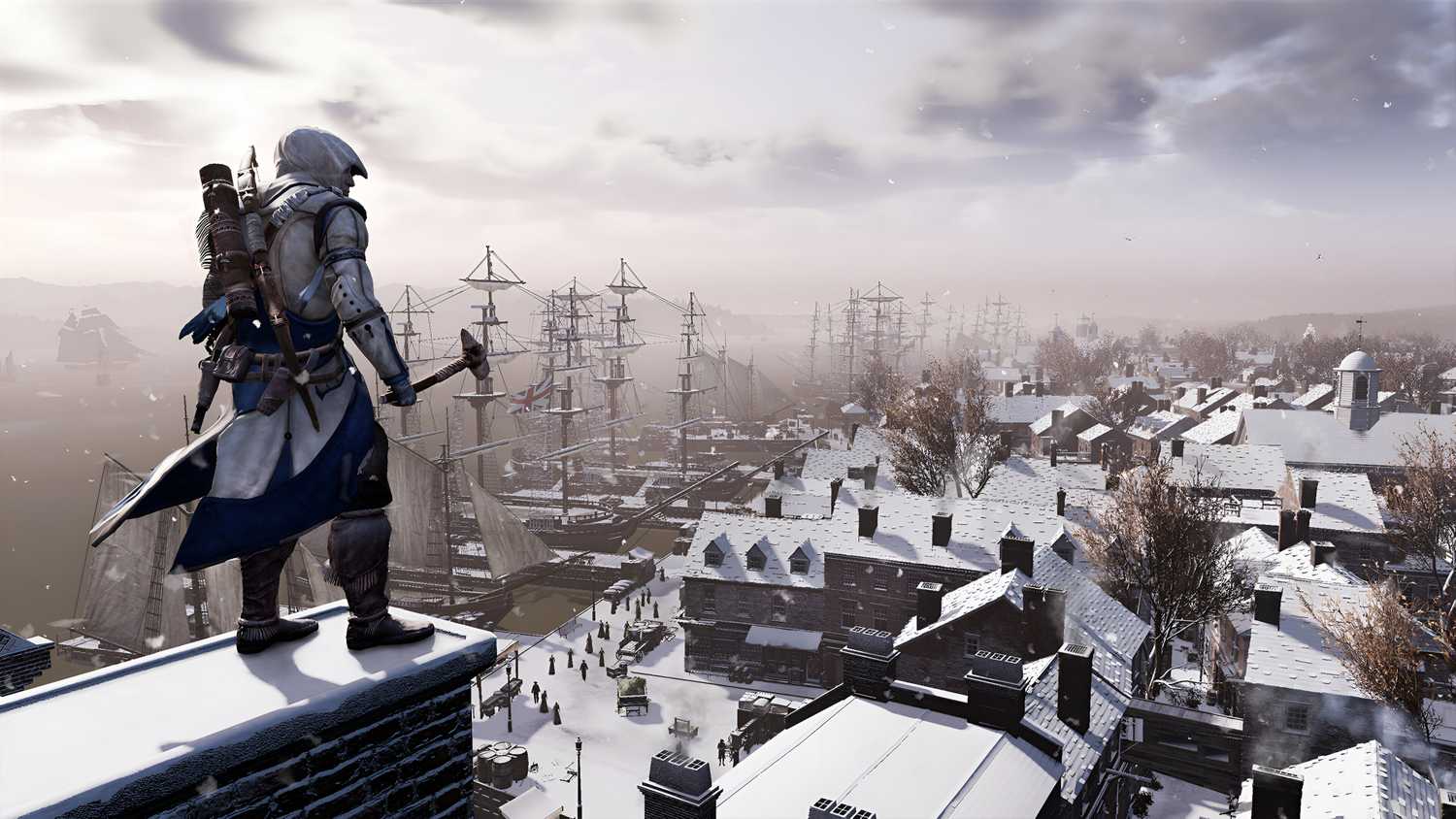
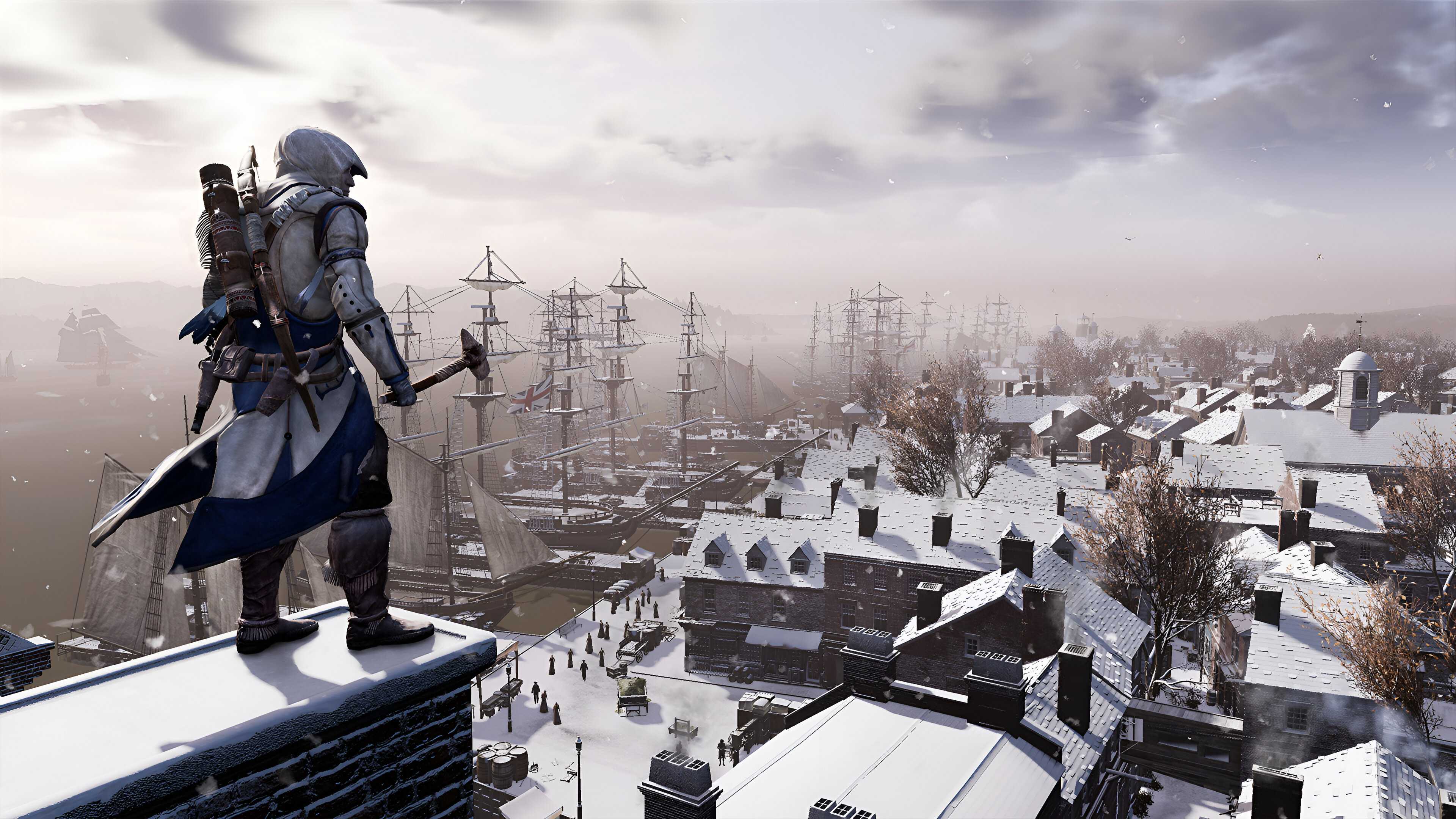
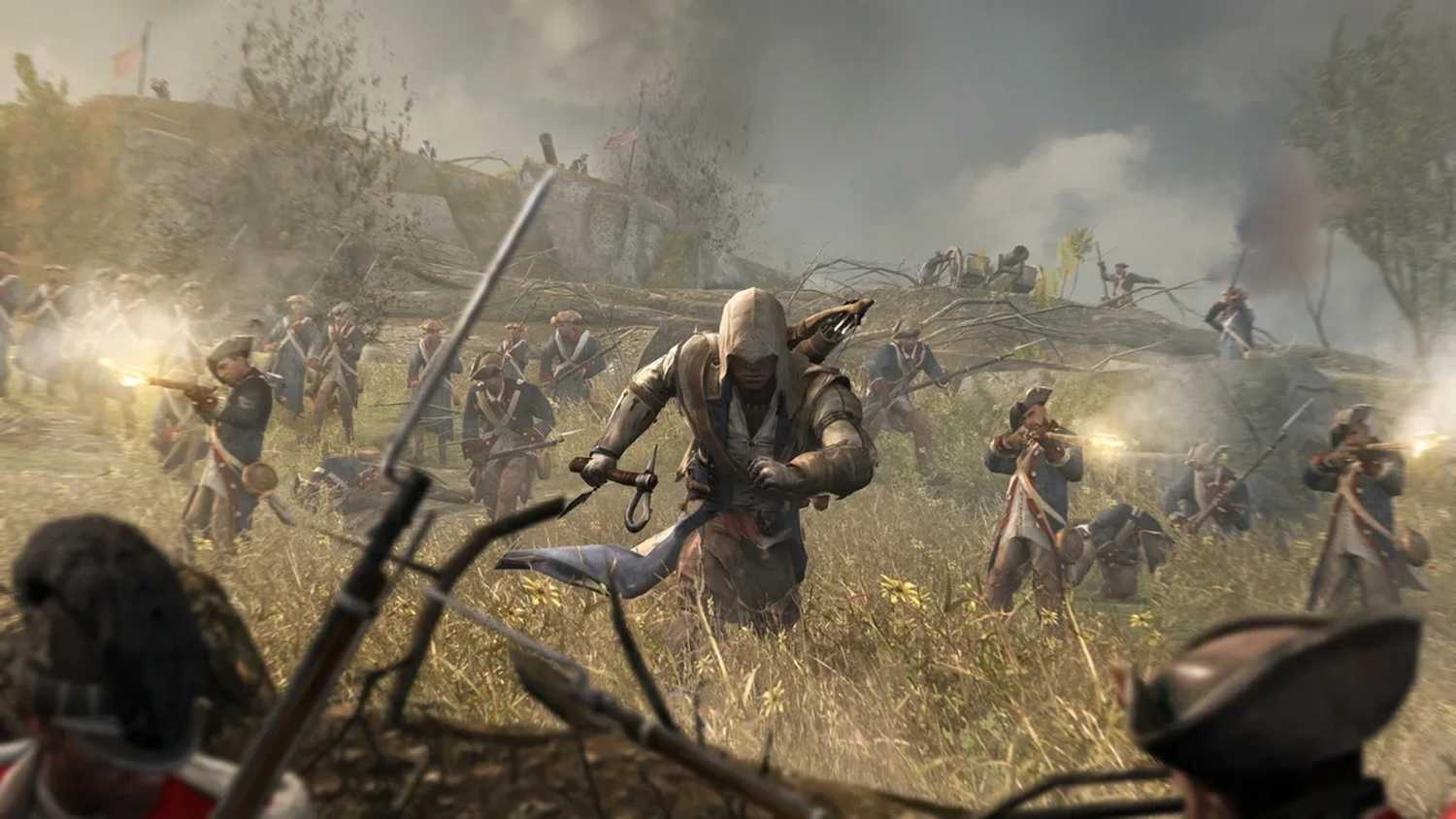
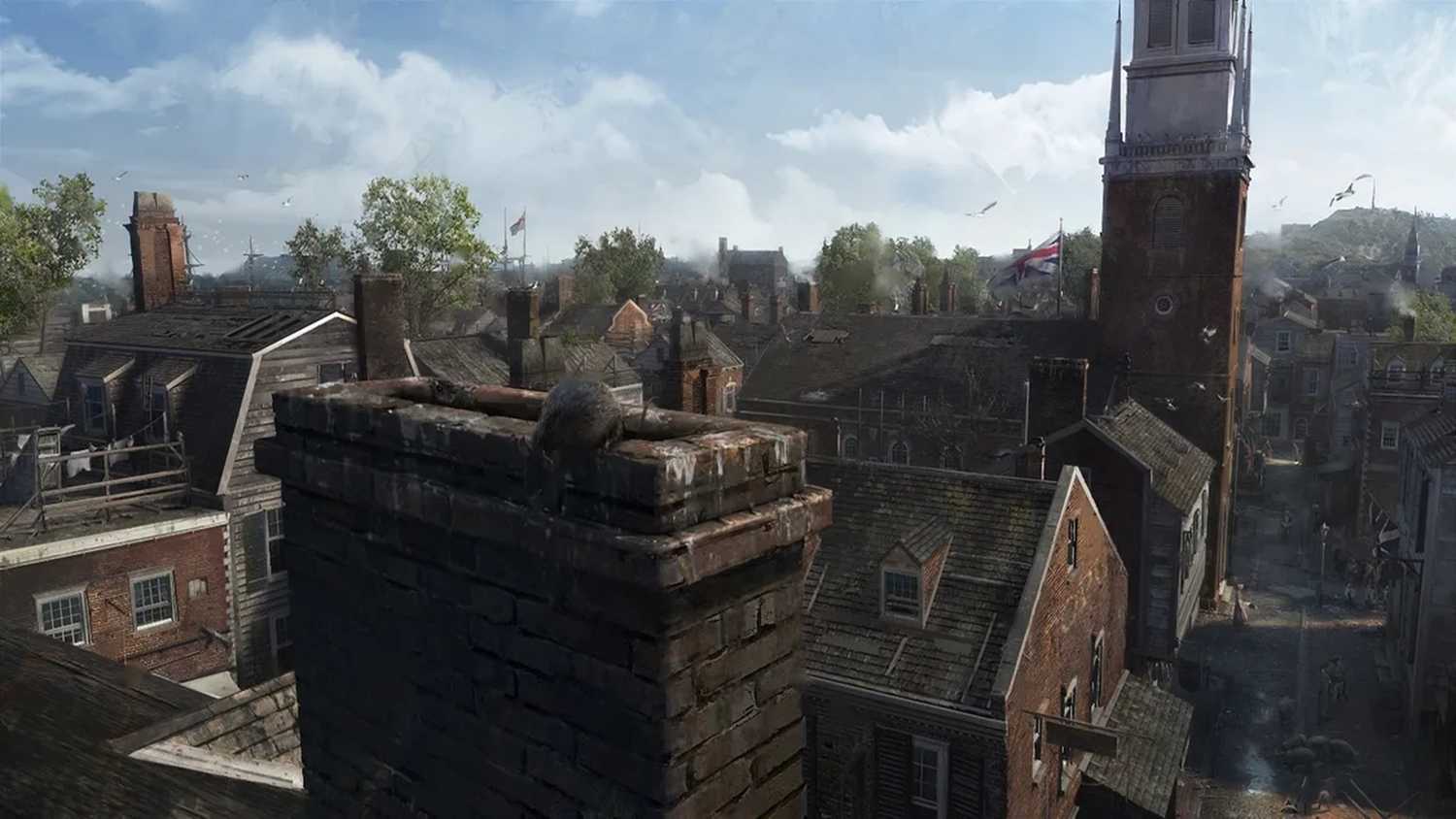
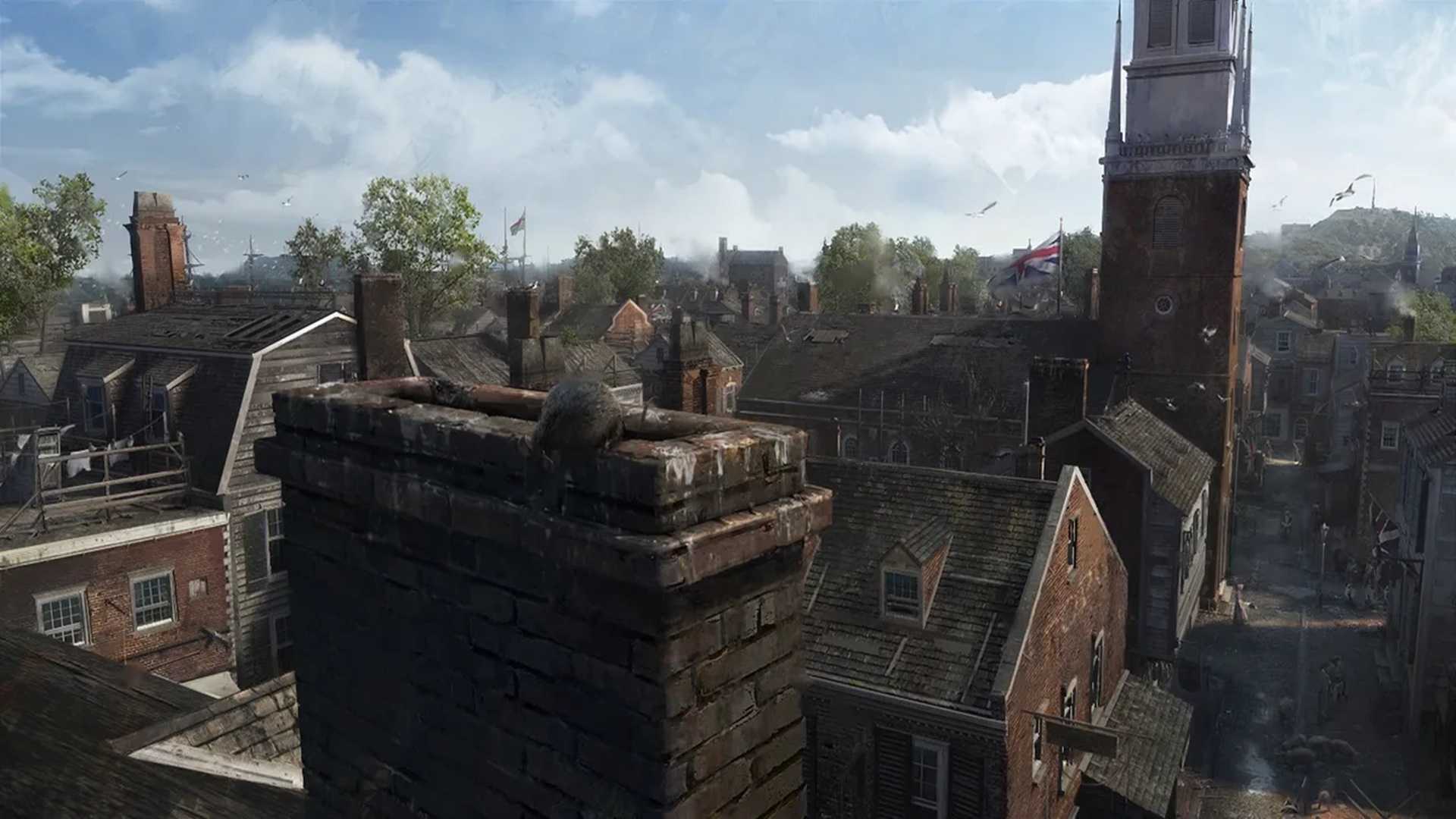
Previous Assassin's Creed titles have picked specific eras within world history as major changes and historical events were taking place, with great examples like the Renaissance Period and the American Revolution in past games. And like them, the Civil War was a big enough event to set up the basis of a great backstory for new characters and historical figures to interact, while also taking things further as time moves through the events of when the United States regroups itself following the war. Other parts of Assassin's Creed have used real-world conflicts as a catalyst for where their stories can go, and base them on some part of reality to tell interesting and engaging tales. Although not rendered in a game yet, the series has even implemented aspects of World War II into it's canon, which had far more controversial events going on at the time.

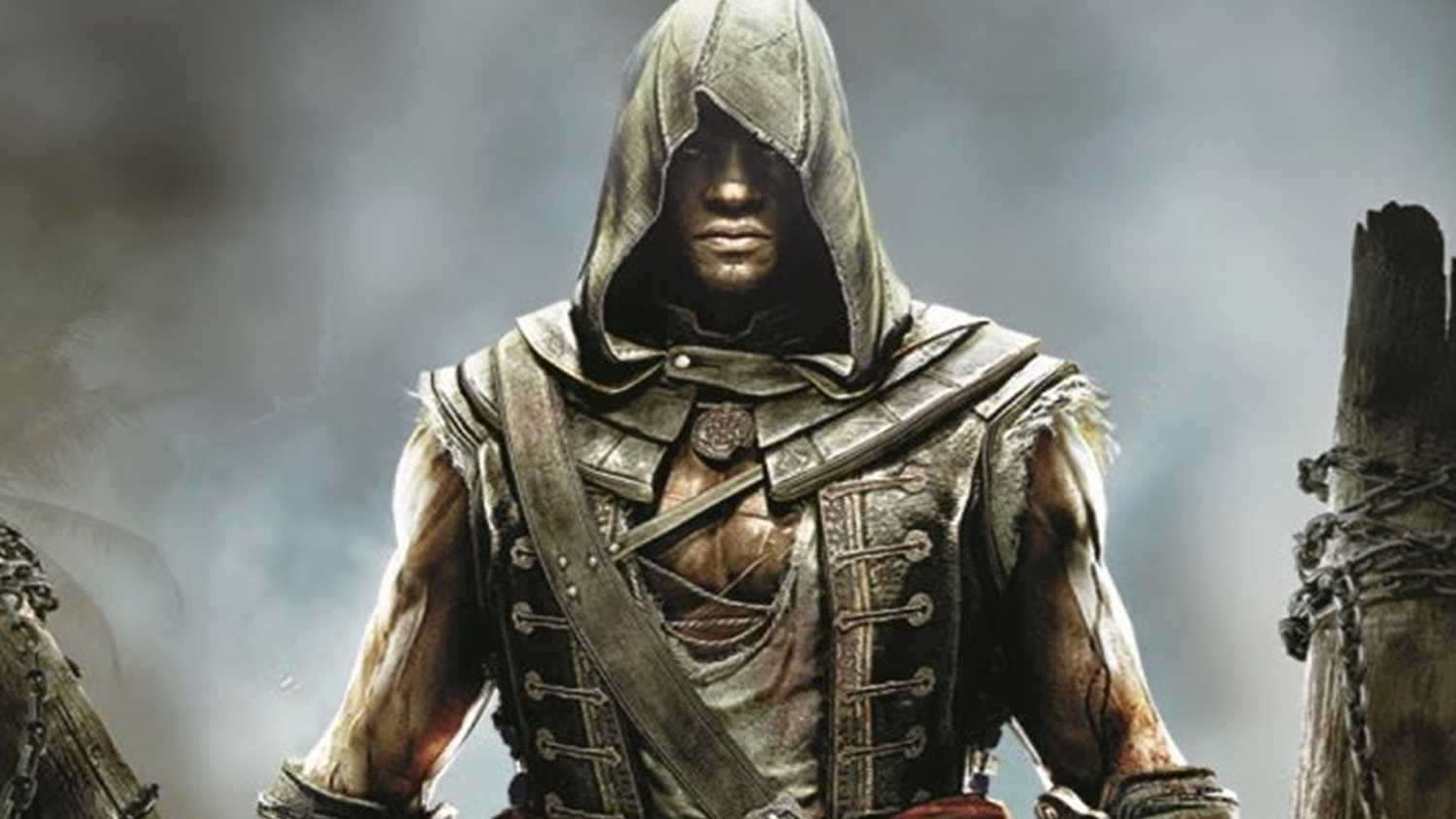
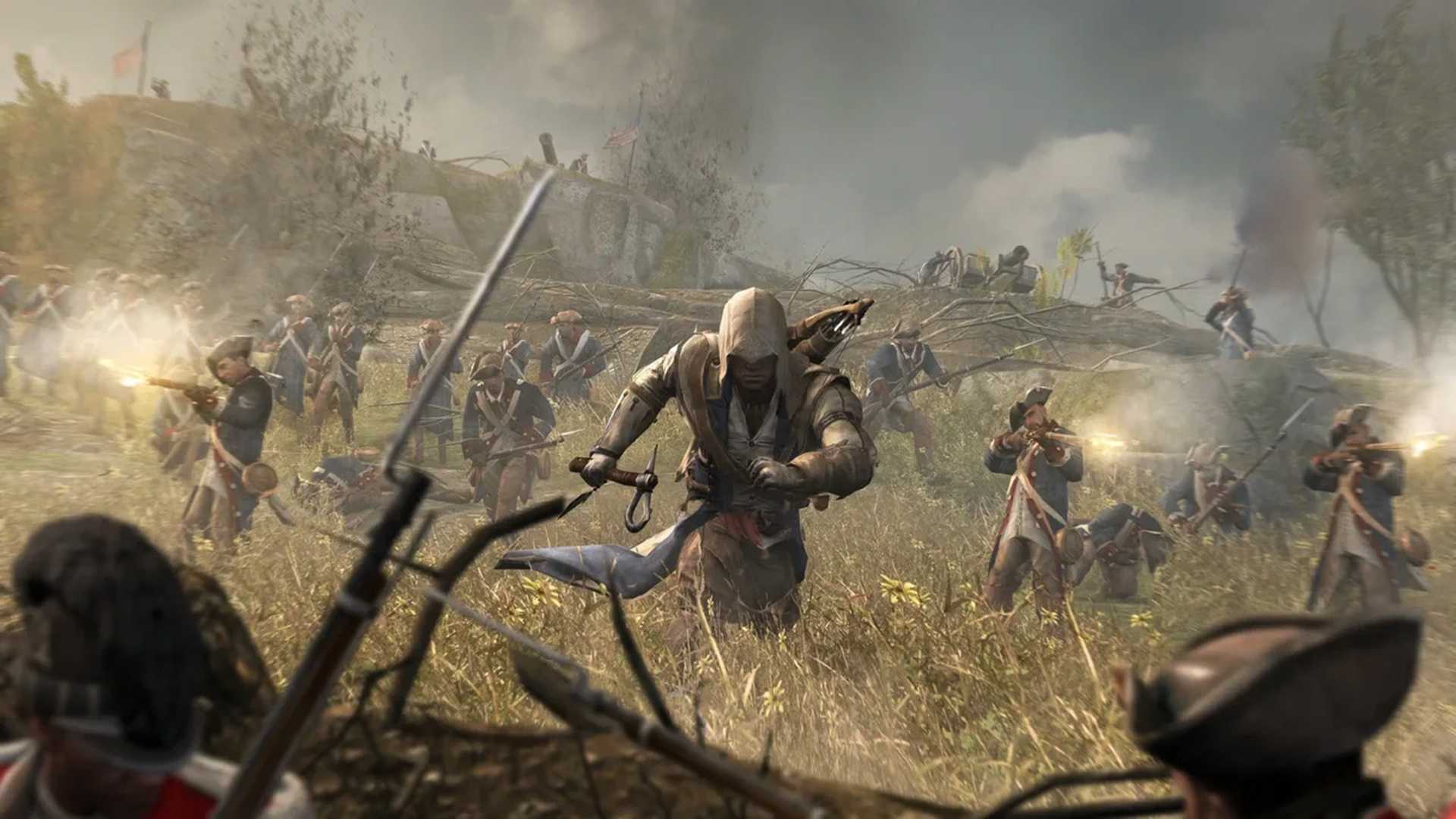
During the Reconstruction Era, things like constitutional amendments and interstate conflicts between people in the south were a direct result of the Civil War and its outcome. Part of the major conflict was the abolition of slavery and equal rights for minority groups, which was still very rocky in the few years right after the war concluded. Ubisoft's canceled game would have players taking control of a black protagonist during this period, which makes the most sense when depicting how tense things were back then. Similar to how Assassin's Creed III had a Native American protagonist during the Revolutionary War, controlling an African-American character in Reconstruction Era America would apply a similar perspective to the time period. While the story would be very different, it can hit on many key points of what the culture was like back then, especially for someone deep in the middle of it.
Fighting real evil
Seeing the rise of an enemy


 Credit: Ubisoft
 Credit: Ubisoft
 Credit: Culture Crave
 Credit: Ubisoft





While the Templars were always the antagonists of the Assassin's Creed series, parts of the franchise haven't shied away from including aspects of real-life evil into the lore. Like the rise of Hitler and Nazi forces in Europe during World War II, the Reconstruction Era had its own kind of villain that appeared during those years. According to reports of the canceled Assassin's Creed game, the story would also show the appearance of the Ku Klux Klan, which started in 1865 and led to the passing of The Enforcement Art in 1871. Prior to the act being passed by congress, there were multiple instances of vigilantism and crimes committed by the group, which contributed to the unrest in the country.
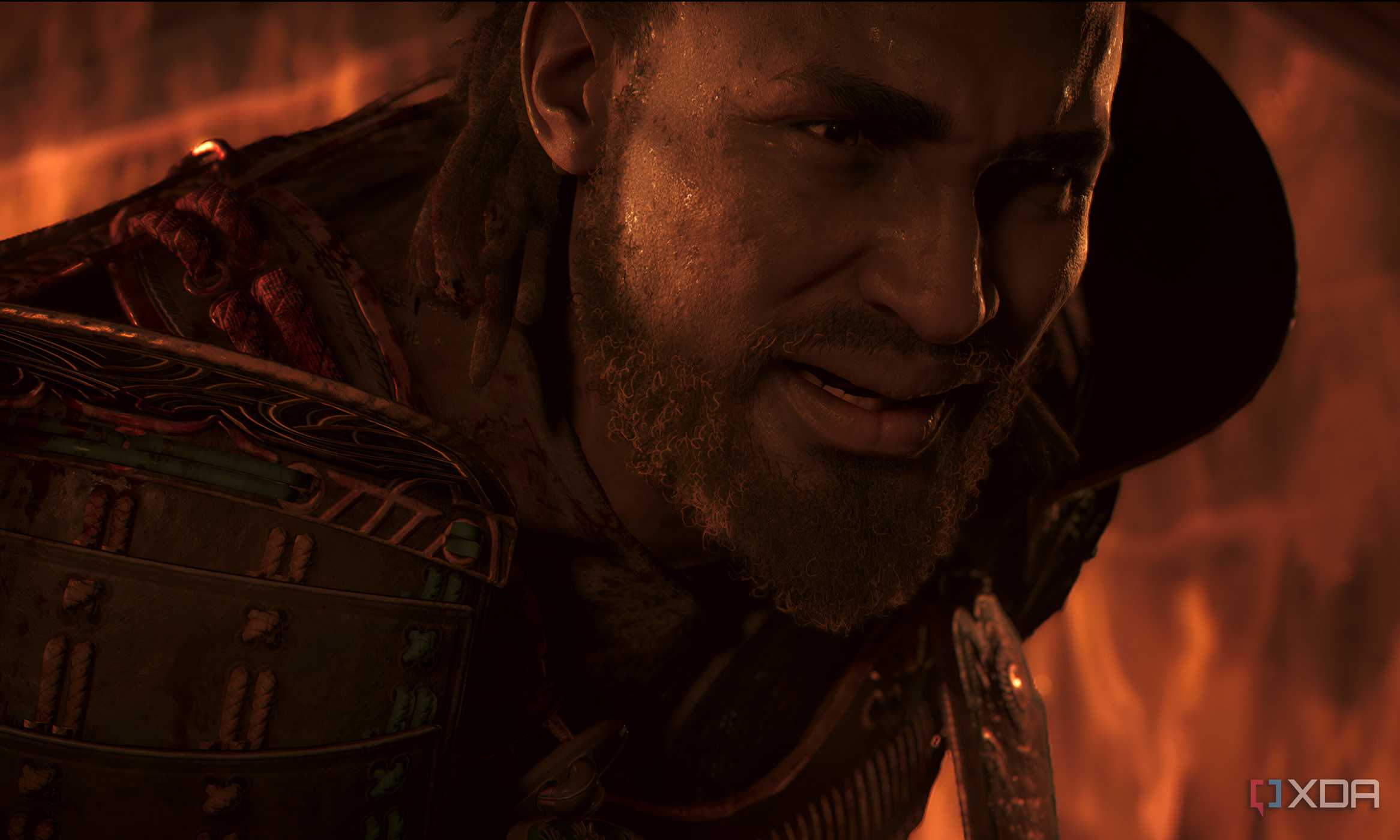
Playing as a black man in a setting like this would put players opposite of a real evil that plagued the country at that time, which adds a layer of real hostility that was present back then. It's very different from just the Templars and the Assassins in conflict, even though the Templars were known to have members from various historical groups and factions that have appeared in different entries of the series. Being African-American in this period, as the country was still navigating the waters of civil rights, would add layers to what the protagonist could come across. With the game apparently having the main character be a former slave and moving out to the western United States, elements of that evil could still be present throughout the areas they go to, causing conflict and adding to the overall drama of the story. There were many people who didn't immediately get on board with the changes that were happening, and their violence and hostility was an expression of that.

Within the context of the history that this specific Assassin's Creed would be pulled from, it's a perfect combination for what the franchise has always put at the forefront: being immersed within the era. While there is a strong sense of romanticism to many of the settings that Assassin's Creed games have taken place in, they didn't come without the darker parts of history. Assassin's Creed III managed to touch upon the relationship between Native Americans and the US government during the American Revolution, which wasn't always the best. It didn't give the full context and scope of how things were for it, but it managed to have enough that was able to compliment the story Ubisoft wanted to tell. And with this, being a post-Civil War tale, things could be fairly similar with an exploration of life as slavery was being abolished.
Highlighting lesser known history
Looking at more historical figures

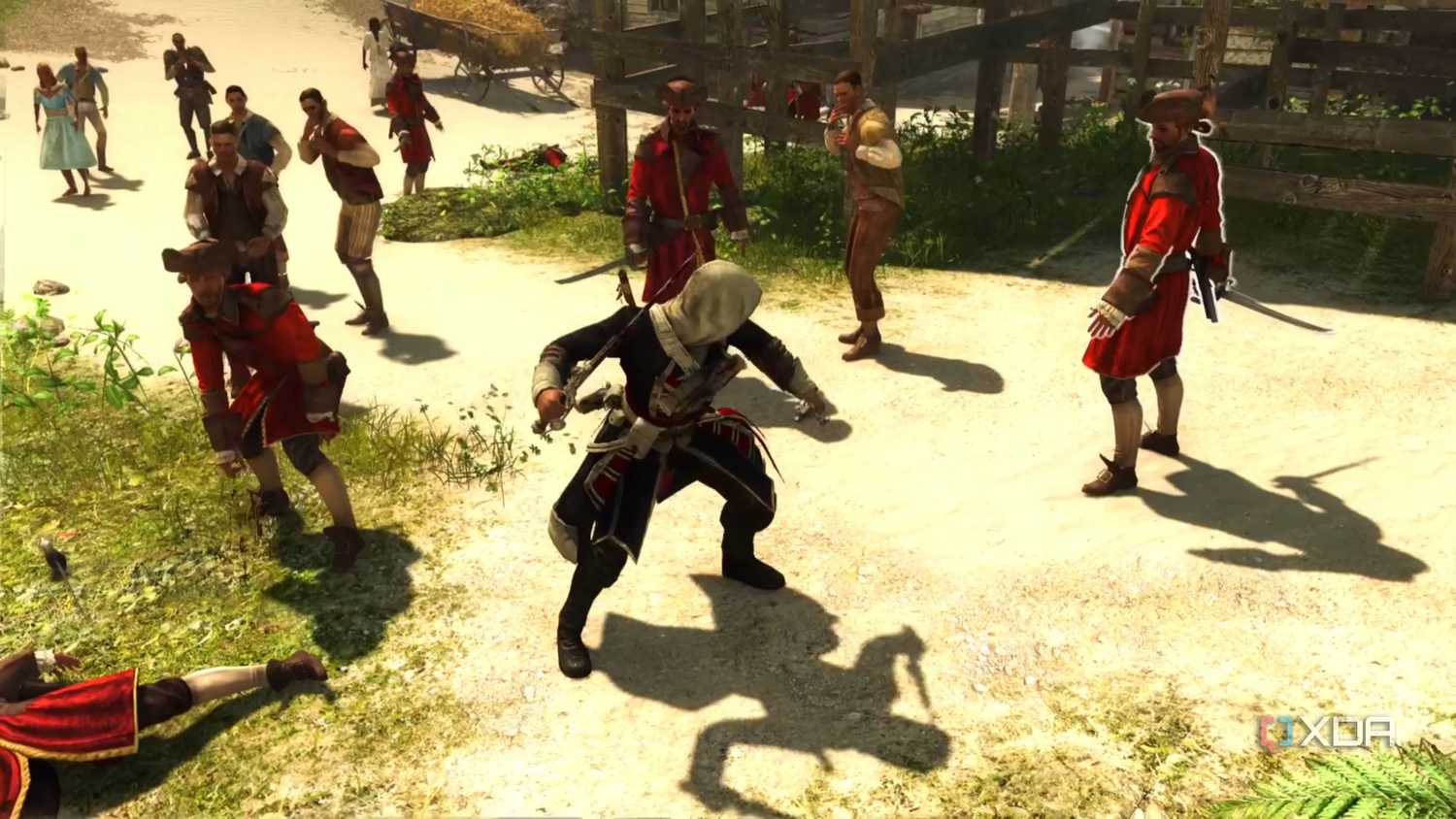
Because of everything that was going on within the Reconstruction Era of America, there were a number of figures that made an impact that are hardly known or ever discussed. And yet, their significance to the time cannot be understated, which would make fertile ground for telling a story about someone crossing paths with them back then. Previous Assassin's Creed games have included many different known and unknown historical figures that were key players of the eras the series goes to. Assassin's Creed II included people like Leonardo da Vinci, Assassin's Creed III had many revolutionary era figures like George Washington and Ben Franklin, and Assassin's Creed IV: Black Flag managed to include people like Edward Thatch and Mary Read.
With this Assassin's Creed game being told from a former slave's perspective, this could be a good opportunity to highlight many black historical figures, former slaves, and politicians that were key players during the Reconstruction Era. People like Hiram Revels, who was a former slave and the first black US senator, could be someone that the protagonist comes across as historical events unfold. Another person could be Robert Smalls, who was famous for capturing a Confederate ship and escaping slavery before serving in the US House of Representatives. What if we got to play as one of the people who helped Robert when seizing the ship? The possibilities and creativity that can go into it are very interesting to think about.

Individuals like this, and many other historical figures, could make for a very interesting ensemble of tales set during that era that threads what we see happening between the Assassins and the Templars. But like previous games, Ubisoft developers could really dive deep into the history and bring to light many unknown or forgotten stories of black heroes during the post-Civil War era. Some historical figures even faced threats of violence and conflict with the Ku Klux Klan, which would be interesting to see and play through. There's a lot of room to put together an experience that Assassin's Creed fans would really enjoy, while giving them a lot of new history to explore within the time period that brings everything together.
A game we hopefully see at some point
For people who enjoy the Assassin's Creed series, it was a shame to hear that a new Assassin's Creed game set after the Civil War was canceled. And while the reasoning behind it being shelved feels lame and unjustified to many, there's still hope that we can see that game made down the line. The reaction to the news shows there's real interest in something like this, even with some of the negative responses to Ubisoft's previous Assassin's Creed title. The Reconstruction period in America is a great setting for the series to explore and try out new and exciting things, especially for players who like seeing the different eras the franchise goes to. It may not be something we get right now, but Ubisoft would do well to consider revisiting the concept of a post-Civil War Assassin's Creed game eventually.


-
 OpenCritic Reviews
- Top Critic Avg: 81/100 Critics Rec: 82%
- Released
- March 20, 2025
- ESRB
- Mature 17+ // Blood and Gore, Intense Violence, Language
- Developer(s)
- Ubisoft Quebec
- Publisher(s)
- Ubisoft






WHERE TO PLAY


- Engine
- AnvilNext
- Genre(s)
- Action, Stealth, RPG

