


While this most recent GPU release cycle is still largely underway, we've reached the tail end of the notable cards in both AMD and Nvidia's lineups. The release of the flagships and mid-range has come and gone, and I don't think it'd be too early to start reflecting on how everything went. MSRP, QA, and stock conversations dominated the discourse for most people, and that's understandable, considering just how many people couldn't get their hands on a card in the first place.
One conversation that must be had is one about VRAM. Once again, Nvidia released multiple GPUs that sported 8 GB of VRAM, which on the surface doesn't sound notable, but upon further examination, it just seems like a way to cut cost and create planned obsolescence. Mid-range cards with 8 GB of VRAM are not long for this world, and I think this is the last generation we'll see them.
Why the VRAM conversation matters
Whether you like it or not, it's going to affect you

VRAM is your graphics card's dedicated video memory buffer. It holds data that your GPU needs quick access to, like the high-resolution textures in your favorite games. If your card runs out of space in its memory buffer, it starts to use your system memory as overflow space. Games will often allocate more memory than they need, but when you actually start running out of VRAM, you'll notice extremely low framerates and high frametimes— telltale signs your card has reached its capacity.
You can get around this by lowering texture quality and utilizing things like MIP streaming, but that's only if your favorite games support it, And it's not a cure-all, by any means. There are some cases where newer games will just straight up refuse to boot on an 8 GB card, which is the first sign that 8 GB cards are truly not long for this world.
The 5060 is a shell of what the 60-series once was
Along with the 70-series, for that matter

Take a walk with me down memory lane for a moment. When the 3060 Ti launched in late-2020, it didn't get rave reviews, but it was considered one of the strongest mid-range GPUs we had seen to that point. It offered strong 1440p performance for a $399 MSRP card. You couldn't really get it for that price, but if you could get it anywhere in the ballpark, it was good value. It had similar performance in some scenarios to the RTX 2080, for a much lower price to boot.
Fast-forward to the current year, and the 5060 is being beaten or at least matched by that very same RTX 3060 Ti in many benchmarks at multiple resolutions. And this is before we even mention the 8 GB VRAM buffer that these cards still sport, 5 years later. The cracks are starting to show at 1080p, but at 1440p and above, there are few scenarios where these 60-class cards make sense as products in today's PC landscape. AMD isn't getting off scot-free either. Their 8 GB version of the 9060 XT is just as irrelevant as Nvidia's offering in the same price class.
"The more you buy, the more you save"*
(*At least, that's what it looks like on the surface)


 Credit: Source:
 Credit: Source:
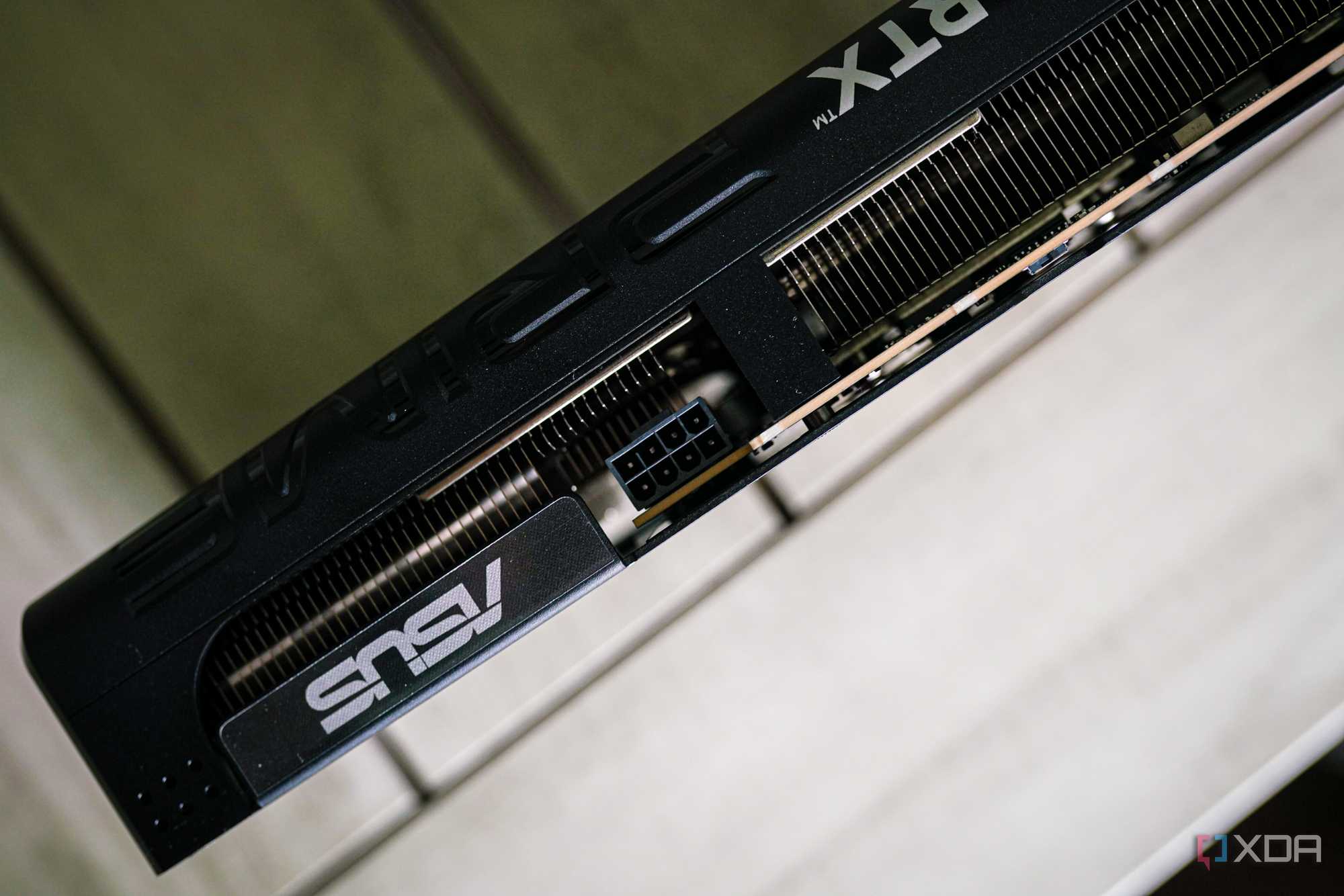
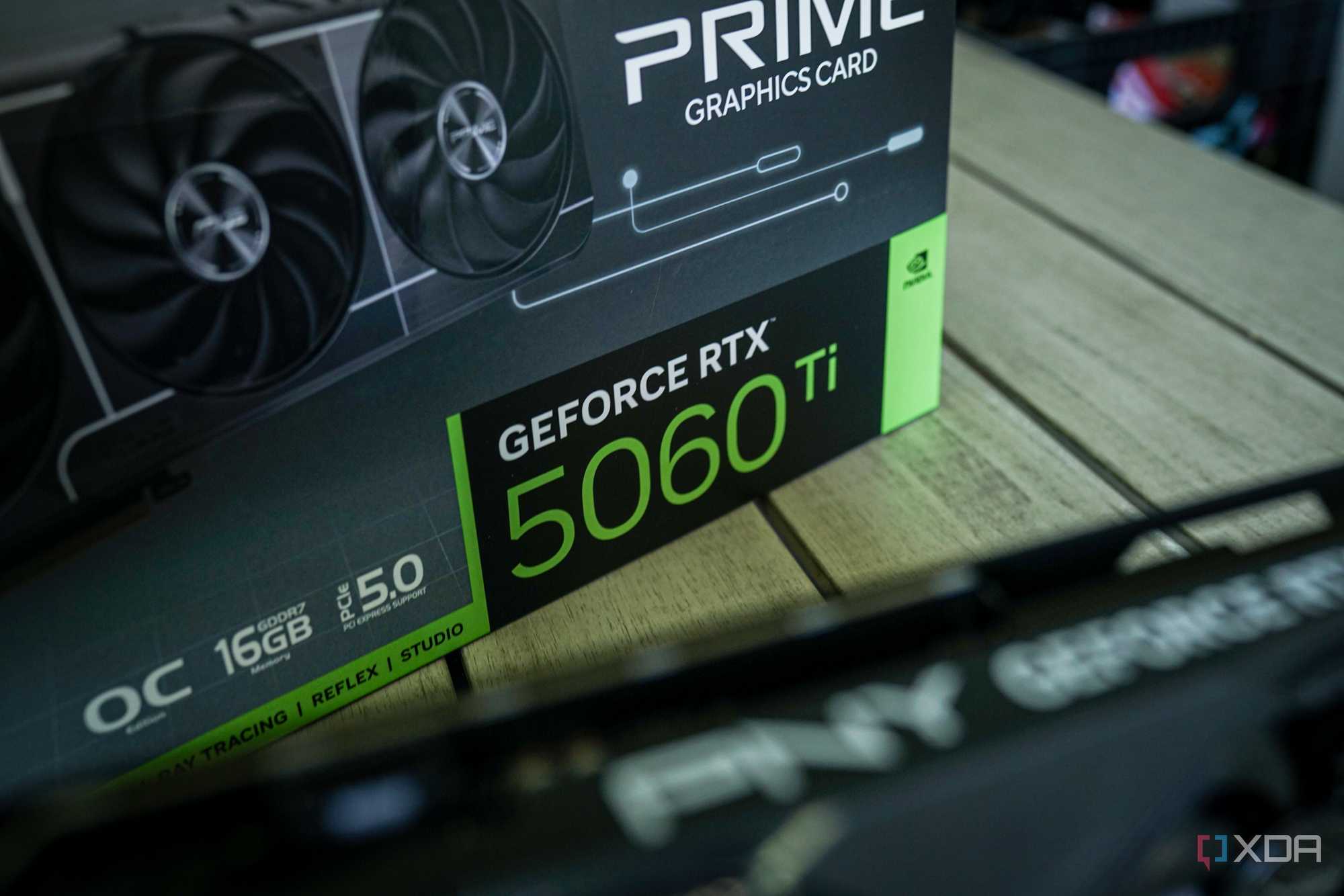


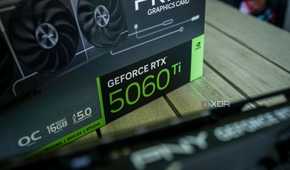
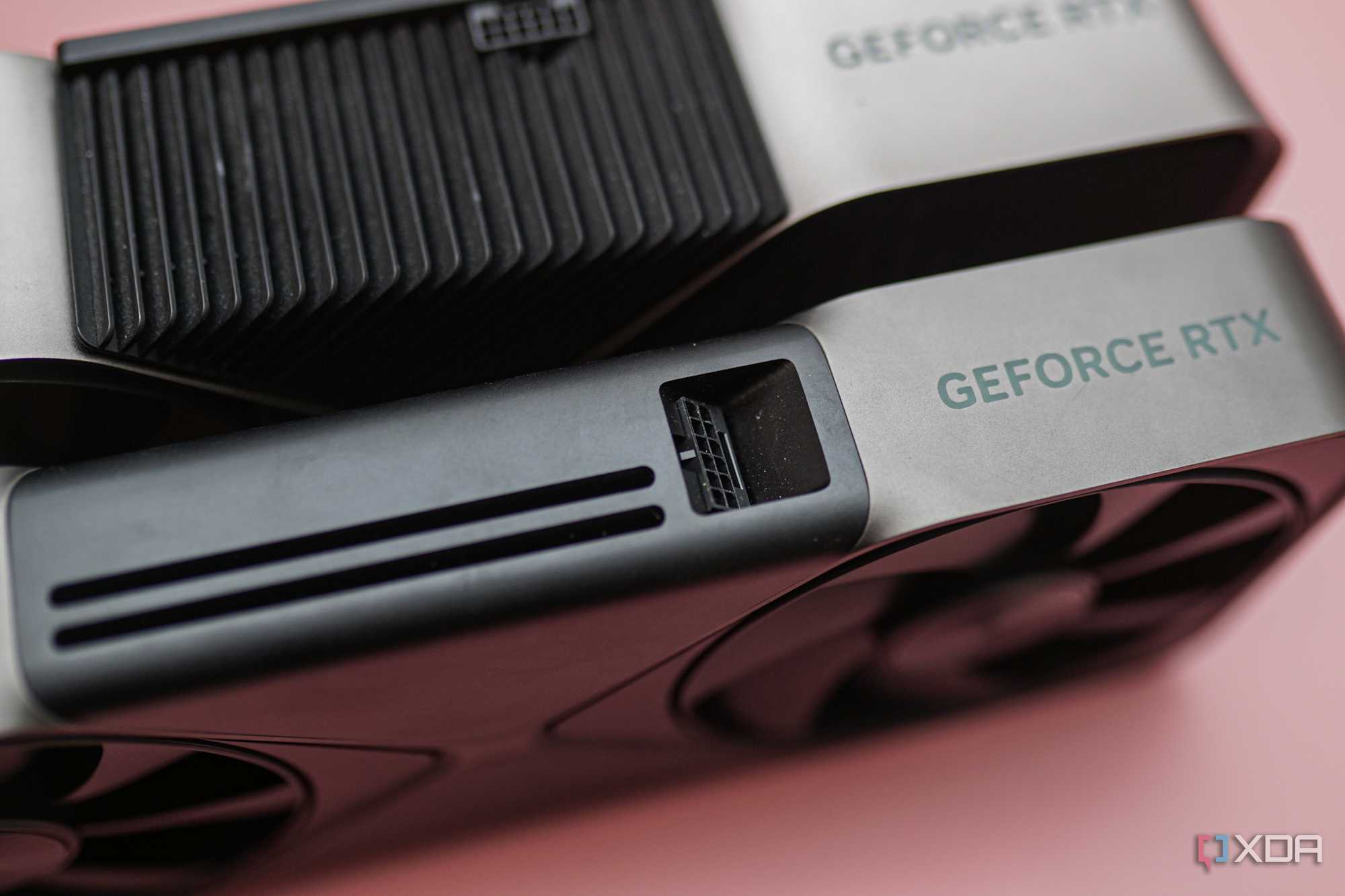
The RTX 5060 and 5060 Ti 8 GB don't make much sense as high-resolution gaming cards because of their VRAM buffer. As resolution increases, so does the size of textures and the potential size of your frame buffer. You could argue it's now an "esports" card, but there are plenty of last-gen options that run esports titles at several hundreds of frames per second. So if you want your new 60-class card to be usable beyond the next couple of years, you'll need to spend a little more. Fair enough, the 5060 Ti 16 GB is currently running at around $550, which is still well above its MSRP of $430 USD, but surely that's a decent deal, right?
Unfortunately, the 5060 Ti at $550 gets thrashed compared to last-generation cards that can be found in that price range. I can easily find an RTX 4070 Ti for around that price in my area. An RX 6950 XT can be found at well below that, and while it might struggle in RT, it's still more than serviceable in raster at well above 1080p. These cards have more than enough VRAM to handle themselves in newer titles as well. They have a sizable enough frame buffer to keep the GPU itself relevant for longer. The 5060 and 5060 Ti 8 GB don't have that, and neither does the 8 GB model of the 9060 XT. These are cards with great silicon on them, but they're being cut down to maintain a product class that only exists because of scarcity.
One thing last-gen cards don't have, is technologies like DLSS 4, and the bells and whistles that come along with them. Unfortunately for buyers of new 8 GB cards, these technologies do nothing to save them, because they rely on the VRAM buffer to work their magic.
It's time we raise the VRAM floor
Nvidia has abandoned the mid-range, 1440p gamer on a budget, and it started with the release of the RTX 5090. The reason for the product segmentation we've seen for the RTX 50 series started at the top. Each card below the 5090 just feels like an upsell, and while AMD have offered a compelling option in the 9070 XT and 9060 XT 16 GB, those cards also come with their own quandaries, pricing and performance-wise. Cards with 8 GB of VRAM just don't cut it anymore, and I doubt we'll see them again.
