


Every component of the PC seems to age in dog years on the internet. News feeds and the YouTube algorithm are obsessed with "tech-fluencer" benchmarks and annual refreshes, and in this paradigm, a 6-year-old CPU should be very well into its retirement, placed on a shelf or in a forgotten drawer somewhere.
Yet, every time I fire up my old workstation from 2019 housing the Ryzen 5 3600, I am met with pleasant surprises. Despite being a budget chip from two architectural generations ago, this Zen 2 processor does not seem to understand the concept of what it means to be a "bottleneck", no matter how hard the internet tries to convince it. It doesn't come with a 3D V-cache, DDR5 support, or a $350 price tag, yet, it continues to deliver, and it does so quite elegantly.
How well does the Ryzen 5 3600 hold up in 2026?
I ran the benchmarks


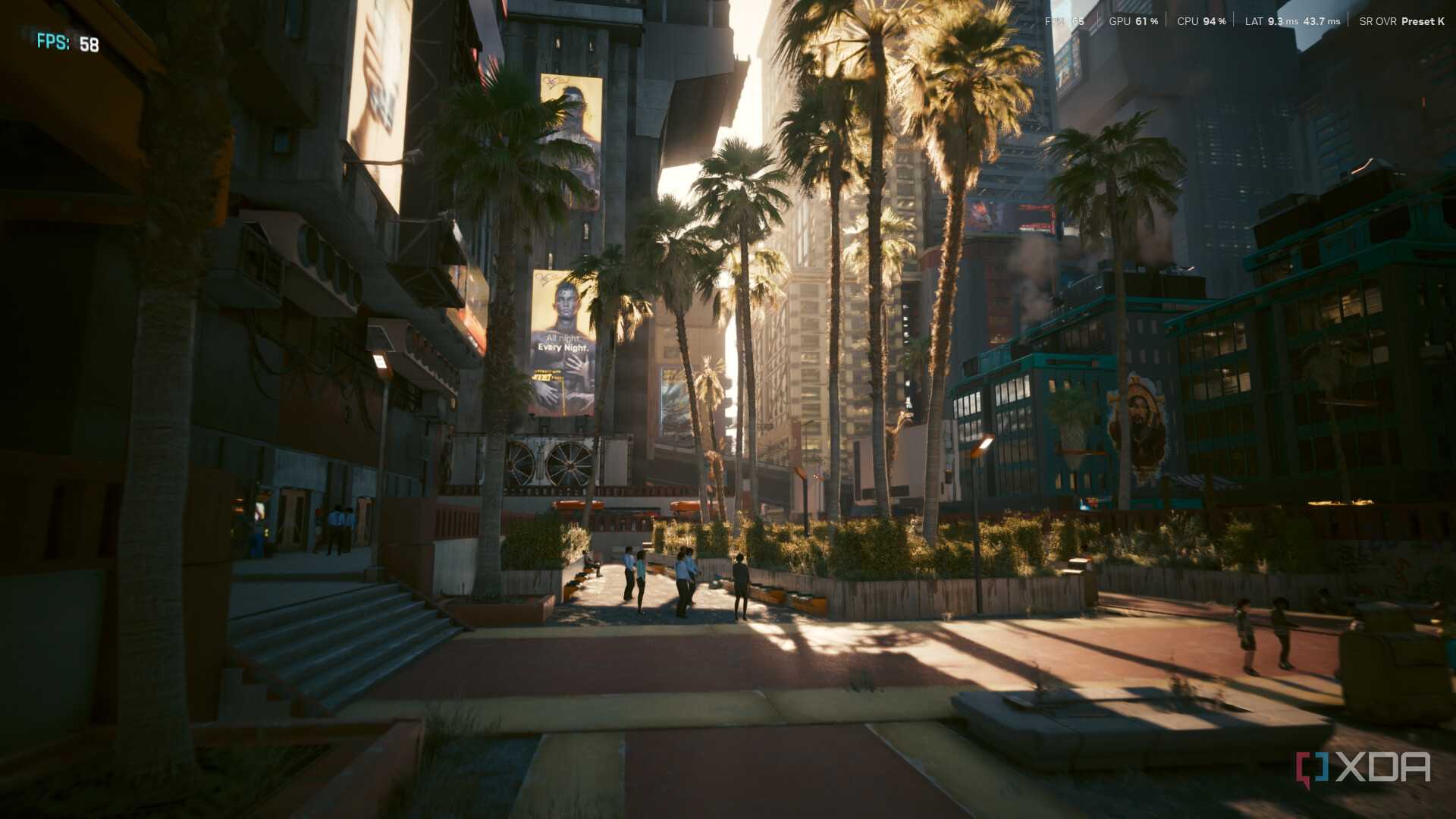










Upon testing, the results were a little more compelling than you'd expect from an old budget chip. Cyberpunk 2077 at High preset managed to push past 50 FPS without any AI-upscaling assistance or frame generation, which brought it within the realm of playability with DLSS Performance preset, with averages reaching 75 FPS.
Backrooms: Escape Together sat north of 120 FPS, averaging out at 132, which is more overhead than the game demands, but its eerie setting definitely benefits from the added immersion. What makes this stand out, however, is that Backrooms is built on Unreal Engine 5, which is notoriously CPU-intensive. Even with higher demands on shader compilation, lighting systems and multithreaded workloads, the 3600's 6-core, 12-thread configuration managed to handle the title without any compromises.
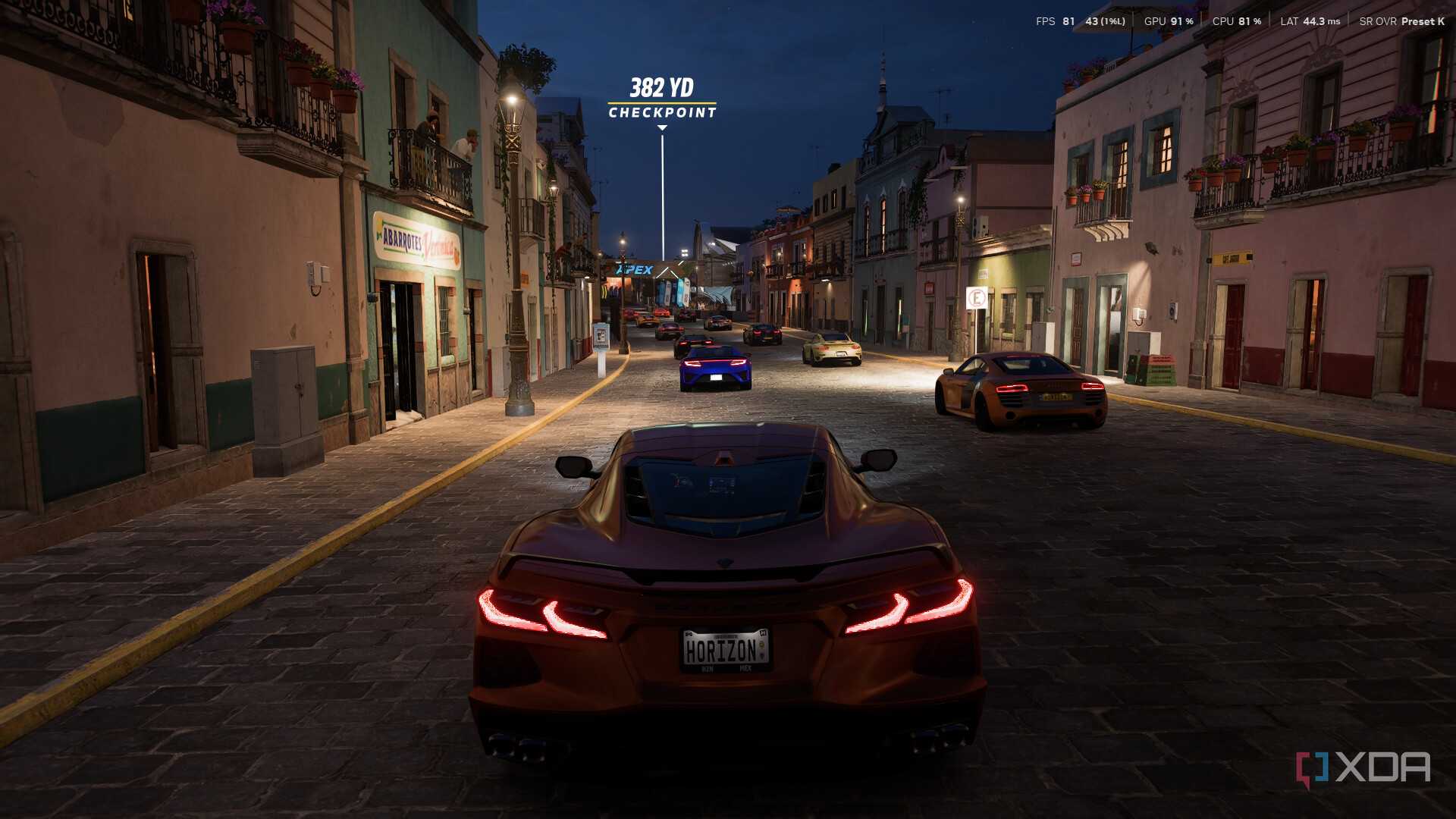
Coming to more recent releases, Capcom's new IP Pragmata and Xbox Game Studios' Forza Horizon 5 both managed above 60 FPS on average, delivering essentially a game experience that's at par with modern consoles like the Xbox Series X and the PS5 with a notable distinction: both the titles delivered this frame rate whilst running on maxed out presets.
Ryzen 5 3600 with RTX 2070 Super
|
Title |
Preset (1080p) |
Upscaling |
Frame Generation |
Average FPS |
|---|---|---|---|---|
|
Cyberpunk 2077 |
High |
N/A |
Off |
54 |
|
Backrooms: Escape Together |
High |
N/A |
Off |
132 |
|
Forza Horizon 5 |
Extreme |
N/A |
Off |
65 |
|
Pragmata |
Max |
N/A |
Off |
64 |
The Zen 2 CPU is built on a solid architecture
Even modern GPUs don't suffer too much

Before the Ryzen 3000 series disrupted the market, mid-range and budget chips were rather starved for on-die memory. AMD capitalized on this opportunity and doubled the L3 cache to 32 MB with Zen 2, which was critical for improving gaming performance. Since the CPU and GPU are in constant synergy, the large pool of high-speed cache reduces latency and prevents the micro-stuttering that you would associate with older 4-core CPUs.
Even in 2026, this design advantage keeps the frame times table and 1% lows consistent. What's even more remarkable is the fact that the 3600 shares this exact 32 MB L3 cache specification with AMD's newest Ryzen 5 9600X, which is the latest chip in the non-X3D family. The cache hasn't needed an upgrade as the design was robust from the start. This architectural "robustness" is further complemented by TSMC's 7nm process that the chip features, which means that the CPU packs considerable performance into a tight 65W envelope. The processor continues to be as efficient as it was at launch and has retained its capability, especially if you're running a small form factor build.
What's even more remarkable is the fact that the 3600 shares this exact 32 MB L3 cache specification with AMD's newest Ryzen 5 9600X, which is the latest chip in the non-X3D family.
You should only consider an upgrade if...
There are some obvious considerations

The Ryzen 5 3600 is a formidable budget chip that has braved the test of time, but whether it's due for an upgrade for you depends on your target resolution and workload. At 1080p, the performance, as observed, is satisfactory, but it's not unusual for it to show its age in high-refresh gaming, or when playing titles like Microsoft Flight Simulator 2024 that rely on CPU processing. So, if you see yourself playing competitive titles like Valorant, Fortnite or simulation-heavy games a lot, it might make sense to make the jump to an X3D chip on the AM4 platform. The economics certainly favor staying on the platform right now.
For everything else, you can put your dollars on a mid-range GPU like the RX 6700XT or RTX 3070 to get a generous performance uplift without the chip choking up your frame rates, but do so only if you can get a good deal on the secondary markets. If you're among the 52% of gamers on a 1080p setup, this chip packs just enough punch for you to pair it with a decent GPU (with sizable VRAM buffer) and keep gaming without expecting major compromises. Just expect to use AI upscaling such as DLSS or FSR if your GPU supports it.
The best budget CPU from Team Red isn't done gaming yet
Six years after its launch, the Ryzen 5 3600 seems to be far from its foretold retirement. My colleague once referred to the 3000 series processors as the "Pascal" of the Ryzen CPUs, which is apt since this family of SKUs mirrors the resilience of Nvidia's GTX 10-series cards that refused to fade into obsolescence despite being generations old. If you're holding on to the 3600 or the 3600X, it is likely because the processors haven't given you a compelling reason to upgrade yet. And when you decide to upgrade, the AM4 platform gives you a clear path forward without a $1,500 bill.
