


In many scenarios, buying used PC components is objectively better. You can get great deals on hardware that's still in warranty, own slightly older but high-end parts that you might not have bought new, and save some components from ending up at the scrapyard. However, it's not always easy to be sure about the condition of the hardware you're buying, especially when you can't test it in person. In the case of some faults, it might just be too late when you spot them.
CPU coolers — Worn-out fans or pumps
Might not be apparent during the deal


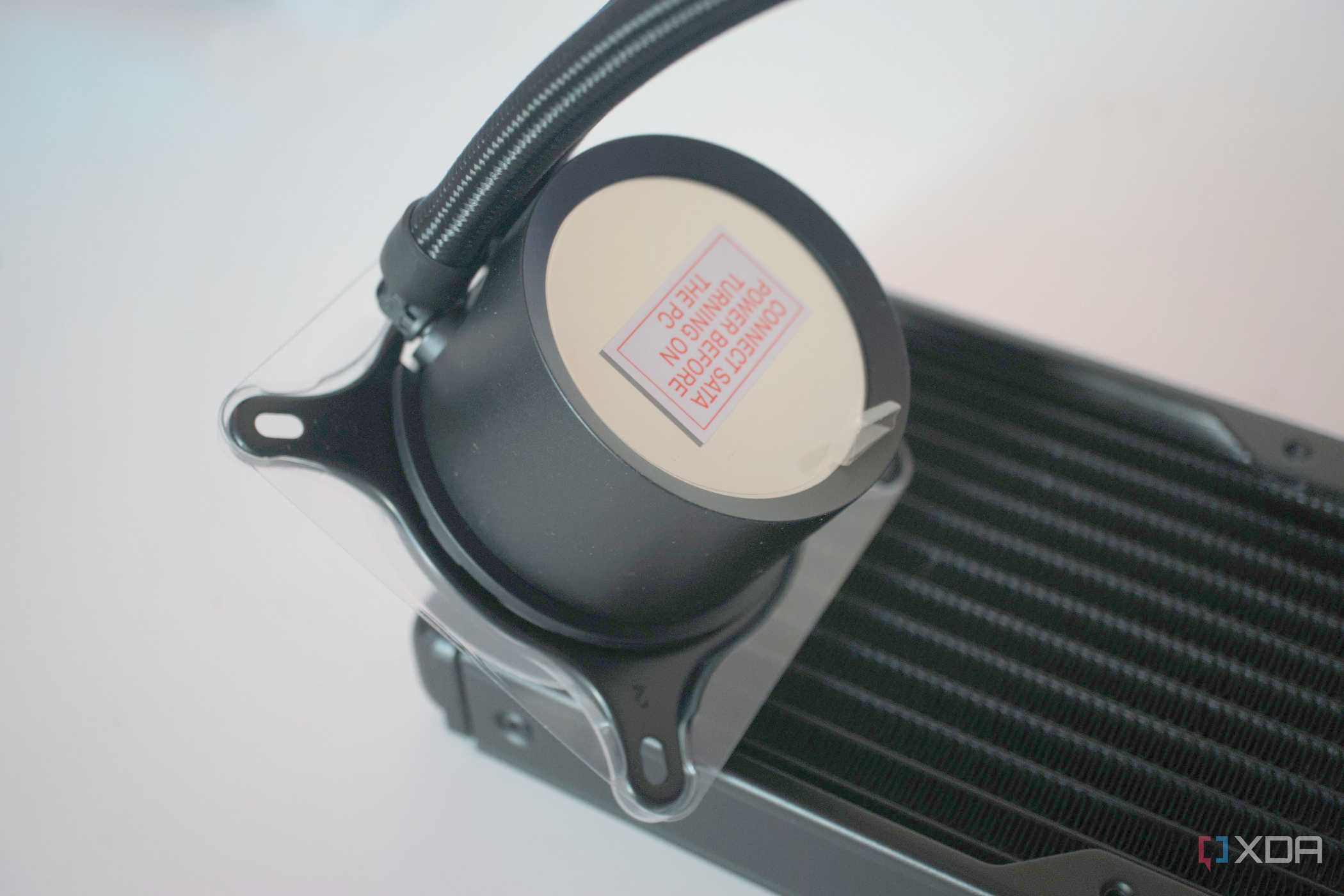


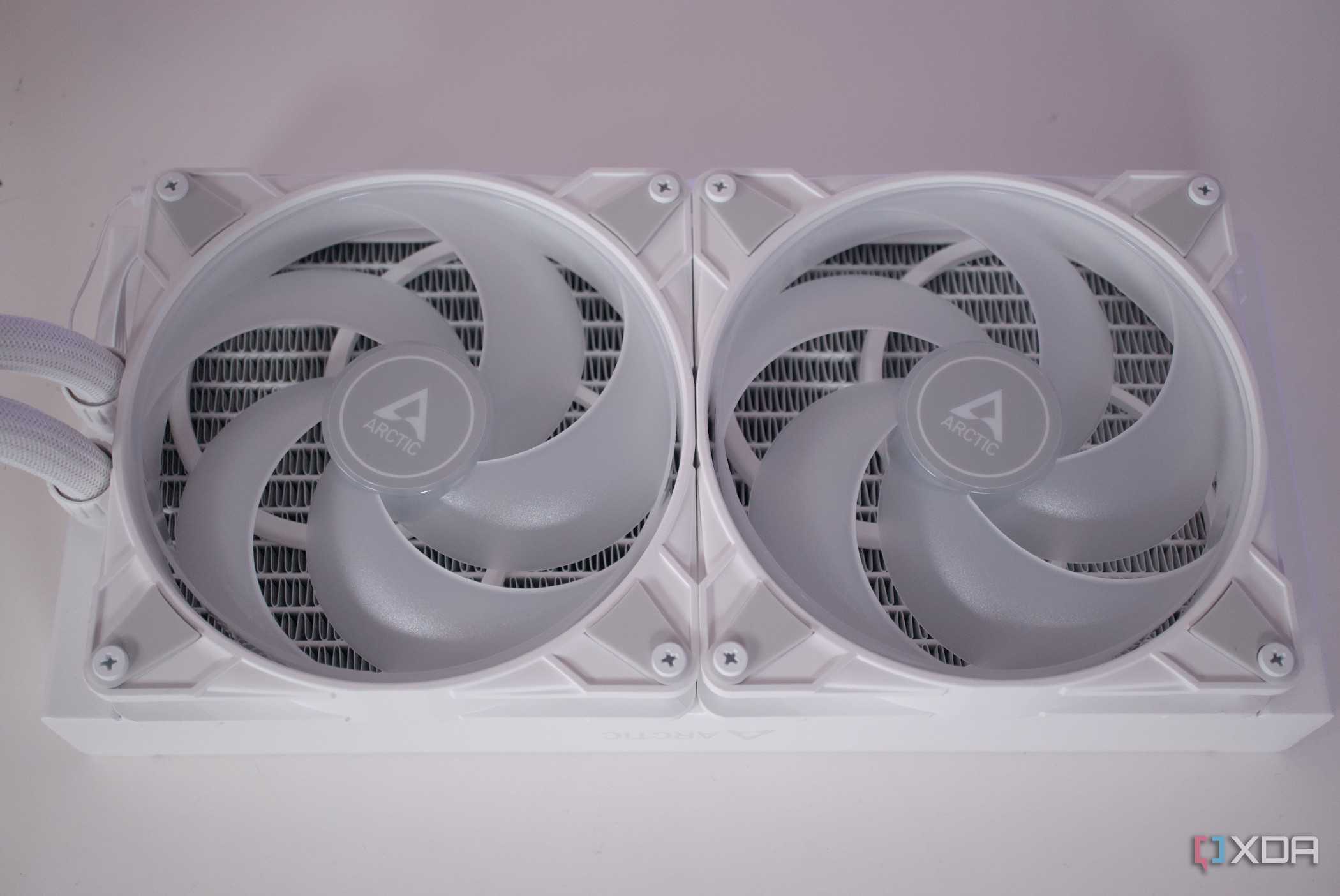
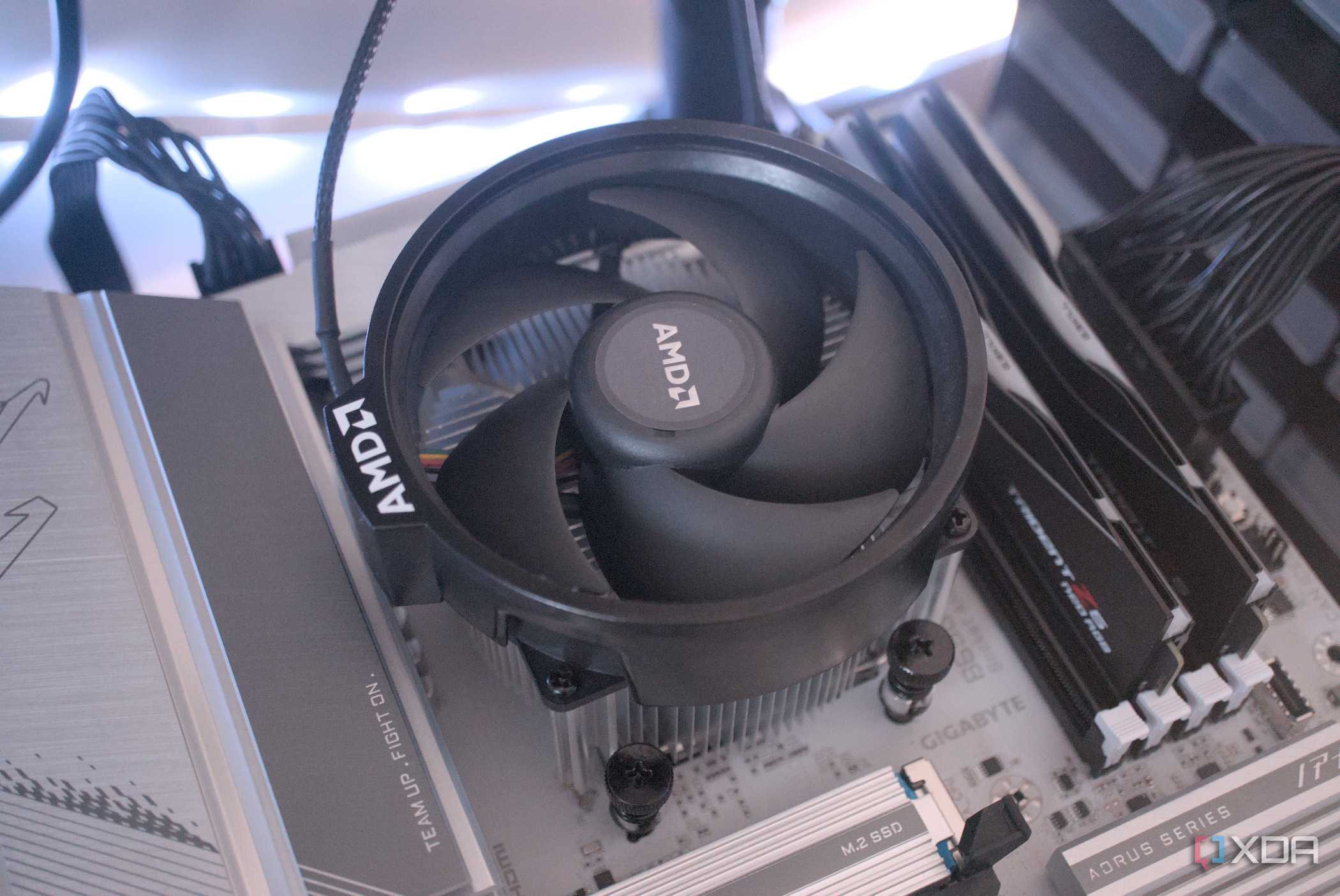


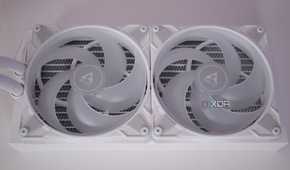
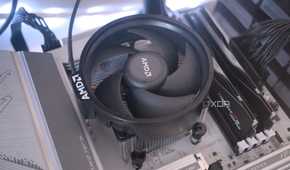
A CPU cooler is usually one of the components that are safe to buy used, especially if it's an air cooler, but that might not always be the case. Depending on the age of the cooler, it might have developed some hidden faults that you might not pick up on at first inspection. Long-term wear can easily lead to noisy fans, both in air and liquid coolers. Plus, AIO pumps might be on the verge of giving up. Even the radiators might have dented fins that might only show up later.
Even if the cooler is under warranty, going through the RMA process is no one's idea of a good time. Unless you have some kind of buyer protection that doesn't expire before you spot whatever's wrong with the cooler, it's sort of a gamble going the pre-owned route. The best you can do is to buy coolers that haven't been used for long, and have a greater chance of working perfectly.
RAM — Mismatched or faulty sticks
Be a stickler about the specs

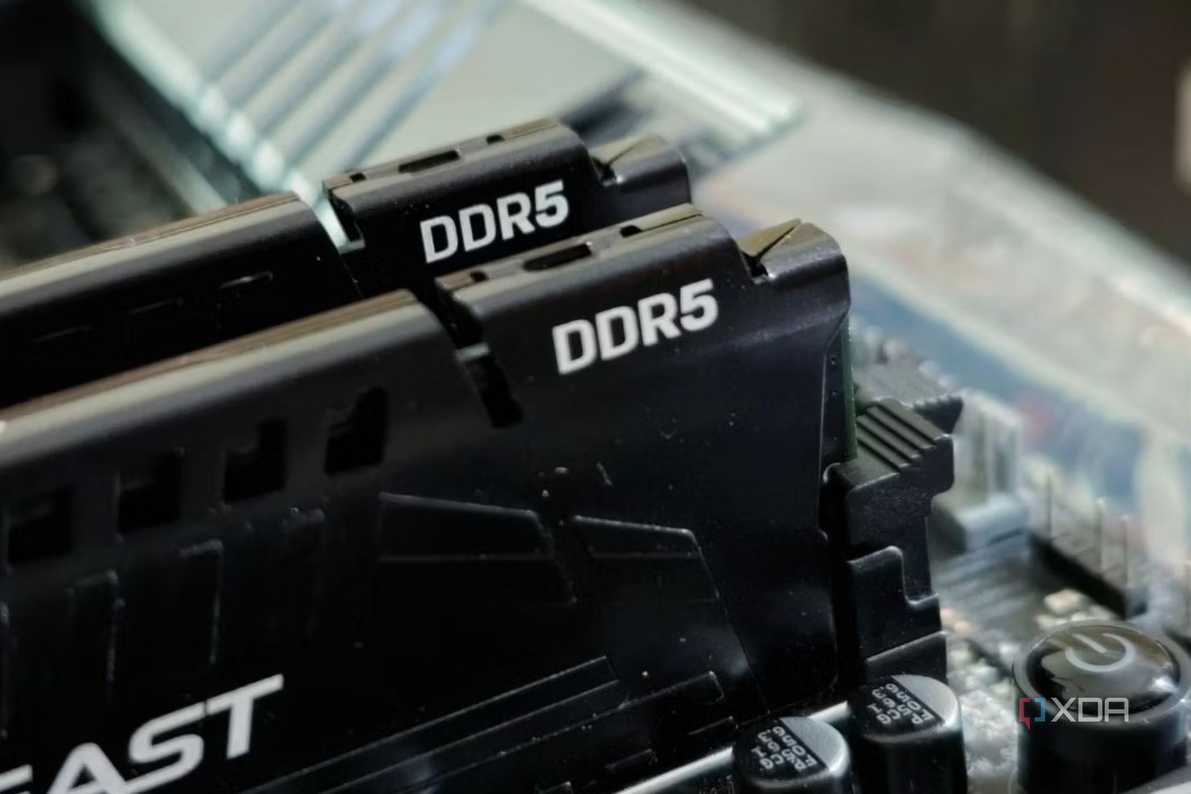


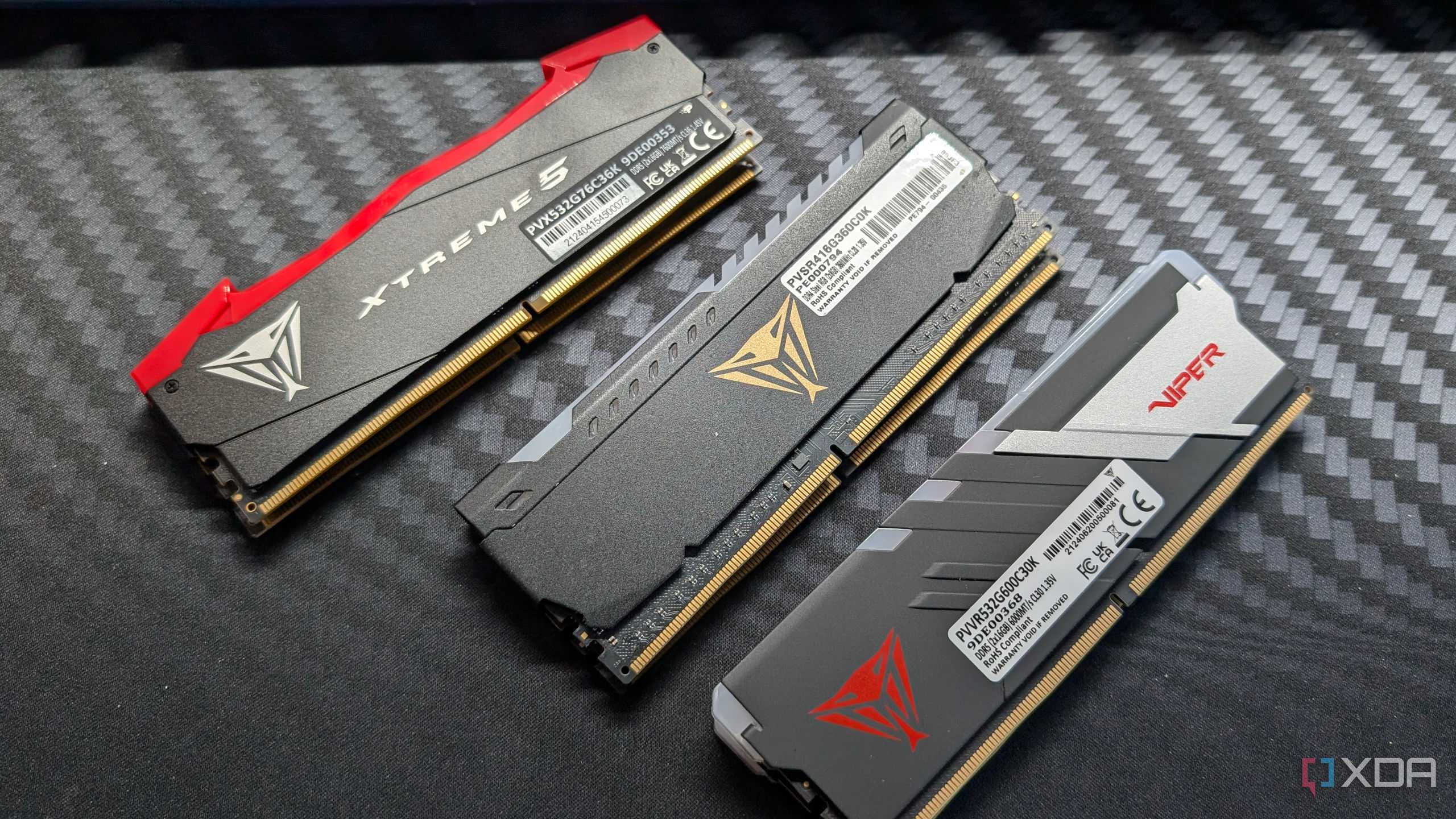
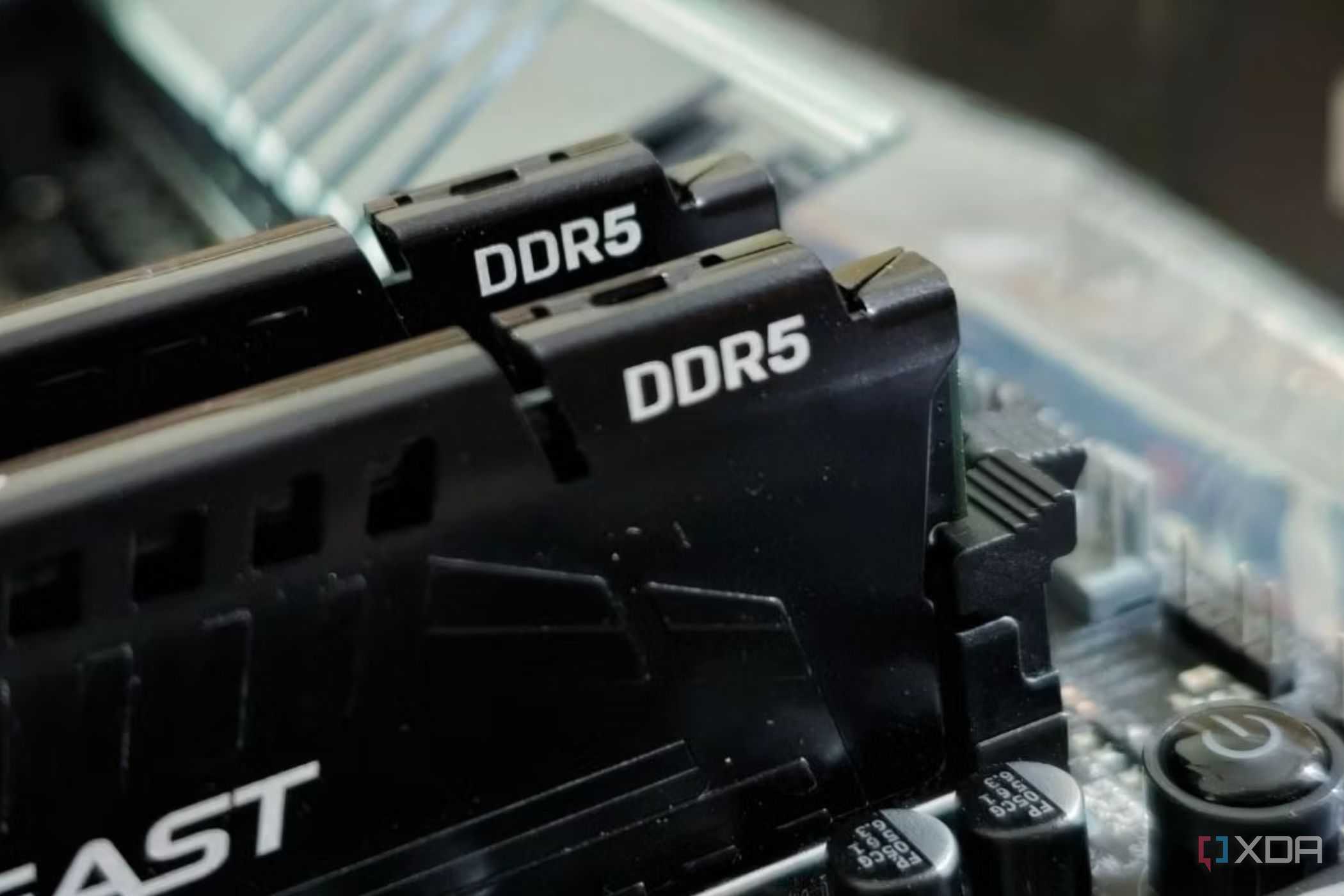
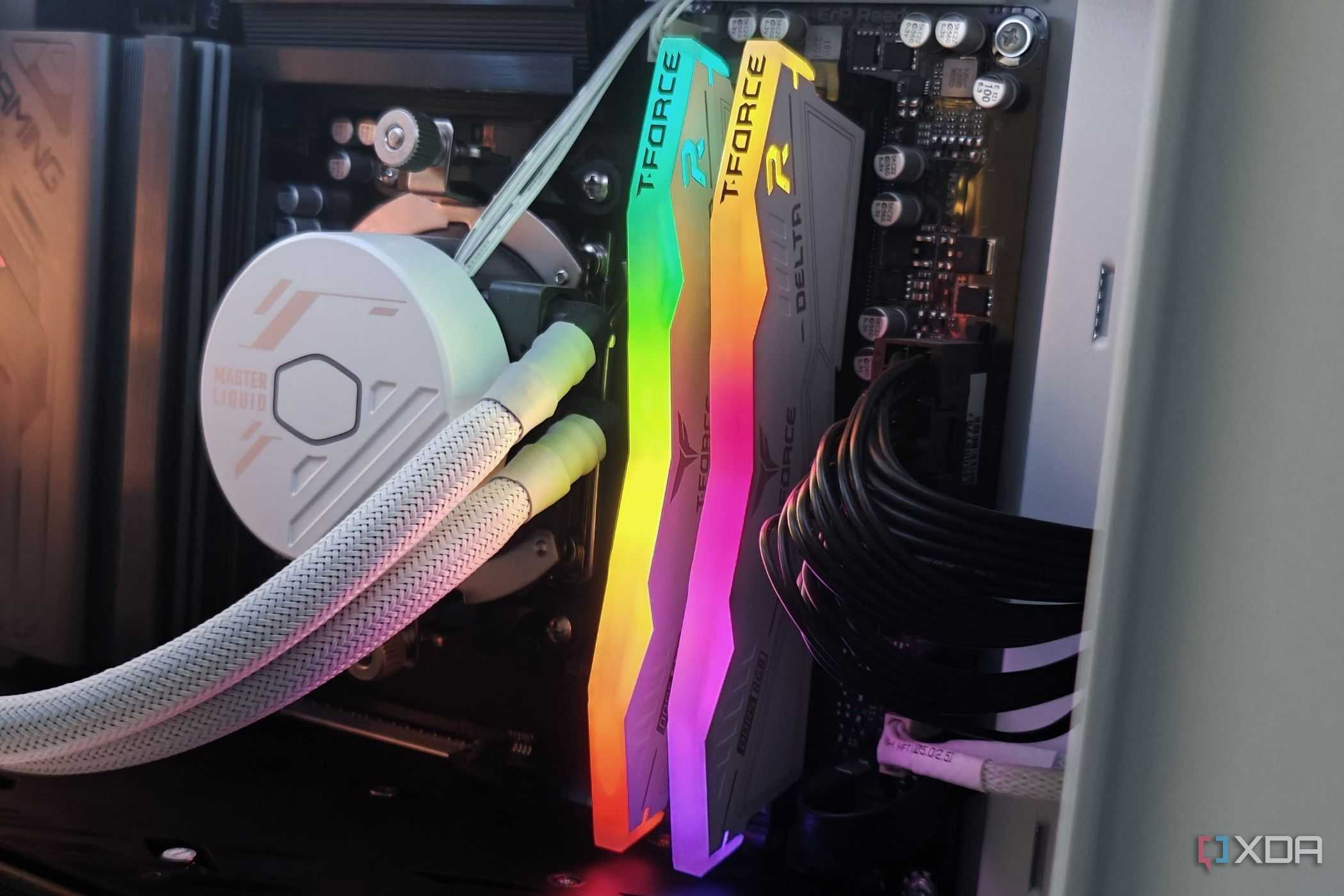
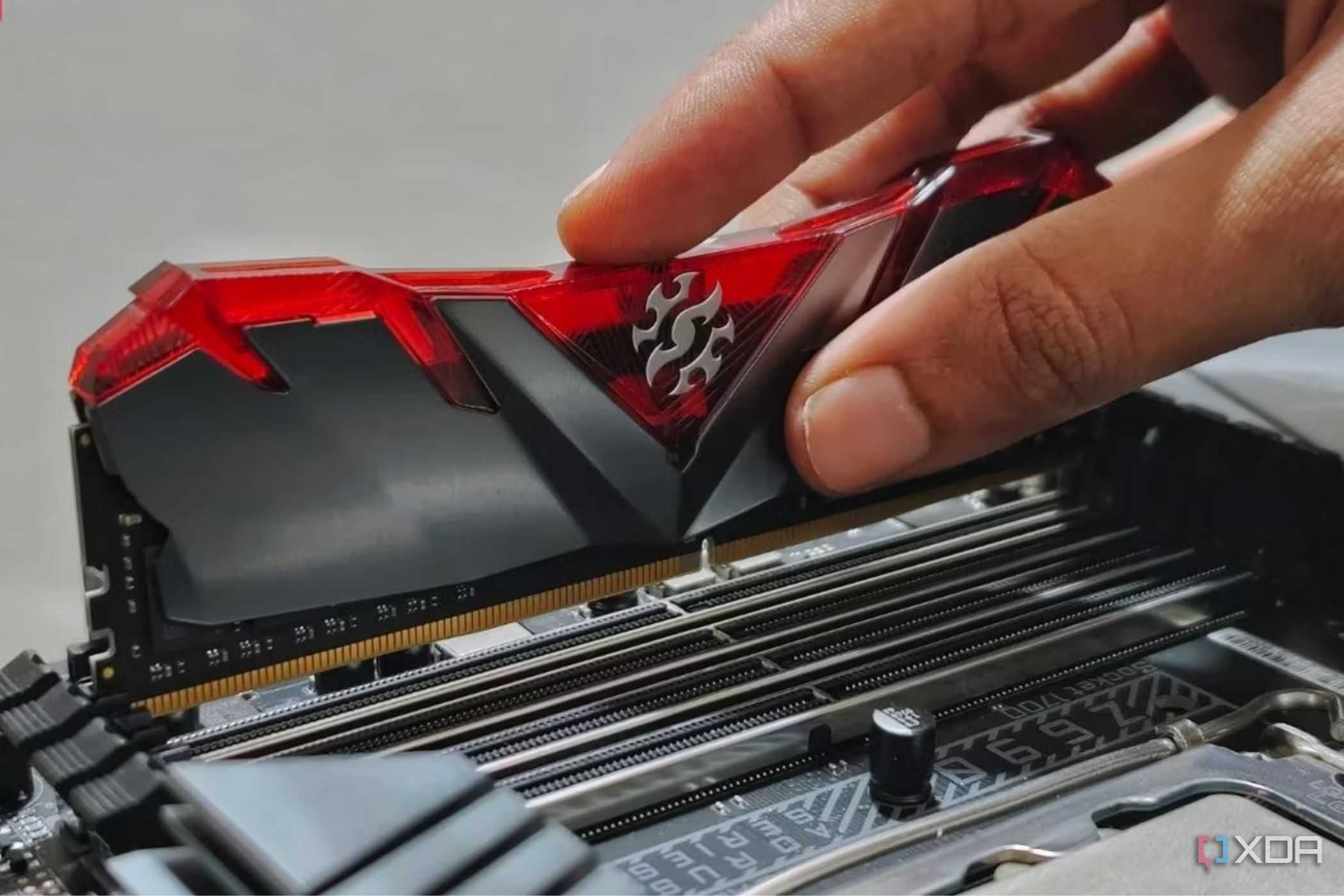
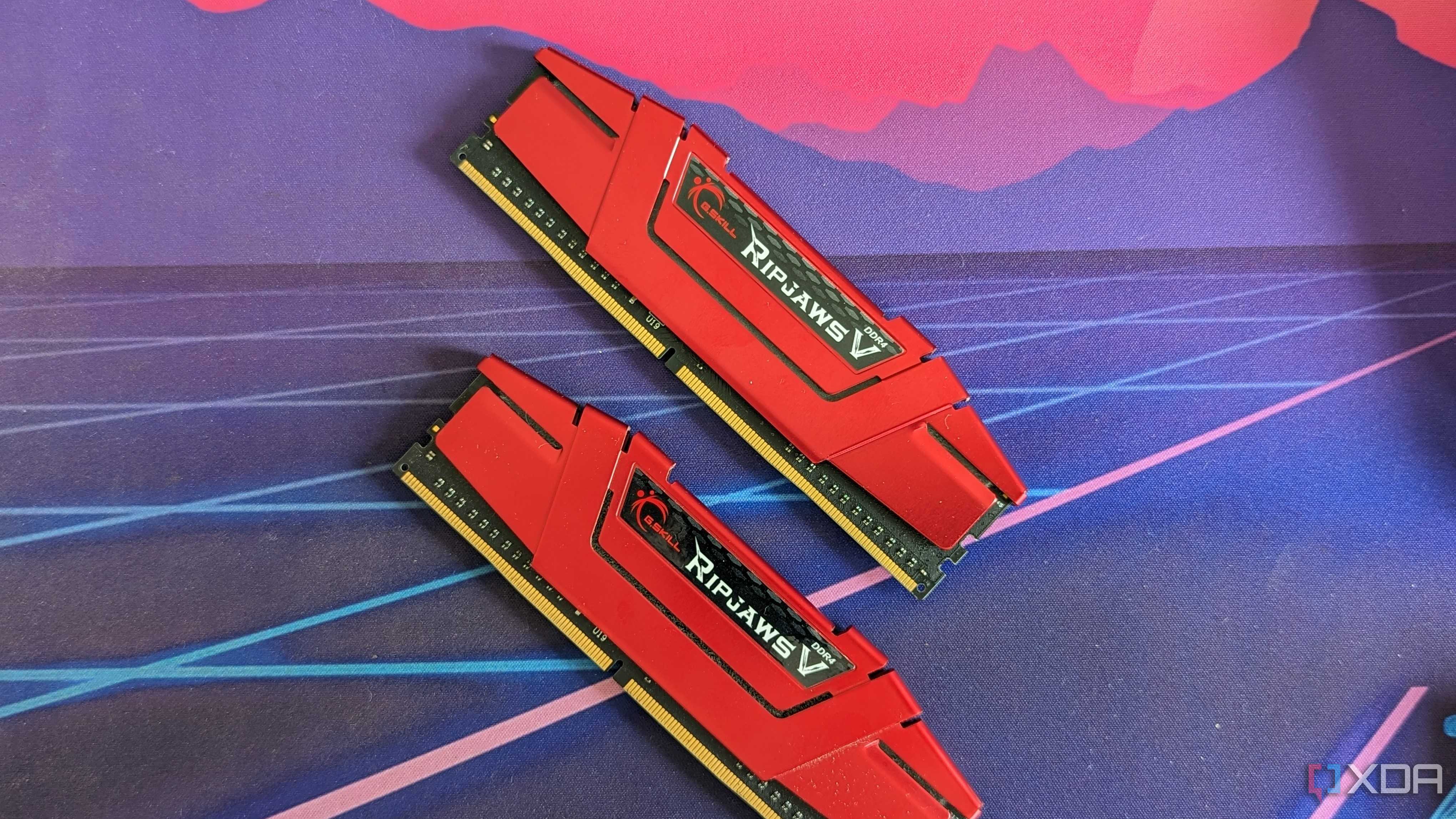
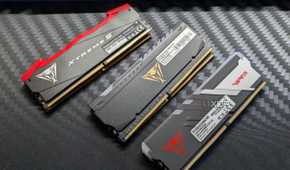
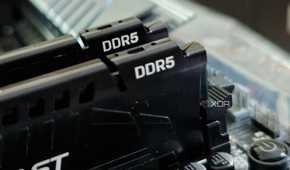
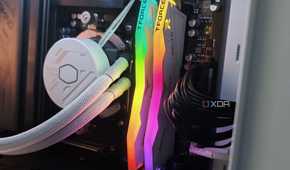
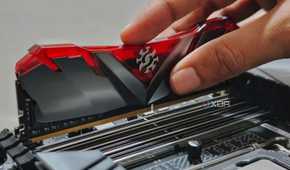
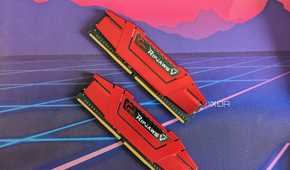
Buying used memory is generally considered safe, just like CPUs, but there are some things you need to be extra cautious about. RAM sticks don't often develop faults, even after years of use, but the seller might not be comprehensive in the listing, willingly or otherwise. For instance, the DIMMs might not be part of the same kit. They might be identical in terms of the transfer speeds and timings, but that could still pose stability issues for your system.
Even if you manage to verify that the DIMMs belong to the same kit, underlying errors are harder to spot. You might only find them after checking the RAM for faults using MemTest or another program. You might even use the RAM for a few weeks without noticing any weird behavior before encountering an unexpected crash. This is why it's recommended to get as much proof as possible from the seller about the proper functioning of the hardware you're buying.
Motherboards — Damaged slots or EOL boards
Better to avoid, in most cases


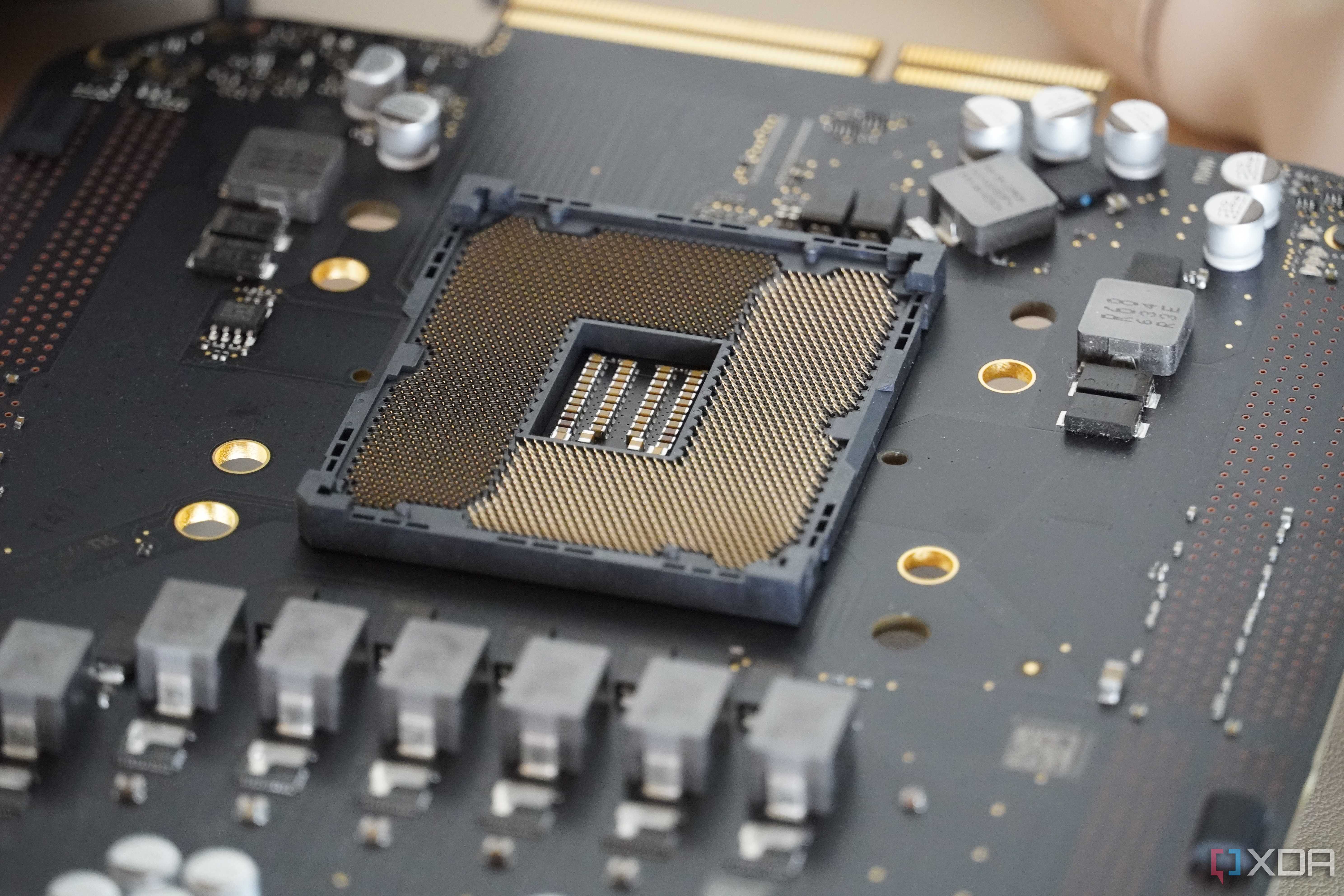

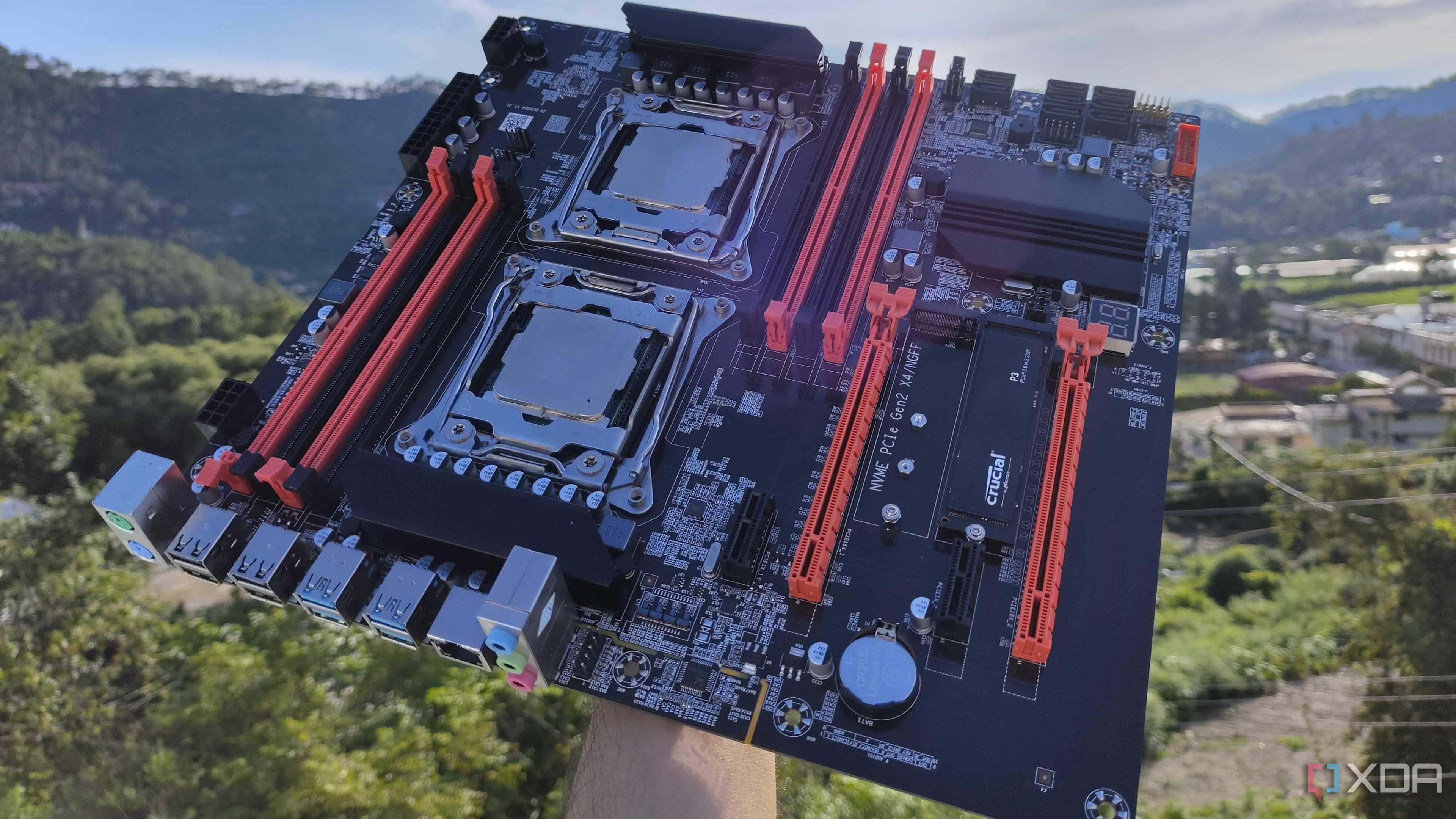
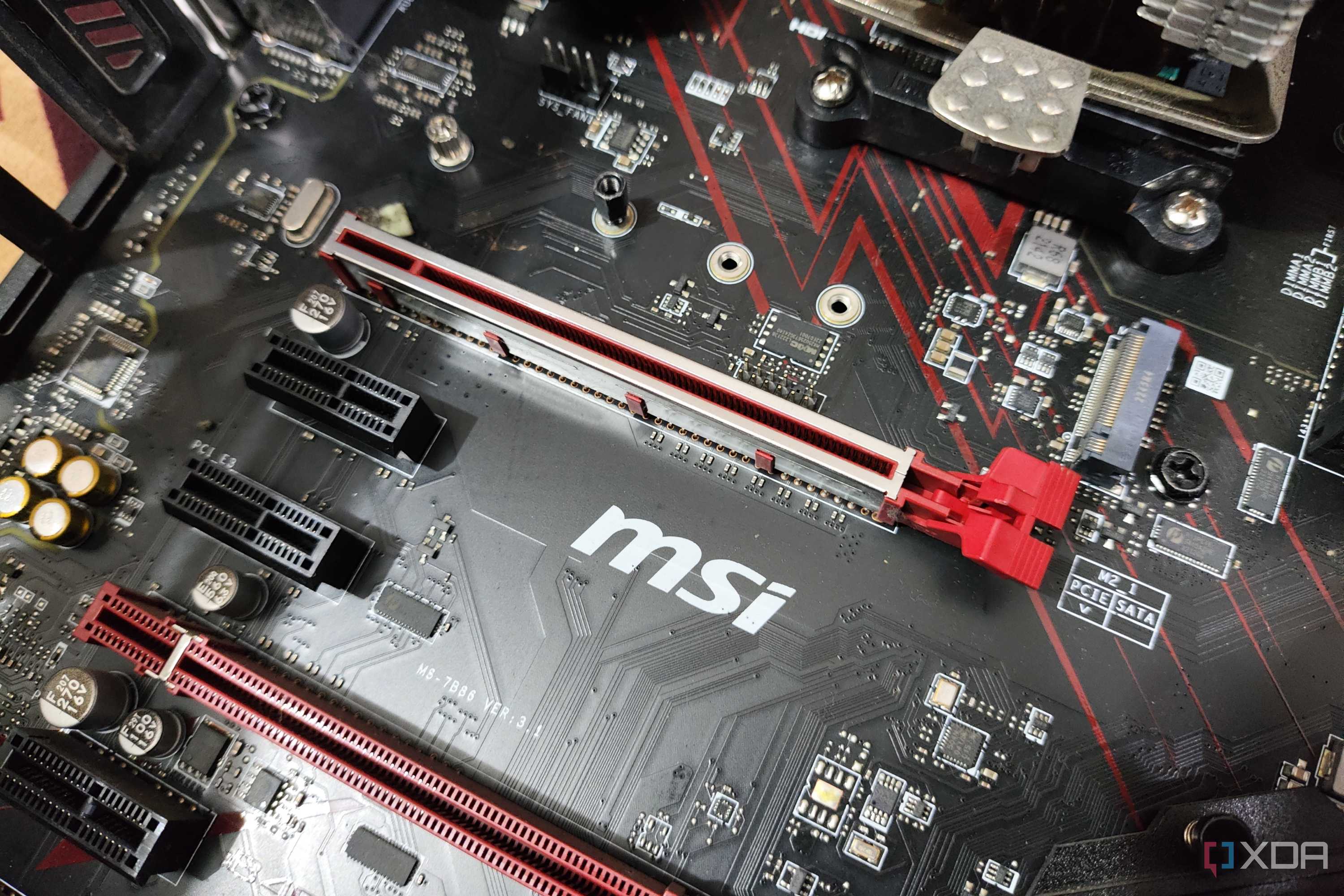
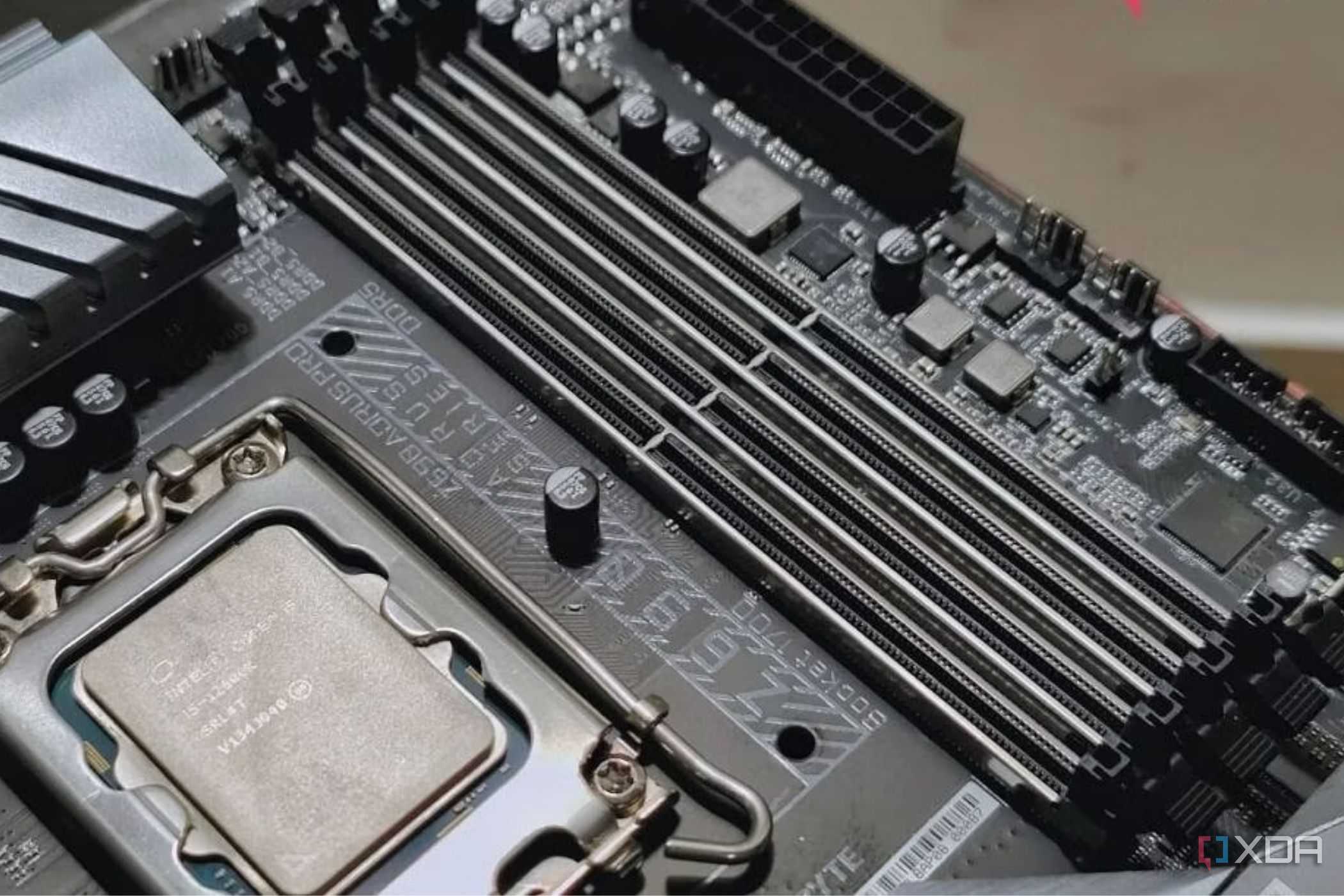


A used motherboard is one of the components you should avoid buying used, considering the number of variables involved. Over time, the capacitors, MOSFETs, resistors, and other parts of the board can degrade, and while it might still function, the overall power delivery might pose problems for your specific hardware. Discolored PCBs, bent socket pins, and other cosmetic damage can be easy to spot before buying, but underlying faults might not be.
For instance, one or more PCIe slots might not work, or some of the fan or ARGB headers might be damaged. You also need to be wary of buying motherboards that aren't supported by BIOS/UEFI updates anymore. This can lead to security risks, missing features, and subpar performance for your system. If you're buying from a friend and don't have a reason to doubt the condition of the motherboard, then things become simpler.
Monitors — Dead pixels or burn-in
It's hard to do comprehensive testing

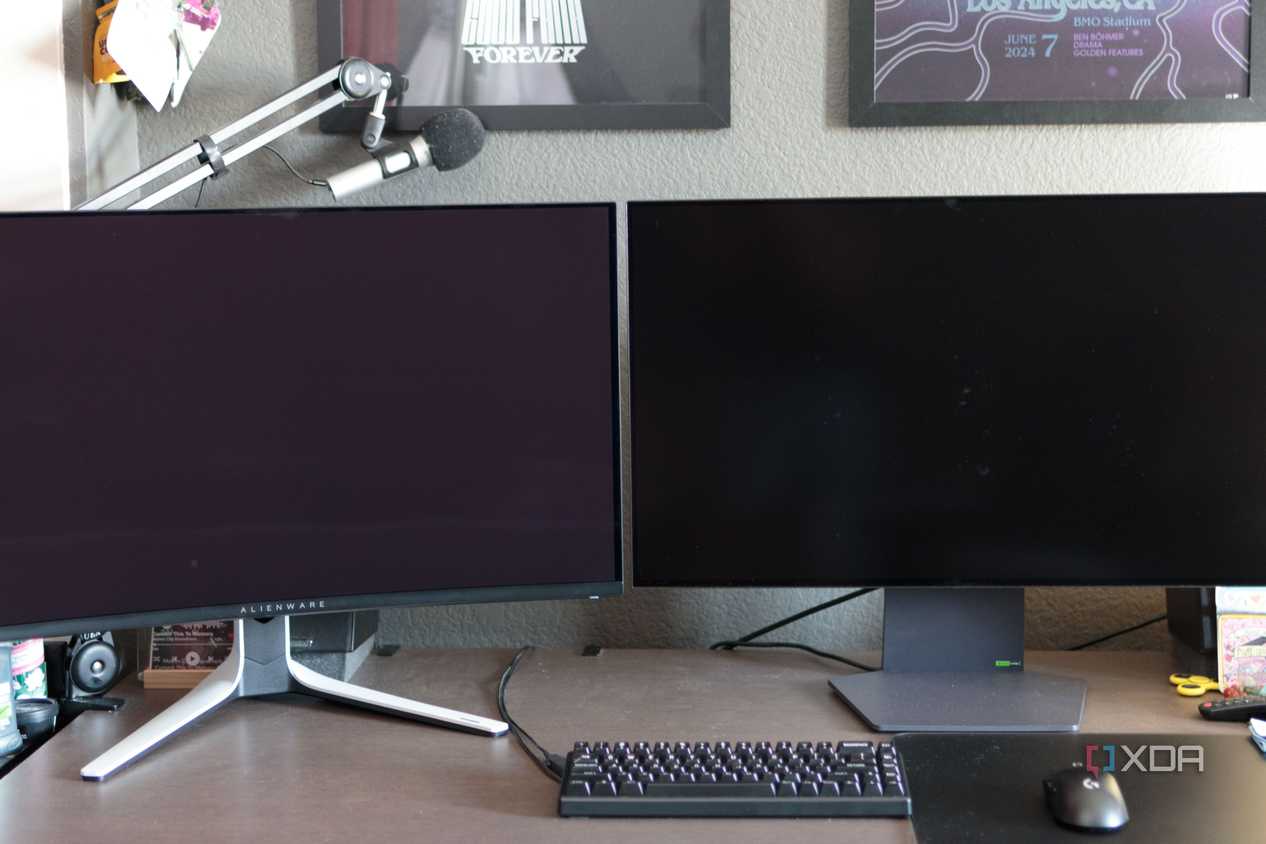
Difference in black levels between QD-OLED (left) and W-OLED (right) in bright lighting 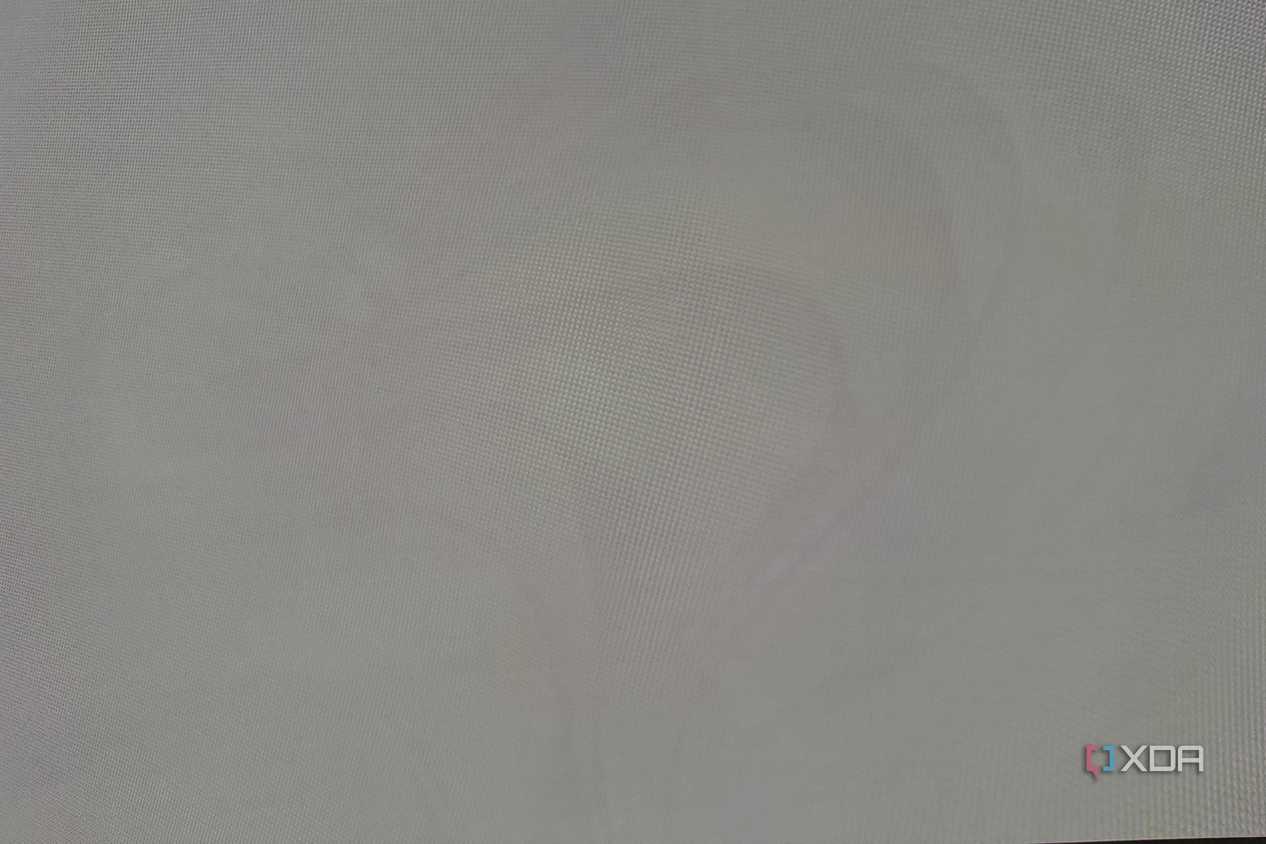


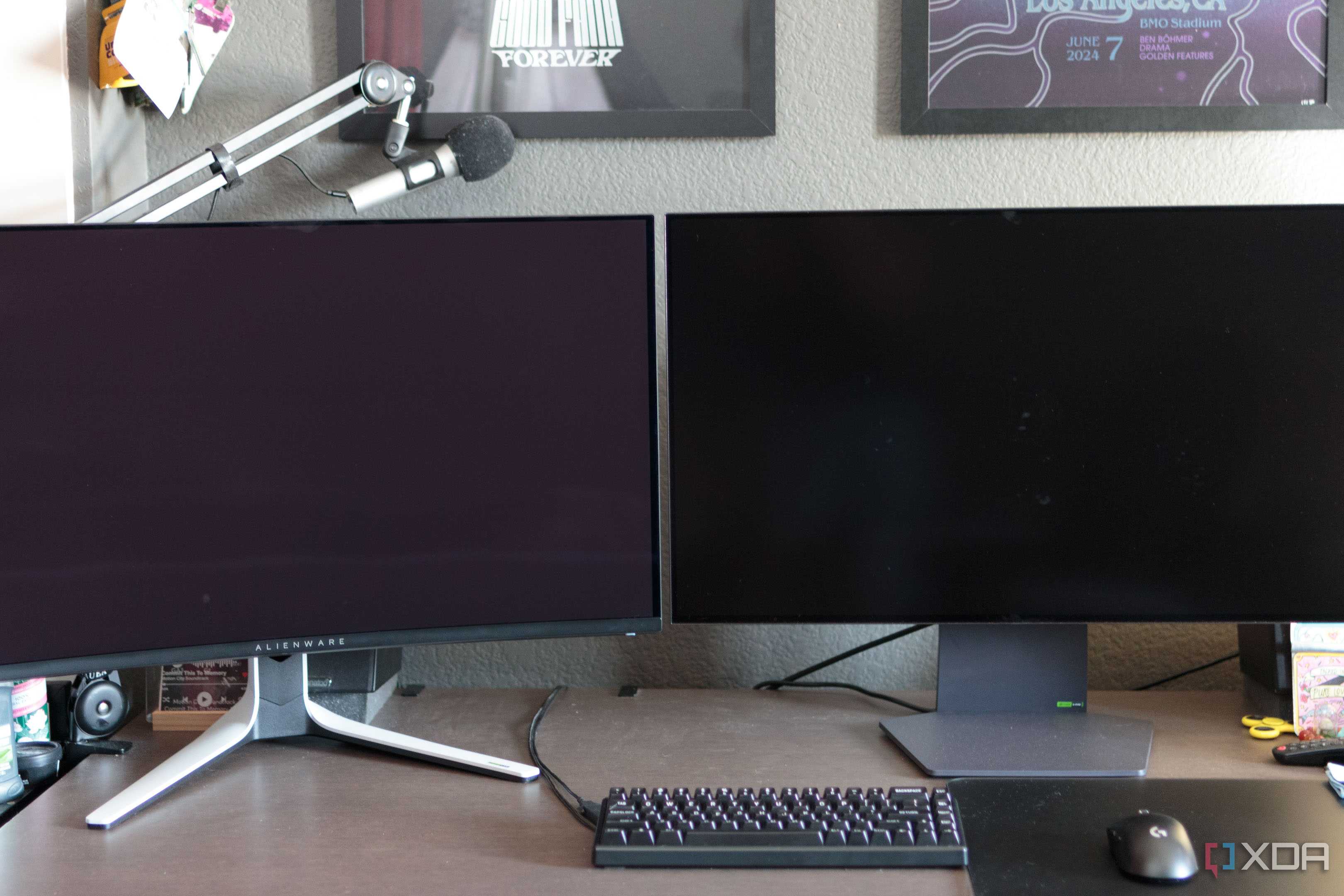
Difference in black levels between QD-OLED (left) and W-OLED (right) in bright lighting 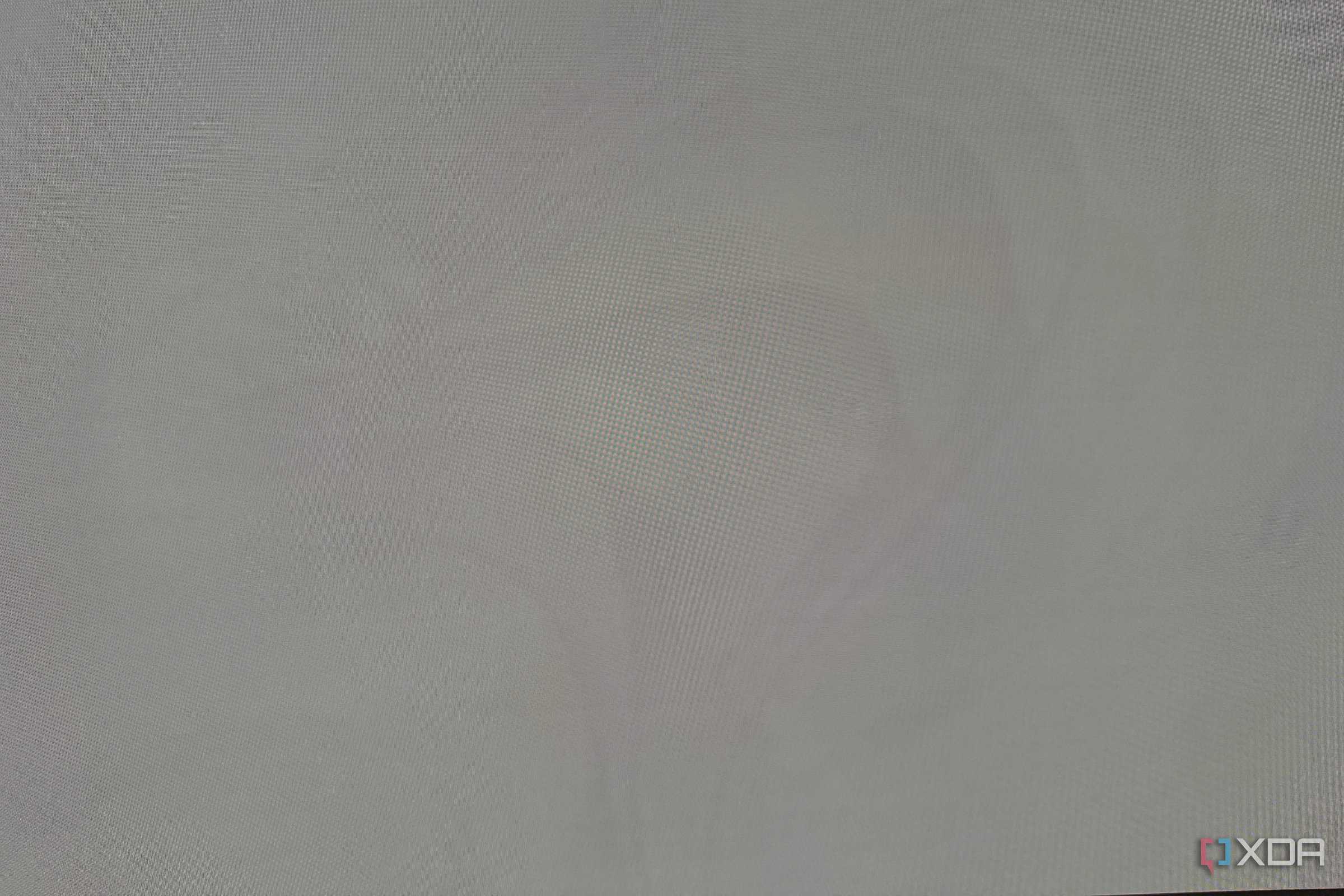
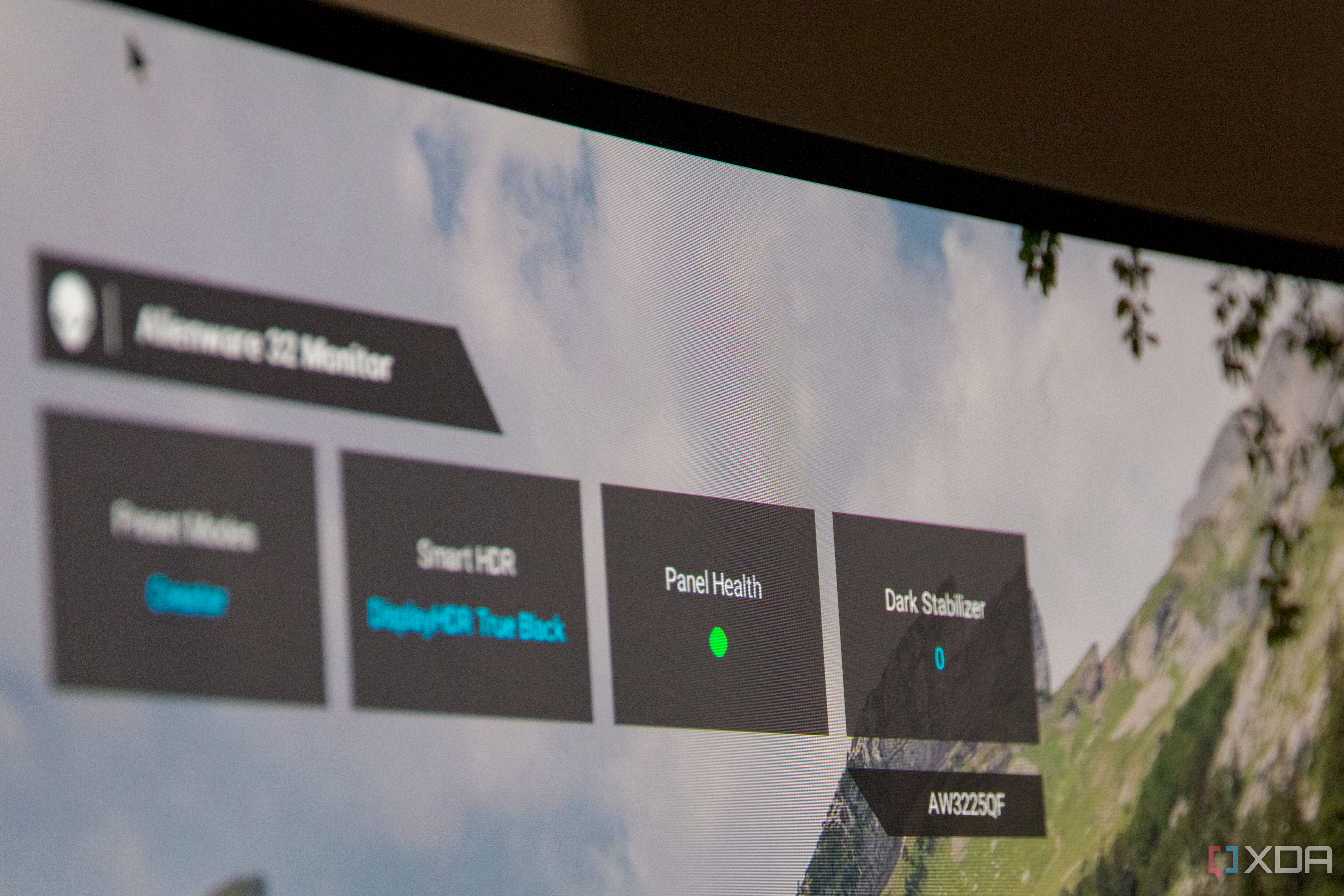
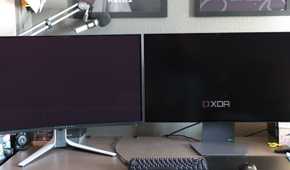

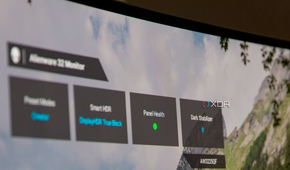
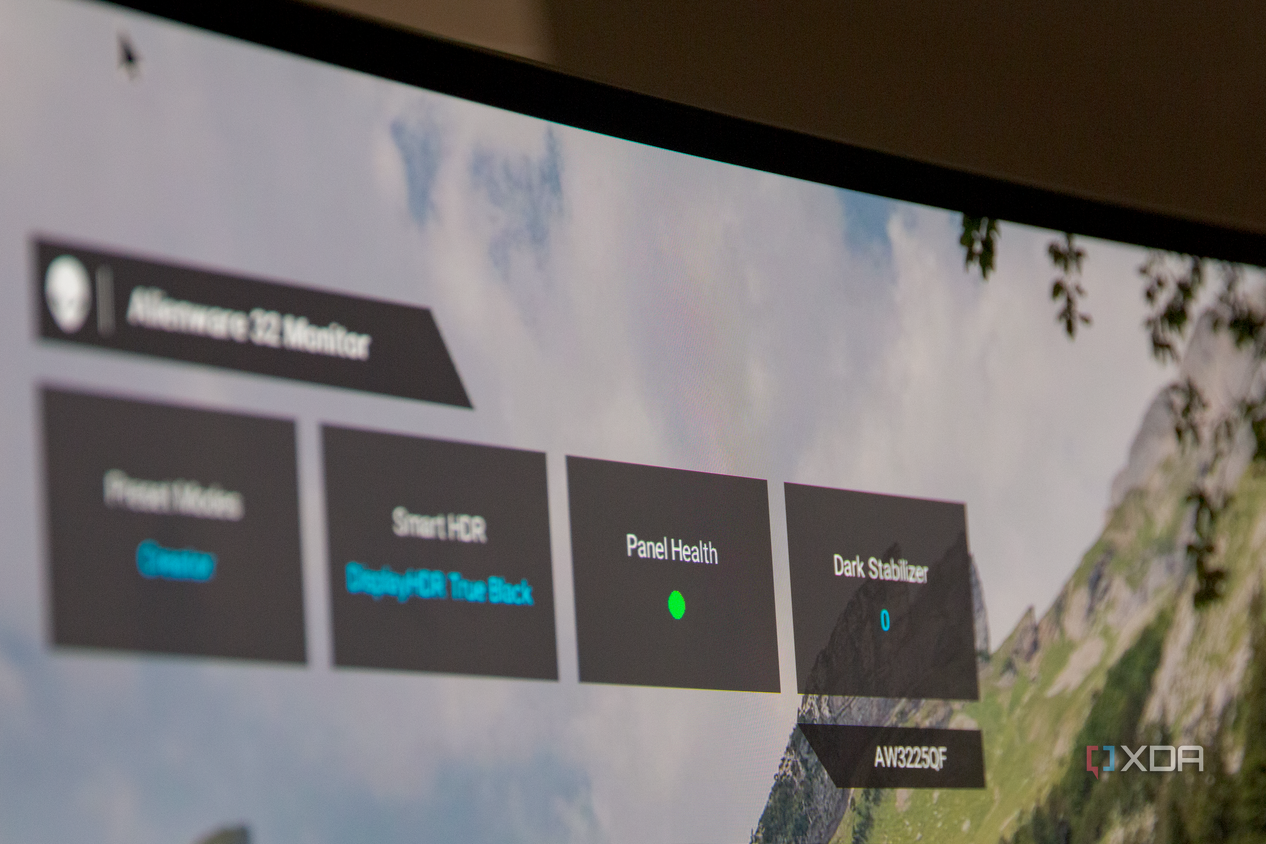
Gaming monitors don't come cheap, especially if you want to jump to an OLED display. So, if you're considering buying a pre-owned unit, you should know it isn't a straightforward process. While the seller might list all the specifications and photos of the monitor, they can easily gloss over any faults in the panel. Things like a few dead pixels, degraded backlight, or burn-in can be hidden in the listings.
Trying to get the seller to share detailed tests being performed on the monitor isn't always doable. So, confirming that the panel is free of any faults is harder than it sounds. Unless you can inspect the monitor in person, you can't be sure you won't be surprised by the odd dead pixel or burn-in. Even a quick in-person inspection might not be enough to spot an aged backlight or excessive backlight bleed.
Power supplies — Long-term wear
Don't risk your PC's safety

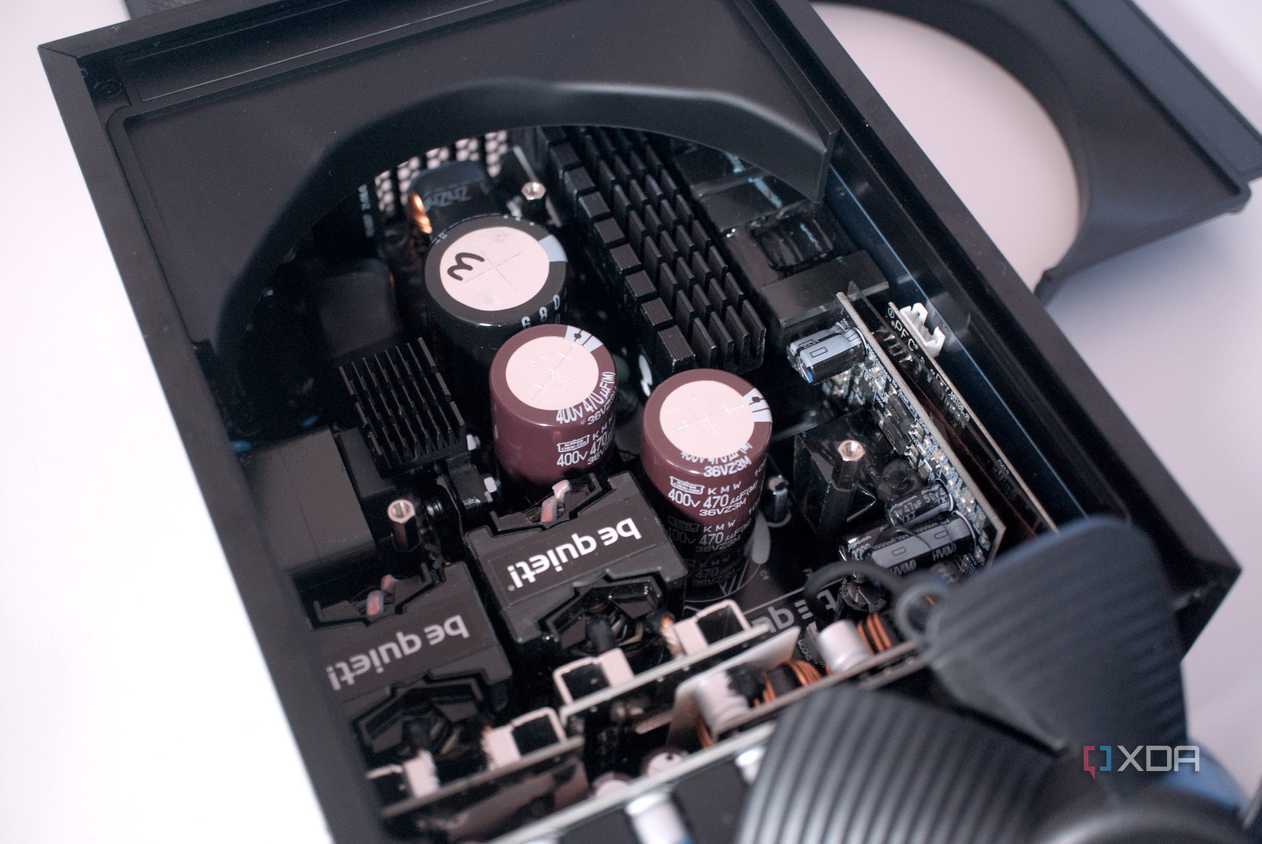
The insides of the be quiet! Dark Power Pro 13. 


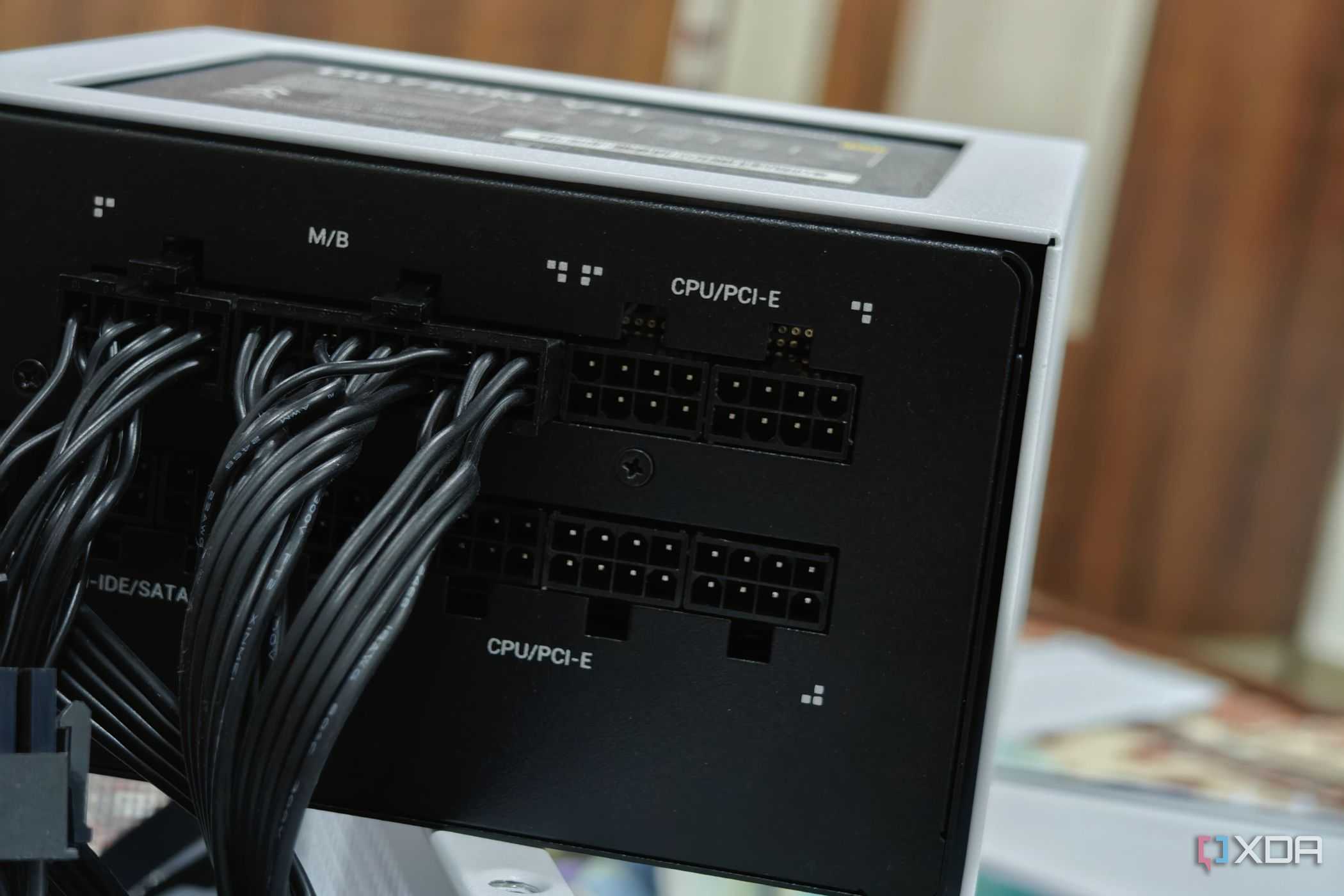
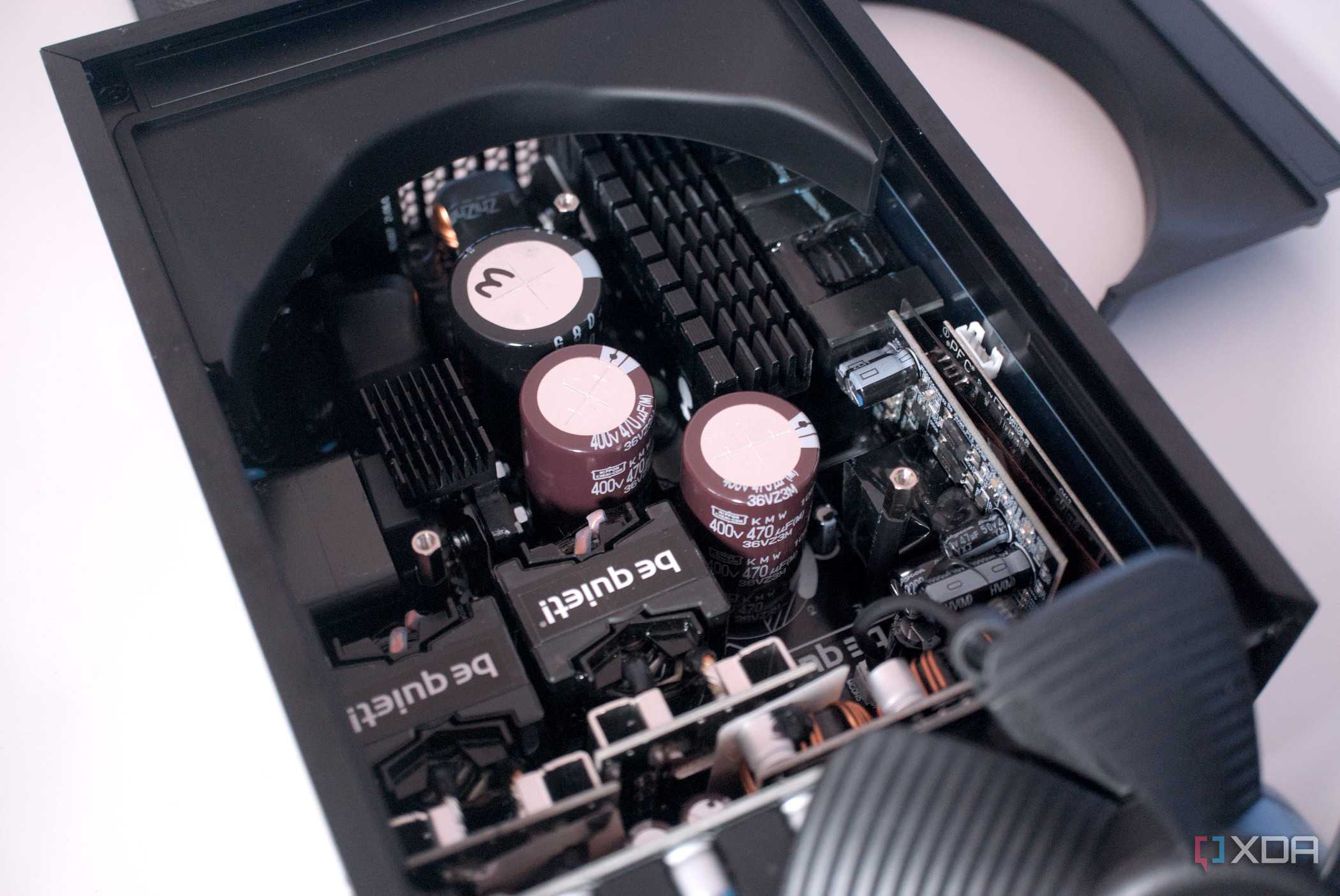
The insides of the be quiet! Dark Power Pro 13. 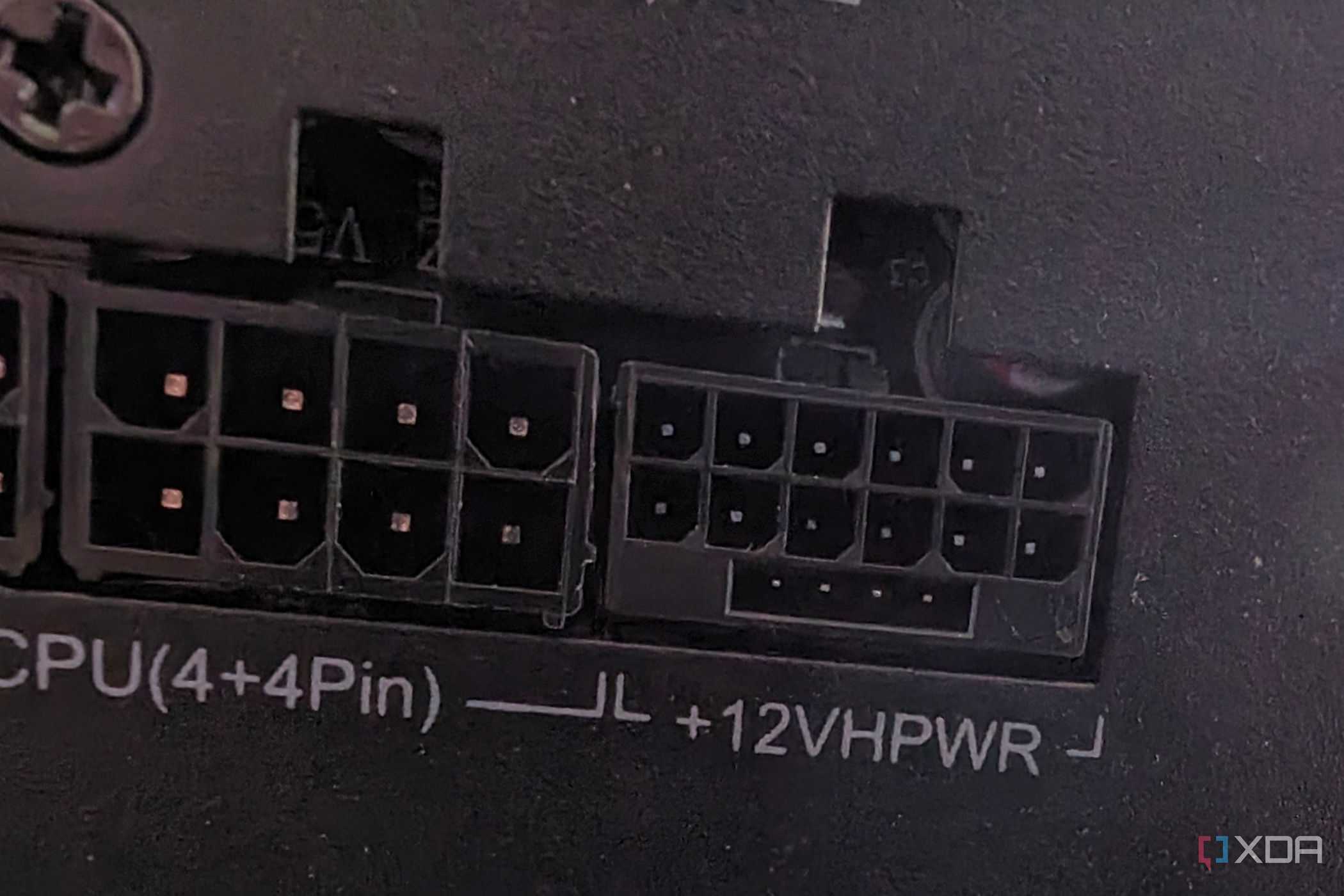
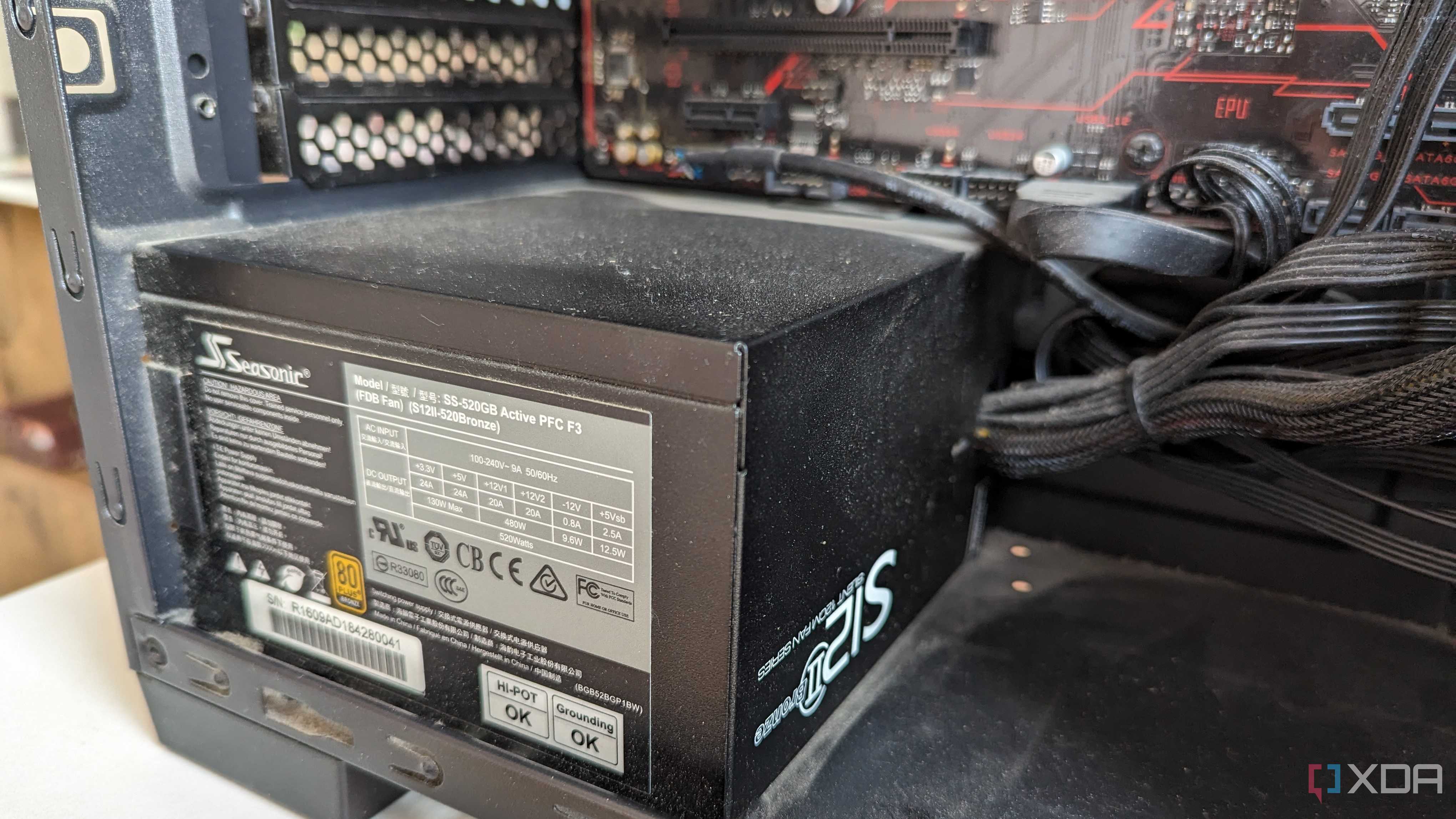
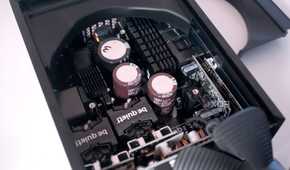
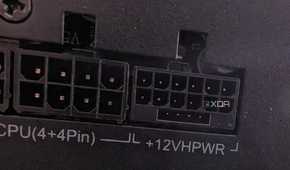
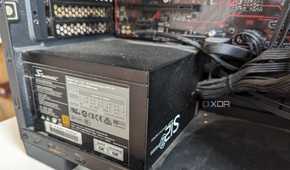
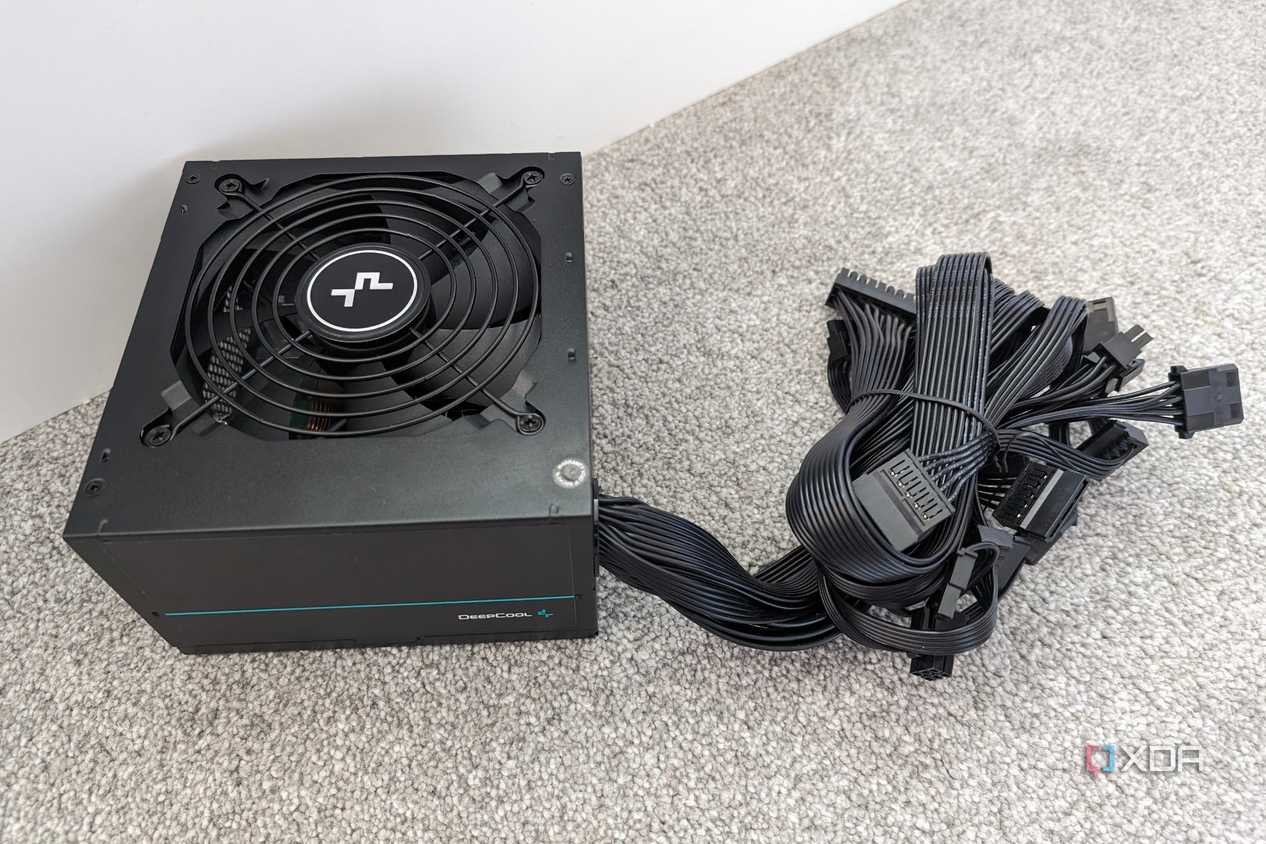
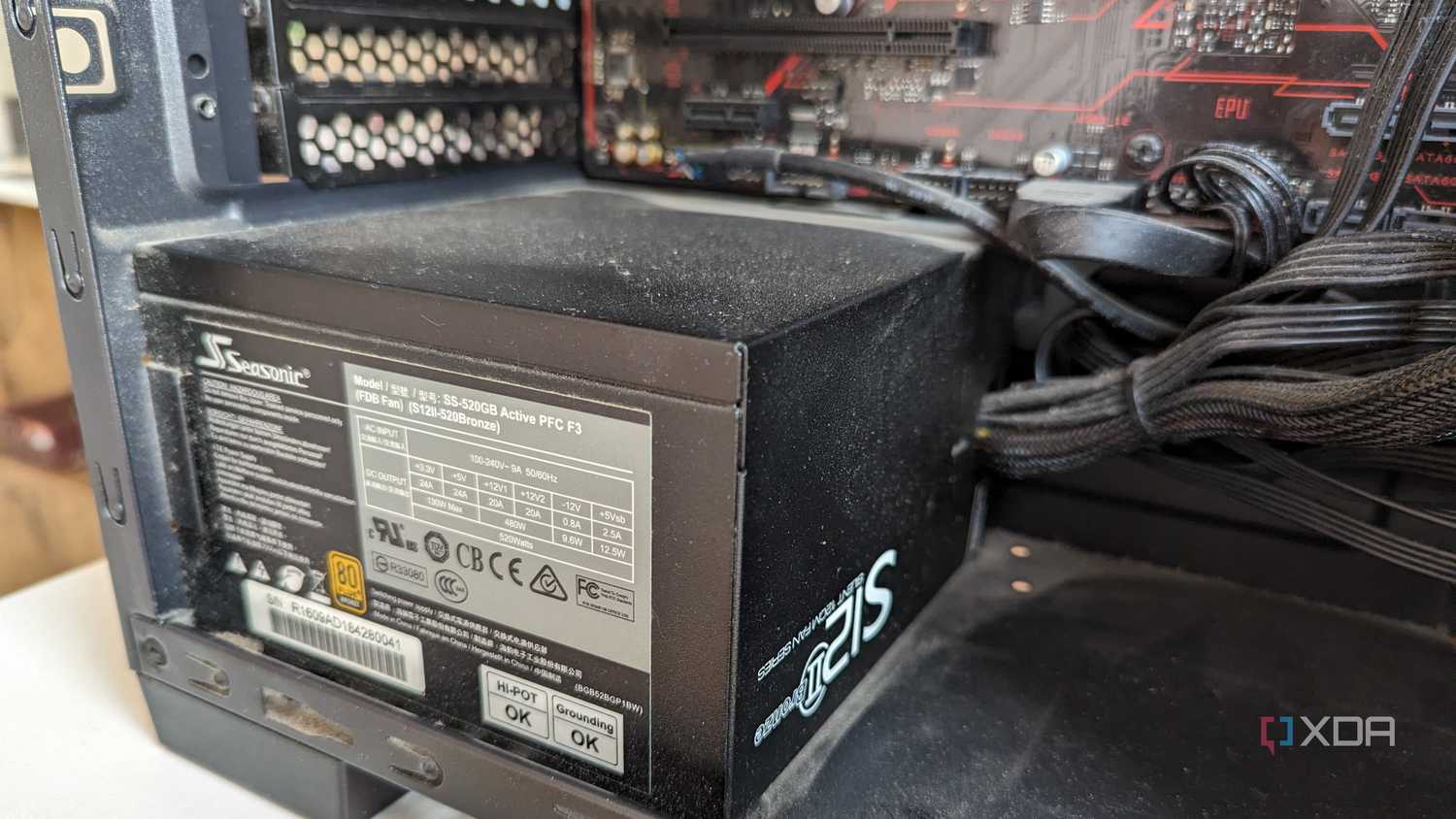
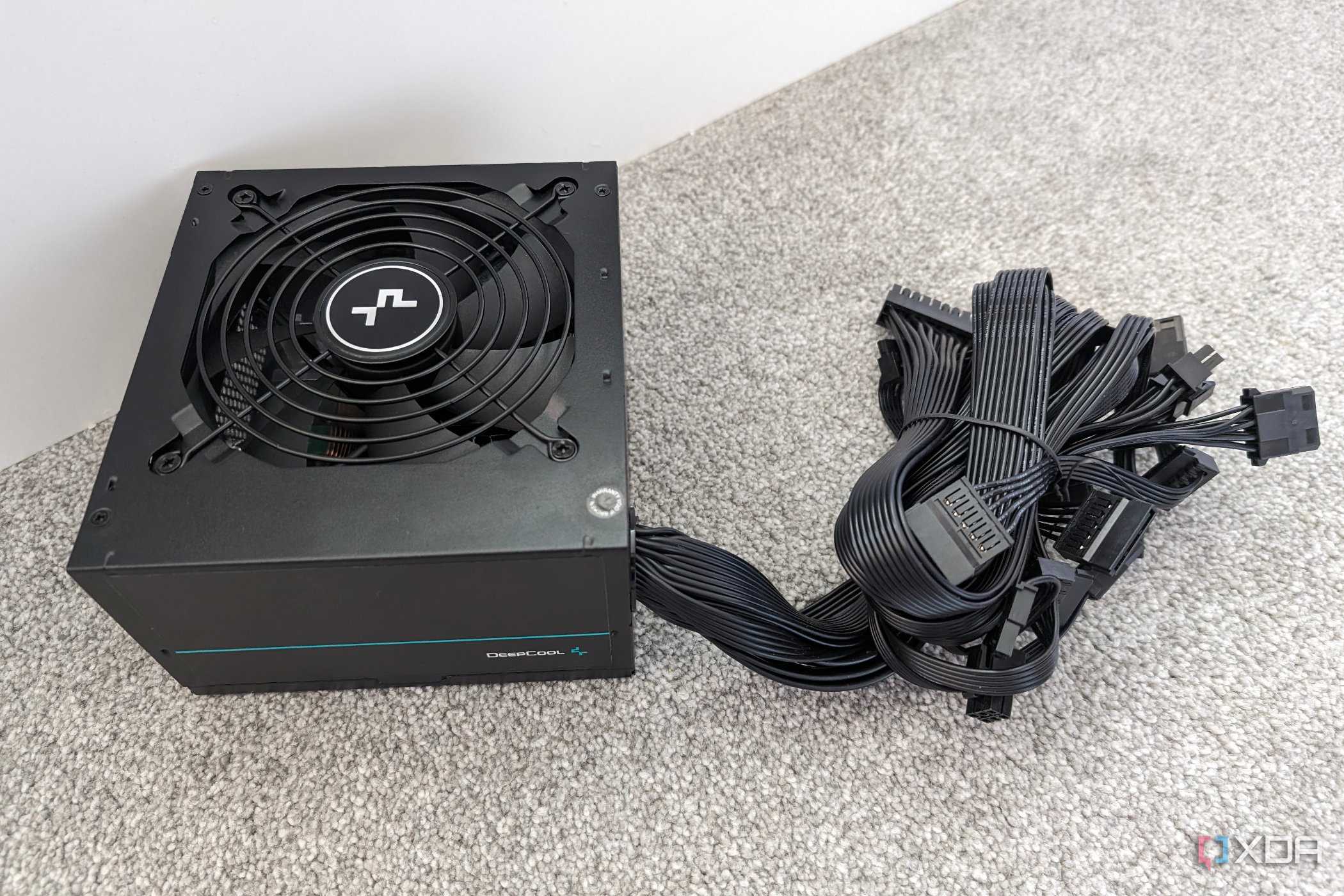
Considering the crucial role it plays in your PC, a power supply is best avoided if you're dabbling in pre-owned components. Just like a motherboard, a power supply contains multiple components, such as capacitors, inductors, voltage regulators, and heatsinks. Many of these components are prone to aging, and they might even be of poor quality to begin with.
You might consider buying a used PSU if you know and trust the seller, but even then, it might pose a risk to your system, despite working fine in the seller's rig. They might not have stressed the unit enough to uncover any inherent deficiencies in the construction. Even a PSU that's been subjected to intense usage over many years might not show any apparent signs of aging in your initial testing, only to introduce instability or crashes later.
The seller's listing might point to the reliable manufacturer, efficiency rating, and trust people have in the model in question, but years of usage can often reduce the durability of a power supply. Unless you can be sure of how many years of usage the PSU has been put through, I'll suggest avoiding it altogether.
GPUs — Coil whine or mining burnout
Its days might be numbered


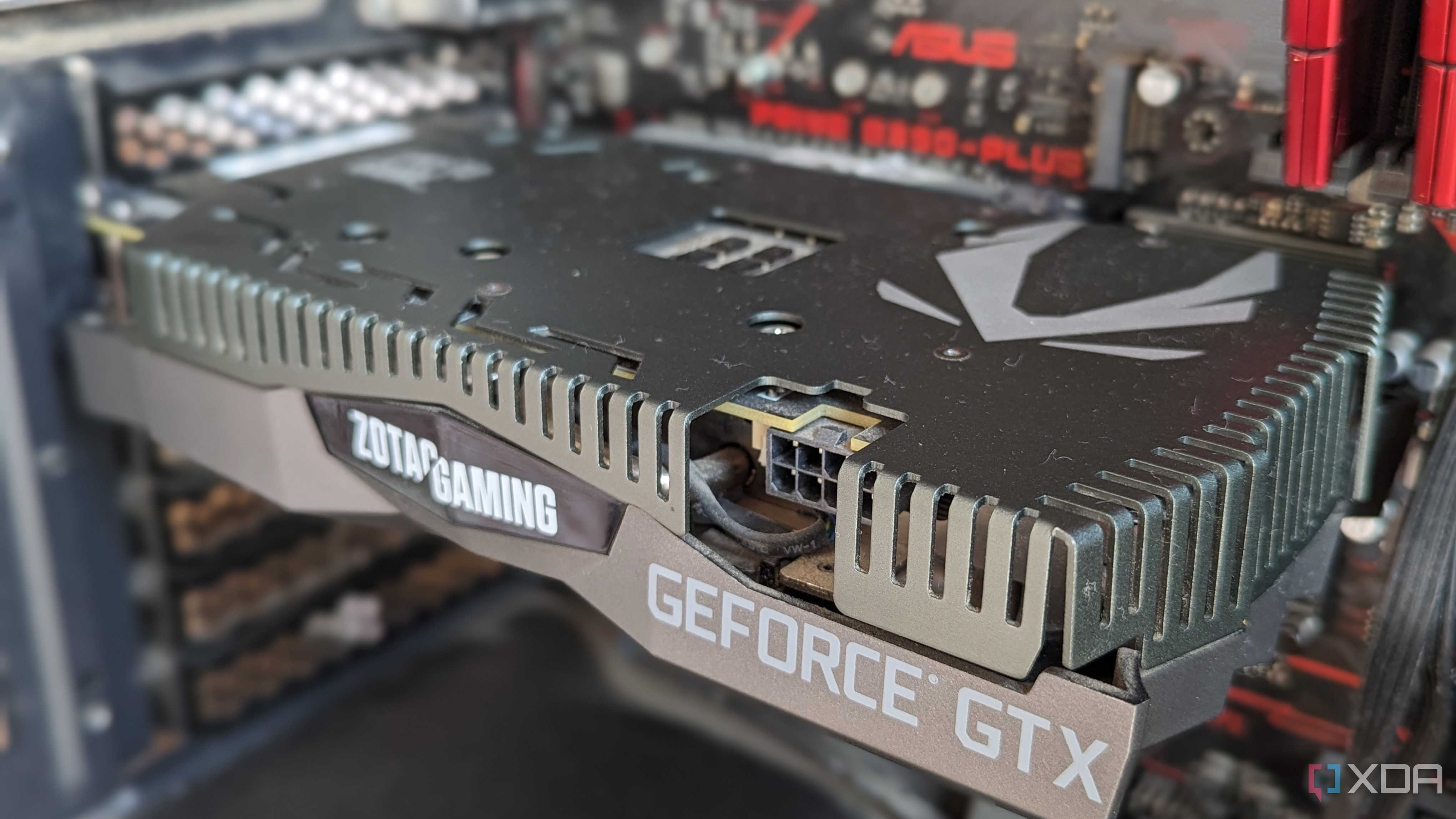
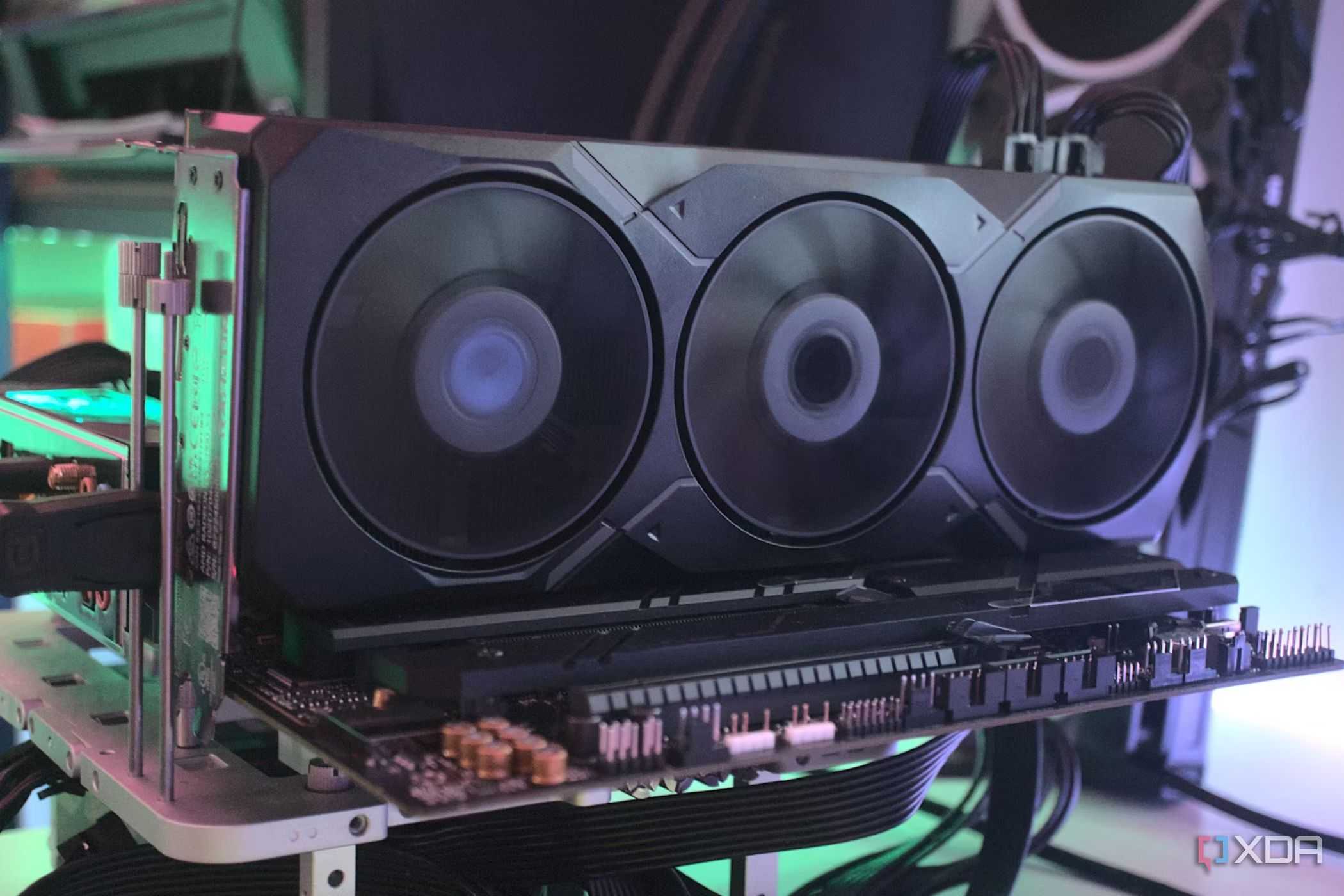
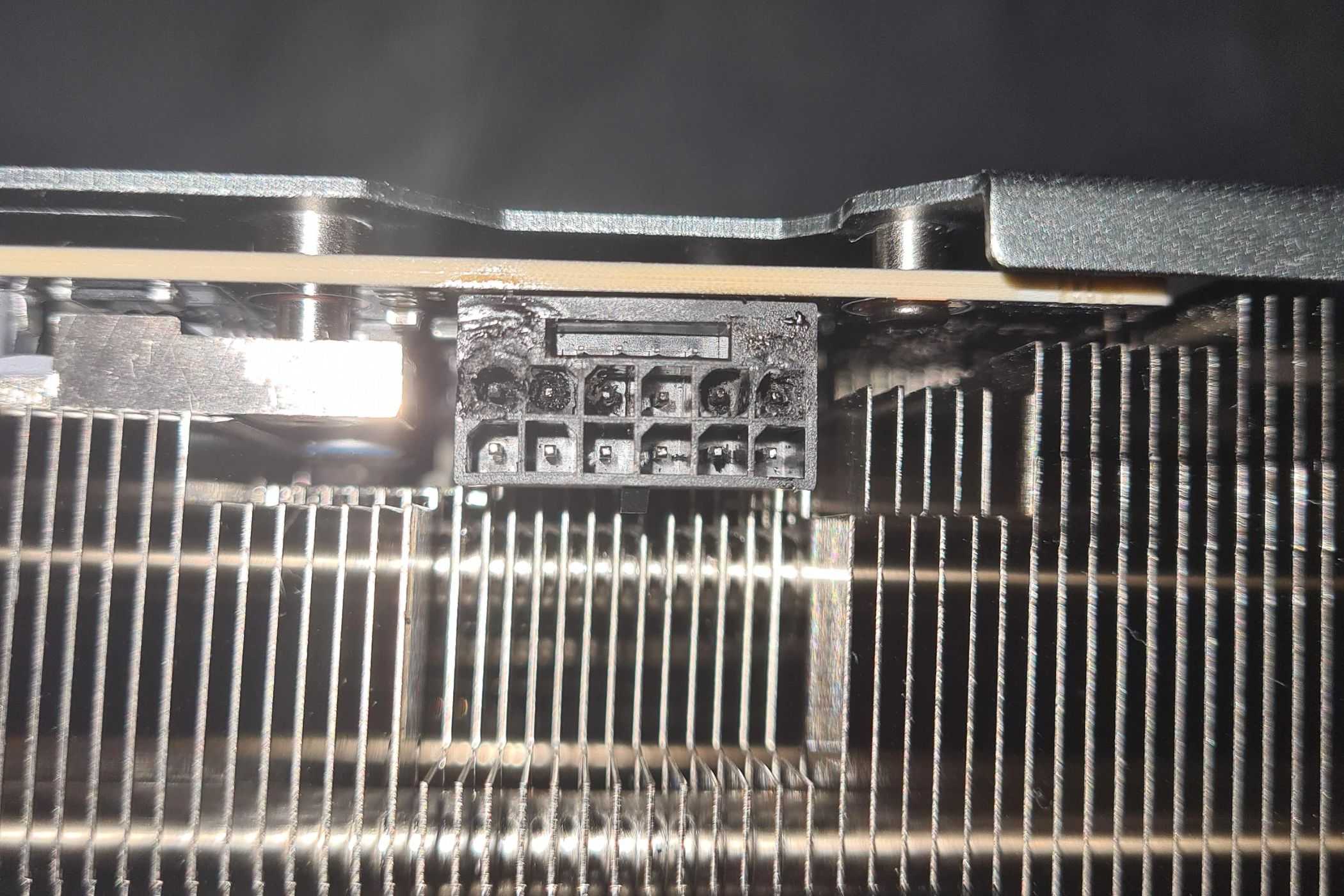
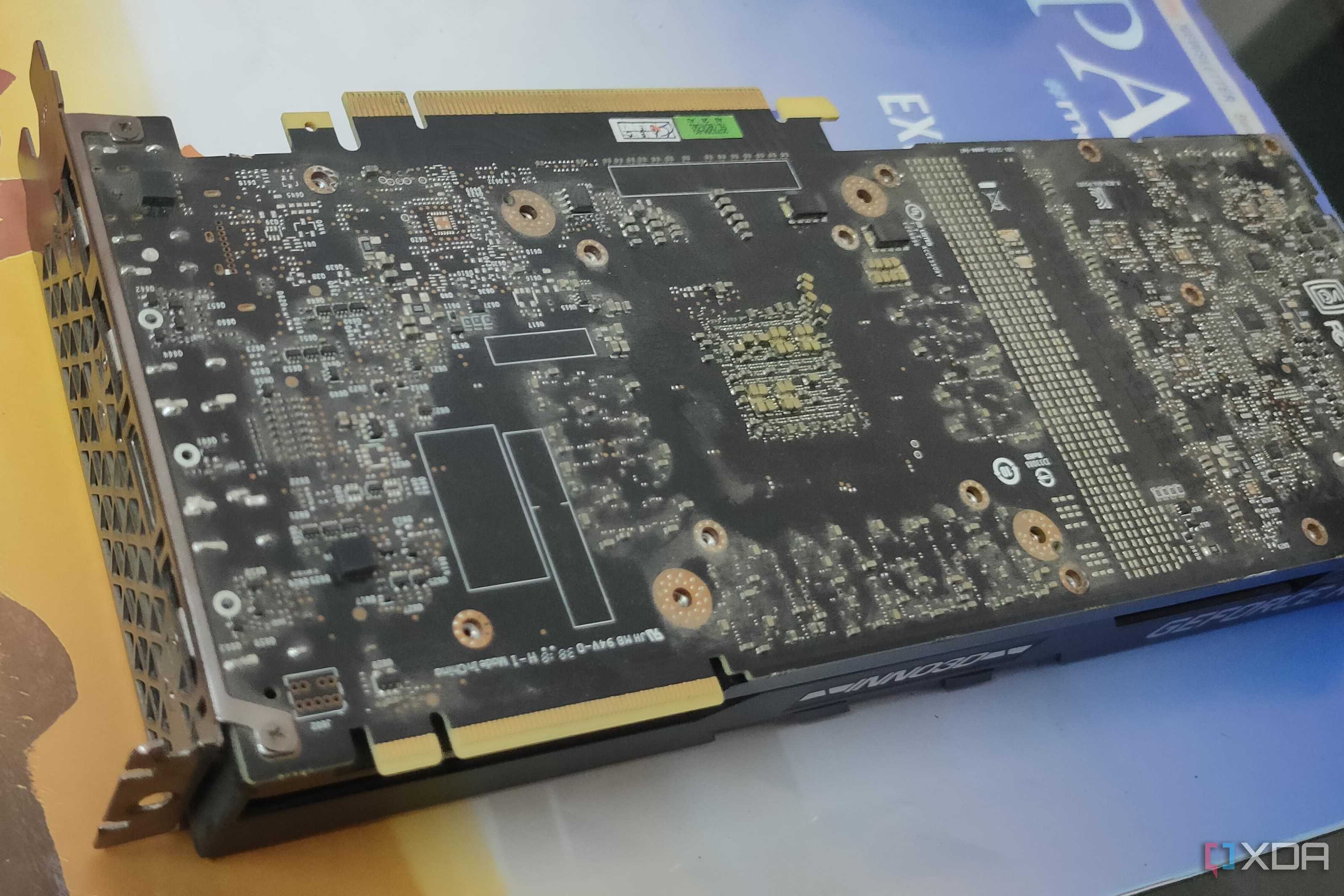

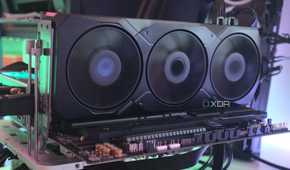
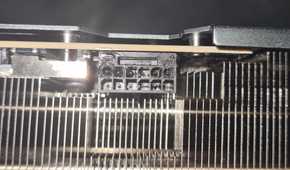


You might think buying a used graphics card is mostly harmless, as long as it's covered by warranty, and performs reasonably well in the tests shared by the seller. However, what might be hidden from you before purchase are issues like coil whine that only presents itself on full load, or a reduced lifespan due to crypto mining that'll surprise you one day. This is probably what happened with the used GPU I regret buying.
Despite buying a used GPU that performs as expected, excessive coil whine can ruin your gaming experience. Knowing whether the GPU was used for mining or not is even harder, since the seller might choose to withhold that information. Many mined cards work fine for years after the fact, but some end up a shell of their former selves. These cards are offloaded by sellers to recoup a portion of their investment after mining stops being profitable.
Many used PC parts are still a gamble
As much as the used PC hardware market is a boon in these times, no one is perfectly safe from a scam. Years of use can introduce lasting faults in PC hardware, which sellers might not be willing to disclose. You can perform your own testing in some cases, but that doesn't always reveal every single thing wrong with a component. Hence, it's important to insist on proof of everything, and buy components that are in warranty and covered by buyer protection.
