


There's no shortage of PC gaming handhelds out there today from all kinds of brands. Most of those handhelds run Windows 11, so you might think that's the platform of the future for these kinds of devices, but I would argue the opposite. Despite only being carried by the Steam Deck (so far), SteamOS has already won the war against Windows, and I don't know if I really see that changing.
Simply put, SteamOS is very likely the future of gaming handhelds, and Microsoft will need to move quickly if it wants to prevent that. Here's why.
The Steam Deck is already the king
The best-selling PC gaming handheld by a landslide


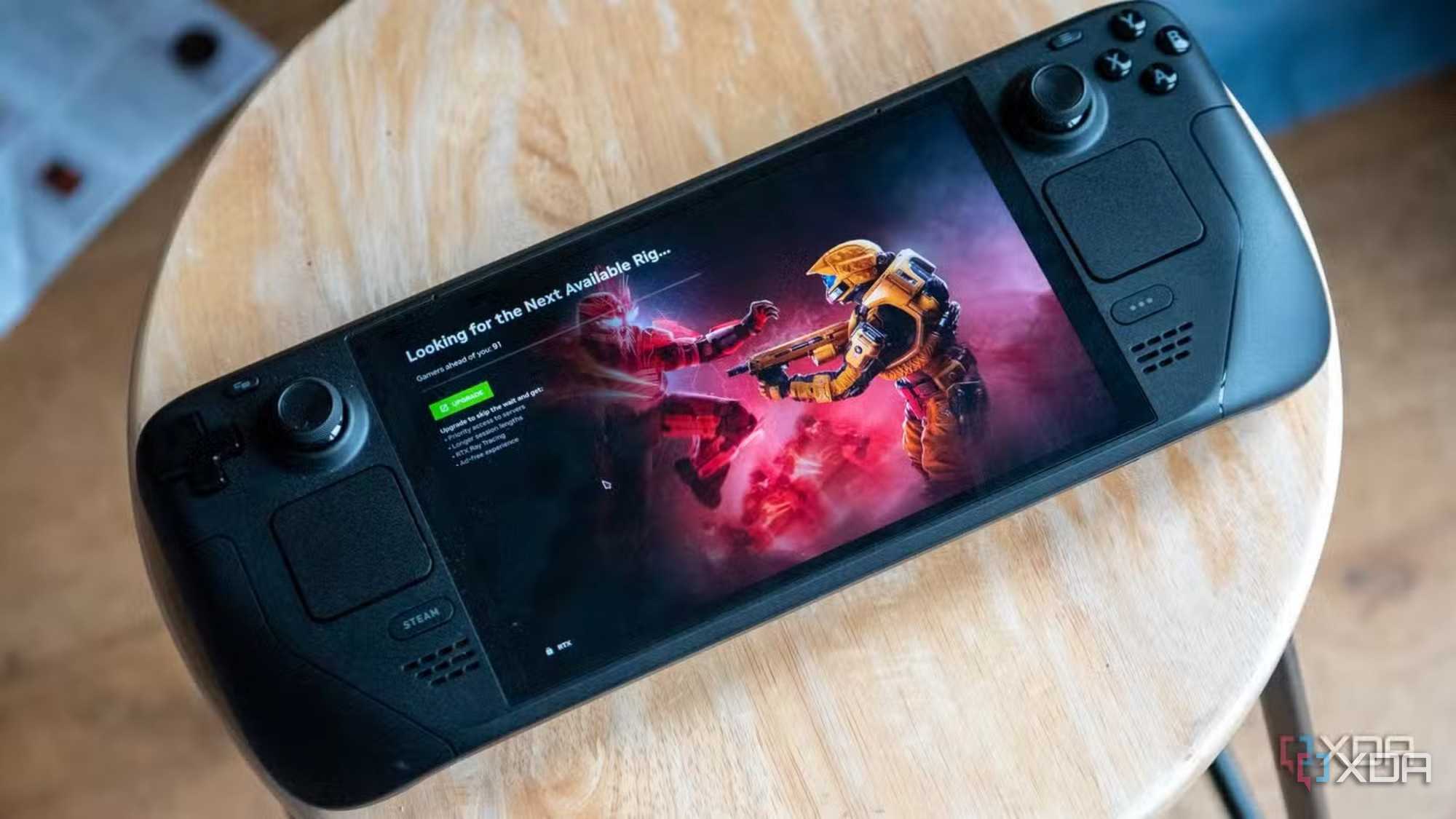
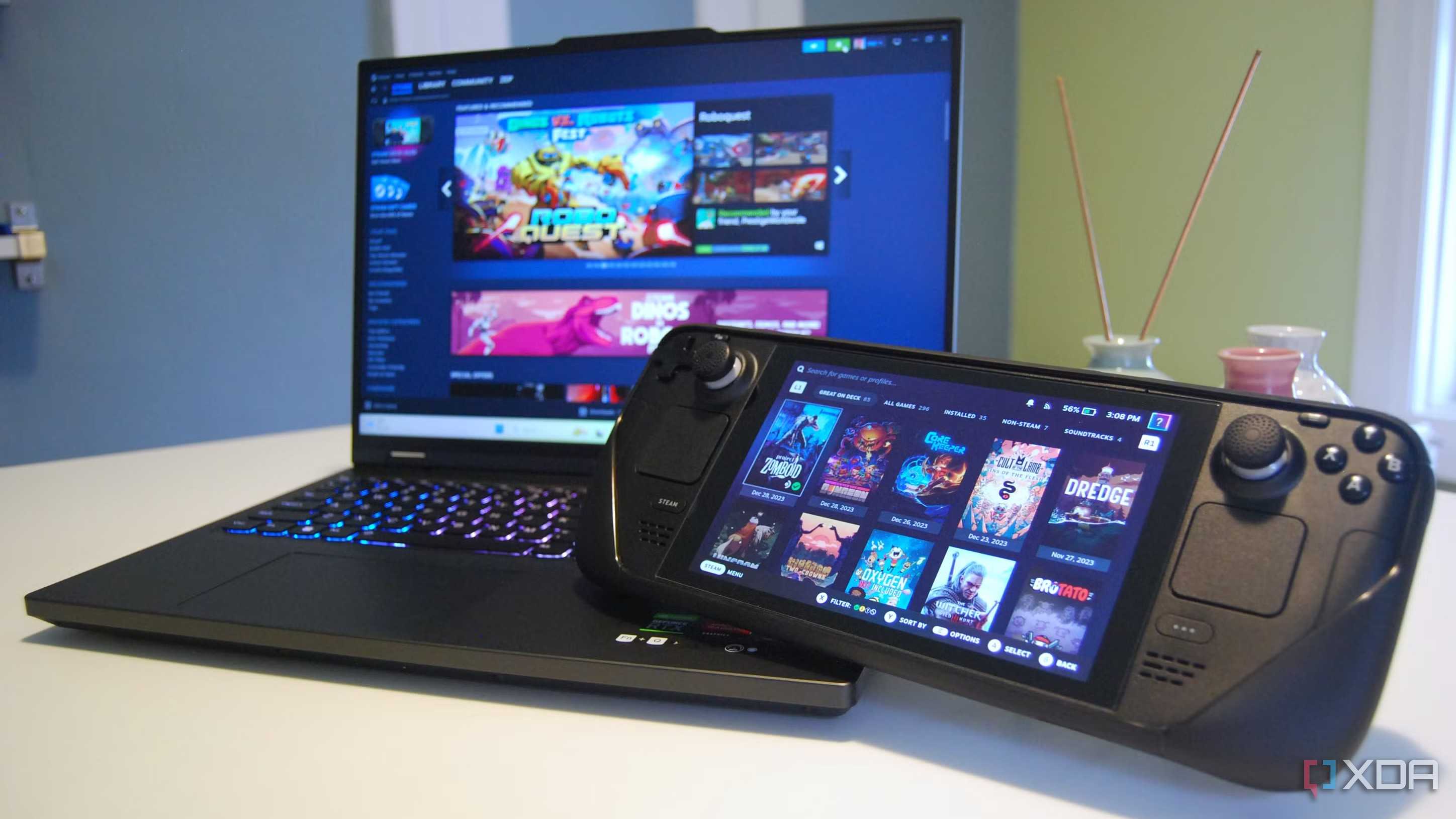
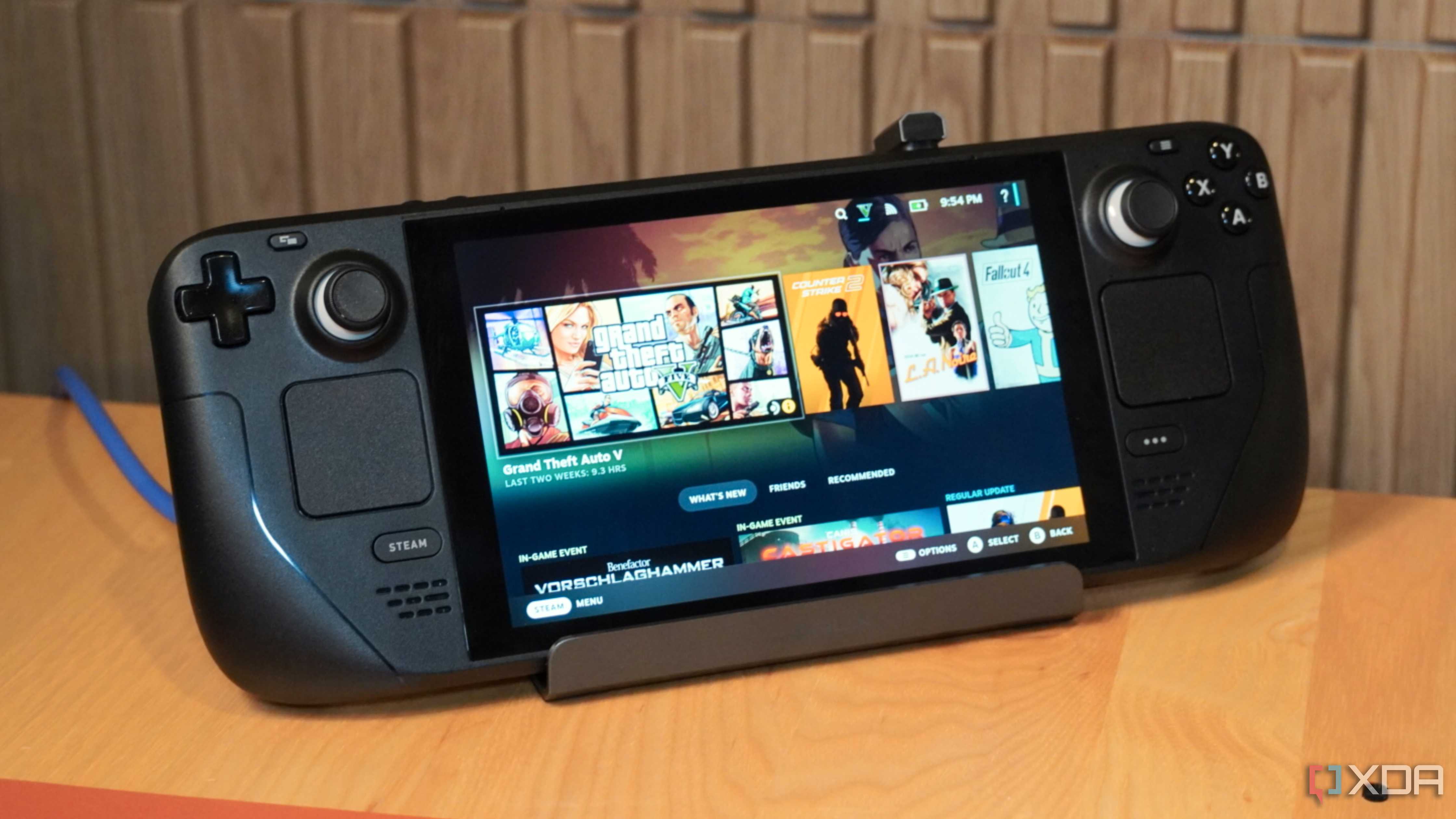
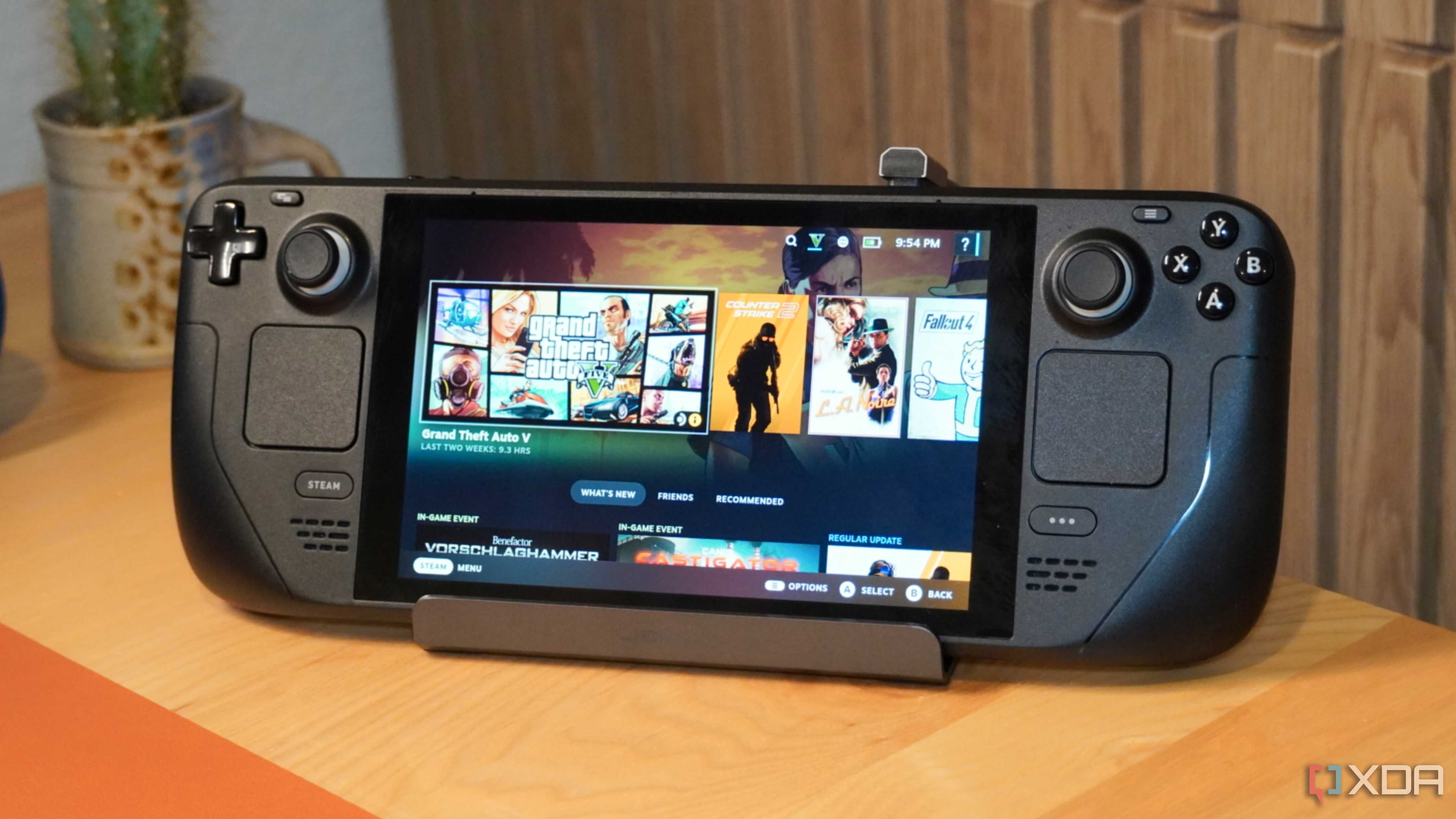

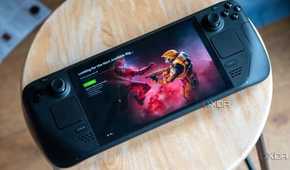
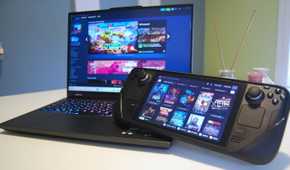
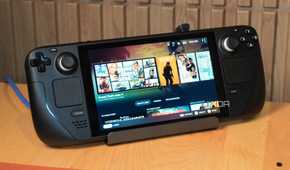
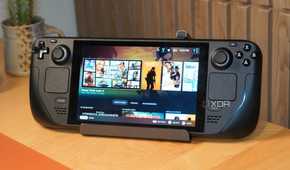

I may have mentioned that most of the PC gaming handhelds out there run Windows 11, but the more accurate wording for that would be that most SKUs of a gaming handheld run Windows 11. Yes, there are a lot of models that run Microsoft's operating system, but when it comes to sales, the Steam Deck is steamrolling the competition.
An estimate provided by IDC to The Verge a few weeks ago suggests that the Steam Deck accounted for more than 50% of all gaming handheld sales in 2023, and 48% of sales in 2024. The rest of those sales were split across the multitude of handhelds from other manufacturers, meaning the Steam Deck is already well ahead of all of them. And that small drop in percentage sales is likely due to the hardware not getting significant performance upgrades since its launch in 2022, but we expect that to change this year.
It's no wonder, either, considering the affordable price of the handheld, but also the immense amount of goodwill Valve has garnered over the years due to its very consumer-friendly practices. It's a far cry from what Microsoft represents to many users, and that already gives Valve an advantage in increasing the popularity of its platform.
SteamOS is so much better for gaming handhelds
A better UI and better performance


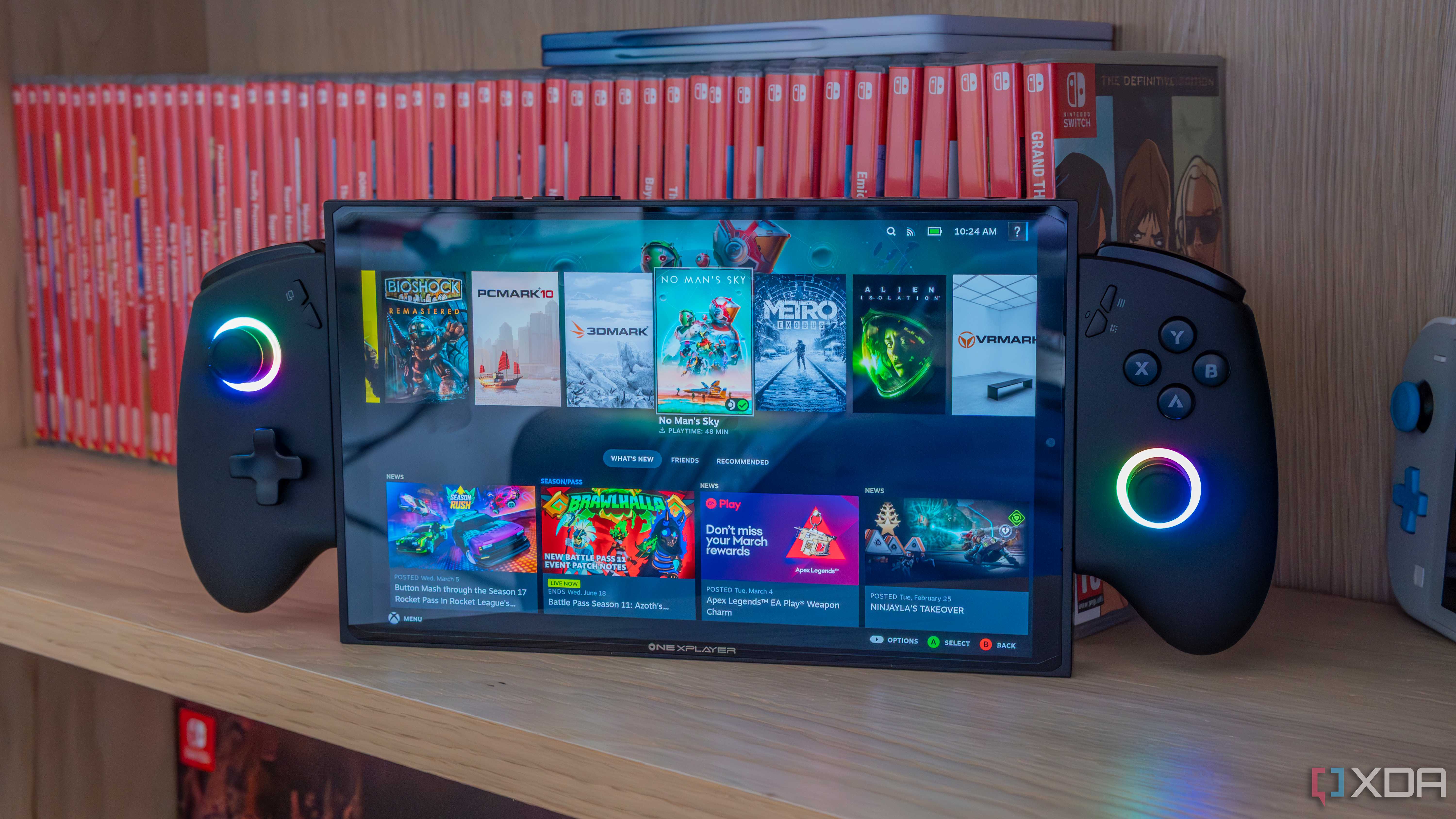
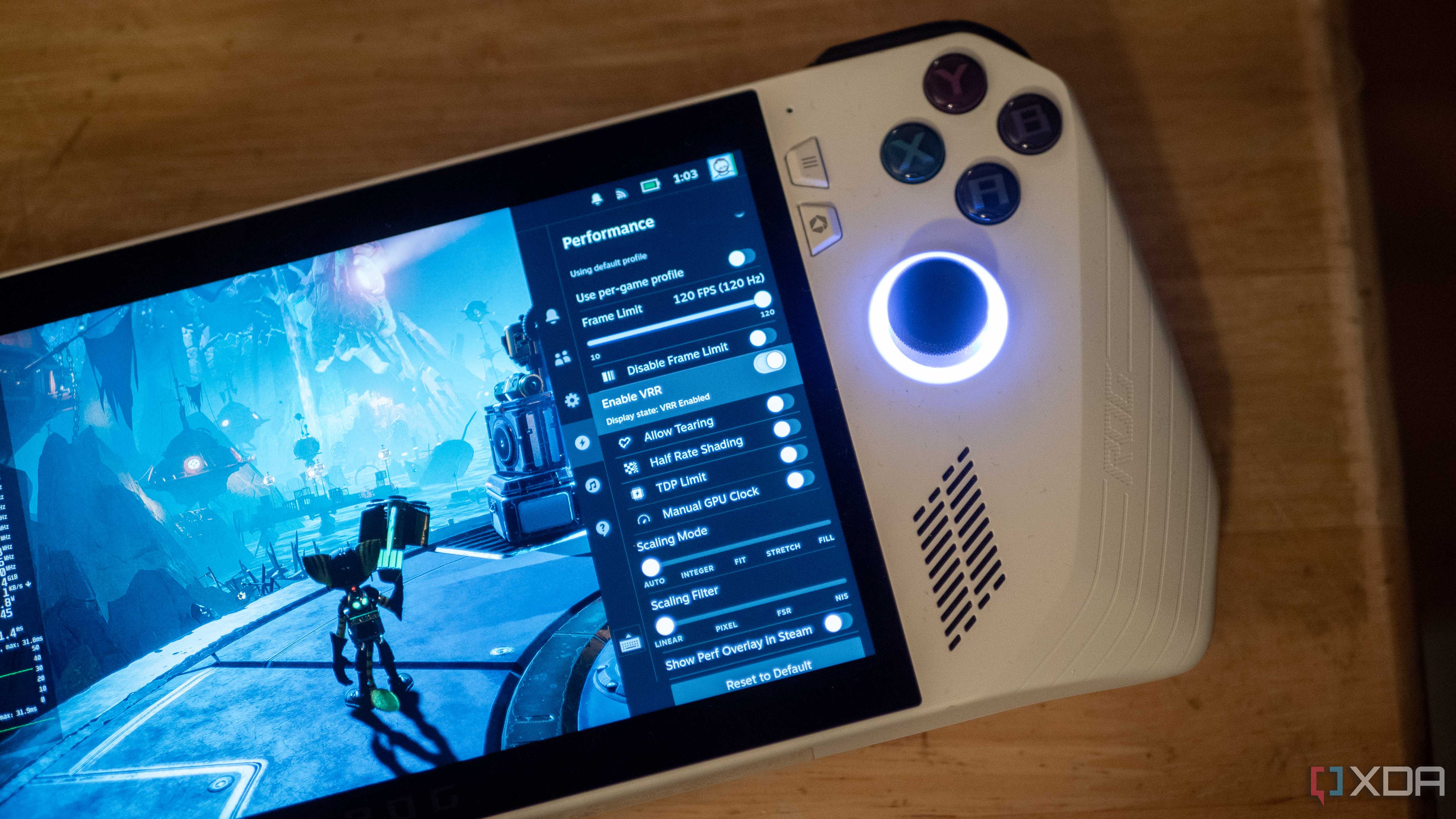
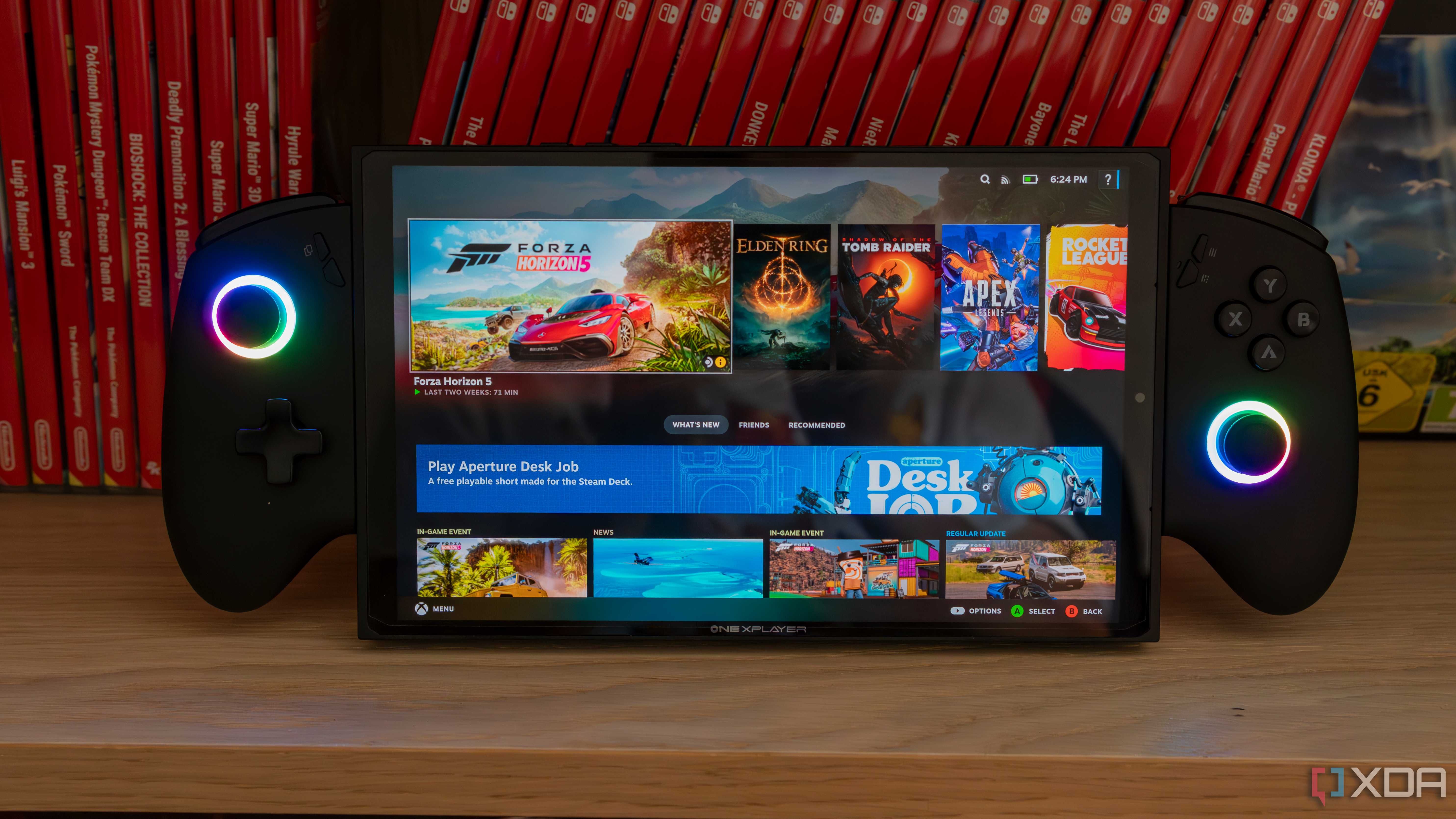
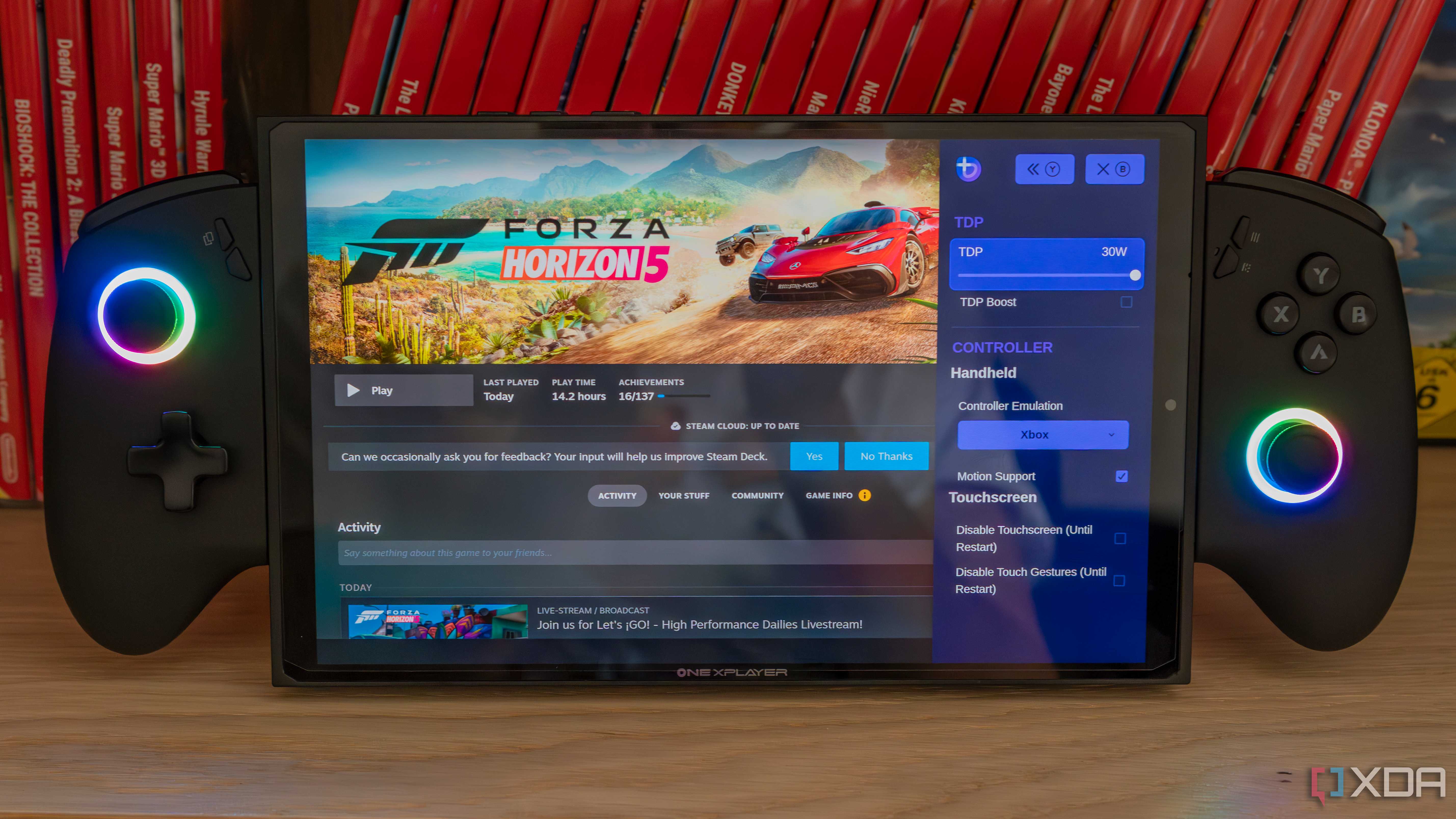
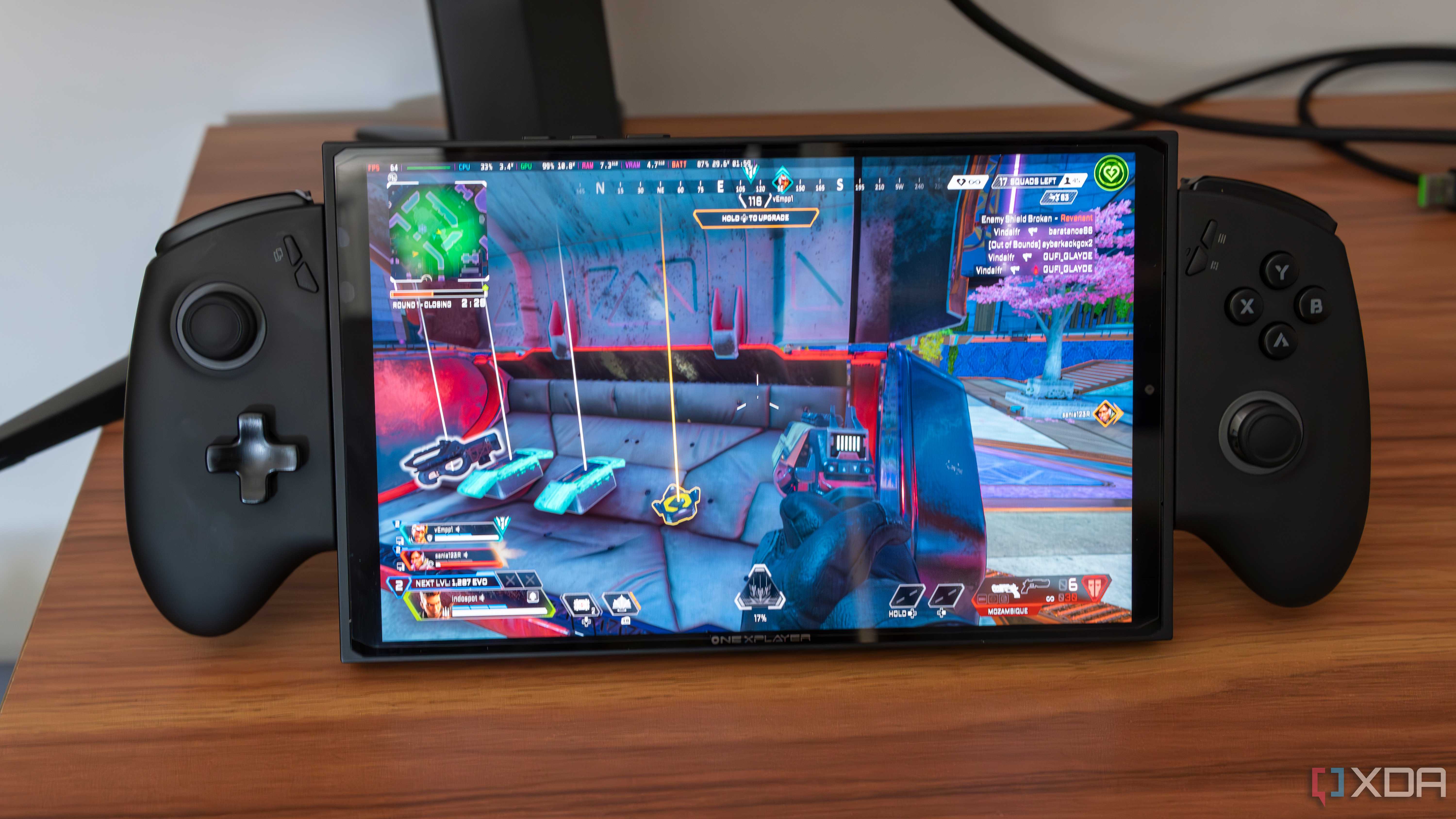
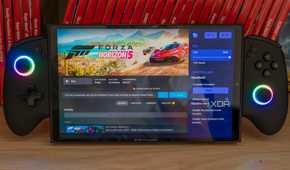
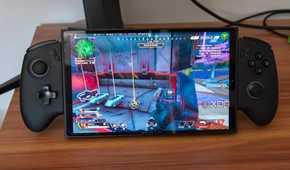
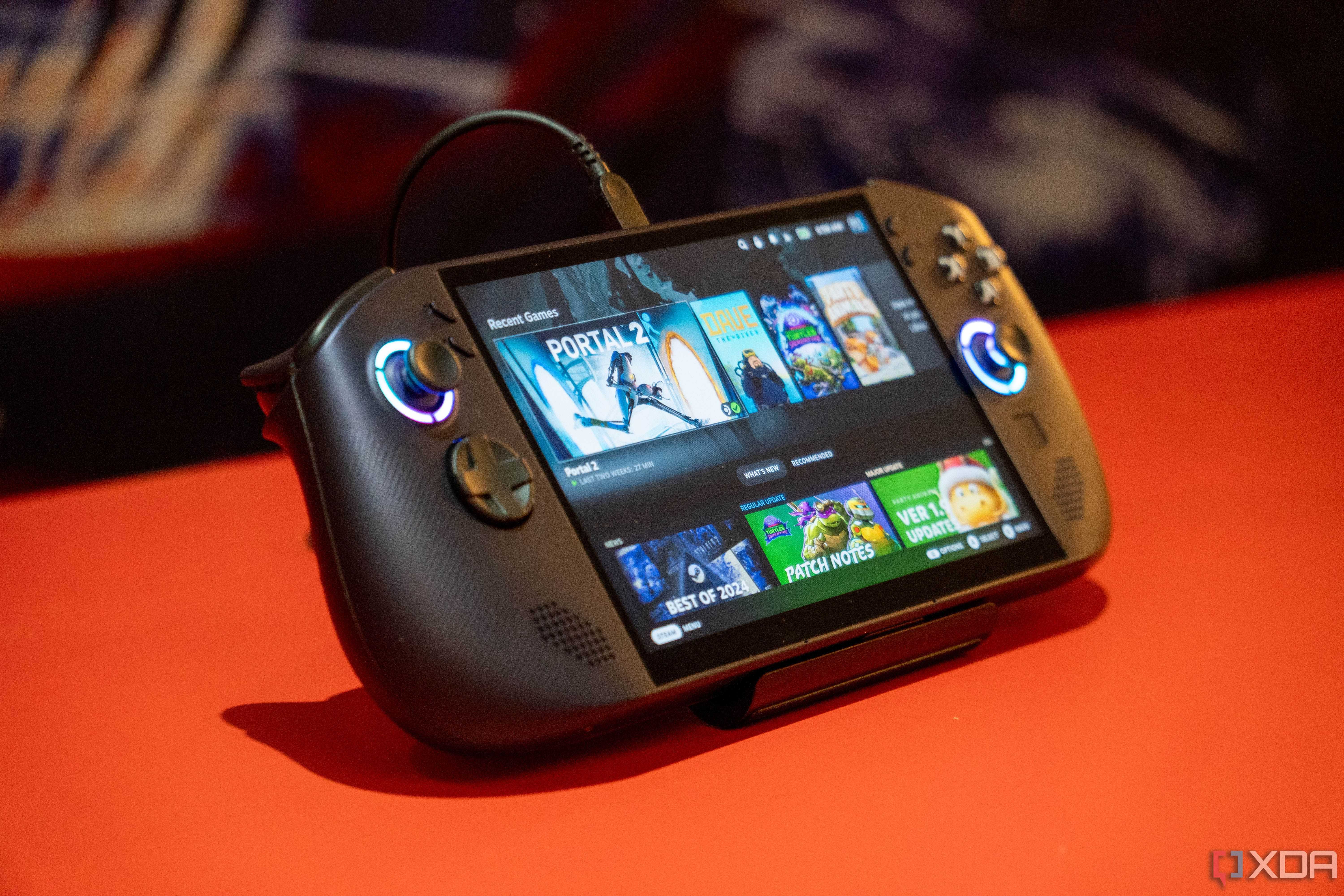
Of course, a bigger market presence doesn't always mean a better product, but SteamOS is legitimately so much better than Windows 11 for gaming handhelds. Thanks to the dedicated gaming UI, SteamOS is very easy to use, whether you want to use the touch screen or the controller buttons on either side of the screen in a typical configuration. The entire UI is designed around controllers, making the experience far more seamless.
Windows 11 simply doesn't offer an experience like this, and certainly not one that's universal across handhelds. Each manufacturer has to come up with its own (imperfect) solution that's layered on top of Windows, and they're all different in what they do and how they work. Not to mention they're still running on top of the Windows desktop, and you may be booted back to it on certain occasions, forcing you to use a less intuitive experience to get back to your games.
That simply doesn't happen in SteamOS because the gaming mode and desktop mode are so separated, and the experience is much more stable. Plus, the gaming mode on SteamOS also provides some additional performance improvements for gaming that go even further than the Game Mode in Windows 11. Well-optimized games can often run better on SteamOS compared to Windows on similar hardware.
Microsoft is trying to catch up
It's just not enough


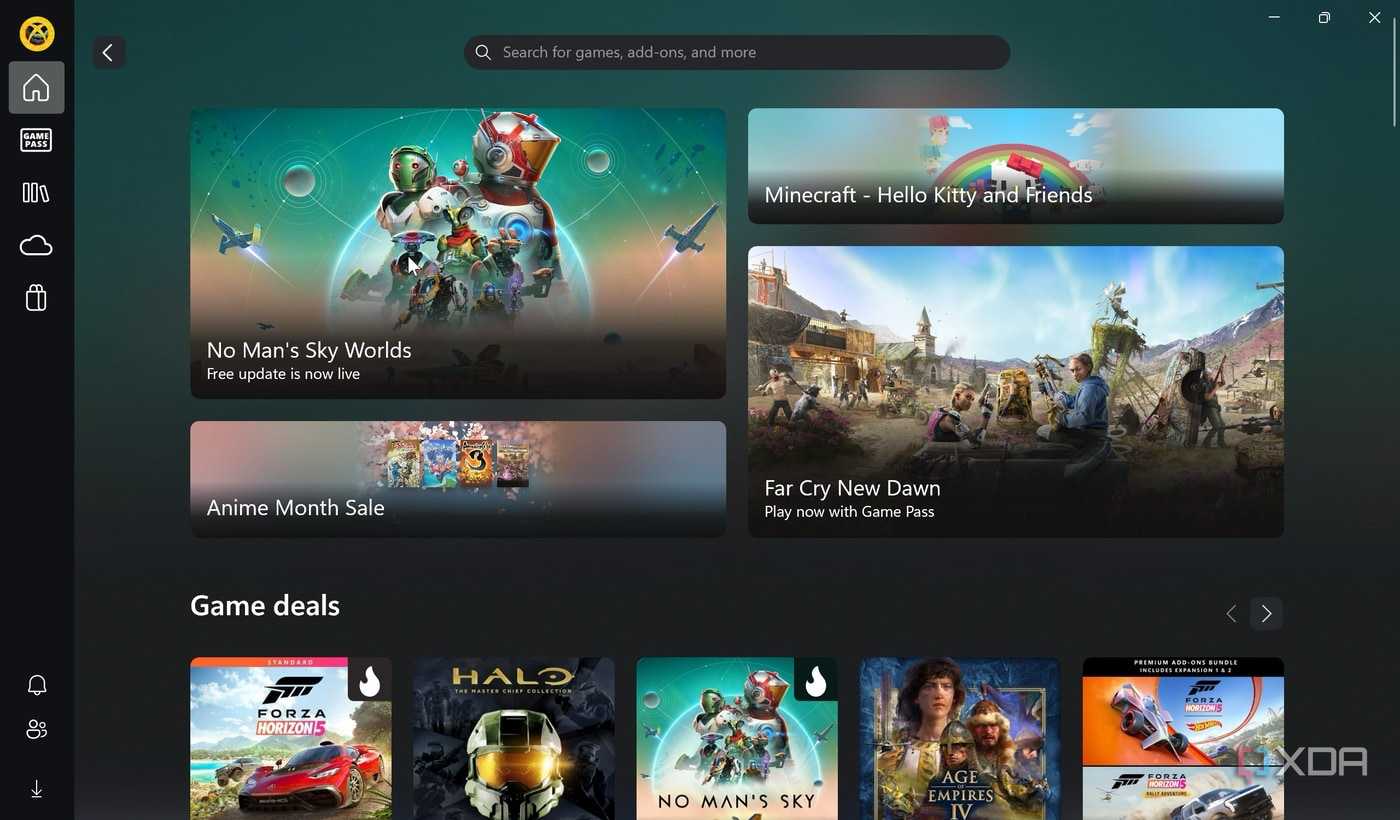
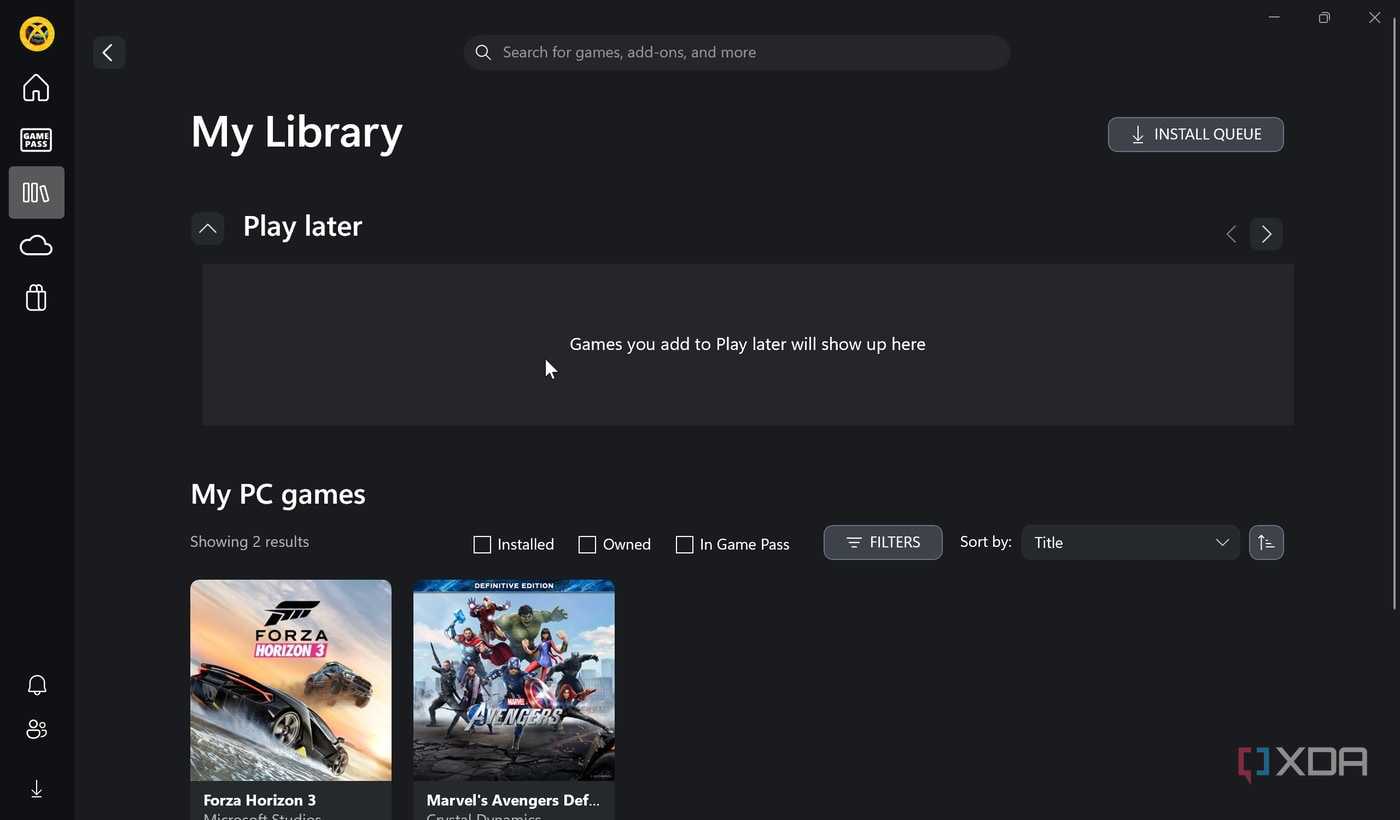
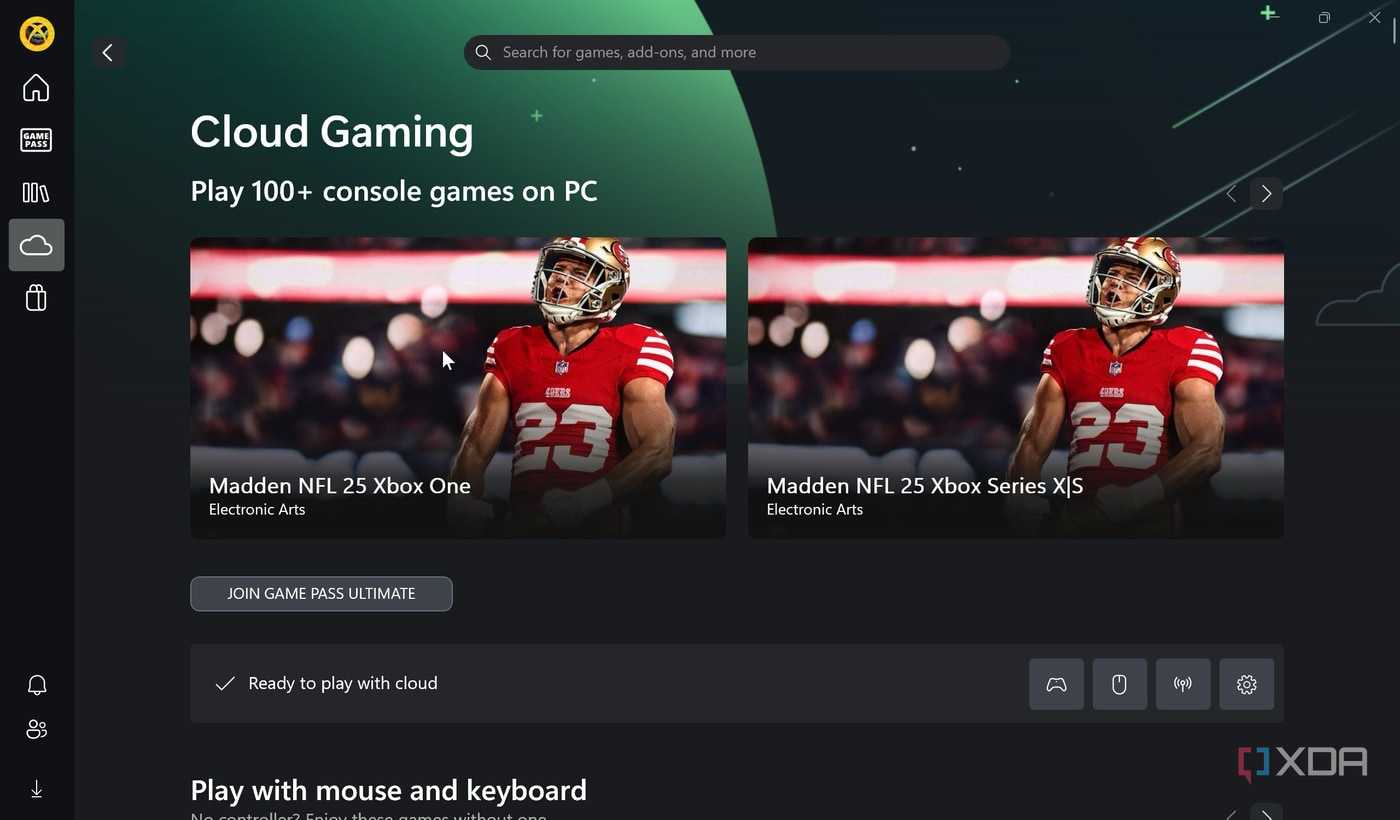
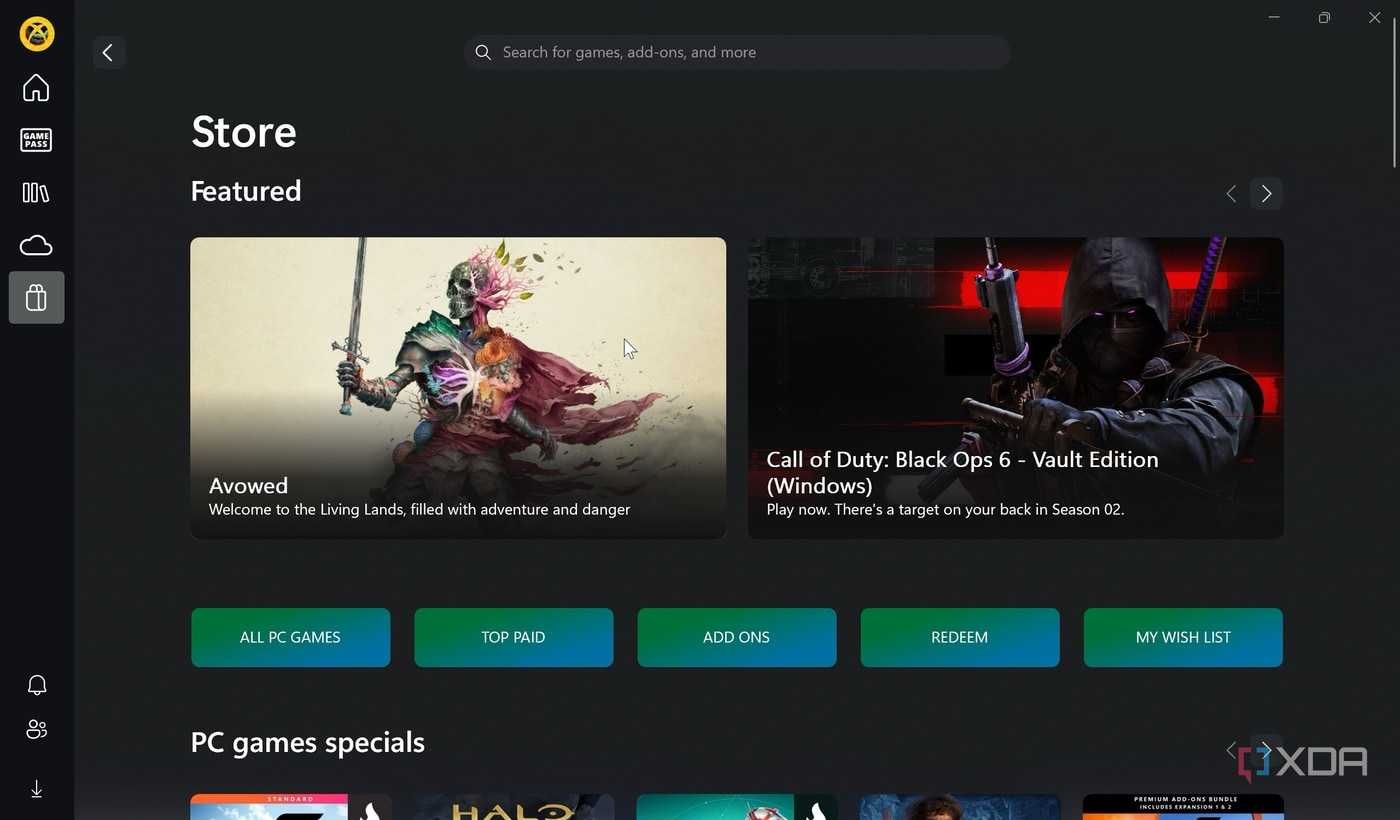
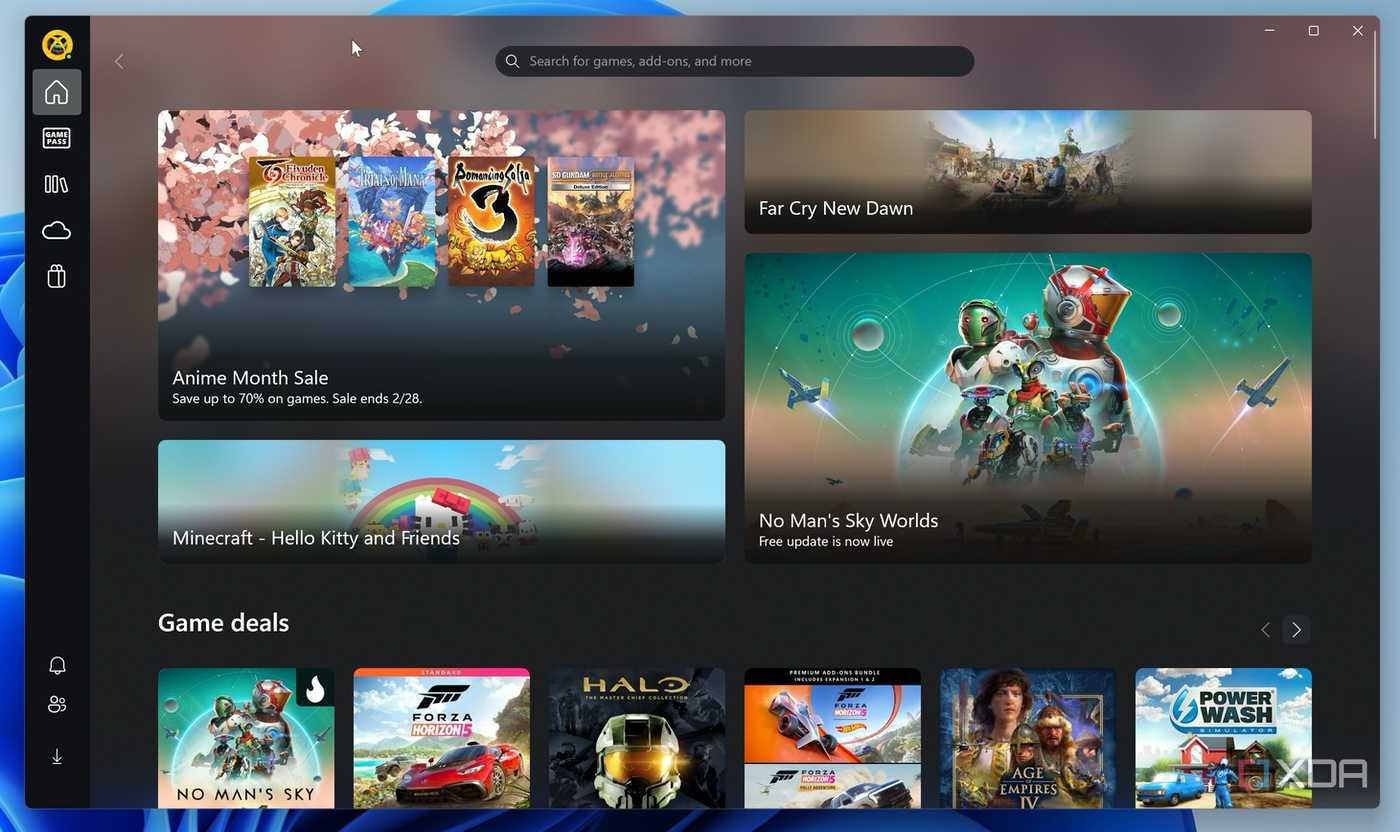
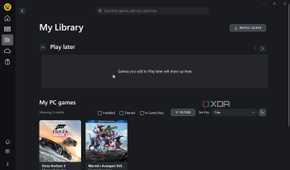

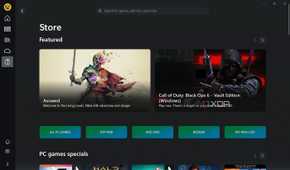
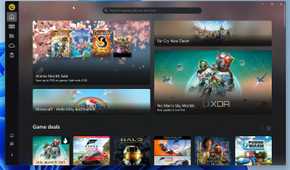
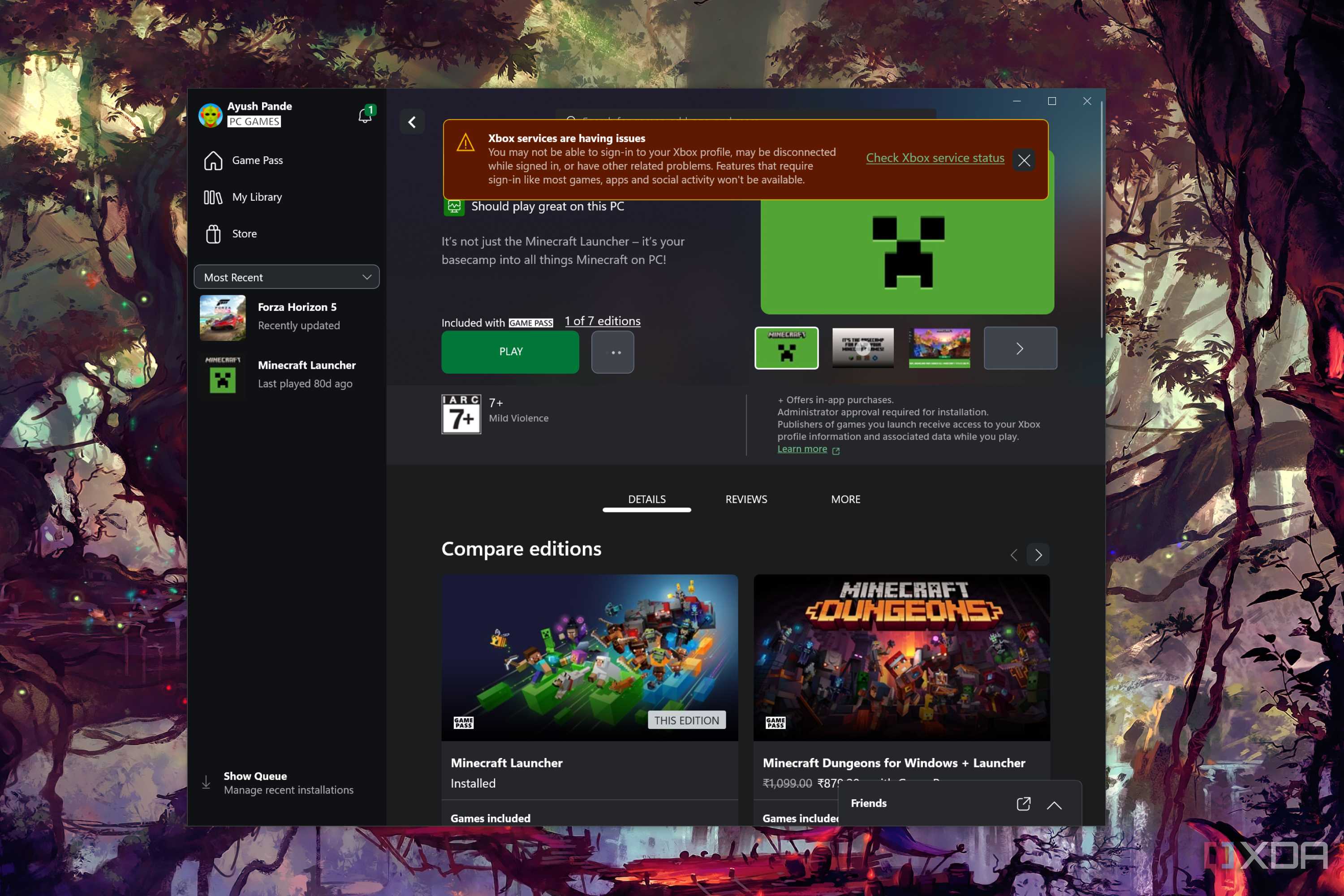
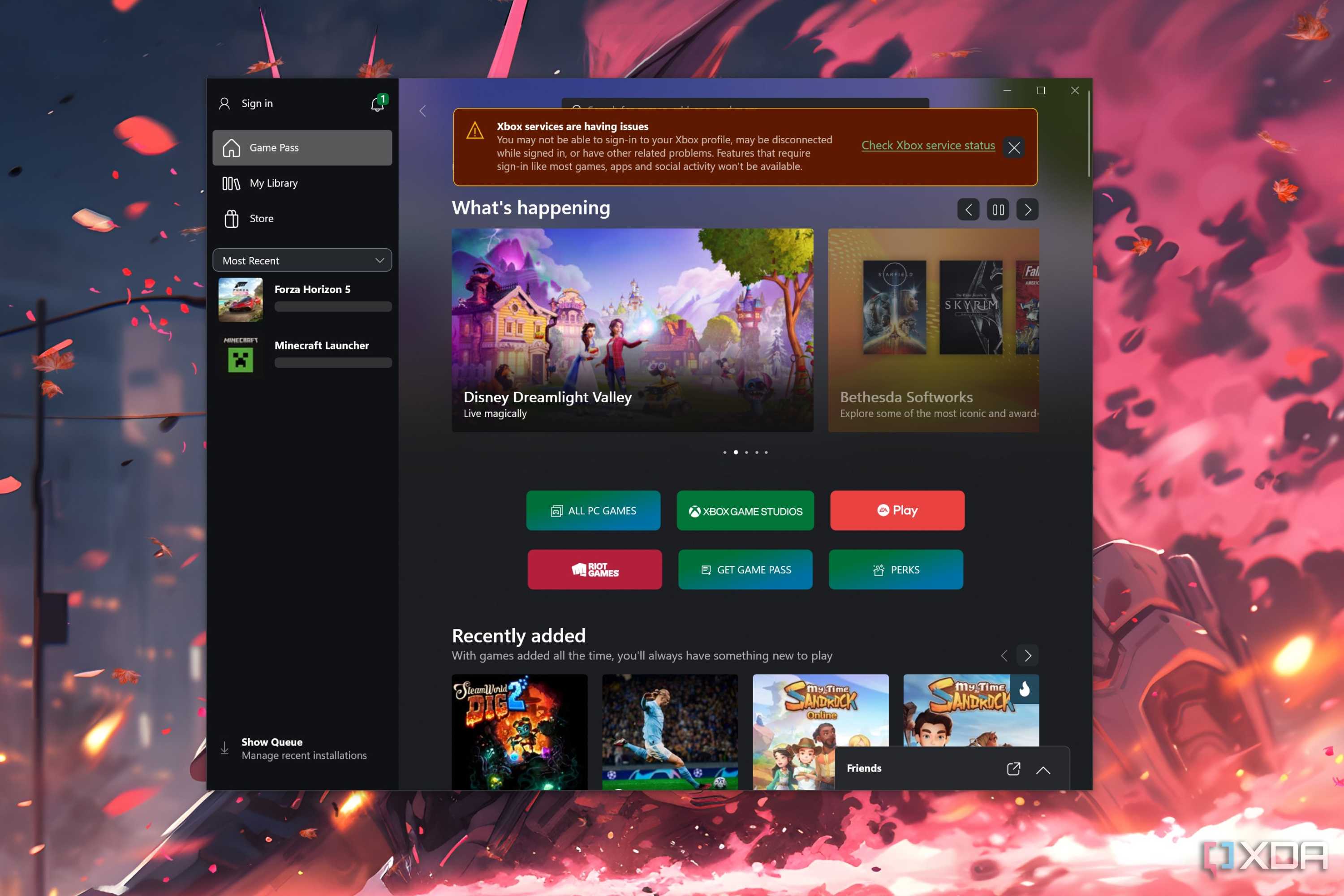
It would be unfair to say that Microsoft hasn't been trying to catch up with SteamOS to make it more suitable for gaming handhelds, but the company isn't really doing enough. Over the past couple of years, we have seen improvements, like a new UI for the Xbox app that improves usability with a controller and a touch screen, as well as a new on-screen keyboard layout for use the gamepads. But these things still aren't great.
Having an improved UI for the Xbox app just doesn't do much of anything when that isn't the default UI that the device boots to when you turn it on. Not to mention, the Xbox platform on PC is nowhere near as big as Steam is. Most people gaming on a PC handheld have huge libraries of games dating back many years, and making the Xbox app more attractive isn't going to do anything for those players unless they're okay with leaving behind most of their library.
And while the improved keyboard for gamepads is nice, it doesn't do enough to fix all of the aspects of Windows 11 that still feel unintuitive on this kind of form factor.
Third-party OEMs are starting to make the switch
The Lenovo Legion Go S is just the beginning
Link Image 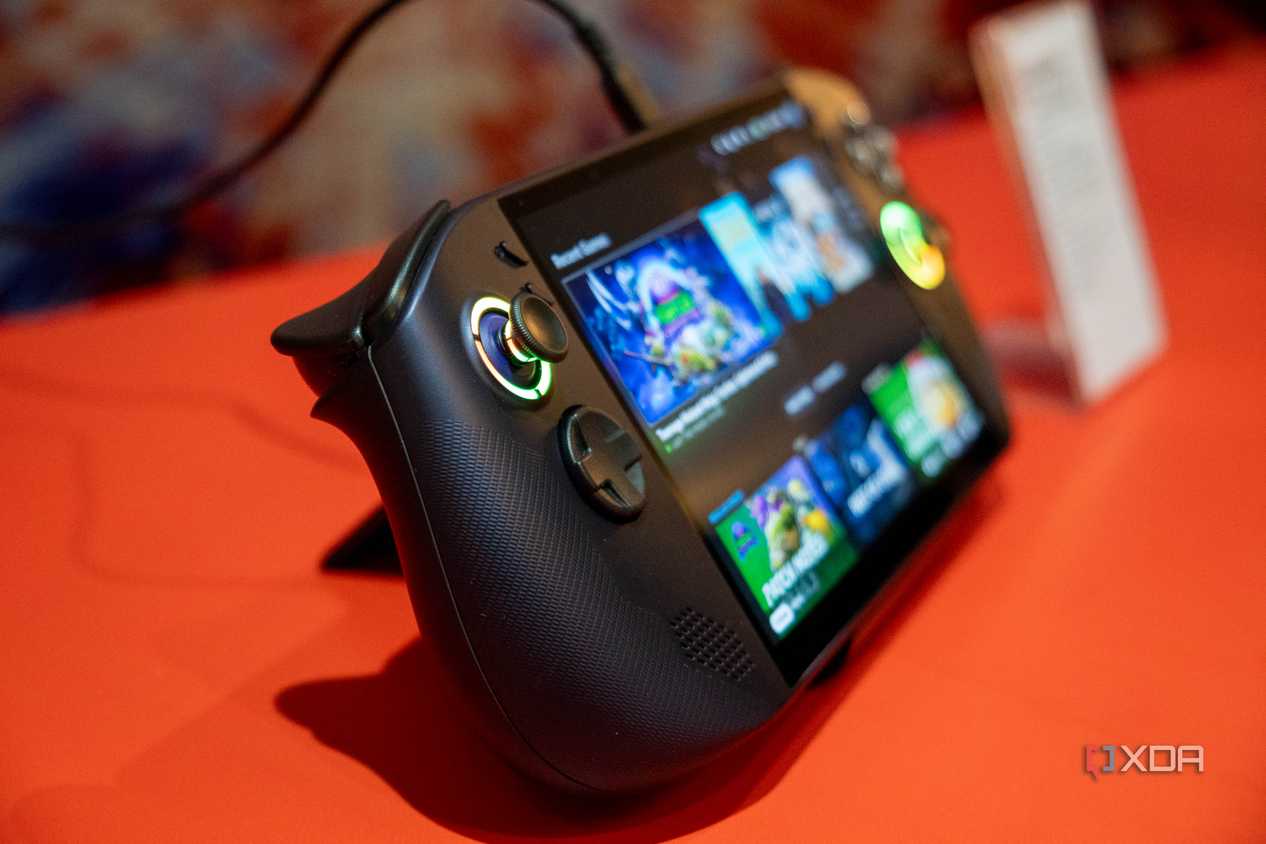


Link Image 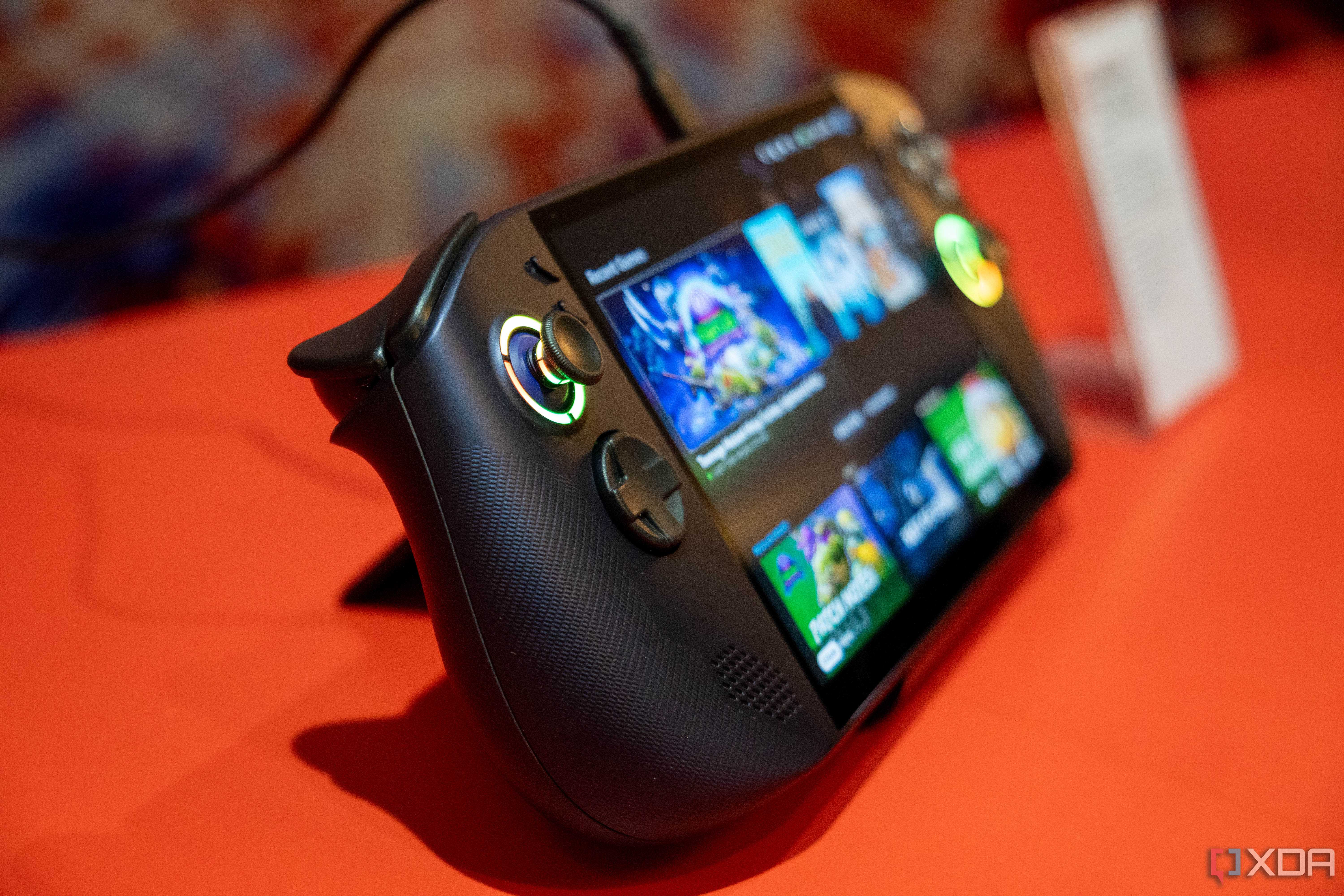
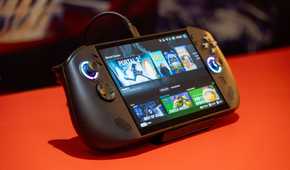
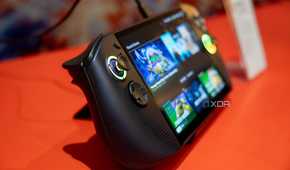
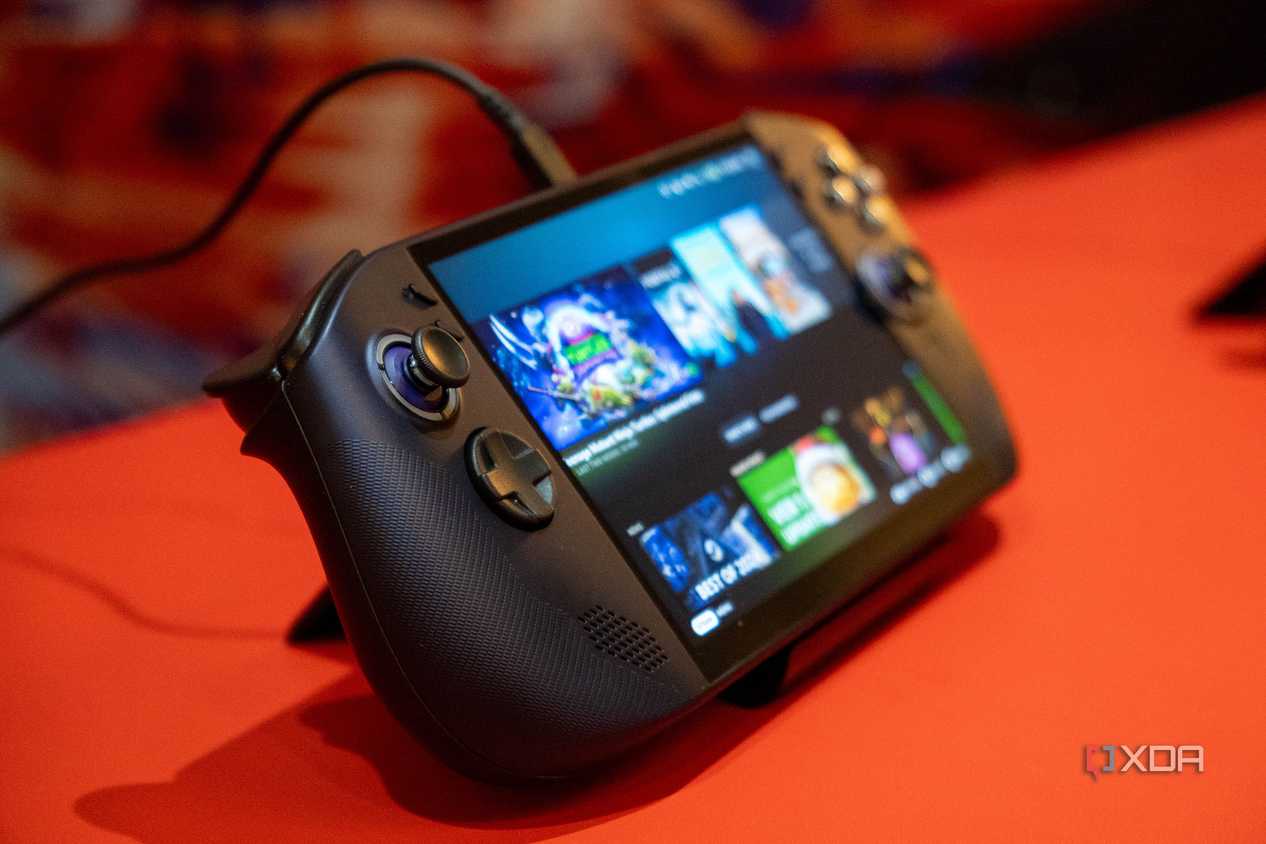
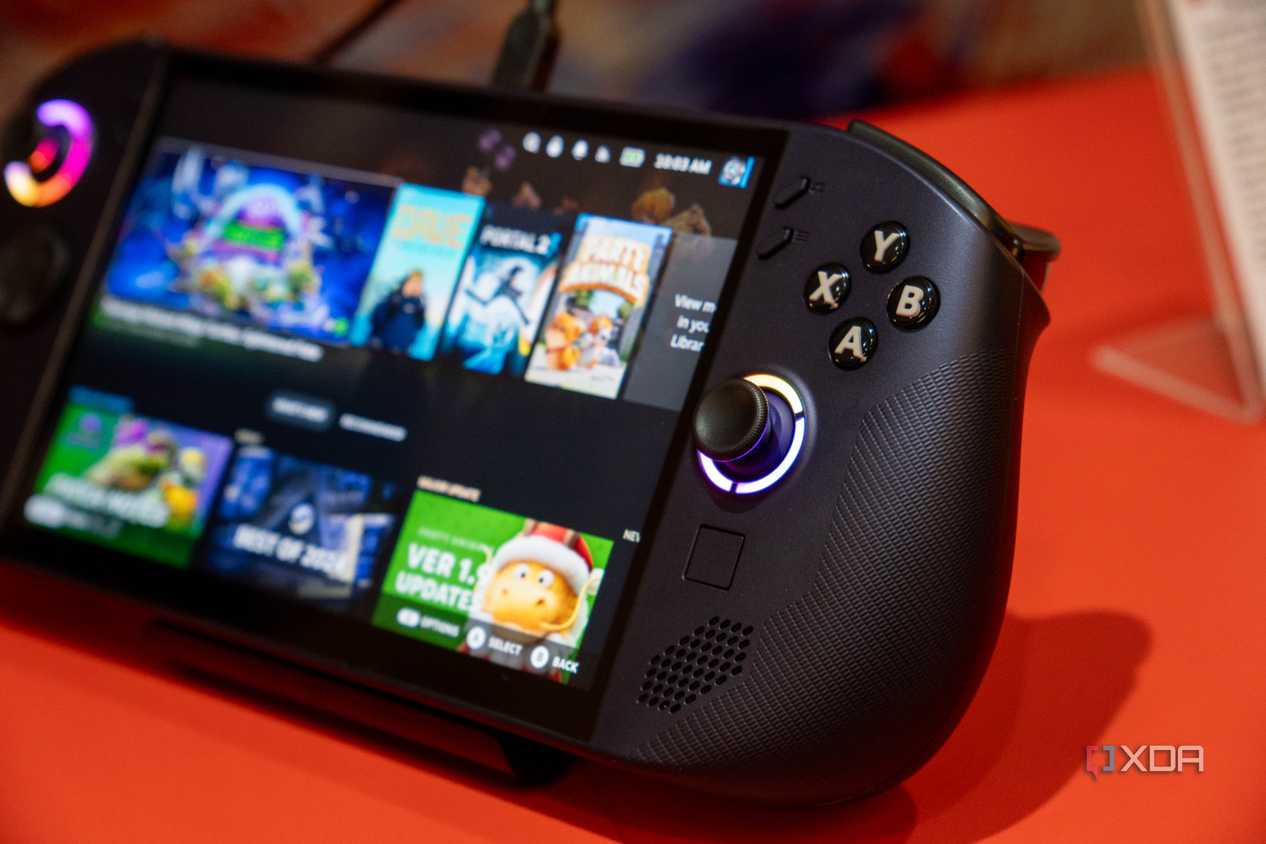
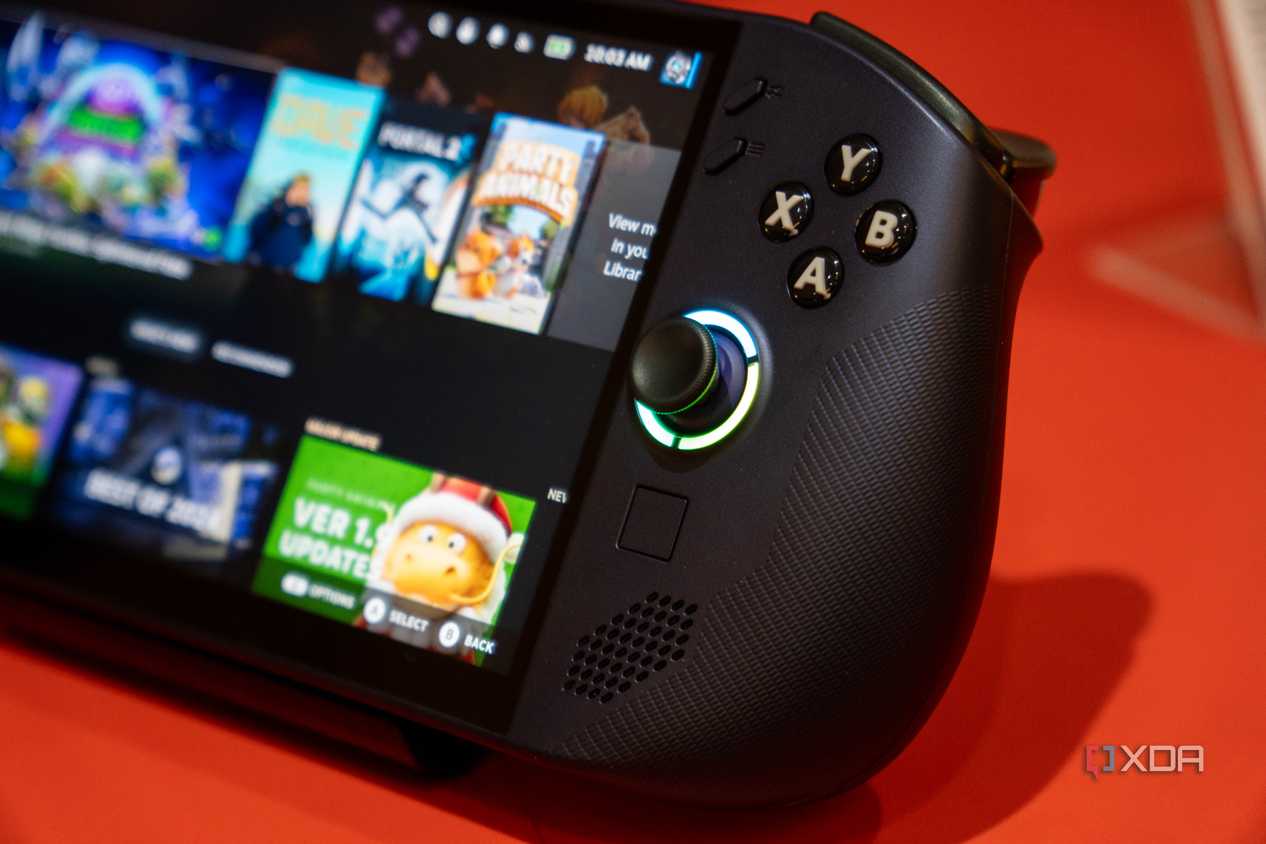
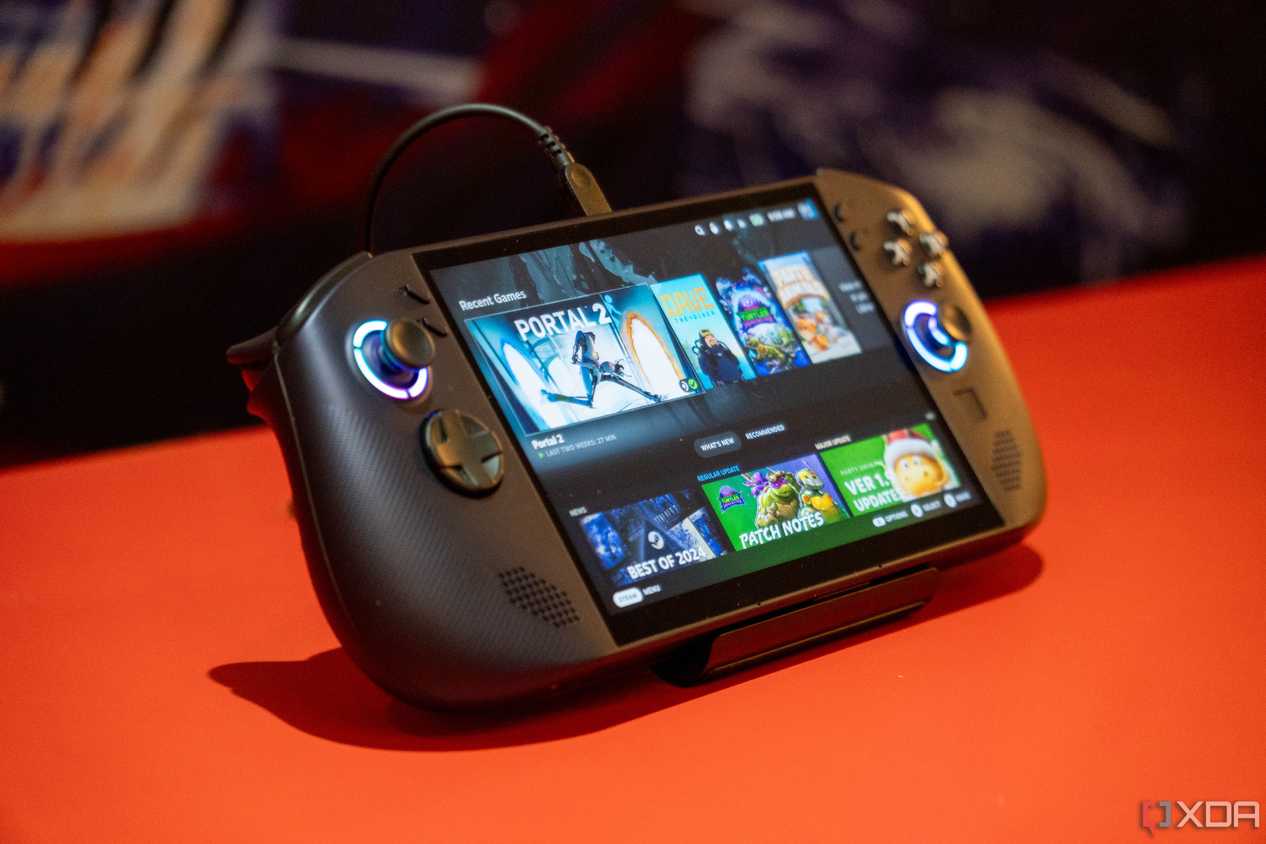
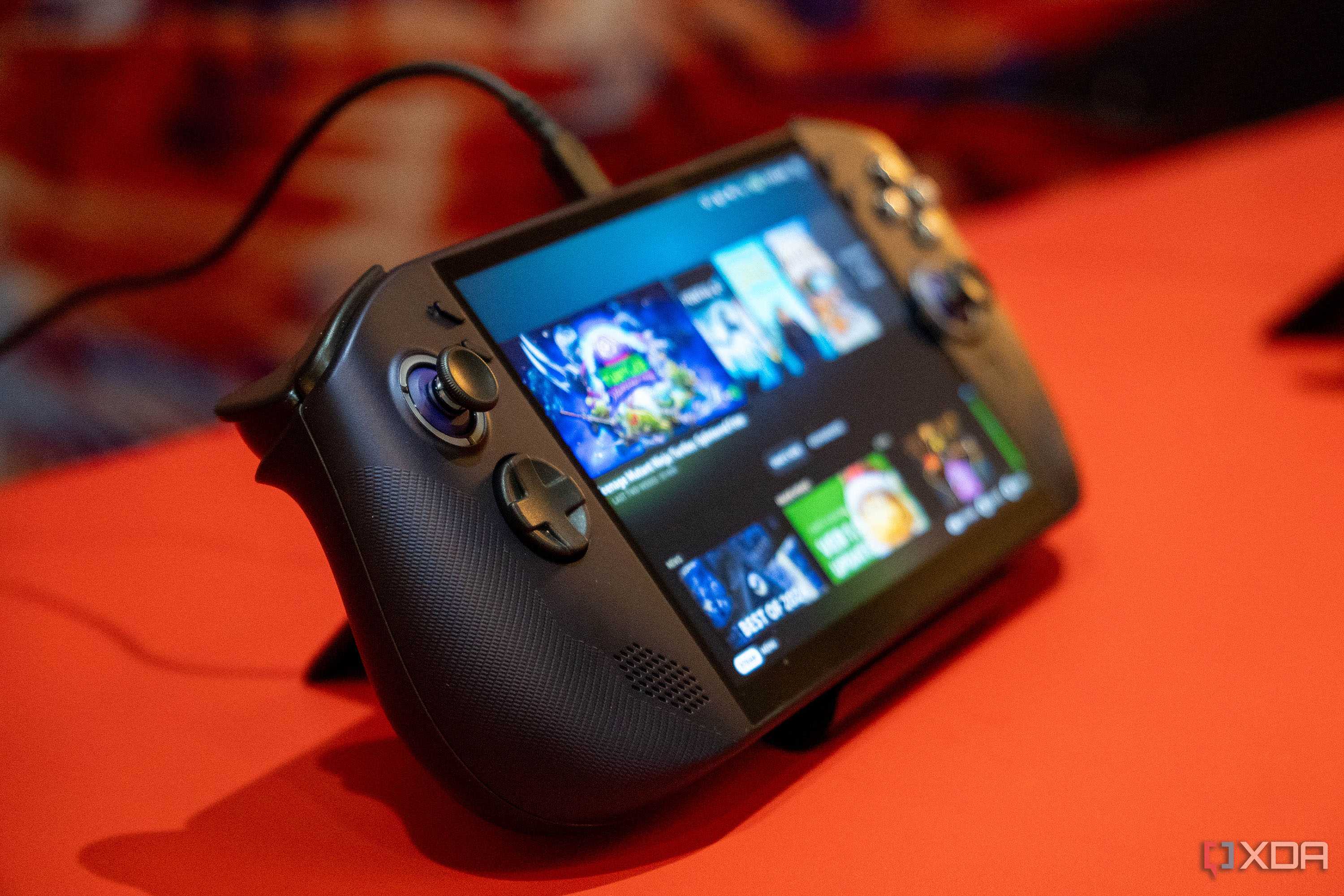
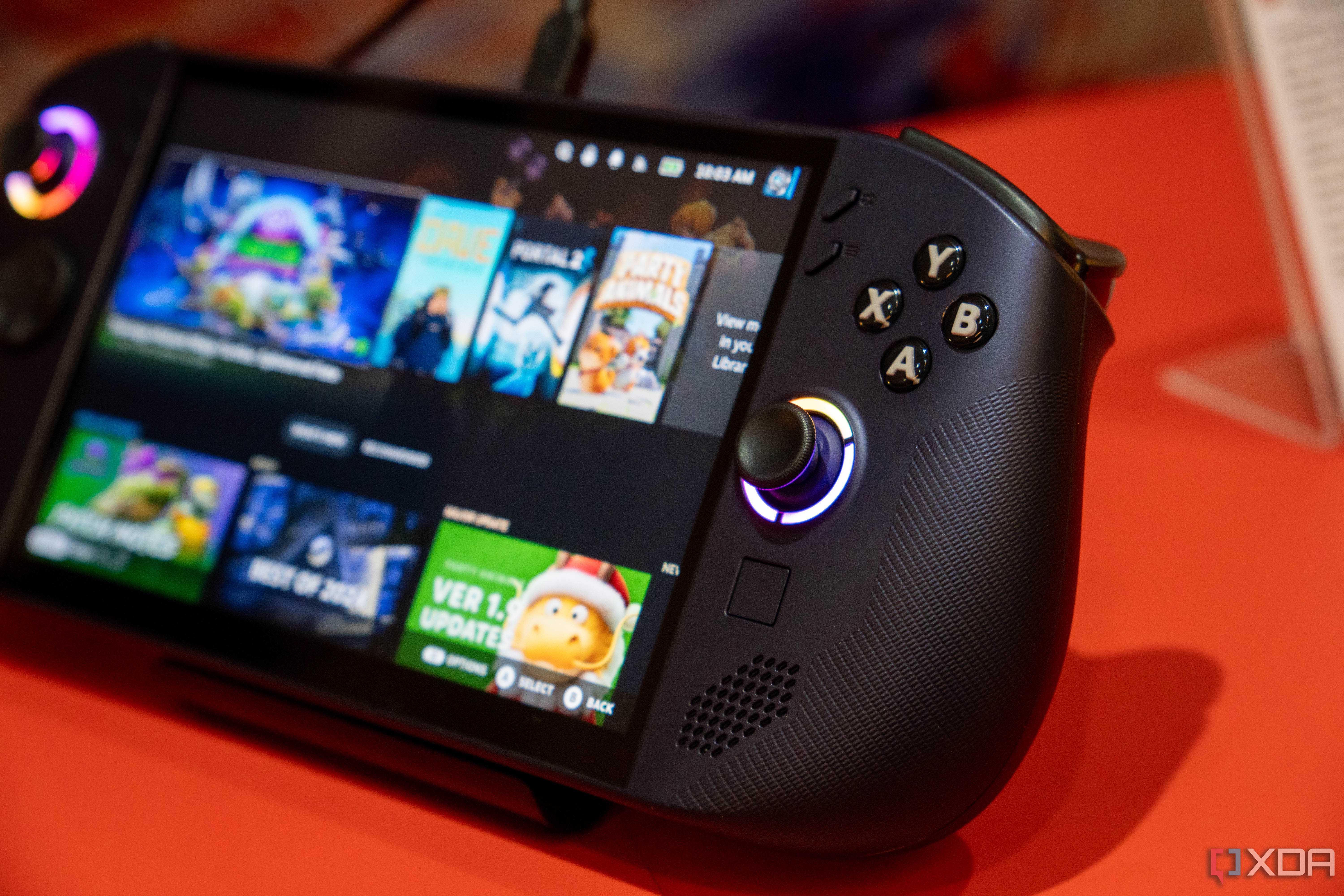
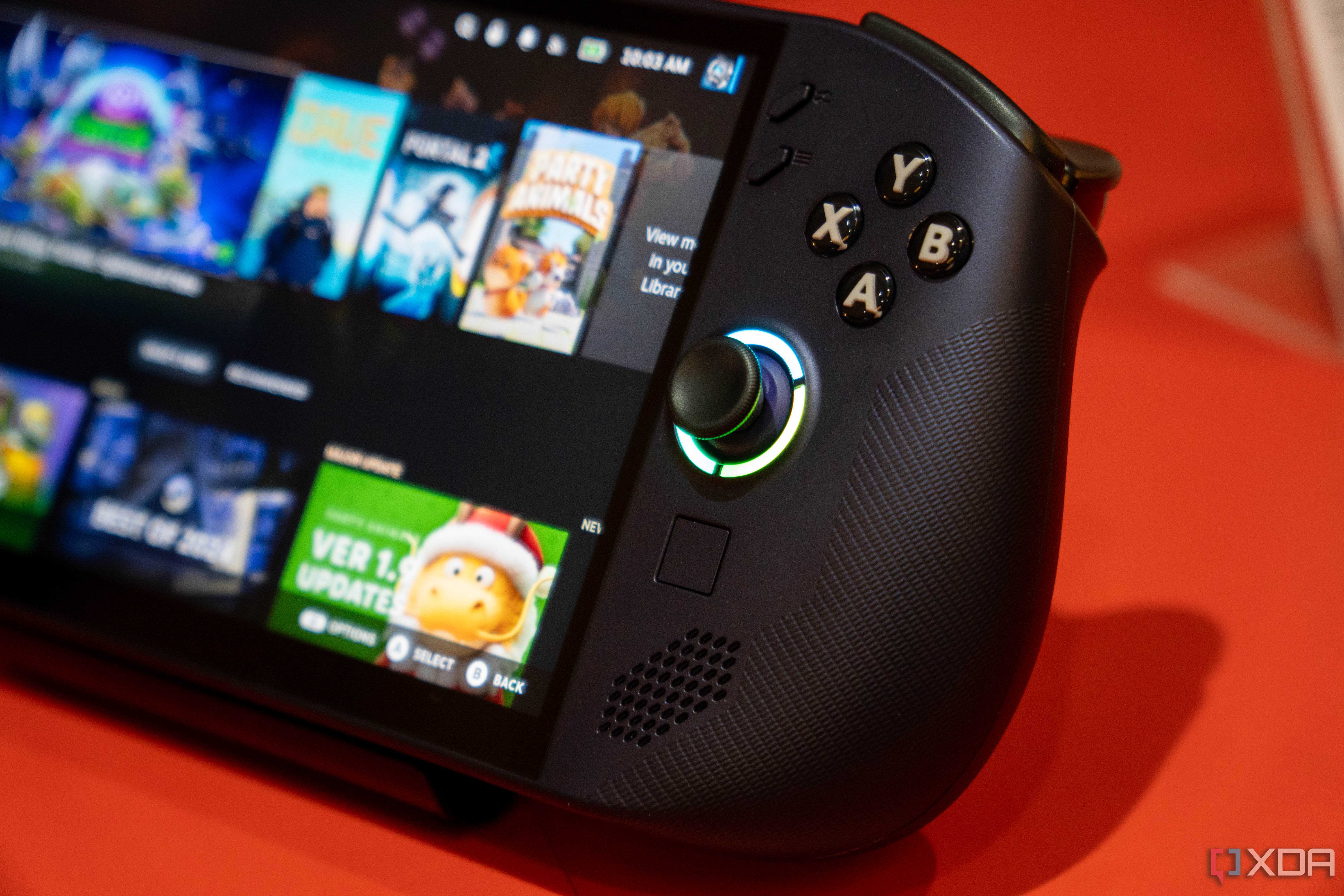
All of the factors above have culminated in Lenovo introducing the first non-Steam Deck handheld to run SteamOS out of the box. The Lenovo Legion Go S, announced back in January 2025, is coming in a SteamOS version in addition to a Windows version, which shows that companies are open to moving over to this new platform, despite their longstanding partnership with Microsoft. That's huge for SteamOS.
Not only is SteamOS a better operating system, but there's a good chance that licensing fees for the platform are much lower than those of Windows 11, making it all the more compelling for manufacturers to go this route. While larger manufacturers may take slightly longer to make that transition, I suspect we'll see a lot of the more niche companies like Ayaneo or OneXplayer offer SteamOS handhelds sooner rather than later to help bring costs down.
What's more, Valve is opening up SteamOS so that anyone can install an official release on their devices, which is going to show even more people the potential for a SteamOS handheld. Valve is moving faster to promote SteamOS than Microsoft seems to be moving to make Windows 11 good, so things aren't looking good for Windows.
Xbox could help Windows
But it needs to be done right, and quickly


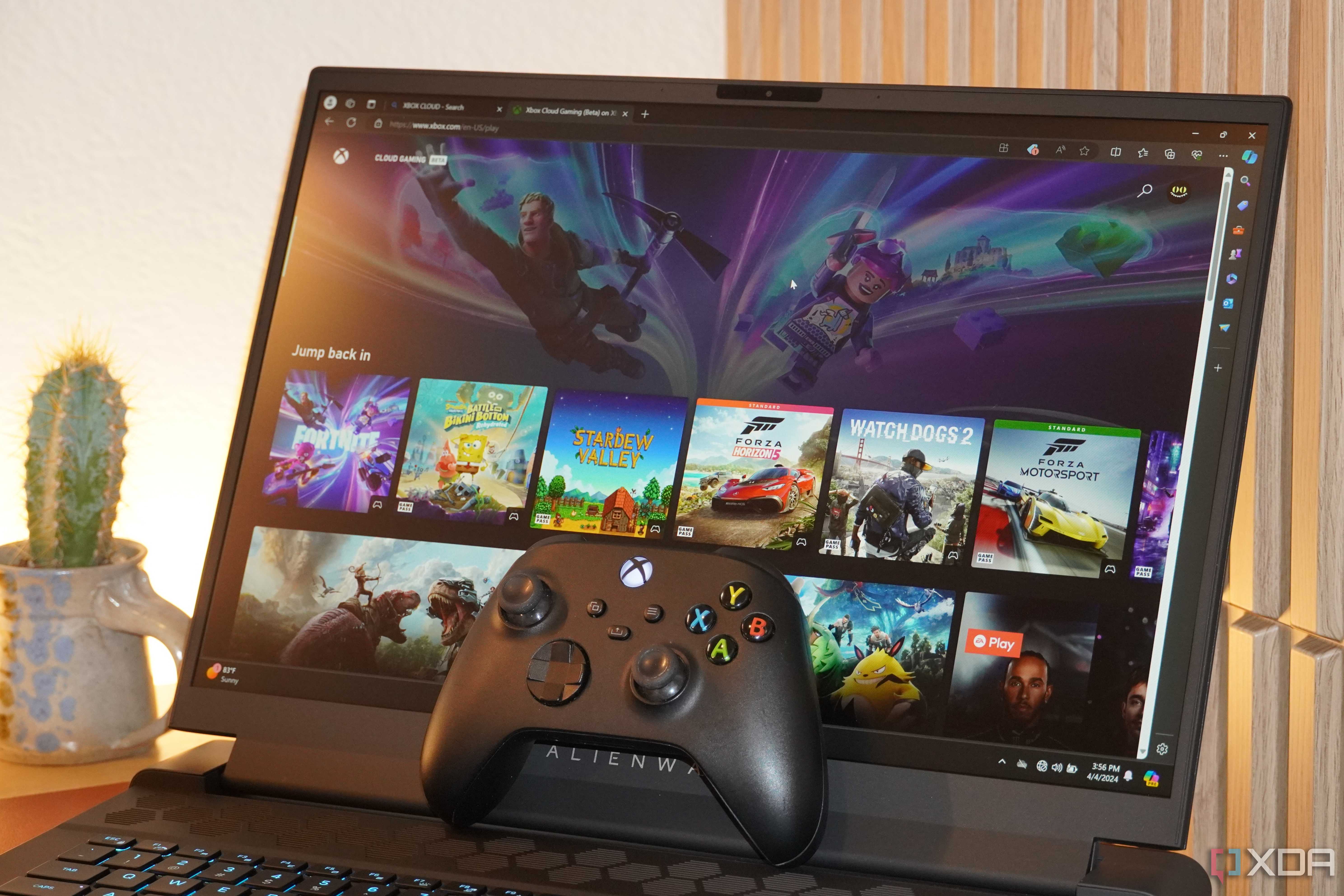
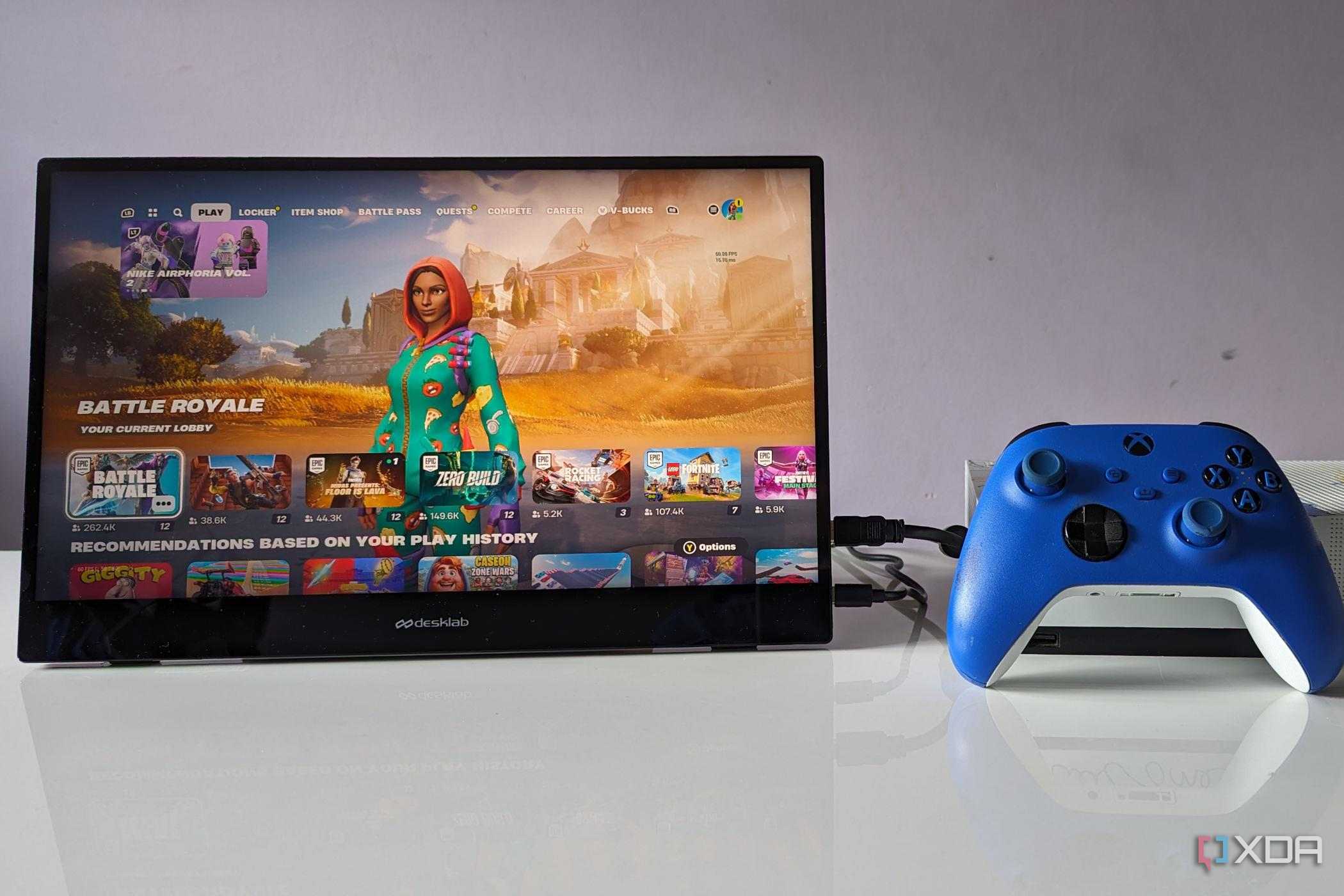
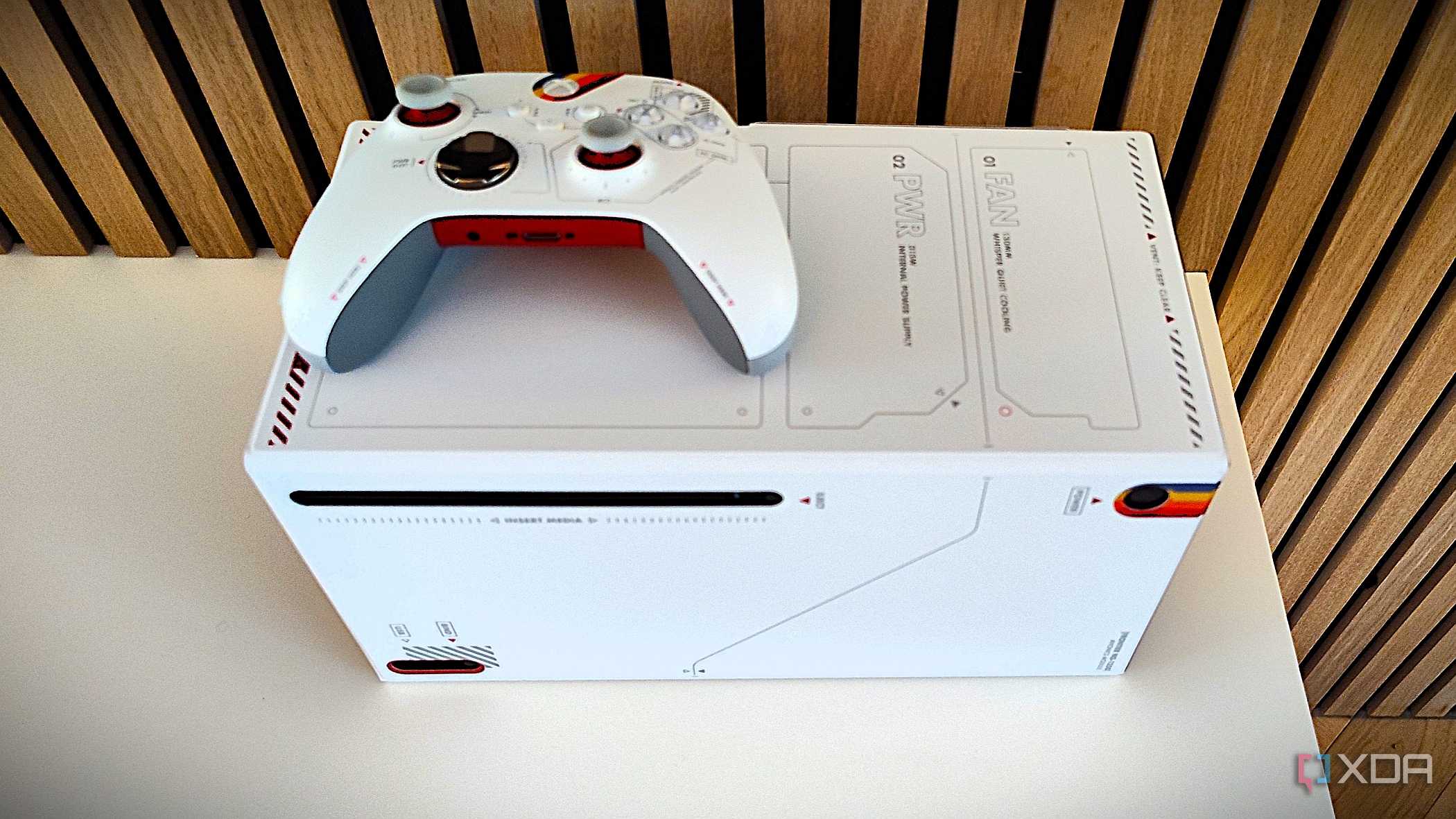
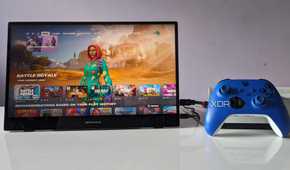
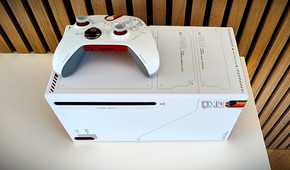
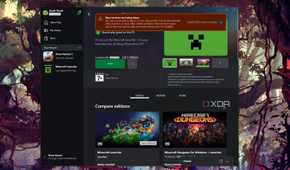
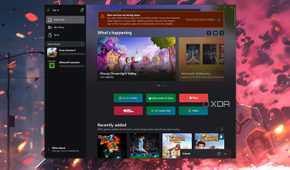
Windows being the absolute juggernaut that it is, I think there is a bit more leeway for Microsoft to turn things around. I've been a proponent of Microsoft leaning more on its Xbox team to design a proper experience for gaming handhelds. Xbox consoles already exist and they have a UI that's designed exclusively for controllers, so I think leveraging that design language for a gaming handheld makes a ton of sense. But for it to work, it needs to be done right.
For one thing, this Xbox handheld has to either lean completely on being a portable console, which would mean creating a new target for games developed for the Xbox Series X and S, or fully embrace the PC ecosystem while still offering a console-like experience. The latter makes the most sense to me.
But the reports we've heard suggest that Microsoft will be putting the Xbox app and the Microsoft Store "front and center" on its first Xbox-branded gaming handheld, and I don't think that will fly quite as well. Sure, Microsoft owns Xbox and it makes sense to use it the most, but again, the Xbox platform on PC is far from captivating the entire crowd of PC gamers.
The backlog of games on Steam is hugely important for players, and to provide a desirable experience, a handheld should allow players to put that library at the forefront. If this Xbox handheld is going to launch the Xbox app by default and then force you to go back to the desktop to install Steam and set things up, it's almost completely pointless. Steam, the Epic Games Store, and other platforms need to be seamlessly integrated into a nice user experience, and I'm not hopeful that Microsoft will be able to deliver that.
Valve has everything it needs to win
Given the current state of PC gaming handhelds, I firmly believe Valve is positioned to take over this segment of the market. The company is already dominating with the Steam Deck, and it's only going to get better with a potential Steam Deck 2. Considering it also offers a much better experience on a software level and we now have third-party OEMs joining the fray, Windows is in a tough spot in this market. Things can change fast in the tech world but Microsoft hasn't been quick to respond, and I doubt we'll get the necessary efforts to change that in the near future.
