


In 2024, researchers wanted to figure out how to get around the limitations of the "area-wall" that chips run up against. As Moore's Law slows, chip designers need to continually increase the area of a die, which isn't practical for a number of reasons, not the least of which are reticle size and yield. These researchers published their analysis of previous technological breakthroughs in Fundamental Research, laying out a path forward as Moore's Law is buried six feet below the ground. They called it the "Big Chip."
We're living in the era of the Big Chip. Although we got a taste a few years back, the design philosophy of a Big Chip is transforming PC hardware today. And I couldn't be more excited about what the future holds.
A closer look at the Big Chip
You've seen it in practice already

Alright, so what is the Big Chip? Well, it's big. Specifically, it's bigger than "the maximum exposure area of the most advanced lithography machine currently available," according to the researchers that coined the term. A chip's design is basically printed on silicon through lithography, and the printing area can only be so large. This causes an "area-wall." You may be able to pack more transistors on a chip, but eventually, you'll run out of space unless the transistors get smaller. As Moore's Law slows, the transistors aren't getting smaller fast enough.
These researchers specifically talk about the Big Chip as a chip with over a trillion transistors, but the design fundamentals detailed in the analysis are already in the world today. Instead of making a monolithic die, a chip can contain multiple chiplets each manufactured separately and then put together with advanced packaging technology. The idea of chiplets has been around for decades, but the most modern example came with Ryzen 3000 CPUs, where AMD delivered a chiplet-based design for the first time in consumer desktop processors.

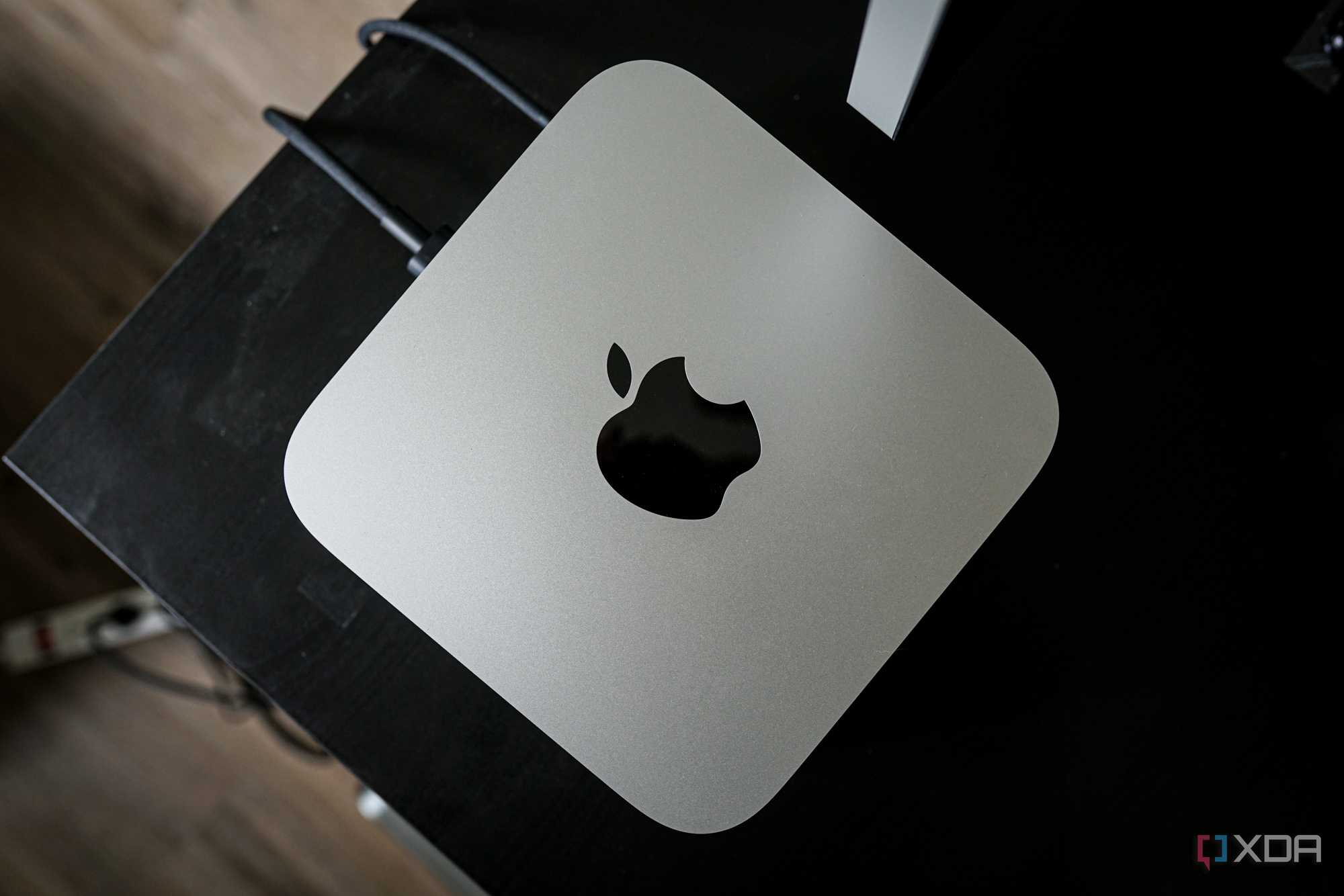
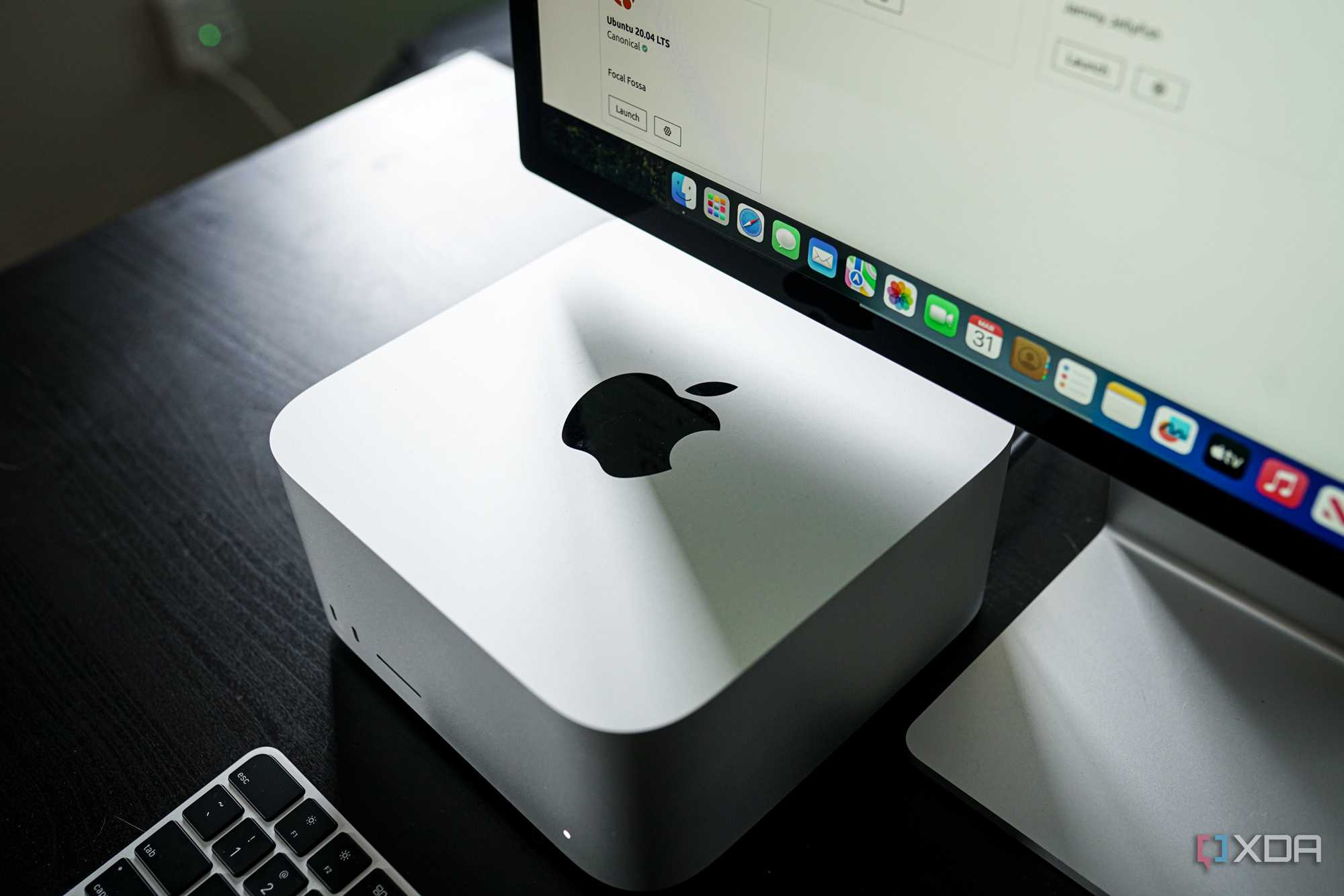
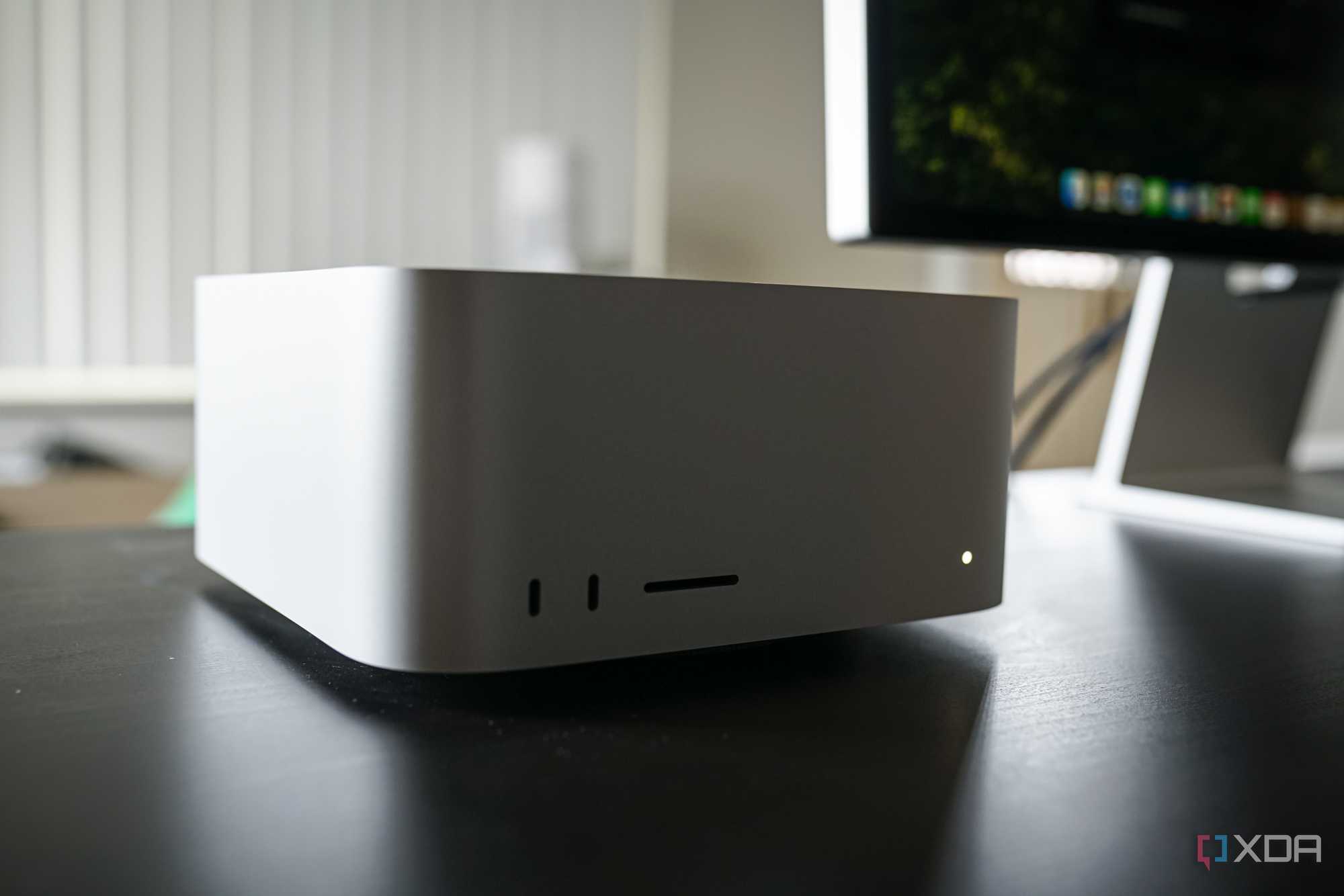
Chiplets are just part of the CPU world today, but the real push for the Big Chip era is heterogeneous packaging, combining a full, fat CPU die, GPU die, and memory into a single package. This is something Apple figured out a few years ago with its M-series chips, which has enabled things that otherwise wouldn't be possible on a desktop, as we saw with the M3 Ultra Mac Studio. Intel has tipped its toe in the water with Lunar Lake chips, which also combine a GPU and memory with a CPU, while AMD recently unveiled its Strix Halo chips -- known as Ryzen AI Max -- which are more akin to Apple's M-series designs.
We've had SoCs and SBCs for years, but these designs scale up the capabilities. The Big Chip isn't limited to a certain size or capabilities. The idea is to give you everything you need in a single package, no matter how demanding your workload is. Major advancements in packaging and high-speed interconnects have made this possible, and as we've seen with Strix Halo and Apple's high-end M-series chips, these designs offer stellar performance and power efficiency, and they enable form factors that wouldn't be possible without a Big Chip at the helm.
Why now is the time for the Big Chip to rise
The math is finally mathing

If chiplets and SoCs have been around for years (or even decades), why are we just seeing the idea of the Big Chip in practice? It's a reasonable question. Advancements in packaging and interconnects are necessary, but surely we could have seen those sooner. According to the Big Chip researchers, economics play a critical role. Above, you can see two charts from the study. On the right is the cost per transistor as the die area increases with a 14nm node. On the left is the same chart but with a 5nm node.

The economic perspective is pretty clear looking at this chart. Regardless of area, it was much more economically viable to produce a monolithic die with a 14nm node, but with a 5nm node, chiplets are the way to go as the size increases. For total system cost, see the chart above. Once again, the economics work in favor of a monolithic die with a 14nm node, but a chiplet design comes out on top with a 5nm node. It seems these economics are driving companies like AMD, Intel, and Apple to further invest in heterogeneous architectures and packaging.
It started small, with AMD pushing Ryzen 3000 out with identical chiplets. It's disaggregated but not heterogeneous. Intel leveraged heterogeneous CPU architectures starting with 12th-gen Alder Lake chips, while Qualcomm and Apple pushed ahead with full heterogeneous designs. Now, AMD and Intel sport similar designs, and AMD has even pushed toward more exotic forms of packaging configurations with its 3D V-Cache CPUs -- which, for what its worth, are also referenced in the study.
The results speak for themselves
I'm not seeing a lot of downsides here






Although it's possible we could see the idea of the Big Chip infiltrate the desktop at some point -- Framework is already toying with the idea via its Ryzen AI Max compute module -- that's likely several years away. No one is taking your CPUs and GPUs away, and as someone who primarily uses a desktop, that's a good thing in my book. Still, it's clear that Big Chips have some big implications for other form factors, and they've already enabled things that wouldn't be possible with discrete components.
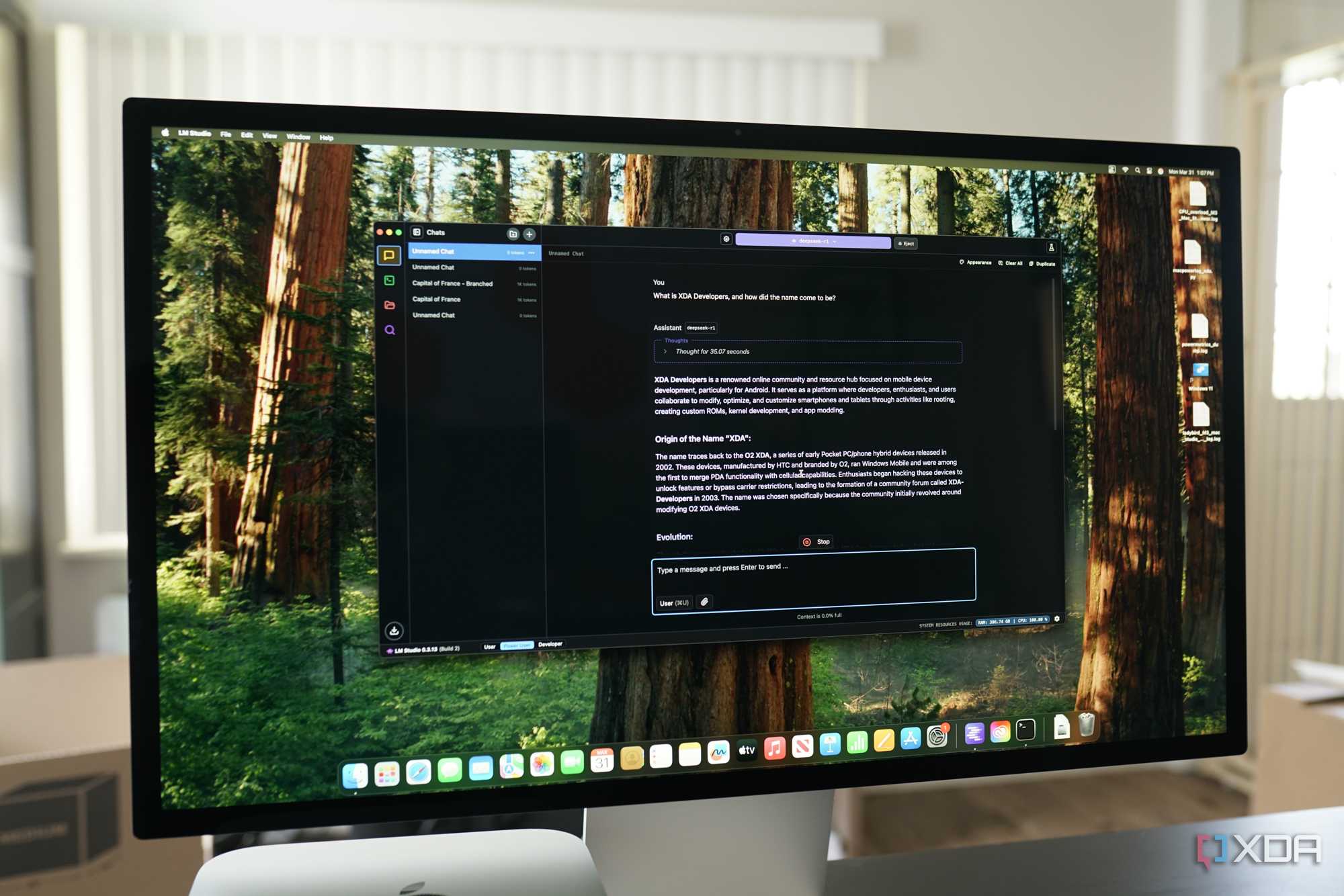
I've already mentioned the Mac Studio M3 Ultra, and that's a prime example of the type of horsepower a Big Chip can bring. Not only is it faster than any consumer flagship chip, it also comes with a staggering 512GB of unified memory. That's one of the big perks of the Big Chip design, sharing memory with both the CPU and GPU with identical performance because everything is part of the same chip. It'd be impossible with data center-scale hardware to allocate hundreds of gigabytes of memory to a GPU if it weren't for this unified design.
Another great example is the Asus ROG Z13, which you can see our video review of above. Asus has put out versions of this tablet/laptop hybrid previously, though always with a discrete mobile CPU and GPU, vastly reducing the battery life of the machine. With everything on a single package now thanks to a Ryzen AI Max chip, the machine boasts battery life that's two or sometimes even three times higher than a traditional gaming laptop with a discrete GPU. Those are massive improvements.
Even more to come
Things are really just starting to get underway for the Big Chip design, and I suspect that'll be a big focus for brands like AMD, Intel, Apple, and Qualcomm moving forward. It's already been a big focus over the past few years, and AMD and Apple, at least, are proving the design has enough grunt for desktop applications with some reasonable compromises.
