


Physical game preservation is on life support, and that's not because people have stopped caring — it's because physical distribution itself is fading into obscurity, slowly but surely. You can't preserve what you don't press to discs, what you don't ship in boxes, or what never gets stocked in stores in the first place.
We are now living in a time when even day-one games ship with a download code instead of a full game inside the case, and somehow, that is becoming the new norm. It's not about ownership anymore — convenience, speed, and sales are taking over, and in that mad rush, it means we are sleepwalking towards a future that has no recollection of its past.
10 Steam, along with optical drives dying, heralded physical games' death on PC long ago
There hasn't been physical game preservation on PC for a while


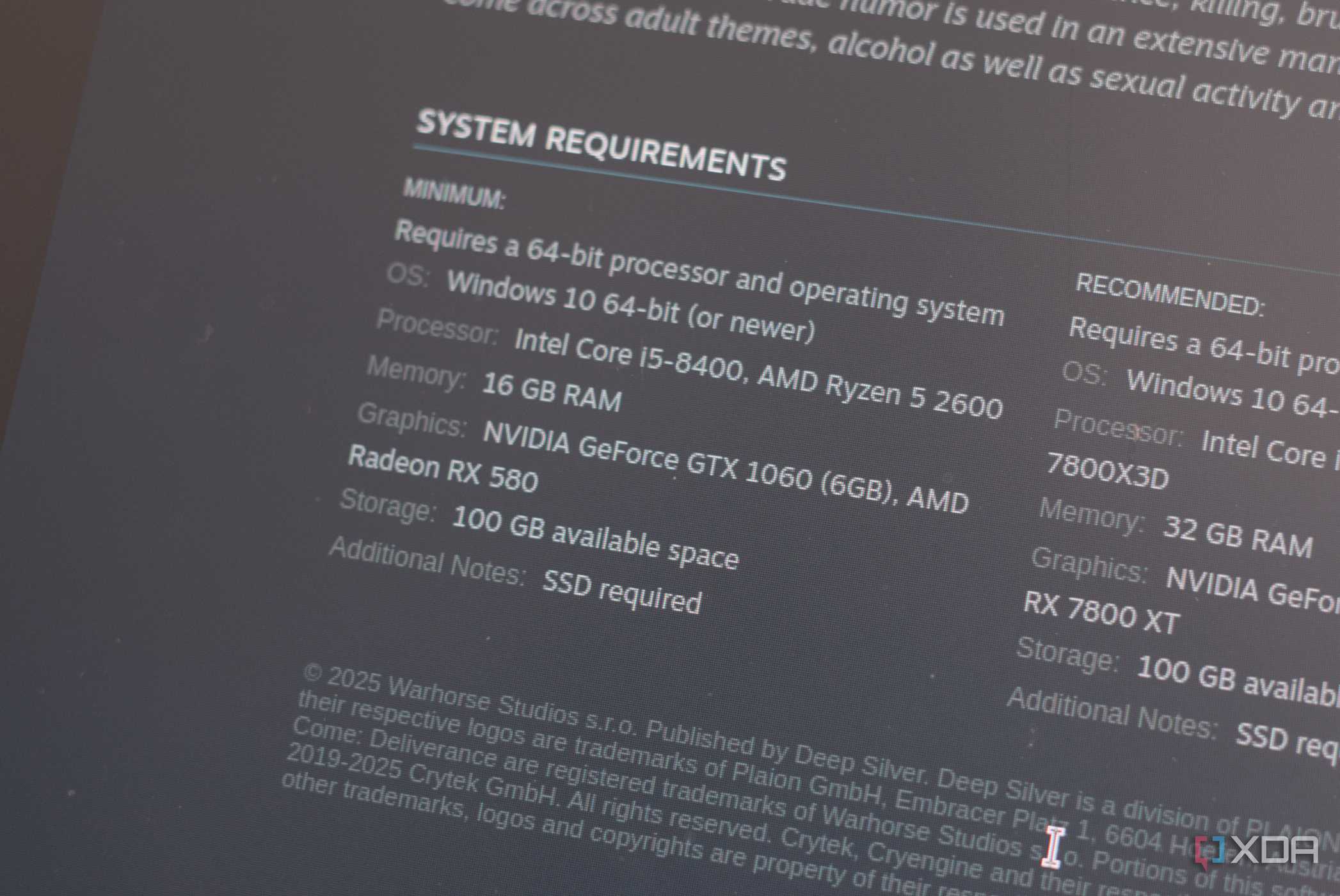
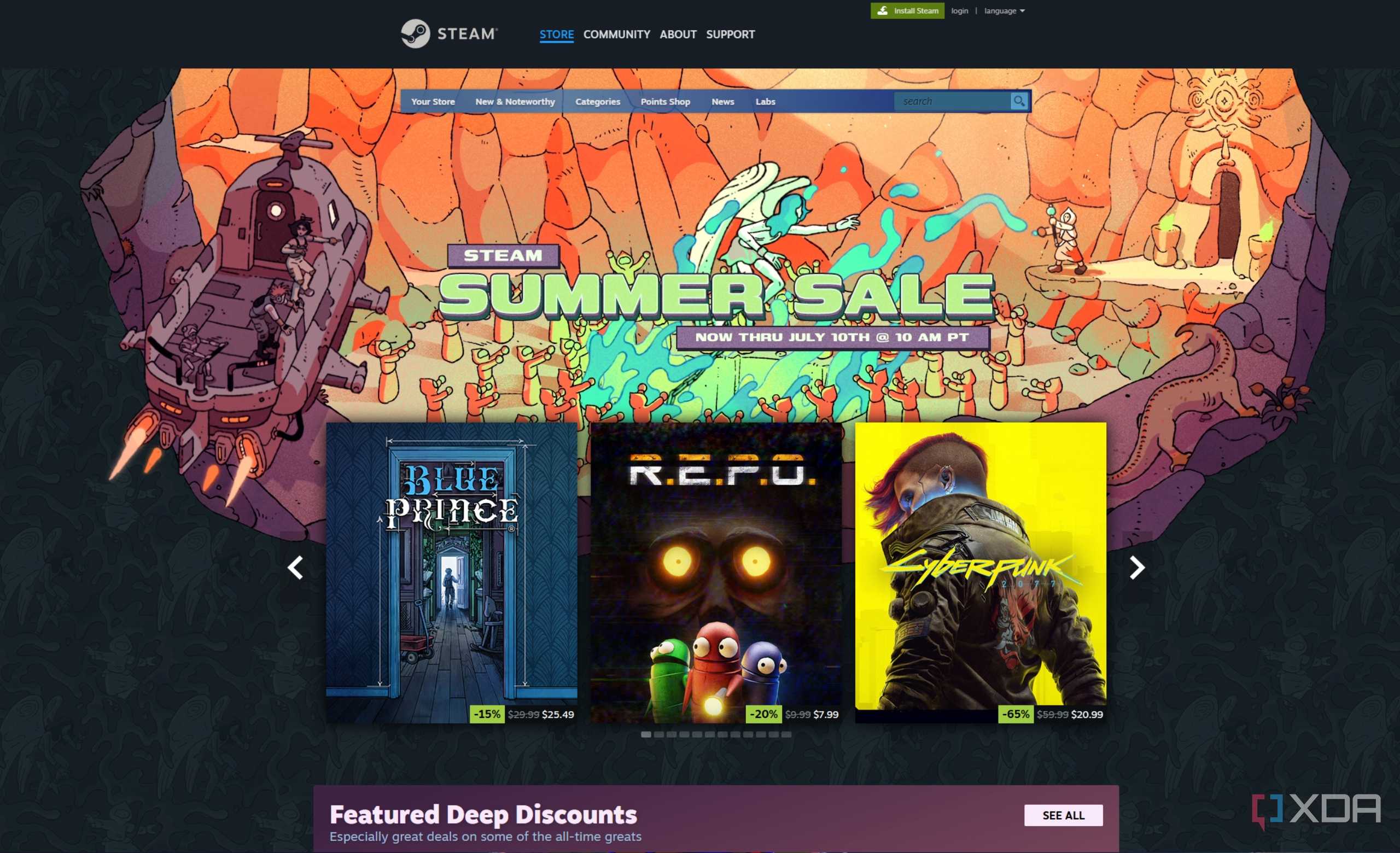



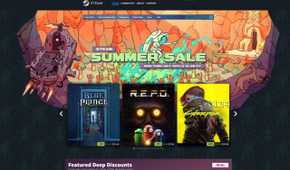
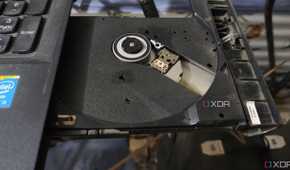
The death of physical games pretty much started on PC over a decade and a half ago, when PC players decided they didn't need DVD drives anymore, and Steam became the be-all and end-all platform for all things gaming on PC. This isn't to say that Steam isn't fantastic — their sales are consistent and frequent, console storefronts don't give out games on sale as much as Steam does, and everybody and their dog is always waiting for a game's PC version to get discounted on the next Steam sale before they can get one.
This, of course, means that physical game preservation for PC ports is basically dead. Boxes are gone, discs are obsolete, and the PC gamer of today, myself included, lives entirely in the digital age, for better or worse.
9 The benefits of online storefronts and all-digital hardware are hard to deny
Going digital spells convenience and instant gratification

Disc launches used to feel like whole-day events, didn't they? A trip to the local store, a sealed case in your hands, and the scent of fresh plastic. However, that has changed radically today — you wake up, realize the game you wanted is now out, hit download, and the game is already pre-installed, thanks to preloads. No couriers, no waiting lines — just online storefronts and their instant gratification. I'd go so far as to say that we're made to feel this way — that we absolutely need to have a new game ASAP, otherwise the all-knowing algorithm is just going to shove clips of it down our throats, making us feel left out of the experience.
Then, there's the pricing. Occasionally, some games launch with their digital copies being cheaper, like Mario Kart World's physical cartridge selling for €90 instead of the digital's €80 price, but sadly, that simply isn't the norm. Add in the fact that digital-only hardware like the Xbox Series X Digital Edition or the PlayStation 5 Slim Digital Edition are significantly cheaper, and the barrier of entry into the ecosystem becomes lower, alluring more players.
Between early access perks, seamless day-one play, and cheaper hardware entry points, we're seeing console digital storefronts encouraging and promoting digital games by making everything else look like a detour in comparison.
8 With game sizes bloating, digital downloads are taking over
Too many discs, and even those require internet connections

It's no secret that modern AAA games are bursting at the seams — 100GB installs and more have become the norm rather than the exception. Still, that is to be expected with games becoming bigger, looking and sounding better, and offering more quality-of-life features than ever before. However, optical drives died at the same time that games became humongous, meaning that Blu-ray discs with their 50GB maximum capacity no longer made practical sense. If a 165 GB game requires four discs to ship in a case, it's going to be a tough sell for publishers and customers alike, who would rather go digital. In turn, said game's physical version would barely make it to a lot of people, meaning only the most avid collectors would seek to get one and preserve it.
This is what is reshaping retail — even when you buy physical, half the game is still a download, like with Indiana Jones and the Great Circle on the PS5, where the discs only shipped with 20GB worth of data, with the rest being downloaded. Why would stores want to stock their shelves with physical games that only a niche crowd buys? As such, it only accelerates the decline of physical games, creating a self-fulfilling prophecy, so to speak.
7 Not all indie devs can't afford to press discs
We are in the age of indie games, but they don't always come with physical releases

More voices in the gaming landscape is always a win, and indie games today are the most prominent they've ever been. Thanks to easier tools for game creation, and a bevy of platforms to take their games on sale, indie devs have never been more prominent. However, most indie devs can barely afford a marketing budget, let alone physical distribution.
Digital storefronts have given them a platform, yes, but that has also led to a world where even the best indie games, barring a few exceptions, almost never see shelf space. The system just isn't built for them.
6 Casual gamers have already voted with their wallets
They don't care about physical discs, and nobody can make them

Gaming has well and fully exploded into the mainstream, and as it becomes a more ingrained part of pop culture, the boom brings with it an influx of casual gamers who don't care about disc drives, preservation, or whether a company yanks access to a game you paid full price for.
Let's face it — they're not scrolling through forums debating game ownership rights because they just want to hit the install button and get playing. There's nothing wrong with that, and there's no stopping it, either. When millions of casual wallets speak, corporations listen. The future really isn't carved into discs anymore, folks. It's floating in the cloud, tethered to servers, and silently vanishing whenever someone decides that a license isn't worth renewing.
5 Games-as-a-service killed finality
Nothing is ever really 'done' anymore
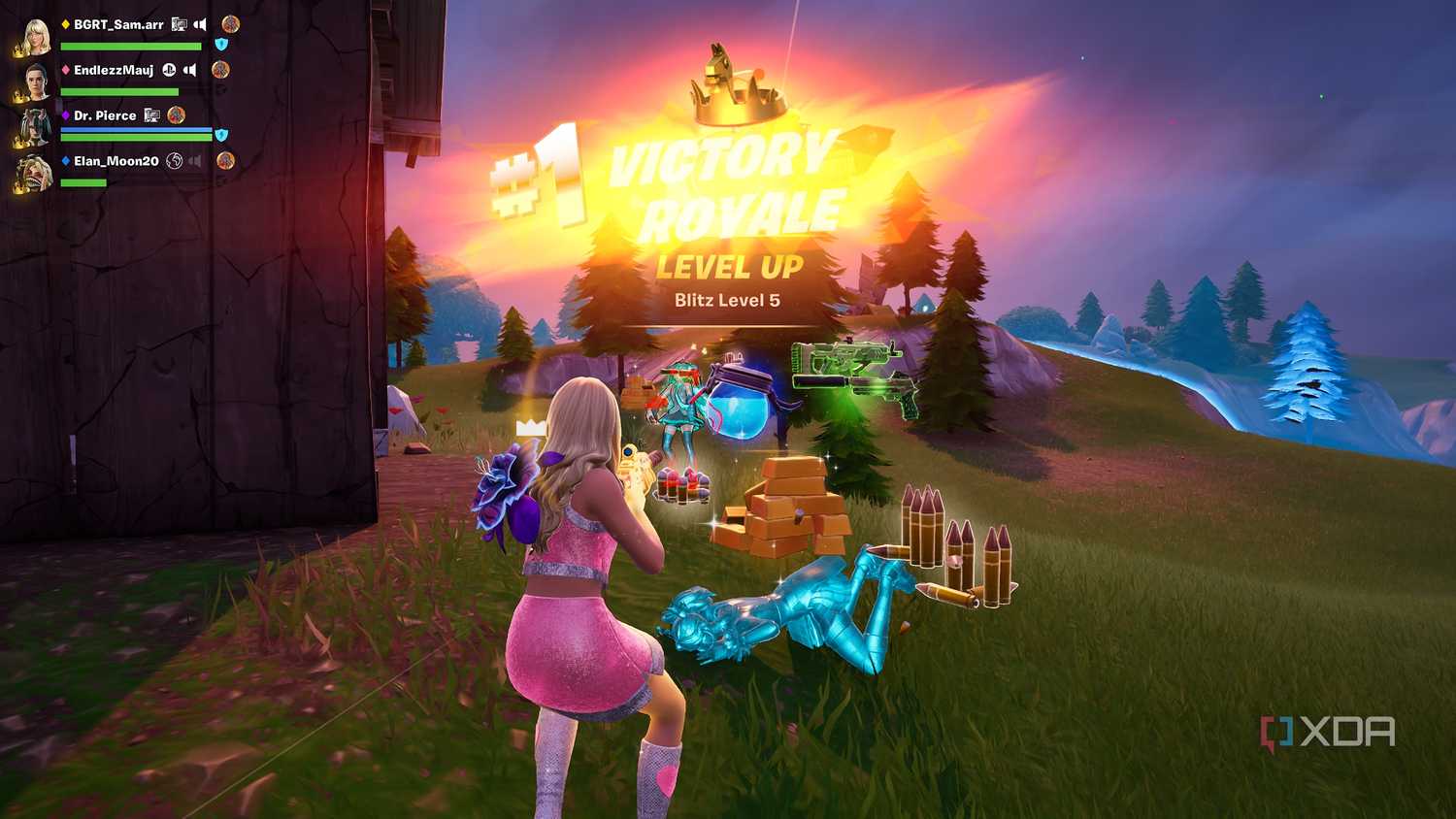
Source: Ghost Ship Games 
A screenshot displaying casual Apex Legends gameplay. 



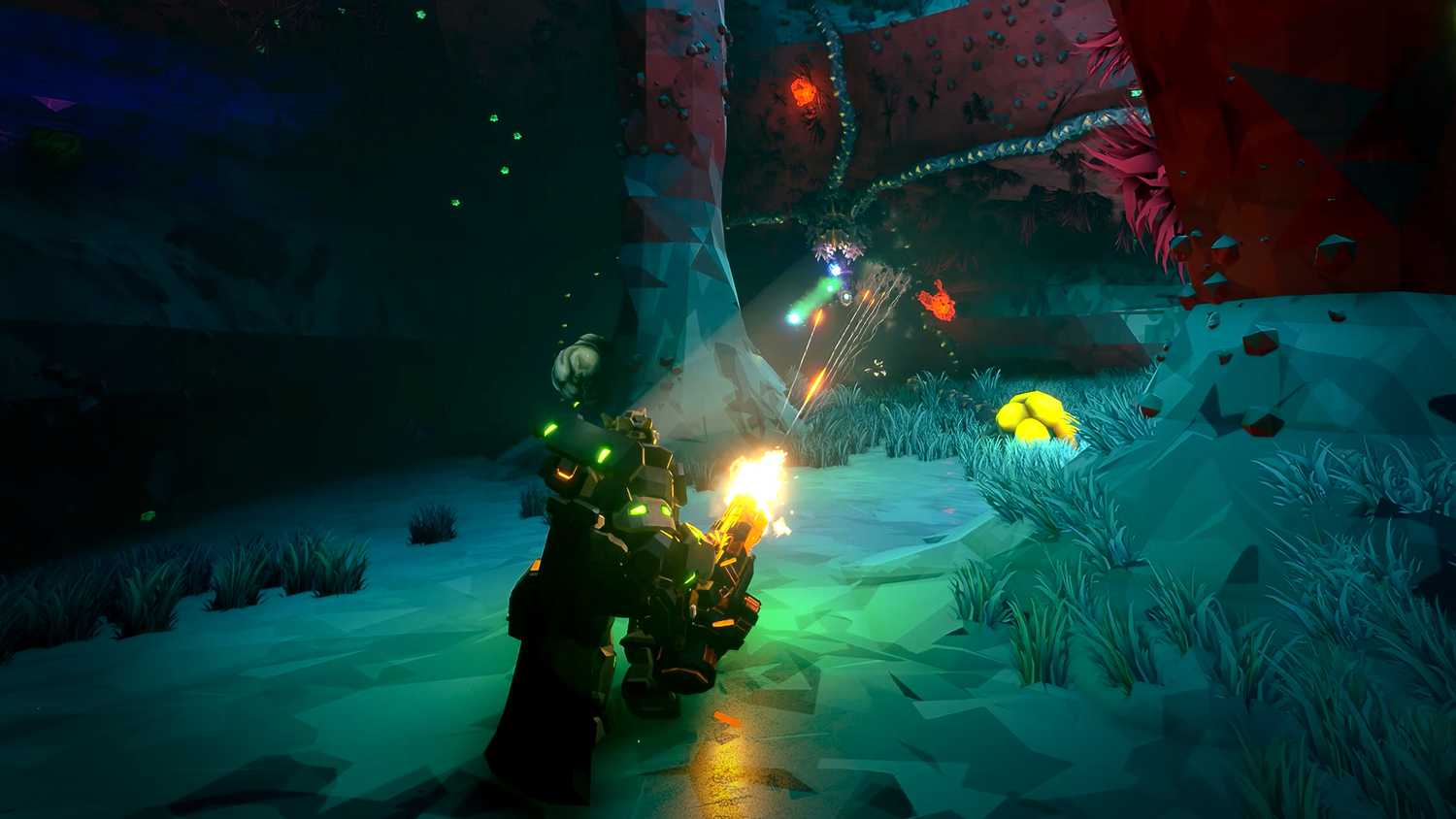
Source: Ghost Ship Games 
A screenshot displaying casual Apex Legends gameplay. 


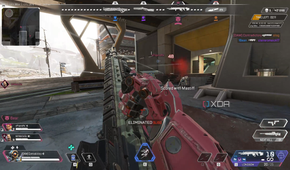


The idea of a game being complete at launch is pretty much ancient history at this point. Most games ship with massive day-one patches, ongoing update roadmaps, and constant schedules that would keep digging their hands into your pockets for months. As such, disc-based versions are often useless out of the box — either unplayable without the internet, or missing essential updates.
This then makes the concept of 'preserving' a game murkier still — what version are you preserving? The broken 1.0 build or the ever-shifting live version that may not exist in a few years' time?
4 Subscription services have normalized never owning your games at all
You have zero games the moment you forget to renew your subscriptions
Source: PlayStation 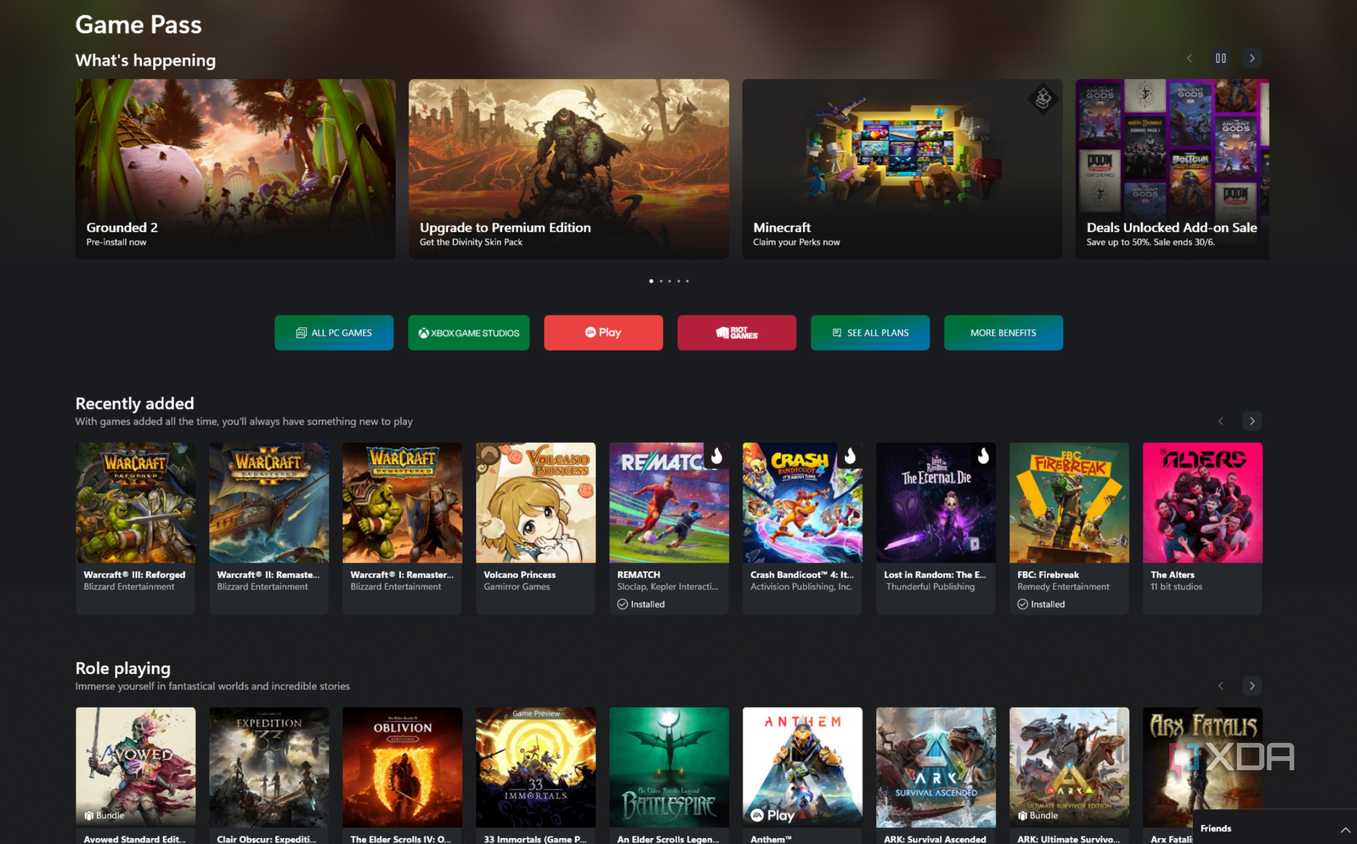
Source: Playstation.com 
Source: Playstation.com 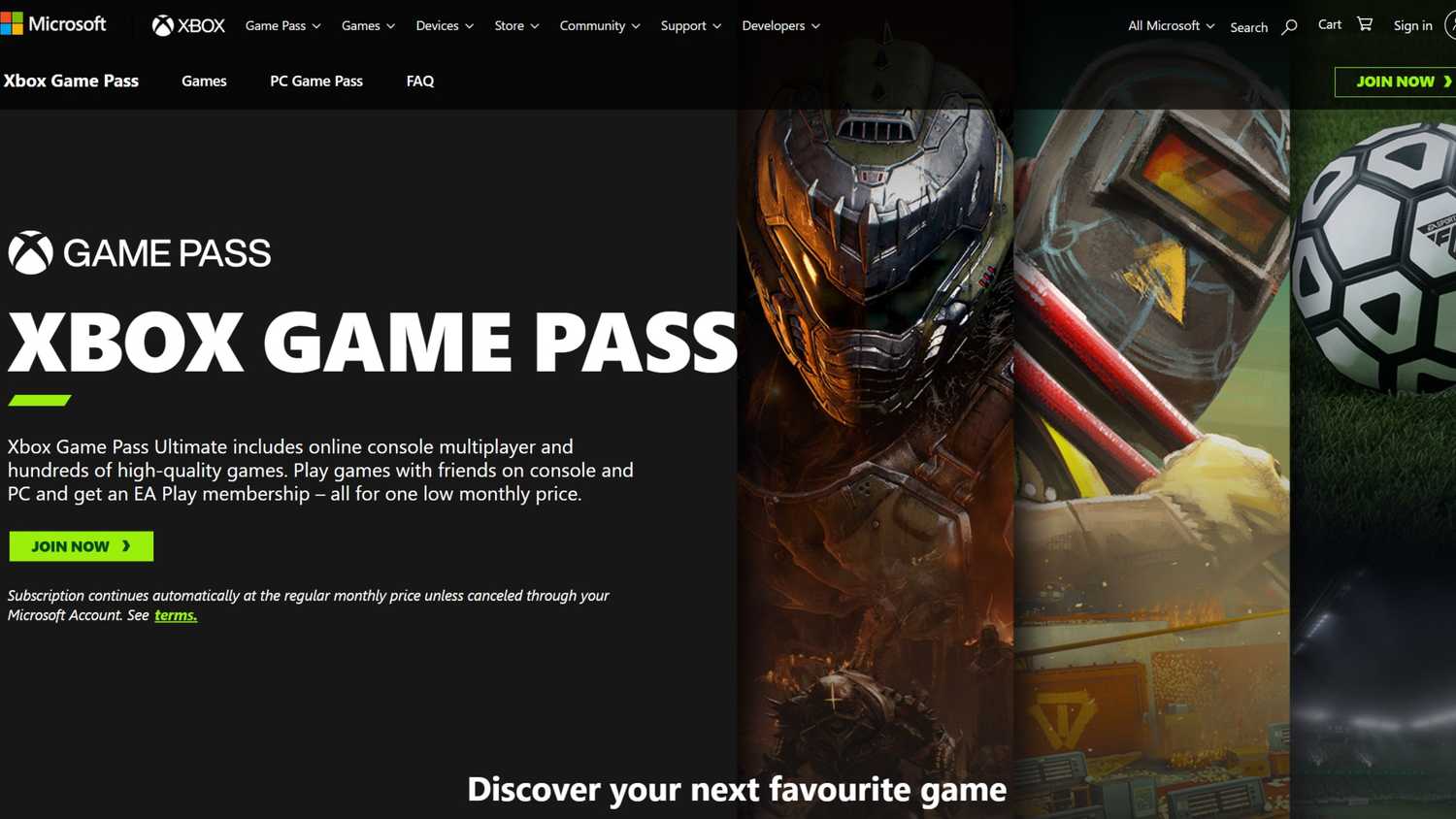
Source: Xbox.com


Source: PlayStation 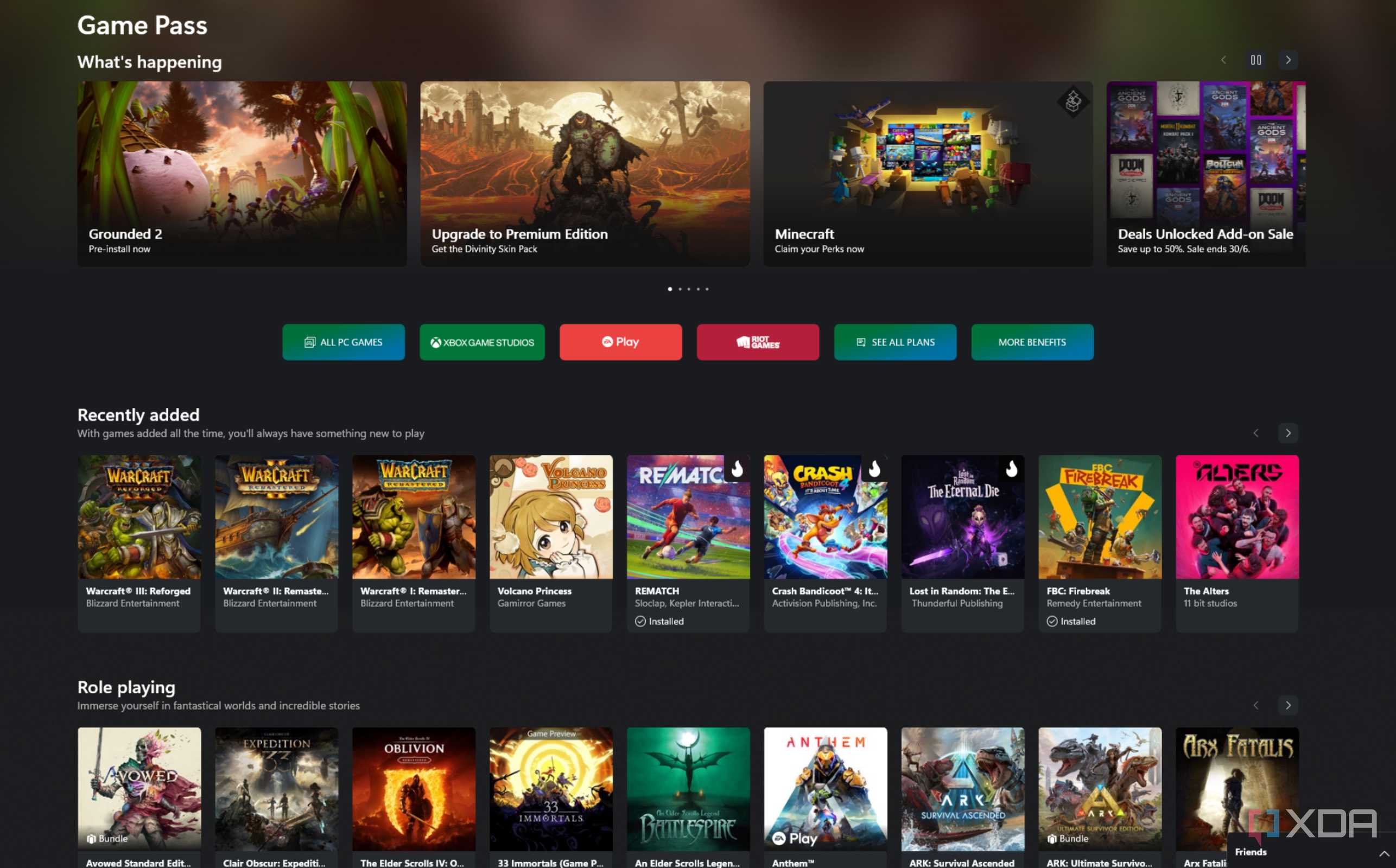
Source: Playstation.com 
Source: Playstation.com 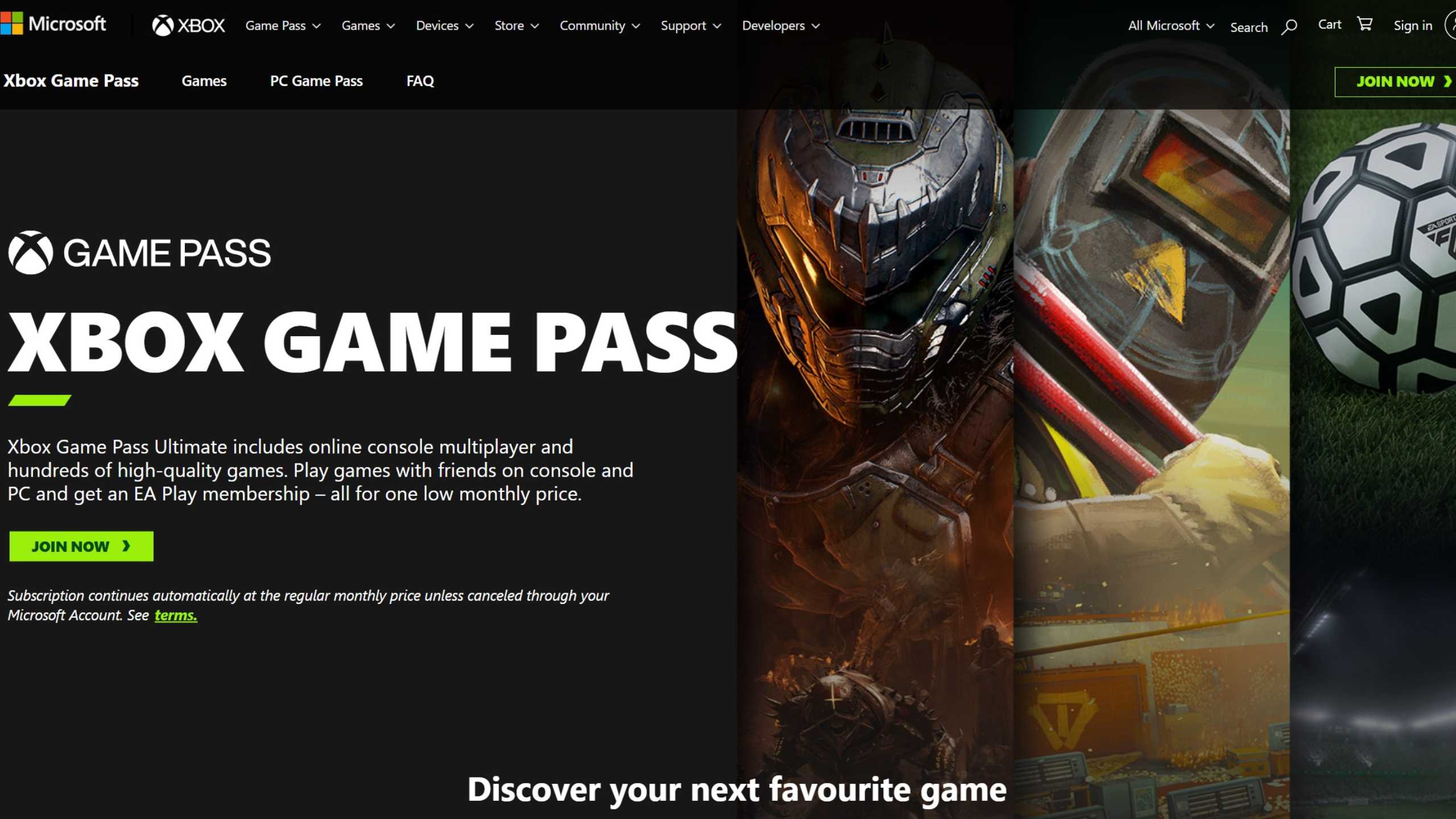
Source: Xbox.com



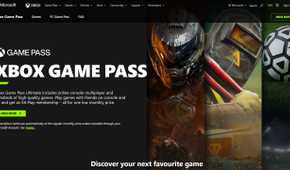
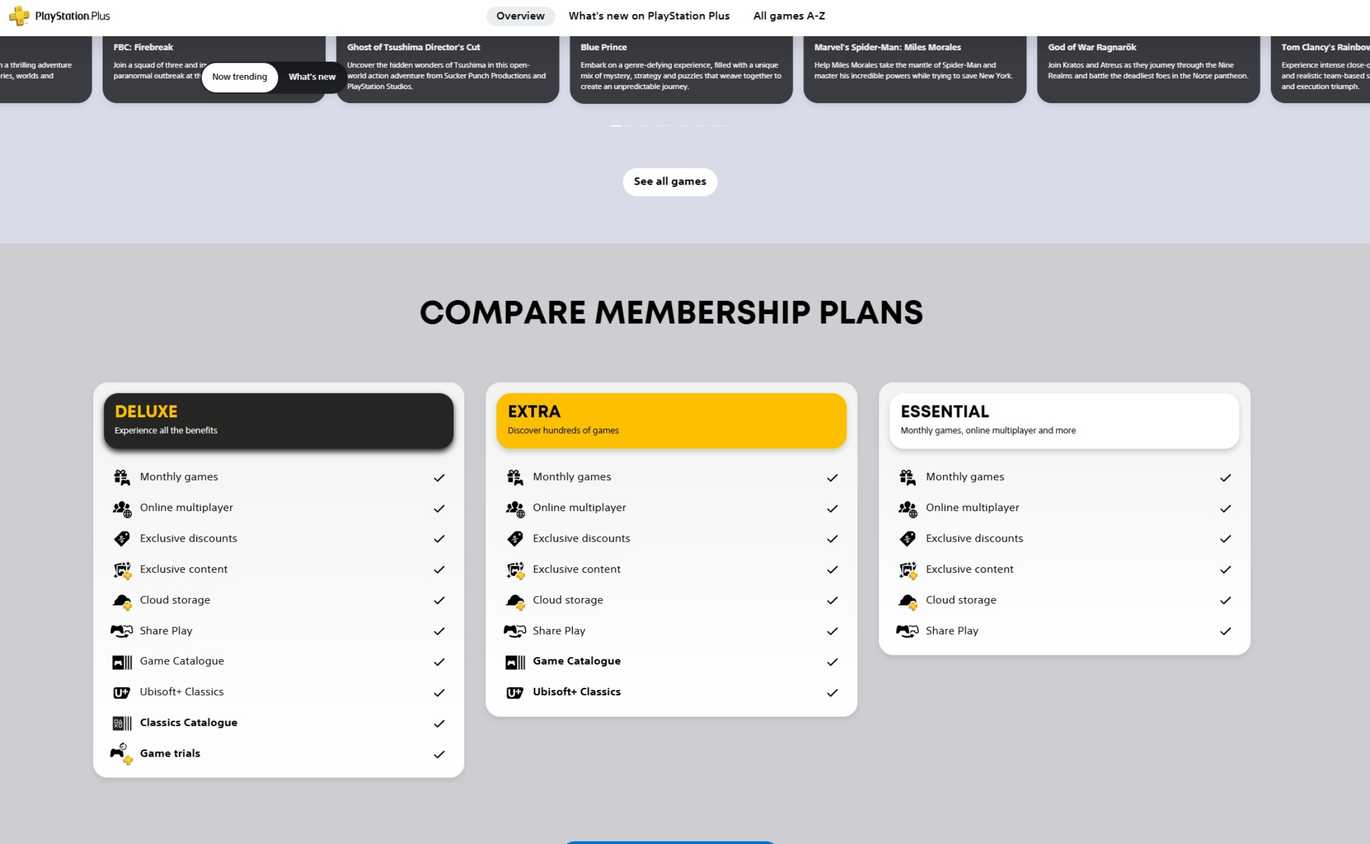
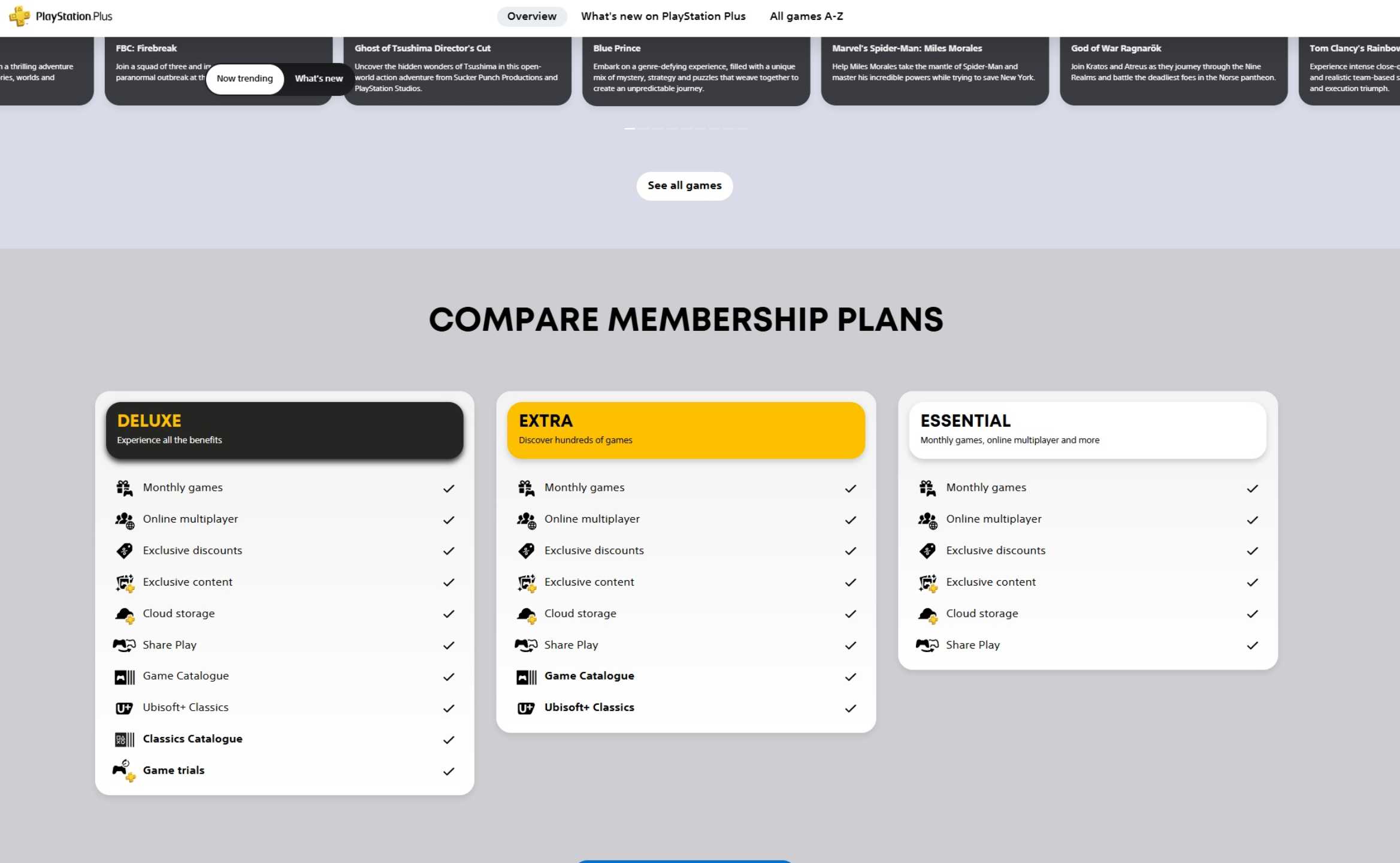
With services like PS Plus, Game Pass, and cloud gaming now standard, the idea of actually owning a game is slipping away entirely. Sure, the model brings cost-saving, insane variety, and the convenience of hundreds of games at your disposal, all for the price of dinner. However, it's a house of cards, if you look at it long-term.
The moment your subscription runs out, or a game gets pulled from the library, it's just... gone. No ownership, no backup, no rights. This system isn't built around permanence, which means there is simply no guarantee that you're ever going to be seeing or playing that title again. It's access over ownership in the new age, and there's no refund for when games disappear.

Xbox Game Pass Ultimate
Xbox Game Pass is a subscription service that gives players access to hundreds of high-quality games on console, PC, and cloud, with new titles added regularly and day-one releases from Xbox studios.
3 What this means for future gamers is, frankly, the death of ownership
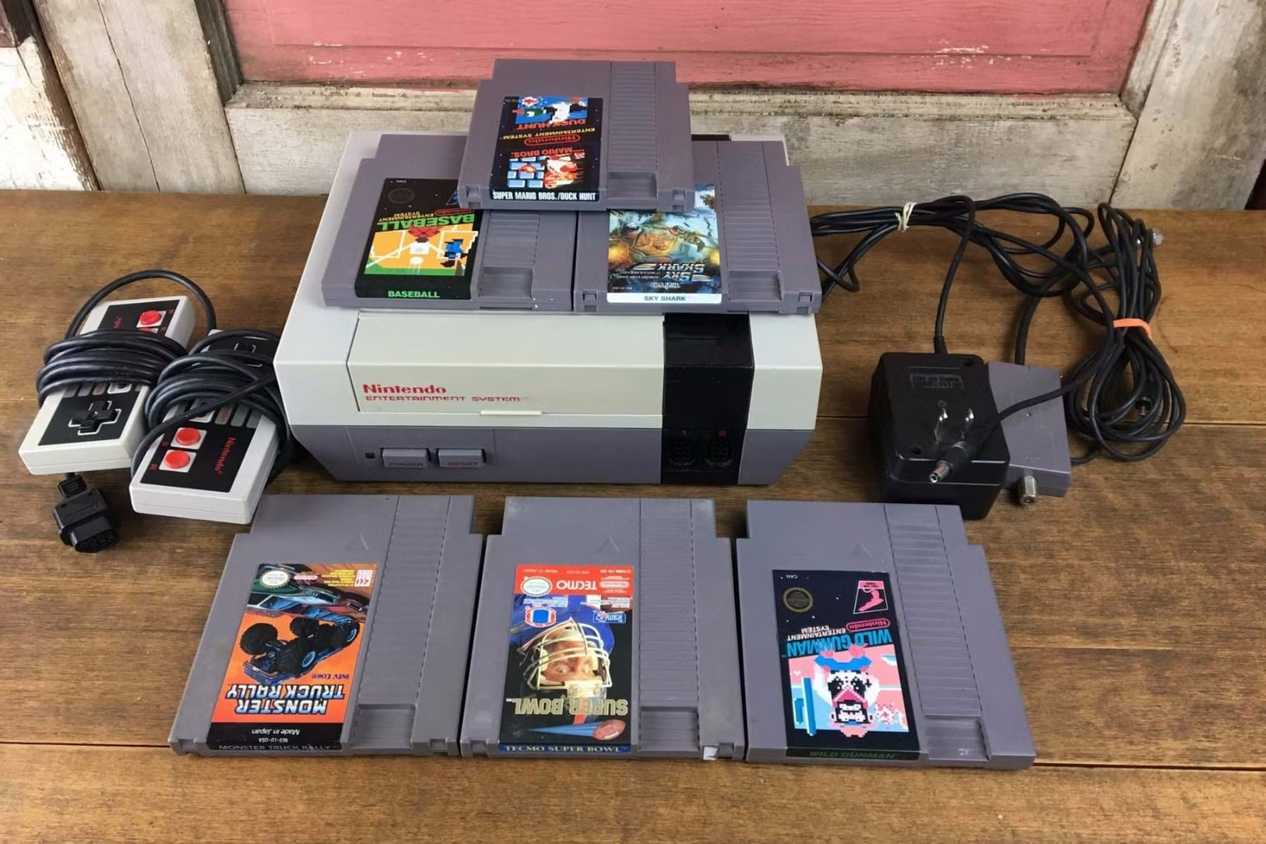
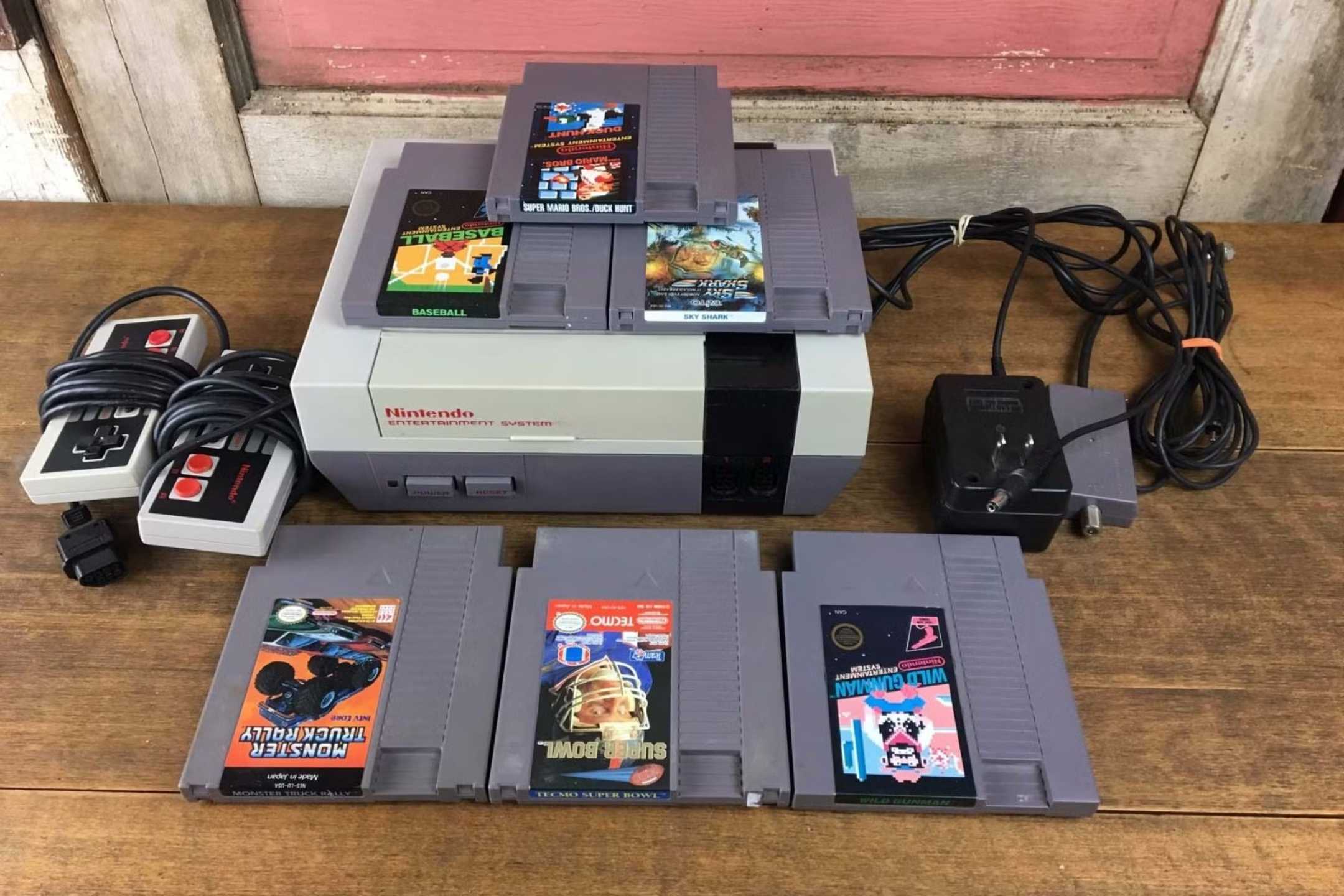
Buying and re-selling discs is being replaced by expirable licenses
Source: icollector.com 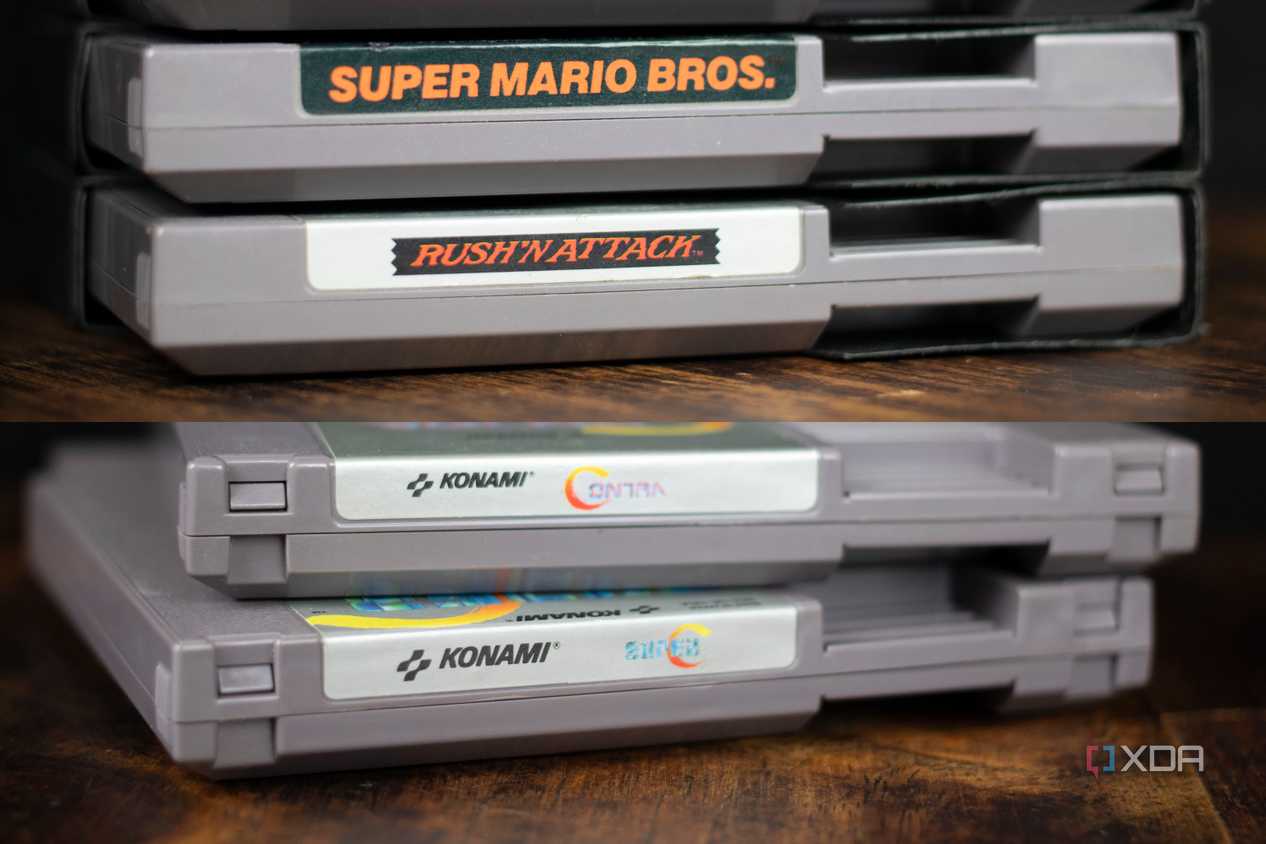
Source: Benjamin Zeman 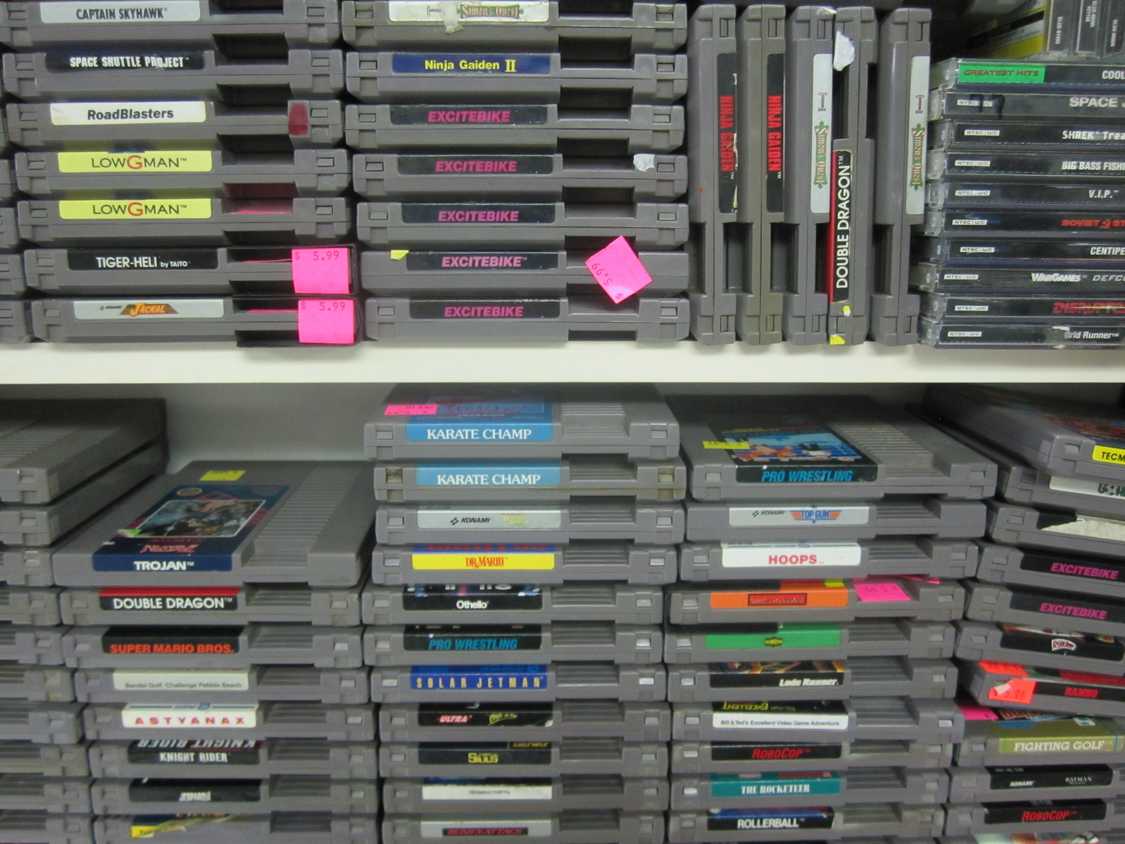
Source: Flickr, Seth We 
Source: Flickr, T 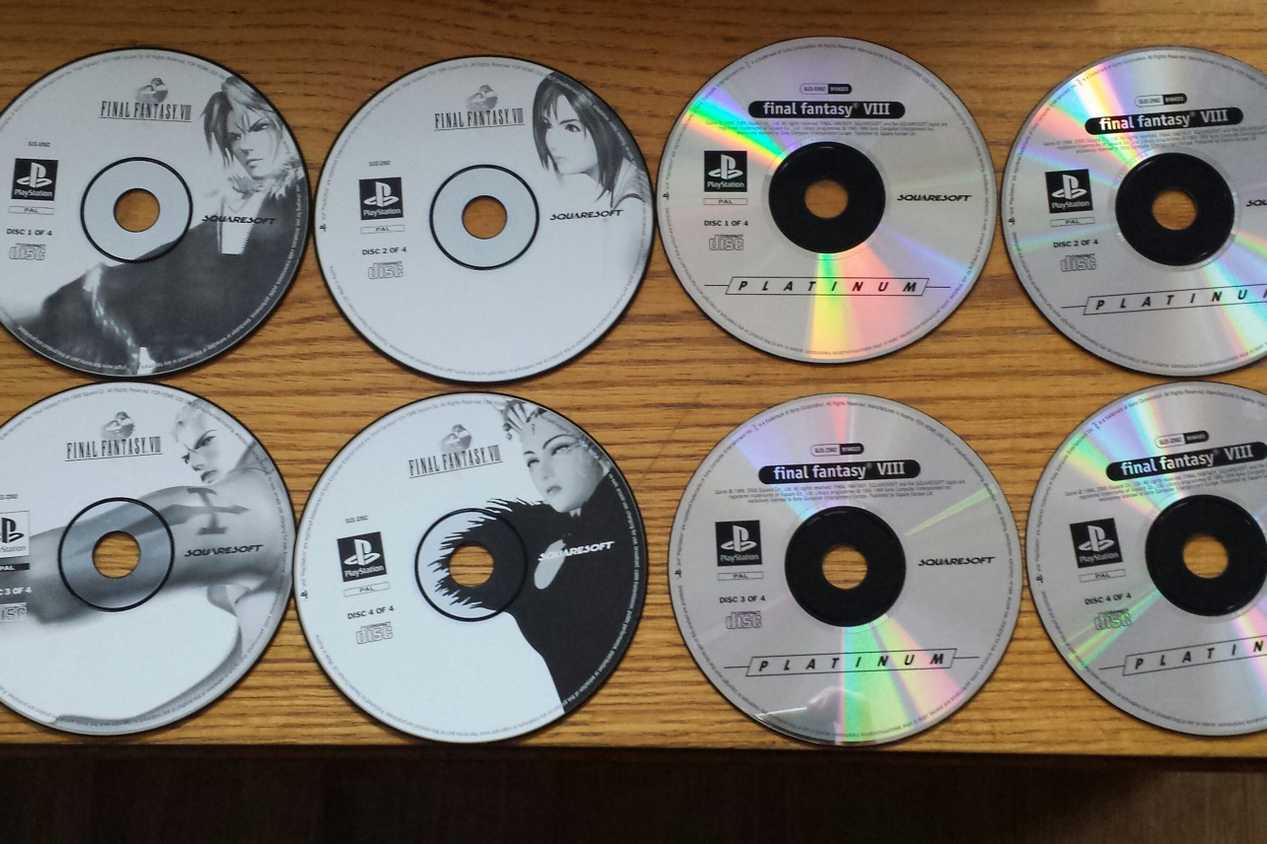
Srouce: Flickr, Nick Lange


Source: icollector.com 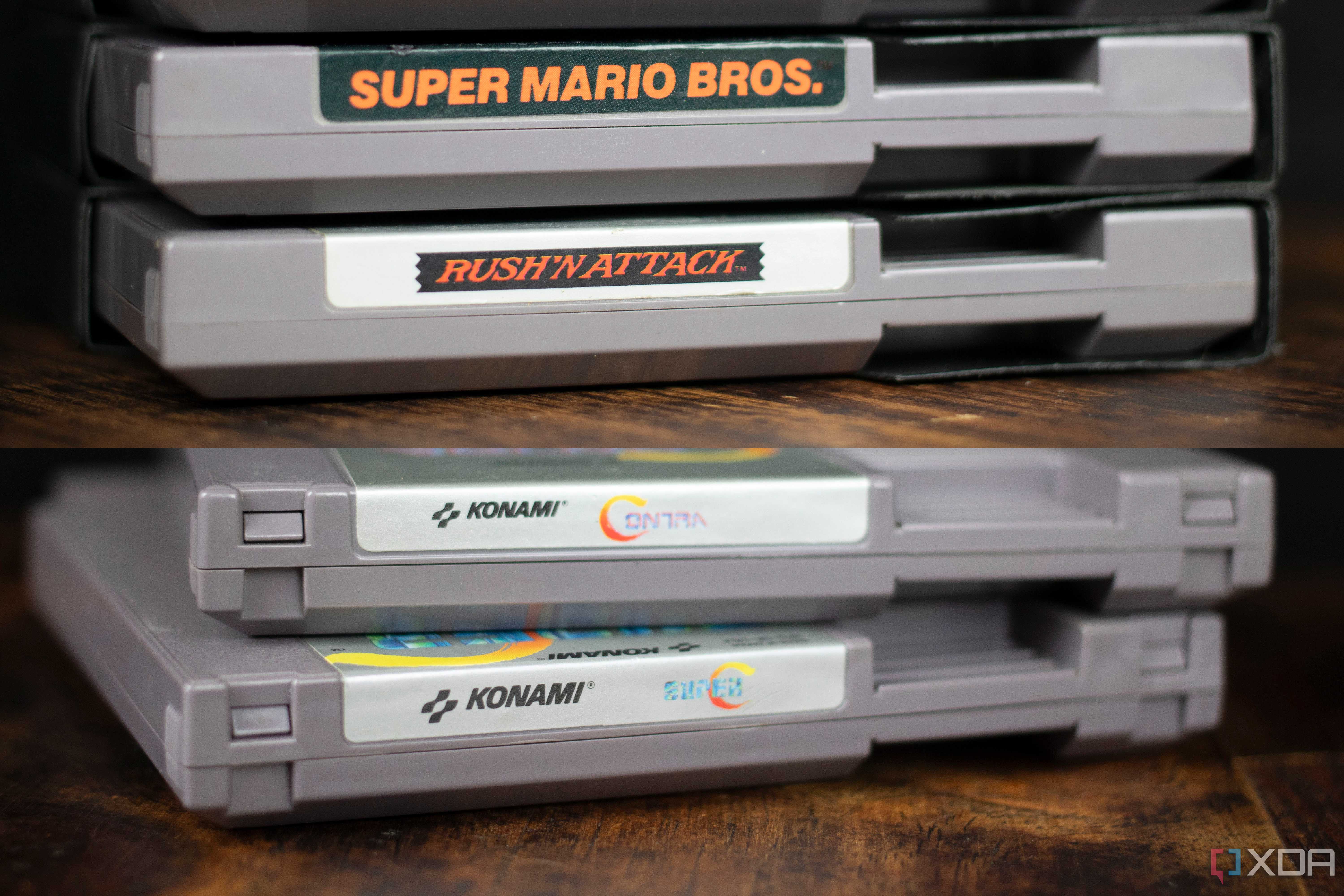
Source: Benjamin Zeman 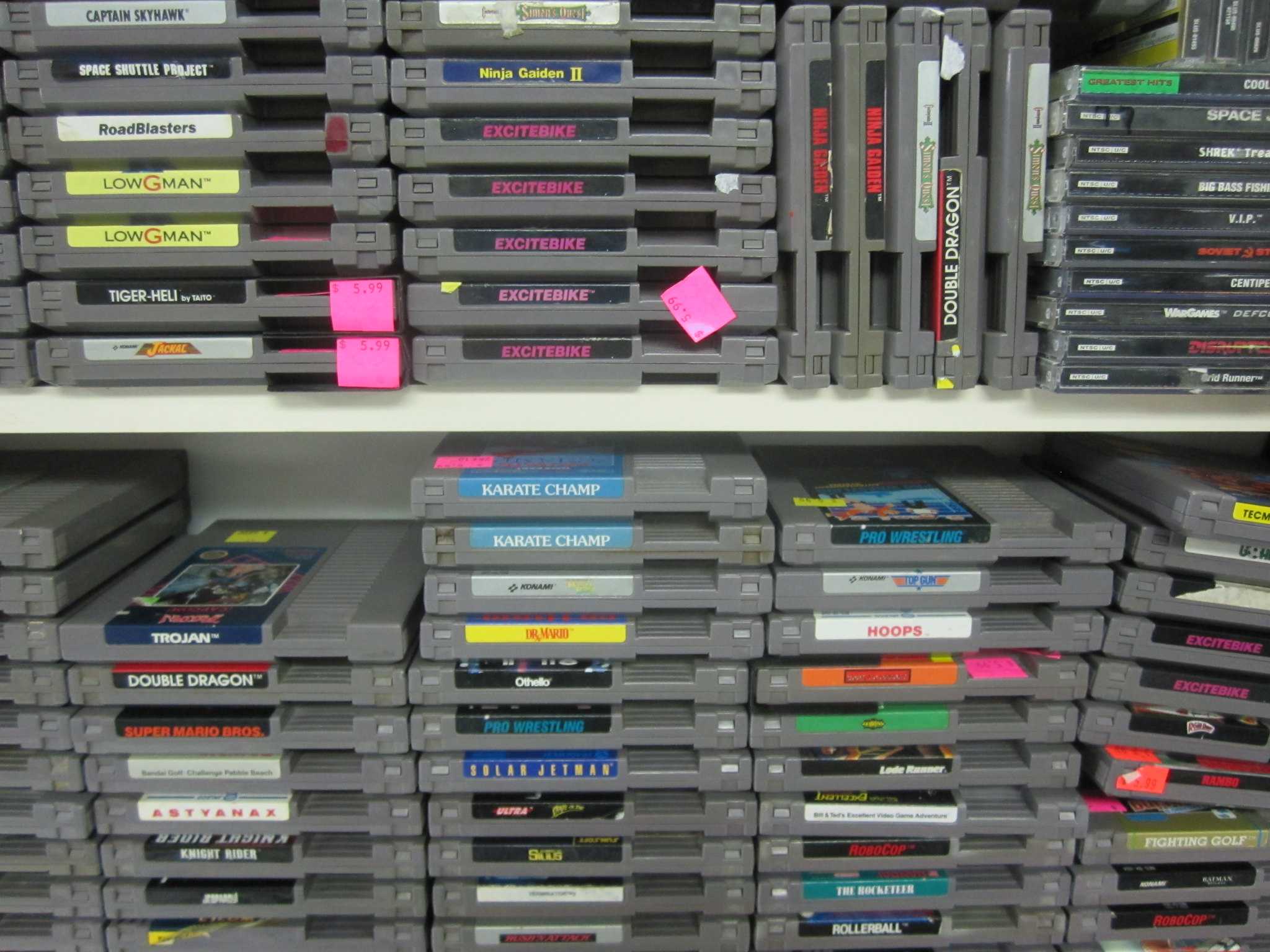
Source: Flickr, Seth We 
Source: Flickr, T 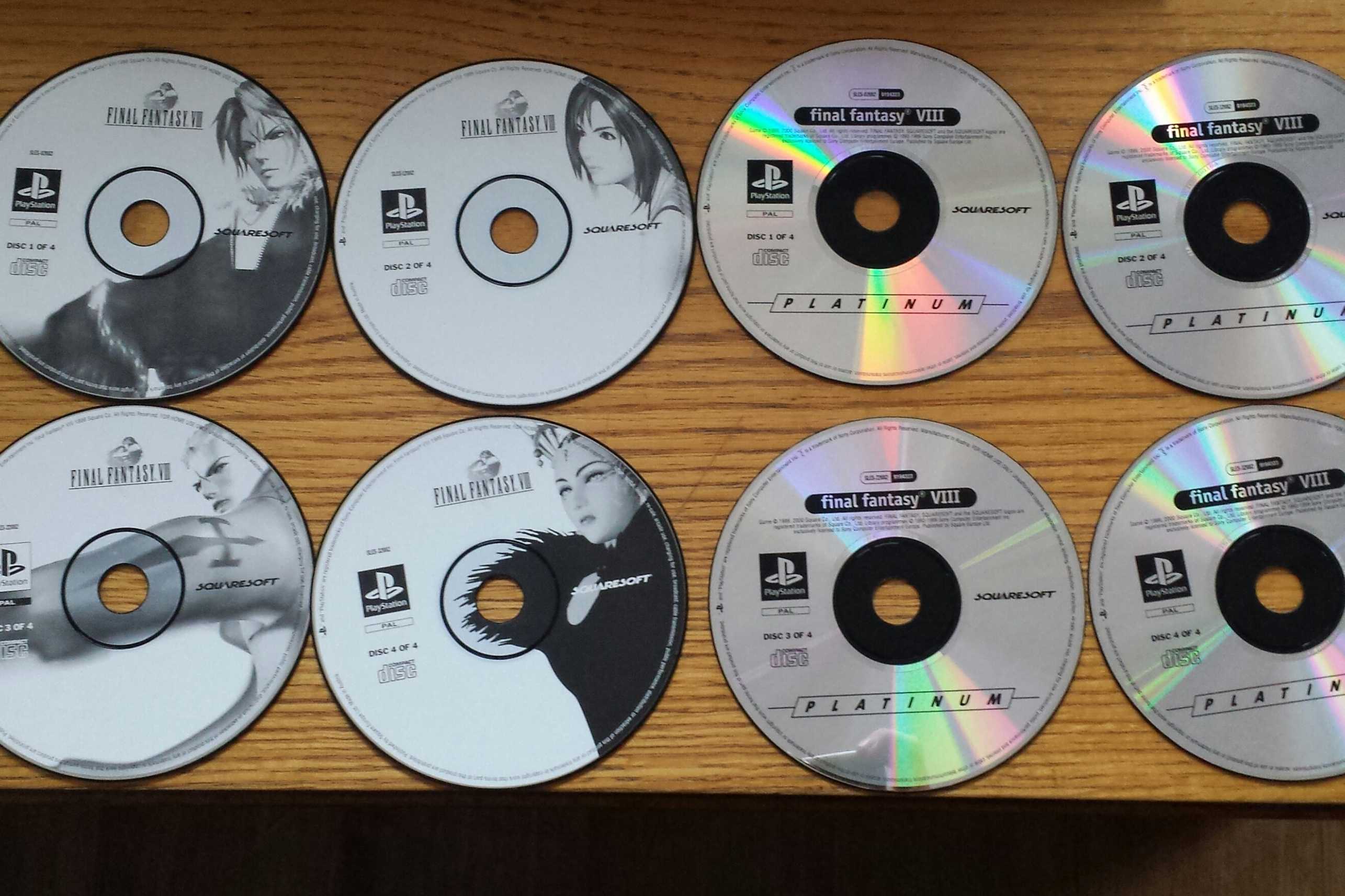
Srouce: Flickr, Nick Lange
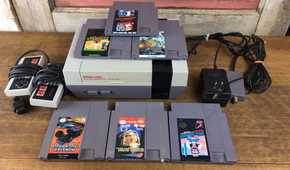


Future gamers may very well grow up thinking that we were never supposed to own games. That paying full price for a game only to later see it de-listed and pulled from libraries is the way it works. We're being conditioned to believe that we must be okay with temporary access, as if that was ever part of the deal. No disc, no box, no receipt, and above all, no resale. Just a blinking license check and an invisible expiry date.
Once that idea takes hold long enough, it will become permanent. The fight for game ownership is pretty much a losing battle at this point — we've been handing back the surrender documents, paying for the rental on the way out.
2 Entire games may vanish, and many already have
Many games have been de-listed, never to be played again
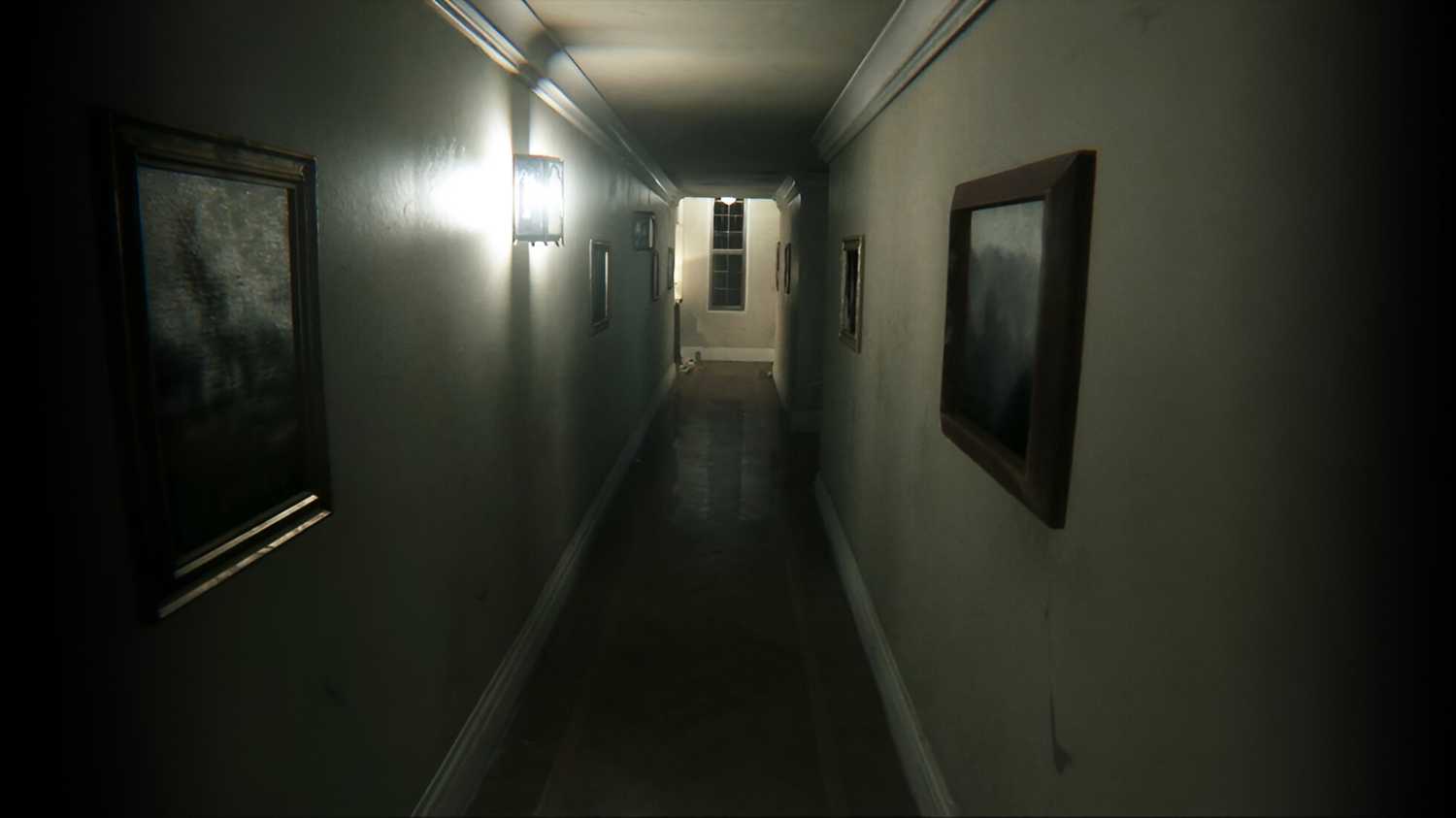
Source: silenthillmemories.net Credit: Konami


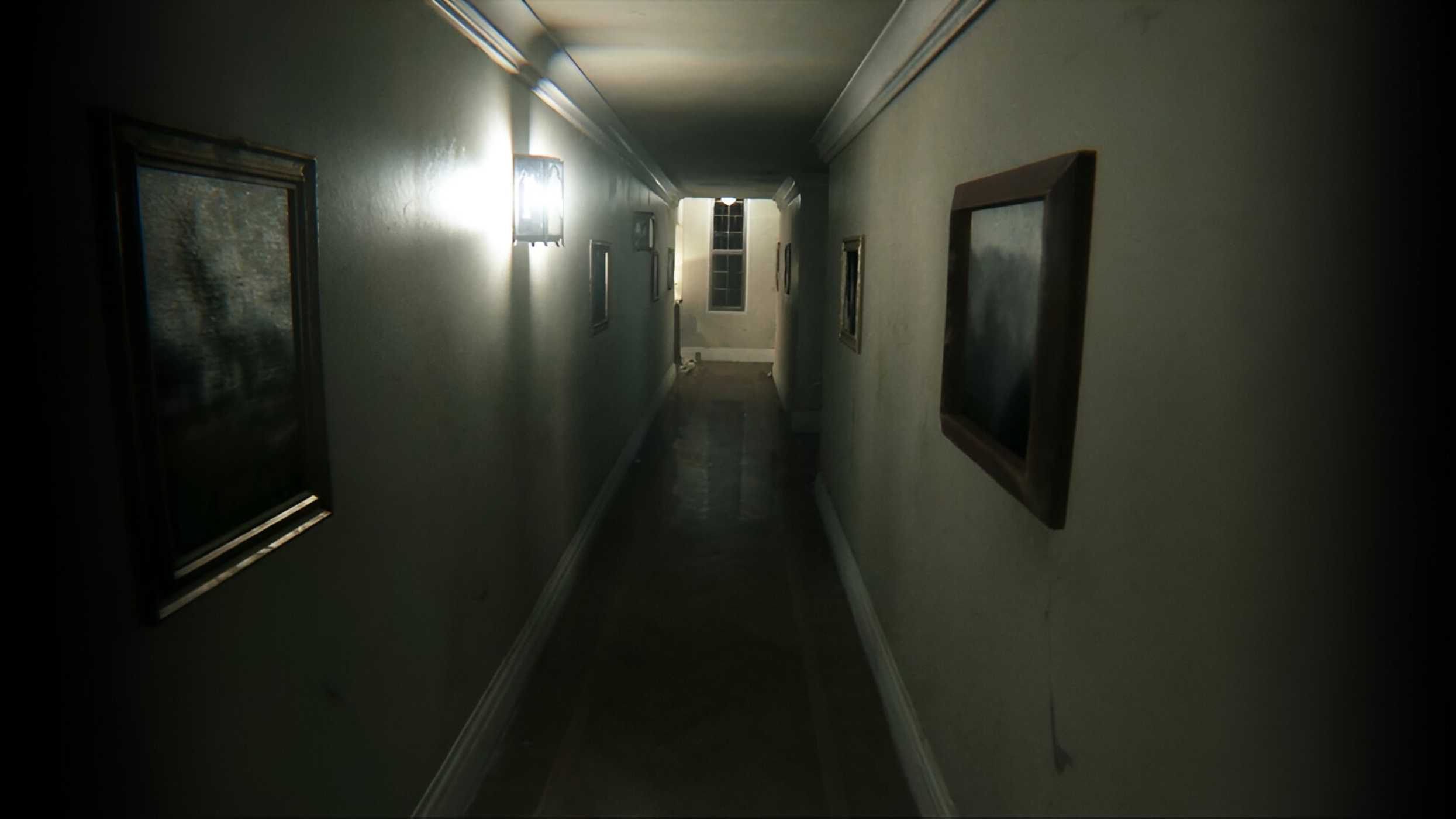
Source: silenthillmemories.net Credit: Konami
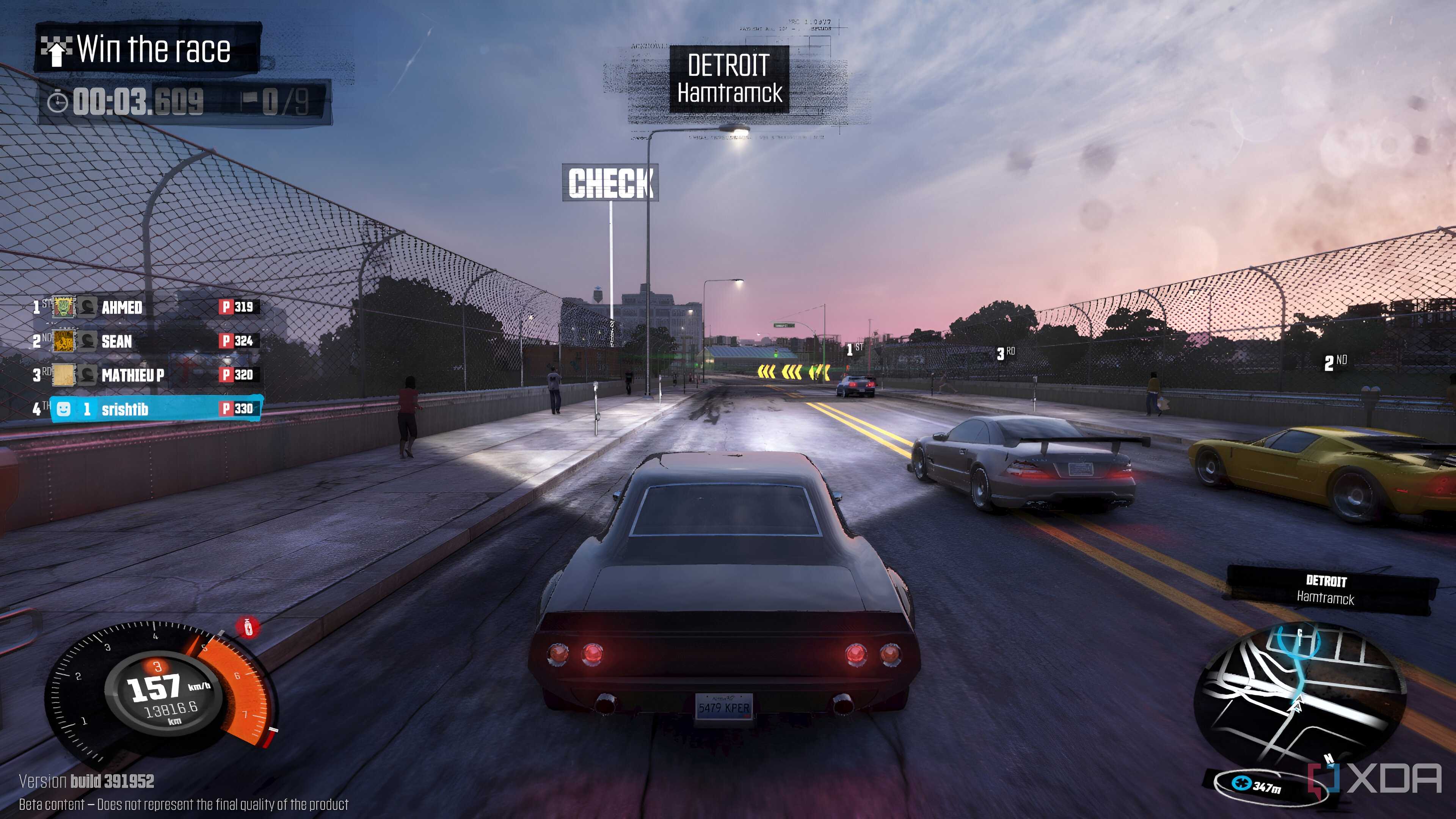





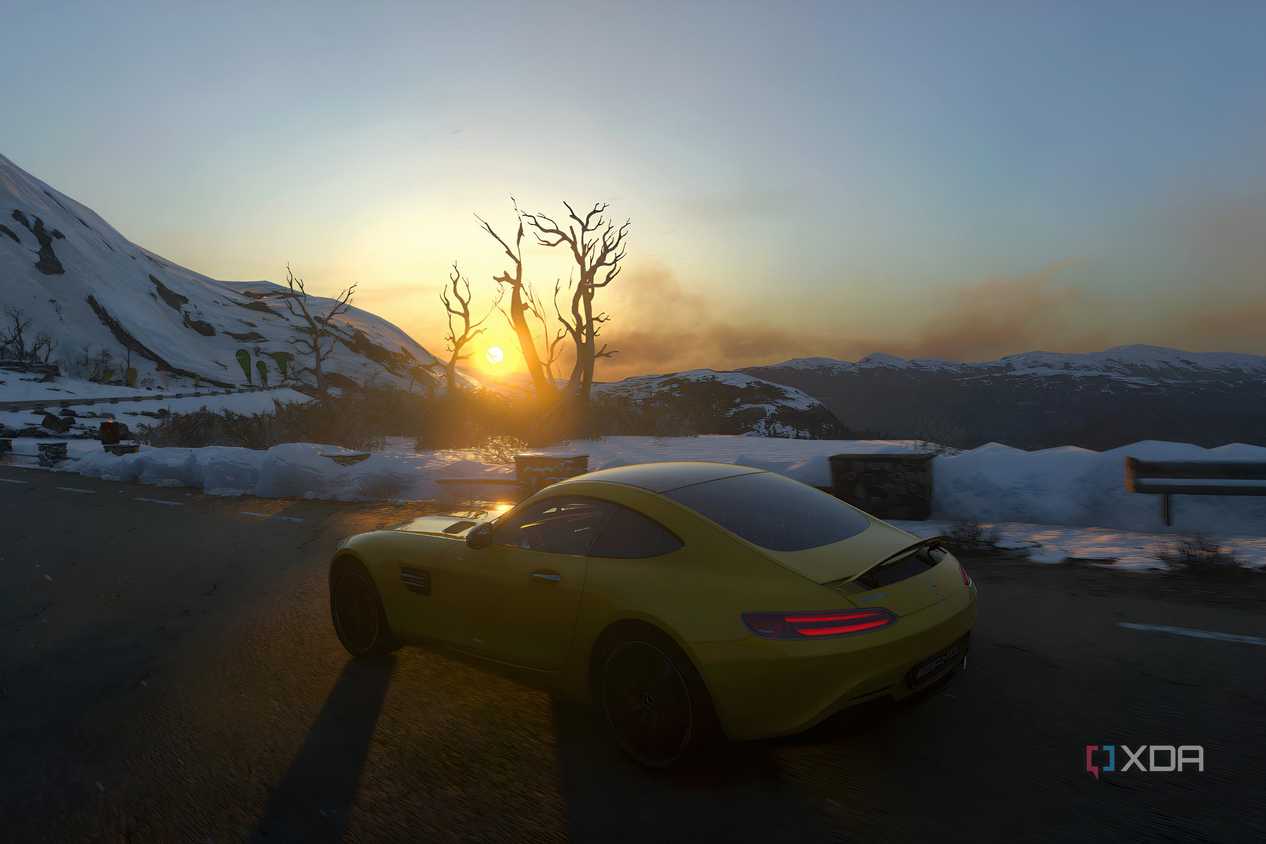
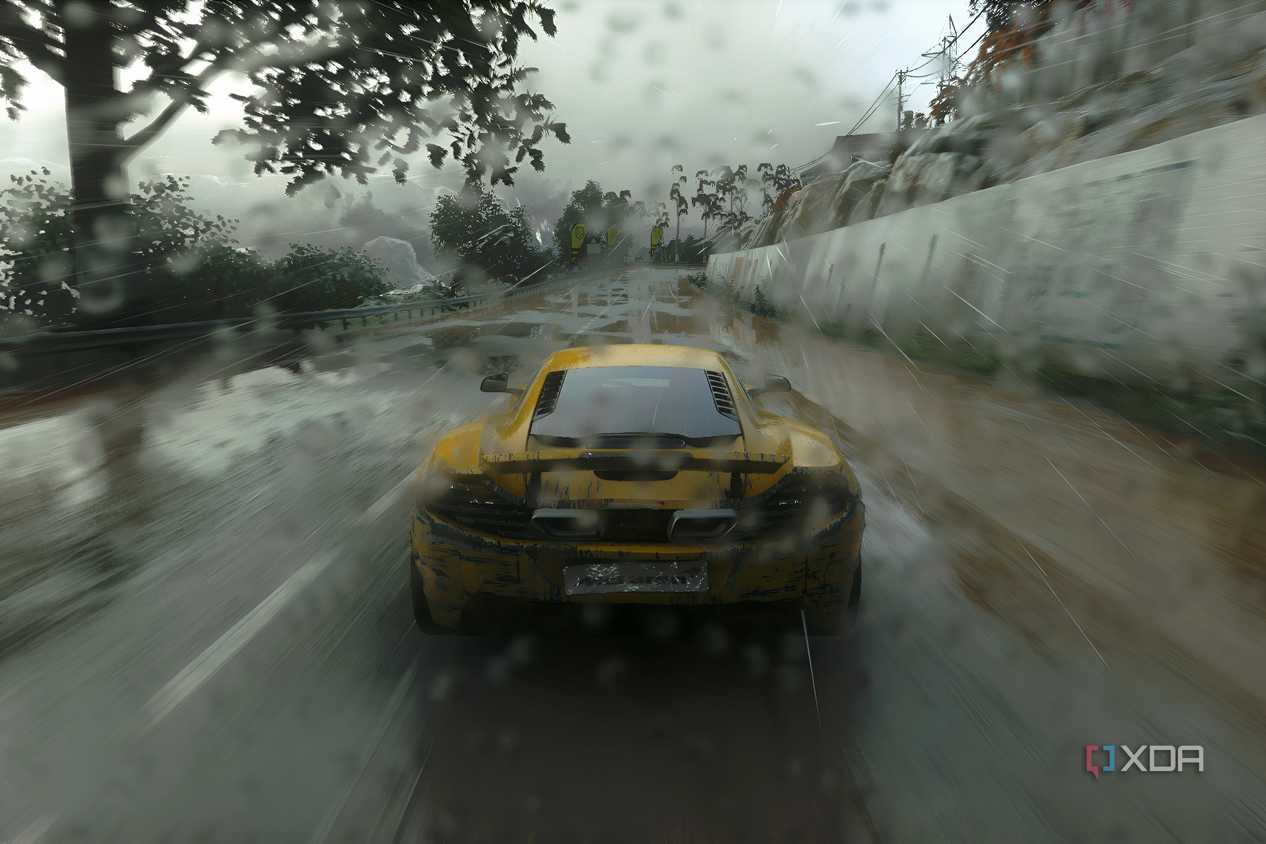
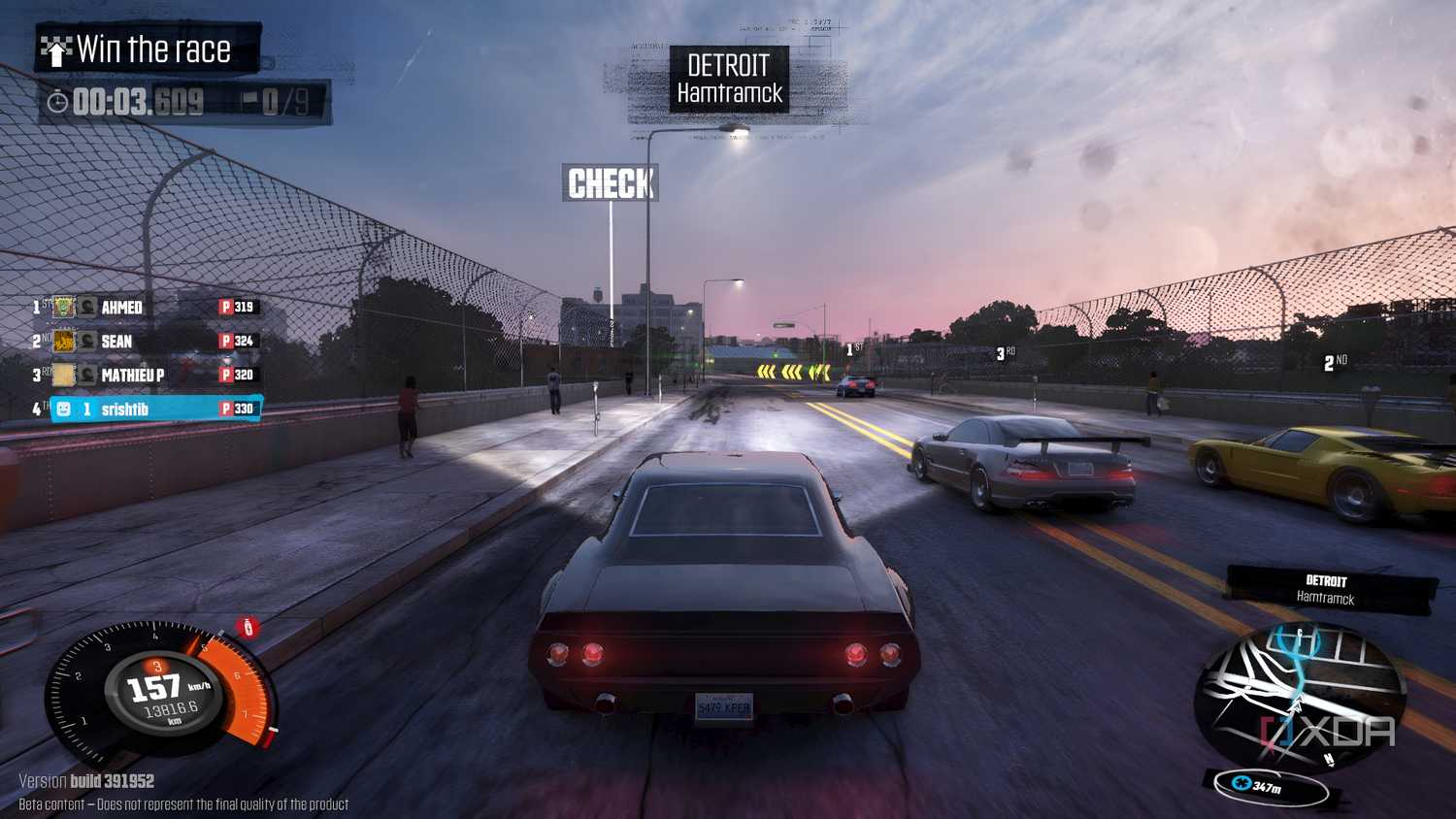
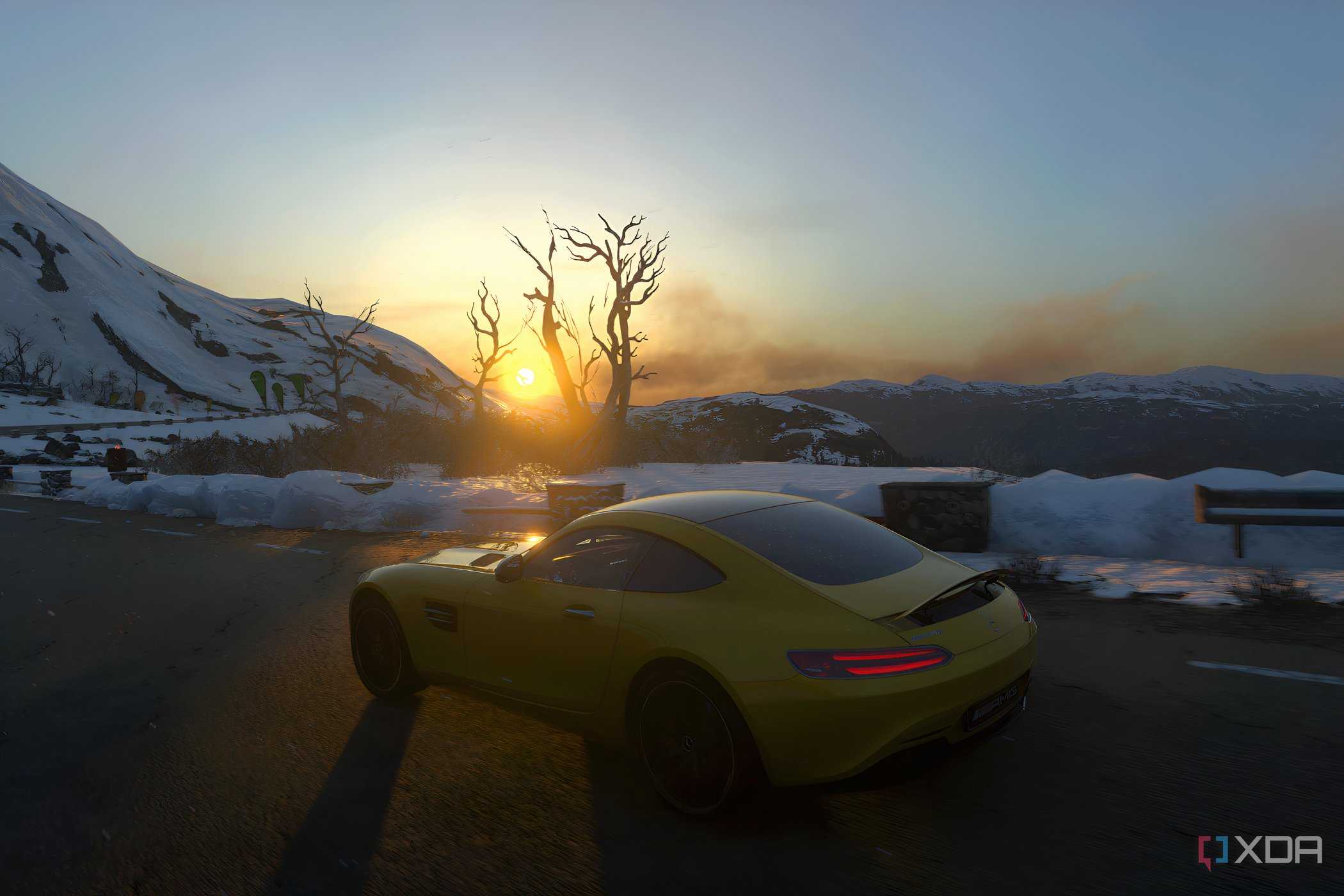
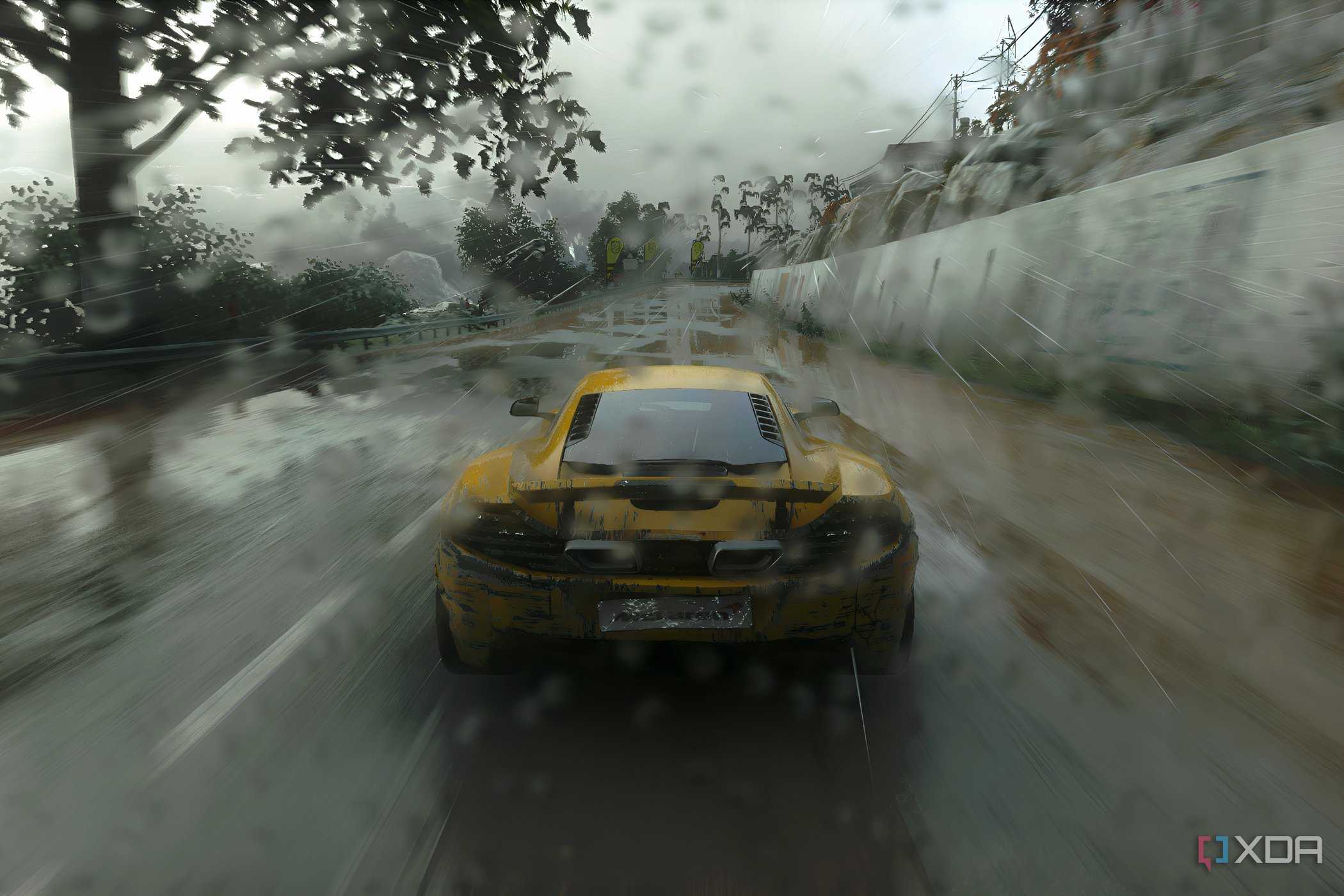
Silent Hill's playable trailer P.T. Driveclub. The Crew. I could go on for quite a while about fantastic games that are no longer available for purchase or playing. Driveclub in particular is one game that makes me lose my mind about how terribly it was treated, but let's not get side-tracked here. Many such games vanished not because they were broken or even banned, but because licenses expired, contracts lapsed, or someone in a boardroom decided it should be so.
What does that mean for the future of games? It means that the art, the coding, and years of passion poured into the development of a game could very well be erased in a moment with a single server shutdown. We are way past talking about preservation — we are knee-deep in deletion.
1 A lost tactile experience for the next generation of gamers
There's something emotional about owning a physical copy

Think about it — future gamers may never know the magic of unwrapping a game, the weight of a case in your hands, or the smell of freshly-printed box art. There's something inexplicably emotional about owning a physical copy and going to retailers, standing in lines to get them. That tactile connection becomes part of the memory, and is the kind of thing you revisit years later, dust off, and replay not just because it's a good game, but because it feels like coming home.
I remember how it felt to rush to the local retailer for the latest release.
Without that, gaming becomes more transactional and far less emotional. When you can't touch what you love, you're just scrolling through digital storefronts and menus, and that's not how I wish anyone to remember this beautiful medium. I remember how it felt to hold my first-ever pre-ordered disc for the PS4, which was Spider-Man. I remember how it felt to rush to the local retailer during the third wave of the pandemic for the launch of The Last of Us Part II, careful and double-masked up, begging him to sell me a Steelbook even though I ordered a standard edition, and watching others walking back to their cars with Ellie statues and Collector's Editions. That's the way I want to remember my games.
Physical game preservation is dying because the machine moved on without us
Distribution changed, storefronts evolved, and somewhere along the way, a lot of people stopped asking if they were okay with that. We can't preserve what never gets printed in the first place, what never ships in boxes, or what vanishes with a server going offline.
That's the scariest part of it all — future gamers may never get to hold the games they love. Looking at the steel books I've collected, I know that it's going to be a feeling of forever, but I know we're looking ahead at a world that only sells "for now".
