


The adoption rate for Wi-Fi 7 is steadily climbing, and will get another big boost in a month or so when the next iPhone is launched. That's good news even if you're not planning on upgrading, because Wi-Fi 7 brings a few neat tricks that make the network faster for every device connected wirelessly, even if they're using previous Wi-Fi numbers. And Wi-Fi 8 is already underway, with a recent release from Qualcomm giving us more information on the next generation of wireless connectivity.
What's inside is promising, focusing on improving latency, stability, and performance when many devices are connected to the same broadcaster. In short, it sounds like exactly what I'd hoped for, a deviation from the focus on theoretical speeds that never held up outside of lab conditions.
Wi-Fi re-imagined for new classes of devices
You've got AI, AR, and health monitors to thank for this rethink about generational gains
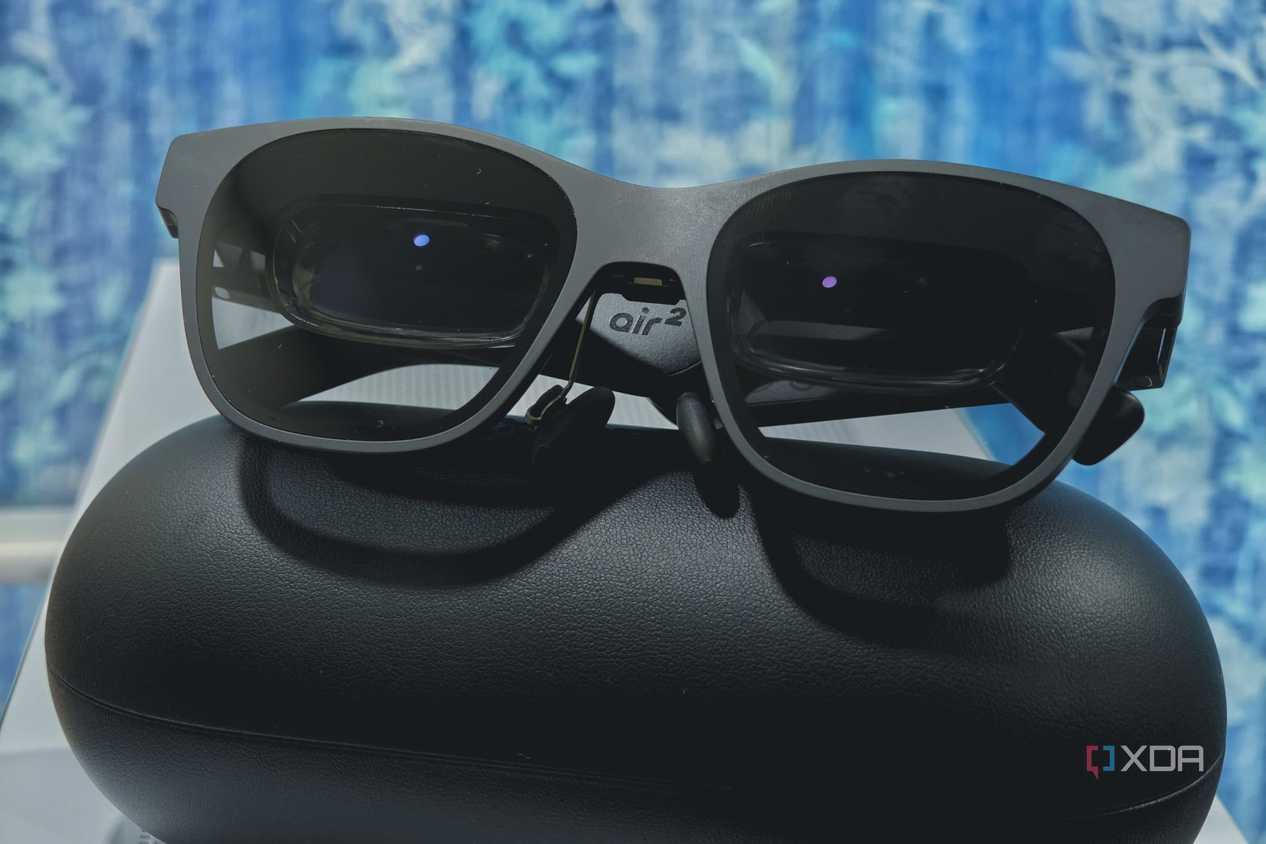

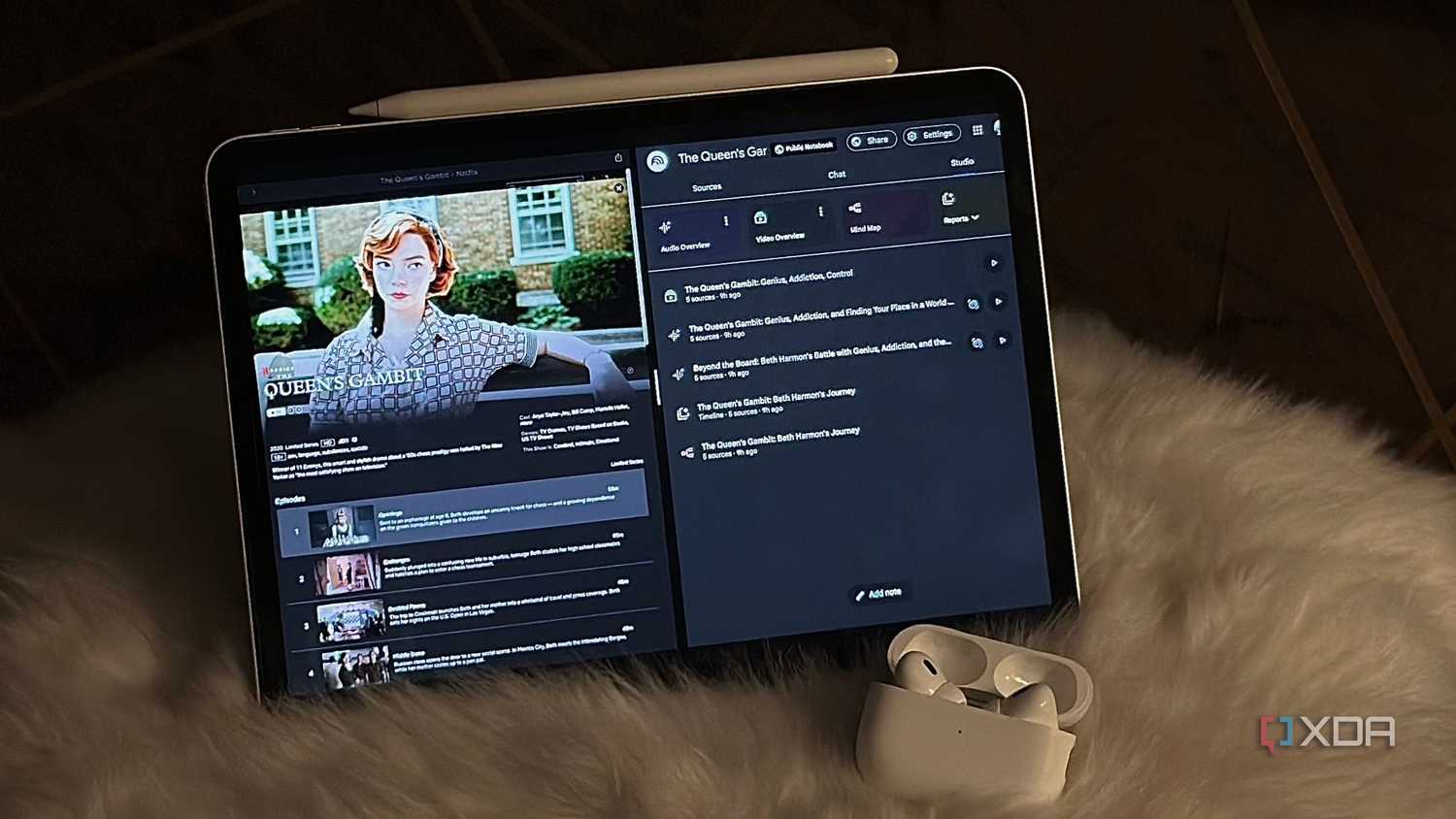
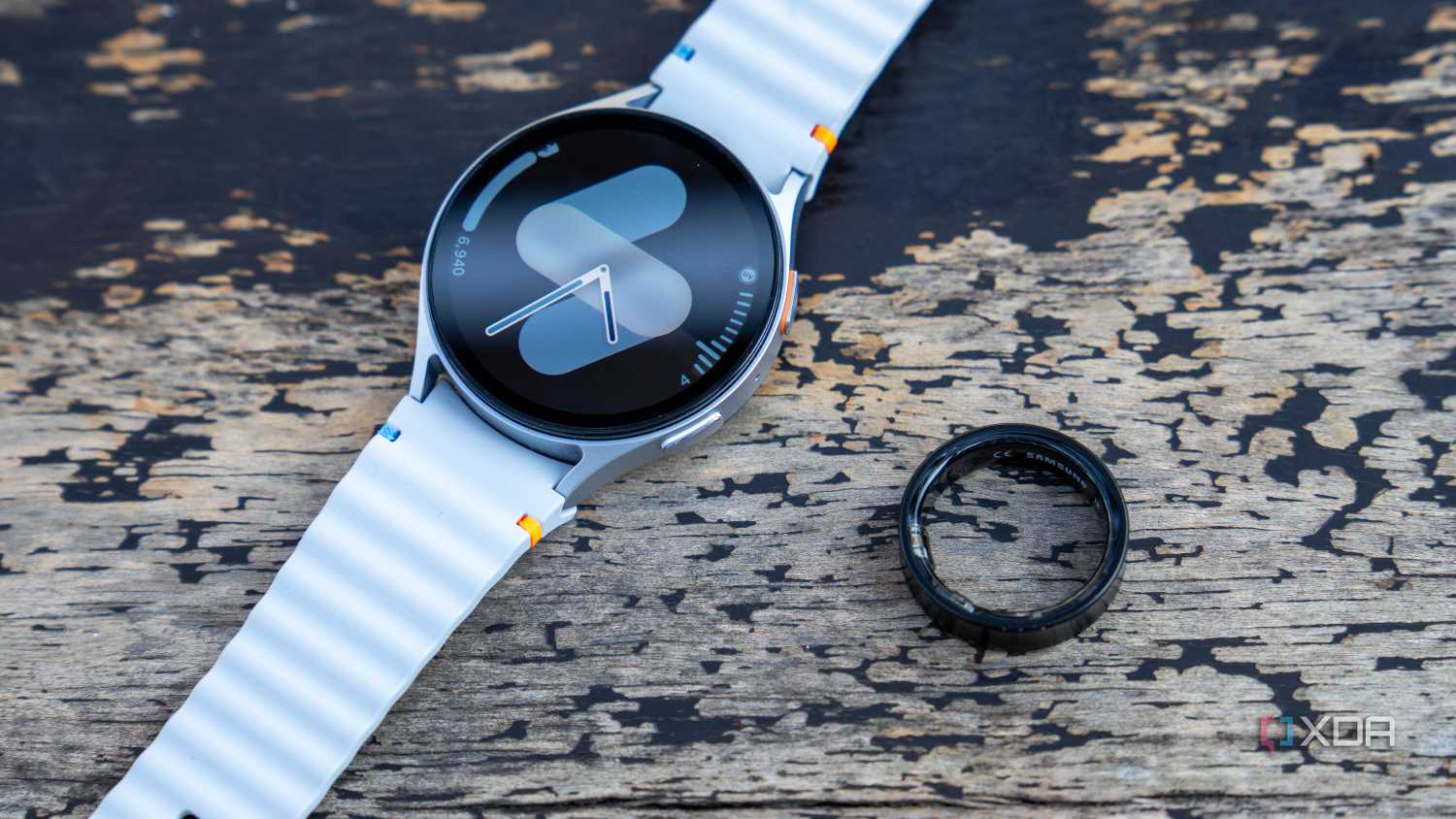




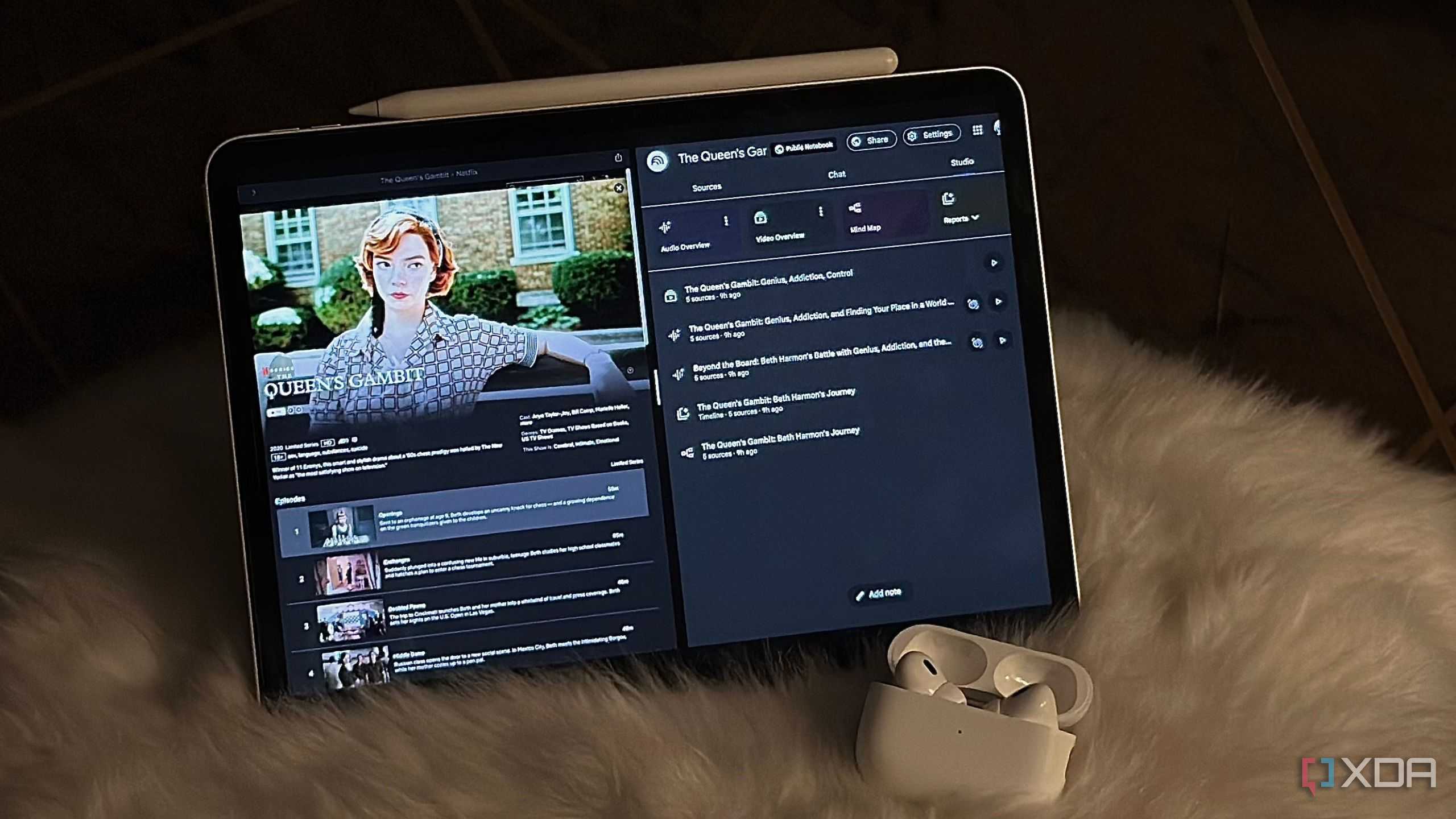
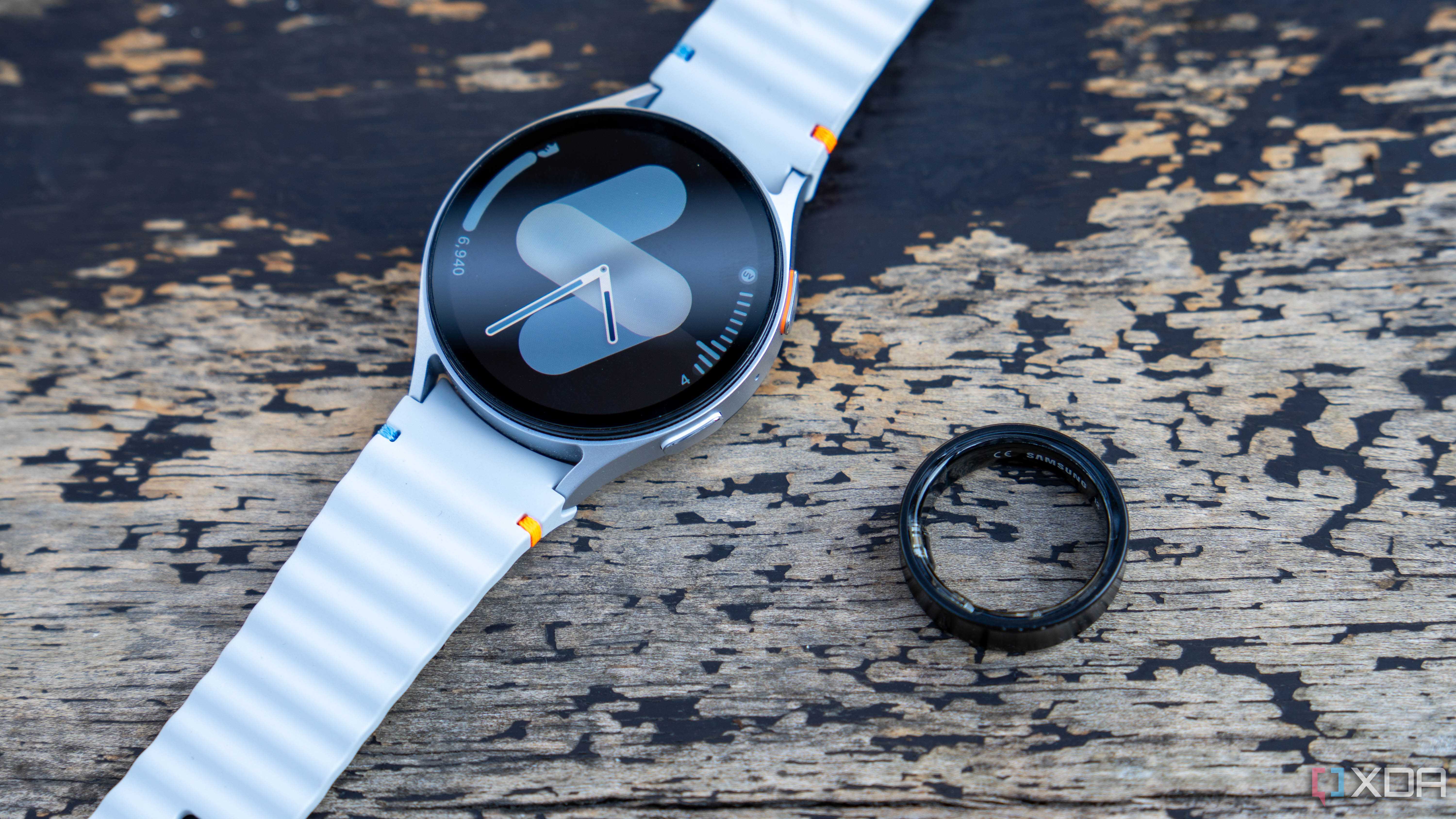
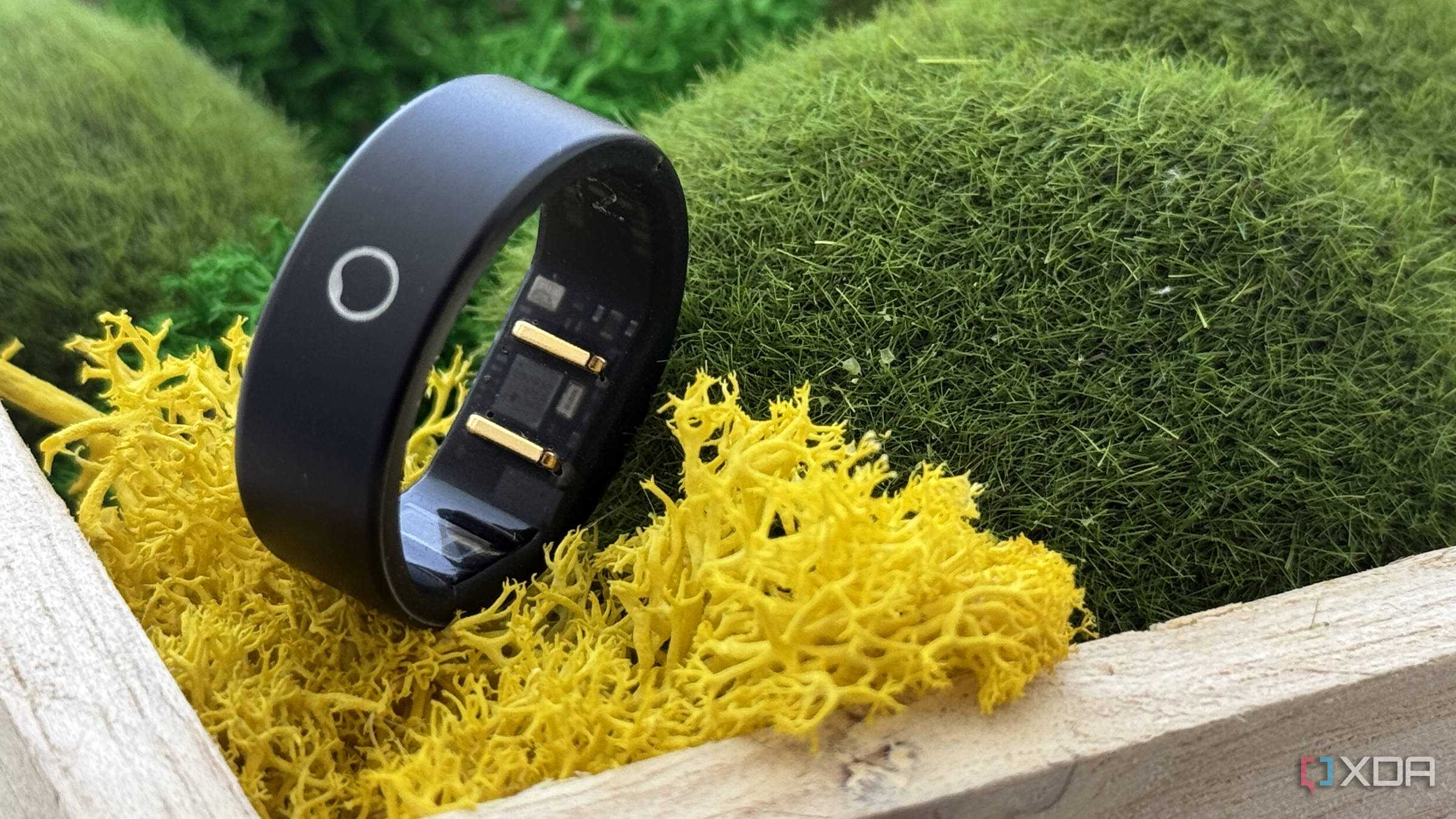





Wi-Fi 8 is being designed to tackle real-world environments and how we use our devices, not rack up benchmark scores in the lab. Key to this effort is a focus on responsiveness, because edge computing and AI are woven into every facet of our daily lives, requiring wireless connectivity that isn't just fast when moving large amounts of data.
We're also using more wireless devices than ever before, and using them concurrently, with headphones, smartphones, smart glasses, AI note takers, laptops, and more, all needing consistent wireless connectivity to work at their peak. That's precisely the congested conditions Wi-Fi 8 is being built for, and it's exciting in a way that pure speed hasn't grabbed me for years.
Some of the new benefits of Wi-Fi 8 will be:
- Multi-AP coordination: Dense wireless environments are tricky to provide a consistent user experience, but new collaborative tools for access points will help
- Seamless roaming: The promise of consistent performance when moving between different access points once connected
- Enhanced long range: Performance near the edge of the Wi-Fi range has been an issue, but new physical layer enhancements should rectify some of this
- Better in-device coexistence: Bluetooth, Wi-Fi, and UWB will all integrate into the same devices without slowdowns while the antenna is being used for a different wireless technology
I'm particularly interested in the upgrades to roaming, which are enabled by "Single Mobility Domains," which is a fancy way of saying your device will hand off between multiple access points without noticing disruptions in connectivity. It sounds a lot like how cellular phones figure out which antenna to use while you're driving, and I look forward to doing a deeper dive as technical documents are available.
Wi-Fi 8 enters its stability era
Wireless communication where you are, when you need it, and with coexistence

I know I've previously said I'm not bothered about Wi-Fi 8's arrival, but I'm starting to soften my position. I don't think everybody will need it at home, where most interference comes from your neighbor's Wi-Fi signal. At least, unless you have a connected home with plenty of smart devices, when the interference mitigation makes more sense. However, for large venues, malls, universities, airports, and other sprawling architecture, the stability and roaming aspects of Wi-Fi 8 have plenty of merit.
The IEEE scope document for 802.11bn sets some lofty goals:
- At least 25% higher throughput in challenging signal conditions.
- 25% lower latency at the 95th percentile of the latency distribution.
- 25% fewer dropped packets especially when roaming between access points.
These are challenging targets, especially at scale in enterprise, school, or stadium conditions. Wi-Fi will never replace wired infrastructure, nor should it be considered as such, as it's meant as a complementary technology for the types of devices and situations where wires are impractical. Wi-Fi already claims multi-gigabit throughput and sub-10ms latency, but those are best-case numbers, and Wi-Fi 8 aims to make those achievable in more situations other than the ideal.
The more I hear about Wi-Fi 8, the more I want it in my devices

I used to be an early adopter of the newest Wi-Fi version, picking up routers as soon as they hit the market and upgrading phones, laptops, and computers to match. I've slowed somewhat in recent years, although Wi-Fi 6E was transformative with the new 6GHz band, but I like what I'm seeing with Wi-Fi 8's focus on stability, consistency, and coverage. We've got plenty of time to learn more, as the Wi-Fi Alliance is aiming for a 2028 completion of the spec. Will Wi-Fi 8 be as big a leap as Wi-Fi 6E was, or when the 5GHz band first appeared? I have doubts, but if the stability goals are met, I feel Wi-Fi 8 will please many consumers.
