
Biology
From the smallest microbe to the largest dinosaurs and from the tiniest spore to the biggest giant sequoia, biological research continues to shed new light on the weird and wonderful world of living organisms.
Top News
-
 Dinosaurs may be long extinct, but 2025 made it clear that they’re anything but settled science. New fossils, reanalyses of famous specimens and increasingly sophisticated tools have helped us learn more about how they lived, moved, fed and evolved.
 -
 Deep underground in a dark, sulfuric cave, scientists have made an incredible discovery – a giant communal spider web spanning more than 1,000 square feet, home to an estimated 110,000 spiders that defy nature to coexist in harmony.
 -
 In a breakthrough, scientists have transferred a courtship behavior from one species to another, triggering the recipient to perform this completely foreign act as if it was natural. It's a feat that has never been genetically engineered before.
Load More
Latest News
-
 It seems we may not be the only ones to experience what has come to be called an “uncanny valley” – rhesus macaques also treat semi-realistic avatars of themselves with no small amount of suspicion.
 -
 The arrival of Dolly the sheep sparked predictions of a sci-fi future filled with cloned pets, cloned humans and even resurrected extinct animals like the woolly mammoth. But the reality of cloning has turned out to be much more complicated.
 -
 About a kilometer deep beneath the ocean surface, where sunlight disappears and food becomes scarce, lives a giant creature that can wait out starvation and survive more than five years without eating.
 -
 The ancient marine creature Spriggina floundersi didn’t have hands. It barely had a head. And yet we now know it also had a dominant side of its body – an early sign of the development of behavioral handedness.
 -
 Between 2 and 4% of the world's population report hearing a mysterious buzzing or vibration. It's called The Hum, and for decades, scientists, engineers, and ordinary people have been trying to figure out what it is.
 -
 Instead of fading into silence, the post-reproductive ovary undergoes a dramatic shift, taking on an immune identity that may influence how the body ages.
 -
 It's been accepted that the life cycle of an ancient aquatic relative – an extinct group of crocodile-like predators – echoed that of modern amphibians, complete with a tadpole phase. A new study throws that picture into doubt.
 -
 Southern right whales spend time during their long migration resting upside-down alongside their calves. At first glance, you might assume the animal is sick or injured – but scientists have found that this bizarre behavior is actually strategic.
 -
 Daddy longlegs, also called harvestmen, have been documented catching and consuming living frogs larger than themselves in South American rainforests. All without the use of venom.
 -
 Scientists from the University of Minnesota have taken a monumental step toward understanding the process of abiogenesis by piecing together their own organic cell and watching it divide in two.
 -
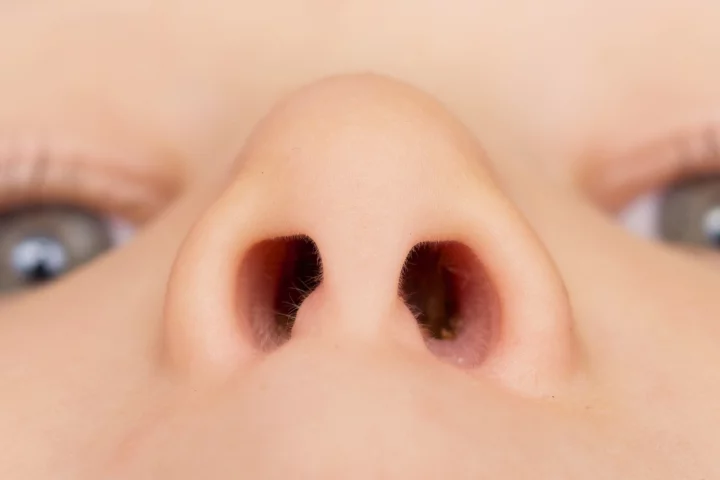 New research from Harvard Medical School has overturned the traditional picture of the nose's neurons, finding a hidden cartography in the seeming randomness.
 -
 An international team of scientists led by researchers at Virginia Tech has completed the millipede family tree for the first time.
 -
 A scientist has brought us closer to talking to animals, and it's won her the 2026 Coller-Dolittle prize for two-way interspecies communication. She's decoded the 11 core calls made by the zebra finch to understand their vocabulary and language.
 -
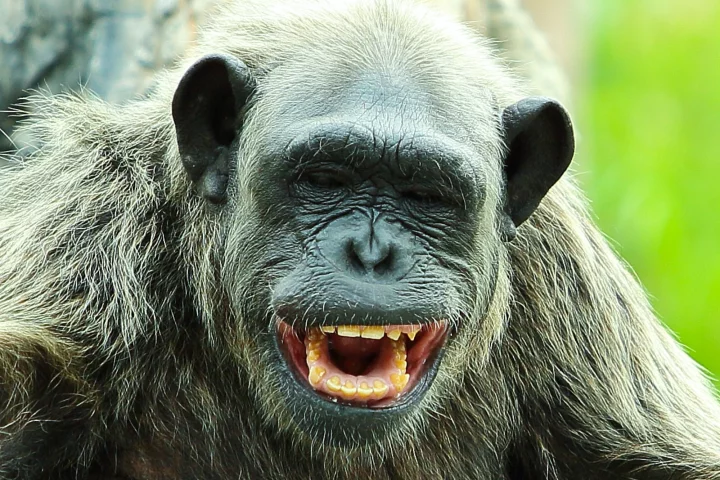 Psychologists compared the laughter of all great apes. What they found was a steady shift in the speed, variation, and context of our most mirthful vocalizations that helped them trace the origins of the human laugh.
 -
 Chinese researchers have taken a big step toward a world in which we can cultivate organs for transplant, with the first-ever embryo-disc model that can support and grow the seed cells needed in vitro. It's also a huge leap for regenerative medicine.
Load More
