

可愛い娘を撮らせたら天才的 コッポラ作品【ワンフロムザハート】【地獄の黙示録】/ If you let a dancer be filmed in a movie, it would be a masterpiece like "Apocalypse Now" and "One from the Heart."

-There is an English translation at the bottom of the text-
ネタバレなしの感想
ー今回はいつもと異なり1文章につき2作品ー
noteで一貫して《ネタバレなし》の感想は140字で書くことをトライしている。
ワンフロムザハート
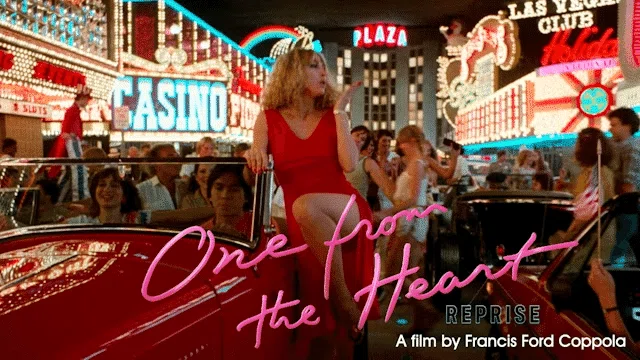
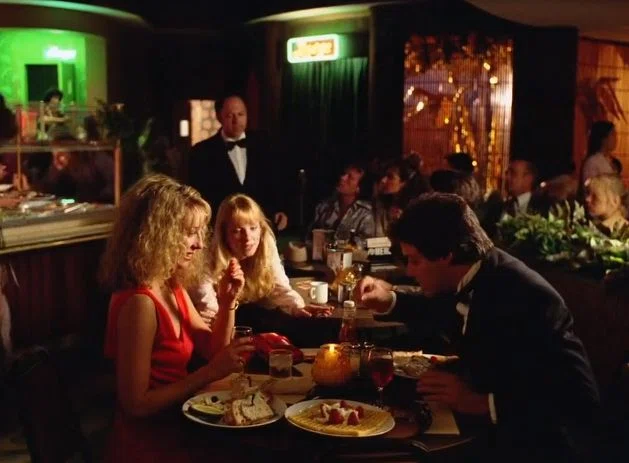
長く付き合うハンクとフラニー。記念日が互いの価値観をすり合わせるきっかけとして2人に訪れる。
色彩構成だけで恋に落ちることが出来る作品。影と逆光、有色光の使い方、フィルムの重ね方がいやらしくなく2人の心情を物語る。
ネオンだけでクレジットを表現する贅沢さが圧巻。レイラの可愛さに注目。
(140字)
地獄の黙示録
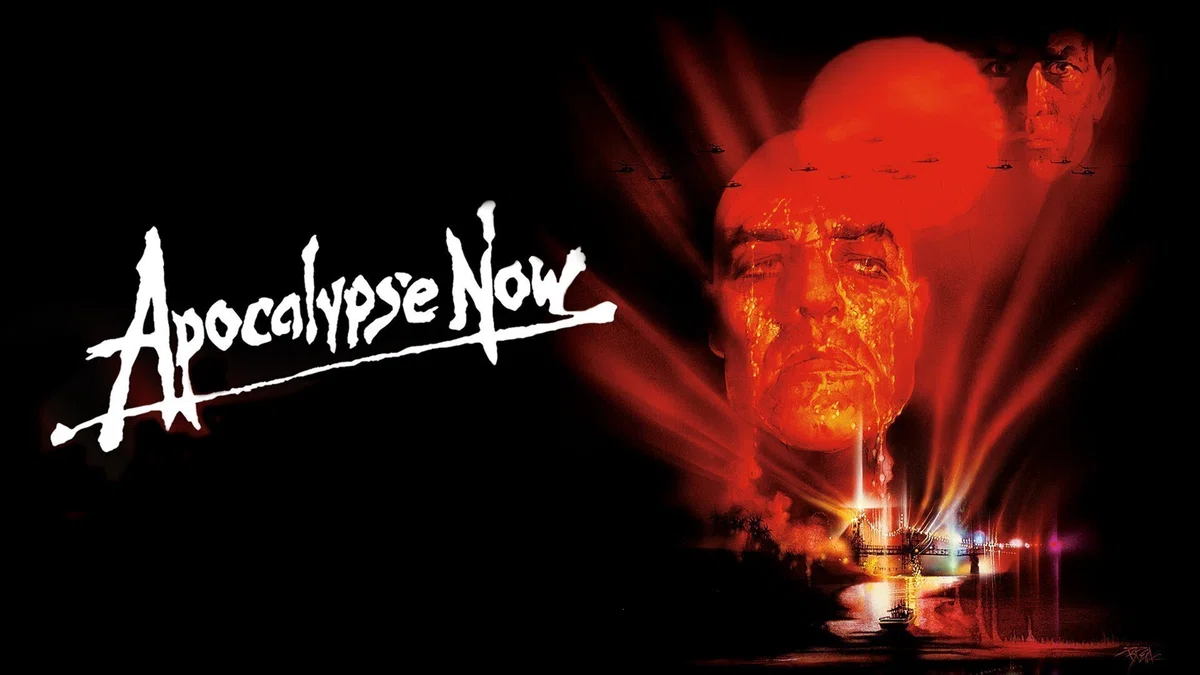
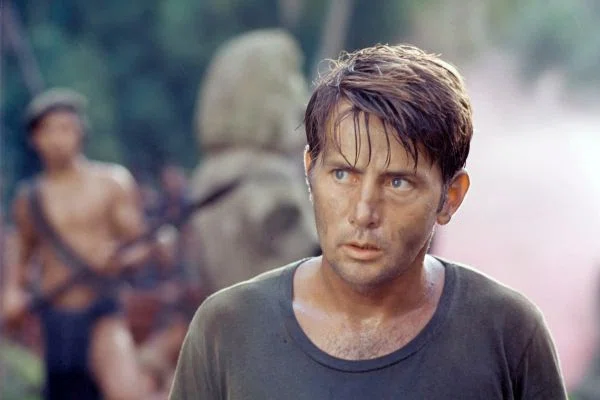
特殊任務をこなしてきたウィラード大佐。新たな任務を請け負うが、その過程で見聞きすることに圧倒される。
極限状態に置かれたとき、その人間の本性が現れる。ロゴとともに性産業のプロモーションもまた人間のさがなのか…。アジア人以外の女性の撮り方に注目。ラストまで静かな時間だが飽きない作品。(140字)
2つの作品を間髪入れずに観た経緯
【地獄の黙示録】と【ワン・フロム・ザ・ハート】。
「地獄の黙示録って観たことある?」と数年の間に何度か、わたしに問いかけた映画好きの人がる。「相当好きな作品なのか」理由は多く語らないが数年の間に何度か聞くということは〈一見の価値のある作品〉なのだろうと漠然と思っていた。
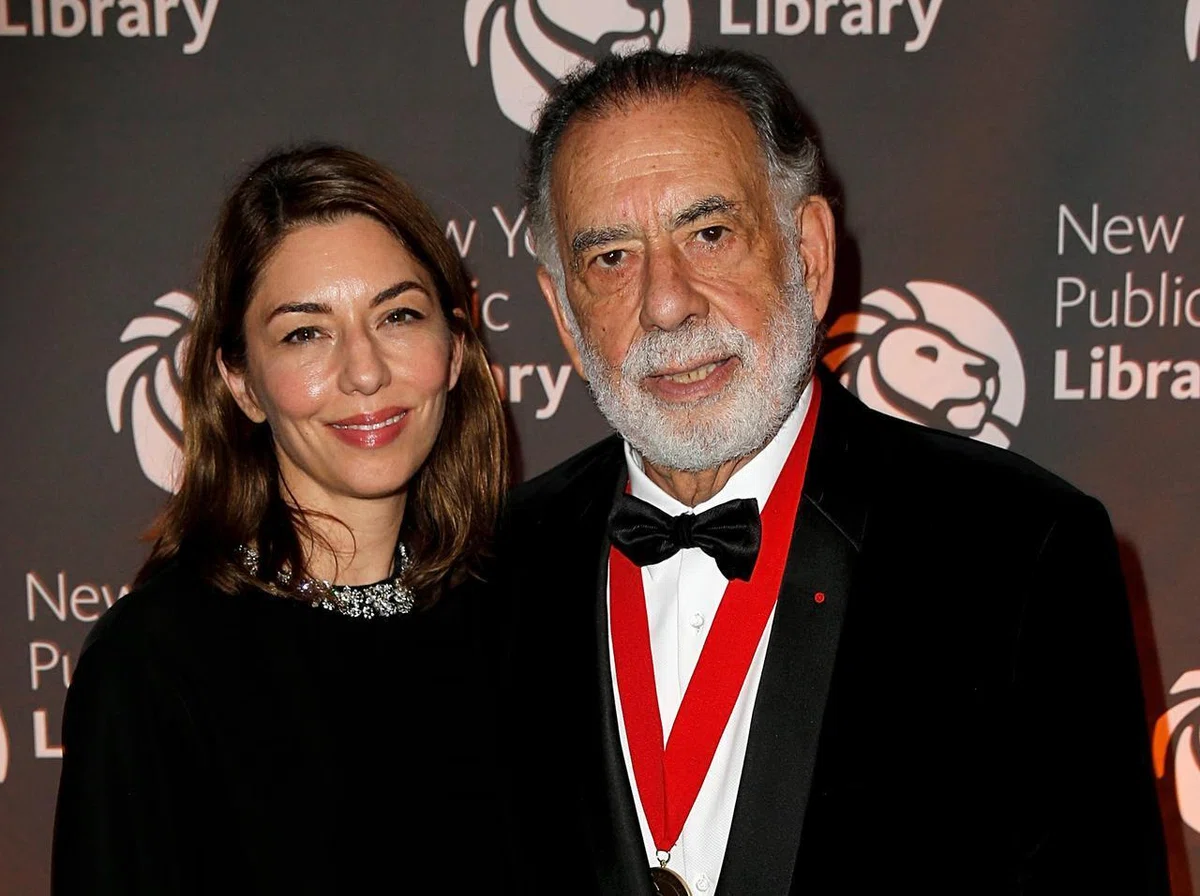
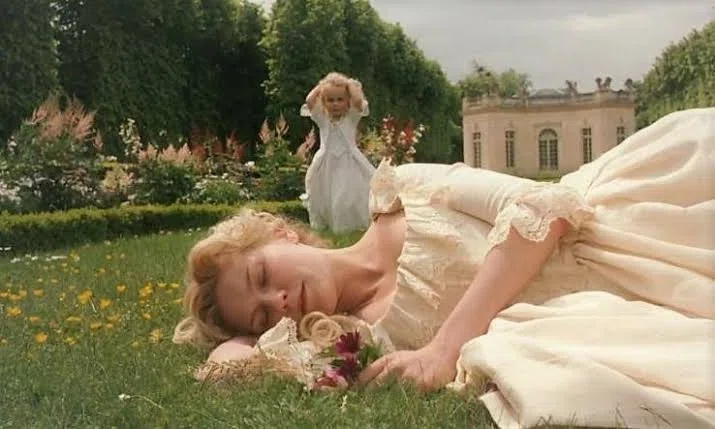
左:【マリーアントワネット】を監督した娘のソフィア
わたしの母と仲良しのその人は、私が関西から関東へ帰省すると知るやいなや「コッポラの作品は何が好きか。あなたの母に聞いてきて」と、お題を出した。
帰省ついでに母に、ヒアリングしたところ…
「う―――ん」と頭を悩ませるばかり。そしてまさかの…。(様々な映画ファンが見ているだろうこの文章に彼女の酷評ぶりを読ませる訳に行かないくらいの)そっけないコメントが垂れ流された。
あまり映画に対して、このような表現をしない母なのでよっぽど感性がコッポラと異なるのだろう…。
「これは困った。質問した人になんと伝えよう…」と、思っていたところ…。
スマホで調べはじめた、わたしの母は「え?!これコッポラなの!!これっ!て、言っておいて!」とキッチンにいる、わたしに大きな声が返ってきた。
それが【ワン・フロム・ザ・ハート】だった。
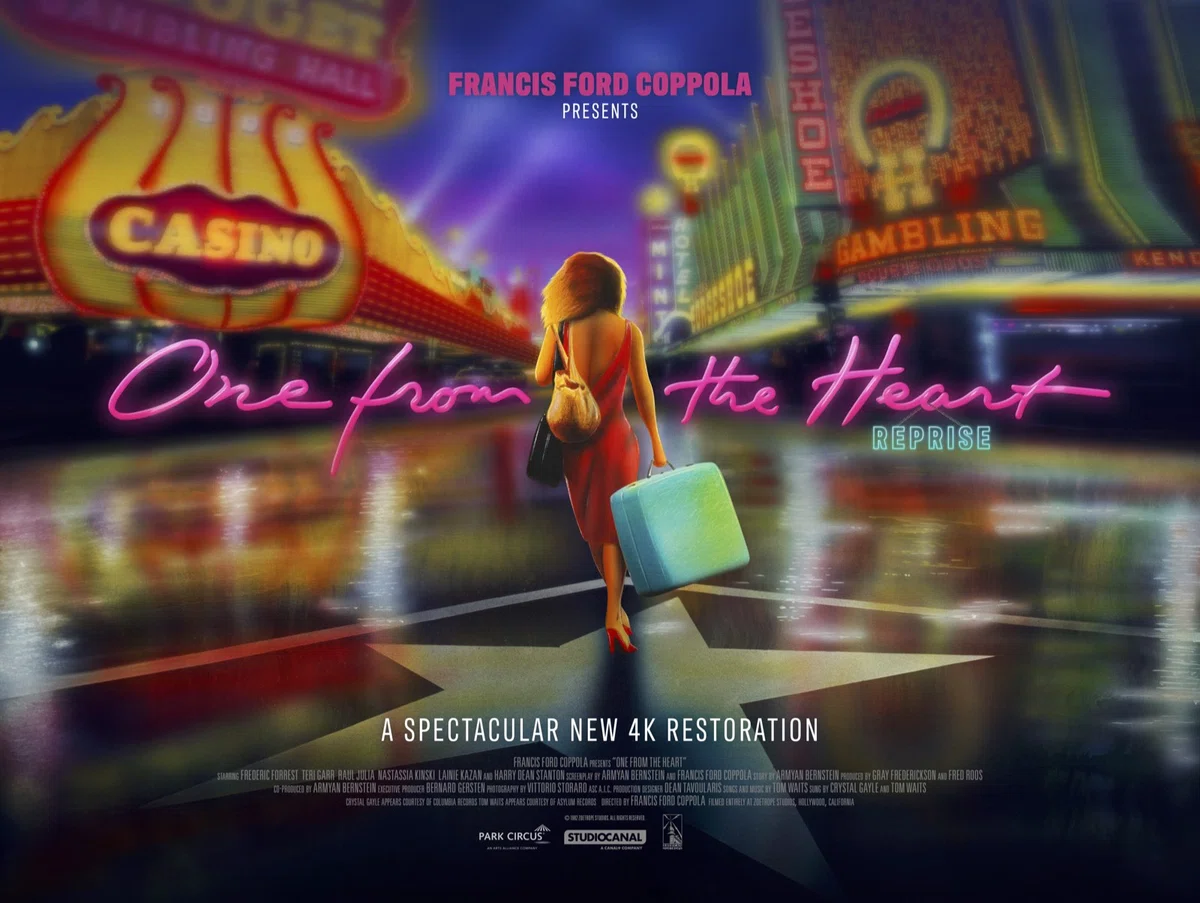
母からタイトルを聞いただけで《絶対いい映画》と、私の中の直観がささやいた。
わたしは英語が、まるでできないので…完全に《響きだけ聞いた直観》である。笑
さらにいつも私がサブスクで時短の為にやっている〈サムネのセンスがいいやつを観る〉というルールにのっとっても…。
絶対いい映画と断言できた。
そしてすぐに「サブスクで観られるではないかっ」と、その場で2人で鑑賞した。
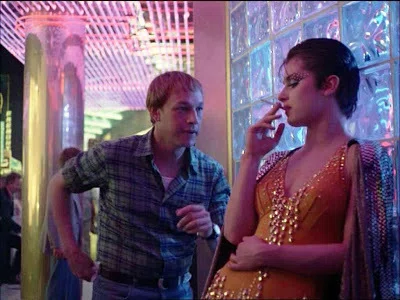
アッという間に引き込まれる
その後、関西に帰ってきて荷ほどきもままならぬまま…。1人で「サブスクで何を流しながら荷ほどきしようかな~」と手を動かしていると【ワン・フロム・ザ・ハート】をみた私に…。
AIが「こちらをどうぞ」と【地獄の黙示録】が表示されていた。
「あれ?そういえば、あんなに良かった作品の監督が撮った【地獄の黙示録】ってどんなんだろう。」と疑問に思い、観ないわけがないだろう…と2日間連続でコッポラ作品を観ることとなった。
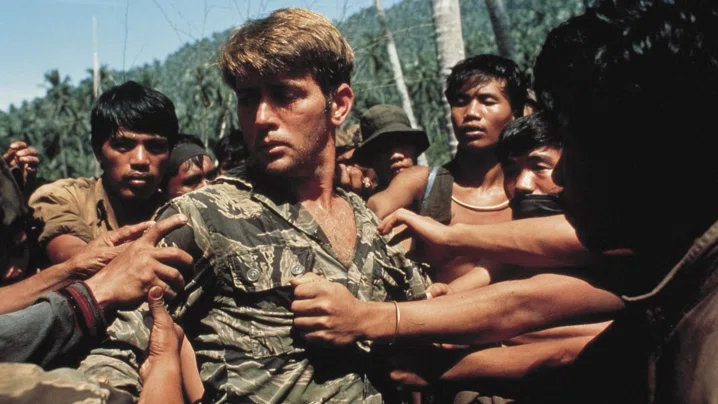
ジャンルの異なる映画
ちなみに
「○○の作品観た?」と聞かれたくらいでは、おすすめしてくれた人と〈よっぽど映画のはなしがしたい〉とか…。〈大好きな役者さんが出ている〉くらいでないとサブスクでだって、なかなか私も観るのに重い腰が上がらない。
今回なぜ観るに至ったかというと…
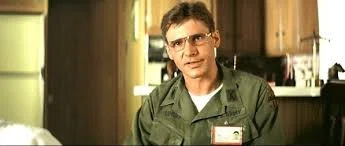
【インディージョーンズ】【スターウォーズ】のハンソロが
同じ人?ハリソン・フォードはいい年の取り方してる…。
【ルーカスウォーズ】という漫画を読んだからだ。【スターウォーズ】という映画とその映画を生み出した監督〈ジョージ・ルーカス〉を掛けた自伝的漫画だ。
海外の作者がかいており、〈ジョージ・ルーカス〉本人が書いた自伝ではないので信憑性がどこまであるかわからないため《自伝的》漫画としておく。
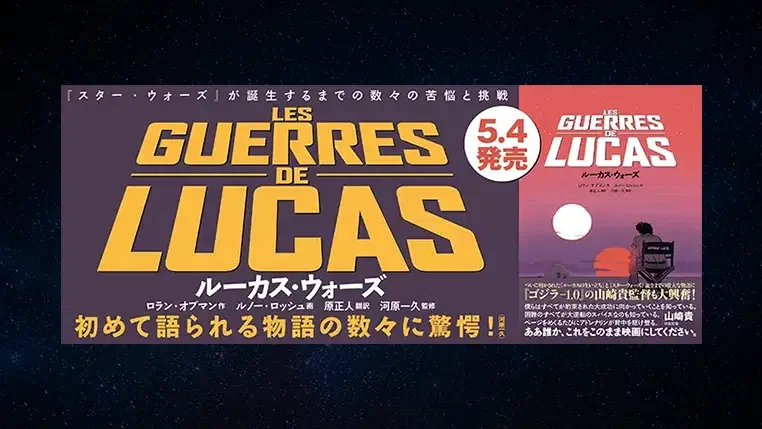
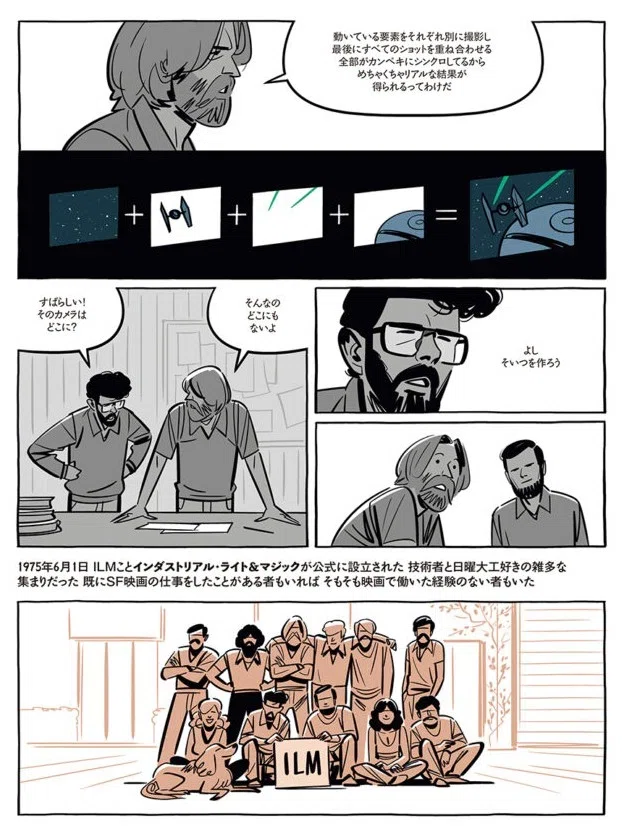
この絵にとっても惹かれて(もちろんスターウォーズのことが知りたくて)読み始めたところ…。チャーミングな絵で《フランシス・フォード・コッポラ》が登場した。
【地獄の黙示録】観た?という、わたしに向けられたの質問の際「コッポラ」を連呼されていたので、漫画に出てきた瞬間「わっ。地獄の黙示録の人だっ」と変な感動があった。笑
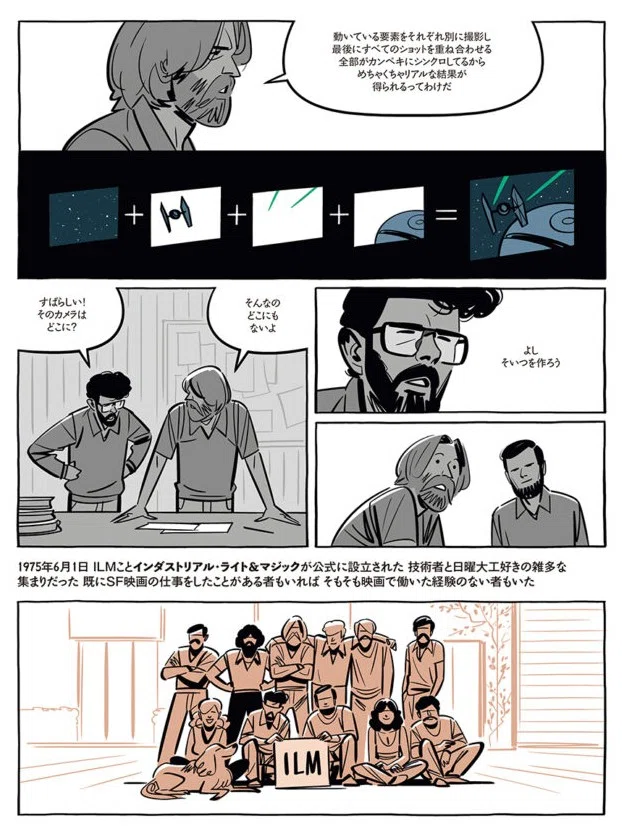
https://www.kinejun.com/article/view/49840
【ルーカス・ウォーズ】
(書店業界・出版業界で働いていると
載せずにはいられないISBNは下記笑)
ISBN978-4873764917
映画を観る時、監督とか気にしない〈わたしでも知っている名前〉コッポラ。
初めて私がコッポラという名前を認識したのは【マリーアントワネット】を観た時だと思う。あれは生涯、忘れられない〈映画館体験〉だった。監督の彼女は当時、35歳のソフィア・コッポラ。わたしと、そこまで変わらない…。
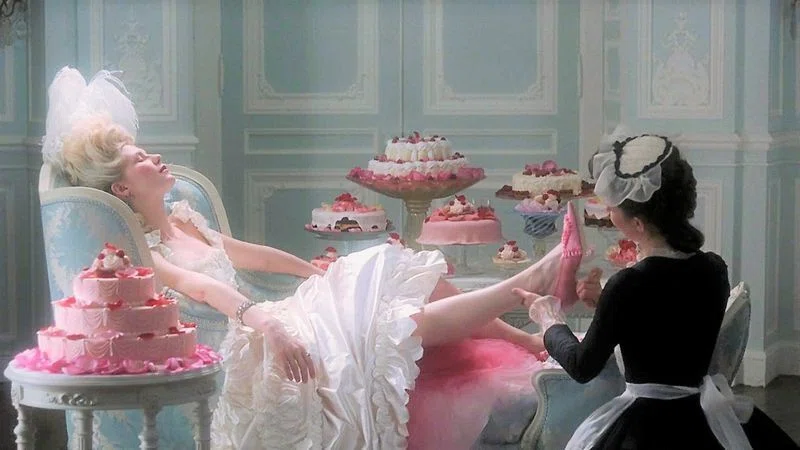
【マリーアントワネット】
当時、中学生で劇場で観た
今回はそんなソフィアの父《フランシス・フォード・コッポラ》の2作品についての文章。
わたしは中学生当時【マリーアントワネット】を見るより前に…。映画界で有名とされるソフィアの父、監督の《フランシス・フォード・コッポラ》の作品を観たことがなかった…。
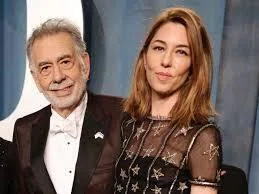
左:《父》フランシス・フォード・コッポラ
右:《娘》ソフィアコッポラ
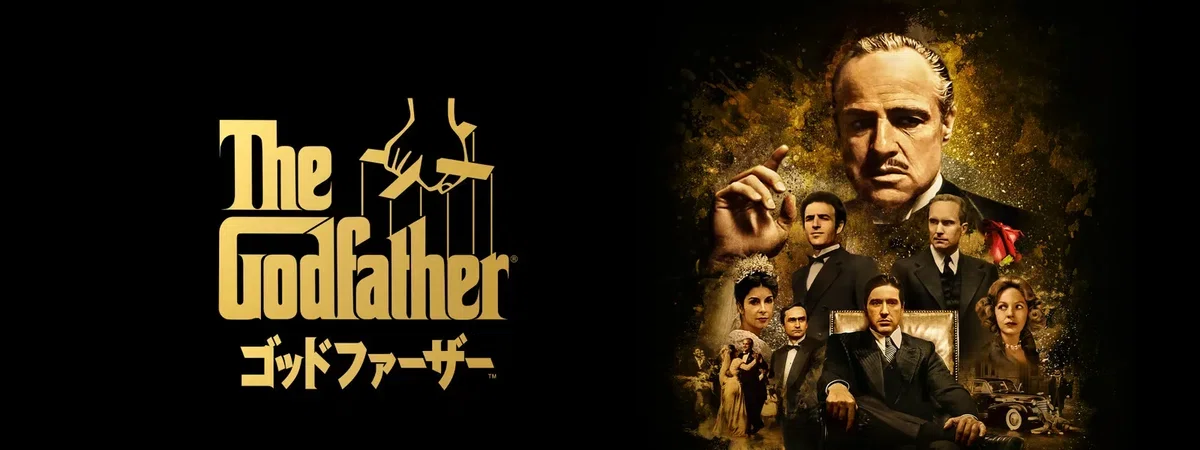
それでも幼いころから彼の作品【ゴッドファーザー】のタイトルも、曲も知っていたけれど…。
【ゴットファーザー】の監督がコッポラとは認識できていなかったように思う。
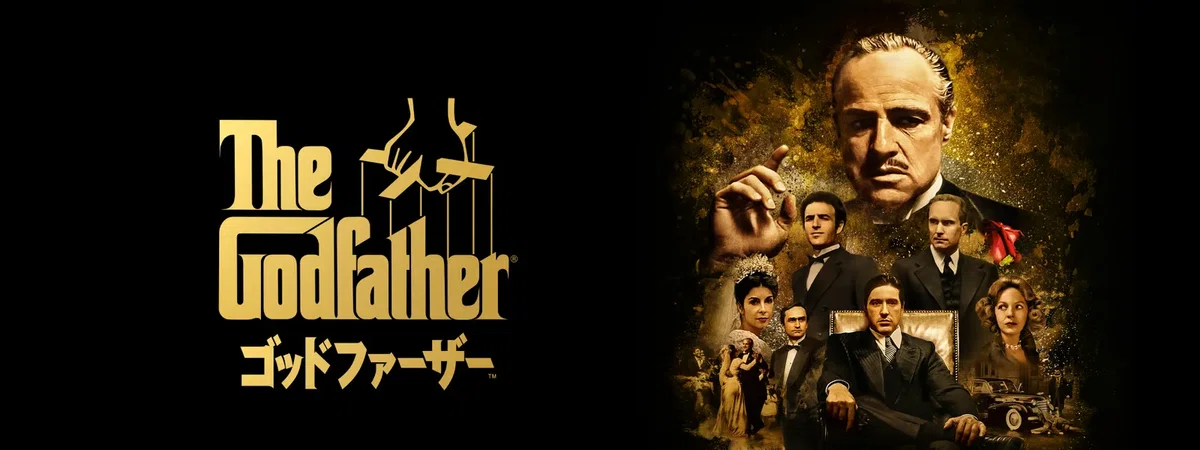
「馬の首だけ出てくる映画だよ」と
母に脅かされ…かたくなに
観なかった映画【ゴッドファーザー】
映画の話の前に…
初めてnoteで文章を書いたときから、続けていること。自己紹介がてら、のちのち…映画の話と繋がりのある〈わたし〉のはなしを書いている。
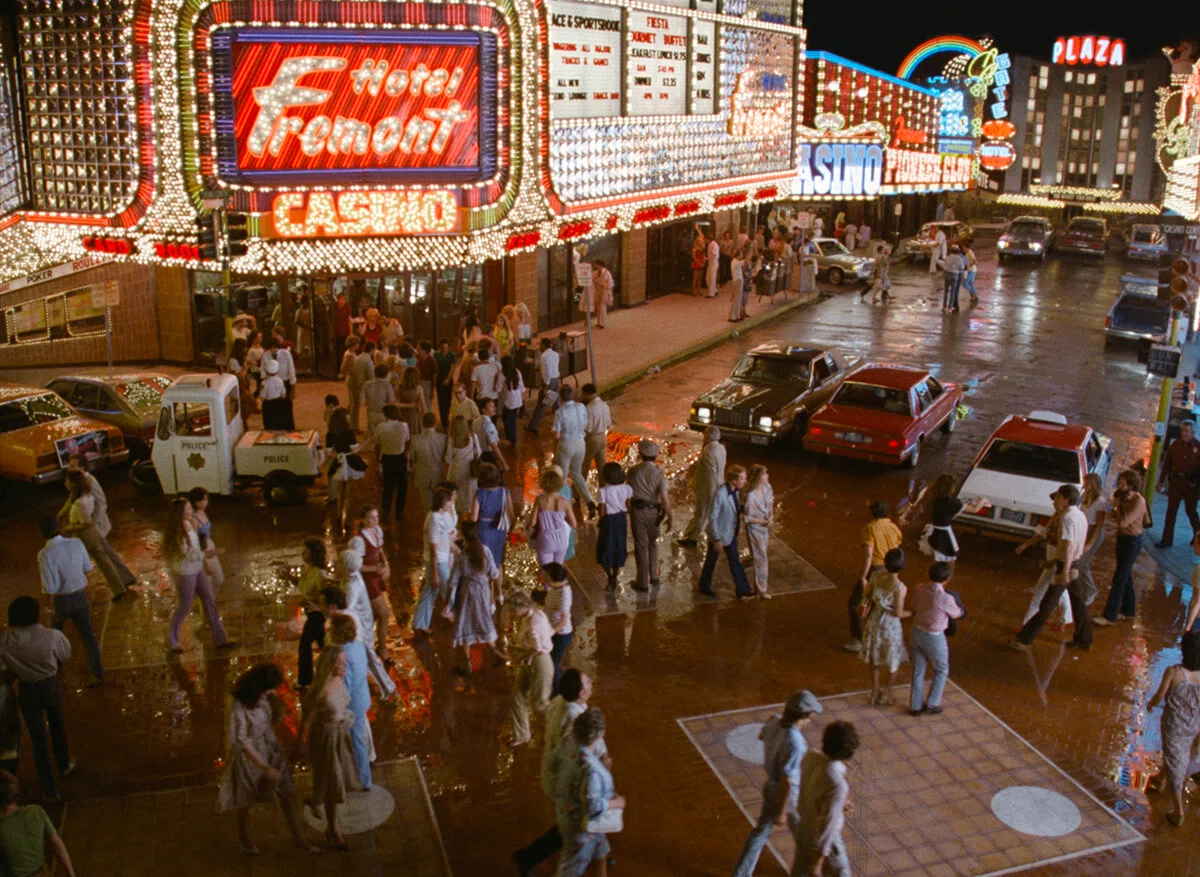
観ただけでなんでこんなに心おどるのか…
理由は…。わたし自身、誰かのアウトプットの片鱗に触れた時…《こう表現した人の本質はどんなだろう》《この人の生涯、特に幼少期はどんな子だったのだろう》とよく想像をする。
有名な映画監督や小説家・画家であれば幼少期、どんな人だったか等についての文献が残っていたりする。

けれどnoteのような、SNSやインターネット上は顔が見えないがゆえに…情報の受け手側は感性が《無機質》になりがちだ。
そんなふうにSNSを捉えてしまうわたしに、約1か月前とある人が「映画、よく観てるよね?映画についてアウトプットしてみたら?」といわれて始めたnote。
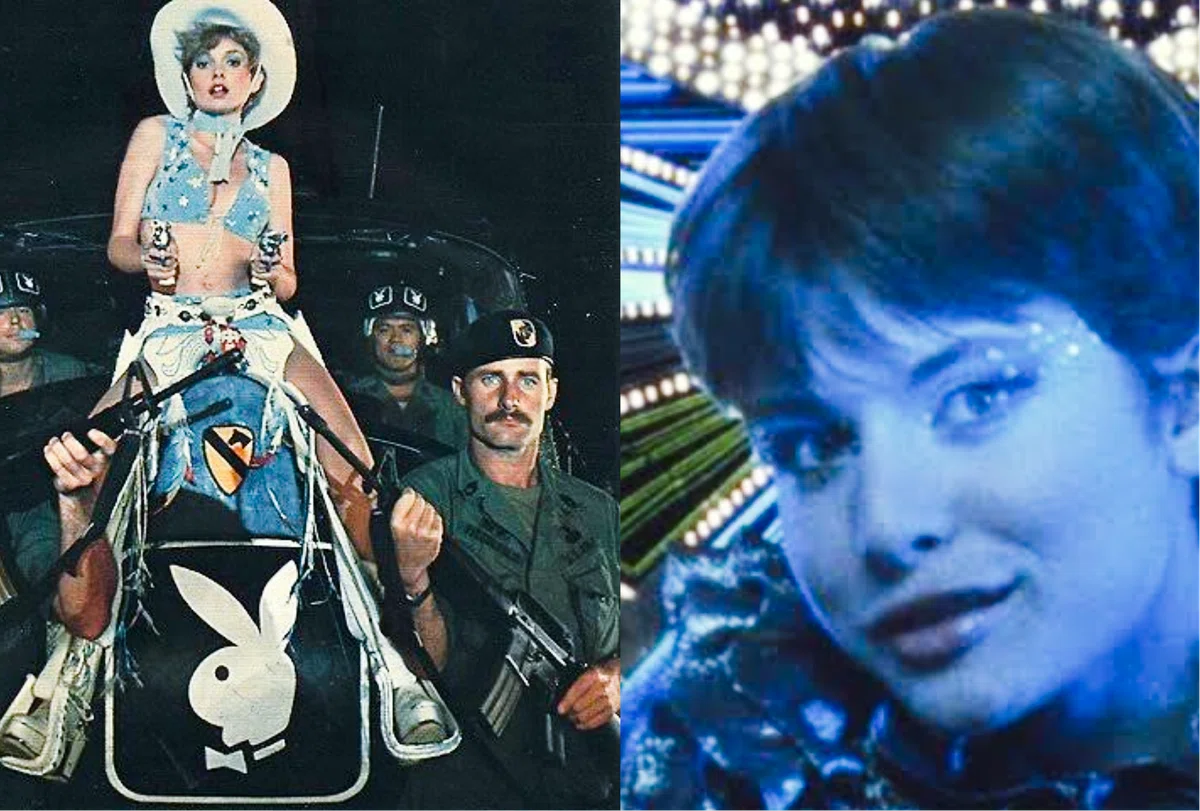
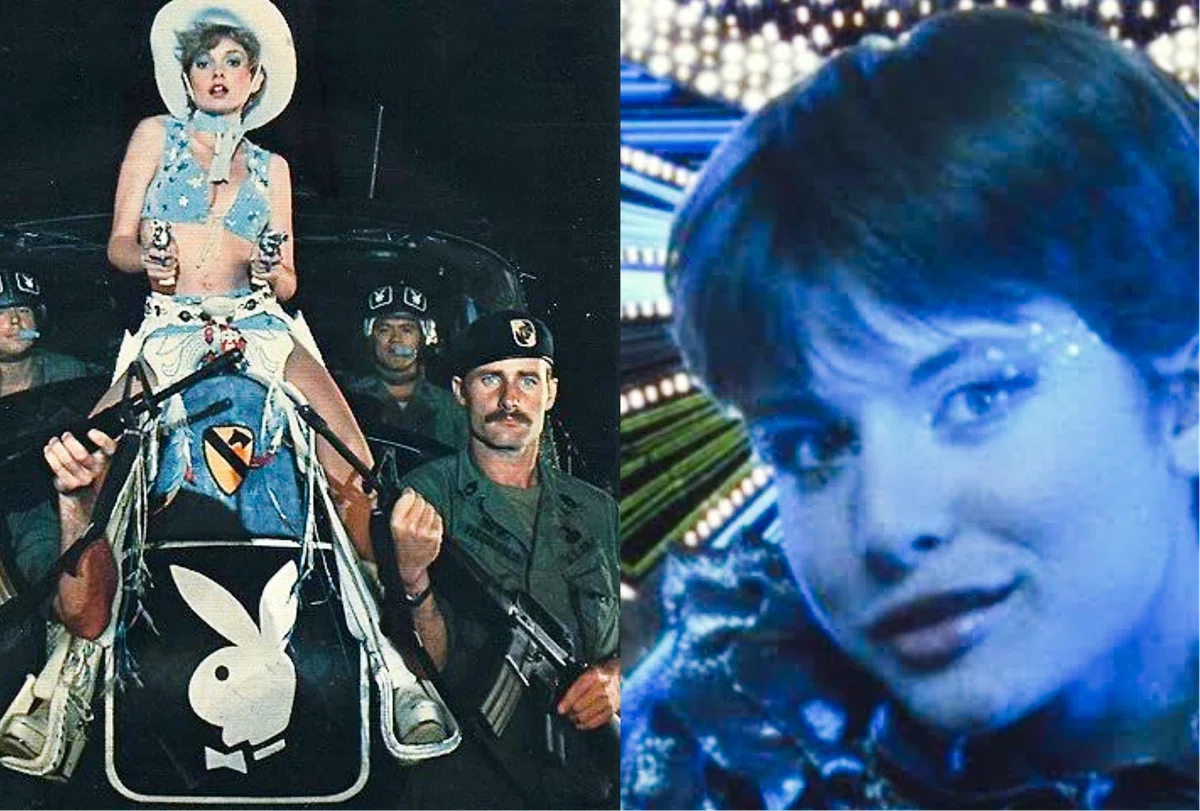
この二人の女優さん違う作品に出ているのに
どことなく似ているダンサーさん
コッポラの女性のタイプはこんな感じなのかも…
いつも「どんな人が、この文章を書いたのだろう」等と想像するわたしが書くのだから…。自分のことは「可能な範囲で自己開示したい」と初めて書いたnoteの文章から意識的に書き始めたのが、文章の冒頭《わたしのはなし》である。
のちのち映画のはなしと関連する〈わたし〉のはなし
ダンス
小さい頃「所作が美しくなるように」との母のおもいによって、近所の公民館でやっていた新体操教室に放り込まれた3歳のわたし。
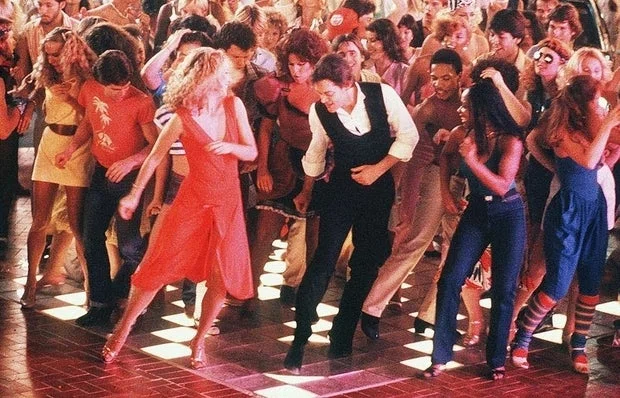
リハも併せて何テイク重ねるのだろうか…
3歳について私自身、子育て経験がないので…どれだけ詳しいか分からないが。
大学時代、幼児教育について得た知識を呼び起こすと…集団行動をさせるのに(保育のプロならまだしも)大人は一苦労。個体差はあれど、3歳児は家族以外の他人と自主的に関わりを持ち続けるなんて、難しいこと極まりない発達段階だ。
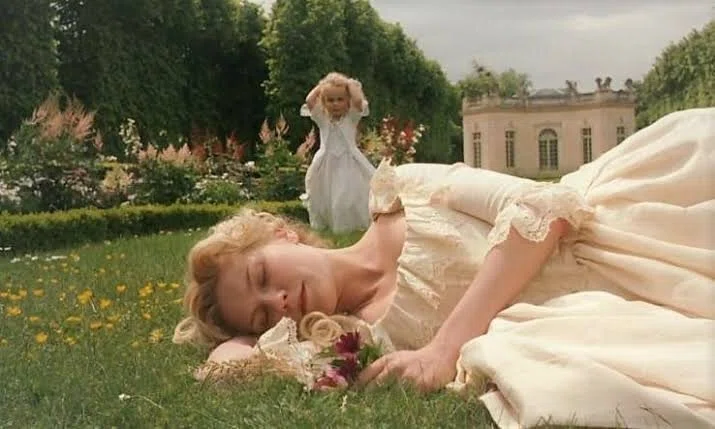
教育方針は宮廷の中では
当時最先端として周囲からは様々な意見がでた
それでもわたしが3歳位の頃から、新体操で年1回あった発表会では、集団で踊っていた…
そして、まさかの約10年間わたしは新体操を続けることになる。
大人になってダンスを再開して、映画を観る時にはミュージカル映画などは音楽がかかれば勝手に身体がリズムを刻むし…。
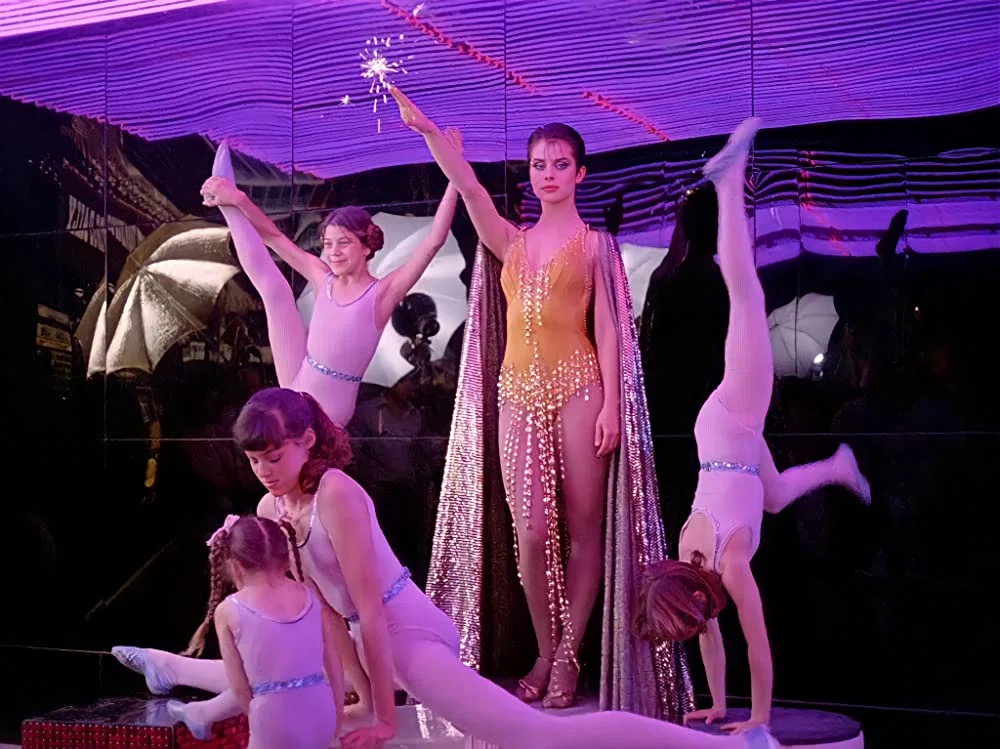
思わず新体操をしていた自分を重ねずには
いられなかった
映画館でもたまに、一緒にスクリーンの向こう側と一緒に踊りたくなって…。つま先だけこっそり動かしていたりする。
そんなわたしの幼少期の、新体操の発表会に欠かさず来てくれていたのが家族だった。
中でも父と祖父はとっても嬉しそうにみていたのを、昨日のことの様に思い出す。
そんな父については前回の【国宝】の文章の中で、すこしだけ触れたのだが…。今回はわたしの祖父のはなし。
ここから…《戦争》について書くうえでの前置き
わたしは生まれる前に父方の祖父を亡くしているので、「おじいちゃん」と
呼んだことがあるのは…。
母方の祖父だけである。
祖父は、いくつも有名なホテルの調理場で自分の師匠と一緒に修行を積んだのち…。あるチェーン店の飲食店の、代表取締役にまで上り詰めた。
そんな祖父から本当にたった1度だけ、戦争のはなしを聞いたことがある。
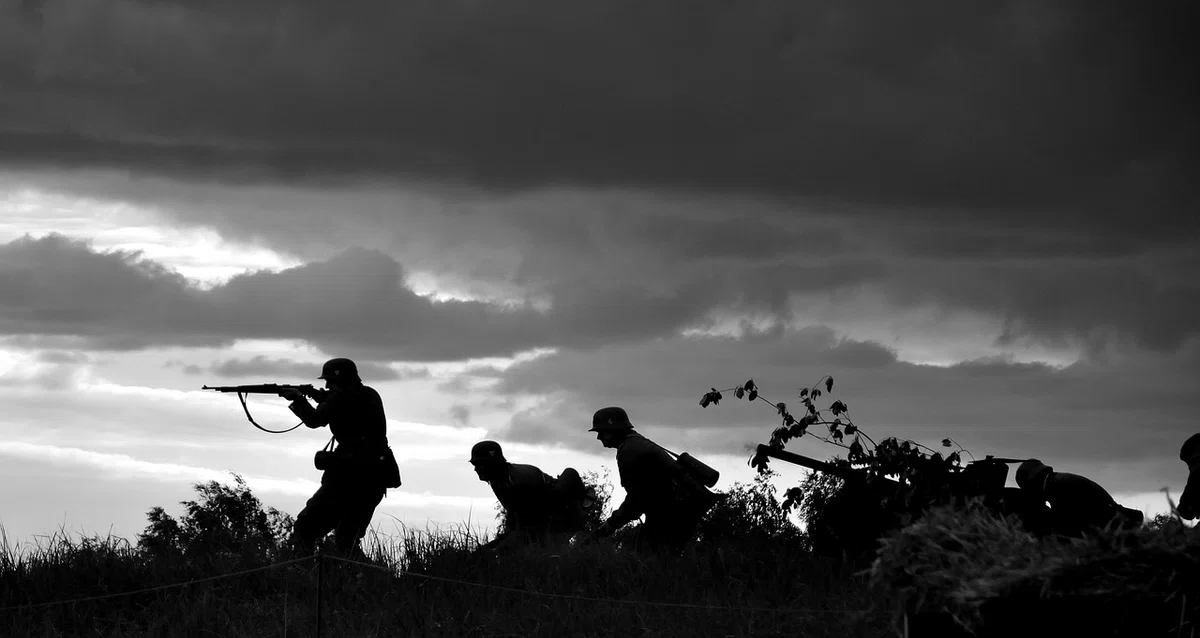
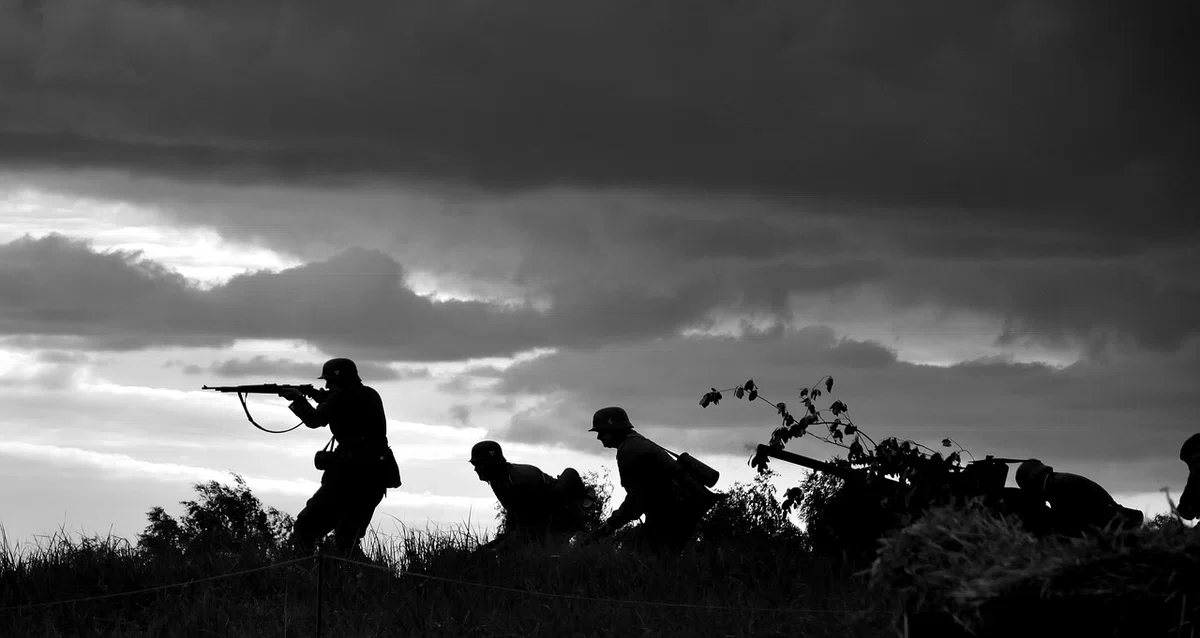
また戦争というセンシティブな話題について書くのも悩んだが、コッポラの【地獄の黙示録】について書くと決めた時点で、どうしても戦争の話題は避けられないと感じた。
祖父はわたしが大学4年生のときに亡くなってしまったため、今となっては詳細を聞きたくても聞き返せないのが残念でたまらない…。
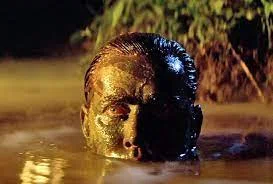
画像検索をすると大抵、出てきて
毎回ドキッとさせられる
そのため…《戦争》について書き進めるが…
どこまで信憑性があるのか裏取りもできていないこと
はなしを祖父から聞いた当時のわたしは子どもだったこと
〈戦争を体験していない〉わたしが書き手ということ
を了承して読み進めてほしい。
わたしにデレっデレだった祖父だが…
母の話を聞くと自分が幼い頃は、妻であるわたしの祖母にも…子どもにも決して《いいお父さん》ではなかったらしい。わたしの祖父

祖父の母は糸を紡いで、3人の子どもを育てた
戦争が起きて、まだ徴兵される年齢に達していなかった祖父は学校へ入るのを志願した。
それは今で言う《ス◯イ活動を行う人員を育てる学校》だったらしい。
※前述のとおり、あくまで《らしい》…だ。
当時の祖父は乳幼児期というほんとうに早くに父を亡くし、昔としては珍しい母子家庭に育った。(なぜ珍しいかというと今とは異なり未亡人になると、すぐに縁談のはなしが来た…。)
母子家庭というのは当時は、ごくごく少数だったのだ。

子ども目線で描いた【フロリダプロジェクト】
母子家庭で母親の実家も、そこまで裕福でないとなると…。当時は〈女性が一家を養えるほどの仕事〉は世間にそうそうない。
小学(当時の尋常小学校)では祖父は、お昼を持っていくことができない程
貧しい生活をしていて「先生が、お昼を分けてくれたんだよ」と話していた。あの祖父の横顔が今も、忘れられない。
ひとり親で貧しいとなると…。
当時は学校でいじめられる対象になりやすいはずが、祖父は〈相当なガキ大将〉だったか〈弁が立った〉のか…。はたまた《わたしには暗い過去のはなし》はしなかったのか。
今となっては確かめようがないのが、むなしくも悔しいが…。〈想像の余地がある〉のは事実を知るより、もしかしたら幸せなことなのかもしれない。
一般教養科目で数少ない、好きな時間だった
1コマ90分の講義なので作品を
2週に分けて観て、レポートを書く授業だった
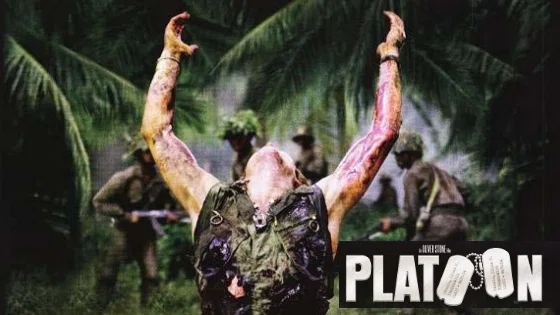
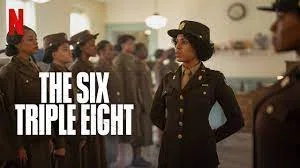
授業で観た様々な作品のひとつ【プラトーン】
そんな祖父は比較的、勉強ができたし努力をしたのだろう…優秀な生徒で《教員になる道》を、周囲から提案されたらしい。
そんな矢先の「長いながい戦争だった…」と遠い目をして語っていたのを昨日のように思い出す。
このス〇イ学校での生活や、教育の詳細、諜◯員としてどんなことをしたかについて祖父は生涯語ることがなかった。
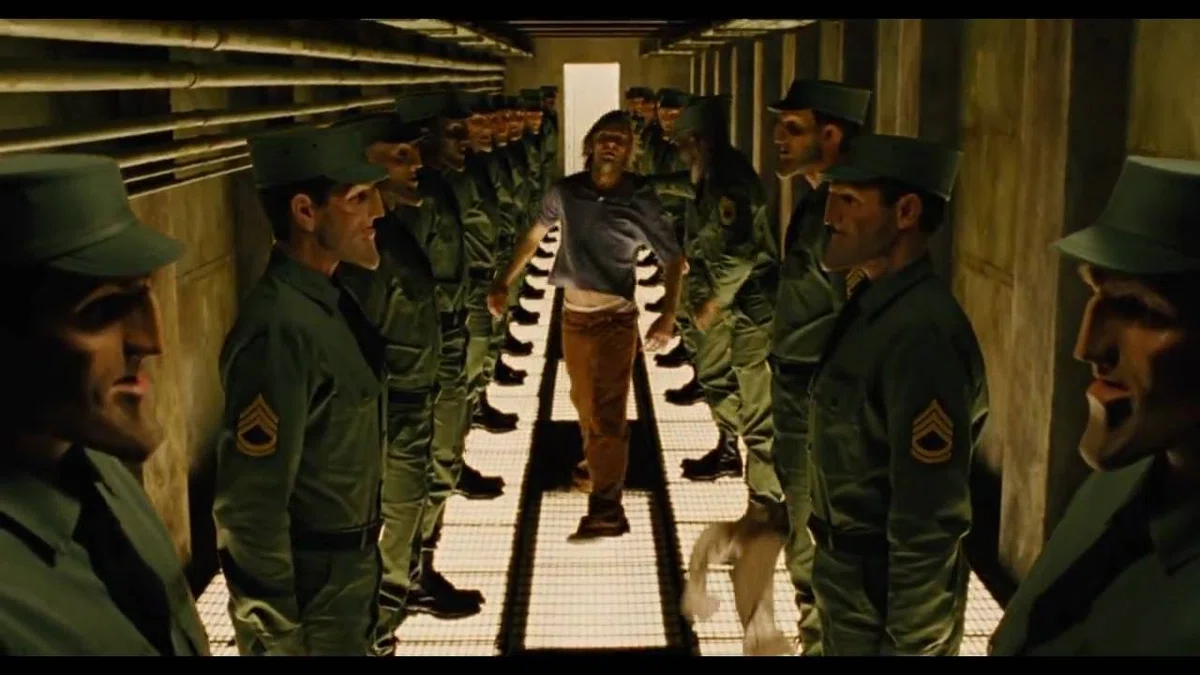
【アクロス・ザ・ユニバース】
全編通してビートルズの楽曲や小ネタで構成された
ミュージカル映画
プルーデンスというビートルズの歌詞に出てくる女の子
が歌うI wana hold your handが好き
戦時中の料理と船
そんな祖父が溺愛した、たった1人の孫娘へ〈戦争のはなし〉として…。
わたしにしたのは《食事・料理の話》と《船の話》だった。
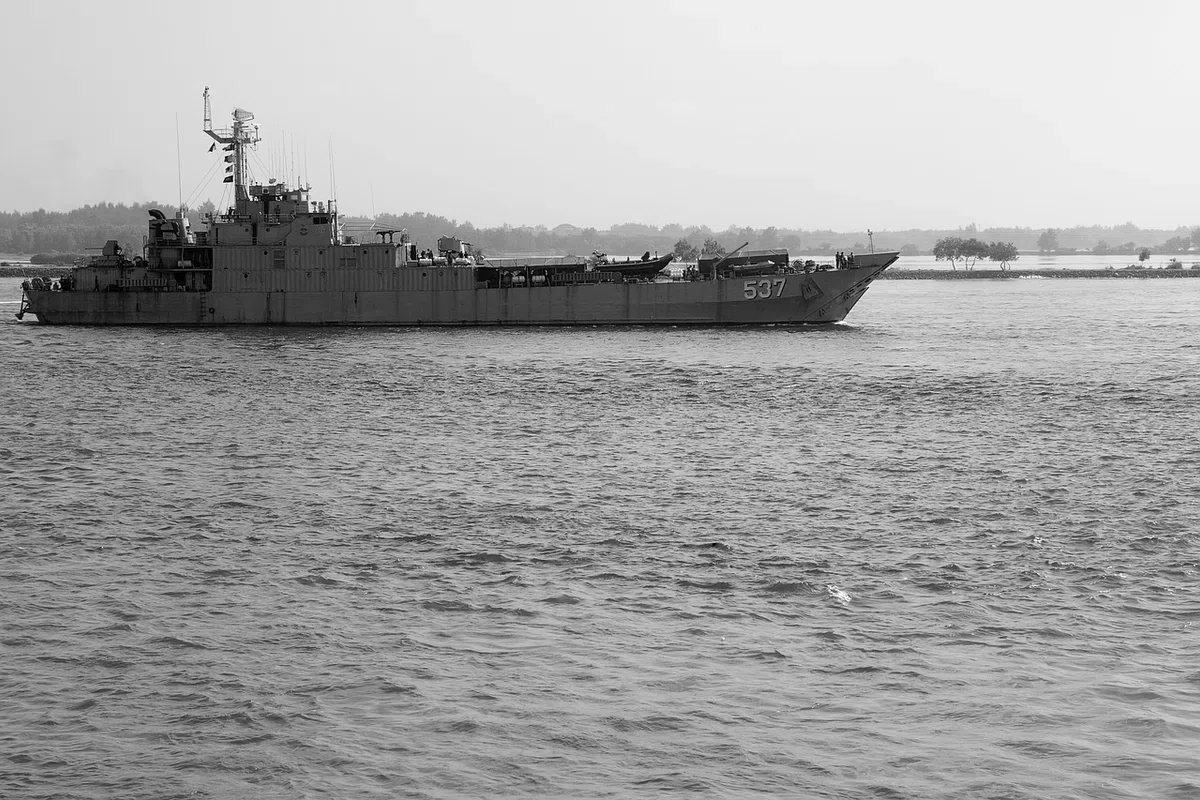
祖父は徴兵される年齢に達していなかったため、最前線に出ることはなかったはずだ。しかし国外の海上に出ていたというのだ。そこで任されていた仕事は、〈料理〉だった。

祖父がその時に感じたのは、食事に関わる仕事をしていれば《食いっぱぐれることがないと悟った》というのだ。
これは祖父に育てられた母も事あるごとに「祖父が、そう語っていた」と、はなすので生涯かけて信じていたことであり…。
取締役にまでなったのは祖父自身に、きっとその思いに揺るがない確信があったのだ。
また幼かったわたしは…。船(といっても戦艦)の中での生活や海外の話を聞くのも《わたしは知らない世界のはなし》で、不謹慎ではあるが…。
心躍らせて、はなしをきいていたことも隠せない事実だ。
(誤解を恐れず書くと)心躍らせて聞いていた話も、あるところをさかいにしてわたしは茫然と聞くことになる。
それは祖父の乗った戦艦が爆撃をうけた話だ。「自分の真横に、ミサイルか爆弾かもわからないが…敵機から攻撃をうけた」と遠い目をしながら語った。

いつもわたしに見せるデレっデレな表情から一変その時の祖父の表情や話ぶりが、あまりに衝撃だった。
ただならぬ雰囲気の祖父から、はなしを聞いたわたしの脳内には…。〈当時の現場を想像した映像がながれ…〉あたかも、その場に自分がいるような変な錯覚に襲われた。
想う人がいること、意思疎通を図ることが
できることで生き延びることが出来る命だってある
攻撃を受けるまで「直前まで談笑していた人が、目の前で亡くなった」と言う。またその爆撃は長時間続き生き残ったのは、のちのち判明したことだが祖父含め少数だったらしい。
祖父は半日以上、戦艦の破片につかまり一人で海を漂ったという。そこで、オーストラリアの船に拾われたのだ。

この文章を書くにあたって祖父の通っていた学校について調べた。当時は、「お国のため」という言葉が、そこかしこに貼り出され…《戦死こそ人の死に方》という考えを、子どもであっても信じていた時期だ。
しかし調べて驚いたが…〈さすがは諜〇員を育てる学校〉。戦争=死と結びついていたわたしの思考で〈教育方針〉を読んで、びっくりした。
日本軍一般の教育とは異なり、生きて虜囚の辱めを受けてもなお生き残り、二重スパイとなって敵を撹乱するなど、あくまでも任務を遂行すべきよう教育された
もしも祖父が、この時代この学校に通っていなかったら…。
母も私もこの世に生まれていないかもしれない。と、リサーチしてみて今になって祖父が生き残る教育を受けたことにより《わたしが生まれたこと、生きていること》そのものに感謝したりもした。
ドリカムの晴れたらいいね♪を題材にしたドラマ
作られた作品とわかっていても…
まんまと号泣してしまった
海上の戦艦の話をきいていた幼かったわたしは、呆然としながらも…「それで…それでどうなったの…」とこわごわ口に出したかそのような表情をしていたと思う。
もちろん夏の終戦記念日に向けたドラマや学校の授業で戦争について見聞きした知識はあったが《その場にいた人から聞くはなし》は当時のわたしには圧倒されるものがあった。
その後、祖父は捕虜になった。しかしそこでも(海外のほうが人権意識があったのだろう)子どもだったということなのか、祖父が世渡り上手だったのか…拷◯なども受けずに過ごすことができた。これは当時、幼かった私向けにライトに話した内容かもしれないと今書きながら想像する…。
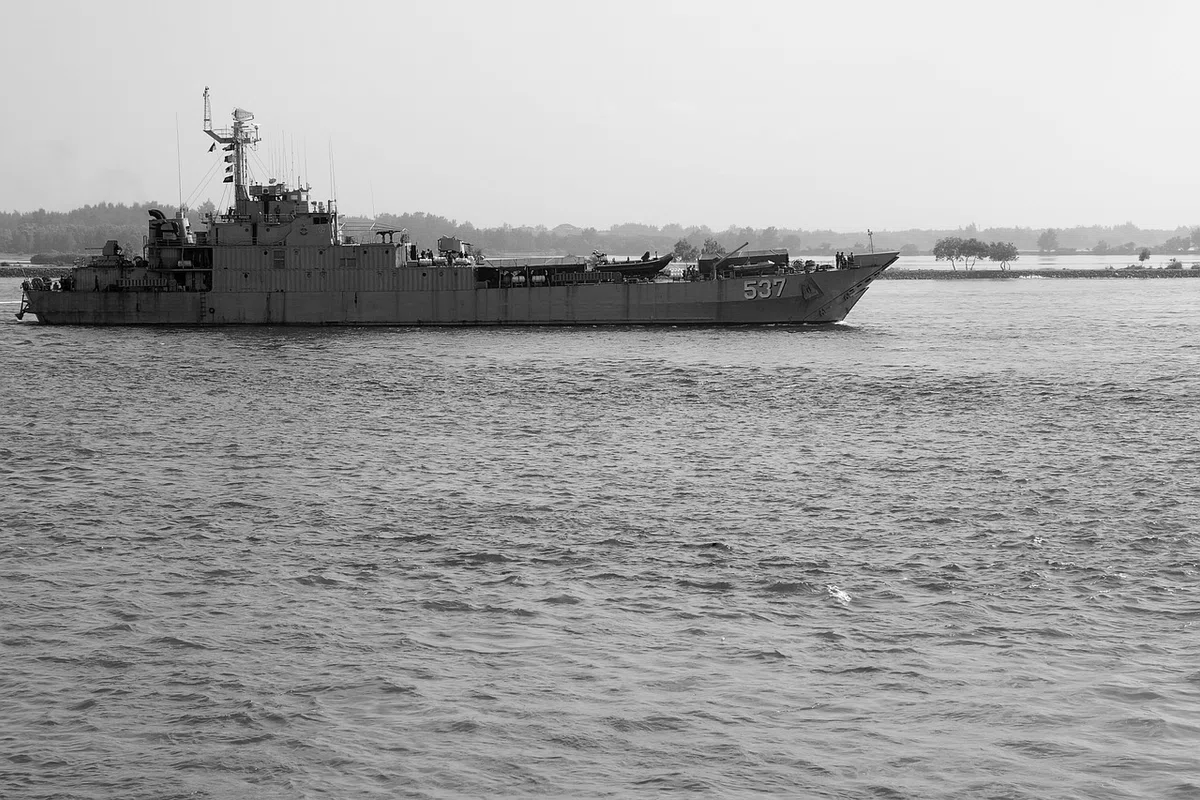
捕虜になった先でも、全く知らない国の言語を覚えいわゆる敵国の人と仲良くなるまでになったという。その時の単語をいくつか教えてもらった事がある。いまもその単語を聞くと、祖父のその時はなしてくれた〈知らなかったことを知る楽しさ〉〈海外の人とでも仲良くなることができる喜び〉に満ち溢れた笑顔を思い出す。
これも当時敵国の言葉を話すのは非国民とされていた時代この学校に通っていなければ祖父は体験することがなかったことだろう。
敵性語たる英語使用の自粛も全く行われず、むしろ諜報能力を養成する関係から外国語の技能は必須であり、英会話することを推奨された。
祖父は決して〈当時の日本のこと〉や〈日本が戦った国や兵士のこと〉を悪く言うことは一度もなった。
それは愛するたった一人の孫娘へ、配慮だったのか…。現代を生きるわたしに広い世界に対しよくない印象を与えないためだったのか…
フラッシュバックする戦争への思いを抑えていたのかは今となっては聞きようがない。
ネタバレありの感想
(観てから3~4日後時点の感想)
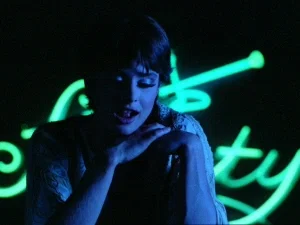
バレエダンサーでもなさそうだし…
オーディションで発掘したのか、どうやったら
こんな多才な娘を見つけられるのか
可愛い子を撮らせたら天才なのではないか
コッポラの良さは沢山あるのだと思う。正直、彼に詳しいわけでもないし、映画を観終わって余計なリサーチをして文章をブレさせたくないので何も調べていない。
(例えば書きたい文章の映画が撮影された前後など…。こんな賞を取ったとか、知ってしまったらわたしの感性でストレートな表現ができなくなってしまう気がする。何を隠そう、わたしは影響を受けやすい性格だ。)
そんな、わたしが素直に彼の2作品を観終わって感じたのは《かわいい子を、さらにかわいく魅せる天才》だと思った。
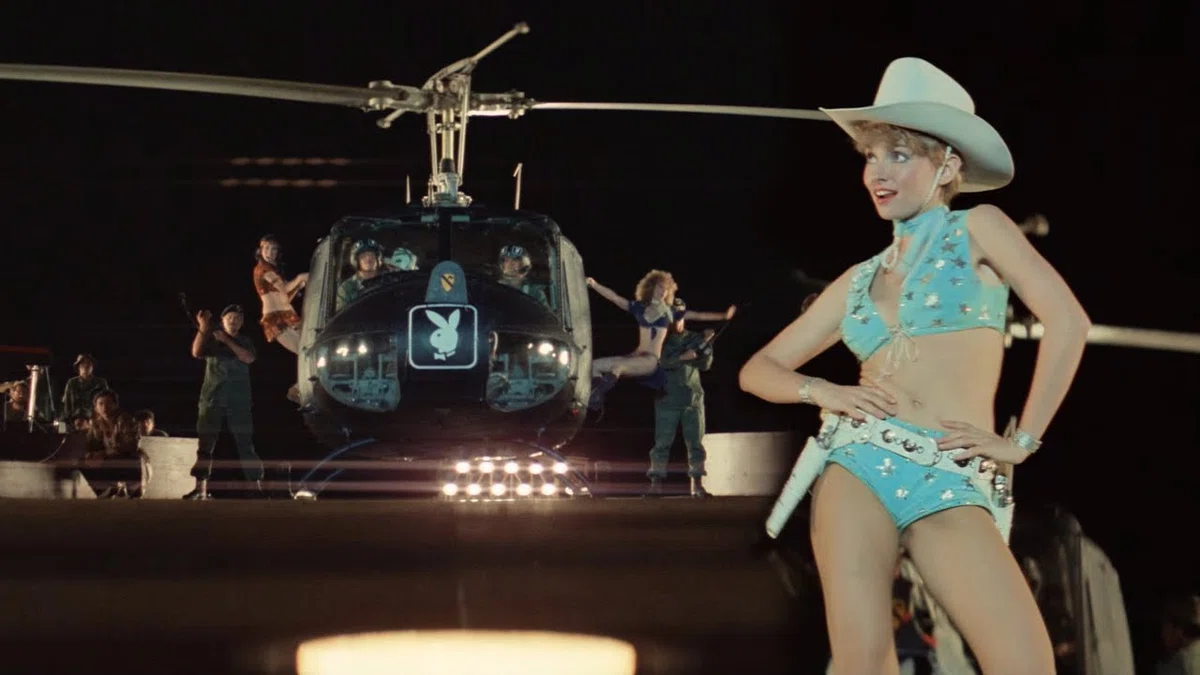
知り尽くしてるんだろうな…。
【地獄の黙示録】より
何より他の監督が【ワン・フロム・ザ・ハート】のレイラを全く同じ衣装で撮ったとしたら…絶対にダサくなると思うのだ。今で言うところの、いもっぽさがある部分を《彼女の魅力》として描いている。
親の保護下であっても抜け出して一夜を楽しむくらいの勇気と好奇心はある。そんな彼女のショービジネス界で働く顔ではなく…
プライベートでちょっと良くしてくれた大人の男の人に見せる顔。のいいところだけをうまいこと切り取っている。
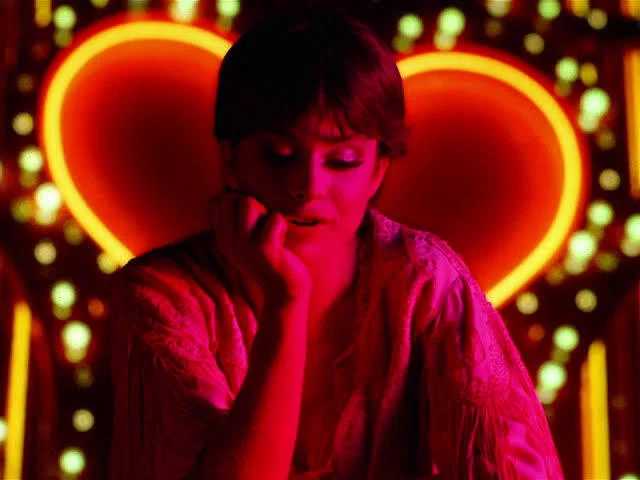
ミステリアスなレイラに
わたしだって、おちると思う
しかもハンクとの関係性が深まるにつれ、徐々に変化するレイラの心情を映像で切り取るのもうまい。
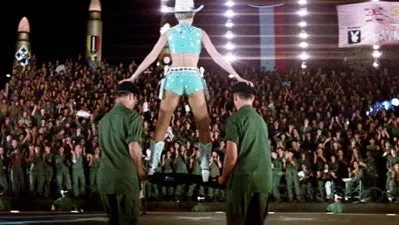
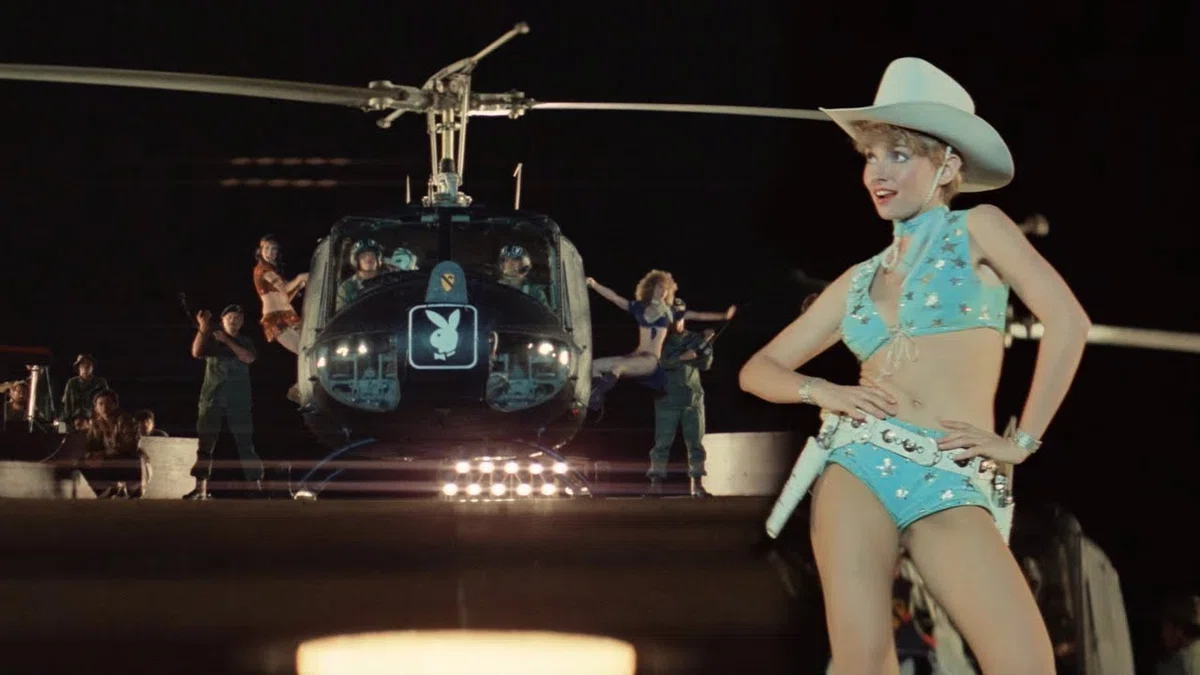
また【地獄の黙示録】に出てくる下記、記載の女の子たちだってそうだ。彼女たちはショービジネス界のプロ中のプロという設定だ。
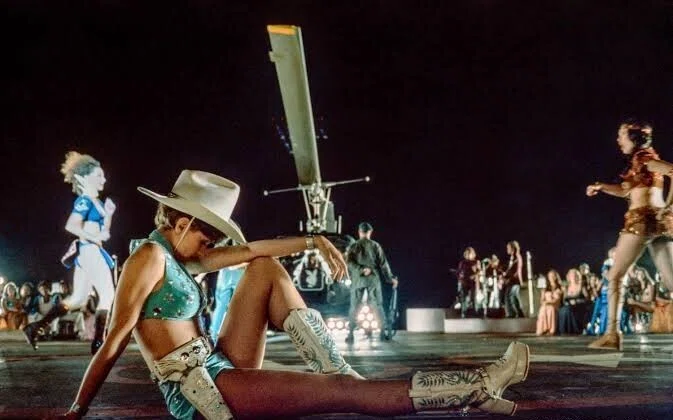
大体どんな映画やドラマでもメイクもケバくてちょっとダサいみたいな、撮られ方をしているイメージ。
一般人から抽選で選ばれた兵士たちが「この俺にもチャンスがあるのではないか」と思わせる親近感も与えながらも…。彼女たちの〈可愛さの最高潮〉をしっかりカメラで捉えているようにわたしには感じた。
性産業
性産業はお金になるらしい…。と聞いたことはあっても、実感したことはなかった。が、【地獄の黙示録】を観て初めてその秘めたるエネルギーを知った。
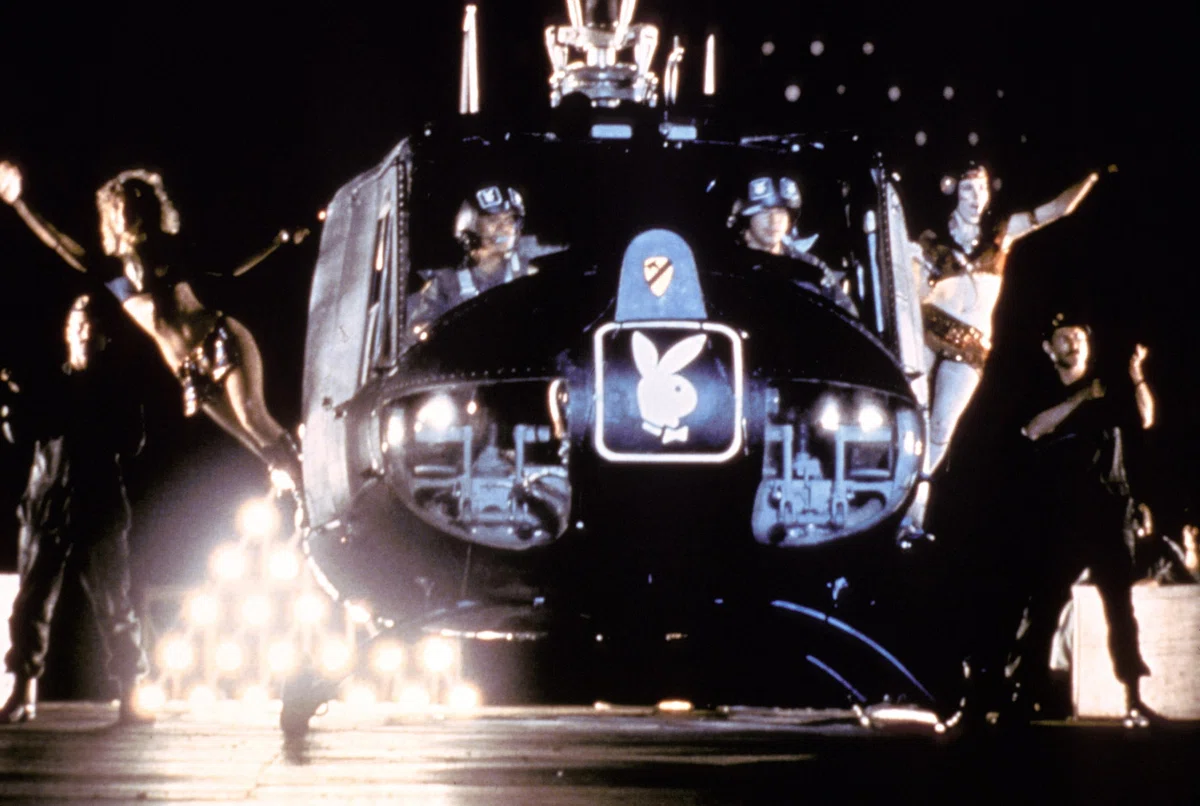
保育園の頃に、このウサギのマークがプレイボーイを指しているということは知っていた。当時、新体操を一緒に習っていた親友が来ていたベロア素材のジャージにウサギが書いてありPLEY BOYと書いてあった。3〜4歳の子どもに着させるってと思うが、当時流行っていたブリトニースピアーズを車でガンガンかけ子どもと一緒に歌う、お金持ちのおうちの子だった笑 ブリトニーエピソードを見聞きするとあの車での出来事がよみがえる…。)
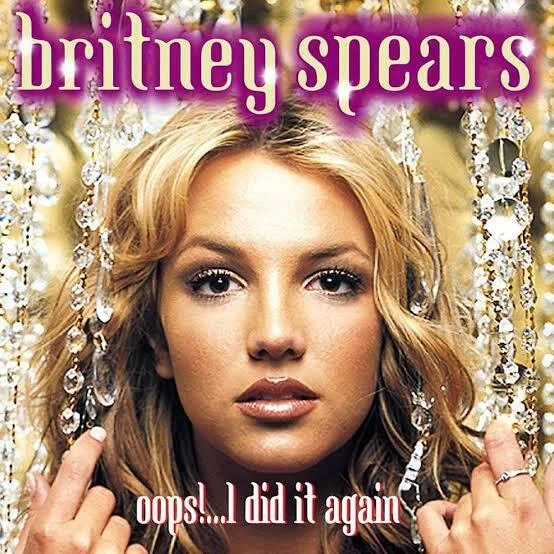
これを車で保護者と共に熱唱してたかと思うと…
かなりファンキーだ笑
また、のちにプレイボーイという雑誌があることも知った。
【地獄の黙示録で】「あら。可愛い子たちが出てくるじゃない」と思った矢先。会場の熱気が最高潮を超えると〈集団心理〉と〈抑圧された男性のエネルギーの姿を、見事に描いたシーンだ〉と惚れ惚れするほどだった。
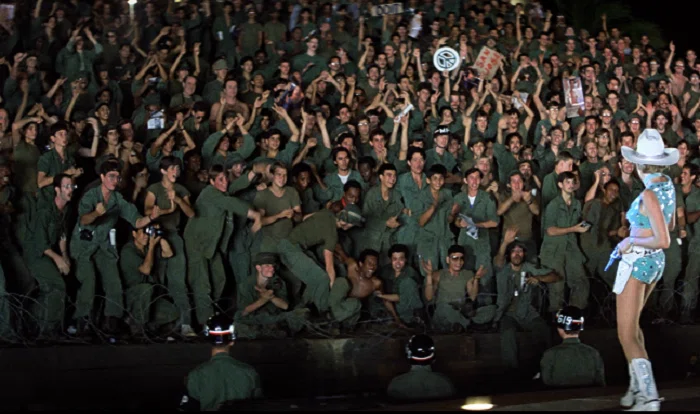
怪我はないかとハラハラしたのも、つかの間
役柄の後日談を想像しても、役者のその後を想像しても
嬉しそうに後に武勇伝として語る〈男の子〉の
姿が思い浮かんで心配するのをやめた
またプロモーションの強烈さも物語っていた。ロゴ付きのヘリで美女たちが去っていく。こんな光景を観た一般人上がりの徴兵された若者への、〈刷り込み〉。インパクトが強烈過ぎる…。無事に兵士が帰還できたとしてもいい思い出ならいいが、うさぎのマークとともに戦場の嫌な記憶もフラッシュバックしてしまうのでは…?と、いらぬ心配をしてしまったほどだ。
実際に戦場での慰問としてこのようなことが行われていたのか、裏どりはできていないが…。
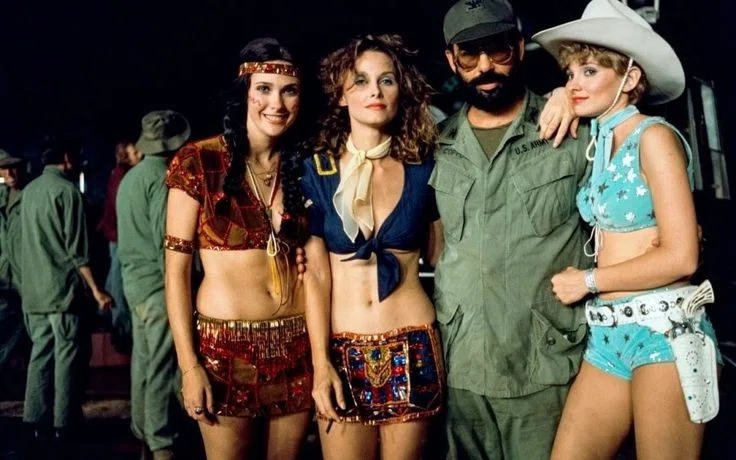
この映画に出るために繰り広げられた
彼女たちの出演までと、出演後のストーリーも気になる
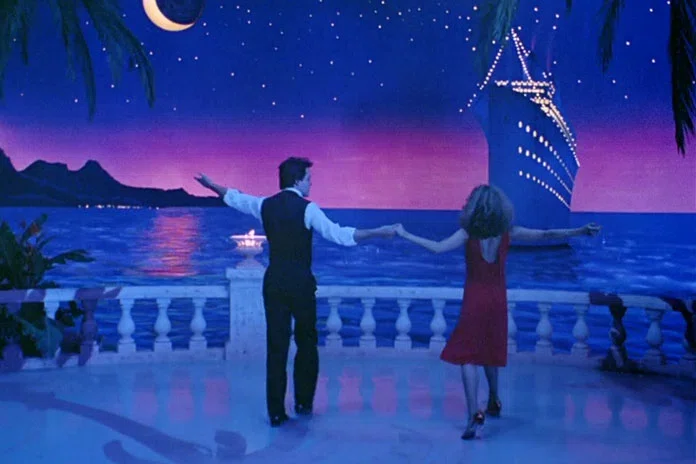
映画【ラ・ラ・ランド】って…
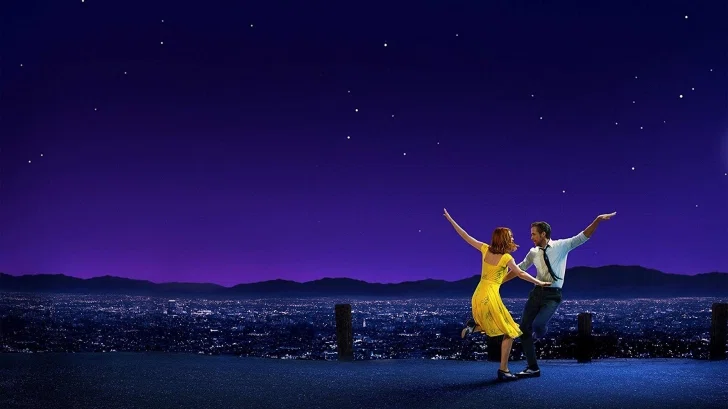
ワンピースの色が違うだけで…
【ワン・フロム・ザ・ハート】への並々ならぬ
リスペクトと捉えたい
小さいころ新体操を習っていたはなしは書いたが、最近も趣味で少しだけダンスをする。またダンス関連の映画や海外ドラマも大好物だ。
【ラ・ラ・ランド】が、どのように誕生したのかわからないが…
完全にオマージュやリスペクトと言っていいかは謎だが…影響受けまくりなのでは?と感じるシーン、色遣いが多かった。

のネオンサイン
【ワンフロムザハート】の冒頭ネオンセンスは
観られただけで
私は幸せ…。
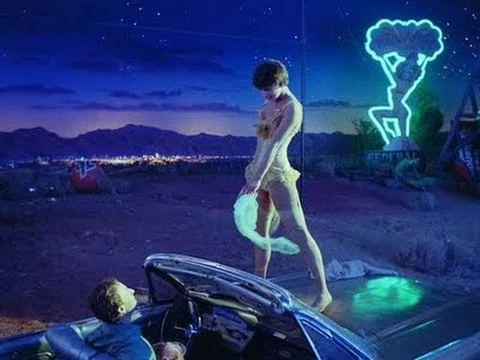
また【ワン・フロム・ザ・ハート】も【ララランド】も両作品男女の本当に些細なすれ違いを描いているように思えた。それはパズルの1ピースを無理やりはめて、間違えに気づかないふりをするように…
その時は些細と感じていても数年、もしくは気持ちが少し離れたときに確実に大きな亀裂となる。
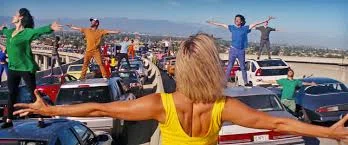
これをパロったゴールデングローブ賞の開会式が
忘れられない ↓一見の価値あり↓
当時、観たときは気が付かなかった・知らなかったが
【ストレンジャー・シングス】の子たちも出てくる贅沢な動画
また恋愛関係において恋は盲目といえば響きは良いが…一方が別れ話をしているのに、まるで受け取ってもらえない場合は恐怖でしかない。
【ラ・ラ・ランド】や【ワン・フロム・ザ・ハート】両作品とも、決して恋愛関係、愛情関係の良いキラキラした面だけを描いたわけではない。
しかしながら本当にうまいこと、男女のすれ違いを描いている。どちらか一方がもう別れ話の終了の一言。と思い、熟考のうえの言葉を吐き出しても…
まるで刺さらず、愚痴かさらなる嫌味で返すかどちらかなのだ。
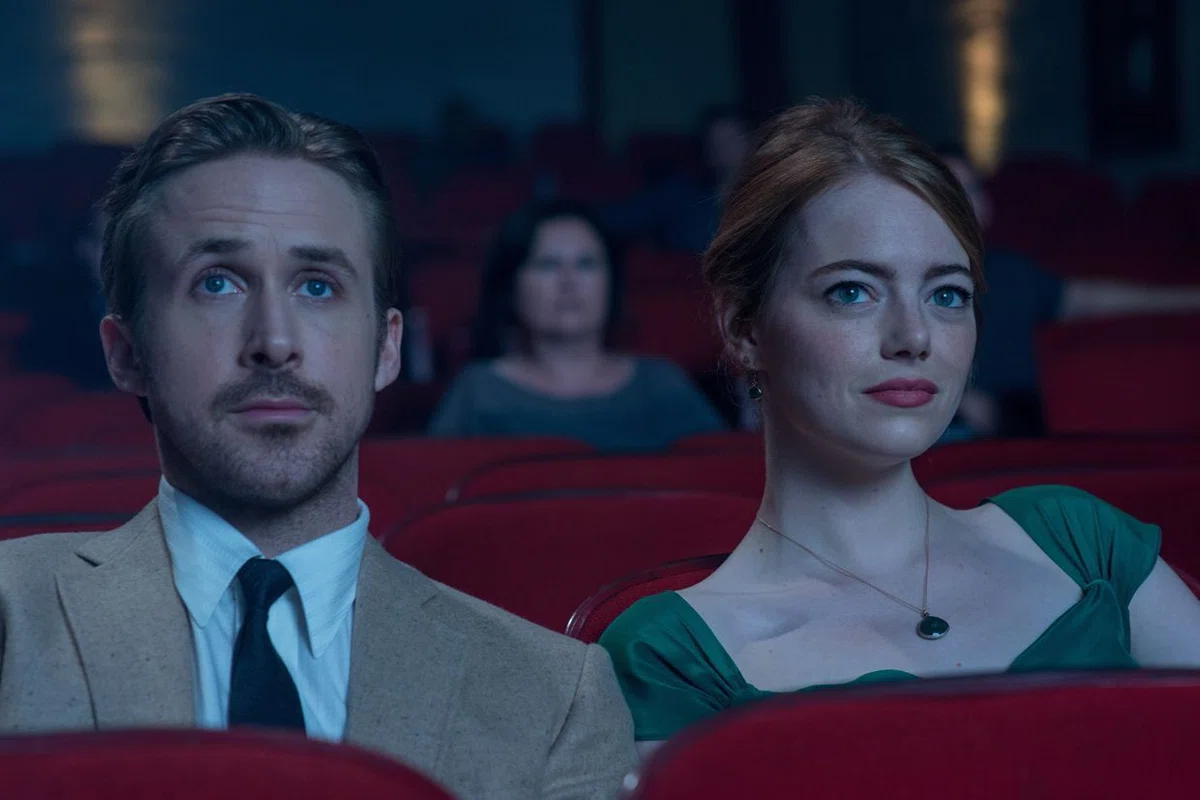
ただ私も過去の恋愛関係から言えるのは、ここまで本音でぶつかりあえる関係性もなかなかないということ。
喧嘩もしない、泣きもしない淡々と幸せな毎日を送る生活も幸せなのかもしれないが…
私は一人の人間として対等にぶつかり合えるほうが、振り返ってみると強い思い出として残っている部分もある。
もちろんぶつかっている間は、しんどいのだけれど…
仲直りしたときの幸福感もまた格別なものではないだろうか。
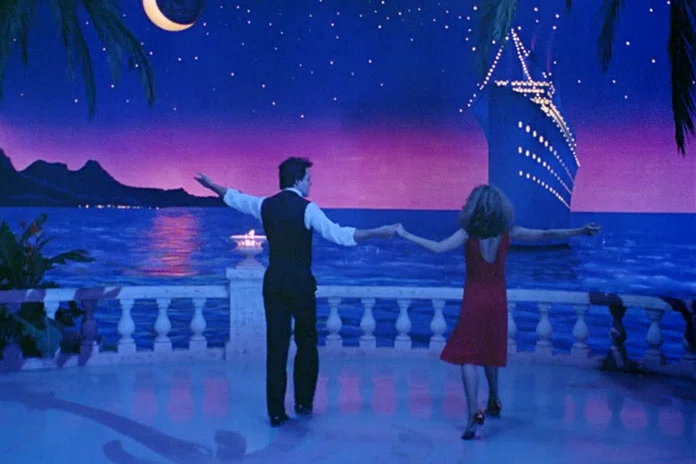
万が一仲直りできなければ…そのひととの関係性は、それまでのものと割り切って一瞬を大切にする。
その覚悟をもったうえでもなお…。すり合わせの努力を互いにしなくなった時、どんな関係性だって疎遠になるのだろう。
ダンスシーン
【ワン・フロム・ザ・ハート】ではダンスシーンがいくつか出てくる。そのアングルがもう完璧なのだ。しかし完璧なアングルになるまで一体ダンサーは何度、踊らされたのか…。
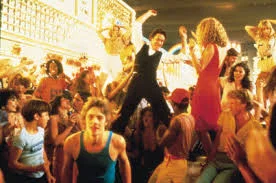
考えただけで恐怖だった。特に総勢何名?と数えるのも嫌になってしまうシーンではクラシックカーも動き、通行人も通る。
いつだったか、フランシス・フォード・コッポラはかなりこだわりが強いとい聞いたか、読んだことがあったように記憶している。
そのような監督に何度も、ダンスを求められ「ここをこう」「その通行人!」などやられた日にはダンサーもたまったもんではない。
ただし完成品を観たダンサーは、苦労と裏腹に…。生涯とおして自分のダンスシーンをスクリーンに収めてもらったことを心から感謝しただろう。
いい意味でも、ダンサー泣かせの監督である。
異国の地で極限状態で人間の本性をみる
人の生き死にのときには、その人の本性が出る。これは冒頭出てきた、わたしの母の持論だ。
わたしは戦争を知らない。もちろん学校教育は受けてきたし、関連するドラマ映画も沢山観てきた。
それでもやはり当事者の話を超えることは今までなかった。
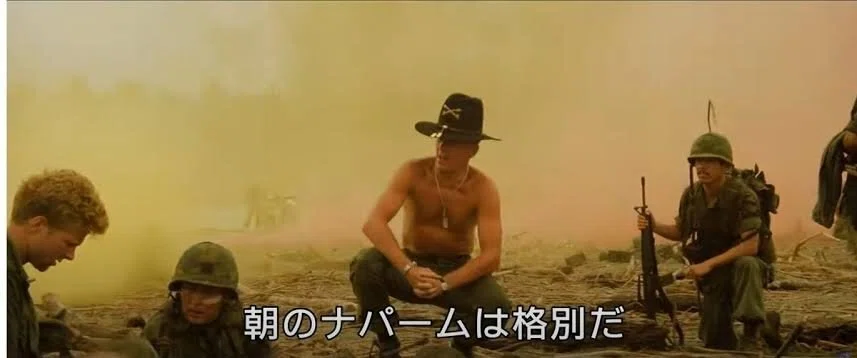
のちのち知った当時の兵士たちは何を思ったのだろう
ナパーム弾について知らない人はインターネットなどではなく
文献を明記した情報で調べてみてほしい
しかし今回の【地獄の黙示録】は違った。
もちろん観終わって現実に戻れば〈映画のスクリーンの中のはなし〉とは思うが、観ている間は戦場の蒸し暑さを頬で感じるほどだった。
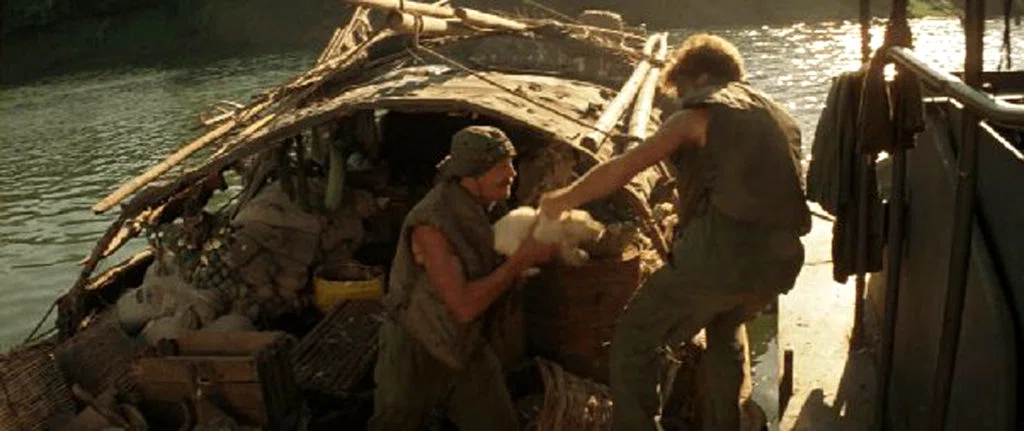
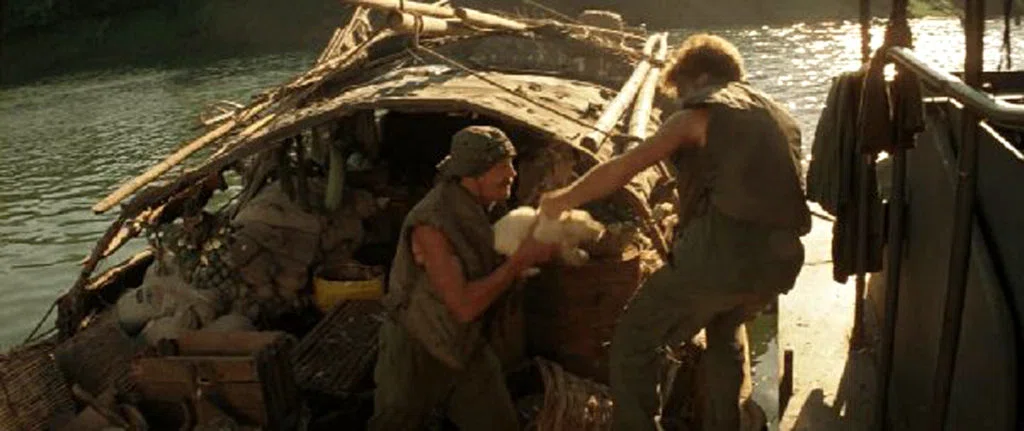
船で地元民を疑心暗鬼になり乱射、自分に危害を加えないと確証がもてる子犬は安心感を求めて素肌に抱く。
人間の本性以外に何だというのか。
また奥地に立てこもり、教祖かのように振る舞う元米軍兵だって…
形や程度は違えど日本の中にも同様の振る舞いをする人は、あなたの身近にもいるのではないだろうか。
一見能天気で好きなことだけを突き詰めるサーファーのような人間が生き残るのは、あながち間違っていないかもしれないとか…
人間の本質について考えさせられる場面が多い作品だった。
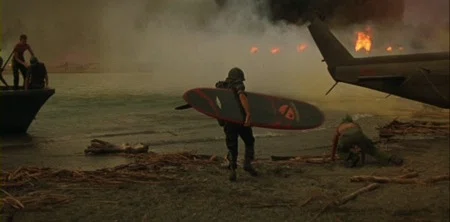
また祖父が感受性豊かな幼いわたしに、聞かせなかった・想像させなかった戦場の様子が【地獄の黙示録】のシーンにちりばめられていたのではないかと思わざるおえない。
おまけ
【国宝】についてのリサーチ
前回の文章、スキ♡もコメントも沢山ありがとうございました。
わたしのこと何者?!と書いてくださったあなた笑
私と同じ感性ですね。文章をかいた人がどんな人か気になりますよね。たまにまたみに来て、文章のなかの〈わたしのはなし〉を読んでくださったらうれしいです。
稽古のメイキング映像が観たかったのにさがしても出てこず…。それでも「えっ?!!これセットだったの?」「寺島しのぶさん。そこまで言っちゃって大丈夫?!」とか楽しめた動画。(かなり長め。)
↓
こちらは今物の歌舞伎役者であり、女形の坂東玉三郎さんのインタビュー動画。誰からも反感をかわない、だれも傷つけない。それでいて自分の感情を正しく伝えられる日本語のチョイスが瞬時にできる天才だと感じた動画↓
皆さんからのリアクションは全部、わたしの文章を書く糧に…
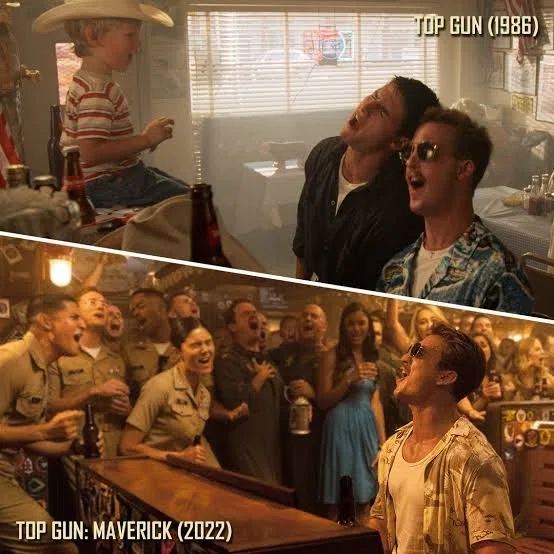
以前わたしの書いた文章を読んで、コメントをくれたあなた。「そうなんです。海外ドラマ【ER】に出てたグリーン先生は【トップガン】にも、いい役で出ていますっ。」
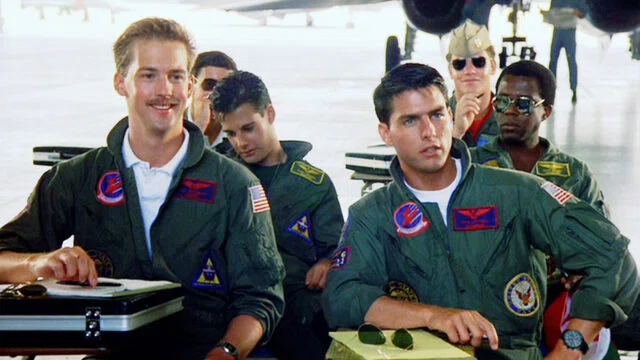
右:ミッションインポッシブルでおなじみ
わたしは【ER】を散々観たあとで続編の【トップガン マーベリック】を観るために【トップガン】を観たので…。あの時のわたしの、くちあんぐりの顔を見せたいくらい。
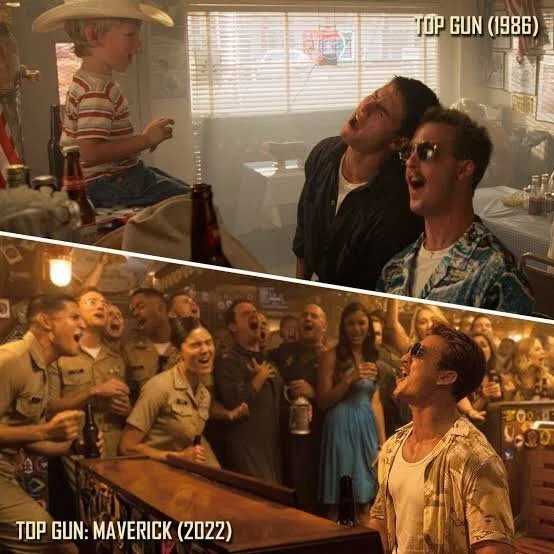
ちなみにマーベリックも大好きな作品になり、いまでもこの曲が聞こえてくると踊りだすほど笑
先日私のルーティンで元気がなくなったときに行くご飯屋さんでの出来事。いつもはどれだけ元気がなくとも、金曜日まで我慢するのだが…
いつもより電車に余計揺られて、帰る時間が遅くなってもそこのご飯が食べたかった。ので週前半、明日も早いというのにも関わらず…わたしは電車にゆられた。
そのお店の店長はなりふり構わず、職人のようにご飯を作るのだが…一瞬見せてくれる「来てくれてありがとう」の笑顔が忘れられないような人だ。

チップジャーと呼ぶ
最近アメリカンダイナーやドーナツ店などで
見かけるようになった
その人の作るご飯だっだらいくら出しても良いし、アメリカみたいなチップを入れる瓶がおいてあるお店なら私は毎回チップを入れるだろう。
文章を不特定多数のひとに発信することの責任
先日noteで文章を書いて初めて《お金をいただいた》。今まで、ダンスや料亭でもチップをいただいたことは確かにあった…。
自分の身を削ってキャンバスに塗り広げて、かいたようなわたしの文章で…お金をいただけたこと。比べるべきでないのは重々承知だが…
今までダンスや大学時代に料亭で働いていたのチップ等いただいた経験がある中で…一番うれしかったのは、隠しようもない事実。
わたしのnotoでの《生まれて初めての体験》。心から、ありがとうございました。

さらには、わたしの文章をよんで映画を観てくださった方がいた。わたしが書いた文章が《誰かの行動に影響した》という事実だけで、少し文章を発信することが怖くなったことも事実。
しかし、怖いからやめるではなく…。誰かへの影響を考えて熟考した文章を書くこと。絶対に届けたい、全力でおすすめできる映画作品を選ぶこと。世間で話題になている作品こそ、正直に感想を書くこと。
これからも歌舞伎俳優の玉三郎さんのインタビューのように「言葉に十分すぎるほど、配慮して発信しよう」と襟が正されました。
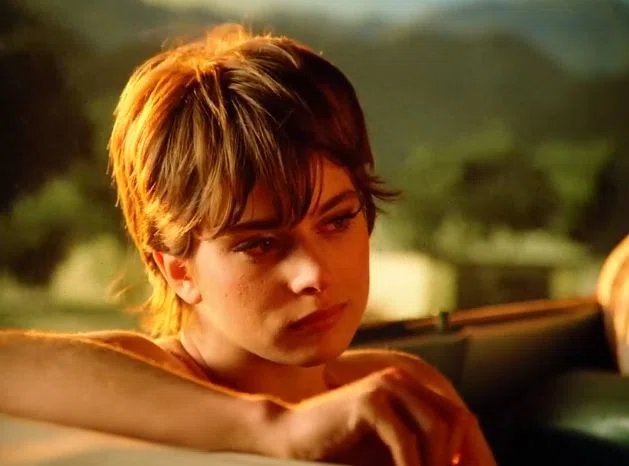
《映画の世界に浸るのが好きな人》のところへ、わたしの文章が届くことを願って…
おしまい。
When I watch movies, I don’t usually pay attention to the director—but even someone like me knows the name Coppola.
I believe the first time I recognized the name Coppola was when I watched Marie Antoinette. It was an unforgettable theater experience. The director was Sofia Coppola, then 35 years old—not that far off from my own age at the time.
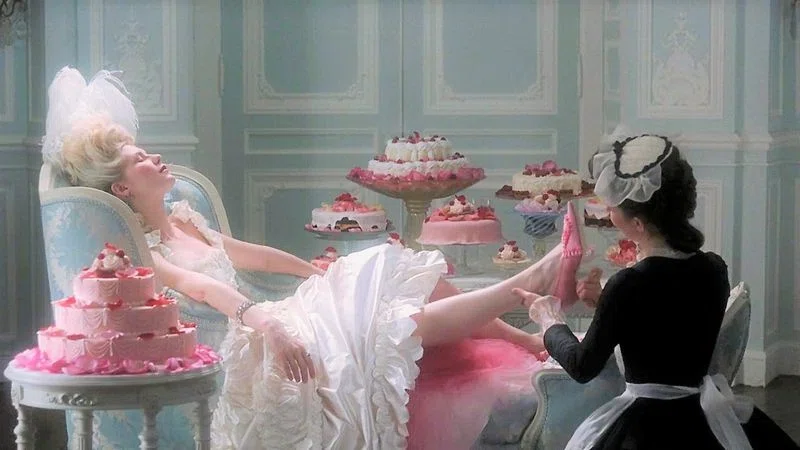
I saw it in the theater as a junior high school student.
This time, I’m writing about two works by Sofia’s father, Francis Ford Coppola. Before seeing Marie Antoinette, I had never watched any films by her father—despite his fame in the movie world. Of course, even as a child, I knew the title and the music of The Godfather… but I don’t think I ever connected the film to the name Coppola.
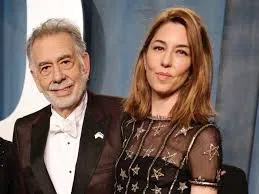
Left: Father, Francis Ford Coppola Right: Daughter, Sofia Coppola
Before talking about movies—let me tell you about me
From the very first article I wrote on note, I’ve always made a point to share personal stories. As a sort of self-introduction, I include anecdotes about myself that connect with the films I discuss.
The reason is... when I encounter someone's creative output, I often find myself wondering: “What kind of person could express themselves this way?” “What was this person’s childhood like?”

With famous directors, authors, or artists, there are often records or biographies describing their early lives. But in spaces like note, SNS, or other corners of the internet where you don’t see faces… the audience’s emotional response can easily become detached or impersonal.
About a month ago, someone said to me, "You watch a lot of movies, right? Why not share your thoughts on them?" That comment led me to start writing on note. Because I’m the type who always imagines “Who wrote this?”—I decided from my very first post to consciously open up about myself in each article. And so, the segment titled "My Story” became the introduction.
Dance
When I was small, my parents put me into a rhythmic gymnastics class at the local community center, hoping it would help me develop graceful movements. I was just three years old.
Since I’ve never raised a child myself, I can’t say exactly how detailed my memories are, but from what I learned in college about early childhood education, organizing group activities with three-year-olds—unless you're a childcare professional—is extremely challenging. At that age, children rarely engage with others outside their family by their own volition.
Still, when I was about three years old, I danced with a group during our annual performance—and surprisingly, I continued rhythmic gymnastics for nearly ten years.
After becoming an adult, I resumed dancing, and now, when I watch musical films, my body instinctively moves to the rhythm. In movie theaters, I occasionally feel like dancing with the characters on the screen—sometimes I’ll even sneak a little toe movement in my seat.
And at every one of those childhood performances, my family was there cheering me on. I still vividly remember how happy my father and grandfather looked.
About My Grandfather
I touched briefly on my father in a previous article about National Treasures, but this time, I want to share a story about my grandfather.
I never met my paternal grandfather—he passed away before I was born. So the only person I ever called “grandpa” was my maternal grandfather.
He trained under his mentor in the kitchens of several prestigious hotels, and eventually rose to become the CEO of a restaurant chain. And only once in my life did he ever share with me his memories of war.
I hesitated to write about this sensitive topic, but when I decided to talk about Coppola’s Apocalypse Now, I felt I couldn’t avoid the subject of war.
My grandfather passed away in my senior year of college, so now it saddens me that I can’t ask him more about what he experienced.
So, when you read this segment on “war,” please understand:
I haven’t been able to verify many details;
I was a child when I heard the stories;
And I did not personally live through war.
Though my grandfather was endlessly affectionate with me…
When I spoke with my mother, I learned that during her childhood, he wasn’t exactly what you’d call a “good father”—neither to his wife, my grandmother, nor to his children.

When war broke out, my grandfather wasn’t yet of conscription age, so he voluntarily enrolled in a school—one that, from today’s perspective, seems to have trained people for intelligence or espionage work. (Although, as I’ve mentioned before, this is all just hearsay.)
He lost his father at an extremely early age and was raised in a single-mother household—something quite rare back then. Widows in those days were quickly encouraged to remarry, so single-parent families were exceedingly uncommon.

When the mother’s family isn’t wealthy, and opportunities for women to earn enough to support a household are limited… poverty becomes a heavy burden. Children from such homes were often targets of bullying at school.
Yet my grandfather may have been a strong-willed ringleader, a gifted speaker, or perhaps he simply chose not to share darker memories with me. There’s no way to confirm any of it now—an absence that is both frustrating and oddly beautiful. Maybe having room to imagine is its own kind of blessing.
Wartime Cuisine and Ships
The only time my grandfather—who doted on his one and only granddaughter—ever talked to me about the war, he chose to speak of two things: food and ships.
Since he was not yet old enough to be conscripted, he never went to the frontlines. However, he did travel overseas by ship. His job onboard? Cooking.

He told me that working in food gave him an essential insight: “If you’re involved in food, you’ll never go hungry.” He held onto that belief for the rest of his life, eventually climbing to the role of CEO. My mother, who was raised by him, would often quote those words, reinforcing how deeply that philosophy shaped him.
As a child, I found myself utterly fascinated when he spoke of life on naval ships and foreign lands. Though war is a grave subject, I must admit—listening to tales of unfamiliar worlds lit up my imagination.
(Though perhaps inappropriate to say,) I was thrilled at first. But then… his stories took a turn.

He spoke of how the battleship he was on was attacked. “I don’t know if it was a missile or a bomb, but we were hit—right beside me,” he said, staring off into the distance.
The doting face he usually showed me vanished. He was serious—eerily calm. I was struck by his transformation.
In my mind, I envisioned the scene. It was as if I were there myself.
The Value of Being Thought of, and of Communication
My grandfather once said, “The person I was joking with just moments before died right in front of me.” The bombing lasted for hours, and it was later revealed that only a few survived—including him.
He clung to the wreckage for over half a day, drifting alone through the ocean. Eventually, he was rescued by an Australian ship.

A School That Taught Survival
While writing this article, I researched the school my grandfather attended. At the time, phrases like “For the sake of our country” were plastered everywhere. Children, too, were taught to believe that dying in war was the honorable way to die.
But to my surprise, his school—a place that trained future intelligence operatives—was different.
Unlike general Japanese military education, students were trained to survive—even if captured and disgraced. They were taught to continue the mission as double agents and disrupt the enemy.
Had my grandfather not attended that school, it’s possible my mother—and I—would never have been born. That realization, uncovered through my research, made me feel a renewed sense of gratitude simply for being alive.
What Happened Next?
As a child, I listened in awe to his stories about ships and the sea. With wide eyes and a trembling voice, I remember saying, “And then… what happened next?”
Of course, I had seen war-related dramas and learned about WWII at school—especially around summer’s anniversary of Japan’s surrender. But hearing these stories directly from someone who was there was an entirely different experience.
After that, my grandfather was taken as a prisoner of war. Still, he was never subjected to torture—perhaps because he was a child, or maybe because he was adept at navigating difficult situations. Now, I wonder if he softened the story for me, since I was so young at the time.
Language, Connection, and Humanity
Even while held captive, my grandfather learned the language of a completely foreign land. He eventually befriended people from what was then considered the enemy country.
He taught me some of the words he picked up. And even today, hearing those words brings back vivid memories of his smiling face—filled with joy at discovering something new, and finding friendship across borders.
In a time when speaking the enemy’s language was seen as unpatriotic, this experience was only possible because of the education he received.
They did not prohibit English—a language considered enemy speech. On the contrary, foreign language skills were essential, and students were encouraged to practice speaking English.
My grandfather never spoke ill of Japan, nor of the nations or soldiers they fought against. Was it out of consideration for his beloved granddaughter? Or to ensure I wouldn’t grow up with resentment toward the wider world? Maybe he was quietly suppressing traumatic memories. Now, there’s no way for me to ask him why.
How I Ended Up Watching Two Coppola Films Back-to-Back
Apocalypse Now and One from the Heart
Over the years, a movie-loving friend of mine has asked me several times, “Have you ever seen Apocalypse Now?” They never explained why they loved it so much, but the fact they kept asking made me think, This must be a film worth seeing.
My mother is close friends with that person. When they heard I’d be returning home from Kansai to Kanto, they quickly said, "Ask your mom which Coppola movie she likes!"—like it was a mission.
So, I asked her during my visit home. She just frowned and replied vaguely: “Hmmm…” Her comments were so half-hearted I couldn’t possibly share them with the cinema-loving readers of note. She's not one to speak poorly about films, so I guess her sensibilities just don’t align with Coppola’s.
But then, as she casually browsed her smartphone, suddenly from the kitchen she shouted, “Wait—this is a Coppola film?! This one! Tell them I said this one!”
It was One from the Heart.
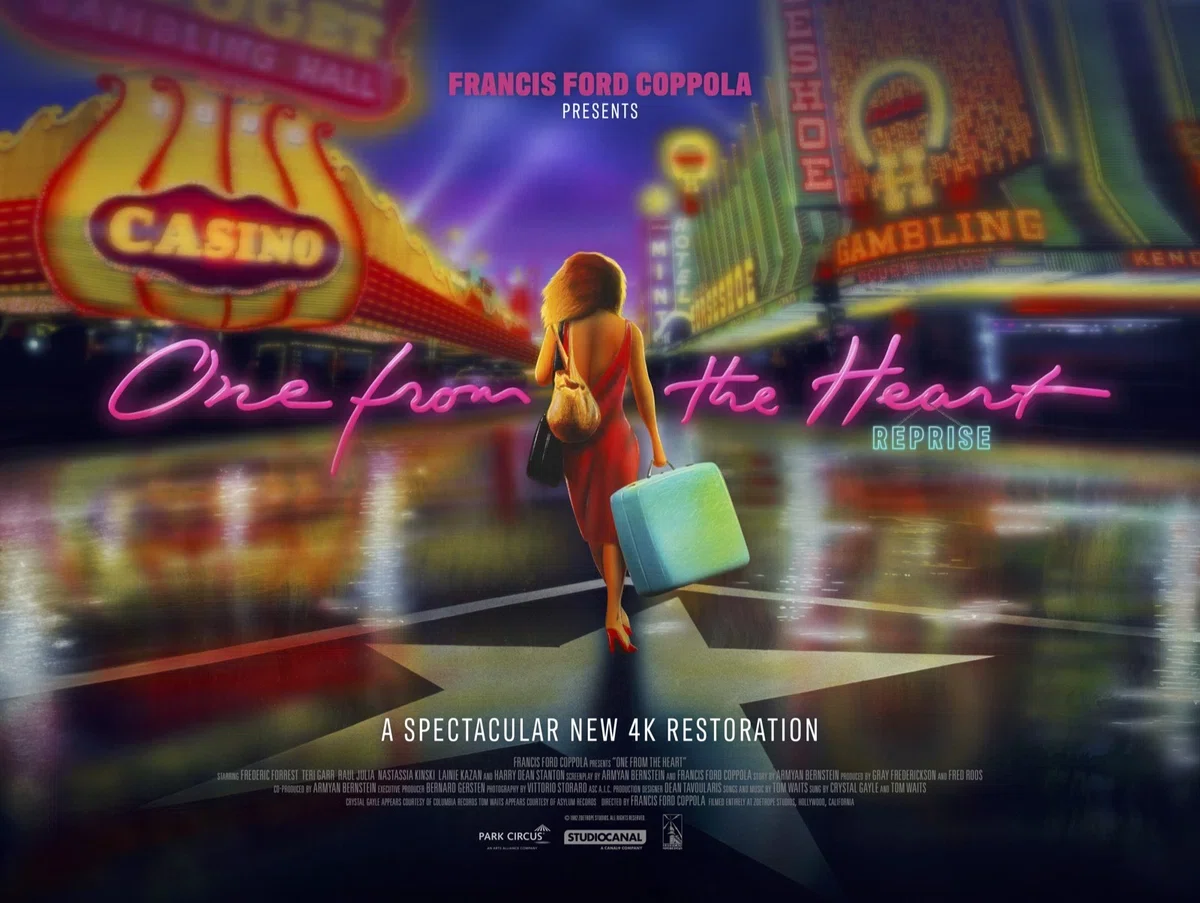
Just hearing the title made my intuition whisper: This has to be a good film. (I don’t speak English, so this instinct came purely from how the title sounded—laughs.) Also, one of my Netflix rules is: Watch the one with the best thumbnail. Even by that standard, I felt sure—it had to be good.
We streamed it together then and there.
Later, back in Kansai and still unpacking, I was looking for something to play in the background… And after watching One from the Heart, my streaming app recommended Apocalypse Now. I thought: Wait, the same director made both? What kind of movie is Apocalypse Now, then? Of course I had to watch it. That’s how I ended up spending two days immersed in Coppola’s work.
A Little Comic Strip Sparked It All
Truth be told, I usually don’t jump at movie recommendations unless:
I’m deeply curious about the person who suggested it
Or the movie stars an actor I love
This time was different. I had just read a comic called Lucas Wars—a self-styled biography of George Lucas, the creator of Star Wars.
It wasn’t written by Lucas himself, so I called it a "semi-biographical manga."
What drew me to the comic wasn’t just curiosity about Star Wars—the artwork was charming. And sure enough, Francis Ford Coppola made a guest appearance!
Because I’d been hearing the name “Coppola” repeatedly—especially in relation to Apocalypse Now—I gasped when he appeared in the manga: “Ah! That’s the Apocalypse Now guy!” Funny how repetition sears things into your brain.
Side Note for Fellow Book Lovers 📚
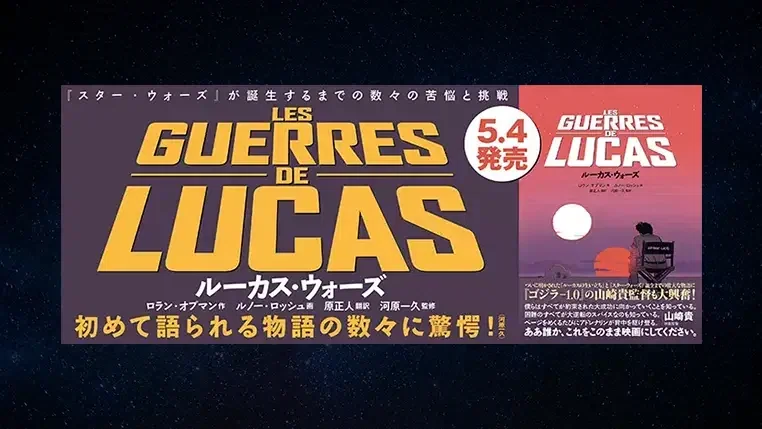
This is the manga: 📖 Lucas Wars Published by Kinema Junpo 🆔 ISBN: 978-4873764917 You know me—working in books and publishing, I just had to include the ISBN!
Final Thoughts
This time, I’ve written about not one, but two films in a single post. As always, I’ve stuck to my 140-character, spoiler-free style for movie impressions on note. If this sparked your interest, I’d love it if you read my earlier posts as well.
Apocalypse Now
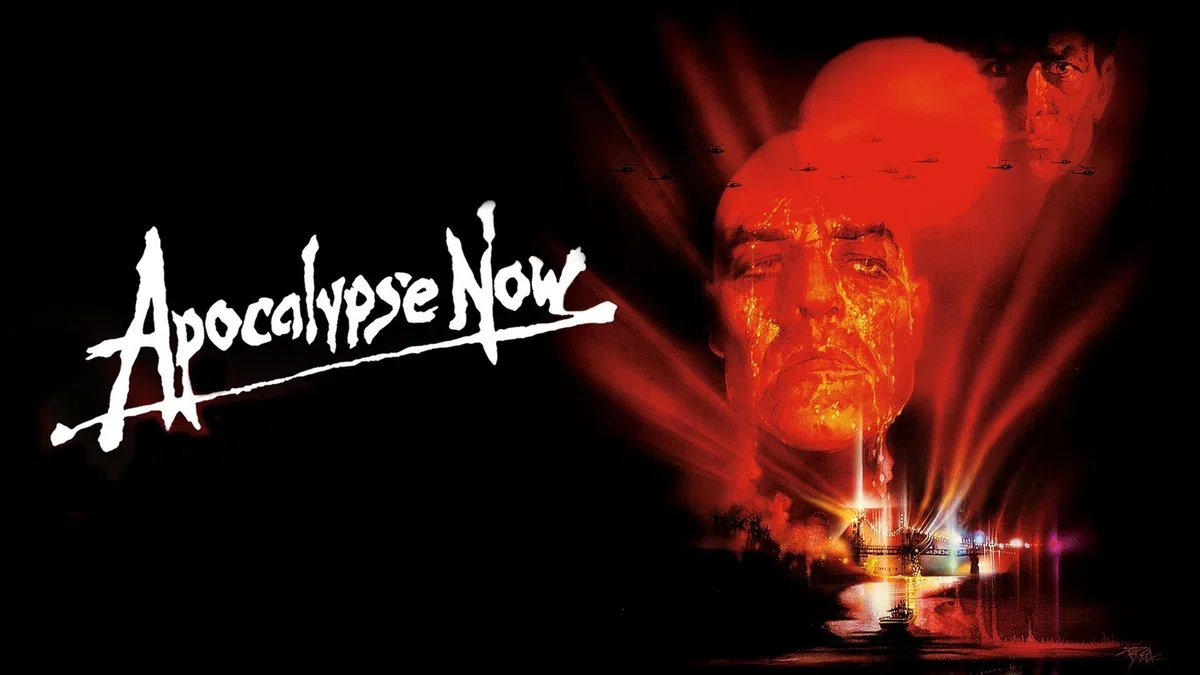
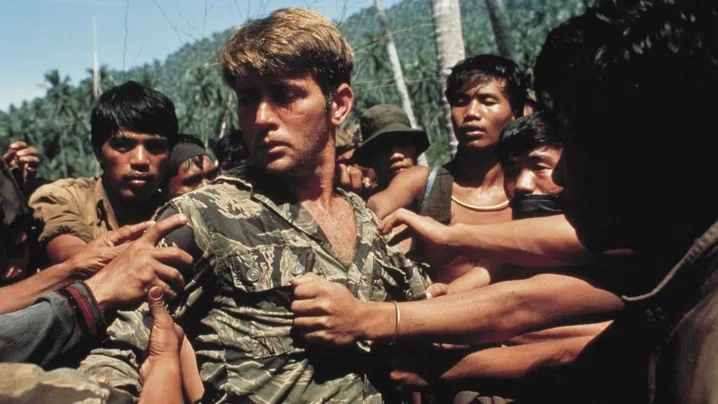
Colonel Willard, who has completed numerous special missions, takes on a new assignment—but the things he sees and hears along the way overwhelm him. In extreme conditions, the true nature of people is revealed. The way sex work is depicted alongside military branding makes you wonder if this, too, is part of human nature. Pay attention to how non-Asian women are portrayed. Though it’s quietly paced until the very end, the film never feels dull. (140 characters)
One from the Heart
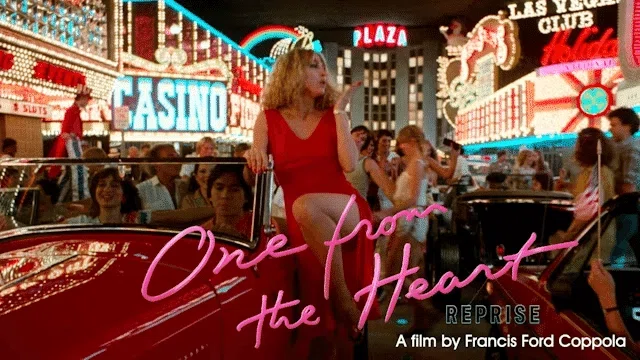
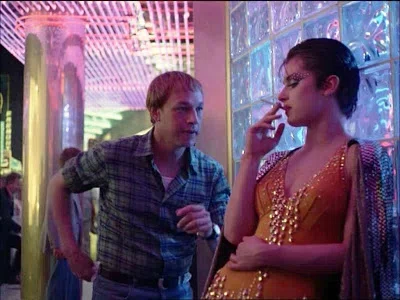
Hank and Frannie have been together for years. Their anniversary becomes an opportunity for them to realign their values. This is a film where you could fall in love based on the color composition alone. Through clever use of shadows, backlighting, and overlays, the visuals express the characters’ emotions without being heavy-handed. The luxurious credits done entirely in neon are breathtaking. And Layla is just too adorable. (140 Japanese characters)
Spoiler-Imbued Reflection
(Thoughts written 3–4 days after viewing)
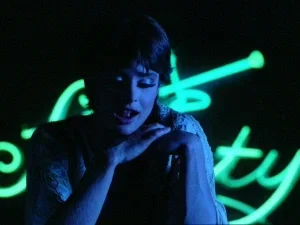
Who is the actress who plays Layla in One from the Heart? She doesn’t seem to be a ballet dancer… Did they discover her in an audition? How does someone find such a multi-talented woman?
Honestly, I think Coppola is a genius at capturing beautiful people and making them even more captivating. I’m sure he has many strengths as a director. I haven’t researched him in depth because I didn’t want external information to blur my personal impression. Like knowing what awards a film has won or when it was shot—it might keep me from expressing myself directly and instinctively. (I’m the kind of person who’s easily influenced!)
After watching his two films, I came away with one clear feeling: He’s a genius at framing beauty in its most charming light.
When it comes to camera angles and how she sends a glance… I bet she knows exactly what works best for her.
What’s more, if another director had filmed Layla in that exact same outfit, I’m pretty sure it would’ve come off as unfashionable. Yet Coppola managed to turn her natural, slightly rustic look into a highlight of her charm.
Even under parental supervision, she has enough courage and curiosity to sneak away and enjoy a night of excitement. Coppola gracefully captures not the public face she wears for show business—but the one she reveals in private, to a man who treats her kindly. Those are the expressions he chooses to preserve.
Honestly, if Layla appeared before me in real life… I think even I would fall for her mysterious aura.
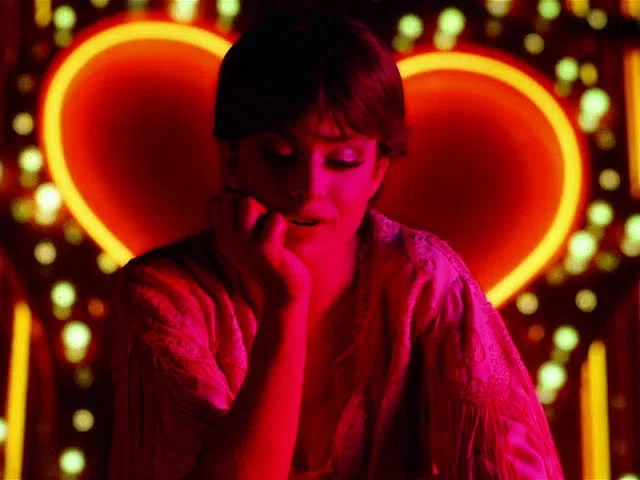
As her relationship with Hank deepens, the film also skillfully reflects Layla’s emotional changes over time.
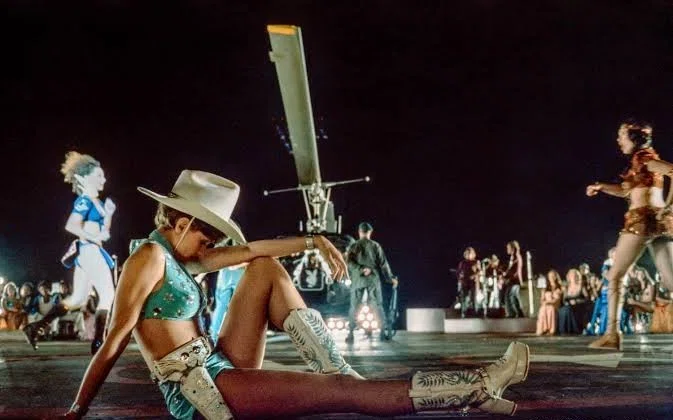
The showgirls in Apocalypse Now were also impressively shot. They’re portrayed as top-tier professionals in the entertainment industry. Unlike many movies where performers are heavily made up and awkwardly styled, these women were filmed in a way that truly captured their peak charm. You can sense how they struck a delicate balance—being just relatable enough that ordinary drafted soldiers felt like maybe, just maybe, they had a chance with them.
Reflections on Sex Work and Sensory Impact
I’d heard that the sex industry is profitable, but watching Apocalypse Now was the first time I felt the energy behind that idea.
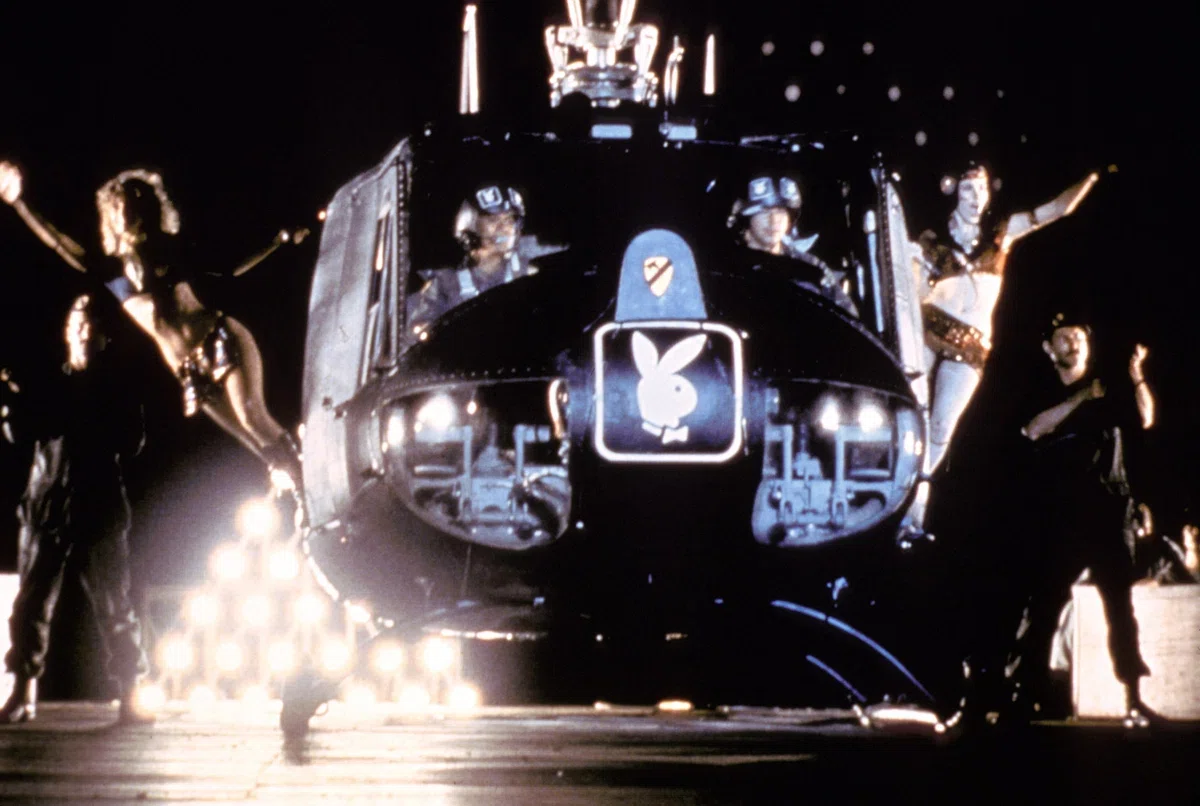
Even back in preschool, I knew the bunny logo represented Playboy. One of my friends in rhythmic gymnastics wore velour track pants with the bunny on them. Yes, we were only 3 or 4 years old!
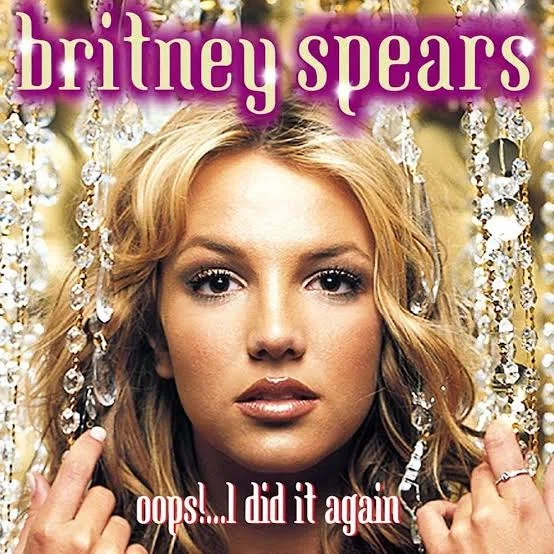
Her family was wealthy, blasting Britney Spears from their car and singing along. Whenever I read Britney-related stories now, I flash back to riding in that car…
Looking up the lyrics now, I realize we were preschoolers passionately belting out those songs with our parents—pretty wild, right?
Later, I learned what Playboy really was.
At first, in Apocalypse Now, I thought, “Oh, look at those cute girls!” But when the crowd reached a fever pitch, the film transitioned into a brilliant depiction of mob psychology and repressed male energy—it was mesmerizing.
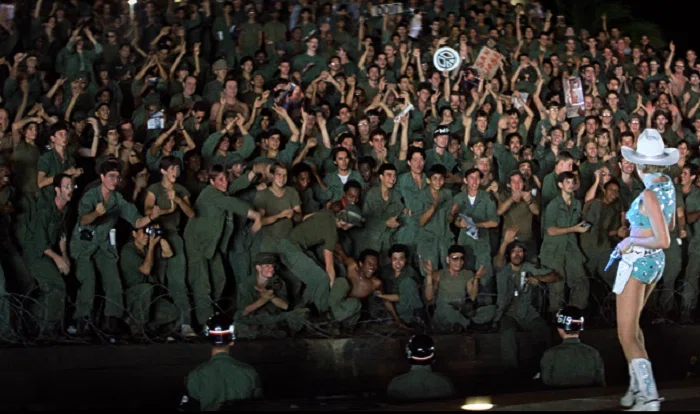
Right after this scene, when I saw people dangling from helicopters, I momentarily worried for their safety. But then I imagined how those boys probably bragged about it afterward. My concern faded.
The promotional intensity of the scene also hit hard: women flying off in helicopters emblazoned with logos. For young conscripted soldiers, the visual was almost too powerful—a mental brand. Even if they made it back safely, might that bunny logo trigger flashbacks to traumatic memories?
I couldn’t verify whether performances like that actually happened during wartime, but the effect felt real.
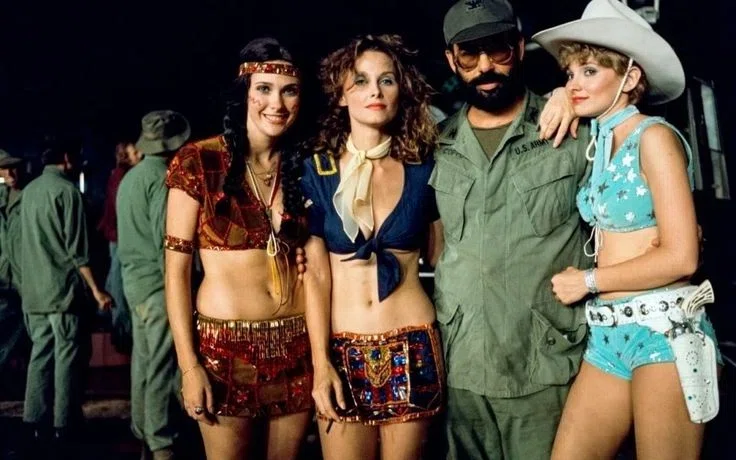
I genuinely want to know how those women maintained their physiques. What’s the story behind their casting and what happened afterward?
La La Land Parallels
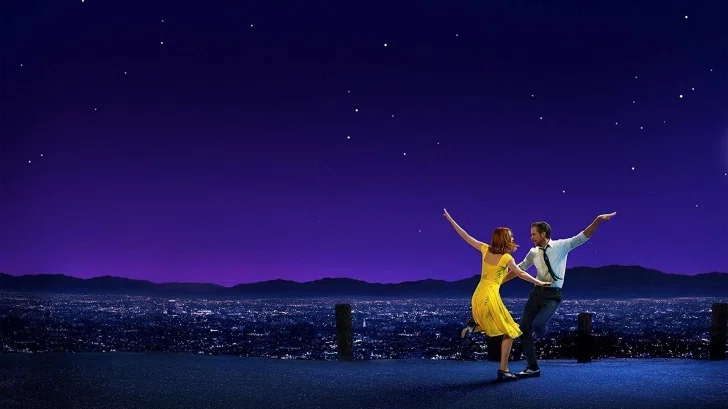
Even that iconic La La Land scene—change the color of the dress and you get something that feels like a respectful nod to One from the Heart.
I’ve written before about taking rhythmic gymnastics as a kid, and I still dance as a hobby today. Dance movies and international TV dramas? Love them.
I’m not sure exactly how La La Land came to be, but between the colors and the framing… So many scenes felt heavily influenced. Maybe it’s homage. Maybe just deep respect.

There was a neon sign near the end of La La Land that looked familiar. The neon aesthetic at the beginning of One from the Heart alone made me feel lucky to have seen it.
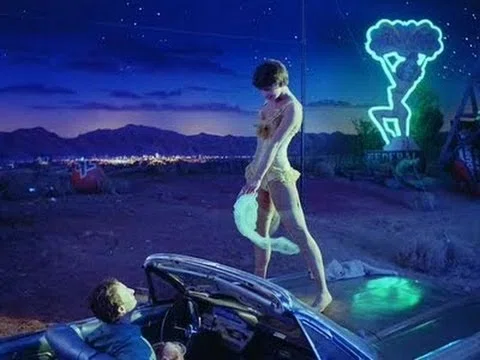
Layla, honestly—she was just too adorable.
Both One from the Heart and La La Land portray those tiny emotional misalignments between couples. It’s like fitting the wrong puzzle piece and pretending it belongs. In the moment, it seems minor… But years later, or after some emotional distance, it might become a major crack.
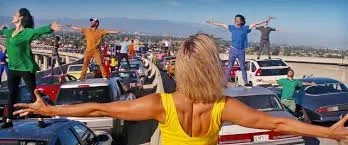
That unforgettable Golden Globes opening, parodying La La Land, left a lasting impression on me. At the time, I didn’t realize it, but the kids from Stranger Things even make an appearance. It’s a luxurious, must-watch video.
The Beautiful and the Painful Sides of Love
In romantic relationships, the phrase “love is blind” may sound poetic, but when one person is trying to end things and the other refuses to accept it—it’s nothing but terrifying. Both La La Land and One from the Heart portray not only the sparkly side of love, but also the pain and disconnect.
Even when one side has made the tough decision to part ways and finally utters those final words... Instead of being heard, the message is either brushed off like a complaint, or returned with a snide remark.
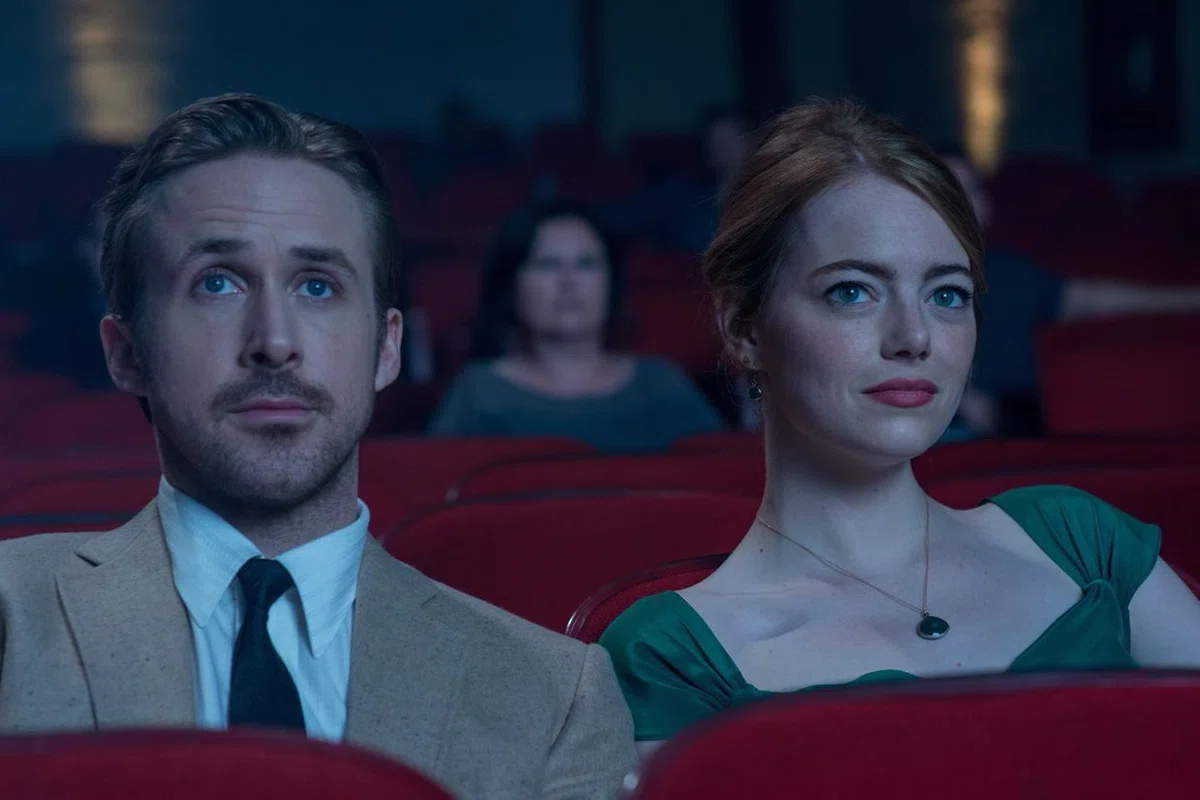
Still, based on my own past experiences, I feel that a relationship where both people can clash openly and honestly is rare—and valuable. Living quietly and peacefully without fights or tears may be one kind of happiness, but I’ve found that those honest, emotional moments tend to stay in my memory the strongest.
Of course, those moments of conflict are painful... But making up afterward? That happiness is unmatched.
And if the relationship can’t be mended, then cherishing the time you had becomes even more important. But when both sides stop trying to reconcile, even the closest bonds grow distant.
Human Nature in Extreme Conditions
War reveals the true nature of people. That’s my mother’s personal belief, mentioned at the beginning. I don’t know war firsthand—though I’ve studied it in school and through media. Yet nothing ever surpasses the weight of firsthand stories.
I later learned about the genetic aftereffects of napalm. What did the soldiers feel back then?
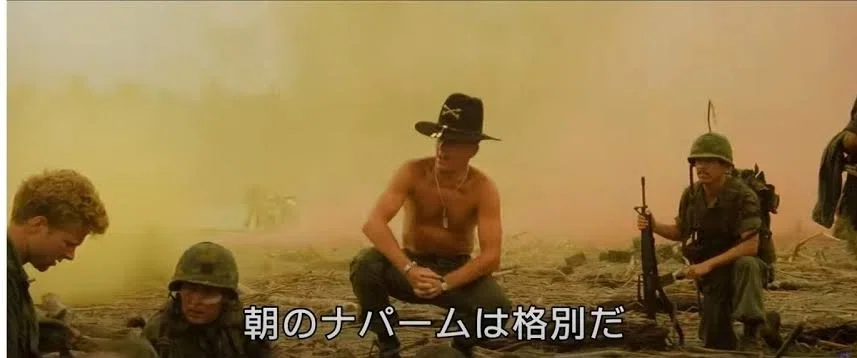
If you’re unfamiliar with napalm, I encourage you to look it up—not on random websites, but in credible academic sources.
Even though Apocalypse Now is "just a movie," while watching, I felt the heat of the battlefield on my skin. Local civilians were suspected and shot. A puppy, seen as harmless, was held close for comfort. What else could this be, if not pure human nature?
Even the former U.S. soldier who hides deep in the jungle, acting like a cult leader... There are people in Japan who behave similarly—even if it’s in a different form or scale.
And sometimes it’s the carefree surfer types who survive. Maybe they’re not entirely wrong.
These two films don’t just show foreign lands or cinematic fiction—they made me reflect deeply on myself and my own life.
Bonus: National Treasure Research
Thank you so much for all the “likes” and comments on my previous article. To the person who wrote, “Who even are you?”—ha, you clearly share my sensibilities! I love wondering about the person behind the words. So feel free to visit again and check out my My Story segments.
I looked everywhere for behind-the-scenes rehearsal footage from National Treasure, but couldn't find it... Even so, watching videos like “Was that a set?” and “Did Shinobu Terajima really say that?” brought me joy. (Very long footage, by the way!)
Another video: an interview with kabuki legend Tamasaburō Bandō. He’s a genius with language—able to express emotion in beautiful, precise Japanese that never offends or hurts anyone. I was truly inspired by him.
💸 Tip Culture & Warm Encounters
One night, I was more exhausted than usual, but still craved dinner at a place I often go when I’m down. Normally I wait until Friday, but that night—even though it was midweek—I braved the train ride just to eat there.
The chef works with unmatched focus, like a true artisan. But what stays with me is his fleeting smile that seems to say, “Thanks for coming.” That single moment is unforgettable.

In the U.S., places often display a jar for tips—what we might compare to donation boxes here in Japan. If I could leave a tip for every dish that chef made, I would. If there were a jar, I’d drop something in every time.
Comments That Made Me Smile
Someone who read my post said: “Yes, Dr. Greene from ER appears in Top Gun in a great role!”
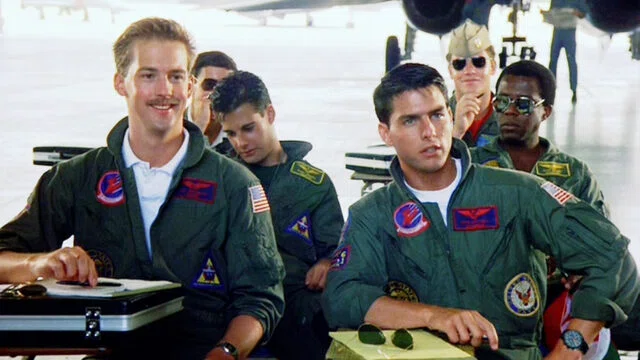
I watched Top Gun after binge-watching ER, and my jaw dropped when I recognized him. And yes, Maverick became one of my favorite films—I still dance whenever I hear that iconic theme song.
The Joy—and Fear—of Publishing
Someone watched a movie because of my post. Just that fact alone made me nervous about publishing future writing.
But I won’t stop. Instead, I’ll reflect deeply, choose my words carefully, and pick films that I truly want to share. I want to be like Tamasaburō Bandō: sharing with grace and consideration.

My First Paid Writing Experience
For the first time, I received money for my writing. I’ve received tips before—for dance or restaurant work—but this felt different. This was something I poured my soul into, like painting onto canvas.
Though you can’t compare different experiences, this one tip meant more to me than any before.
Thank you, truly, for giving me that first experience through note.
I hope this reaches people who love diving into the world of movies.
Fin.
-This sentence is being translated by AI.-
いいなと思ったら応援しよう!
 応援いただいた際には…文章を書く際のカフェ代、書く機器のメンテ代等《書くこと》に使用させていただきます。(それでもおつりが来るよになったら…)私の夢は映画観賞代やサブスク代。さらにはいつか行ってみたいLA訪問費用。それでもおつりが来たらドネーション。そんな日が来ますように…✨🌱