西彼杵半島 Nishisonogi Peninsula ②

Continued from ①
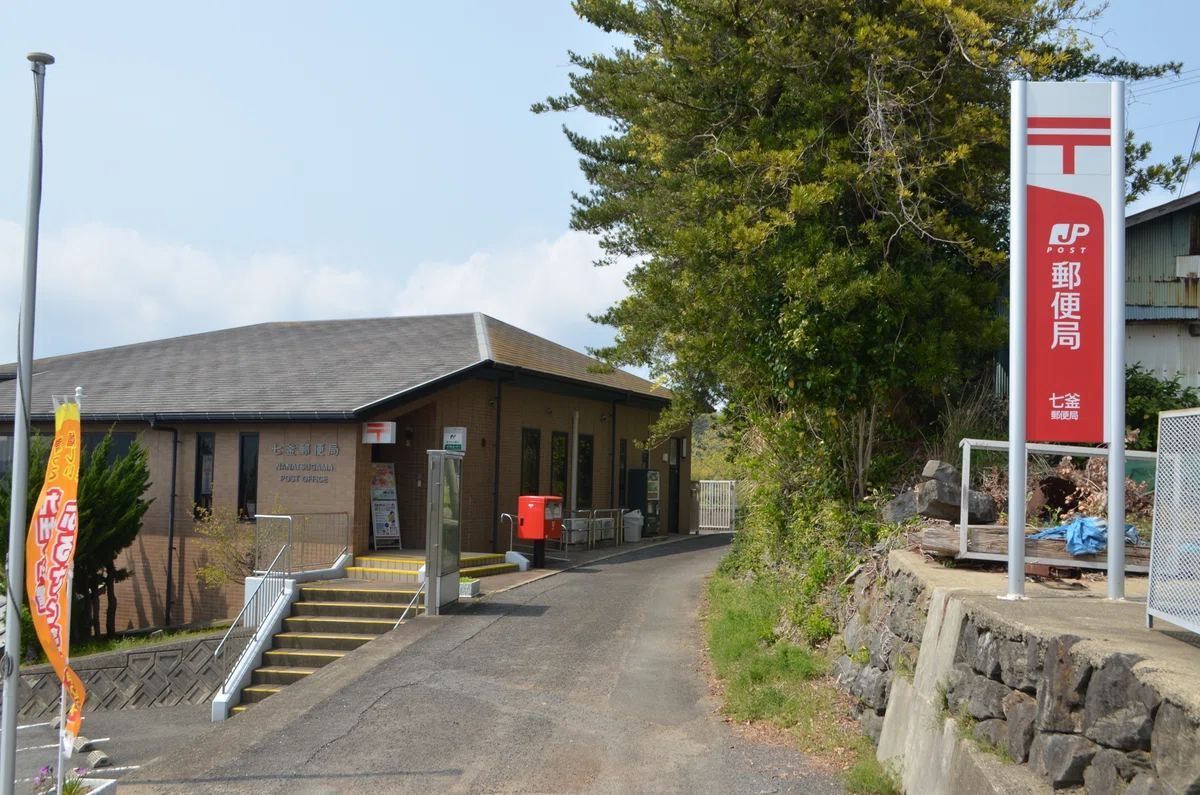
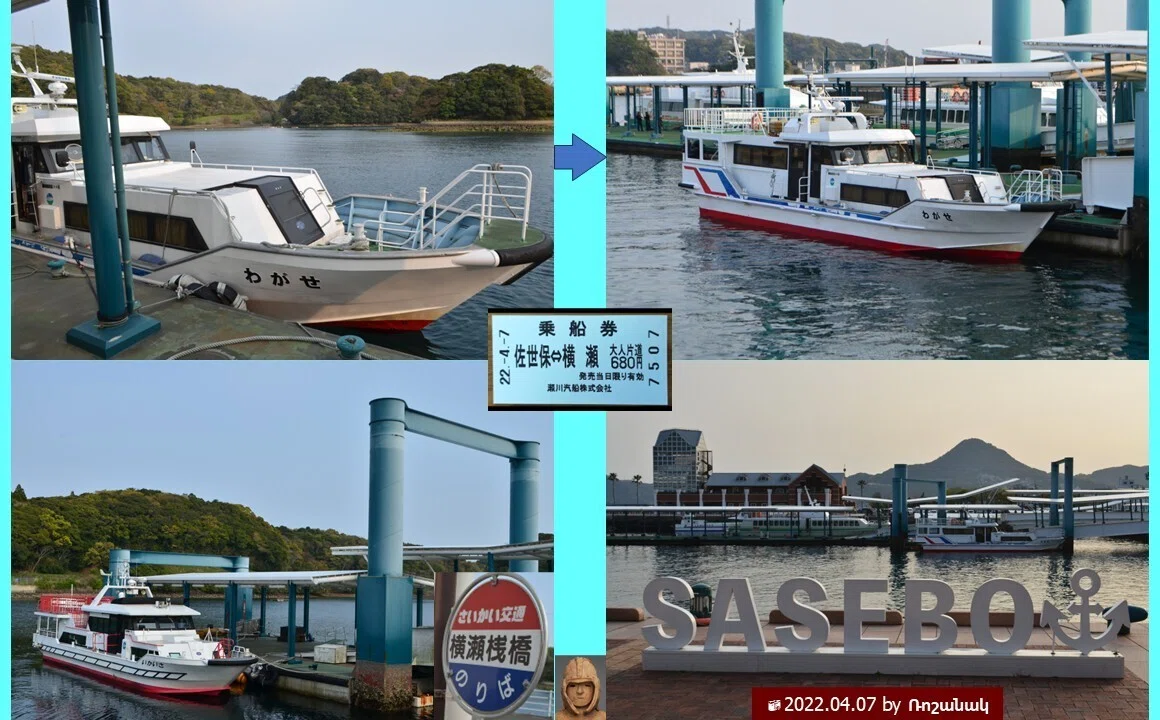
After leaving Sotome Village 外海集落, I went to Nakaura 中浦 by Saikai Kōtsū さいかい交通.
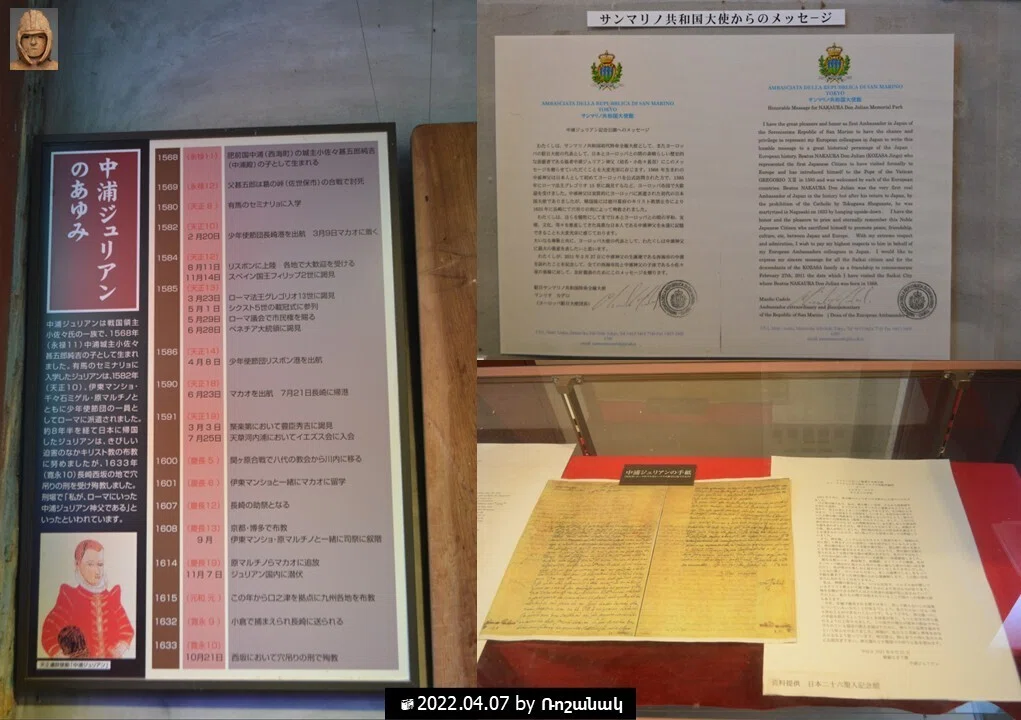
Julião Nakaura (中浦 ジュリアン Nakaura Julian)
is a Christian from the Azuchi-Momoyama period to the early Edo period (about 8th February 1568 - 21st October 1633). He was a deputy envoy of the Tenshō embassy 天正遣欧少年使節 to Europe. He was a Jesuit, became a priest of the Catholic Church and was martyred and beatified.
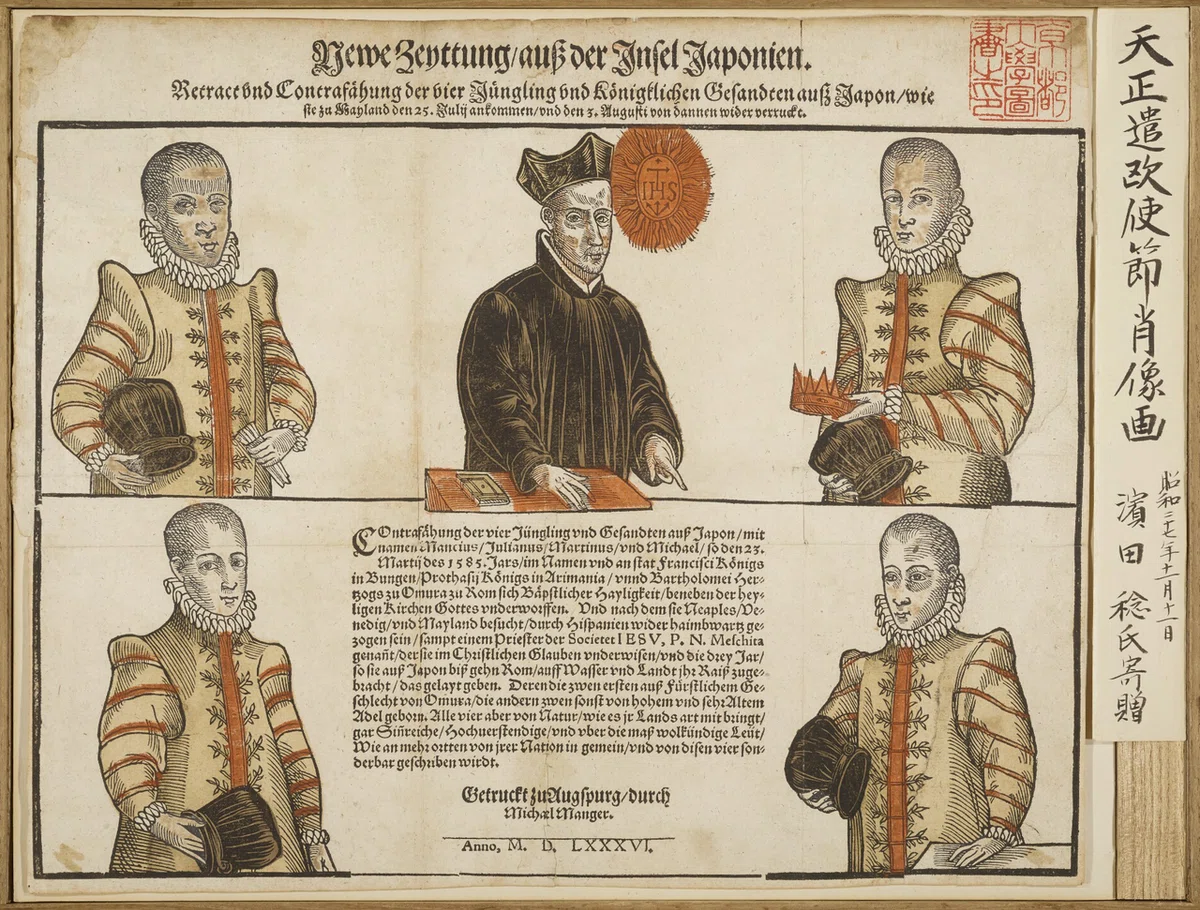
(top, from left to right) Julião Nakaura, Father Mesquita, Mancio Ito,
(bottom) Martinão Hara, Miguel Chijiwa.
This paper was printed in Augsburg (Germany) in 1586 shortly after the 'embassy' stayed in Milan. The highlight of their journey through catholic Europe was an audience in Rome. This copy is kept by Kyōto University (Kyōto, Japan).
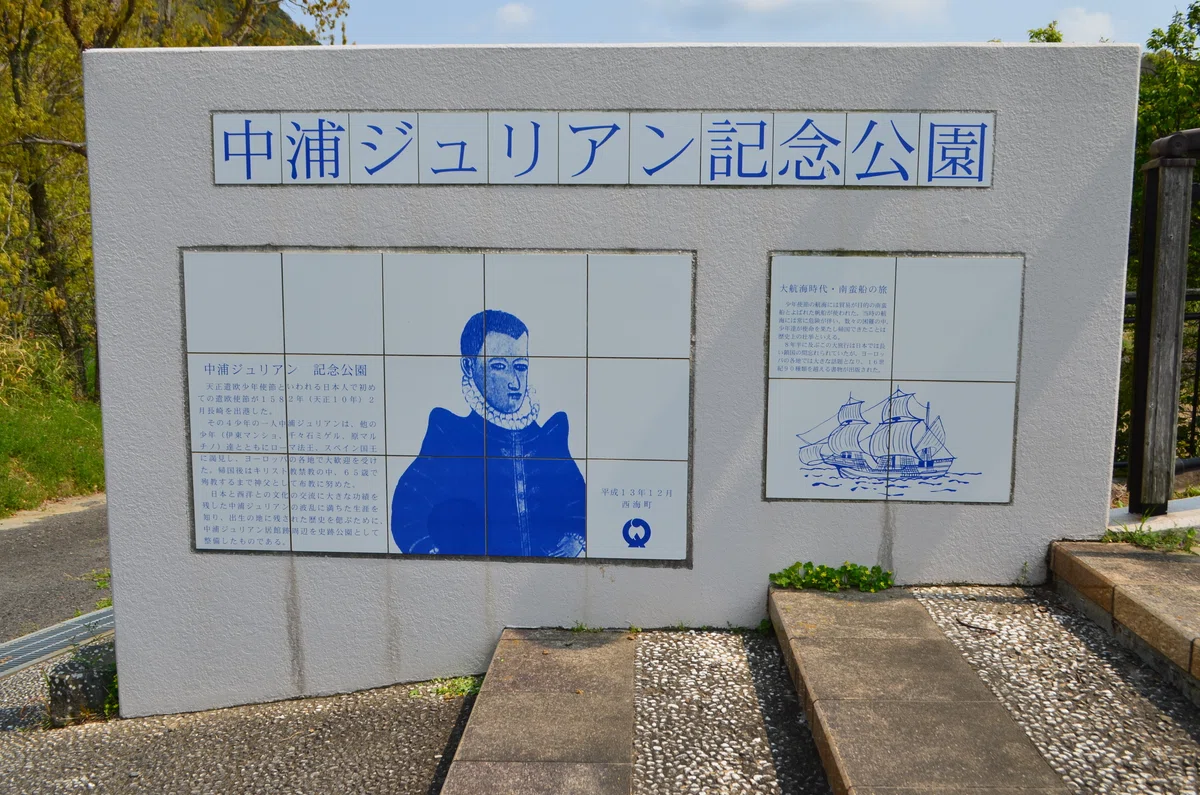
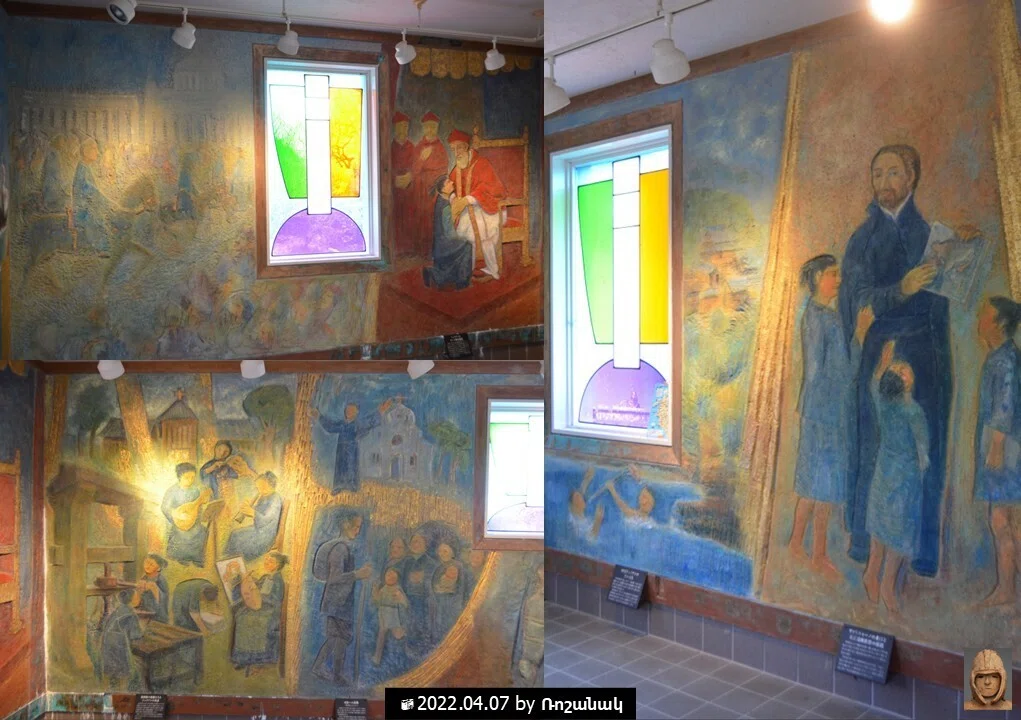
Nakaura Julian Memorial Park 中浦ジュリアン記念公園
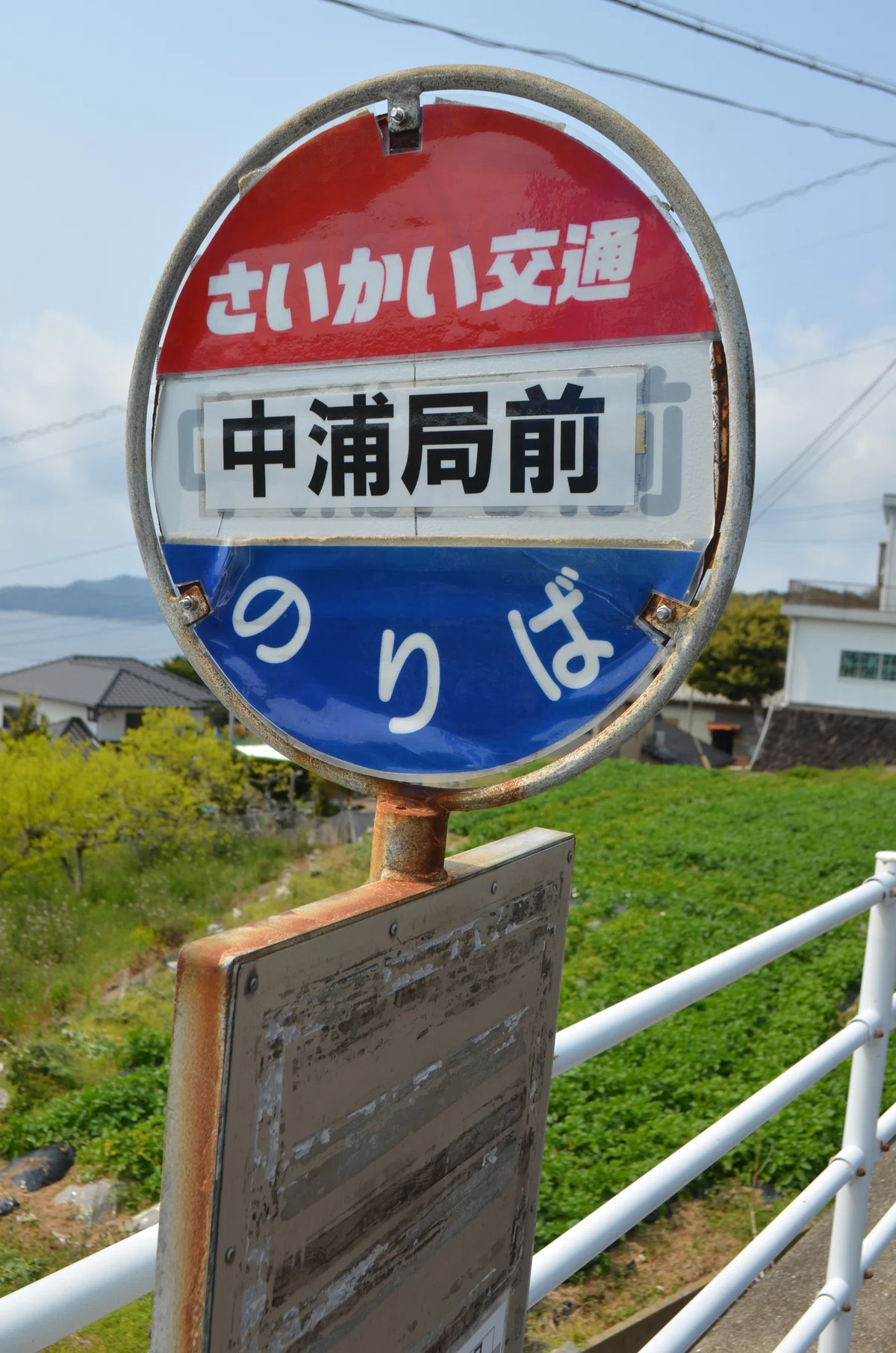
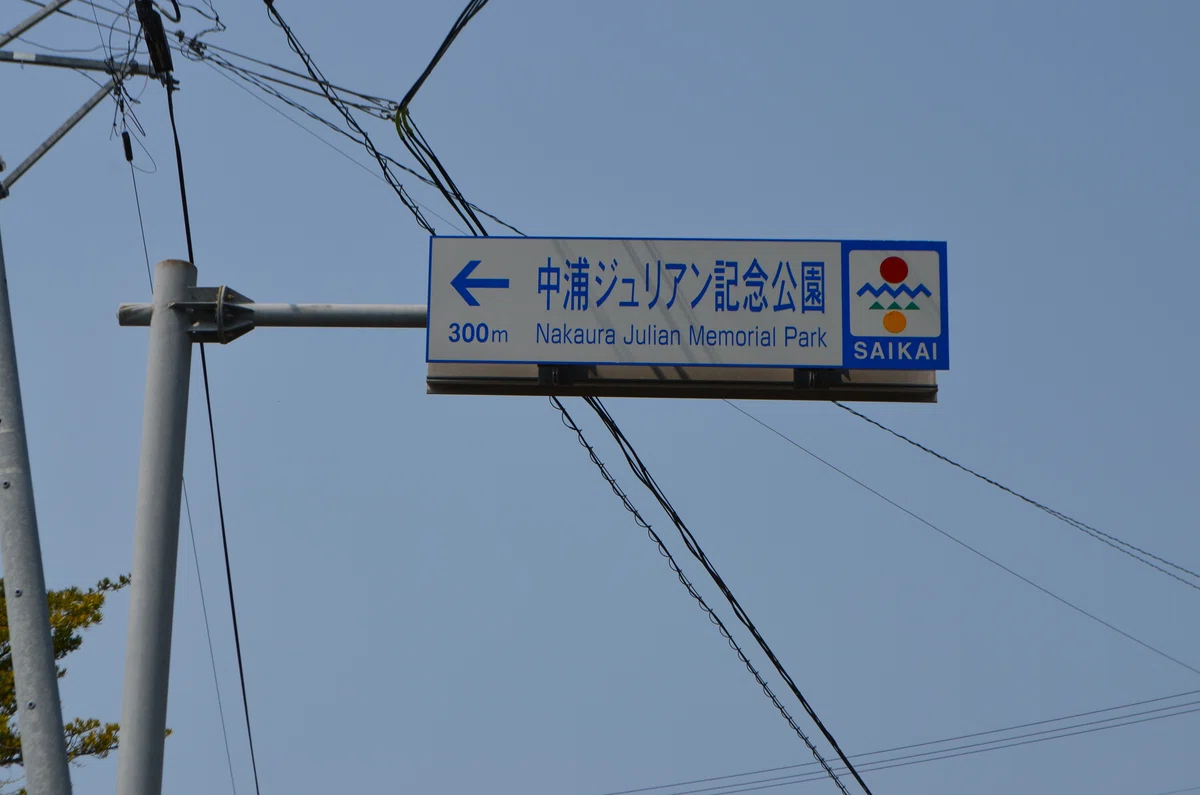
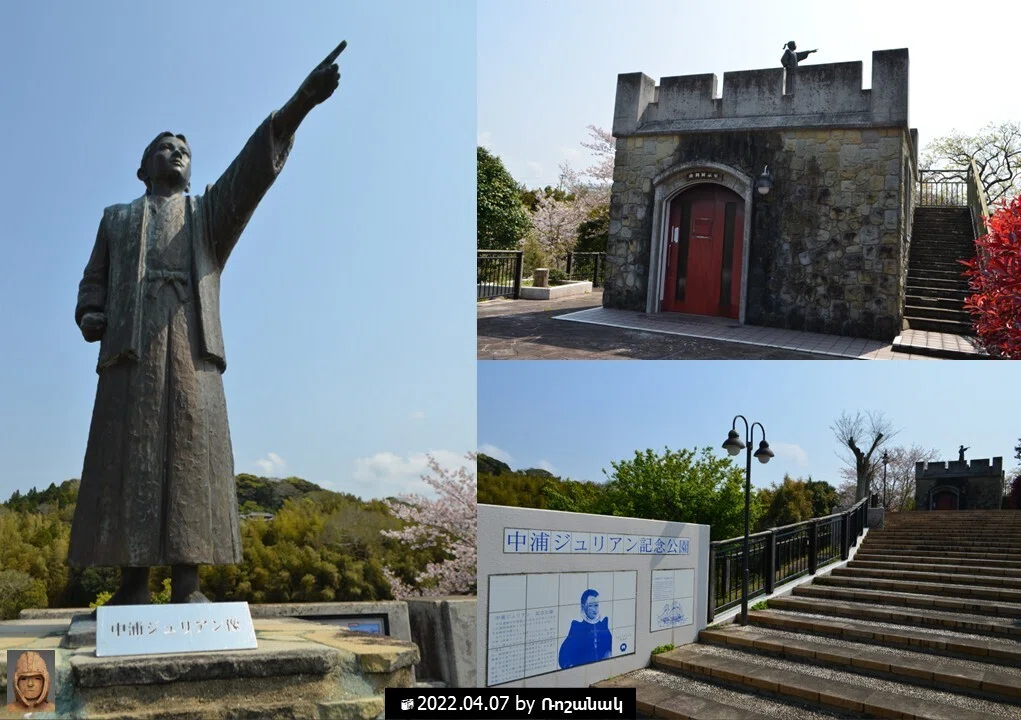
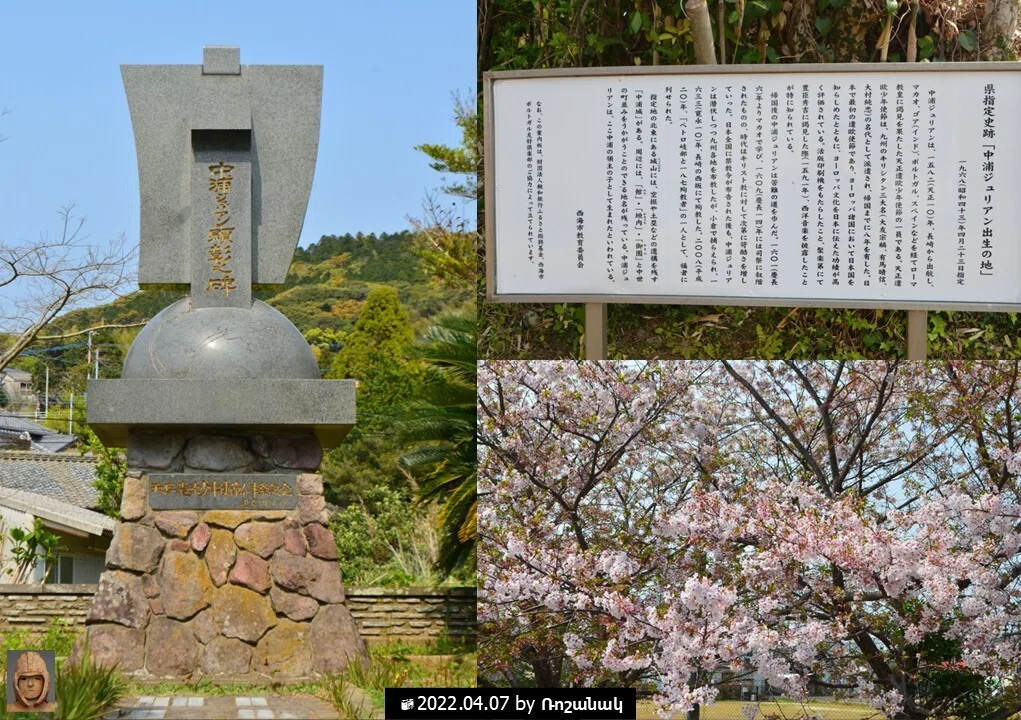
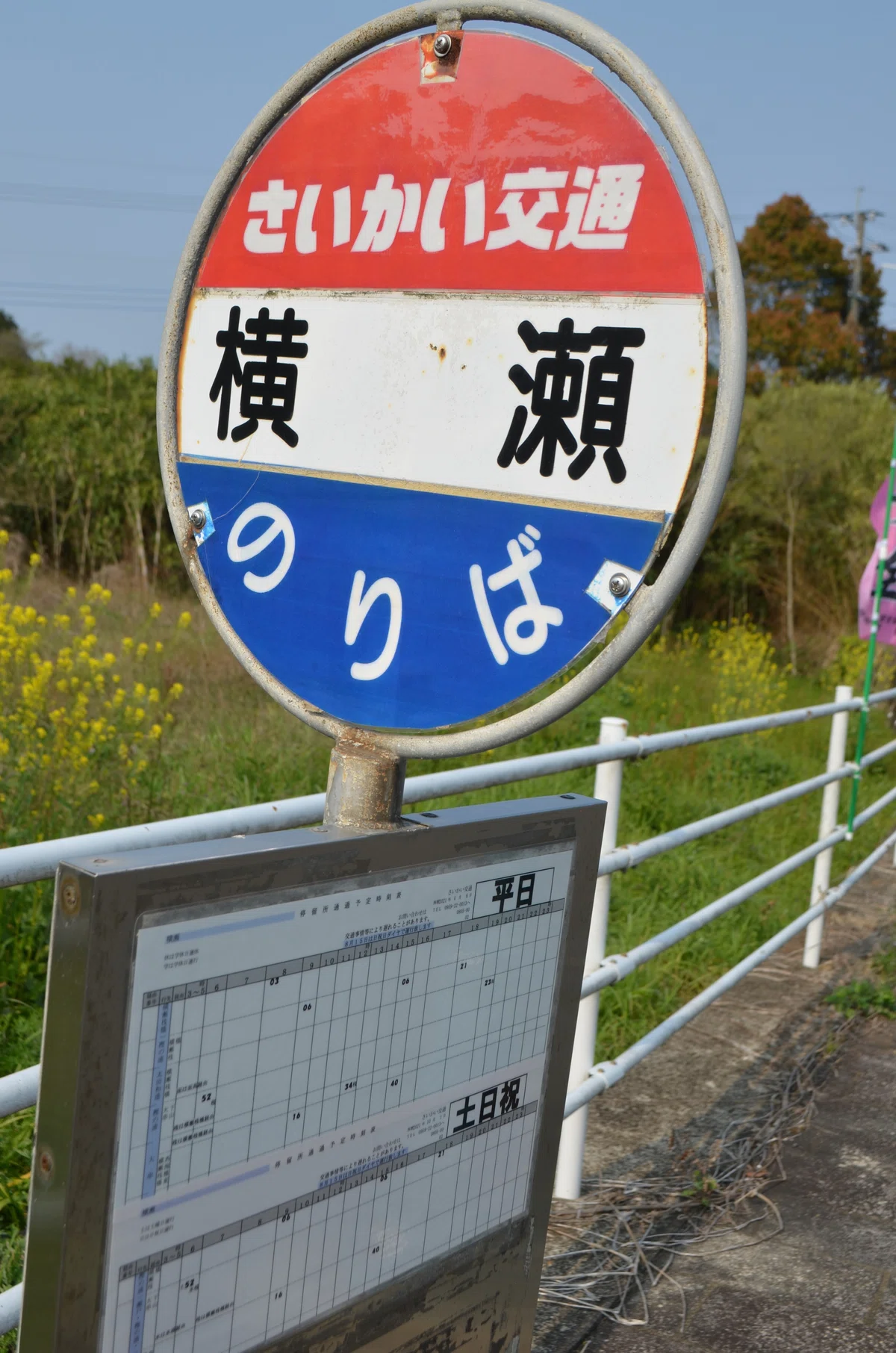
Nakaura 🚌 Yokose
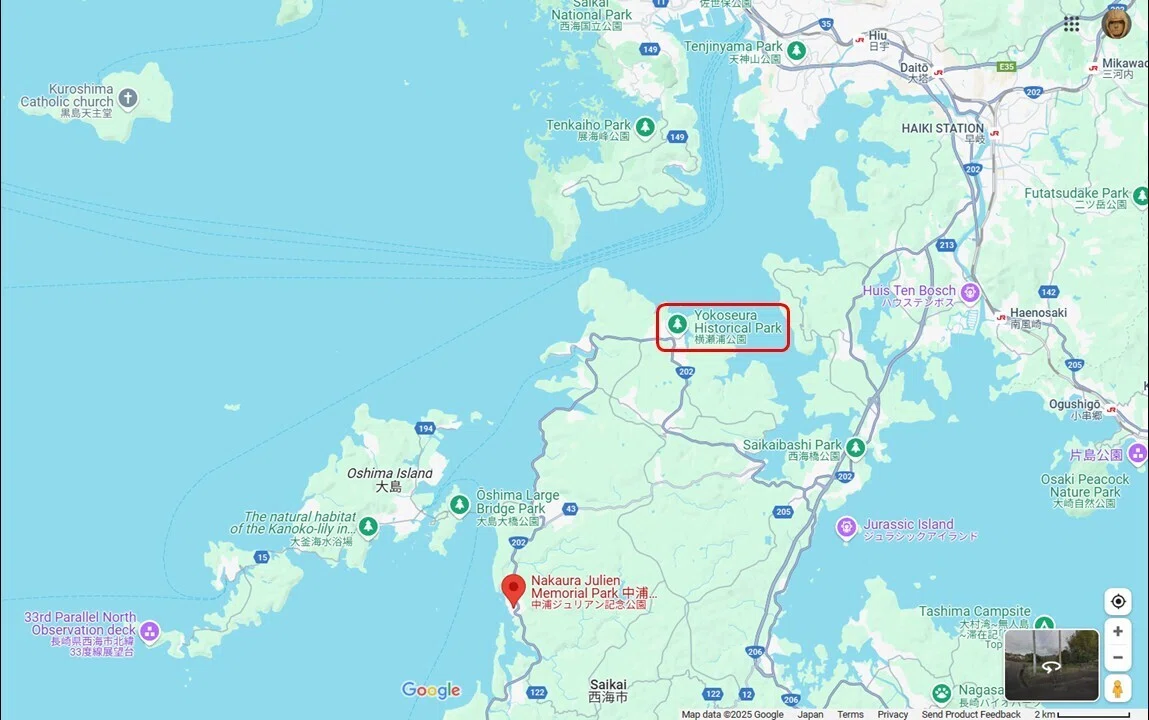
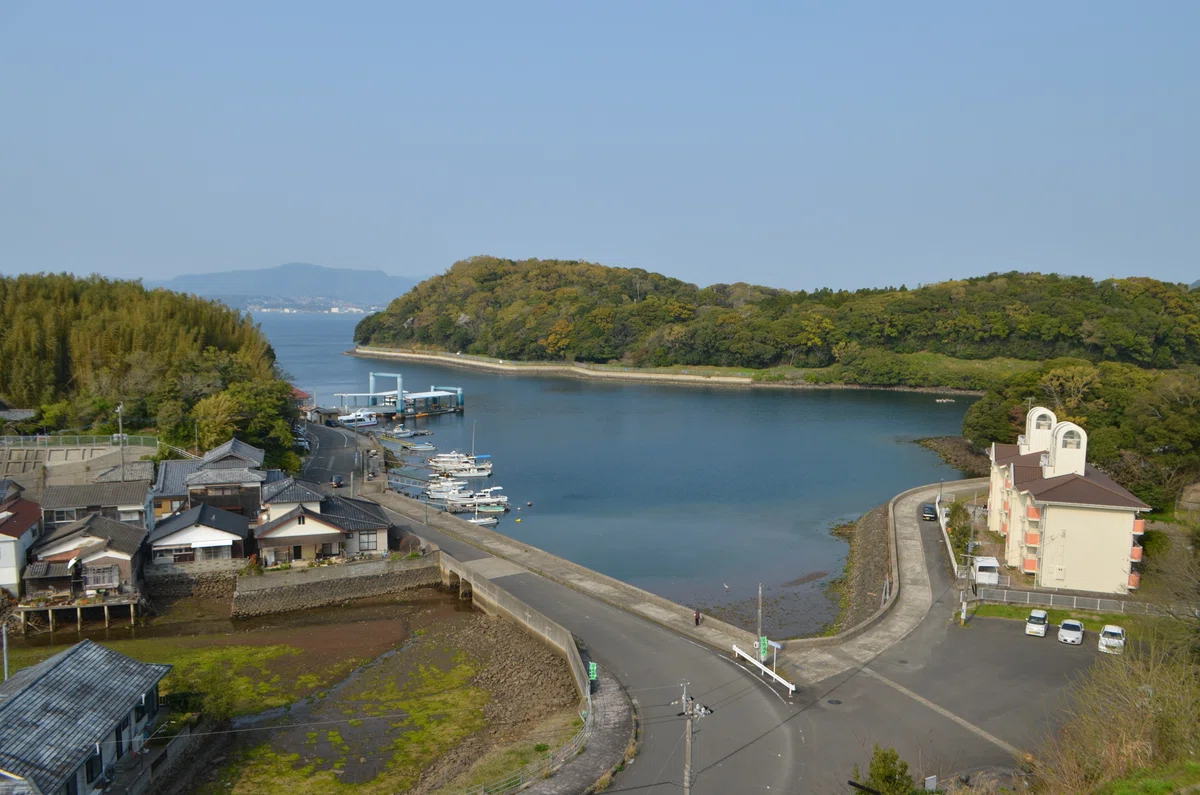
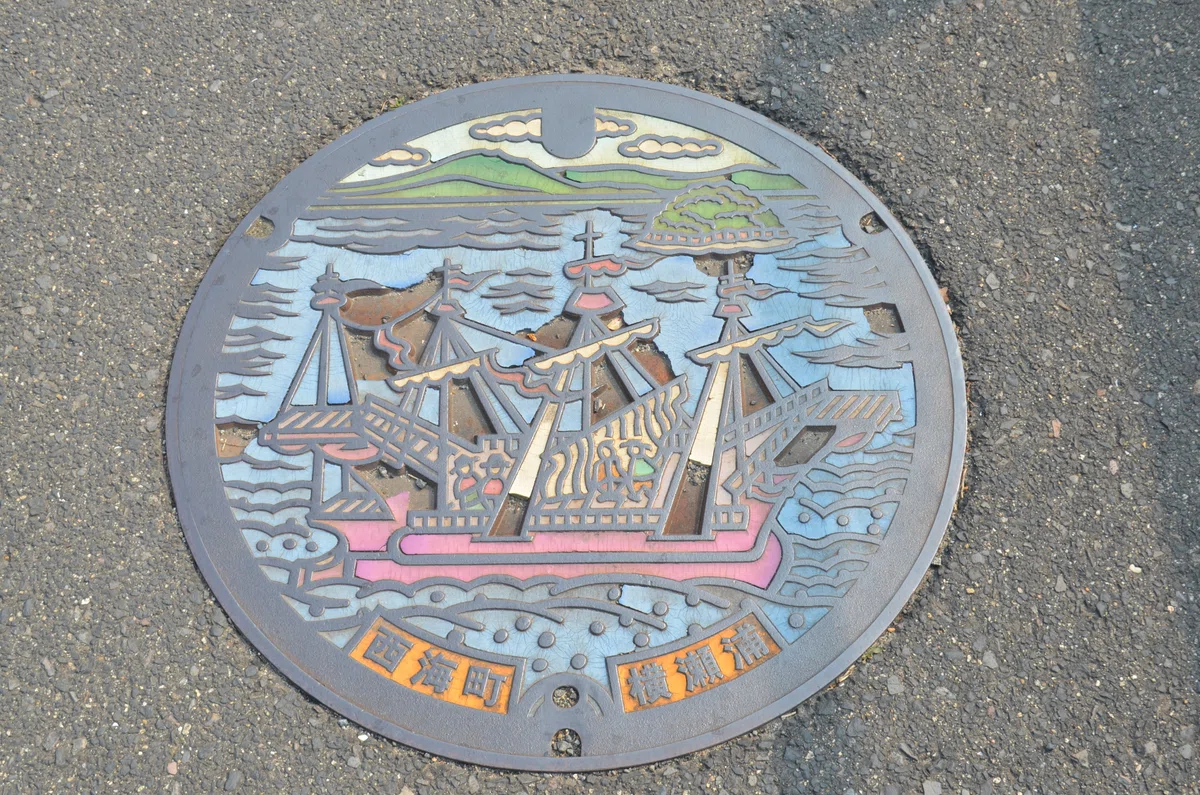
Yokose-ura Historical Park 横瀬浦公園
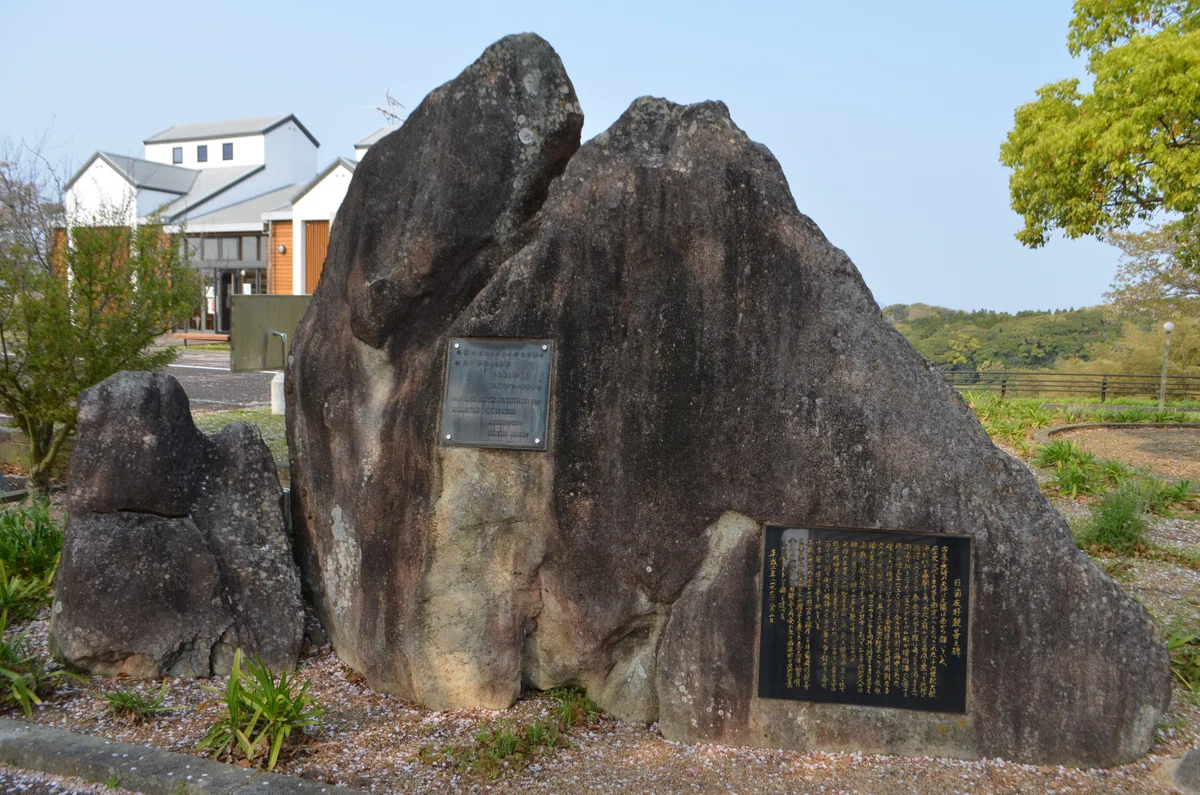
Since ancient times, the sun shines from the west in Nagasaki's heavenly land.
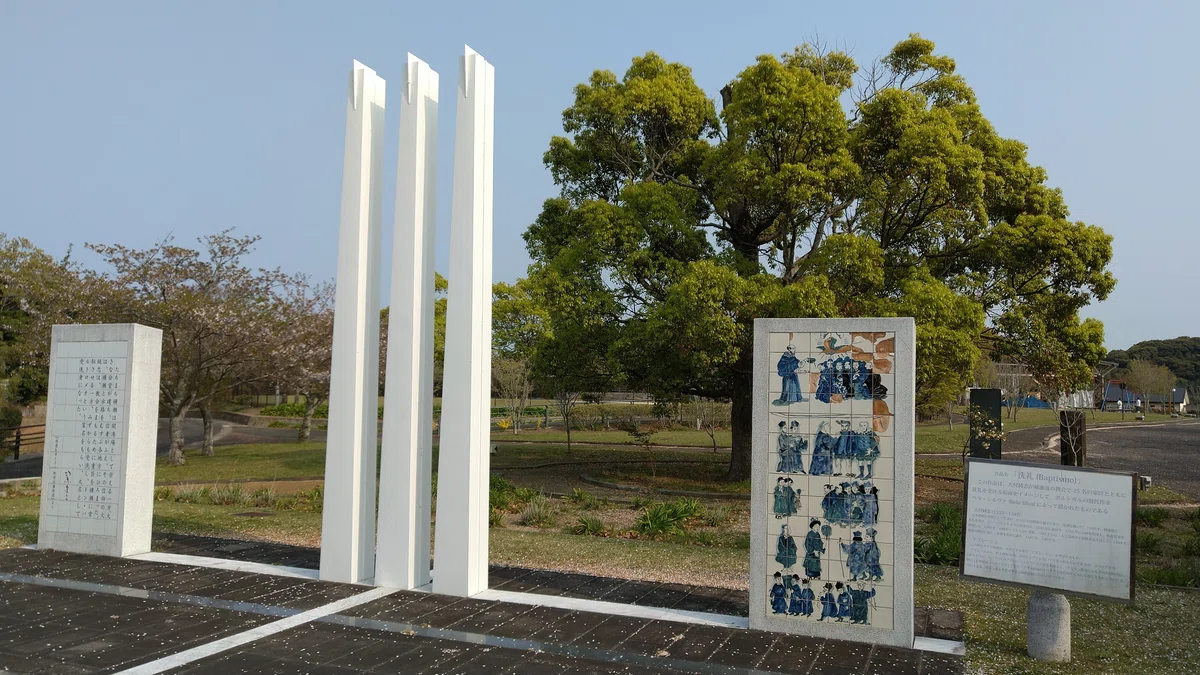
Sumitada Ōmura is famous for being the first of the daimyō (大名 = feudal lord) to convert to Christianity following the arrival of the Jesuit missionaries in the mid-16th century.
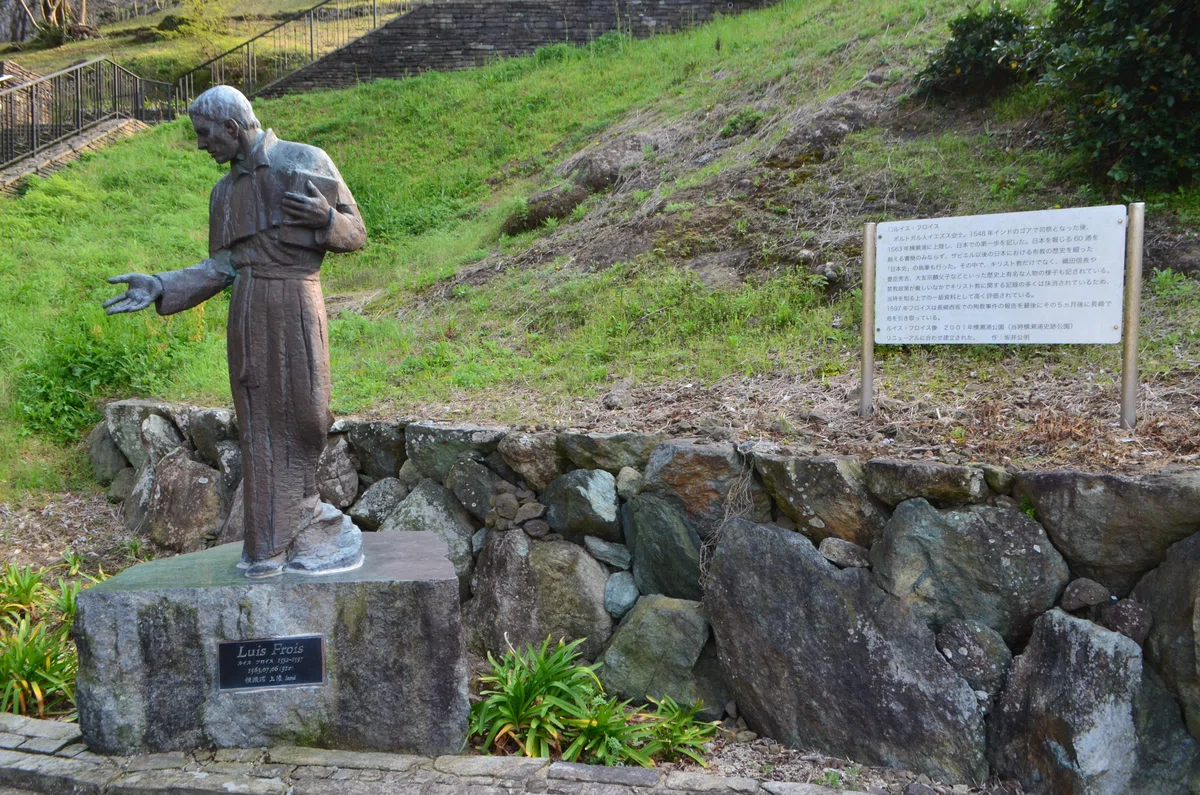
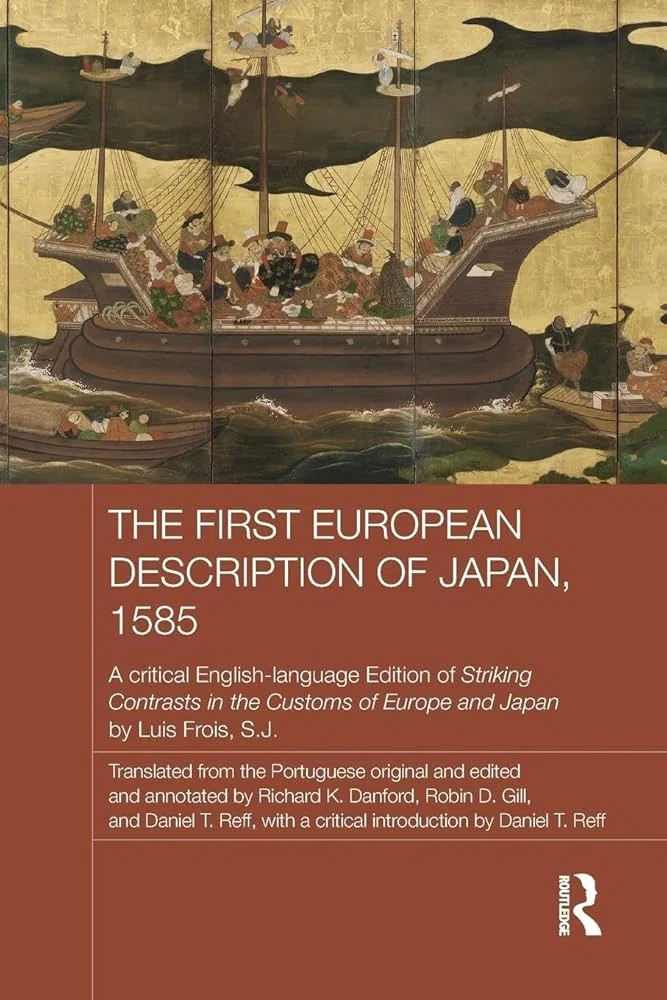
Luís Fróis (1532 - 1597) was a Portuguese Catholic priest and missionary who worked in Asia, most notably Japan, during the second half of the 16th century. As a Jesuit, he preached in Japan during the Sengoku period, meeting with Oda Nobunaga and Toyotomi Hideyoshi. He is famous for writing The First European Description of Japan and History of Japan.
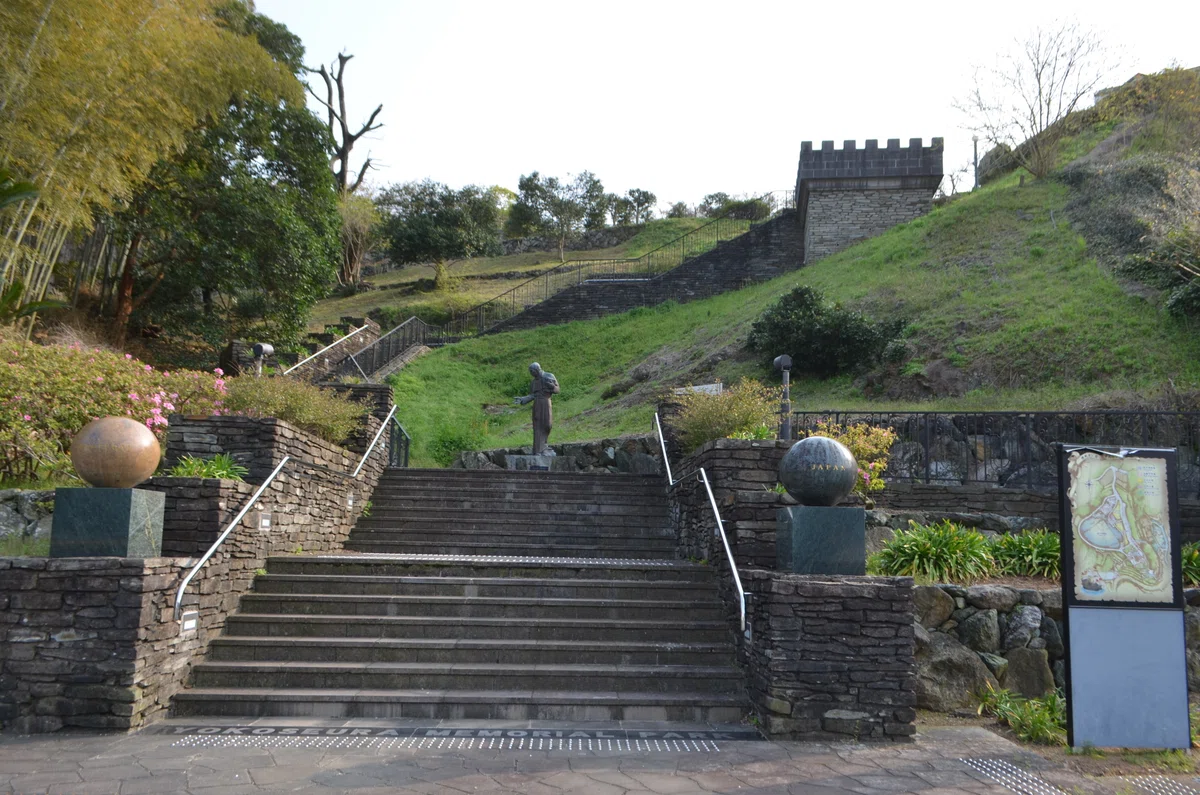
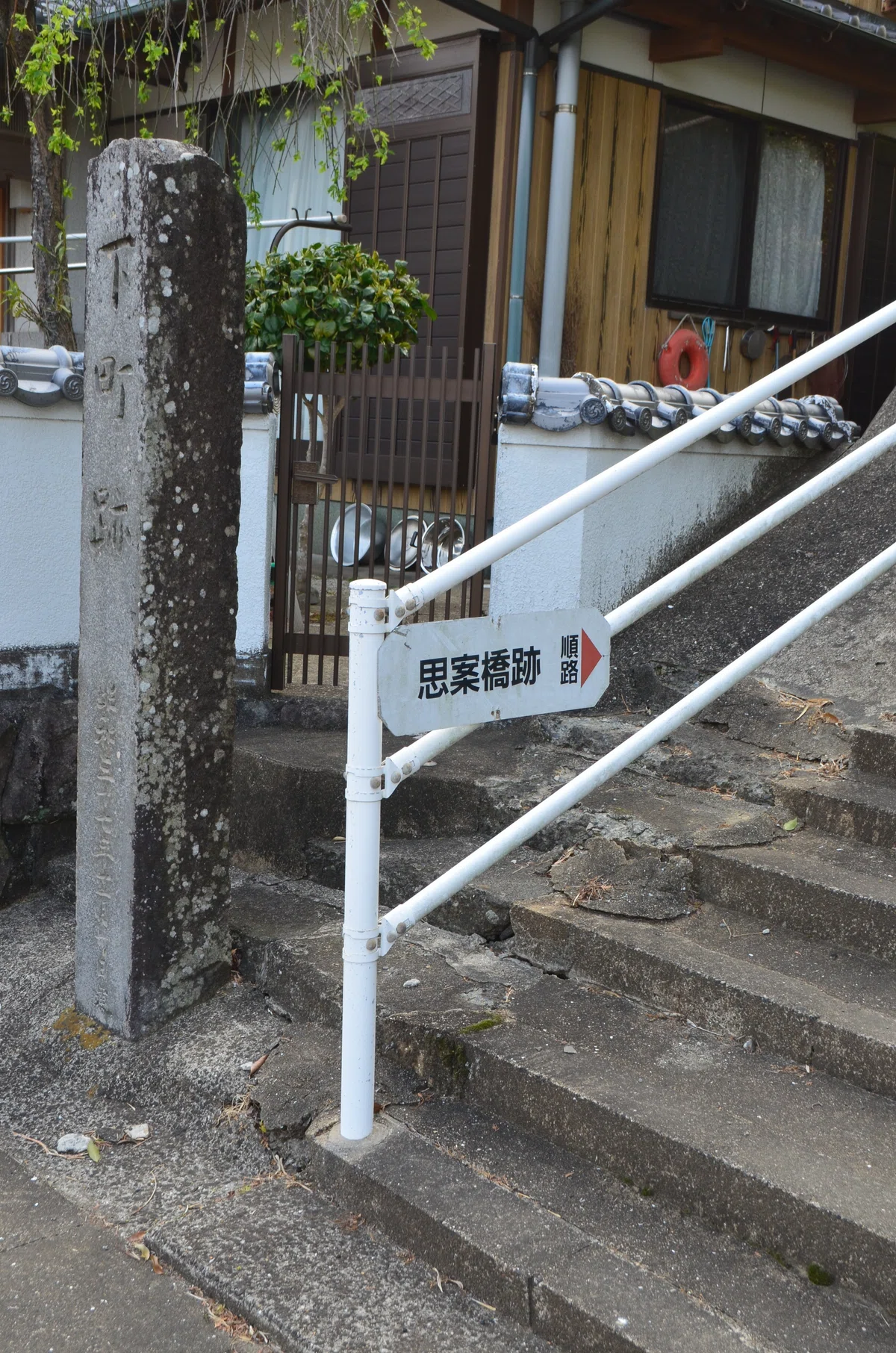
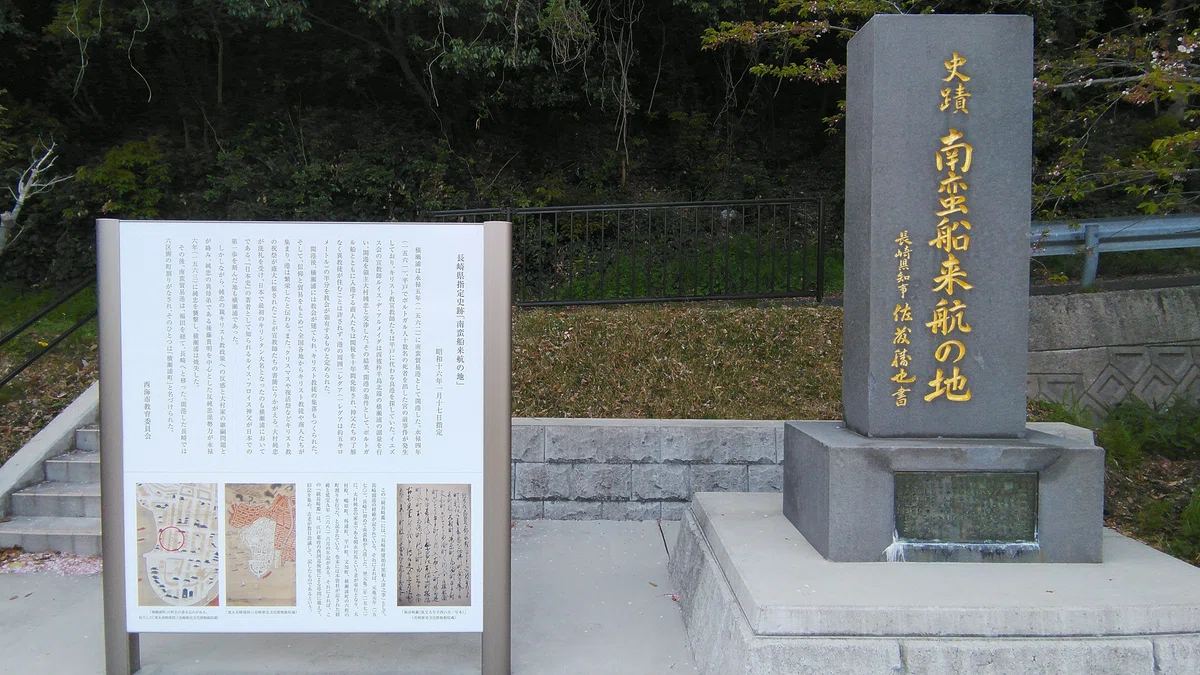
Arrival Point of the Namban (European) Ships 南蛮船来航の地
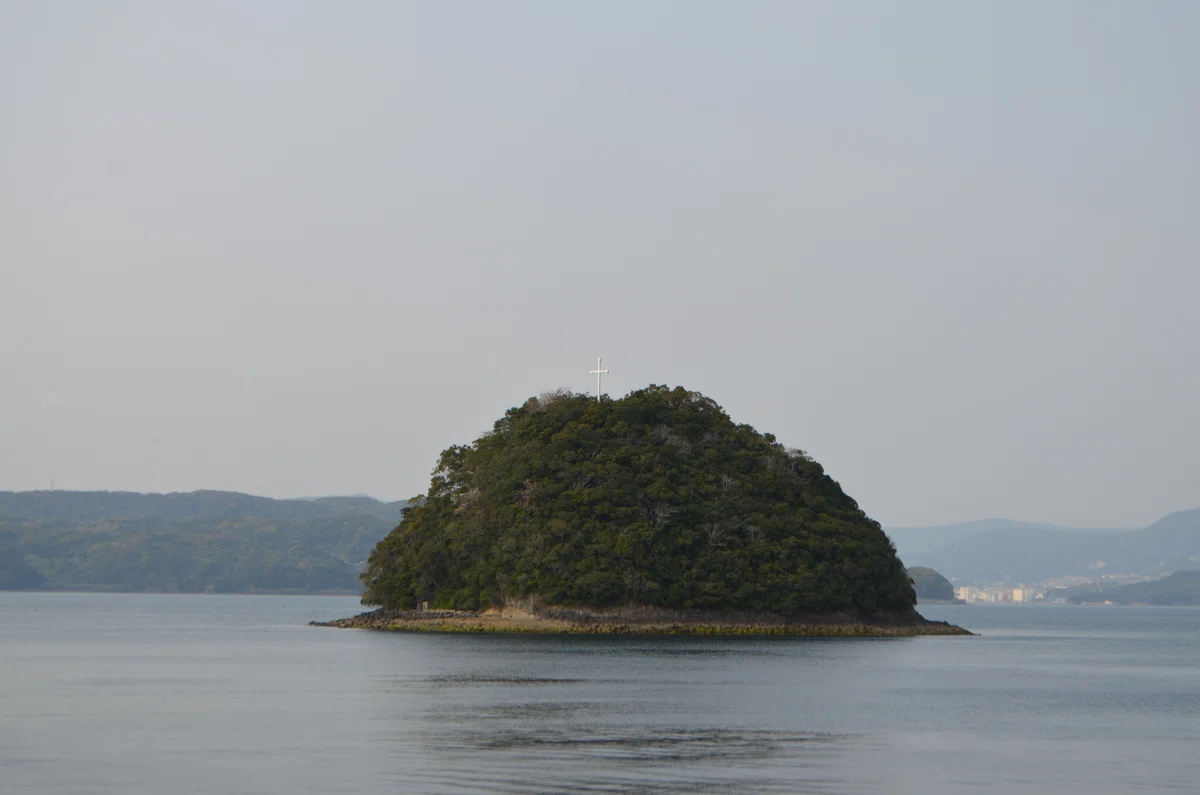
The white cross was restored in 1962, 400 years after Portuguese ships came in 1562.
From Yokose to Sasebo
Japan–Portugal relations
The history of relations between the two nations goes back to the mid-16th century, when Portuguese sailors first arrived in Japan in 1543, and diplomatic relations officially restarted in the 19th century with the Treaty of Peace, Amity and Commerce.
…
The Portuguese were the first Europeans to meet the Japanese, in the 16th century. The firearms they introduced subsequently had a great impact on the unification of Japan, and the following era of trade spurred economic development.
The year 2023 marked the 480th anniversary of Japan-Portugal exchange:

https://www.city.nishinoomote.lg.jp/admin/soshiki/soumuka/hishokouhou/6592.html
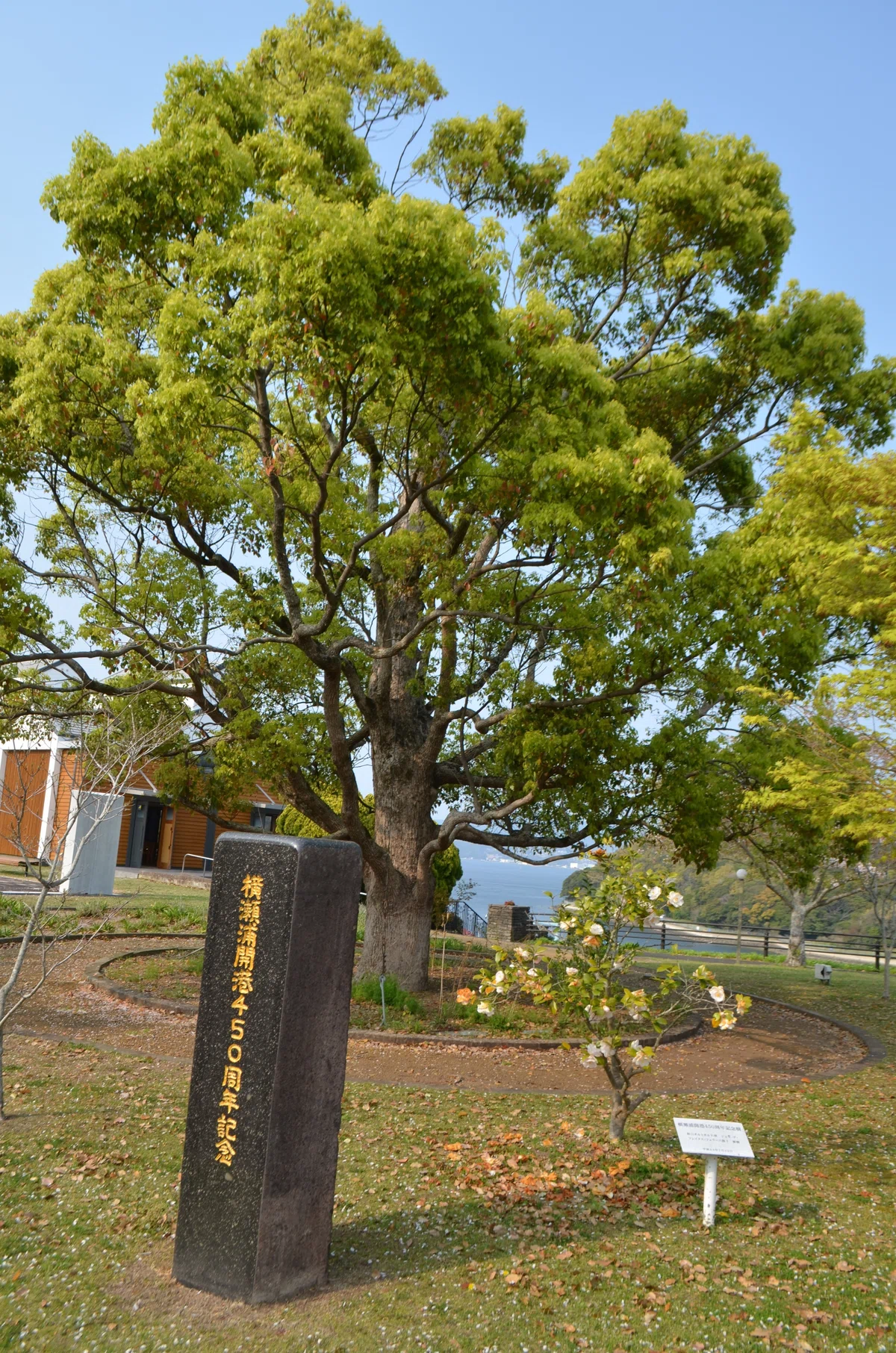
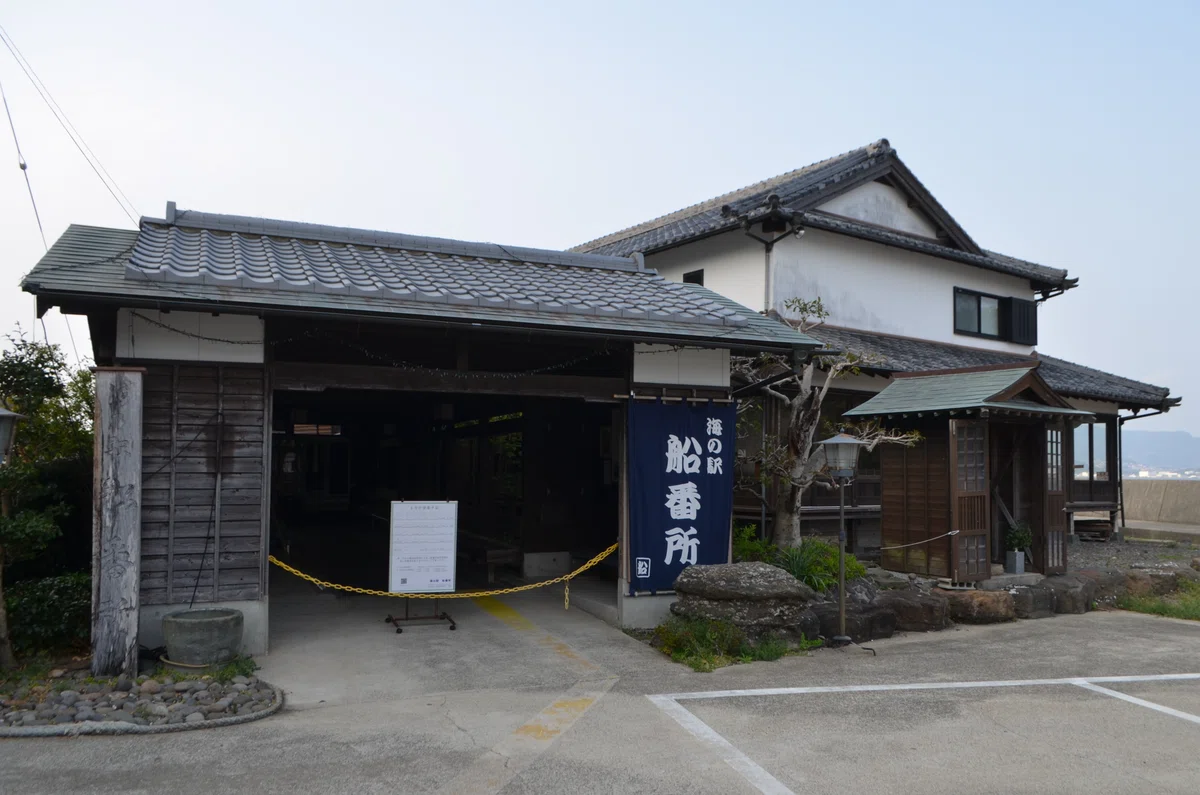
As the monument which commemorates the 450th anniversary of the arrival of Portuguese ships in 1562 in Yokose-ura Historical Park tells, Saikai City celebrated the 450th anniversary in 2012. The following article by 船番所 (the guard house for ships) describes the event in 2012:
The four envoys
A statue of Itō Mansho (伊東マンショ), the chief envoy, is located in Ōita City, Ōita Prefecture:
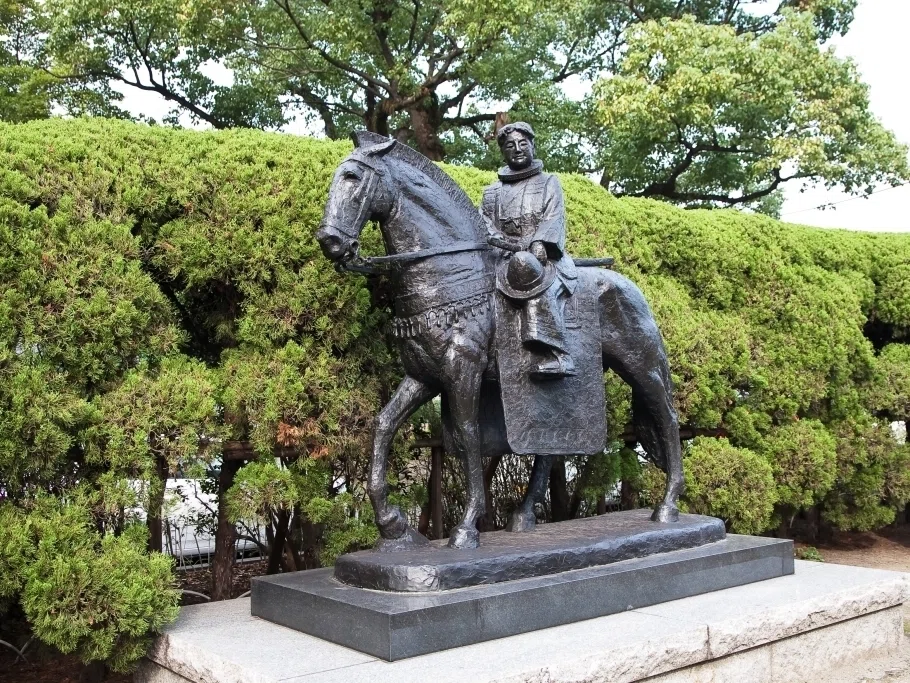
A statue of Hara Maruchino (原マルチノ), who had the greatest linguistic ability among the four, is installed at Hasami Town Cultural Center (波佐見町総合文化会館), Nagasaki Prefecture:
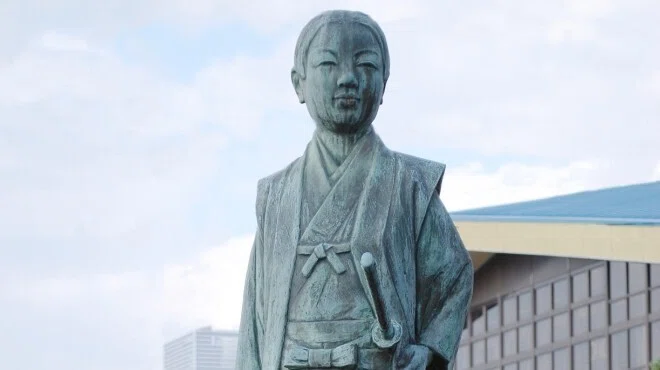
Among the four envoys, the life of Miguel Chijiwa (千々石ミゲル) after his return to Japan from Europe is in contrast to Nakaura Julian's. He is said to have apostatized, and I have no intention of comparing the two on that account. The following article is highly recommended🙏
Header Image:
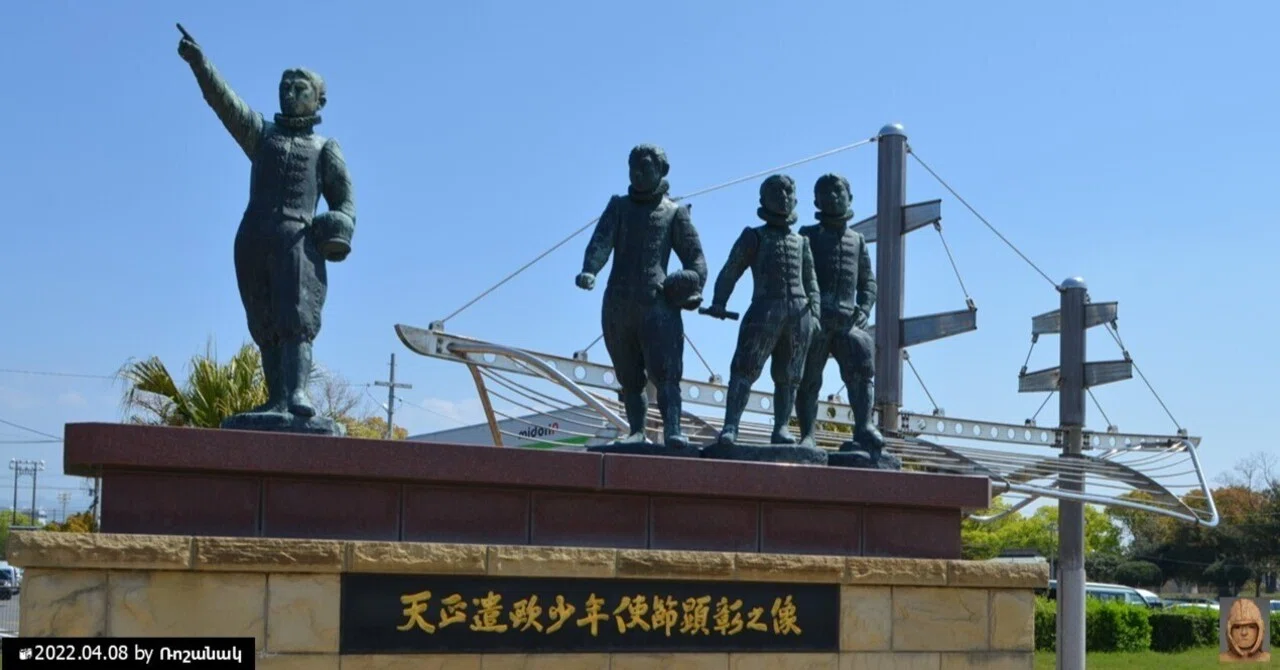
The Statue of Tensho Ken-o Shisetsu (envoys to Europe) in Ōmura City
天正遣欧少年使節顕彰之像(大村市) was erected in 1982 to commemorate the 400th anniversary of their sailing and to honor the achievements of the envoys:
Mancio Itō (伊東マンショ Itō Mansho, 1570–1612)
Miguel Chijiwa (千々石ミゲル Chijiwa Migeru, 1569-1633)
Julião Nakaura (中浦ジュリアン Nakaura Jurian, 1568-1633)
Martinho Hara (原マルチノ Hara Maruchino, 1569-1629, died in Macau)
■
