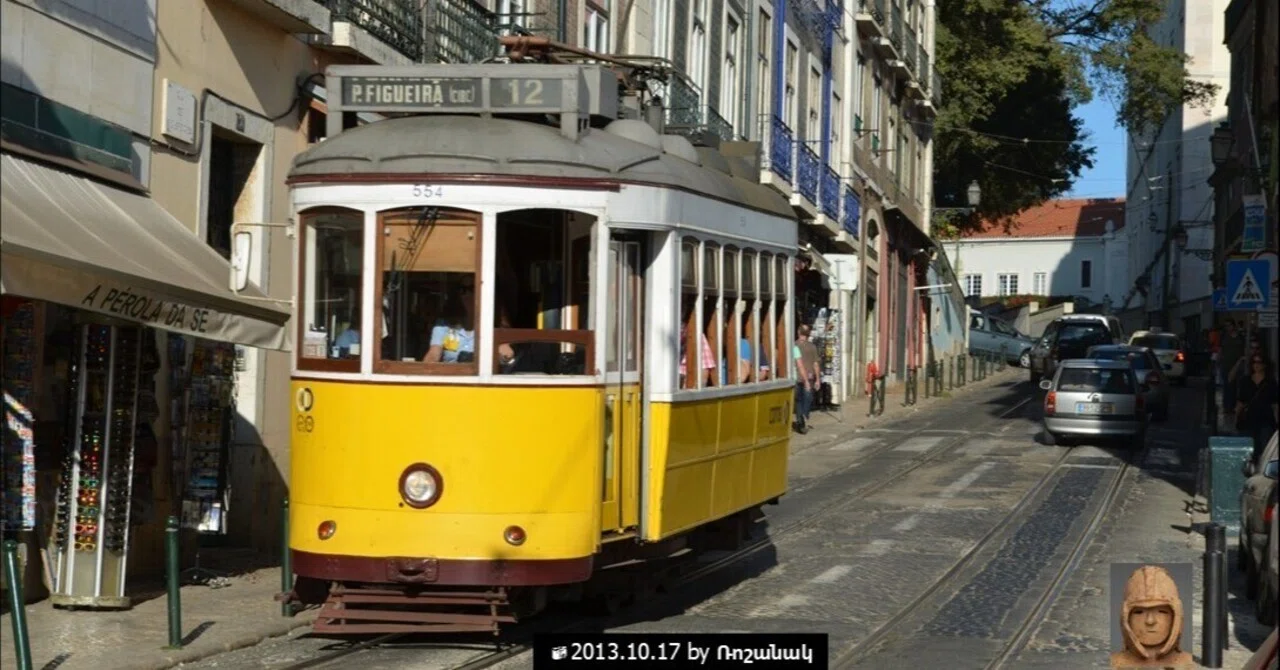
Lisbon三部作

To be honest, I don't know if there's anything like a “Lisbon Trilogy” similar to Ken Follett's “Century Trilogy” which I referred to in my article regarding Martin Luther King Jr. Day 2025:

That aside, I like the following novels that feature Lisbon in their titles:
The History of the Siege of Lisbon (by José de Sousa Saramago)
Night Train to Lisbon (by Pascal Mercier)
The Last Kabbalist of Lisbon (by Richard Zimler)
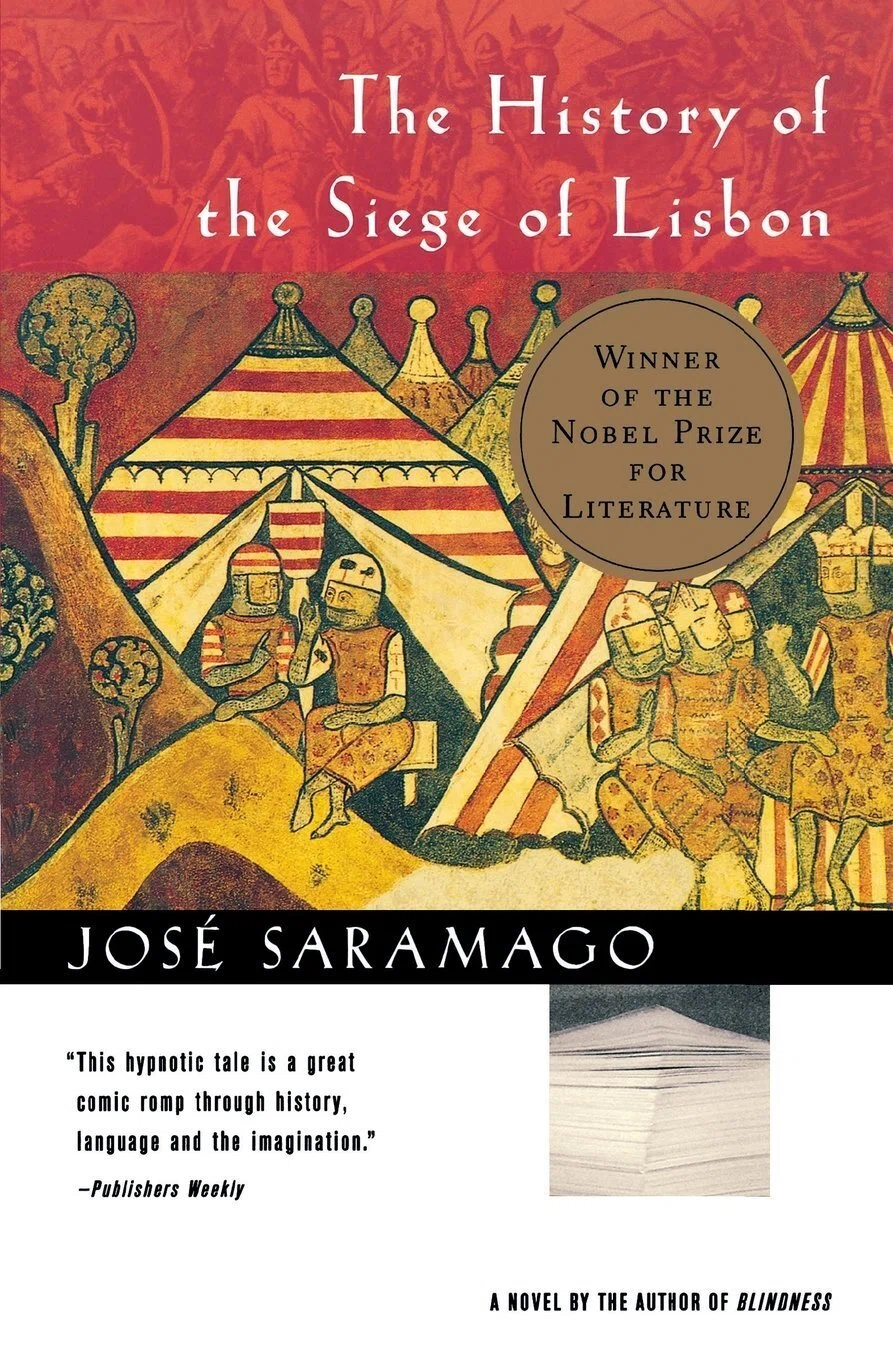
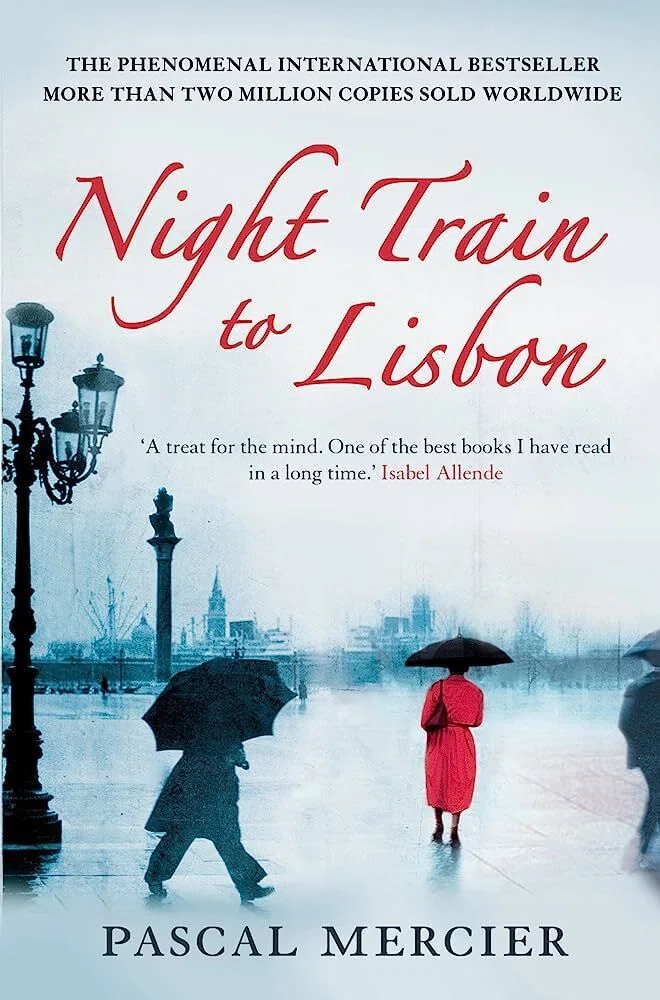
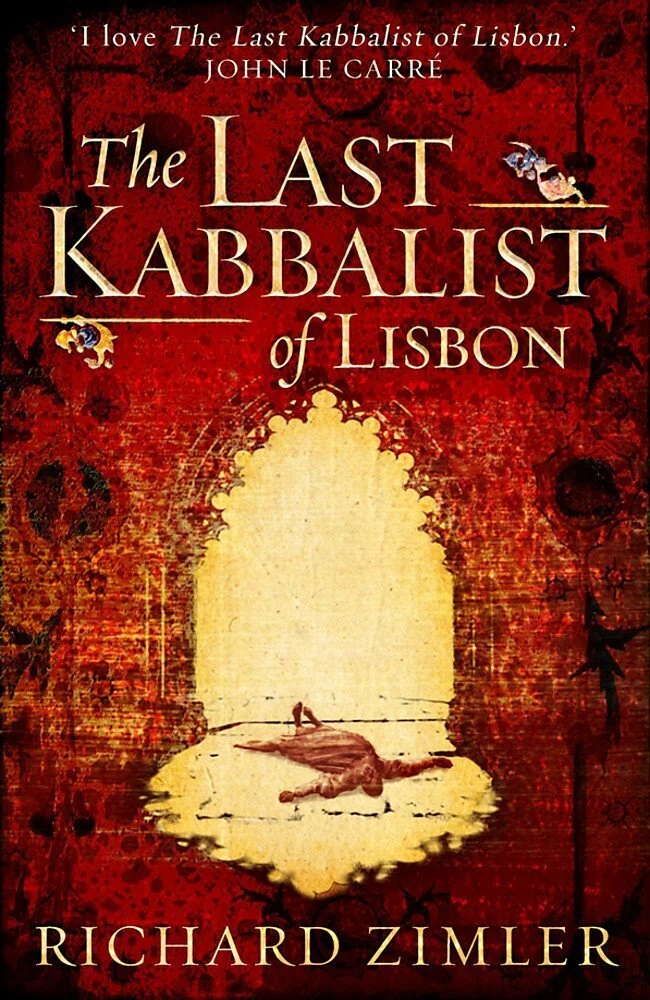
The History of the Siege of Lisbon
"The History of the Siege of Lisbon" is written in Portuguese but I read its English translation. While I'm not qualified to judge whether the translation into English from Portuguese is excellent or not, the way sentences continue in a mesmerizing manner was so attractive. The plot that a proof-reader inserts "Not" to a historical event relative to the Reconquista, which is a central element in the history of Iberian Peninsula, is absolutely and absurdly superb with which he puts at risk not only his professional integrity, but peace of his mind.
In all these years of dedication to his profession. Raymundo Silva would never have knowingly dared to infringe the aforementioned ethical code, unwritten but regulating the actions of proof-readers in relation to the ideas and opinions of authors. For the proof-reader who knows his place, the author, as such, is infallible. It is well-known, for example, that Nietzsche's proof-reader, although a fervent believer, resisted the same temptation to insert the word Not on a certain page, thus amending the philosopher's phrase, God is dead, God is not dead. If proof-readers were given their freedom and did not have their hands and feet tied by a mass of prohibitions more binding than the penal code, they would soon transform the face of the world, establish the kingdom of universal happiness, giving drink to the thirsty, food to the famished, peace to those who live in turmoil, joy to the sorrowful, companionship to the solitary, hope to those who have lost it, not to mention the rapid disappearance of poverty and crime, for they would be able to do all these things simply by changing the words, and should anyone doubt these new demiurges, they need only remember that this is precisely how the world and man came to be made, with words, some rather than others, so that things might turn out just so, and in no other fashion, Let it be done, said God, and it was done immediately.
The risk of being abused by "Revisionists" would be a different story…which is more annoying in the modern-day land of the rising sun where "integrity" is on the verge of extinction…
I read this novel after finishing "The Moor's Last Sigh" by Salman Rushdie, and somehow these two novels are inexplicably associated in my brain.
Night Train to Lisbon
I like the unrealistic inception described in "Night Train to Lisbon". That said, it's so intriguing for Raimund Gregorius to find out the way how Amadeu de Prado, a fictional character, portrayed as a Portuguese doctor, essayist, and philosopher, lived under the Salazar dictatorship, one of the longest-lived authoritarian regimes in modern Europe.
When I read this novel, such a dictatorship was what happened in the past, and I never thought that it would resurge in the 21st century in EE.UU of all places, showing just how human beings can transmogrify themselves.
I noticed something strange regarding Portugal when I was in junior high-school, but I did not pursue… and it was only in 1979 when I was a student of an institute of technology that I learned what had happened in Portugal in April 1974 (Carnation Revolution) via "Portugal after the captains' coup" by Wilfred Graham Burchett, a highly controversial journalist best known for being the first western journalist to report from Hiroshima after the dropping of the atomic bomb.
The novel does not describe the history in a journalistic manner but quotes what Amadeu de Prado wrote, which is unforgettably impressive.
It was much easier to be taken in by António de Oliveira Salazar, the aristocratic professor, than by Hitler, Stalin or Franco. You would never have associated with such scum, you would have been immune to them through your intelligence and your unerring sense of style, and you never raised your arm in the fascist salute, I'd stake my life on that. But the man in black with the intelligent, strained face under the bowler hat: sometimes I thought you may have had a fellow feeling with him. Not his merciless ambition or his ideological blindness, but with the iron discipline you both imposed upon yourselves. But, Father, he made a pact with the others! And allowed those crimes for which there will never be an appropriate word, as long as humans live! And we had Tarrafal! Why did you turn a blind eye to Tarrafal, Father! TARRAFAL! You would only have had to look once on such hands as I saw on Joãn Eça: burned, scarred, maimed hands that had once played Schubert. Why didn't you ever look at such hands, Father?
Let me add a link to Tarrafal, which seems to be barely known.
While the style is very much different, "Night Train to Lisbon" reminds me of Carlos Ruiz Zafón's "The Shadow of the Wind" (邦題『風の影』) set in Barcelona, Spain, regarding the history of resistance.
The Last Kabbalist of Lisbon
I stopped reading "The Last Kabbalist of Lisbon" halfway through, not because it was boring but it was most crazy period in my work which required follow-up calls with European operations in the evening and then confirming with EE.UU East-Coast based operations in the middle of the night…such style of work continued for 5 months or so… However, working for 16+ hours per day was virtually the norm from 2002 to 2021 for me.
I completed reading "The Last Kabbalist of Lisbon" only after I retired, and I found the novel so intriguing. It is written in a way how the anti-Semitic pogrom is rediscovered from a manuscript by kabbalist Berekiah Zarco in 16th century, discovered in 20th century in İstanbul.
The pogrom (Lisbon Massacre) is explained at:
According to Wikipedia:
The Last Kabbalist of Lisbon is a novel by American-Portuguese author Richard Zimler. It was first published in Portuguese translation in 1996 after having been rejected by many American publishers.
All three books refer to well-known history but shed light on corners of history, each of which exudes a mysterious charm.
Eu gosto de Lisboa? Sim. There's one thing that bonds Japan and Portugal.
For a short period I happened to report to a Florida based person with his Portuguese family name being Teixeira. I remember he told me something like "it is hard to imagine a life without Bacalhau", though my wife does not appreciate dried and salted cod… Experiences in Spain were far better for her than in Portugal in terms of food.
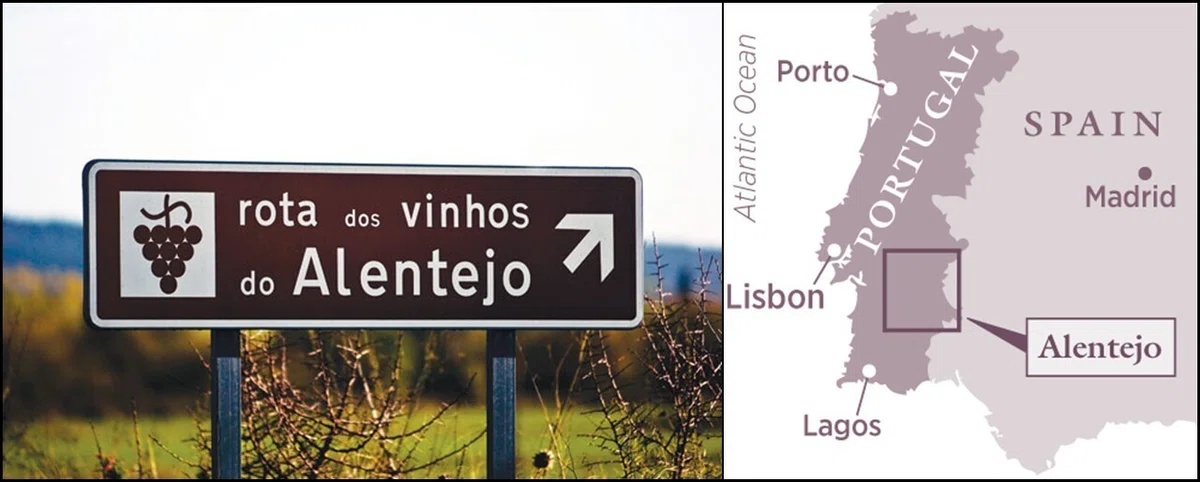
Let me add that I love Alentejo wines🍷
🔳
