
Movie Review: "BLACK BOX DIARIES" (Directed by Shiori Ito)

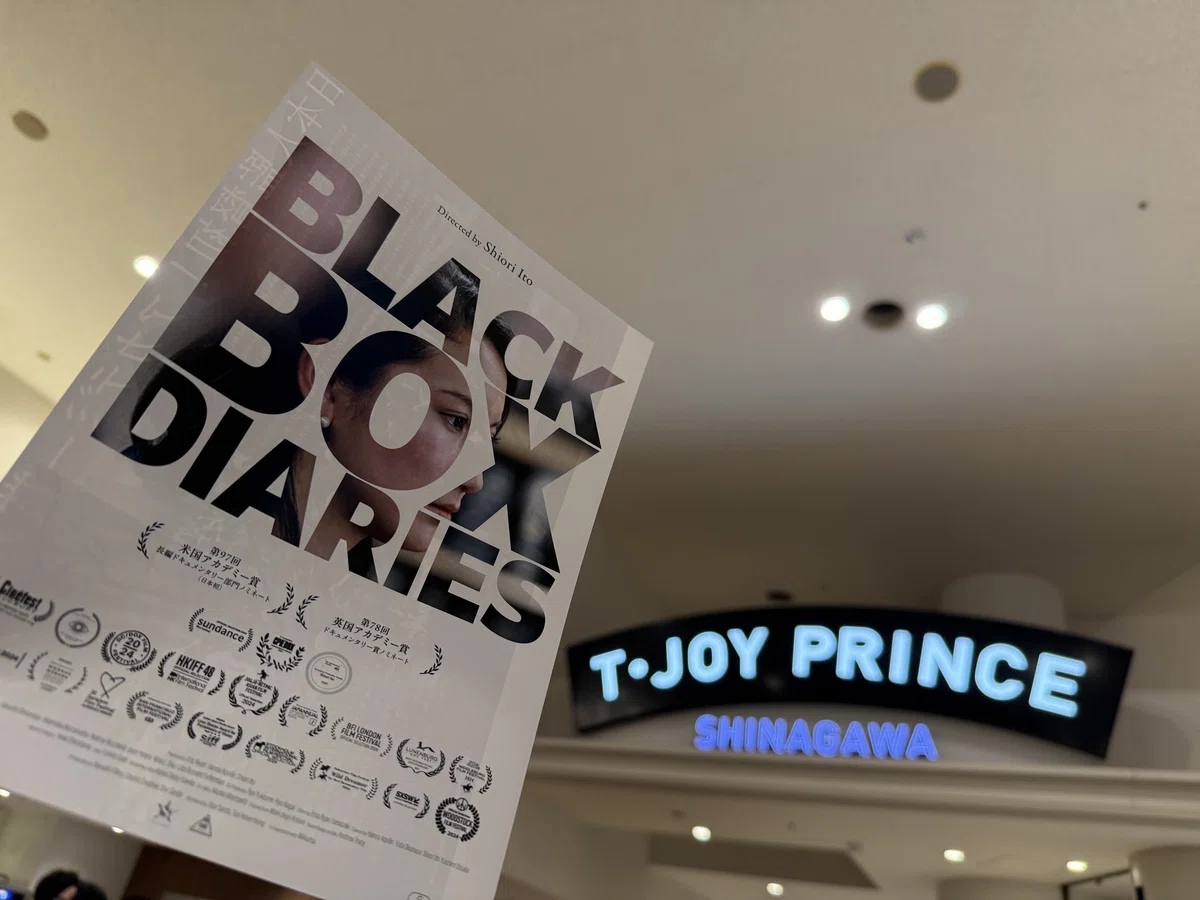

I recently visited T-Joy PRINCE Shinagawa to watch Black Box Diaries, directed by journalist Shiori Ito. The film was profoundly impactful, and the program I purchased afterward was equally substantial. Although the film gained international acclaim and an Academy Award nomination for highlighting Japan's outdated judicial system, its domestic release was ironically delayed.
My journey following this case began in 2017. I remember the sheer shock I felt while watching Ms. Ito’s initial press conference; it was a moment that changed my perspective forever. Immediately after, I purchased her book, Black Box, on the day of its release. Reading her accounts of the interrogations and interactions with the police was an agonizing experience; the vivid descriptions of the systemic coldness were almost too painful to bear. Later, watching the BBC documentary "Japan’s Secret Shame" left me with a similar sense of despair. As a production by a public broadcaster, the documentary provided a detached, bird's-eye view of Japan’s systemic failures and the stagnation of its judicial response. It notably featured the bureau chief of the New York Times Japan, whose presence was truly striking.
As an aside, a few years later, I became friends with someone working at the New York Times. I remember us gushing over how "cool" that bureau chief was and how envious I was that they got to work with such a person. It was a moment where my long-standing interest in this case unexpectedly connected with my own social circle.
While those earlier works focused on the systemic issues, Black Box Diaries portrays Shiori Ito as a human being struggling to survive. Seeing her face intense harassment and even survive suicide attempts was heartbreaking. At the same time, I was moved by the integrity of the local investigators and the kindness of ordinary citizens, such as the taxi driver and the hotel doorman.
The film's production was led by international producers Eric Nyari and Hanna Aqvilin. During the talk show after the screening, seeing them alongside Ms. Ito reminded me of a seminar I attended at the Swedish Embassy in 2020, titled "Yes Means Yes". This event was specifically about Sweden’s consent-based law (known as Samtyckeslagen in Swedish). I had joined it because I was inspired by the immense courage Ms. Ito had shown since that first press conference.
It all made sense to me then—for a Swedish producer like Hanna, the concept of the consent-based law, where "only 'Yes' means consent," is common sense. I realized that it was precisely because of their international perspectives, rooted in such laws, that they could produce this film despite the immense difficulties in Japan. I strongly feel that Japan needs to adopt this concept immediately to fix its "gray" legal areas.
Regarding Mr. Yamaguchi, while the criminal case did not proceed, it is a recorded fact of the civil court’s final judgment that he engaged in non-consensual sexual intercourse. Ultimately, my most profound takeaway was: "Young people, you must master English."
Having witnessed how the power structures in Japan tried to silence her since 2017, I saw that her English skills were the weapon that allowed her to bypass domestic barriers and find a global community of support. Just as my own world expanded through a connection at the New York Times, I truly believe that "English can save your life." I hope the younger generation takes this to heart.
