
Animal science
-
 Ten months on from the huge news that a chlamydia vaccine had been approved for Australia's koalas, a young female has become the first to receive the groundbreaking medicine in a new dose-and-implant format that makes large-scale treatment possible.
 -
 The ancient marine creature Spriggina floundersi didn’t have hands. It barely had a head. And yet we now know it also had a dominant side of its body – an early sign of the development of behavioral handedness.
 -
 It's been accepted that the life cycle of an ancient aquatic relative – an extinct group of crocodile-like predators – echoed that of modern amphibians, complete with a tadpole phase. A new study throws that picture into doubt.
 -
 A scientist has brought us closer to talking to animals, and it's won her the 2026 Coller-Dolittle prize for two-way interspecies communication. She's decoded the 11 core calls made by the zebra finch to understand their vocabulary and language.
 -
 Three years on from deploying ground-penetrating radar to "spy" on one of Australia's most endangered and elusive species, scientists have learnt just how adaptable the animals are. And there's also some good news for rebuilding the population.
 -
 In what must have been some of the most enjoyable experiments ever, scientists have studied nearly 50 dogs of all shapes and sizes to find a better way of assessing paw dominance – something we believe to be a predictor of behavioral issues.
 -
 One of the world's oldest turds has been given the royal science treatment, with ancient Arctic ground squirrel droppings offering a smorgasbord of DNA from other animals and plants dating back up to 700,000 years.
 -
 Bumblebees may be smarter than we give them credit for, with a new study showing the fuzzy insects demonstrate the cognitive plasticity required to solve problems they've never encountered before to reach a goal.
 -
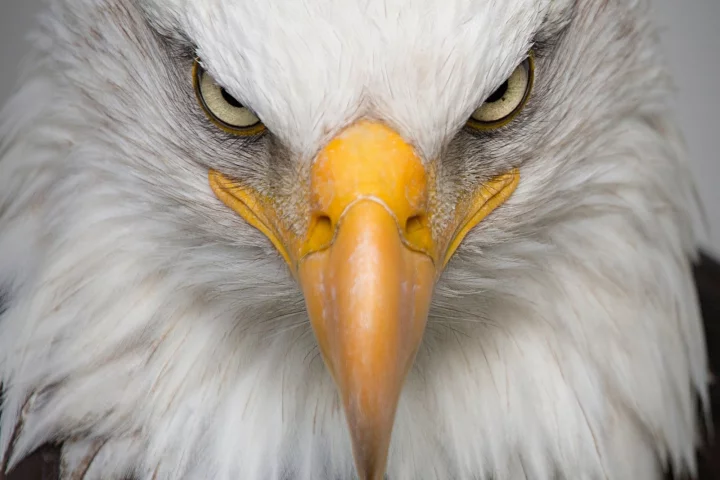 For captive animals, engaging in natural behavior is a pillar of the animal welfare framework. But when it comes to sex, one important behavior has been largely ignored, and sometimes even punished: masturbation.
 -
 The rules of biology have been torn up by a small fish in the Pacific that steals light-producing molecules it from its food to make it bioluminescent, providing an "invisibility cloak" it needs for protection. It's the only example of kleptoproteinism we know of.
 -
 There are more than 800 species of carnivorous plants, and despite their diverse designs, the one thing they have in common is that they are built to trap and kill all prey. Or so we've believed – until scientists discovered how this meat-eater works.
 -
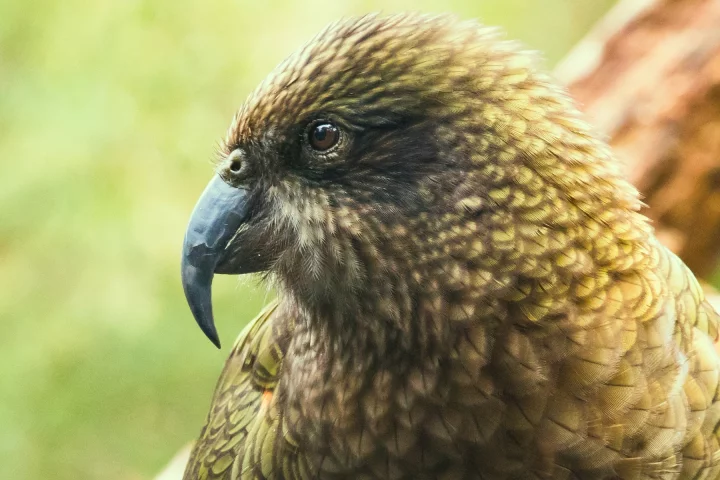 A disabled kea has invented a bizarre jousting technique that helped turn him into the undefeated alpha male of his circus. While parrots are known for their smarts, this level of individual benefit shows some real ingenuity and resourcefulness.
Load More
