
Signal Processing
-
 Scientists have found what may be a critical trigger in allergic asthma, estimated to affect 60% of the 28 million Americans with the chronic respiratory condition. It opens the door to new ways to protect airways from inflammation and its symptoms.
 -
 If you've ever wonder why you remember surprise events more vividly than the predictable, new research has uncovered how the brain encodes novel information in more detail than the familiar, allocating energy away from what it already knows.
 -
 A pair of stars spiralling around each other. That’s the origin of a new source of repeating radio bursts we’ve detected, called ASKAP J1745.
 -
 We've long known how the nerve endings in our skin detect cold and swiftly relay the information to our brains, but we haven't understood exactly how it works. Scientists have now solved the puzzle, unlocking the mystery of this temperature pathway.
 -
 Researchers at the University of Washington (UW) have created an app they claim can detect sleep apnea with similar accuracy to available methods, potentially removing the need for expensive equipment and overnight hospital stays.
 -
 Physicists have discovered a way to use a gallium arsenide nanodevice as a signal processor at “terahertz” speeds that could help end the electron and wires bottleneck for optical communications and computing.
 -
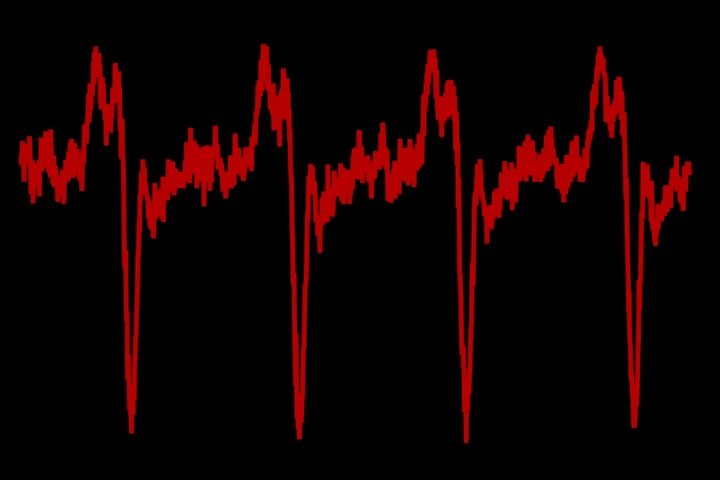 Scientists have created a laser that transmits data via dips to darkness, instead of via pulses of light.
