
Blog Posts
Beyond Earthly Boundaries ! Join us on an expedition through the stars. Explore fascinating blog posts that reveal the mysteries of the cosmos. From everyday marvels to cosmic connections. Click here to begin your celestial exploration !
About me
The Story of a Cosmic Dreamer ! From boundless curiosity to the starry skies, journey through the inspirations that guide my cosmic pursuits. Click here to learn more about my stellar journey.
A Multicolor Cosmic Tale
Ever wonder why the space images we see, like those of galaxies and nebulae, have different colors? Let’s have a look !
Explore the Crab Nebula through the eyes of different wavelengths of light. In visible light, we see its colorful, intricate structure, while infrared reveals hidden dust and heat. Ultraviolet light shows energetic processes and young stars, and X-rays uncover the intense, high-energy core. Finally, radio waves expose the nebula’s magnetic fields and swirling particles, providing a complete picture of this fascinating cosmic remnant. By combining these multi-wavelength views, we unveil the full spectrum of the Crab Nebula’s complex beauty and dynamic nature.






Blog Topics

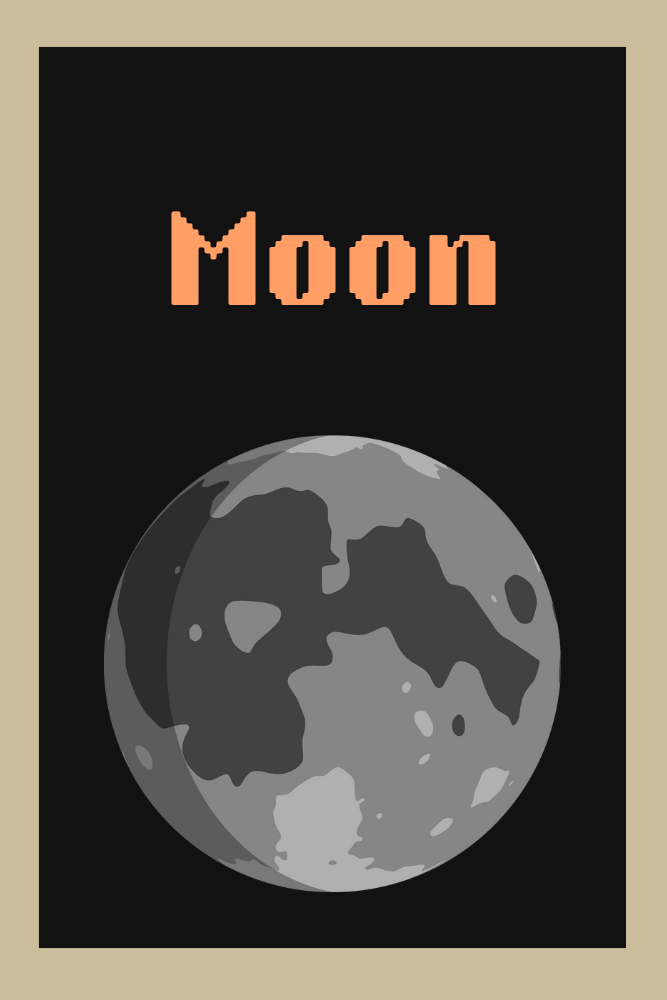
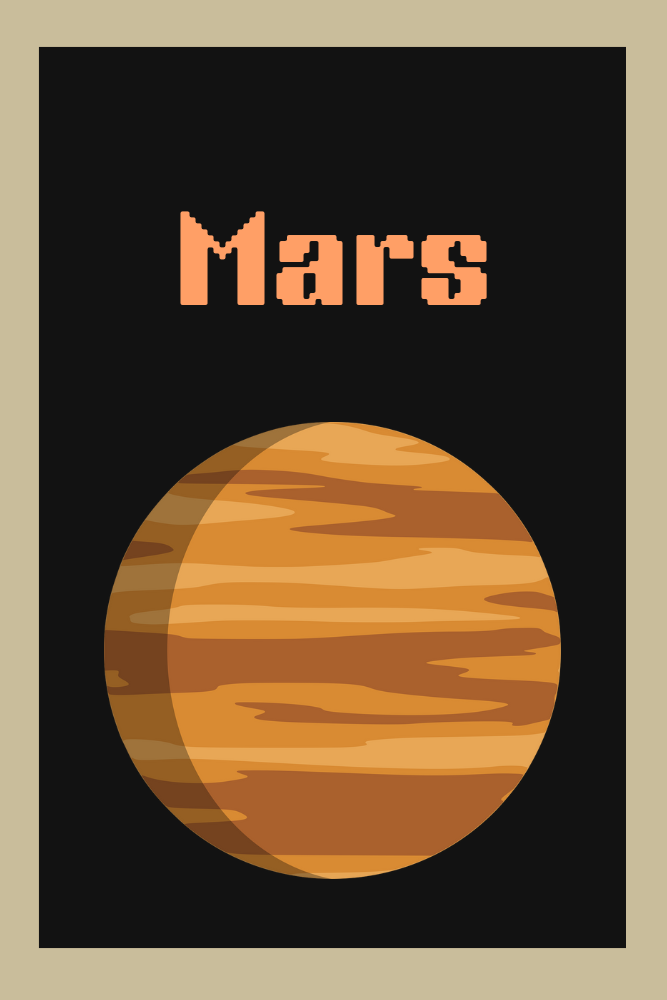
🌌 Tonight’s Sky
📍 Location & Weather
☀️ Sun
🌙 Moon
🌟 Stargazing
💡 Tip
🌠 Upcoming Astronomical Events
🚀 Next Rocket Launch
Mission: Long March 2D | CAS Pathfinder-1
Agency: China Aerospace Science and Technology Corporation
Date: Nov 11, 2026 11:41
Location: Jiuquan Satellite Launch Center, People's Republic of China
Description: The Chinese Academy of Science (CAS)' Pathfinder-1 satellites is built for in-orbit validation of critical technologies for the upcoming main missions of CAS' "Origins” Space Science Program, which consists of 4 upcoming astronomical observatory missions to be launched by 2030:* Discovering the Sky at the Longest wavelength (DSL * Solar Polar Orbit Observatory (SPO) * Earth 2.0 (ET) * Enhanced X-ray Timing and Polarimetry (eXTP)The mission consists of a main satellite and 3 sub-satellites, the later of which flies in formation to demonstrate a low frequency radio astronomy interferometry instrument.The main satellite also contains the following science instrument: * Very Large Area Gamma-ray Space Telescope Pathfinder (VLAST-P) * a magnetometer (MHI) * an upper atmosphere LiDAR (HiRAL) * a Langmuir Probe (LMP) * a space weather monitor (SWEM)
Since solar system formed 4.6 billion years ago, our sun and its planets have made perhaps 18 galactic orbits.
our solar system is 18 galactic years old. when it was 17 trees did not yet exist on earth. when it was 16 simple organisms were taking their first excursion from sea to colonize the land.
Fossil evidence testified that for about 15 of its 18 galactic years, our planet was host to unicellular microbes and bacterial colonies-utterly devoid of anything complicated like grass, trees, animals- forgot solving differential equations, building rockets,
painting landscapes, writing symphonies or feeling love.

~ 'Five Billion Years Of Solitude' by Lee Billings
Follow along the journey
Follow us on social media to stay updated with captivating space stories and exclusive insights. Connect with fellow space enthusiasts and share the adventure !
