



Nicola - Midwife, Doula
Just wanted to say another thank you for offering this zoom time each month, it's so helpful and so enjoyable, I hate to miss it. It really is so valuable , this support and connection is so needed for those working with mothers and babies during breastfeeding challenges.
So thank you, thank you, thank you!

Julia - Doula
OMG - this has been a joy! I will go back over an over again. Breastfeeding support was never my thing but this course got me very excited. I'm sure I will go back again and again and see you in the Q&As!
I have already recommend it to my fellow Doulas and also clients. Keep on doing what you're doing!!!

Andrea - Health Visitor
I have really enjoyed this course. I have enjoyed it so much that it ate well into my PJ time! That is the highest compliment. :-) I learned a lot, I reflected (and continue to) on my own practice and how to use this learning to enhance approaches in my care. It was so good listening to the amazing science behind breastfeeding but also so important to have the woman (and baby) at the absolute centre. Every health professional should do this course to increase knowledge, self awareness and priorities towards those under our care.

Justine - Midwife
Thank you so much.
I have only positive things to say about your fabulous presenting and the outstanding content.
Loved the reflections activities.
I am so grateful for your wisdom.

Essential groundwork EVERY feeding supporter needs.
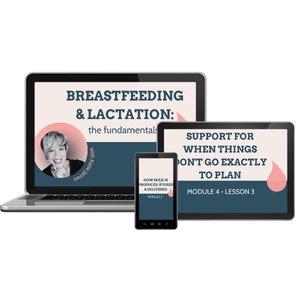
✔ How the breast develops — and why size doesn’t predict supply
✔ The 3 stages of lactation: hormonal initiation, activation, and maintenance
✔ What secretory activation is — and why it’s often delayed
✔ The signs of disrupted physiology (and how to act early)
✔ What colostrum and mature milk actually do
✔ How birth interventions impact milk supply — and what to do about it
✔ How to guide feeding plans when baby is sleepy, separated, or struggling
✔ Why and how milk supply can be saved
✔ The role of skin-to-skin, hand expression, and the right time to start pumping — backed by research
✔ Why milk volumes vary and what to look for in “normal”