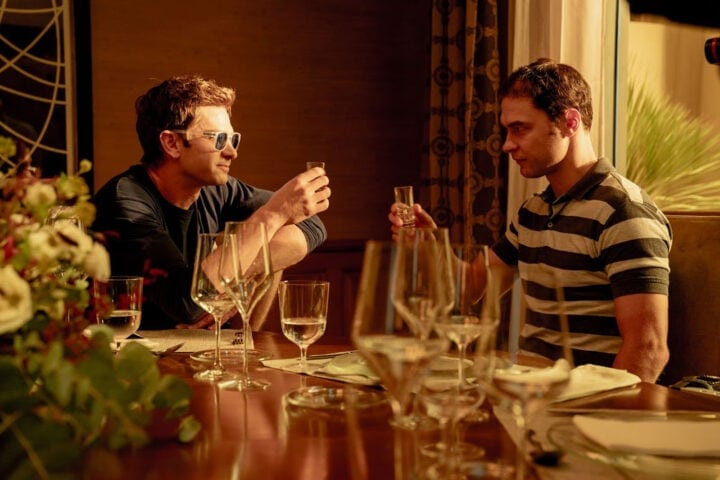
At its best, it’s an eerily funny tale of the seductions of what amounts to a queer vampire.

Eli Friedberg is a freelancer whose writing has also appeared in The Film Stage.
At its best, it’s an eerily funny tale of the seductions of what amounts to a queer vampire.
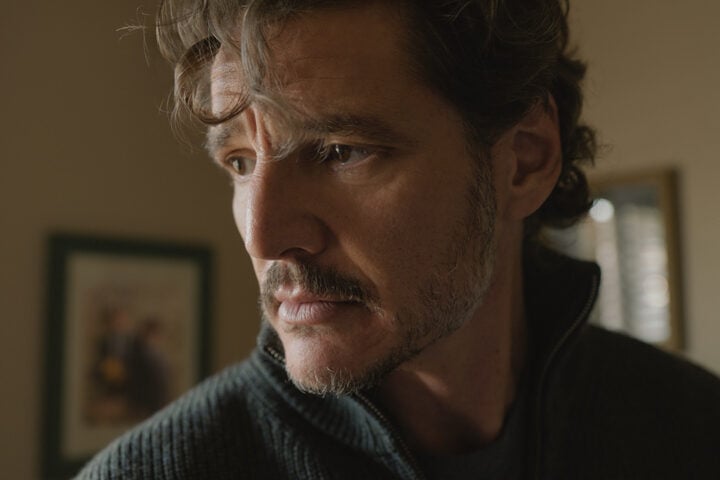
This novelistic character study of a child prodigy grown up is suitably symphonic in structure.

The short feels one conspicuous brand logo away from becoming a commercial.
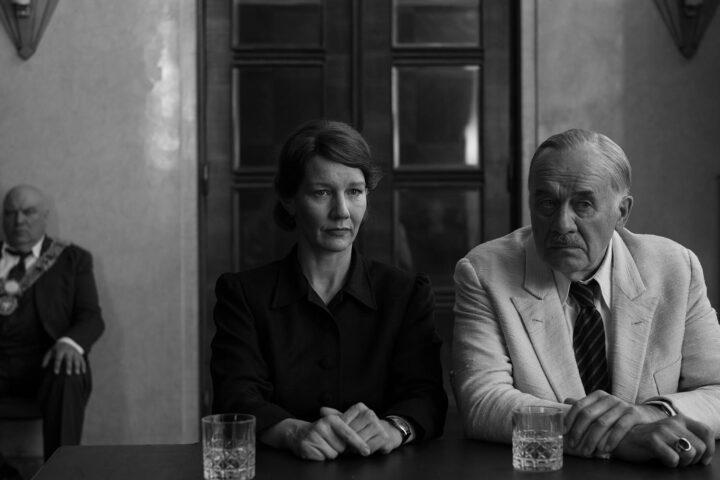
Paweł Pawlikowski’s film distinguishes itself from Ida and Cold War with a bitter humor.

More than its predecessor, Godzilla Minus Zero feels tormented by the very carnage it adores.
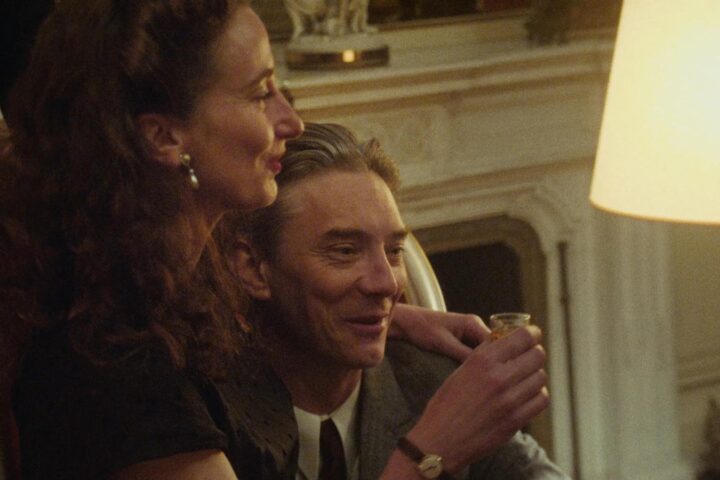
The script is at least meticulous in its historical detail and has valid satiric points to make.
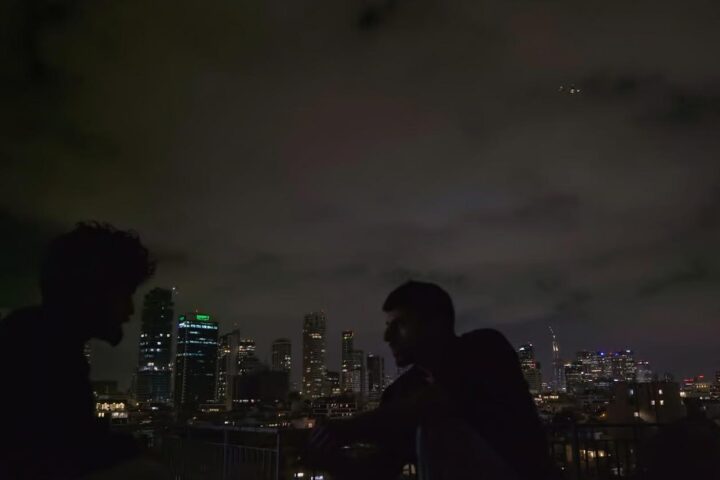
The documentary is an overwhelming and vital work of investigative journalism.

In the game’s dynamic and aggressive battle system, synergy is complex and vital.

Eighteen years on from its debut, it remains an utterly idiosyncratic and awe-inspiring chimera.
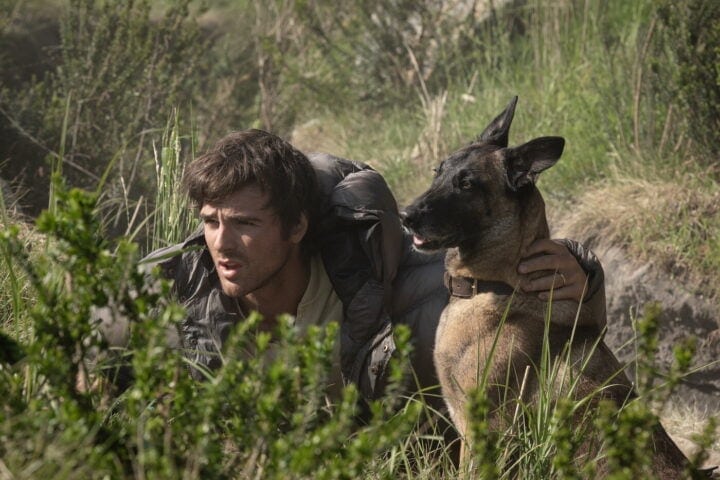
The film has hardly an original idea or image to set it apart from its neo-western brethren.
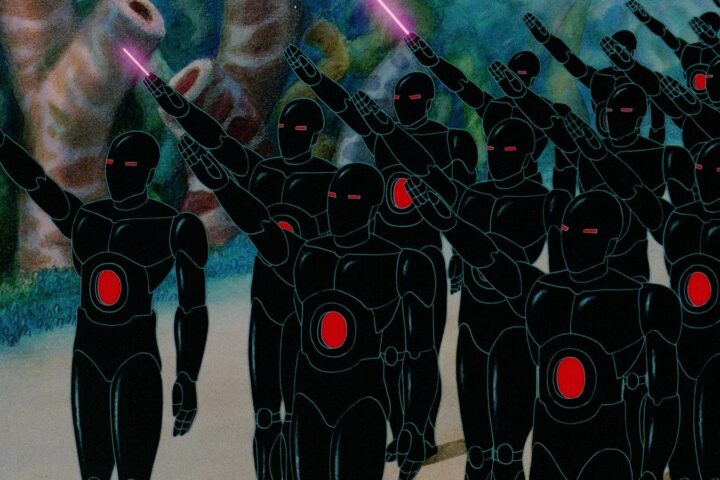
As in Laloux’s other films, the astonishingly bizarre rush of imagery does the heavy lifting.
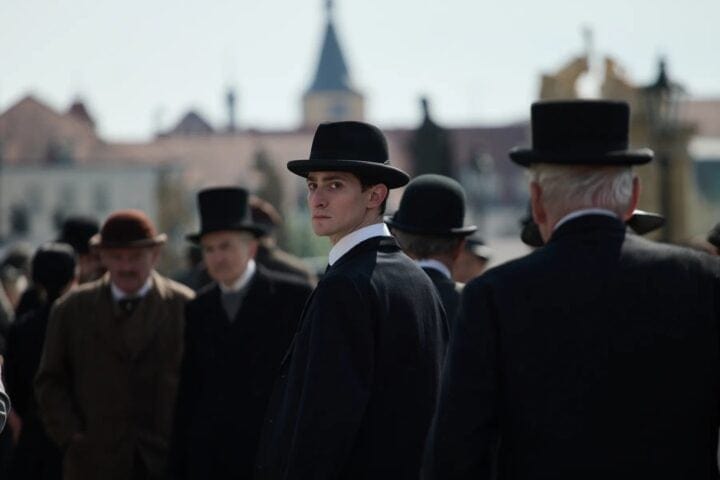
The film is akin to an adaptation of a Wikipedia page, with full frontal nudity.
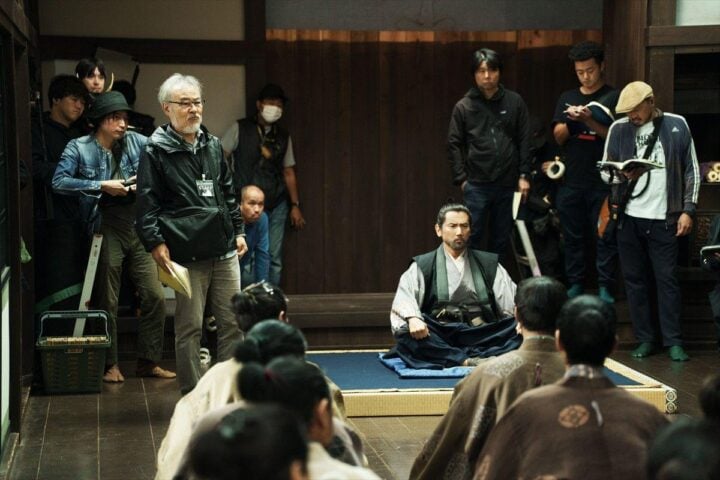
Kurosawa discusses making his first jidaigeki and its mixture of myth and historical reality.

Though Visconti operates on the surface level of the material, he crafts a seductive surface.

Barrio Triste relies on a mood of disaffected melancholy, if without a clear direction.
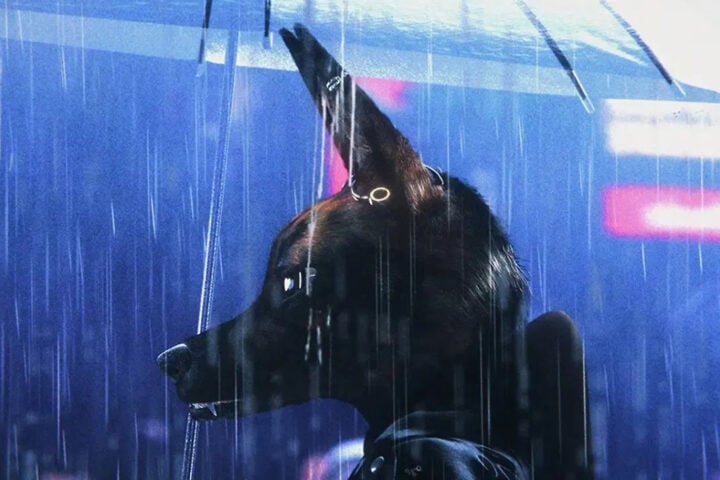
The film’s slice-of-life scenes are generationally accurate representations of everyday life.
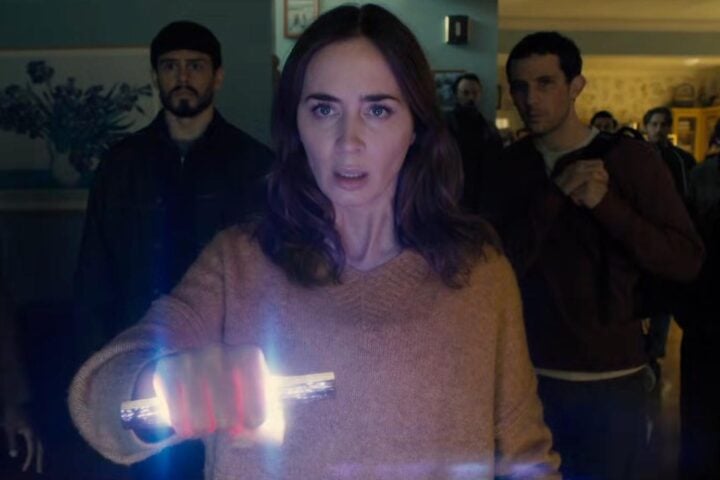
With his latest, Spielberg clutches to the memories of bygone moments and media.

Suzuki discusses his influences and process, his kinship to his main character, and more.
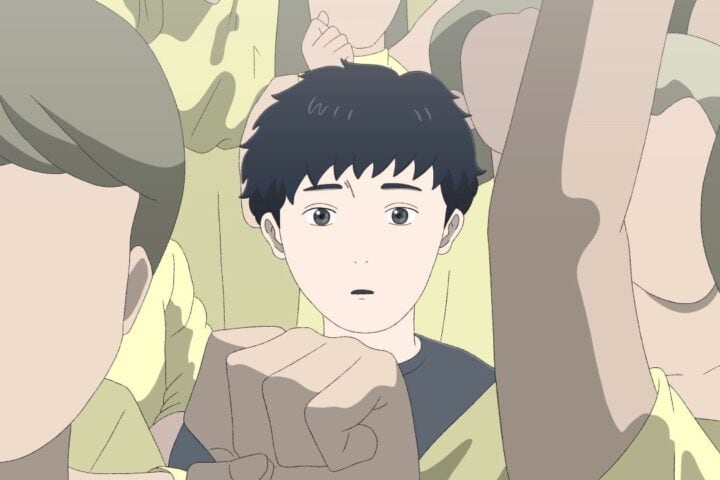
This is an idiosyncratic debut by a fiercely independent artist eager to take on the world.

Kamal Aljafari’s documentary is politically striking for its familiarity.
