


Every gamer who's ever held a controller in the '90s has some images burned into their mind. Not because they were ultra-HD or ray-traced, but because they imprinted themselves onto their souls from the very first moment.
This decade was full of striking and unforgettable visuals that defined two generations of gaming, while laying the foundation of several others. Some pixels gave us unforgettable memories that still hit us right in the nostalgic feels.
Sephiroth descending into the flames in Nibelheim — Final Fantasy VII (1997)
The One-Winged Angel goes insane

Final Fantasy VII on the PlayStation was a generational milestone for the medium. This was when 3D graphics were truly 'here', and while it might look rough in hindsight, the game was the pinnacle of visuals back when it came out. The 3D cutscenes were already such a joy to behold, and when Sephiroth walks away from the flames of a burning Nibelheim, sword in hand, we all truly knew that we'd stepped into a new generation of storytelling.
Even today, we've got the same shot — not the one from the remake, by the way — referenced and meme'd all over the internet for when someone turns over to the dark side. Such was its impact on every gamer who watched with their mouth agape. The long, silver hair. The flaming background. And the sudden, heavy realization that Sephiroth just changed everything. This was the moment when Sephiroth's place in the hall of fame for gaming villains was set in stone.
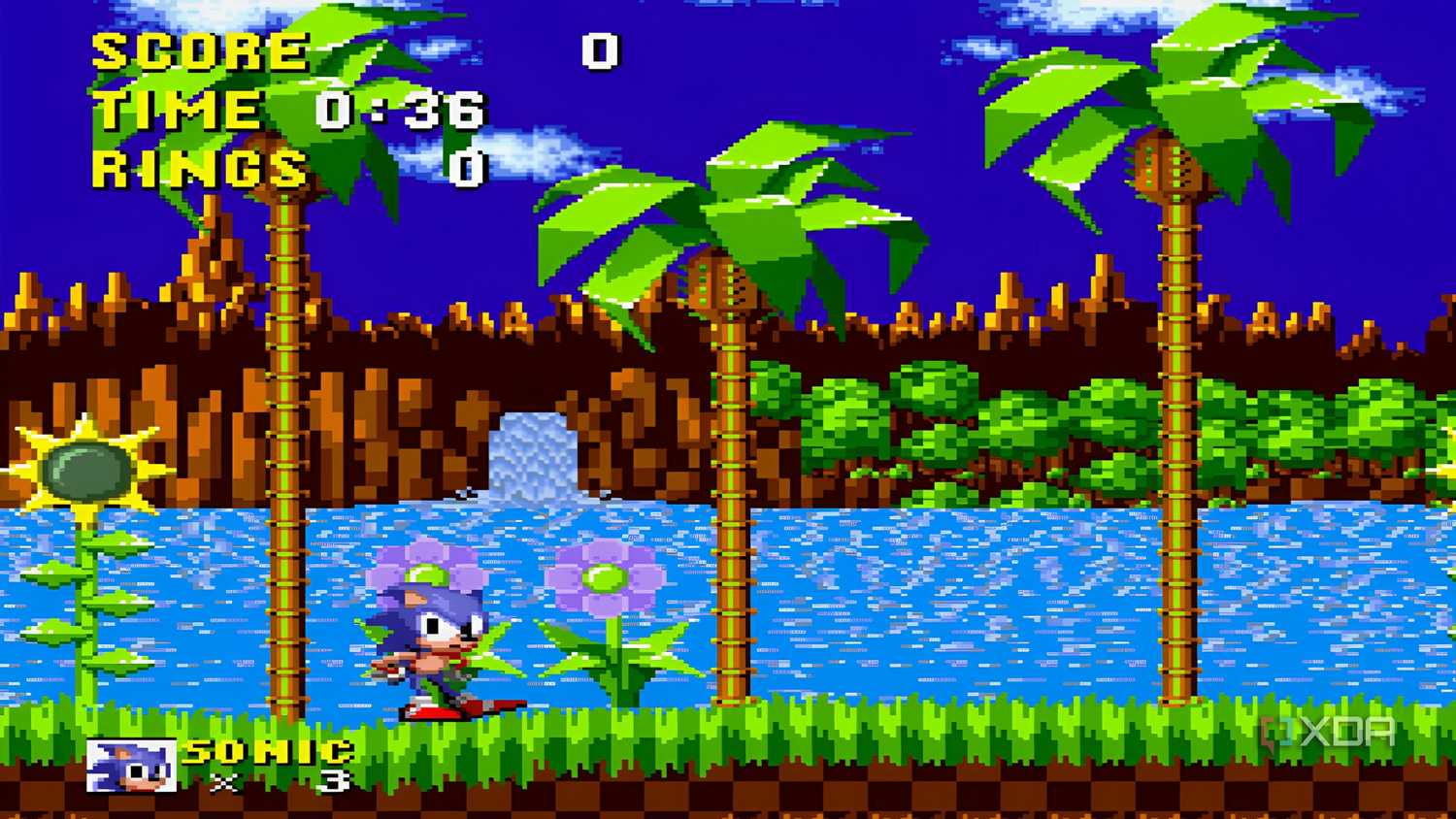
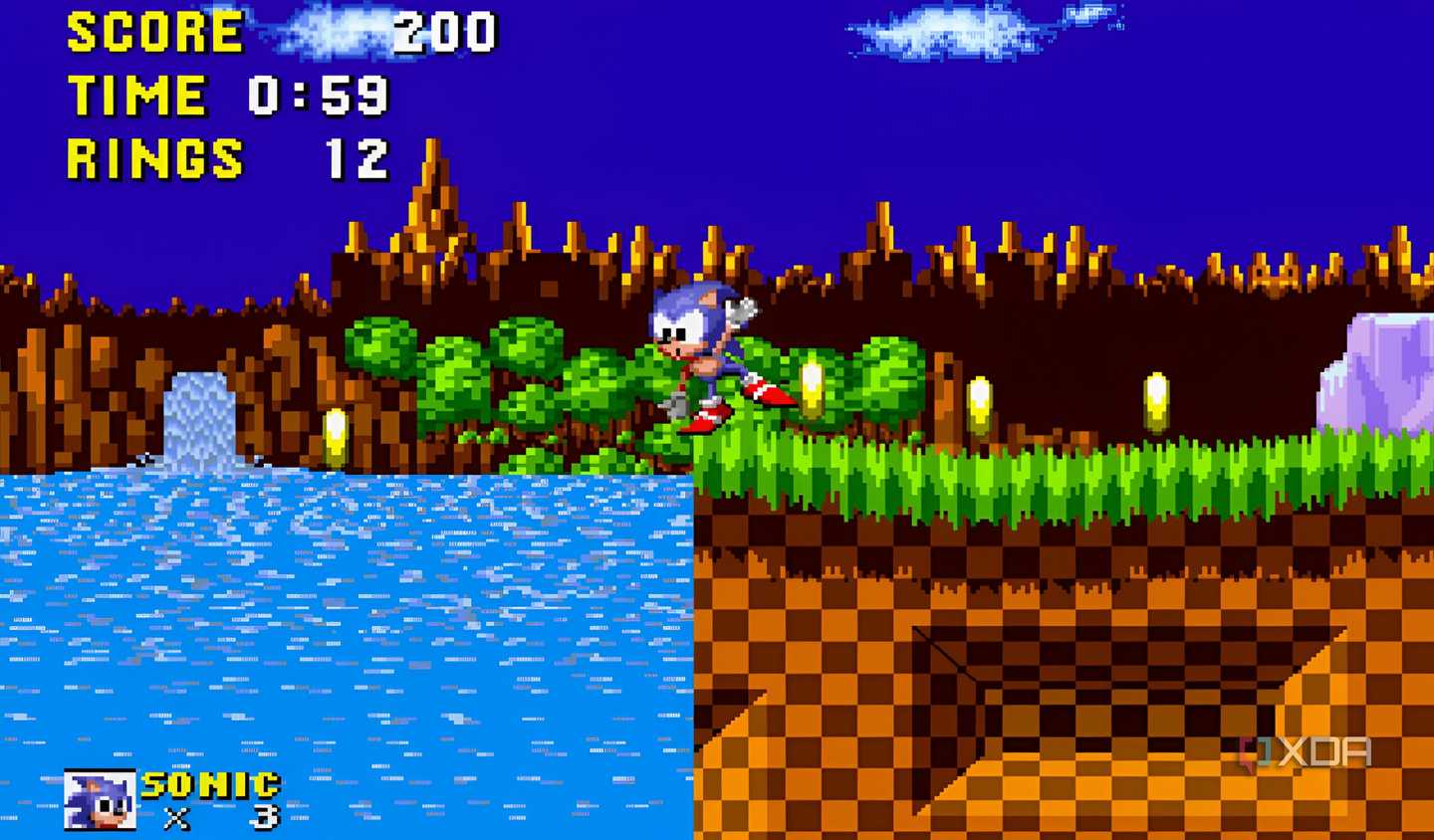
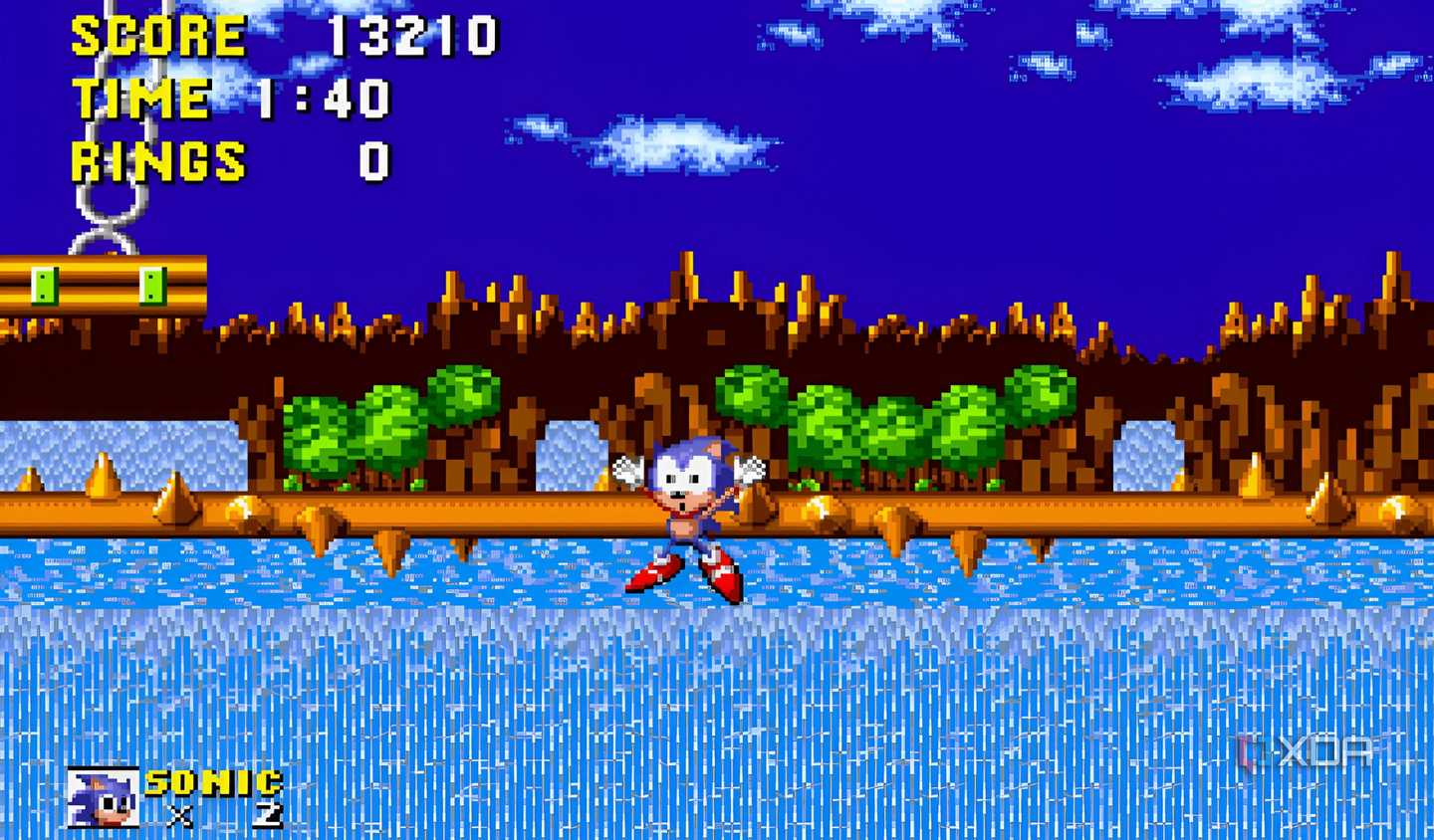
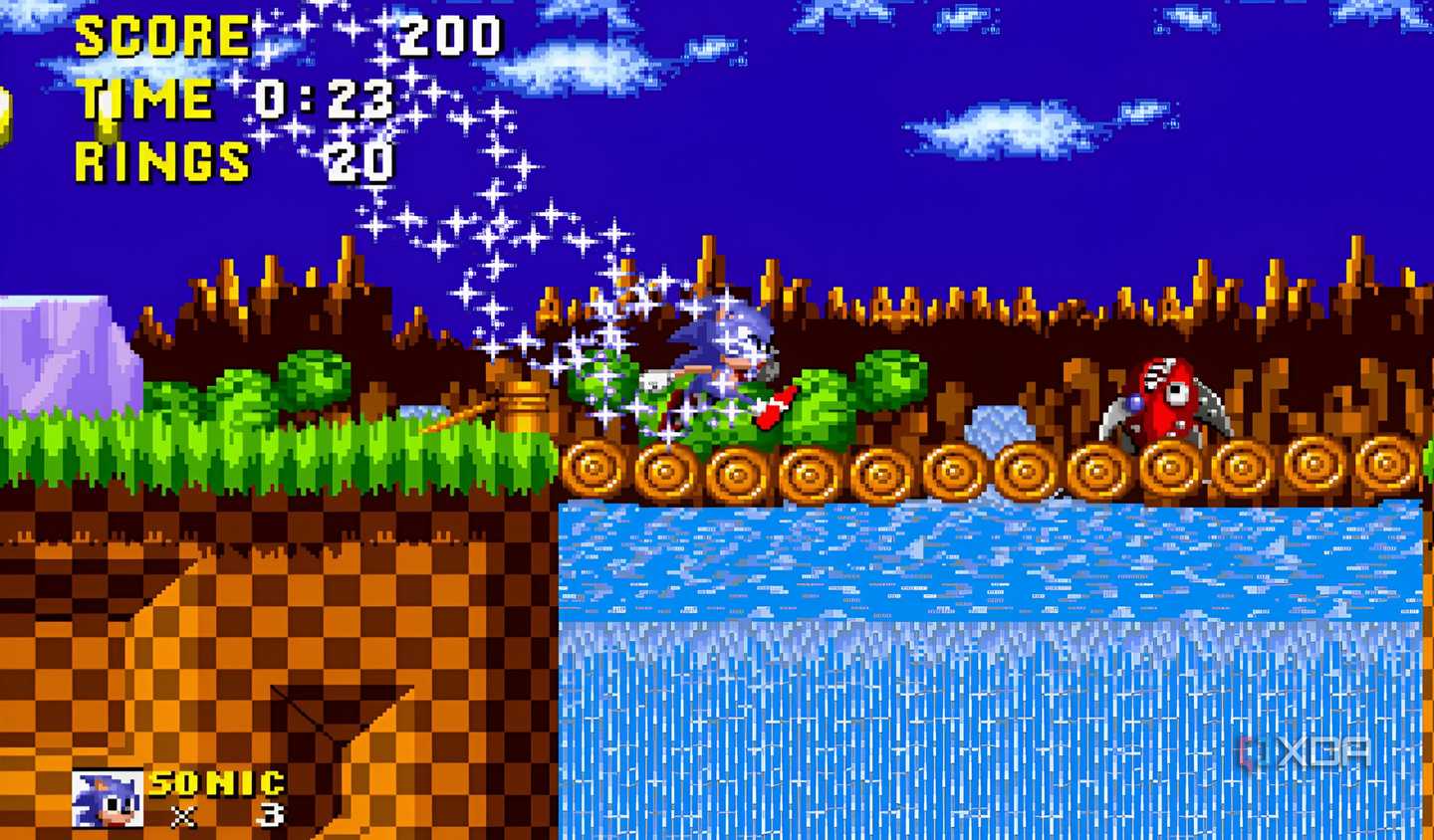
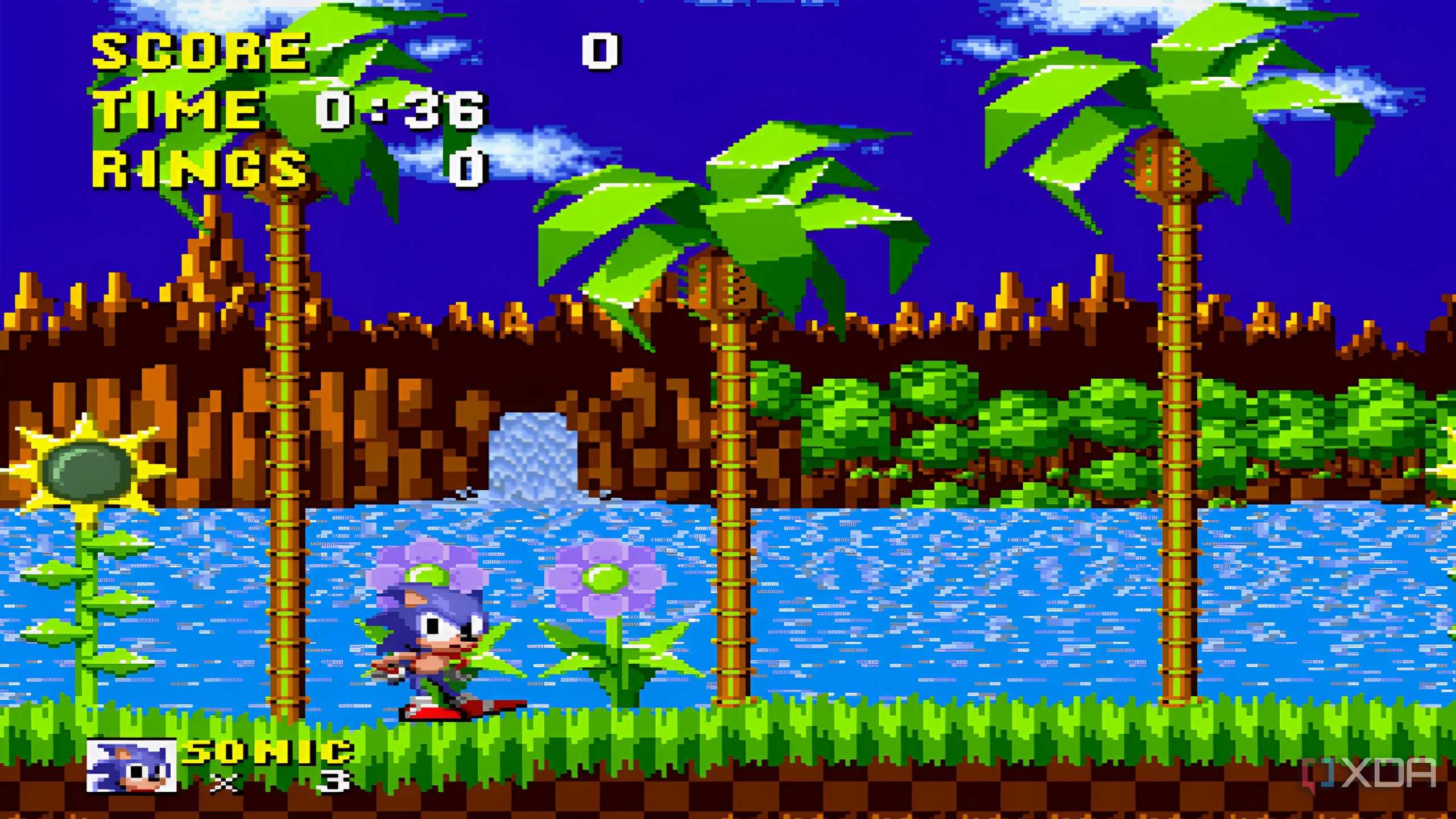
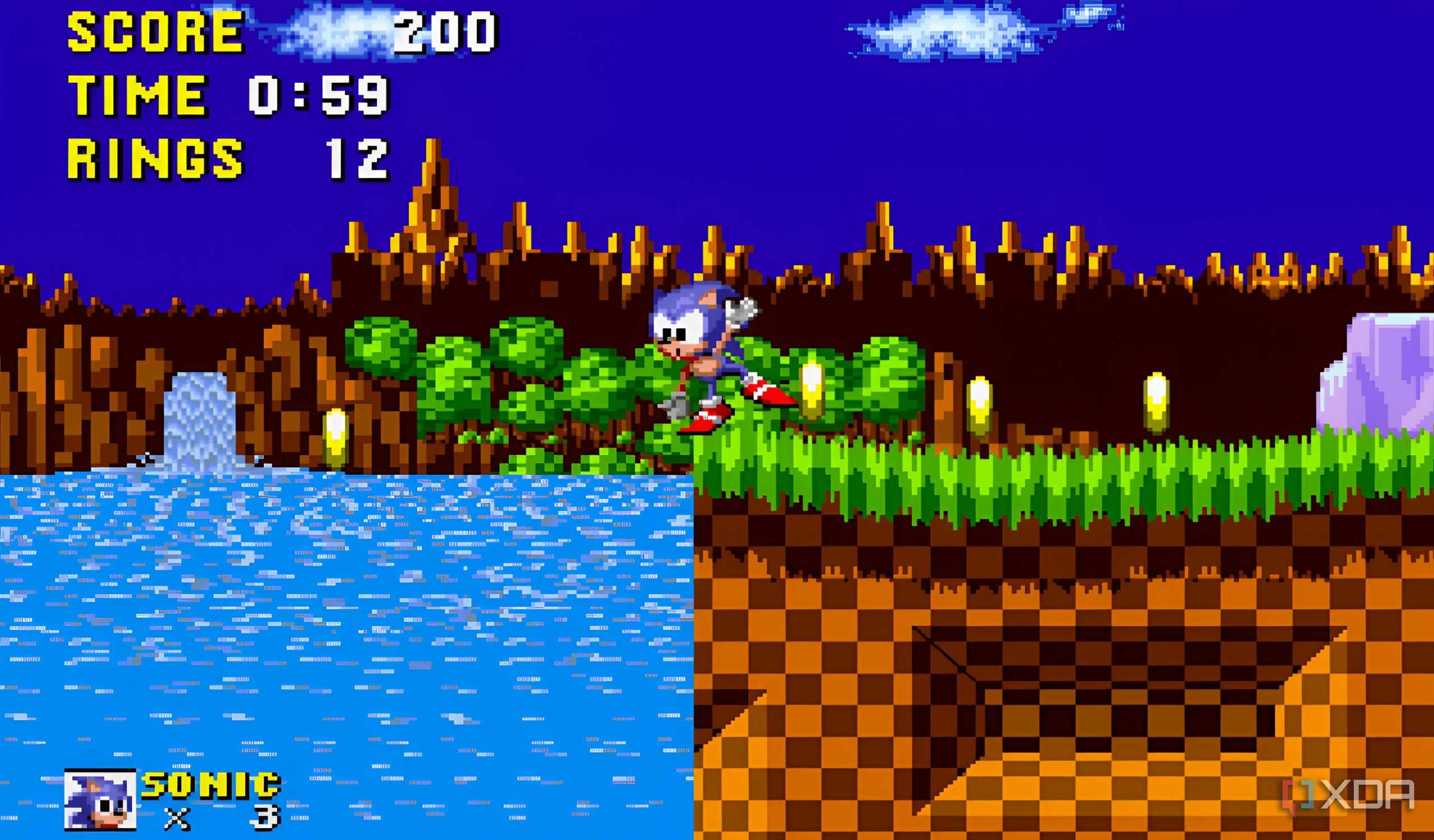
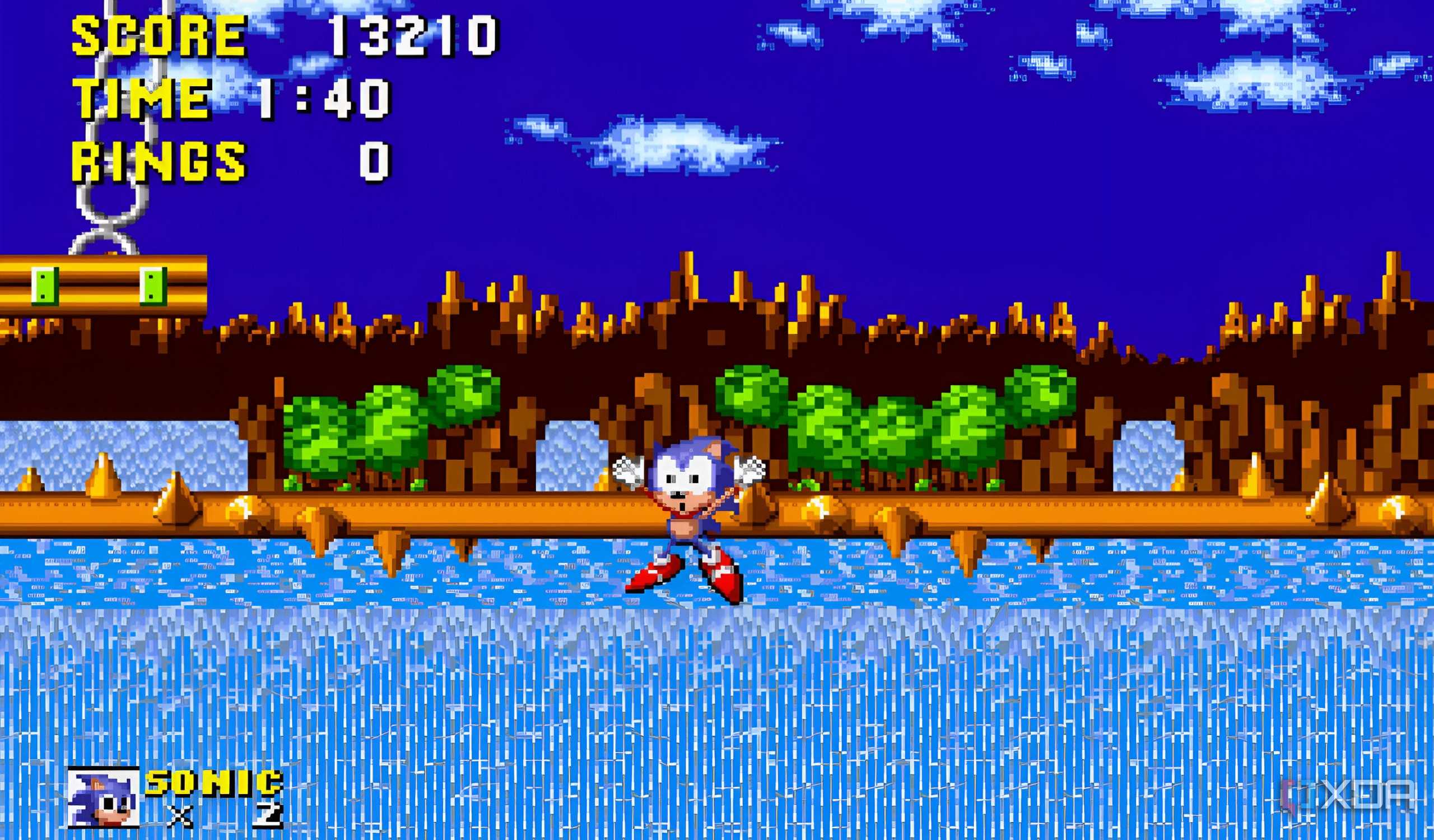
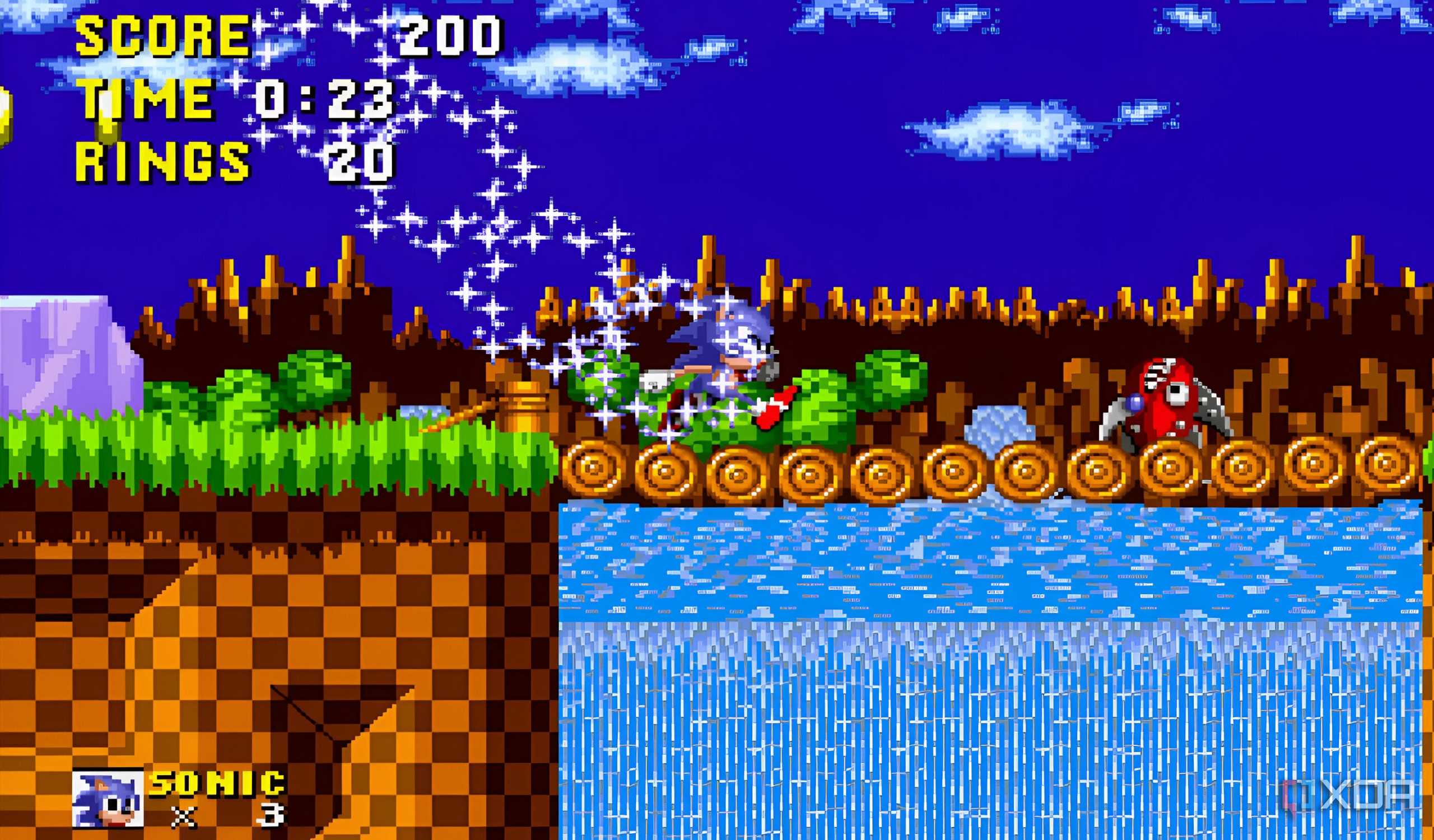
Sonic impatiently tapping his foot — Sonic the Hedgehog (1991)
A single gesture that oozed personality
Source: Sega 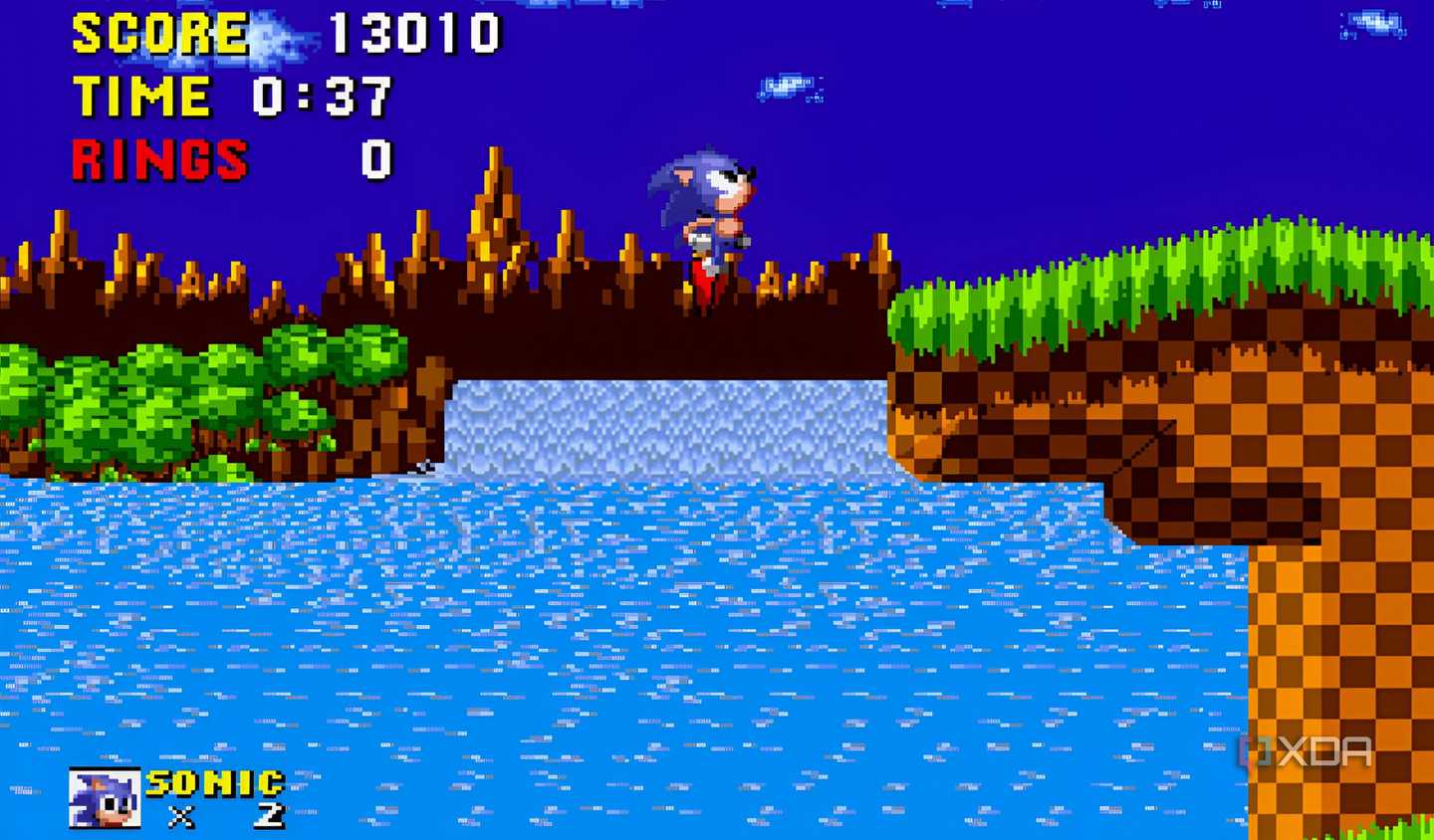


Source: Sega 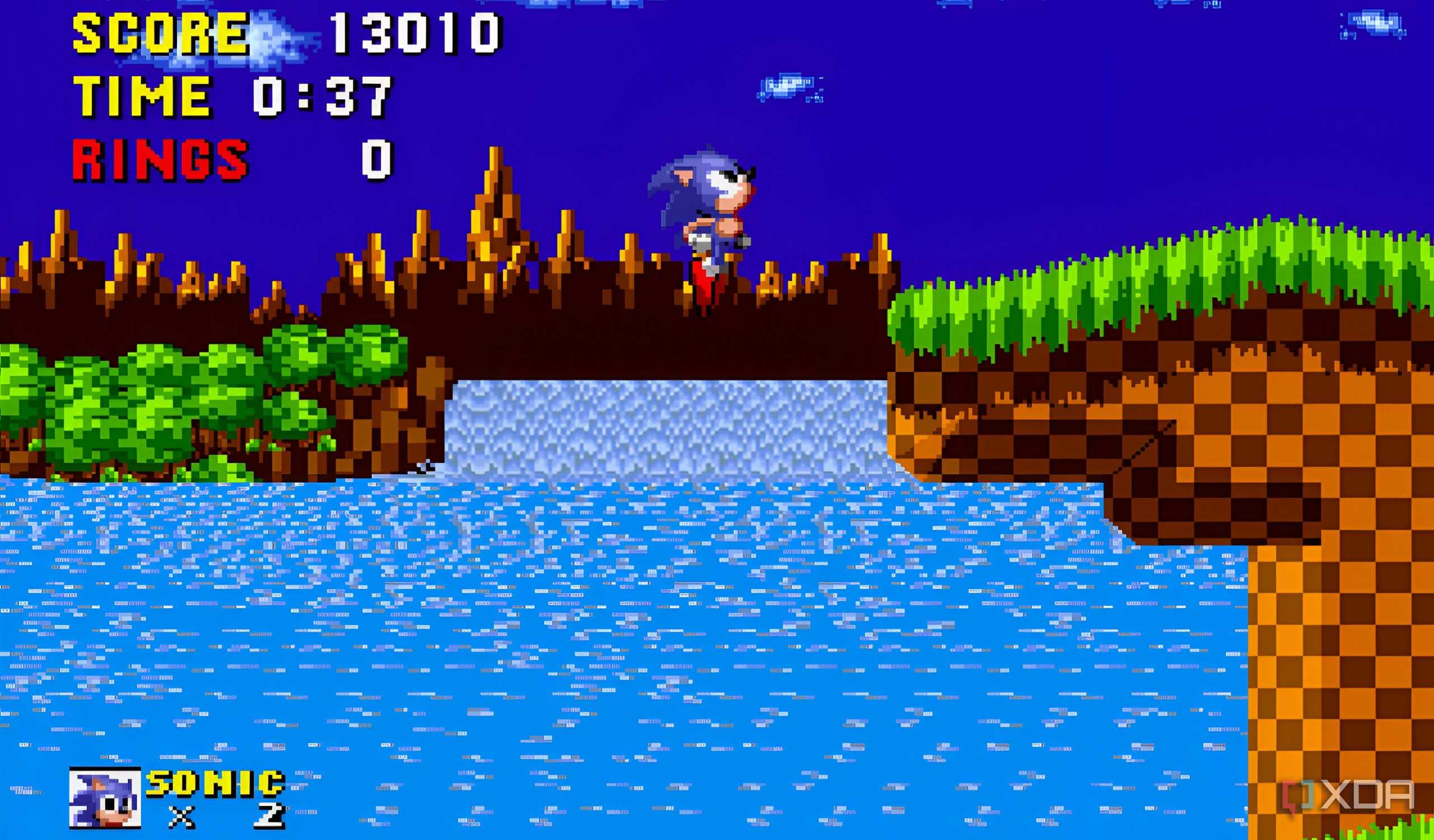
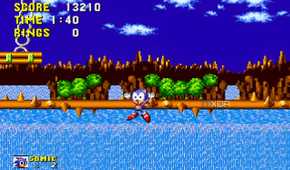
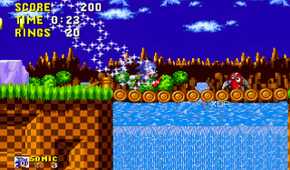
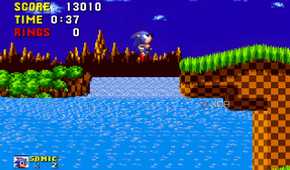
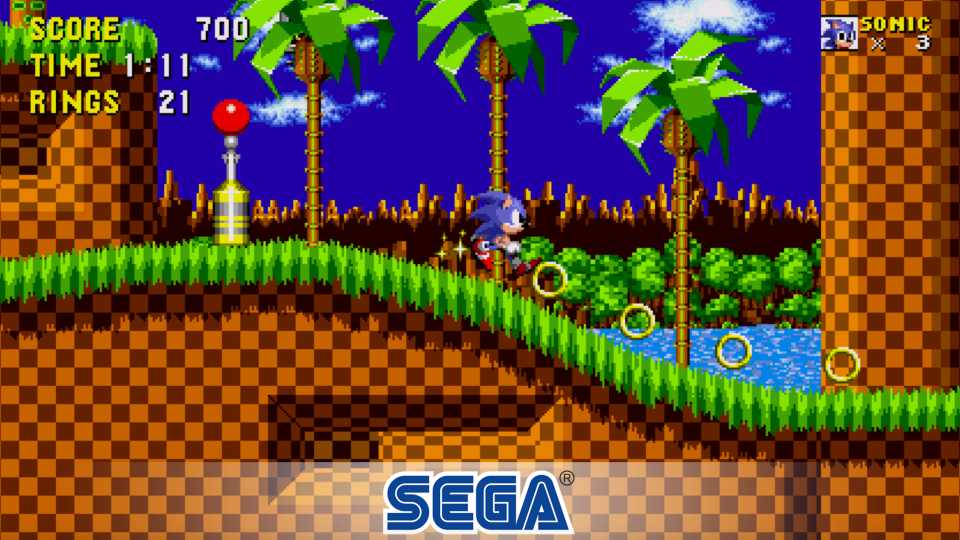
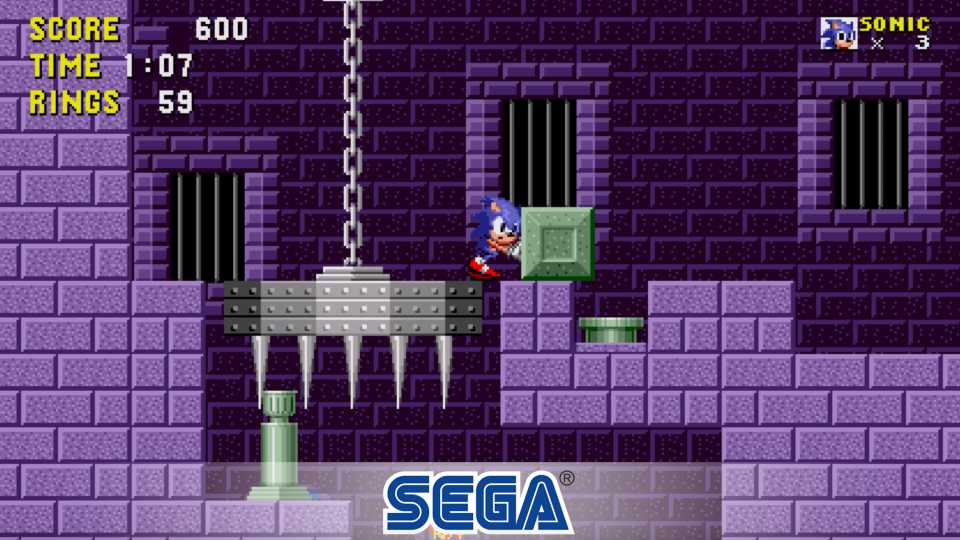
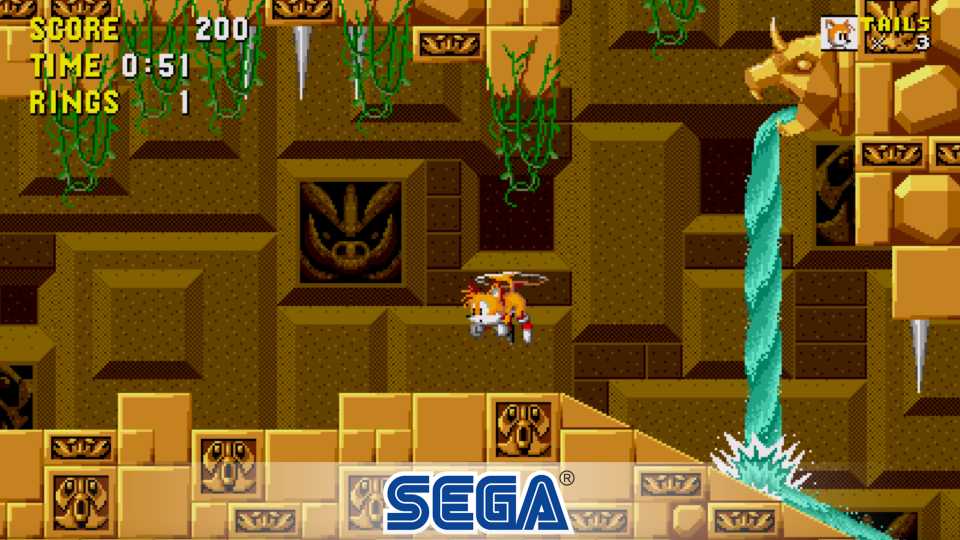
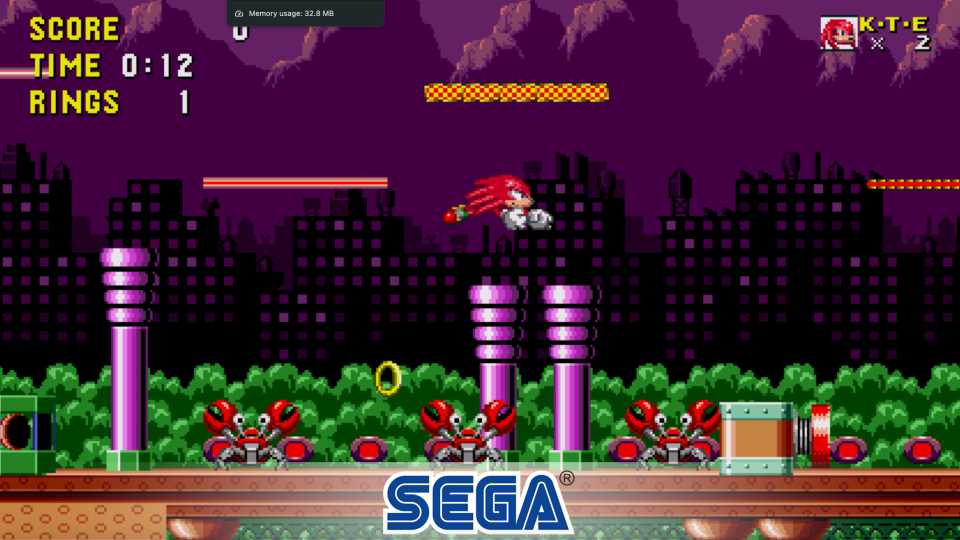
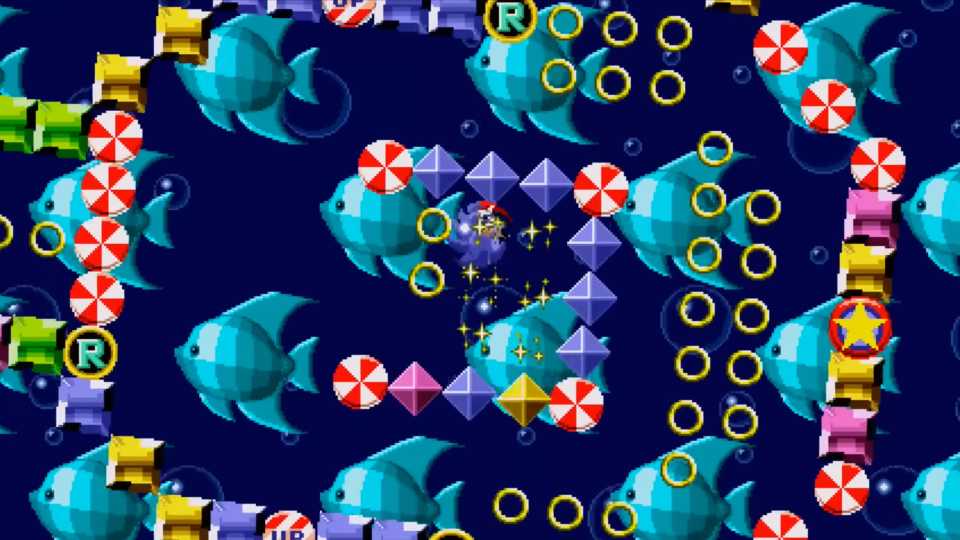
Before the voice acting, before the memes, way before Jim Carrey, and long before Dreamcast gave him attitude by the truckload, Sonic already had it. The proof? That glorious idle animation where he'd tap his foot impatiently if you dared to pause and think for more than a couple seconds. He's gotta go fast, after all, and we, the players, were holding him up. Idle animations were such a delight to look at in the '90s, because of how novel they felt. With Sonic, this blue blur was as impatient as he was fast, and even while I had the controller, he was the one judging me.
It was such a subtle touch, but it told you so much about the hedgehog. Mario may be happy to stand around forever, but Sonic had places to be, man. Rings to collect. Loops to blast through. It's burned into our memories because it shows just how much character you could squeeze into 16-bit sprites. For any kid who grew up with the Genesis, that side-eye and toe-tap were a challenge to get moving already.


- Released
- June 23, 1991
- ESRB
- e
- Developer(s)
- Sonic Team
- Publisher(s)
- Sega
- Engine
- the hedgehog engine


WHERE TO PLAY

- Genre(s)
- Platformer

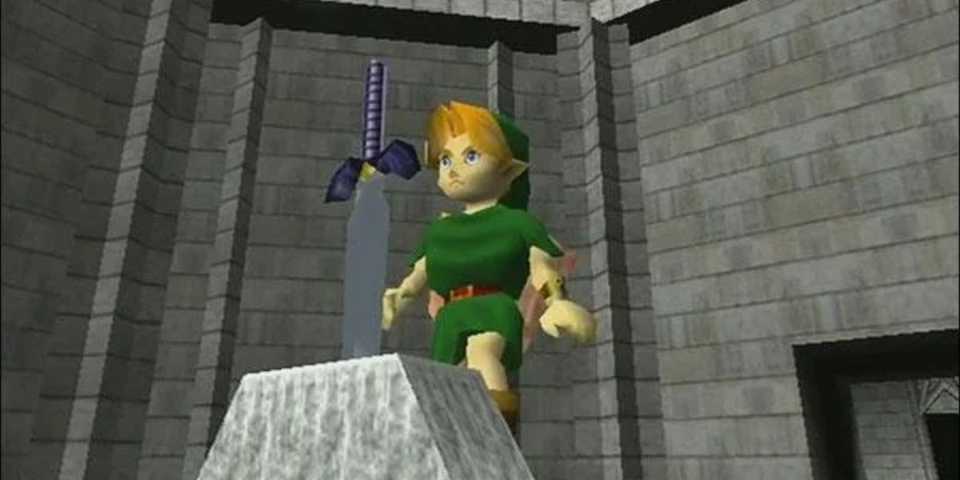
Link drawing the Master Sword — The Legend of Zelda: Ocarina of Time (1998)


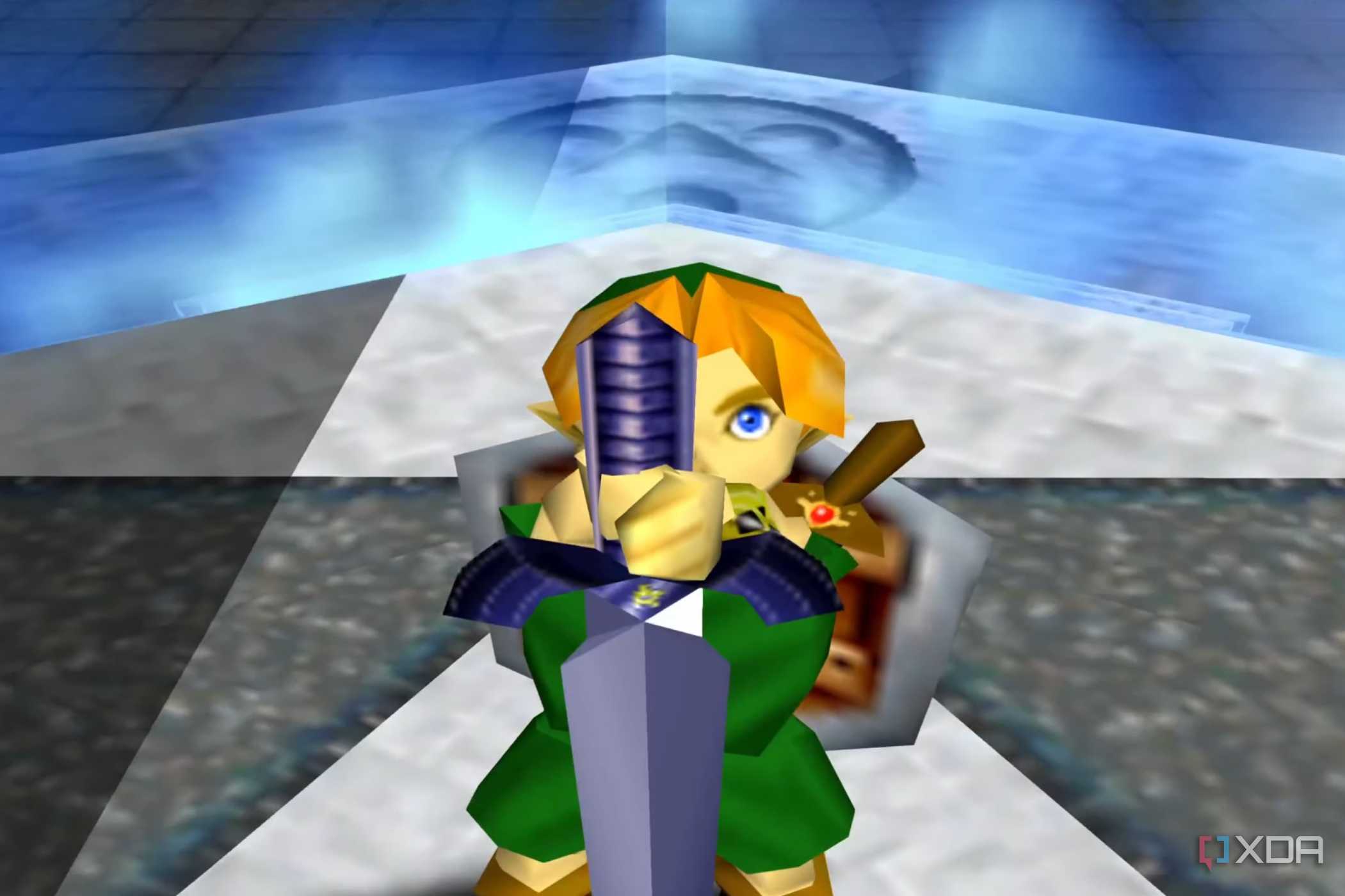
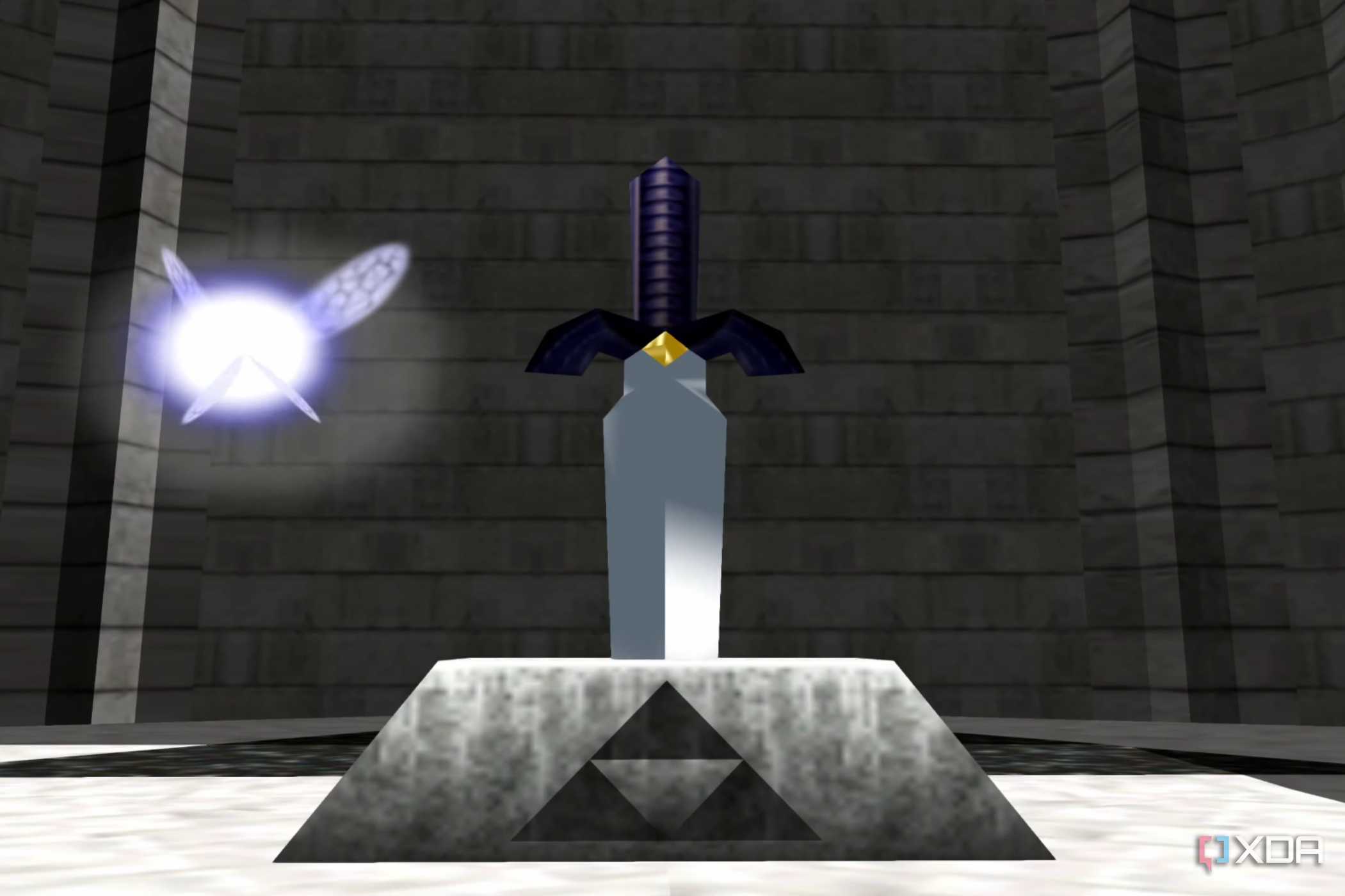
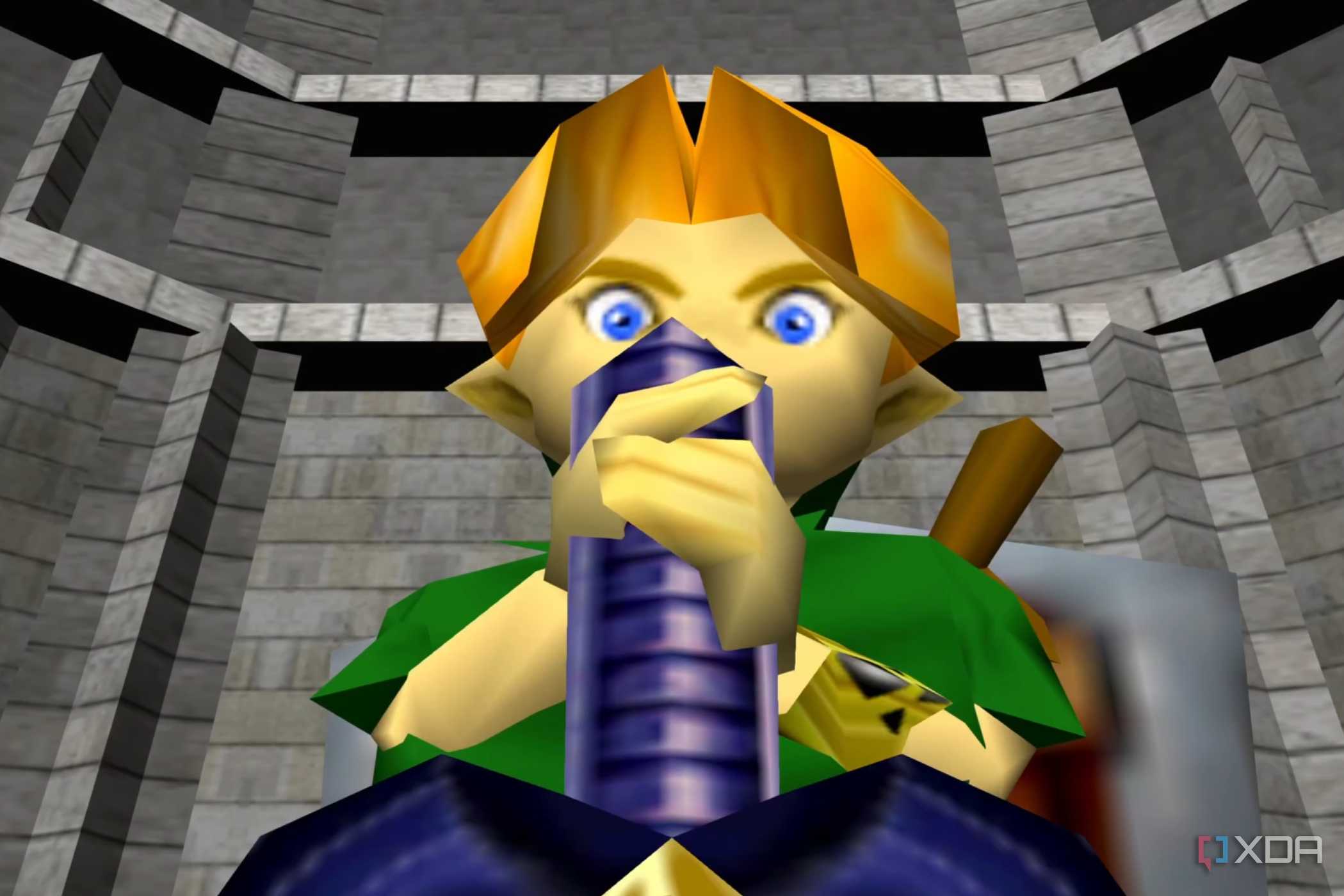
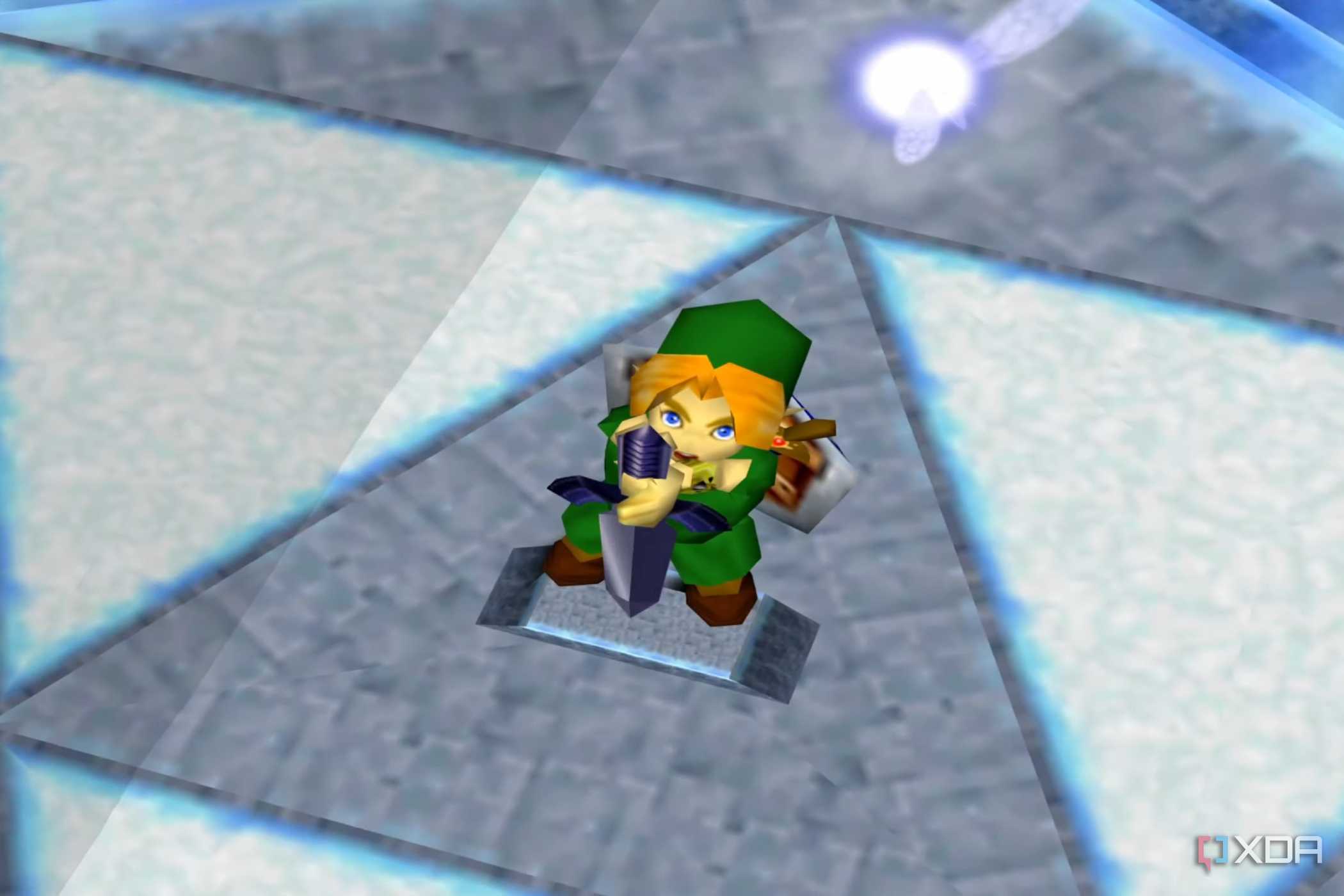
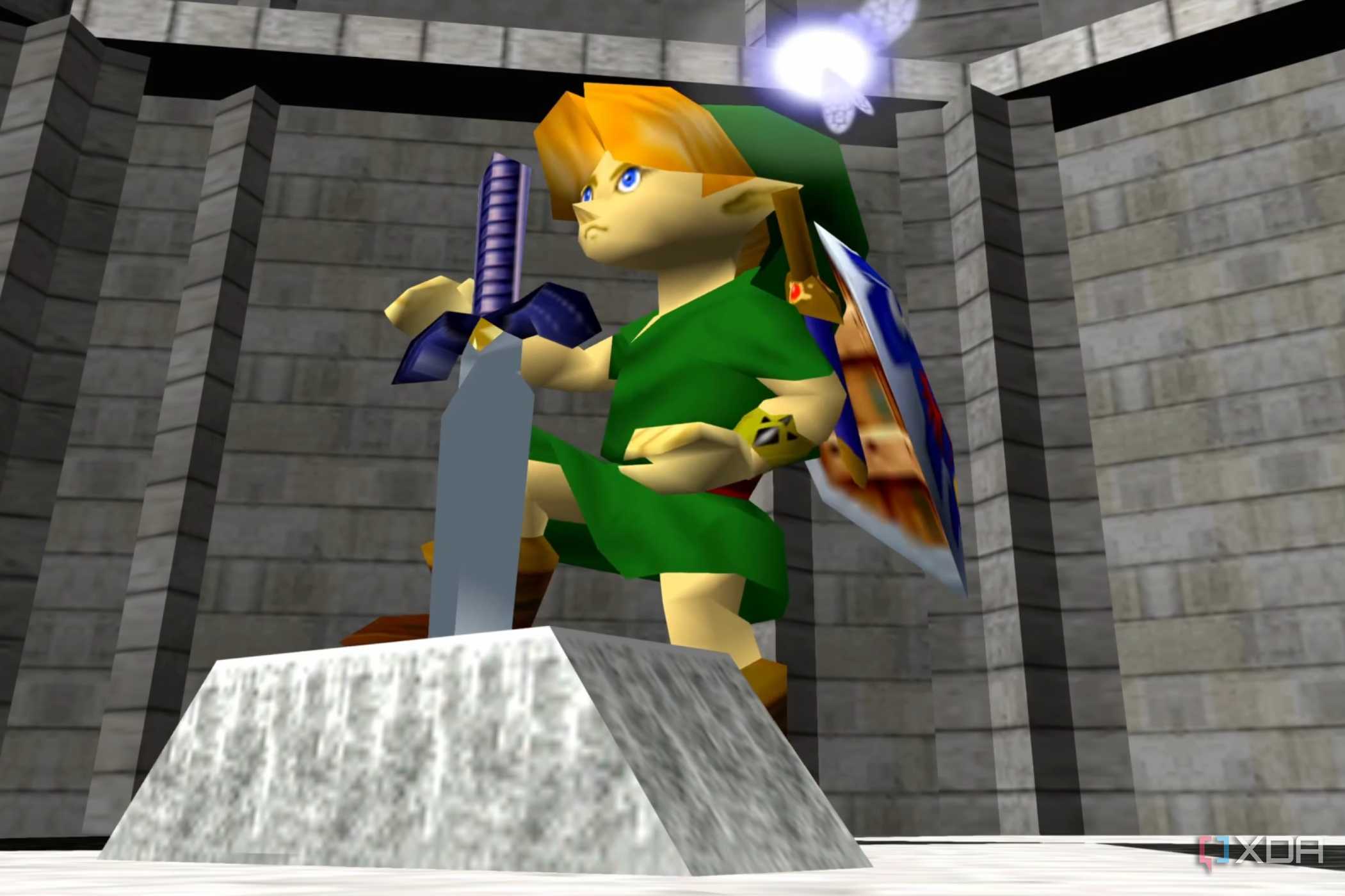
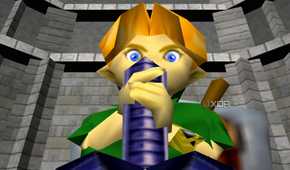
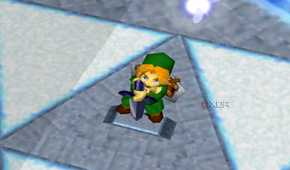
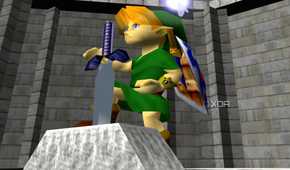
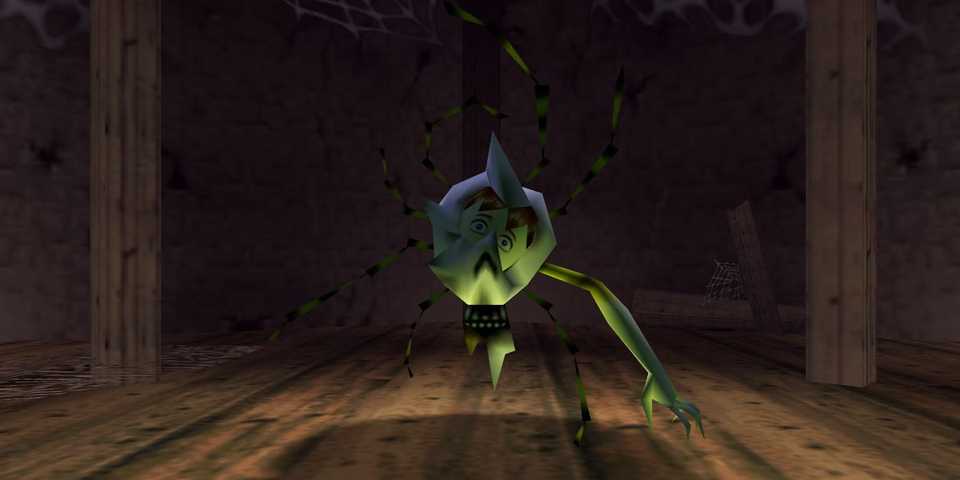
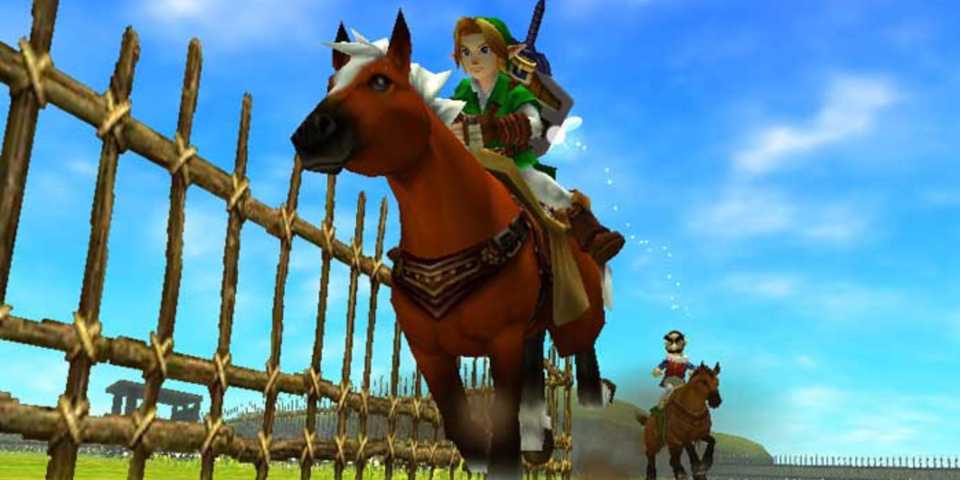
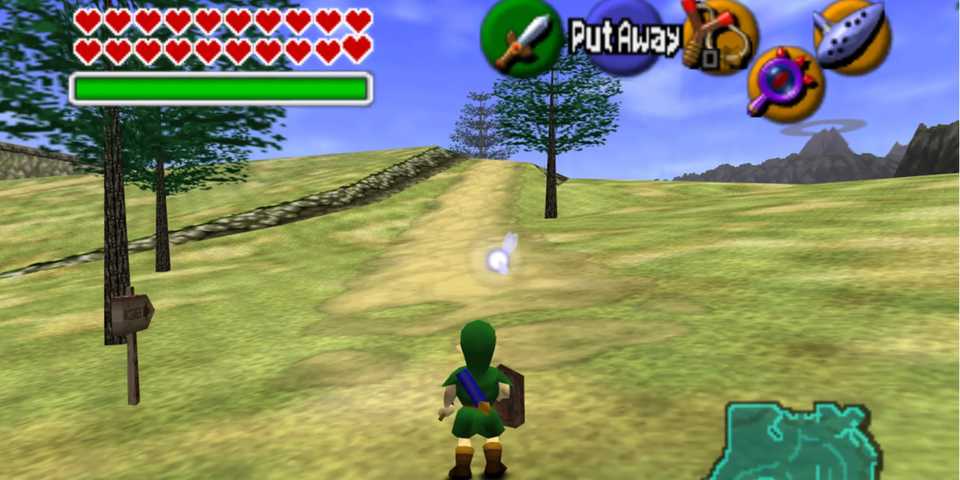
Sure, we'd seen Link claim the Master Sword before, since it's a recurring moment across Zelda games. However, in Ocarina of Time, this moment was not your usual rite of passage. Instead, it was a trap. This time around, Link didn't become the Hero of Time by yanking the sword out of the glowing stone pedestal. Instead, he became it by unknowingly opening the gates for Ganondorf, dooming Hyrule to his reign.
That single action led to Link's seven-year slumber, the corruption of Hyrule, and a future in ruins. Instead of getting ready to save the world like in Link to the Past, Link was now waking up in one he'd already lost. That emotional, ominous, and powerful visual of young Link vanishing in blue light, and then reappearing older, armored, and destined, is a part of every '90s kid's memory.

- Released
- November 21, 1998
- ESRB
- E10+ for Everyone 10+: Animated Blood, Fantasy Violence, Suggestive Themes
- Developer(s)
- Nintendo
- Publisher(s)
- Nintendo
- Engine
- Zelda 64 Engine


WHERE TO PLAY

- Genre(s)
- Action, Adventure
The Doomguy's face HUD — Doom (1993)
An inventive way to keep the HUD involved in the action


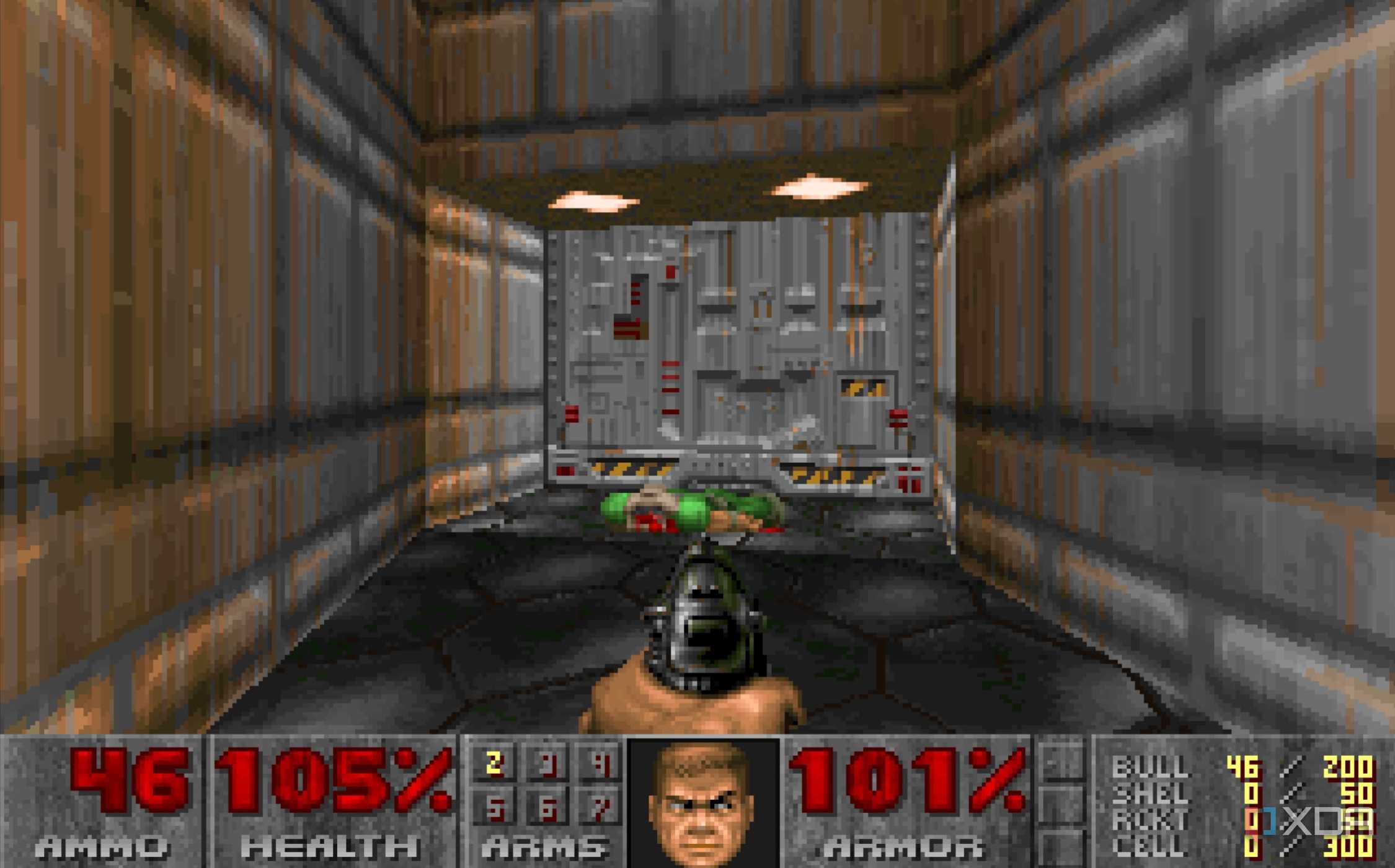
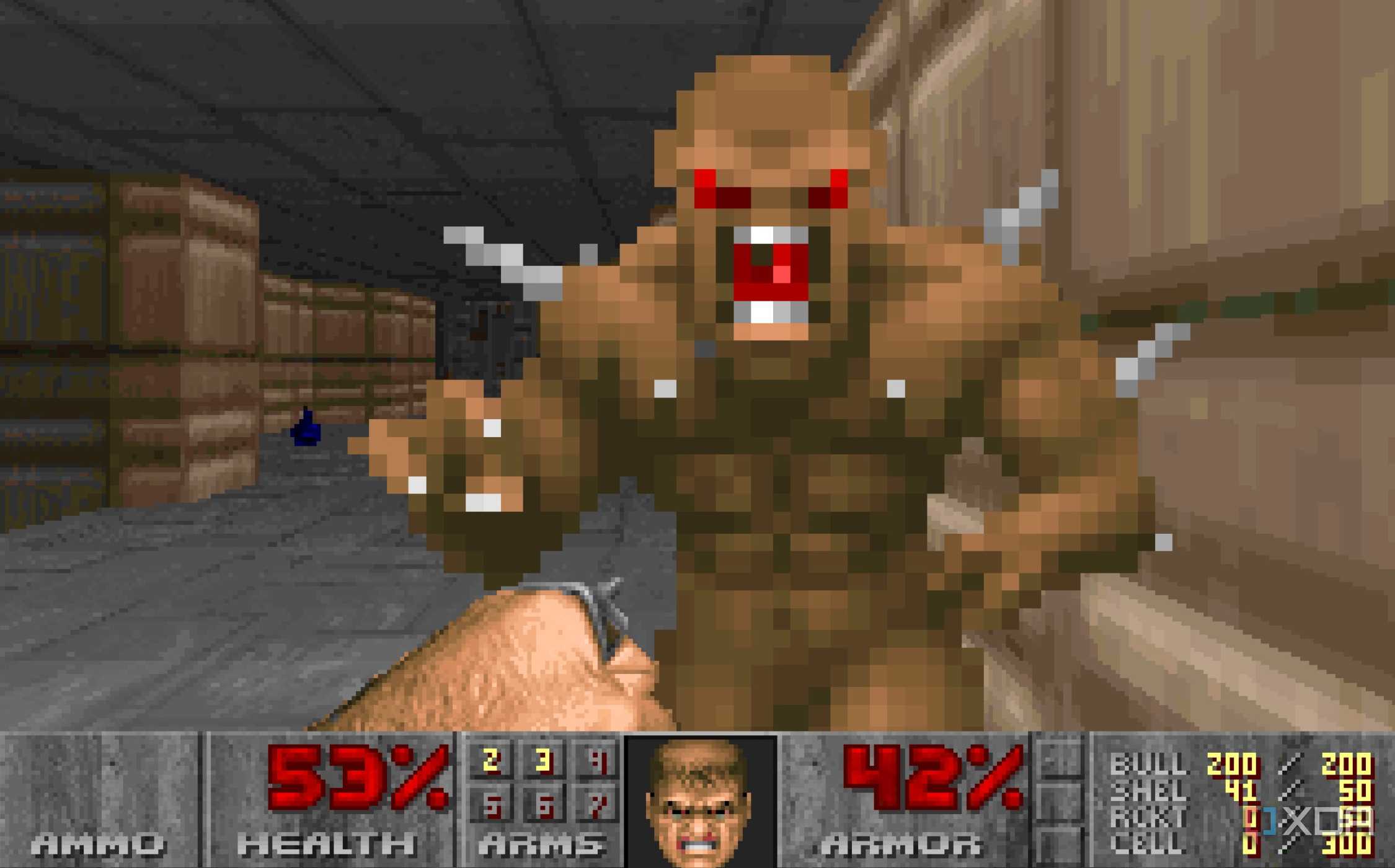
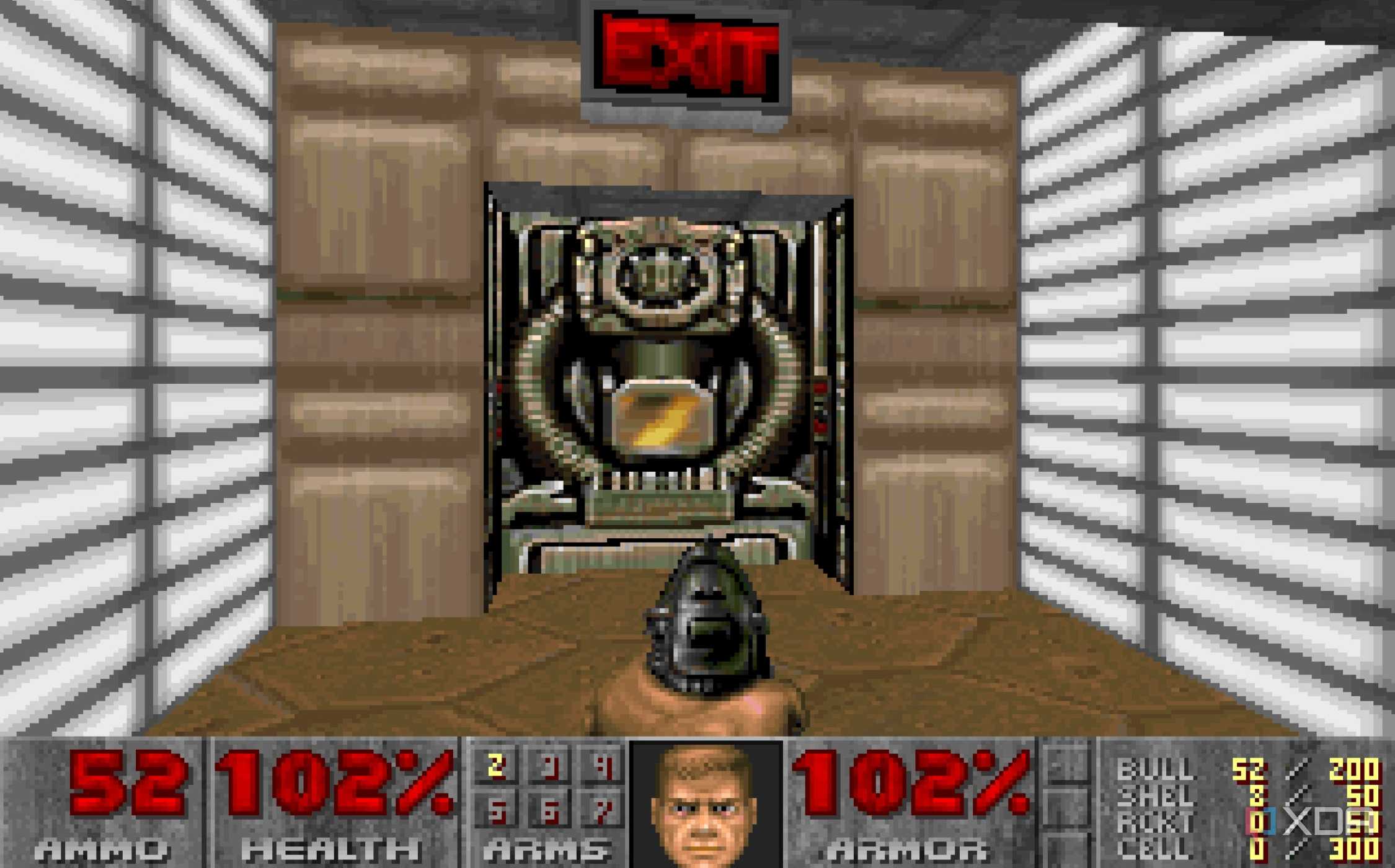
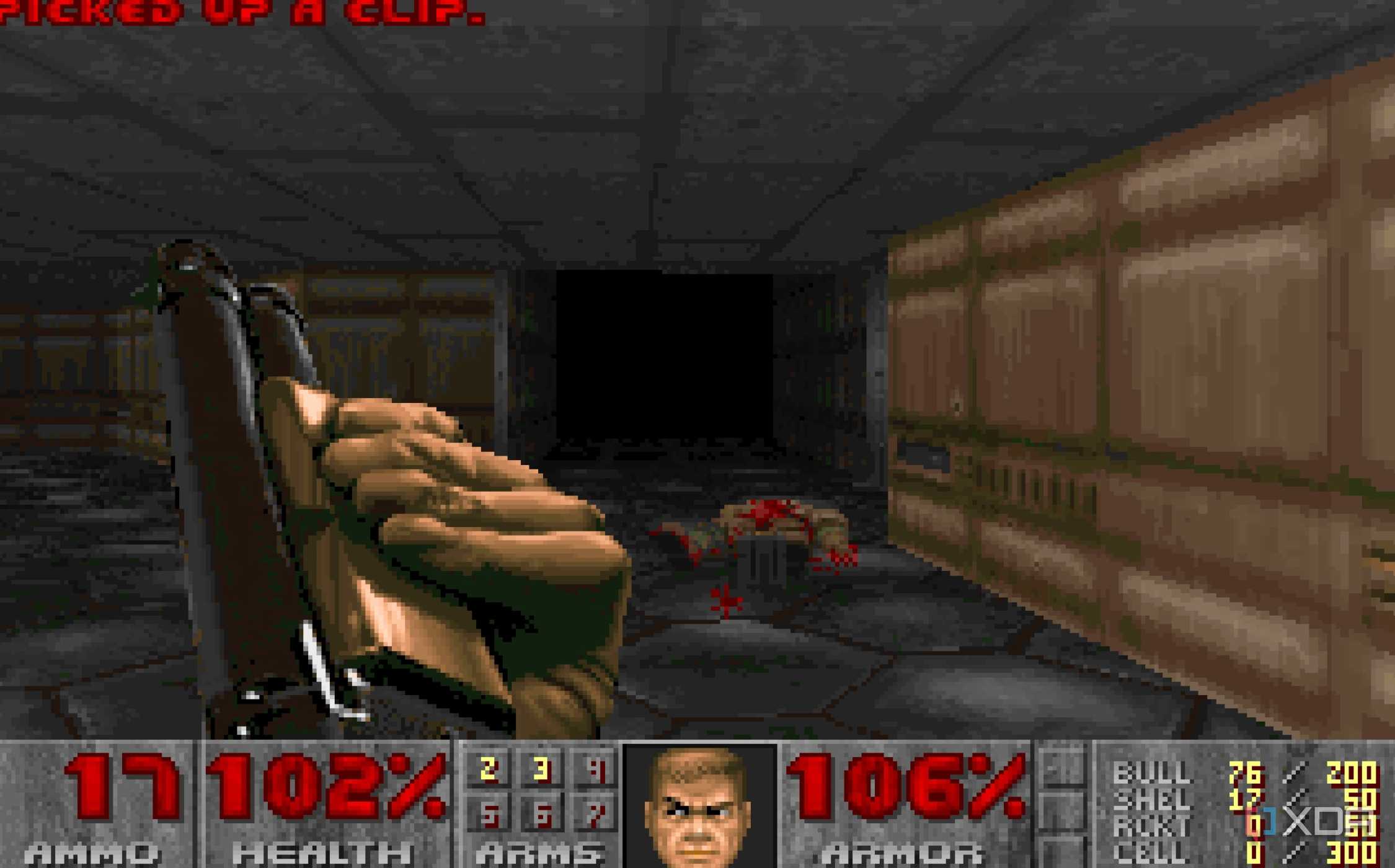
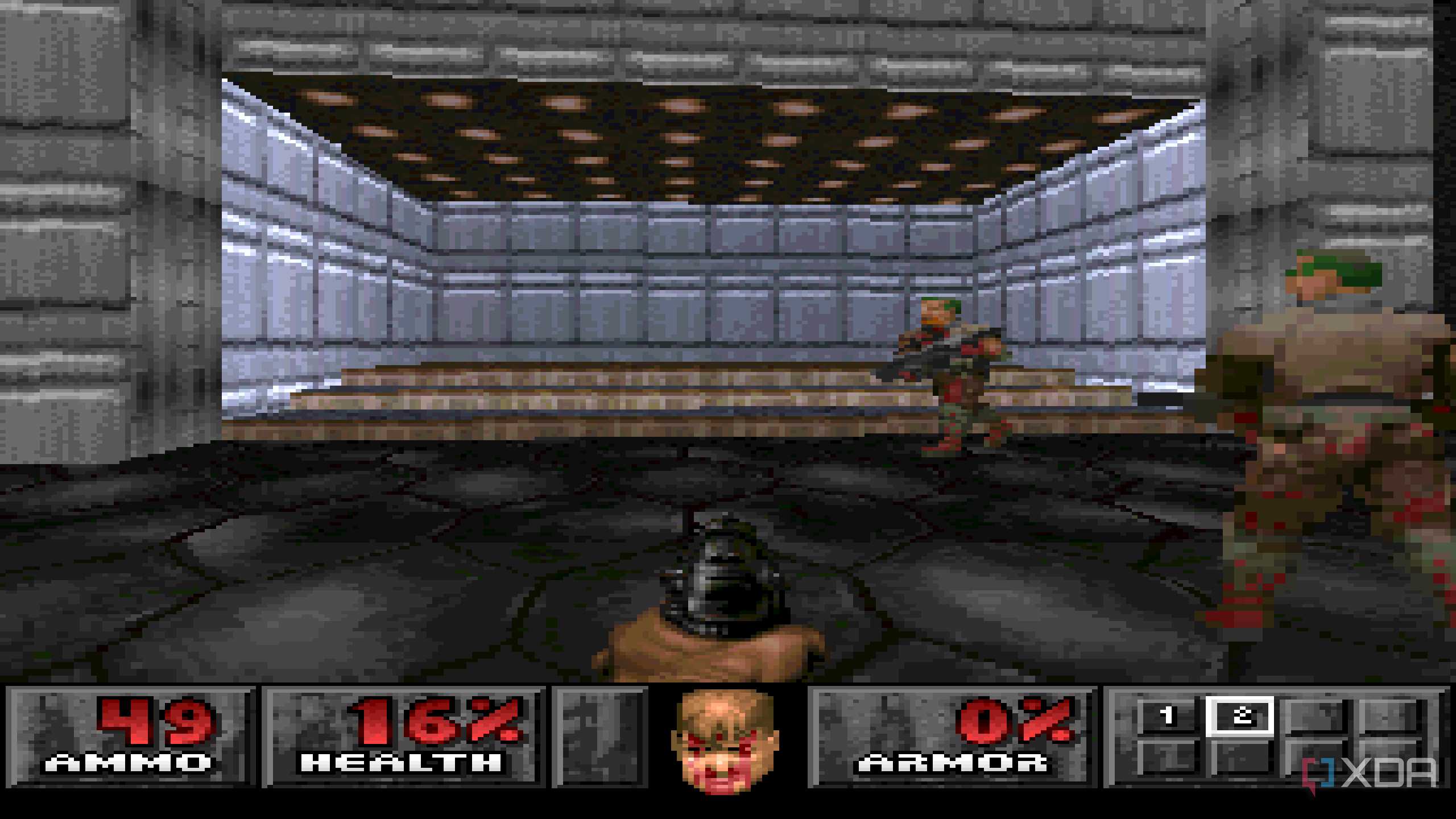
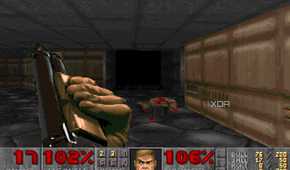
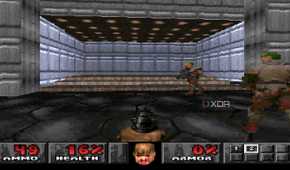
Sure, we've all seen thousands of health bars by now, but no other health bar in gaming history has ever had as much personality as the Doomguy's face. Smack-dab in the middle at the bottom of the screen, his eyes darted, winced, and flinched as we mowed through the forces of hell. They even melted into a bloody pulp if you were particularly bad. It was brutal, but it was also glorious, and downright glorious. Making the interface part of the whole action was such an intelligent move, but it was the coolness of it all that seared his face into the minds of every young gamer.
Looking left meant he'd do the same, and being attacked meant he'd show pain instead of just grunting. When that face got smeared in red, we knew we were seconds from death, and pure adrenaline would take over. There was no recharging health in Doom, either, which meant that we'd always be in charge of getting those scars off that pretty face of his. For anyone who ever faced a room full of Pinkies with about 5% health, that battered, bloody face is unforgettable.

DOOM + DOOM II
- Released
- August 9, 2024
- ESRB
- M
- Developer(s)
- id Software
- Publisher(s)
- Bethesda Softworks
- Engine
- Unity, KEX
DOOM + DOOM II brings the legendary first-person shooters to modern platforms. Relive the fast-paced action as you battle demons across hellish landscapes with upgraded visuals. These iconic titles offer non-stop, intense combat, classic weapons, and unforgettable levels, all in one collection.
Coming face-to-face with a T.rex — Tomb Raider (1996)
The Lost Valley became even more terrifying after the large lizard appeared
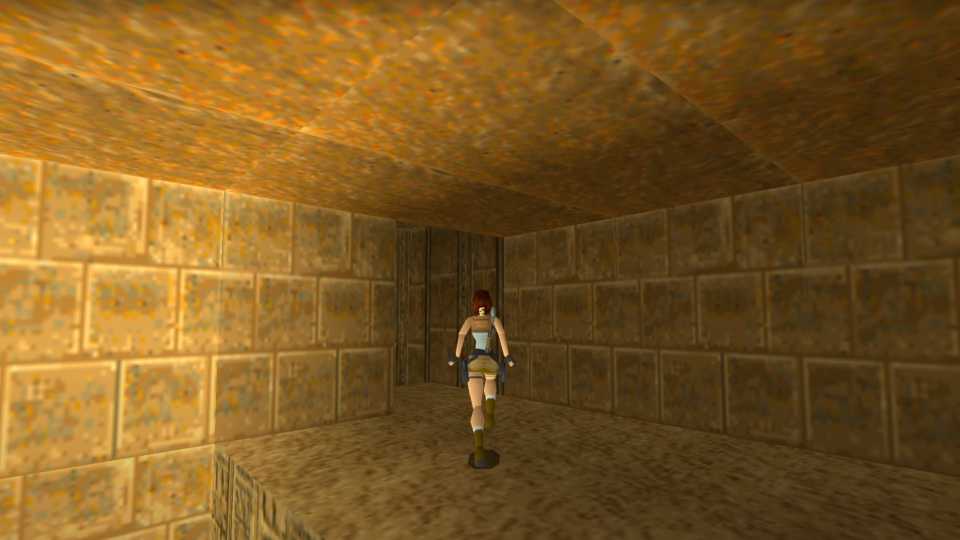
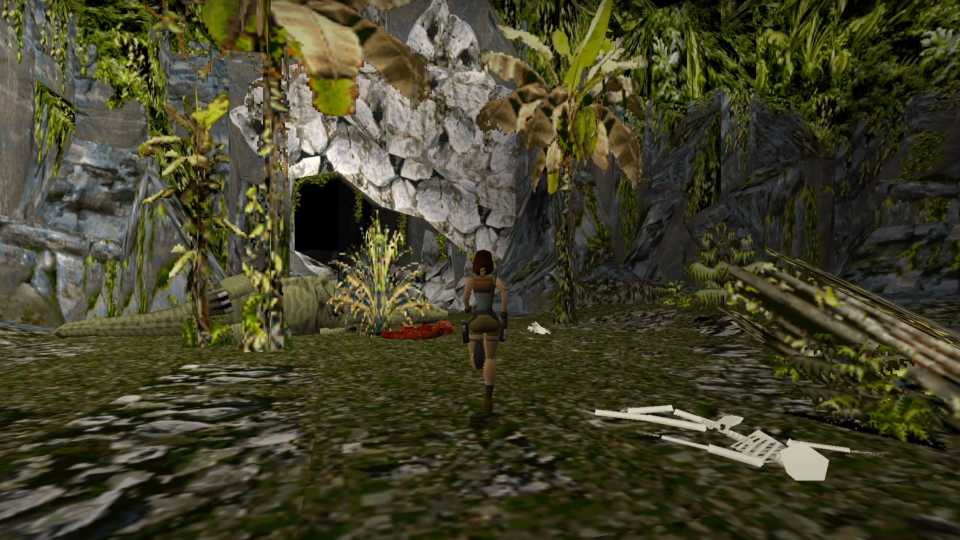
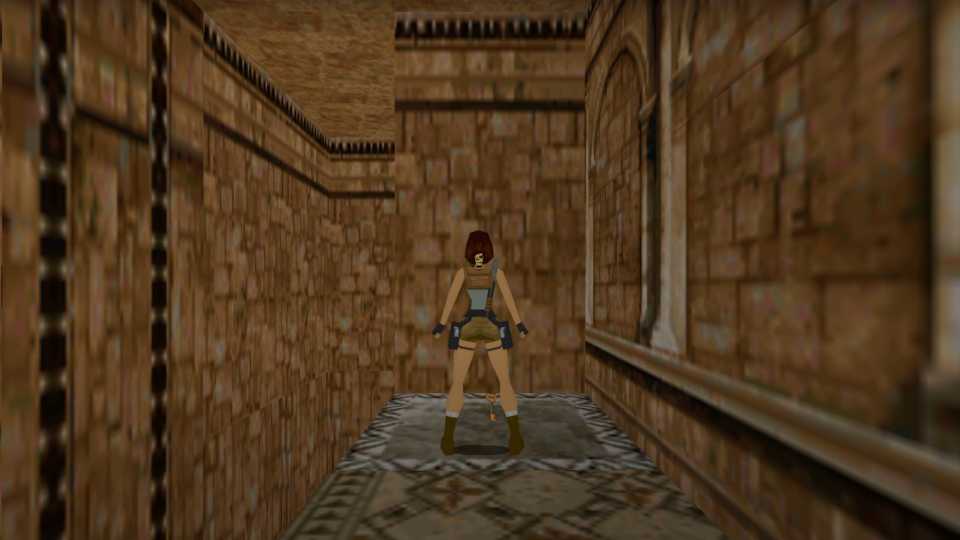
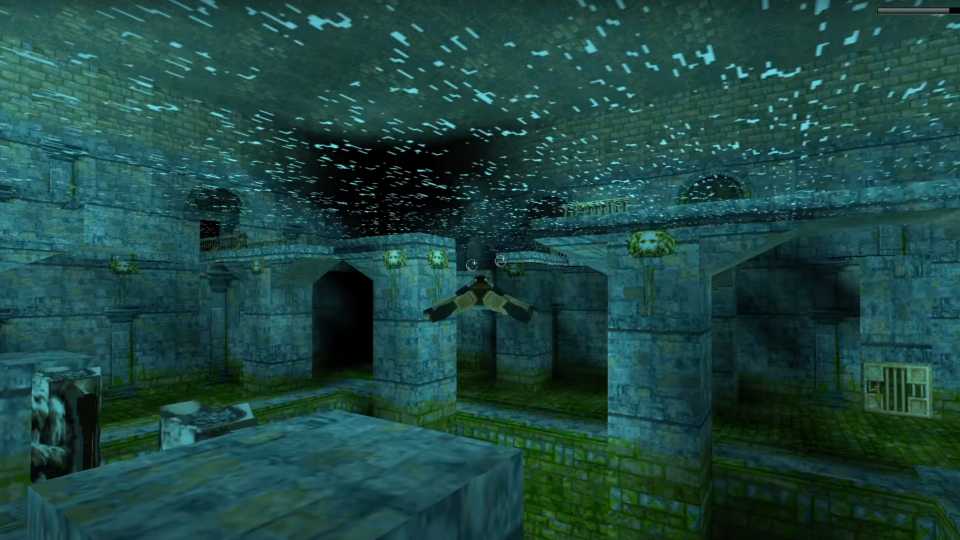
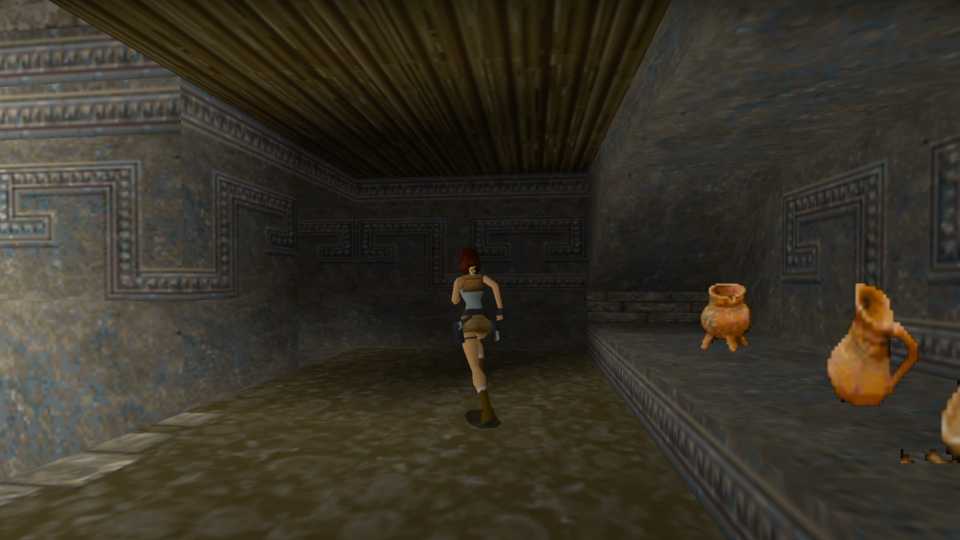
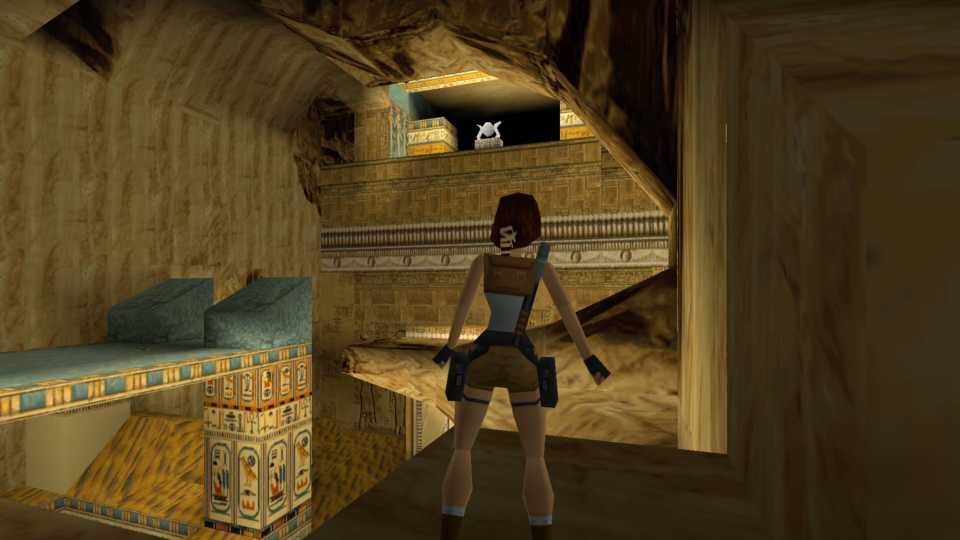
Tomb Raider's original Lara Croft was pointier than she was polished, but hey, she still became one of the most iconic faces in gaming history. Those sharply triangular... features, the cold blue tank top, the brown shorts with the holsters, and, of course, the twin pistols always held aloft like she was ready to unload a clip into a tiger or bear at a moment's notice. Realistic? No. Unforgettable? Absolutely.
One of her most iconic moments, and one I'm certain any gamer could easily recognize, is the Lost Valley in the first game on the PlayStation. You're spelunking through the valley, backflipping over wolves and solving puzzles, when it happens. The ground trembles, there's a deafening roar, and suddenly, you're face-to-face with a freaking T. rex. No warning, no cutscene. Just that huge, angry dinosaur in glorious '90s polygons. This was when Tomb Raider stopped being about just tombs and switches. Prehistoric monsters were very much in the mix, and while Lara's own early design might be prime meme material today, this moment cemented her place in gaming history.

-
 OpenCritic Reviews
- Top Critic Avg: 85/100 Critics Rec: 86%
- Released
- November 14, 1996
- ESRB
- T For Teen // Animated Blood, Violence
- Developer(s)
- Core Design, Aspyr
- Publisher(s)
- Eidos Interactive


WHERE TO PLAY

Adventurer Lara Croft has been hired to recover the pieces of an ancient artefact known as the Scion. With her fearless acrobatic style, she runs, jumps, swims and climbs her way toward the truth of it's origins and powers - leaving only a trail of empty tombs and gun-cartridges in her wake.
- Genre(s)
- Action-Adventure
The Psycho Mantis boss fight — Metal Gear Solid (1998)
Source: (YouTube) Boss Battle Database 
Source: (YouTube) Boss Battle Database 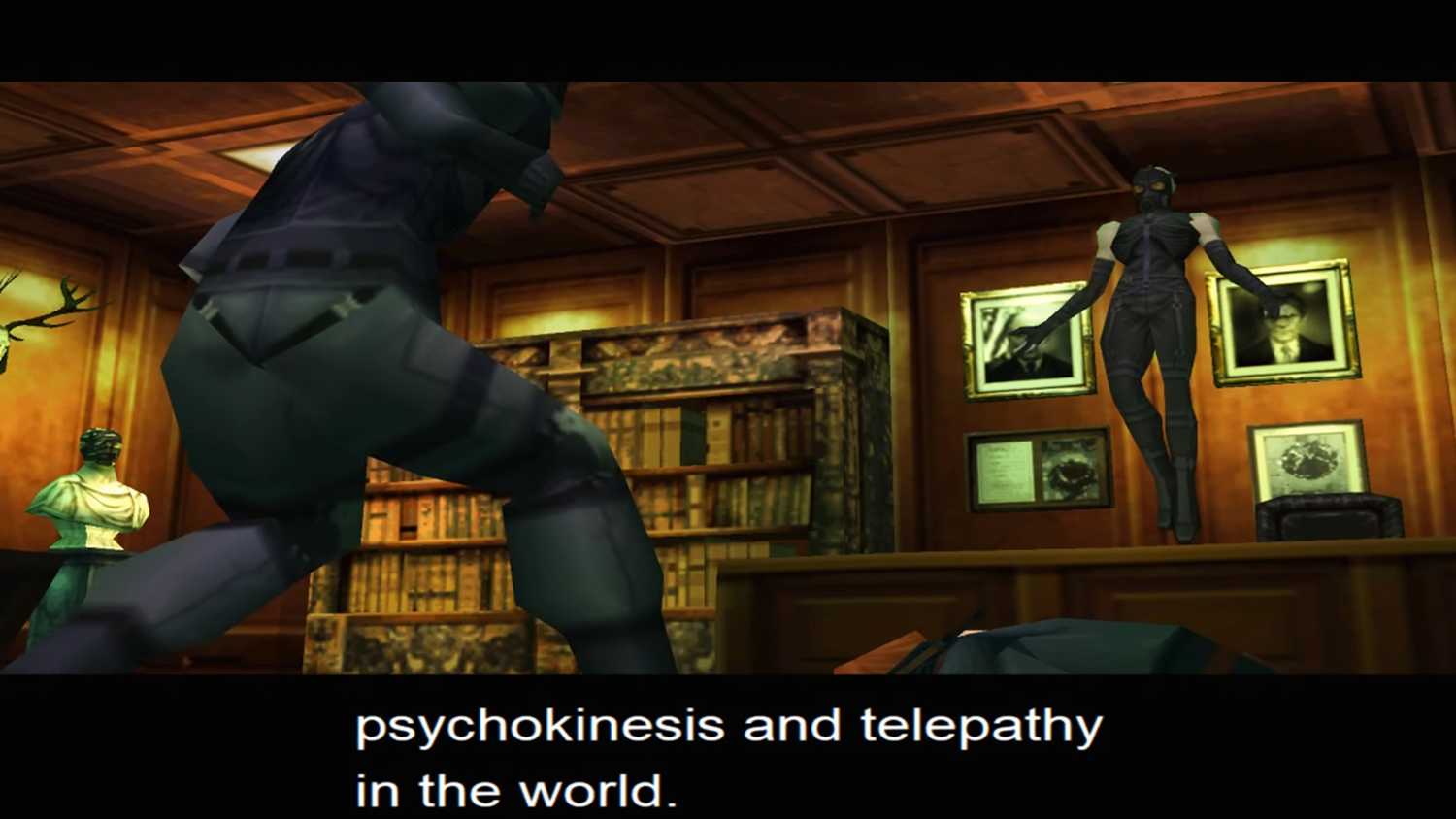
Source: (YouTube) Boss Battle Database 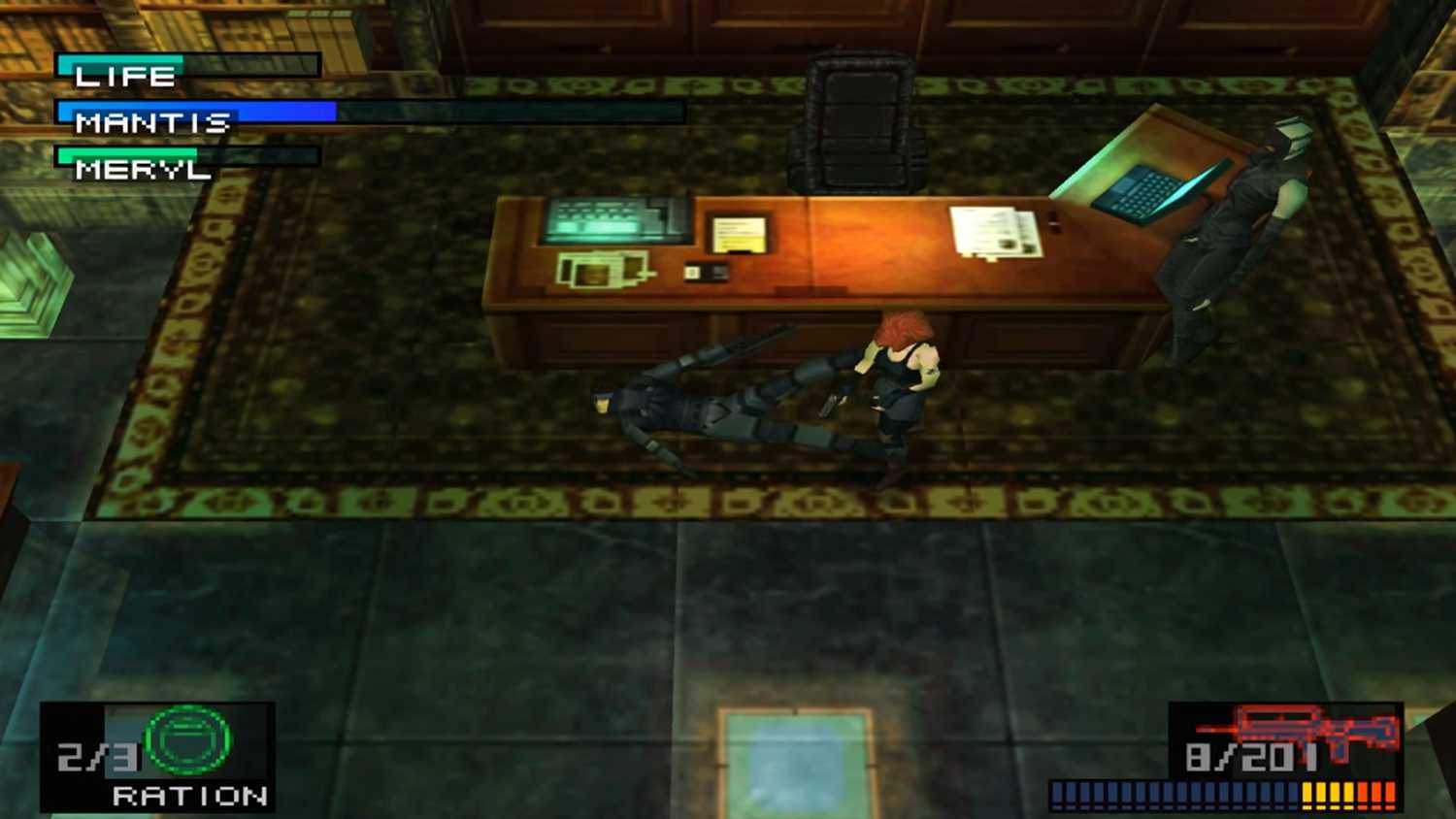
Source: (YouTube) Boss Battle Database 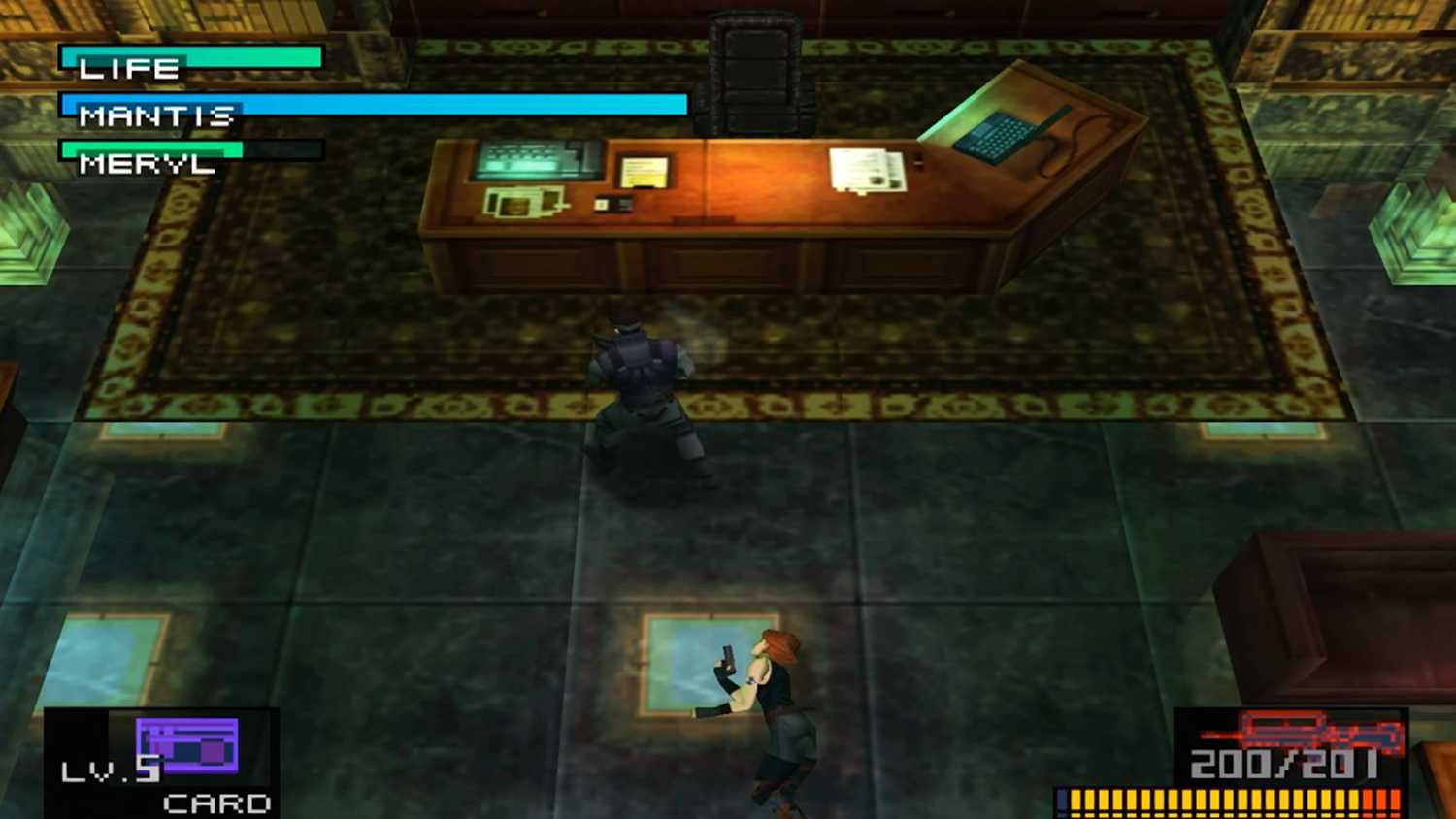
Source: (YouTube) Boss Battle Database


Source: (YouTube) Boss Battle Database 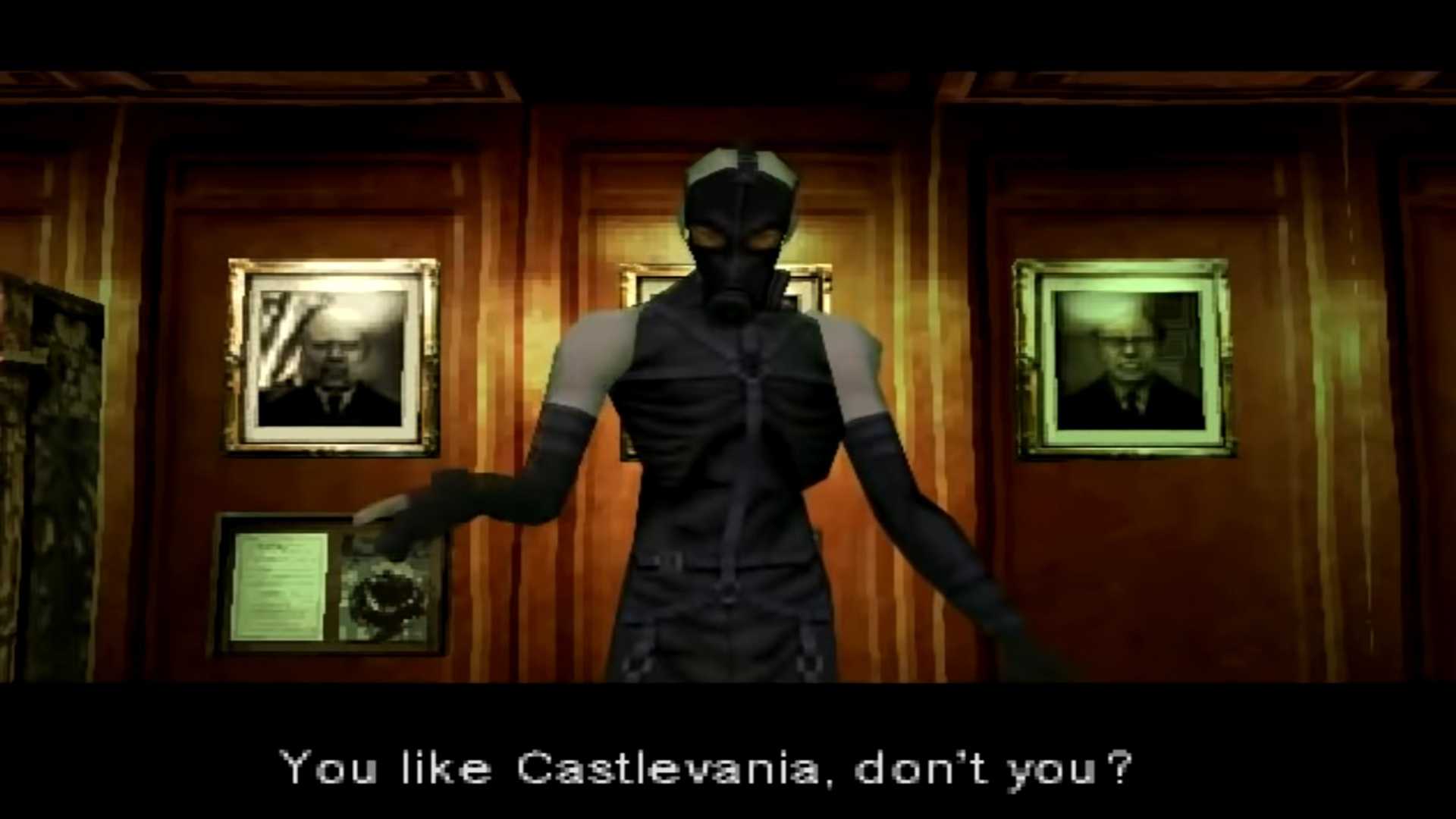
Source: (YouTube) Boss Battle Database 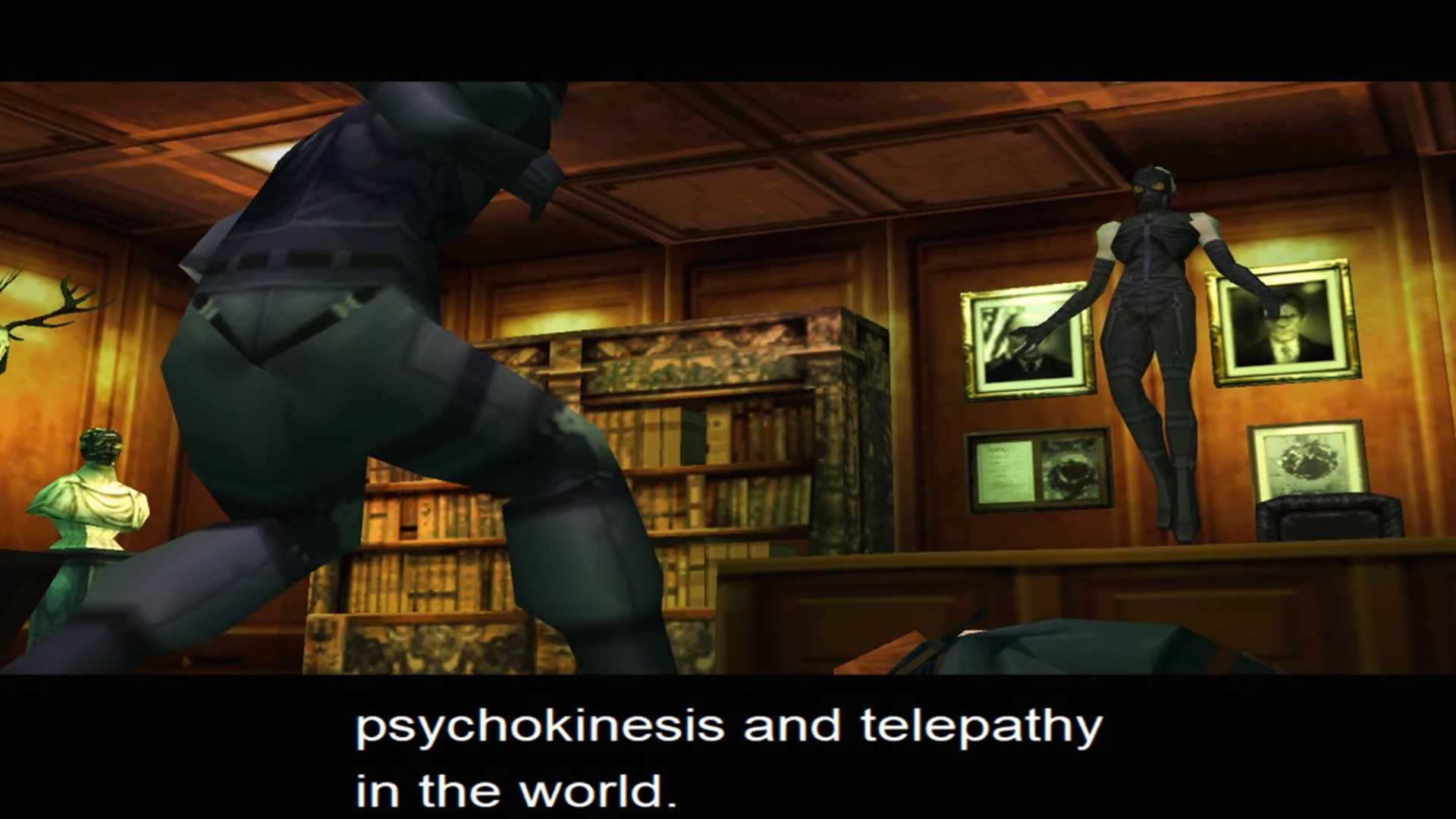
Source: (YouTube) Boss Battle Database 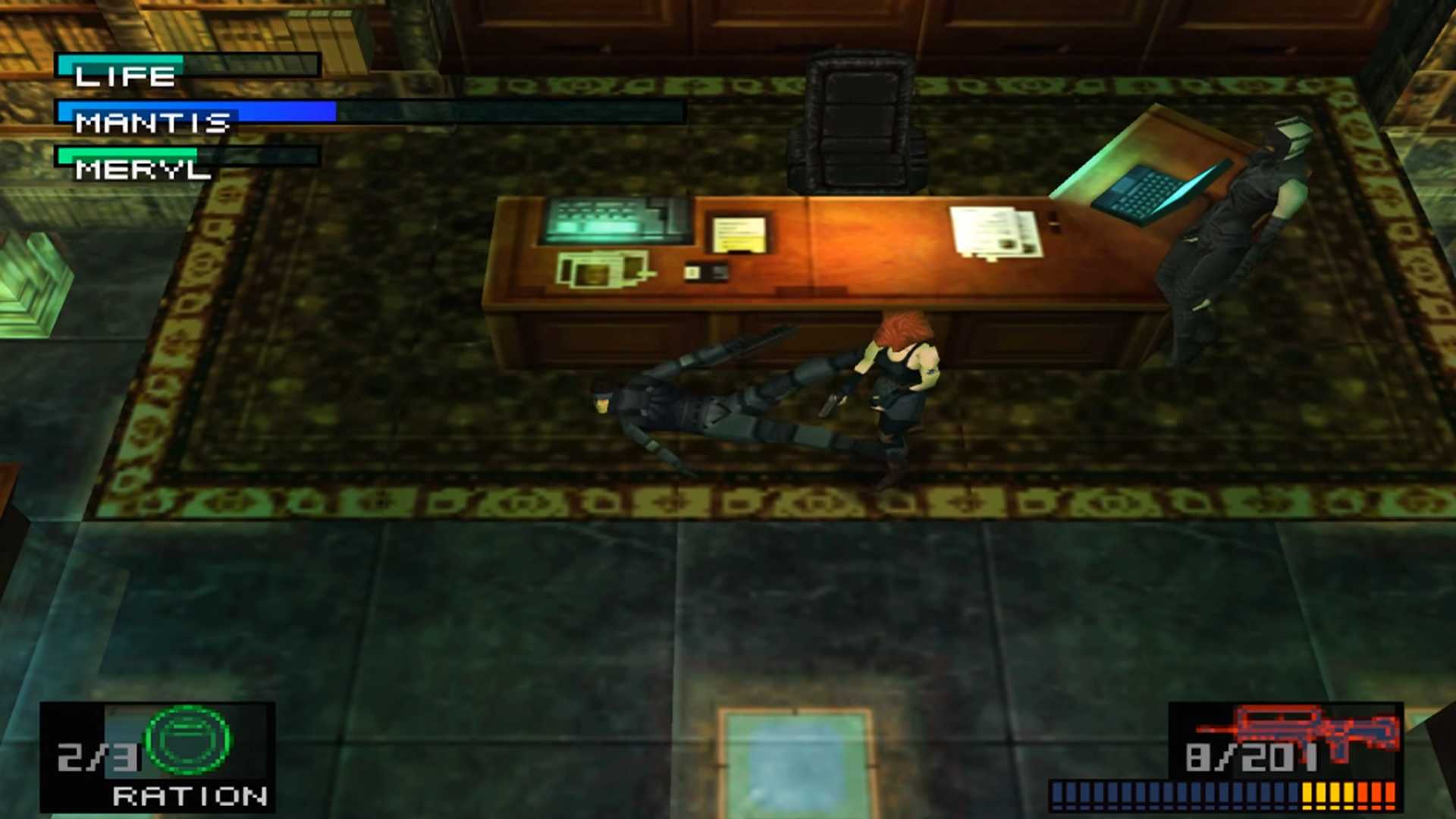
Source: (YouTube) Boss Battle Database 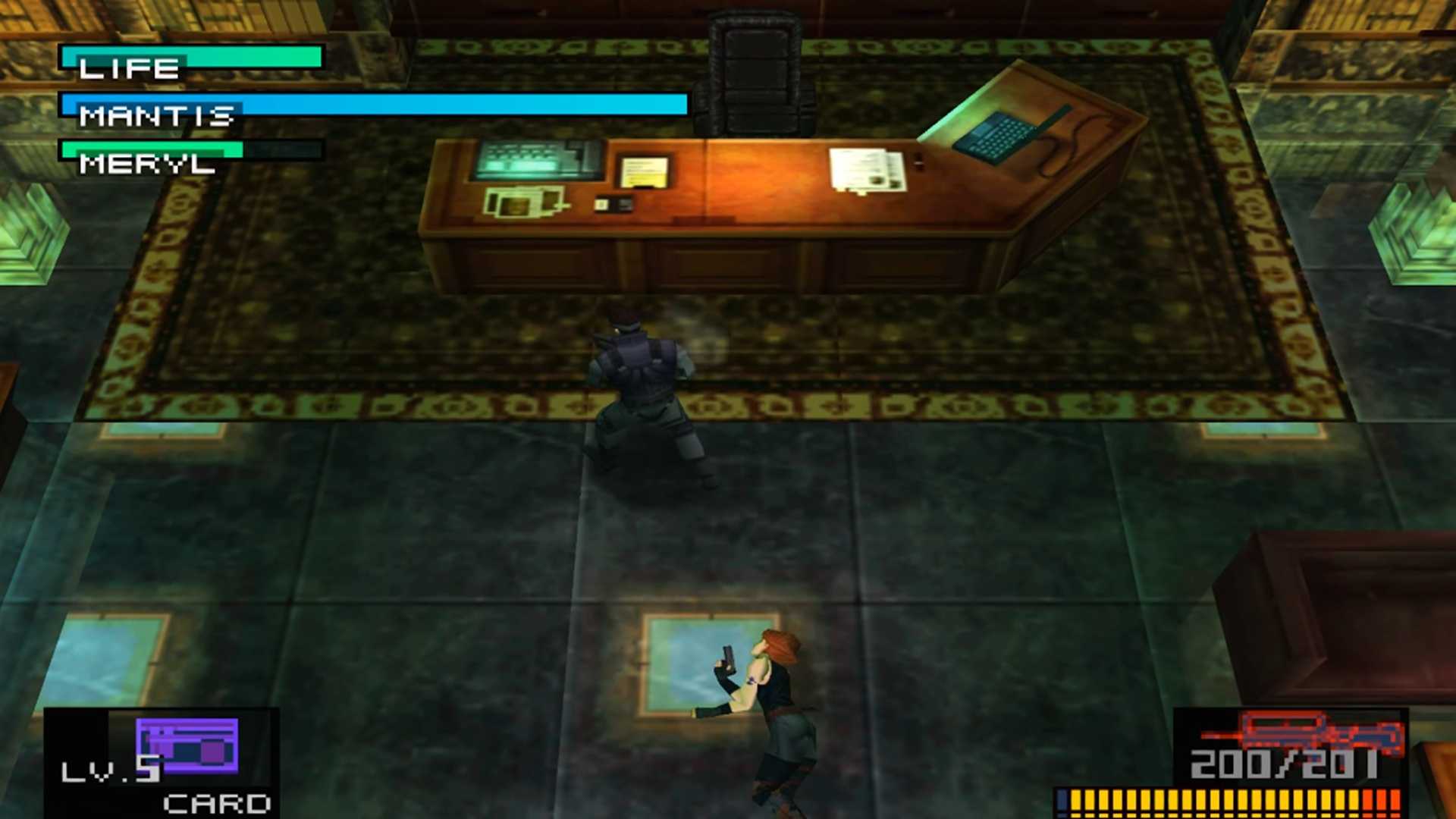
Source: (YouTube) Boss Battle Database
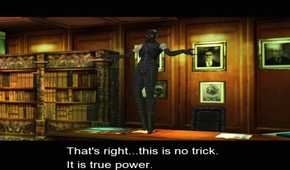
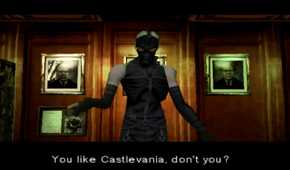
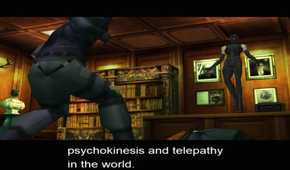
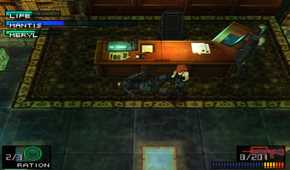
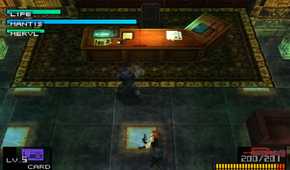
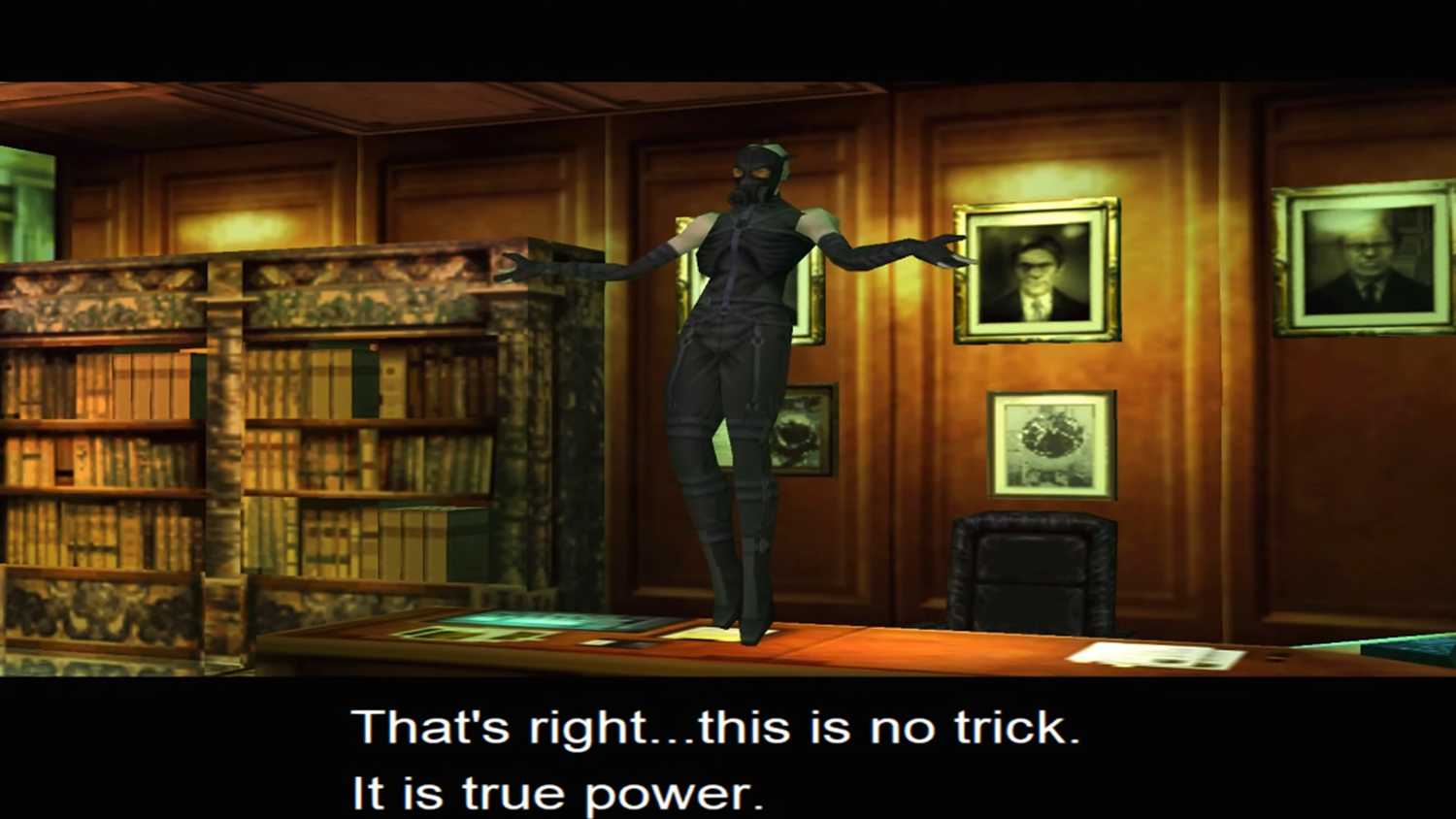
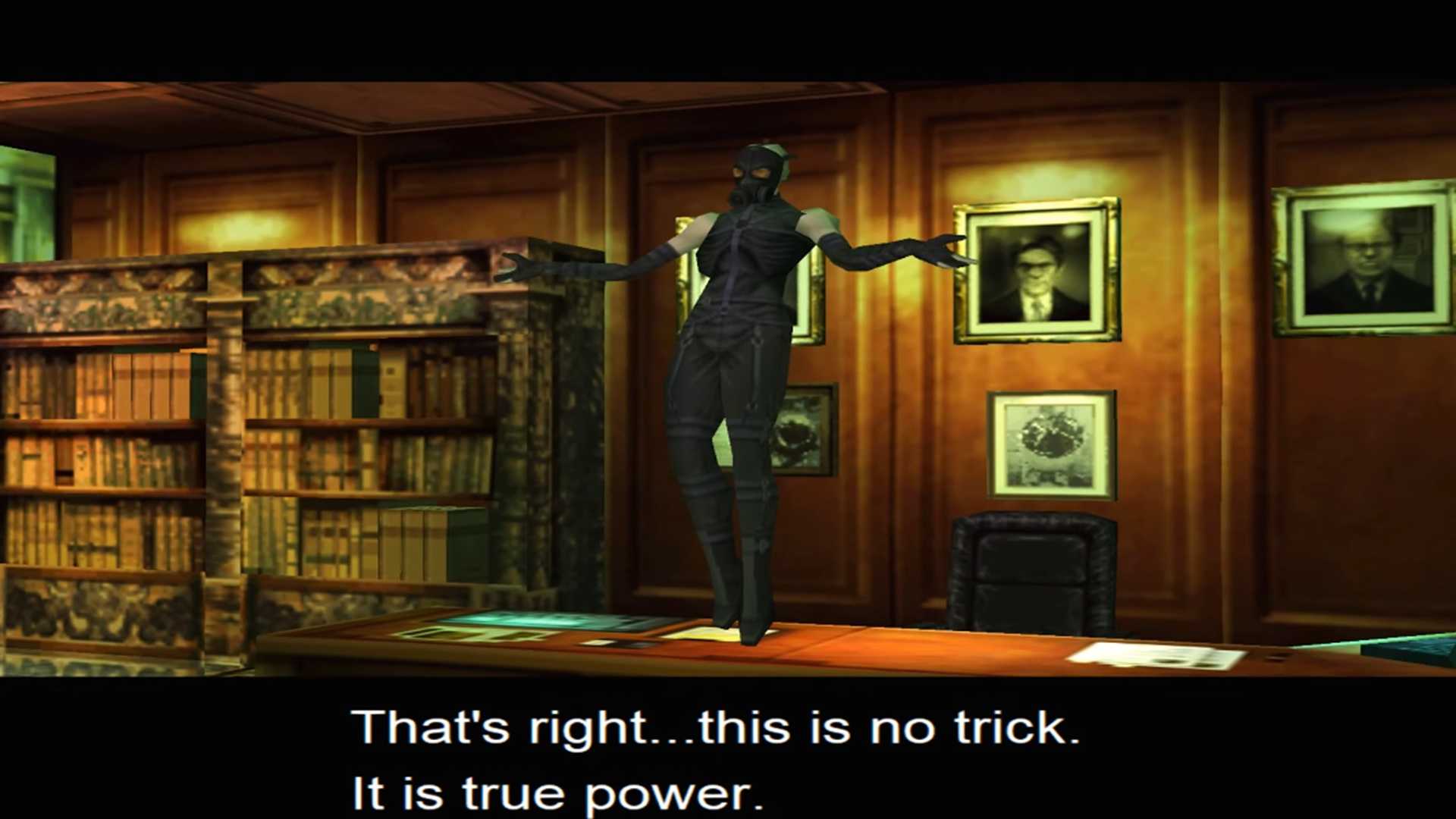
You can take all the time in the world to explain the Psycho Mantis fight to someone a hundred times over, but nothing compares to experiencing it as a kid. The moment your controller started moving 'by itself', or when your screen faked a video input change — you realized that the game was messing with your head in ways you hadn't even imagined. Kojima didn't stop there, though. Mantis read your memory card. He taunted you for liking Castlevania, and the real trick? You had to plug your controller into port two if you wanted to beat him.
It was bizarre. It was brilliant. And it became a rite of passage. That obliterated fourth wall redefined what a boss battle could be, thanks to the cleverness of the storytelling. Watching Mantis materialize in that office room over Meryl's unconscious body, floating in midair, is a mental image that's never going anywhere, and the boss fight itself will serve as a reminder that games will always find a way to evolve.
Metal Gear Solid: Master Collection Version bundles iconic stealth-action games, including MGS1, 2, and 3, with enhanced graphics and bonus content. Experience classic espionage adventures in one package.
Bringing down an AT-AT Walker — Star Wars: Shadows of the Empire (1996)
"You know that part, when they're in the snow planet, with the walky thingy?"


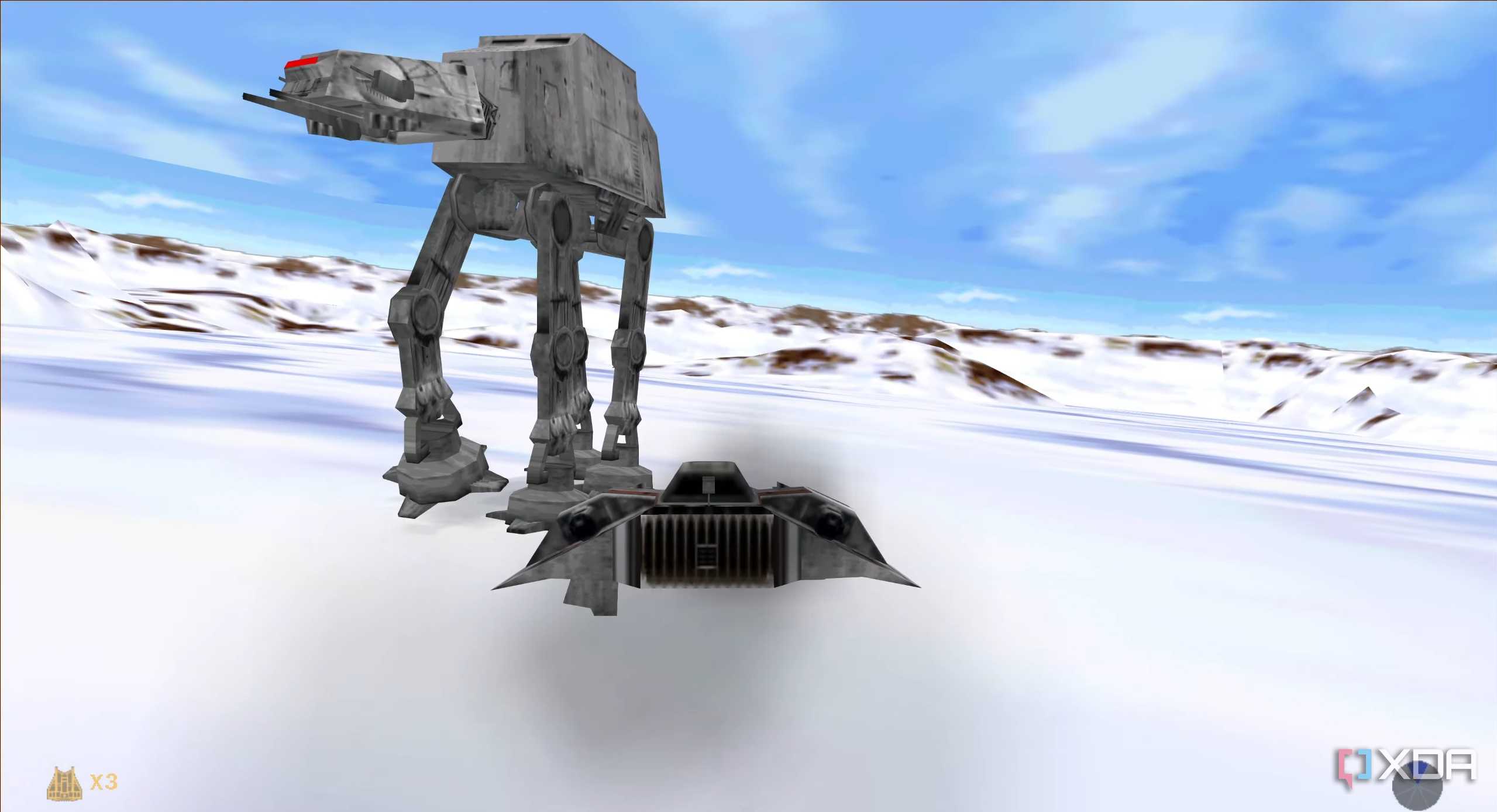
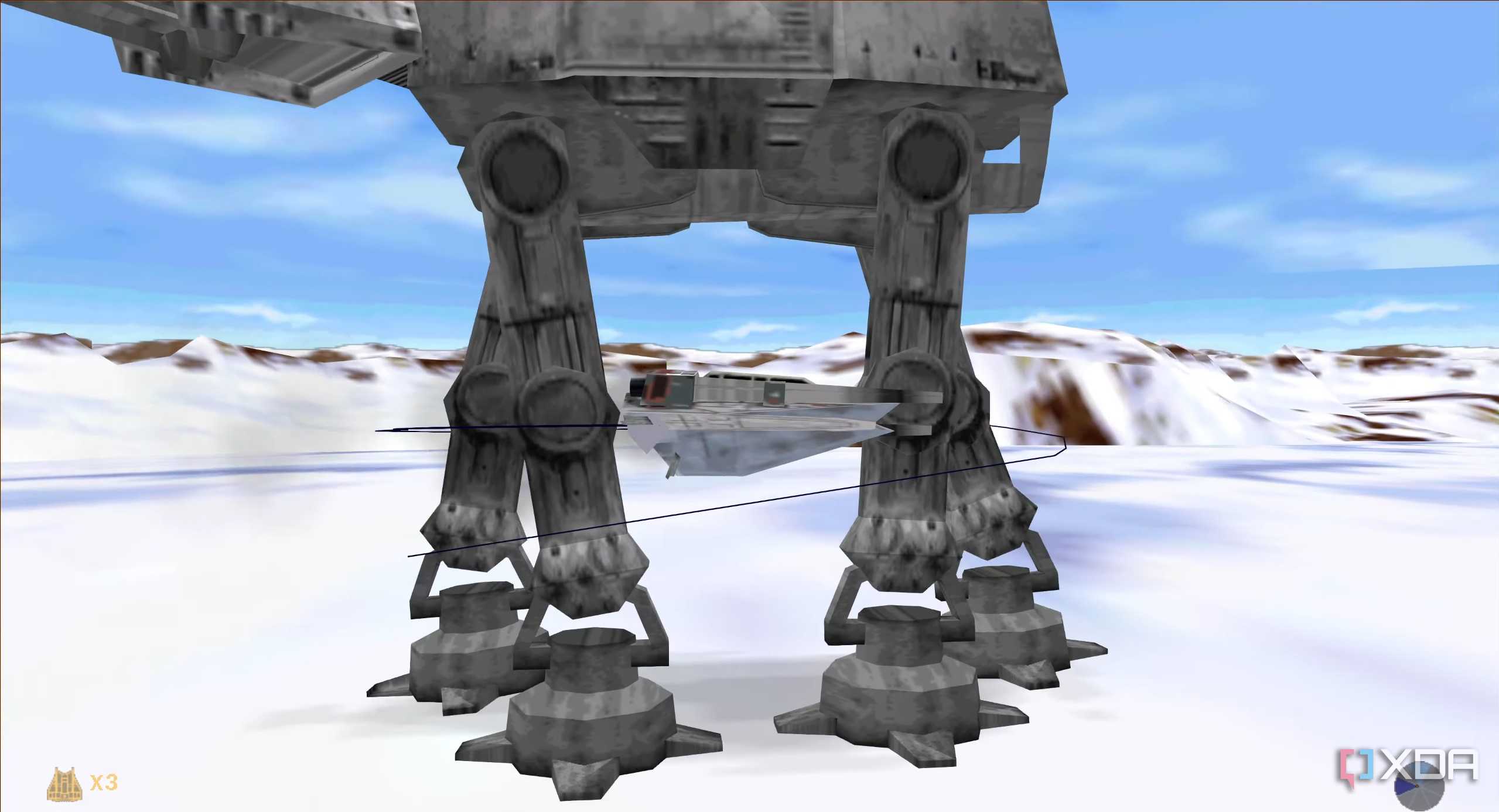
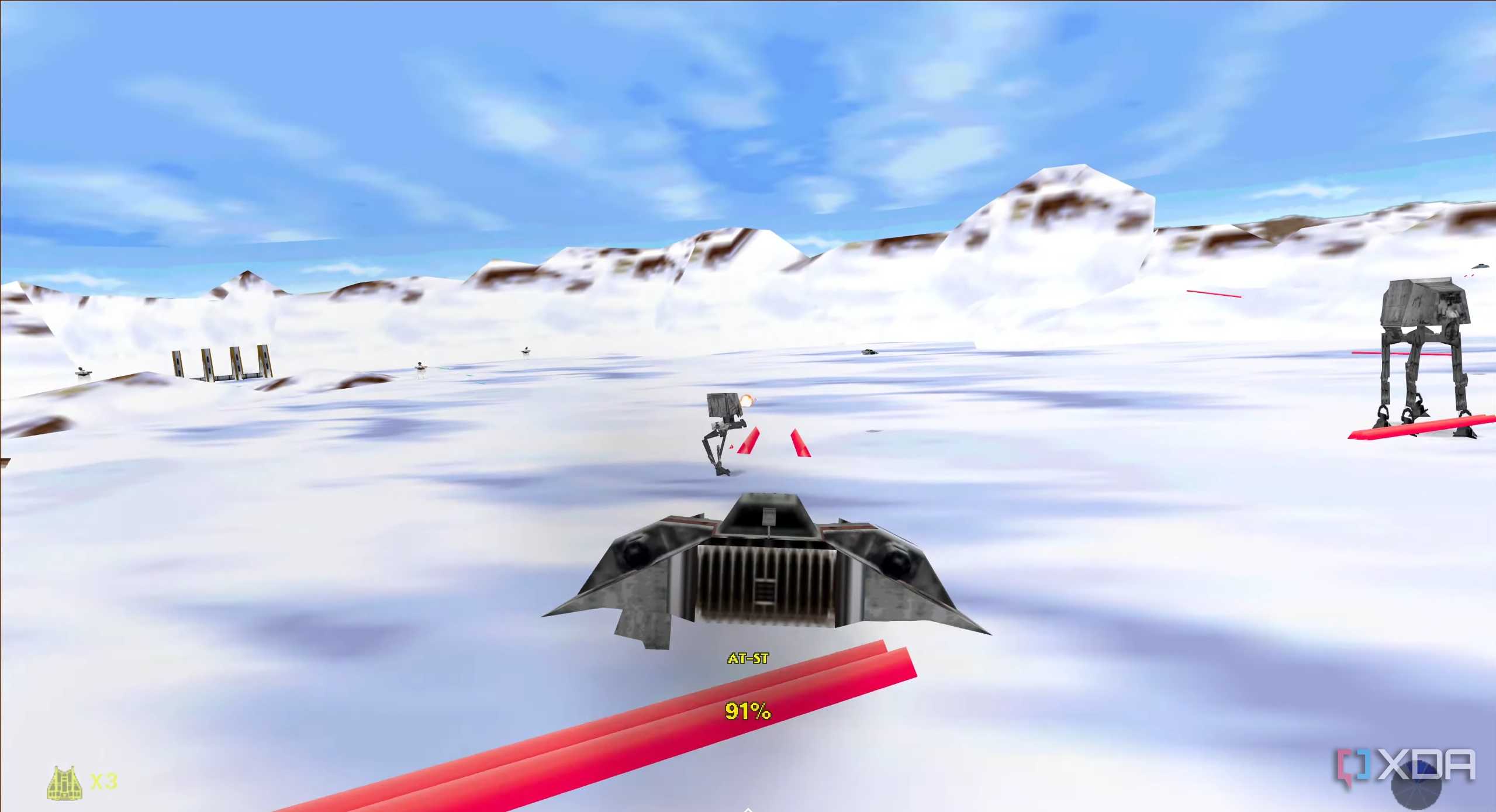
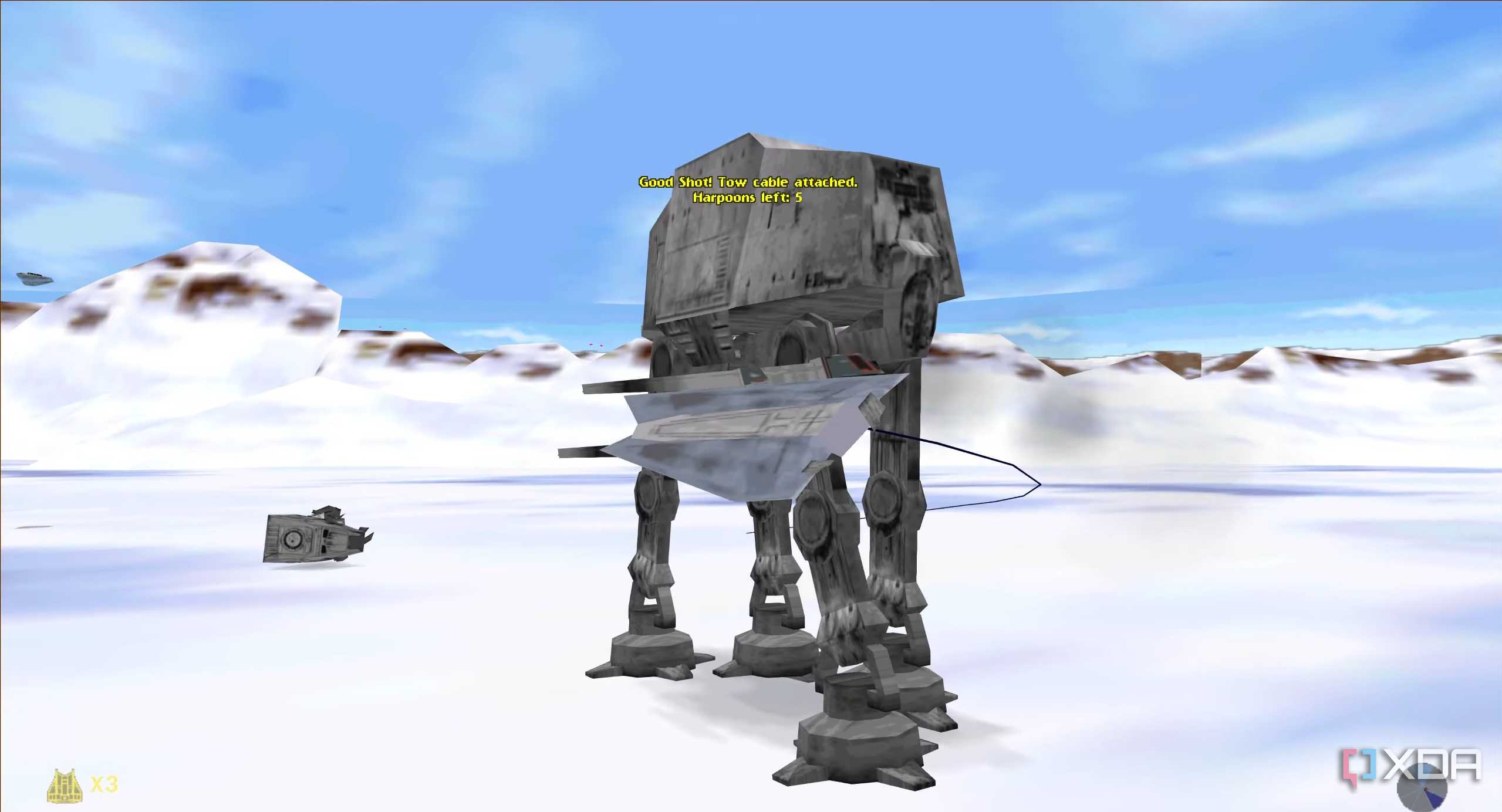
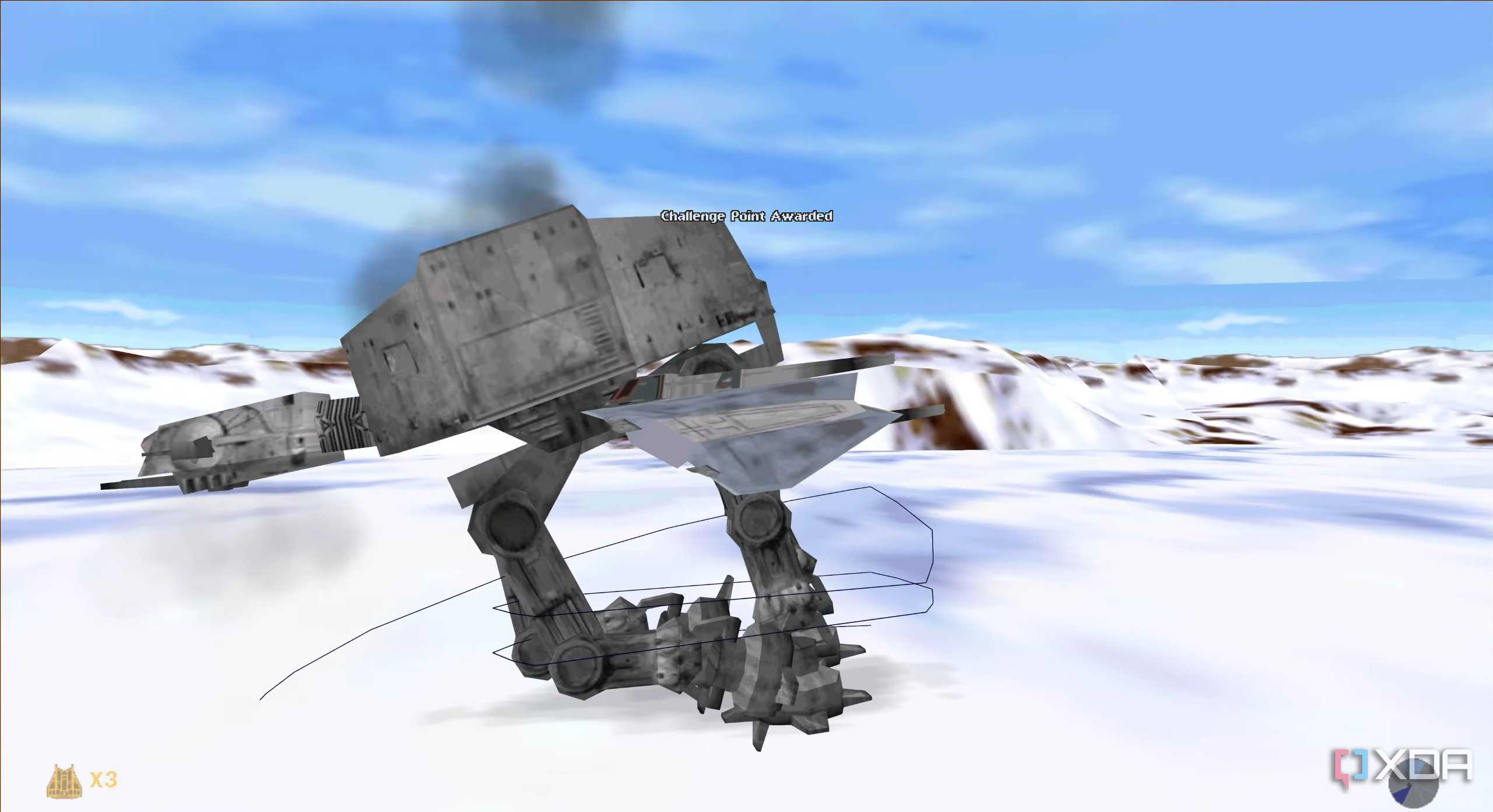
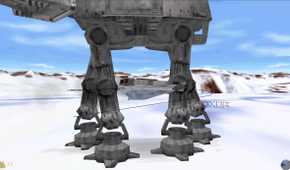
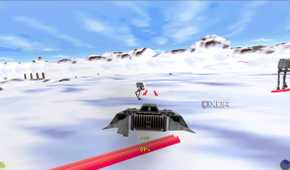
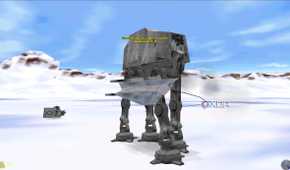
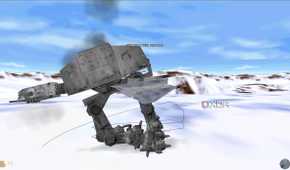
If you had an N64 or a decent PC in the mid-90s, odds are that Shadows of the Empire was your first feeling like you were really in Star Wars. Nothing cemented that feeling quite like that opening Hoth mission, where you took control of Dash Rendar's snowspeeder, wrapping a cable around an AT-AT's legs, feeling like Luke in Empire. This time, however, it was you behind the stick, not Mister Hamill. And when that towering metal beast came crashing down in full 3D? That was childhood peaking.
What made this moment so iconic wasn't just the cinematic scale, but how hands-on the moment felt. Plus, so many Star Wars games had come and gone by then, but none had captured the thrill of this moment where you brought down the Walker. The harpoon hits, the turns get tighter, and you try not to crash. This was a powerful, interactive, and unforgettable moment that has aged immensely well.
Crash Bandicoot's victory dance — Crash Bandicoot (1996)
Our weird, orange, dancing king


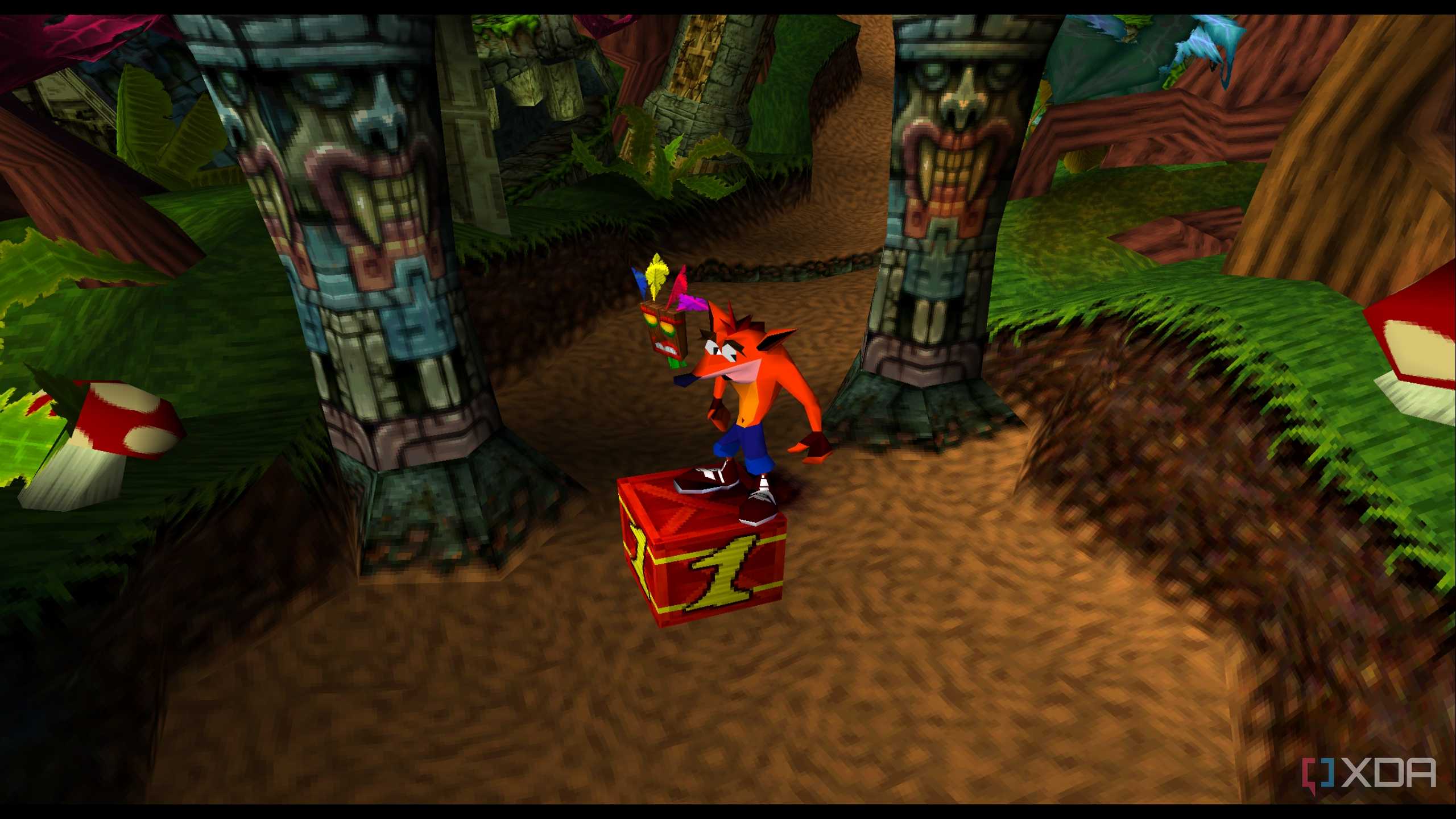
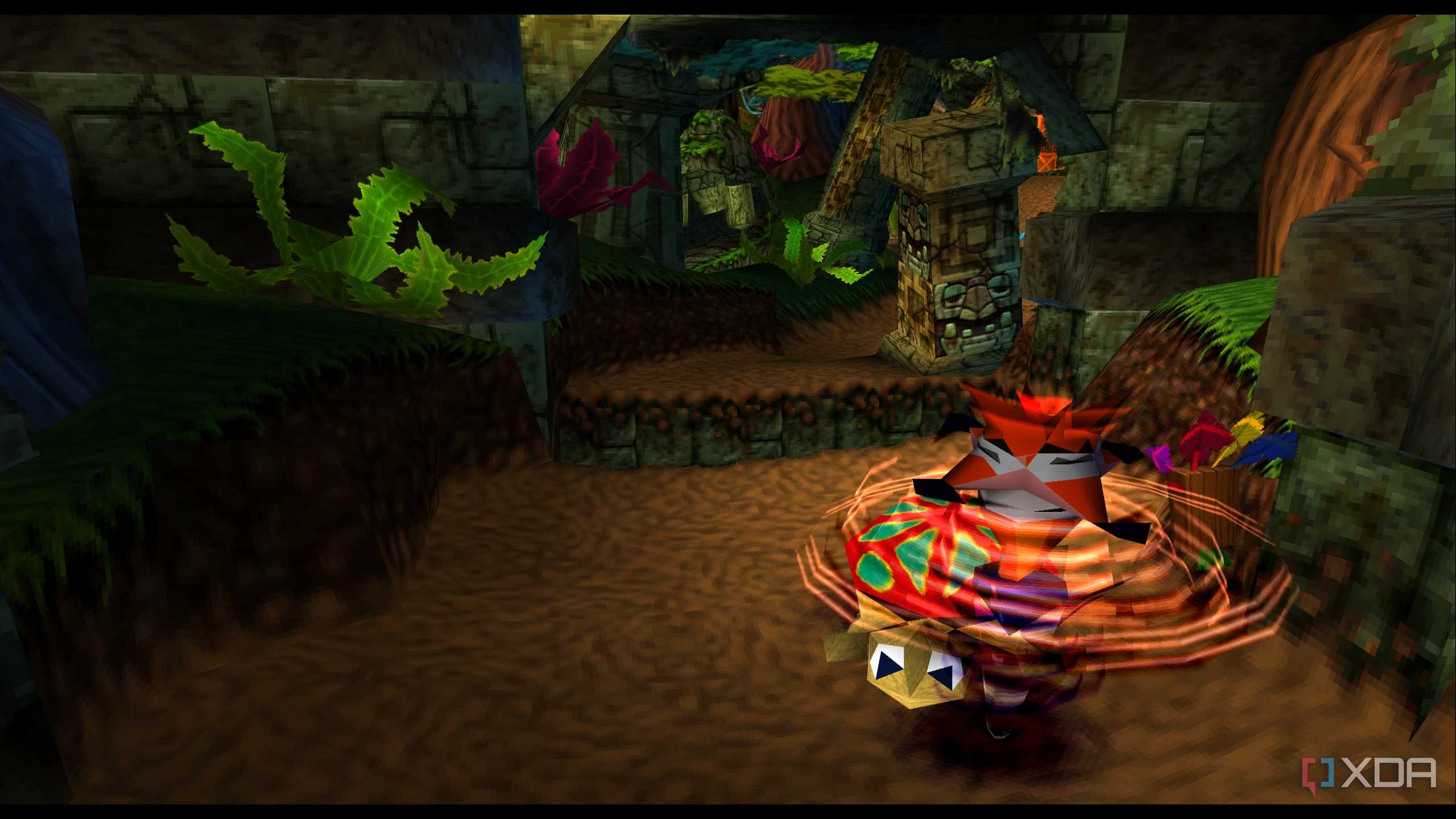
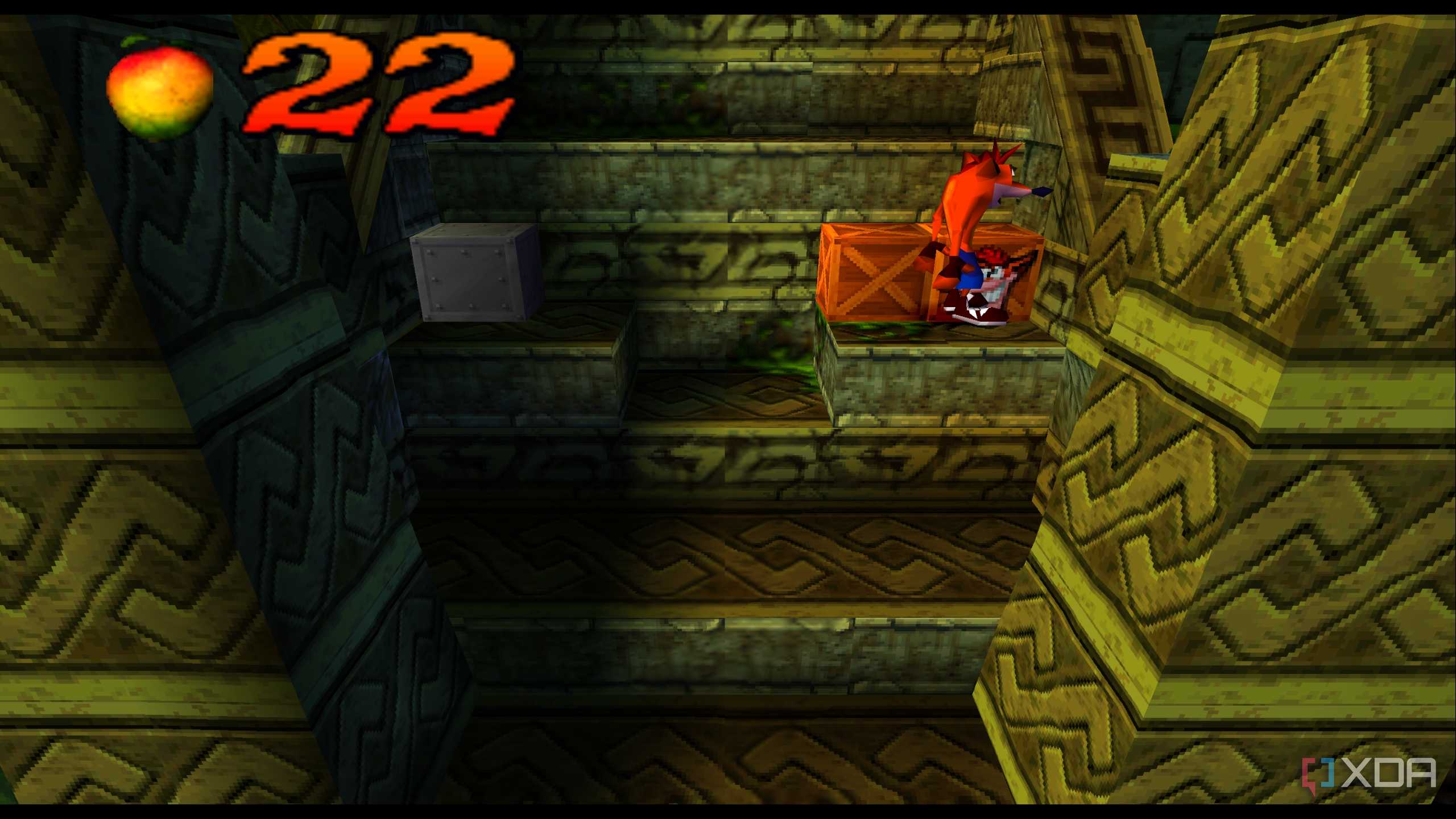
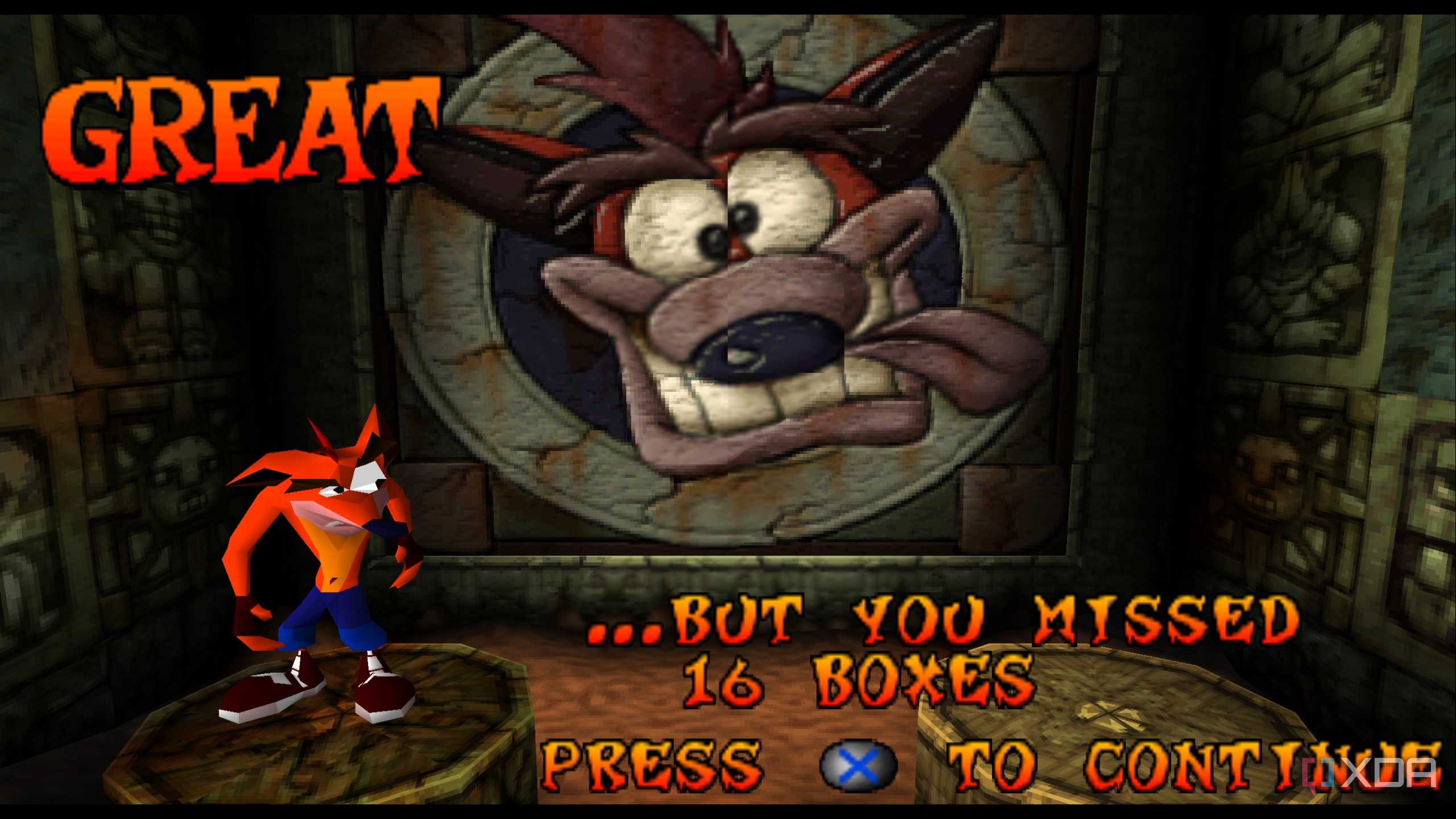
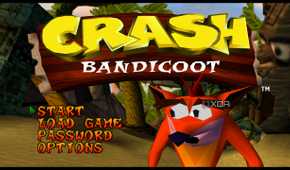
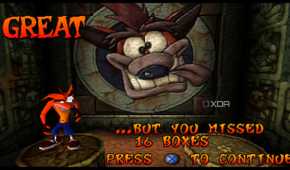
Wumpa fruit in hand, level complete, and there he goes, doing his little side-shuffle dance with those finger guns and hip swings. Crash Bandicoot's victory dance was silly but endearing, and it seared into the brains of every PS kid from the '90s. Hey, we had enough angry space marines and brooding ninjas and detectives running around, but Crash was the chaotic good, unbothered cartoon marsupial who dug a place in our hearts.
There's a reason it became so memorable, too. It was because of how often you saw it. Beat a level? Dance. Get all the crates? Dance harder. It was the cherry on top of every platforming victory, and I don't know about you guys, but I sure tried to copy it a couple of times.
Baby Metroid saving Samus — Super Metroid (1994)
An emotional sacrifice that left a haunting impression


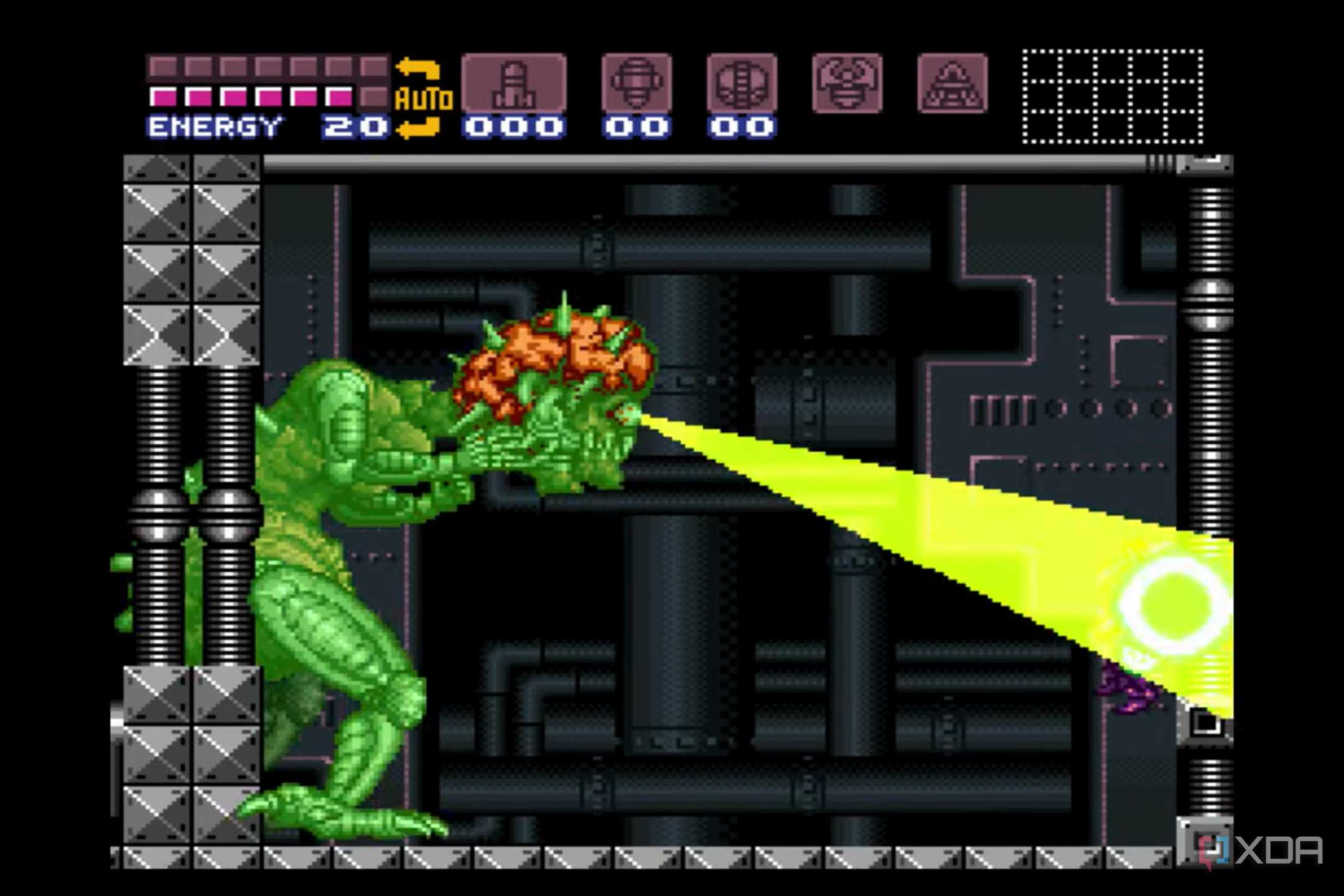

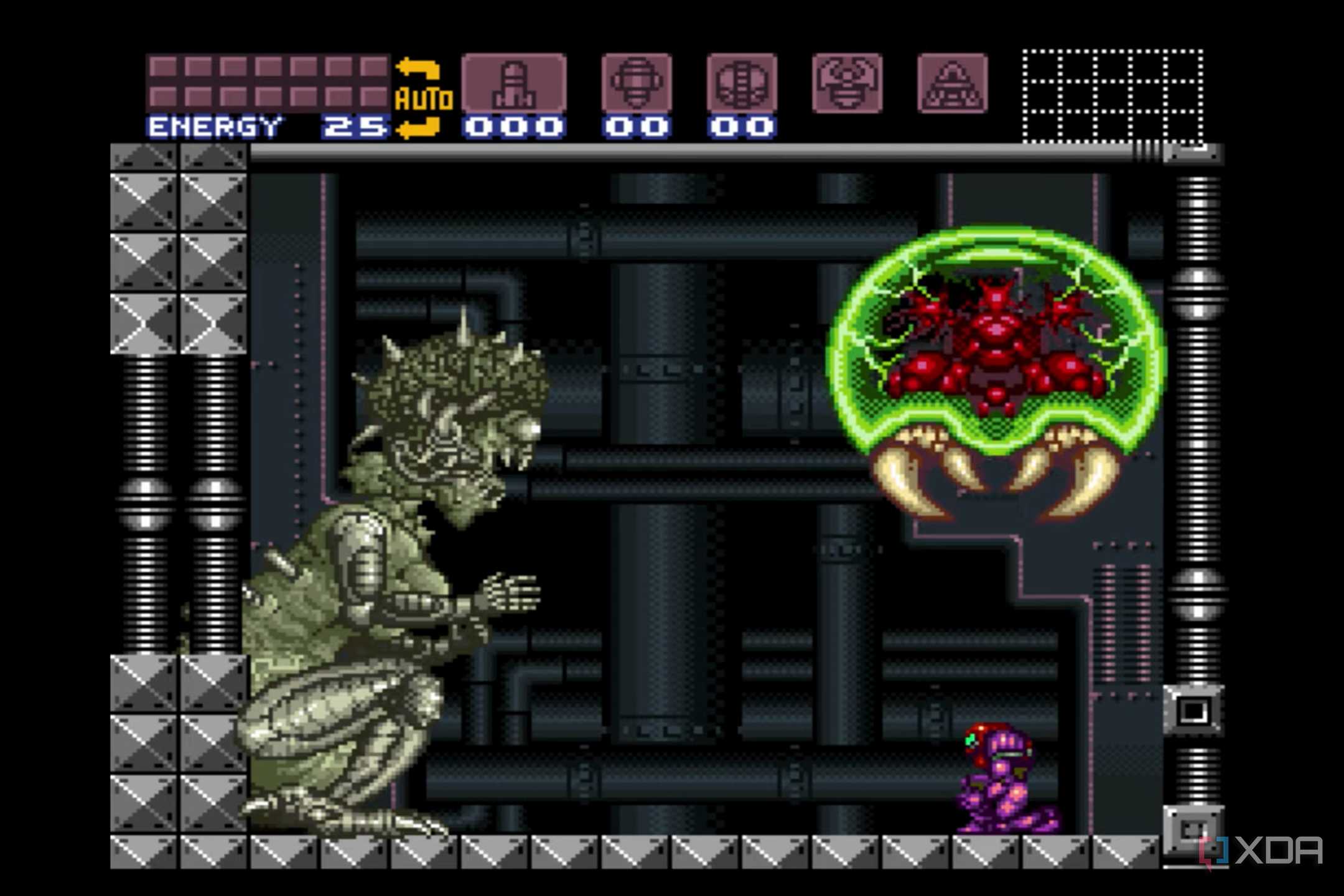
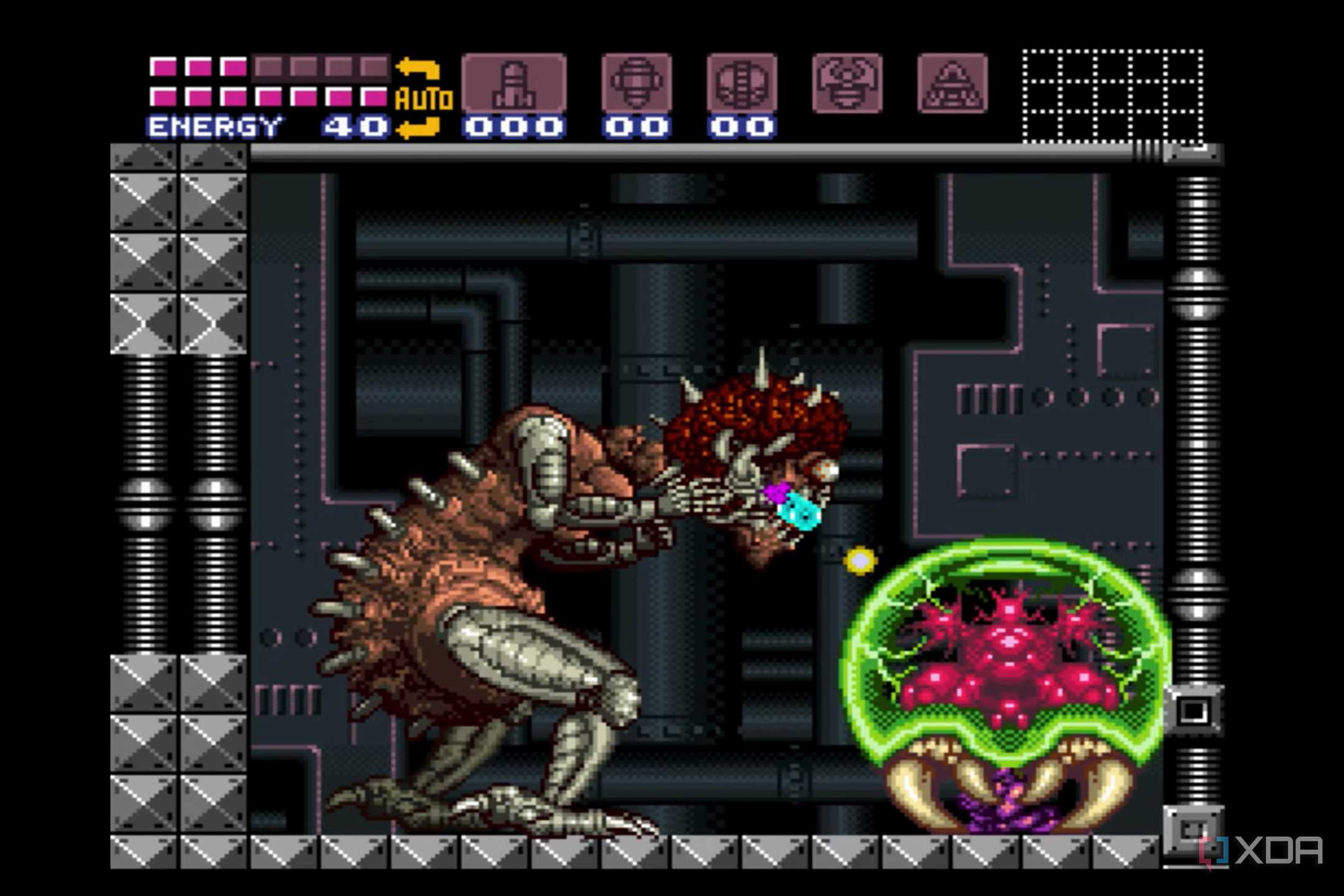
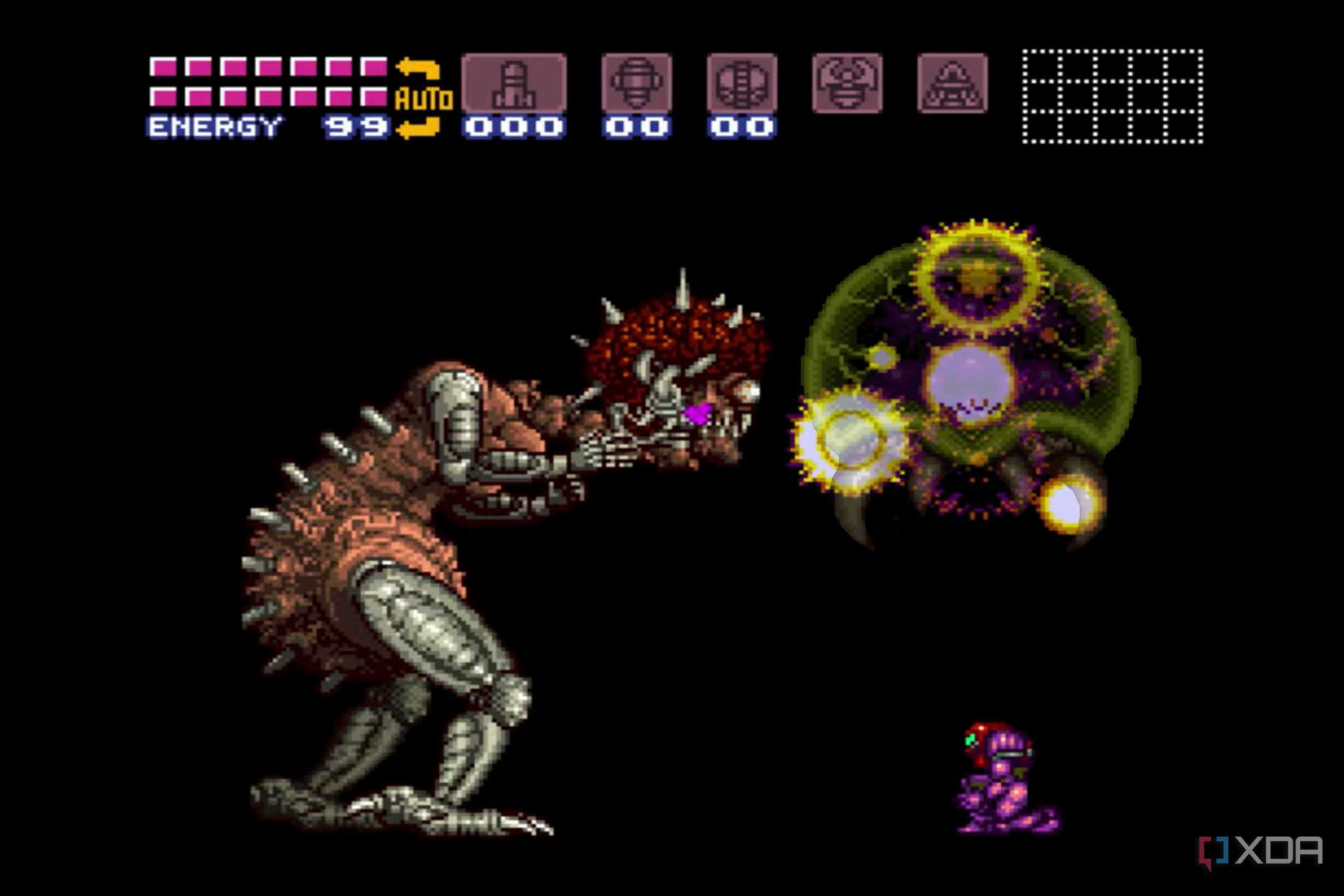
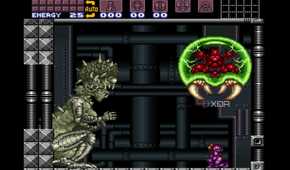
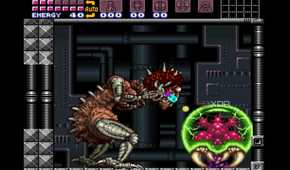
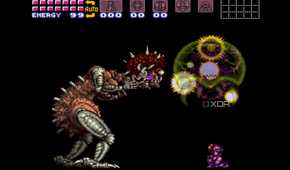
The first Metroid game on the SNES, Super Metroid had some of the best atmosphere, gameplay, and graphics, and it is never an understatement to call it one of the greatest games of all time. An unforgettable moment from Super Metroid is when you spend the whole game thinking that the baby Metroid was merely a clever plot point and a footnote in the saga, but when Mother Brain's final form nearly kills Samus, the same baby Metroid comes swooping in, sacrificing itself in a desperate attempt to save you. It's heartbreaking, unexpected, and so, so powerful.
There were no words or cutscenes here. Just a pixelated tragedy that would live on for every player. The creature you spared in Metroid II for the Game Boy, comes back to save you out of love. This was a monumental and emotional 16-bit payoff, where baby Metroid died a hero, and it cemented Super Metroid as one of the most meaningful stories in gaming.


Super Metroid is renowned as one of the greatest 2D action games ever made, and paved the way for the Metroid Prime series with its innovative blend of exploration, action and secrets galore.
- Genre(s)
- Action-Adventure, Metroidvania
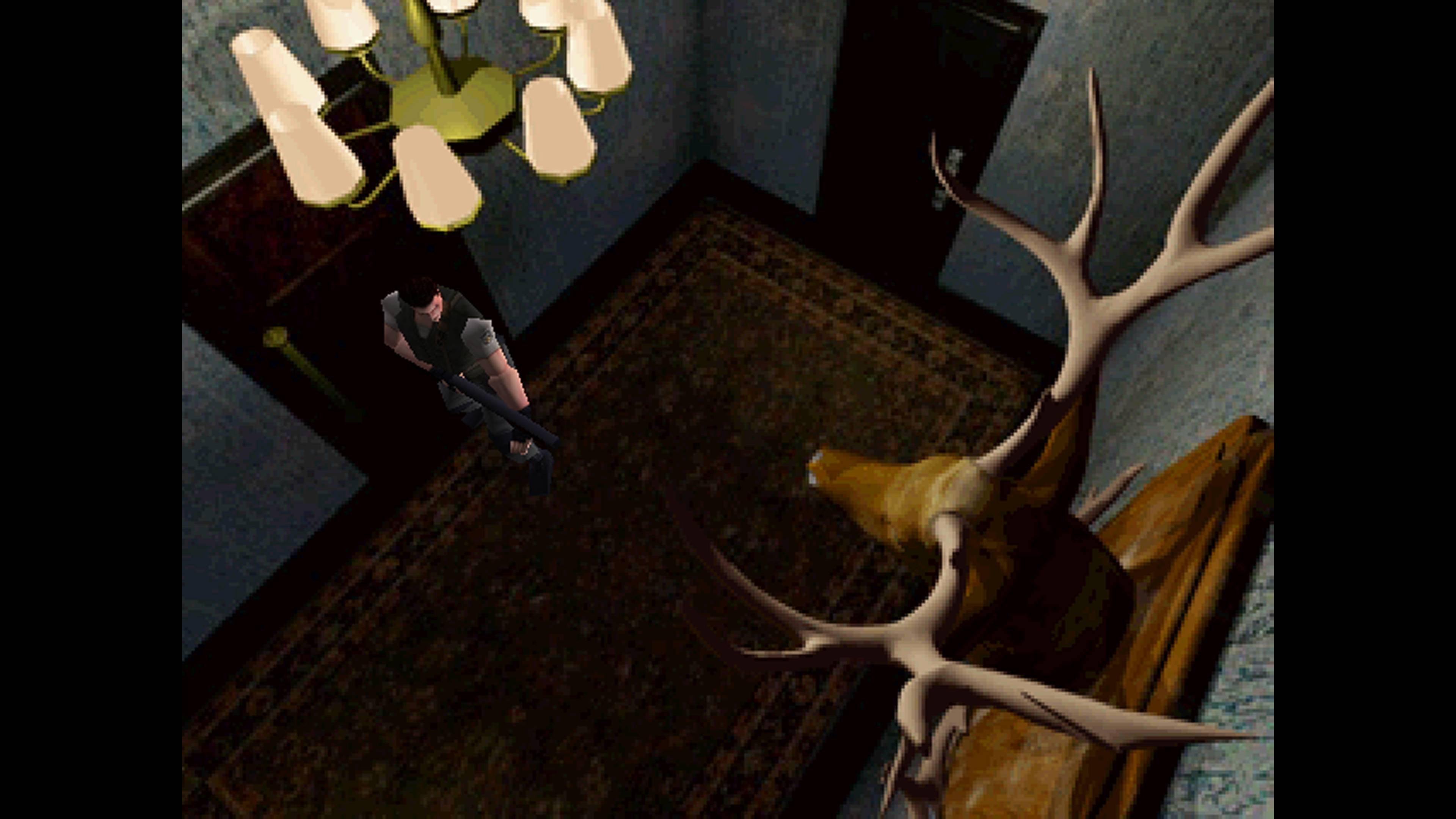
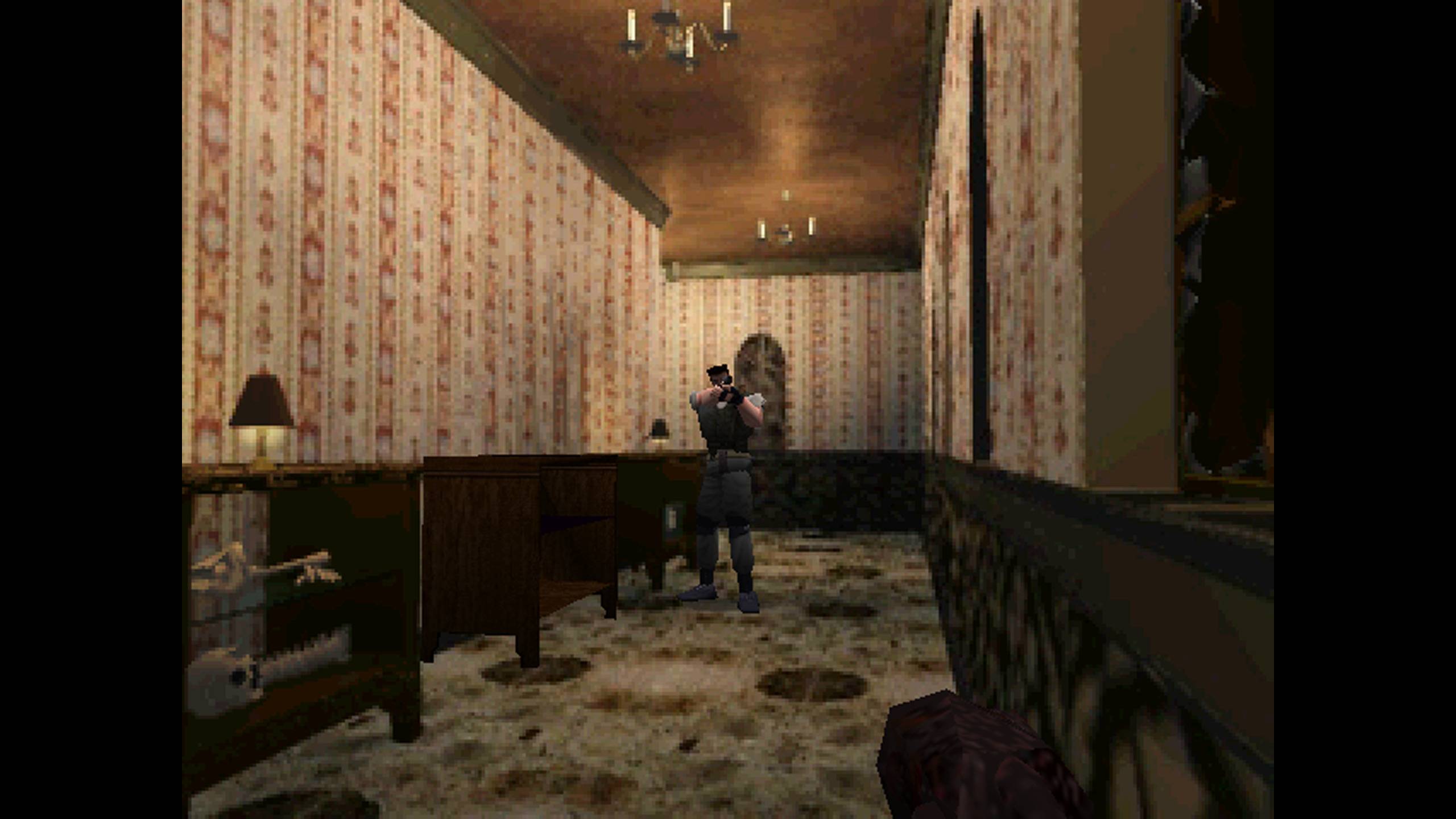
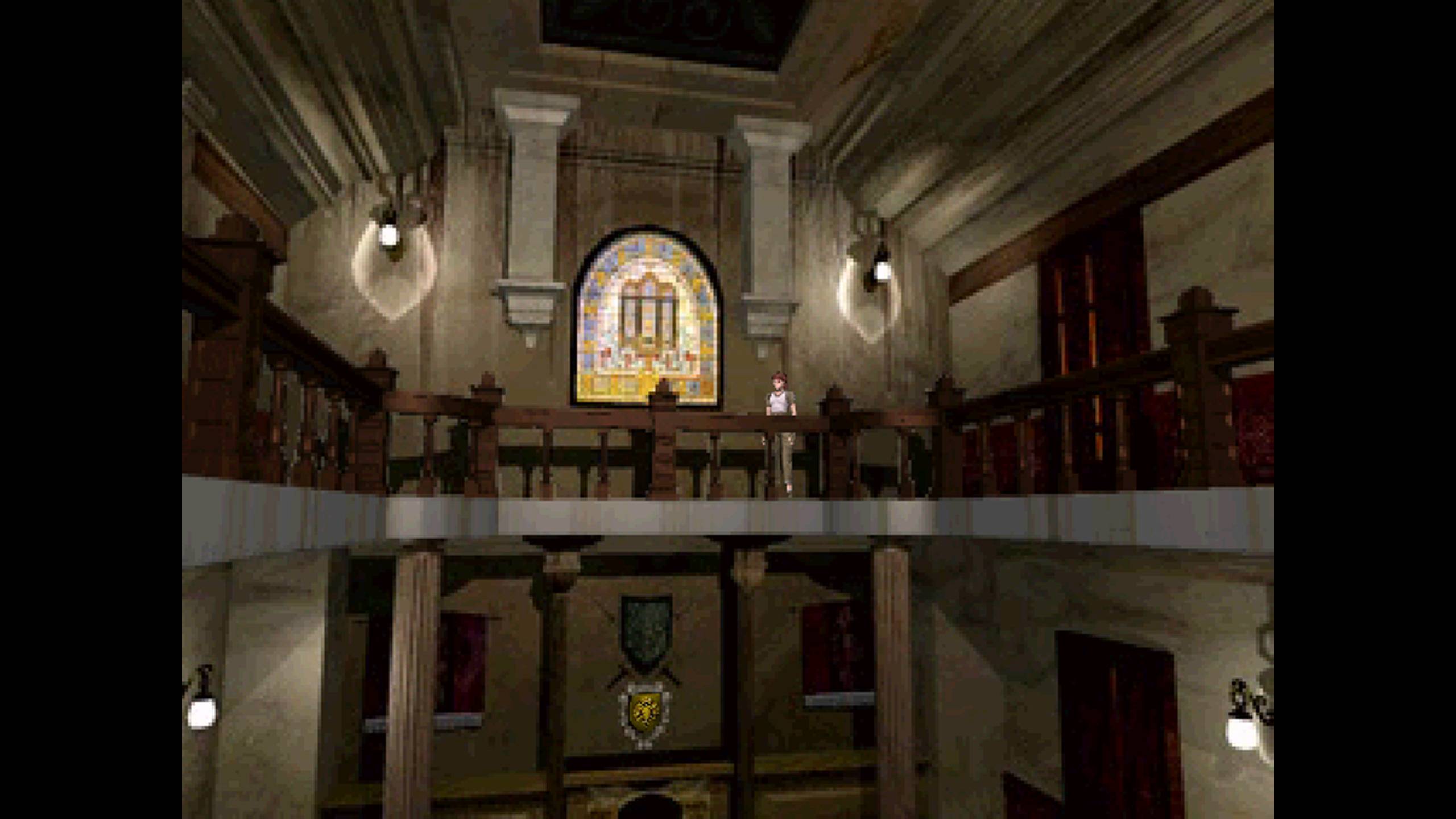
The zombie head turn from Resident Evil
'The' jump scare for an entire generation of kids


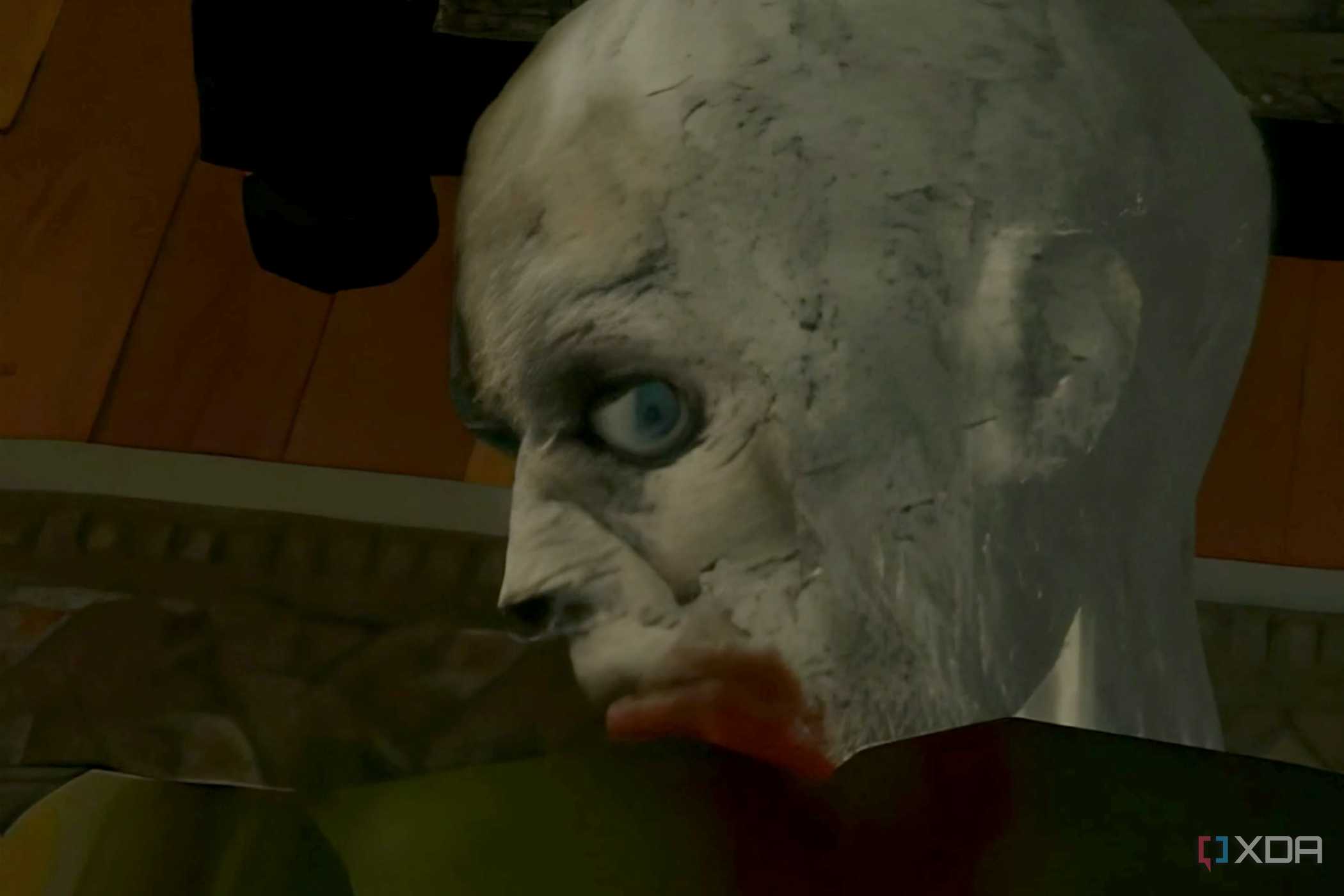
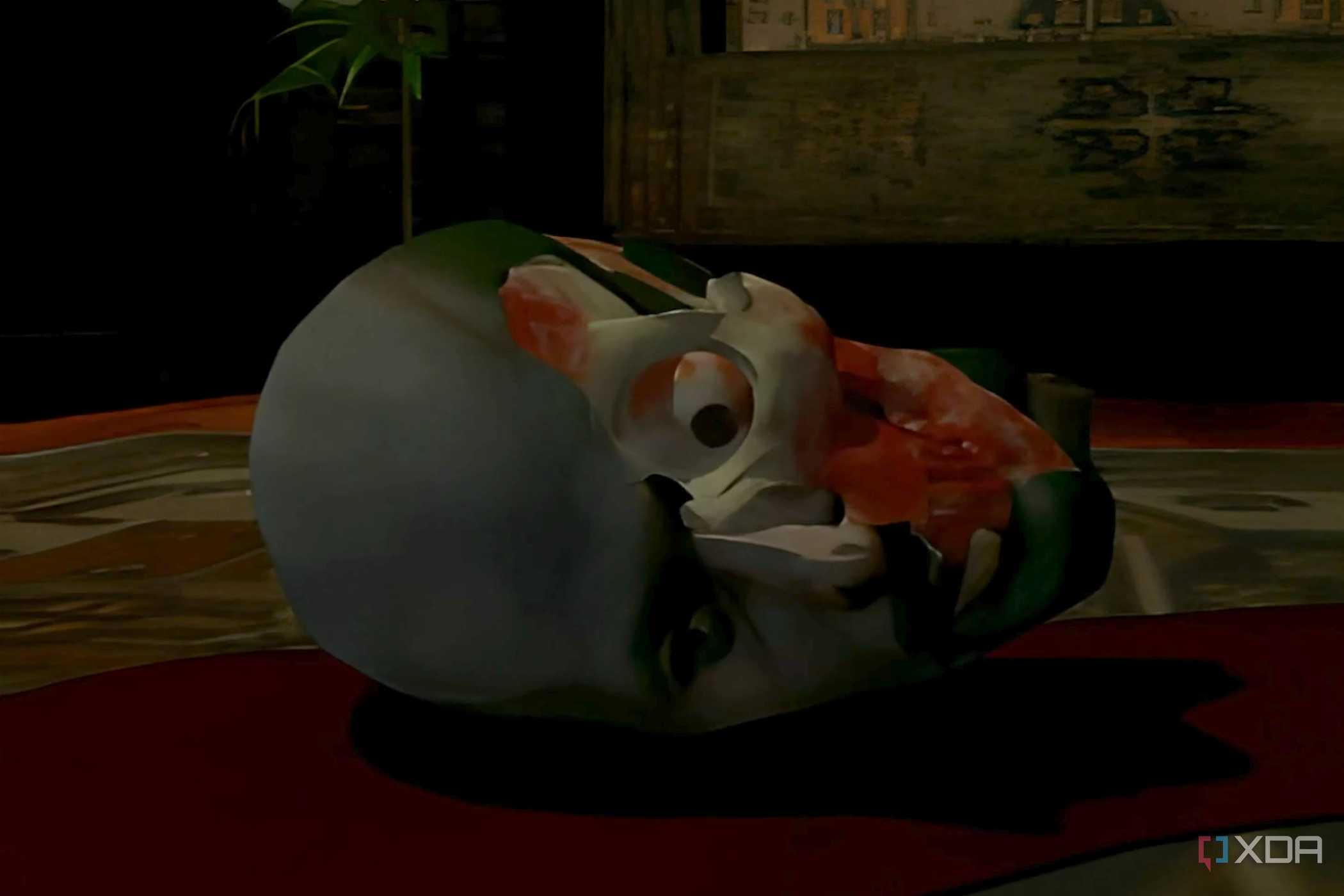
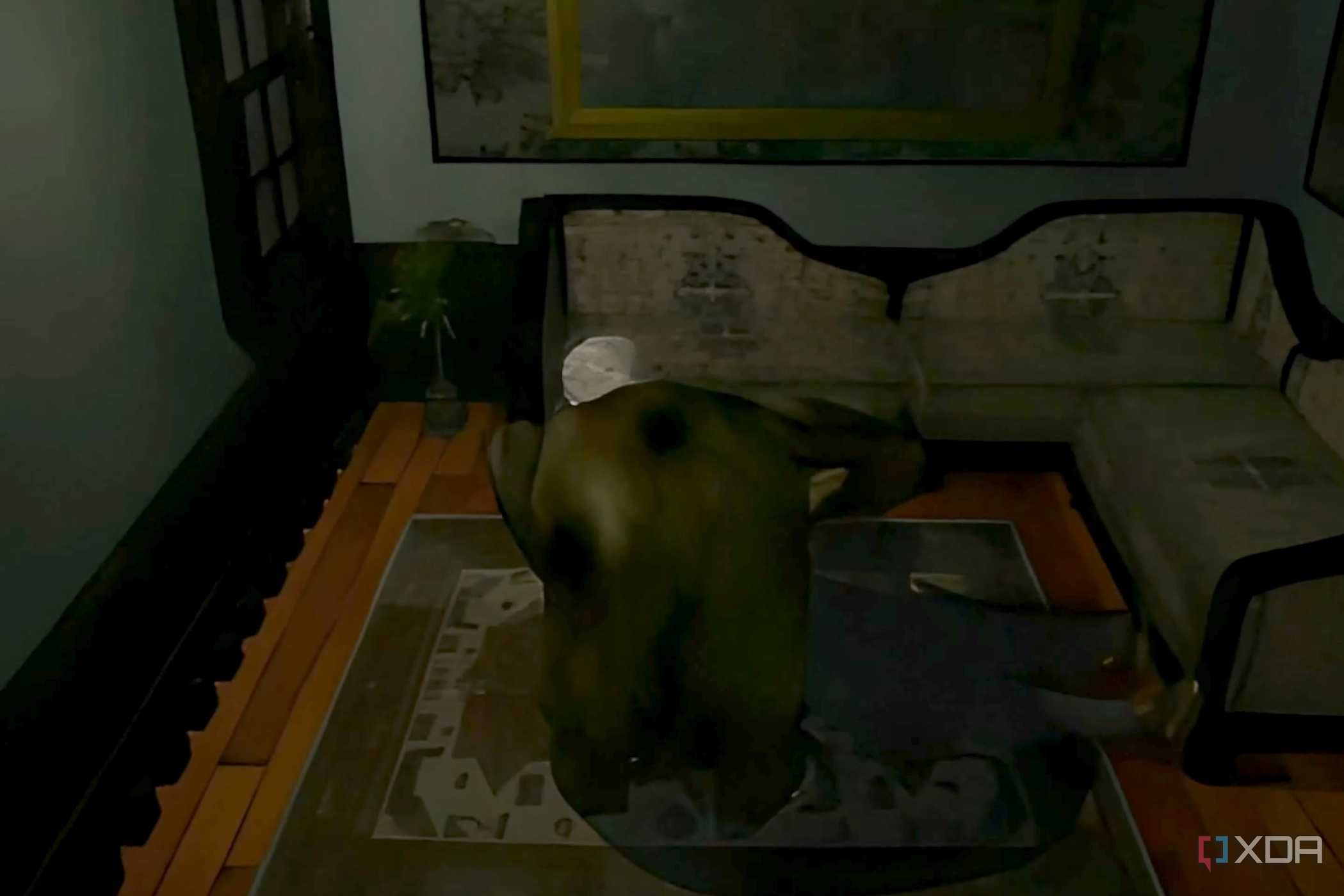
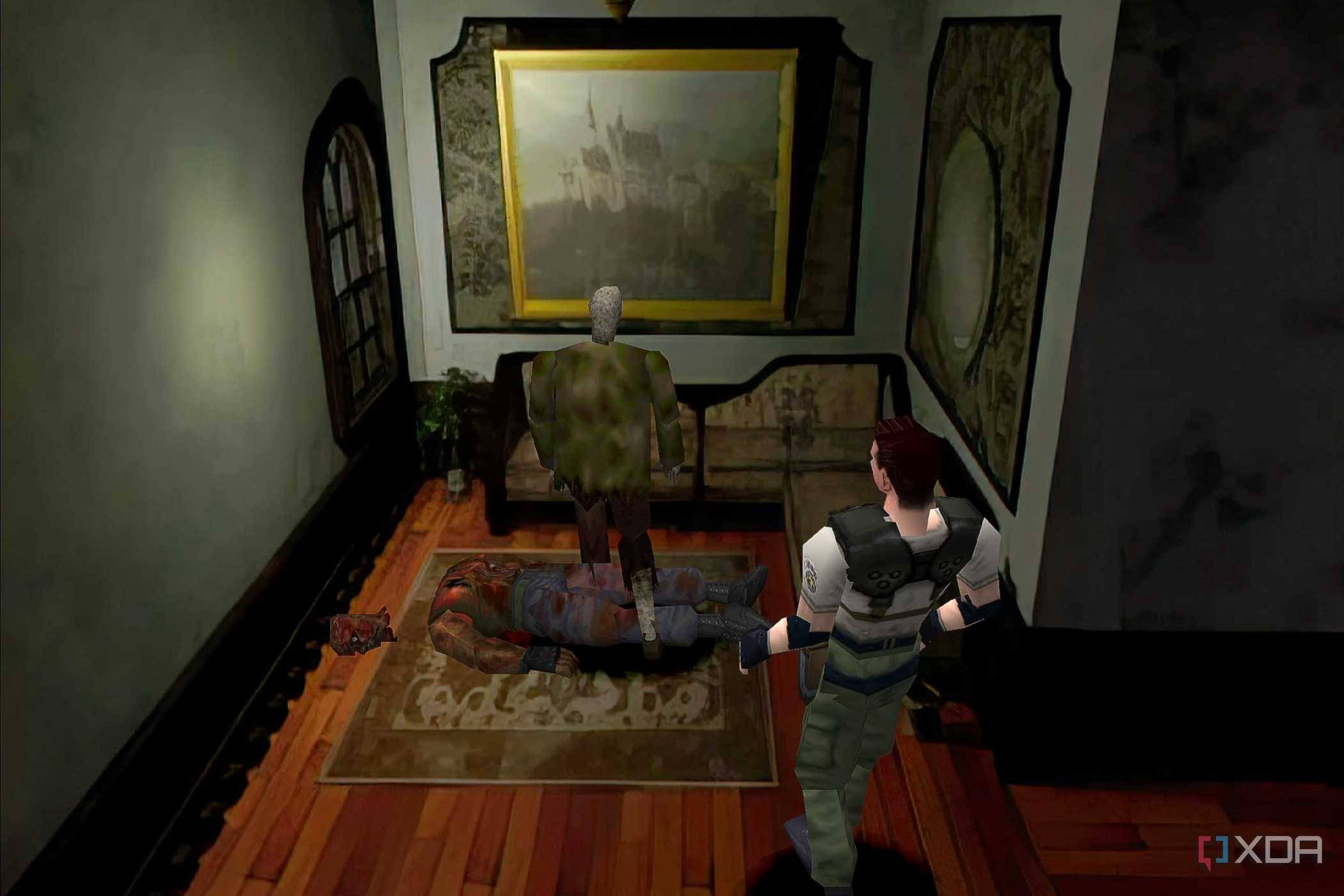
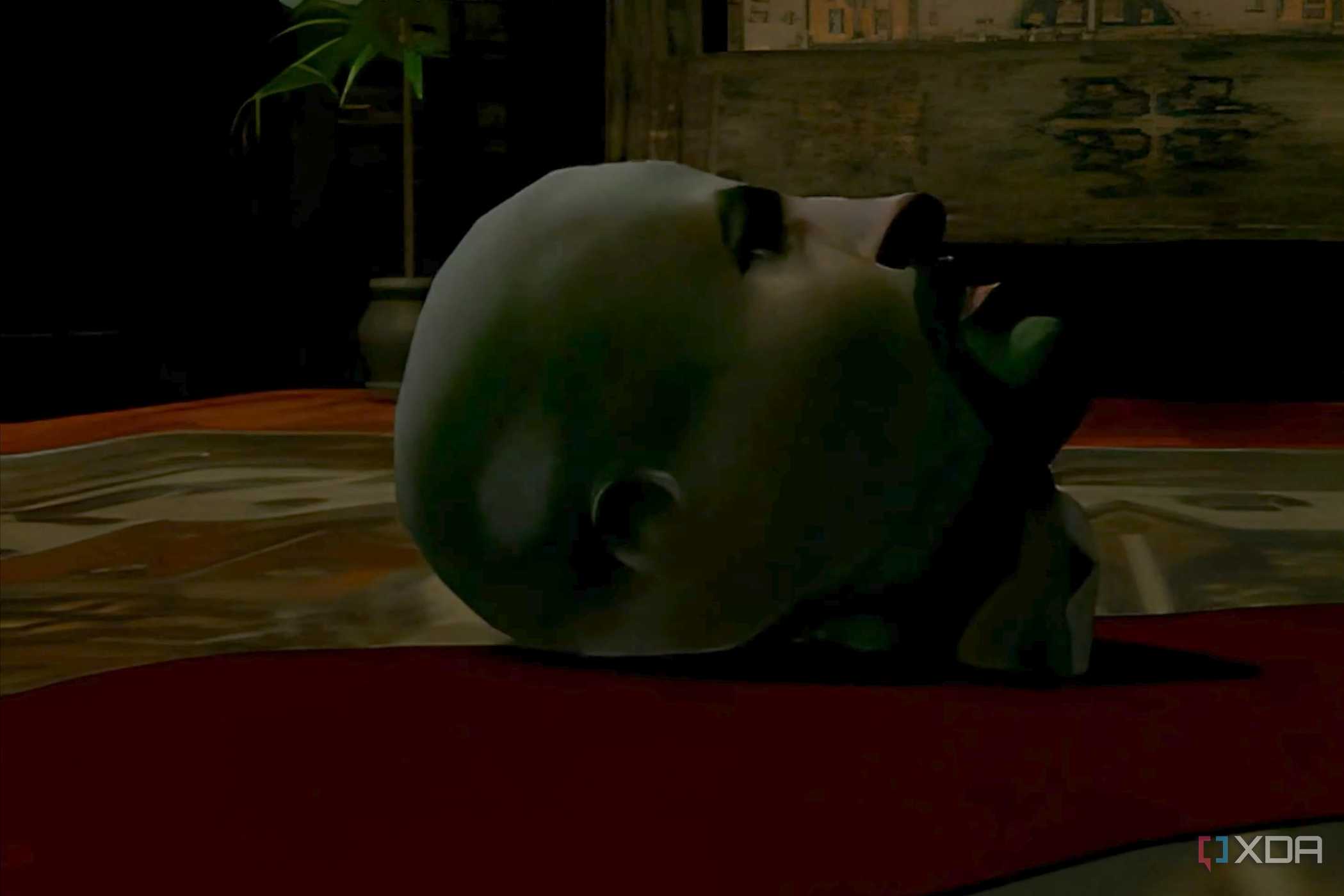
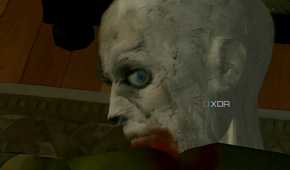
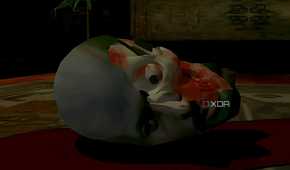
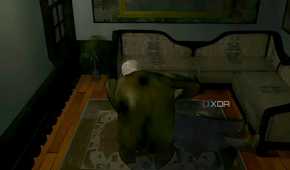
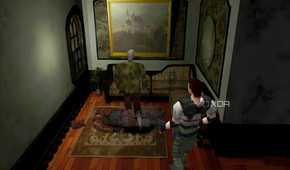
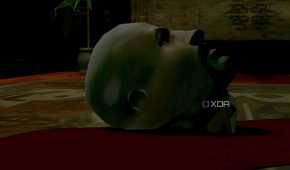
It's the shot that launched a thousand sleepless nights. You walk into a quiet corridor of the Spencer Mansion, hear a wet crunch, and then... the camera shifts. A half-eaten human head falls to the floor, and a rotting figure slowly turns its head, blood dripping from its mouth, dead white eyes locking onto yours. It was terrifying, nerve-wracking, and god, so iconic. You either ran for your life immediately, or you just paused the game and turned the damn console off.
That head turn? That was great horror design meeting cinematic mastery on the PlayStation. Resident Evil's fixed camera angles always built suspense, and this was the ultimate payoff. Heck, even if you were one of the five people who didn't play the game at the time, you still saw this iconic shot in magazines or demo discs. The zombie was staring dead into your soul — not the player character's, but you, the player's. One of the coldest intros to a monster ever, the zombie head turn from the first Resident Evil will always live on.

- Released
- March 22, 1996
- ESRB
- Mature 17+ // Blood and Gore, Language, Violence
- Developer(s)
- Capcom
- Publisher(s)
- Capcom
- Engine
- RE Engine
- Franchise
- Resident Evil
- Number of Players
- 1
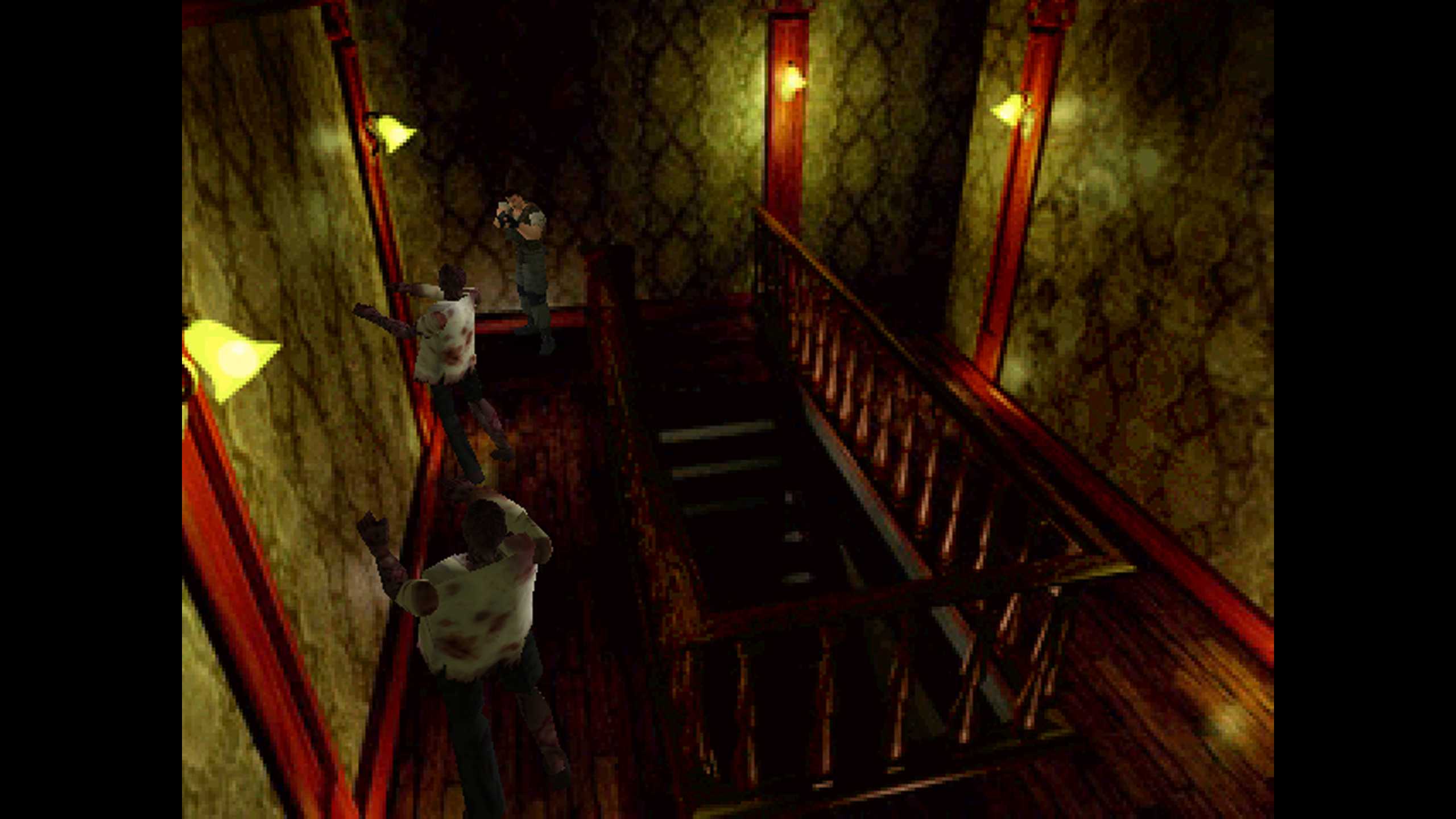
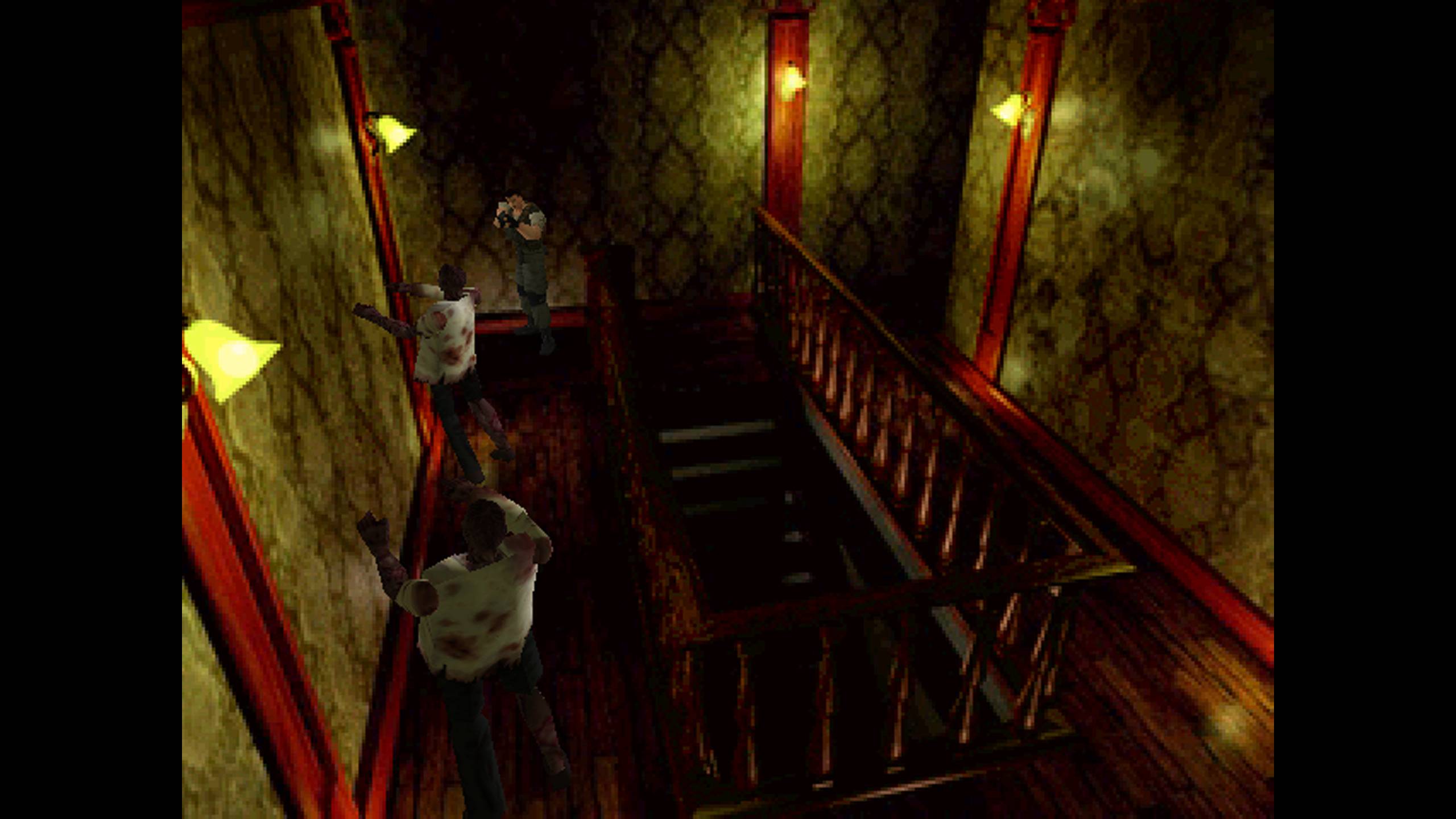

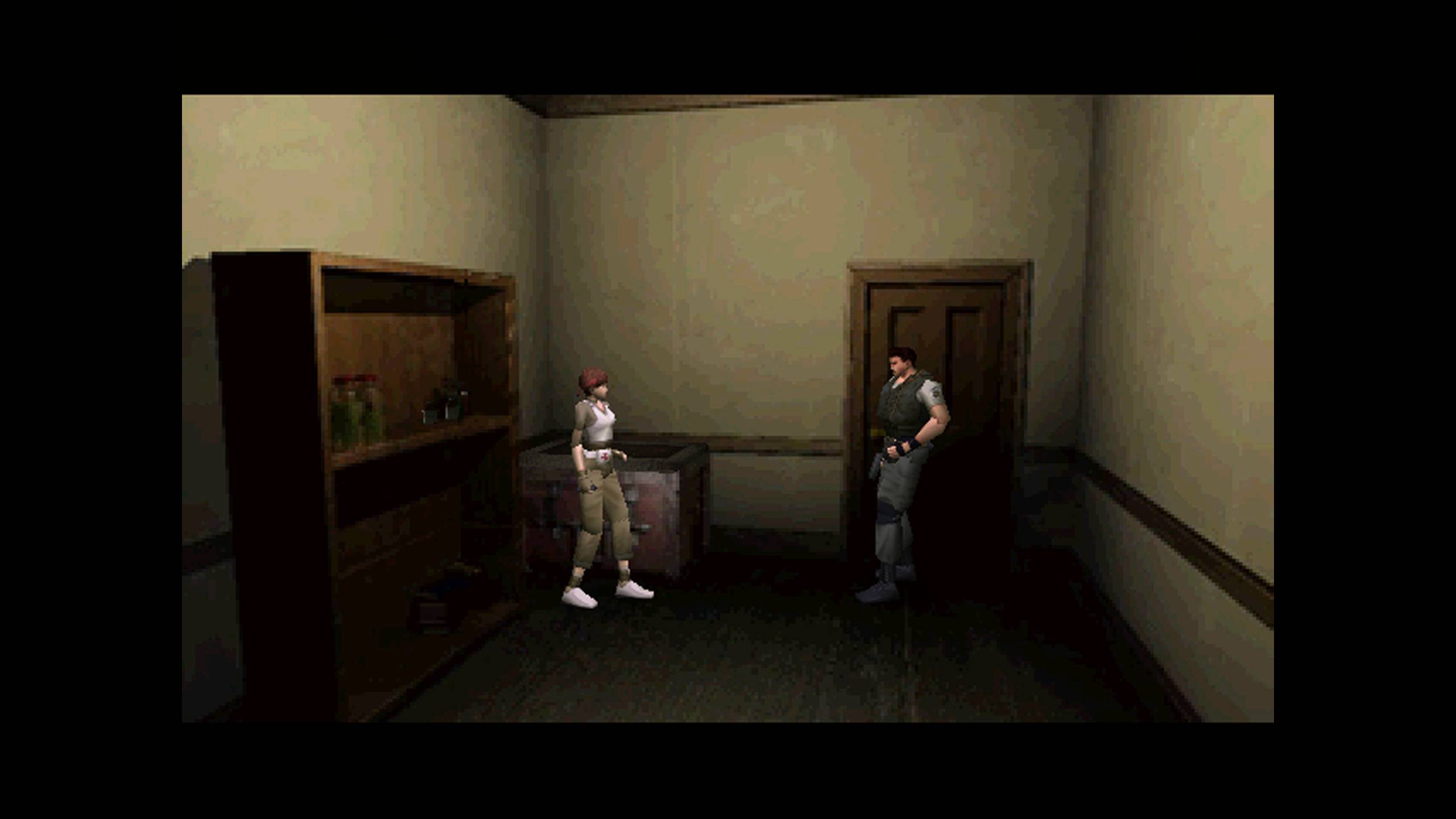


- Genre(s)
- Survival Horror
These images are burned into kids' minds
These games burned pixels into CRTs and memories into kids' minds.
The '90s gave gamers moments they will never forget. Not only did those games burn pixels into CRTs, but they also burned memories into kids' minds, shaping them into gamers. Emotional spikes, adrenaline jolts, and little windows into worlds we never wanted to see.
Quite simply, these images stuck, and they undoubtedly always will. Truth be told, screenshots can only capture a sliver of the magic of the mental images and memories '90s gamers have from these iconic games.
