


If the CPU and GPU are the brains of your PC build, your motherboard is the heart and soul. Everything travels across the motherboard in one way or another, making it one of the most crucial components in your rig. Budget boards can offer a suite of features that will be good enough for most, but when does it make sense to spend big?
6 Overclocking
High-quality components are crucial when trying to squeeze out extra performance


 Credit: Source: Asus
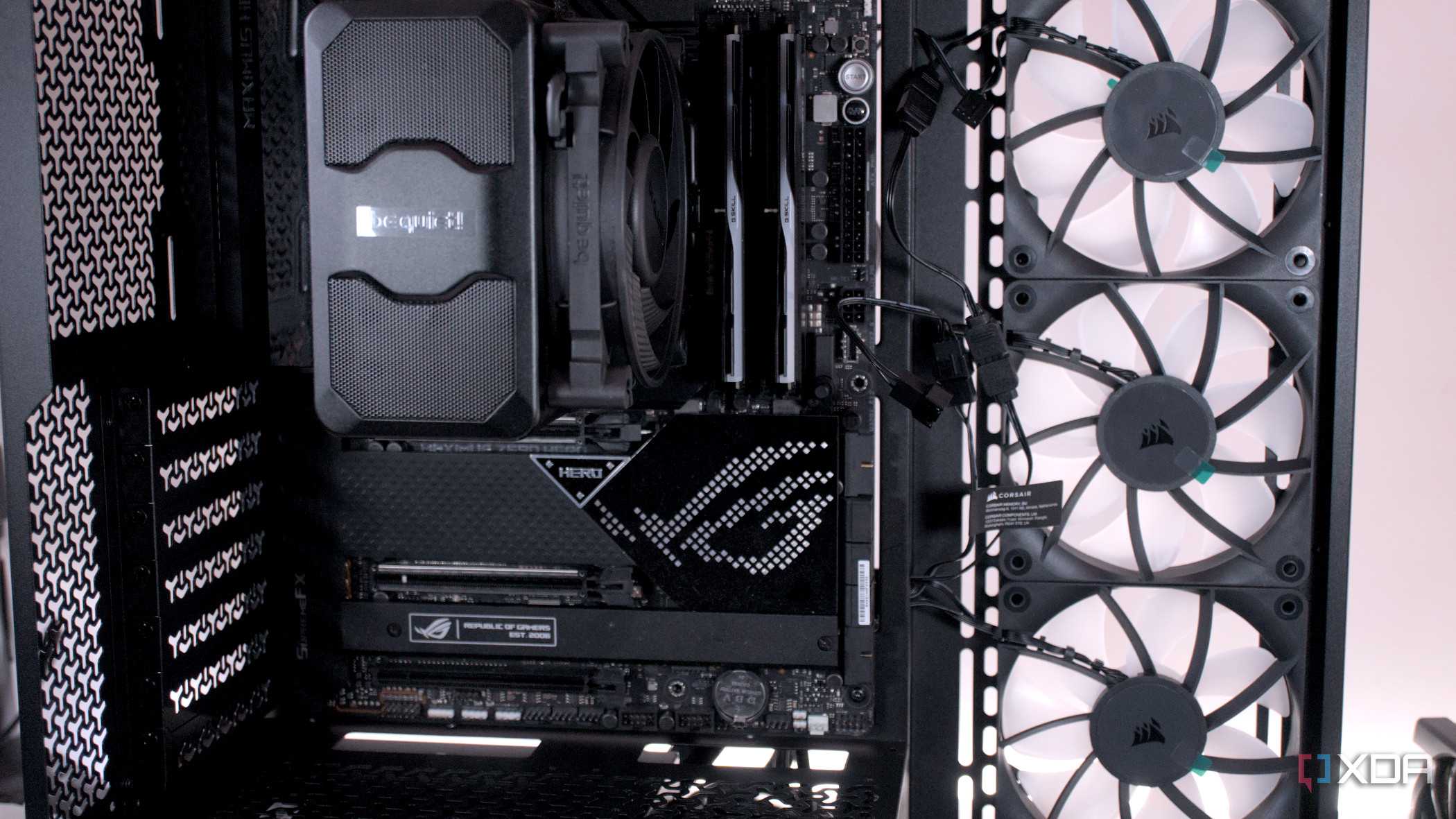
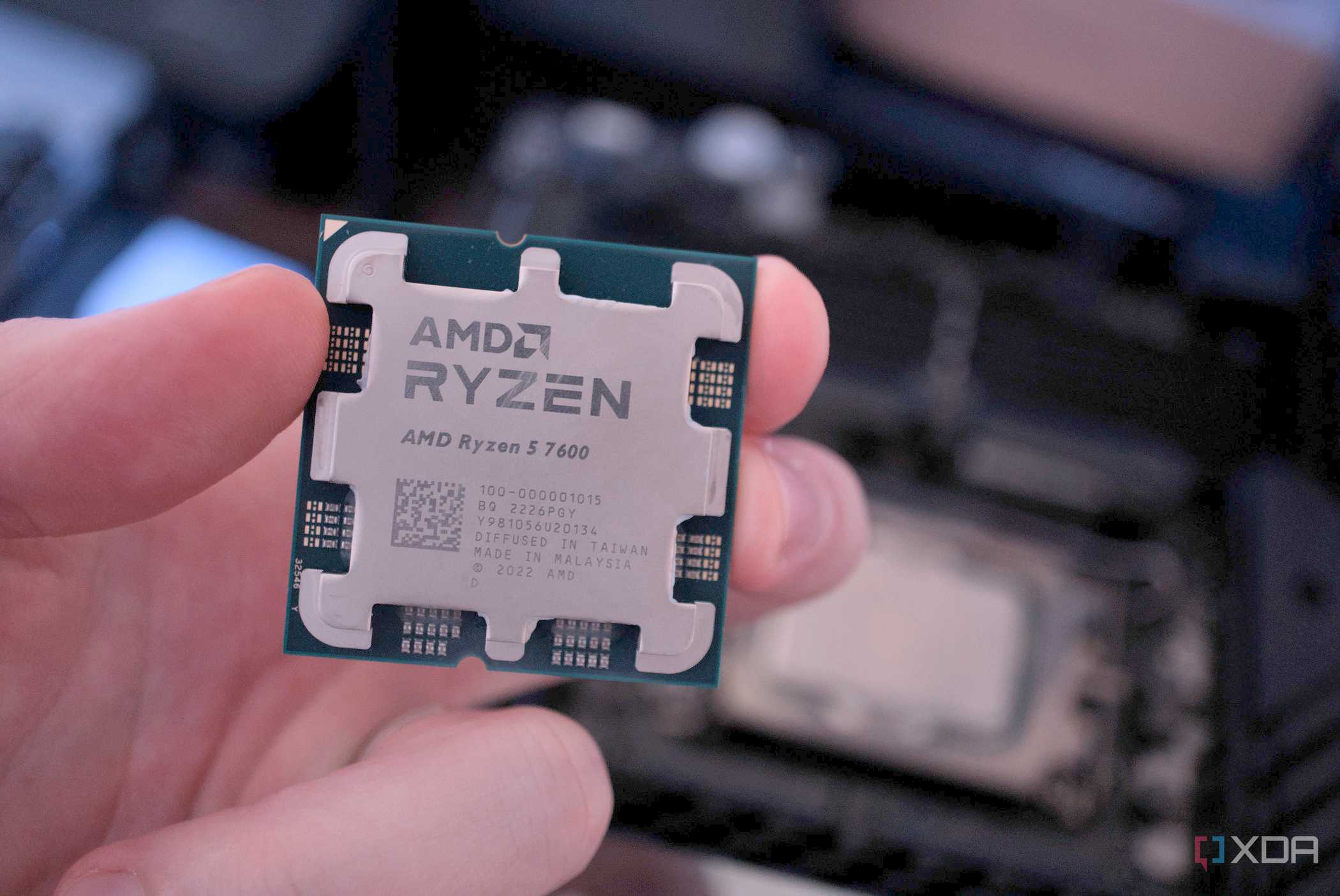



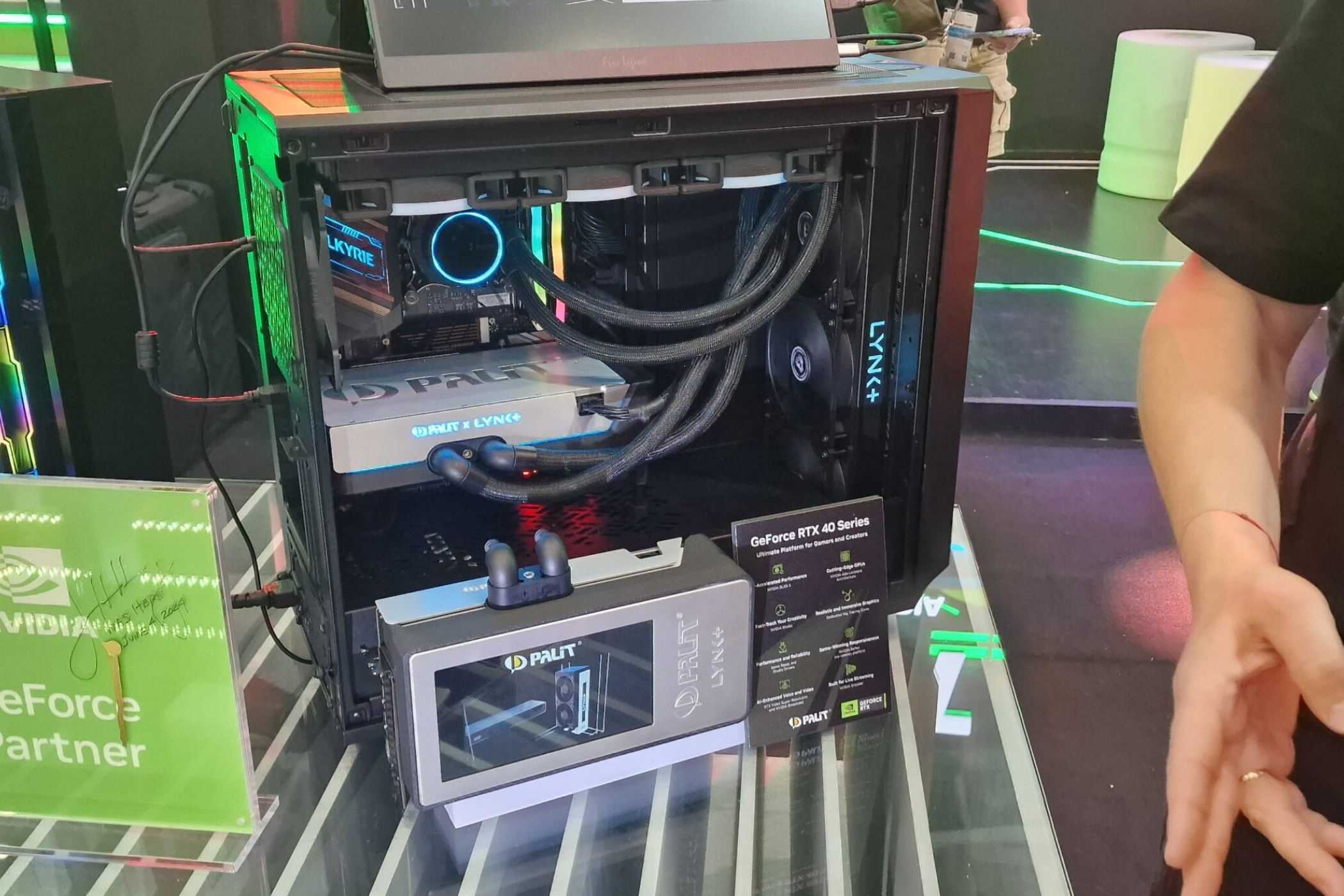
If you're planning on doing any overclocking, especially on the CPU, you'll want to reach for a top-shelf motherboard. Higher-end boards have better power delivery in the form of higher-quality VRM components. VRMs ensure that the power going to your CPU is clean and consistent, but they also generate quite a bit of heat as a result. More expensive motherboards will even have dedicated VRM cooling solutions to ensure everything stays nice and chill.
In addition to higher quality components, high-end motherboards will also include better integrated overclocking solutions, making one-click overclocking a lot simpler. This isn't a feature that's exclusive to high-end boards, but it's likely that these profiles are better tuned for the more expensive solutions.
5 You need to use memory that's high in capacity and speed
Not all boards can push high-end DIMMs to their full potential

Premium boards are able to handle higher capacity and speed than budget boards can. If you're planning on running a no-compromise approach to memory that's high in speed as well as capacity, spending big on your motherboard is recommended. Not even all high-end boards are created equal; some motherboards can still only handle up to 192GB of RAM, while some can run 256GB. As always, do your due diligence before splashing cash.
4 You plan on filling up every storage slot possible
Higher-tier boards will support more internal storage devices

To put a lot of storage in your build requires slots for said storage. Budget boards will only have a couple of M.2 slots at best, and SATA slots will continue to shrink in number even on high-end boards. You can expand slots using expansion cards, but you might run into PCI lane restrictions if you're running on a less powerful chipset.
3 You require a robust I/O selection
Less dollars equals less ports

Having a wide selection of I/O is important for anyone who has a wide range of devices that interface with their system. On high-end boards, things like the on-board audio and networking will be a cut above basically anything you can find at lower price points. Most users simply don't have the capacity to use 10G networking and probably don't use audiophile-level equipment, but if you do, a high-end board is a must.
If you're going to need more than a handful of USB ports, both on the front and back I/O, a budget board might not cut it for you. Modern high-end boards can come with over 20(!) USB ports, which is honestly pretty insane. If you have a ton of USB devices that you use, a high-end board might be mandatory for you.
2 You have concerns about durability
High-end boards are built to last

Now, obviously, you don't need to buy from the top-shelf to make your computer last a long time, but it certainly helps. As stated elsewhere in this article, high-end boards do use higher end components. Manufacturers will use better capacitors, provide more robust cooling solutions for onboard components, and are just built with more robustness in general.
1 You really like having creature comforts during the build process
Some motherboards make installation processes a breeze

Expensive motherboards also come with more quality-of-life features to make building and upgrading your hardware easier. Things like the debug code display, on-board power and reset switches, and tool-less installation features will not only help new builders, but seasoned ones as well. These things should honestly be mainstay features on every board, regardless of price point, but I digress.
It doesn't always make sense to spend big on your motherboard
In most scenarios, it doesn't make a ton of sense for your motherboard to cost as much or more than your CPU and GPU. It's certainly possible to spend that much, but the best overall value is to be found in much lower price ranges.
