


Somewhere along the way, upgrading a PC stopped being a modest indulgence that could be justified with a wink. In 2025, it feels more like stepping into a car dealership, reviewing your financing options while pretending you totally meant to look at the model that costs just as much as your monthly rent. A simple GPU refresh has drifted into the luxury-good territory, leaving the average gamer or creator wondering when their harmless hobby started requiring the financial composure of someone applying for a small loan.
If it feels like GPU prices have slipped into a parallel universe where nothing makes sense, it's because they have. This is because AI giants, supply bottlenecks, and corporate prioritization have turned the GPU market into a high-demand, low-availability arena where ordinary consumers are priced out.
AI ate the GPU market
And left us all with crumbs


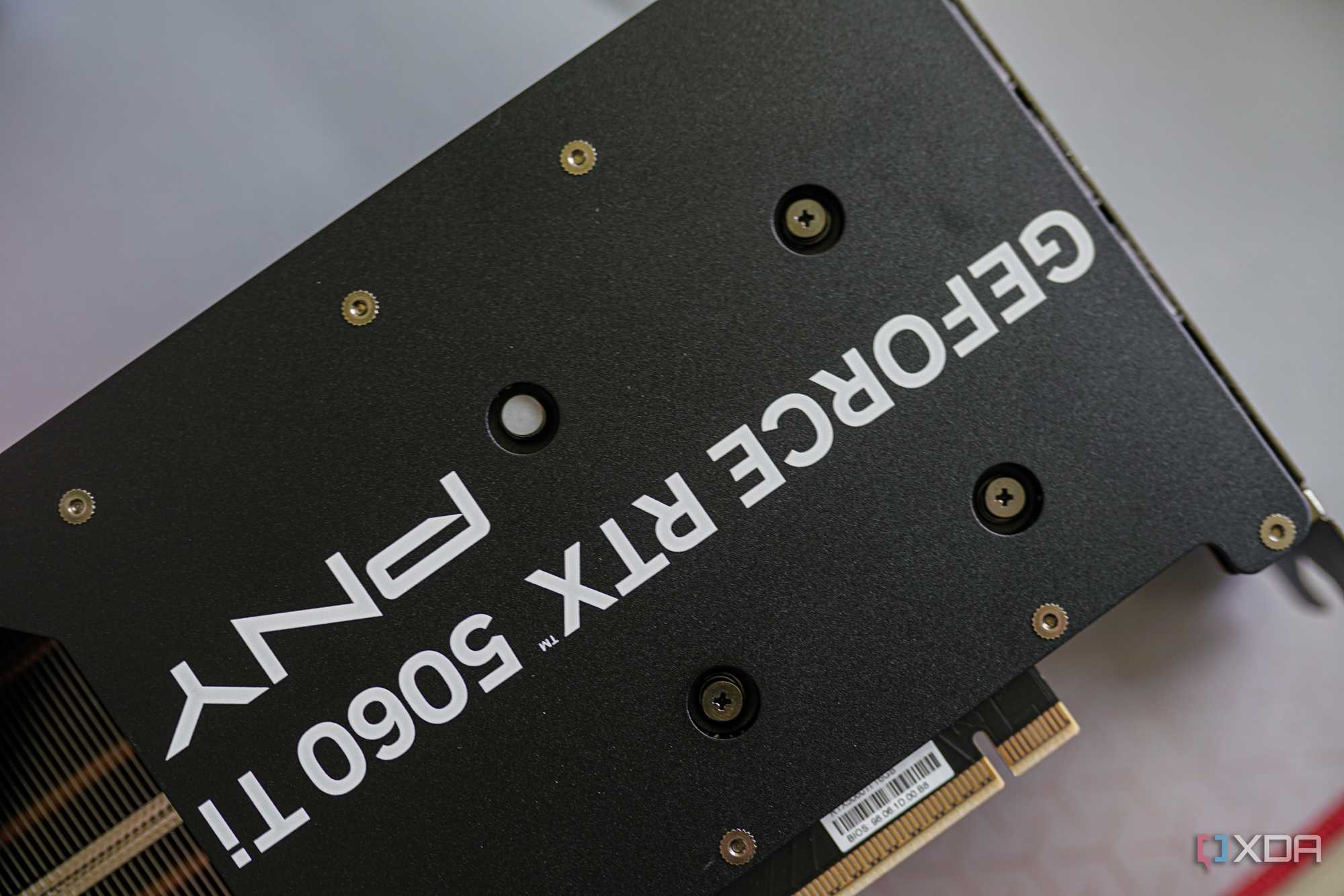
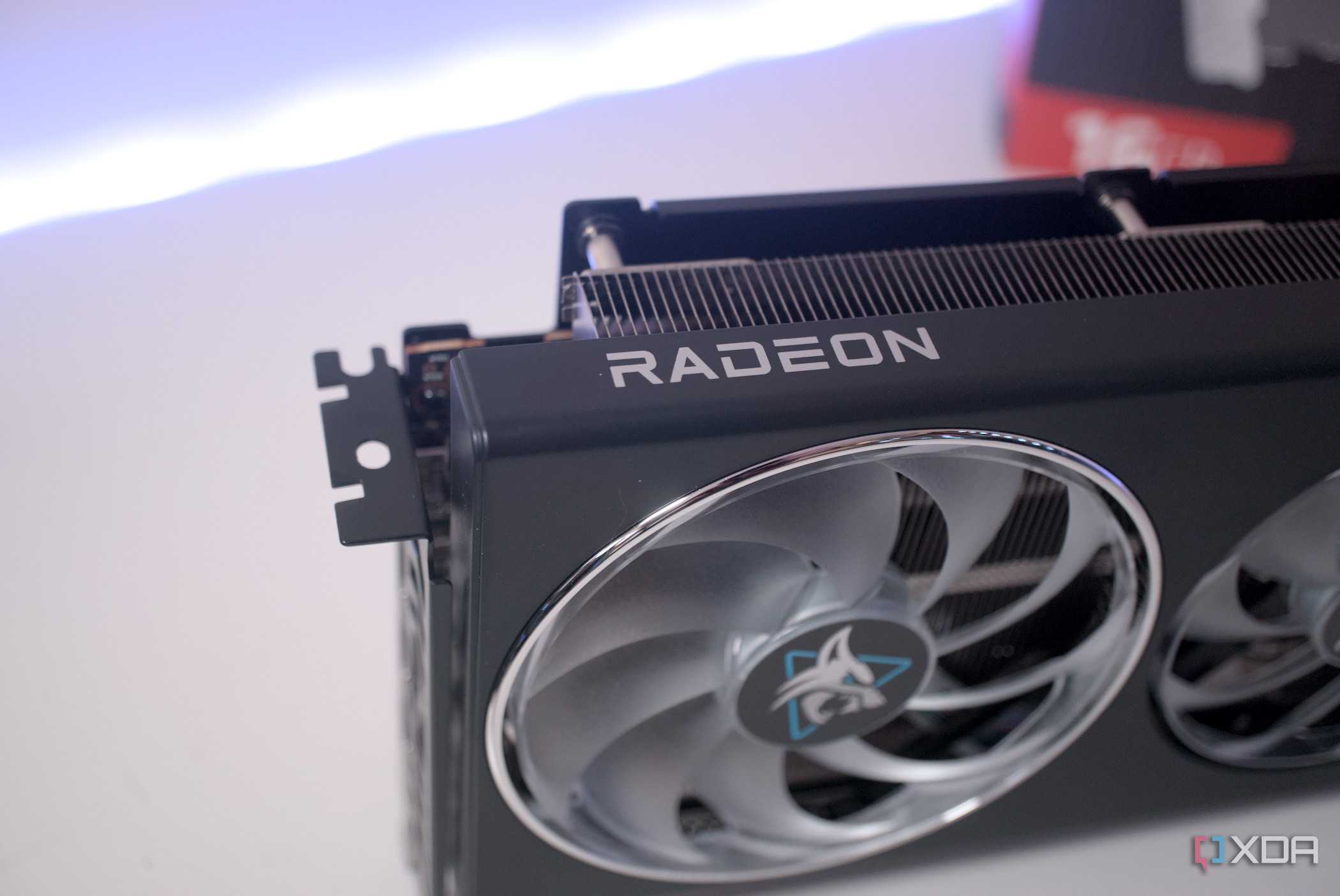

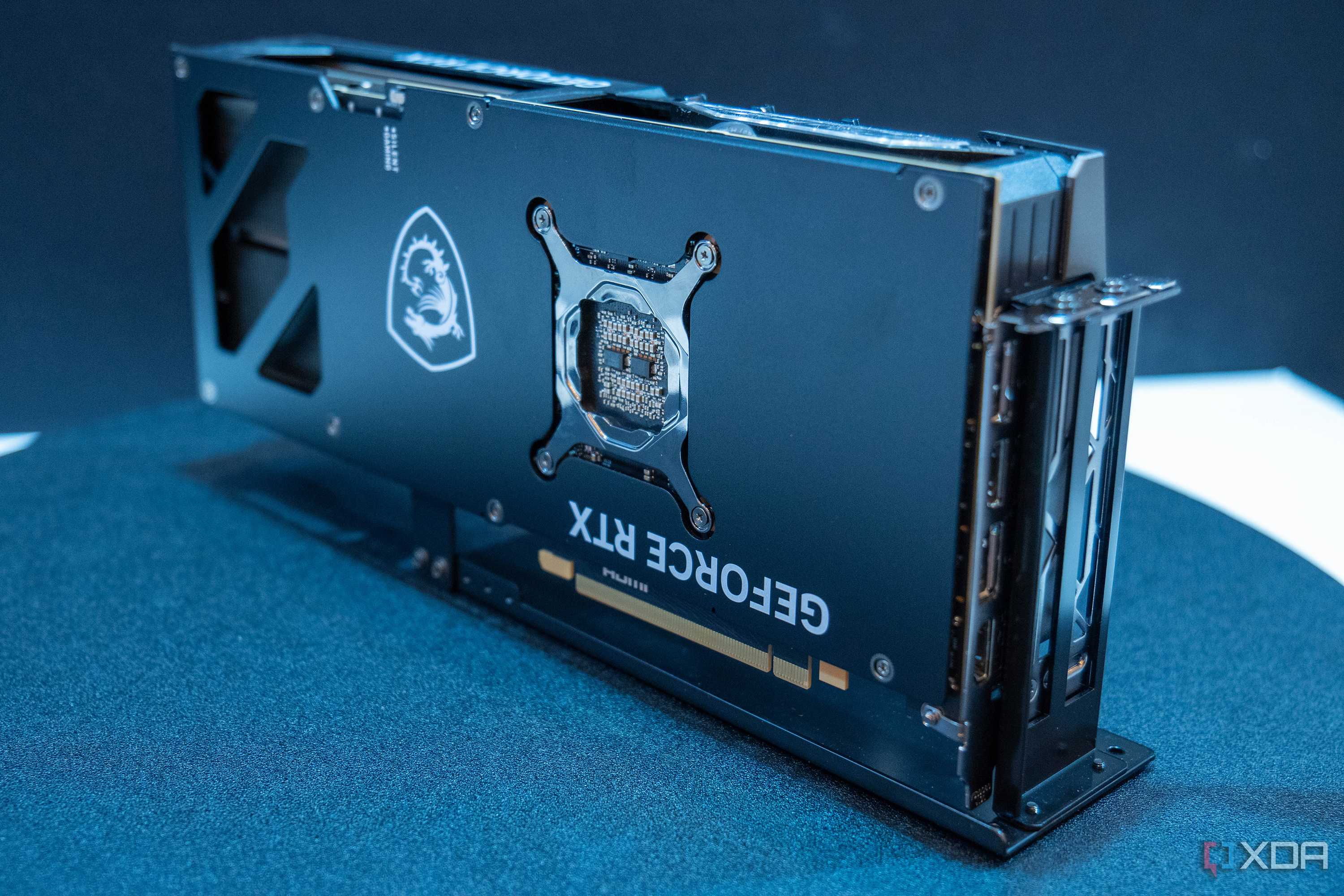

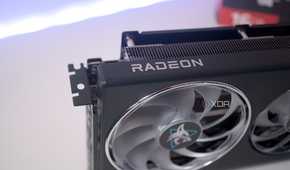

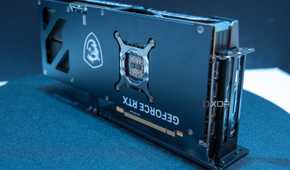

If you've ever wondered why a mid-range GPU now costs roughly the same as a short holiday, the answer is simple: you're not the customer anymore, AI is. Since 2023, GPUs have been central to the development of AI models. The world's biggest tech firms, including the likes of Microsoft, Google, and Amazon Web Services (AWS), are buying GPUs by the warehouse and turning the entire product lines into fuel for data centers, hungry to train AI models that can write poetry, compose music, and occasionally hallucinate tax advice.
Even if the tech giants weren't inhaling every GPU they could get their hands on, the industry physically can't build them fast enough to satisfy everyone. Foundries like TSMC, the world's preeminent chip manufacturer, operate at near-full capacity, yet the demand for advanced nodes, such as the 3nm and 2nm processes (essential for high-performance GPUs), far outstrips current production trends.
The vanishing mid-range lineup
Is mid-range the new high end?

A few years ago, the mid-range GPU was the people's workhorse. This was the card you recommended to friends and family. The card reviewers referred to as the "sweet spot" between price and performance, and the card that would earn you a decent hop on the FPS counter without breaking the bank. Today, the mid-range exists mostly as a marketing relic. NVIDIA and AMD still use the term, of course, but what they label "mid-range" is now available at prices that would've been considered borderline high-end just a couple of years ago.
The real problem, however, is that the performance uplift doesn't often match the price creep. Many mid-range cards now deliver modest gains while sneaking past the $400 mark with the confidence of a flagship circa 2016. The nomenclature seems to have remained the same, but the economics has shifted under our feet. What used to be the safe, sensible middle of the product stack has migrated upward, leaving budget-conscious consumers stranded and the true "affordable tier" feeling more like the clearance bin of the last generation's leftovers.
NVIDIA's pricing makes one trend impossible to ignore: the mid-range has shifted far above where it used to be. The data on MSRP at launch and corresponding prices (adjusted for inflation through cumulative CPI increases) make this abundantly clear.
|
Year |
Model |
MSRP at Launch (USD) |
Price (Inflation-adjusted) 2025 |
|---|---|---|---|
|
2016 |
GTX 1060 |
$249 |
~$336 |
|
2017 |
GTX 1070 Ti |
$449 |
~$592 |
|
2018 |
RTX 2070 |
$499 |
~$643 |
|
2019 |
GTX 1660 Super |
$229 |
~$286 |
|
2025 |
RTX 5070 |
$549 |
$549 |
In 2016, the GTX 1060 launched at $249, about $336 in 2025 dollars, and even by 2019, models like the 1660 Super kept the mainstream tier in the $280 to $360 adjusted range. The only real outlier was the 2017 GTX 1070 Ti at $449 or about $592 today, and that was considered upper-mid at the time. By 2018, the RTX 2070 was positioned far above the mainstream sweet spot, in part because it was one of the first consumer GPUs to debut dedicated ray-tracing cores. In 2025, the RTX 5070 class starts around $549, which places the new mid-range at or above the old upper-mid and edging into what used to be the high-end territory.
|
Year |
AMD Model |
MSRP at Launch |
Price (Inflation-adjusted) 2025 |
|---|---|---|---|
|
2016 |
RX 480 |
$239 |
~$323 |
|
2017 |
RX 580 |
$229 |
~$302 |
|
2018 |
RX 590 |
$279 |
~$376 |
|
2019 |
RX 5600 XT |
$279 |
~$349 |
|
2023 |
RX 7800 XT |
$499 |
$499 |
On the AMD side, the RX 480 launched in 2016 at $239, roughly $323 now, setting a clear and genuinely affordable mid-range baseline. Through 2017 and 2019, cards like the RX 580 and RX 5600 XT kept that mainstream tier in the $300–$350 range. By 2023, however, the RX 7800 XT launched at $499, pushing AMD's mid-range out of the range for many budget-conscious buyers and abandoning its old value bracket — a trend that Team Red has maintained through its 2025 mid-range offering.
The GPU market needs to be competitive again
There's a real case for a third contender in the GPU wars

If there's one underlying force propping up today's inflated GPU prices, it is the simple fact that the retail market has become a two-player game. With only NVIDIA and AMD meaningfully competing for consumer wallets, price ceilings have turned into price suggestions, and the concept of 'fair value' has started to feel nostalgic. When a market shrinks into a duopoly, prices tend to drift upwards, not because of innovation but because there's no system of checks and balances left to pull them back down.
This is precisely why the industry desperately needs a third entrant with both ambition and scale. Intel's push with its Battlemage lineup is the first genuine attempt in years to break the stalemate, and even early competition in the segment can force incumbents to rethink pricing, restore performance tiers, and actually fight for the mid-range rather than abandon it. The mere presence of a credible third option has the potential to rebalance an ecosystem that has grown comfortable charging luxury prices for mainstream hardware.
A market in need of balance
GPUs didn't suddenly become luxury goods because consumers changed, but rather, because the surrounding market did. With AI giants consuming supply, mid-range pricing drifting into high-end territories, and only two major players steering the ship, affordability has become collateral damage. Until real competition returns and value per dollar becomes the central metric that matters again, buyers are left navigating a market that feels uneasily out of sync with the people it is supposed to serve.
