


I really like my RDNA 4 GPU. My Radeon RX 9070 XT is a great GPU: it runs very cool, undervolts supremely well, and performs really well at 1440p. Biding my time and waiting for the release of RDNA 4 seemed like a good choice when I got my GPU months ago, but AMD's recent statement regarding driver support for GPUs utilizing the RDNA 1 and 2 architectures left me really disappointed as a consumer. AMD has a history of targeting the buyer who wants value and longevity of performance for their hard-earned money, and considering that RDNA 2 GPUs were still being sold as recently as this year, I'm left questioning whether my investment in a Radeon card was a misplacement of trust in AMD.
The initial statement left me confused
Why ditch support for cards that are still adequate?

On October 29th, AMD released new Adrenalin driver version 25.10.2, and included in the patch notes was the following note that has since been removed:
New Game Support and Expanded Vulkan Extensions Support is available to Radeon RX 7000 and 9000 series graphics products.
This alone sparked some concern among enthusiasts, with many outlets reaching out for clarification. AMD first clarified their stance to German publication pcgameshardware.de by stating the following (translated from German):
To focus on optimizing and deploying new and improved technologies for the latest GPUs, AMD Software Adrenalin Edition 25.10.2 puts the Radeon RX 5000 and RX 6000 into maintenance mode. RDNA and RDNA-2 graphics cards will continue to receive updates for safety-critical and bug-fixing purposes.
This meant, in no uncertain terms, that owners of these GPUs wouldn't receive driver enhancements for new releases that might increase performance and lengthen the usable life of their GPU. This created quite an uproar in the community, with many users on social media and YouTube tech outlets voicing their displeasure. As a result, AMD made a quick clarification on the subject, stating to Tom's Hardware that "maintenance mode" would include "new features, bug fixes, and game optimizations" based on "market needs." AMD later put out a blog post on their website on Sunday, November 2nd, titled "Continued Support for Every Radeon Gamer" that attempted to clarify things further, restating that RX 5000 and 6000 GPUs would continue to receive support, but still be on their own dedicated driver branch, separate from RDNA 3 and 4 GPUs.
There's no confusion
It doesn't feel like AMD is staying true to its original GPU value proposition

It's very possible that whomever at AMD originally spoke to pcgameshardware.de was speaking out of turn or was misunderstood, but that's unlikely considering their statement to Tom's Hardware, saying that "market needs" were a factor in providing users with driver support for new titles.

When should "market needs" ever be a factor in providing support for hardware that was released recently? For reference, RDNA 2 GPUs launched in late 2020, with new desktop models releasing as recently as 2023 in the form of the RX 6750 GRE. You can still buy RX 6000 GPUs right now, depending on where you are in the world and which retailer you look at. It would make sense to end support for these cards if they were incapable, but they're more than capable in today's triple-A titles.
A huge part of AMD's marketing and main value proposition for RX 5000 and especially RX 6000 GPUs was the extra VRAM over Nvidia's offerings, which was supposed to give Red Team buyers an edge in longevity. Attempting to end game optimization support for buyers of these GPUs is pulling the rug out from under their investment in future PC performance.
Nvidia has been much better in this regard
The RTX 20 series still has support for crying out loud


 Credit: Source:
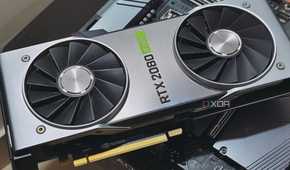
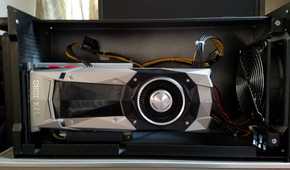
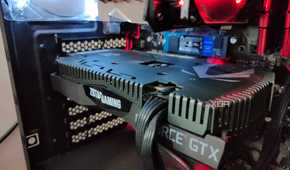
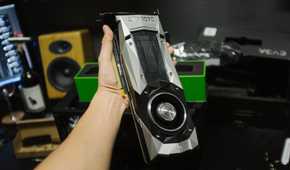
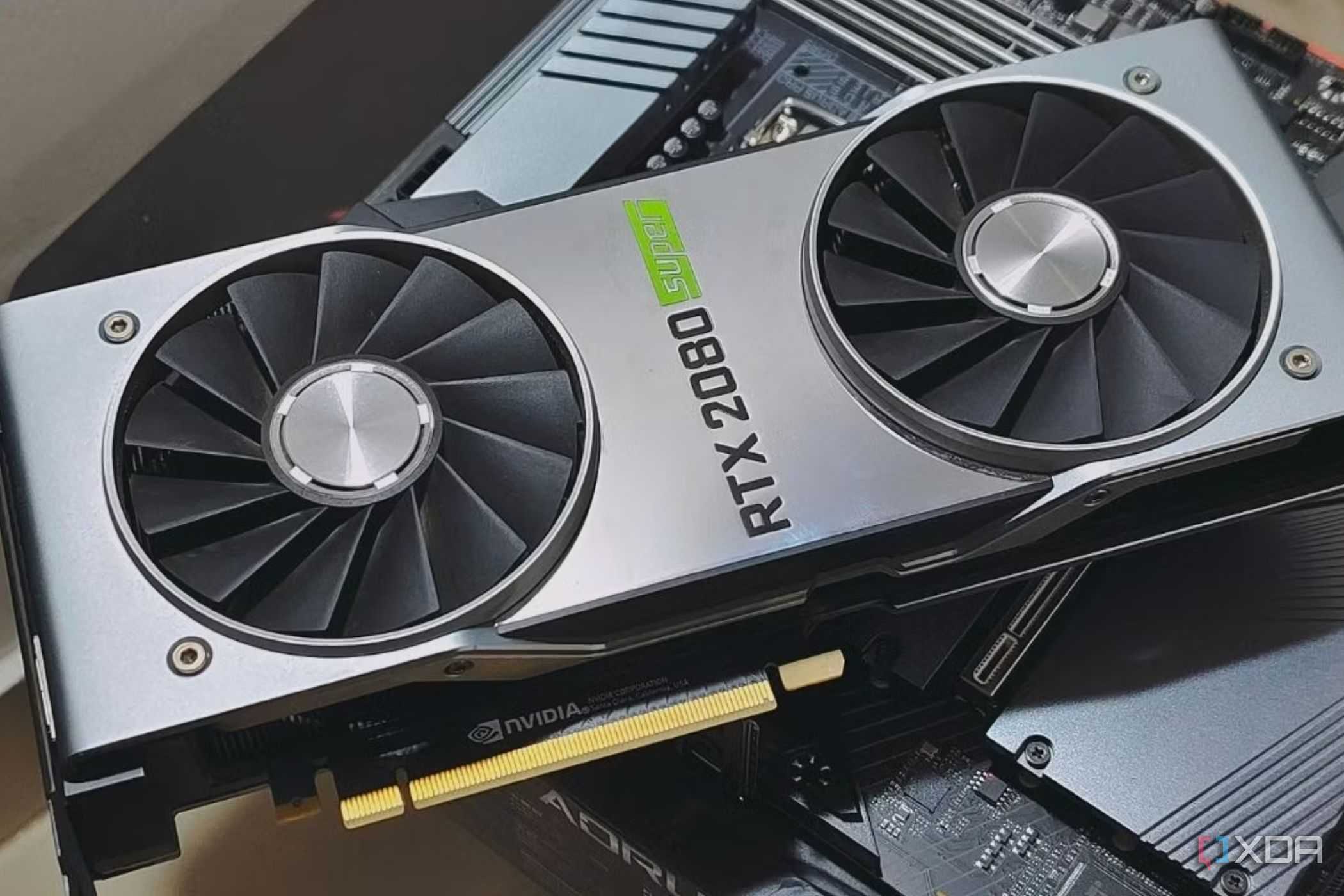
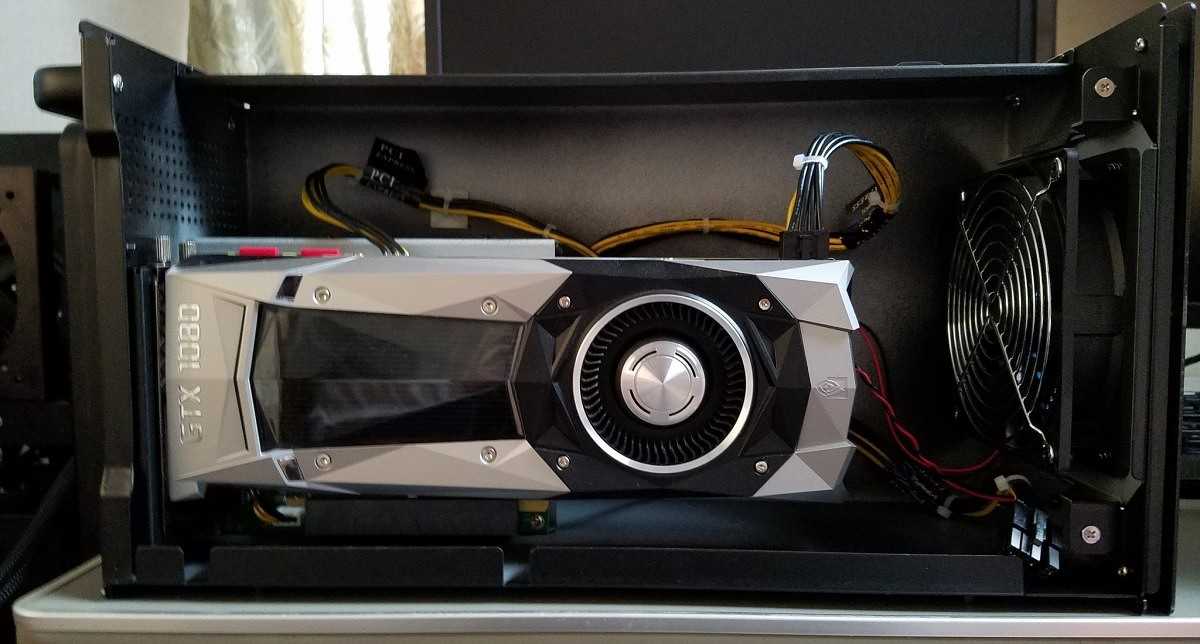
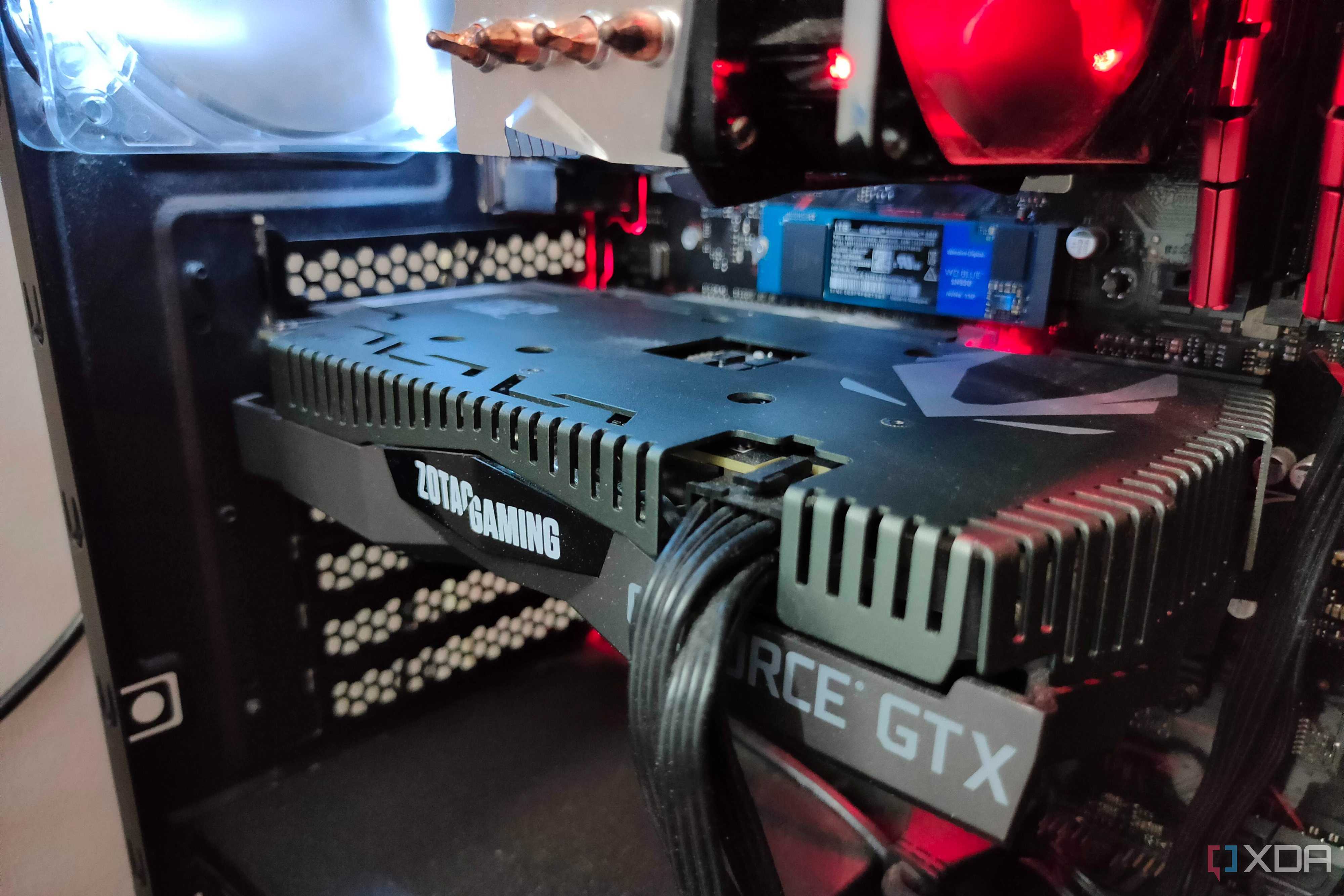
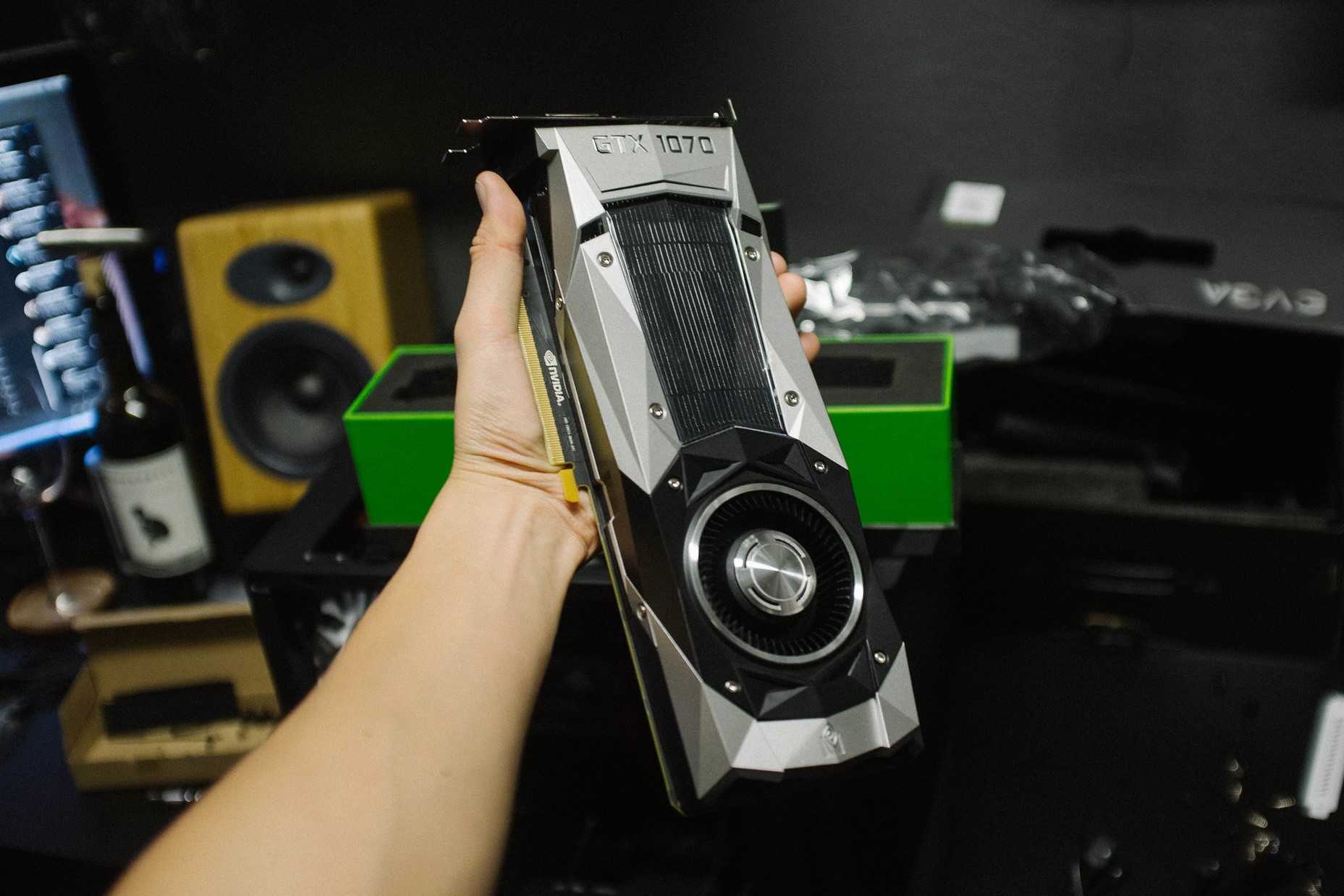
In contrast to AMD, Nvidia's driver support for their GPUs spans a pretty impressive number of years, Support for the GTX 10 series actually just ended this month, with security updates still being applied quarterly to Maxwell, Pascal and Volta GPUs through to October 2028. Nvidia still releases Game Ready Drivers that support the RTX 20 series, that released in late 2018. Compared to the measly five years (or two, depending on how you look at it) that AMD has given RDNA 2 owners, that's good driver support.
I hope AMD stay true to their word
We need genuine competition in the GPU space

Whether you think they actually wanted to abandon RDNA 1 and 2 driver development or not, I genuinely hope AMD stays true to their word now. They've said that optimizations will be coming to GPUs on all architectures, but time will tell whether that's PR doublespeak or a genuine promise.
Consumers need competition in the GPU space, and while the RX 9000 series was a great step in the right direction, dumping support for a huge portion of customers, most of which are probably brand-loyal buyers, is a huge blunder. AMD continues to do great things in the handheld APU space as well, where RDNA 2 continues to be found, but I can't say I'm keen to buy a handheld that features an older architecture now, let alone a desktop GPU.
I won't swap off Radeon in my main rig...yet
AMD's apparent miscommunication on driver support has me a little wary of my own GPU situation. I love my RX 9070 XT, but I can't help but think about how many years I have before AMD sees my card as something they can put into "maintenance mode." I won't be swapping back to an Nvidia GPU any time soon, but if I were the owner of an RDNA 1 or 2 GPU, I wouldn't blame you for going green next time you buy.
