


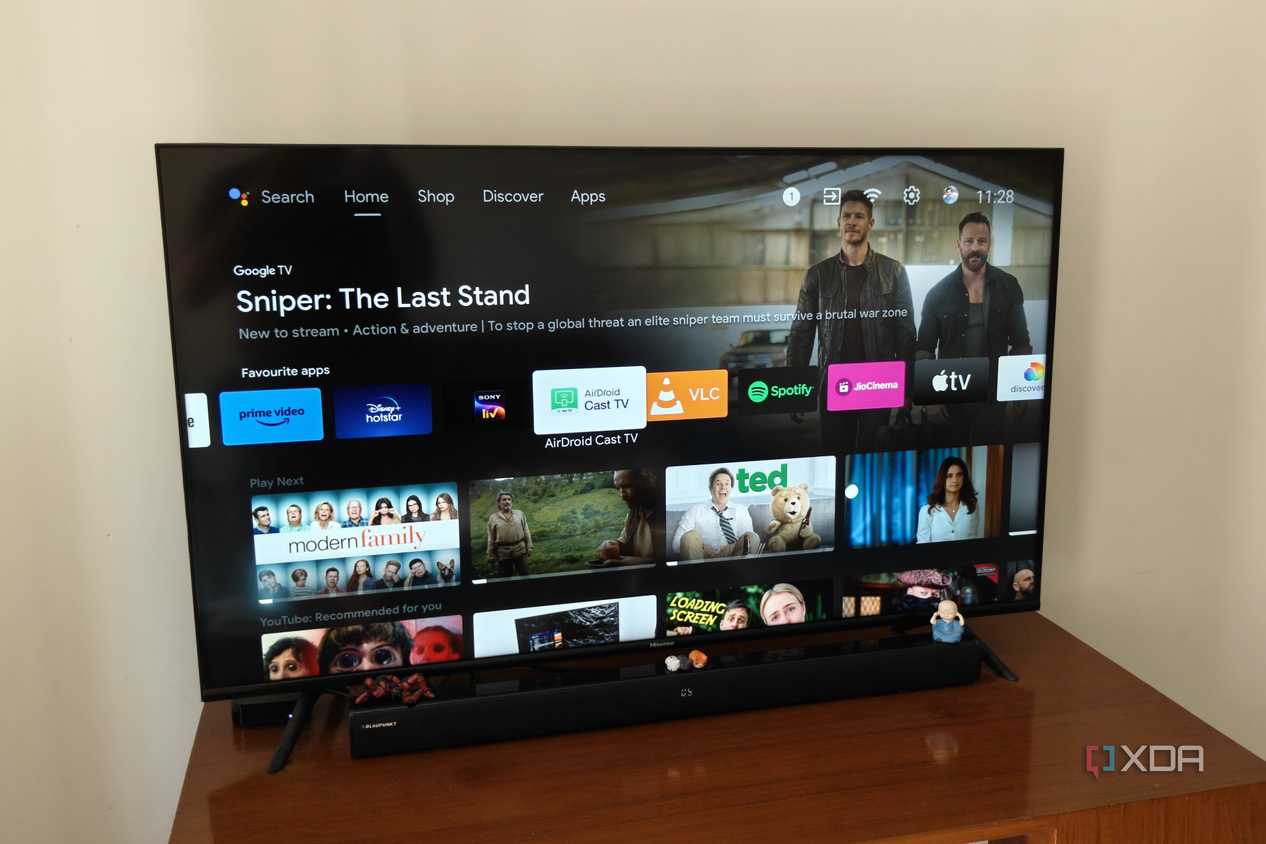
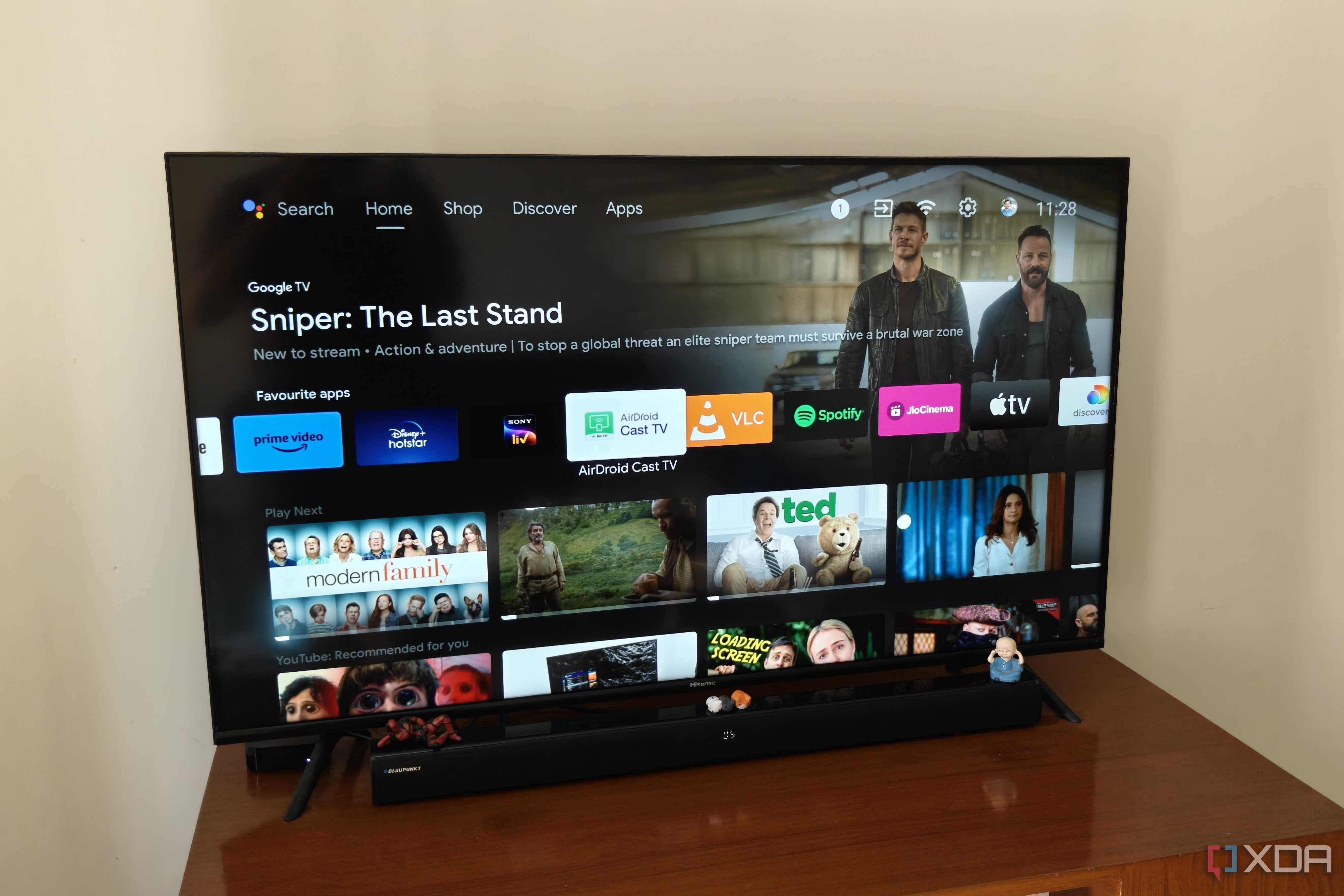
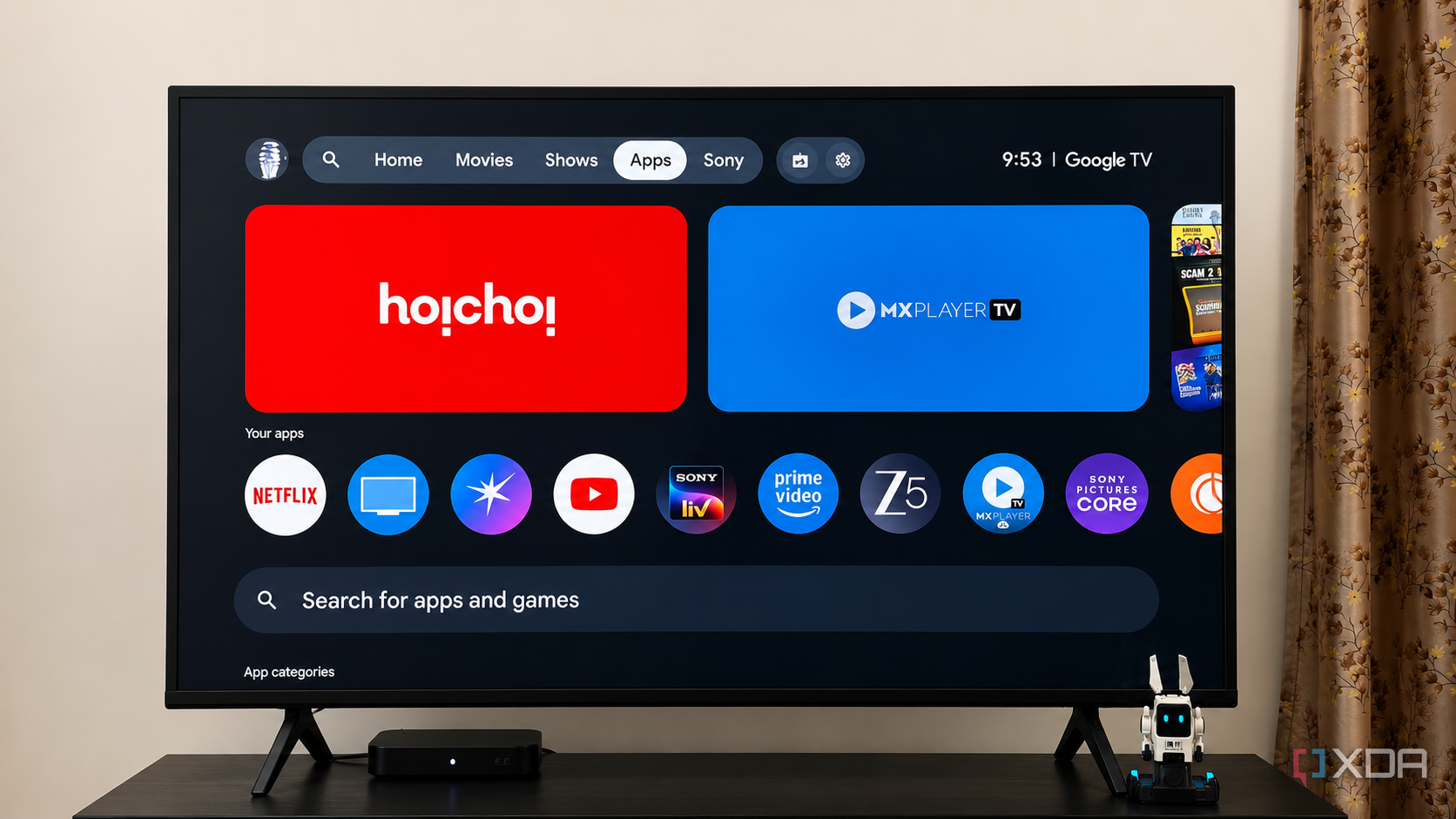
If you've used any smart TV without a streaming device in the last decade, you're awfully familiar with the abysmal software experience consumers are subjected to. Woefully underpowered processors make the clunky and bloated Android TV/Google TV environment an even bigger nuisance. I struggled with this on my Hisense TV for over four years before switching to the Apple TV 4K (3rd Gen).
The sluggish reboot speeds, navigation hiccups, and poor app performance were gone, replaced by the clean, highly responsive UI of Apple's tvOS. For the longest time, I kept trying to improve the TV's performance on Android TV, but with the Apple TV 4K, I don't have to worry about that anymore. Even if I upgrade to a new OLED TV eventually, I'd happily use the Apple TV 4K over the new TV's default OS and processing. If you've been struggling with a frustrating smart TV experience, it might be time to invest in an external streaming device.
The software is still my biggest frustration with smart TVs
No brand is blameless


 Credit: Justin Duino / XDA-Developers
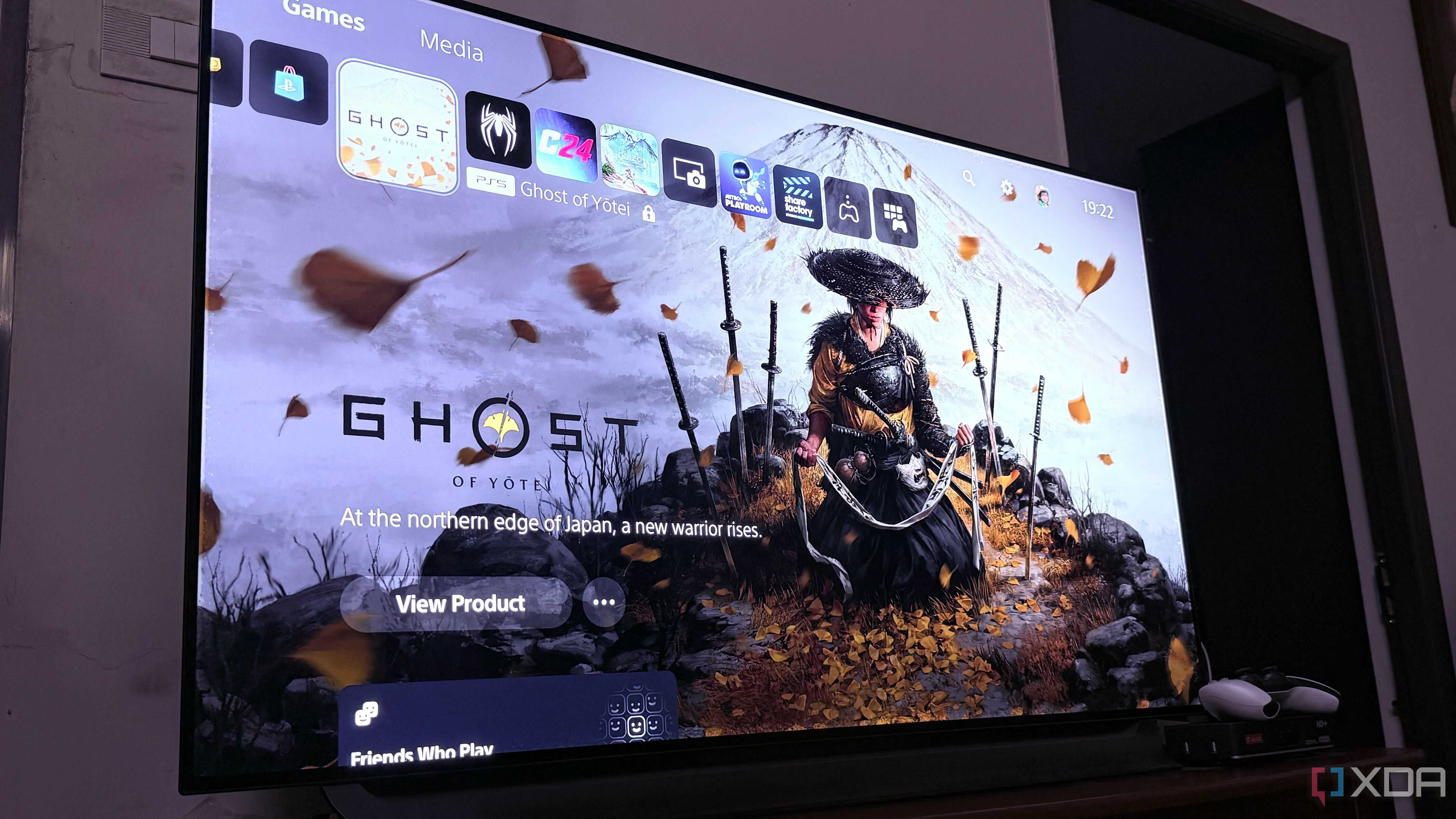
On the surface, TVs have gotten way smarter over the last 15 years. It started with internet connectivity and app-based content consumption, moving to advanced voice control, streaming apps, and interactive operating systems. However, your TV's software environment has been deteriorating for years. It kept adding features, but usability and satisfaction suffered relentlessly. All but the most expensive models still come with underpowered processors and insufficient RAM, which further contributes to a poor user experience.
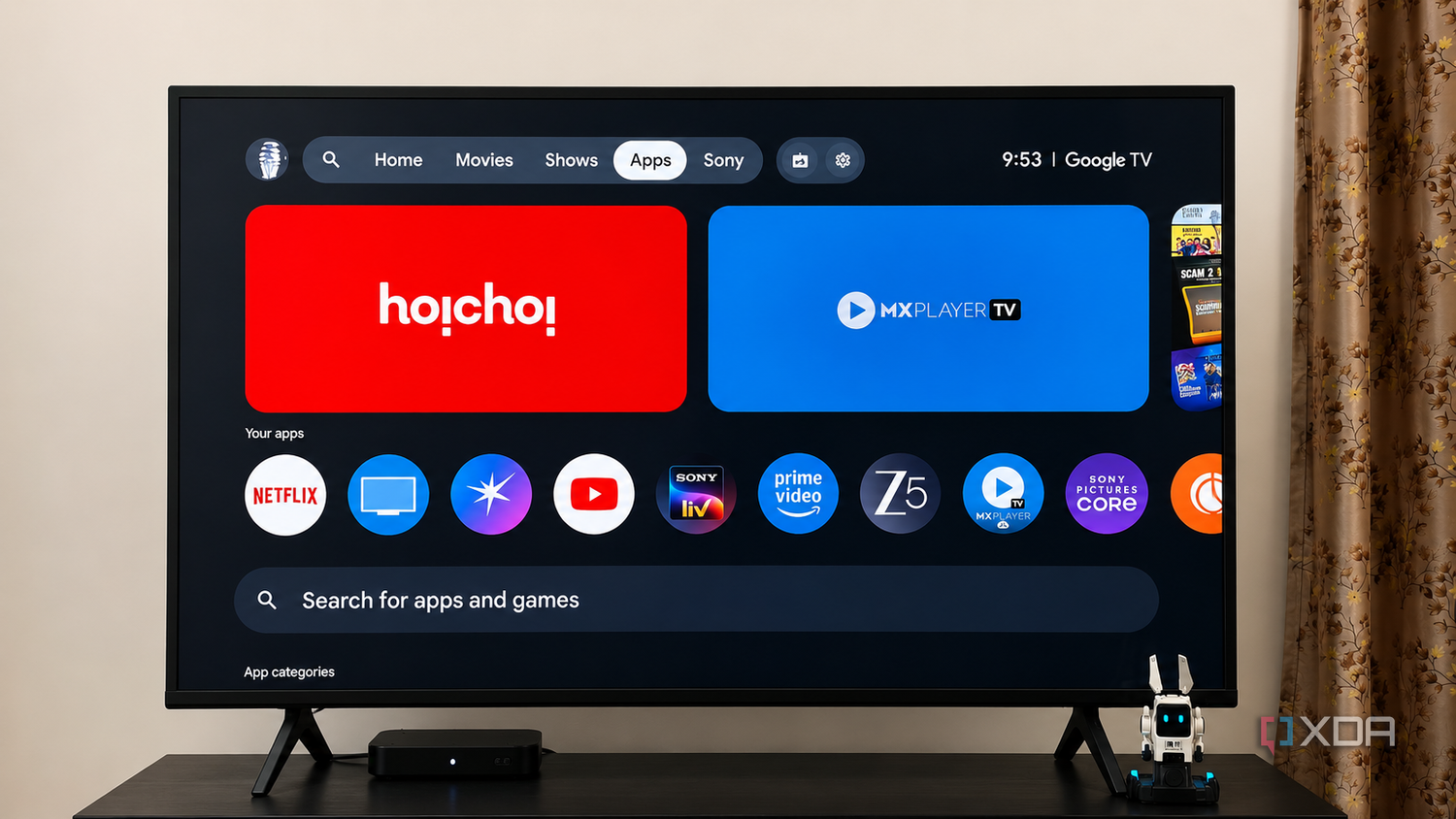
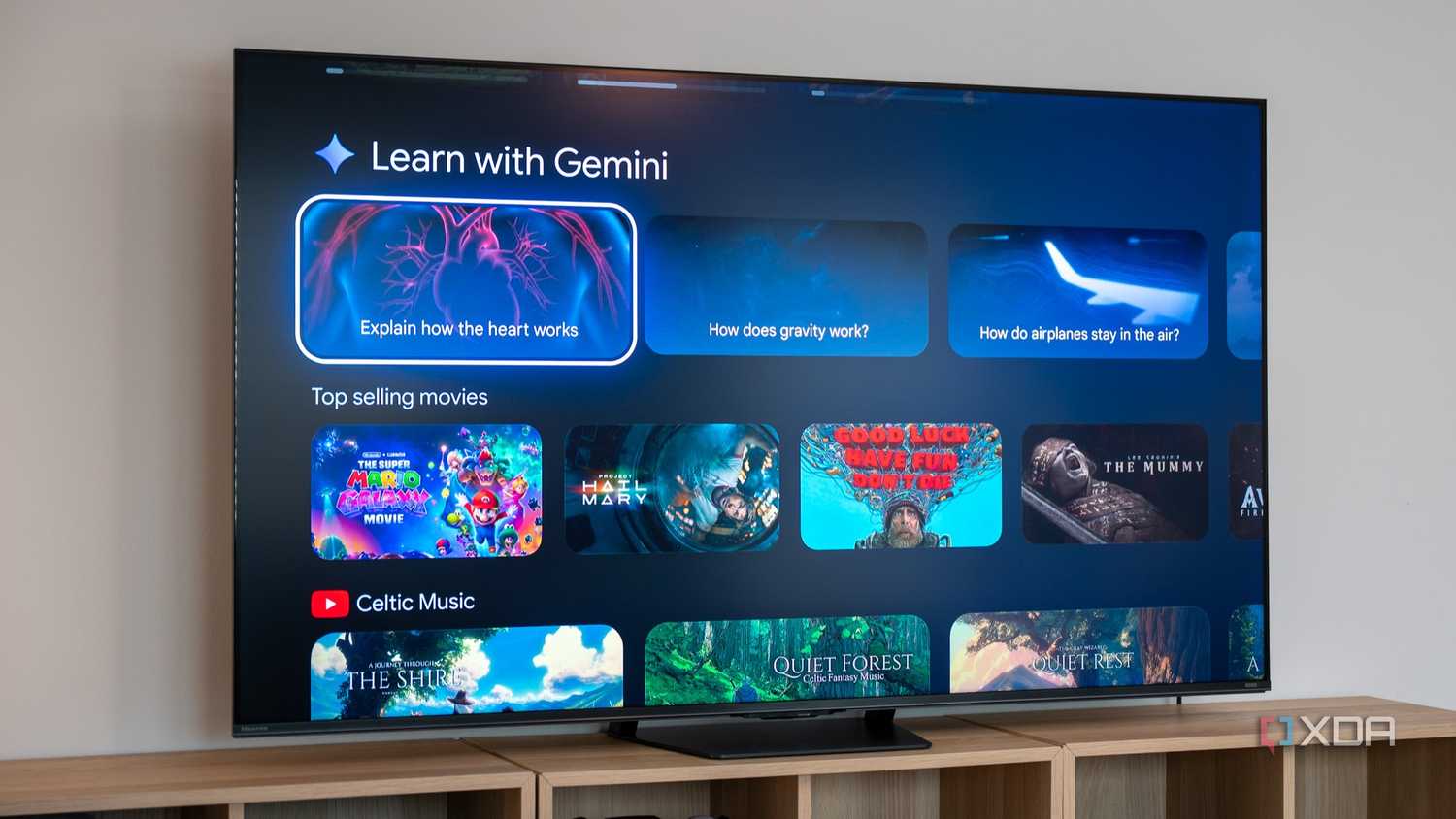
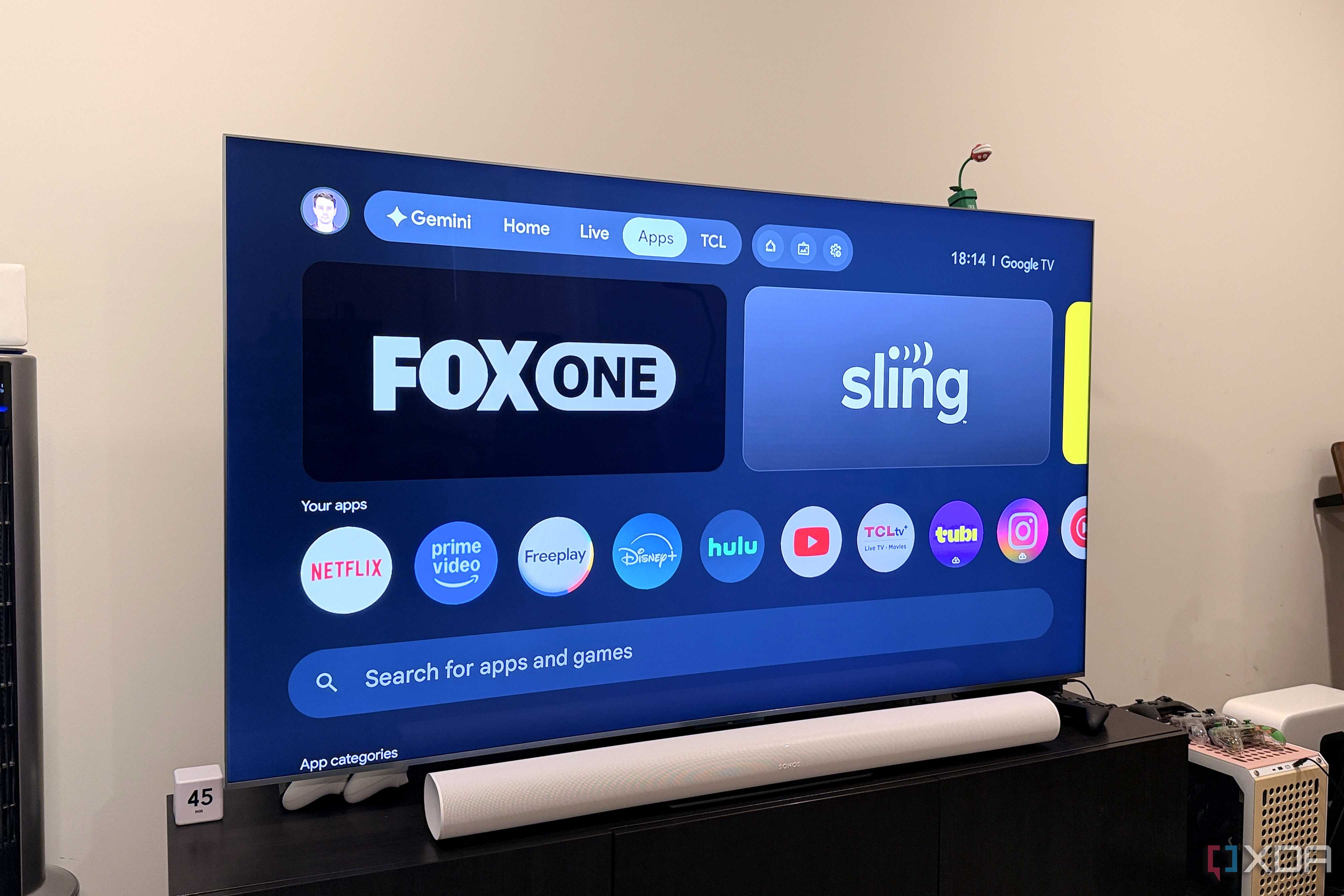
And this isn't even limited to budget brands. Even today, LG's webOS and Samsung's Tizen OS feel surprisingly slow and buggy. Sony, TCL, Hisense, and others have moved to Google TV, but that has its own challenges. While budget models suffer from familiar hardware limitations, premium models have to put up with Google TV's bloated ecosystem of content recommendations, live previews, intrusive ads, and data tracking.
In my case, the Hisense TV we bought back in 2020 worked fairly well for about a year or two, but later became a punishment. The reboot time kept increasing, the home screen was basically unusable for over a minute as the TV settled down, and navigating the UI and switching between the apps had become a major source of frustration.
Resetting the TV didn't help much, as everything reverted to the same subpar experience within a few months. We kept the status quo in place till mid-2024, when we decided that enough was enough. Upgrading the TV wasn't an option since we wanted a few more years out of the Hisense before investing over $1,000 in an LG or Samsung OLED TV. So, the only remaining solution was to get a streaming box.
I stopped trying to make my TV's built-in OS faster
Replacing it with Apple TV 4K was the best decision


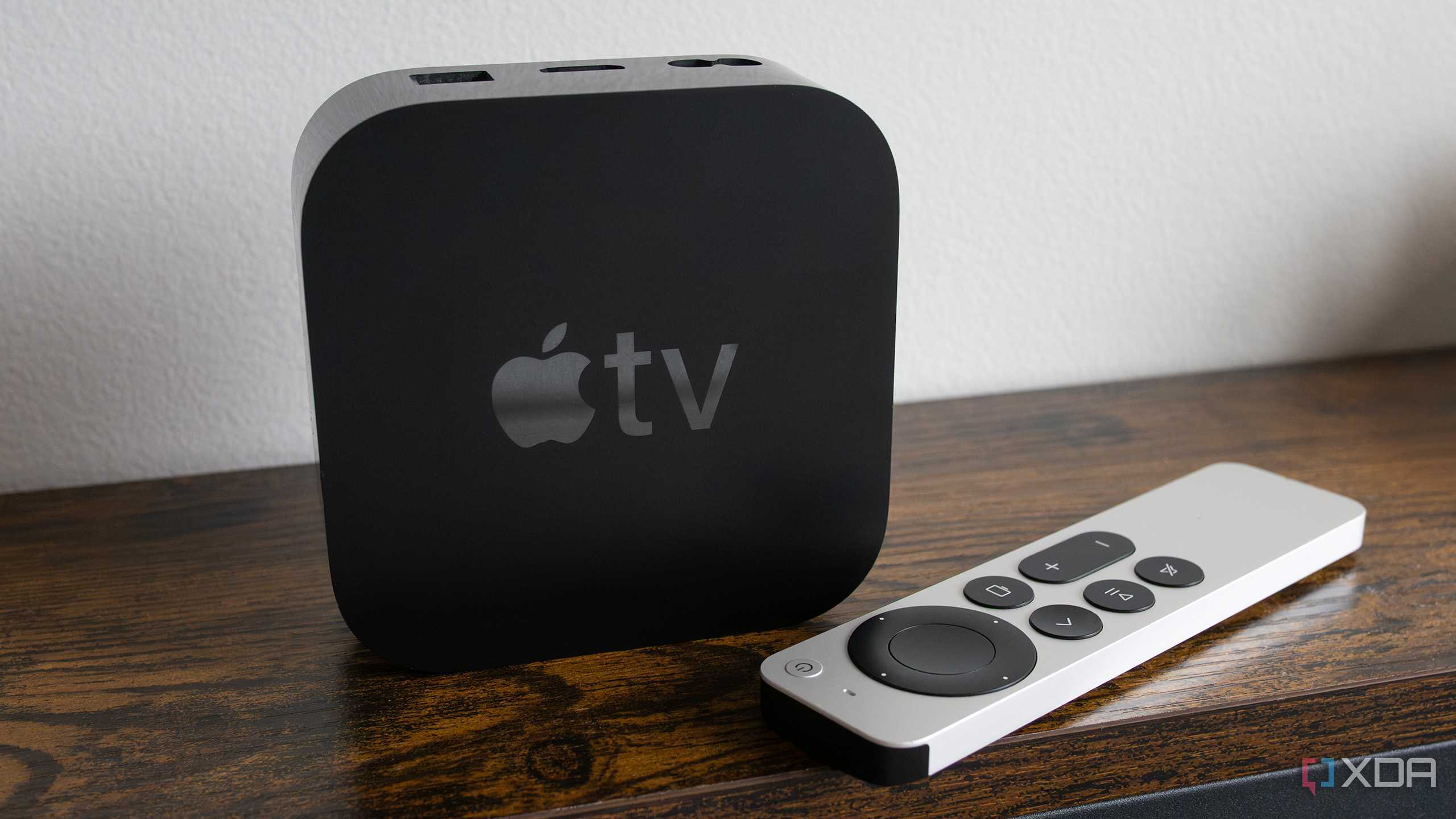
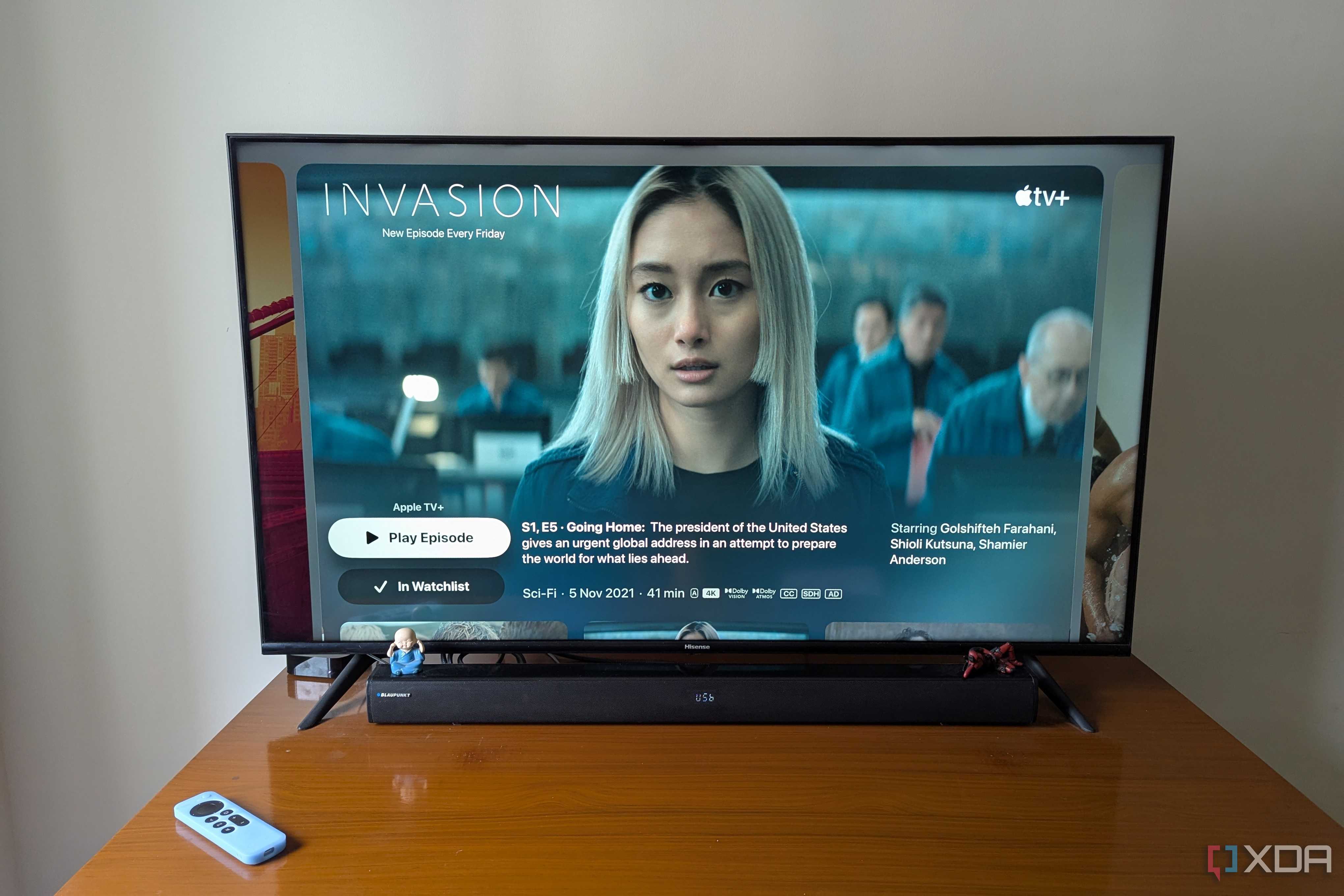
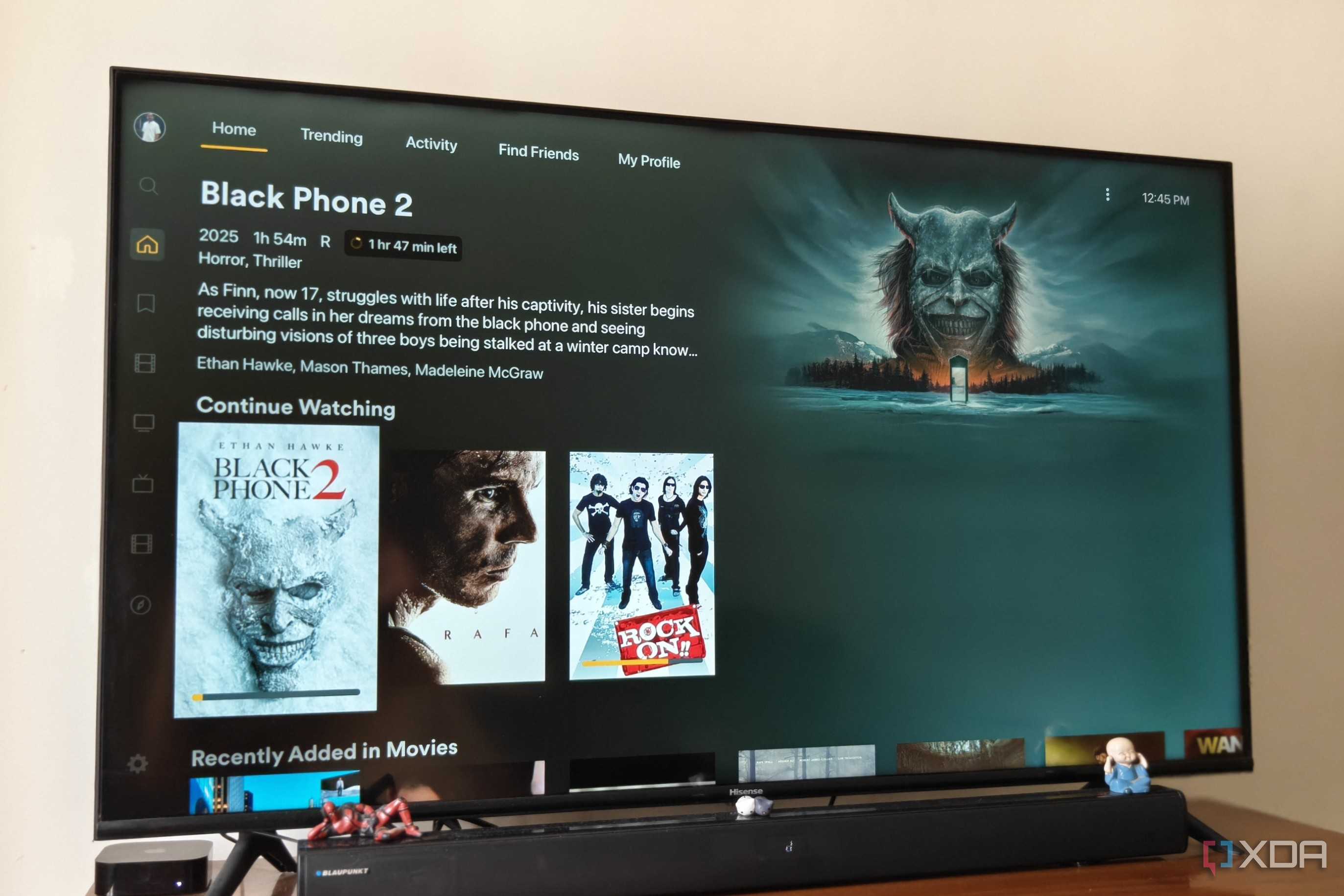

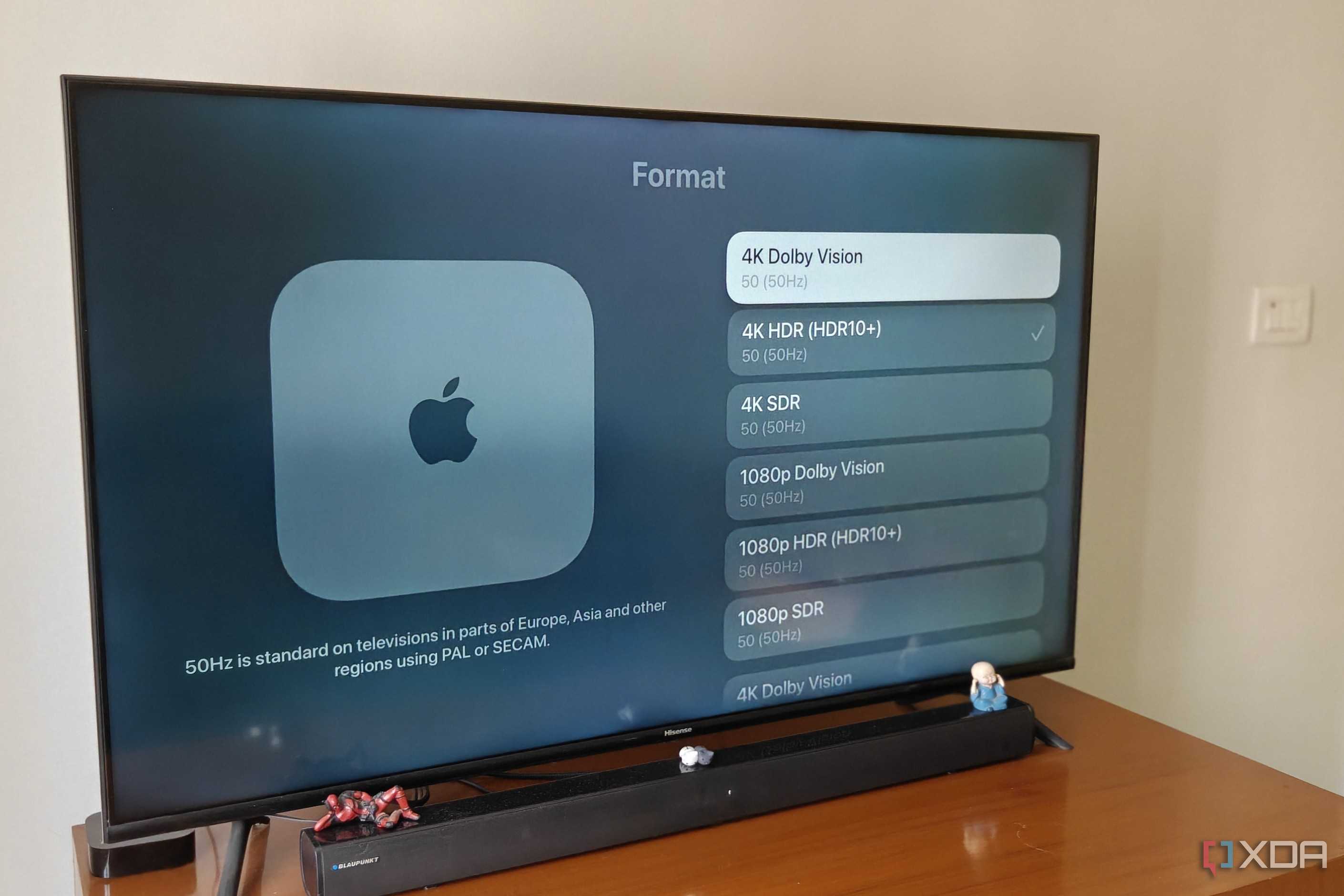
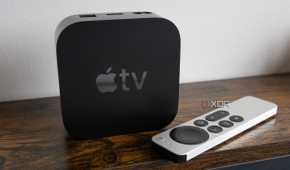

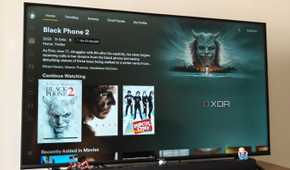
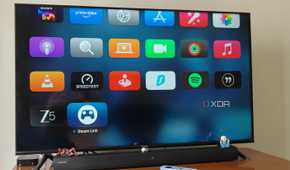
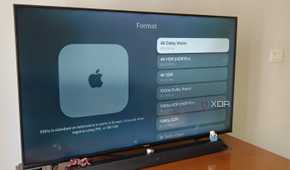
When it was time to choose the streaming device to buy, we didn't take long to pick the Apple TV 4K (3rd Gen). Of course, the Fire TV Stick 4K Max was also an option, but we already had multiple Apple devices in the house, so the Apple TV 4K felt like the obvious choice. It was much more expensive than any other streaming stick, but as we've realized after using it for two years, the investment has already paid enough dividends.
The Apple TV 4K has a completely different approach to the viewing experience. Since the company isn't subsidizing the box to recoup costs later, there's no Automatic Content Recognition (ACR), advertisements, or other forms of data tracking to worry about. The hardware and the subscriptions (Apple TV+ or others) are what the company cares about. The A15 Bionic chip is partly responsible for keeping everything running smoothly. The other part is tvOS, an uncluttered, seamless, and bloat-free environment that doesn't force anything on the viewer. Navigating the home screen, settings, and apps has been a delight in the absence of stutters, slowdowns, and crashes.
Even after a power cut, boot time takes a few seconds, and there's no waiting for the TV to get "warmed up." Apps that were traditionally slow on Android TV, such as Prime Video, run much faster on tvOS. I've also used Plex and Steam Link on our Apple TV 4K without any major performance or usability challenges. And with Apple's ecosystem, my partner can share her iPhone or MacBook screen on the TV instantly, every single time, something that was unimaginable on Android TV.
Lastly, the remote is undoubtedly the best one I've used on any TV, trimming everything down to the essentials. Using the clickpad to scrub through video timelines is something I miss on many other TVs. The Apple TV 4th Generation has been heavily rumored over the last few years, but even if it arrives soon, it won't be cheap, considering the massive price hikes seen on the 3rd Generation model recently.
The OS will not be a consideration even for my next TV upgrade
Apple TV 4K is here to stay



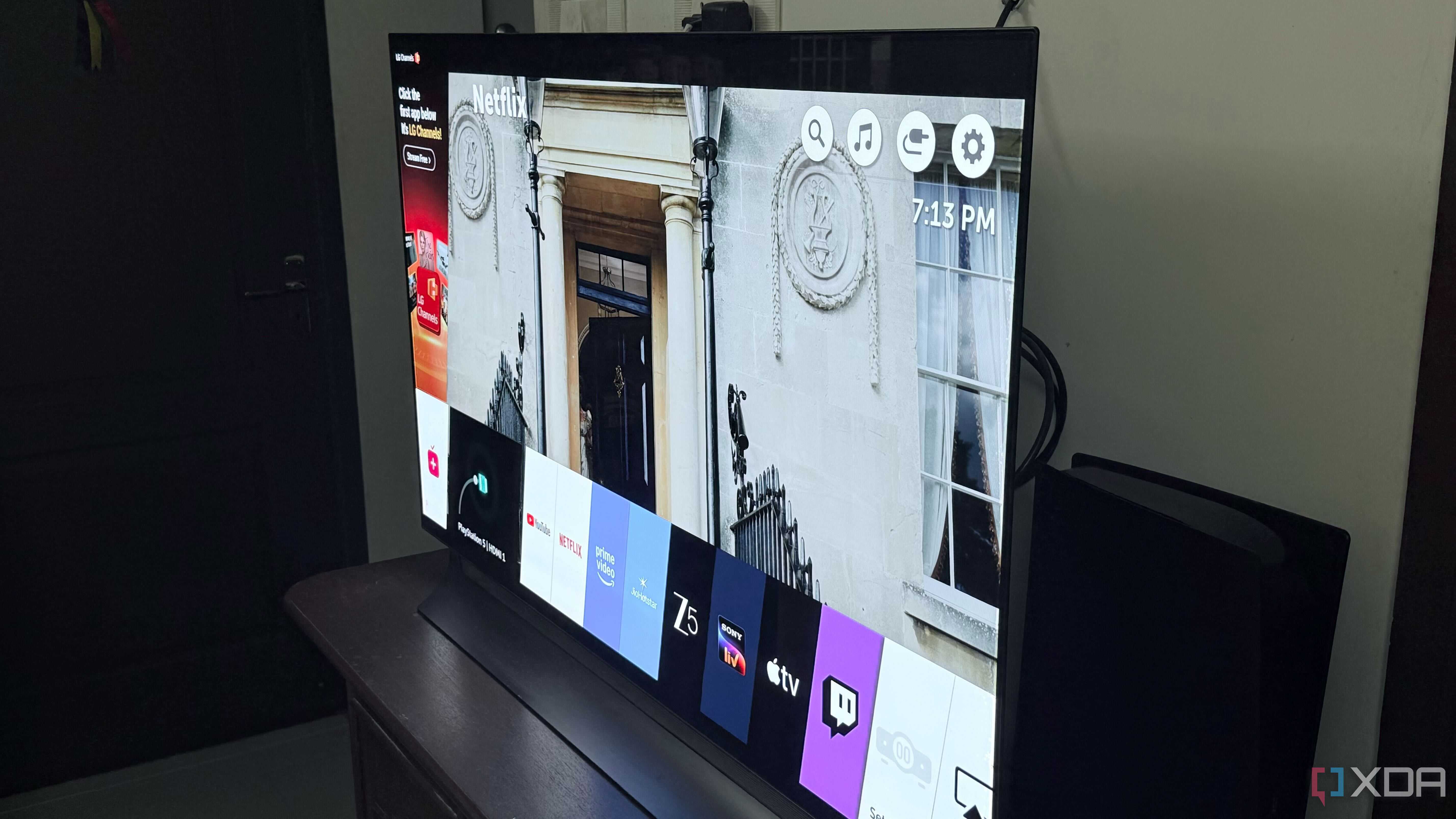
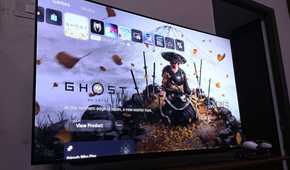

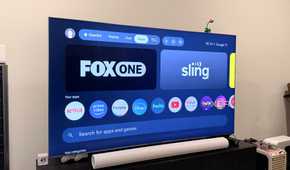
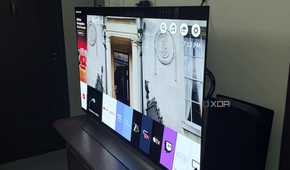
I've managed to bypass my Hisense TV's terrible OS experience with the Apple TV 4K, and it'll remain our primary OS even on our next TV. We'll switch to an OLED model from LG or Samsung in the next 2–3 years, but that will also mean using LG's webOS or Samsung's Tizen OS. These first-party operating systems are still shockingly sluggish, even on premium models, so our Apple TV 4K will continue to provide a superior experience.
We have no reason to switch to the more expensive Apple TV 4K (4th Generation) whenever it arrives. The current model does everything we need it to, has been a treat to use over the last two years, and we can comfortably make it last for at least another four. As for the 60 Hz refresh rate limitation, the 120 Hz or 144 Hz refresh rate of the next TV will always be there if I need it for a Steam Link session.
TV brands are incentivized to spy on you using ACR and stuff ads everywhere in their first-party OS. Google TV does the same, so the Apple TV 4K will remain a compelling option for people who value data privacy. Besides, its internals are more than sufficient to power anything you throw at it. It struggles when streaming heavy titles on Plex, but that's only for a small subset of files. I no longer have to worry about which software my TV runs because I'll never use it again.
The Apple TV 4K justifies its price and then some
Thanks to the smooth, ad-free, and uncluttered tvOS experience, the Apple TV 4K more than justifies its asking price (the old $129 more than the new $199, of course). I don't remember the last time an app crashed on the TV or the UI struggled to handle remote inputs. Whenever we upgrade to a new TV, the Apple TV 4K will render the built-in OS a non-issue, removing it from the purchase decision.
