


Summary
- Most smart TVs run old, low-power CPU cores (Cortex-A53/A55), causing laggy menus and slow app launches.
- Manufacturers prioritize panels and visible specs over faster CPUs because margins and buyers care.
- Think of a TV as a display first; use a streaming stick for snappier software as TV software outpaces hardware.
When you're shopping for a new TV, it's almost always the panel quality, brightness figures, refresh rate, feature set, and apps that take priority. As such, the processor is probably the last thing on your mind, because, let's face it, a premium TV is supposed to be about the panel, front and center.
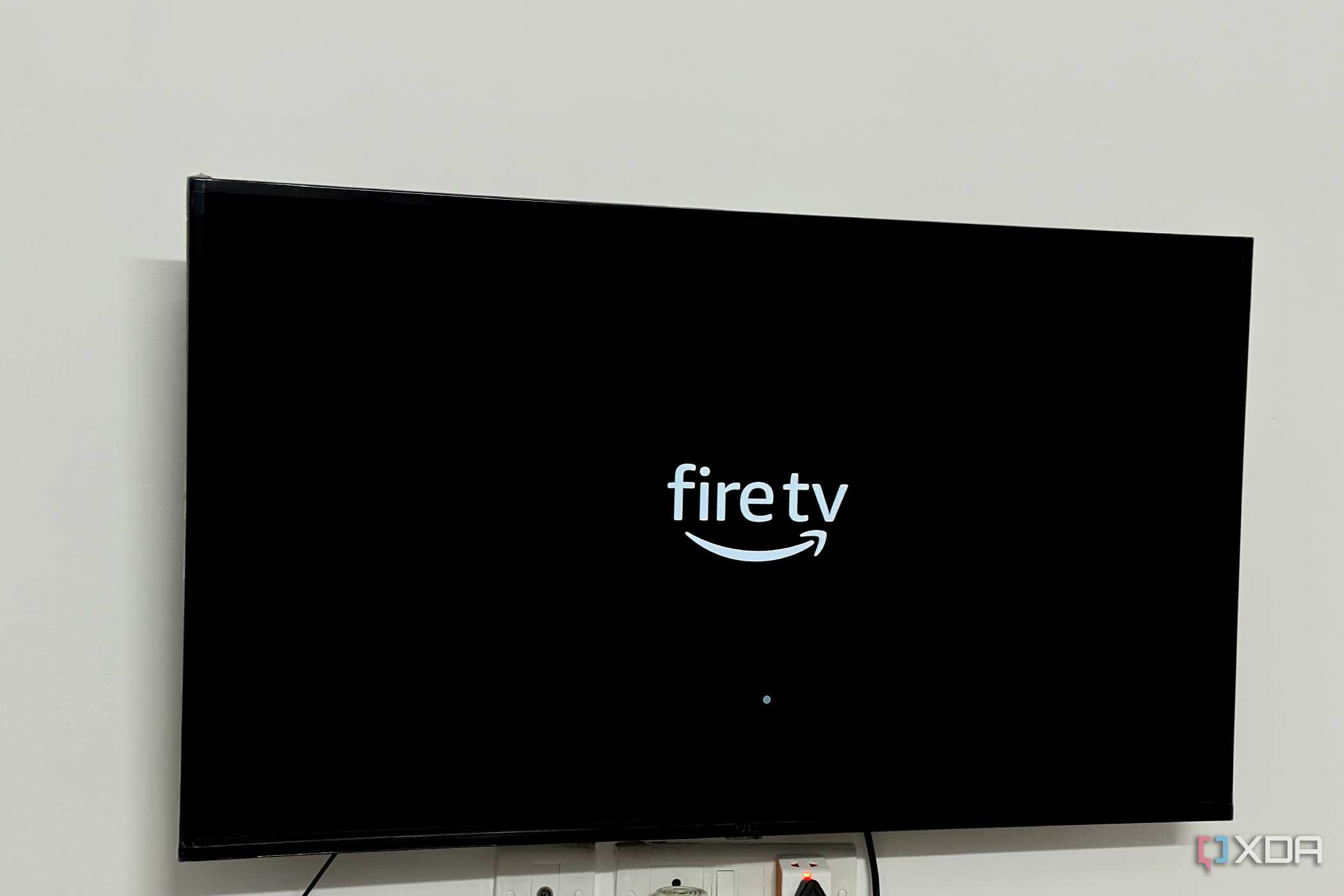
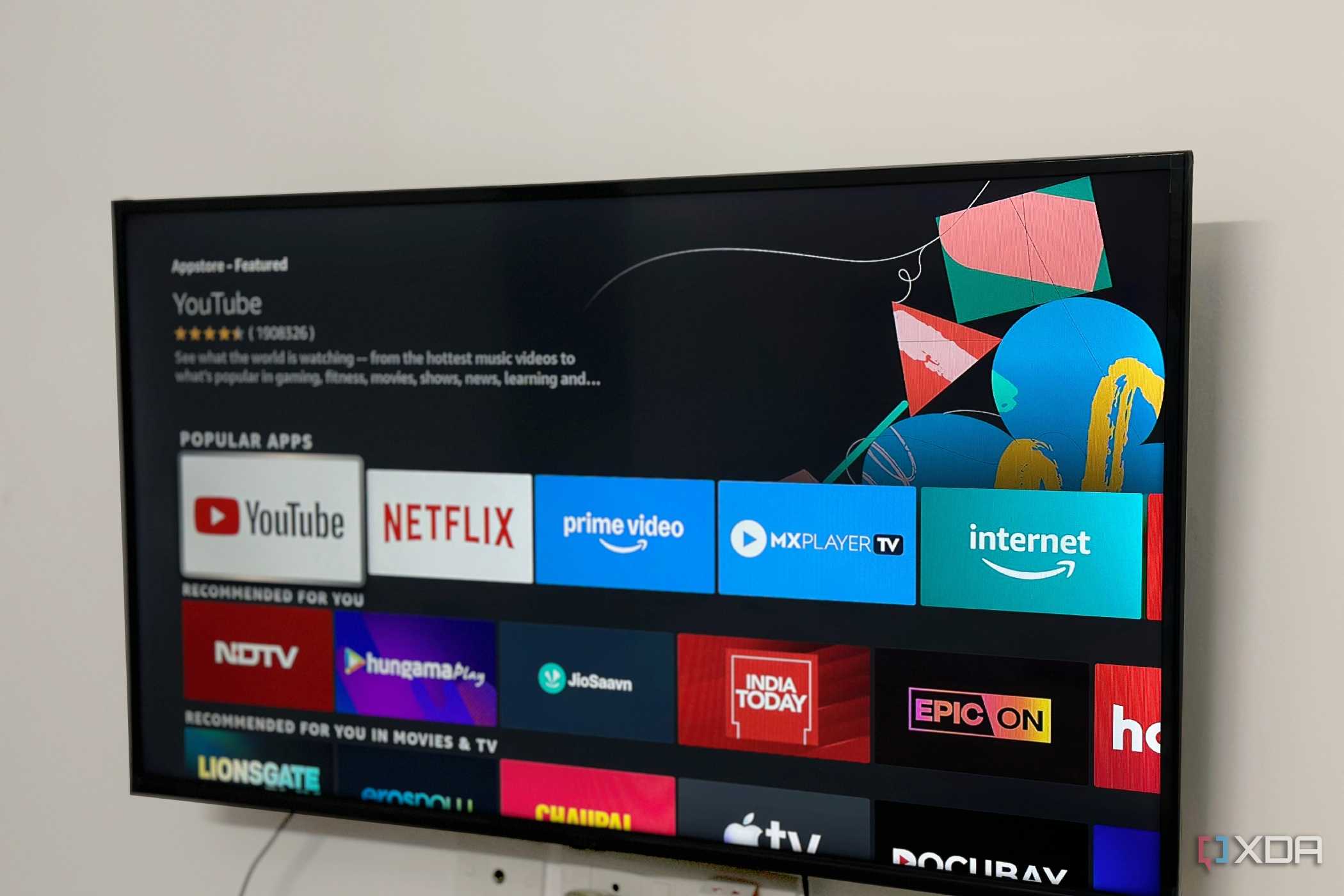
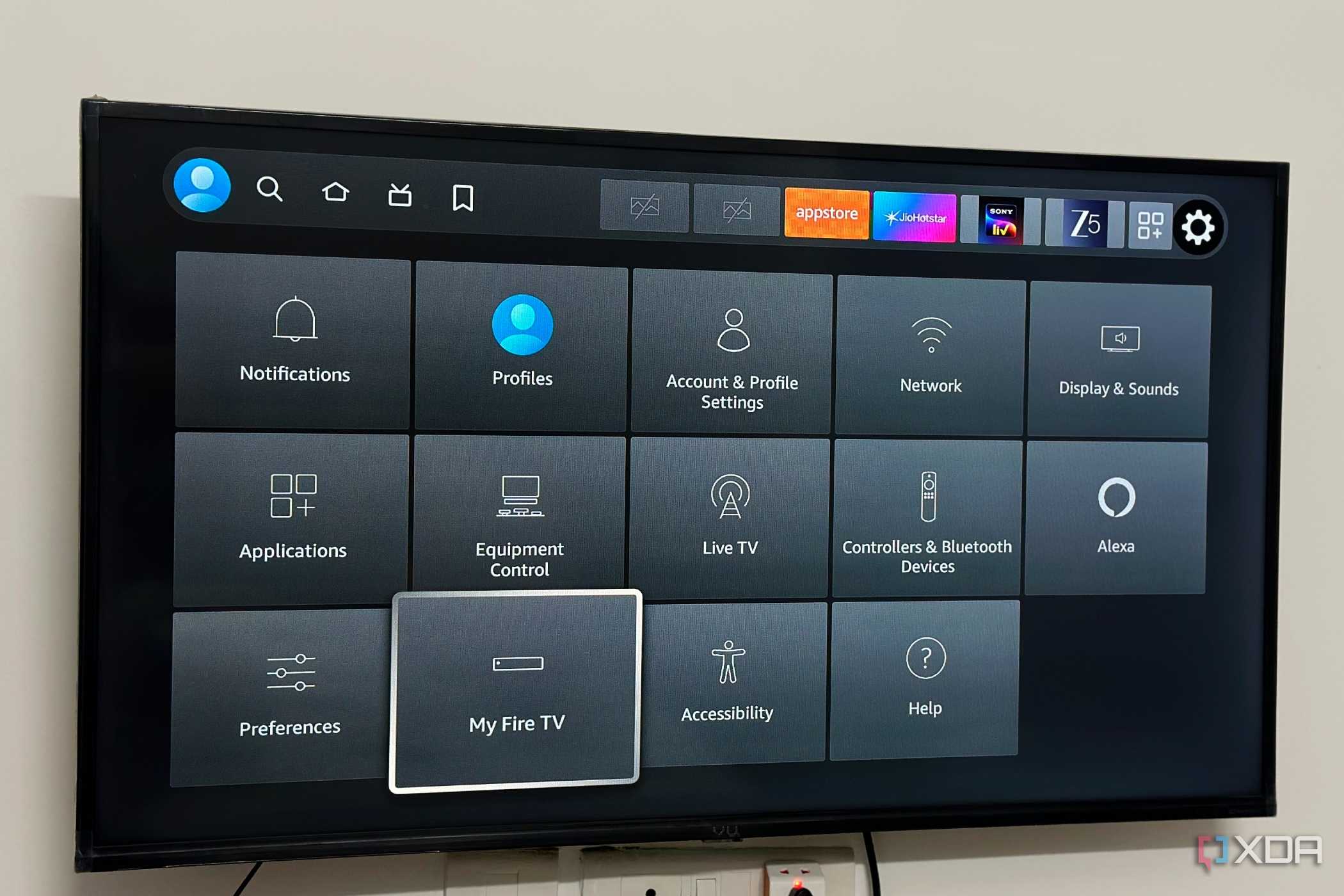
A few months later, though, you start noticing that apps take a second longer to open, the interface begins to stutter, and switching inputs or navigating through the settings menus becomes sluggish. At this point, most people assume it's just something smart TVs do and plug in their favorite streaming stick. But after looking into the chips that power our modern televisions, I discovered that many of them are running surprisingly old CPU architectures. Those slow menus began to make a lot more sense all of a sudden.
The same handful of CPU cores power most smart TVs on the market
The industry's dirty little secret is that TV processors barely change
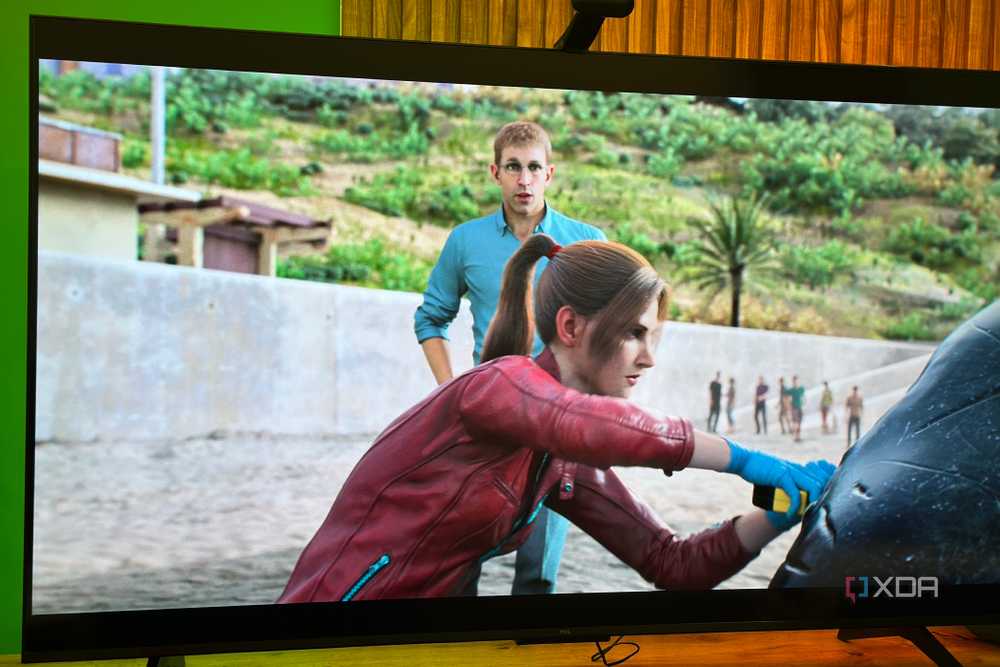
You'd be surprised to know that most modern TVs, even the ones you may have bought for over four figures, have the same CPU core hiding inside. MediaTek has spent years building an almost unbelievable level of dominance in the smart TV processor market. Its Pentonic family powers many premium televisions from major brands like Sony, TCL, and Samsung, while its older MT-series chips handle a humongous portion of the budget and mid-range market. On paper, all these TVs have different names and come from separate product tiers, but a peek under the hood makes the story a lot less exciting.
Across much of the market, the CPU inside is often built around ARM's Cortex-A53 or Cortex-A55 architectures. The former debuted all the way back in 2012, while the latter followed in 2017, making them 14 and 9 years old, respectively. Sadly, even when these chips launched, they weren't built with performance in mind and traded responsiveness for efficiency to keep power consumption as low as possible while still delivering acceptable performance. Now, on smartphones, processors frequently work in tandem with larger, faster cores that handle more demanding tasks, but in the TV space, processors have evolved at a much slower pace.
This isn't actually a budget-TV problem alone. Even your premium televisions that cost upwards of $1,000 can occasionally feel sluggish when navigating menus, installing and opening apps, switching input modes, or rendering the home screen. That doesn't mean premium TVs use the same hardware as entry-level models, but because software has advanced much faster than TV processors, the TVs stutter and lag regardless. To decode a 4K Netflix stream, a TV doesn't need cutting-edge silicon; mid-range, older-built chips do the job. But when manufacturers end up piling on advertising panels, voice assistants, streaming hubs, and entire operating systems with custom skins on the same chips, it results in delayed app launches and stuttering home screens.
Don't expect your smart TVs to have smartphone-grade processors
It's the panel that sells the TV, not the silicon

As difficult as it might be to reconcile the idea that a television costing well over $1,000 could ship with a processor that's over a decade old, or wouldn't look at all impressive even in a mid-range budget smartphone from four years ago, it's simply the truth. That's because comparing smart TVs to smartphones is the wrong way to look at it. Smartphone buyers have been conditioned to care about chips because Apple, Qualcomm, and MediaTek spend millions on convincing their consumers that performance matters, which, frankly, it does.
On the other hand, television buyers look at entirely different specs, even if they're the same person who combed through the spec list when buying a phone. Comparing OLED against Mini-LED, measuring peak brightness, checking local dimming zones, and counting the HDMI ports are what matter to the average TV buyer, and certainly not the processor or its release date.
This is simply because picture quality ultimately sells a television. Nobody walks into a store asking whether a TV is powered by a Cortex-A55 or something newer. You simply ask how bright it can get, what the refresh rate is, and how soon it can be mounted in your living room. Manufacturers are well aware of this, which is why the majority of their engineering resources and component budgets go into improving the display itself. Sure, it's the processor you interact with daily, but it's still the panel that gets the TV into your shopping cart.
TV makers have little to no incentive to spend more on compute hardware
All thanks to thin margins and forgiving customers


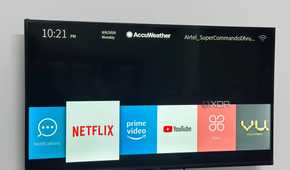
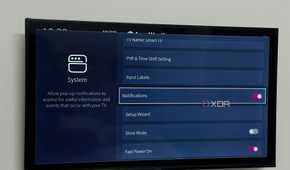
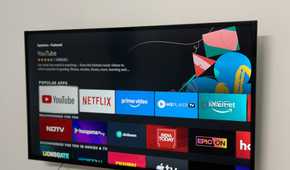
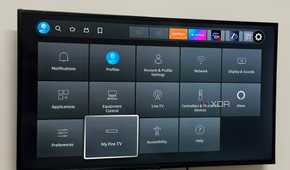
There's another piece to this puzzle: economics. Television margins have never been particularly generous, owing to an incredibly competitive market that drives prices down. So the dollars we wish had been spent on faster processors and more RAM have to come from somewhere. Unfortunately, for power users and enthusiasts, those upgrades don't photograph well on a showroom floor. What's immediately visible is a brighter panel or better HDR with deeper colors, while a CPU that opens Netflix a couple of seconds faster isn't.
There's also the reality that most consumers don't notice the problem right away. In fact, many smart TVs feel perfectly responsive when they're brand new. When the slowdown eventually hits, it creeps in a few months later as apps accumulate and caches fill up. So, by the time this lag becomes noticeable, most people simply accept it as part of the smart TV experience. I myself factory reset my last smart TV three times over the course of four years, ultimately resolving the matter by plugging in a streaming stick and moving on. Either way, manufacturers simply aren't receiving a strong signal from the market to prioritize faster TV CPUs.
Smart TVs are victims of the cheap-Android-phone problem
Software keeps growing while the hardware barely moves

A decade ago, even the most premium TV with a gorgeous panel didn't need to moonlight as a media hub, because users mostly plugged in their consoles, PCs, or streaming sticks right after purchase. Now, however, smart TVs need to do far more than that. A simple menu for launching Netflix or Prime has now evolved into a 2026 smart TV that ships with a sprawling interface chock-full of recommendations, advertisements, live TV integration, personalized feeds, and countless background and telemetry services. Bottom line: television software grows more ambitious and complex every year, and it's getting a little heavier, too.
And yet, the hardware underneath has rarely ever kept pace. That's the same problem that cheap Android phones face. They tend to become very frustrating, very soon, because the software evolves much faster than the hardware powering it. That's the same trajectory as smart TVs'. We can't look at smart TVs as displays with a few streaming apps anymore. Now, they are trying to function like giant Android tablets mounted to the wall, and sadly, they're trying to do this with hardware that was never designed for that role in the first place.
Maybe we've been buying smart TVs the wrong way
The more I looked into TV processors, the more I understood why dedicated streaming devices continue to exist despite every television being marketed as "smart." The software experience is an integral part of the product, and that's what we all know. But in the market, the makers have identified what most buyers really care about: not the hardware that powers the aforementioned software.
That's why it seems the smarter approach is to view a television (pun intended) as a display first and a computer second. A great panel can remain enjoyable for years, but the software attached to it probably won't.
