


High-end motherboards provide the most fertile ground for manufacturers when it comes to marketing meaningless features. Enthusiasts might know how to differentiate between marketing fluff and genuinely useful features, but motherboard brands know how to trick everyone else into buying more motherboard than they'll ever need. Repackaging old features under new and impressive names, adding "gaming" to almost everything, and overusing the term "AI" have now made motherboard marketing go off the rails.
"Gaming" features are still fooling gullible consumers
Old is gold


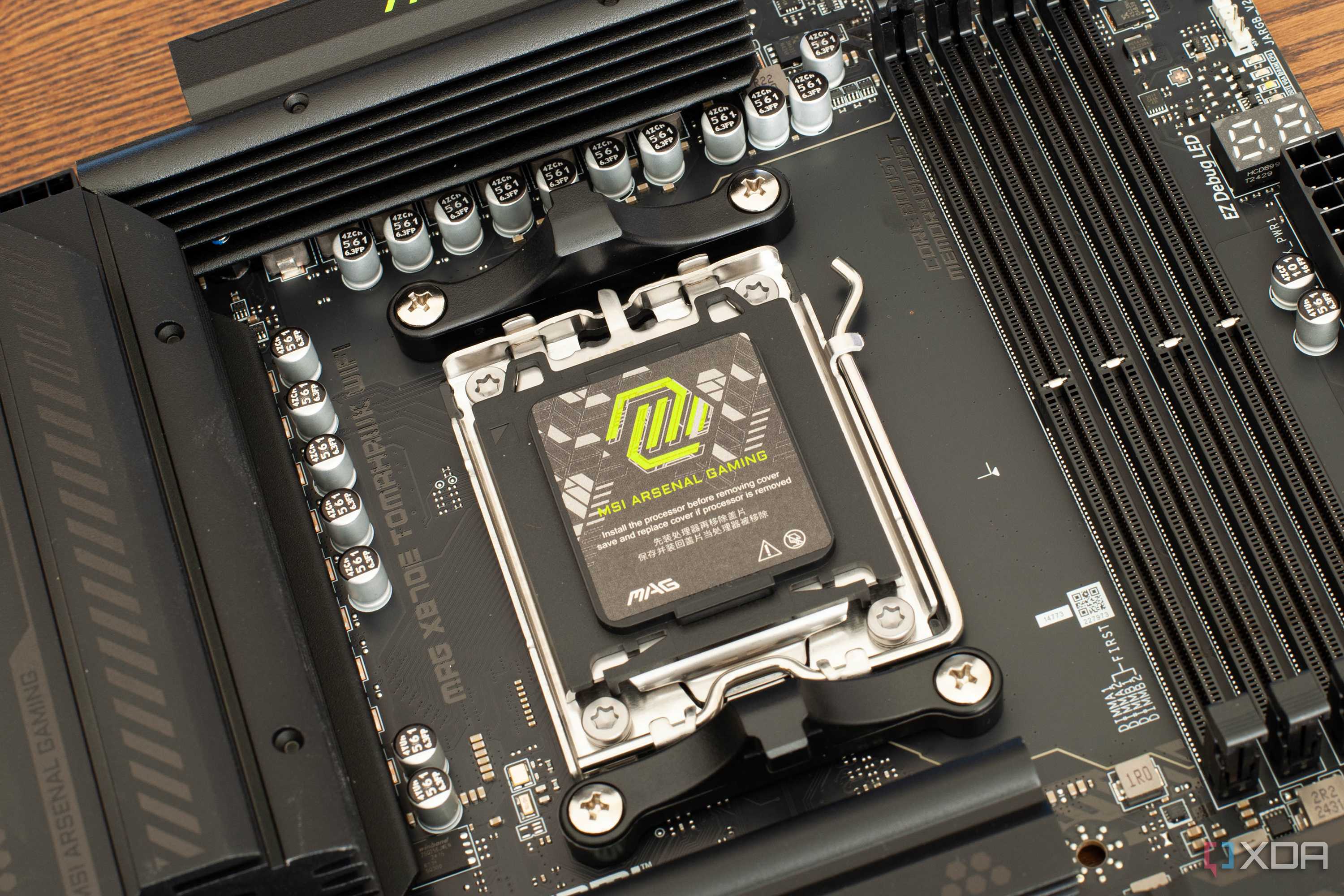
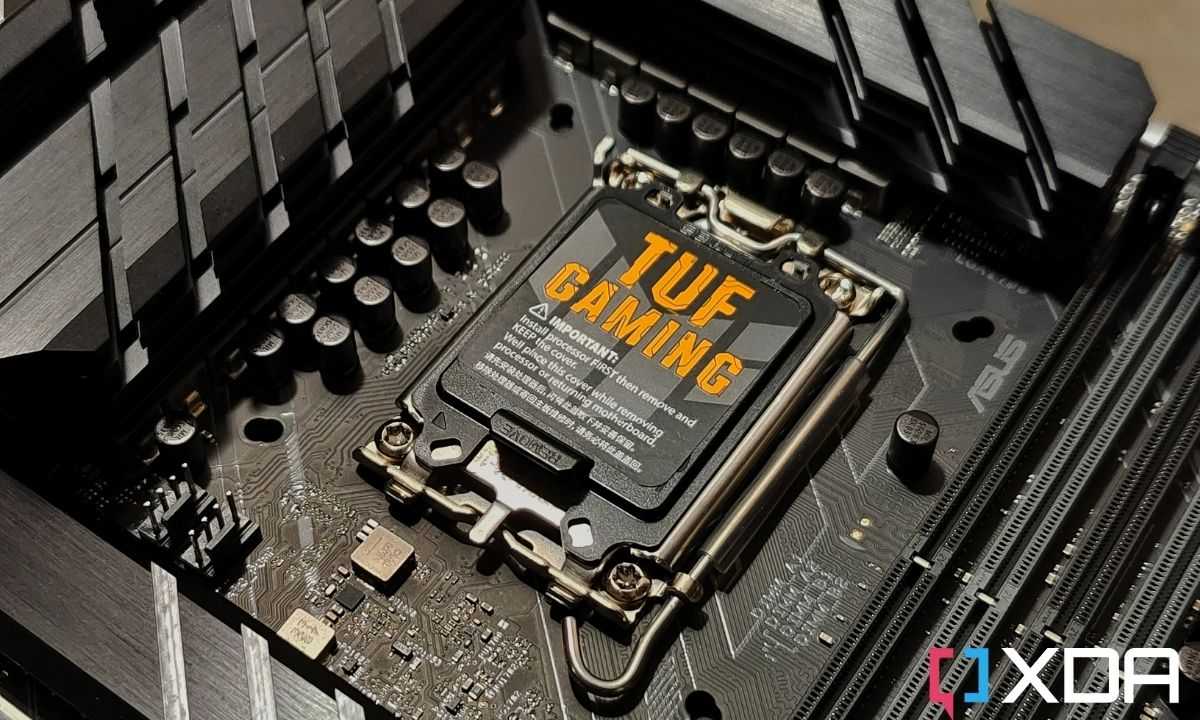
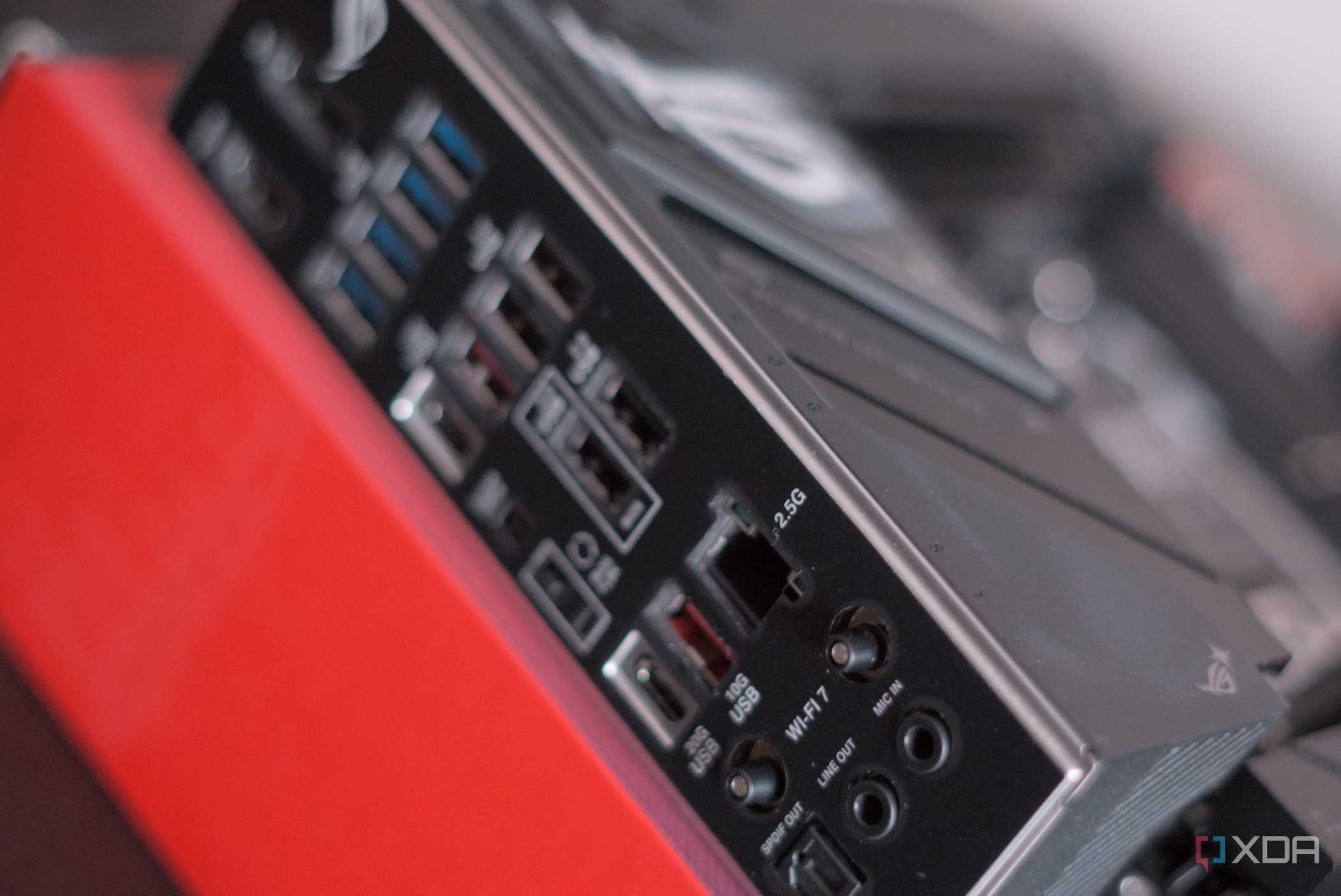
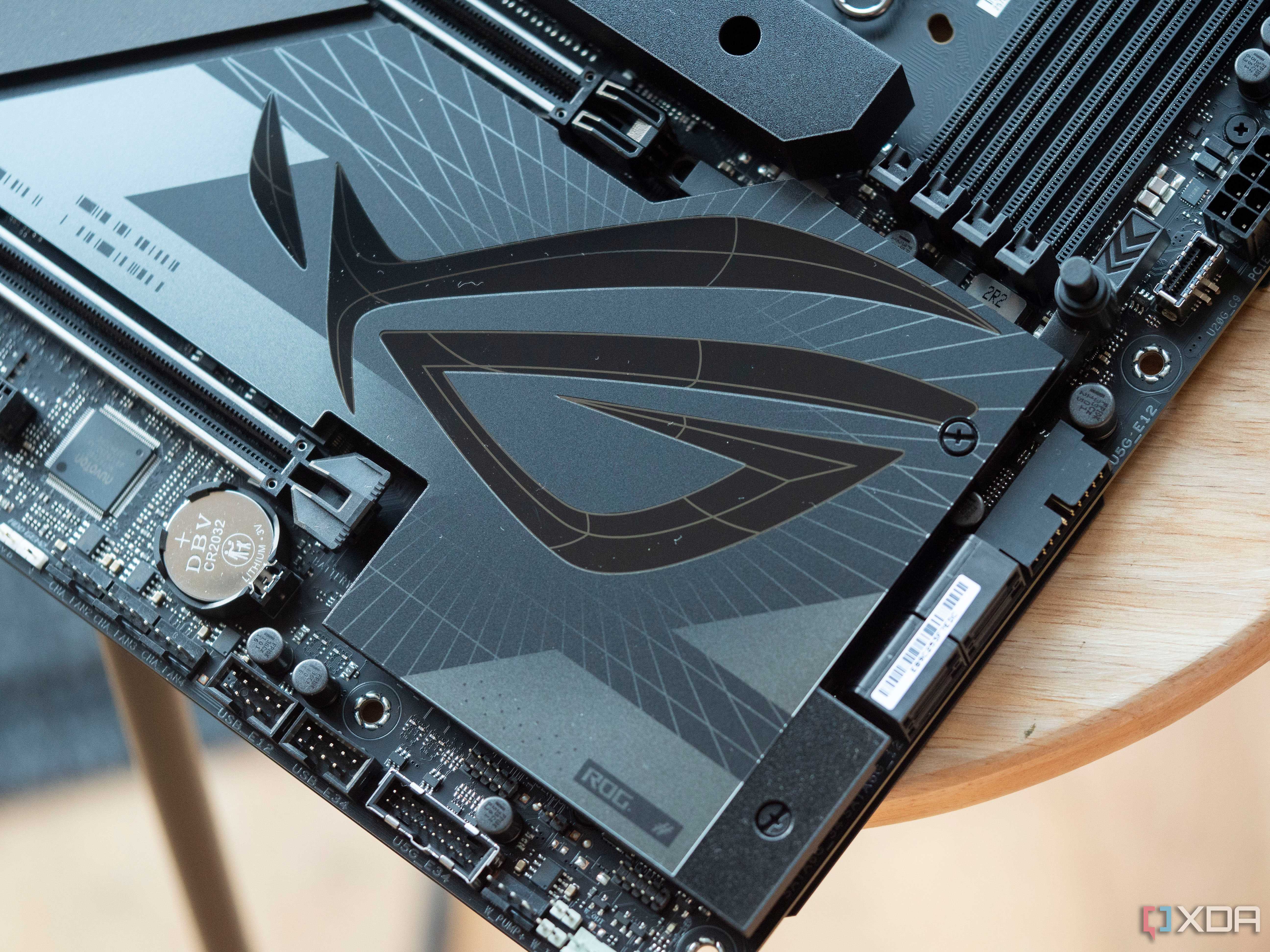
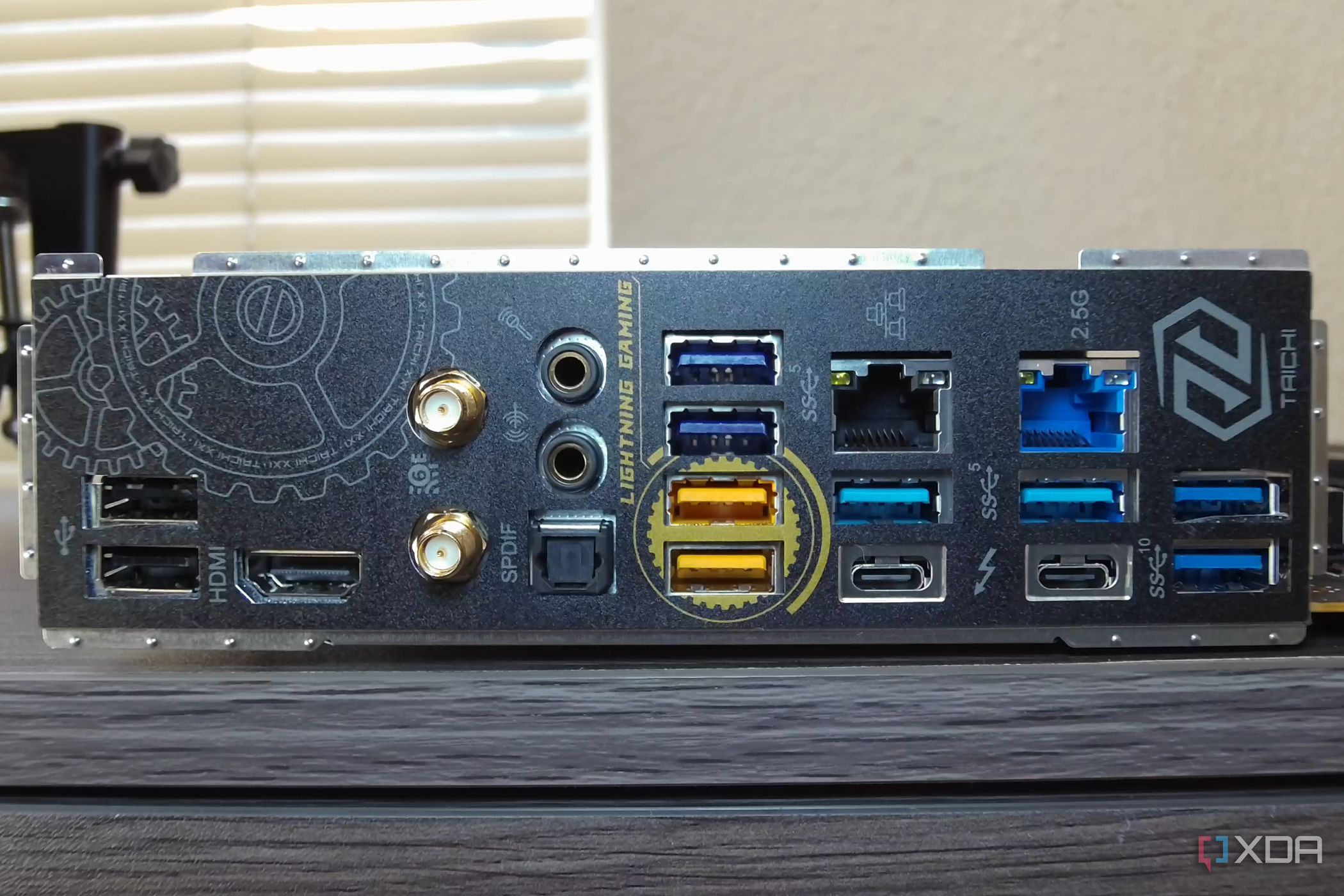

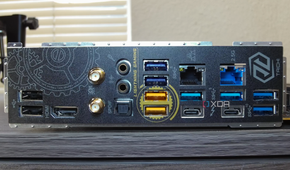
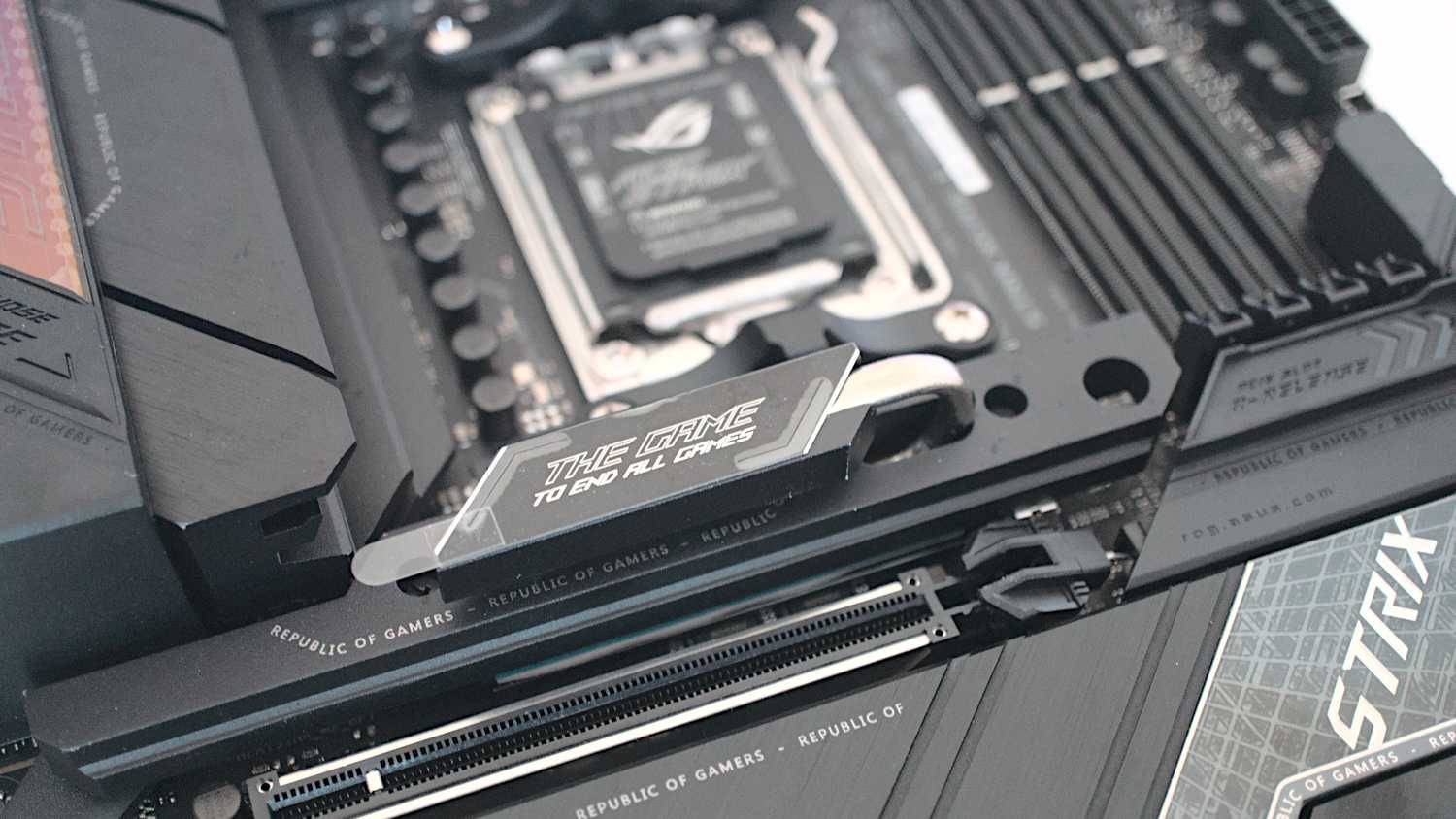
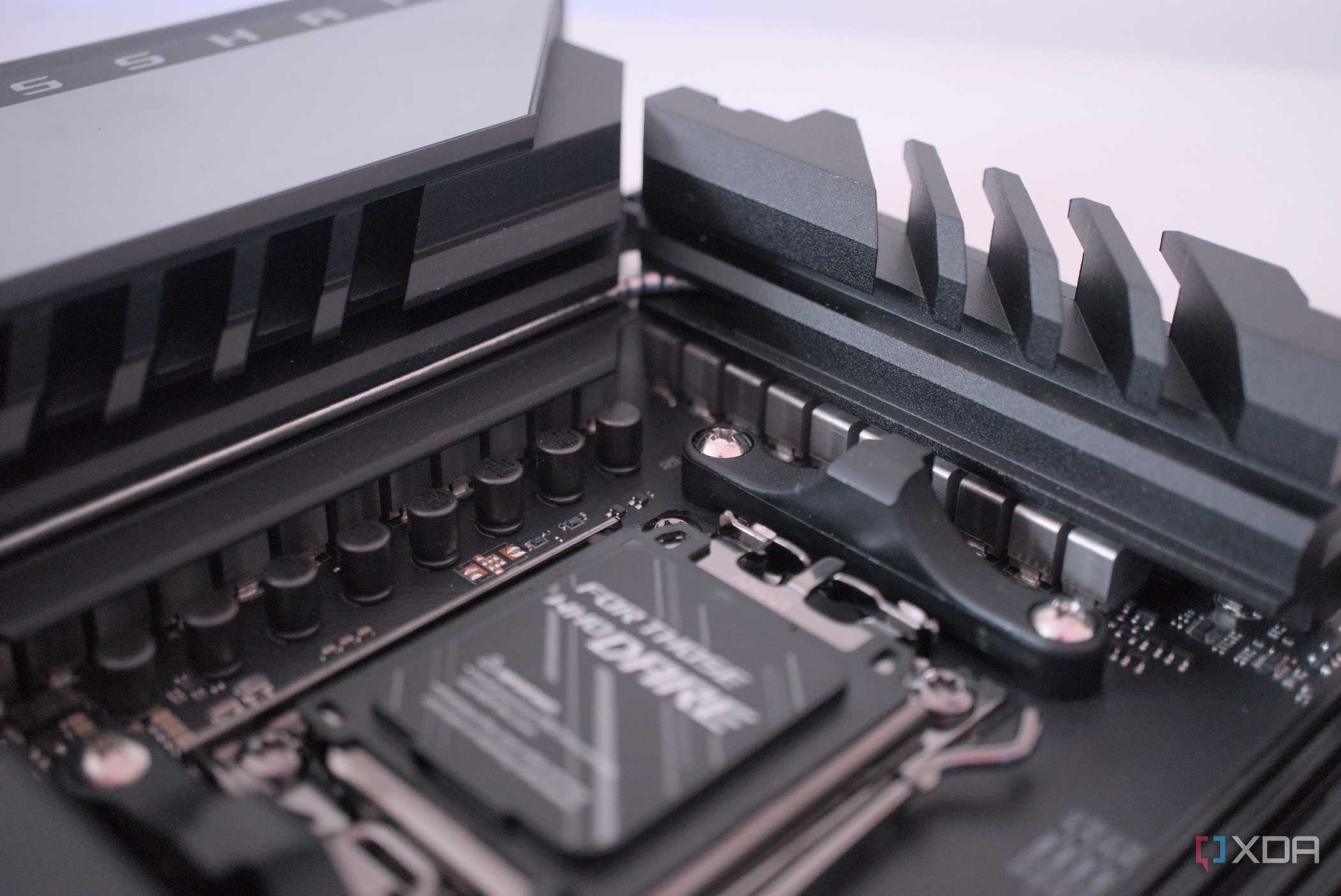
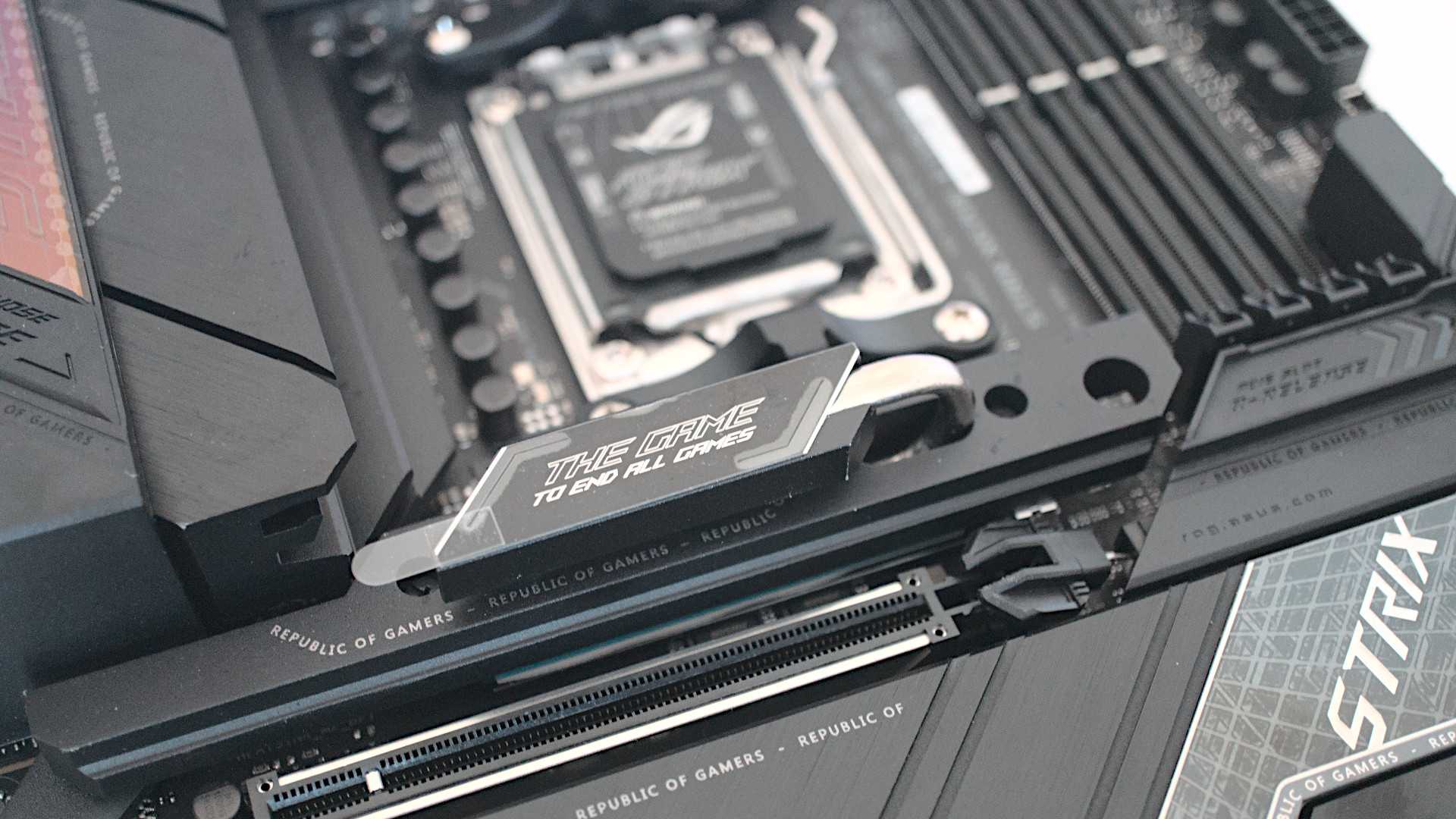
For the majority of gamers who have no intentions of overclocking their CPU or installing high-end CPUs, the motherboard has the least impact on performance. Still, the word "gaming" is used by motherboard brands to convince gamers that their PC performance will suffer without "gaming-grade LAN" or "gaming audio". Experienced PC users know that such claims need to be ignored, but unsuspecting consumers can easily fall for "gaming edition" motherboards with nothing but fancy paint jobs, and meaningless terms like "RAM boost" and "gaming-grade power delivery".
Almost every single one of these gaming "features" is nothing but minor tweaks to existing hardware repackaged as something game-changing. All you need to confirm before buying the right motherboard for your PC is that it supports your CPU, it can sufficiently power your CPU, RAM, and other components, it has the I/O and connectivity features you really want, and it hasn't been flagged as terrible by reliable third-party reviewers. Most people don't need to spend over $200 on a motherboard, and even enthusiasts who need high-quality VRMs and multi-gig Ethernet will be fine with a $300 motherboard.
Military-grade durability and VR-ready motherboards???
What next — solar-powered and gold-infused motherboards?
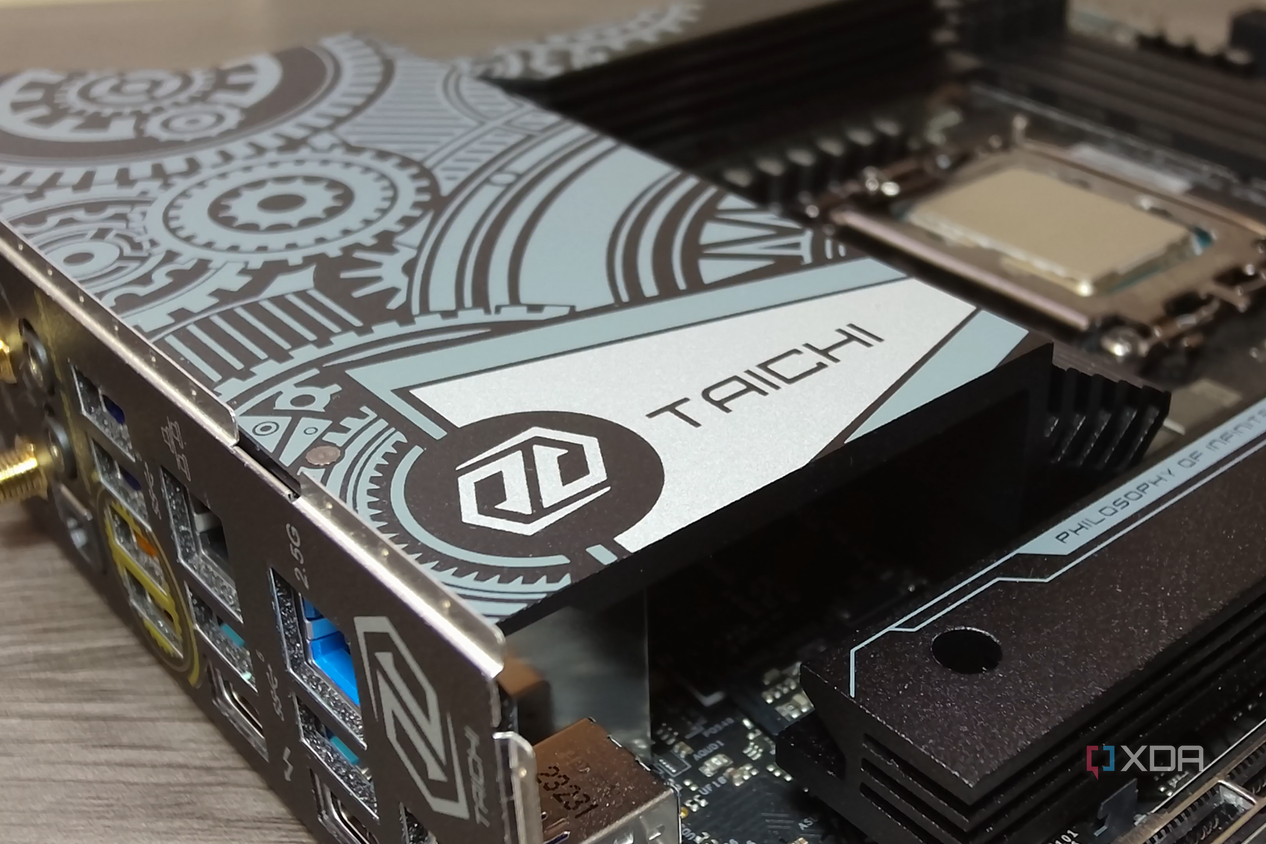
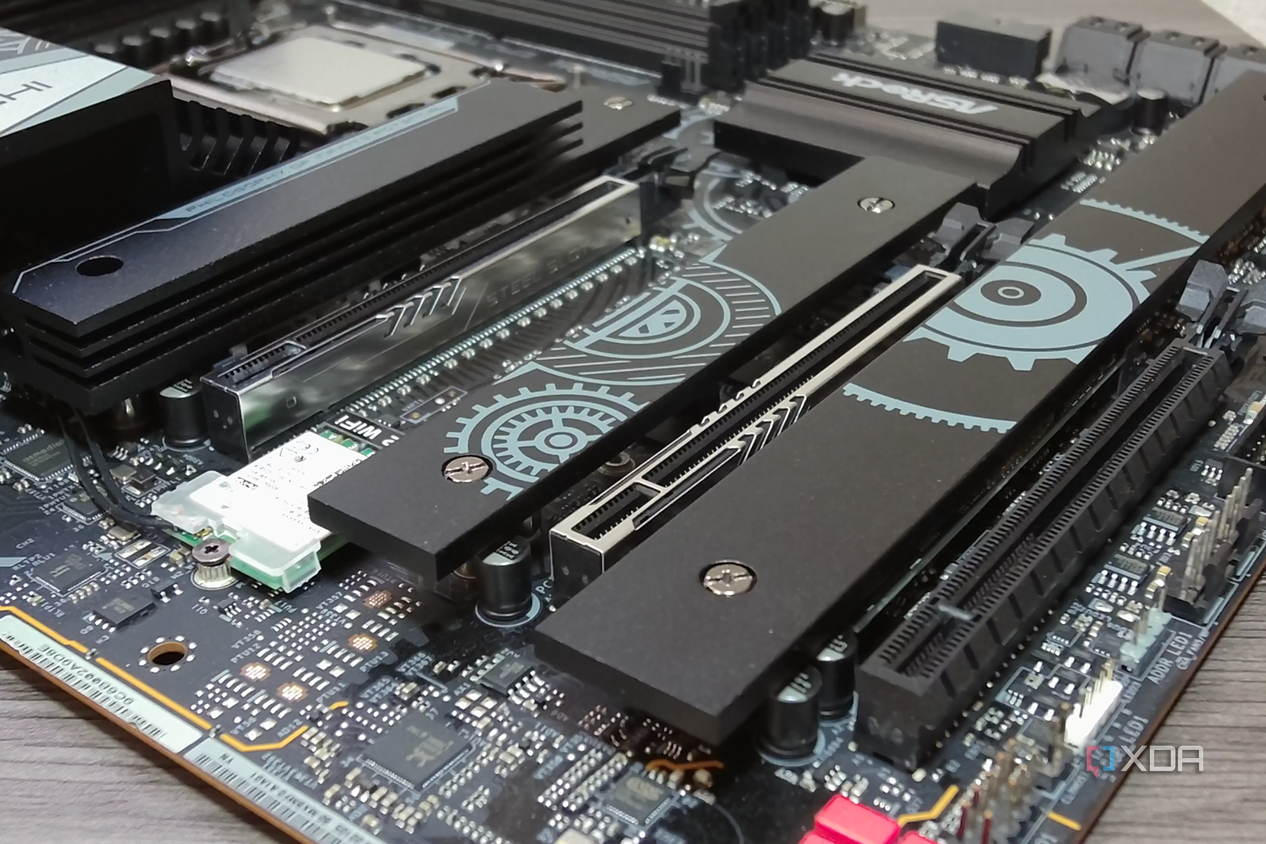
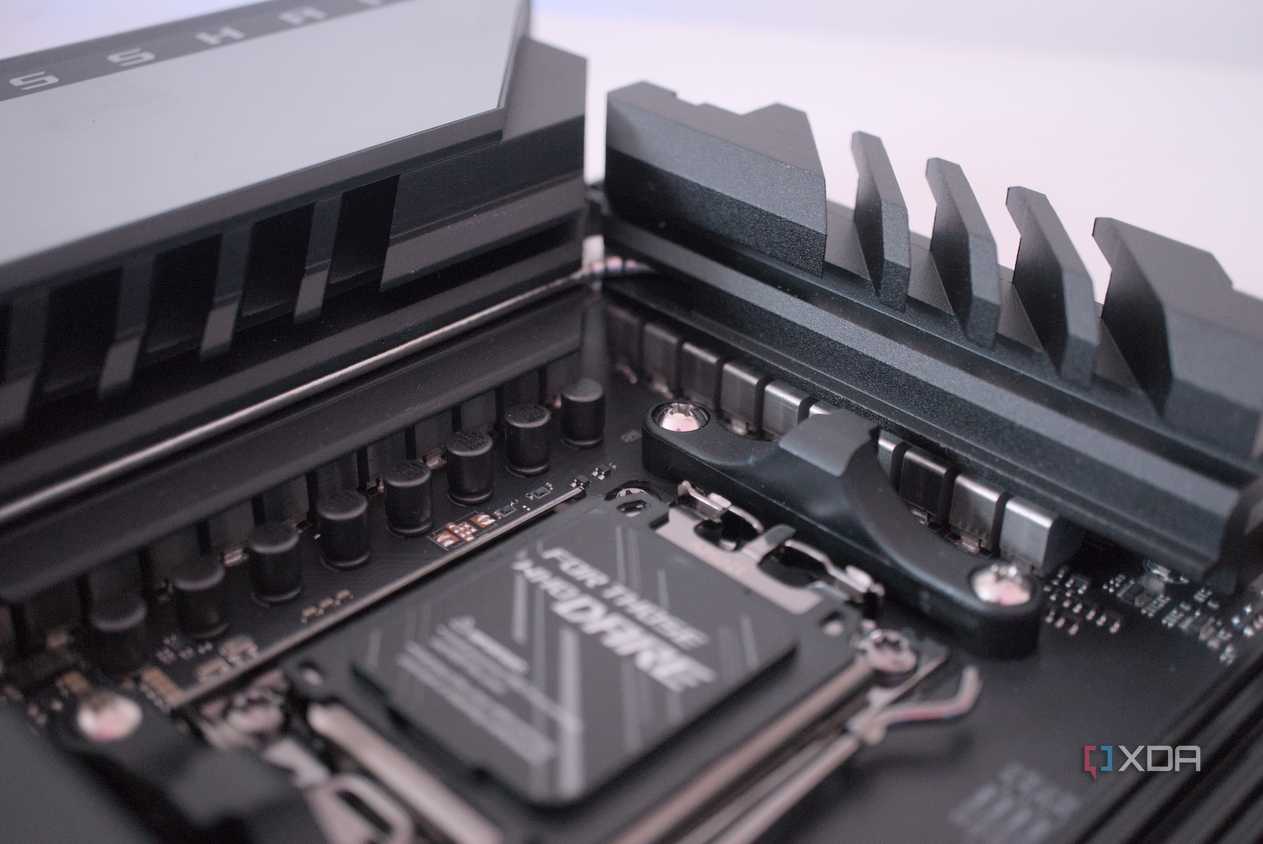
Source: XDA-Developers 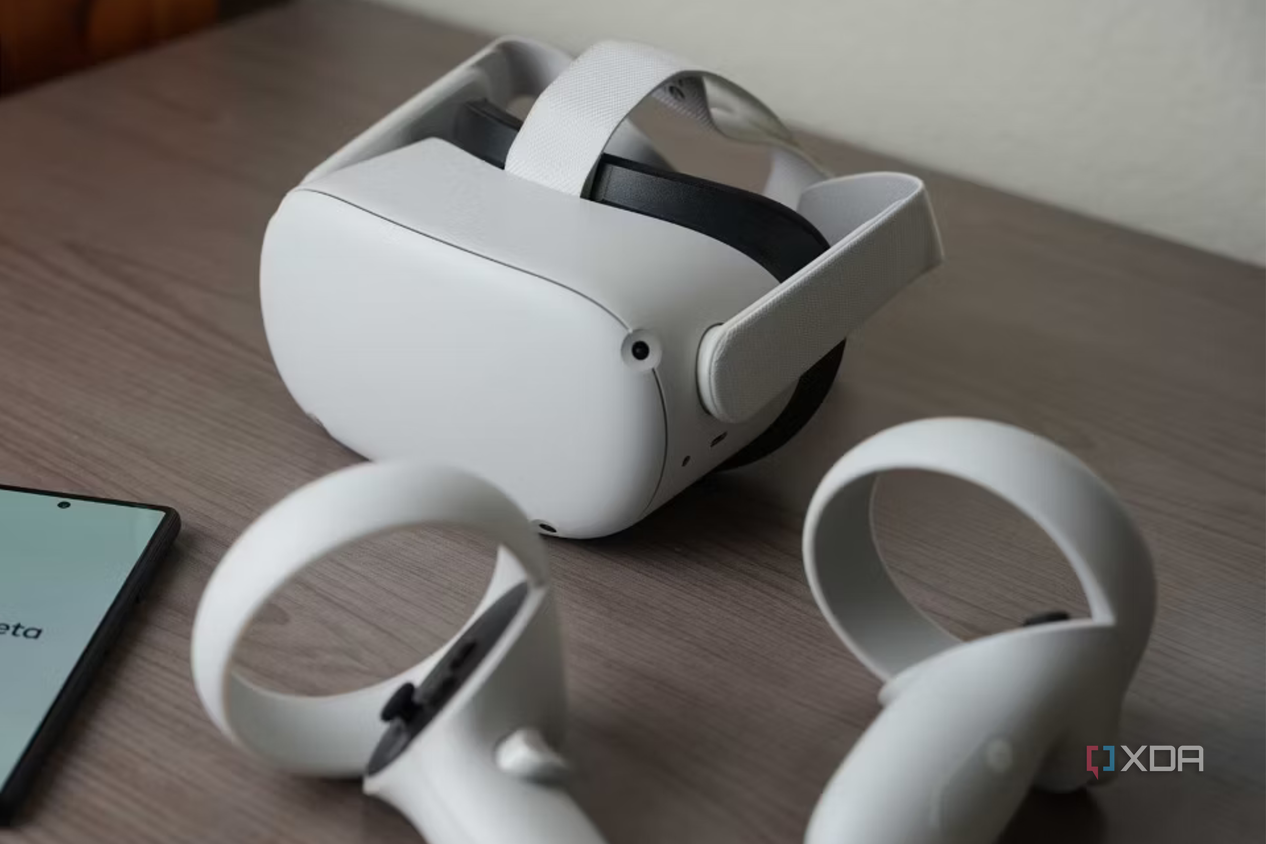


Source: XDA-Developers 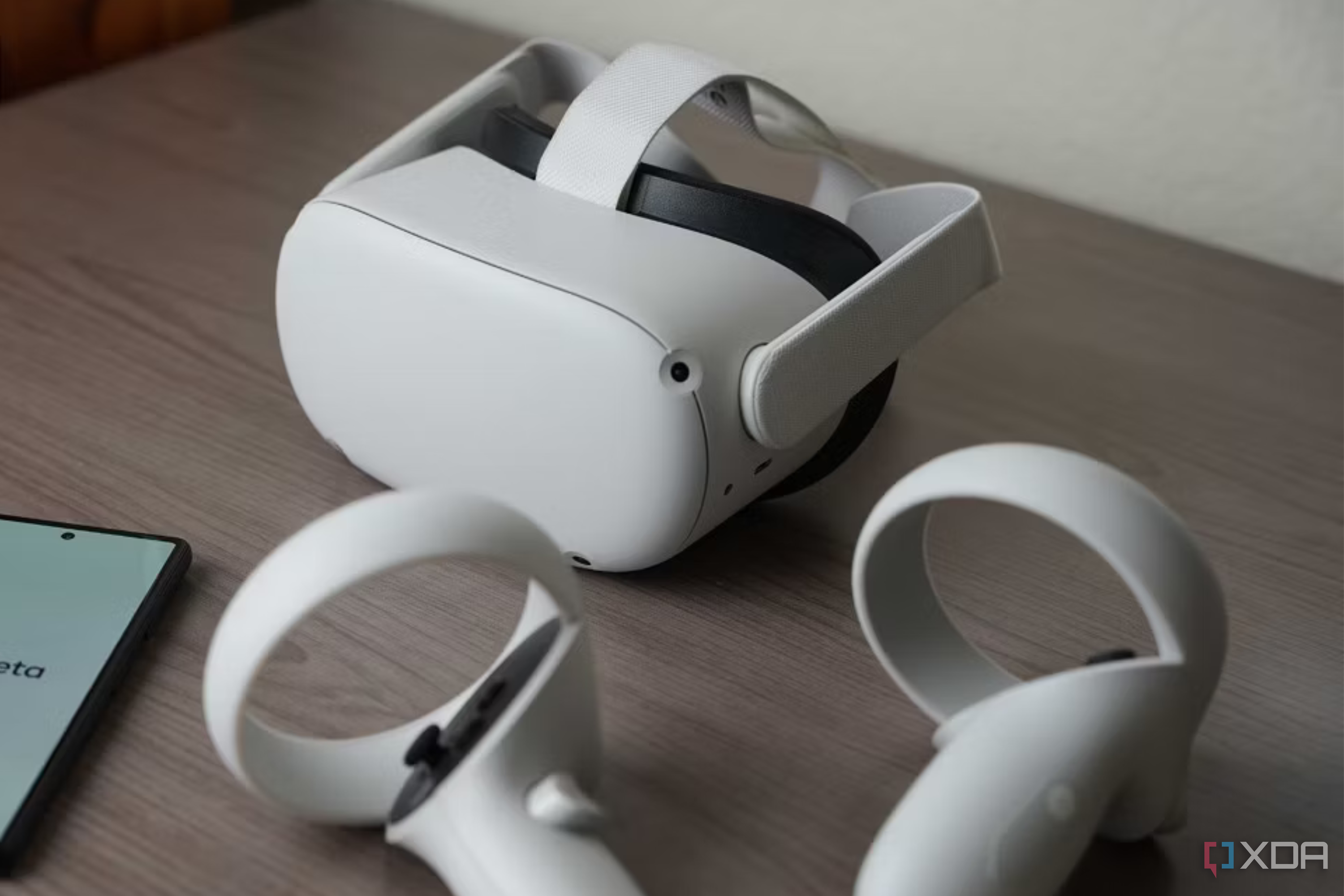
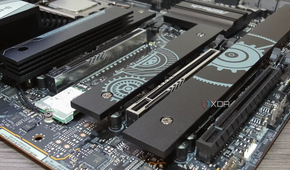
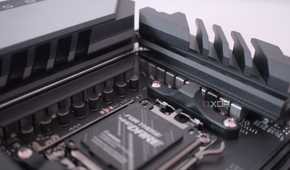
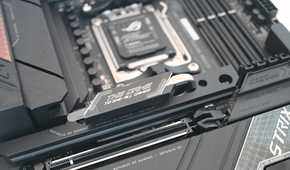
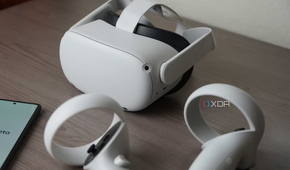
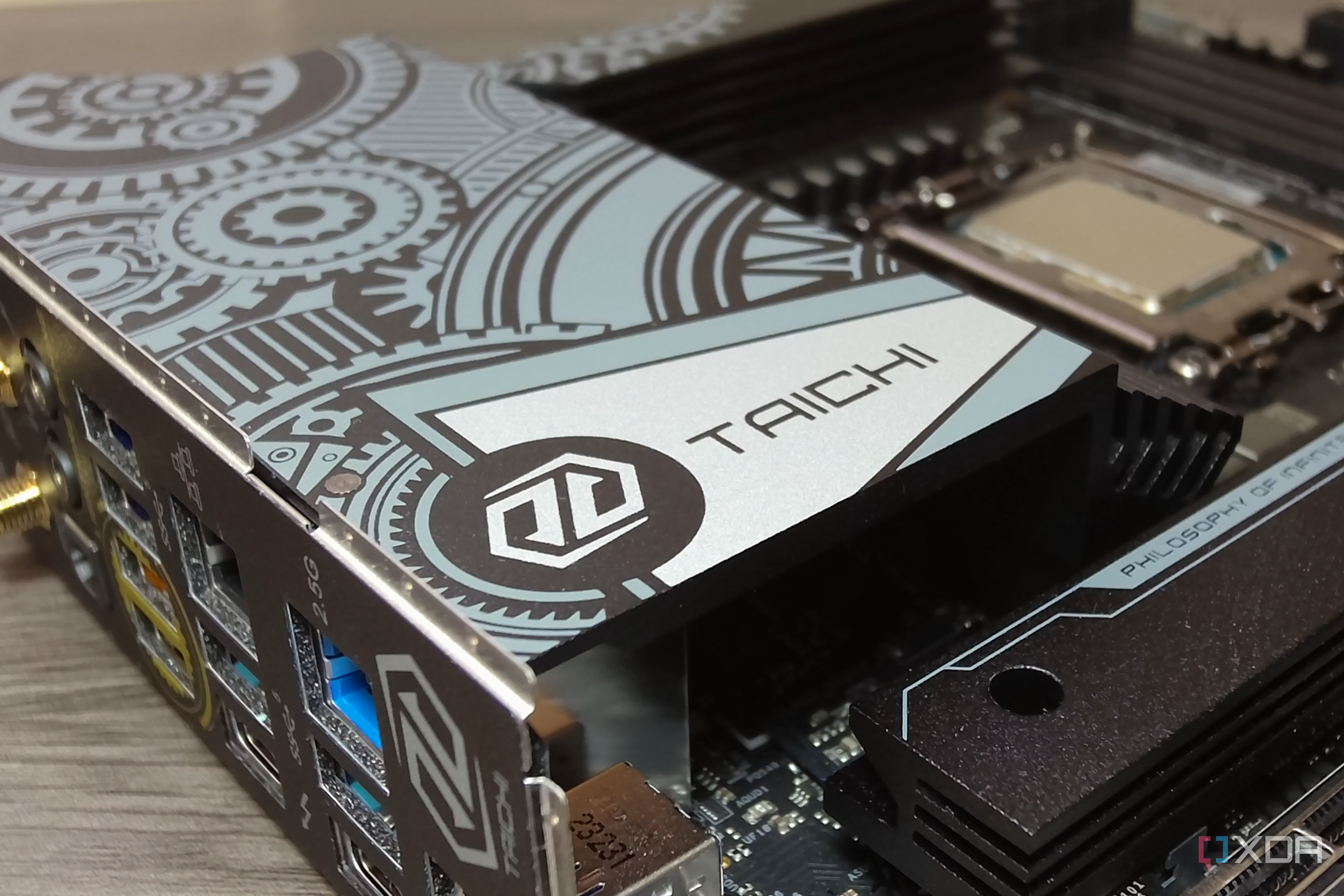
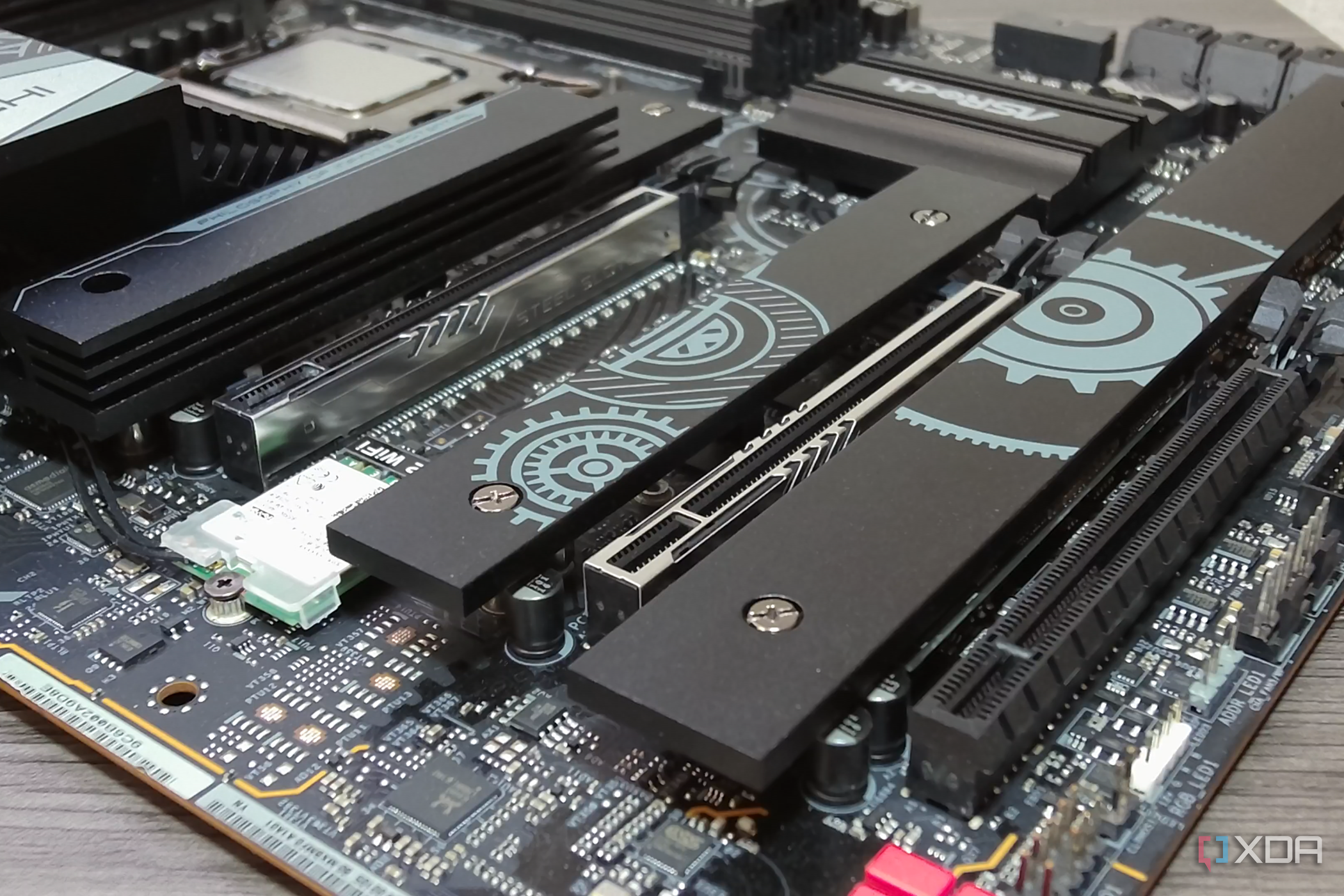
Another overused strategy by motherboard manufacturers to make cheap products seem more premium is using terms like "military-grade" and "VR-ready". All they intend to do is make their motherboards seem more durable than the competition, owing to mysterious and robust internals. The "VR-ready" marketing has to do with the assumption that people who wish to play VR games somehow need excessively overpowered motherboards. Both of these claims are untrue.
"Military-grade" branding is often seen on the cheapest motherboards with the worst build quality, and you don't need anything other than a decent I/O stack and sufficient power to connect your VR headset to your motherboard. Gigabyte has been known to use the "ultra durable" branding on some of its entry-level motherboards, so make of that what you will. The only way to find out if a motherboard's build quality is up to snuff is to watch reviews that offer in-depth analysis of both physical and electrical durability. Everything else is just words floating into nothingness.
AI has now replaced "gaming" as the most abused term
I need AI-powered deconstruction of motherboard marketing

The moment motherboard manufacturers and PC hardware companies in general caught wind of the AI wave, they started slapping "AI-powered" on just the motherboard packaging, but even next to every single feature they could find. From "AI overclocking" and "AI networking" to "AI cooling" and "AI noise cancellation", motherboard brands realized they could simply repackage existing features with an AI moniker and charge more from consumers. It was nothing but the "gaming" wave all over again.
When every single company in the world was forcing AI-powered refrigerators, mattresses, and toothbrushes down our throats, motherboard brands decided they wouldn't stay behind. Most of these features are simply doing what they always did, which is using an automated algorithm to tweak performance as necessary. This is neither new nor game-changing; the AI branding is just there so you don't feel guilty about overspending on your motherboard. This wave of AI branding will give way to something new the moment consumers stop caring about the existing fad.
Motherboard brands are doing what they've always done
The current trend of abusing "gaming" and "AI" branding to sell overpriced motherboards shouldn't come as a surprise to long-time PC users. New and unsuspecting consumers, however, are prone to succumbing to these marketing tricks, which advertise meaningless features to grab more cash out of your wallet. As responsible consumers, you need to determine what you really need from a motherboard, and consult reviews to differentiate between what's purely marketing and what's genuinely useful for your PC.
