


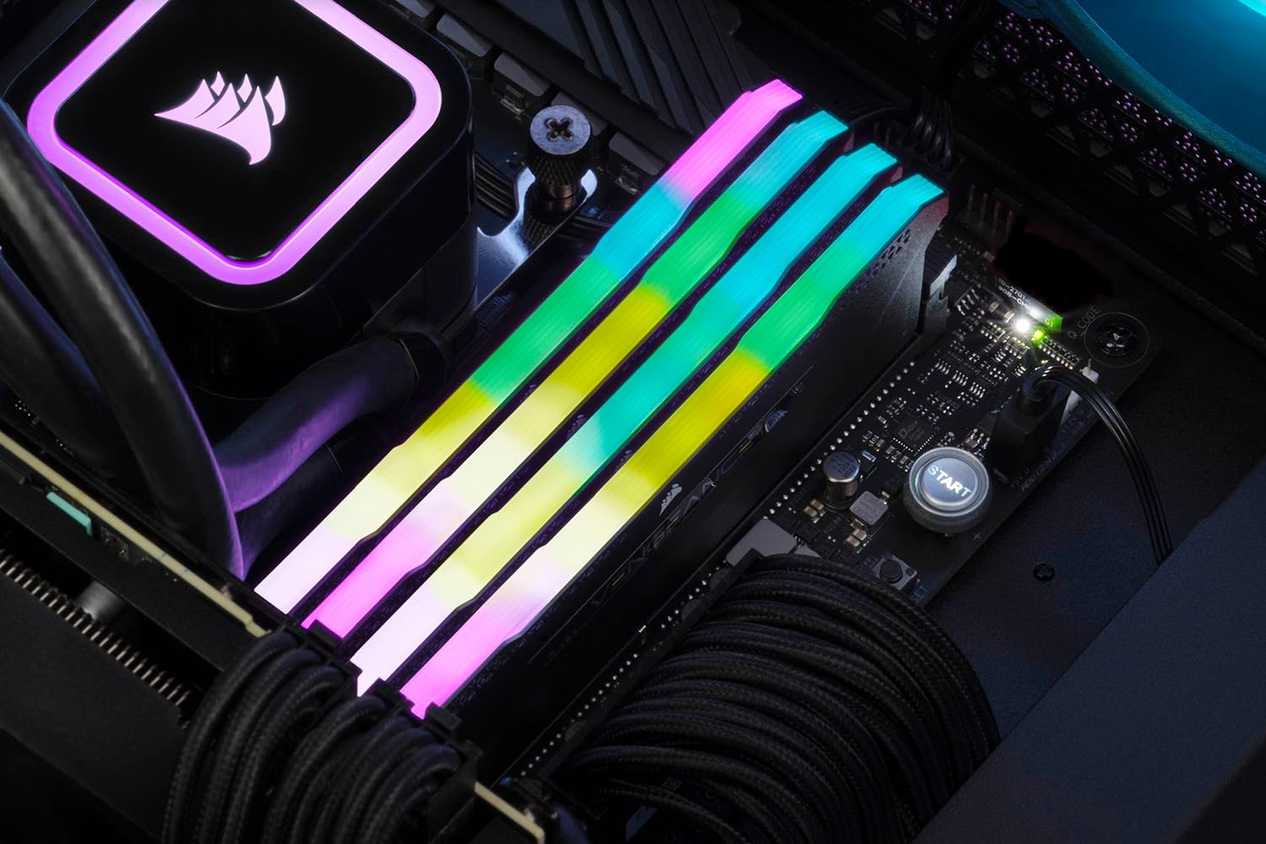
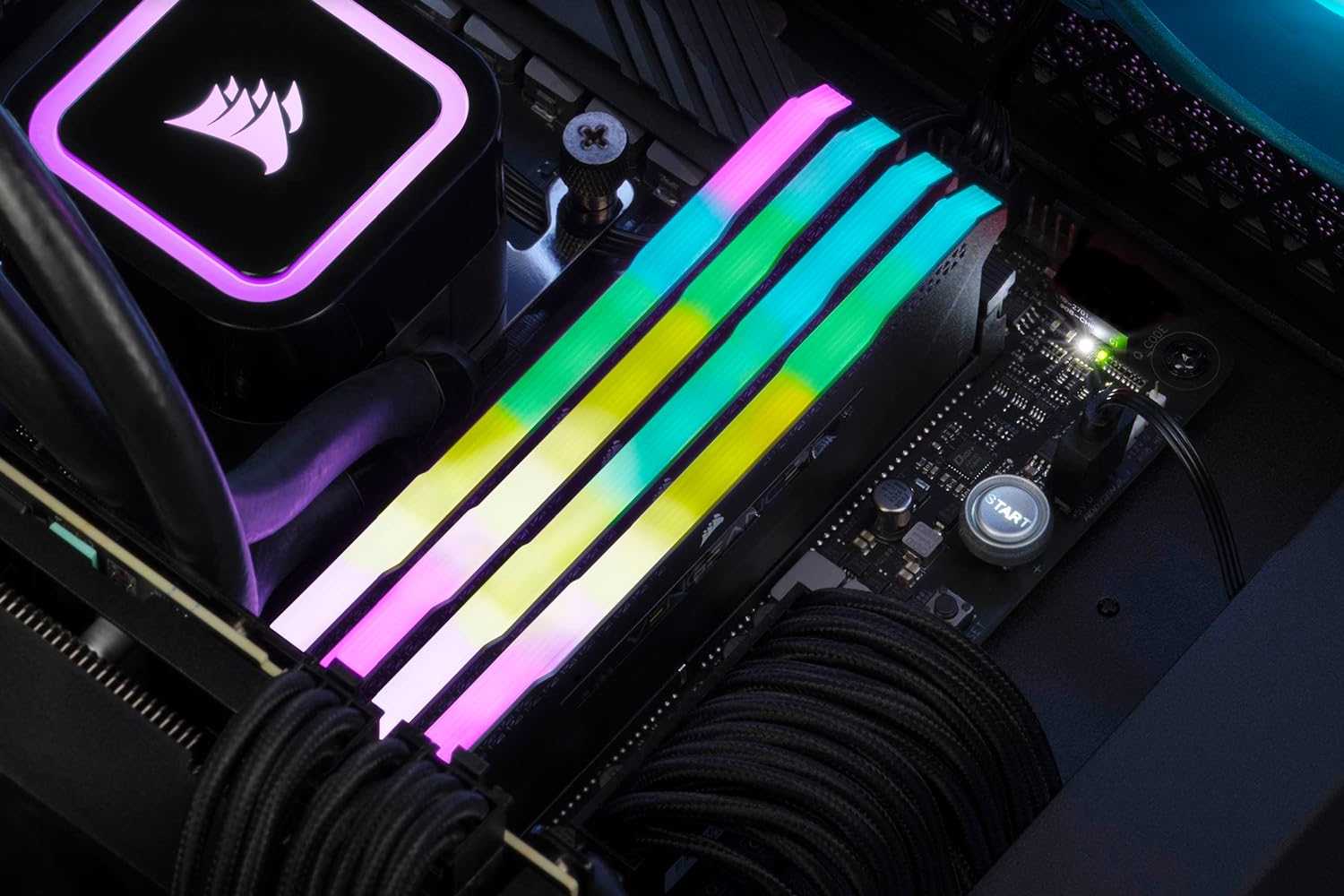
If there's one lesson 2025 has hammered into the PC hardware community, it's that nothing warps upgrade logic quite like a memory market in crisis. As DDR5 prices are skyrocketing into orbit by AI-driven DRAM demand, HBM supply reallocation, and industrial shortages, the cost of moving to AMD's AM5 platform has, in some cases, more than doubled for those eyeing a platform jump, making it economically unviable for many.
The shift is tangible, and the signs are visible. Motherboard sales have reportedly collapsed by around 50% across major manufacturers compared with the same period last year, as many builders abandon or delay the idea of upgrading to a DDR5 kit altogether. The longer you examine the current market trends, the more obvious it becomes that the price surge has given new life to the AM4 platform — and honestly, there may be a silver lining to this after all.
AM4 still delivers outstanding value
It's worth a second look at the upgrade options on the platform

With the ongoing DRAM shortage standing as a thorn in the path of AM5 becoming a mainstream platform, many PC users are being gently nudged back toward AM4. Fortunately for them, AM4s nearly decade-long lifespan and continued support mean the platform is overflowing with capable, mature, and affordable upgrade options.
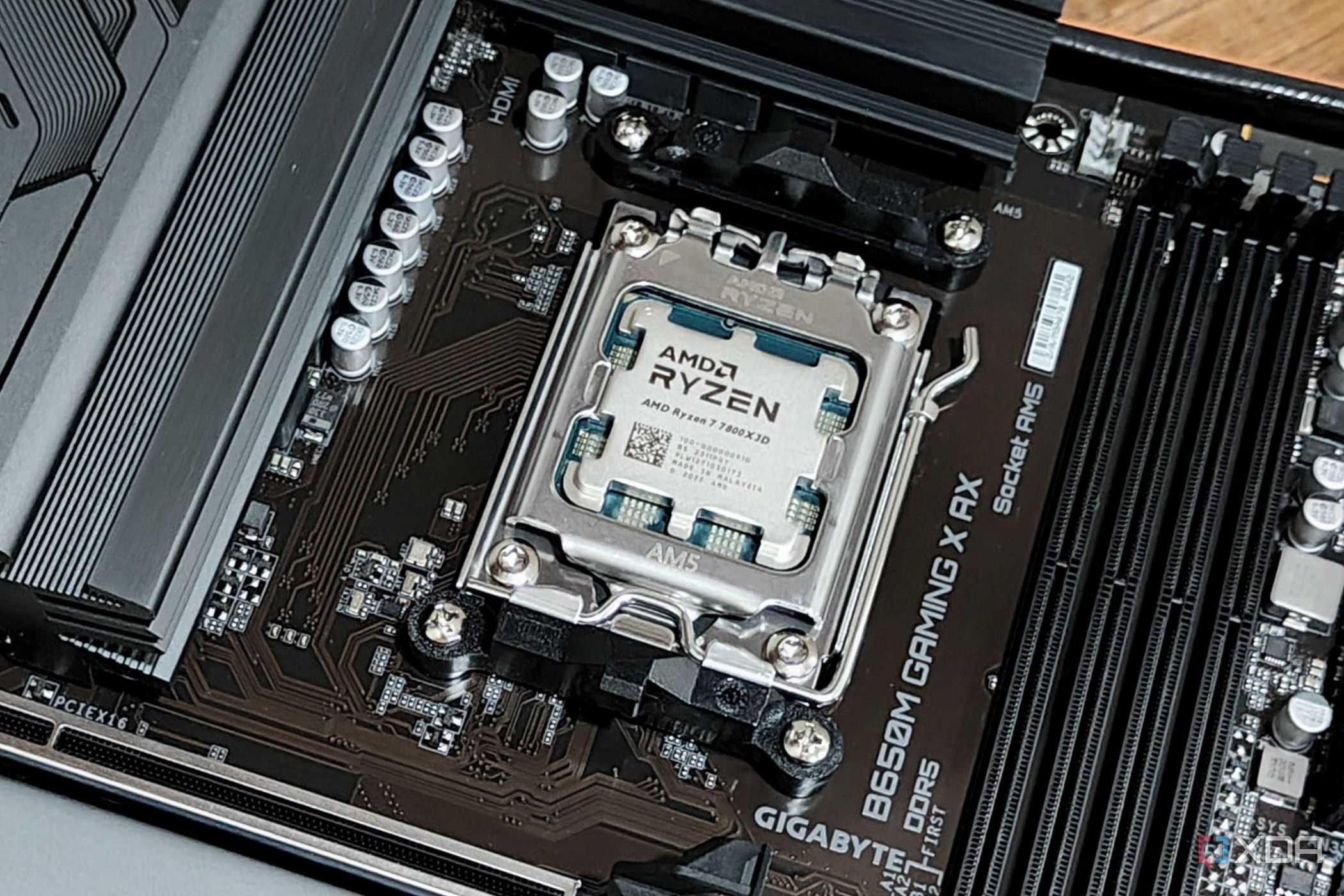
Whereas switching to AM5 beckons a full rebuild that includes a new motherboard, a new CPU, and a DDR5 kit that's priced like a lightly-used car at the moment, upgrading within AM4 often requires nothing more than installing a newer processor into the same socket. If you're coming from a first or second-generation Ryzen chip, the uplift would be nothing short of generational. Zen 3's architectural improvements remove the latency bottlenecks that held back the Zen and Zen 2 processors, making 25-40% performance gains completely realistic without shelling out top dollar for the AM5. To make things better, some of AM4's strongest price-to-performance CPUs frequently go on sale for ridiculous prices, which is one of the reasons behind the platform's longevity.
The quiet strength of AM4's second wind is its scalability, which is unmatched by other platforms. For users on early Ryzen chips, unlocking a sizable leap in performance can be as simple as buying a discounted CPU and spending ten minutes updating the motherboard BIOS, which, hopefully, will be a positive development to expect in 2026.
AM4's extended life is good for consumers
And their wallets, and the environment too

It's hard to see any possible upsides in the current market conditions amid all the doom and gloom surrounding rising prices, but it is hard to deny that there are certain commonly overlooked economic benefits to AM4's extended lifespan. Because the platform enjoys a sizable market share and is supported through BIOS updates, the demand for its components in the used markets stays strong, preventing the "price freefall" that typically happens when a platform is abandoned overnight. As resale values remain healthy, the real cost of upgrading for consumers is also lowered.
Furthermore, a lot of good could come to the consumer market if the migration to AM5 is delayed, which is looking increasingly plausible in the near future. By holding on to the existing motherboards, coolers, and DDR4 kits and, to a small extent, even keeping these components in circulation, PC users are inadvertently cutting down on e-waste at a time when global electronics disposal is reaching critical levels.
Postponing the platform upgrade also means that fewer boards end up in landfills, fewer materials are mined, and fewer carbon-intensive manufacturing cycles are repeated.
The induced competition keeps the mid-range in check
A stabilizing force in a market that desperately needs it




 Credit: Unsplash
 Credit: Giuse/Unsplash
 Credit: Amazon




2025 was a witness to an unprecedented market shift that moved entry into the AM5 ecosystem out of reach for many consumers. One of the lesser-discussed advantages of AM4 still being relevant in late 2025 is that it prevents an entire segment of the market from being priced out of capable hardware. By offering CPUs like the 5600, 5700X, and 5800X3D at highly competitive prices, AM4 keeps PC builds performant and affordable, while offering competition to budget and certain mid-range AM5 chips at the same time. Due to the varying tiers of chips released during its nine-year reign, there is a suitable fit for every workflow and use case, whether gaming or productivity.
What's equally important is its net effect on market dynamics. The platform's continued viability applies downward pressure on component pricing by ensuring AMD and OEM partners cannot fully dictate a "premium-only" upgrade economy. Instead of a market where builders are compelled to spend on expensive platforms, AM4 sustains a healthy ecosystem where value-oriented parts remain available and supported for the market.
There will be a better time to upgrade
The story of AM4 in 2025 is a reminder that hardware progress isn't always linear. DDR5 inflation, stalling motherboard sales, and supply-chain turbulence are just symptoms of an emergent paradigm that may wax and wane and improve and worsen with industrial shifts. Amid this, AM4 has proved that mature platforms can still deliver meaningful performance, a strong value proposition at a lower cost (both monetary and environmental) without placing undue pressure on the consumer to make a platform jump, especially when it's neither reasonable nor convenient to do so.
