
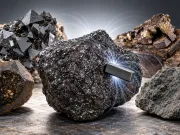





Minerals are the fundamental building blocks of most rocks on Earth. They form the crystals found in granite, the quartz grains within sandstone, and the calcite that makes up many limestones. They also preserve evidence of ancient oceans, volcanic activity, mountain building, and processes occurring deep within Earth’s crust and mantle.
Some minerals crystallize as molten rock cools. Others form from mineral-rich water, develop during metamorphism, or emerge when existing rocks react with the atmosphere and groundwater.
A mineral is a naturally occurring solid substance formed through geological processes, typically characterized by an ordered crystal structure and a defined chemical composition or compositional range.
Minerals are not simply attractive crystals or valuable gemstones. They are essential geological materials that help scientists understand how Earth works.
This guide explains what minerals are, how they form, the major mineral groups, their physical properties, and the methods geologists use to identify them.
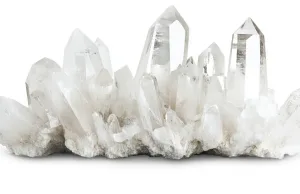


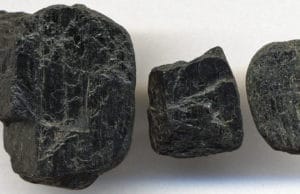
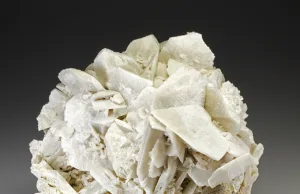
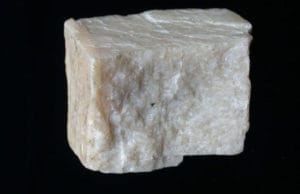
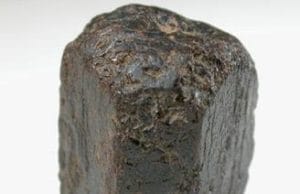
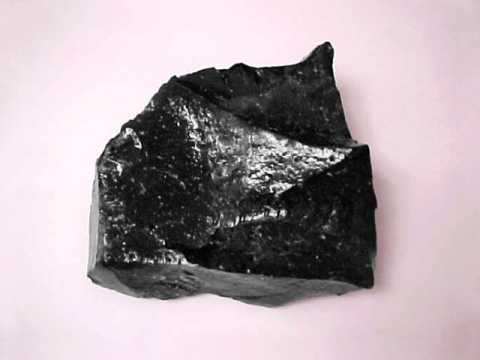
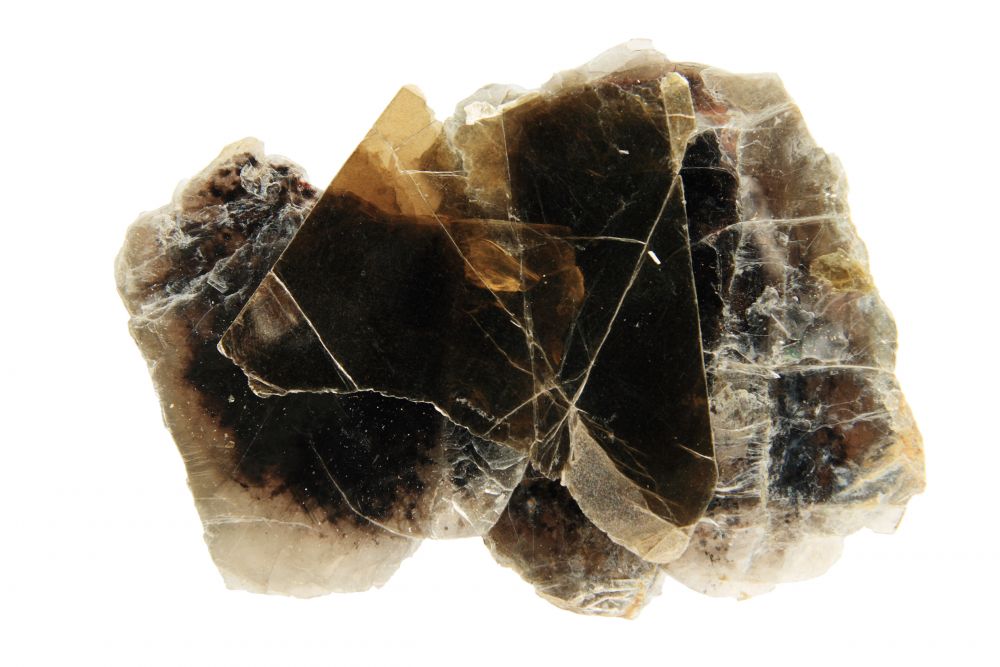

What Is a Mineral?
In mineralogy, a mineral is a naturally occurring solid substance with a characteristic chemical identity and, in nearly all familiar examples, an ordered atomic structure.
Quartz (SiO₂), calcite (CaCO₃), halite (NaCl), and pyrite (FeS₂) are common mineral examples.
Each has its own combination of chemical composition, crystal structure, and physical properties.
Mineral compositions are not always chemically fixed. Certain atomic positions within a crystal structure may accommodate different elements.
For example, the olivine solid-solution series extends between magnesium-rich forsterite (Mg₂SiO₄) and iron-rich fayalite (Fe₂SiO₄).
This variation is scientifically valuable because mineral chemistry can reveal the conditions under which a mineral formed.
The Main Characteristics of Minerals
Most familiar mineral species share five important characteristics:
- Natural origin: They develop through natural processes rather than artificial manufacturing.
- Solid state: They exist as solid geological substances.
- Ordered atomic structure: Their atoms are arranged in a repeating crystalline pattern.
- Characteristic composition: Each mineral has a defined chemical identity, although compositional variation may occur.
- Distinctive properties: Their structure and chemistry influence hardness, cleavage, density, optical behavior, and other characteristics.
The International Mineralogical Association (IMA) evaluates the recognition and naming of new mineral species.
Although the standard introductory definition works for most minerals, specialist mineralogy recognizes additional complexities involving natural formation, biological processes, and unusual mineral structures.
What Is the Difference Between Minerals and Rocks?
The distinction between minerals and rocks is fundamental to geology.
A mineral is an individual crystalline geological substance characterized by its chemistry and structure.
A rock is a naturally occurring aggregate of minerals, mineraloids, or other geological materials.
Consider granite.
Granite is an igneous rock that typically contains quartz, feldspar, and mica. These individual minerals crystallized together as magma cooled beneath Earth’s surface.
Limestone, by contrast, commonly consists predominantly of calcite, although it may contain fossils, clay minerals, and other components.
A rock therefore does not need to contain several different minerals. Some rocks consist largely of a single mineral.
| Material | Classification | Explanation |
|---|---|---|
| Quartz | Mineral | Crystalline silicon dioxide |
| Calcite | Mineral | Crystalline calcium carbonate |
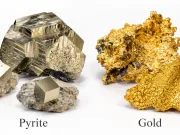
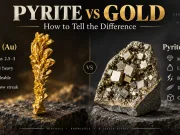
| Pyrite | Mineral | Iron disulfide |
| Granite | Rock | Aggregate of multiple minerals |
| Basalt | Rock | Volcanic igneous rock |
| Marble | Rock | Metamorphic rock composed mainly of carbonate minerals |
| Obsidian | Volcanic glass/rock | Predominantly noncrystalline volcanic material |
What Are Mineraloids?
Mineraloids are naturally occurring geological materials that resemble minerals but do not fully satisfy the usual mineral criteria.
Opal is a familiar example. It consists of hydrated silica and generally lacks the long-range atomic order characteristic of crystalline mineral species.
Natural volcanic glass, including obsidian, also lacks a crystalline structure. Obsidian is classified as a volcanic rock rather than a mineral species.
These examples demonstrate why appearance alone cannot determine whether a geological material is a mineral.
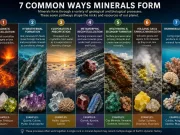
How Do Minerals Form?
Minerals form when chemical elements become arranged into stable solid structures under suitable geological conditions.
The minerals that develop depend on temperature, pressure, chemical composition, fluid availability, and the surrounding geological environment.
1. Crystallization from Magma
When magma cools, minerals crystallize from the silicate melt.
Different minerals become stable under different conditions. Their crystallization changes the composition of the remaining magma and can influence which minerals form next.
Bowen’s reaction series describes important crystallization patterns in cooling silicate magmas.
Minerals such as olivine and certain pyroxenes are commonly associated with relatively high-temperature crystallization.
Quartz and potassium-rich feldspars often occur in more silica-rich magmatic systems.
The resulting mineral assemblages help distinguish igneous rocks such as basalt, gabbro, diorite, and granite.
2. Precipitation from Water
Dissolved ions can combine and precipitate as minerals when water chemistry changes.
For example, evaporation of saline water can concentrate dissolved salts until halite or gypsum begins to crystallize.
Calcite may precipitate from groundwater in caves, producing features such as stalactites and stalagmites.
Precipitation depends on factors such as temperature, dissolved ion concentrations, acidity, and the availability of carbon dioxide.
3. Hydrothermal Activity
Hydrothermal minerals form through interactions involving hot fluids and surrounding rocks.
These fluids move through fractures and pore spaces, transporting dissolved chemical elements.
As temperature, pressure, or fluid composition changes, minerals may crystallize and accumulate in veins or mineralized zones.
Quartz, calcite, pyrite, chalcopyrite, and many other minerals occur in hydrothermal deposits.
Such processes are particularly important in the formation of economically valuable mineral resources.
4. Metamorphism
Metamorphism transforms existing rocks through changing temperatures, pressures, deformation, and chemical interactions with fluids.
Previously stable minerals may react to form new mineral assemblages.
Garnet, kyanite, sillimanite, and staurolite are examples of minerals that can help geologists interpret metamorphic conditions.
These minerals may preserve evidence of the temperatures and pressures experienced during burial and mountain building.
5. Weathering and Secondary Mineral Formation
Near Earth’s surface, existing minerals react with water, oxygen, carbon dioxide, and other substances.
These reactions can produce new minerals.
For example, feldspar weathering can contribute to the formation of clay minerals.
Alteration of iron-bearing minerals may produce secondary iron oxides and hydroxides.
Such processes play important roles in soil formation, sediment development, and the chemical evolution of groundwater.
Crystal Structure: How Minerals Are Built
The internal structure of a mineral is one of its defining features.
Atoms occupy ordered positions within a crystalline structure, and their arrangement affects properties such as cleavage, hardness, density, and optical behavior.
Different atomic arrangements can produce minerals with dramatically different characteristics.
Diamond and graphite provide a classic example.
Both are composed of carbon, yet their atoms are arranged differently.
Diamond has a strongly connected three-dimensional carbon framework that contributes to its exceptional hardness.
Graphite contains layers of carbon atoms with relatively weak bonding between layers, allowing them to separate or slide more easily.
This illustrates an important principle: chemical composition alone does not determine a mineral’s properties. Crystal structure matters as well.
The Seven Crystal Systems
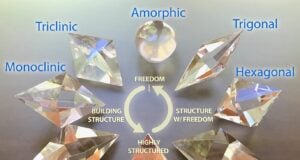
Minerals are classified into seven crystal systems according to crystallographic symmetry.
| Crystal system | Examples | Characteristic symmetry |
|---|---|---|
| Cubic (isometric) | Halite, pyrite | Multiple threefold symmetry axes characteristic of cubic crystals |
| Tetragonal | Zircon, rutile | Principal fourfold rotational symmetry |
| Orthorhombic | Olivine, topaz | Three mutually perpendicular twofold axes or equivalent symmetry |
| Hexagonal | Beryl, apatite | Principal sixfold rotational symmetry |
| Trigonal | Quartz, calcite | Principal threefold rotational symmetry |
| Monoclinic | Gypsum, orthoclase | Twofold axis or mirror-plane symmetry |
| Triclinic | Albite, kyanite | Lowest crystal-system symmetry |
The crystal system describes internal symmetry, not necessarily the visible external shape.
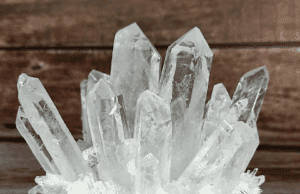
For example, quartz belongs to the trigonal crystal system even though many quartz crystals show a six-sided prismatic appearance.
Crystal Habit
Crystal habit refers to the external shape or growth pattern of a mineral.
Common examples include:
- Prismatic: Elongated crystals, common in quartz.
- Tabular: Flattened crystals, seen in some barite specimens.
- Acicular: Needle-like crystals, such as certain rutile specimens.
- Fibrous: Aggregates of thin, elongated crystals.
- Botryoidal: Rounded, grape-like mineral surfaces.
- Dendritic: Branching growth patterns resembling plants or trees.
- Massive: Aggregates without prominent individual crystal faces.
Crystal habit can provide identification clues, but growth conditions may produce different habits within the same mineral species.
Mohs Hardness Scale
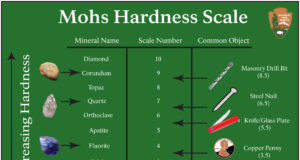
The Mohs scale is a practical system for comparing the relative scratch hardness of minerals.
It uses ten reference minerals arranged from softest to hardest.
| Hardness | Mineral | Description |
|---|---|---|
| 1 | Talc | Very soft |
| 2 | Gypsum | Usually scratched by a fingernail |
| 3 | Calcite | Relatively soft; standard reference mineral |
| 4 | Fluorite | Harder than calcite |
| 5 | Apatite | Intermediate hardness |
| 6 | Orthoclase | Feldspar reference mineral |
| 7 | Quartz | Scratches ordinary glass |
| 8 | Topaz | Harder than quartz |
| 9 | Corundum | Very high scratch resistance |
| 10 | Diamond | Hardest standard Mohs reference mineral |
A fingernail has an approximate hardness of 2.5, while common glass is often around 5–5.5.
These are approximate reference values rather than exact universal constants.
When performing a scratch test, determine whether the harder material has produced a genuine scratch rather than leaving a removable mark.
Testing should also be avoided on valuable specimens or delicate crystals.
Common Rock-Forming Minerals
Although thousands of mineral species have been recognized, a relatively small number account for much of the mineral content of common rocks.
These are known as rock-forming minerals.
| Mineral or group | Common rock occurrences | Identification characteristics |
|---|---|---|
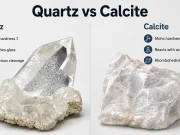
| Quartz | Granite, sandstone, quartzite | Hardness 7, glassy luster, no cleavage |
| Feldspars | Granite, basalt, gneiss | Hardness around 6, two prominent cleavage directions |
| Micas | Granite, schist, gneiss | Thin sheets, excellent basal cleavage |
| Olivine | Basalt, peridotite | Commonly green, granular |
| Pyroxenes | Basalt, gabbro | Often dark, two cleavage directions near 90° |
| Amphiboles | Diorite, amphibolite | Commonly elongated crystals and distinctive cleavage angles |
| Calcite | Limestone, marble | Hardness 3, rhombohedral cleavage, acid reaction |
| Clay minerals | Mudstone, shale, soils | Very fine grain size, generally require specialized identification |
| Garnet | Schist, gneiss | Commonly equant crystals, relatively high hardness |
| Chlorite | Low-grade metamorphic rocks | Often green, platy aggregates |
These mineral assemblages provide valuable evidence of rock composition, geological origin, and metamorphic history.
How to Identify Minerals in the Field
Mineral identification requires a systematic approach.
A specimen should not be identified only by its color or general appearance.
Instead, geologists combine several diagnostic characteristics.
Step 1: Observe the Specimen
Examine color, luster, transparency, crystal habit, and surface features.
A hand lens can help reveal small crystals, cleavage surfaces, and inclusions.
Step 2: Test Hardness
Use suitable reference materials to estimate scratch resistance.
A mineral that scratches a reference material is generally harder than that material.
Check for a true scratch rather than a superficial powder mark.
Step 3: Examine Cleavage and Fracture
Look for repeated flat surfaces, consistent angles, or characteristic fracture patterns.
These features may help distinguish quartz, calcite, feldspar, and mica.
Step 4: Check Streak
When appropriate, rub the specimen against an unglazed porcelain plate.
Observe the resulting powder color.
This test is particularly useful for certain opaque and metallic minerals.
Step 5: Estimate Density
Compare the specimen’s mass with its size.
Some metal-rich minerals are substantially heavier than common silicates.
Precise specific gravity measurements can provide additional evidence.
Step 6: Consider Special Properties
Magnetism, fluorescence, and carefully controlled chemical tests may help distinguish certain minerals.
For example, magnetite may show strong magnetic attraction, while calcite can react visibly with dilute hydrochloric acid.
Safety: Never taste mineral specimens or deliberately inhale their dust. Some minerals contain toxic elements, including lead, mercury, or arsenic. Avoid unnecessary grinding, heating, and destructive testing. Chemical tests should be performed only with suitable equipment and protection.
Step 7: Combine the Evidence
A mineral identification becomes more reliable when multiple observed properties agree.
For example, a hard, glassy mineral without cleavage and with conchoidal fracture may be quartz.
A dense, metallic-gray mineral with low hardness and cubic cleavage may be galena.
However, some minerals cannot be confidently distinguished without laboratory analysis.
Advanced Methods of Mineral Identification
Scientific laboratories use specialized methods to investigate mineral structures and compositions.
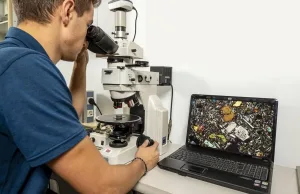
Polarizing light microscopy allows geologists to examine minerals in thin sections and identify optical characteristics.
X-ray diffraction (XRD) identifies crystalline phases from their diffraction patterns and is especially valuable for fine-grained mixtures.
Raman spectroscopy provides information about mineral structures through characteristic vibrational signals.
Scanning electron microscopy (SEM) reveals microscopic textures and surface structures. With EDS analysis, it can provide elemental information.
Electron probe microanalysis (EPMA) measures mineral chemistry at small spatial scales and is valuable for investigating compositional zoning.
These techniques help distinguish minerals that are visually similar and investigate geological processes recorded within individual crystals.
What Minerals Reveal About Earth’s History
Minerals preserve evidence of geological processes that may have occurred millions or billions of years ago.
Temperature and Pressure
Mineral assemblages can indicate the conditions under which metamorphic rocks formed.
For example, andalusite, kyanite, and sillimanite share the formula Al₂SiO₅ but have different structures and stability relationships.
Their occurrence, interpreted with surrounding minerals and rock textures, can help reconstruct metamorphic conditions.
Geological Age
Some minerals contain radioactive isotopes that allow geologists to estimate the timing of geological events.
Zircon is particularly valuable because it can incorporate uranium during crystallization and preserve isotopic information through later geological changes.
Uranium–lead dating of zircon is widely used in geological research.
Magma Evolution
Mineral composition and crystal zoning can record changes during magma crystallization.
Chemical variations within plagioclase or other crystals may provide evidence of evolving temperatures, melt compositions, or magma interactions.
Ancient Environments
Minerals formed through precipitation, weathering, and alteration can provide evidence of past environmental conditions.
Evaporite minerals may indicate concentrated saline waters, while certain clay minerals record interactions between rock and water.
Mineralogy therefore connects the study of individual crystals with Earth’s long-term geological evolution.
Liesegang Rings in Rocks: Formation, Iron Oxide Bands, and Natural Patterns
Orbicular Granite
Rare Earth Elements: Minerals of the Future
Mineralogical Diversity of Meteorites
Mineral Hardness and the Mohs Scale
Mineral Identification Chart for Beginners

10 Minerals That Changed the Course of Human History


Gemstones vs Minerals vs Crystals – The Real Differences
Rare Earth Minerals: The Geology Behind Them
Fluorescent Minerals: Why Do Some Minerals Glow Under UV Light?
Crystal Systems: The 7 Fundamental Structures That Shape All Crystals
Ore Minerals: Metals and Valuable Geological Resources
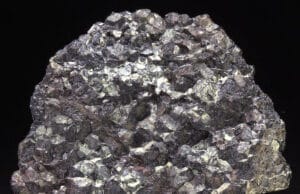
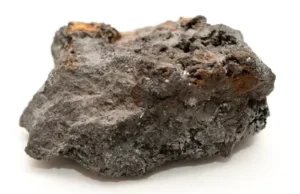
Ore minerals are naturally occurring minerals that contain economically valuable elements, particularly metals, which can be extracted under suitable technological and economic conditions. They are essential sources of raw materials used in construction, electronics, transportation, energy production, and modern industry.
Many important ore minerals form through geological processes such as magmatic crystallization, hydrothermal activity, sedimentation, and weathering. These processes can concentrate valuable elements into mineral deposits.
Common examples include:
- Hematite and Magnetite: Major iron ore minerals used in steel production.
- Chalcopyrite: One of the most important copper-bearing minerals.
- Galena: A primary source of lead, often occurring in hydrothermal deposits.
- Sphalerite: The principal zinc ore mineral in many deposits.
- Cassiterite: The most important tin ore mineral.
- Native Gold: A naturally occurring metallic mineral valued for its rarity and economic importance.
Not every occurrence of an ore mineral constitutes an economically viable ore deposit. Mining feasibility depends on factors such as mineral concentration, deposit size, extraction costs, processing technology, and market conditions.
Studying ore minerals helps economic geologists understand how mineral deposits form, where valuable resources accumulate, and how they can be explored and evaluated.
- All
- Avalanches
- Borate Minerals
- Canyons
- Carbonate Minerals
- Caves & Karst
- Deserts & Dunes
- Earthquakes
- Economic Geology
- Engineering Geology
- Fossil Identification
- Fossils
- Gallery
- Gemstone Database
- Gemstone Guides
- Gemstone Identification
- Gemstones
- Gemstones by Color
- Geologic Lists
- Geological Wonders
- Geology
- Geology Fundamentals
- Geology Questions & Answers
- Geophysics
- Halide Minerals
- Historical Geology
- Hydrogeology
- Igneous Rocks
- Landslides
- Metamorphic Rocks
- Mineralogy
- Mineraloids
- Minerals
- Mining geology
- Mountains
- Native Elements
- Natural Hazards
- Natural Resources
- Ore Genesis
- Ore Minerals
- Organic Gem Materials & Biogenic Materials
- Oxide Minerals
- Paleontology
- Petroleum Geology
- Petrology
- Phosphate Minerals
- Physical Geology
- Rare & Unique Gemstones
- Rock Formations
- Rock Identification
- Rock Textures & Structures
- Rocks
- Sedimentary Rocks
- Sedimentology
- Silicate Minerals
- Structural Geology
- Sulfate Minerals
- Sulfide Minerals
- Sulfosalt Minerals
- Synthetic & Man-Made Gem Materials
- Tsunamis
- Volcanic Eruptions
- Volcanic Landscapes
- Volcanology
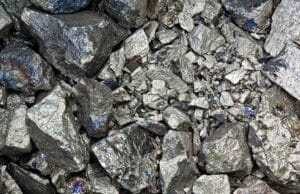


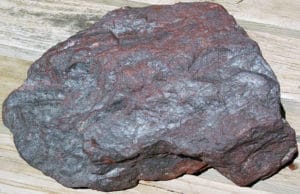
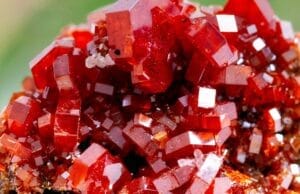
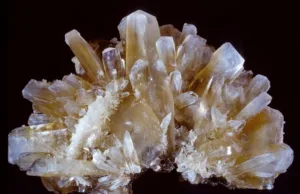


Gemstones: Minerals Valued for Beauty and Rarity
Gemstones are naturally occurring materials valued for their beauty, color, transparency, durability, rarity, and suitability for jewelry or ornamental use. Many gemstones are minerals, although some gem materials are mineraloids, rocks, or organic substances.
Gemstones often form under distinctive geological conditions involving high temperatures, pressure, crystallization from magma, metamorphism, or mineral-rich fluids.
Some well-known gemstones include:
- Diamond: A crystalline form of carbon renowned for its exceptional hardness and brilliance.
- Ruby and Sapphire: Gemstone varieties of corundum, distinguished by their colors.
- Emerald and Aquamarine: Varieties of beryl, recognized for their green and blue colors.
- Amethyst and Citrine: Colored varieties of quartz.
- Garnet: A group of minerals producing gemstones in a wide range of colors.
- Tourmaline: A mineral group known for its remarkable color diversity.
- Opal: A hydrated silica mineraloid valued for its sometimes spectacular play-of-color.
Gemstone quality is commonly evaluated using characteristics such as color, clarity, cut, and carat weight. However, rarity, treatments, origin, and market demand can also influence value.
From a geological perspective, gemstones provide valuable information about mineral formation, crystal growth, trace elements, and the environments in which exceptional mineral specimens develop.
Understanding gemstones connects mineralogy with crystallography, petrology, and the specialized field of gemology.
- All
- Avalanches
- Borate Minerals
- Canyons
- Carbonate Minerals
- Caves & Karst
- Deserts & Dunes
- Earthquakes
- Economic Geology
- Engineering Geology
- Fossil Identification
- Fossils
- Gallery
- Gemstone Database
- Gemstone Guides
- Gemstone Identification
- Gemstones
- Gemstones by Color
- Geologic Lists
- Geological Wonders
- Geology
- Geology Fundamentals
- Geology Questions & Answers
- Geophysics
- Halide Minerals
- Historical Geology
- Hydrogeology
- Igneous Rocks
- Landslides
- Metamorphic Rocks
- Mineralogy
- Mineraloids
- Minerals
- Mining geology
- Mountains
- Native Elements
- Natural Hazards
- Natural Resources
- Ore Genesis
- Ore Minerals
- Organic Gem Materials & Biogenic Materials
- Oxide Minerals
- Paleontology
- Petroleum Geology
- Petrology
- Phosphate Minerals
- Physical Geology
- Rare & Unique Gemstones
- Rock Formations
- Rock Identification
- Rock Textures & Structures
- Rocks
- Sedimentary Rocks
- Sedimentology
- Silicate Minerals
- Structural Geology
- Sulfate Minerals
- Sulfide Minerals
- Sulfosalt Minerals
- Synthetic & Man-Made Gem Materials
- Tsunamis
- Volcanic Eruptions
- Volcanic Landscapes
- Volcanology




Classification of Minerals: The Major Mineral Groups
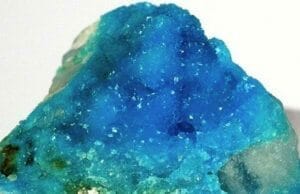
Minerals can be grouped according to chemical composition and crystal structure.
One widely used approach classifies them by their dominant anions or anionic groups.
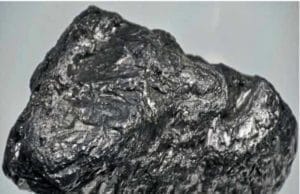
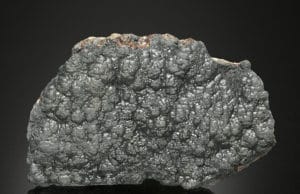
Native-element minerals consist principally of a single chemical element.
Examples include gold, silver, copper, sulfur, diamond, and graphite.
These minerals demonstrate that a naturally occurring mineral does not necessarily need to contain multiple chemical elements.
More specialized classifications also recognize borates, nitrates, arsenates, tungstates, molybdates, sulfosalts, organic minerals, and other groups.
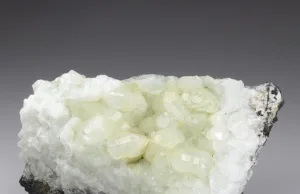
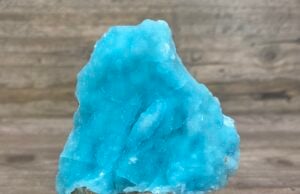

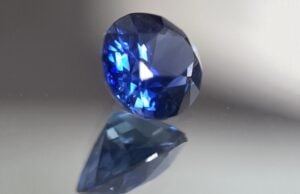
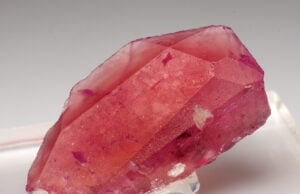
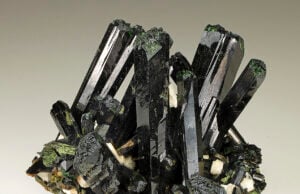
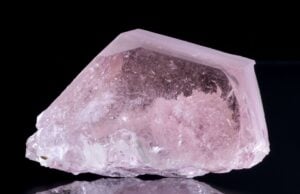
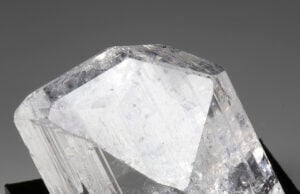

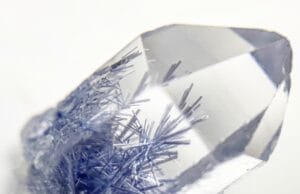


Silicates are the most abundant mineral class in Earth’s crust and mantle. Their basic building block is the silicon–oxygen tetrahedron (SiO₄), consisting of one silicon atom surrounded by four oxygen atoms.
These tetrahedra can connect in different arrangements, forming six major silicate groups.
| Silicate Group | Structure | Common Examples |
|---|---|---|
| Nesosilicates | Isolated tetrahedra | Olivine, garnet |
| Sorosilicates | Paired tetrahedra | Epidote, zoisite |
| Cyclosilicates | Rings | Beryl, tourmaline |
| Inosilicates | Single or double chains | Pyroxene, amphibole |
| Phyllosilicates | Sheets | Mica, chlorite, clay minerals |
| Tectosilicates | Three-dimensional frameworks | Quartz, feldspar |
Nesosilicates (Island Silicates): Contain isolated SiO₄ tetrahedra connected by other ions. Olivine and garnet are common examples, occurring in igneous and metamorphic rocks.
Sorosilicates (Paired Silicates): Consist of two tetrahedra sharing one oxygen atom, forming Si₂O₇ groups. Epidote is a typical example, commonly found in metamorphic rocks.
Cyclosilicates (Ring Silicates): Have tetrahedra linked into closed rings. Beryl and tourmaline are well-known examples, including several valuable gemstone varieties.
Inosilicates (Chain Silicates): Form single or double chains of tetrahedra. Pyroxenes have single-chain structures, while amphiboles have double-chain structures.
Phyllosilicates (Sheet Silicates): Consist of layered tetrahedral sheets. Minerals such as mica and chlorite often split along flat surfaces because of their layered structures.
Tectosilicates (Framework Silicates): Have three-dimensional networks of interconnected tetrahedra. Quartz and feldspars belong to this group and are among the most important rock-forming minerals.
The arrangement of silicate tetrahedra influences mineral properties, including cleavage, hardness, and stability under different geological conditions.
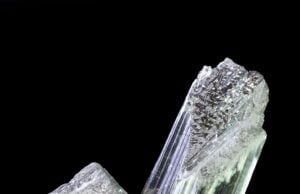
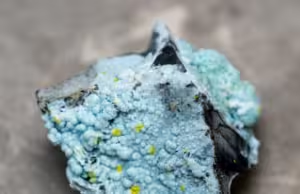
Oxide minerals include hematite (Fe₂O₃), magnetite (Fe₃O₄), corundum (Al₂O₃), and rutile (TiO₂).
Hydroxide and oxide-hydroxide minerals include brucite and goethite.
These minerals are important components of ore deposits and weathered geological materials.
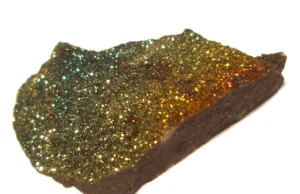
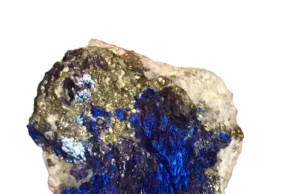
Sulfides include pyrite (FeS₂), galena (PbS), sphalerite (ZnS), and chalcopyrite (CuFeS₂).
Many sulfides are valuable ore minerals.
They commonly occur in hydrothermal deposits, although sulfide minerals form in several other geological environments.
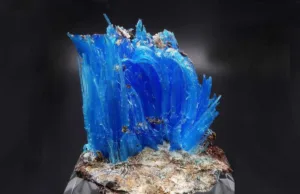
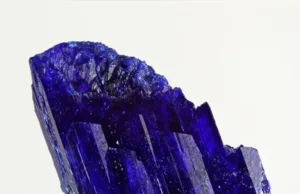
Sulfates contain the sulfate group, SO₄²⁻.
Examples include gypsum, anhydrite, and barite.
Gypsum and anhydrite are especially associated with evaporite environments.
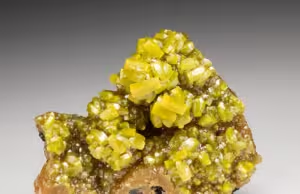
Phosphates contain phosphate groups based on PO₄³⁻.
Apatite is an important phosphorus-bearing mineral group.
Monazite is notable for containing rare earth elements and, in some compositions, radioactive elements.
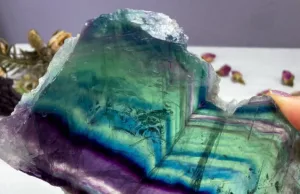
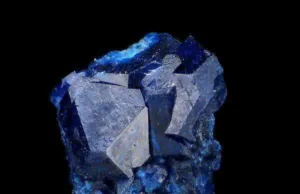
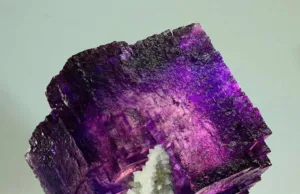
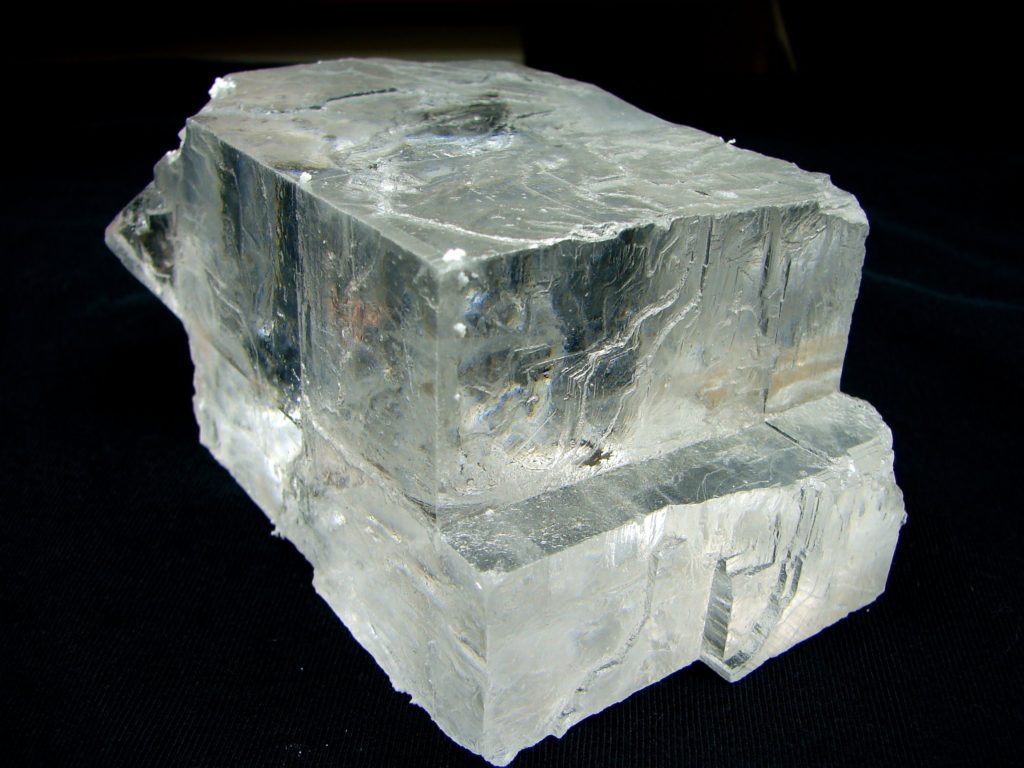
Halides contain halogen elements such as chlorine or fluorine.
Halite (NaCl), sylvite (KCl), and fluorite (CaF₂) are familiar examples.
Some halides form through evaporation, while others occur in hydrothermal and additional geological settings.
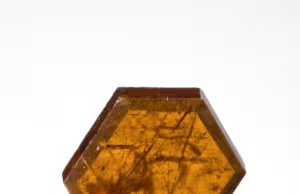
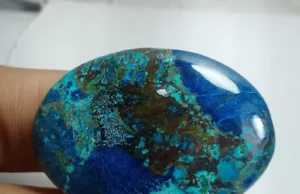
Carbonates contain the carbonate group, CO₃²⁻.
Important examples include calcite, dolomite, siderite, and malachite.
They are common in sedimentary environments, hydrothermal systems, and some metamorphic rocks.
Carbonate minerals also play important roles in Earth’s carbon cycle.

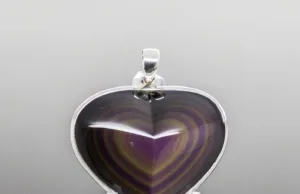
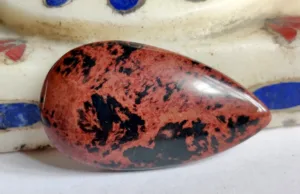


Mineraloids are naturally occurring geological substances that resemble minerals but lack one or more characteristics required for classification as true minerals, particularly an ordered crystalline structure.
Unlike crystalline minerals, many mineraloids have an amorphous structure, meaning their atoms do not form a regular, repeating three-dimensional arrangement.
Common examples include:
- Opal: A hydrated form of silica, often displaying brilliant colors and play-of-color.
- Obsidian: Natural volcanic glass formed by the rapid cooling of lava without extensive crystal growth.
- Amber: Fossilized tree resin valued as an organic gemstone.
- Moldavite: A natural impact glass formed from terrestrial material melted and ejected during a meteorite impact.
The main difference between minerals and mineraloids lies in their internal structure. Minerals generally have an ordered crystal structure, while mineraloids typically lack long-range crystalline order.
Mineraloids are important in geology and gemology because they provide information about volcanic activity, impact events, and natural material formation.
Frequently Asked Questions About Minerals
How many minerals are there on Earth?
More than 6,000 mineral species have been recognized. The number continues to change as the International Mineralogical Association approves new species and revises classifications.
What is the most common mineral in Earth’s crust?
Feldspar-group minerals are the most abundant mineral group in Earth’s crust. Plagioclase and alkali feldspars are important components of many igneous and metamorphic rocks.
What is the hardest natural mineral?
Diamond has a Mohs hardness of 10, making it the hardest reference mineral on the Mohs scratch-hardness scale.
Can one mineral have different colors?
Yes. Trace elements, structural defects, inclusions, and other factors can cause substantial color variation within a mineral species.
Is quartz a mineral or a rock?
Quartz is a mineral composed of crystalline silicon dioxide (SiO₂). It is an important constituent of many igneous, sedimentary, and metamorphic rocks.
Is gold a mineral?
Naturally occurring crystalline gold is a native-element mineral. It may occur as grains, nuggets, or within mineral veins and deposits.
Are all crystals minerals?
No. Crystals may form naturally or synthetically. Mineral classification requires an appropriate natural geological origin and other mineralogical criteria.
Is ice a mineral?
Naturally occurring crystalline ice can qualify as a mineral. Artificially produced ice does not meet the natural-origin requirement.
Can minerals change into other minerals?
Yes. Minerals can undergo chemical reactions, recrystallization, or structural transformations during metamorphism, weathering, and hydrothermal alteration.
What is the difference between a mineral and an ore?
A mineral is a naturally occurring geological substance with a defined mineralogical identity. An ore is economically extractable geological material that may contain one or more valuable minerals.
How do geologists identify an unknown mineral?
They compare physical properties such as hardness, cleavage, streak, density, and crystal form. When necessary, they use X-ray diffraction, microscopy, and chemical analysis.
Conclusion
Minerals are essential components of Earth’s solid materials and valuable records of geological processes.
Their chemical compositions and crystal structures determine their physical properties, while their formation environments explain their remarkable diversity.
From the crystallization of magma to mineral growth in hydrothermal systems and the development of new minerals during metamorphism, every mineral reflects a particular set of geological conditions.
By understanding mineral formation, classification, properties, and identification, geologists gain insight into the origin of rocks, the evolution of Earth’s crust, and the distribution of important natural resources.
Mineralogy is therefore a foundation of Earth science and an essential starting point for understanding the planet’s geological history.
Scientific References and Further Reading
- International Mineralogical Association, Commission on New Minerals, Nomenclature and Classification (IMA-CNMNC). https://cnmnc.units.it/
- Bosi, F., et al. (2025). IMA-CNMNC Guidelines for Assessing the Natural Geological Origin of Minerals. European Journal of Mineralogy. https://doi.org/10.5194/ejm-37-871-2025
- British Geological Survey. Rocks and Minerals. https://www.bgs.ac.uk/discovering-geology/rocks-and-minerals/
- Australian Museum. Crystallography. https://australian.museum/learn/minerals/what-are-minerals/crystallography/
- U.S. Geological Survey. Mineral Gemstones. https://pubs.usgs.gov/gip/gemstones/mineral.html
- U.S. Geological Survey. Mineral Resources Program. https://www.usgs.gov/programs/mineral-resources-program
