


Self-hosting has earned itself a reputation as not only a way to "cut the cord" to cloud services, but also as a way to save money every month. You can run a home lab on free software, without a subscription, and many people start their hosting journey on hardware that they already own. It's definitely not incorrect to frame it this way, but it's not the full story.
The real costs of self-hosting don’t usually show up all on day one, and they don't only appear as a single big purchase. Instead, they arrive gradually, in the form of time, upgrades, power usage, comfort trade-offs, and storage bills that quietly grow alongside your setup.
Time
It's valuable, and you don't get it back

The first cost most people underestimate is time. Self-hosting isn't just a time sink when something breaks; even when everything is working perfectly fine, you often spend a lot of time tinkering, planning, reading documentation, and editing configurations. For those who really enjoy this sort of thing, it can feel more like a fun hobby than a chore, but as your setup matures, it becomes an infrastructure you rely on instead of just something you experiment with.
Even routine updates or “harmless” configuration changes carry risk, which means more planning, more checking, and more mental overhead. That ongoing cognitive load is one of the most persistent and least acknowledged costs of running your own services.
Upgrading from old gear
As your needs increase, so will the requirements of your hardware

Many self-hosting journeys begin with hardware that feels free: an old desktop, a retired laptop, or spare parts left over from previous builds. That approach is why home-labbing and self-hosting are so attractive these days, and it makes total sense as a starting point. Unfortunately, the deeper you go down the rabbit-hole, the more expensive things become. Older hardware tends to be inefficient, noisy, limited in expansion, or unreliable under 24/7 workloads.
Storage bays run out, network speeds feel restrictive, power draw looks worse than expected, and reliability becomes a concern once services matter to not just you, but any friends and family that start to use them as well. This usually leads to incremental upgrades—a better case, quieter fans, more efficient CPUs, dedicated storage controllers, or newer networking hardware. While each change seems minor on its own, collectively they can sometimes cost more than buying purpose-built hardware from the start.
Electricity costs
Especially these days

Electricity is one of the few recurring expenses in self-hosting that’s genuinely unavoidable. Servers don’t just consume power under load; they're drawing power constantly. Idle usage matters far more than peak numbers, and many consumer systems are not optimized for efficiency when left on around the clock. Once you factor in networking gear, switches, access points, and external storage, the baseline power draw rises steadily. In regions with higher electricity rates, that monthly cost becomes noticeable faster than expected. Even modest setups can quietly add up over a year, especially as hardware expands or older, less efficient components stay in service.
Cooling and noise
Rarely talked about, but a very potent downside

Cooling and noise aren't a concern when you re-purpose your old gaming PC for a home lab, but once you start running a bunch of services on them, add in NAS functionality and networking on top of that, you start to generate a lot of potential for heat, and that heat needs to go somewhere.
This isn't only more load on the cooling systems of your hardware, but on your home as well. The noise produced can also be bothersome if you don't have a closet with a door to shove everything behind.
Storage is expensive
Backups become a necessity at some point

先知の迷/MakerWorld 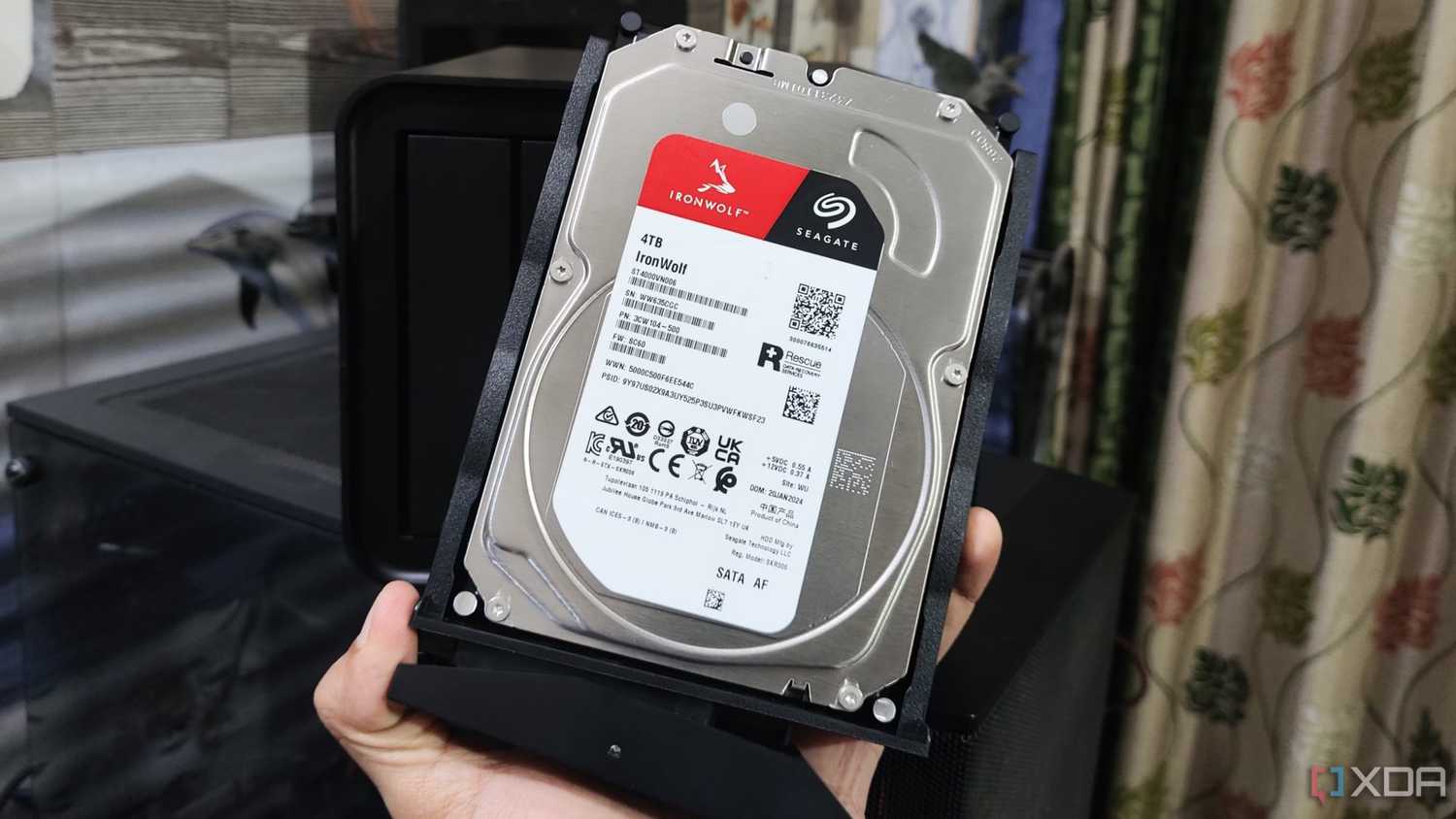


 Credit: Flickr

先知の迷/MakerWorld 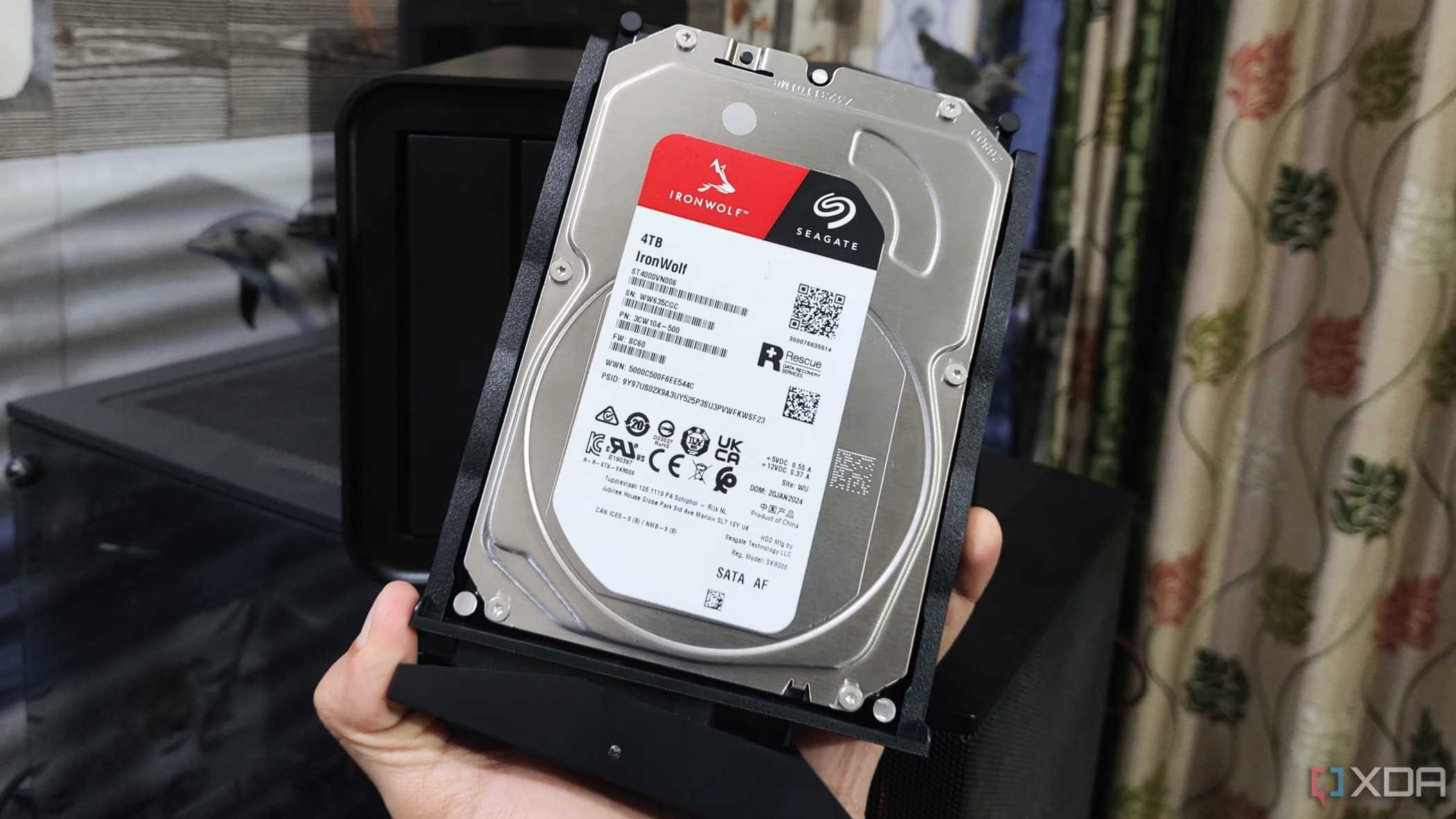
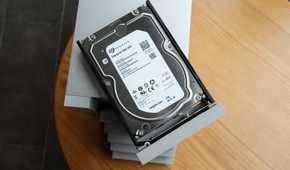
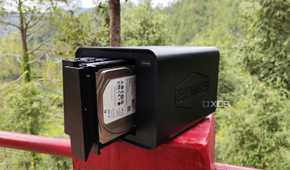

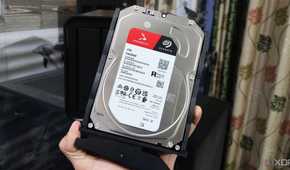
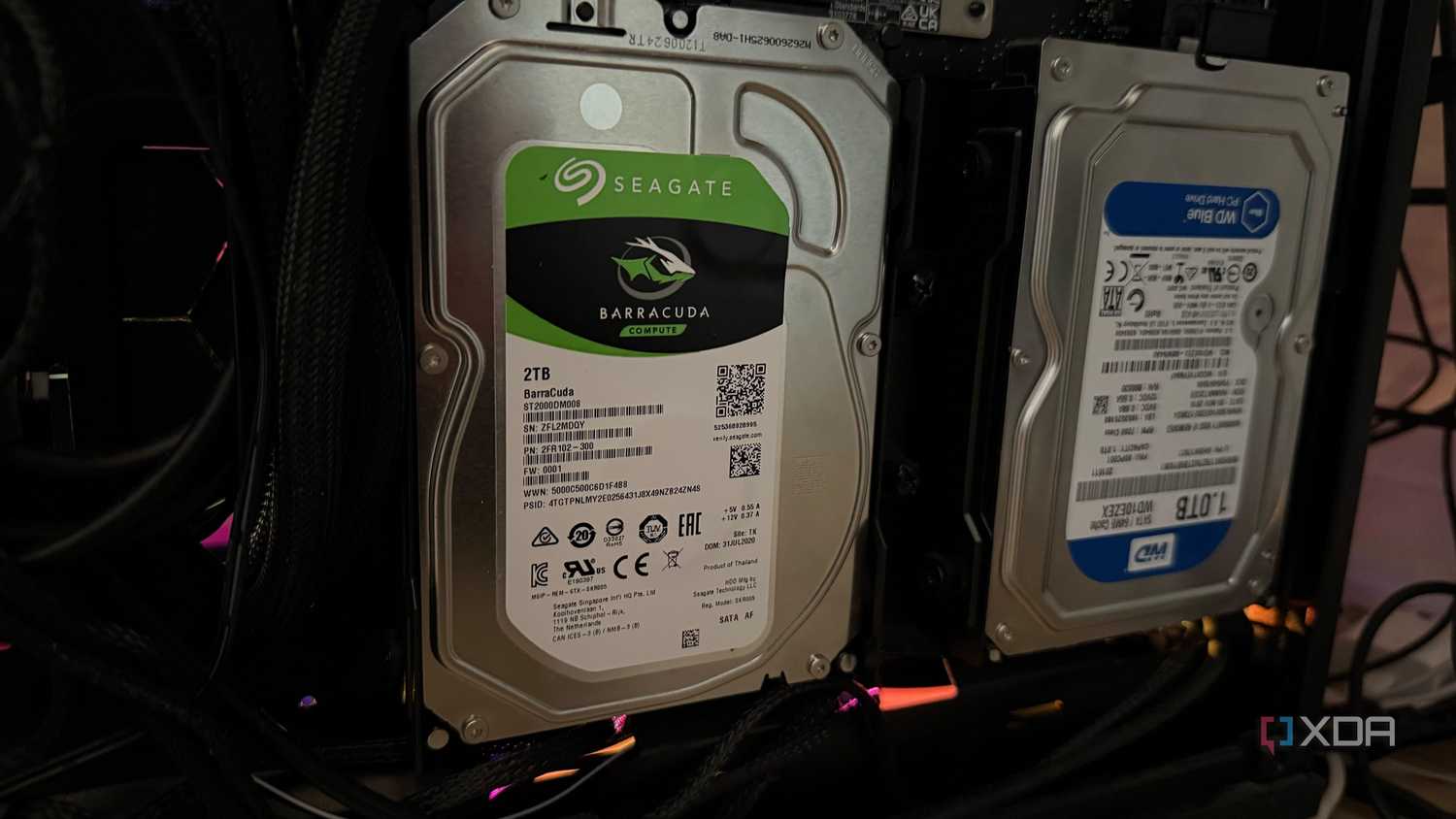
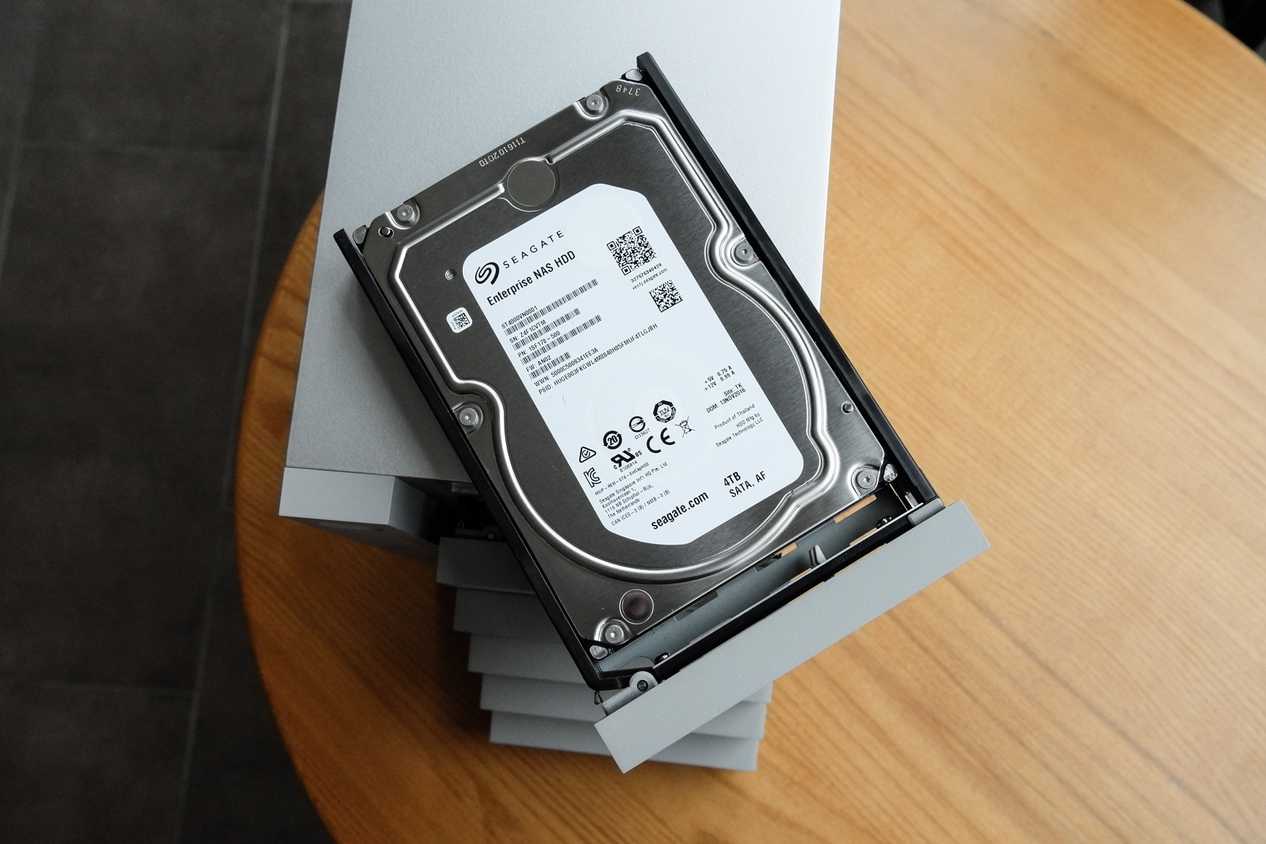
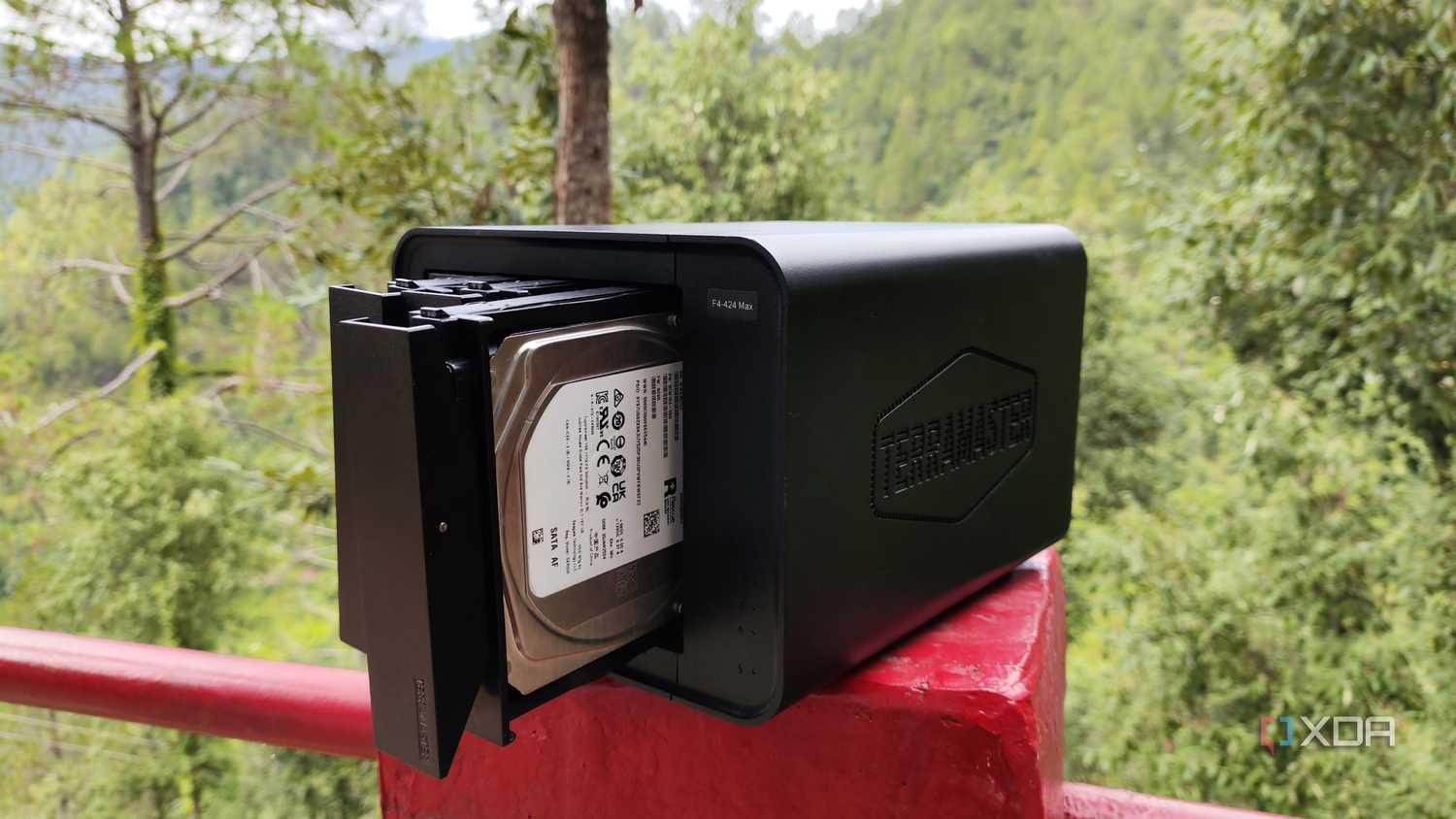
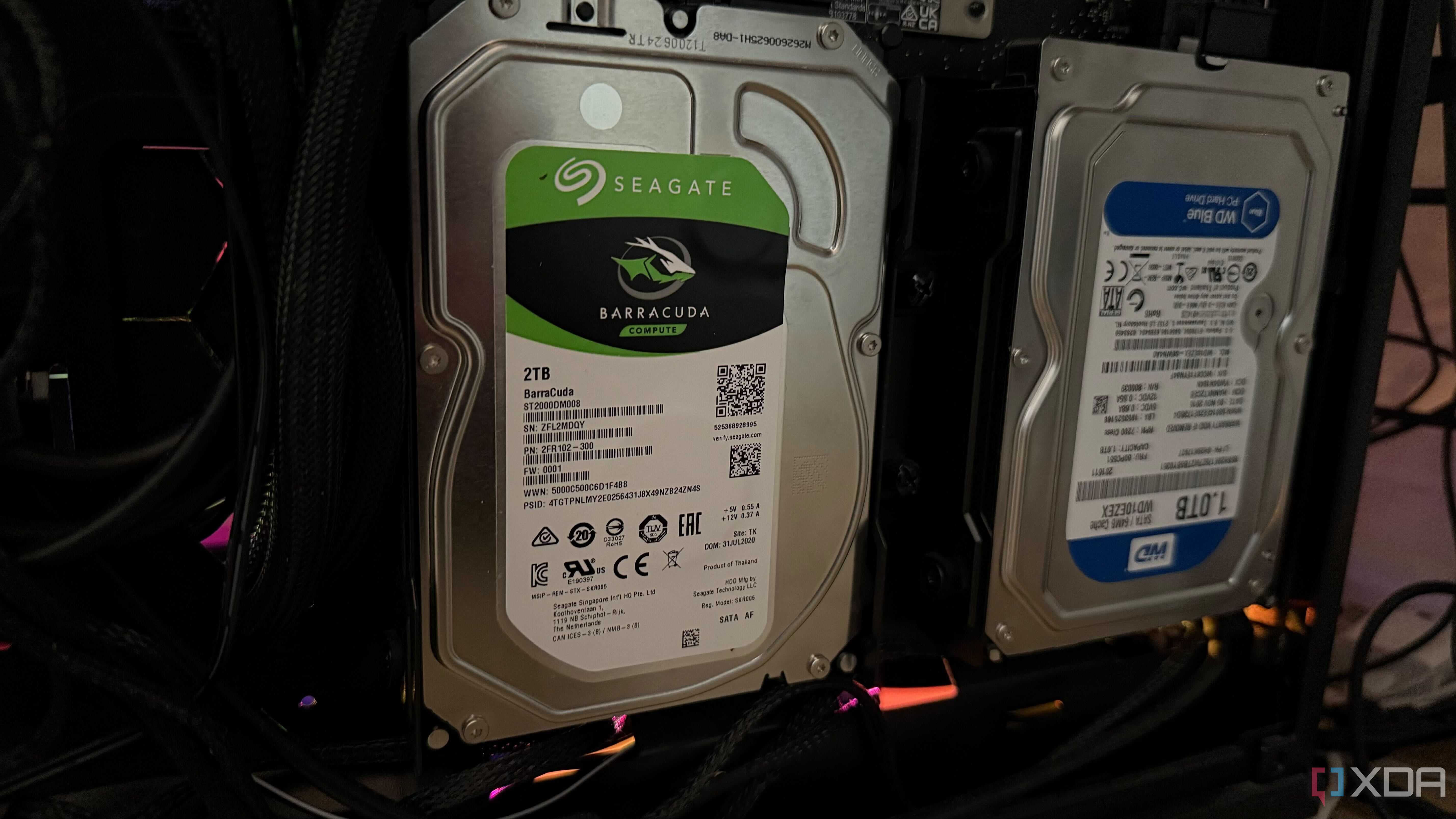
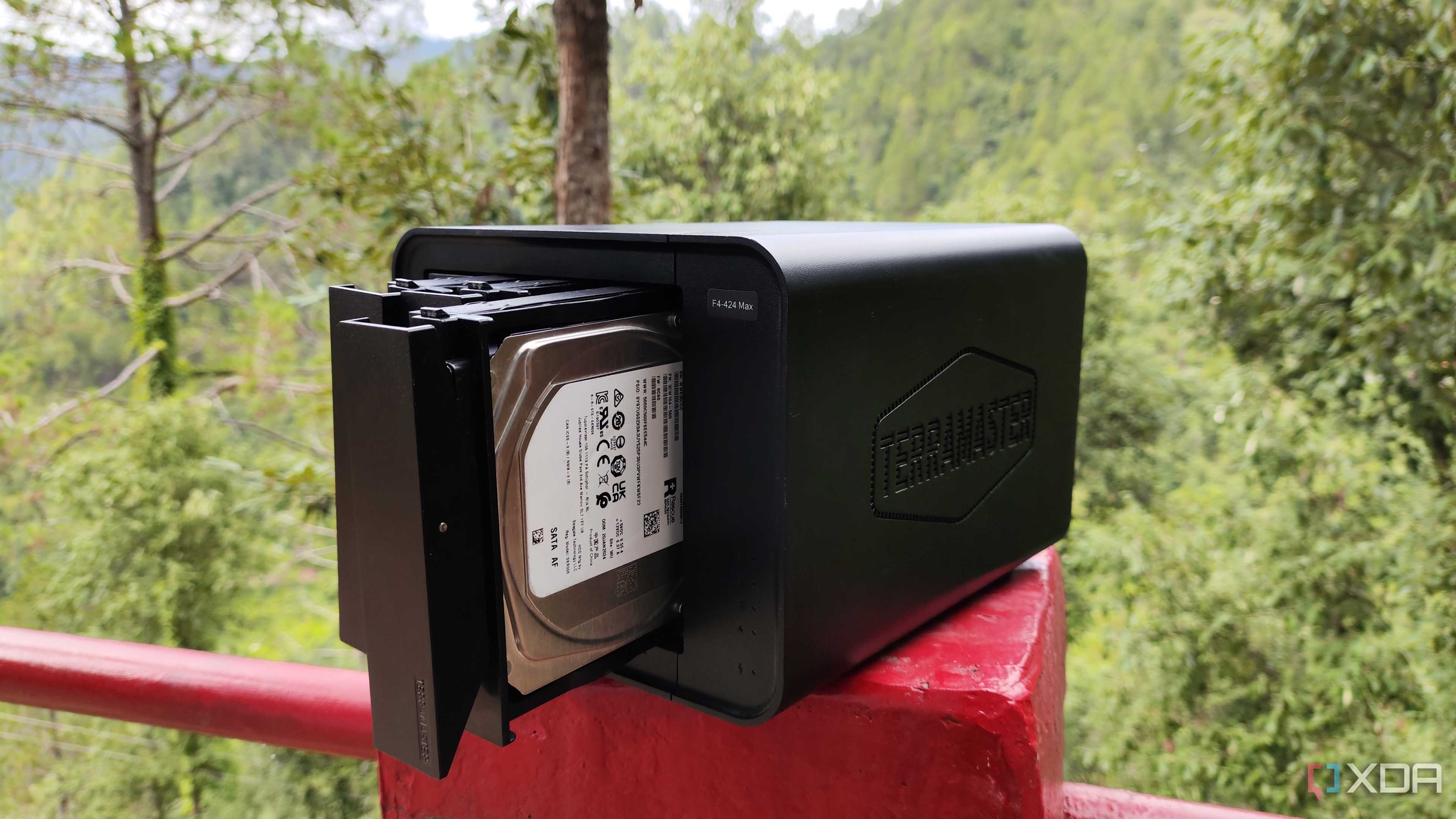
Storage is one of the main reasons why people start to self-host in the first place. Having your own NAS can be a game-changer, but once you start storing enough data—and want backups of that data—the entry cost can balloon in a hurry. You can start to understand why someone might just want to pay monthly for storage, despite the fact that eventually self-hosting can pay for itself. That's assuming you won't need to upgrade at all as your storage needs increase, though.
Self-hosting is still worth it
Make no mistake—self-hosting is still absolutely worth it. The control, flexibility, and learning experience make it something worth your time and money, but painting it as an alternative to monthly subscriptions that has no downsides isn't honest. If you plan for a setup that accounts for your time, potential upgrades, and costs down the line, you'll be much more likely to stick with it instead of getting jaded.
