


If you’ve gone looking for a memory upgrade lately, you’ve probably noticed that RAM prices have shot up, seemingly overnight. What was once the most affordable part of any PC build has become a weird luxury item, allegedly thanks to AI data centers hoovering up an unprecedented share of global DRAM supply.
With high-bandwidth memory consuming wafer starts and manufacturers redirecting stock toward enterprise contracts, DDR5 prices have risen high enough that many people are questioning whether they actually need those extra gigabytes. Fortunately, RAM upgrades aren't the only additions to your PC that can deliver meaningful improvement, especially if you're already at or above the 16 GB mark.
Adding higher capacity, faster storage
Storage is still relatively inexpensive


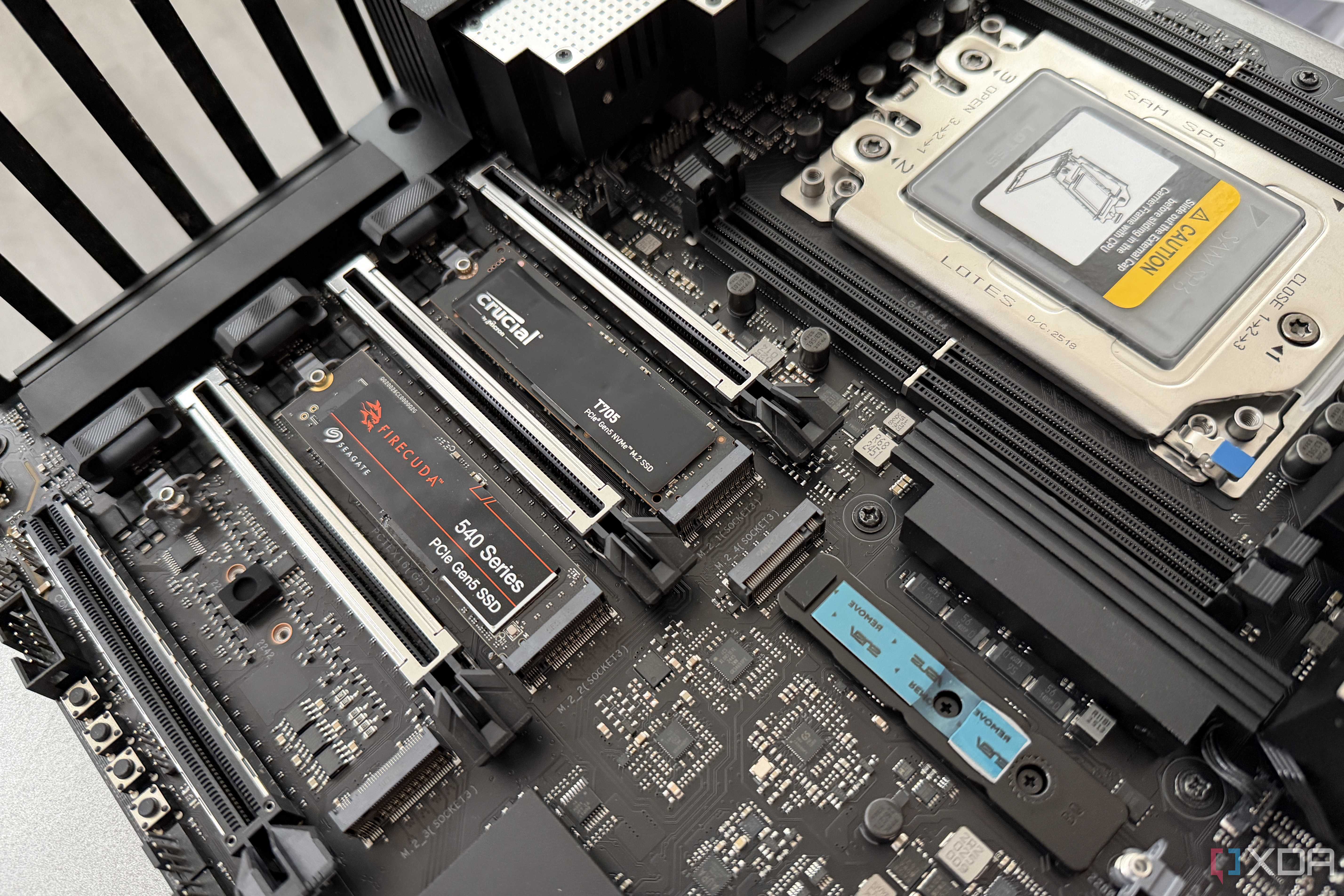
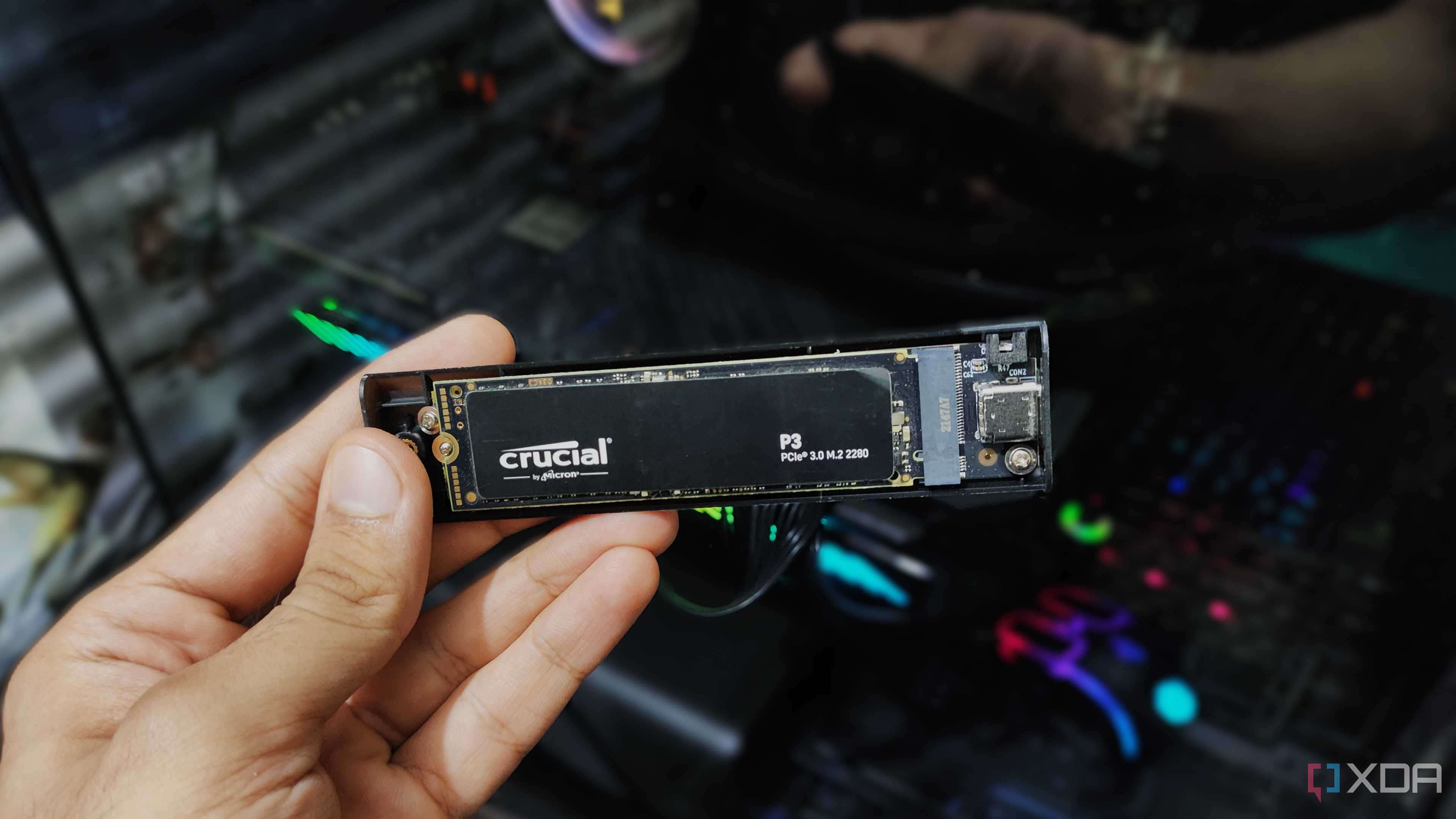
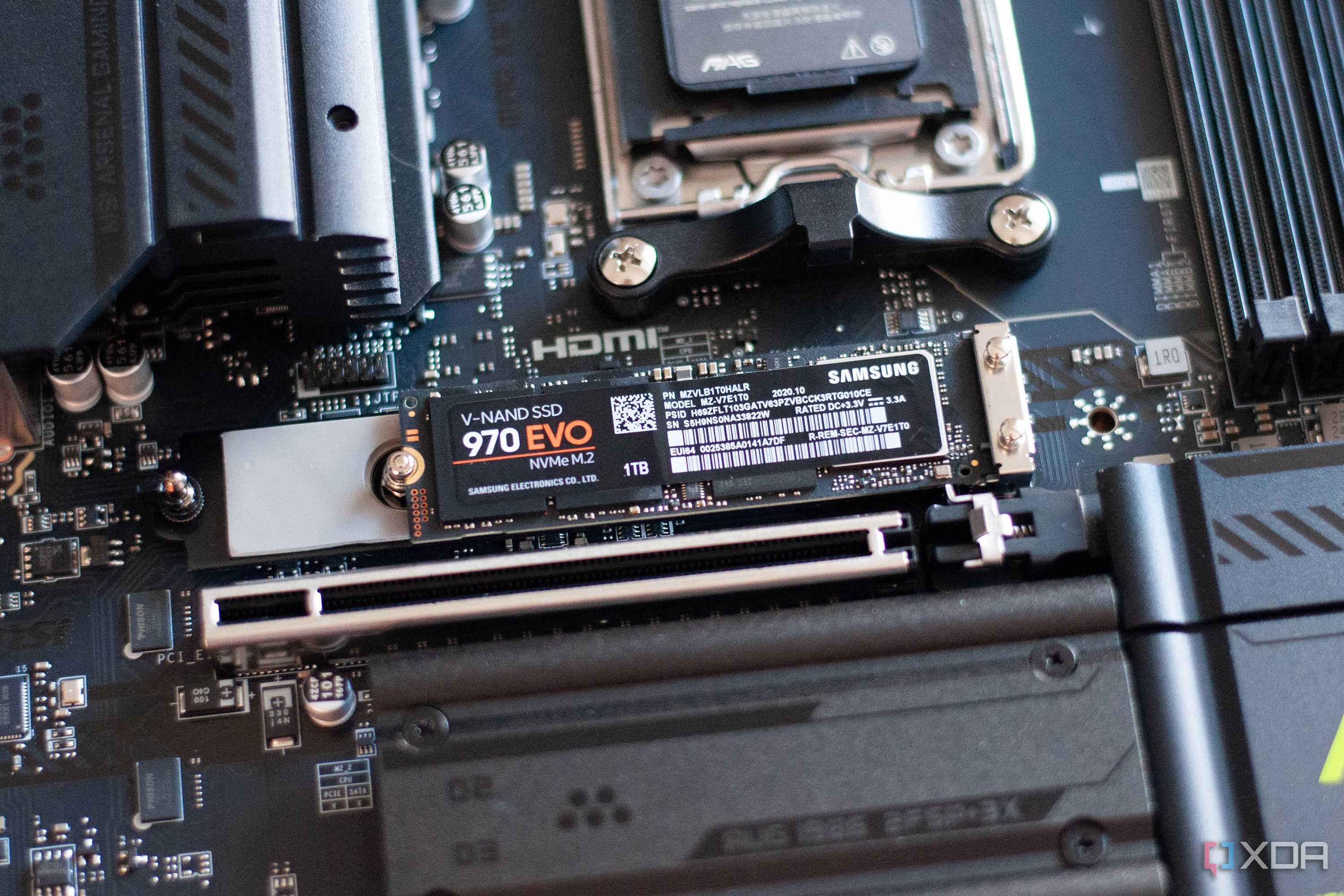
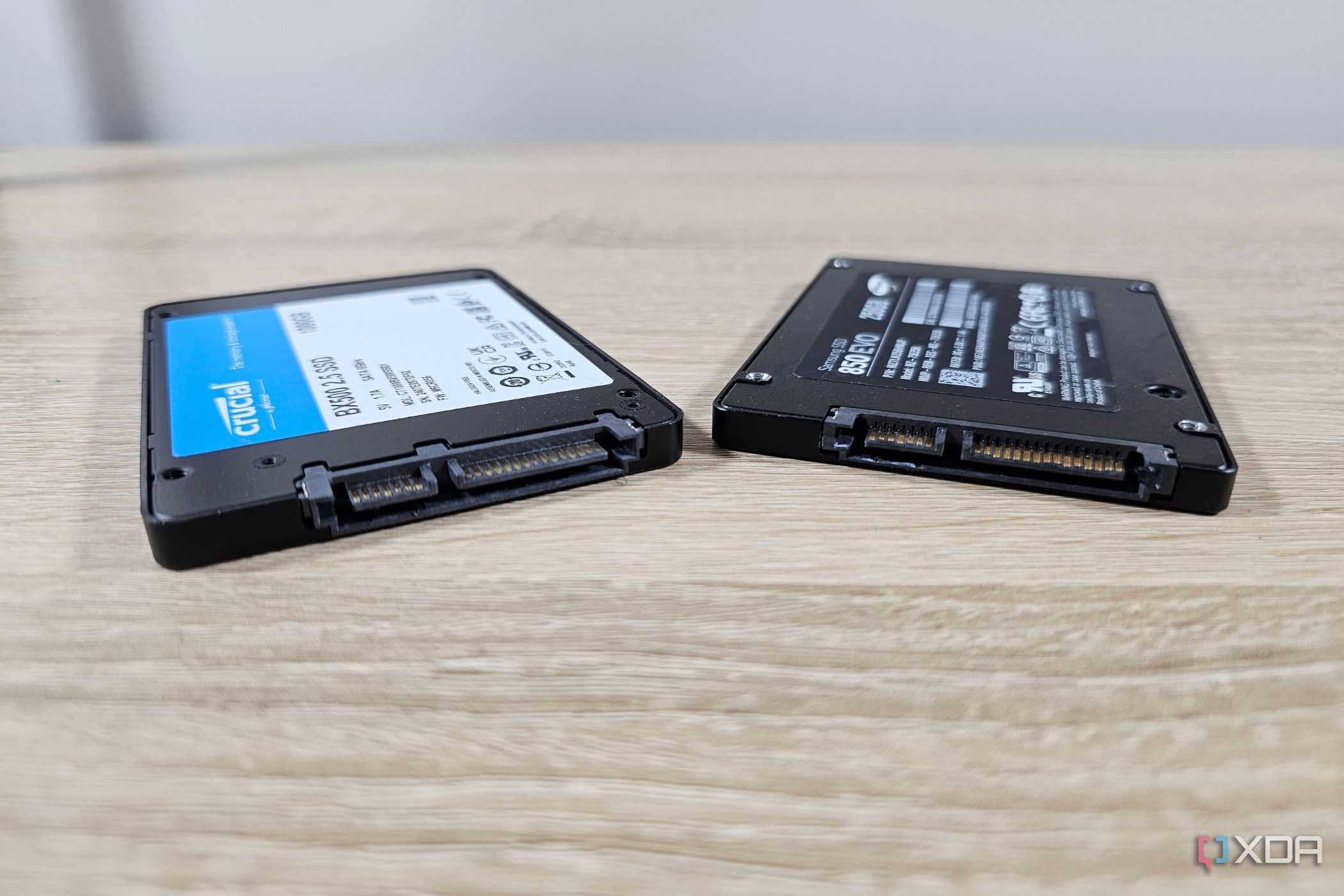
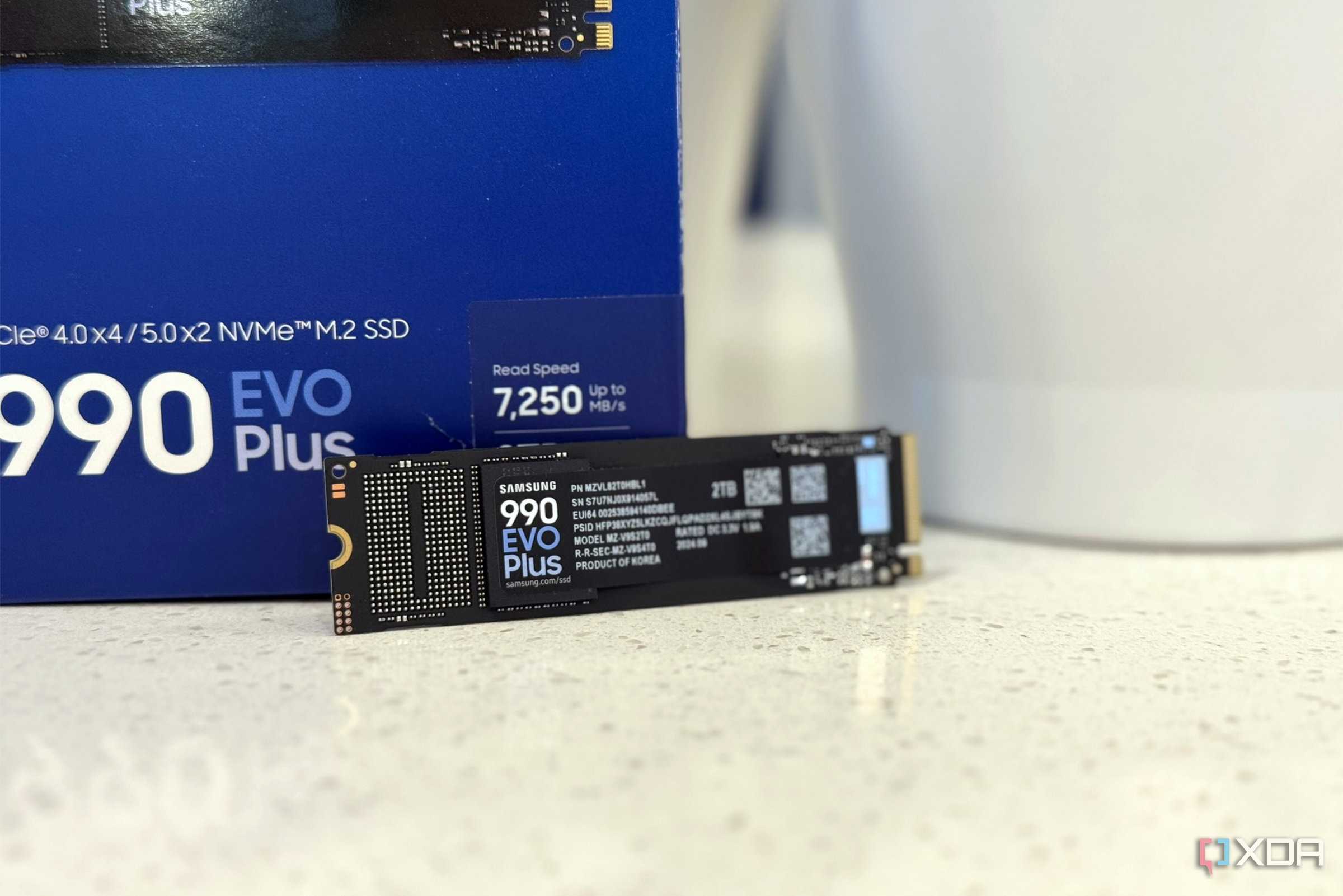

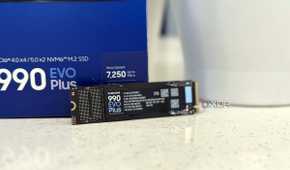
Storage is one of the easiest upgrade "Ws" you can grab, especially right now. It's speculated that the rising cost of DRAM could eventually spill over to flash storage, but for now, that doesn't seem to be the case.
Fast, high capacity storage can be a game changer for a system that doesn't have much of it. It can completely transform how quickly your system boots, loads apps, and compiles shaders. Even adding a second drive specifically for games or scratch files can make your system feel more responsive while offloading work from your primary disk. If your system is dropping into swap space a lot because of your lack of RAM, getting a really fast disk to handle swap might not be a permanent fix, but it's one that can hide that deficiency a bit better than other upgrades might.
Swap your CPU
An in-platform upgrade can be huge

Unless you're already at the end of your upgrade path, upgrading your CPU to something within platform doesn't only dodge the potential requirement for new RAM (if you were to go from DDR4 to DDR5), but it's probably more influential than additional memory as well.
If you're a gamer on AM4 and you don't already have a Ryzen 7 5800X3D, now might be a good time to make the jump, for example. The gaming gains you'd see from that will almost always be more significant than more RAM, unless you're severely limited.
Replace an aging GPU
GPU prices are more reasonable than RAM at the moment


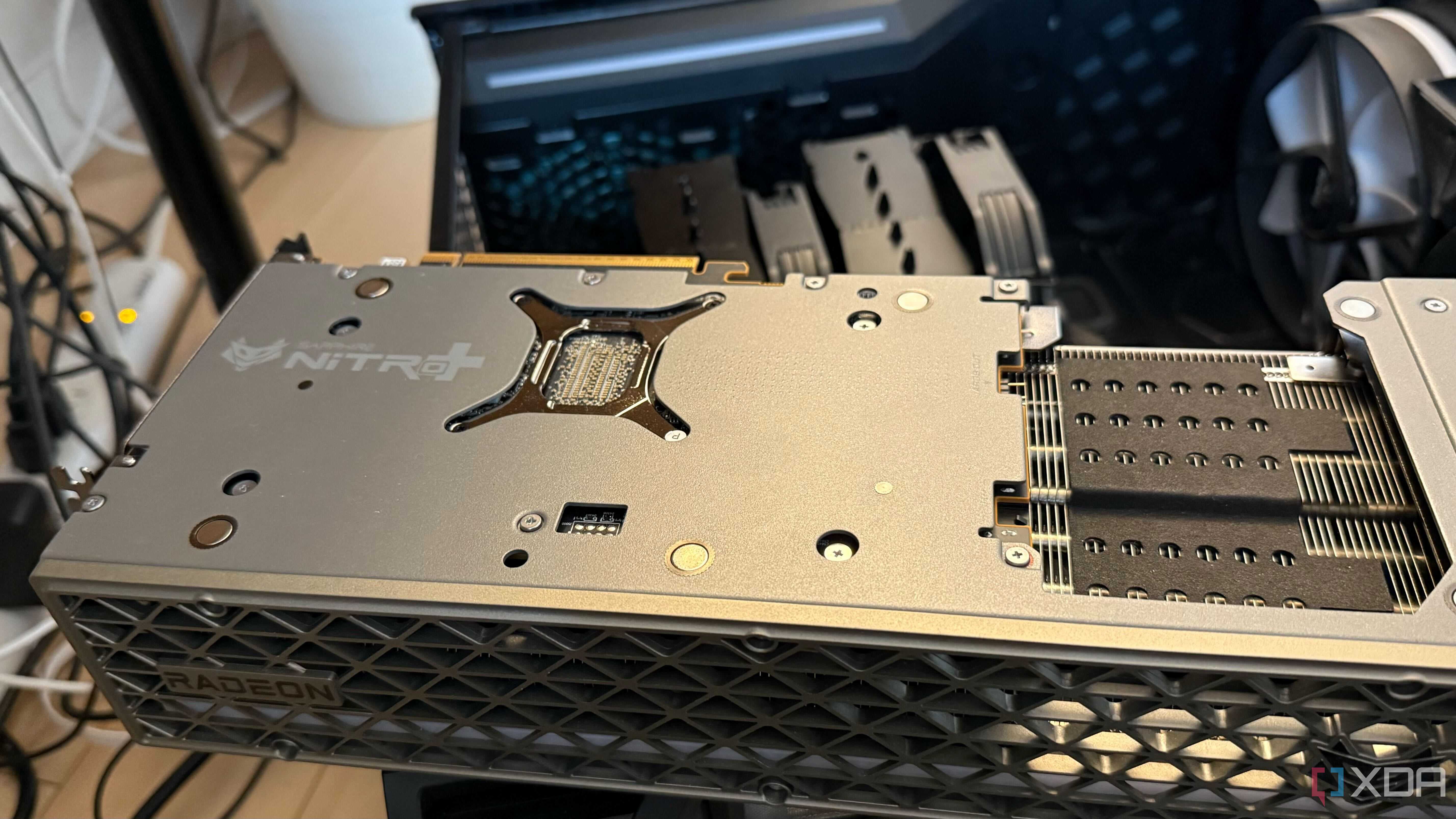

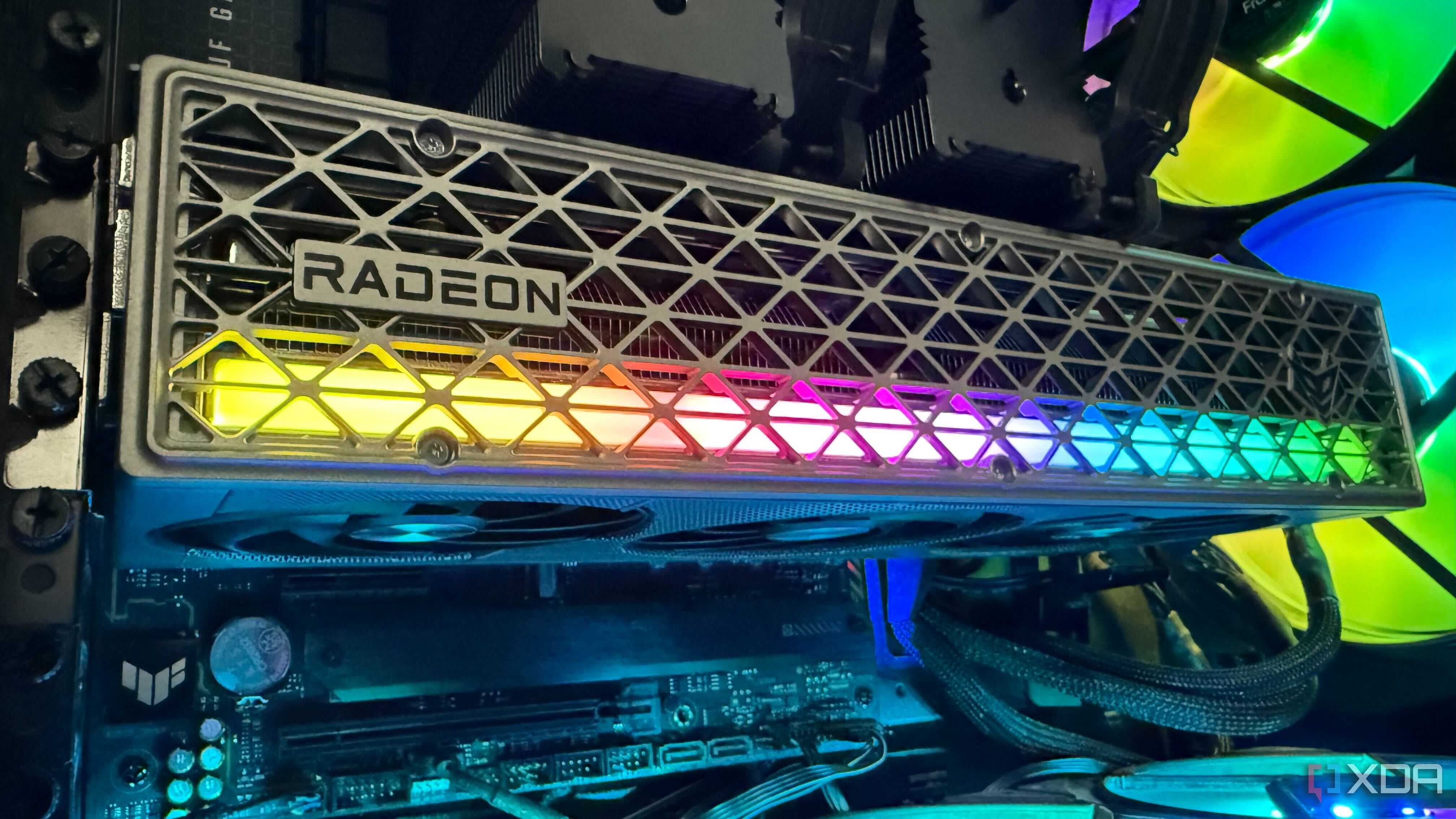

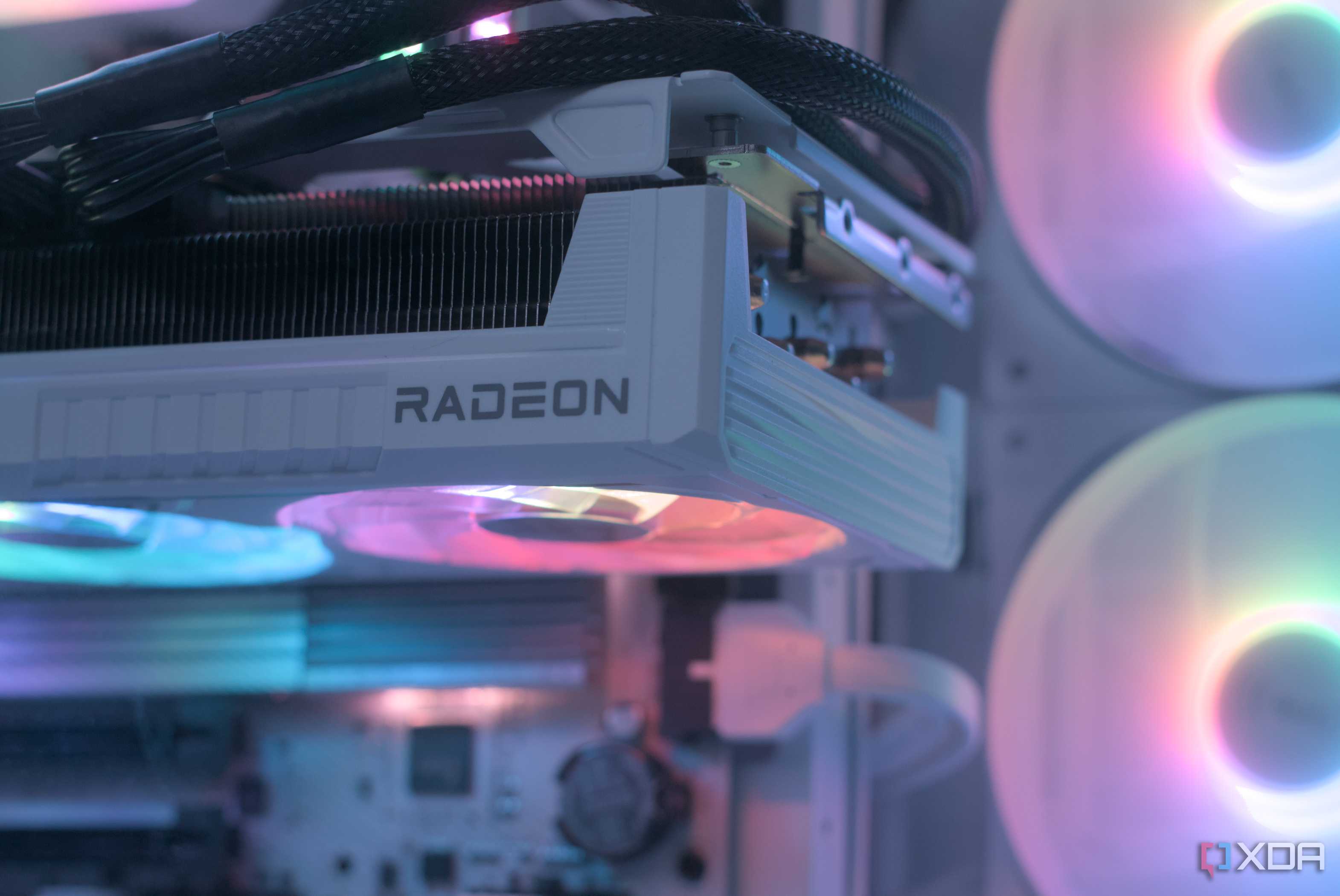
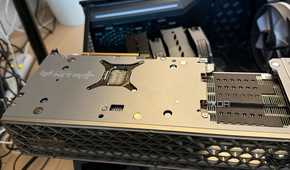

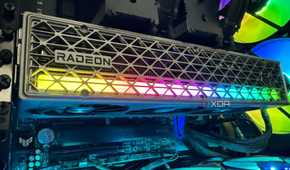

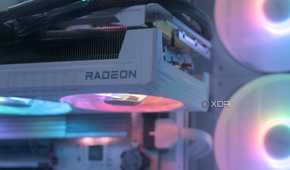
If you’re coming from a last-generation or older card, a GPU upgrade often produces more real-world impact than a memory upgrade ever would. GPU pricing has been relatively stable even as DRAM has spiked, but that might not be the case for long.
A graphics card could not only be cheaper than a new kit of memory, but will also be way more influential for your performance. Many games are GPU-limited long before they’re RAM-limited, so it’s often a more sensible way to spend your money. You can always revisit a RAM upgrade when prices come back to Earth, and if you're on a budget, looking at the pre-owned market might be the best way to get the most out of your money.
A new display
Could be one of the most transformative upgrades you make

While RAM prices have climbed, monitor prices (especially for OLED and high-refresh rate options) have been trending downward. A display upgrade changes literally everything you do on your PC, from gaming to all kinds of productivity. If you really want to feel a new upgrade, a monitor is probably the one that will make the biggest difference in your day-to-day usage. The jump from an old 144Hz TN panel to a 240Hz IPS (or OLED if you can really splash the cash) is one of the biggest jumps one can make for a PC setup.
Undervolting
Can sometimes feel like an upgrade on its own

If you want an upgrade that costs nothing, undervolting is one of the easiest ways to get it. A well-tuned undervolt on your CPU or GPU can dramatically reduce temperatures, fan noise, and power draw while keeping the same (or even higher) level of sustained performance by avoiding thermal or power throttling.
Modern GPUs can sometimes run dozens of watts lower with no performance loss, turning a hot, loud machine into something far smoother and quieter. CPUs benefit too, especially on laptops or small-form-factor desktops where sustained boost is limited by thermals. The best part is: it costs absolutely nothing to perform an undervolt besides a little bit of time, and there isn't the same sort of risk to the longevity of your hardware like there may be with overclocking.
RAM prices can't stay this high
DRAM prices won’t stay high forever. As AI data centers stabilize and manufacturers scale up HBM and DDR5 production, consumer markets should eventually see relief. Until then, these upgrades offer a far better value than paying inflated rates for memory. When RAM pricing resets, you’ll be in a much better position to upgrade on your own terms.
