


For years, “future-proofing” has been one of those ideas that gets thrown around constantly in PC building circles. Spend more now, the logic goes, and your rig will last longer. You’ll avoid participating in expensive upgrade cycles, sometimes dodge teething issues, and even save some money in the long run.
The ongoing DRAM price hike has consequences that reach far beyond just DDR5 and DDR4 RAM pricing, and in fact, a lot of upgrades that builders had planned for 2026 and beyond might have to wait if they don't want to spend a fortune. "Future-proofing" is often thought about in terms of performance, but really, these days it's more about saving yourself from having to participate in the circus that is the PC hardware market.
The DRAM shortage shows how fast everything can change
In literal weeks, RAM has become unaffordable for many

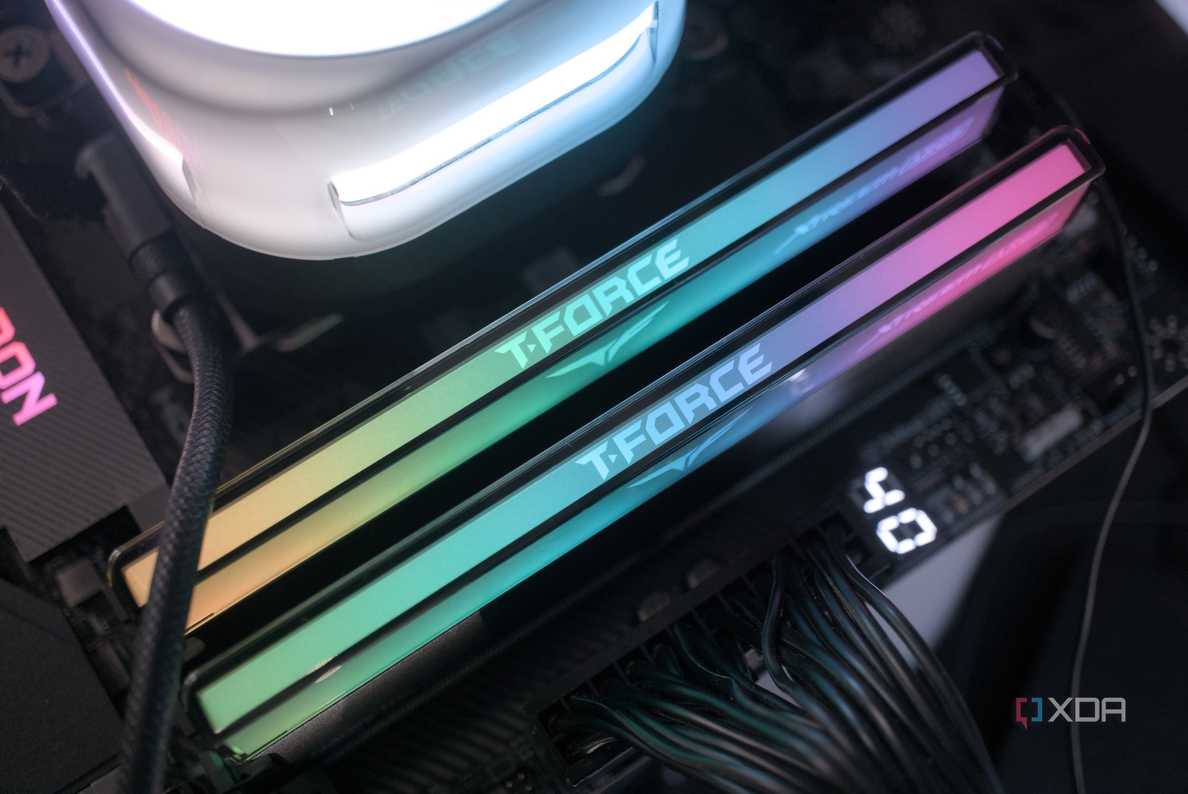


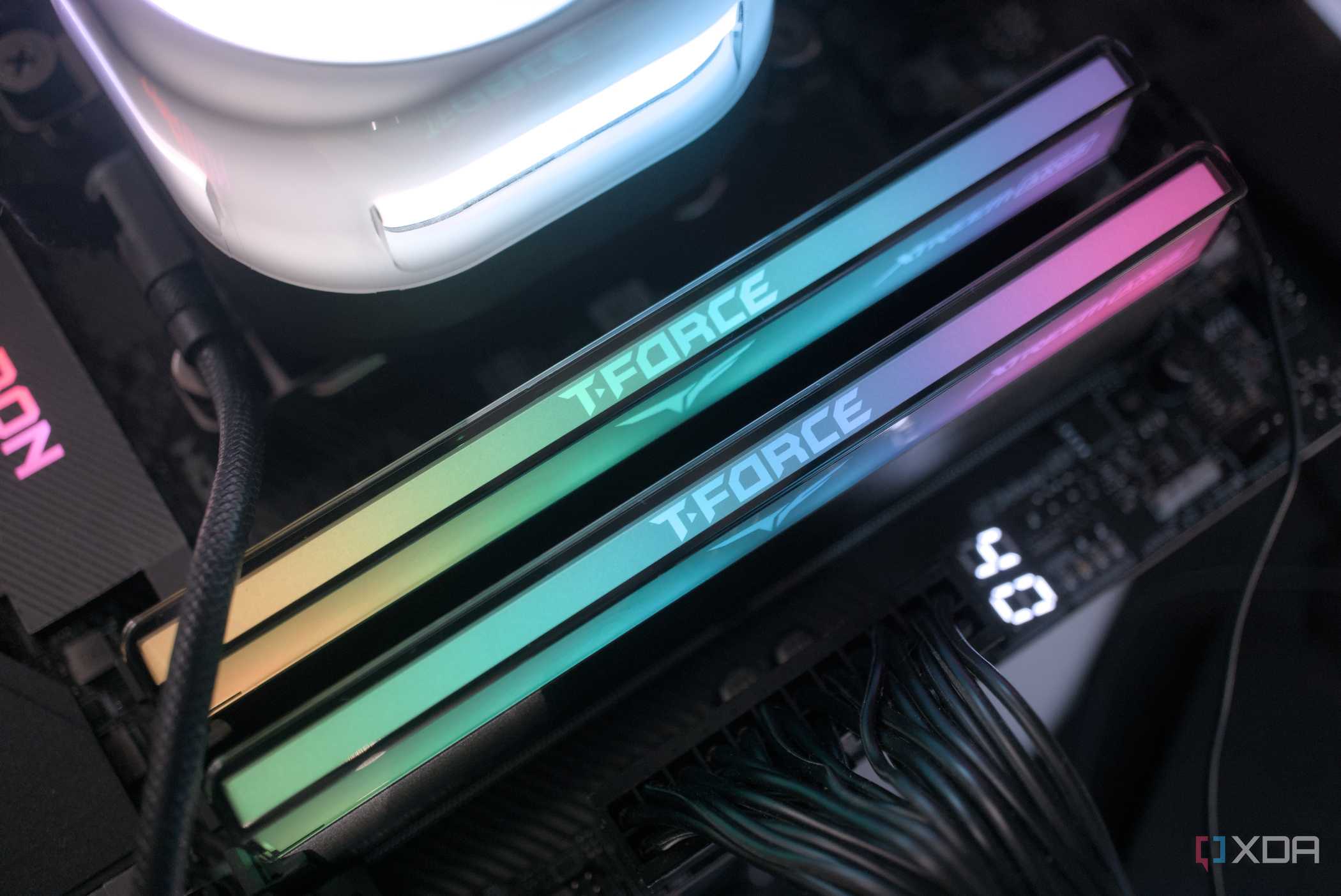
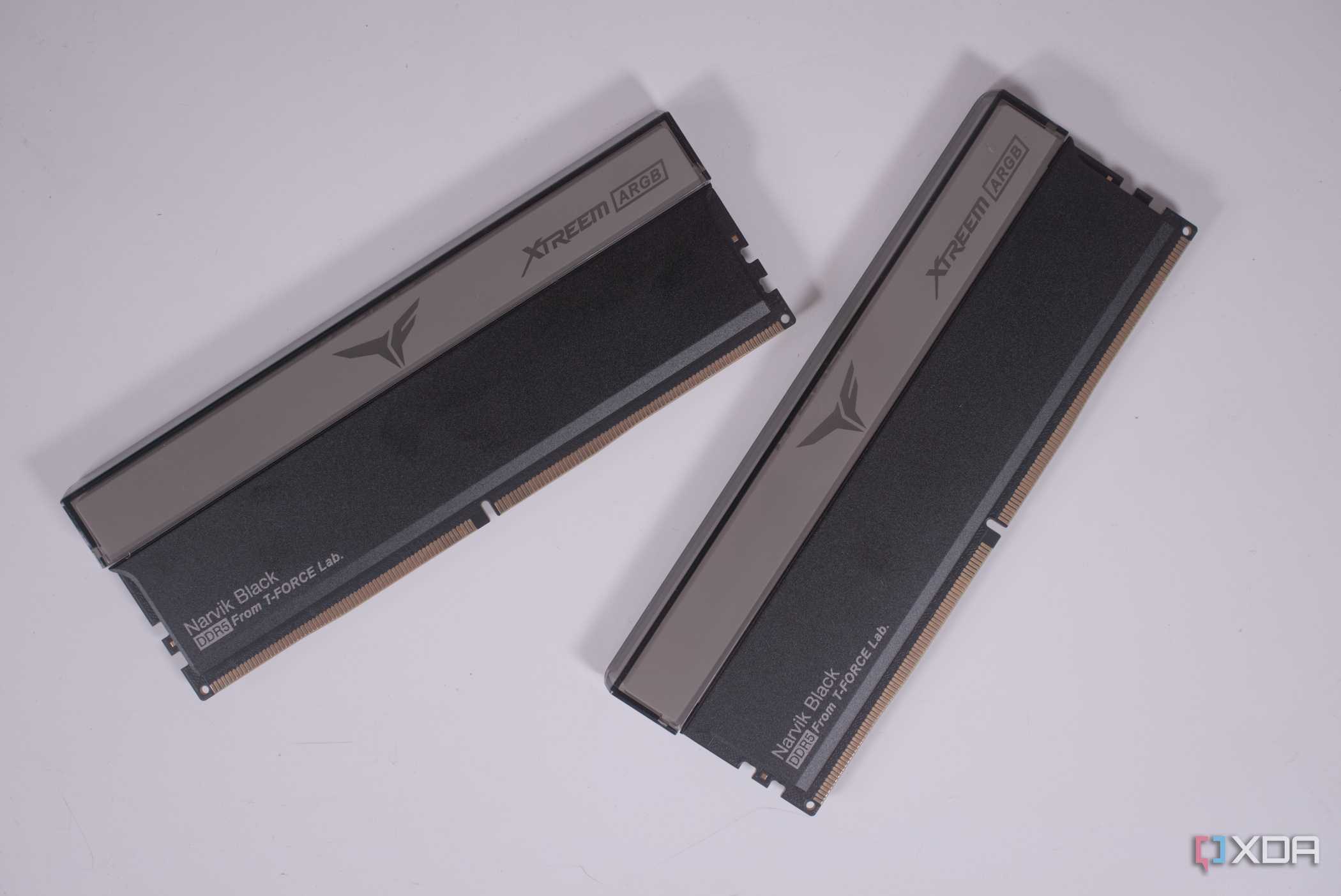
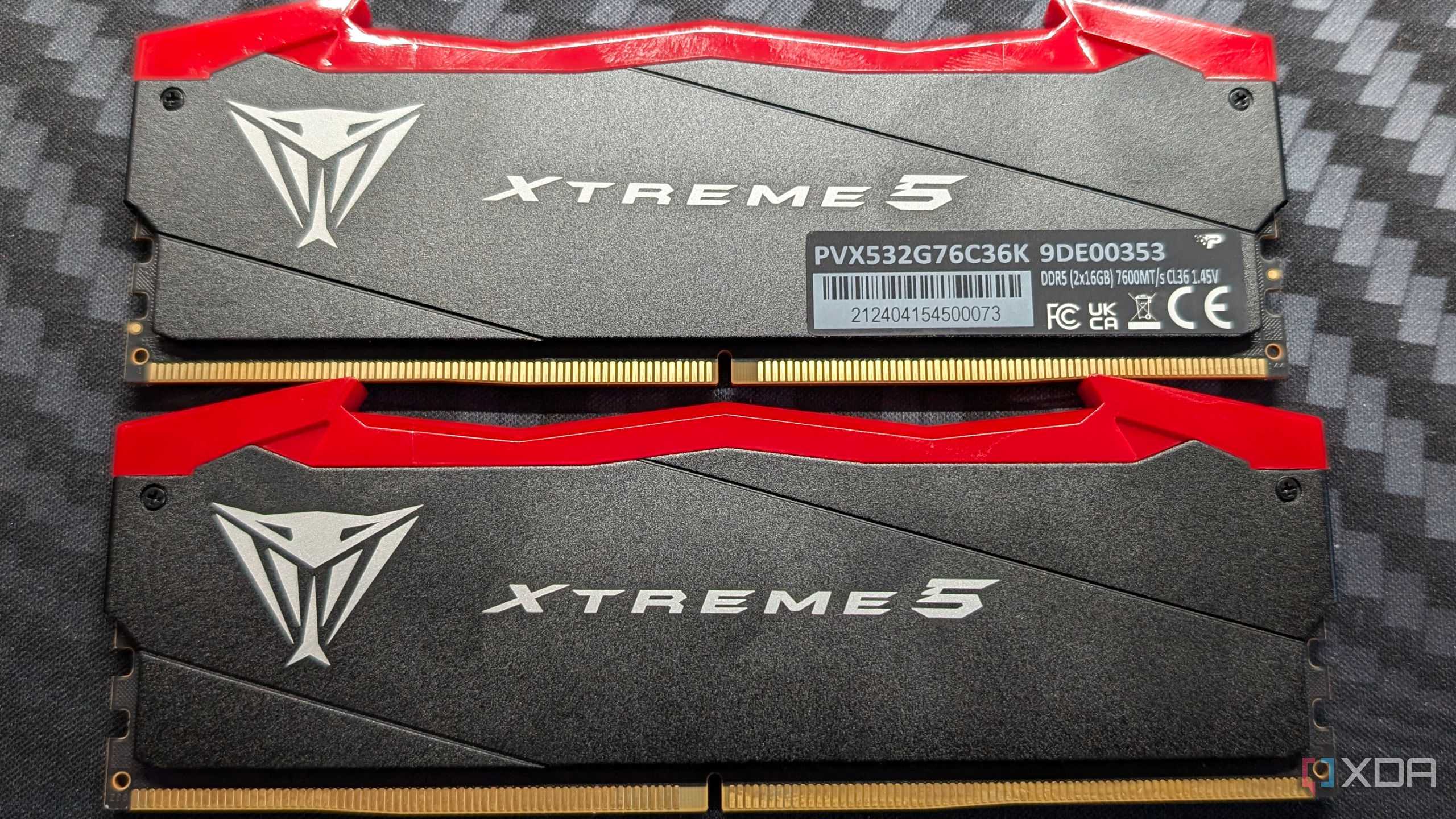
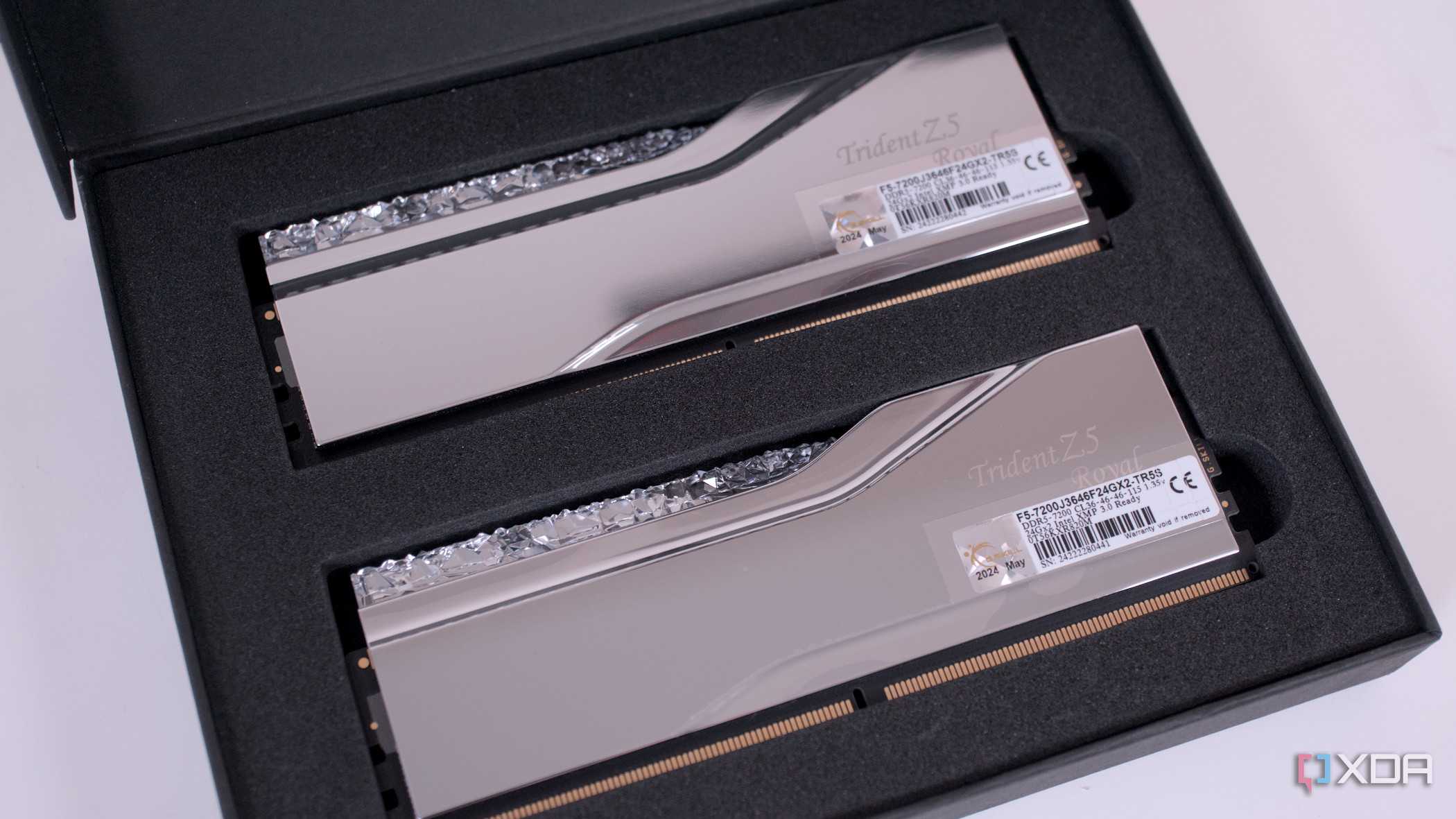


This latest spike in memory pricing didn’t unfold gradually. It hit like a truck. While the cause is due to many different market conditions, the primary one seems to have to do with AI and enterprise workloads, which are consuming DRAM production at an unprecedented rate. High-bandwidth memory (HBM), a critical component for AI accelerators, uses the same DRAM wafer supply that consumer memory relies on, and as a result, manufacturers are shifting capacity toward far more profitable enterprise contracts, and consumer DDR5 and DDR4 are getting squeezed.
This isn’t just another “RAM is up 15% this year” sort of cycle. Prices have climbed sharply, availability is tightening, and the trend is expected to continue into late 2025 and potentially 2026. That means anyone who assumed they could simply “upgrade later” is now stuck facing a far more expensive market than they ever planned for.
Timing matters
You can't future-proof for performance, but you can try to future-proof against market demands

While "future-proofing" is nearly impossible to do, building your PC with the goal of avoiding as many upgrade cycles as possible is a much more reasonable way to go about it, especially if you can pony up the cash up front. It's impossible to predict price increases like the ones happening with DRAM currently, but pulling the trigger on upgrades while the going is smooth is proving to be a better strategy.
Prices weren't ridiculous when I upgraded my GPU and RAM, but they weren't great either. I got lucky; getting my upgrades in 6 or 7 months before this massive hike wasn't a calculation, nor was it under the impression that I was "future-proofing" my rig, but rather, it was because I had realized that things were mostly stable. Stock was somewhat poor for the GPUs I was looking at, at least in Canada, but once I sniped one at around $100 over MSRP, I was satisfied.
Upgrading before the need is dire is key
I wasn't at the limit of my hardware yet

My RTX 3080 was more than enough for the loads I was putting upon it, pushing well into the hundreds of frames per second in most of the games I played. But I saw the writing on the wall, not in terms of AI devouring silicon, but in terms of my performance. I kept a close eye on benchmark graphs, new GPU releases, and ultimately, just how much time had passed. Also, 10 GB of VRAM wasn't going to last too much longer if I wanted to make the 4K monitor upgrade I had planned on, so instead of waiting for games to catch up to my card, I upgraded when I was presented the opportunity. Sure, my RTX 3080 would've been fine for another couple of years with DLSS in a lot of modern titles, but my new RX 9070 XT will be the backbone of my rig at native 4K for another 2 or 3 years at least, and with FSR, perhaps over 5. If I held onto my 3080 for 2 more years, there's a chance I'd be in the trenches with everyone else, paying an arm and a leg for a card that might not even be a good value.
You can't predict the future, but you can tell when your hardware is starting to age
You can't predict market trends, but putting off upgrades is proving to also be a bad strategy, especially if your hardware is nearing the end of its usable life cycle. When investing in a new PC, making sure you prioritize things like upgrade path within a platform is a great way to ensure you're not left paying a massive premium for parts that you could've otherwise had at a little bit of a premium. The strategy shouldn't be attempting to maximize performance now in order to stave off any upgrades as long as possible, it should be upgrading when your hardware is just starting to show its age.
